Be Amazing Vegan Protein Shake RTD
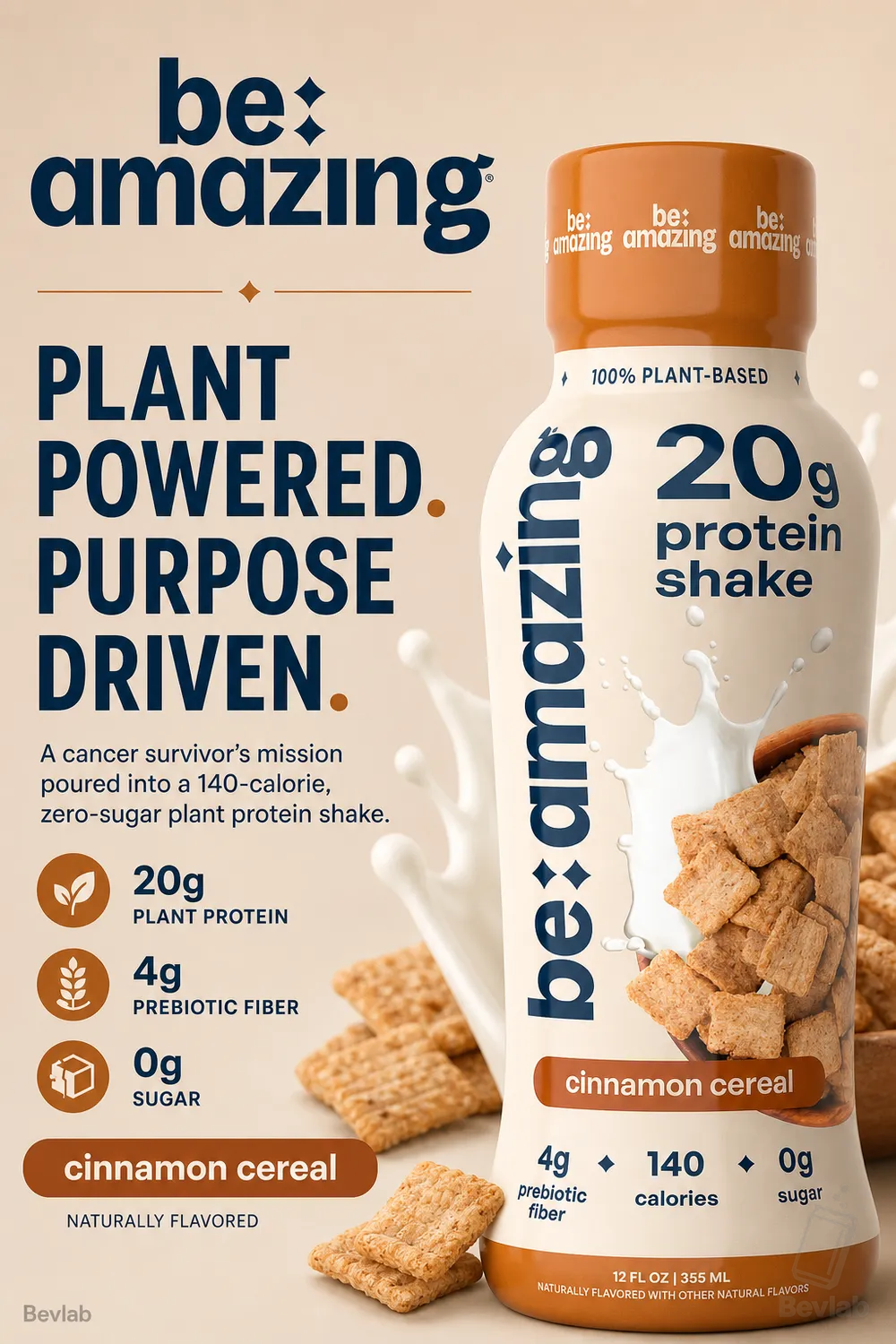
A cancer survivor's mission poured into a 140-calorie, zero-sugar plant protein shake.
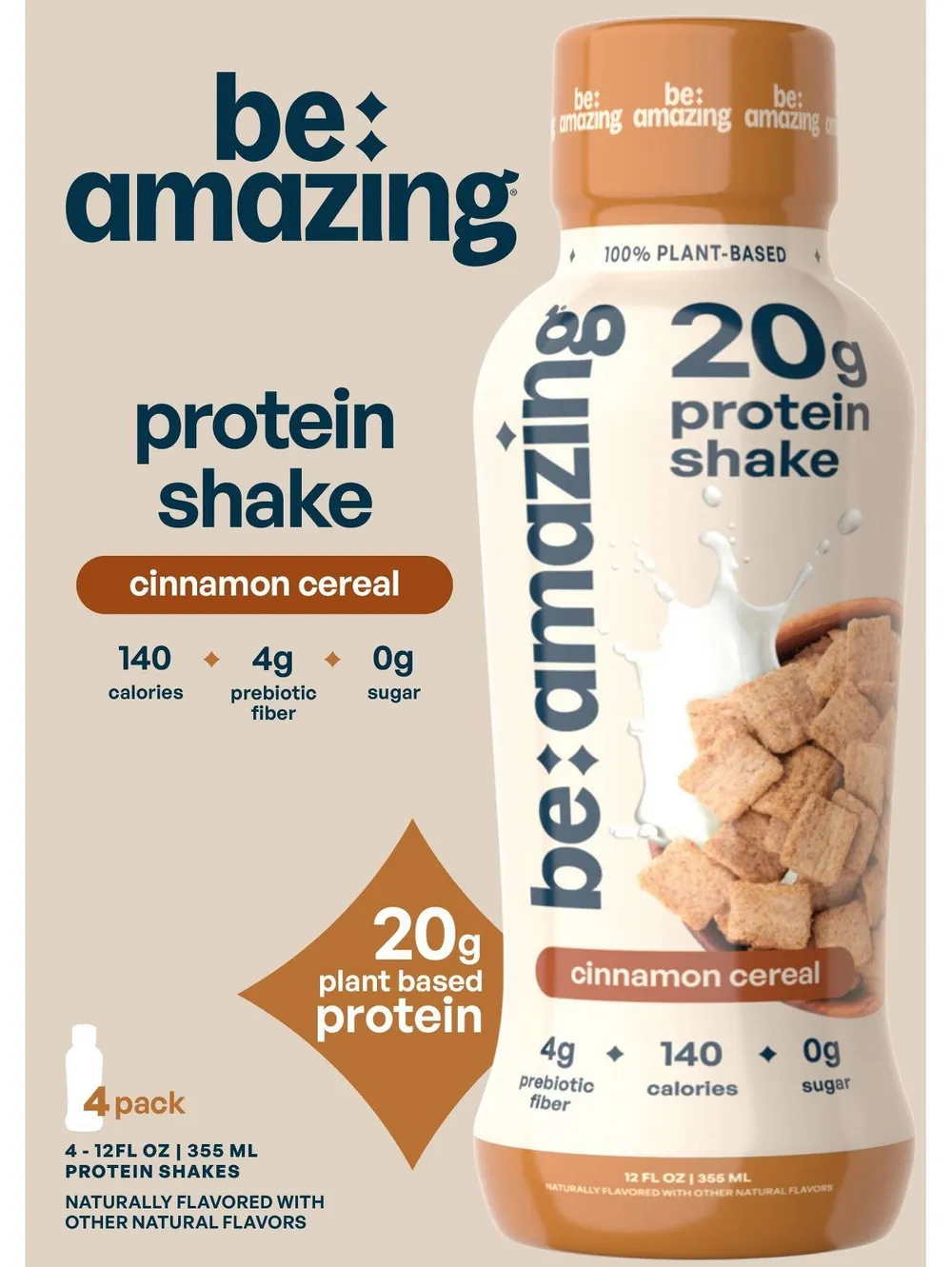
Be Amazing's Vegan Protein Shake RTD delivers 20g pea protein, 4g fiber, and zero sugar in 140 calories. Here's exactly what's in the bottle.
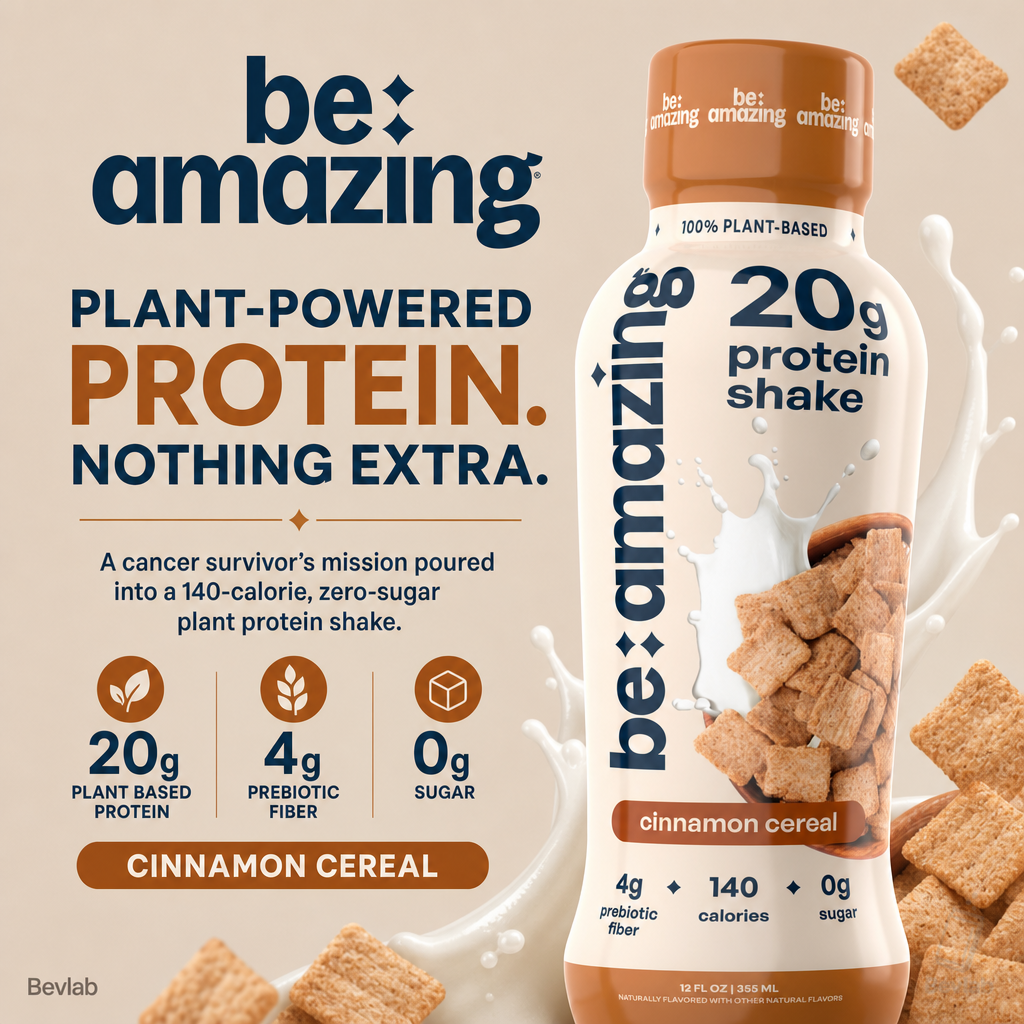
Be Amazing's Vegan Protein Shake RTD is a ready-to-drink plant protein shake built around 20g of pea protein, 4g of fiber, and zero grams of sugar, all packed into a 140-calorie bottle. The brand behind it was founded by a small group of friends after one of them survived a rare form of cancer, and the company says its mission is to build wellness products backed by science and clean ingredients that don't taste like punishment. That founder-first framing matters here because the ingredient list backs it up: no gums-and-fillers proprietary blend, no added sugar, and a label that reads more like a short grocery list than a chemistry set.
For a category flooded with dairy-based protein shakes and sugar-heavy "healthy" drinks, a vegan RTD hitting 20g protein at 140 calories with zero sugar is a genuinely competitive spec. Let's get into what's actually doing the work.
Be Amazing Vegan Protein Shake RTD Nutrition Facts
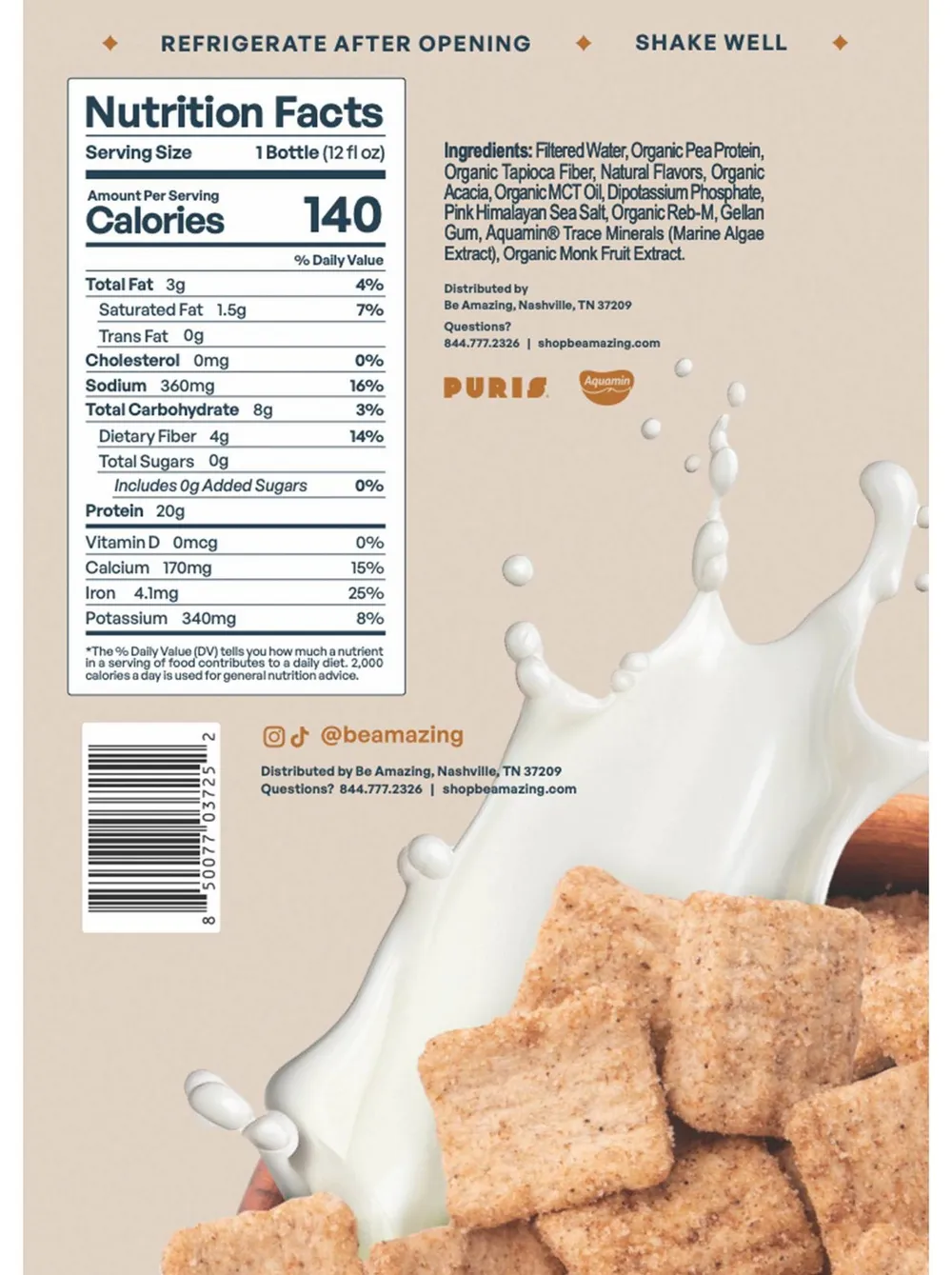
Per 1 bottle (12 fl oz):
- Calories: 140
- Total Fat: 3g
- Saturated Fat: 1.5g
- Trans Fat: 0g
- Cholesterol: 0mg
- Sodium: 360mg (16% DV)
- Total Carbohydrate: 8g
- Dietary Fiber: 4g (14% DV)
- Total Sugars: 0g
- Added Sugars: 0g (0% DV)
- Protein: 20g
- Vitamin D: 0mcg (0% DV)
- Calcium: 170mg (15% DV)
- Iron: 4.1mg (25% DV)
- Potassium: 340mg (8% DV)
Be Amazing Vegan Protein Shake RTD Ingredients
Each 12oz bottle provides the following key actives:
-
Pea Protein - 20g Protein
Pea Protein is the entire reason this shake hits 20g of protein without a drop of dairy. It's derived from Pisum sativum (yellow field pea) and is generally rich in lysine, though it runs lower in sulfur amino acids like methionine compared to animal proteins. That gap sounds like a bigger deal on paper than it plays out in practice: a controlled trial found 30g of pea-derived protein produced muscle protein synthesis rates identical to 30g of milk-derived protein in healthy young men, even though the milk protein produced a higher circulating amino acid spike.[1] A separate postexercise trial found 25g of pea protein triggered a myofibrillar synthesis response comparable to mycoprotein and a pea-mycoprotein blend, showing pea's lower methionine content didn't blunt the acute anabolic response at that dose.[2] Digestibility research comparing pea isolate to casein found real ileal digestibility of 93.6% versus 96.8%, a gap that didn't reach statistical significance.[3] For a vegan shake, that's a solid foundation.
-
Organic MCT Oil
MCT Oil is a concentrated source of medium-chain triglycerides, mostly caprylic (C8) and capric (C10) acid, typically fractionated from coconut oil. Unlike long-chain fats, these shorter fatty acids absorb more directly into circulation and get metabolized quickly for fuel rather than stored. The brand doesn't disclose the exact MCT Oil dose, but it likely contributes to the shake's 3g of total fat and 1.5g of saturated fat. Research on MCT oil shows it can produce a modest satiety edge: a meta-analysis of acute feeding studies found MCT reduced subsequent ad libitum energy intake compared to long-chain fats, though it didn't change subjective hunger ratings.[4] Separate review literature outlines mechanisms including increased diet-induced thermogenesis and reduced adipose storage relative to long-chain fat sources.[5] In this beverage, MCT Oil is mostly a background fat source rather than a headline ingredient, but it's a reasonable inclusion for a shake built around clean, purposeful ingredients.
-
Organic Acacia (Acacia Fiber)
Acacia Fiber, also called gum arabic, is a low-viscosity soluble fiber pulled from Acacia senegal and Acacia seyal trees. It's a popular fiber-fortification ingredient in beverages specifically because it dissolves cleanly without thickening the drink. In a 4-week randomized trial in patients with constipation-predominant IBS, acacia fiber titrated up to 10g/day produced a clinically meaningful increase in stool frequency compared to placebo.[6] A larger, more mechanistic trial found acacia gum at 25-35g/day shifted gut bacteria toward beneficial species like Bifidobacterium longum and increased short-chain fatty acid production, though it didn't move standard cardiometabolic markers at the group level.[7] The amount here is well below those research doses since it's sharing a 4g total fiber budget with tapioca fiber, but it's contributing to the shake's digestive-friendly profile rather than acting as a standalone therapeutic dose.
-
Organic Tapioca Fiber
Tapioca Fiber here refers to a resistant dextrin made from tapioca starch, engineered to resist digestion in the small intestine so it acts more like fiber than starch. In a crossover trial, 50g of tapioca resistant maltodextrin produced a plasma glucose reading of 104.6mg/dL at 30 minutes post-ingestion, compared to 135.87mg/dL after regular glucose and 127.93mg/dL after digestible tapioca maltodextrin, with a correspondingly lower insulin response.[8] At the broader resistant-dextrin category level, a meta-analysis of 29 trials found consistent increases in stool frequency and volume across doses generally in the 4-14g/day range.[9] Combined with acacia fiber, this pairing is what gets the shake to 4g of dietary fiber (14% DV) without relying on a viscous, chalky-textured gum that would ruin the drinking experience.
-
Dipotassium Phosphate
Dipotassium Phosphate is a mineral salt that supplies both phosphorus and potassium in one ingredient, which is why it shows up in this formula rather than two separate additives. Phosphorus is structurally essential, forming the backbone of ATP, DNA, and cell membranes, and it's absorbed efficiently in the gut through both active and passive transport routes.[10] The brand doesn't disclose the specific phosphorus amount on the label. Potassium is the more relevant number here since it's on the Nutrition Facts panel at 340mg (8% DV). That matters because potassium is a documented U.S. "shortfall nutrient," with typical intake sitting at roughly half the 4,700mg adequate intake target, and a favorable sodium-to-potassium ratio is more consistently linked to lower blood pressure than either mineral studied alone.[11] A single serving of this shake won't close that gap on its own, but it's a meaningful contribution in a beverage that's also delivering protein and fiber.
-
Aquamin Trace Minerals (Marine Algae Extract)
Aquamin is a branded mineral complex derived from the calcified remains of red marine algae (Lithothamnion sp.), harvested from the North Atlantic. Unlike a single calcium salt, it's an organo-mineral matrix carrying calcium and magnesium at roughly a 12:1 ratio, plus up to 72 trace elements the algae picked up from seawater over its lifespan.[12] In human colon organoid research, Aquamin has repeatedly outperformed calcium alone at driving epithelial differentiation and boosting cell-cell adhesion proteins tied to gut barrier integrity.[13] In a 90-day human trial, Aquamin measurably shifted colonic microbial communities and metabolomic profiles relative to placebo.[14] This is a small-dose trace mineral inclusion rather than a headline active, but it fits the brand's stated preference for sourcing patented, well-researched ingredients rather than generic fillers.
-
Pink Himalayan Sea Salt
Pink Himalayan Sea Salt is the source of most of the sodium in this shake, which lands at 360mg (16% DV), a notably higher number than you'd see in most protein shakes. Sodium's core job is regulating fluid balance and supporting the electrolyte gradients that drive nerve and muscle function, and adequate sodium intake supports fluid retention and rehydration after sweat loss.[15] At the taste level, sodium salts are also known to suppress bitterness more aggressively than they suppress sweetness, which is part of why salt shows up in flavored protein and plant-based beverages even outside of any electrolyte-replacement goal.[16] For most people this amount fits comfortably within a normal day's sodium budget, but it's worth knowing about if you're tracking sodium closely or drinking multiple bottles a day.
-
Vitamins and Minerals
-
Calcium - 170mg (15% DV)
Calcium is the primary mineral backbone of bone and teeth, and it also plays a role in muscle contraction and nerve signaling. At 170mg per bottle, this shake covers a meaningful chunk of daily calcium needs, likely contributed by a combination of the pea protein base and the Aquamin mineral complex.
-
Iron - 4.1mg (25% DV)
Iron is essential for oxygen transport via hemoglobin, and it's a nutrient that vegan and plant-forward diets sometimes fall short on since plant-based (non-heme) iron is generally less bioavailable than the heme iron found in meat. At 25% DV, this shake delivers a solid iron contribution for a protein source built entirely around pea protein.
-
Potassium - 340mg (8% DV)
As noted above, this potassium content traces back primarily to the dipotassium phosphate in the formula. At 8% DV, it's a modest but real contribution toward an electrolyte most people under-consume relative to sodium.
-
-
Sweetener System
-
Organic Reb-M (Rebaudioside M)
Rebaudioside M is the most heavily glycosylated of the major steviol glycosides pulled from Stevia rebaudiana, and it's widely considered the cleanest-tasting of the bunch since its extended sugar-chain structure blocks bitter receptor binding without dulling sweetness.[17] In a randomized crossover trial from the SWEET consortium, biscuits reformulated with Reb M produced significantly lower postprandial insulin and glucose responses than sucrose-sweetened biscuits, with no disruption to normal appetite hormone signaling.[18] It's essentially all produced today via enzymatic bioconversion or fermentation rather than direct leaf extraction, since natural leaf content is too low to be commercially viable on its own.
-
Organic Monk Fruit Extract
Monk Fruit Extract comes from Siraitia grosvenorii, a fruit long used in Chinese herbal traditions, and its sweetness comes from a family of compounds called mogrosides that pass largely undigested until gut bacteria break them down in the colon. Most of the health-benefit research on monk fruit, including anti-hyperglycemic and gut microbiota effects, comes from animal and in vitro models rather than human trials, so those findings shouldn't be read as established human outcomes.[19] What is well established is its regulatory safety profile, with GRAS status affirmed across multiple independent FDA notices.[20] Paired with Reb-M, it rounds out the sweetness profile without contributing any of the shake's zero grams of sugar.
-
-
Other Ingredients
- Filtered Water - The base of the shake, carrying the protein, fiber, and mineral content in solution.
- Natural Flavors - Provides the shake's cinnamon-cereal, milk-inspired taste profile without adding calories or sugar.
- Gellan Gum - A fermentation-derived texturizer used here at food-additive levels to help keep the pea protein and minerals evenly suspended in the bottle rather than settling out.
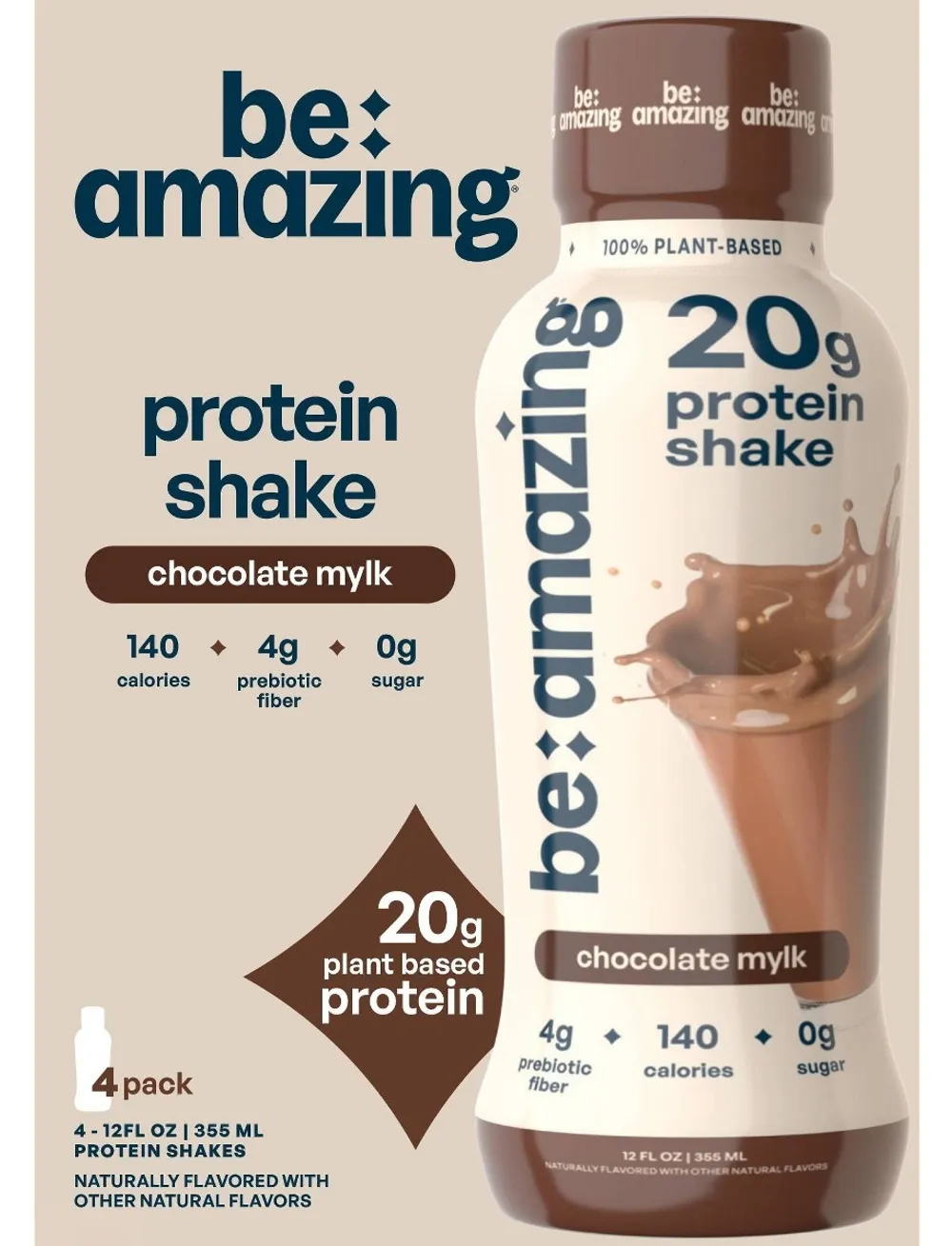
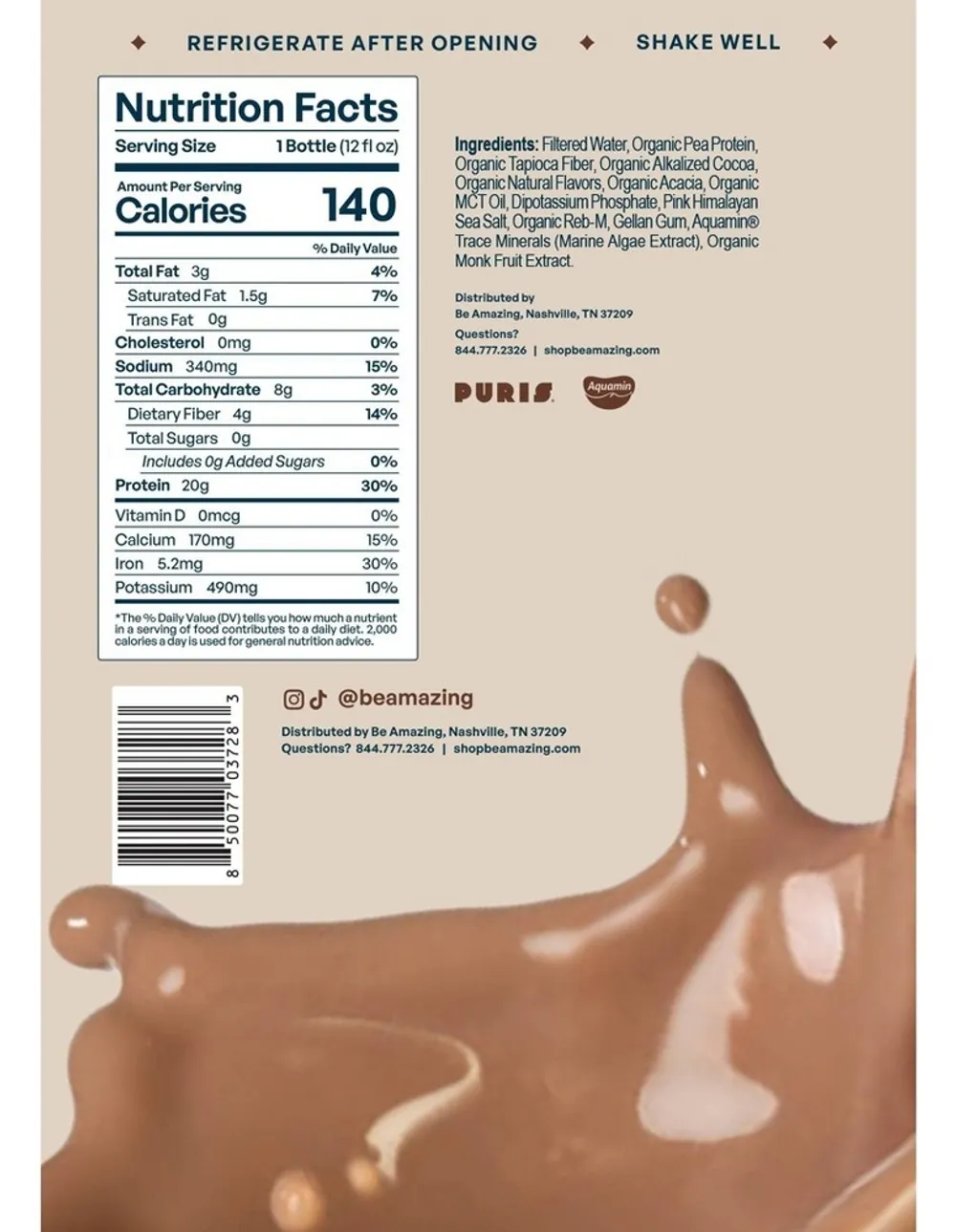
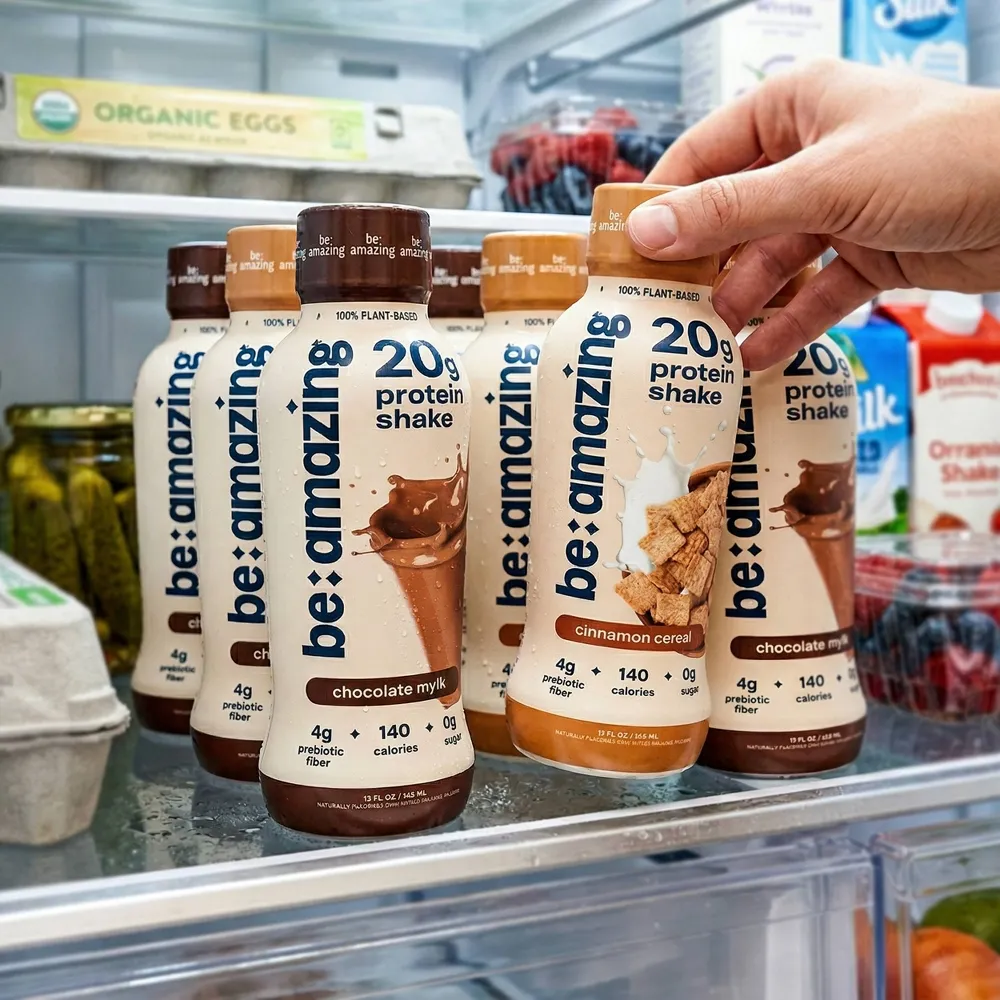
This same base formula also comes in a Chocolate Mylk flavor. The label carries over the identical ingredient list and adds Organic Alkalized Cocoa for the chocolate flavor profile, keeping the pea protein, fiber blend, mineral complex, and sweetener system unchanged.
Who It's For
- Vegan and dairy-free protein shoppers: If you've been stuck choosing between watery plant proteins and dairy-based RTDs, this hits 20g protein with a short, recognizable ingredient list.
- Zero-sugar, fiber-conscious drinkers: 4g of fiber and 0g of sugar in a 140-calorie bottle is a rare combination for a ready-to-drink protein product.
A Protein Shake That Actually Reads Like a Short List
This is a well-built plant protein RTD: the pea protein delivers a real 20g, the fiber blend earns its 4g without wrecking the texture, and the sweetener system keeps sugar at zero without a bitter aftertaste to mask. It's a strong pick for vegan or dairy-sensitive drinkers tired of long ingredient panels, though anyone having more than one a day should keep an eye on that 360mg sodium number.
References
- Pinckaers, Philippe J M, et al. "Post-prandial muscle protein synthesis rates following the ingestion of pea-derived protein do not differ from ingesting an equivalent amount of milk-derived protein in healthy, young males." European journal of nutrition, 2024. https://doi.org/10.1007/s00394-023-03295-6
- West, Sam, et al. "Ingestion of mycoprotein, pea protein, and their blend support comparable postexercise myofibrillar protein synthesis rates in resistance-trained individuals." American journal of physiology. Endocrinology and metabolism, 2023. https://doi.org/10.1152/ajpendo.00166.2023
- Guillin, Florence M, et al. "Real ileal amino acid digestibility of pea protein compared to casein in healthy humans: a randomized trial." The American journal of clinical nutrition, 2022. https://doi.org/10.1093/ajcn/nqab354
- Maher, Tyler, et al. "A systematic review and meta-analysis of medium-chain triglycerides effects on acute satiety and food intake." Critical reviews in food science and nutrition, 2021. https://doi.org/10.1080/10408398.2020.1742654
- St-Onge, Marie-Pierre, et al. "Physiological effects of medium-chain triglycerides: potential agents in the prevention of obesity." The Journal of nutrition, 2002. https://doi.org/10.1093/jn/132.3.329
- JanssenDuijghuijsen, Lonneke, et al. "Acacia fiber or probiotic supplements to relieve gastrointestinal complaints in patients with constipation-predominant IBS: a 4-week randomized double-blinded placebo-controlled intervention trial." European journal of nutrition, 2024. https://doi.org/10.1007/s00394-024-03398-8
- Armet, Anissa M, et al. "Mechanistic insights into microbiome-dependent and personalized responses to dietary fibre in a randomized controlled trial." medRxiv : the preprint server for health sciences, 2025. https://doi.org/10.1101/2025.11.20.25340625
- Astina, Junaida, et al. "Attenuation of glycaemic and insulin responses following tapioca resistant maltodextrin consumption in healthy subjects: a randomised cross-over controlled trial." Journal of nutritional science, 2020. https://doi.org/10.1017/jns.2020.22
- Watanabe, Norikazu, et al. "Effects of resistant maltodextrin on bowel movements: a systematic review and meta-analysis." Clinical and experimental gastroenterology, 2018. https://doi.org/10.2147/CEG.S153924
- Serna, Juan, et al. "Importance of Dietary Phosphorus for Bone Metabolism and Healthy Aging." Nutrients, 2020. https://doi.org/10.3390/nu12103001
- Weaver, Connie M. "Potassium and health." Advances in nutrition (Bethesda, Md.), 2013. https://doi.org/10.3945/an.112.003533
- McClintock, Shannon D, et al. "Calcium-Induced Differentiation of Human Colon Adenomas in Colonoid Culture: Calcium Alone versus Calcium with Additional Trace Elements." Cancer prevention research (Philadelphia, Pa.), 2018. https://doi.org/10.1158/1940-6207.CAPR-17-0308
- Attili, Durga, et al. "Calcium-induced differentiation in normal human colonoid cultures: Cell-cell / cell-matrix adhesion, barrier formation and tissue integrity." PloS one, 2019. https://doi.org/10.1371/journal.pone.0215122
- Aslam, Muhammad N, et al. "A Calcium-Rich Multimineral Intervention to Modulate Colonic Microbial Communities and Metabolomic Profiles in Humans: Results from a 90-Day Trial." Cancer prevention research (Philadelphia, Pa.), 2020. https://doi.org/10.1158/1940-6207.CAPR-19-0325
- Shirreffs, S M, et al. "Rehydration and recovery of fluid balance after exercise." Exercise and sport sciences reviews, 2000. https://pubmed.ncbi.nlm.nih.gov/11131686/
- Breslin, P A, et al. "Salt enhances flavour by suppressing bitterness." Nature, 1997. https://doi.org/10.1038/42388
- Jiang, Liangzhen, et al. "A Comprehensive Review on Steviol Glycosides: Sources, Properties, Bioactivities, Sensory-Functional Enhancement and Bioproduction Strategies." Plants (Basel, Switzerland), 2026. https://doi.org/10.3390/plants15020324
- Gibbons, Catherine, et al. "Acute and two-week effects of neotame, stevia rebaudioside M and sucrose-sweetened biscuits on postprandial appetite and endocrine response in adults with overweight/obesity-a randomised crossover trial from the SWEET consortium." EBioMedicine, 2024. https://doi.org/10.1016/j.ebiom.2024.105005
- Yeung, Andy Wai Kan. "Bibliometric analysis on the literature of monk fruit extract and mogrosides as sweeteners." Frontiers in nutrition, 2023. https://doi.org/10.3389/fnut.2023.1253255
- EFSA, Panel on Food Additives and Flavourings (FAF), et al. "Safety of use of Monk fruit extract as a food additive in different food categories." EFSA journal. European Food Safety Authority, 2019. https://doi.org/10.2903/j.efsa.2019.5921
Tagged