On the Brightside Feel-Good Soda: Kanna Science in a Zero-Proof Can
A nightly wind-down drink that bets everything on one botanical
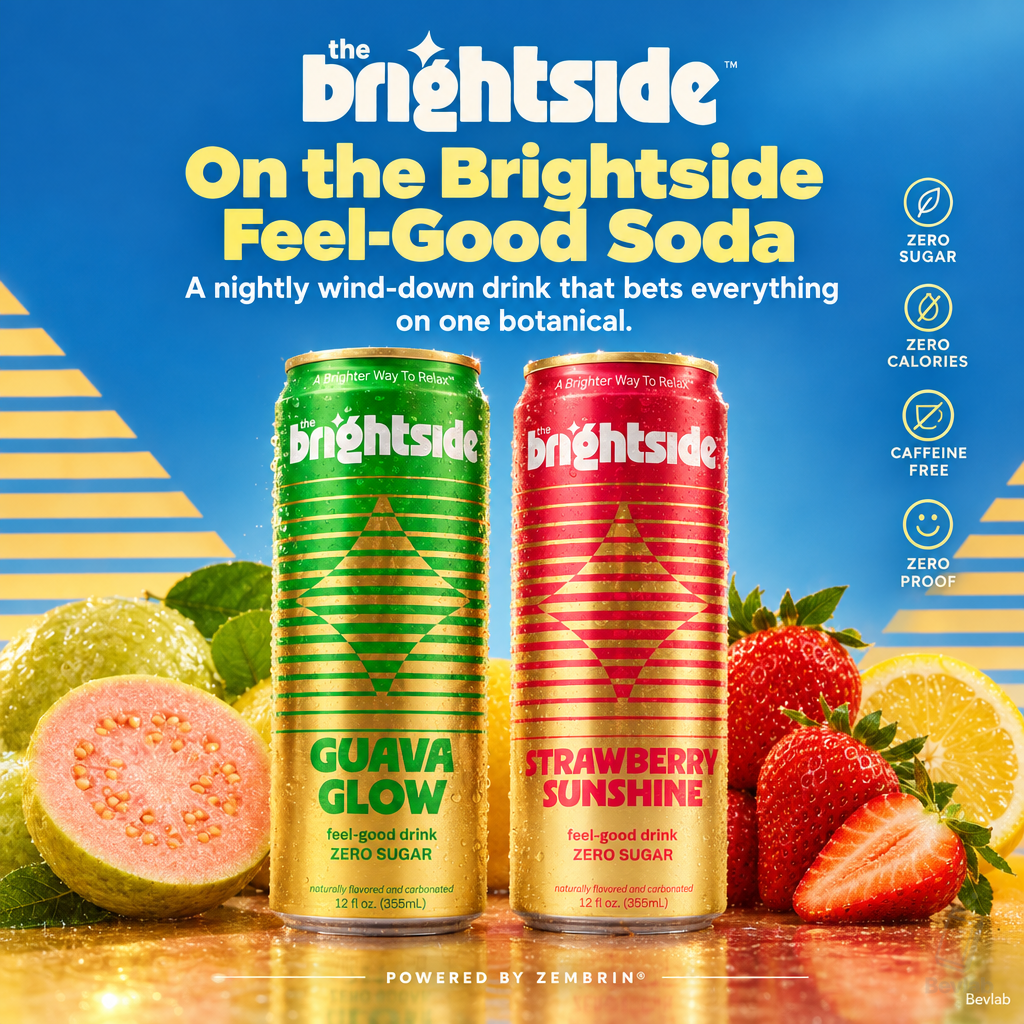
Brighter Beverages built On the Brightside around 15mg of Zembrin, PLT Health Solutions' kanna extract tested in seven small human trials.
On the Brightside Feel-Good Soda is the debut drink from Brighter Beverages, Inc., the company led by co-founder and CEO Adam Terry, who previously co-founded the hemp-derived beverage brand Cantrip. The idea is a non-alcoholic "feel-good" soda that skips the usual adaptogen pile-up and leans on exactly one functional ingredient: 15mg of Zembrin, the standardized kanna extract from PLT Health Solutions. Terry has described Zembrin as less of an adaptogen and more of a "connectogen," something meant to quiet enough mental noise that it's easier to actually be present with the people in the room. PricePlow covered the debut in its On the Brightside launch article.
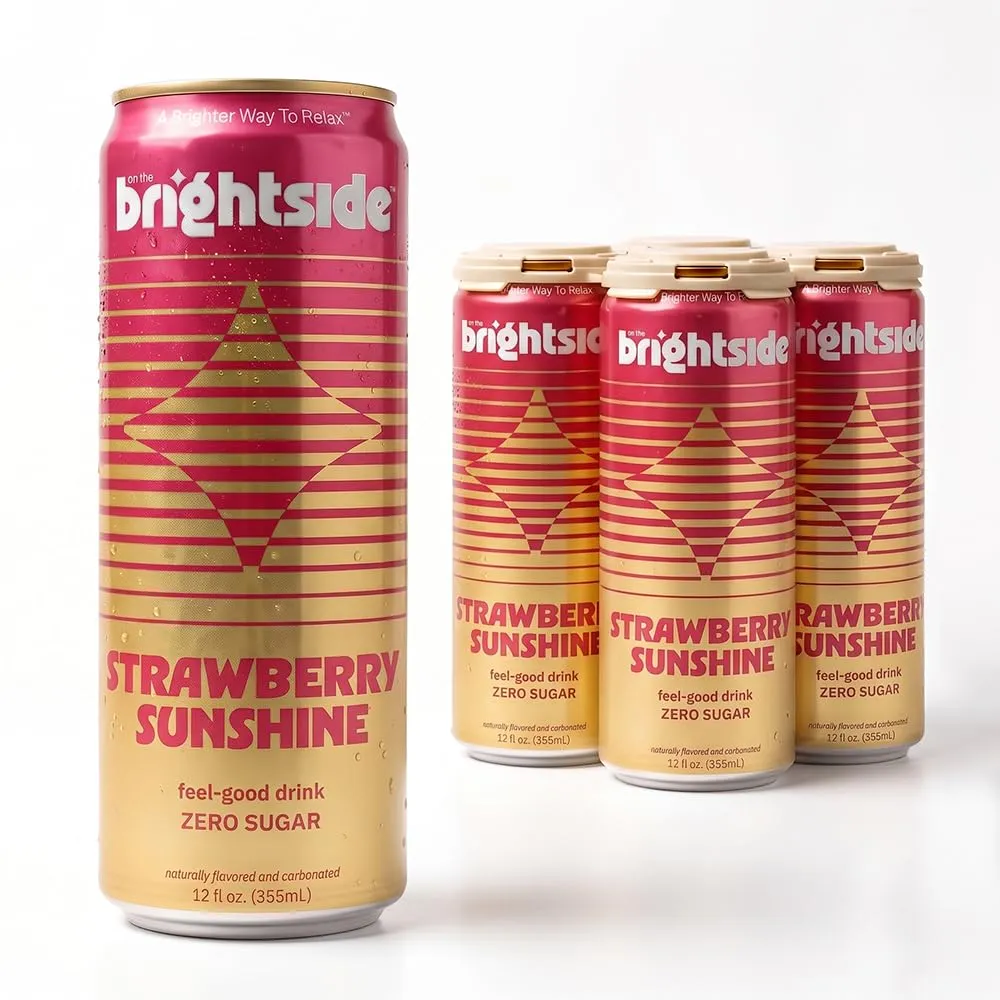
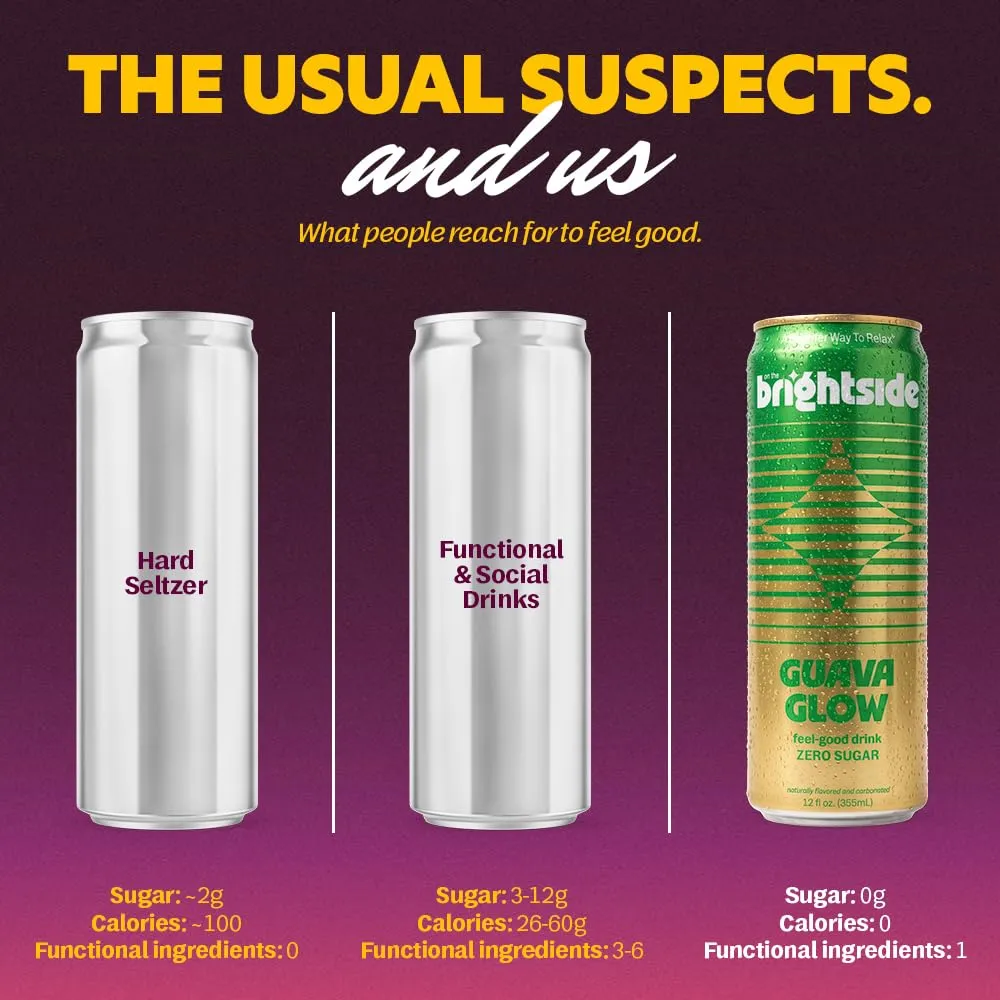
The can is zero sugar, zero calories, caffeine-free, and zero proof. That puts it right where a nightly glass of wine or a beer used to sit: the after-work wind-down, the dinner drink, the moment you just want something cold in your hand. Because Zembrin is the only active, most of this page goes where the evidence lives: PLT's clinical research, what it showed, and how a 15mg can lines up against the doses that were tested.
On the Brightside Feel-Good Soda Nutrition Facts
Serving size is one 12 fl oz (355mL) can. These numbers are from the Guava Glow can, and the brand says every flavor is zero sugar and zero calories.
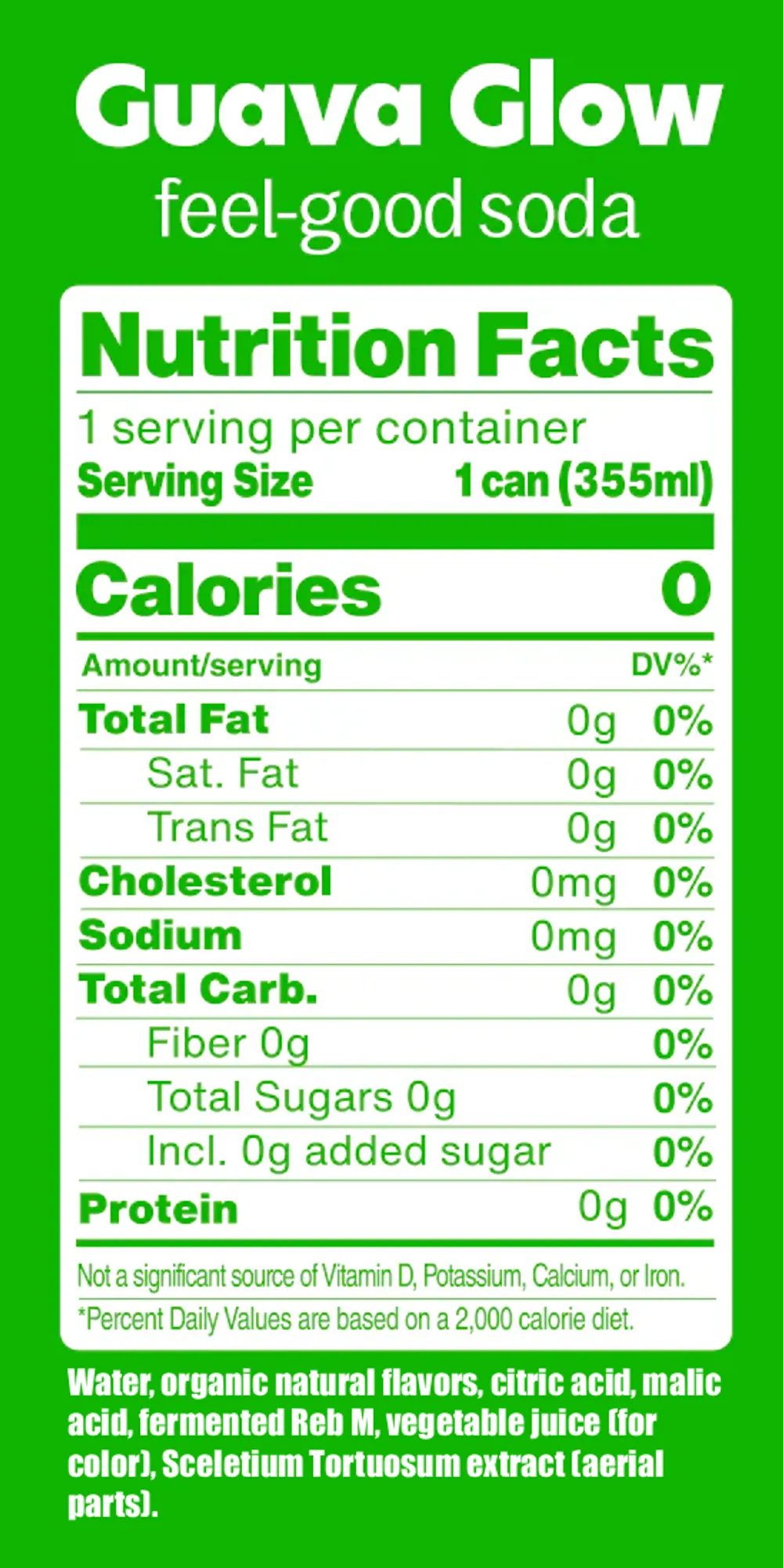
- Calories: 0
- Total Fat: 0g (0% DV)
- Total Carbohydrate: 0g (0% DV)
- Dietary Fiber: 0g (0% DV)
- Total Sugars: 0g
- Added Sugars: 0g (0% DV)
- Protein: 0g
The macros look like a seltzer's. Everything functional in this can rides on one botanical.
On the Brightside Feel-Good Soda Ingredients
Each 12 fl oz (355mL) can provides the following:
-
Zembrin (Sceletium Tortuosum Extract) - 15mg
Zembrin is PLT Health Solutions' patented extract of Sceletium tortuosum, a South African succulent better known as kanna. People in the region have chewed it, brewed it into tea, or smoked it for generations to lift mood and take the edge off.[1] Zembrin isn't generic kanna, though. It comes from a cultivated mild selection of the plant and is standardized to 0.35-0.45% total alkaloids, with mesembrenone plus mesembrenol making up at least 60% of that fraction and mesembrine held under 20%.[2] That fingerprint matters because the human trials below used Zembrin specifically, so their findings shouldn't be stretched to random kanna powders.
In lab testing, the extract blocked the serotonin transporter (the same target SSRIs act on) and inhibited phosphodiesterase-4 (PDE4), an enzyme tied to mood and thinking, without touching other PDE types or harming cells.[3] A zebrafish study suggests mesembrine drives much of the calming effect, while the mood-lifting effect seems to need the whole extract working together.[4]
Keep the dose straight: most of the research used 25mg or 50mg per day, so the can's 15mg is a lighter serving than the trials. More on that below.
-
Sweeteners and Flavors
-
Rebaudioside M (Fermented Reb M)
Fermented Reb M sweetens the can. The brand says it's OnoSweet, a fermented Reb M derived from rice. Reb M is a steviol glycoside found only in trace amounts in the stevia leaf, so commercial supply depends on fermentation or bioconversion.[5] In a 126-person consumer test, Reb M tasted closer to sugar than the older Reb A, though its sweetness lingered longer than sucrose.[6] When Reb M replaced sucrose in biscuits, adults with overweight or obesity had lower post-meal glucose and insulin.[7] European regulators have reviewed fermentation-made Reb M and found no safety concern at proposed uses.[8]
-
Organic Natural Flavors
Organic natural flavors build the fruit profile. Under U.S. rules, "natural flavor" describes where a flavoring comes from rather than its chemistry, so the label won't tell you exactly which source materials are used.[9] They're in the can for taste and aroma, with no functional job beyond that.
-
-
Other Ingredients
- Water - The base of the drink. The brand describes it as carbonated water.
- Citric Acid - Adds the bright, tart edge you expect from a fruit soda and helps manage acidity.
- Malic Acid - A second acidulant that rounds out the sourness so the drink tastes like a real soda.
- Vegetable Juice (for Color) - Supplies the color. The label doesn't specify which vegetables are used.
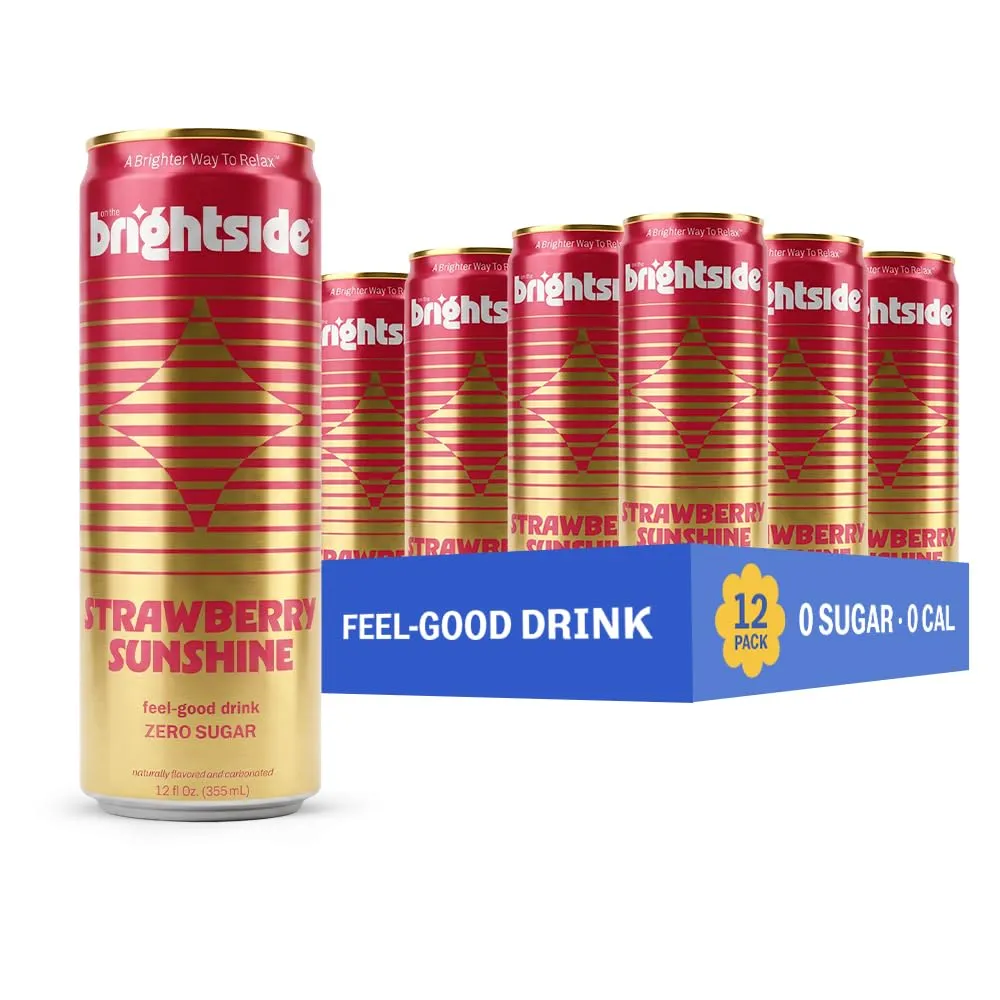
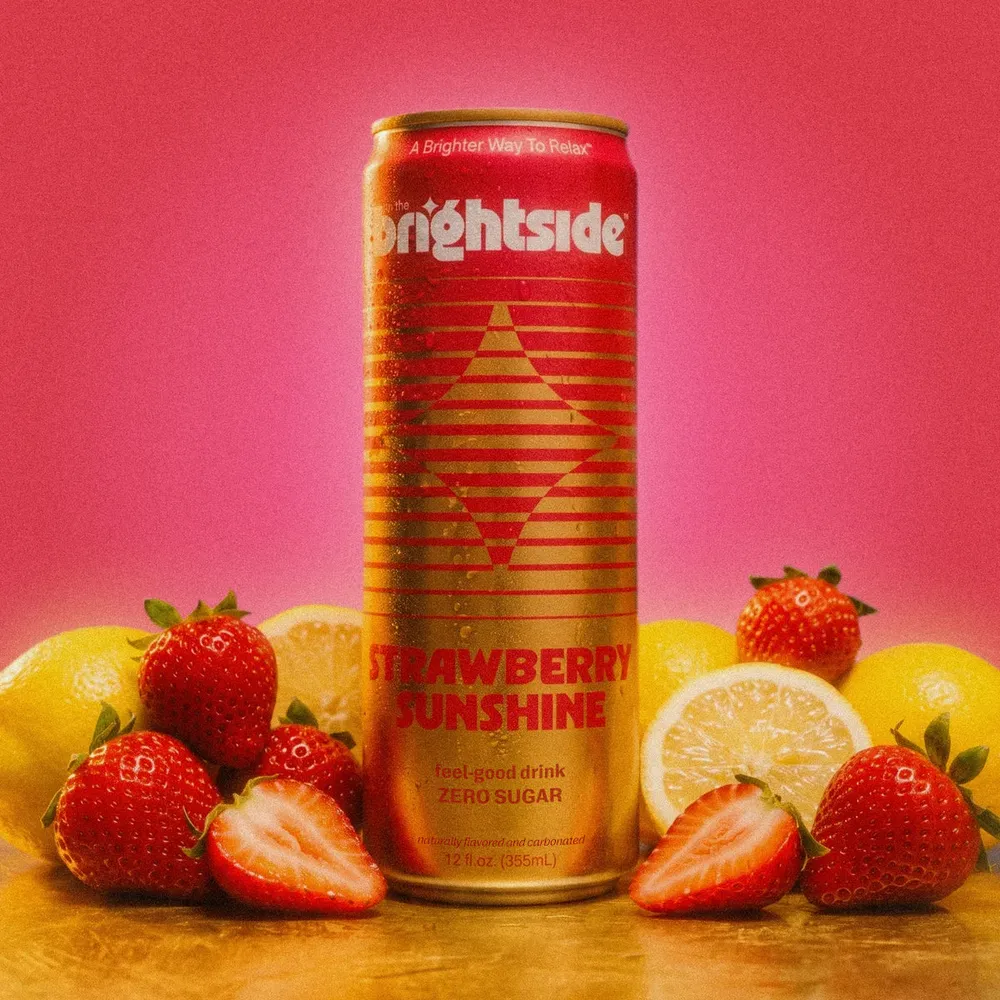
- Crystallized Lemon - The brand lists this in Strawberry Sunshine for its lemonade character. It isn't part of the Guava Glow ingredient list.
PLT's Zembrin, Study by Study
PLT Health Solutions has spent more than a decade building Zembrin's research file, and that file is why a one-ingredient soda can make its pitch with a straight face. The human work spans seven small controlled trials with 16 to 60 people each. Every clinical study so far has enrolled healthy volunteers, not people with a diagnosed mood or anxiety condition.[1] That's a modest evidence base by drug standards and a deep one by botanical standards. PricePlow's main Zembrin article walks through each trial in detail. Here's the version that matters to someone holding a can.
Grown, Not Foraged
Kanna has a long reputation. The brand points to explorer Peter Kolbe, who in 1705 called the plant "the greatest cheerer of the spirits." But Sceletium tortuosum is a protected species, and the brand says wild harvesting isn't legal for commercial use. Zembrin is instead grown through a seed-to-shelf program, with every harvest checked against its alkaloid fingerprint before it goes into production.
According to the brand, Zembrin received South Africa's Bioprospecting Export Permit #001, the first ever issued for this plant. It's endorsed by the South African San Council, which holds the traditional knowledge of kanna, and the San community receives a royalty on every unit sold. For a botanical, that's an unusually clean paper trail, and it's why batch-to-batch consistency is a selling point.
Built to Survive the Can
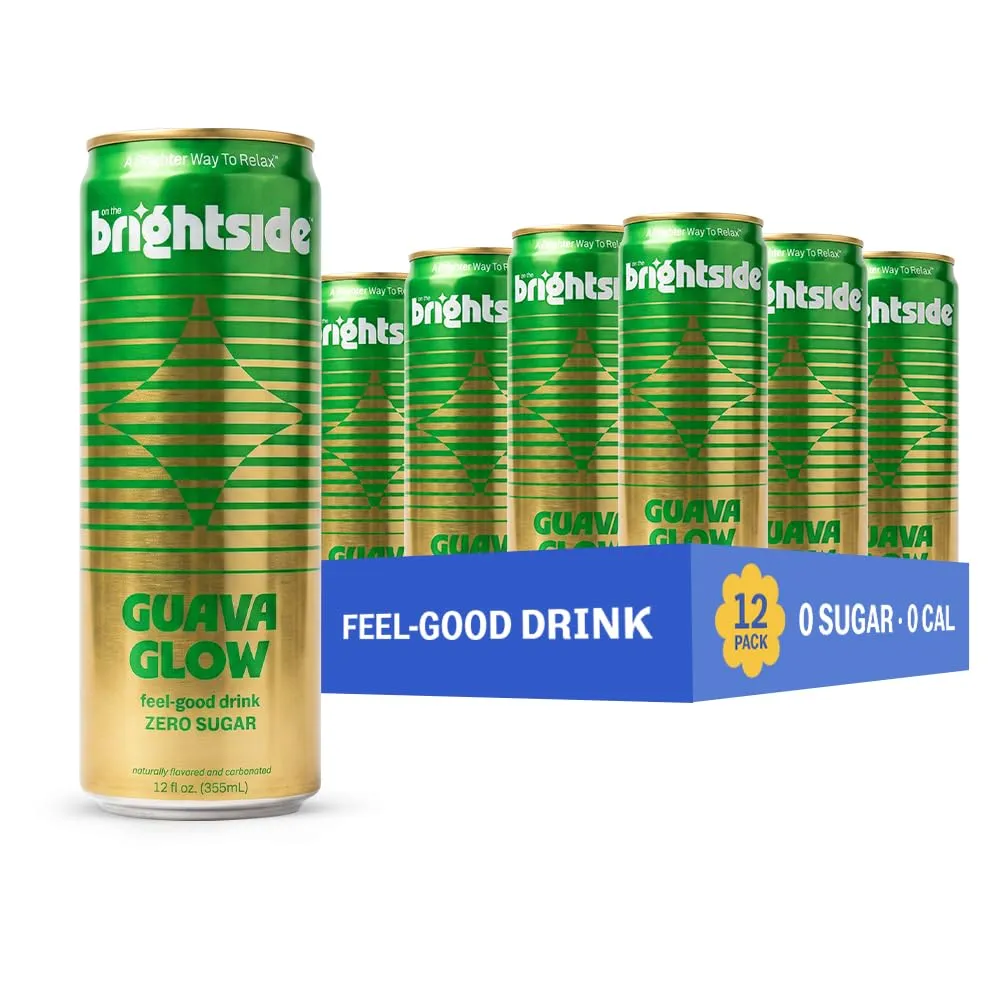
Getting a standardized botanical into a soda is harder than it sounds. PLT has spent the last few years building beverage-stable versions of its cognitive ingredients because extracts don't always survive canning and pasteurization intact. Zembrin has since moved from capsules and gummies into ready-to-drink formats, and On the Brightside is one example.
A Quieter Alarm System
The most striking Zembrin study looked straight at the brain. In a crossover trial, 16 healthy young adults took a single 25mg dose or placebo and went into an fMRI scanner two hours later. On Zembrin, the amygdala (the brain's threat detector) reacted less to images of fearful faces, and its link to the hypothalamus, which kicks off your fight-or-flight response, weakened.[10]
A later study tested whether that shows up in behavior. Researchers ran two experiments with 20 young volunteers each, again using a single 25mg dose. During a 20-minute multitasking stressor, Zembrin didn't change mood. Before a simulated public-speaking task, though, people on Zembrin reported less anxiety, and their heart rate followed a different pattern than placebo.[11] The authors called it the first tentative behavioral evidence of a calming effect, which is a fair, careful way to put it.
Focus, Mood, and Brain Waves

The thinking-and-mood data comes mostly from middle-aged and older adults. In a crossover trial, 21 healthy adults with an average age of 54.6 took 25mg of Zembrin or placebo daily for three weeks per arm. Zembrin improved cognitive flexibility and executive function (the mental skills behind switching tasks and planning ahead), and participants reported positive changes in mood and sleep.[12]
A larger trial gave 60 healthy adults aged 50 to 80 either 25mg, 50mg, or placebo daily for six weeks. Zembrin improved scores on arithmetic and number-connection tests, lowered scores on a standard anxiety rating scale, and shifted brain-wave recordings during mental tasks and rest.[13] A single-dose version of that design in 60 more healthy adults produced brain-wave patterns the researchers linked to attention and memory processing.[14] Brain-wave readings stand in for real-world performance without proving it, so weigh those results lightly.
Training and Recovery
Two trials looked at active people. Sixty recreationally trained adults aged 20 to 35 took 25mg daily for eight days. Zembrin improved complex reaction performance under mental load, but simple reaction time, alertness and energy ratings, and overall mood didn't move.[15]
A small pilot gave 16 untrained women 25mg a day for three days after an unfamiliar biceps workout. They reported less soreness at 48 hours, kept more range of motion, and had a smaller mood dip than the placebo group, while strength output and a blood marker of muscle damage didn't change.[16] For a soda drinker, the takeaway is that Zembrin's effects show up in how people feel and react under pressure, not in strength or output.
Where the Results Split
Mood findings aren't uniform. Improvements showed up in older and middle-aged adults and in the soreness study, but not in young trained adults over eight days or during the multitasking stressor.[12,15,11,16] The trials used different ages, stressors, and questionnaires, and none were designed to be compared head to head. The fair reading: the calming signal is consistent enough to take seriously and small enough that it won't hit everyone the same way.
A Clean Safety File
Zembrin's dedicated safety trial gave 37 healthy adults 8mg, 25mg, or placebo daily for three months. Vital signs, ECG readings, body weight, and bloodwork showed no differences between groups, and the most common complaints (headache, stomach pain, and upper respiratory infections) were more frequent on placebo.[17] In the three-week cognition trial, 9.5% of people on Zembrin had brief stomach discomfort that cleared up on its own.[12] Rat studies found no adverse effects at up to 5,000mg/kg for 14 days or 600mg/kg for 90 days, the highest amounts tested.[2]
The brand says Zembrin is self-affirmed GRAS for beverage use at up to 50mg per day, which works out to just over three cans.
Check With Your Doctor First
Zembrin blocks the serotonin transporter in lab testing, the same basic target as SSRI antidepressants.[3] If you take an SSRI, SNRI, or MAOI, talk to your doctor before drinking On the Brightside. The research also hasn't covered pregnancy, breastfeeding, teens, or people in psychiatric care, so those groups should get medical advice first too.
What 15mg Gets You
The stress and cognition findings above come from 25mg, with some arms at 50mg. One can delivers 15mg, which is more than the 8mg safety dose and less than the dose behind those results.[17,10] That doesn't make the can pointless, but it does set expectations: think gentle lift, not a guaranteed replay of the trials. Starting with a single can and seeing how it lands is the sensible move.
Two Flavors at Launch
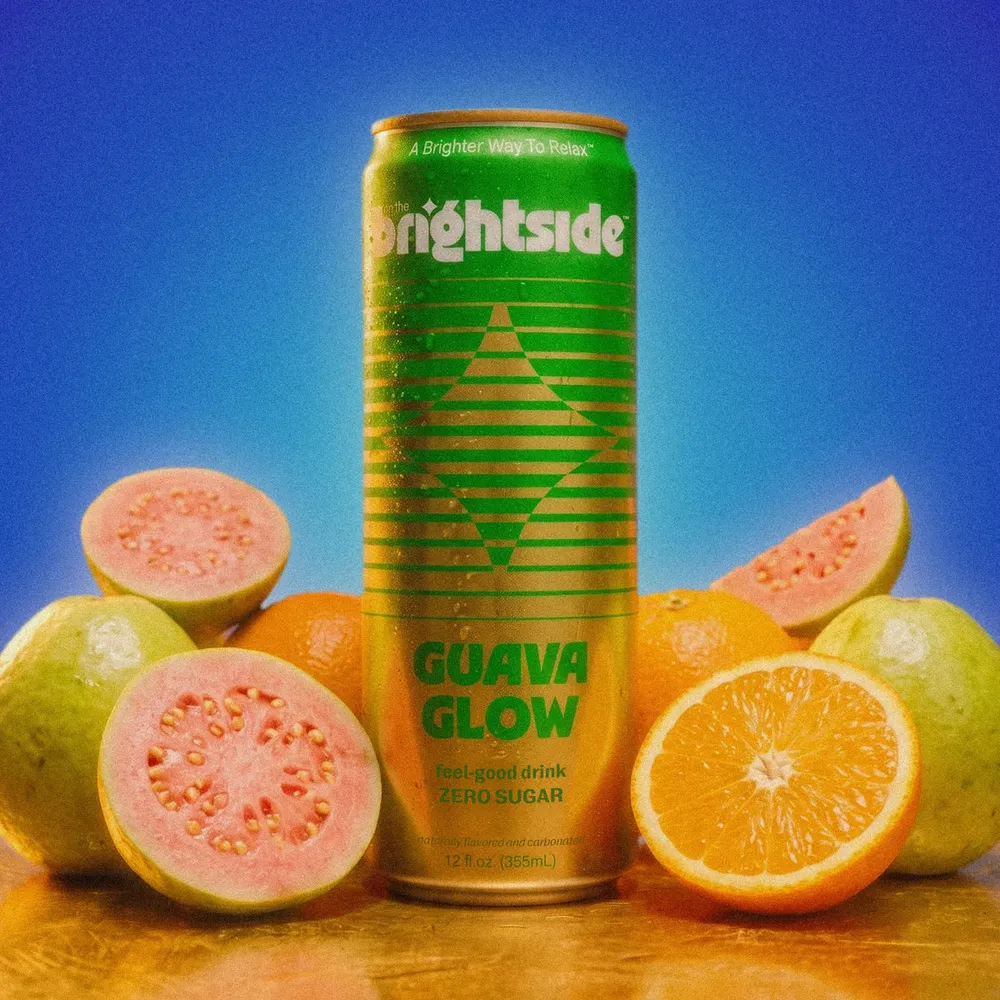
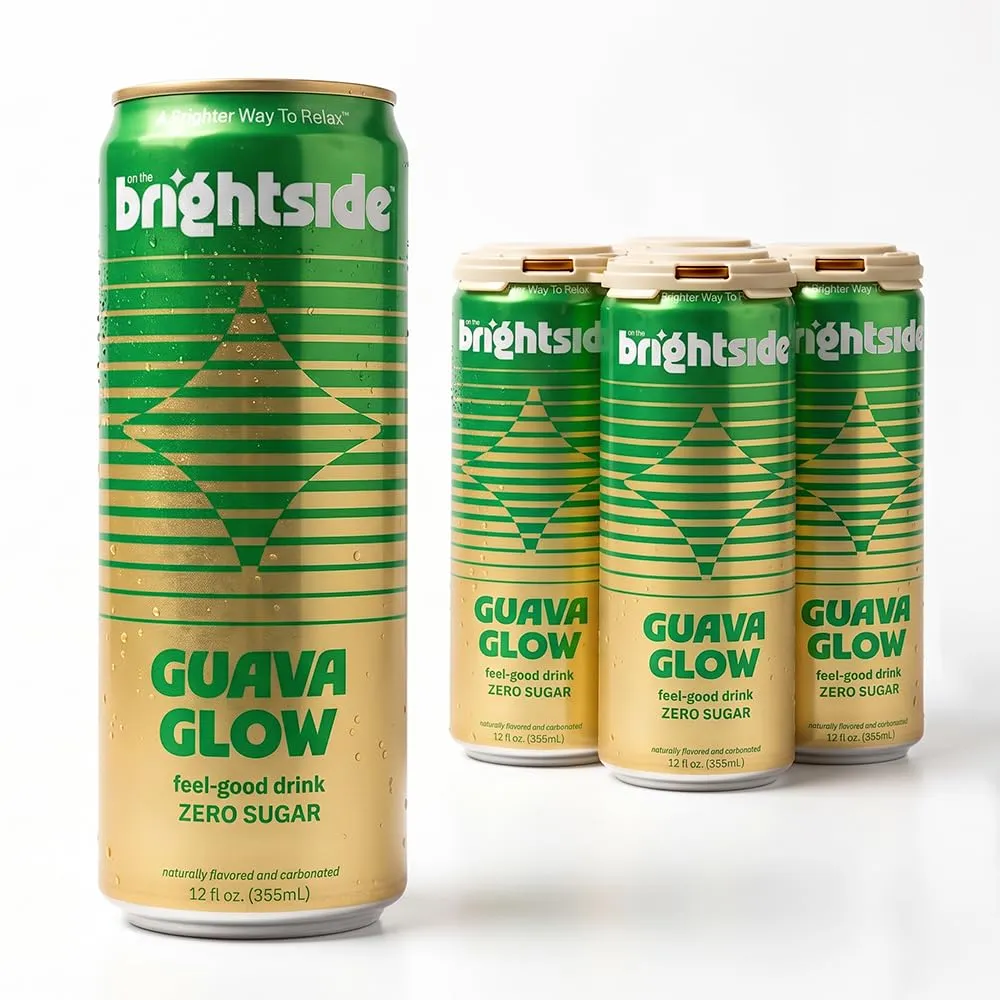
On the Brightside launched with Guava Glow and Strawberry Sunshine, both carrying the same 15mg Zembrin dose and zero-sugar build.
A Swap for the Nightly Drink
- The sober-curious and cutting-back crowd: It's built for the moment you'd normally pour wine or crack a beer, with no alcohol, sugar, or caffeine in the can.
- Anyone tired of ingredient soup: One studied botanical at a disclosed dose means you know exactly what you're drinking and can look up the research behind it.
One Botanical, No Hiding Spots
On the Brightside is for anyone who wants an evening ritual drink without alcohol, and building it on Zembrin instead of generic kanna gives it a research trail most chill drinks can't match. The 15mg dose sits below the 25mg most trials used, so expect something subtle, and the label gives you the one number that matters to check against the research.
References
- Olatunji, T L, et al. "Sceletium tortuosum: A review on its phytochemistry, pharmacokinetics, biological, pre-clinical and clinical activities." Journal of ethnopharmacology, 2022. https://doi.org/10.1016/j.jep.2021.114711
- Murbach, Timothy S, et al. "A toxicological safety assessment of a standardized extract of Sceletium tortuosum (Zembrin®) in rats." Food and chemical toxicology : an international journal published for the British Industrial Biological Research Association, 2014. https://doi.org/10.1016/j.fct.2014.09.017
- Harvey, Alan L, et al. "Pharmacological actions of the South African medicinal and functional food plant Sceletium tortuosum and its principal alkaloids." Journal of ethnopharmacology, 2011. https://doi.org/10.1016/j.jep.2011.07.035
- Gericke, Johané, et al. "Sceletium tortuosum-derived mesembrine significantly contributes to the anxiolytic effect of Zembrin®, but its anti-depressant effect may require synergy of multiple plant constituents." Journal of ethnopharmacology, 2024. https://doi.org/10.1016/j.jep.2023.117113
- Okonkwo, Clinton E, et al. "A review on rebaudioside M: The next generation steviol glycoside and noncaloric sweetener." Journal of food science, 2024. https://doi.org/10.1111/1750-3841.17401
- Tao, Ran, et al. "Consumer-Based Sensory Characterization of Steviol Glycosides (Rebaudioside A, D, and M)." Foods (Basel, Switzerland), 2020. https://doi.org/10.3390/foods9081026
- Gibbons, Catherine, et al. "Acute and two-week effects of neotame, stevia rebaudioside M and sucrose-sweetened biscuits on postprandial appetite and endocrine response in adults with overweight/obesity-a randomised crossover trial from the SWEET consortium." EBioMedicine, 2024. https://doi.org/10.1016/j.ebiom.2024.105005
- EFSA, Panel on Food Additives and Flavourings (FAF), et al. "Safety evaluation of the food additive steviol glycosides, predominantly Rebaudioside M, produced by fermentation using Yarrowia lipolyticaVRM." EFSA journal. European Food Safety Authority, 2023. https://doi.org/10.2903/j.efsa.2023.8387
- Goodman, Matthew J. "The “Natural” vs. “Natural Flavors” Conflict in Food Labeling: A Regulatory Viewpoint." Food and drug law journal, 2017. https://pubmed.ncbi.nlm.nih.gov/29140655/
- Terburg, David, et al. "Acute effects of Sceletium tortuosum (Zembrin), a dual 5-HT reuptake and PDE4 inhibitor, in the human amygdala and its connection to the hypothalamus." Neuropsychopharmacology : official publication of the American College of Neuropsychopharmacology, 2013. https://doi.org/10.1038/npp.2013.183
- Reay, Jonathon, et al. "Sceletium tortuosum (Zembrin® ) ameliorates experimentally induced anxiety in healthy volunteers." Human psychopharmacology, 2020. https://doi.org/10.1002/hup.2753
- Chiu, Simon, et al. "Proof-of-Concept Randomized Controlled Study of Cognition Effects of the Proprietary Extract Sceletium tortuosum (Zembrin) Targeting Phosphodiesterase-4 in Cognitively Healthy Subjects: Implications for Alzheimer's Dementia." Evidence-based complementary and alternative medicine : eCAM, 2014. https://doi.org/10.1155/2014/682014
- Dimpfel, Wilfried, et al. "Effect of Zembrin® on Brain Electrical Activity in 60 Older Subjects after 6 Weeks of Daily Intake. A Prospective, Randomized, Double-Blind, Placebo-Controlled, 3-Armed Study in a Parallel Design." World Journal of Neuroscience, 2017. https://doi.org/10.4236/wjns.2017.71011
- Dimpfel, Wilfried, et al. "Psychophysiological Effects of Zembrin®Using Quantitative EEG Source Density in Combination with Eye-Tracking in 60 Healthy Subjects. A Double-Blind, Randomized, Placebo-Controlled, 3-Armed Study with Parallel Design." Neuroscience and Medicine, 2016. https://doi.org/10.4236/nm.2016.73013
- Hoffman, Jay R, et al. "Ergogenic Effects of 8 Days of Sceletium Tortuosum Supplementation on Mood, Visual Tracking, and Reaction in Recreationally Trained Men and Women." Journal of strength and conditioning research, 2020. https://doi.org/10.1519/JSC.0000000000003693
- Berry, Angela, et al. "Effects of Zembrin® (Sceletium tortuosum) Supplementation on Mood, Soreness, and Performance Following Unaccustomed Resistance Exercise: A Pilot Study." Nutraceuticals, 2021. https://doi.org/10.3390/nutraceuticals1010002
- Nell, Haylene, et al. "A randomized, double-blind, parallel-group, placebo-controlled trial of Extract Sceletium tortuosum (Zembrin) in healthy adults." Journal of alternative and complementary medicine (New York, N.Y.), 2013. https://doi.org/10.1089/acm.2012.0185