Bang
One of the loudest -- and craziest -- energy drink stories of the modern era.Read More ↓
Key Products
About Bang
Bang Energy is one of the loudest energy drink stories of the modern era: a 300mg caffeine can that came out of the supplement world, bullied its way into mainstream coolers, got buried in lawsuits, filed for bankruptcy, and then ended up owned by Monster Beverage.
That's not a normal brand arc. That's Bang.
The drink still matters, though. Under all the founder chaos and legal wreckage, Bang helped normalize the high-caffeine, zero-sugar energy drink lane. Today, it's no longer the wild VPX circus of the late 2010s. It's a Monster-owned energy brand with a smaller, cleaner identity, but the core proposition is still easy to understand: big caffeine, no sugar, loud flavors.
What Is Bang Energy?
Bang is a carbonated energy drink built around a high-stim, zero-sugar format.
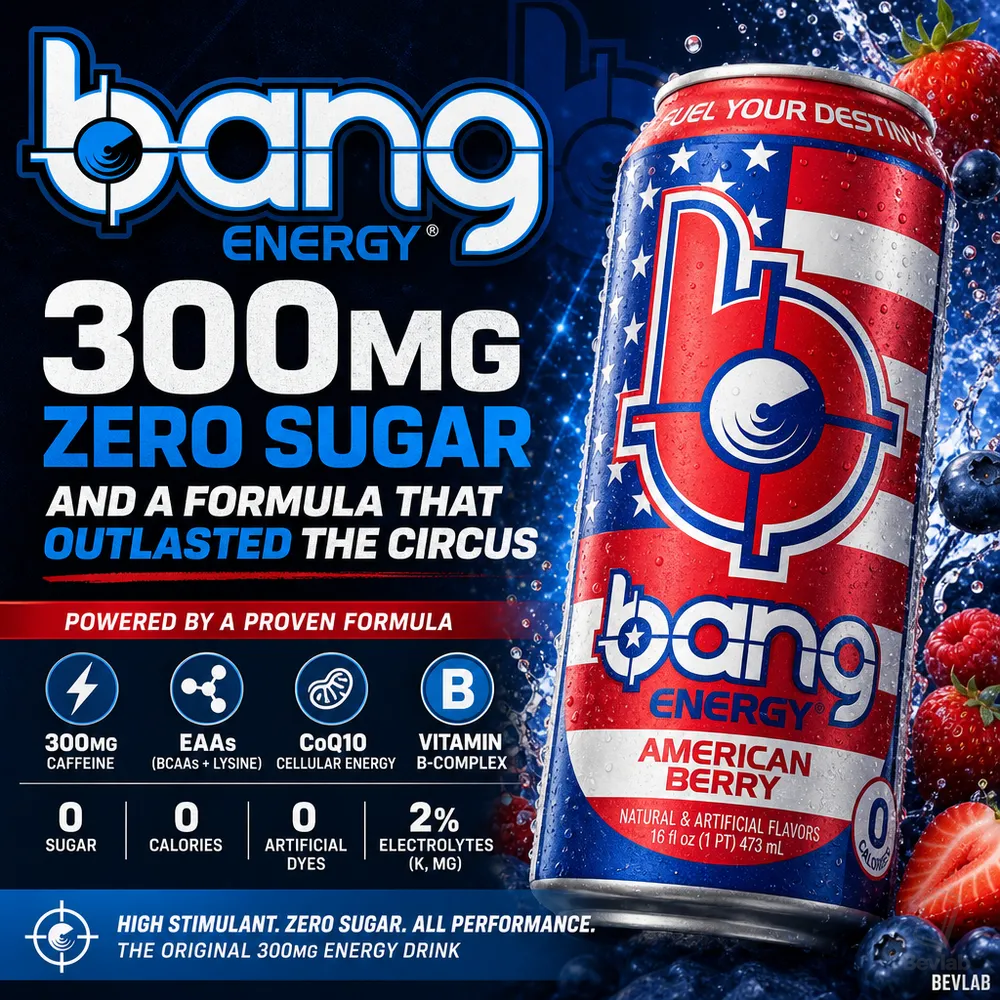
Typical Bang Energy specs:
- Can size: 16oz
- Caffeine: 300mg
- Sugar: 0g
- Calories: 0
- Positioning: High-caffeine, zero-sugar energy
- Current owner: Monster Beverage
That 300mg caffeine number is the whole point. Bang isn't trying to be a light afternoon sparkling pick-me-up. It's closer to a pre-workout mindset in an energy drink can.
For some people, that's the appeal. For others, it's too much. A full can puts you close to the commonly cited 400mg daily caffeine limit for healthy adults, so this is not beginner-level caffeine. Bang tastes like candy, but it doesn't hit like candy.
Why Bang Took Off
Bang launched in 2012 under Vital Pharmaceuticals, better known as VPX Sports, the supplement company founded by Jack Owoc. At the time, the energy drink aisle still had plenty of sugar-heavy legacy products, and the cleaner zero-sugar wave hadn't fully taken over.
Bang walked in with a different vibe.
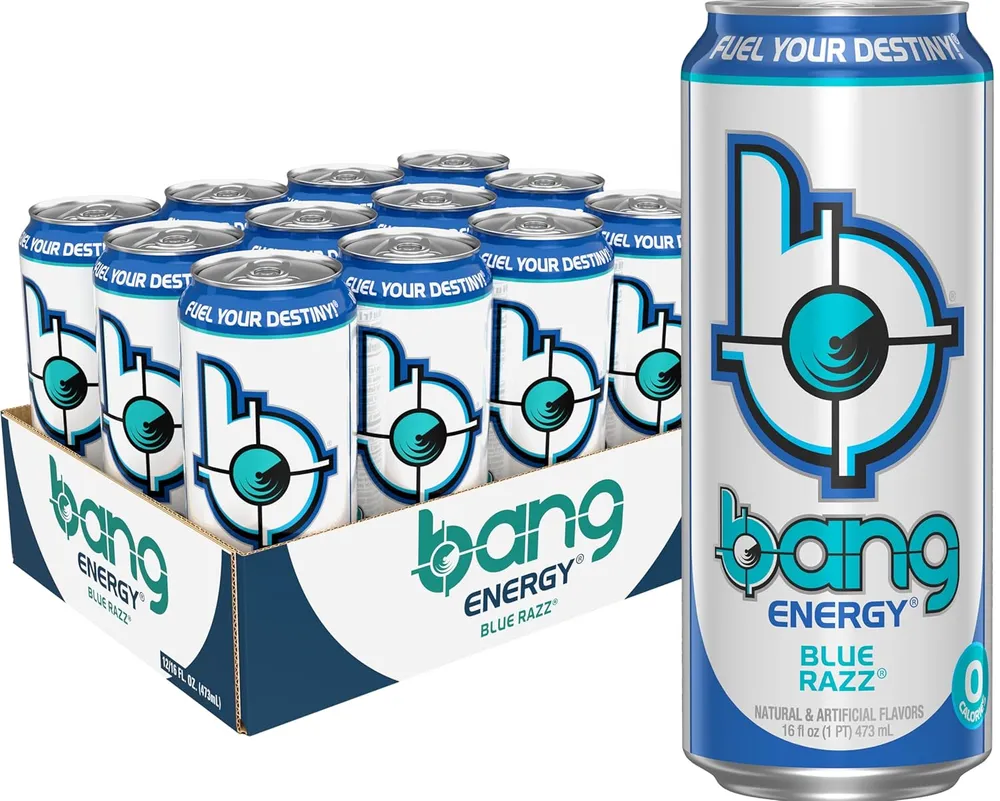
It had 300mg caffeine, zero sugar, zero calories, supplement-style branding, and flavor names that felt like they were written for gym bros, gamers, college kids, and stimulant goblins. Rainbow Unicorn. Blue Razz. Black Cherry Vanilla. Star Blast. Sour Heads. None of it was subtle.
That was the point.
Bang didn't feel like Red Bull. It didn't feel like Monster Original. It felt like a pre-workout escaped GNC and landed in a gas station cooler. That made it weird, memorable, and perfectly built for social media.
The Jack Owoc Era
You can't separate early Bang from Jack Owoc.
Owoc was the founder, promoter, hype man, and walking risk department. He gave Bang the kind of founder energy that corporate beverage brands usually try to sand off. Loud videos, wild claims, influencer blitzes, fitness culture, money-cannon marketing, and a constant sense that nobody in the room was saying, "Maybe we should run that by legal."
For a while, it worked.
Bang felt independent, aggressive, and unfiltered. It had scene energy before every beverage startup tried to manufacture scene energy. But that same chaos became the brand's biggest liability.
Owoc didn't just sell caffeine. He sold a worldview: stronger, smarter, sexier, richer, more extreme, and somehow science-backed. That's where the trouble started.
Super Creatine Went Nuclear
The legal disaster centered on Super Creatine, Bang's branded ingredient story.
The name was perfect for the audience. Creatine is one of the most familiar sports nutrition ingredients on earth, and "Super Creatine" sounded like the upgraded version. The problem was that Monster argued Bang's marketing misled consumers about what was actually in the drink and what it could do.
This is where the claims left beverage marketing and entered cartoon-villain territory.
Monster alleged that Bang and Owoc promoted Super Creatine with serious brain-health claims, including claims tied to Alzheimer's, Parkinson's, and the now-infamous line that it could "reverse mental retardation".
Yes, that really became part of the legal story.
A jury sided with Monster in 2022, awarding nearly $293 million in damages. The case kept moving, and by 2025, the Ninth Circuit upheld a $311 million judgment against VPX.
For Bang, that wasn't just a bad court day. It was a brand-altering hit.
For the energy drink category, it was also a warning shot: you can borrow supplement aesthetics, but if you start making supplement-grade claims on a beverage, every word better be defensible.
Distribution Broke, Too
The Monster lawsuit gets most of the attention, but Bang also had a distribution mess.
In 2020, Bang entered an exclusive distribution deal with PepsiCo. On paper, that looked like the move that could turn Bang from insurgent rocket ship into permanent top-tier energy brand.
Instead, the relationship turned ugly. Bang and PepsiCo fought over the deal, the parties eventually moved toward separation, and Bang later blamed the Pepsi era for a major market-share decline.
So by 2022, Bang had two giant problems at once: massive legal exposure and a damaged route-to-market story. That's brutal for any beverage brand, even one with real consumer demand.
Bankruptcy And Monster
Vital Pharmaceuticals filed for Chapter 11 bankruptcy protection in October 2022.
The company kept operating, but the endgame was obvious. Bang needed a buyer.
The funniest possible buyer showed up: Monster.
Monster had spent years fighting Bang in court, then acquired the brand's assets in 2023 for about $362 million. The deal included Bang Energy beverages and a production facility in Phoenix, Arizona.
That's the Bang story in one sentence: Bang tried to punch Monster in the mouth, lost the fight, and then became part of Monster's portfolio.
Bang Energy Today
Bang today isn't the old VPX chaos machine.
The brand is narrower, cleaner, and more controlled under Monster. The spin-off universe of Bang coffees, teas, hard seltzer, shots, powders, and founder-driven mayhem is not the main story anymore. The core energy drink is.
That doesn't mean Bang is dead. It still has loyal fans, strong name recognition, and a clear reason to exist. A 300mg zero-sugar energy drink is still a useful thing, especially in a category where plenty of consumers want the big-caffeine option.
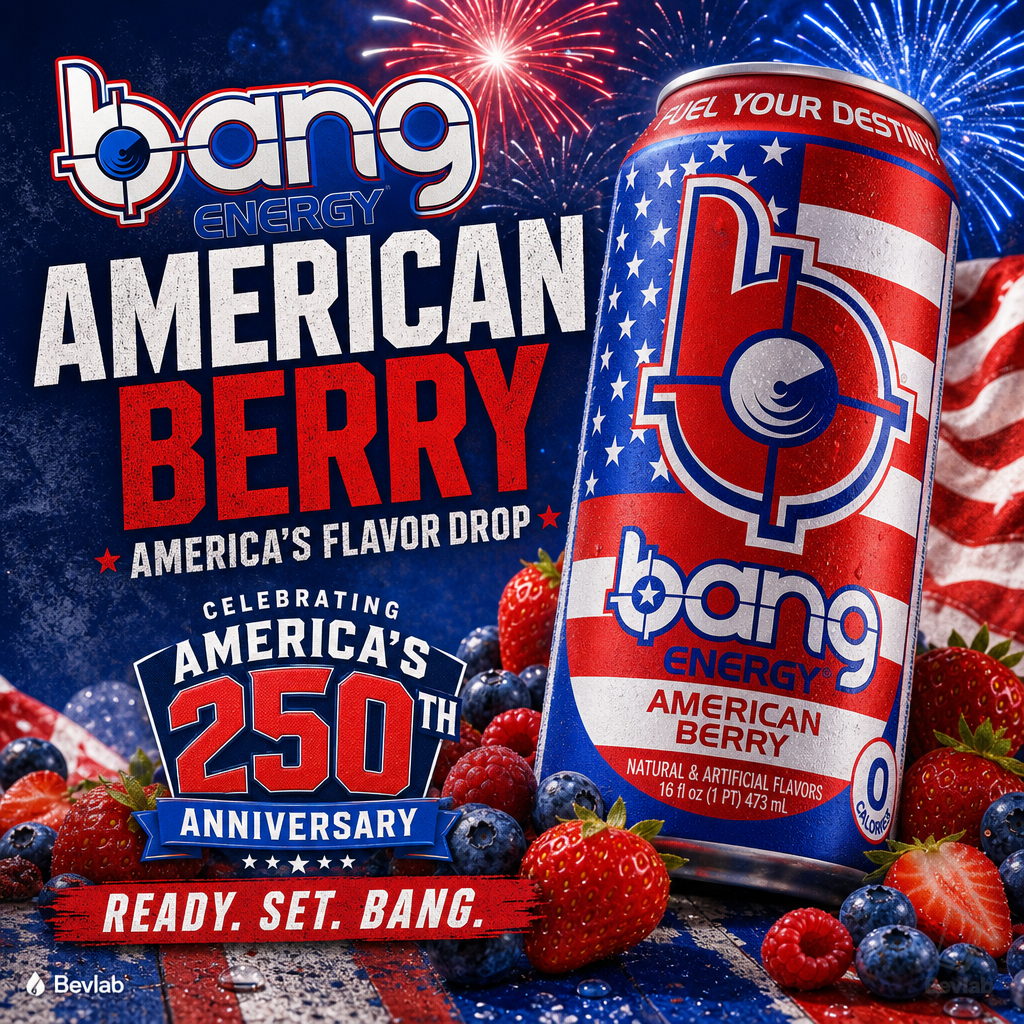
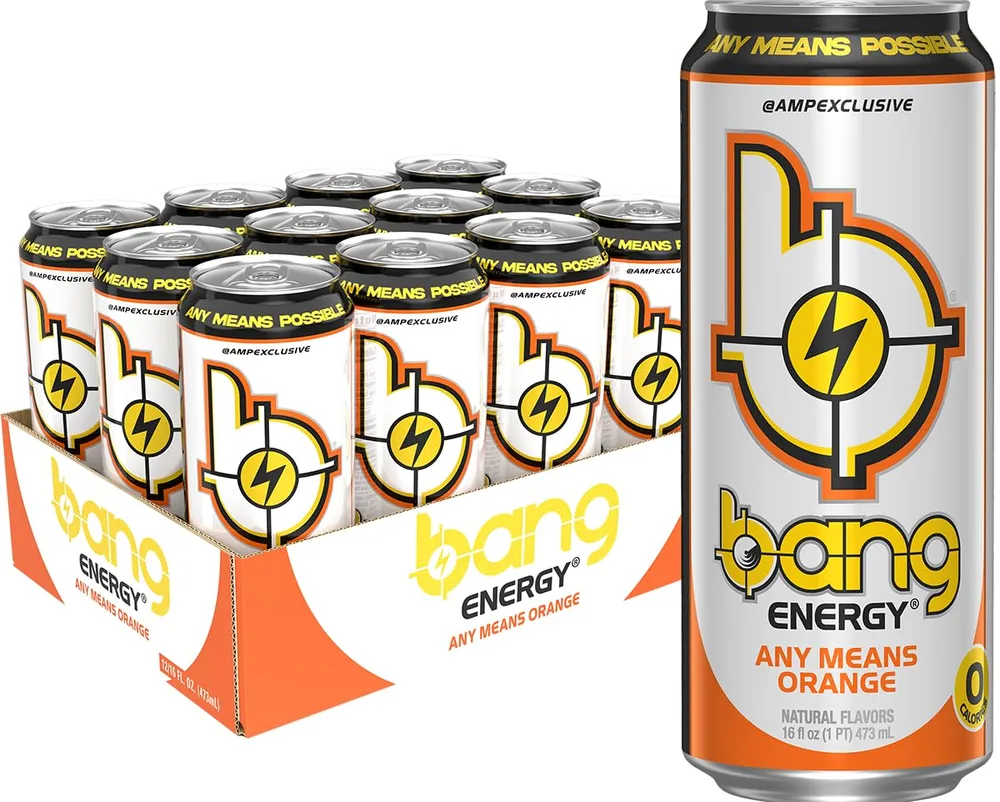
Monster has also kept Bang active with newer flavors and refreshed brand energy. Recent cans like Any Means Orange, Lime Pop Drop, and American Berry show that Bang isn't just sitting in the portfolio freezer.
But it's different now.
The old Bang was unhinged. The current Bang is domesticated.
Bevlab Take
Bang is both a great energy drink case study and a cautionary tale.
The product idea was real and perfectly timed. A 300mg, zero-sugar, flavor-forward energy drink made sense before the rest of the aisle fully caught up. Bang read the room early: consumers wanted more caffeine, less sugar, louder flavors, and a stronger identity than the legacy brands were giving them.
The claims and insanity from Owoc were the problem. This was especially when everyone knew full well that creatine would degrade into creatinine in water anyway. It was all a mess.
Bang showed how far supplement culture could push into beverages (later to be repeated by C4, GHOST, and Alani Nu), and then showed exactly where that line breaks. The formula had a lane. The marketing lost the plot.
That's why Bang still deserves a page. It's not just another energy drink. It's one of the brands that dragged the modern energy category into its current era, got too hot, burned itself down, and somehow survived as a Monster-owned can you can still crack open today.
Bang didn't disappear.
It got bought, cleaned up, and kept moving.