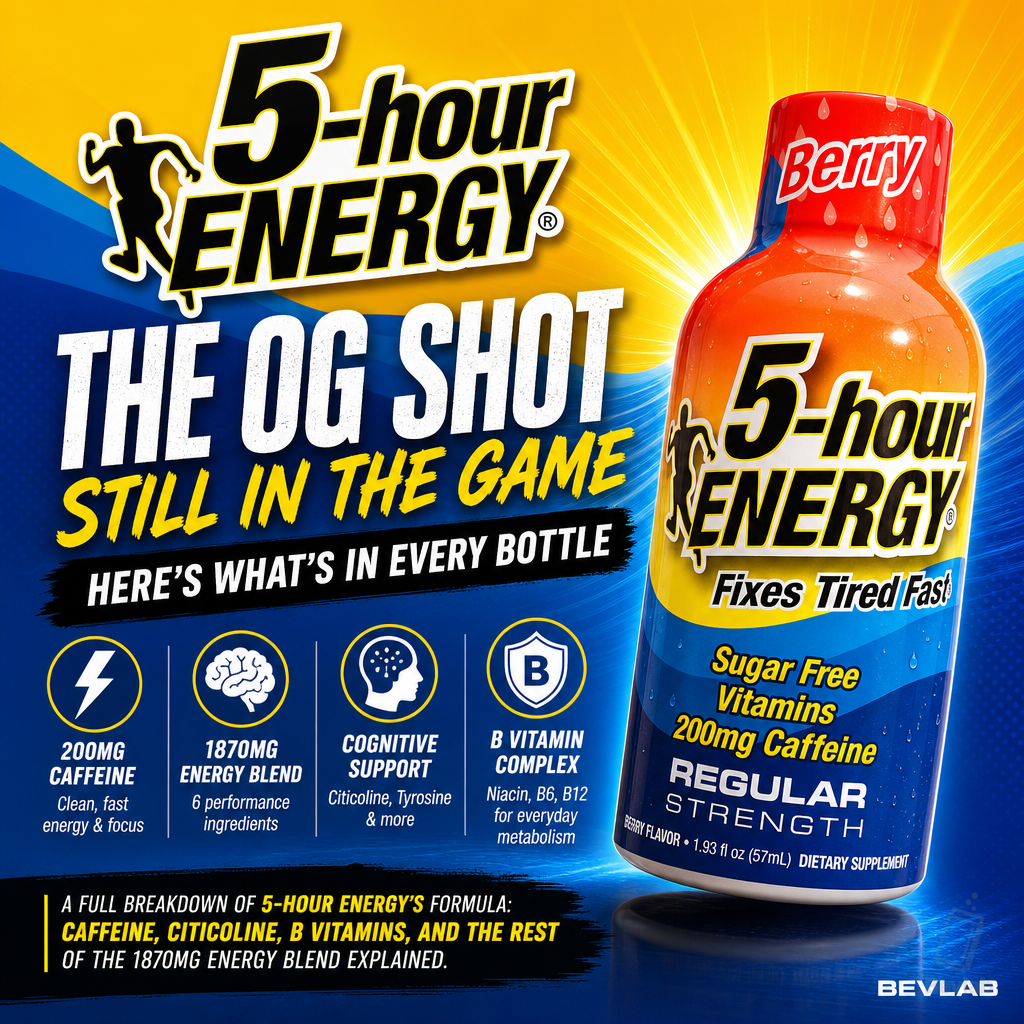
5-Hour Energy Extra Strength
The OG shot goes harder -- here's what's actually inside
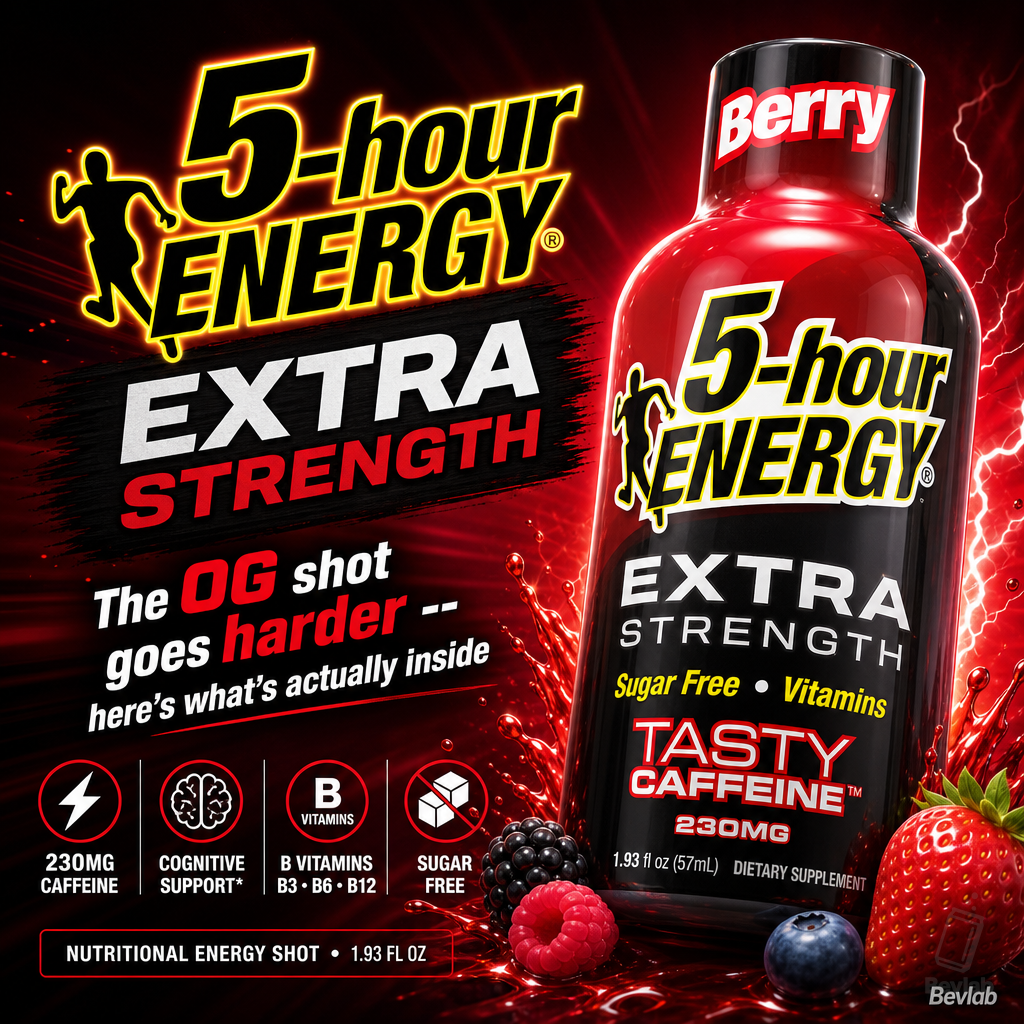
5-Hour Energy Extra Strength packs 230mg caffeine plus citicoline, tyrosine, and B vitamins in a 1.93 oz shot. Here's what the formula actually does.
If you've read our 5-Hour Energy breakdown on the regular version, you already know the appeal: no carbonation, no bulk, no excuses. You crack a tiny bottle, drink it in seconds, and get moving.
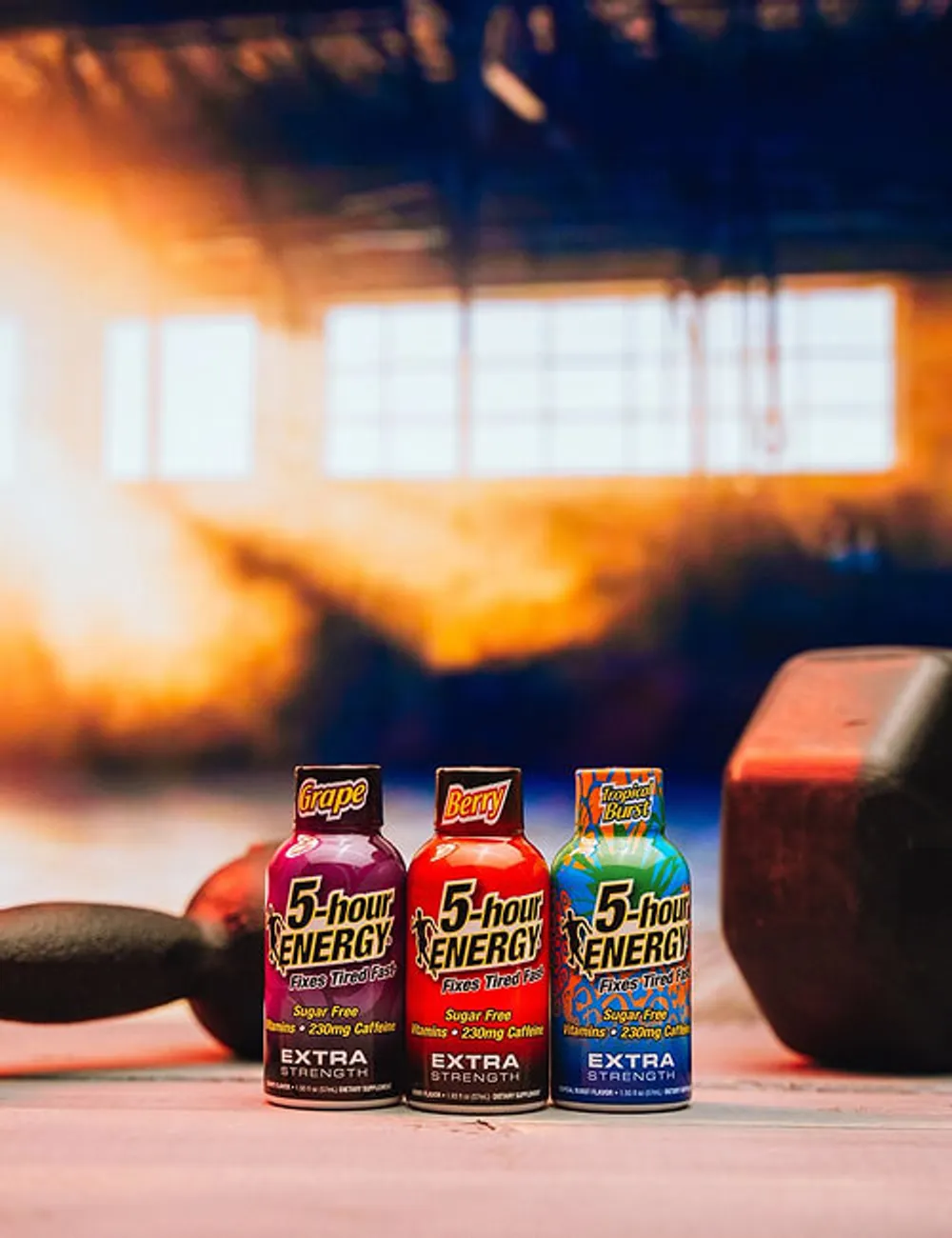
The Extra Strength version follows the same logic but pushes it from 200 to 230mg caffeine and keeps the nootropic stack that most energy shots quietly skip. It's still a 1.93 fl oz bottle, still zero sugar, and still built around the same proprietary energy blend Living Essentials has been running for years. The difference is that this version is aimed at the person who's past the "I just need a little boost" phase and wants something with a bit more authority.
What makes it worth a closer look isn't just the caffeine bump. It's the inclusion of citicoline alongside tyrosine, phenylalanine, and a full B-vitamin stack. Whether some of those ingredients are dosed high enough to do anything meaningful is the real question, and it's one the formula partially obscures behind a 2,000mg proprietary blend. We do, however, need to express caution with the high vitamin B6 dose -- it could potentially lead to nerve issues. Below, we discuss what's known.
Watch Related Videos
Bevlab Videos5-Hour Energy Extra Strength Ingredients
Each 1.93 fl oz bottle provides the following active ingredients:
-
Caffeine - 230mg
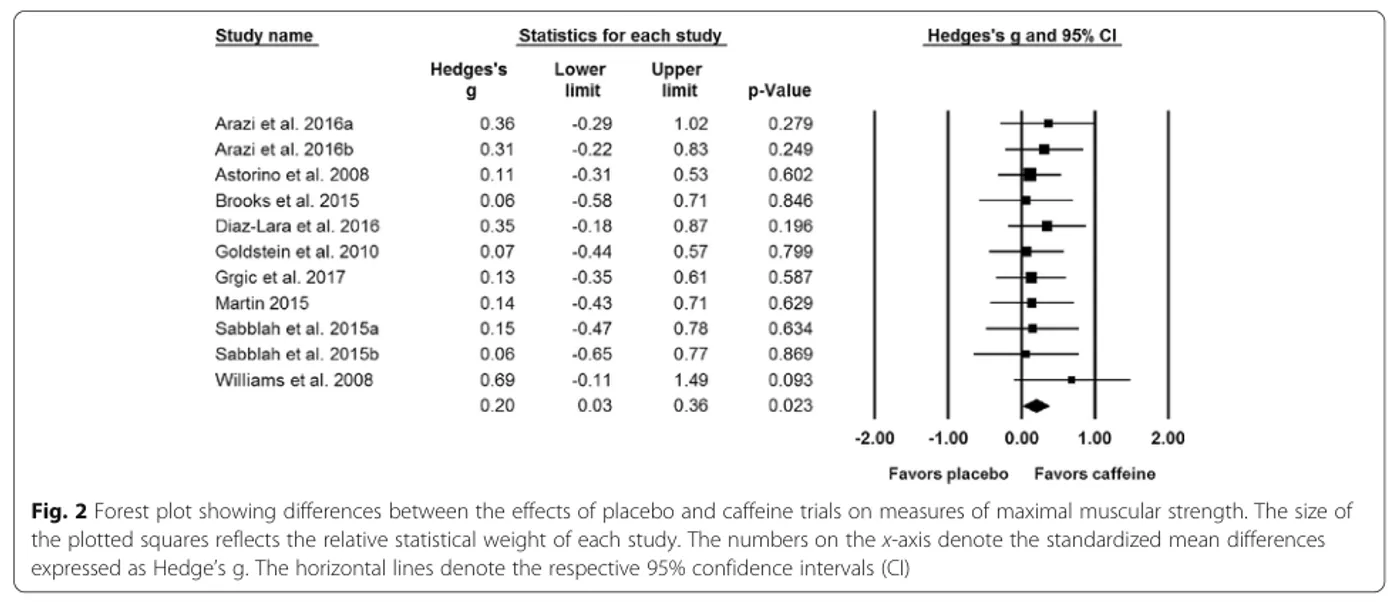
The Effects Of Caffeine Intake On Muscle Strength And Power A Systematic Review And Meta Analysis.[1] Caffeine is the headline here, and 230mg is a real dose. That's firmly in the upper-mid range for energy shots -- higher than a standard Red Bull, higher than the regular 5-Hour Energy, and roughly equivalent to a large drip coffee from most cafes. The mechanism is familiar: caffeine blocks the signal in your brain that makes you feel tired by competing with adenosine at its receptors. The result is increased alertness, faster reaction time, and reduced perceived effort during physical or cognitive work.[2,3]
The ISSN puts the sweet spot for cognitive and physical performance benefits at 3-6mg/kg body weight, which for most adults works out to roughly 200-400mg.[2] At 230mg, the Extra Strength sits comfortably in that range for most people. Research on endurance, reaction time, and sustained attention all point to improvements at doses in this zone, with vigilance benefits among the most consistently replicated findings in the literature.[3] The non-carbonated format helps, too -- you can take it fast, and with no volume to slow gastric emptying, onset tends to be quick. Peak plasma caffeine typically hits within 30-90 minutes.
For sleep-sensitive users, 230mg consumed in the afternoon can push back sleep onset by several hours, so timing matters.[4]
-
Energy Blend - 2000mg
The remaining active ingredients -- taurine, glucuronic acid (from glucuronolactone), malic acid, N-Acetyl L-Tyrosine, L-Phenylalanine, and citicoline -- are grouped into a 2,000mg proprietary blend. The brand doesn't disclose individual doses for any of these. What follows is what each ingredient does and what the research says about amounts that actually move the needle.
-
Taurine
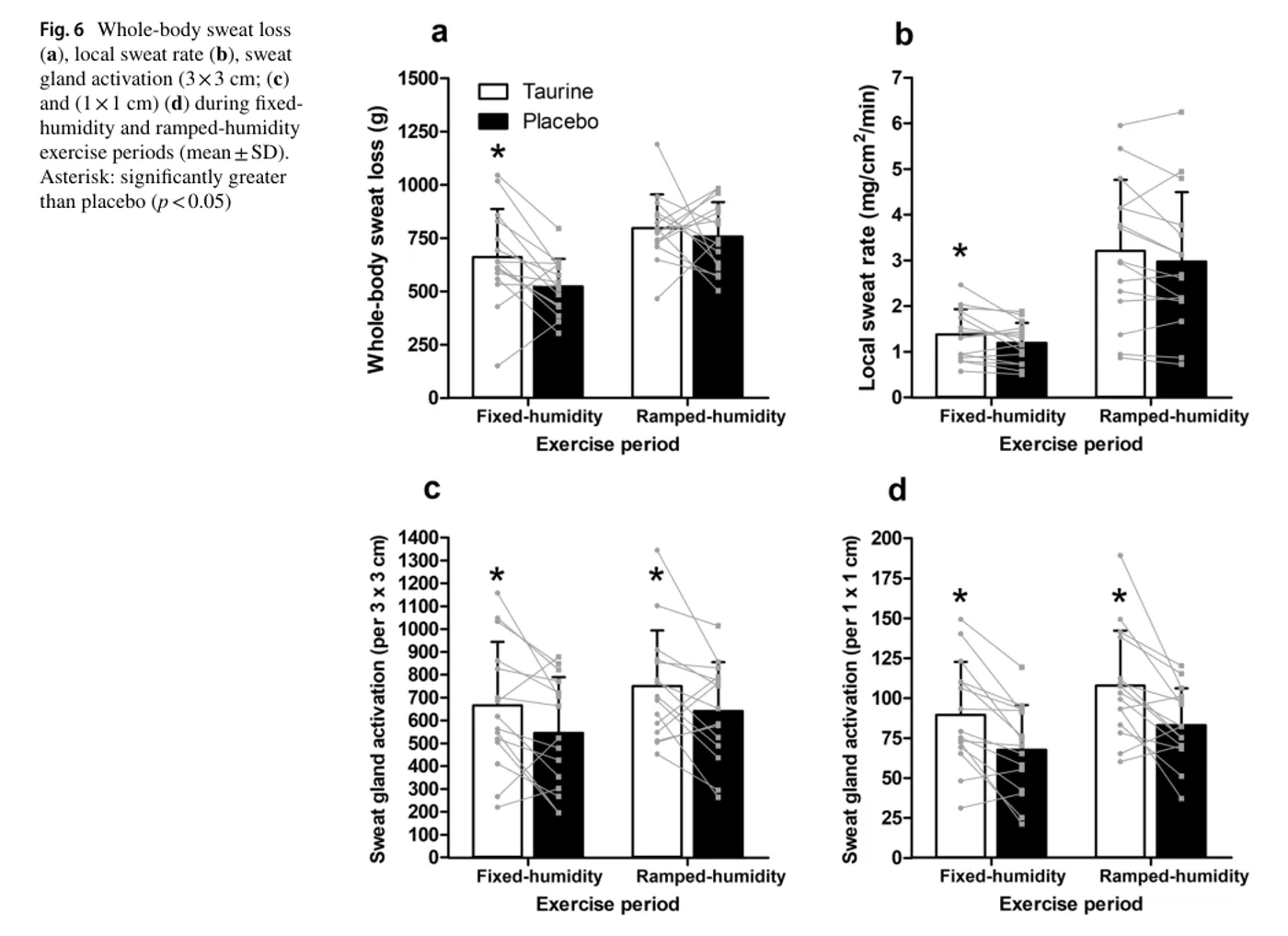
The effect of 8-day oral taurine supplementation on thermoregulation during low-intensity exercise at fixed heat production in hot conditions of incremental humidity.[5] Taurine is a sulfur-containing amino acid found in high concentrations in skeletal muscle, heart tissue, and the brain. It's conditionally essential -- your body makes it, but not always enough to cover the demand created by exercise and stress.[6] In an energy shot context, taurine supports calcium handling in muscle, acts as an indirect antioxidant by reducing mitochondrial oxidative stress, and modulates inhibitory neurotransmitter systems that influence how calm or wired you feel.[7,8]
On the performance side, research on acute taurine supplementation shows small-to-moderate improvements in overall exercise capacity, with aerobic endurance, strength, and agility tasks all showing positive signals.[9] The caffeine-taurine combination specifically has shown credible improvements in anaerobic capacity and reaction time over either ingredient alone.[10] Human performance trials typically use 1-6g. The total blend here is 2,000mg across six ingredients, so taurine's individual slice is likely modest -- though even at lower amounts, it may contribute something meaningful when caffeine is already on board.
-
Glucuronolactone
Glucuronolactone is a naturally occurring compound your liver produces from glucose. It's been in energy drink formulas since Red Bull popularized the category, and it shows up here as glucuronic acid (as or from glucuronolactone) on the label. The core mechanism involves conversion to D-glucaro-1,4-lactone, which inhibits beta-glucuronidase, an enzyme involved in the detoxification pathway.[11] In simpler terms, it may support the body's ability to clear certain metabolic waste products.
The honest take on glucuronolactone is that it's never been tested in isolation at a dose that clearly works in humans.[12] The positive performance data from early Red Bull studies involved the full multi-ingredient formula, so isolating glucuronolactone's contribution from that research isn't possible.[13] It appears safe at standard energy shot exposure levels for healthy adults. Think of it more as a historical fixture of the category than a proven standalone performance driver.
-
Malic Acid
Malic acid is a four-carbon organic acid and a key intermediate in the Krebs cycle, the aerobic pathway your cells run to produce ATP.[14] Its relevance in an energy shot is that it may help maintain the efficiency of that pathway under stress, potentially reducing lactic acid buildup and supporting endurance output.[15] It also helps your body convert carbohydrates to usable energy more efficiently.[16]
In food and beverage applications, malic acid also pulls flavor duty -- it contributes the tart, slightly sour edge that keeps energy shots from tasting flat. Human research on standalone malic acid for exercise performance is limited, with most positive data coming from combination formulas. Existing research has used doses of 600-1,400mg paired with magnesium.[17] At whatever amount is present in this 2,000mg blend, the performance contribution is likely minor, but the ingredient isn't without a physiological rationale.
-
N-Acetyl L-Tyrosine
N-Acetyl L-Tyrosine is an acetylated form of L-tyrosine, an amino acid your body uses to produce dopamine and norepinephrine -- the neurotransmitters behind focus, stress response, and mental drive.[18] Tyrosine is most useful under high demand: sleep deprivation, heat stress, or sustained cognitive load are where the research consistently shows benefits.[19] When neurons are firing hard, catecholamine synthesis can become substrate-limited, and extra tyrosine helps replenish those pools.[18]
Research at doses of 2g per day has shown improved memory and motor performance during intensive training.[20] The acetylated form has better water solubility, useful for liquid formats, though some data suggests it may not convert to free tyrosine as efficiently as plain L-tyrosine. The brand doesn't disclose how much is in the blend, so direct comparison to study protocols isn't possible here.
-
L-Phenylalanine
L-Phenylalanine is an essential amino acid and the upstream precursor to tyrosine in the catecholamine pathway. Your body can't make it, so you have to get it from food or supplements.[21] Once ingested, phenylalanine is hydroxylated in the liver to produce tyrosine, which then feeds the dopamine and norepinephrine synthesis chain.[22] Pairing phenylalanine and tyrosine in the same formula creates a layered precursor-loading approach: dietary phenylalanine extends the tyrosine supply.
Phenylalanine also stimulates cholecystokinin (CCK) release from the gut, contributing to satiety signaling.[23] In the context of an energy shot, that's probably not the main event, but it may contribute to the controlled feeling some users report rather than a chaotic stimulant rush. The dose isn't disclosed. People with phenylketonuria (PKU) cannot safely metabolize phenylalanine and should avoid this product -- the label carries the standard PKU warning.
-
Citicoline
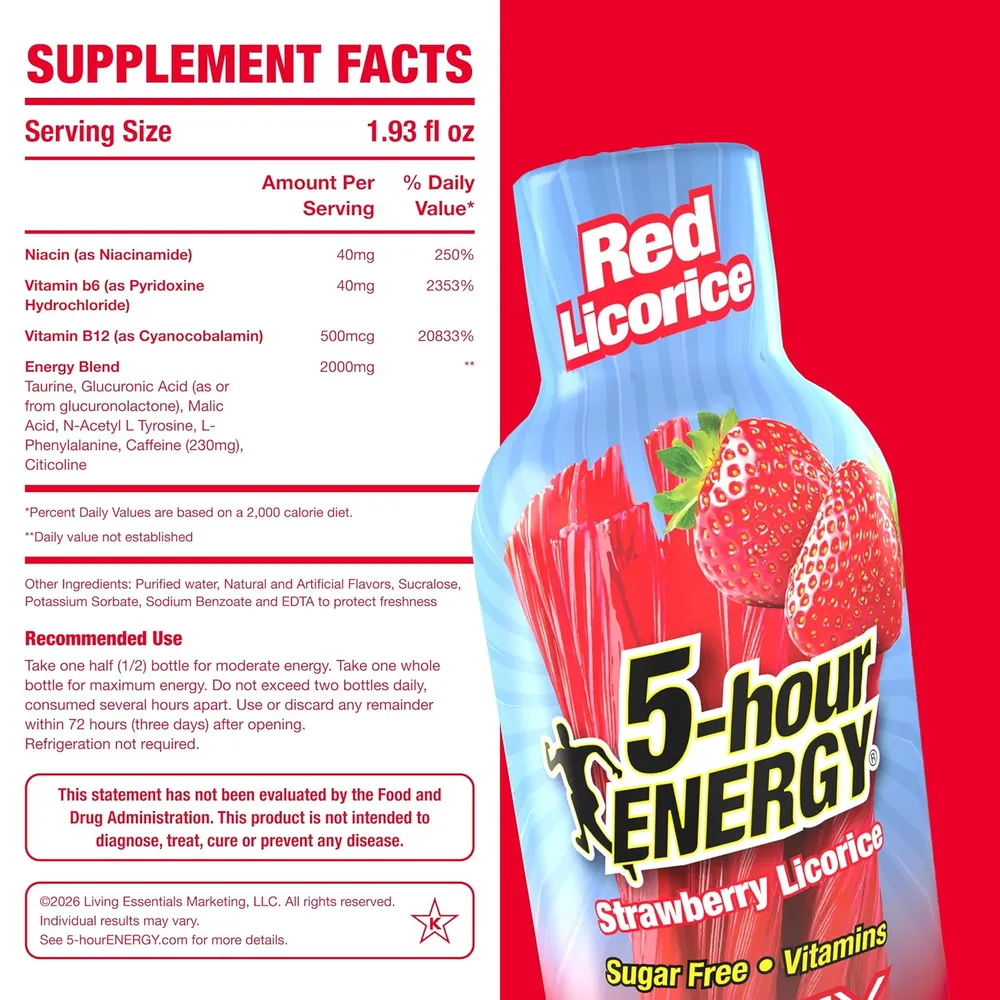
Supplement facts and ingredients panel for 5-Hour Energy Extra Strength. Citicoline (CDP-choline) is the most interesting ingredient in this formula and the one that separates it from most energy shots on the market. It's a naturally occurring compound that crosses the blood-brain barrier and supplies choline for acetylcholine synthesis while also providing cytidine, which converts to uridine and drives phosphatidylcholine production in neuronal membranes via the Kennedy pathway.[24,25] In plain terms, it feeds your brain the raw materials it needs for sharp focus and fast recall while also supporting membrane integrity.
The clinical evidence is meaningful. A 12-week randomized controlled trial in adults aged 50-85 with age-associated memory impairment found 500mg/day of Cognizin citicoline produced significantly better episodic memory scores than placebo.[26] Attention-focused trials in healthy women showed that both 250mg and 500mg/day reduced errors on a sustained attention task after 28 days.[27] Reaction time, working memory accuracy, and psychomotor speed have all shown improvements in double-blind controlled studies at 500mg/day.[28] Neuroimaging research at 500mg/day found increased phosphocreatine and ATP levels in the frontal cortex, a direct measure of brain energy availability.[29]
The catch is dose. Effective amounts in trials run 250-500mg. Without label transparency on the blend, there's no way to confirm this formula hits that range. If citicoline is present at a meaningful dose, this shot has a genuine nootropic backbone. If it's a token inclusion, the caffeine is doing most of the work. Either way, its presence in an energy shot at any amount is notable.
-
Vitamins and Minerals
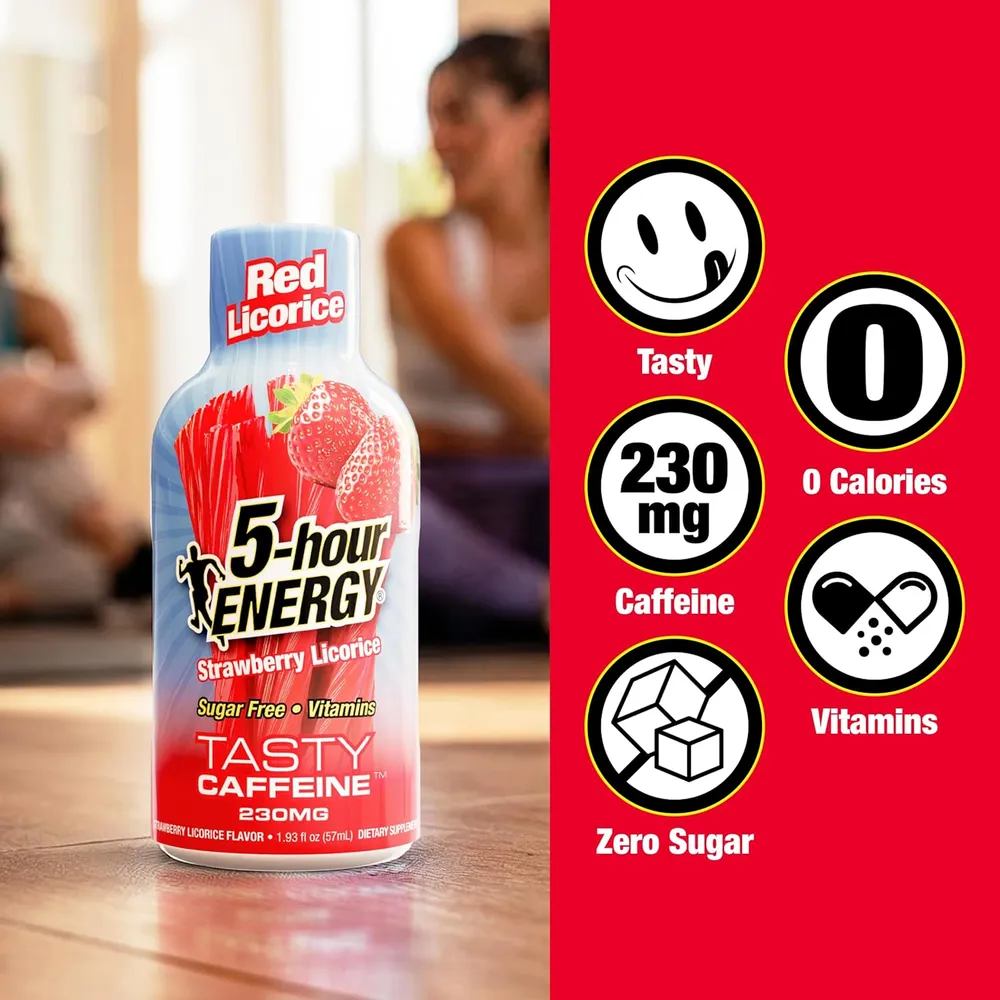
-
Niacin (as Niacinamide) - 40mg (250% DV)
Niacin in the niacinamide form is the B3 vitamer that doesn't cause flushing, which is why it's used here instead of nicotinic acid. It functions as a precursor to NAD+ and NADP+, the coenzymes behind hundreds of oxidation-reduction reactions in cellular energy metabolism.[30] At 40mg, you're well above the RDA of 14-16mg NE/day, and this form is well tolerated. The US IOM's tolerable upper intake level of 35mg/day is based on flushing from nicotinic acid; niacinamide doesn't cause flushing and has a much higher practical safety ceiling. The dose here contributes meaningfully to energy metabolism support without the flush risk associated with the acid form.
-
Vitamin B6 (as Pyridoxine Hydrochloride) - 40mg (2353% DV)
Vitamin B6 as pyridoxine HCl is the most widely used supplement form, though it requires hepatic conversion to the active coenzyme pyridoxal-5'-phosphate (PLP) before it can do its job. PLP participates in over 140 enzymatic reactions, including neurotransmitter biosynthesis -- GABA, dopamine, and serotonin all depend on it.[31]
At 40mg, this is a high supplemental dose and one to be cautious of. EFSA's tolerable upper intake level is 12mg/day; the US IOM's is 100mg/day. Occasional users hitting this dose infrequently are unlikely to face any concern, but habitual daily use of multiple high-B6 products is worth monitoring given neurotoxicity signals associated with chronic excess.[32] For most people using this product as intended, the dose is effective without being problematic. But if you notice nerve issues, you need to stop immediately.
-
Vitamin B12 (as Cyanocobalamin) - 500mcg (20833% DV)
Vitamin B12 here uses the cyanocobalamin form -- the most stable and cost-effective option. It's absorbed, converted to the active coenzyme forms methylcobalamin and adenosylcobalamin intracellularly, and supports DNA synthesis, red blood cell formation, and myelin maintenance.[33] The 500mcg dose is dramatically above the 2.4mcg RDA, but B12 has no established upper intake limit and excess is excreted harmlessly.[33] In people with adequate B12 status, supplemental B12 alone won't produce noticeable energy effects -- the B12-for-energy narrative is largely a deficiency story. For people running low, even moderate supplementation can meaningfully improve alertness and reduce fatigue.[34]
-
-
Other Ingredients
- Purified Water -- the formula base and solvent for all active ingredients.
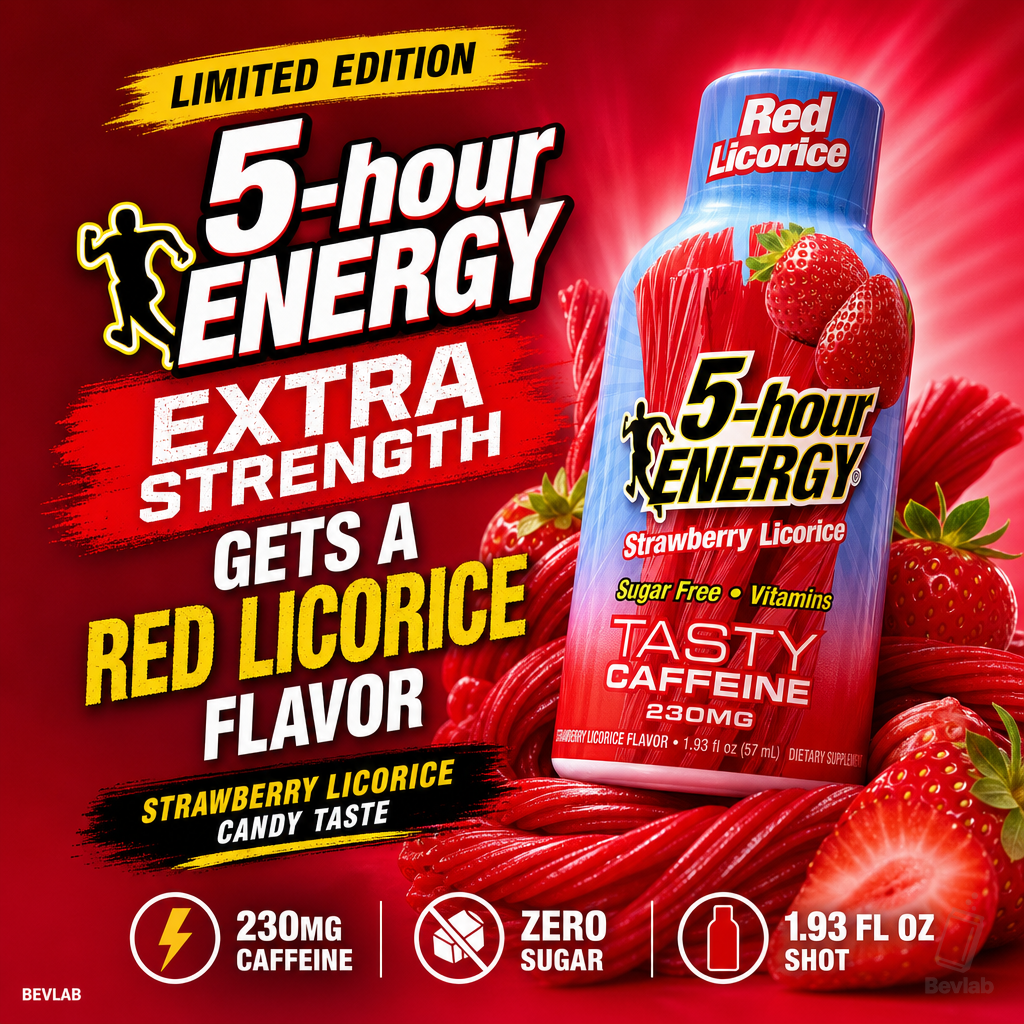
- Natural and Artificial Flavors -- the blend varies by SKU. Red Licorice uses a strawberry-candy flavor system. Natural and artificial flavor compounds are both GRAS-affirmed and used here primarily to mask the bitterness of B vitamins and amino acids while delivering the signature candy-inspired taste.
- Sucralose -- a zero-calorie chlorinated sweetener approximately 600 times sweeter than sugar. It provides the shot's sweetness without contributing calories or meaningfully affecting blood sugar at standard exposure levels.[35] Approved globally with an ADI of 5mg/kg/day by the FDA.
- Potassium Sorbate -- a preservative that inhibits yeast and mold growth, keeping the product shelf-stable in its sealed bottle. Approved for use in beverages; realistic dietary exposure from this product is well within established safe limits.
- Sodium Benzoate -- a broad-spectrum antimicrobial preservative effective at the acidic pH of this formula. Standard at 0.1% or below in energy shots. The combination with potassium sorbate reflects standard preservation practice for this product category.[36]
- EDTA (to protect freshness) -- functions as a chelating sequestrant, binding metal ions that would otherwise catalyze oxidative degradation of the formula. The label clarifies its purpose explicitly: freshness protection, not active supplementation.[37]
Flavors Available
- Berry (24 2 Oz. Bottles: $59.49)
- Birthday Cake (6 2 Oz. Bottles: $15.99)
- Blue Raspberry (24 2 Oz. Bottles: $50.00)
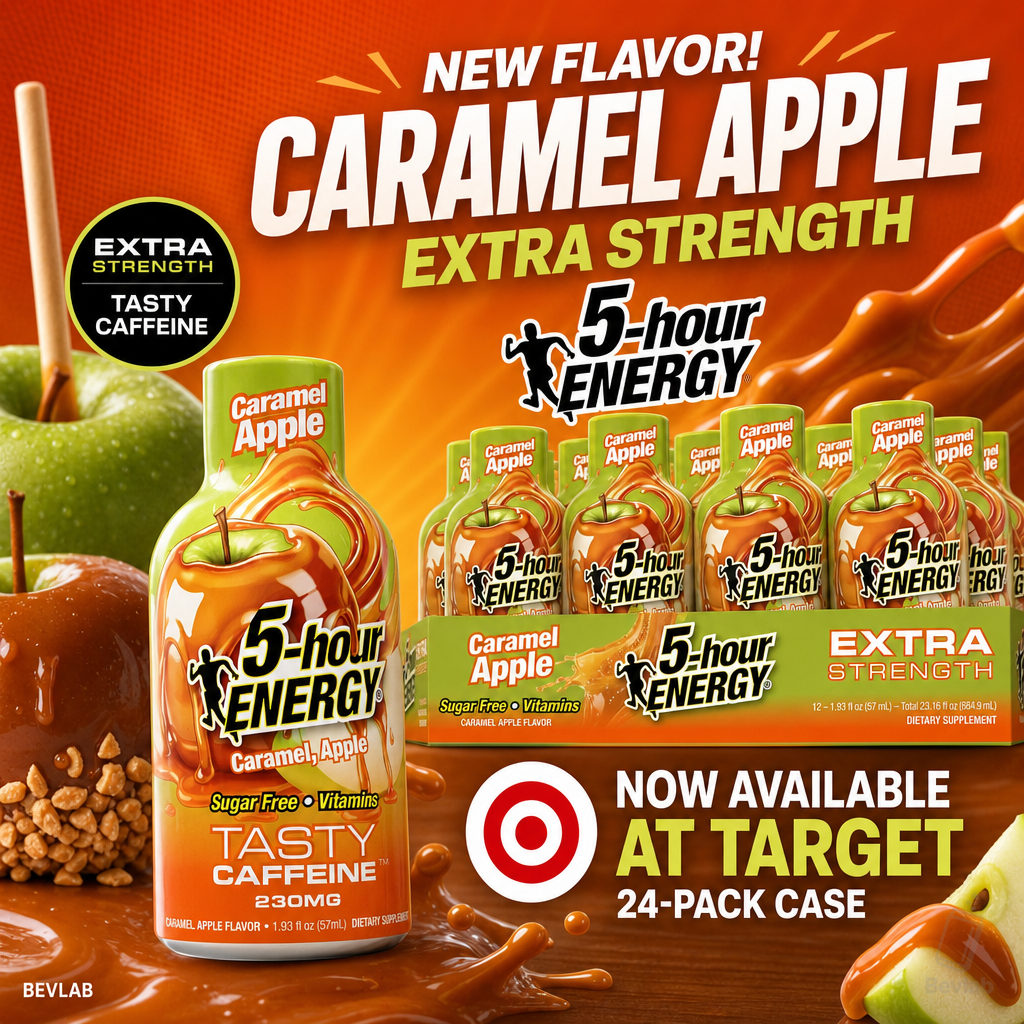
- Caramel Apple (6 2 Oz. Bottles: $15.99)
- Cherry (30 2 Oz. Bottles: $55.16)
- Cotton Candy (30 2 Oz. Bottles: $55.15)
- Cranberry Lime (6 2 Oz. Bottles: $15.99)
- Firework Freeze (Cherry, Blue Raspberry, Lime) (6 2 Oz. Bottles: $14.99)
- Fruity Rainbow (30 2 Oz. Bottles: $52.49)
- Glow Motion (30 2 Oz. Bottles: $68.95)
- Grape (48 2 Oz. Bottles: $58.09)
- Hawaiian Breeze (12 2 Oz. Bottles: $25.82)
- MockMelon Brew (6 2 Oz. Bottles: $11.99)
- Orange (12 2 Oz. Bottles: $25.82)
- Peach Mango (30 2 Oz. Bottles: $63.96)
- Pumpkin Spice (6 2 Oz. Bottles: $15.99)
- Red Licorice (Strawberry) (24 2 Oz. Bottles: $58.95)
- Sour Apple (48 2 Oz. Bottles: $123.43)
- Spicy Cinco de Mango (6 2 Oz. Bottles: $11.25)
- Strawberry Banana (12 2 Oz. Bottles: $32.99)
- Strawberry Watermelon (216 2 Oz. Bottles: $510.99)
- Tidal Twist (Pina-Colada) (30 2 Oz. Bottles: $55.15)
- Transfusion (6 2 Oz. Bottles: $14.87)
- Tropical Burst (30 2 Oz. Bottles: $55.15)
- Ultimate Citrus (12 2 Oz. Bottles: $26.69)
- Variety - Candy Cane (sizeing) (3 2 Oz. Bottles: $9.99)
- Variety 2-Flavor (Extra Strength & Reg 5-Hour) (12 2 Oz. Bottles: $33.99)
- Variety Pack (30 2 Oz. Bottles: $55.15)
- Watermelon (30 2 Oz. Bottles: $53.55)
Who It's For
- High-caffeine seekers: If the regular 5-Hour Energy's 200mg feels like it's not quite getting the job done, the Extra Strength's 230mg is the direct upgrade without switching formats. Same portability, same speed of use.
- Nootropic-curious energy shot buyers: The citicoline and tyrosine stack makes this more interesting than a straightforward caffeine pill. If you want both stimulation and cognitive support from a single grab-and-go product, this formula at least attempts to deliver both.
A Genuine Shot, Not Just a Big Caffeine Number
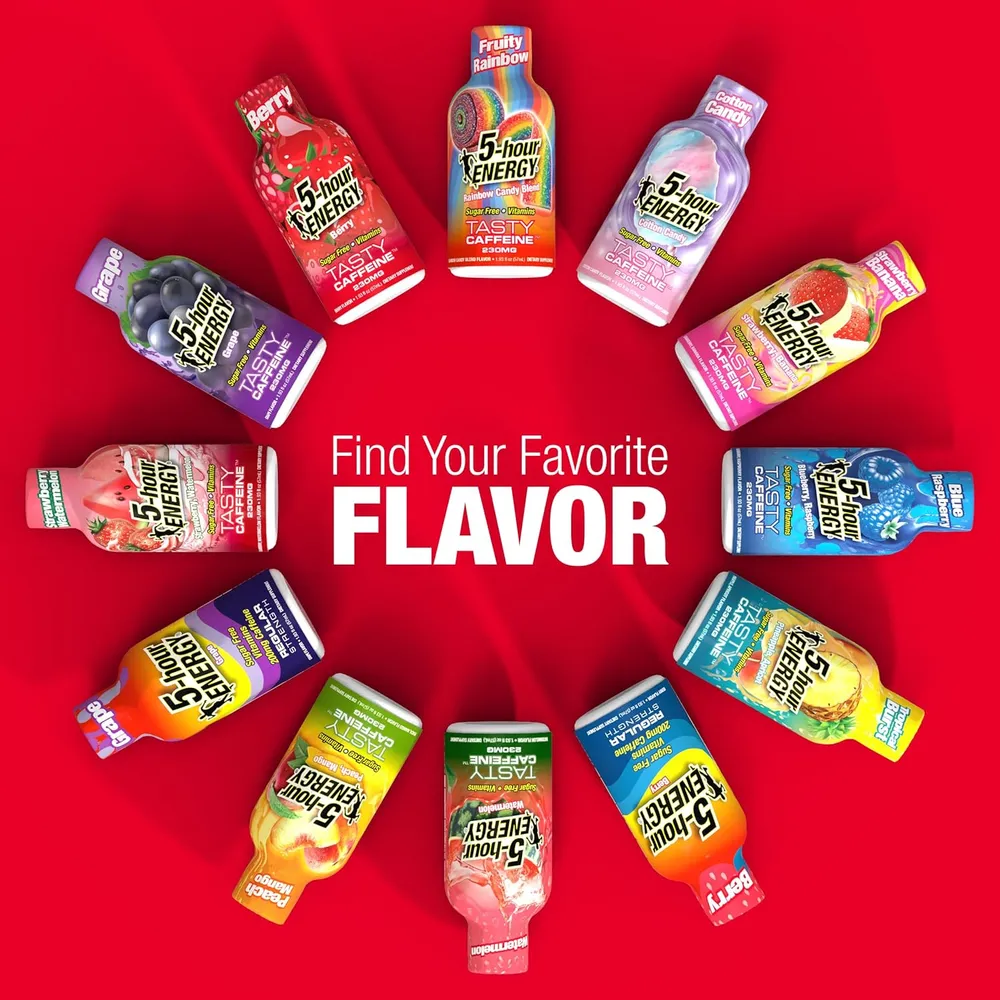
The 5-Hour Energy Extra Strength is the same no-nonsense format with a more serious caffeine dose and a formula that goes further than most energy shots bother to. The citicoline and tyrosine inclusions are backed by real research on focus and cognitive performance under stress, and the B-vitamin stack at these doses covers the fundamentals well, although the high vitamin B6 dose is of concern here.
The proprietary blend is the ongoing frustration: without individual doses, it's hard to say whether citicoline is dosed to actually work or just to appear on the label. At 2,000mg split across six ingredients including taurine, glucuronolactone, and malic acid, there's real competition for milligrams. Still, if you want a quick, portable shot that's trying harder than most, this is a credible option -- especially for anyone who found the regular 5-Hour Energy a little light.
More Related Videos
Bevlab VideosFollow @BevlabMedia on TikTok and Instagram for more formula breakdowns.
References
- Grgic, Jozo, et al. "Effects Of Caffeine Intake On Muscle Strength And Power A Systematic Review And Meta Analysis." Journal of the International Society of Sports Nutrition, 2018. https://doi.org/10.1186/s12970-018-0216-0
- Guest, Nanci S. et al. "International Society Of Sports Nutrition Position Stand Caffeine And Exercise Performance." Journal of the International Society of Sports Nutrition, 2021. https://doi.org/10.1186/s12970-020-00383-4
- McLellan, Tom M. et al. "A Review Of Caffeine S Effects On Cognitive Physical And Occupational Performance." Neuroscience & Biobehavioral Reviews, 2016. https://doi.org/10.1016/j.neubiorev.2016.09.001
- Wikoff, Daniele, et al. "Systematic review of the potential adverse effects of caffeine consumption in healthy adults, pregnant women, adolescents, and children." Food and chemical toxicology : an international journal published for the British Industrial Biological Research Association, 2017. https://doi.org/10.1016/j.fct.2017.04.002
- Peel, Jennifer S, et al. "The effect of 8-day oral taurine supplementation on thermoregulation during low-intensity exercise at fixed heat production in hot conditions of incremental humidity." European journal of applied physiology, 2024. https://doi.org/10.1007/s00421-024-05478-3
- Ripps, Harris, et al. "Review: taurine: a "very essential" amino acid." Molecular vision, 2012. https://pmc.ncbi.nlm.nih.gov/articles/PMC3501277/
- Jong, Chian Ju, et al. "The Role of Taurine in Mitochondria Health: More Than Just an Antioxidant." Molecules (Basel, Switzerland), 2021. https://doi.org/10.3390/molecules26164913
- Chen, Chaoran, et al. "Roles of taurine in cognitive function of physiology, pathologies and toxication." Life sciences, 2019. https://doi.org/10.1016/j.lfs.2019.116584
- Deng, Hengzhi, et al. "Does One Shot Work? The Acute Impact of a Single Taurine Dose on Exercise Performance: A Meta-Analytic Review." Scandinavian journal of medicine & science in sports, 2025. https://doi.org/10.1111/sms.70123
- Deng, Hengzhi, et al. "Caffeine and taurine: a systematic review and network meta-analysis of their individual and combined effects on physical capacity, cognitive function, and physiological markers." Journal of the International Society of Sports Nutrition, 2025. https://doi.org/10.1080/15502783.2025.2566371
- Marsh, C A. "Metabolism of D-glucuronolactone in mammalian systems. Inhibitory properties of the products of D-glucuronolactone-dehydrogenase action." The Biochemical journal, 1966. https://doi.org/10.1042/bj0990022
- Munteanu, Camelia, et al. "B Vitamins, Glucoronolactone and the Immune System: Bioavailability, Doses and Efficiency." Nutrients, 2023. https://doi.org/10.3390/nu16010024
- Alford, C, et al. "The effects of red bull energy drink on human performance and mood." Amino acids, 2001. https://doi.org/10.1007/s007260170021
- Mescam, Muriel, et al. "Identification Of The Catalytic Mechanism And Estimation Of Kinetic Parameters For Fumarase." The Journal of biological chemistry, 2011. https://doi.org/10.1074/jbc.M110.214452
- Qiang, Fu. "Effect Of Malate Oligosaccharide Solution On Antioxidant Capacity Of Endurance Athletes." The Open Biomedical Engineering Journal, 2015. https://doi.org/10.2174/1874120701509010326
- Ward, Dean. "Krebs Cycle Intermediates." NutritionReview, 2013. https://web.archive.org/web/20250223214057/http://nutritionreview.org/2013/04/krebs-cycle-intermediates/
- de, Carvalho Jozélio Freire, et al. "Malic Acid For The Treatment Of Rheumatic Diseases." Mediterranean journal of rheumatology, 2023. https://doi.org/10.31138/mjr.301223.mar
- Fernstrom, John D. et al. "Tyrosine, Phenylalanine, and Catecholamine Synthesis and Function in the Brain." The Journal of Nutrition, 2007. https://doi.org/10.1093/jn/137.6.1539s
- Jongkees, Bryant J, et al. "Effect of tyrosine supplementation on clinical and healthy populations under stress or cognitive demands--A review." Journal of psychiatric research, 2015. https://doi.org/10.1016/j.jpsychires.2015.08.014
- Smid, Dagmar J. et al. "Tyrosine improves cognitive performance and reduces blood pressure in cadets after one week of a combat training course." Frontiers in Physiology, 2025. https://doi.org/10.3389/fphys.2025.1539615
- Kaufman, S. "A model of human phenylalanine metabolism in normal subjects and in phenylketonuric patients." Proceedings of the National Academy of Sciences of the United States of America, 1999. https://doi.org/10.1073/pnas.96.6.3160
- Fernstrom, John D, et al. "Tyrosine, phenylalanine, and catecholamine synthesis and function in the brain." The Journal of nutrition, 2007. https://doi.org/10.1093/jn/137.6.1539S
- Pohle-Krauza, Rachael J, et al. "Effects of L-phenylalanine on energy intake in overweight and obese women: interactions with dietary restraint status." Appetite, 2008. https://doi.org/10.1016/j.appet.2008.01.002
- Conant, Richard, et al. "Therapeutic applications of citicoline for stroke and cognitive dysfunction in the elderly: a review of the literature." Alternative medicine review : a journal of clinical therapeutic, 2004. https://pubmed.ncbi.nlm.nih.gov/15005642/
- Secades, Julio J, et al. "Citicoline: pharmacological and clinical review, 2006 update." Methods and findings in experimental and clinical pharmacology, 2006. https://pubmed.ncbi.nlm.nih.gov/17171187/
- Nakazaki, Eri, et al. "Citicoline And Memory Function In Healthy Older Adults A Randomized Double Blind Placebo Controlled Clinical Trial." The Journal of Nutrition, 2021. https://doi.org/10.1093/jn/nxab119
- McGlade, Erin, et al. "Improved Attentional Performance Following Citicoline Administration In Healthy Adult Women." Food and Nutrition Sciences, 2012. https://doi.org/10.4236/fns.2012.36103
- M., Al-kuraishy Hayder, et al. "Citicoline Improves Human Vigilance And Visual Working Memory The Role Of Neuronal Activation And Oxidative Stress." Basic and Clinical Neuroscience Journal, 2020. https://doi.org/10.32598/bcn.11.4.1097.1
- Silveri, M M, et al. "Citicoline enhances frontal lobe bioenergetics as measured by phosphorus magnetic resonance spectroscopy." NMR in biomedicine, 2008. https://doi.org/10.1002/nbm.1281
- Gasperi, Valeria, et al. "Niacin In The Central Nervous System An Update Of Biological Aspects And Clinical Applications." International Journal of Molecular Sciences, 2019. https://doi.org/10.3390/ijms20040974
- di, Salvo Martino Luigi, et al. "Di Salvo2010 Vitamin B6 Salvage Enzymes Mechanism Structure And Regulation." Biochimica et Biophysica Acta (BBA) - Proteins and Proteomics, 2011. https://doi.org/10.1016/j.bbapap.2010.12.006
- He, Ling, et al. "The potential hazards of high doses of vitamin B6 in treating nausea and vomiting in pregnancy: A systematic review." International journal of gynaecology and obstetrics: the official organ of the International Federation of Gynaecology and Obstetrics, 2025. https://doi.org/10.1002/ijgo.16032
- Lyon, Peter, et al. "B Vitamins And One Carbon Metabolism Implications In Human Health And Disease." Nutrients, 2020. https://doi.org/10.3390/nu12092867
- Jatoi, Shazia, et al. "Low Vitamin B12 Levels An Underestimated Cause Of Minimal Cognitive Impairment And Dementia." Cureus, 2020. https://doi.org/10.7759/cureus.6976
- Wilk, Klara, et al. "The Effect of Artificial Sweeteners Use on Sweet Taste Perception and Weight Loss Efficacy: A Review." Nutrients, 2022. https://doi.org/10.3390/nu14061261
- EFSA, Panel on Food Additives and Nutrient Sources (ANS). "Scientific Opinion on the re‐evaluation of benzoic acid (E 210), sodium benzoate (E 211), potassium benzoate (E 212) and calcium benzoate (E 213) as food additives." EFSA Journal, 2016. https://doi.org/10.2903/j.efsa.2016.4433
- Bothwell, Thomas H, et al. "The potential role of NaFeEDTA as an iron fortificant." International journal for vitamin and nutrition research. Internationale Zeitschrift fur Vitamin- und Ernahrungsforschung. Journal international de vitaminologie et de nutrition, 2004. https://doi.org/10.1024/0300-9831.74.6.421
Related Coverage
Tagged