5-Hour Energy
The OG shot still in the game -- here's what's in every bottle
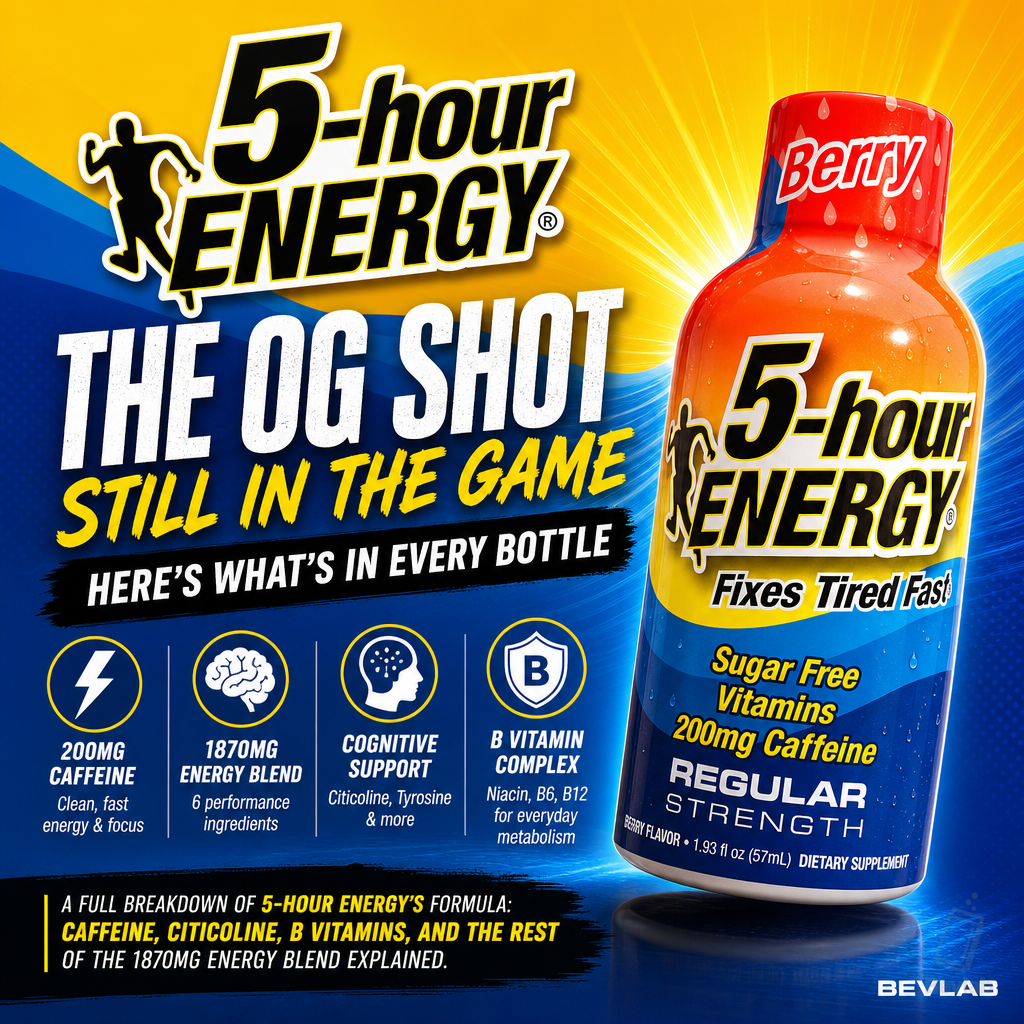
A full breakdown of 5-Hour Energy's formula: caffeine, citicoline, B vitamins, and the rest of the 1870mg energy blend explained.
5-Hour Energy is the drink that invented the energy shot category and still owns it. The original / "regular strength" comes in one 1.93 fl oz bottle, zero sugar, zero calories, 200mg caffeine, and a 1870mg energy blend that packs more cognitive ingredients than most people realize. It's been sitting at gas station counters since 2004, and if you've dismissed it as a legacy product running on brand inertia, look closer.
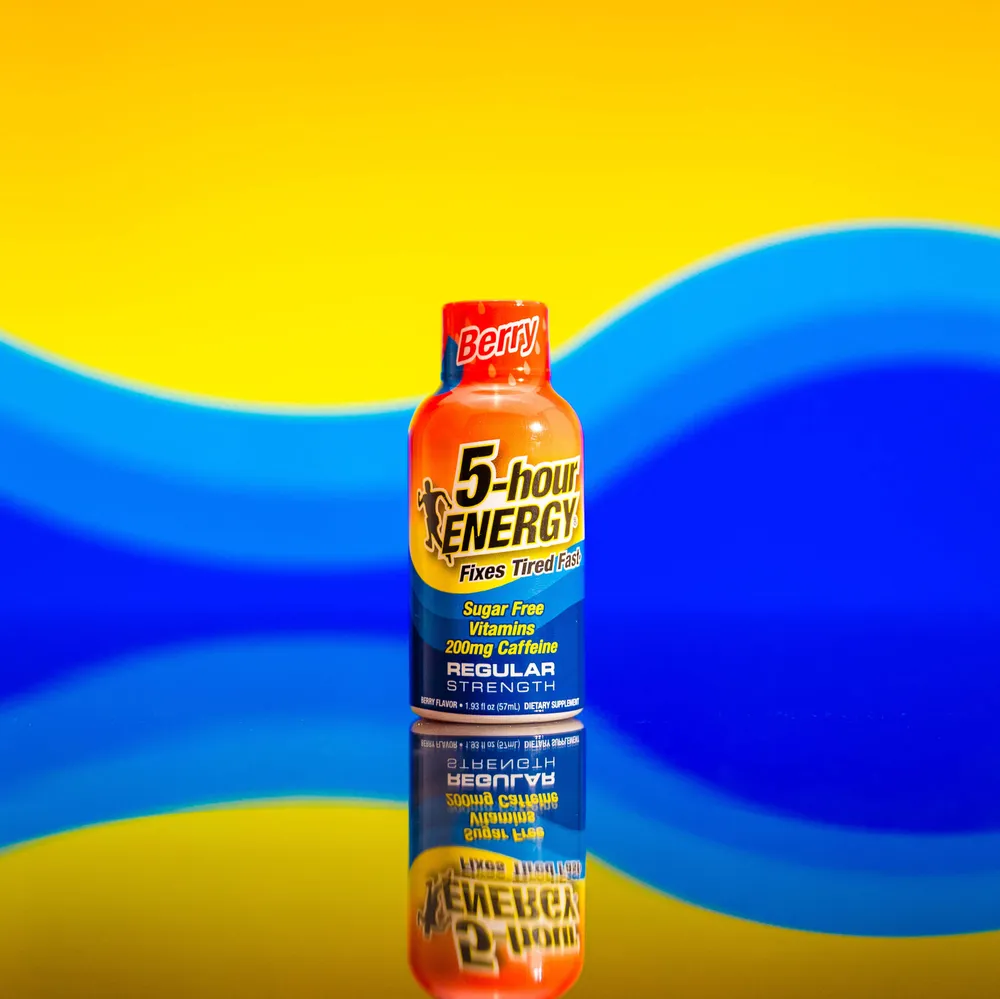
Living Essentials hasn't been sitting still. They've been aggressive with seasonal and limited flavors, but many of those come in the Extra Strength version at 230mg caffeine and a Sport Pre-Workout line we'll cover. This breakdown covers the core Regular Strength formula (200mg caffeine), and the ingredient list is more interesting than the tiny bottle suggests.
5-Hour Energy Ingredients
Each 1.93 fl oz bottle provides the following actives:
-
Caffeine - 200mg
Caffeine is the engine. It works by blocking the signal in your brain that makes you feel tired -- specifically, it competes for the adenosine receptors that accumulate during wakefulness and tell your body to slow down.[1,2] When those receptors stay unblocked, stimulatory neurotransmitters like dopamine and norepinephrine flow more freely, and you get the alertness and focus lift you're after.
At 200mg, 5-Hour Energy sits at the sweet spot the research points to for cognitive enhancement. Doses in the 32-300mg range consistently improve vigilance, reaction time, and sustained attention in both rested and sleep-deprived people, with effects following an inverted-U curve: more isn't always better, and 200mg is squarely in the zone before diminishing returns kick in.[2] The ISSN's comprehensive review confirms caffeine at 3-6mg/kg bodyweight (roughly 200-400mg for most adults) reliably enhances endurance, focus, and high-intensity performance.[1] The label notes caffeine from natural sources, consistent with the brand's overall positioning.
Worth noting: caffeine consumed too late in the day can disrupt sleep even when you think you've already come down from it.[3] Time your shot accordingly.
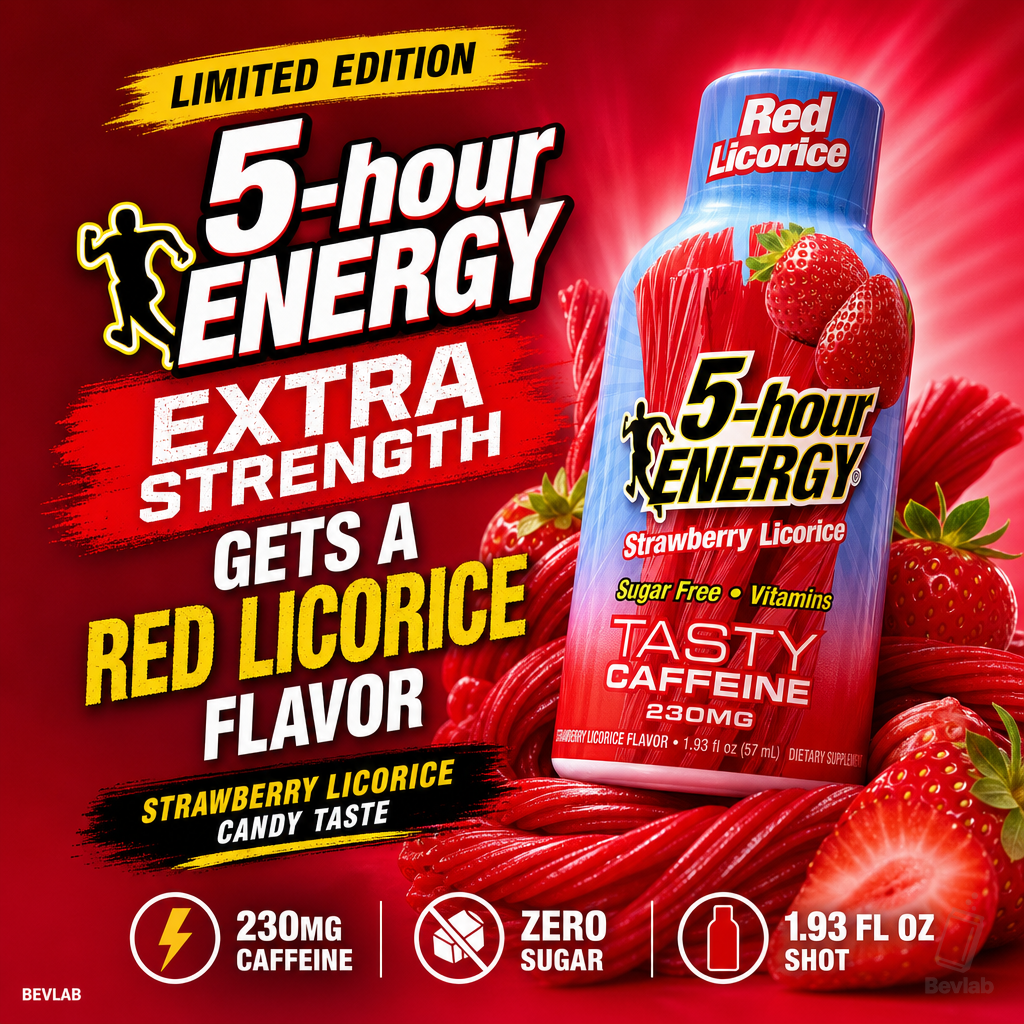
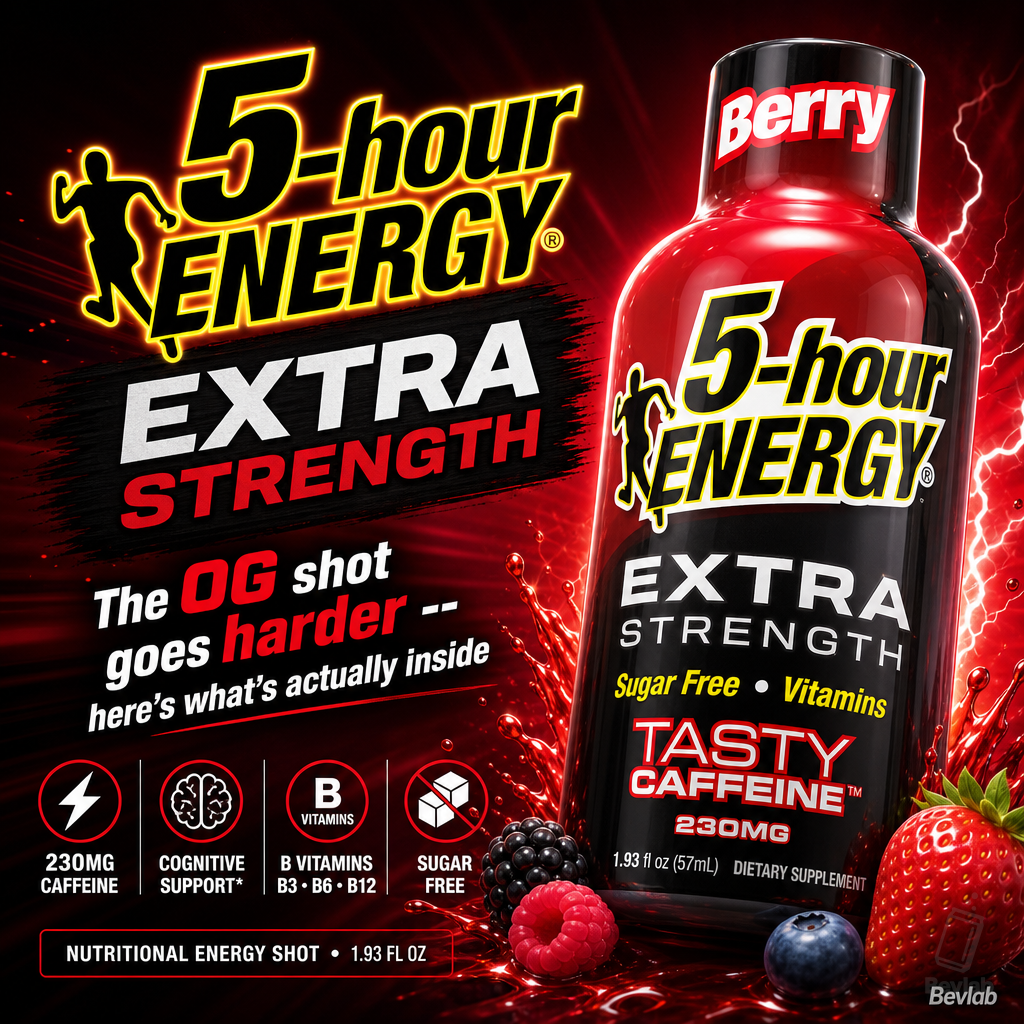
Need even more caffeine? Check out 5-Hour Energy Extra Strength.
-
Energy Blend - 1870mg
The Energy Blend is a proprietary blend, so individual doses for taurine, glucuronolactone, malic acid, N-acetyl L-tyrosine, L-phenylalanine, and citicoline are not disclosed. The 200mg caffeine dose is called out separately on the label. Here's what each ingredient brings.
-
Taurine
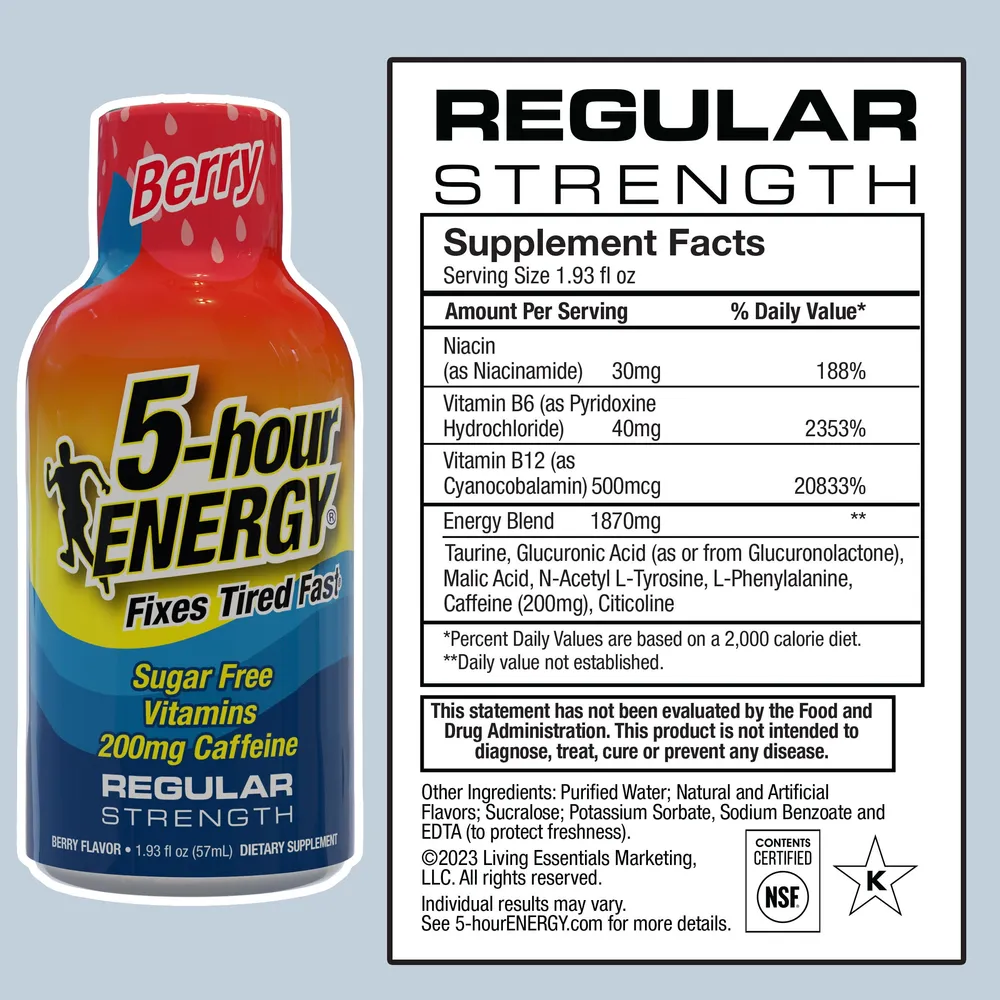
5-Hour Energy supplement facts panel showing the full energy blend and vitamin complex. Taurine is a sulfur-containing amino acid found in high concentrations in excitable tissues -- skeletal muscle, heart, and brain -- where it handles a lot of background work: regulating calcium handling in muscle cells, supporting mitochondrial energy production, and keeping oxidative stress in check.[4,5] It's one of the most studied ingredients in the energy drink category, and the evidence for it is more solid than its "standard filler" reputation suggests.
Meta-analyses show taurine at 1.5-3g/day significantly reduces blood pressure, fasting glucose, and inflammatory markers.[6] On the performance side, a large meta-analysis of 23 studies found acute single-dose taurine produced a small-to-moderate improvement in overall exercise performance, with the strongest effects for aerobic endurance and strength.[7] The caffeine-taurine combination you're getting here outperforms either ingredient alone for anaerobic capacity and reaction time.[8] The 5-Hour Energy blend doesn't disclose the taurine dose, but the combination context matters regardless.
-
Glucuronolactone
Glucuronolactone is a naturally occurring compound the liver produces when it metabolizes glucose. At the mechanistic level, it converts to D-glucaro-1,4-lactone, a potent inhibitor of beta-glucuronidase, an enzyme involved in phase II detoxification.[9] That's the basis for its historical use as a liver-supportive compound in some countries.
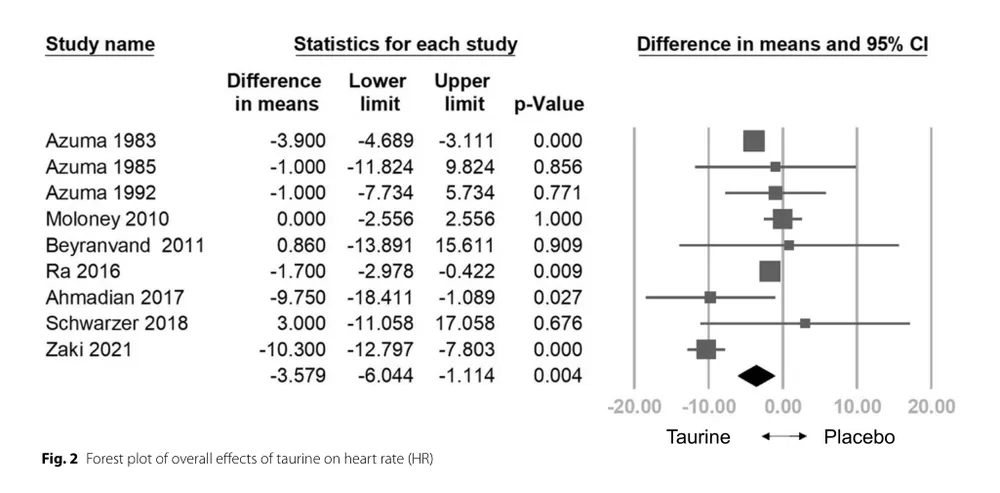
Cardiovascular Benefits Taurine In energy drink research, the most cited performance data comes from a multi-ingredient Red Bull study where a formula containing glucuronolactone, taurine, caffeine, and B vitamins improved aerobic endurance by around 9% and anaerobic endurance by up to 24% compared to control drinks.[10] The honest caveat: glucuronolactone can't be separated from the other ingredients in those results. What we know about it specifically is mostly mechanistic and animal-based.[11] It's a reasonable inclusion with a plausible rationale, not a throwaway ingredient. The dose here is not disclosed.
-
Malic Acid
Malic acid is an intermediate in the Krebs cycle, the aerobic energy production pathway your mitochondria run during sustained effort.[12] It participates in the malate-aspartate shuttle, which helps move reducing equivalents into the mitochondria and keeps ATP production running efficiently.[13] When lactic acid builds up during high-intensity exercise, malic acid helps buffer some of that metabolic byproduct.
In beverages it also serves a sensory function, contributing the tart, slightly sour note that makes energy shots more palatable. The research on malic acid in athletic contexts is primarily in combination formulas rather than in isolation, which makes it hard to pin a performance number on it specifically.[13] It's doing real work in the energy blend, even if it's not the headline act. The dose is undisclosed.
-
N-Acetyl L-Tyrosine
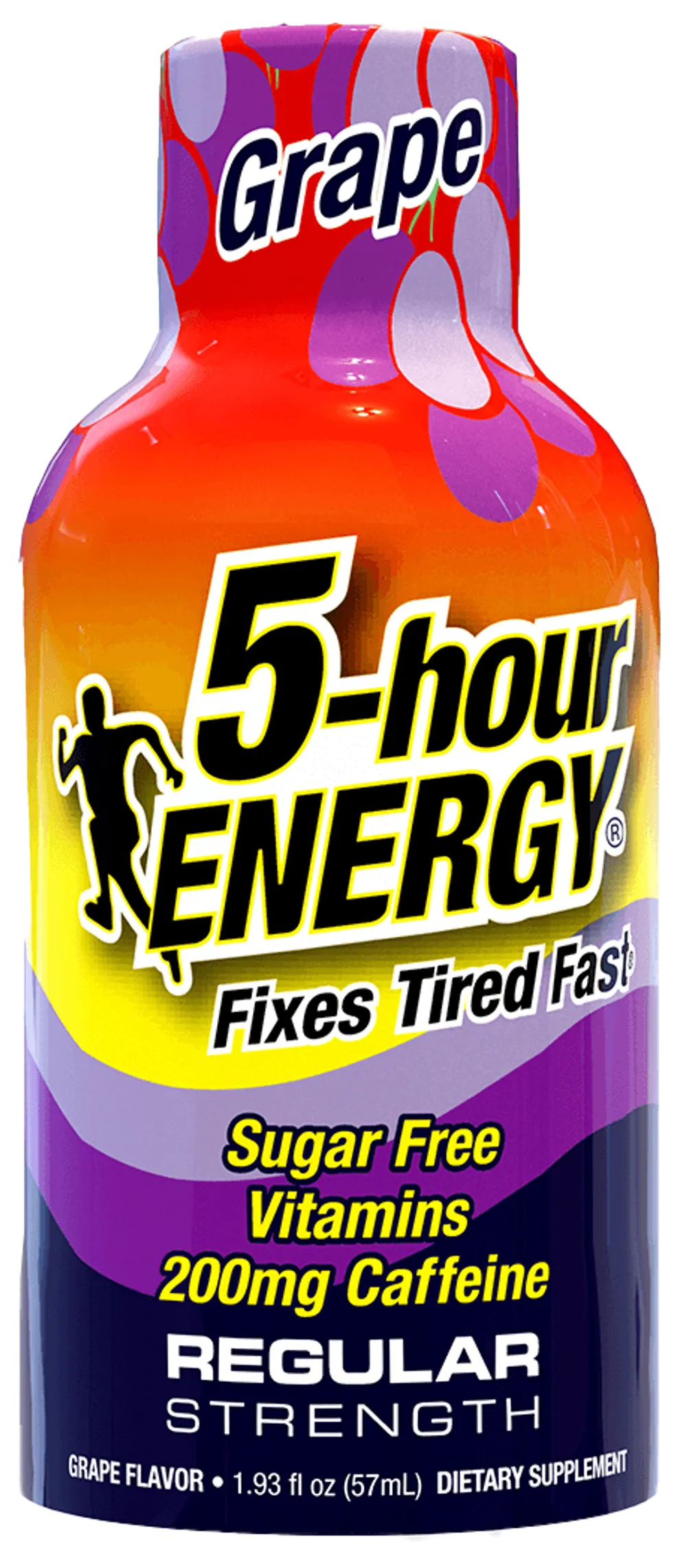
5 Hour Energy Regular Strength Grape N-Acetyl L-Tyrosine (NALT) is an acetylated, more water-soluble form of L-tyrosine, the amino acid precursor to the catecholamine neurotransmitters dopamine, norepinephrine, and epinephrine. The core rationale for tyrosine is well-established: your brain's tyrosine hydroxylase enzyme isn't fully saturated at baseline, which means when you're stressed, sleep-deprived, or cognitively loaded, neurotransmitter synthesis can become precursor-limited -- and supplemental tyrosine can refill that tank.[14,15]
The benefit shows up most consistently under demand. Combat training studies, sleep deprivation trials, and heat-stress exercise protocols have all demonstrated tyrosine improving memory, attention, and psychomotor performance versus placebo, particularly when catecholaminergic output is under pressure.[16,17,18] One study found a 15% increase in time to exhaustion in 30°C heat after a 150mg/kg tyrosine dose.[19] At rest with no stressor present, effects are minimal -- the mechanism is a depletion-reversal story, not a universal stimulant one.[15]
One note on the form: the acetylated version has been marketed as more bioavailable, but evidence for that claim in humans is limited and debated. Free-form L-tyrosine has the stronger direct evidence base. The dose in 5-Hour Energy is not disclosed.
-
L-Phenylalanine
L-Phenylalanine is an essential amino acid the body converts to tyrosine via phenylalanine hydroxylase in the liver, making it an upstream contributor to the same catecholamine pathway.[20] Phenylalanine's primary route leads directly to tyrosine synthesis and from there to dopamine and norepinephrine production in actively firing neurons.[21]
Including phenylalanine alongside NALT isn't redundant -- it's a two-stage approach to supporting the catecholamine precursor pool. Phenylalanine also stimulates cholecystokinin (CCK) release from the gut, which may contribute to satiety signaling.[22] This ingredient is why 5-Hour Energy carries a phenylketonuria (PKU) warning on its label. People with PKU can't convert phenylalanine properly, so it accumulates to toxic levels. The warning exists for them, not as a concern for the general population.[21] Dose not disclosed.
-
Citicoline
Citicoline (CDP-choline) is the formula's most sophisticated cognitive ingredient, and including it here is a meaningful differentiator from most entry-level energy shots. It supplies choline for acetylcholine synthesis, the neurotransmitter central to memory and attention, while also providing cytidine, which the brain converts to uridine to support neuronal membrane repair.[23,24] Citicoline also raises dopamine and norepinephrine levels in the CNS by activating tyrosine hydroxylase, the same pathway the tyrosine and phenylalanine in this formula are feeding.[24]
The clinical evidence is real. A 2021 RCT in 100 adults aged 50-85 found 500mg/day Cognizin citicoline significantly improved episodic memory and composite memory scores versus placebo over 12 weeks.[25] Attention studies in healthy middle-aged women showed significant reductions in attention errors at 250-500mg/day.[26] A neuroimaging study found citicoline at 500mg/day increased phosphocreatine and ATP in the anterior cingulate cortex, direct evidence of improved frontal lobe energy metabolism.[27] The dose in 5-Hour Energy's proprietary blend is not disclosed, which makes it impossible to benchmark against clinical research doses, but given that it comes after caffeine, it's not at the 250mg or 500mg where the best research resides. But the ingredient itself earns its place in a focus-forward formula.
-
Vitamins
-
Niacin (as Niacinamide) - 30mg (188% DV)
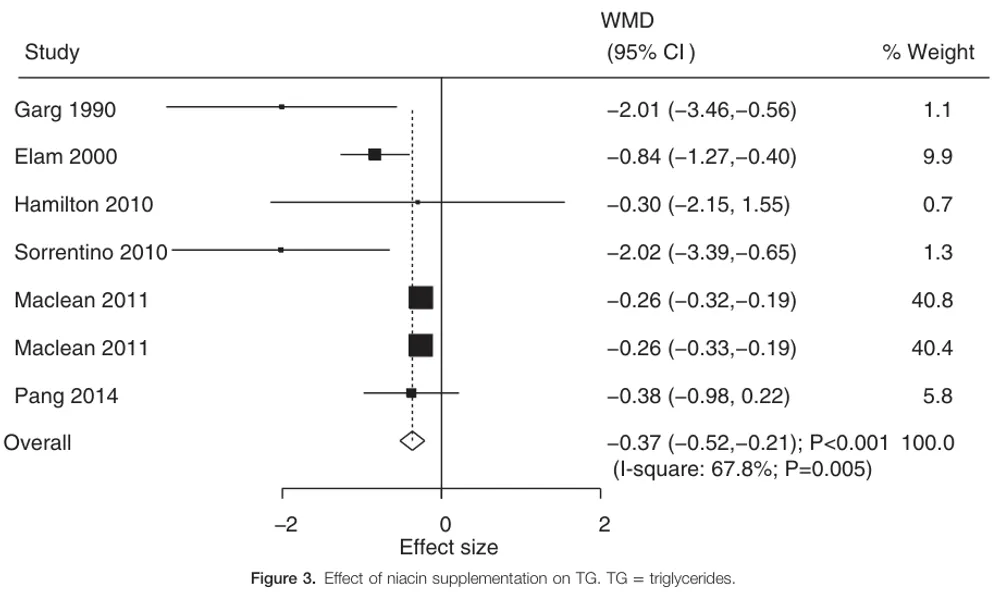
Niacin Supplementation Triglycerides Niacin in the form of niacinamide supports the production of NAD+ and NADP+, coenzymes involved in hundreds of energy-metabolism reactions throughout the body.[28] At 30mg, this dose is below the threshold where niacin flush becomes a concern. Flush is primarily a feature of nicotinic acid, not niacinamide, and at pharmacological doses well above what's here.[29] The 188% DV sounds high but is well within safe territory.
-
Vitamin B6 (as Pyridoxine Hydrochloride) - 40mg (2353% DV)
Vitamin B6 as pyridoxal-5'-phosphate (PLP) is involved in over 140 enzymatic reactions, including neurotransmitter synthesis, amino acid metabolism, and one-carbon metabolism.[30] At 40mg, the 2353% DV looks alarming on paper, but the US tolerable upper intake level is 100mg/day, and neuropathy risk from pyridoxine is generally associated with chronic supplementation at much higher doses.[31] If you're already taking B6 from other sources, awareness of aggregate intake is reasonable.
-
Vitamin B12 (as Cyanocobalamin) - 500mcg (20,833% DV)
Vitamin B12 as cyanocobalamin supports red blood cell formation, myelin maintenance, and one-carbon metabolism through the methionine cycle.[32] The 500mcg dose at 20,833% DV is the number that stops people in their tracks on this label. The reassuring reality: B12 has no established tolerable upper intake limit, and absorption via the intrinsic factor system self-limits at high oral doses -- most of that 500mcg passes through, with only a fraction absorbed.[32] B12 deficiency is meaningfully associated with fatigue and cognitive impairment,[33] so the oversupply here has a rationale even if it's more than you technically need.
-
-
Other Ingredients
- Purified Water - the aqueous base for the formula.
- Natural and Artificial Flavors - present to make a formula this concentrated actually drinkable. The Berry variant blends natural and synthetic aromatic compounds to mask the bitterness of high-dose B vitamins.
- Sucralose - a zero-calorie sweetener roughly 600x sweeter than sugar, used here to deliver the zero-sugar, zero-calorie profile. EFSA's 2025 re-evaluation maintained sucralose's acceptable daily intake at 15mg/kg bodyweight and found no safety concern at authorized use levels.[34]
- Potassium Sorbate - a standard antimicrobial preservative effective against yeasts and molds in acidic beverages. Realistic dietary exposure from products like this falls well below EFSA's current acceptable daily intake threshold.[35]
- Sodium Benzoate - another common preservative, most effective in the acidic pH range where this product sits. At food-use concentrations, acute metabolic effects are not observed in healthy adults.[36]
- EDTA (to protect freshness) - added to chelate metal ions that would otherwise catalyze oxidative degradation of the formula's active ingredients. It's a freshness protectant, not an active.
Flavors Available
- Berry (24 2 Oz. Bottles: $32.96)
- Birthday Cake (24 2 Oz. Bottles: $58.96)
- Boston Cream Donut (6 2 Oz. Bottles: $15.99)
- Caramel Apple (6 2 Oz. Bottles: $15.99)
- Citrus Lime (6 2 Oz. Bottles: $15.99)
- Grape (12 2 Oz. Bottles: $29.99)
- Grape/Raisin (12 2 Oz. Bottles: $31.99)
- Jelly Donut (6 2 Oz. Bottles: $15.99)
- Mock Melon Brew (6 2 Oz. Bottles: $11.25)
- Peppermint Mocha (6 2 Oz. Bottles: $15.99)
- Pomegranate (48 2 Oz. Bottles: $57.79)
- Strawberry Banana (30 2 Oz. Bottles: $68.95)
- Variety Pack (12 2 Oz. Bottles: $28.36)
- Watermelon (24 2 Oz. Bottles: $65.81)
Who It's For
- Busy adults who want something fast: No 16oz can, no carbonation, no sugar. 1.93 oz down, done.
- People who care about focus, not just energy: The citicoline and tyrosine stack here targets cognitive performance more deliberately than most energy shots you'd grab at the register. If your goal is mental sharpness, not just feeling less tired, that's worth knowing.
Still the OG for a Reason
5-Hour Energy earned its category by being small, fast, and effective, and the formula is more thoughtful than its convenience-store shelf placement suggests. The caffeine dose is right, the B-vitamin complex is solid, the citicoline inclusion is genuinely meaningful, and the tyrosine-phenylalanine pairing gives this shot a cognitive angle that most competitors at the same price point skip entirely. Undisclosed proprietary blend doses are a real limitation if you want to stack or dose precisely. If you need more horsepower, the Extra Strength (230mg) or Sport Pre-Workout line may suit you better -- we'll break both of those down separately. For the Regular Strength shot as a daily pick-me-up, it still earns its reputation. Follow @BevlabMedia on TikTok and Instagram for when those extra drops hit.
References
- Guest, Nanci S. et al. "International Society Of Sports Nutrition Position Stand Caffeine And Exercise Performance." Journal of the International Society of Sports Nutrition, 2021. https://doi.org/10.1186/s12970-020-00383-4
- McLellan, Tom M. et al. "A Review Of Caffeine S Effects On Cognitive Physical And Occupational Performance." Neuroscience & Biobehavioral Reviews, 2016. https://doi.org/10.1016/j.neubiorev.2016.09.001
- Drake, Christopher, et al. "Caffeine effects on sleep taken 0, 3, or 6 hours before going to bed." Journal of clinical sleep medicine : JCSM : official publication of the American Academy of Sleep Medicine, 2013. https://doi.org/10.5664/jcsm.3170
- Ripps, Harris, et al. "Review: taurine: a "very essential" amino acid." Molecular vision, 2012. https://pmc.ncbi.nlm.nih.gov/articles/PMC3501277/
- Jong, Chian Ju, et al. "The Role of Taurine in Mitochondria Health: More Than Just an Antioxidant." Molecules (Basel, Switzerland), 2021. https://doi.org/10.3390/molecules26164913
- Nie, Zizheng, et al. "Effects of Oral Taurine Supplementation on Cardiometabolic Risk Factors: A Meta-analysis and Systematic Review of Randomized Clinical Trials." Nutrition reviews, 2025. https://doi.org/10.1093/nutrit/nuaf220
- Deng, Hengzhi, et al. "Does One Shot Work? The Acute Impact of a Single Taurine Dose on Exercise Performance: A Meta-Analytic Review." Scandinavian journal of medicine & science in sports, 2025. https://doi.org/10.1111/sms.70123
- Deng, Hengzhi, et al. "Caffeine and taurine: a systematic review and network meta-analysis of their individual and combined effects on physical capacity, cognitive function, and physiological markers." Journal of the International Society of Sports Nutrition, 2025. https://doi.org/10.1080/15502783.2025.2566371
- Marsh, C A. "Metabolism of D-glucuronolactone in mammalian systems. Inhibitory properties of the products of D-glucuronolactone-dehydrogenase action." The Biochemical journal, 1966. https://doi.org/10.1042/bj0990022
- Alford, C, et al. "The effects of red bull energy drink on human performance and mood." Amino acids, 2001. https://doi.org/10.1007/s007260170021
- Munteanu, Camelia, et al. "B Vitamins, Glucoronolactone and the Immune System: Bioavailability, Doses and Efficiency." Nutrients, 2023. https://doi.org/10.3390/nu16010024
- Mescam, Muriel, et al. "Identification Of The Catalytic Mechanism And Estimation Of Kinetic Parameters For Fumarase." The Journal of biological chemistry, 2011. https://doi.org/10.1074/jbc.M110.214452
- Qiang, Fu. "Effect Of Malate Oligosaccharide Solution On Antioxidant Capacity Of Endurance Athletes." The Open Biomedical Engineering Journal, 2015. https://doi.org/10.2174/1874120701509010326
- Fernstrom, John D. et al. "Tyrosine, Phenylalanine, and Catecholamine Synthesis and Function in the Brain." The Journal of Nutrition, 2007. https://doi.org/10.1093/jn/137.6.1539s
- Jongkees, Bryant J, et al. "Effect of tyrosine supplementation on clinical and healthy populations under stress or cognitive demands--A review." Journal of psychiatric research, 2015. https://doi.org/10.1016/j.jpsychires.2015.08.014
- Attipoe, Selasi, et al. "Tyrosine for Mitigating Stress and Enhancing Performance in Healthy Adult Humans, a Rapid Evidence Assessment of the Literature." Military medicine, 2015. https://doi.org/10.7205/MILMED-D-14-00594
- Smid, Dagmar J. et al. "Tyrosine improves cognitive performance and reduces blood pressure in cadets after one week of a combat training course." Frontiers in Physiology, 2025. https://doi.org/10.3389/fphys.2025.1539615
- López-Gil, José Francisco, et al. "A comparison of tyrosine against placebo, phentermine, caffeine, and D-amphetamine during sleep deprivation." Frontiers in Behavioral Neuroscience, 2022. https://doi.org/10.3389/fnbeh.2022.860241
- Tumilty, Les, et al. "Oral tyrosine supplementation improves exercise capacity in the heat." European journal of applied physiology, 2011. https://doi.org/10.1007/s00421-011-1921-4
- Fernstrom, John D, et al. "Tyrosine, phenylalanine, and catecholamine synthesis and function in the brain." The Journal of nutrition, 2007. https://doi.org/10.1093/jn/137.6.1539S
- Kaufman, S. "A model of human phenylalanine metabolism in normal subjects and in phenylketonuric patients." Proceedings of the National Academy of Sciences of the United States of America, 1999. https://doi.org/10.1073/pnas.96.6.3160
- Pohle-Krauza, Rachael J, et al. "Effects of L-phenylalanine on energy intake in overweight and obese women: interactions with dietary restraint status." Appetite, 2008. https://doi.org/10.1016/j.appet.2008.01.002
- Conant, Richard, et al. "Therapeutic applications of citicoline for stroke and cognitive dysfunction in the elderly: a review of the literature." Alternative medicine review : a journal of clinical therapeutic, 2004. https://pubmed.ncbi.nlm.nih.gov/15005642/
- Secades, Julio J, et al. "Citicoline: pharmacological and clinical review, 2006 update." Methods and findings in experimental and clinical pharmacology, 2006. https://pubmed.ncbi.nlm.nih.gov/17171187/
- Nakazaki, Eri, et al. "Citicoline And Memory Function In Healthy Older Adults A Randomized Double Blind Placebo Controlled Clinical Trial." The Journal of Nutrition, 2021. https://doi.org/10.1093/jn/nxab119
- McGlade, Erin, et al. "Improved Attentional Performance Following Citicoline Administration In Healthy Adult Women." Food and Nutrition Sciences, 2012. https://doi.org/10.4236/fns.2012.36103
- Silveri, M M, et al. "Citicoline enhances frontal lobe bioenergetics as measured by phosphorus magnetic resonance spectroscopy." NMR in biomedicine, 2008. https://doi.org/10.1002/nbm.1281
- Gasperi, Valeria, et al. "Niacin In The Central Nervous System An Update Of Biological Aspects And Clinical Applications." International Journal of Molecular Sciences, 2019. https://doi.org/10.3390/ijms20040974
- Minto, Clara, et al. "Definition of a tolerable upper intake level of niacin: a systematic review and meta-analysis of the dose-dependent effects of nicotinamide and nicotinic acid supplementation." Nutrition reviews, 2017. https://doi.org/10.1093/nutrit/nux011
- di, Salvo Martino Luigi, et al. "Di Salvo2010 Vitamin B6 Salvage Enzymes Mechanism Structure And Regulation." Biochimica et Biophysica Acta (BBA) - Proteins and Proteomics, 2011. https://doi.org/10.1016/j.bbapap.2010.12.006
- He, Ling, et al. "The potential hazards of high doses of vitamin B6 in treating nausea and vomiting in pregnancy: A systematic review." International journal of gynaecology and obstetrics: the official organ of the International Federation of Gynaecology and Obstetrics, 2025. https://doi.org/10.1002/ijgo.16032
- Lyon, Peter, et al. "B Vitamins And One Carbon Metabolism Implications In Human Health And Disease." Nutrients, 2020. https://doi.org/10.3390/nu12092867
- Jatoi, Shazia, et al. "Low Vitamin B12 Levels An Underestimated Cause Of Minimal Cognitive Impairment And Dementia." Cureus, 2020. https://doi.org/10.7759/cureus.6976
- et al. "Re-evaluation of sucralose (E 955) as a food additive and evaluation of a new application on extension of use of sucralose (E 955) in fine bakery wares." EFSA journal. European Food Safety Authority, 2026. https://doi.org/10.2903/j.efsa.2026.9854
- et al. "Opinion on the follow-up of the re-evaluation of sorbic acid (E200) and potassium sorbate (E202) as food additives." EFSA journal. European Food Safety Authority, 2019. https://doi.org/10.2903/j.efsa.2019.5625
- EFSA, Panel on Food Additives and Nutrient Sources (ANS). "Scientific Opinion on the re‐evaluation of benzoic acid (E 210), sodium benzoate (E 211), potassium benzoate (E 212) and calcium benzoate (E 213) as food additives." EFSA Journal, 2016. https://doi.org/10.2903/j.efsa.2016.4433
Tagged