Product Introduction
C4 Sparkling Protein
Nutrabolt takes C4 into RTD protein territory with a caffeine-free, sparkling twist
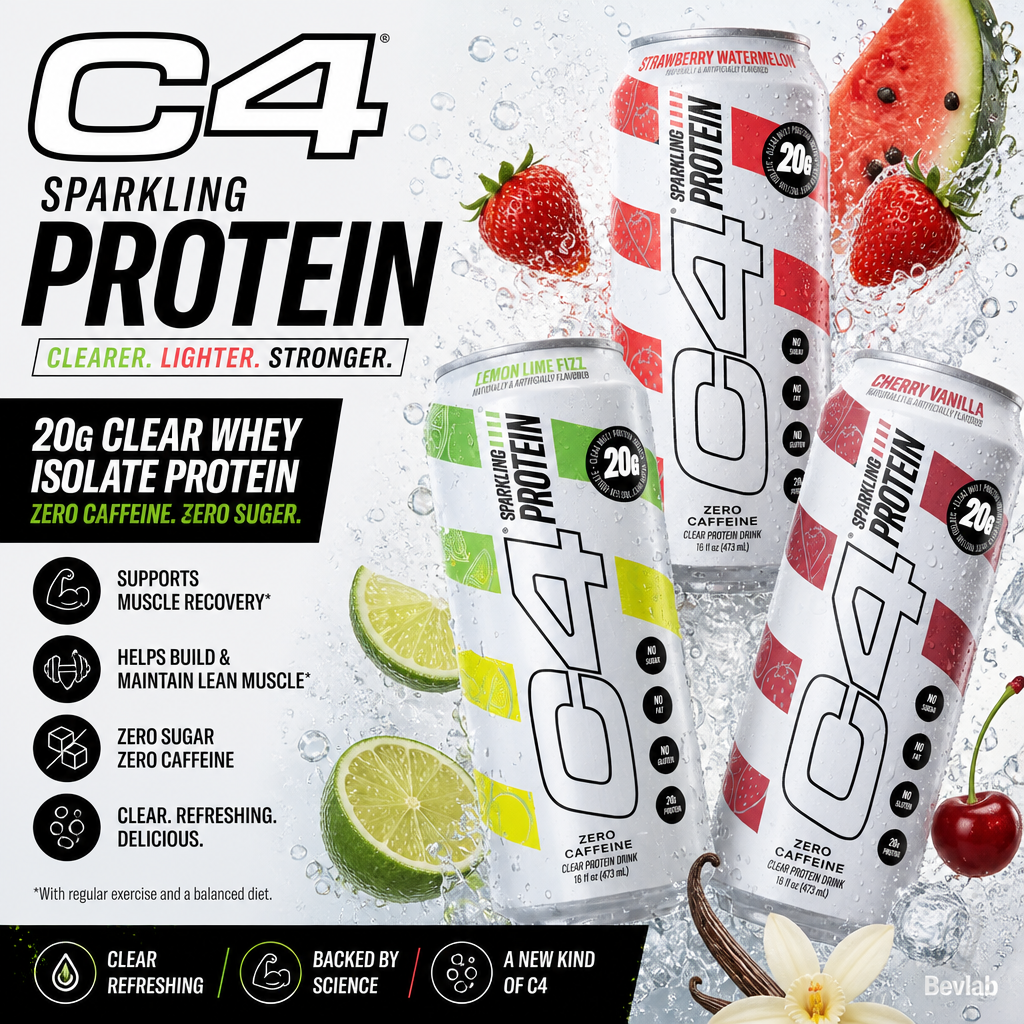
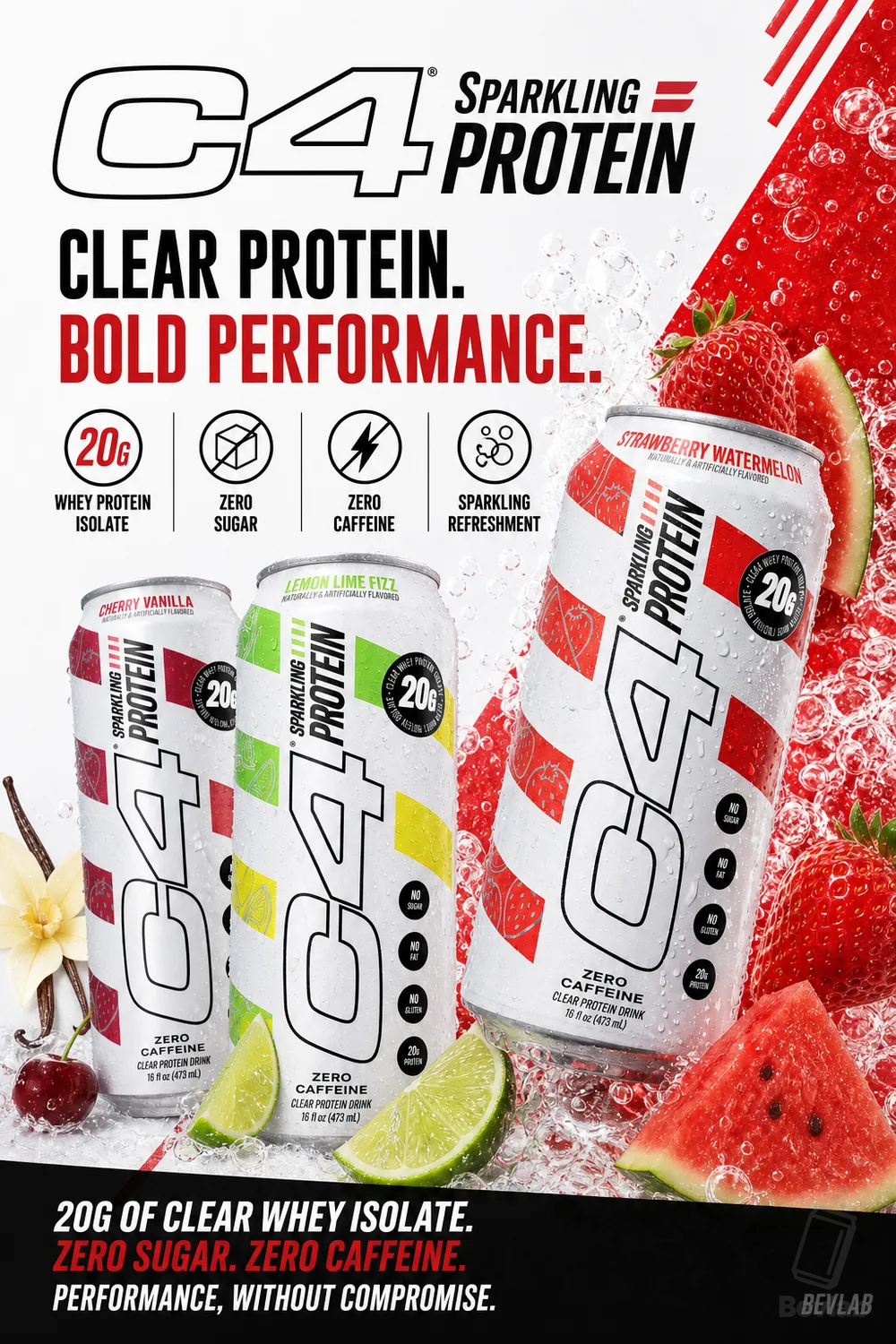
C4 Sparkling Protein packs 20g clear whey isolate into a zero-sugar, caffeine-free sparkling can. Here's what's actually in it.
C4 Sparkling Protein is Nutrabolt's move into a category C4 hasn't touched before: a clear, carbonated protein drink with zero caffeine and zero sugar.
The brand best known for pre-workout and energy (as in C4 Energy) is now betting that people want their 20g of protein to feel more like a soda than a shake. It's a logical next step for a company that's been expanding well past its energy-based roots, and it echoes what Nutrabolt CEO Doss Cunningham described in a recent PricePlow podcast interview: C4's push to own the "Everyone's an Athlete" performance lane rather than just the pre-workout aisle.
More Related Videos
Bevlab VideosC4 Sparkling Protein Nutrition Facts
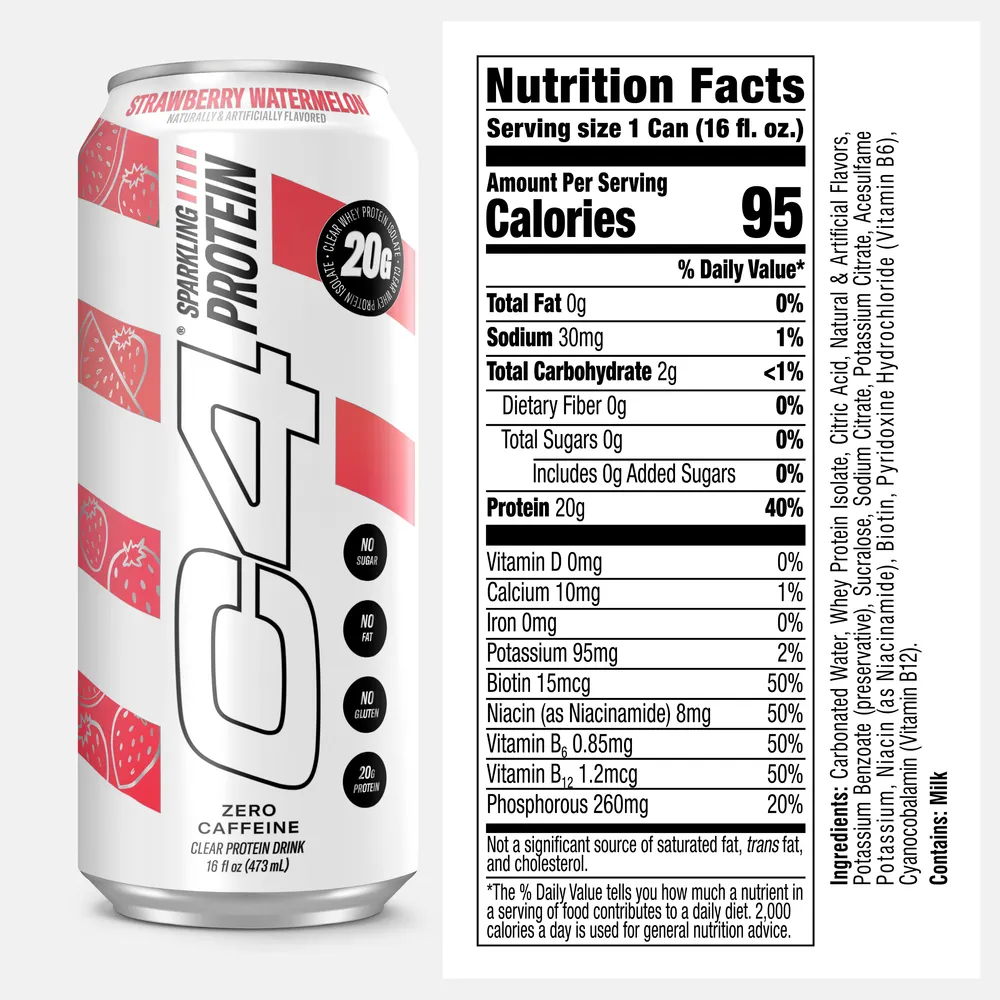
- Calories: 95
- Total Fat: 0g
- Total Carbohydrate: 2g
- Total Sugars: 0g
- Added Sugars: 0g
- Protein: 20g
- Vitamin B6: 0.85mg (50%DV)
- Vitamin B12: 1.2mcg (50%DV)
- Biotin: 15mcg (50%DV)
- Niacin: 8mg (50%DV)
- Calcium: 10mg (1%DV)
- Potassium: 95mg (2%DV)
- Phosphorus: 260mg (20%DV)
C4 Sparkling Protein Ingredients
Each 16 fl oz can provides the following key actives:
-
Whey Protein Isolate - 20g
Whey protein isolate is the headline ingredient here, and it's a smart choice for a clear, carbonated format. Isolate is filtered to strip out most of the fat and lactose that would otherwise cloud the drink or leave a heavy mouthfeel, which is exactly why it works in a soda-style can where casein or concentrate wouldn't. Whey's real value is kinetic: it's rapidly digested and absorbed, producing a sharp spike in blood leucine and essential amino acids that switches on the mTOR pathway and drives muscle protein synthesis.[1] Dose-response work in trained young men found that roughly 20g of whey protein is enough to maximize the post-exercise muscle-building response, with 40g doses providing no additional benefit beyond that ceiling.[2]
That puts this can's 20g dose right at the sweet spot, neither underdosed nor excessive. Older adults may need more (closer to 30-40g) to get the same effect, since aging muscle responds less efficiently to protein, a phenomenon researchers call anabolic resistance.[3] Younger, trained users are likely to get the most out of this exact amount. Compared to casein or soy, whey also consistently produces a bigger, faster rise in muscle protein synthesis thanks to its higher leucine content and faster digestion.[4]
-
Vitamins and Minerals
-
Biotin (as Biotin) - 15mcg (50%DV)
Biotin is a B-vitamin cofactor for enzymes involved in fat and glucose metabolism, and it's a fixture in vitamin-fortified beverages mostly because it's cheap and familiar to consumers. Its popular reputation for hair and nail support is thinner than the marketing suggests. The human evidence for benefit is limited to case reports in people with a genuine deficiency or a diagnosed condition, not healthy, biotin-replete drinkers.[5] At 15mcg, this can delivers half your daily value without approaching the higher doses (milligram-range) used in any of the studied applications.
-
Vitamin B6 (as Pyridoxine Hydrochloride) - 0.85mg (50%DV)
Vitamin B6 helps your body metabolize amino acids and build neurotransmitters, which makes it a natural pairing with a protein-forward drink. It also plays a role, alongside B12, in keeping homocysteine levels in check, a marker tied to cardiovascular and cognitive health in older populations.[6] At 0.85mg, this can's dose sits well within the standard nutritional range and nowhere near the doses associated with nerve-related side effects reported at much higher chronic intakes.
-
Vitamin B12 (as Cyanocobalamin) - 1.2mcg (50%DV)
Vitamin B12 is essential for red blood cell formation and nerve function, and it's one of the few nutrients that's genuinely hard to get from plant foods alone. Cyanocobalamin is the most stable, lowest-cost form used in fortified beverages, and while sublingual or high-dose oral forms are sometimes used to correct actual deficiency, standard doses like the 1.2mcg here are simply meant to round out daily nutritional needs rather than treat a shortfall.
-
Niacin (as Niacinamide) - 8mg (50%DV)
Niacin supports energy metabolism as a precursor to NAD+, the coenzyme cells use across hundreds of metabolic reactions. The niacinamide form used here doesn't cause the flushing sensation associated with nicotinic acid, and at 8mg it's well below the gram-level doses studied for cholesterol management, so this is straightforward nutritional support rather than a functional dose.
-
Calcium - 10mg (1%DV)
Calcium is best known for bone health, but the amount here is minor, just 1% of your daily value. It's more of a rounding-out addition to the vitamin/mineral panel than a meaningful calcium source, so don't expect this can to move the needle on bone density goals.
-
Potassium - 95mg (2%DV)
Potassium plays a role in fluid balance and healthy blood pressure, and most people fall well short of the recommended intake.[7] At 95mg, this can contributes a small fraction of daily needs, useful as a top-up but not a significant electrolyte source on its own.
-
Phosphorus (as Phosphorus) - 260mg (20%DV)
Phosphorus is a structural mineral found in bone, cell membranes, and ATP, and it naturally comes along with whey protein isolate, since dairy proteins carry phosphorus inherently. At 260mg (20%DV), this is a meaningful contribution, though it's worth noting that population-level research has raised concerns about high habitual phosphorus intake from processed foods and beverages, especially when calcium intake is comparatively low.[8] A single can here isn't cause for concern, but it's a good reminder that "hidden" phosphorus adds up across a day of packaged food and drink.[9]
-
-
Other Ingredients
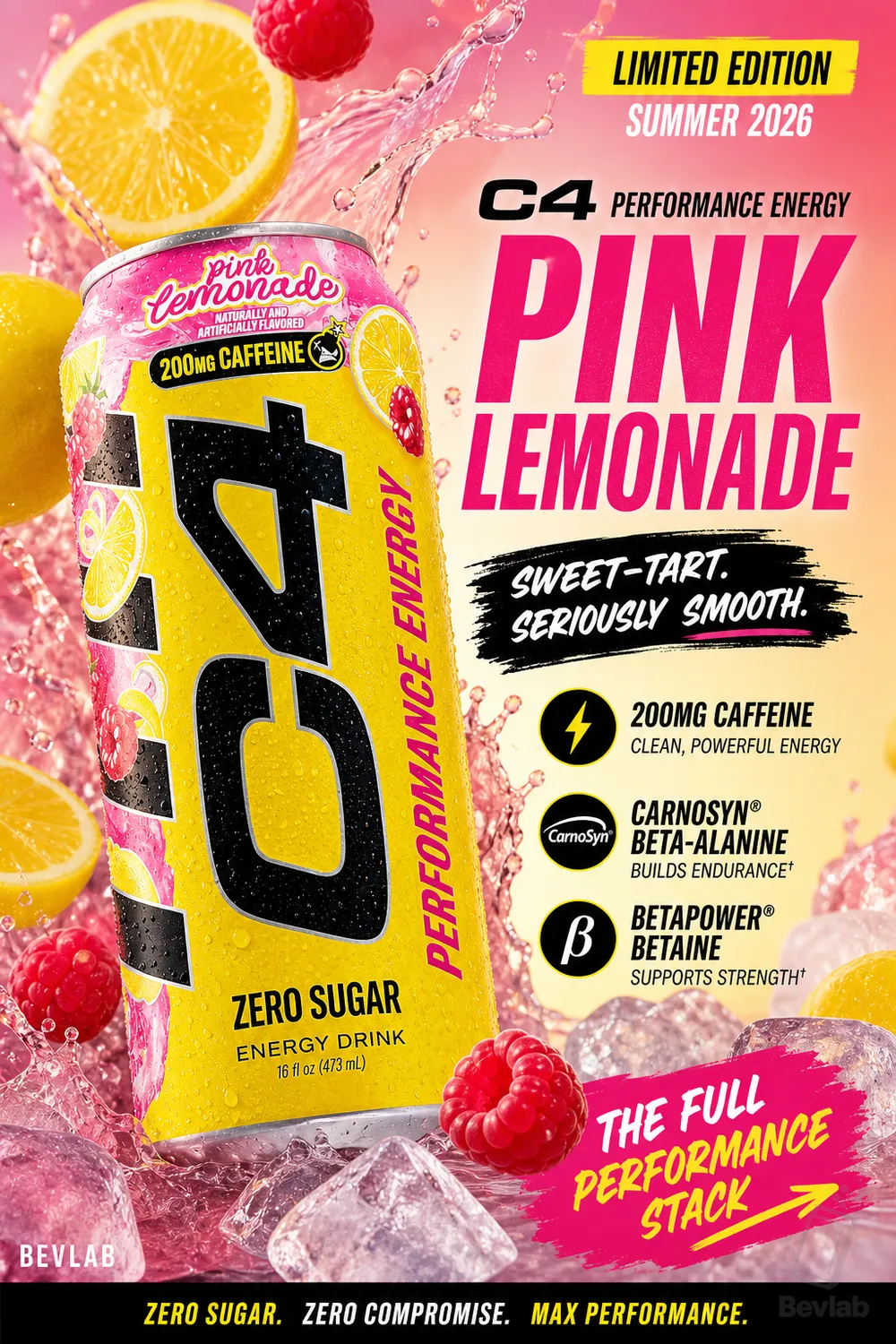
Don't Miss Summer 2026's Energy Flavor, C4 Pink Lemonade - Carbonated Water - the base of the drink, providing the fizzy, soda-like format that differentiates this from a traditional protein shake.
- Citric Acid - a natural acidulant that balances sweetness and adds tartness, commonly derived from fermentation.
- Natural & Artificial Flavors - the flavor system responsible for each variant's specific taste profile, whether that's Strawberry Watermelon or Lemon Lime Fizz.
- Sucralose - a zero-calorie, high-intensity sweetener providing the bulk of the sweetness without added sugar.
- Sodium Citrate - a buffering agent that helps stabilize pH and smooth out tartness from the citric acid.
- Acesulfame Potassium - a second high-intensity sweetener, often paired with sucralose to round out the sweetness profile and reduce any aftertaste.
- Benzoic Acid (as Potassium Benzoate) - keeps the product shelf-stable by inhibiting microbial growth in this acidic, carbonated format.
- Sorbic Acid - here as a preservative, working alongside benzoate to protect against yeast and mold growth.
Flavors Available
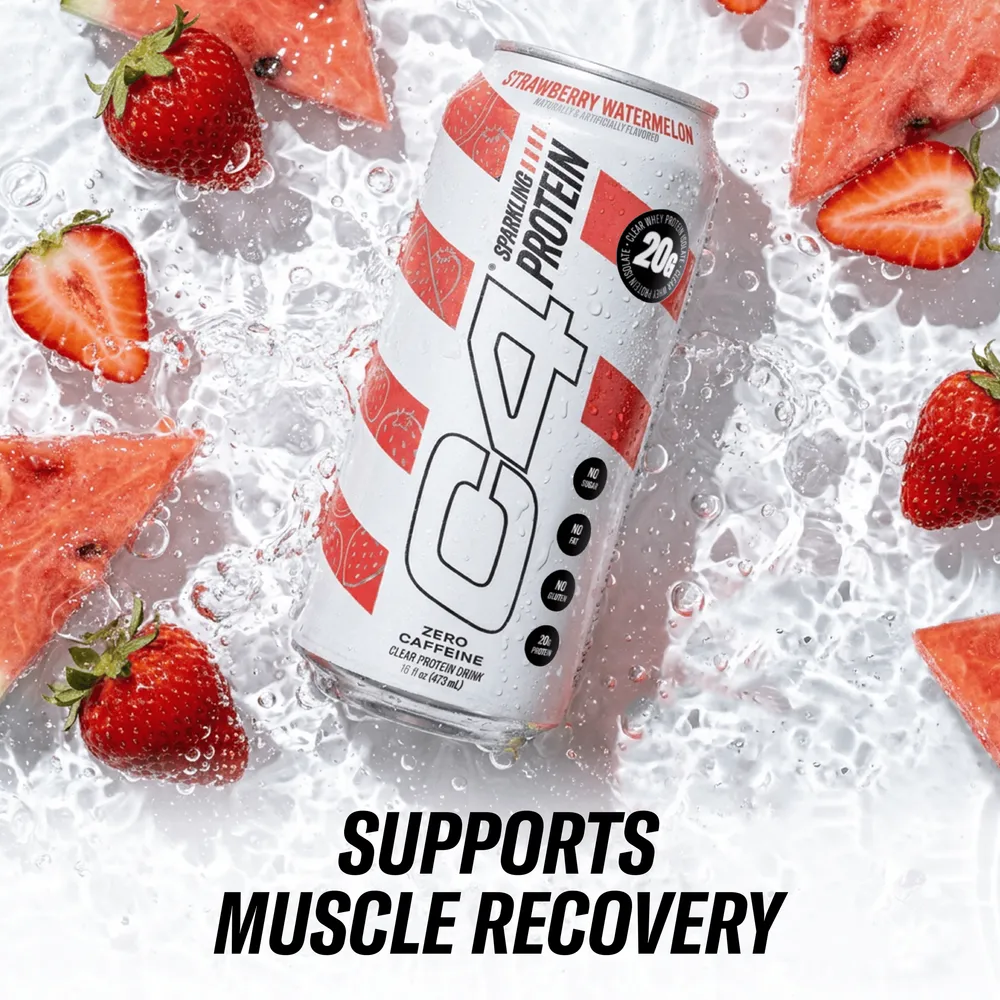
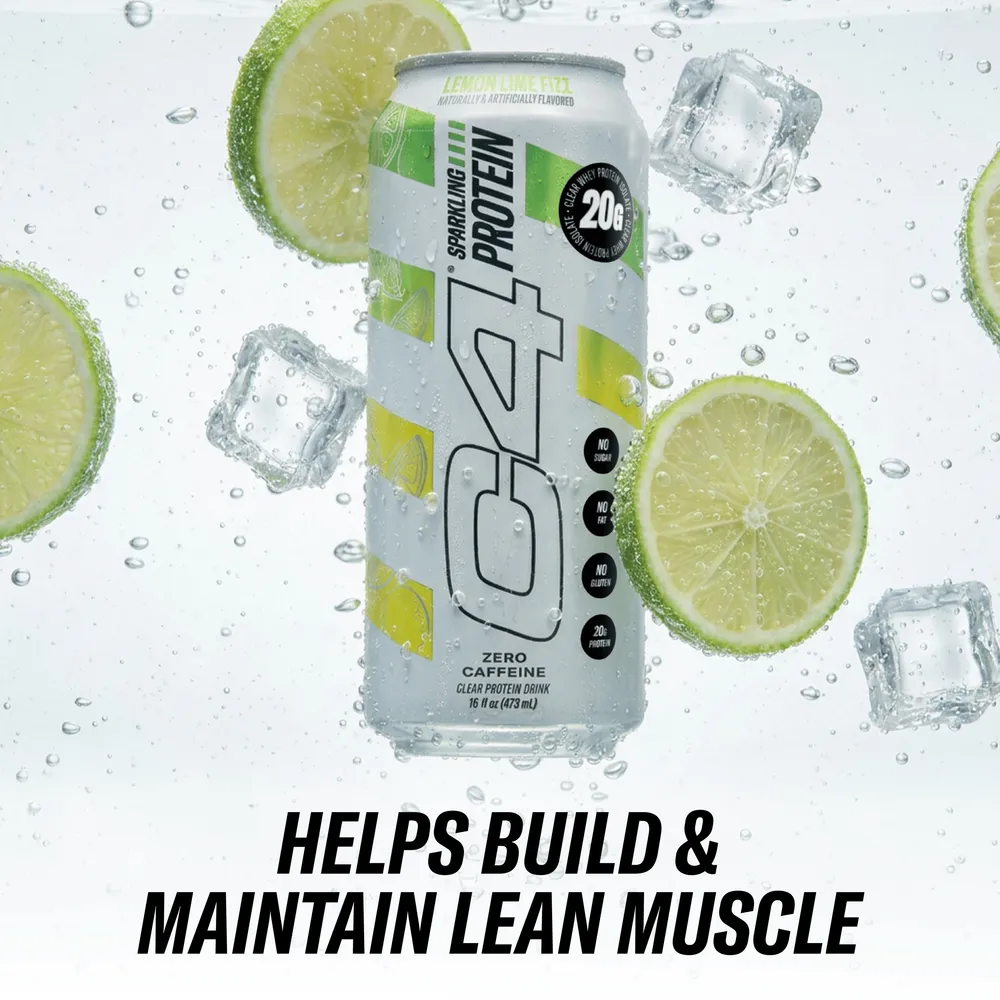
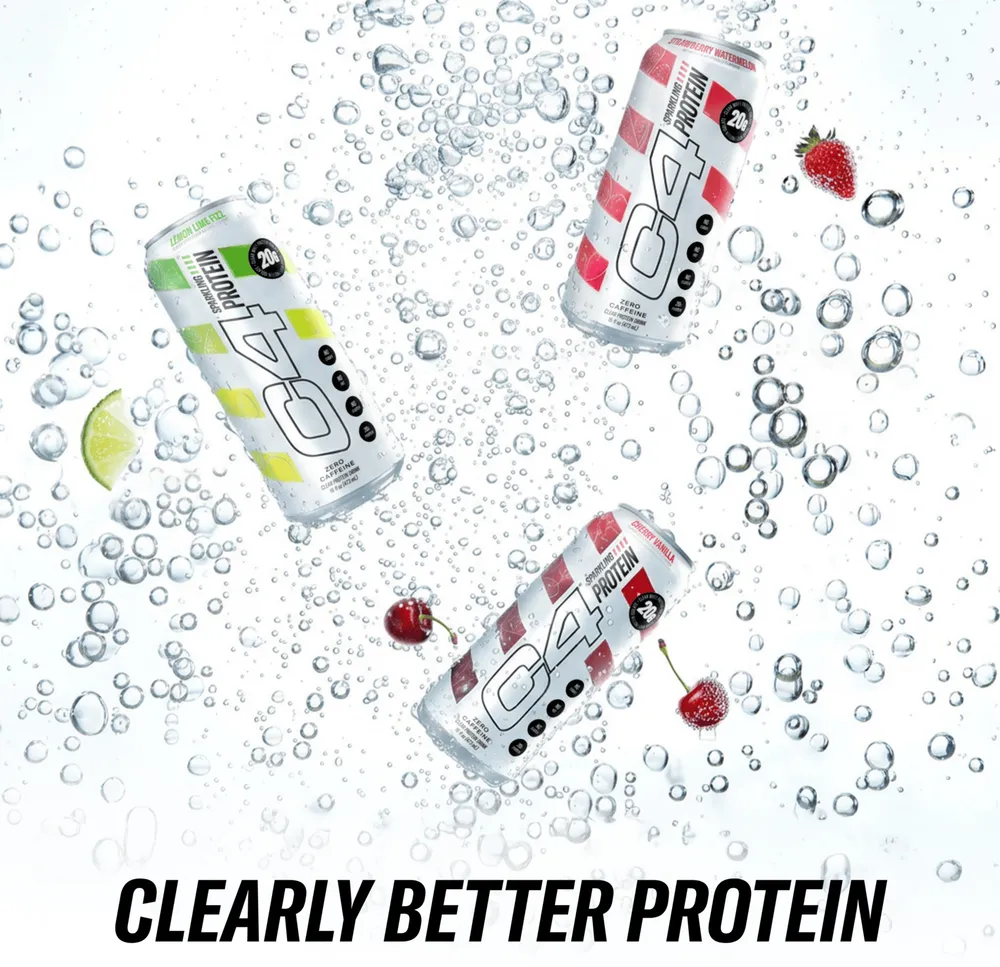
C4 Sparkling Protein launches in three flavors: Cherry Vanilla (a Walmart exclusive), Strawberry Watermelon, and Lemon Lime Fizz, each built around C4's established flavor-development playbook rather than a generic protein-drink taste profile.
Who It's For
- Protein-goal chasers who don't want another shake: If you're already maxed out on thick, creamy protein drinks, this is a genuinely different format, a fizzy alternative that still delivers a full 20g dose without the caffeine jitters of C4's energy lineup.
- Caffeine-sensitive or evening drinkers: With zero caffeine, this fits anywhere in the day, including post-dinner or before bed, unlike most of C4's core catalog.
A Different Kind of C4 Can
C4 Sparkling Protein delivers exactly what it promises: 20g of clean, fast-digesting whey isolate at a dose backed by the muscle-protein-synthesis research, in a genuinely different format from the usual shake or bar. The vitamin panel is modest rather than showy, but if you want your protein without a shake and without caffeine, this can is worth a try.
More Related Videos
Bevlab VideosFollow @BevlabMedia on TikTok and Instagram for more coverage of new beverage drops. And don't forget to miss PricePlow Podcast #222 with Doss Cunningham!
References
- Pennings, Bart, et al. "Whey Protein Stimulates Postprandial Muscle Protein Accretion More Effectively Than Do Casein And Casein Hydrolysate In Older Men." The American journal of clinical nutrition, 2011. https://doi.org/10.3945/ajcn.110.008102
- Witard, Oliver C, et al. "Myofibrillar muscle protein synthesis rates subsequent to a meal in response to increasing doses of whey protein at rest and after resistance exercise." The American journal of clinical nutrition, 2014. https://doi.org/10.3945/ajcn.112.055517
- Moore, Daniel R, et al. "Protein Ingestion To Stimulate Myofibrillar Protein Synthesis Requires Greater Relative Protein Intakes In Healthy Older Versus Younger Men." The journals of gerontology. Series A, Biological sciences and medical sciences, 2014. https://doi.org/10.1093/gerona/glu103
- Kanda, Atsushi, et al. "Effects of Whey, Caseinate, or Milk Protein Ingestion on Muscle Protein Synthesis after Exercise." Nutrients, 2016. https://doi.org/10.3390/nu8060339
- Patel, Deepa P, et al. "A Review of the Use of Biotin for Hair Loss." Skin appendage disorders, 2017. https://doi.org/10.1159/000462981
- Selhub, J, et al. "Vitamin Status And Intake As Primary Determinants Of Homocysteinemia In An Elderly Population." JAMA, 1993. https://doi.org/10.1001/jama.1993.03510220049033
- Weaver, Connie M. "Potassium and health." Advances in nutrition (Bethesda, Md.), 2013. https://doi.org/10.3945/an.112.003533
- Tucker, Katherine L, et al. "Colas, but not other carbonated beverages, are associated with low bone mineral density in older women: The Framingham Osteoporosis Study." The American journal of clinical nutrition, 2006. https://doi.org/10.1093/ajcn/84.4.936
- Dunford, Elizabeth K, et al. "Phosphate-based additives in processed foods: is excess exposure a cause for concern? A cross-sectional examination of the United States packaged food supply." The American journal of clinical nutrition, 2025. https://doi.org/10.1016/j.ajcnut.2025.01.009
Tagged