Vlog
Celsius Energy Drink
Celsius built its brand on thermogenesis and clean ingredients. Here's what's actually in the can and whether the formula delivers.
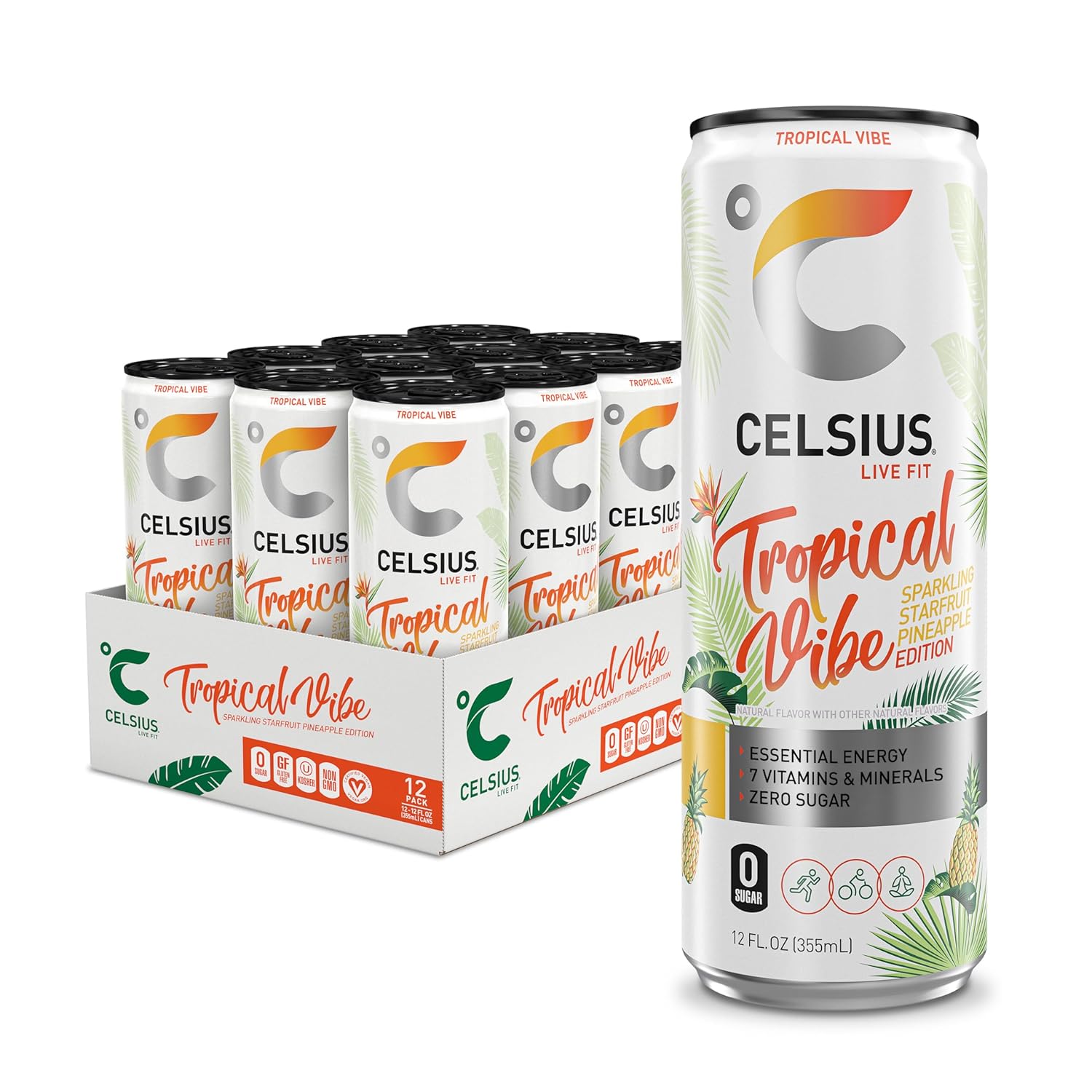
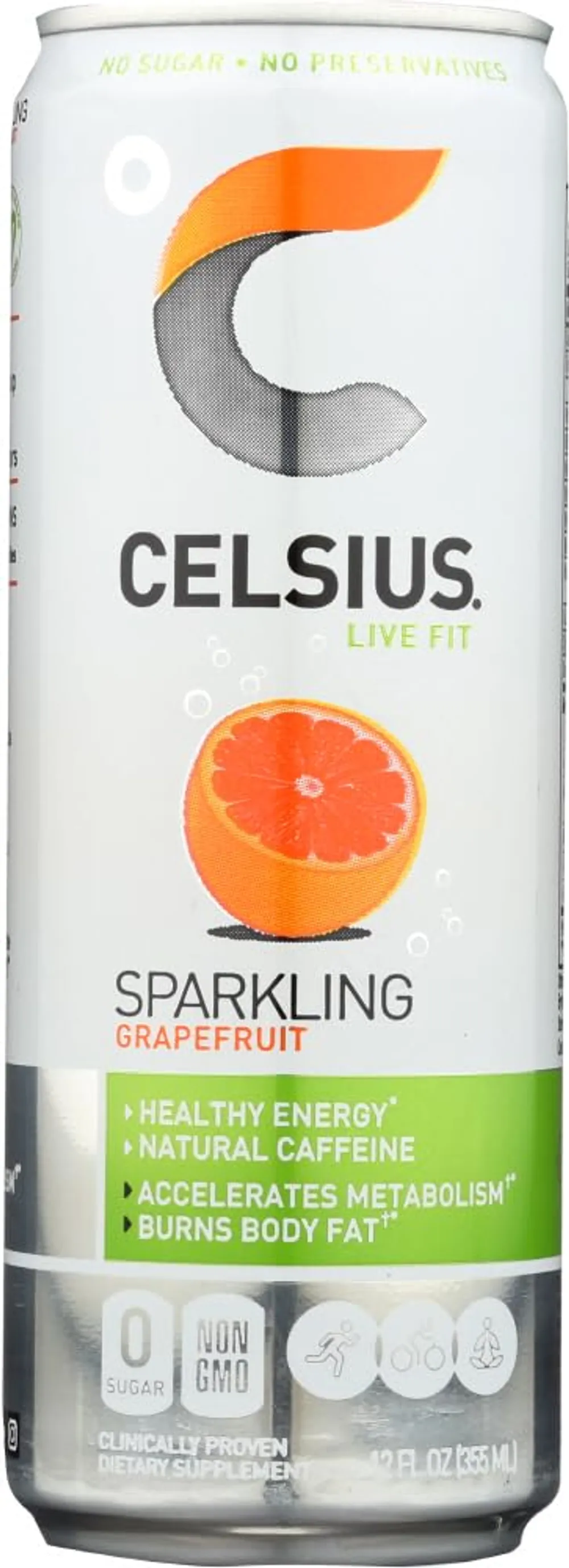
Before "better-for-you energy" was a category positioning, Celsius Energy Drink was already staking a claim on it. Since the brand launched in 2004, the pitch has been consistent: a zero-sugar, vitamin-loaded energy drink built around a proprietary functional blend called MetaPlus, formulated to work with your body's metabolism rather than just dump stimulants into your bloodstream.
That approach clearly resonated. Celsius grew into one of the biggest names in the category on the back of that story, and the core line remains the foundation of what is now a multi-brand portfolio generating billions in annual revenue. The company has since acquired Alani Nu and Rockstar, but the original Celsius can -- 12 fl oz, 200mg caffeine, MetaPlus blend, seven essential vitamins -- is still the product that built everything.
So what's actually in it? Here's the formula, broken down.
Celsius Energy Drink Nutrition Facts
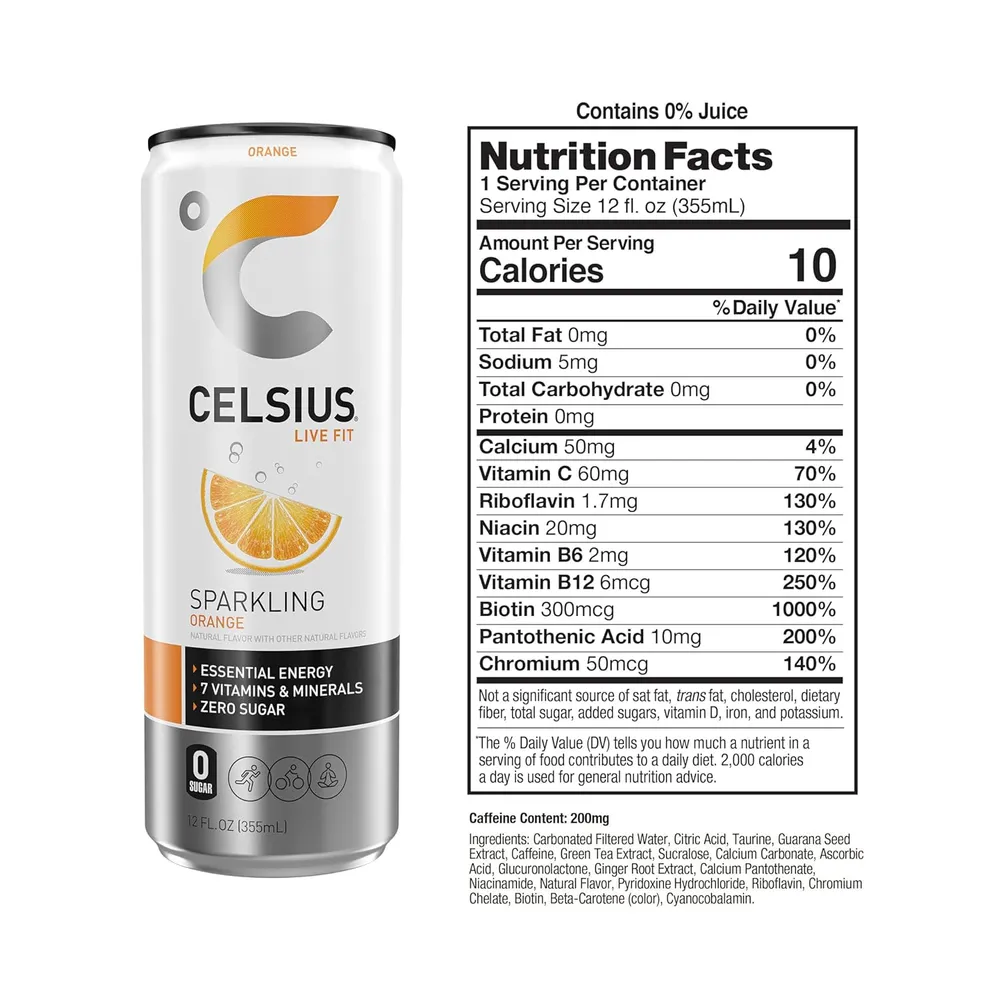
Standard macros for a zero-sugar energy drink -- nothing surprising here. Celsius runs no calories from sugar, sweetens with sucralose, and keeps sodium negligible. The more relevant panel is the vitamin and active ingredient stack below.
Celsius Energy Drink Ingredients
Each 12 fl oz (355 mL) serving contains:
-
Caffeine — 200mg
Caffeine at 200mg is the anchor of this formula and the primary driver of its energy and performance effects. It works by blocking the tiredness signal in your brain, which indirectly raises dopamine, norepinephrine, and acetylcholine activity. This produces the alertness, reduced fatigue perception, and elevated motor output that make caffeine the most evidence-backed ingredient in the energy drink category.[1]
The 200mg dose falls squarely within studied ranges. The ISSN position stand identifies 3-6mg/kg as the effective ergogenic window for both cognitive and physical performance,[2] and 200mg maps to roughly 2.5–3 mg/kg for a 70-80 kg adult at the lower-to-middle end of that range. Studies supporting endurance improvements of 2-4% and meaningful vigilance gains consistently use 200-300mg as their primary dose.[1] A pooled umbrella analysis across nine meta-analyses found significant improvements in both strength and muscular endurance across doses from 1.56-5.74 mg/kg, which includes what's in this can.[3]
On the thermogenic side, 100mg caffeine increased resting metabolic rate by 3-4% in lean and post-obese volunteers, and 200mg lands above that threshold.[4] The guarana extract in MetaPlus contributes additional caffeine on top of the labeled 200mg, so total intake per serving is higher than the panel alone suggests -- worth knowing if you're sensitive.
-
Taurine
Taurine is a sulfur-containing amino acid found abundantly in skeletal muscle, heart, and brain, where it helps regulate calcium handling, cell volume, and mitochondrial function.[5] Celsius doesn't disclose its dose, unfortunately: a proprietary blend decision that makes direct comparison impossible, though most open-formula energy drinks typically deliver 500-1,000mg per can.
Within the MetaPlus stack, taurine's most relevant exercise role involves sarcoplasmic reticulum calcium handling and muscle fatigue resistance. Taurine-depleted muscle fibers fatigue faster and show impaired contraction mechanics; supplementation helps restore calcium release and reuptake across fiber types.[6] A meta-analysis of 23 acute-dose trials found a small but significant improvement in aerobic performance overall, with modest effects on endurance specifically, and no clear dose-response within the 1–6g range, which suggests even modest amounts may be sufficient for some endurance benefit.[7]
The combination context matters here: a meta-analysis found caffeine plus taurine co-ingestion outperformed either alone on anaerobic capacity and reaction time.[8] With 200mg caffeine already in this formula, that synergy is directly relevant to Celsius's performance positioning... although we do wish we knew the dose.
-
Guarana Seed Extract
Guarana Seed Extract (Paullinia cupana) is listed without a disclosed dose inside MetaPlus. At a reported 4.7% average caffeine content by seed weight,[9] it contributes to the total caffeine dose.
The case for guarana beyond caffeine is real but modest. In planarian locomotor models, guarana extract produced significant stimulation at concentrations where equivalent caffeine produced none, pointing to active non-caffeine constituents.[10] In a double-blind crossover trial with 25 physically active adults, 125mg/kg guarana reduced choice reaction time before exercise and simple reaction time after maximal cycling compared to placebo, with numerically greater effects than a caffeine-matched dose -- though that difference didn't reach significance.[11] A 2023 meta-analysis of 8 RCTs found a small but significant improvement in response time with no effect on accuracy and no dose-response relationship across the 37.5-500mg studied range.[12]
Because the dose here is undisclosed, comparing it to studied ranges isn't possible. The cognitive evidence is strongest for acute, low-to-moderate doses; chronic supplementation studies in healthy adults have been largely null.[13,14]
-
Green Tea Extract
Green Tea Extract is also listed without a disclosed dose inside MetaPlus. The EGCG content of this extract is the centerpiece of Celsius's thermogenic positioning, and the evidence behind that claim is reasonably solid.
The core mechanism: catechins, primarily EGCG, slow the breakdown of norepinephrine. With caffeine already in the formula, the two compounds work together to elevate sympathoadrenal activity, driving thermogenesis and fat oxidation. A meta-analysis of respiration chamber studies found catechin-caffeine mixtures increased 24-hour energy expenditure by roughly 4.7% and raised fat oxidation by 12.2g/day compared to placebo -- effects caffeine alone did not replicate for fat oxidation.[15] Across longer-term RCTs, green tea supplementation produces modest but significant reductions in body weight (-1.78kg) and BMI, with effects most consistent at durations of 12 weeks or more.[16]
Because the dose here is undisclosed, direct comparison to studied ranges isn't possible. The reviewed RCTs used 270mg to over 1,300mg catechins per day, and most effective doses for body composition fell below 1,000 mg/day.[17] Whether Celsius's undisclosed inclusion clears any meaningful threshold is unknown.
-
Glucuronolactone
Glucuronolactone is a naturally-occurring compound the human liver produces in small amounts, where it supports detoxification pathways by inhibiting the enzyme responsible for re-releasing detoxified compounds back into circulation.[18] That's the primary biological rationale for its inclusion in energy drinks.
Once again, Celsius doesn't disclose its dose. Some energy drink formulas run approximately 2,400mg/L, delivering roughly 600mg per 250mL serving.[19] Whether Celsius matches that benchmark or keeps it consistent across batches/flavors is unknown.
The human performance evidence comes almost entirely from multi-ingredient contexts. In three double-blind crossover studies testing Red Bull (containing 600mg glucuronolactone alongside caffeine, taurine, and B vitamins), significant improvements in aerobic endurance, reaction time, and memory recall were observed -- but glucuronolactone's individual contribution can't be separated from the other ingredients.[20] When tested as an isolated ingredient in an RCT, glucuronolactone alone did not raise blood pressure and was associated with a statistically significant shortening of the QTc interval; no performance benefits were attributed to it on its own.[21]
Anti-fatigue effects in animal exercise models are intriguing but don't translate directly to humans.[22] The evidence base for glucuronolactone as a standalone ingredient remains thin.
-
Ginger Root Extract
Ginger Root Extract is also listed without a disclosed dose inside MetaPlus. What's clear from the research is that effective doses in controlled trials generally run from 1,000mg to 2,000mg per day -- ranges that energy drinks rarely approach.
The most relevant human evidence for an energy drink context covers three areas:
- On GI support, 1,200mg taken before a meal cut gastric emptying time nearly in half in a double-blind crossover study of 24 healthy volunteers, with significantly more antral contractions throughout the observation window.[23]
- On nausea, a meta-analysis of five RCTs found at least 1g reduced postoperative nausea incidence by roughly 35% compared to placebo.[24]
- On muscle soreness, 2g/day for 11 consecutive days reduced exercise-induced arm pain by 23-25% versus placebo in two parallel RCTs.[25]
For the metabolic angle Celsius markets, a meta-analysis of 14 RCTs in overweight subjects found modest reductions in fasting glucose and insulin resistance at doses generally at or below 1,000mg/day.[26] Whether the dose here approaches that threshold is unknown. In this formula, ginger likely functions as GI support and a secondary anti-inflammatory contributor alongside the caffeine stack rather than a standalone metabolic driver.
-
Vitamins and Minerals
-
Calcium (as Calcium Carbonate) — 50mg
Calcium (as calcium carbonate) contributes 50mg per can -- about 4% of the 1,200mg daily target associated with meaningful bone health outcomes in adults over 50.[27] Studies supporting fracture risk reduction used 750mg to 1,600mg per day, and pre-exercise calcium protocols for blunting the parathyroid hormone response in cyclists used 1,000mg taken 20 to 60 minutes before activity.[28,29] The 50mg here sits well below all studied ranges. Its role is micronutrient baseline support, included alongside seven other vitamins and minerals as part of Celsius's nutritional positioning rather than as a functional dose aimed at bone metabolism or exercise-related calcium homeostasis.
-
Vitamin C (as Ascorbic Acid) — 60mg
Vitamin C (as ascorbic acid) contributes 60mg per can -- right at two-thirds of the 90mg male RDA and within the 100-200 mg/day range associated with adequate to saturating plasma levels in healthy adults.[30] This dose is below the ranges used in exercise oxidative stress studies (typically 400-1,000 mg/day) and well below gram-level doses studied in clinical illness contexts.[31,32] At 60mg, the primary role is micronutrient baseline support. That said, ascorbic acid has mechanistic relevance here: it supports nitric oxide synthesis in endothelial cells and plays a role in catecholamine biosynthesis, both directionally relevant to an energy drink formula.[33,30]
-
Riboflavin (as Riboflavin) — 1.7mg
Riboflavin (vitamin B2) at 1.7mg per can is at or just above the RDA for adult men (1.3mg) -- a baseline nutritional inclusion rather than a functional dose aimed at any therapeutic endpoint.
Its primary role is supporting energy metabolism. In its coenzyme forms FAD and FMN, riboflavin powers key steps in the mitochondrial respiratory chain, fatty acid oxidation, and the glutathione redox cycle, where it helps regenerate the body's primary endogenous antioxidant.[34,35]
The 1.7mg dose falls well below studied ranges. Homocysteine-lowering trials used 1.6mg to 10mg/day and found meaningful effects mainly in riboflavin-deficient individuals or those with the MTHFR 677 TT genotype.[36,37] Migraine prophylaxis research used 400mg/day, which is an entirely different order of magnitude but worth knowing about.[34] This is straightforward micronutrient coverage, consistent with Celsius's seven-essential-vitamins positioning.
-
Niacin (as Niacinamide) — 20mg
Niacin, supplied here as nicotinamide (the flush-free amide form of vitamin B3), contributes 20mg per can -- 125% of the 16mg NE/day RDA for adult men.[38] As nicotinamide, it feeds the salvage pathway for NAD+ synthesis, supporting hundreds of redox reactions in energy metabolism, including mitochondrial complex I and II activity and fatty acid oxidation.[39]
At 20mg, this is nutritional support territory. The lipid-modifying effects of niacin require sustained nicotinic acid doses of 500 to 3,000 mg/day, which are far above what's here.[40] Studies showing anti-inflammatory effects similarly used 250 to 2,000 mg/day.[41] The nicotinamide form here raises NAD+ without the prostaglandin-mediated flushing that nicotinic acid causes at even modest doses.[42] Its role here is micronutrient coverage alongside the rest of Celsius's B-vitamin stack, not standalone functional dosing.
-
Vitamin B6 (as Pyridoxine Hydrochloride) — 2mg
Vitamin B6, supplied here as pyridoxine hydrochloride, contributes 2mg per can -- 118% of the 1.7mg RDA for adult men and well within routine nutritional coverage territory.
The active coenzyme form B6 converts to in the liver participates in more than 140 enzymatic reactions, including amino acid transamination, neurotransmitter biosynthesis (GABA, dopamine, serotonin), and the transsulfuration pathway that metabolizes homocysteine.[43] That last role connects to cognitive and vascular health outcomes in population research: in a 3-year longitudinal study of 321 aging men, lower plasma B6 was significantly associated with accelerated decline in spatial and other cognitive measures, with subjects above 85nmol/L meaningfully protected compared to those below 46nmol/L.[44]
The 2mg dose falls far below the 20-300mg/day ranges used in homocysteine and cognitive intervention trials.[45,46] It pairs logically with the B12 and riboflavin in this formula as coordinated micronutrient support rather than standalone functional dosing.
-
Vitamin B12 (as Cyanocobalamin) — 6mcg
Vitamin B12, supplied here as cyanocobalamin, contributes 6mcg per can -- 250% of the 2.4mcg adult RDA, but firmly in nutritional coverage territory rather than functional dosing range.
B12 functions as a cofactor in two essential metabolic pathways: one supporting DNA synthesis and one-carbon metabolism, the other supporting myelin integrity and red blood cell formation.[47] The cyanocobalamin form used here is the most stable option, although it receives criticism because it has a cyanide molecule inside. Intracellularly, all B12 forms are reduced to a common intermediate before being re-formed into their active coenzymes, so no form carries inherent metabolic superiority over another,[48] although many still wish to avoid any minor toxicity concerns.
The 6mcg dose sits well below any studied range showing functional effects. Correction of mild B12 deficiency required 647-1,032mcg/day in a dose-finding trial.[49] Performance studies using B-complex supplementation used 750mcg B12 daily for 28 days.[50] A systematic review of 16 RCTs found no cognitive or fatigue benefits of B12 supplementation in people without overt deficiency.[51] This is micronutrient coverage, consistent with Celsius's seven-essential-vitamins framing.
-
Biotin (as Biotin) — 300mcg
Biotin (300mcg) shows up in many skin health vitamin stacks, usually well above the 30mcg daily adequate intake set by the Institute of Medicine and the 40mcg AI proposed by EFSA.[52] At 300mcg, Celsius lands at nearly 10x the AI -- meaningful nutritional coverage, though far below the pharmacological ranges used in clinical research.
Mechanistically, biotin acts as a cofactor for carboxylase enzymes involved in fatty acid synthesis, gluconeogenesis, and branched-chain amino acid catabolism.[52] A meta-analysis of five RCTs in type 2 diabetes patients found meaningful blood glucose reductions only at quite large doses of 9mg/day or higher, with sub-9mg doses showing no significant effect.[53] The 300mcg here sits far below those studied ranges.
On the well-publicized hair and nail angle: a systematic review found clinical improvement only in patients with documented biotin deficiency or inherited enzyme disorders -- no RCT evidence supports benefits in healthy individuals.[54] This is baseline micronutrient coverage.
-
Pantothenic Acid (as Calcium Pantothenate) — 10mg
Pantothenic acid (vitamin B5 as calcium pantothenate) contributes 10mg per can -- double the 5mg adult adequate intake set by both EFSA and NASEM, and well within routine nutritional coverage territory.[55]
Its primary role is as the obligate precursor to coenzyme A (CoA), which participates in roughly 4% of all cellular enzymatic reactions,[55] including essential steps in the TCA cycle that drives ATP production from fats and carbohydrates.[56] In a drink positioned around metabolic output and thermogenesis, that mechanistic role is at least directionally relevant... though 10mg is nutritional support, not a pharmacological intervention.
Lipid management research used 600-900mg/day of pantethine specifically.[56] Observational data linking pantothenic acid intake to lower CRP in adults averaged 4-4.5mg/day dietary intake.[55] This dose exceeds that, though causality was not established. This is micronutrient baseline coverage, consistent with the rest of Celsius's B-vitamin stack.
-
Chromium (as Chromium Chelate) — 50mcg
Chromium (as chromium chelate) rounds out the MetaPlus blend at 50mcg -- matching the US adequate intake for adult women but sitting below the 200mcg level that appears most frequently in controlled research.
The proposed mechanism centers on potentiating insulin signaling, with chromium thought to facilitate glucose transporter activity and activate downstream signaling intermediates.[57] A chromium-binding oligopeptide called chromodulin is believed to mediate these intracellular effects by amplifying the insulin receptor signal.[57]
At 50mcg, this dose is well below every studied range showing meaningful glycemic effects. RCTs showing significant improvements in fasting glucose, HbA1c, and insulin resistance used 100 to 1,000mcg/day.[57] In PCOS research, 200mcg/day was the most common effective dose across 10 trials.[58] An 8-week RCT showing reduced food intake and fat cravings used 1,000mcg/day.[59] The 50mcg here is nutritional baseline support, not a functional dose.
-
-
Other Ingredients
- Carbonated Filtered Water — The base of the drink. CO₂ dissolved under pressure creates the effervescence that gives Celsius its texture.
- Citric Acid — Functions as an acidulant and pH stabilizer, providing the tart edge that keeps the flavor profile sharp. Also acts as a natural preservative.
- Sucralose — The zero-calorie sweetener responsible for Celsius's sweetness without sugar. Roughly 600 times sweeter than sucrose, so very small quantities are needed. No aspartame, no high fructose corn syrup.
- Natural Flavor — A broad category of flavoring compounds derived from natural sources (botanical extracts, essential oils, etc.) that give each Celsius flavor its specific profile.
Flavors Available
- Arctic Vibes (Frozen Berry) (12 Cans: $19.98)
- Astro Vibe (12 Cans: $29.99)
- Blue Razz Lemonade (Frizz-Free) (12 Cans: $21.60)
- Cherry Cola (12 Cans: $19.98)
- Cola (12 Cans: $19.98)
- Cosmic Vibe (Frozen Berry) (12 Cans: $26.99)
- Dragon Fruit Lime (Fizz-Free) (12 Cans: $24.99)
- Fantasy Vibe (Mandarin Marshmallow) (1 Can: $2.50)
- Fuji Apple Pear (12 Cans: $19.98)
- Galaxy Vibe (Strawberry Watermelon) (12 Cans: $16.50)
- Grape Rush (12 Cans: $19.98)
- Grape Slush (12 Cans: $22.80)
- Green Apple Cherry (12 Cans: $19.98)
- Kiwi Guava (12 Cans: $16.01)
- Kiwi Strawberry (12 Cans: $19.98)
- Lemon Lime (12 Cans: $44.99)
- Mango Lemonade (12 Cans: $20.99)
- Mango Passionfruit (12 Cans: $19.98)
- Oasis Vibe (Prickly Pear Lime) (12 Cans: $19.98)
- Orange (4 Cans: $7.89)
- Peach Mango + Green Tea (Frizz-Free) (12 Cans: $21.49)
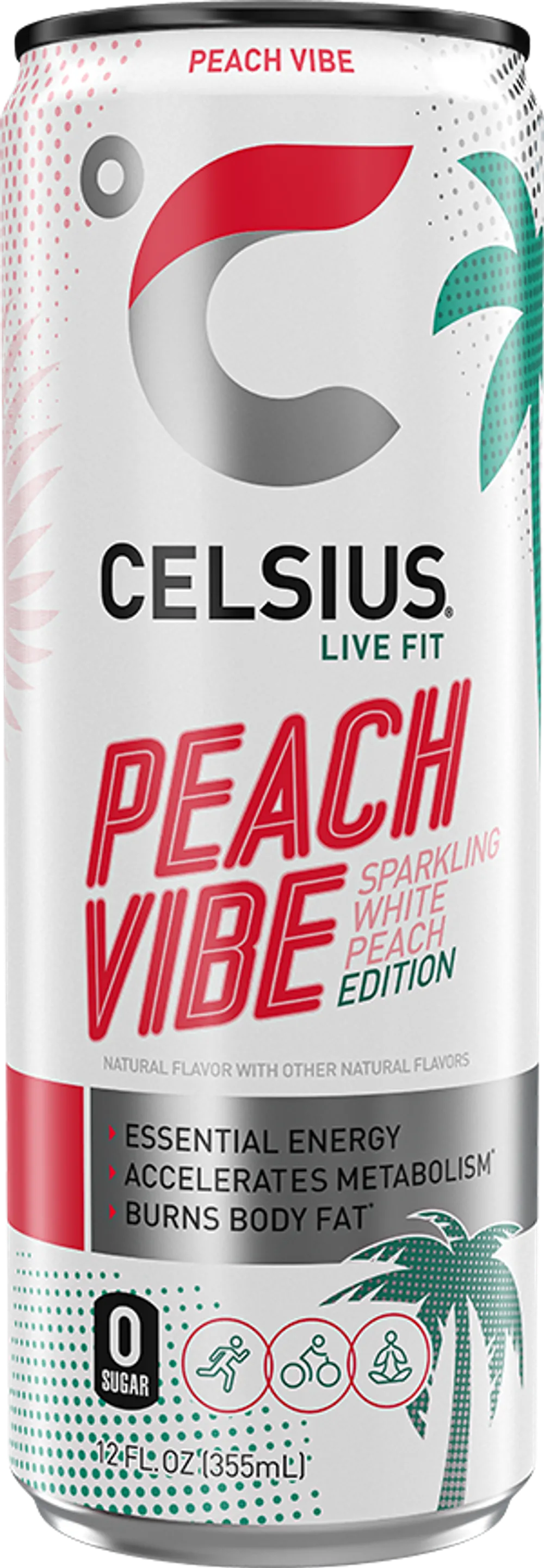
- Peach Vibe (White Peach) (12 Cans: $19.98)
- Pink Lemonade (Fizz-Free) (12 Cans: $24.99)
- Playa Vibe (Pina Colada) (12 Cans: $19.98)
- Raspberry Peach (12 Cans: $21.29)
- Retro Vibe (Sherbet Slush) (12 Cans: $19.98)
- Spritz Vibe - Lemoncello Twist (12 Cans: $16.72)
- Spritz Vibe - Shirley Temple (12 Cans: $16.47)
- Spritz Vibe - Snowball Frost (12 Cans: $39.88)
- Strawberry Lemonade (1 Can: $2.50)
- Strawberry Passionfruit (12 Cans: $19.98)
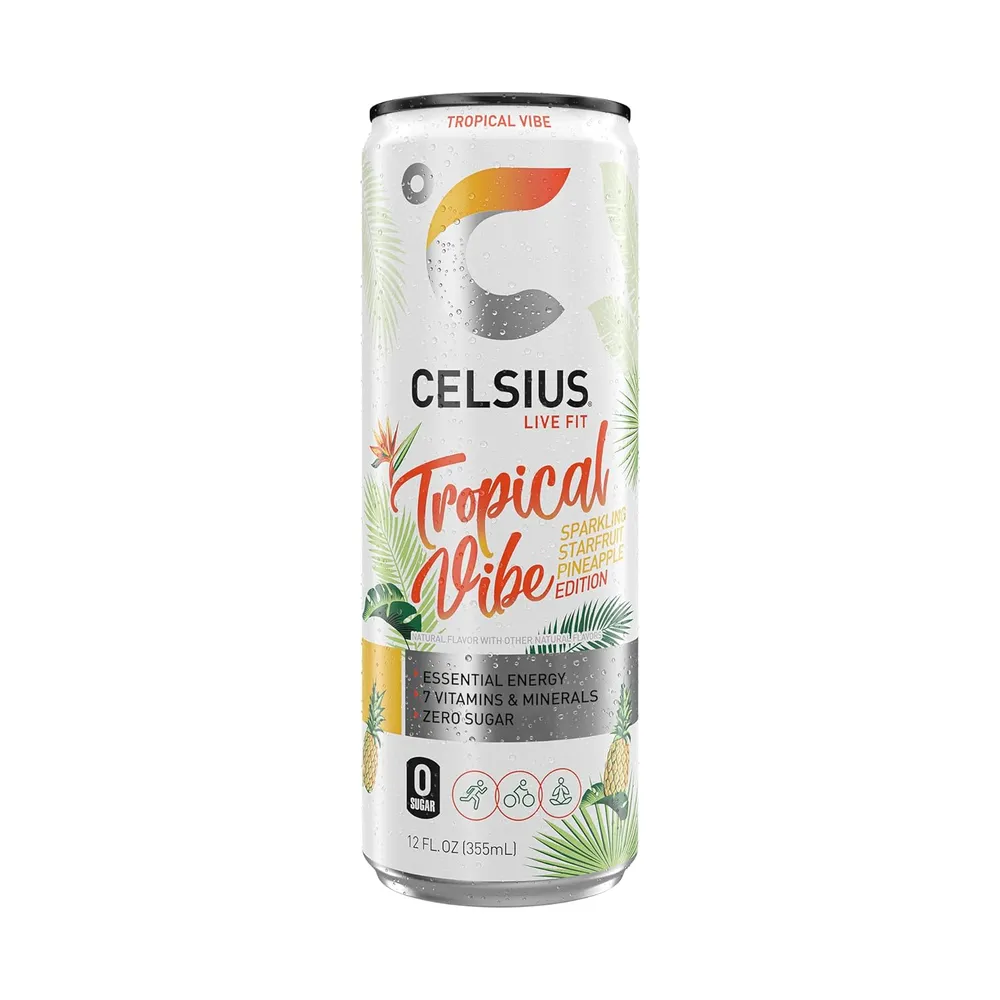
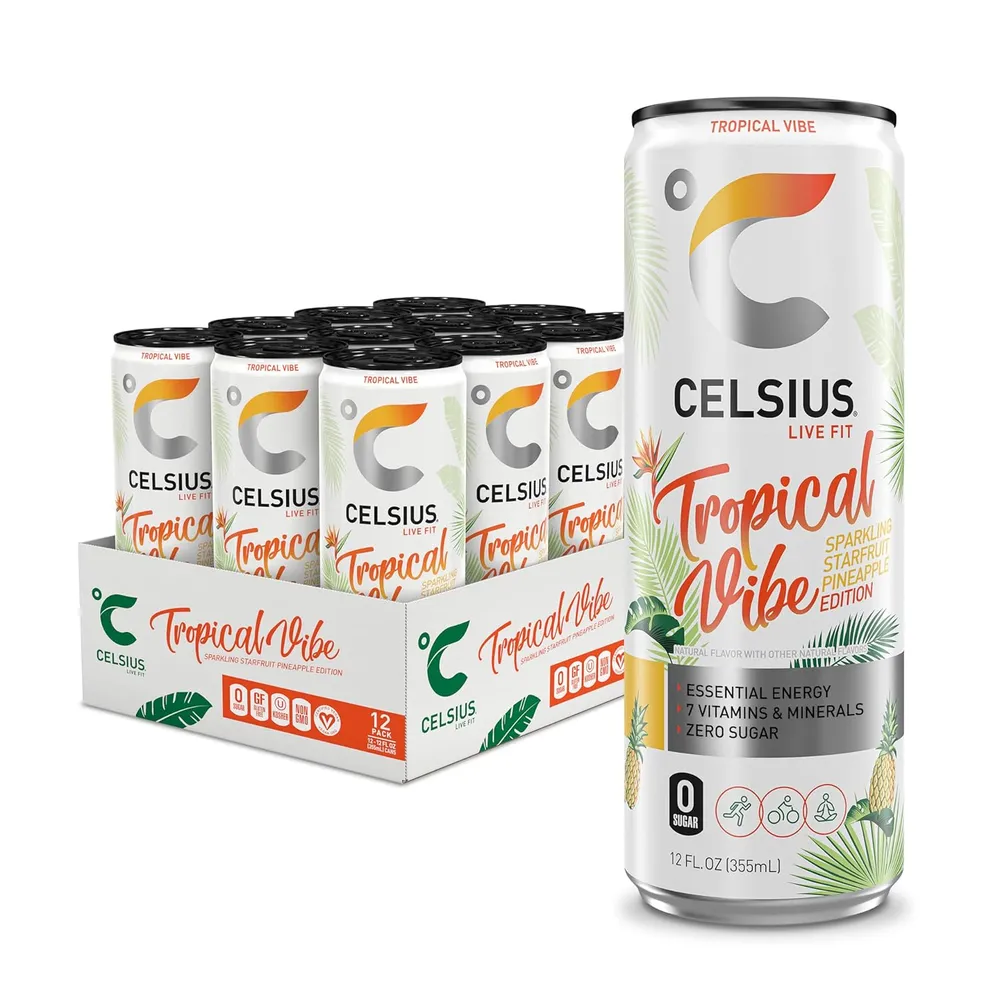
- Tropical Vibe (Starfruit Pineapple) (12 Cans: $19.98)
- Variety Pack (12 Cans: $21.37)
- Watermelon (24 Cans: $59.71)
- Watermelon Berry (Frizz-Free) (1 Can: $2.57)
- Watermelon Lemonade (12 Cans: $24.99)
- Wild Berry (12 Cans: $19.98)
The MetaPlus Angle: What Celsius Is Actually Claiming
The MetaPlus blend is the core of Celsius's brand identity, and it's worth understanding what that claim actually means before taking it at face value -- or dismissing it.
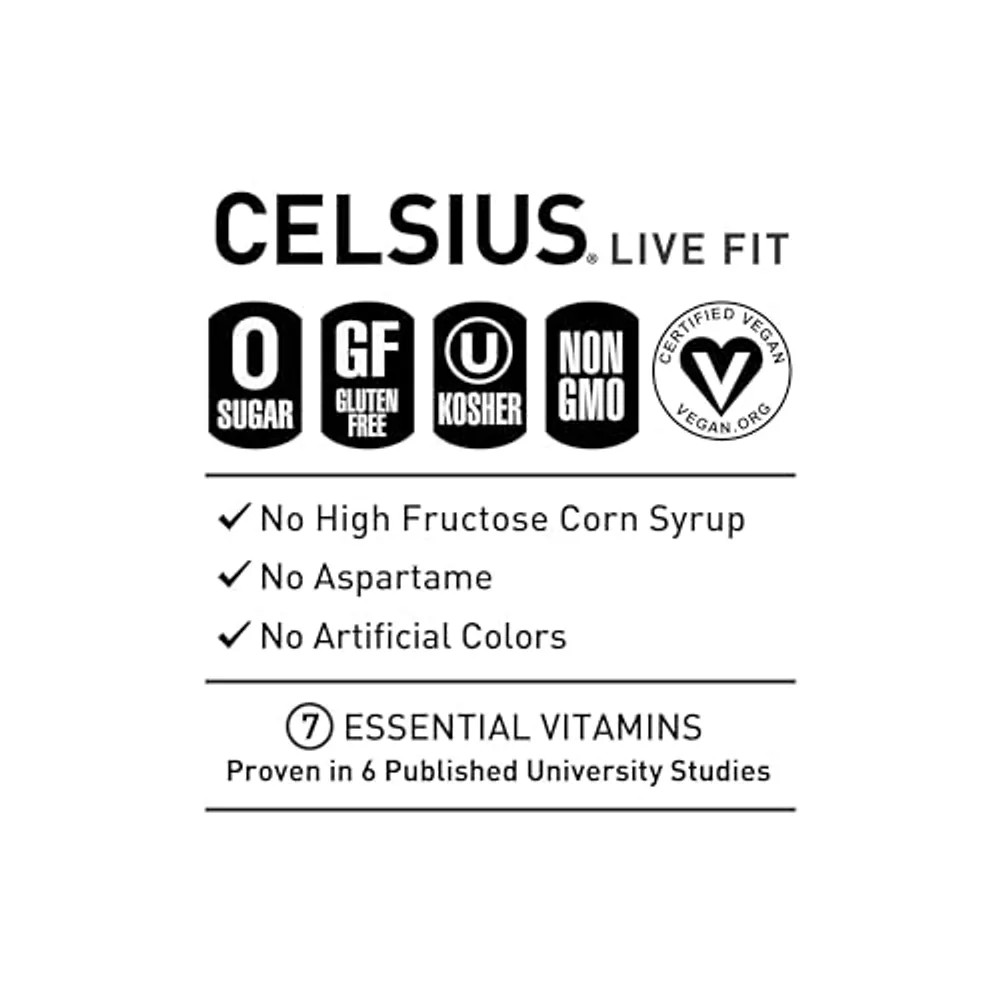
Celsius says MetaPlus induces thermogenesis: the process by which your body produces heat and, in doing so, burns more calories. The key ingredients driving that mechanism are the green tea extract (specifically its EGCG content), caffeine, guarana, ginger root, and chromium. The brand has backed this up with six published university studies showing thermogenic properties in Celsius drinkers during exercise.
The phrase "in conjunction with exercise" is doing a lot of work there, and Celsius is appropriately explicit about it: the drink doesn't cause calorie burn on its own. The metabolic effects require you to actually move. That's a reasonable and honest framing of what the formula likely delivers: a modest but real amplification of energy expenditure when you're exercising, not a magic metabolic switch for sedentary use.
The 200mg caffeine is doing the heaviest lifting for energy and alertness. The rest of MetaPlus contributes supporting roles: green tea's EGCG for fat oxidation signaling, guarana as a secondary caffeine source with additional polyphenols, ginger for gastric motility and mild anti-inflammatory support, and chromium for glucose metabolism.
Whether the "thermogenic" positioning moves the needle meaningfully beyond what 200mg caffeine alone would do is a fair question. But the formula is transparently labeled, the clinical backing is real (if modestly scaled), and the ingredient list holds up better than most energy drinks in the category.
Who It's For
- Fitness-oriented consumers: Celsius was built for people who pair their energy drink with actual physical activity. If you're drinking it before a workout, you're using it as intended.
- Cleaner-label seekers: No artificial colors, no artificial flavors, no aspartame, gluten-free, vegan, non-GMO. For shoppers who scan labels before they buy, Celsius checks a lot of boxes.
Celsius Got Its Position... But Will It Keep It?
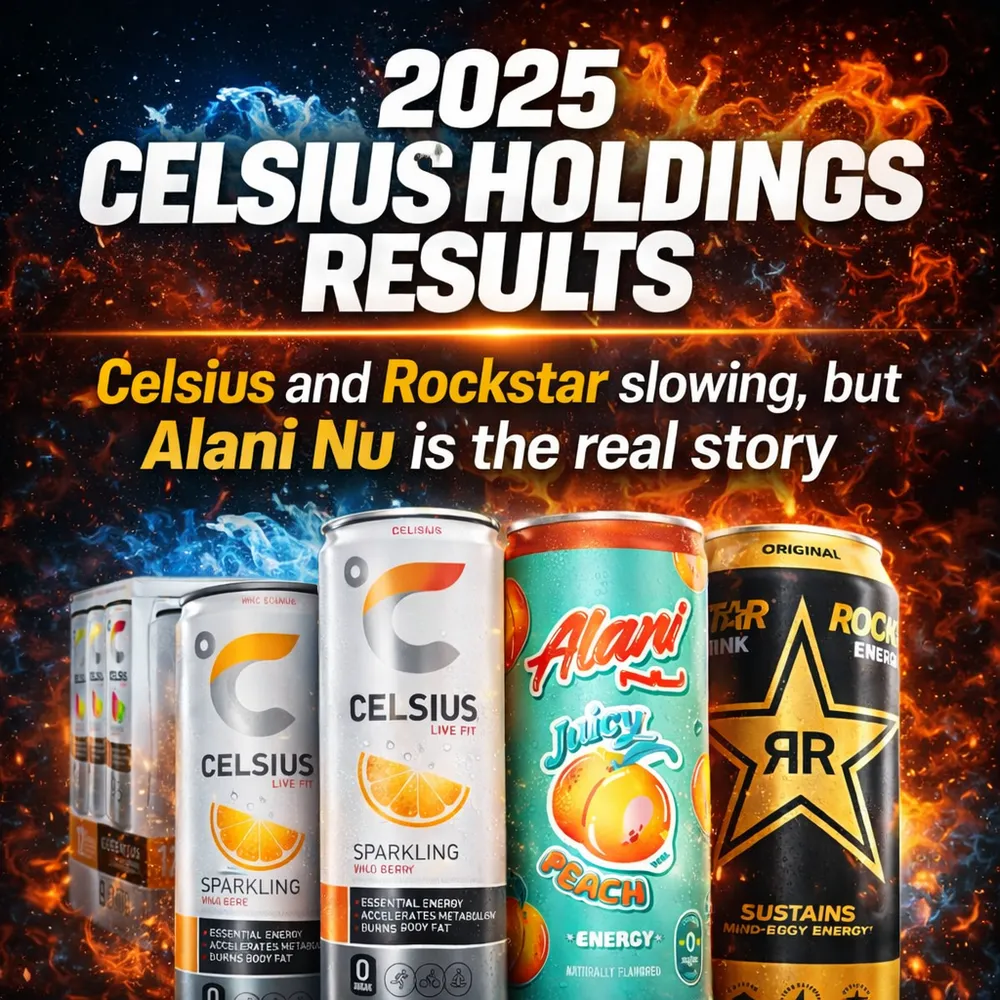
Celsius isn't the most aggressive energy drink on the shelf. 200mg caffeine is middle-of-the-road for the category, and there's no nootropic stack, no creatine, no massive amino acid blends. What it is is a clean, well-rounded formula with a clearly articulated functional angle and clinical work to back it up, at least partially. If you want a zero-sugar energy drink that does more than just caffeinate you and you're actually going to use it around physical activity, Celsius is a solid choice.
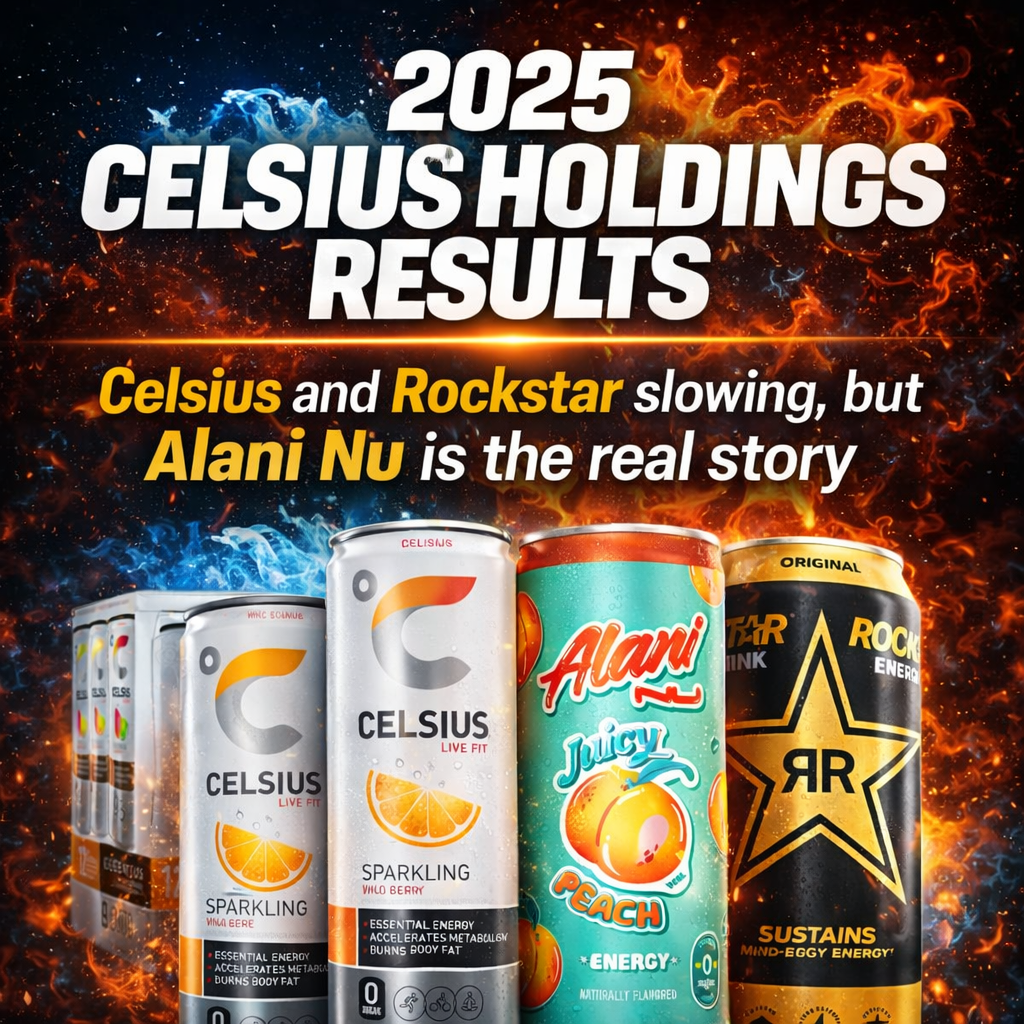
You can learn a good bit about their 2025 financial growth in our article, "Celsius Holdings Posts Record $2.5B Revenue, But the Real Story Is Alani Nu". Follow @BevlabMedia on TikTok and Instagram for ongoing category coverage as the Celsius Holdings story develops in 2025 and beyond.
More Related Videos
Bevlab VideosReferences
- McLellan, Tom M. et al. "Mclellan2016 A Review Of Caffeine S Effects On Cognitive Physical And Occupational Performance." Neuroscience & Biobehavioral Reviews, 2016. https://doi.org/10.1016/j.neubiorev.2016.09.001
- Guest, Nanci S. et al. "Guest 2021 International Society Of Sports Nutrition Position Stand Caffeine And Exercise Performance." Journal of the International Society of Sports Nutrition, 2021. https://doi.org/10.1186/s12970-020-00383-4
- Bilondi, Hossein Taghizadeh, et al. "Bilondi 2024 The Effect Of Caffeine Supplementation On Muscular Strength And Endurance A Meta Analysis Of Meta Analyses." Heliyon, 2024. https://doi.org/10.1016/j.heliyon.2024.e35025
- Dulloo, A G, et al. "Dulloo1989 Normal Caffeine Consumption Influence On Thermogenesis And Daily Energy Expenditure In Lean And Postobese Human Volunteers." The American Journal of Clinical Nutrition, 1989. https://doi.org/10.1093/ajcn/49.1.44
- Ripps, Harris, et al. "Review: taurine: a "very essential" amino acid." Molecular vision, 2012. https://pmc.ncbi.nlm.nih.gov/articles/PMC3501277/
- Goodman, Craig A, et al. "Taurine supplementation increases skeletal muscle force production and protects muscle function during and after high-frequency in vitro stimulation." Journal of applied physiology (Bethesda, Md. : 1985), 2009. https://doi.org/10.1152/japplphysiol.00040.2009
- Deng, Hengzhi, et al. "Does One Shot Work? The Acute Impact of a Single Taurine Dose on Exercise Performance: A Meta-Analytic Review." Scandinavian journal of medicine & science in sports, 2025. https://doi.org/10.1111/sms.70123
- Deng, Hengzhi, et al. "Caffeine and taurine: a systematic review and network meta-analysis of their individual and combined effects on physical capacity, cognitive function, and physiological markers." Journal of the International Society of Sports Nutrition, 2025. https://doi.org/10.1080/15502783.2025.2566371
- Patrick, Madison, et al. "Safety Of Guarana Seed As A Dietary Ingredient A Review." Journal of agricultural and food chemistry, 2019. https://doi.org/10.1021/acs.jafc.9b03781
- Moustakas, Dimitrios, et al. "Moustakas 2015 Guarana Provides Additional Stimulation Over Caffeine Alone In The Planarian Model." PloS one, 2015. https://doi.org/10.1371/journal.pone.0123310
- Gurney, Tom, et al. "Gurney 2022 Cognitive Effects Of Guarana Supplementation With Maximal Intensity Cycling." The British journal of nutrition, 2023. https://doi.org/10.1017/S0007114522002859
- Hack, Brian, et al. "Hack2023 Effect Of Guarana Paullinia Cupana On Cognitive Performance A Systematic Review And Meta Analysis." Nutrients, 2023. https://doi.org/10.3390/nu15020434
- Galduróz, Jose Carlos Fernandes, et al. "Galduroz1996 The Effects Of Long Term Administration Of Guarana On The Cognition Of Normal Elderly Volunteers." Sao Paulo Medical Journal, 1996. https://doi.org/10.1590/s1516-31801996000100003
- Silvestrini, Gianluca Ivan, et al. "Effects Of A Commercial Product Containing Guaraná On Psychological Well Being Anxiety And Mood A Single Blind Placebo Controlled Study In Healthy Subjects." Journal of negative results in biomedicine, 2013. https://doi.org/10.1186/1477-5751-12-9
- Hursel, R, et al. "Hursel 2011 The Effects Of Catechin Rich Teas And Caffeine On Energy Expenditure And Fat Oxidation A." Obesity reviews : an official journal of the International Association for the Study of Obesity, 2011. https://doi.org/10.1111/j.1467-789X.2011.00862.x
- Lin, Ying, et al. "Lin 2020 The Effect Of Green Tea Supplementation On Obesity A Systematic Review And Dose Response Meta Analysis Of Randomized Controlled Trials." Phytotherapy research : PTR, 2020. https://doi.org/10.1002/ptr.6697
- Asbaghi, Omid, et al. "Asbaghi The Effects Of Green Tea Extract Supplementation On Body Composition Obesity Related Hormones And Oxidative Stress Markers A Grade Assessed Systematic Review And Dose Response Meta Analysis Of Randomi." The British journal of nutrition, 2024. https://doi.org/10.1017/S000711452300260X
- Marsh, C A. "Metabolism of D-glucuronolactone in mammalian systems. Inhibitory properties of the products of D-glucuronolactone-dehydrogenase action." The Biochemical journal, 1966. https://doi.org/10.1042/bj0990022
- Rubio, Carmen, et al. "Caffeine, D-glucuronolactone and Taurine Content in Energy Drinks: Exposure and Risk Assessment." Nutrients, 2022. https://doi.org/10.3390/nu14235103
- Alford, C, et al. "The effects of red bull energy drink on human performance and mood." Amino acids, 2001. https://doi.org/10.1007/s007260170021
- Basrai, Maryam, et al. "Energy Drinks Induce Acute Cardiovascular and Metabolic Changes Pointing to Potential Risks for Young Adults: A Randomized Controlled Trial." The Journal of nutrition, 2019. https://doi.org/10.1093/jn/nxy303
- Tamura, S, et al. "Effects of glucuronolactone and the other carbohydrates on the biochemical changes produced in the living body of rats by hard exercise." Japanese journal of pharmacology, 1968. https://doi.org/10.1254/jjp.18.30
- Wu, Keng-Liang, et al. "Wu2008 Effects Of Ginger On Gastric Emptying And Motility In Healthy Humans." European journal of gastroenterology & hepatology, 2008. https://doi.org/10.1097/MEG.0b013e3282f4b224
- Chaiyakunapruk, Nathorn, et al. "Chaiyakunapruk2006 The Efficacy Of Ginger For The Prevention Of Postoperative Nausea And Vomiting A Meta Analysis." American journal of obstetrics and gynecology, 2006. https://doi.org/10.1016/j.ajog.2005.06.046
- Black, Christopher D, et al. "Black2010 Ginger Zingiber Officinale Reduces Muscle Pain Caused By Eccentric Exercise." The journal of pain, 2010. https://doi.org/10.1016/j.jpain.2009.12.013
- Maharlouei, Najmeh, et al. "Maharlouei2019 The Effects Of Ginger Intake On Weight Loss And Metabolic Profiles Among Overweight And Obese Subjects A Systematic Review And Meta Analysis Of Randomized Controlled Trials." Critical reviews in food science and nutrition, 2019. https://doi.org/10.1080/10408398.2018.1427044
- Clarke, B.L. "Tang2007 Use Of Calcium Or Calcium In Combination With Vitamin D Supplementation To Prevent Fractures And Bone Loss In People Aged 50 Years And Older A Meta Analysis." Yearbook of Endocrinology, 2008. https://doi.org/10.1016/s0084-3741(08)79096-6
- Sherk, Vanessa D, et al. "Sherk2017 Calcium Supplementation Attenuates Disruptions In Calcium Homeostasis During Exercise." Medicine and science in sports and exercise, 2017. https://doi.org/10.1249/MSS.0000000000001239
- Barry, Daniel W, et al. "Barry2012 Acute Calcium Ingestion Attenuates Exercise Induced Disruption Of Calcium Homeostasis." Medicine and science in sports and exercise, 2011. https://doi.org/10.1249/MSS.0b013e3181f79fa8
- Carr, Anitra, et al. "Carr2017 Vitamin C And Immune Function." Nutrients, 2017. https://doi.org/10.3390/nu9111211
- Paschalis, Vassilis, et al. "Paschalis2014 Low Vitamin C Values Are Linked With Decreased Physical Performance And Increased Oxidative Stress Reversal By Vitamin C Supplementation." European Journal of Nutrition, 2016. https://doi.org/10.1007/s00394-014-0821-x
- Wen, Chengli, et al. "IV Vitamin C in Sepsis: A Latest Systematic Review and Meta-Analysis." International journal of clinical practice, 2023. https://doi.org/10.1155/2023/6733465
- Heller, Regine, et al. "Heller1999 L Ascorbic Acid Potentiates Nitric Oxide Synthesis In Endothelial Cells." Journal of Biological Chemistry, 1999. https://doi.org/10.1074/jbc.274.12.8254
- Saedisomeolia, Ahmad, et al. "Riboflavin in Human Health: A Review of Current Evidences." Advances in food and nutrition research, 2018. https://doi.org/10.1016/bs.afnr.2017.11.002
- Ashoori, Marziyeh, et al. "Riboflavin Vitamin B And Oxidative Stress A Review." The British journal of nutrition, 2014. https://doi.org/10.1017/S0007114514000178
- Hoey, Leane, et al. "Studies Of Biomarker Responses To Intervention With Riboflavin A Systematic Review." The American journal of clinical nutrition, 2009. https://doi.org/10.3945/ajcn.2009.27230B
- Tavares, N R, et al. "Riboflavin Supplementation And Biomarkers Of Cardiovascular Disease In The Elderly." The journal of nutrition, health & aging, 2009. https://doi.org/10.1007/s12603-009-0081-2
- Freese, Riitta, et al. "Niacin - a scoping review for Nordic Nutrition Recommendations 2023." Food & nutrition research, 2023. https://doi.org/10.29219/fnr.v67.10299
- Gasperi, Valeria, et al. "Gasperi2019 Niacin In The Central Nervous System An Update Of Biological Aspects And Clinical Applications." International Journal of Molecular Sciences, 2019. https://doi.org/10.3390/ijms20040974
- Garg, Aakash, et al. "Role of Niacin in Current Clinical Practice: A Systematic Review." The American journal of medicine, 2017. https://doi.org/10.1016/j.amjmed.2016.07.038
- Rad, Esmaeil Yousefi, et al. "The effect of niacin on inflammatory markers and adipokines: a systematic review and meta-analysis of interventional studies." European journal of nutrition, 2024. https://doi.org/10.1007/s00394-024-03425-8
- Kaye, Alan D, et al. "Niacin and Stroke: The Role of Supplementation and Emerging Concepts in Clinical Practice, a Narrative Review." Current issues in molecular biology, 2025. https://doi.org/10.3390/cimb47060400
- di, Salvo Martino Luigi, et al. "Di Salvo2010 Vitamin B6 Salvage Enzymes Mechanism Structure And Regulation." Biochimica et Biophysica Acta (BBA) - Proteins and Proteomics, 2011. https://doi.org/10.1016/j.bbapap.2010.12.006
- Tucker, Katherine L, et al. "High Homocysteine And Low B Vitamins Predict Cognitive Decline In Aging Men The Veterans Affairs Normative Aging Study." The American Journal of Clinical Nutrition, 2005. https://doi.org/10.1093/ajcn/82.3.627
- Olaso-Gonzalez, Gloria, et al. "Impact of supplementation with vitamins B6 , B12 , and/or folic acid on the reduction of homocysteine levels in patients with mild cognitive impairment: A systematic review." IUBMB life, 2022. https://doi.org/10.1002/iub.2507
- He, Ling, et al. "The potential hazards of high doses of vitamin B6 in treating nausea and vomiting in pregnancy: A systematic review." International journal of gynaecology and obstetrics: the official organ of the International Federation of Gynaecology and Obstetrics, 2025. https://doi.org/10.1002/ijgo.16032
- Lyon, Peter, et al. "Lyon2020 B Vitamins And One Carbon Metabolism Implications In Human Health And Disease." Nutrients, 2020. https://doi.org/10.3390/nu12092867
- Obeid, Rima, et al. "Obeid2015 Cobalamin Coenzyme Forms Are Not Likely To Be Superior To Cyano And Hydroxyl Cobalamin In Prevention Or Treatment Of Cobalamin Deficiency." Molecular Nutrition & Food Research, 2015. https://doi.org/10.1002/mnfr.201500019
- Eussen, Simone J. P. M. "Eussen2005 Oral Cyanocobalamin Supplementation In Older People With Vitamin B12 Deficiency." Archives of Internal Medicine, 2005. https://doi.org/10.1001/archinte.165.10.1167
- Lee, Mon-Chien, et al. "Lee2023 A Functional Evaluation Of Anti Fatigue And Exercise Performance Improvement Following Vitamin B Complex Supplementation In Healthy Humans A Randomized Double Blind Trial." International Journal of Medical Sciences, 2023. https://doi.org/10.7150/ijms.86738
- Markun, Stefan, et al. "Effects Of Vitamin B12 Supplementation On Cognitive Function Depressive Symptoms And Fatigue A Systematic Review Meta Analysis And Meta Regression." Nutrients, 2021. https://doi.org/10.3390/nu13030923
- Solvik, Beate Stokke, et al. "Biotin: a scoping review for Nordic Nutrition Recommendations 2023." Food & nutrition research, 2024. https://doi.org/10.29219/fnr.v68.10256
- Zhang, Yujia, et al. "Influence of biotin intervention on glycemic control and lipid profile in patients with type 2 diabetes mellitus: A systematic review and meta-analysis." Frontiers in nutrition, 2022. https://doi.org/10.3389/fnut.2022.1046800
- Patel, Deepa P, et al. "A Review of the Use of Biotin for Hair Loss." Skin appendage disorders, 2017. https://doi.org/10.1159/000462981
- Freese, Riitta, et al. "Pantothenic acid - a scoping review for Nordic Nutrition Recommendations 2023." Food & nutrition research, 2023. https://doi.org/10.29219/fnr.v67.10255
- Shichkin, Valentin P. "Vitamin B5 and vitamin U review: justification of combined use for the treatment of mucosa-associated gastrointestinal pathologies." Frontiers in pharmacology, 2025. https://doi.org/10.3389/fphar.2025.1587627
- Georgaki, Maria-Nefeli, et al. "Chromium supplementation and type 2 diabetes mellitus: an extensive systematic review." Environmental geochemistry and health, 2024. https://doi.org/10.1007/s10653-024-02297-5
- Hamsho, Mohammed, et al. "Therapeutic effects of chromium supplementation on women with polycystic ovarian syndrome: A systematic review and meta-analysis." Endocrinologia, diabetes y nutricion, 2025. https://doi.org/10.1016/j.endien.2025.501578
- Anton, Stephen D, et al. "Anton2008 Effects Of Chromium Picolinate On Food Intake And Satiety." Diabetes technology & therapeutics, 2008. https://doi.org/10.1089/dia.2007.0292
Related Coverage
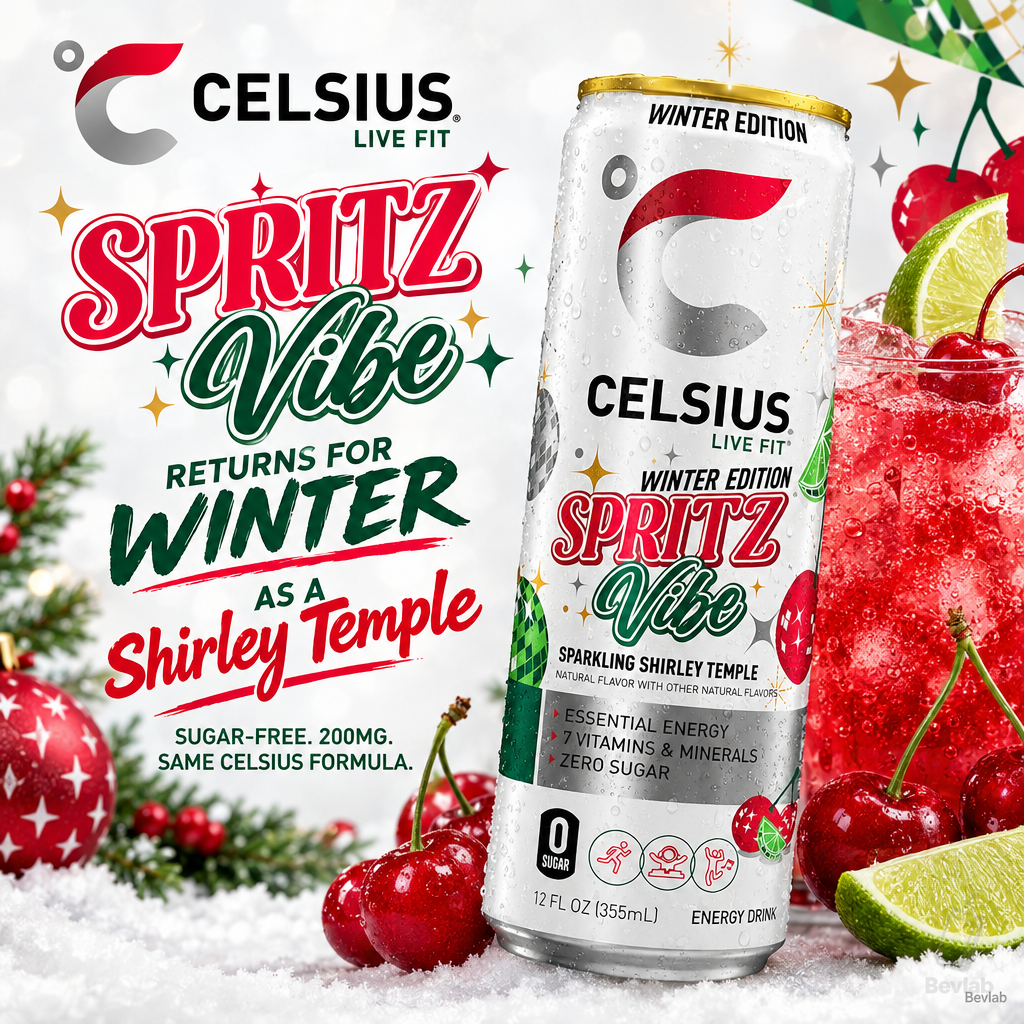
Celsius Brings Back Spritz Vibe for Winter as a Shirley Temple
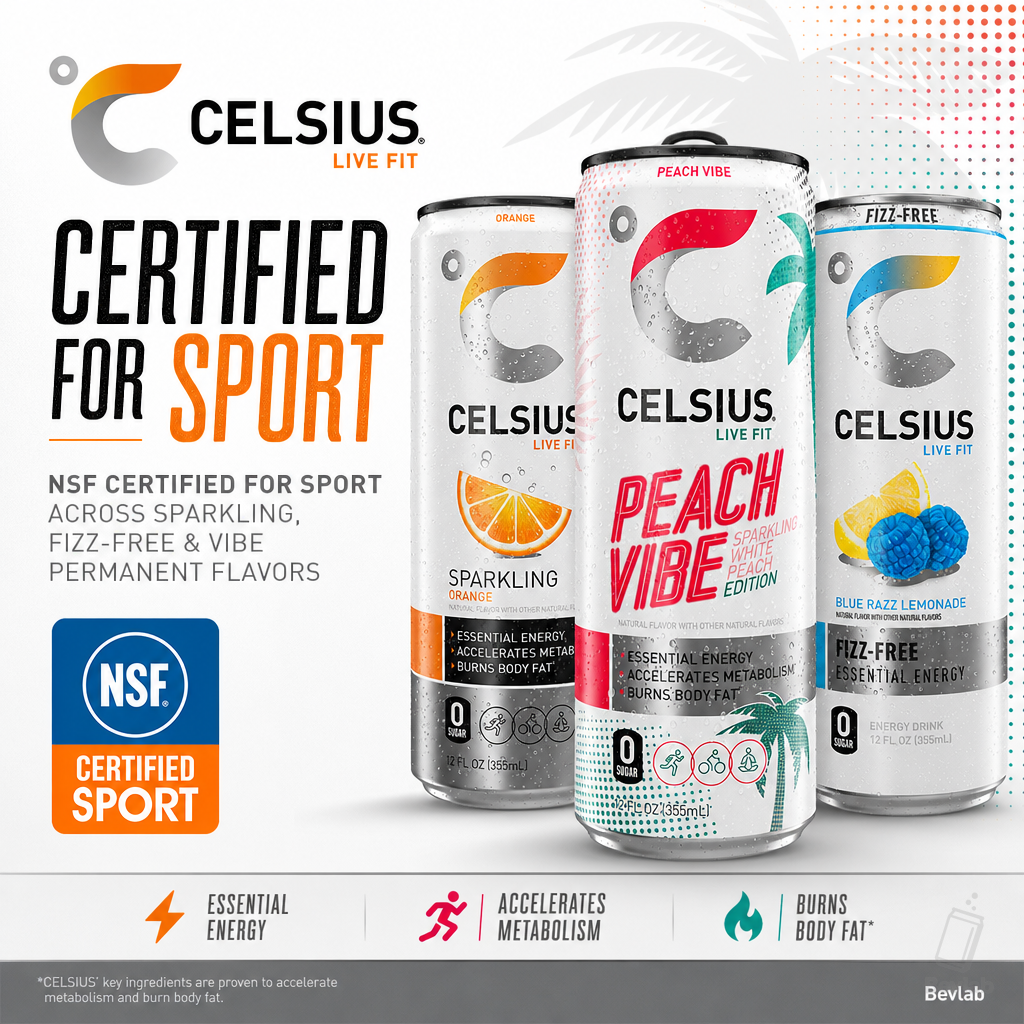
Celsius Earns NSF Certified for Sport Certification
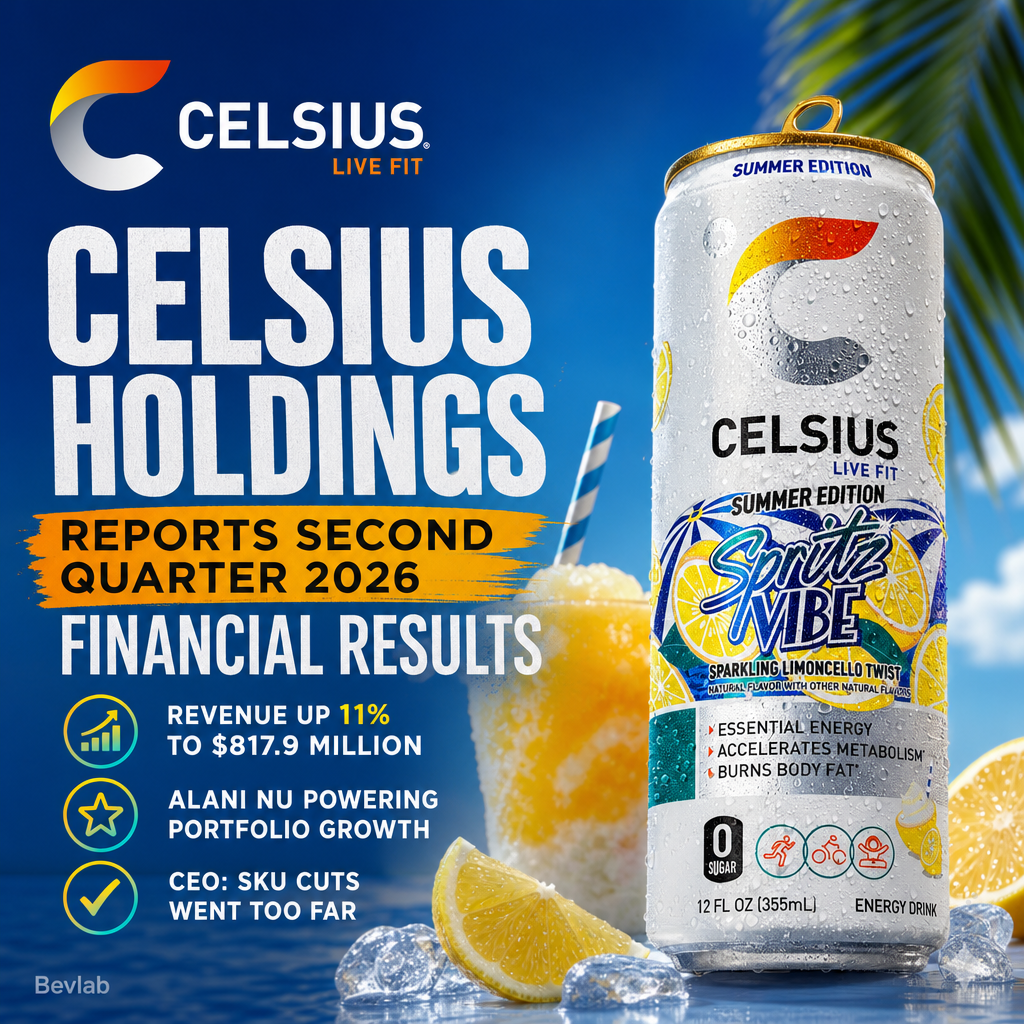
Celsius Q2 2026 Results: The CEO Just Admitted the SKU Cuts Went Too Deep
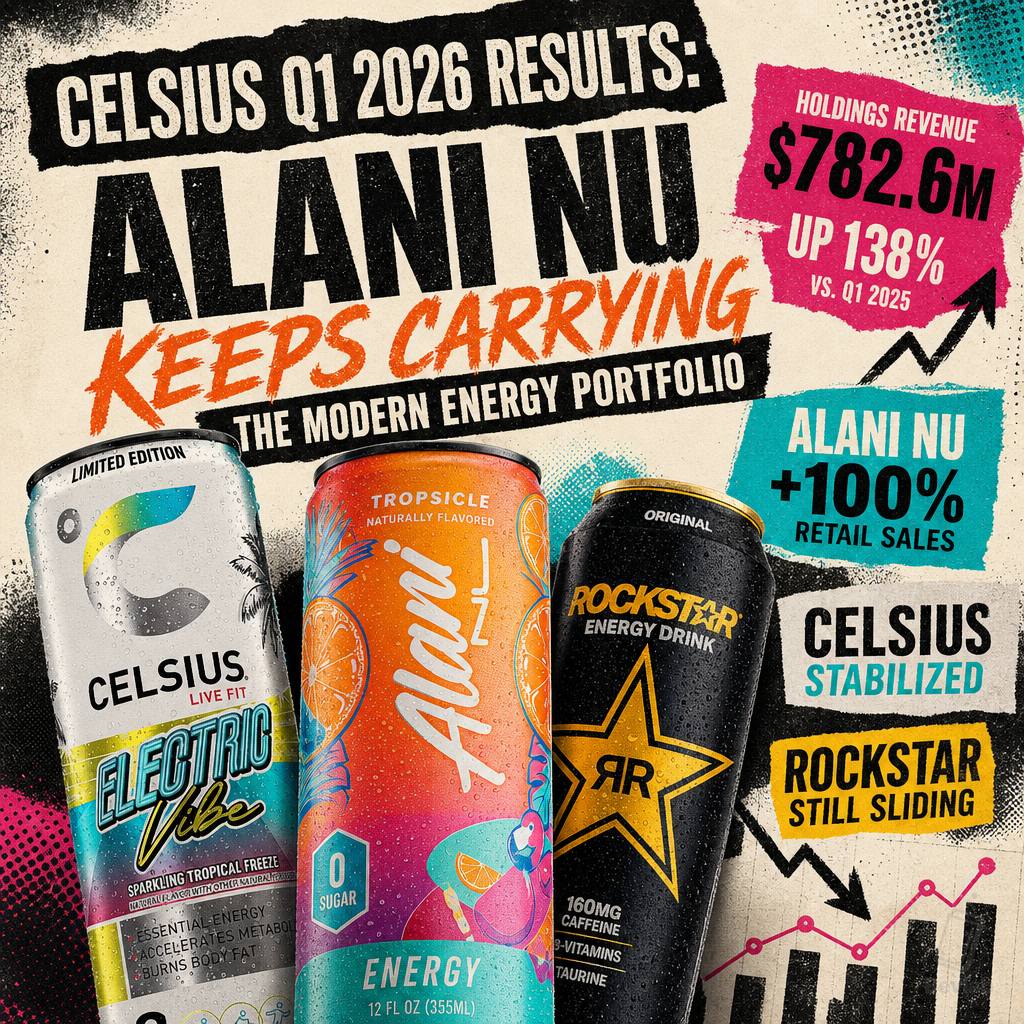
Celsius Q1 2026 Results: Alani Nu Keeps Carrying the Modern Energy Portfolio
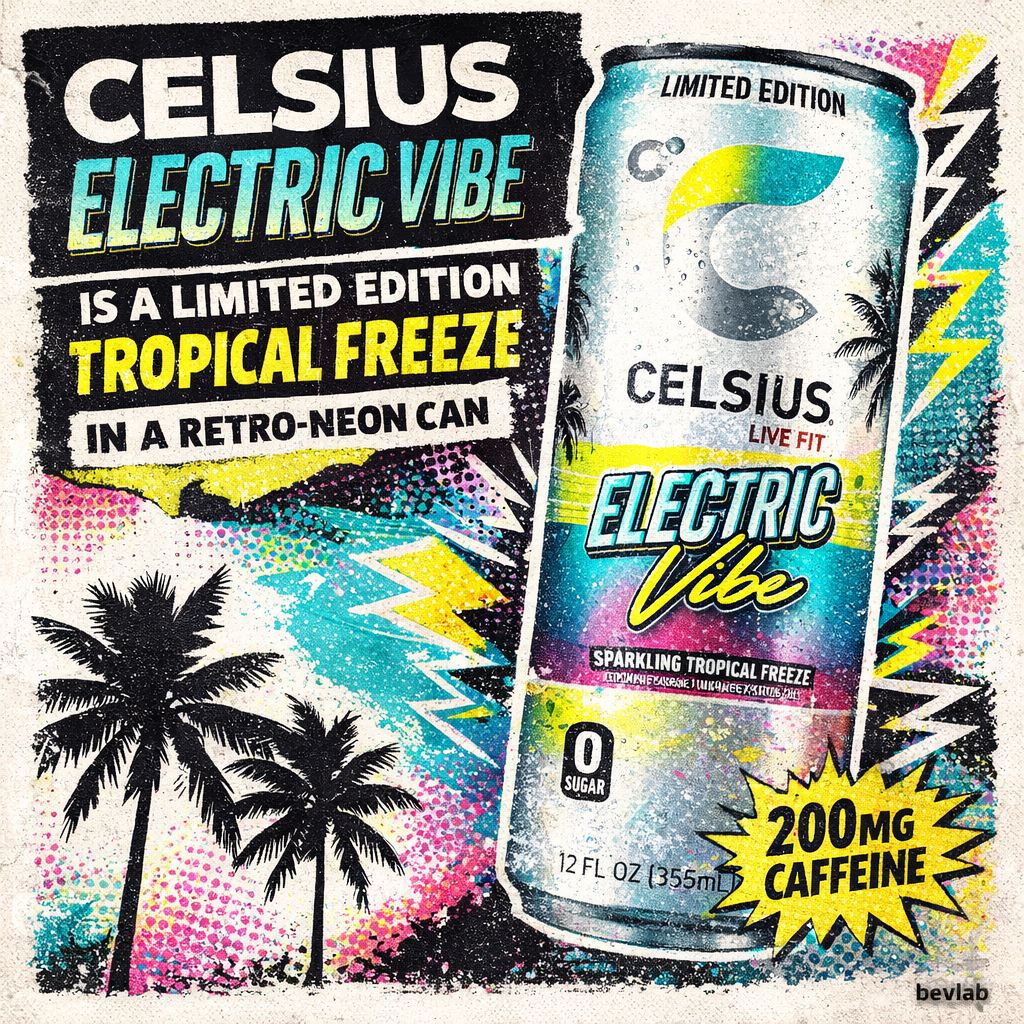
Celsius Electric Vibe Is a Limited Edition Tropical Freeze in a Retro-Neon Can