Core Power High Protein Milk Shake (26g): Filtered Milk Does the Lifting
One ingredient carries the protein. Four sweeteners and three thickeners handle the rest.
Coca-Cola-owned fairlife pairs Core Power's filtered-milk base with lactase enzyme and a four-sweetener blend of monk fruit, stevia, ace-K, and sucralose.
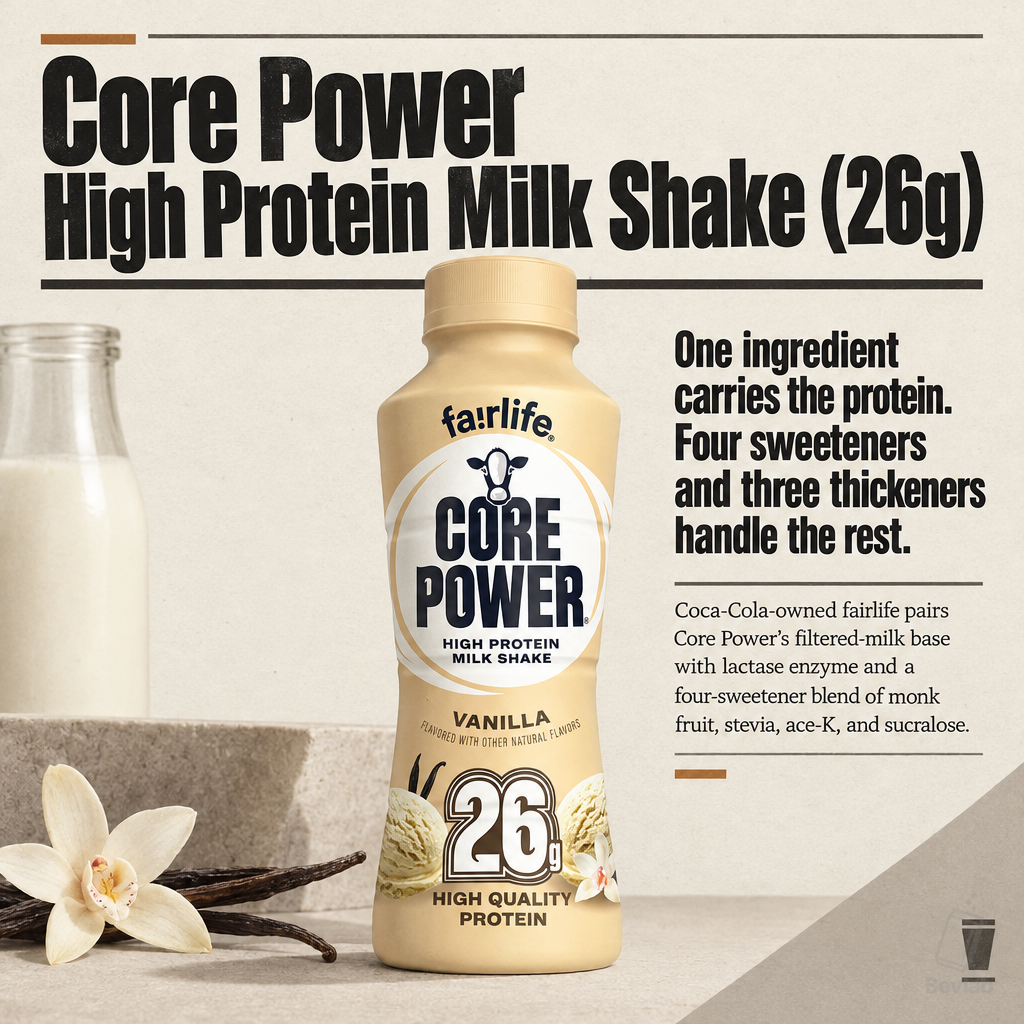
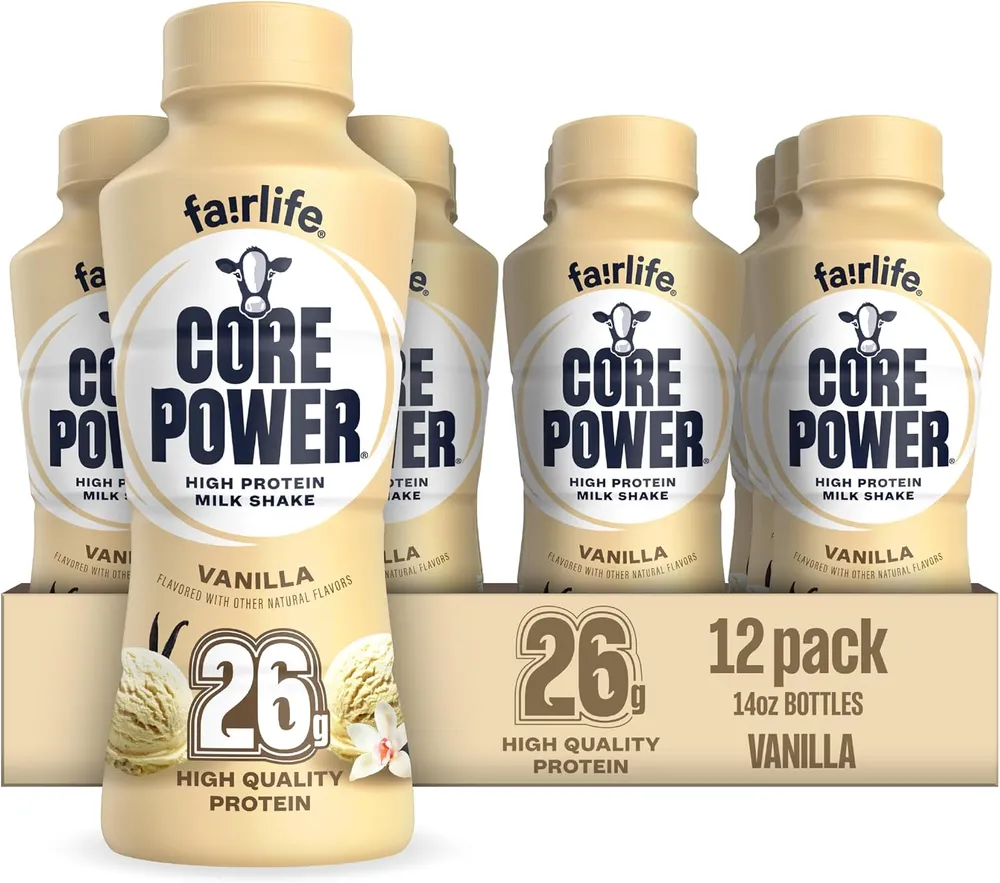
Core Power is the protein shake line from fairlife, the filtered-milk dairy brand owned by Coca-Cola, and the Core Power High Protein Milk Shake (26g) is the line's long-running original. The interesting part is what's missing from the ingredient list. There's no whey isolate, no milk protein powder, and no protein blend. All 26g of protein come from one ingredient, filtered low fat milk, and the filtering does the job a scoop of powder would do in a homemade shake.
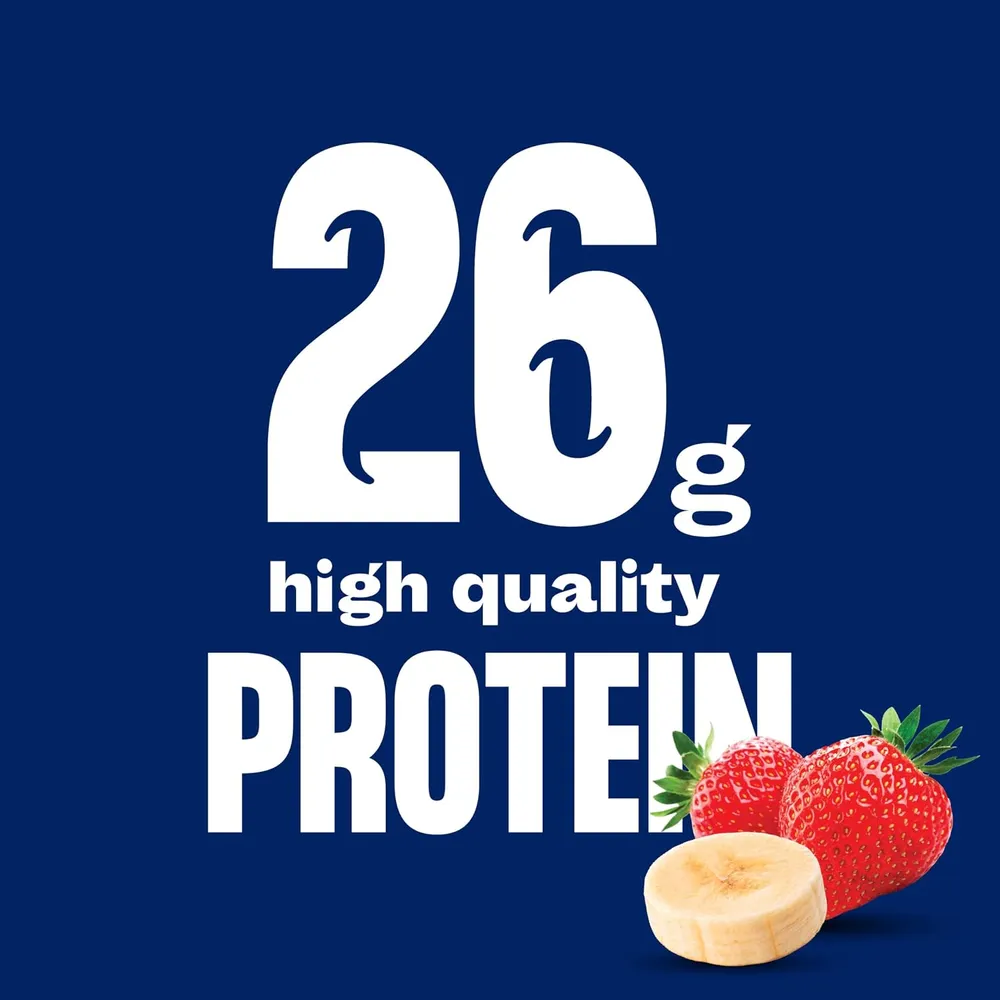
Everything else sits under the label's "less than 1%" line: natural flavors, four sweeteners, three texture agents, lactase enzyme, and vitamins A and D3. The Vanilla bottle comes in at 170 calories, 5g of total sugars with 0g added, and 670mg of calcium per 414mL bottle. It's built for people who want a big ready-to-drink protein hit in milk shake form, and the lactase gives lactose-sensitive drinkers a better shot at handling it (though it's still a milk product).
Core Power High Protein Milk Shake (26g) Nutrition Facts
These numbers come from the Vanilla bottle. Other flavors may differ slightly.
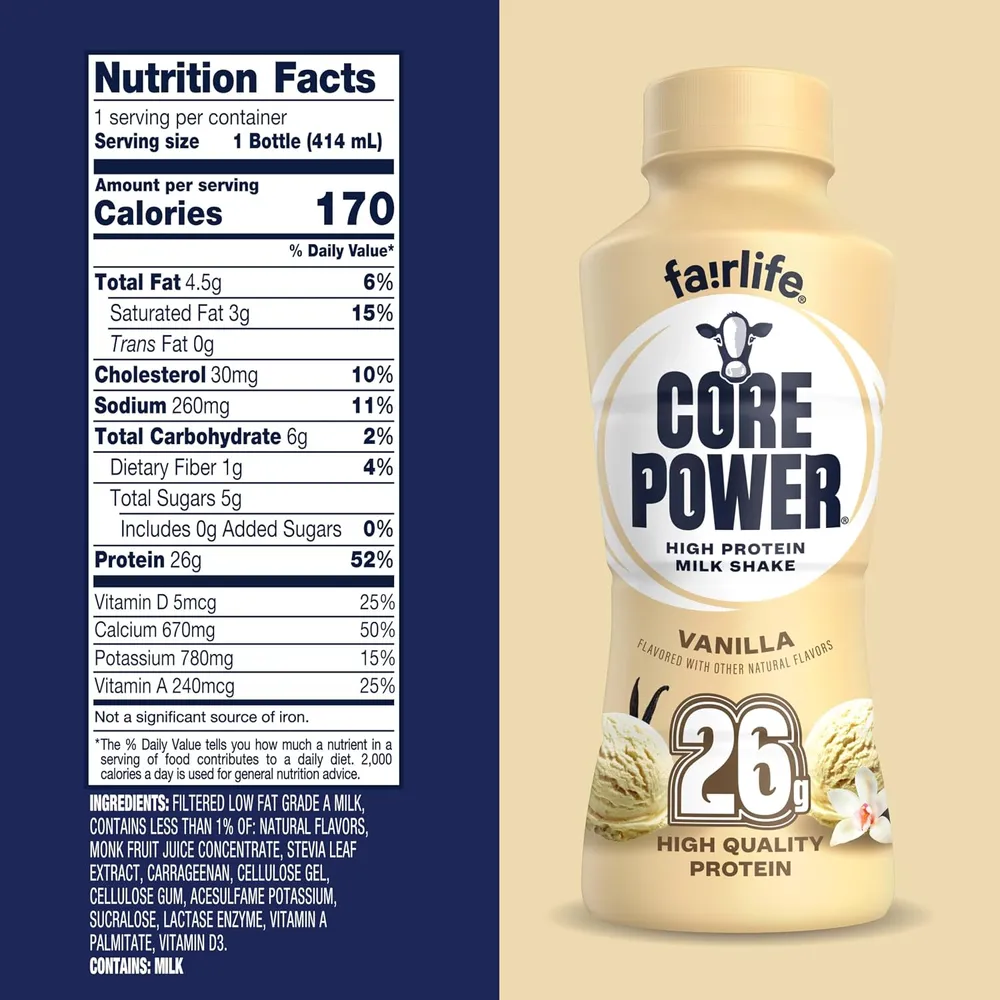
- Serving Size: 1 bottle (414mL)
- Calories: 170
- Total Fat: 4.5g (6% DV)
- Saturated Fat: 3g (15% DV)
- Trans Fat: 0g
- Cholesterol: 30mg (10% DV)
- Total Carbohydrate: 6g (2% DV)
- Dietary Fiber: 1g (4% DV)
- Total Sugars: 5g
- Added Sugars: 0g (0% DV)
- Protein: 26g (52% DV)
- Vitamins and Minerals
- Sodium: 260mg (11% DV)
- Potassium: 780mg (15% DV)
- Calcium: 670mg (50% DV)
- Vitamin A: 240mcg (25% DV)
- Vitamin D: 5mcg (200 IU, 25% DV)
The two numbers that matter most are protein at 52% of the Daily Value and calcium at 50%. With added sugars at 0g, all 5g of sugar on the panel occur naturally rather than being added. The fat is modest because the base is low fat milk, not cream.
Core Power High Protein Milk Shake (26g) Ingredients
Each 414mL bottle provides the following:
-
Filtered Low Fat Grade A Milk
Filtered low fat grade A milk makes up nearly the whole bottle and is the only protein source on the label. The label doesn't spell out the exact process. In general, membrane filtration like ultrafiltration pushes milk through a membrane that holds back protein while water, much of the lactose, and some dissolved minerals pass through.[1,2] How much of each one stays behind depends on the setup. In one skim milk study, about 76% of the lactose but only 16% of the calcium ended up in the filtered-off stream.[3]
Dairy protein ingredients usually run about 80% casein and 20% whey, though this bottle doesn't print its own ratio.[4] More protein also changes how a milk drink feels. In a trained-panel study, raising skim milk from 2.9% to 4.8% protein made it seem more like higher-fat milk.[5] On the muscle side, a randomized trial gave 30 young men 25g of different dairy proteins after resistance exercise. The faster-digesting version raised blood amino acids sooner but didn't produce more muscle protein synthesis over four hours.[6] Core Power's 26g is right around that tested amount, but the trial didn't use this shake.
-
Lactase
Lactase is the enzyme that splits lactose into glucose and galactose. Plenty of adults make less of it after childhood. Undigested lactose then reaches the colon, where bacteria ferment it into gas, and that's what drives the bloating and discomfort of lactose intolerance.[7] Adding lactase to the milk itself lets the enzyme break down lactose before you drink it. In lactose-intolerant adults, milk pretreated with lactase stopped the digestive complaints and diarrhea that untreated milk caused, and it lowered breath hydrogen (a marker of lactose fermentation).[8] In a ready-to-drink milk supplement, an overnight lactase treatment cut lactose by 80%.[9]
fairlife doesn't disclose how much lactase goes into the bottle, so you can't read the remaining lactose off the label. Dose matters in the research. Enzyme amounts that worked against 20g of lactose barely helped against 50g.[10] Many people with lactose intolerance still handle modest amounts of lactose, and one recent review puts the usual tolerance at about 12-15g per day.[11] Lactase doesn't help with a milk allergy, though. The label carries a milk allergen statement.
-
Vitamins and Minerals
Calcium and potassium come with the milk base. Vitamins A and D3 are added.
-
Calcium - 670mg (50% DV)
Calcium at 670mg is half the Daily Value. The ingredient list has no added calcium source, so it comes from the concentrated milk. That's a perk of building a protein shake on milk instead of powder. Calcium supports bone structure and muscle contraction, and one bottle covers half a day's Daily Value.
-
Potassium - 780mg (15% DV)
Potassium lands at 780mg (15% DV). The milk is the main source. Acesulfame potassium adds a little potassium too, but it's a sweetener that sits under the 1% line. Potassium helps with fluid balance and muscle signaling, so this is a useful amount for a drink you might have after training.
-
Vitamin A - 240mcg (25% DV)
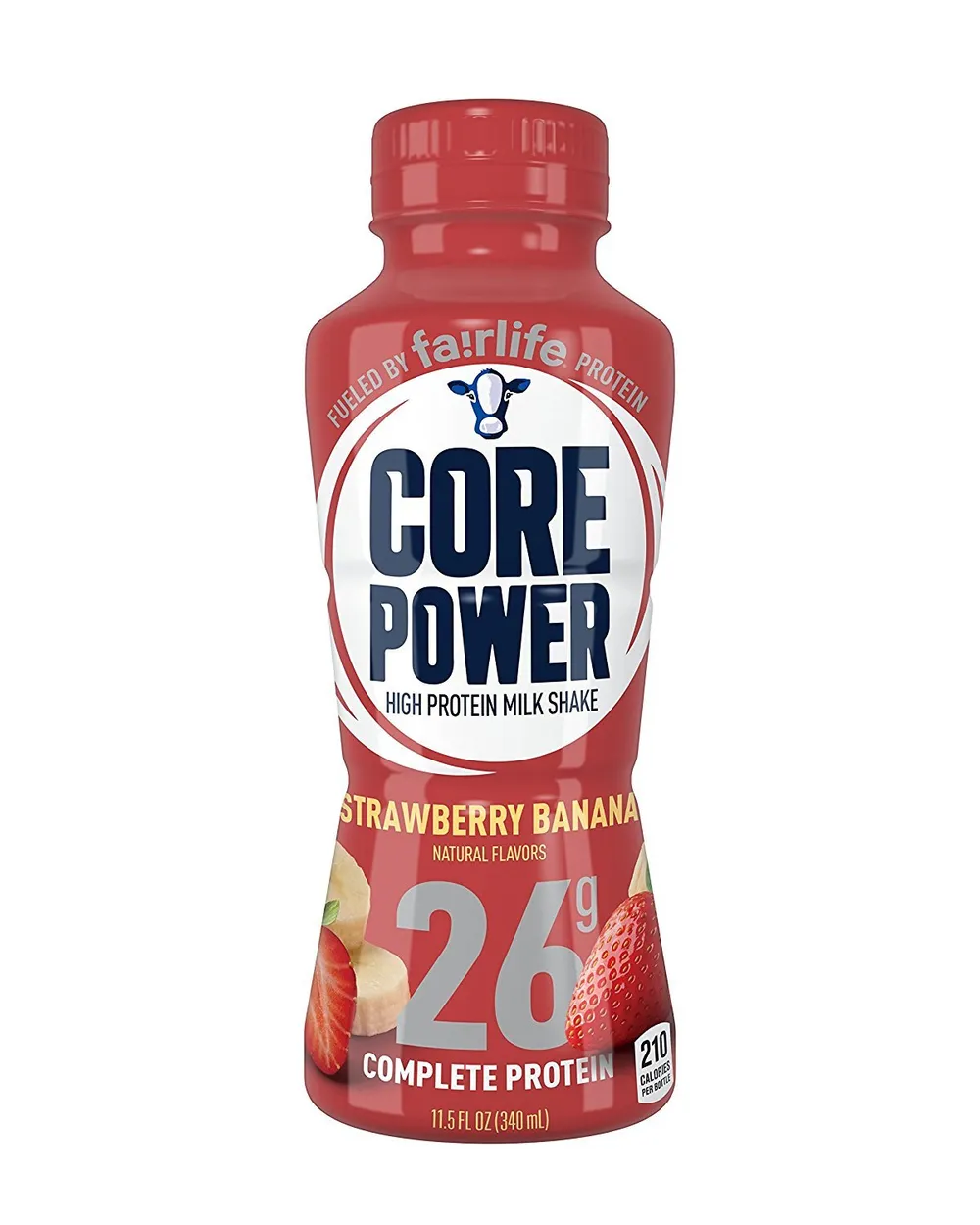
The label lists added vitamin A in a preformed form, and the panel shows 240mcg (25% DV). We'd rather it weren't here. Preformed vitamin A is stored in the liver, and standard blood retinol tests don't reliably show when those stores run high.[12] In an autopsy study of 27 older U.S. adults, 9 had liver vitamin A levels that met the study's definition of hypervitaminosis A.[13] That's a small sample, but it backs our view that Western diets rarely need more. EFSA's adult upper limit for preformed vitamin A is 3,000mcg per day, and this bottle adds to everything else in your diet that counts toward it.[14]
-
Vitamin D3 - 5mcg (200 IU, 25% DV)
Vitamin D3 comes in at 5mcg (200 IU, 25% DV), a moderate amount. Vitamin D helps your gut absorb calcium, and in one trial in postmenopausal women, absorption kept rising as the dose went up.[15] Pairing it with 670mg of calcium makes sense on paper. Don't expect much from fortification alone, though. The large VITAL trial found 2,000 IU daily didn't reduce fractures in midlife and older adults.[16] At 200 IU, the bottle is far below the commonly cited 4,000 IU daily upper limit.[17]
-
-
Sweeteners and Flavors
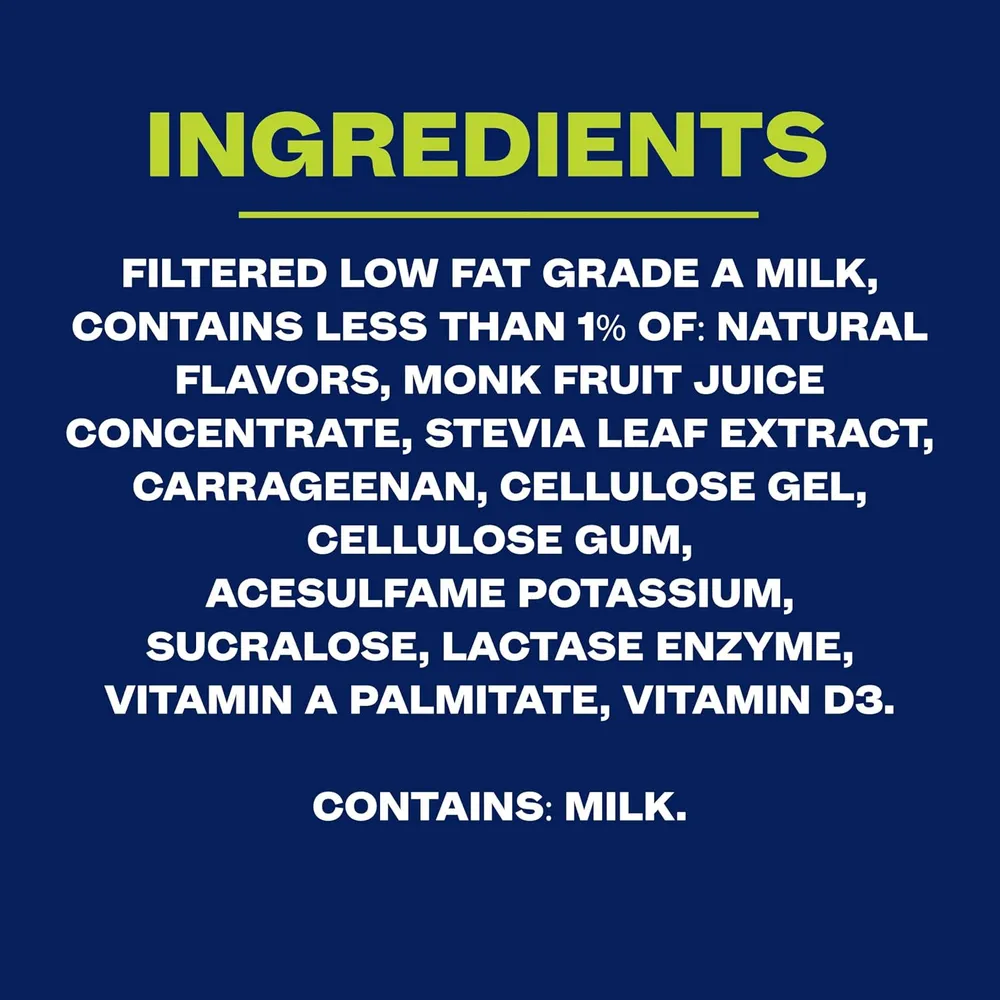
Four sweeteners share the work here, two from plants and two artificial. It's a crowded lineup for a shake with 0g added sugar, but blends exist because each sweetener covers for the others' aftertastes.
-
Natural Flavors
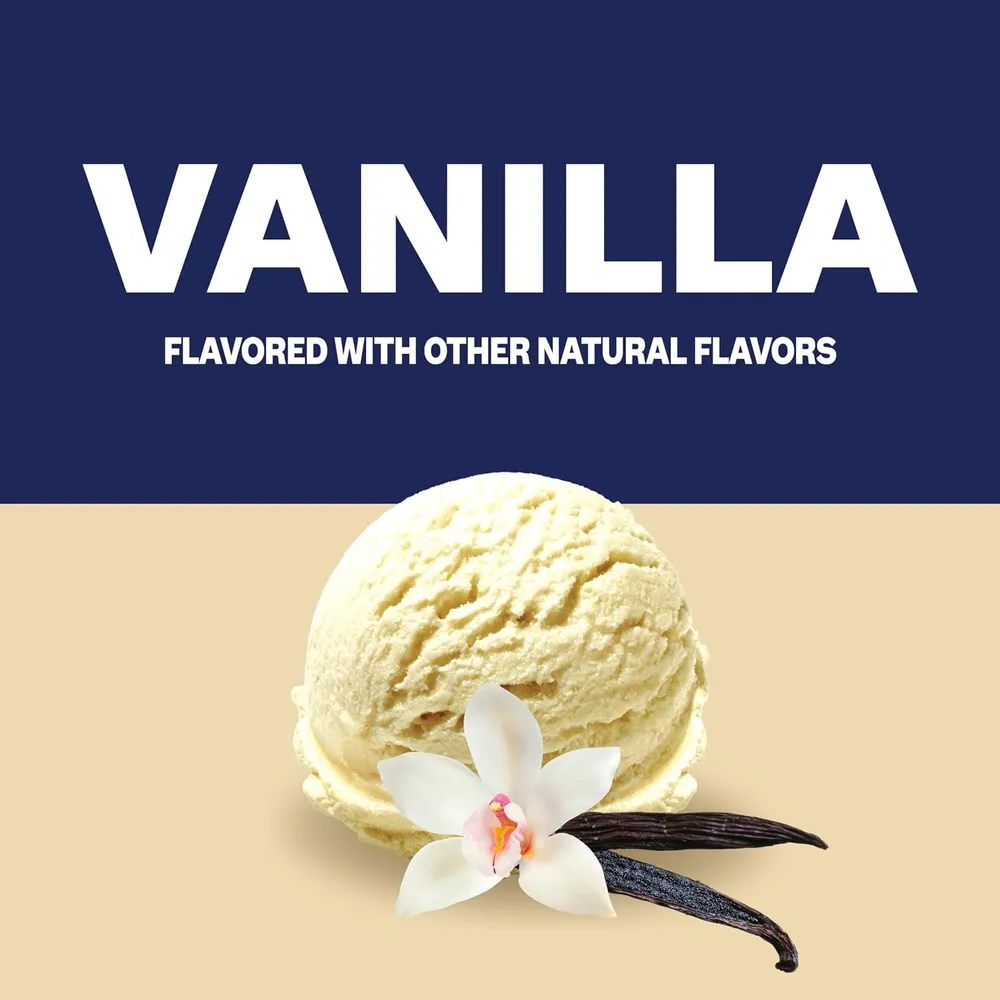
Natural flavors set the flavor profile. On the Vanilla bottle, that's vanilla. Under FDA rules, "natural flavor" is defined by where a flavoring comes from (plants, dairy, fermentation, and similar sources), not by its chemical structure. That means natural and artificial versions of the same molecule can be chemically identical.[18] Their job is taste, not nutrition, and U.S. labels don't have to itemize what goes into the blend.
-
Monk Fruit Juice Concentrate
Monk fruit juice concentrate comes from Siraitia grosvenorii, a vine fruit grown mainly in southern China. Its sweetness comes from compounds called mogrosides.[19] In rats, mogrosides passed through digestion largely intact until gut bacteria broke them down in the colon.[20] Monk fruit extracts have several U.S. GRAS notices. In 2019, EFSA said the toxicity data were too limited to confirm its safety as an EU food additive.[21] Most monk fruit health research is animal or lab work, so treat it as a sweetener, not a functional ingredient.[22]
-
Stevia Leaf Extract
Stevia leaf extract supplies sweet steviol glycosides from the Stevia rebaudiana plant. On its own, stevia can taste bitter and metallic in protein drinks. A study of vanilla whey protein beverages found stevia-only versions had the most bitter and metallic off-taste. Blends that kept stevia to 25% or less alongside monk fruit got rid of those notes.[23] Core Power's stevia and monk fruit pairing fits that approach. The acceptable daily intake for steviol glycosides is 4mg/kg body weight, measured as steviol equivalents.[24]
-
Acesulfame Potassium
Acesulfame potassium (ace-K) is a synthetic sweetener roughly 150-200 times sweeter than sugar. Your body absorbs almost all of it and excretes it unchanged in urine. It's often blended with sucralose for a more sugar-like taste.[25] In a randomized crossover trial of 60 adults with overweight or obesity, a sucralose and ace-K drink before breakfast produced a lower insulin response than a sugar-sweetened drink.[26] A 2025 weight-of-evidence review found no genotoxic or cancer-causing potential.[27] Some high-dose animal studies raise questions about gut bacteria and metabolism, but human data at normal intakes are limited.
-
Sucralose
Sucralose is a chlorinated sugar derivative about 600 times sweeter than sugar.[28] EFSA's 2026 re-evaluation kept its acceptable daily intake at 15mg/kg body weight and found no safety concern at reported uses.[29] The blood sugar research is less settled. In a 14-day trial, 66 healthy adults taking sucralose at 15% of the ADI saw their insulin sensitivity drop compared with controls.[30] In a 120-person trial, sucralose changed gut bacteria and glucose responses in a person-specific way without moving fasting glucose or HbA1c.[31]
-
-
Other Ingredients
- Carrageenan - A seaweed-derived thickener used in dairy drinks to stop ingredients from separating and to improve mouthfeel.[32] It's also the most debated additive in the bottle (more below).
- Cellulose Gel - The label name for microcrystalline cellulose, an insoluble plant cellulose that stabilizes drinks and helps keep particles from settling.[33]
- Cellulose Gum - Carboxymethyl cellulose, a water-soluble cellulose derivative that thickens and stabilizes.[34]
Three Thickeners, One Bottle
Core Power uses three stabilizers at once: carrageenan, cellulose gel, and cellulose gum. A high-protein milk drink needs to hold up in storage without separating or gelling, and stabilizers are the tools for that. None of the amounts are disclosed, and all three fall under the label's 1% line. The research behind them varies a lot.
Carrageenan gets the most scrutiny. EFSA's 2018 re-evaluation found no cancer or genotoxicity concern for food-grade carrageenan but called its acceptable intake temporary until better data come in.[35] Much of the alarming older research used poligeenan, a degraded form made under extreme acid and heat that isn't approved for food.[36] Newer human work still gives some pause. In a 14-day crossover trial, 20 healthy men taking 500mg of carrageenan daily had higher intestinal permeability than on placebo.[37] In one mouse study, carrageenan dissolved in casein caused milder gut barrier damage than carrageenan in plain water, which is worth noting for a milk-based drink.[38] A large scoping review concluded that better human trials are needed before anyone can draw firm conclusions.[39] If you have inflammatory bowel disease, it's reasonable to ask your clinician about emulsifiers.
Cellulose gel draws the least concern. It's insoluble, it isn't absorbed, and EFSA saw no need to set a numerical intake limit.[40] In a 2026 lab study of a vitamin-fortified protein beverage, microcrystalline cellulose kept the drink more stable during accelerated storage than carrageenan or carboxymethyl cellulose did.[41]
Cellulose gum falls in between. In a controlled feeding trial, 15g per day for about 11 days changed gut bacteria and lowered short-chain fatty acids (beneficial compounds your gut bacteria produce) in healthy adults. The researchers noted that dose is probably higher than most people eat.[42] A later trial at 2.75g per day also lowered short-chain fatty acids but found no rise in inflammation markers compared with placebo.[43]
Same Base, Different Flavors
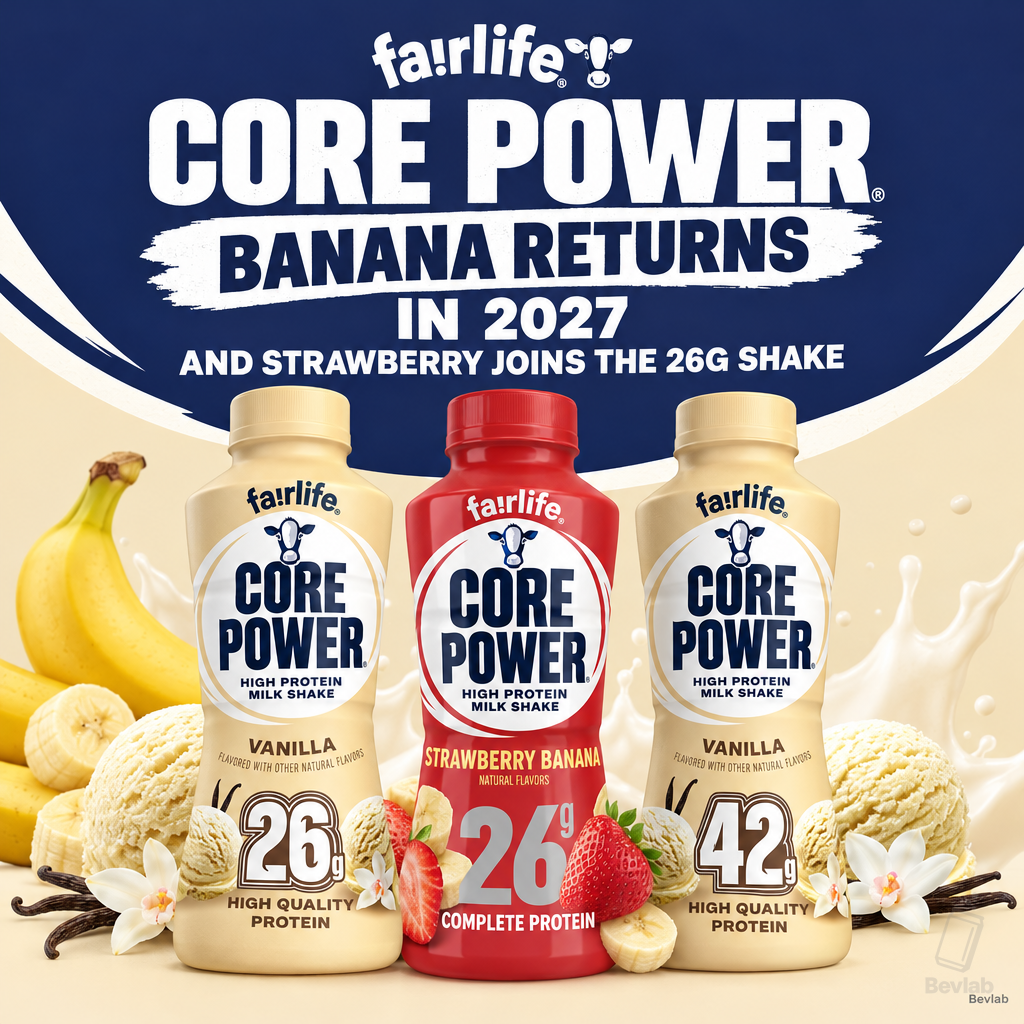
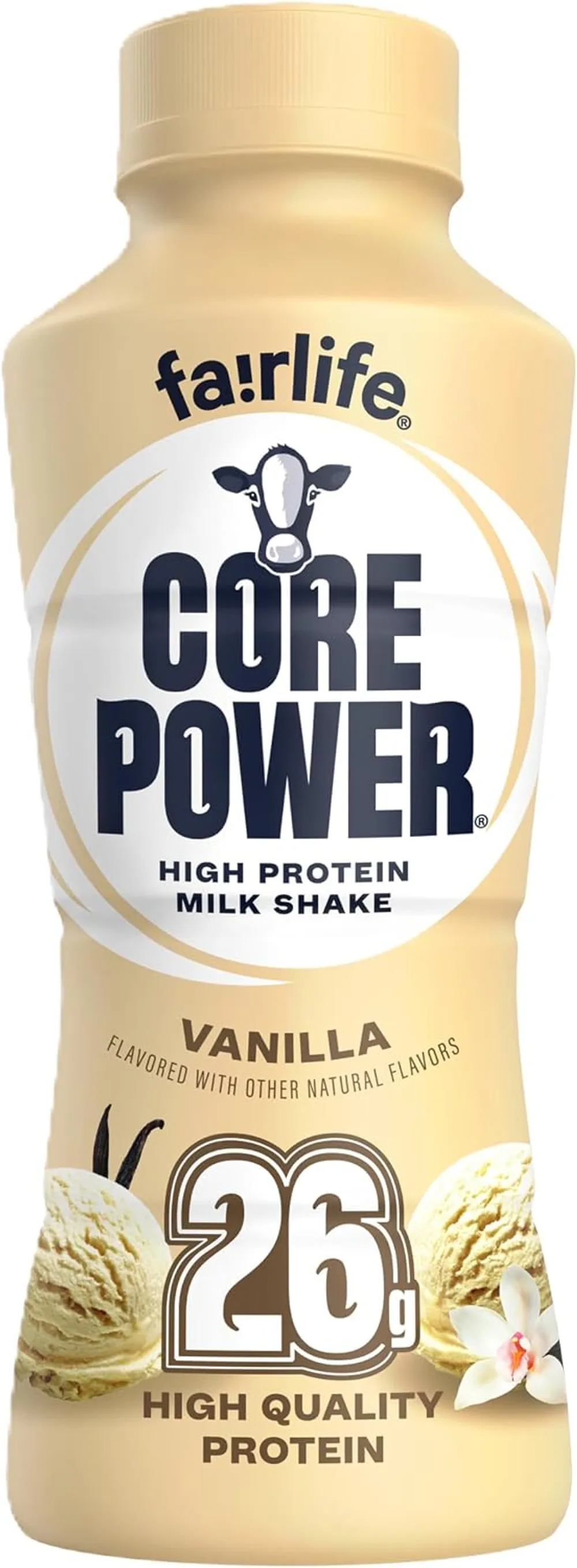
The Vanilla and Chocolate ingredient lists share the same filtered-milk base, sweeteners, and stabilizers. Chocolate adds alkalized cocoa.
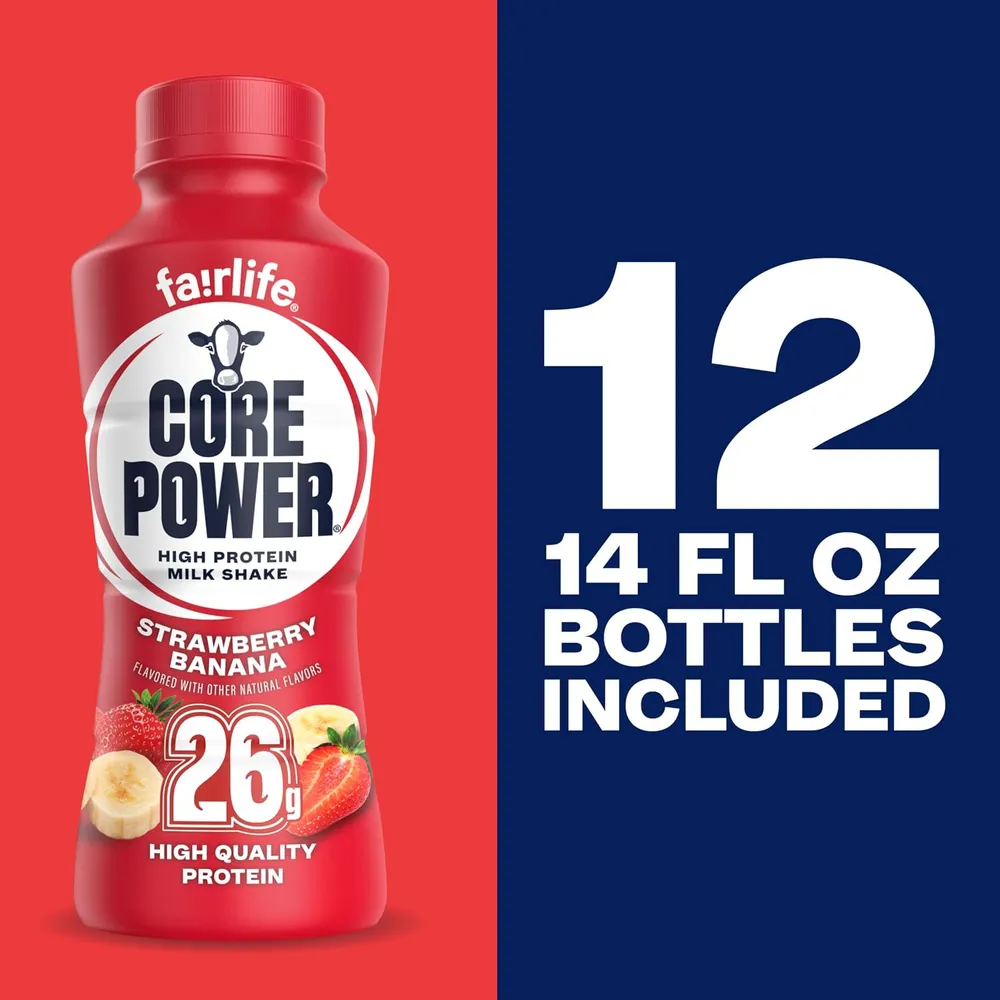
- Chocolate (12 14 Oz. Bottles: $41.88)
- Strawberry Banana (12 14 Oz. Bottles: $40.99)
- Vanilla (1 14 Oz. Bottle: $3.88)
- Variety Pack (12 14 Oz. Bottles: $59.00)
A Milk-First Shake With Fine Print
Core Power delivers 26g of protein, half a day's calcium, and lactase from a simple filtered-milk base. The fine print is the four-sweetener stack, three stabilizers, and added vitamin A we'd happily see dropped, so it suits people who want convenient dairy protein and are fine with non-nutritive sweeteners.
References
- Reig, Mònica, et al. "Use of Membrane Technologies in Dairy Industry: An Overview." Foods (Basel, Switzerland), 2021. https://doi.org/10.3390/foods10112768
- Hernandez, A J, et al. "Milk beverage base with lactose removed with ultrafiltration: Effect of fat and protein concentration on sensory and physical properties." Journal of dairy science, 2024. https://doi.org/10.3168/jds.2023-23715
- Vyas, H K, et al. "Process for calcium retention during skim milk ultrafiltration." Journal of dairy science, 2003. https://doi.org/10.3168/jds.S0022-0302(03)73872-7
- Singh, R, et al. "Invited review: Shelf-stable dairy protein beverages-Scientific and technological aspects." Journal of dairy science, 2022. https://doi.org/10.3168/jds.2022-22208
- Quiñones, H J, et al. "Influence of protein standardization by ultrafiltration on the viscosity, color, and sensory properties of skim and 1% milk." Journal of dairy science, 1997. https://doi.org/10.3168/jds.S0022-0302(97)76285-4
- Chan, Alex H, et al. "The Degree of Aminoacidemia after Dairy Protein Ingestion Does Not Modulate the Postexercise Anabolic Response in Young Men: A Randomized Controlled Trial." The Journal of nutrition, 2019. https://doi.org/10.1093/jn/nxz099
- Catanzaro, Roberto, et al. "Lactose intolerance: An update on its pathogenesis, diagnosis, and treatment." Nutrition research (New York, N.Y.), 2021. https://doi.org/10.1016/j.nutres.2021.02.003
- Nagy, L, et al. "Efficacy testing of beta-galactosidase with H2 breath test in patients with carbohydrate malabsorption." Acta medica Hungarica, 1987. https://pubmed.ncbi.nlm.nih.gov/3118327/
- Suarez, F L, et al. "Nutritional supplements used in weight-reduction programs increase intestinal gas in persons who malabsorb lactose." Journal of the American Dietetic Association, 2001. https://doi.org/10.1016/S0002-8223(01)00349-2
- Lin, M Y, et al. "Comparative effects of exogenous lactase (beta-galactosidase) preparations on in vivo lactose digestion." Digestive diseases and sciences, 1993. https://doi.org/10.1007/BF01297079
- Borralho, Ana Isabel, et al. "Lactose Intolerance and Malabsorption Revisited: Exploring the Impact and Solutions." GE Portuguese journal of gastroenterology, 2025. https://doi.org/10.1159/000545923
- Penniston, Kristina L, et al. "The acute and chronic toxic effects of vitamin A." The American journal of clinical nutrition, 2006. https://doi.org/10.1093/ajcn/83.2.191
- Olsen, Kiersten, et al. "Serum retinyl esters are positively correlated with analyzed total liver vitamin A reserves collected from US adults at time of death." The American journal of clinical nutrition, 2018. https://doi.org/10.1093/ajcn/nqy190
- EFSA Panel on Nutrition, Novel Foods and Food Allergens (NDA), et al. "Scientific opinion on the tolerable upper intake level for preformed vitamin A and β-carotene." EFSA journal. European Food Safety Authority, 2024. https://doi.org/10.2903/j.efsa.2024.8814
- Aloia, John F, et al. "Vitamin D Supplementation Increases Calcium Absorption Without A Threshold Effect Complete." The American journal of clinical nutrition, 2014. https://doi.org/10.3945/ajcn.113.067199
- LeBoff, Meryl S, et al. "Supplemental Vitamin D And Incident Fractures In Midlife And Older Adults." The New England journal of medicine, 2022. https://doi.org/10.1056/NEJMoa2202106
- Rizzoli, René. "Vitamin D Supplementation Upper Limit For Safety Revisited." Aging clinical and experimental research, 2021. https://doi.org/10.1007/s40520-020-01678-x
- Goodman, Matthew J. "The “Natural” vs. “Natural Flavors” Conflict in Food Labeling: A Regulatory Viewpoint." Food and drug law journal, 2017. https://pubmed.ncbi.nlm.nih.gov/29140655/
- Hong, Hui-Jie, et al. "Chemical Comparison of Monk Fruit Products Processed by Different Drying Methods Using High-Performance Thin-Layer Chromatography Combined With Chemometric Analysis." Frontiers in nutrition, 2022. https://doi.org/10.3389/fnut.2022.887992
- Murata, Yuji, et al. "Digestion and absorption of Siraitia grosvenori triterpenoids in the rat." Bioscience, biotechnology, and biochemistry, 2010. https://doi.org/10.1271/bbb.90832
- EFSA, Panel on Food Additives and Flavourings (FAF), et al. "Safety of use of Monk fruit extract as a food additive in different food categories." EFSA journal. European Food Safety Authority, 2019. https://doi.org/10.2903/j.efsa.2019.5921
- Yeung, Andy Wai Kan. "Bibliometric analysis on the literature of monk fruit extract and mogrosides as sweeteners." Frontiers in nutrition, 2023. https://doi.org/10.3389/fnut.2023.1253255
- Parker, M N, et al. "Consumer Acceptance Of Natural Sweeteners In Protein Beverages." Journal of dairy science, 2018. https://doi.org/10.3168/jds.2018-14707
- EFSA, Panel on Food Additives and Flavourings (FAF), et al. "Safety Of The Proposed Amendment Of The Specifications For Steviol Glycosides E 960 As A Food Additive." EFSA journal. European Food Safety Authority, 2019. https://doi.org/10.2903/j.efsa.2019.5867
- Chowdhury, Chandrama Roy, et al. "Beyond sweetness: A review of the health and safety of acesulfame-K." Food chemistry, 2026. https://doi.org/10.1016/j.foodchem.2025.147290
- Almiron-Roig, Eva, et al. "Impact of acute consumption of beverages containing plant-based or alternative sweetener blends on postprandial appetite, food intake, metabolism, and gastro-intestinal symptoms: Results of the SWEET beverages trial." Appetite, 2023. https://doi.org/10.1016/j.appet.2023.106515
- Marchitti, Satori A, et al. "Lack of Genotoxic and Carcinogenic Potential for Nonsugar Sweeteners: A Review of Animal and Mechanistic Evidence." Advances in nutrition (Bethesda, Md.), 2025. https://doi.org/10.1016/j.advnut.2025.100552
- Bourguignon, Léa, et al. "Sucralose as a Way to Enhance Regulatory T Cells, the SWEET Trial: Clinical Research Protocol." Canadian journal of kidney health and disease, 2026. https://doi.org/10.1177/20543581261418540
- EFSA, Panel on Food Additives and Flavourings (FAF), et al. "Re-evaluation of sucralose (E 955) as a food additive and evaluation of a new application on extension of use of sucralose (E 955) in fine bakery wares." EFSA journal. European Food Safety Authority, 2026. https://doi.org/10.2903/j.efsa.2026.9854
- Romo-Romo, Alonso, et al. "Sucralose decreases insulin sensitivity in healthy subjects: a randomized controlled trial." The American journal of clinical nutrition, 2018. https://doi.org/10.1093/ajcn/nqy152
- Suez, Jotham, et al. "Personalized microbiome-driven effects of non-nutritive sweeteners on human glucose tolerance." Cell, 2022. https://doi.org/10.1016/j.cell.2022.07.016
- Liu, Fang, et al. "Food-grade carrageenans and their implications in health and disease." Comprehensive reviews in food science and food safety, 2021. https://doi.org/10.1111/1541-4337.12790
- Nsor-Atindana, John, et al. "Functionality and nutritional aspects of microcrystalline cellulose in food." Carbohydrate polymers, 2017. https://doi.org/10.1016/j.carbpol.2017.04.021
- Rahman, Md Saifur, et al. "Recent Developments of Carboxymethyl Cellulose." Polymers, 2021. https://doi.org/10.3390/polym13081345
- EFSA, Panel on Food Additives and Nutrient Sources added to Food (ANS), et al. "Re-evaluation of carrageenan (E 407) and processed Eucheuma seaweed (E 407a) as food additives." EFSA journal. European Food Safety Authority, 2018. https://doi.org/10.2903/j.efsa.2018.5238
- McKim, James M, et al. "Clarifying the confusion between poligeenan, degraded carrageenan, and carrageenan: A review of the chemistry, nomenclature, and in vivo toxicology by the oral route." Critical reviews in food science and nutrition, 2019. https://doi.org/10.1080/10408398.2018.1481822
- Wagner, Robert, et al. "Carrageenan and insulin resistance in humans: a randomised double-blind cross-over trial." BMC medicine, 2024. https://doi.org/10.1186/s12916-024-03771-8
- Shang, Xuke, et al. "Effect of Food Matrix on Regulation of Intestinal Barrier and Microbiota Homeostasis by Polysaccharides Sulfated Carrageenan." Foods (Basel, Switzerland), 2025. https://doi.org/10.3390/foods14040635
- Tahiri, Mirlinda, et al. "Evidence and hypotheses on adverse effects of the food additives carrageenan (E 407)/processed Eucheuma seaweed (E 407a) and carboxymethylcellulose (E 466) on the intestines: a scoping review." Critical reviews in toxicology, 2023. https://doi.org/10.1080/10408444.2023.2270574
- EFSA, Panel on Food Additives and Nutrient Sources added to Food (ANS), et al. "Re‐evaluation of celluloses E 460(i), E 460(ii), E 461, E 462, E 463, E 464, E 465, E 466, E 468 and E 469 as food additives." EFSA Journal, 2018. https://doi.org/10.2903/j.efsa.2018.5047
- Li, Jiaxin, et al. "Enhancing Stability of Vitamin-Fortified Protein Beverages: Optimization of Stabilizer Type and Concentration and Screening of Natural Antioxidant Combinations." Foods (Basel, Switzerland), 2026. https://doi.org/10.3390/foods15081392
- Chassaing, Benoit, et al. "Randomized Controlled-Feeding Study of Dietary Emulsifier Carboxymethylcellulose Reveals Detrimental Impacts on the Gut Microbiota and Metabolome." Gastroenterology, 2022. https://doi.org/10.1053/j.gastro.2021.11.006
- Wellens, Judith, et al. "Effect of Five Dietary Emulsifiers on Inflammation, Permeability, and the Gut Microbiome: A Placebo-controlled Randomized Trial." Clinical gastroenterology and hepatology : the official clinical practice journal of the American Gastroenterological Association, 2026. https://doi.org/10.1016/j.cgh.2025.08.005
Related Coverage