CBUM Thavage Pre-Workout RTD
300mg-plus caffeine, a full nootropic stack, and zero mixing required
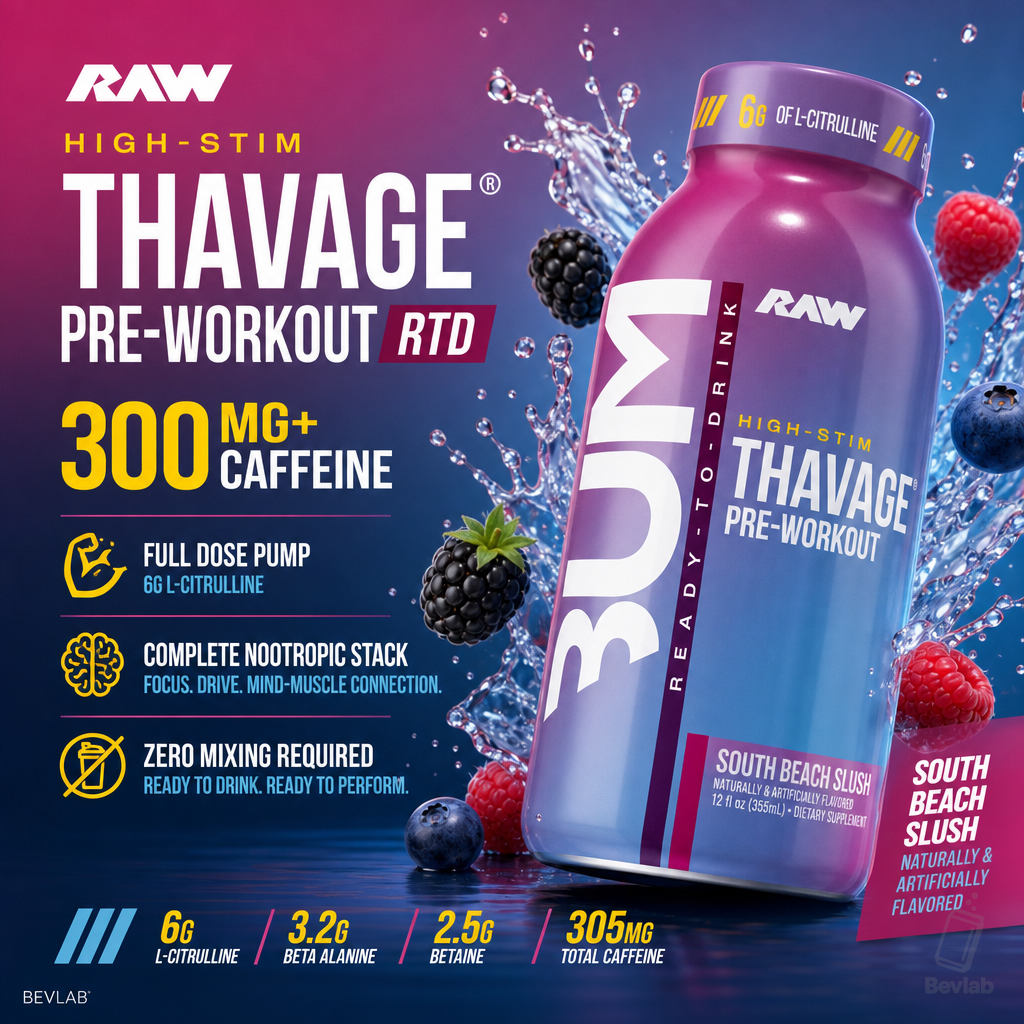
RAW Nutrition's CBUM Thavage Pre-Workout RTD packs citrulline, beta-alanine, betaine, and a dual-caffeine stack into a ready-to-drink bottle.
RAW Nutrition's CBUM Thavage Pre-Workout RTD takes the brand's flagship Thavage pre-workout powder and puts it in a 12oz bottle, no shaker required. Thavage is the anchor pre-workout in Chris Bumstead's RAW Nutrition line, and the ready-to-drink version keeps the core stack intact: a full clinical dose of citrulline, a real beta-alanine and betaine combo, and a dual-source caffeine load that clears 300mg per bottle. This isn't a watered-down travel version of the powder. It's the same philosophy in liquid form, built for lifters who want to grab and go instead of scooping and shaking.
Buy RAW Nutrition CBUM Thavage
Pre-Workout RTD at RAW Nutrition
Pre-Workout RTD at RAW Nutrition
Use code
PRICEPLOW for 15% OFFWatch Related Videos
Bevlab VideosCBUM Thavage Pre-Workout RTD Nutrition Facts
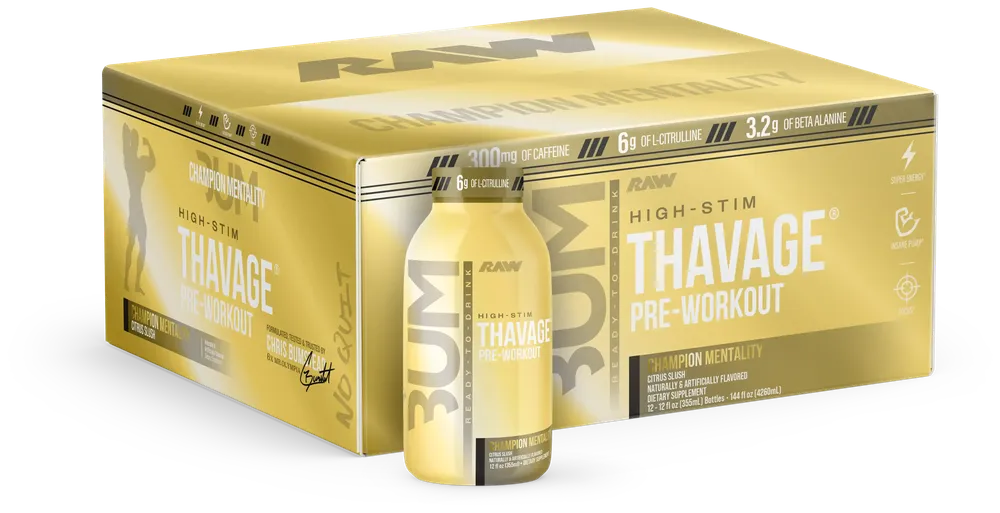
Per 12 fl oz bottle (1 serving per bottle):
- Calories: 5
- Total Carbohydrates: 1g
- Chloride (from Potassium Chloride and Himalayan Pink Sea Salt): 390mg (17% DV)
- Sodium (as Himalayan Pink Salt): 160mg (7% DV)
- Potassium (as Potassium Chloride): 150mg
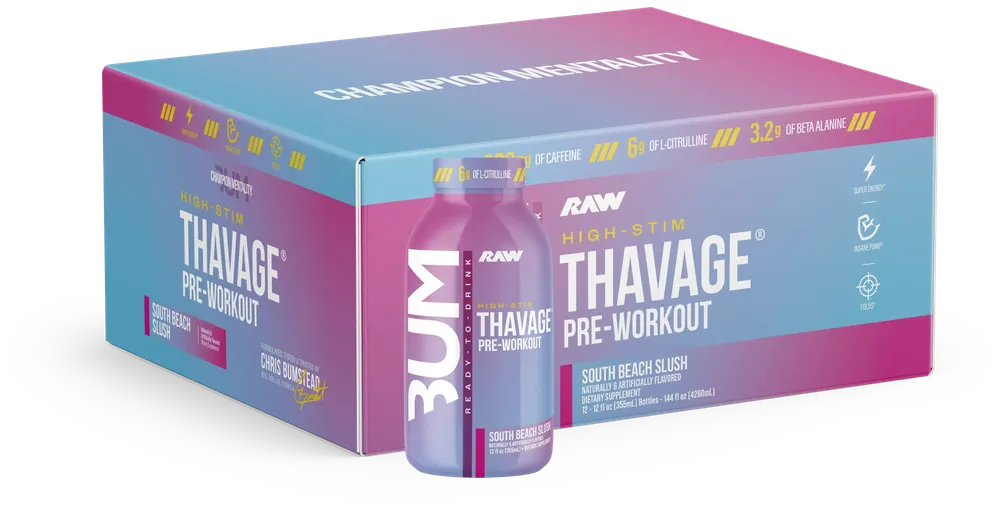
The calorie and carb counts are functionally nothing, which tells you this is built as a pure performance vehicle rather than a fuel source. The chloride and sodium numbers come from Himalayan pink salt, giving the can a light electrolyte profile alongside its performance actives.
CBUM Thavage Pre-Workout RTD Ingredients
Each 12oz bottle delivers the following actives:
-
Potassium - 150mg
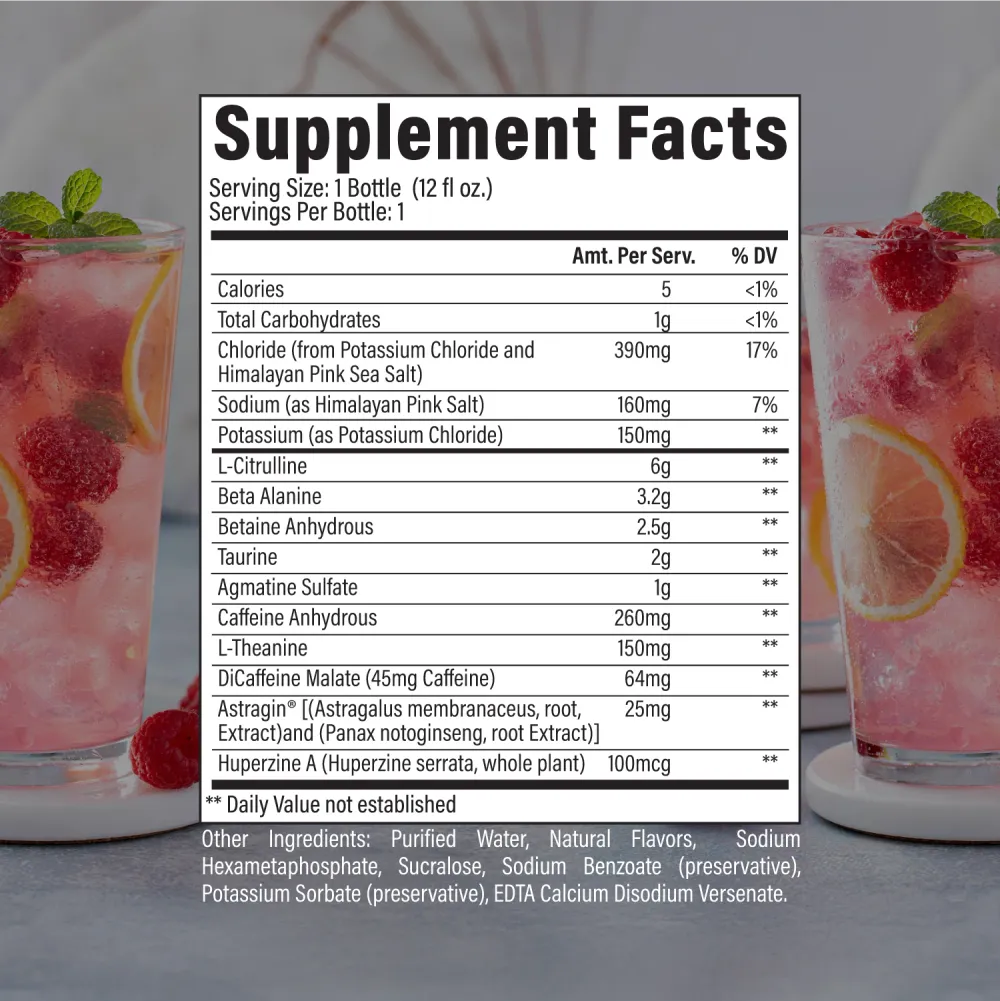
Raw Nutrition Cbum Thavage Rtd Sour Raspberry Lemonade Supplement Facts Potassium is an essential electrolyte, and most people simply don't get enough of it. The average American takes in roughly half the recommended daily target, which matters here because the sodium-to-potassium ratio in the diet is more predictive of cardiovascular strain than either mineral taken alone.[1,2] At 150mg, this bottle isn't trying to replace your daily potassium intake (that would require grams, not milligrams), but it's a supportive nudge alongside the sodium and chloride already in the formula. Potassium also plays a role in vascular tone: it helps activate potassium channels in blood vessel walls that promote relaxation and blood flow during exercise.[3] Research on higher-dose potassium supplementation (well above what's in a single RTD) has linked adequate intake to better blood pressure control and reduced cardiovascular risk over time,[4] which is the broader nutritional case for keeping potassium in the mix, even at a modest dose like this one.
-
L-Citrulline - 6g
L-Citrulline is the backbone of this formula's pump claim, and 6g is a real, clinically relevant dose. Citrulline works by raising blood arginine levels more effectively than taking arginine itself, since arginine gets broken down in the gut and liver before it can do much good. Citrulline skips that bottleneck and gets converted to arginine in the kidneys instead.[5] More arginine means more raw material for nitric oxide production, which is what drives the vasodilation lifters chase in a pump-focused pre-workout. At 6-8g doses, meta-analytic data shows citrulline modestly but reliably improves resistance training performance, adding a few extra reps to failure compared to placebo,[6] with a similar small edge for strength and power output more broadly.[7] It's also shown blood-pressure-lowering effects in dosing studies covering pre-workout-relevant thresholds,[8] and a crossover trial found 6g/day specifically improved exercise tolerance and extended time to exhaustion versus arginine at the same dose.[9]
-
Beta-Alanine - 3.2g
Beta-alanine is the ingredient behind that tingling, prickly skin sensation you feel a few minutes after drinking this, and it's completely harmless. Beta-alanine is the rate-limiting building block for muscle carnosine, a compound that buffers the acid buildup that causes muscle fatigue during hard sets.[10] At 3.2g, Thavage RTD lands right at the well-studied range for this ingredient. Meta-analytic data shows beta-alanine's biggest benefit shows up in efforts lasting roughly 30 seconds to 10 minutes, which covers most working sets in a resistance training session.[11] Supplementation for as little as 4 weeks reliably raises muscle carnosine and improves high-intensity exercise capacity,[12] and it's shown up in real training gains too, including increased training volume and lower perceived exertion during structured lifting blocks.[13] The tingling itself (paresthesia) is well documented and not a sign of anything going wrong.[14]
-
Taurine - 2g
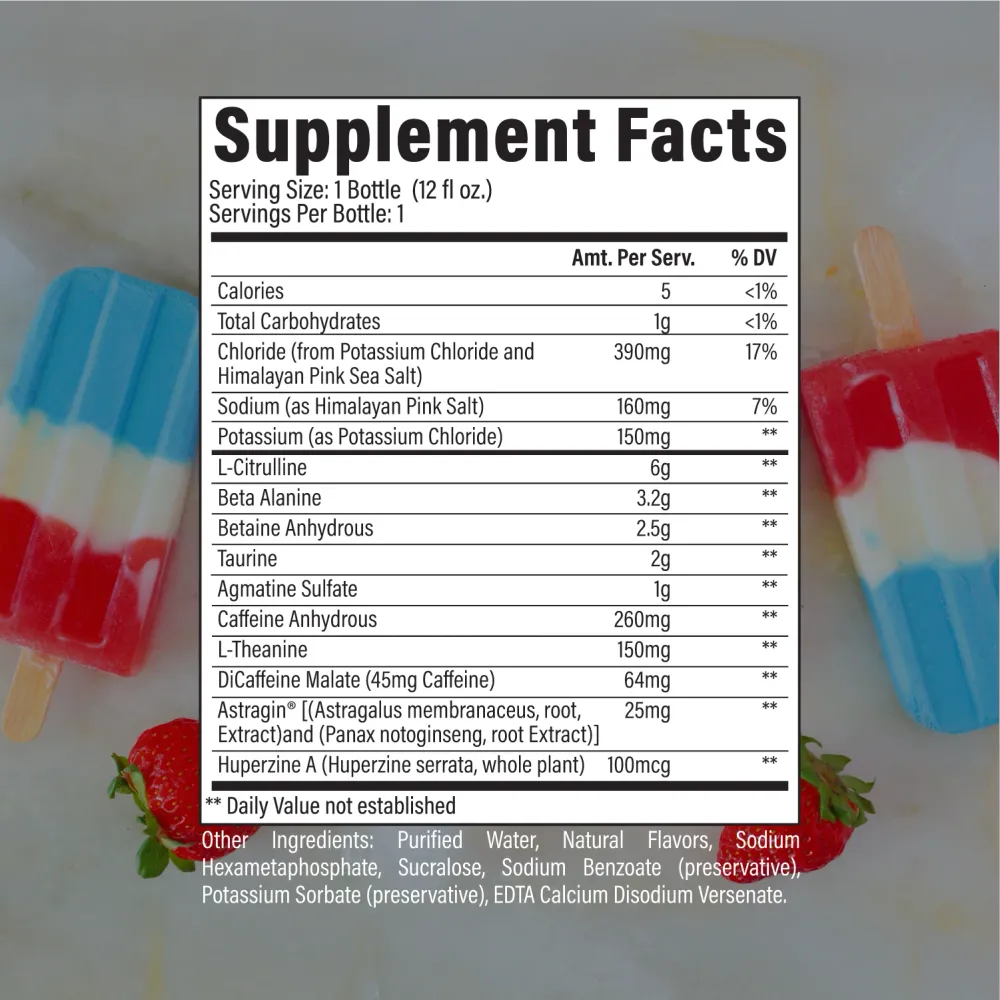
Taurine shows up in nearly every energy category product, but the dose here (2g) is actually meaningful rather than cosmetic. Taurine is an amino acid concentrated in muscle and excitable tissue, and a recent three-level meta-analysis of acute single-dose taurine found a small-to-moderate benefit across strength, aerobic endurance, and agility outcomes.[15] It also has a longer track record in cardiometabolic research: meta-analyses tie regular taurine intake to modest reductions in blood pressure and improved markers like triglycerides and fasting glucose.[16] In exercise-specific contexts, taurine combined with caffeine has shown better anaerobic capacity and reaction time than either ingredient alone,[17] which is directly relevant here given how much caffeine this can carries. Some of taurine's broader "energy drink" reputation is really riding on caffeine's coattails,[18] but the standalone performance and cardiometabolic data still hold up on their own.
-
Agmatine - 1g
Agmatine (as agmatine sulfate) is a byproduct of arginine metabolism, and it's included here mostly for its theoretical pump and focus synergy alongside citrulline. The honest caveat: most of agmatine's research base is preclinical. Animal studies show it can shift nitric oxide synthase activity toward the beneficial endothelial form while tamping down inflammatory NO production, a pattern that would support both blood flow and vascular health if it translates to humans.[19] It's also been studied extensively in rodent models for mood and stress modulation through glutamate and adrenergic receptor pathways,[20,21] and while none of this is direct human pre-workout performance data, it's a reasonable mechanistic complement to the rest of the pump and focus stack rather than the star of the show.
-
Caffeine - 305mg total (260mg Caffeine Anhydrous + 45mg from Dicaffeine Malate)
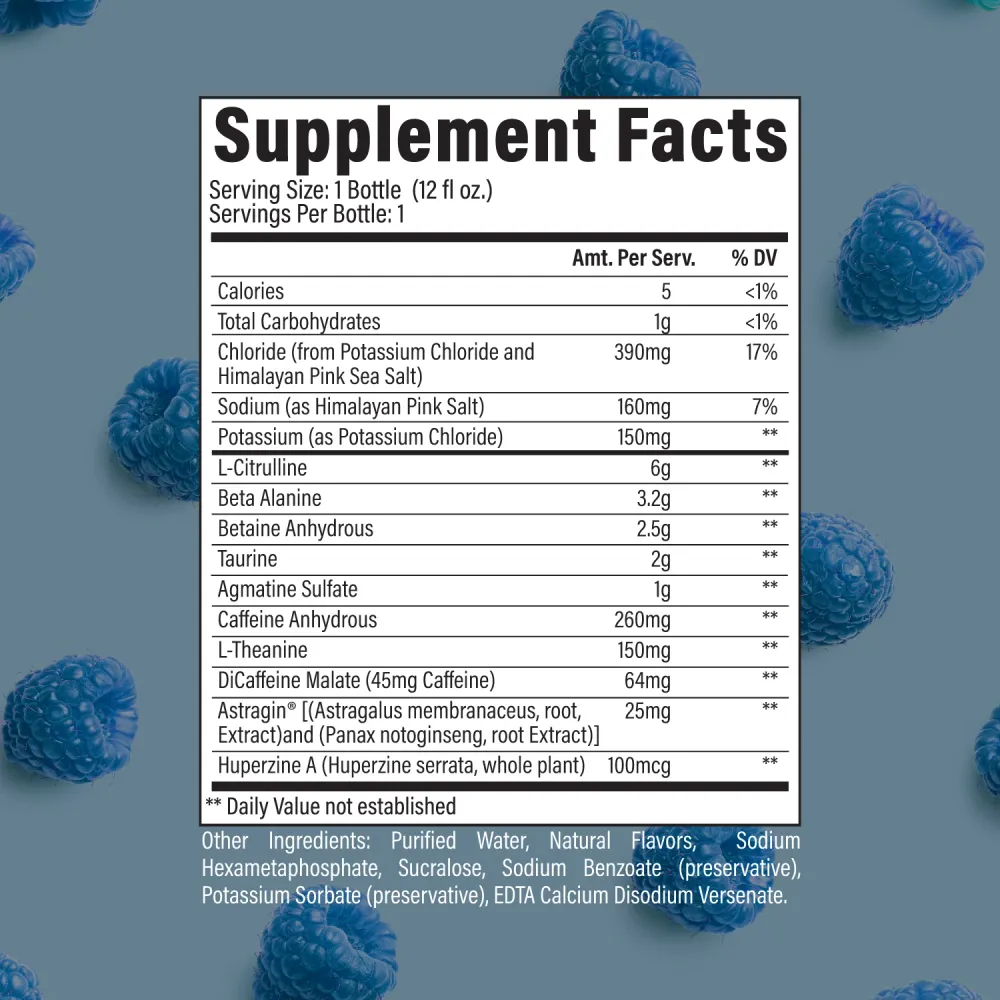
This is a genuinely strong dose. Between Caffeine Anhydrous (260mg) and 64mg of DiCaffeine Malate (which the label states delivers 45mg of additional caffeine), Thavage RTD lands at roughly 305mg of total caffeine per bottle, comfortably above the standard energy drink range. Caffeine's core mechanism is blocking the adenosine receptors that make you feel tired, which frees up dopamine and other stimulating neurotransmitters to do their thing.[22] At the 3-6mg/kg range this dose falls into for most adults, caffeine has some of the best-established ergogenic evidence in sports nutrition: consistent improvements in endurance output, reaction time, and vigilance,[23] plus measurable gains in strength and muscular endurance across pooled meta-analytic data.[24] DiCaffeine Malate itself is simply a caffeine-malate salt, meaning its effects trace directly back to the caffeine it releases rather than a separate mechanism of its own.
-
L-Theanine - 150mg
L-Theanine is paired here specifically to take the edge off that 305mg of caffeine. On its own, theanine promotes a calm, alert brain state by encouraging alpha brain waves and supporting GABA activity.[25] But the real value shows up in combination: a meta-analysis of caffeine-plus-theanine studies found the pairing improves alertness and attentional accuracy more consistently than either ingredient alone, especially in the first couple hours after dosing.[26] A controlled crossover trial backed this up directly, showing the combo improved reaction time, working memory speed, and alertness in ways that theanine or caffeine alone didn't fully replicate.[27] At 150mg, this sits within the well-studied 100-250mg range for combination formulas,[28] which is the standard reason you'll see theanine stacked with high-caffeine pre-workouts rather than sold on its own for this use case.
-
AstraGin - 25mg
AstraGin is a branded, patented blend of Astragalus membranaceus and Panax notoginseng root extracts, and its job isn't to be a stimulant or a pump ingredient. It's an absorption enhancer. The mechanism centers on upregulating intestinal nutrient transporters and supporting gut barrier integrity so the rest of the formula gets absorbed more efficiently.[29] A pilot crossover trial testing AstraGin alongside oral arginine found it significantly boosted arginine absorption (AUC up 17.3%) and meaningfully improved the arginine-to-ADMA ratio, a marker tied to nitric oxide production capacity.[30] That's directly relevant in a citrulline-and-agmatine-driven pump formula like this one. At 25mg, the dose is on the lower end of what's been studied in human trials (most research uses 50mg), so consider this supportive rather than the star ingredient, but the mechanistic rationale for including it here checks out.
-
Huperzine A - 100mcg
Huperzine A, sourced from Huperzia serrata, is the smallest dose in the formula by weight, but it's a potent one. Its mechanism is acetylcholinesterase inhibition, meaning it slows the breakdown of acetylcholine, the neurotransmitter tied to focus, memory, and mind-muscle connection during training.[31] Huperzine A is notably selective for this pathway, showing an AChE-to-BuChE selectivity ratio far higher than older cholinesterase-targeting compounds.[32] Most of the rigorous human dosing data comes from cognitive research in older adults and mild cognitive impairment, where doses in the 200-400mcg range were used.[33] At 100mcg, Thavage RTD uses a fraction of that clinical range, which is standard practice for a pre-workout nootropic accent rather than a therapeutic cognitive intervention, and it's consistent with how most stimulant formulas use this ingredient as a supporting player alongside caffeine and theanine.
-
Betaine Anhydrous - 2.5g
Betaine (trimethylglycine) rounds out the performance stack at 2.5g, right in the standard studied range. Betaine works two ways: as a cellular osmolyte that helps regulate hydration and heat tolerance under stress, and as a methyl donor that feeds into pathways tied to muscle and liver metabolism.[34] The strongest current evidence, a 2024 meta-analysis, found betaine's clearest strength benefit shows up in lower-body work specifically, with less consistent effects for upper-body lifts, cycling power, or general muscular endurance on their own.[35] It's also shown up in body composition research: a pooled analysis found meaningful reductions in body fat when betaine supplementation was paired with structured resistance training, though the effect appears to depend on that training component rather than working as a standalone fat-loss tool.[36] Individual studies have found gains in bench press training volume and jump power specifically in trained lifters.[37]
Other Ingredients
- Purified Water forms the base of the RTD and delivers the formula in liquid form without contributing calories or actives of its own.
-
Natural Flavors provide the taste profile for each variant and don't carry any functional or performance role.
-
Sodium Hexametaphosphate is a phosphate-based sequestrant that helps keep the beverage's minerals in solution and supports product stability and mouthfeel.
-
Sucralose is a non-caloric high-intensity sweetener that provides sweetness without contributing sugar or meaningful calories.
-
Sodium Benzoate is a common preservative that protects the beverage against microbial growth over its shelf life.
-
Potassium Sorbate works alongside sodium benzoate as a preservative, especially effective against yeast and mold growth in acidic beverages.
-
EDTA (Calcium Disodium Versenate) is a chelating agent used at trace levels to bind stray metal ions and help preserve flavor and color stability over time.
Flavors Available
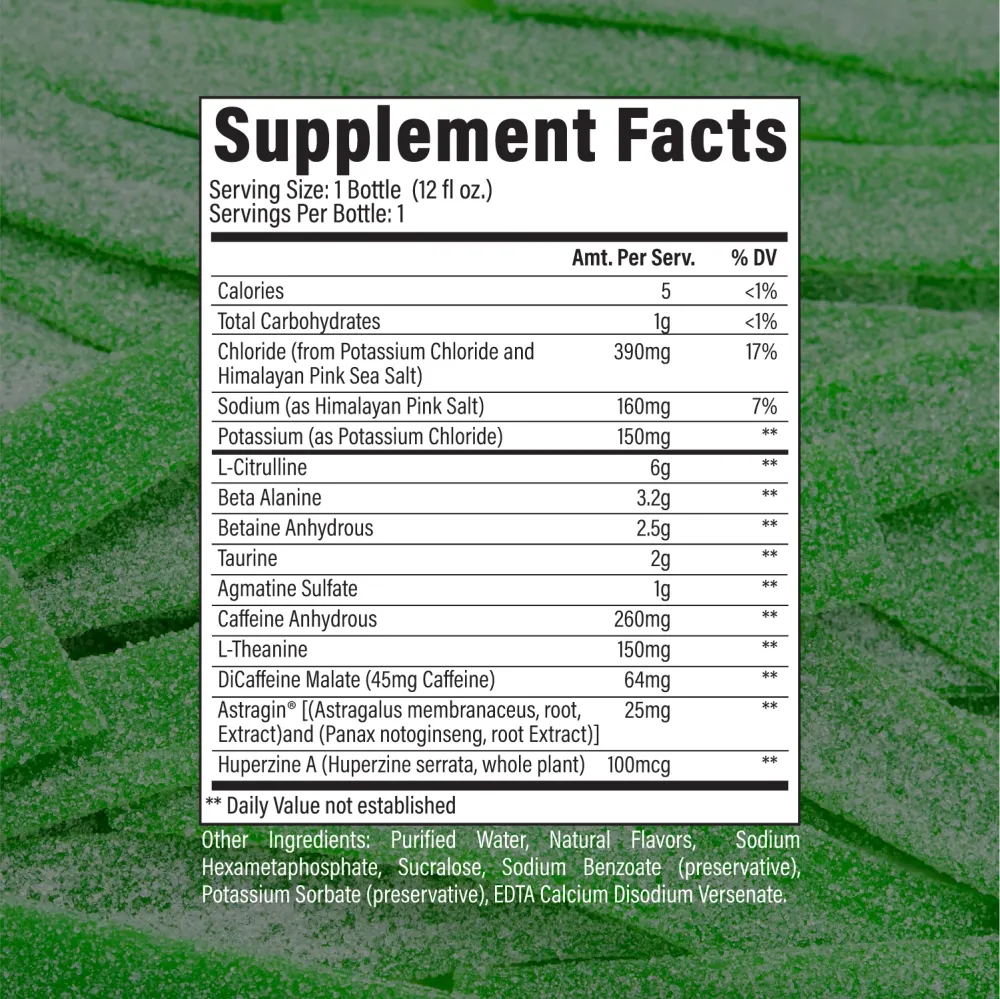
- Berry Blast (1 Bottle: $3.50)
- Blue Raspberry (12 Bottles: $39.99)
- Champion Mentality (Citrus Slush) (1 Bottle: $46.75)
- Christopher's Secret Stuff (12 Bottles: $39.99)
- DragonFruit (1 Bottle: $3.50)
- Green Gummy (12 Bottles: $39.99)
- Miami Vice (12 Bottles: $39.99)
- Rocket Pop (12 Bottles: $54.99)
- Secret Stuff (12 Bottles: $46.75)
- Sour Raspberry Lemonade (12 Bottles: $46.75)
- Sour Watermelon (12 Bottles: $46.75)
- South Beach Slush (12 Bottles: $46.75)
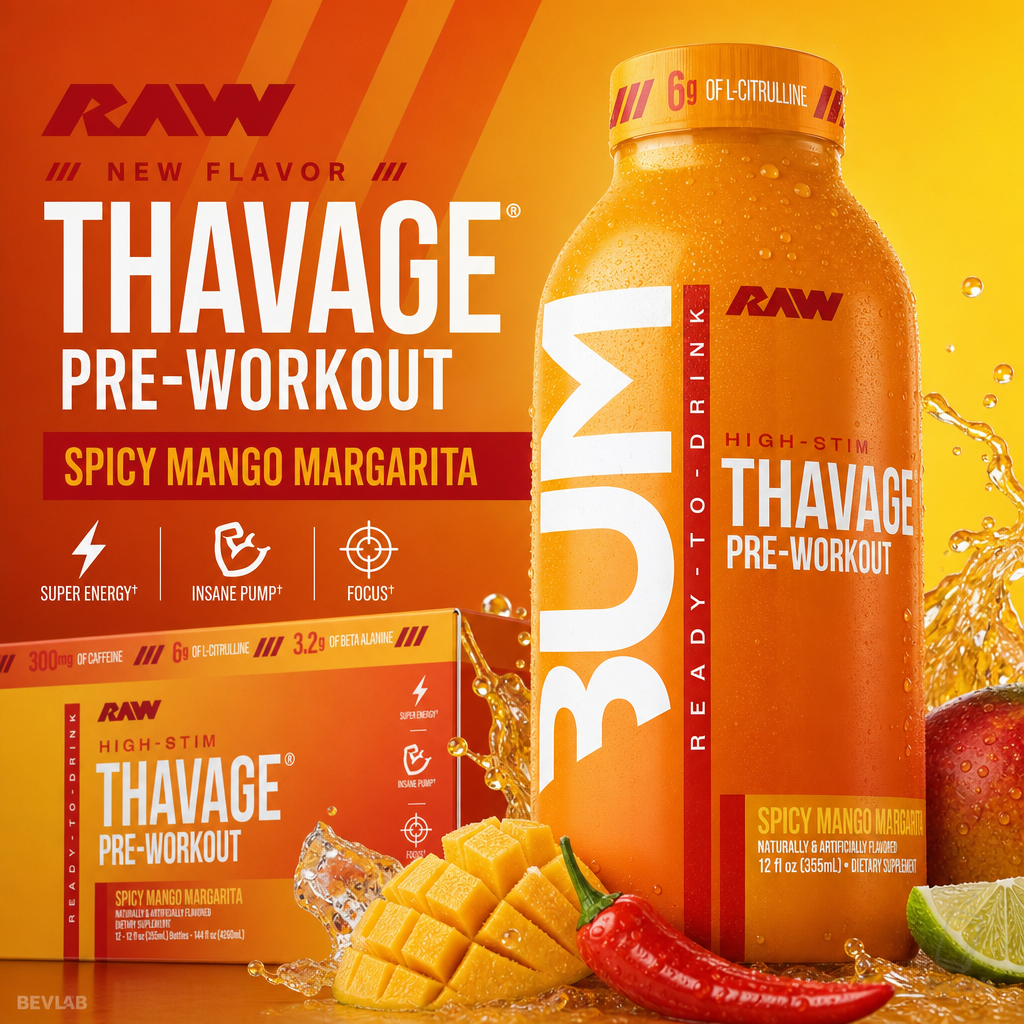
- Spicy Mango Margarita (12 Bottles: $39.99)
- Strawberry Mango (12 Bottles: $39.99)
Who It's For
- High-caffeine tolerance lifters: At roughly 305mg of caffeine per bottle, this is not an entry-level stimulant dose. It's built for lifters already comfortable with strong pre-workouts who want the full clinical stack (citrulline, beta-alanine, betaine) without measuring powder.
- Convenience-focused gym-goers: If you're training straight from work or don't want to deal with a shaker bottle, the RTD format delivers the same core Thavage formula grab-and-go.
A Full-Dose RTD, Not a Diluted One
RAW Nutrition didn't cut corners bringing Thavage into bottle form. The citrulline, beta-alanine, and betaine doses all land in ranges the research actually supports, and the caffeine load backs up the "pre-workout" label rather than just riding on the name. This is a bottle for people who already know they can handle a strong stimulant dose and want the convenience of skipping the shaker. If that's not you, start with something lower dosed first.
Buy RAW Nutrition CBUM Thavage
Pre-Workout RTD at RAW Nutrition
Pre-Workout RTD at RAW Nutrition
Use code
PRICEPLOW for 15% OFFMore Related Videos
Bevlab VideosFollow @BevlabMedia on TikTok and Instagram for more pre-workout breakdowns.
References
- Cook, Nancy R, et al. "Joint Effects of Sodium and Potassium Intake on Subsequent Cardiovascular Disease: The Trials of Hypertension Prevention (TOHP) Follow-up Study." Archives of internal medicine, 2009. https://doi.org/10.1001/archinternmed.2008.523
- Khaw, K T, et al. "The association between blood pressure, age, and dietary sodium and potassium: a population study." Circulation, 1988. https://doi.org/10.1161/01.CIR.77.1.53
- Haddy, Francis J, et al. "Role of potassium in regulating blood flow and blood pressure." American journal of physiology. Regulatory, integrative and comparative physiology, 2006. https://doi.org/10.1152/ajpregu.00491.2005
- He, Feng J, et al. "Beneficial effects of potassium on human health." Physiologia plantarum, 2008. https://doi.org/10.1111/j.1399-3054.2007.01033.x
- Schwedhelm, Edzard, et al. "Pharmacokinetic and pharmacodynamic properties of oral L-citrulline and L-arginine: impact on nitric oxide metabolism." British journal of clinical pharmacology, 2008. https://doi.org/10.1111/j.1365-2125.2007.02990.x
- Vårvik, Fredrik Tonstad, et al. "Acute Effect of Citrulline Malate on Repetition Performance During Strength Training: A Systematic Review and Meta-Analysis." International journal of sport nutrition and exercise metabolism, 2021. https://doi.org/10.1123/ijsnem.2020-0295
- Trexler, Eric T, et al. "Acute Effects of Citrulline Supplementation on High-Intensity Strength and Power Performance: A Systematic Review and Meta-Analysis." Sports medicine (Auckland, N.Z.), 2019. https://doi.org/10.1007/s40279-019-01091-z
- Barkhidarian, Bahareh, et al. "Effects of L-citrulline supplementation on blood pressure: A systematic review and meta-analysis." Avicenna journal of phytomedicine, 2019. https://pmc.ncbi.nlm.nih.gov/articles/PMC6369322/
- Bailey, Stephen J, et al. "l-Citrulline supplementation improves O2 uptake kinetics and high-intensity exercise performance in humans." Journal of applied physiology (Bethesda, Md. : 1985), 2015. https://doi.org/10.1152/japplphysiol.00192.2014
- Trexler, Eric T, et al. "International society of sports nutrition position stand: Beta-Alanine." Journal of the International Society of Sports Nutrition, 2015. https://doi.org/10.1186/s12970-015-0090-y
- Saunders, Bryan, et al. "β-alanine supplementation to improve exercise capacity and performance: a systematic review and meta-analysis." British journal of sports medicine, 2017. https://doi.org/10.1136/bjsports-2016-096396
- Georgiou, George D, et al. "Effect of Beta-Alanine Supplementation on Maximal Intensity Exercise in Trained Young Male Individuals: A Systematic Review and Meta-Analysis." International journal of sport nutrition and exercise metabolism, 2024. https://doi.org/10.1123/ijsnem.2024-0027
- DE, Camargo Júlio Benvenutti Bueno, et al. "Beta-alanine Supplementation for Four Weeks Increases Volume Index and Reduces Perceived Effort of Resistance-trained Men: A Pilot Study." International journal of exercise science, 2021. https://doi.org/10.70252/LRAM9186
- Dolan, Eimear, et al. "A Systematic Risk Assessment and Meta-Analysis on the Use of Oral β-Alanine Supplementation." Advances in nutrition (Bethesda, Md.), 2019. https://doi.org/10.1093/advances/nmy115
- Deng, Hengzhi, et al. "Does One Shot Work? The Acute Impact of a Single Taurine Dose on Exercise Performance: A Meta-Analytic Review." Scandinavian journal of medicine & science in sports, 2025. https://doi.org/10.1111/sms.70123
- Tzang, Chih-Chen, et al. "Taurine reduces the risk for metabolic syndrome: a systematic review and meta-analysis of randomized controlled trials." Nutrition & diabetes, 2024. https://doi.org/10.1038/s41387-024-00289-z
- Deng, Hengzhi, et al. "Caffeine and taurine: a systematic review and network meta-analysis of their individual and combined effects on physical capacity, cognitive function, and physiological markers." Journal of the International Society of Sports Nutrition, 2025. https://doi.org/10.1080/15502783.2025.2566371
- Souza, Diego B, et al. "Acute effects of caffeine-containing energy drinks on physical performance: a systematic review and meta-analysis." European journal of nutrition, 2017. https://doi.org/10.1007/s00394-016-1331-9
- Mun, Chin Hee, et al. "Regulation of endothelial nitric oxide synthase by agmatine after transient global cerebral ischemia in rat brain." Anatomy & cell biology, 2010. https://doi.org/10.5115/acb.2010.43.3.230
- Uzbay, Tayfun I. "The pharmacological importance of agmatine in the brain." Neuroscience & Biobehavioral Reviews, 2012. https://doi.org/10.1016/j.neubiorev.2011.08.006
- Freitas, Andiara E. et al. "Agmatine, a potential novel therapeutic strategy for depression." European Neuropsychopharmacology, 2016. https://doi.org/10.1016/j.euroneuro.2016.10.013
- Guest, Nanci S. et al. "International Society Of Sports Nutrition Position Stand Caffeine And Exercise Performance." Journal of the International Society of Sports Nutrition, 2021. https://doi.org/10.1186/s12970-020-00383-4
- McLellan, Tom M. et al. "A Review Of Caffeine S Effects On Cognitive Physical And Occupational Performance." Neuroscience & Biobehavioral Reviews, 2016. https://doi.org/10.1016/j.neubiorev.2016.09.001
- Bilondi, Hossein Taghizadeh, et al. "The Effect Of Caffeine Supplementation On Muscular Strength And Endurance A Meta Analysis Of Meta Analyses." Heliyon, 2024. https://doi.org/10.1016/j.heliyon.2024.e35025
- Juneja, L. "L-theanine—a unique amino acid of green tea and its relaxation effect in humans." Trends in Food Science & Technology, 1999. https://doi.org/10.1016/s0924-2244(99)00044-8
- Camfield, David A, et al. "Acute effects of tea constituents L-theanine, caffeine, and epigallocatechin gallate on cognitive function and mood: a systematic review and meta-analysis." Nutrition reviews, 2014. https://doi.org/10.1111/nure.12120
- Haskell, Crystal F, et al. "The Effects Of L Theanine Caffeine And Their Combination On Cognition And Mood." Biological psychology, 2008. https://doi.org/10.1016/j.biopsycho.2007.09.008
- Kahathuduwa, Chanaka N, et al. "Acute Effects Of Theanine Caffeine And Theanine Caffeine Combination On Attention." Nutritional neuroscience, 2017. https://doi.org/10.1080/1028415X.2016.1144845
- Zhuang, Shu Ru, et al. "Effects of Astragalus membranaceus and Panax notoginseng Saponins Extract on the Pharmacokinetics of Whey Protein Absorption, Intestinal Permeability, and Muscle Function: A Pilot Study." Nutrients, 2026. https://doi.org/10.3390/nu18030504
- Lin, Ching-Pin, et al. "Pharmacokinetic effect of Astragalus membranaceus and Panax notoginseng saponins on arginine absorption and nitric oxide production in healthy subjects." Functional Foods in Health and Disease, 2023. https://doi.org/10.31989/ffhd.v13i6.1104
- Tang, X.‐C. et al. "Effect Of Huperzine A A New Cholinesterase Inhibitor On The Central Cholinergic System Of The Rat." Journal of Neuroscience Research, 1989. https://doi.org/10.1002/jnr.490240220
- Cheng, Dong Hang, et al. "Huperzine A A Novel Promising Acetylcholinesterase Inhibitor." NeuroReport, 1996. https://doi.org/10.1097/00001756-199612200-00020
- Tun, Maung Kyaw Moe, et al. "The Pharmacology And Therapeutic Potential Of Huperzine A." Journal of experimental pharmacology, 2012. https://doi.org/10.2147/JEP.S27084
- Craig, Stuart A S. "Betaine in human nutrition." The American journal of clinical nutrition, 2004. https://doi.org/10.1093/ajcn/80.3.539
- Zawieja, Emilia, et al. "Effects of chronic betaine supplementation on exercise performance: Systematic review and meta-analysis." Journal of sports sciences, 2024. https://doi.org/10.1080/02640414.2024.2423578
- Gao, Xiang, et al. "Effect of Betaine on Reducing Body Fat-A Systematic Review and Meta-Analysis of Randomized Controlled Trials." Nutrients, 2019. https://doi.org/10.3390/nu11102480
- Lee, Elaine C, et al. "Ergogenic effects of betaine supplementation on strength and power performance." Journal of the International Society of Sports Nutrition, 2010. https://doi.org/10.1186/1550-2783-7-27
Tagged