Cutler Amino5
5g BCAAs, electrolytes, and coconut water in a zero-sugar sparkling can
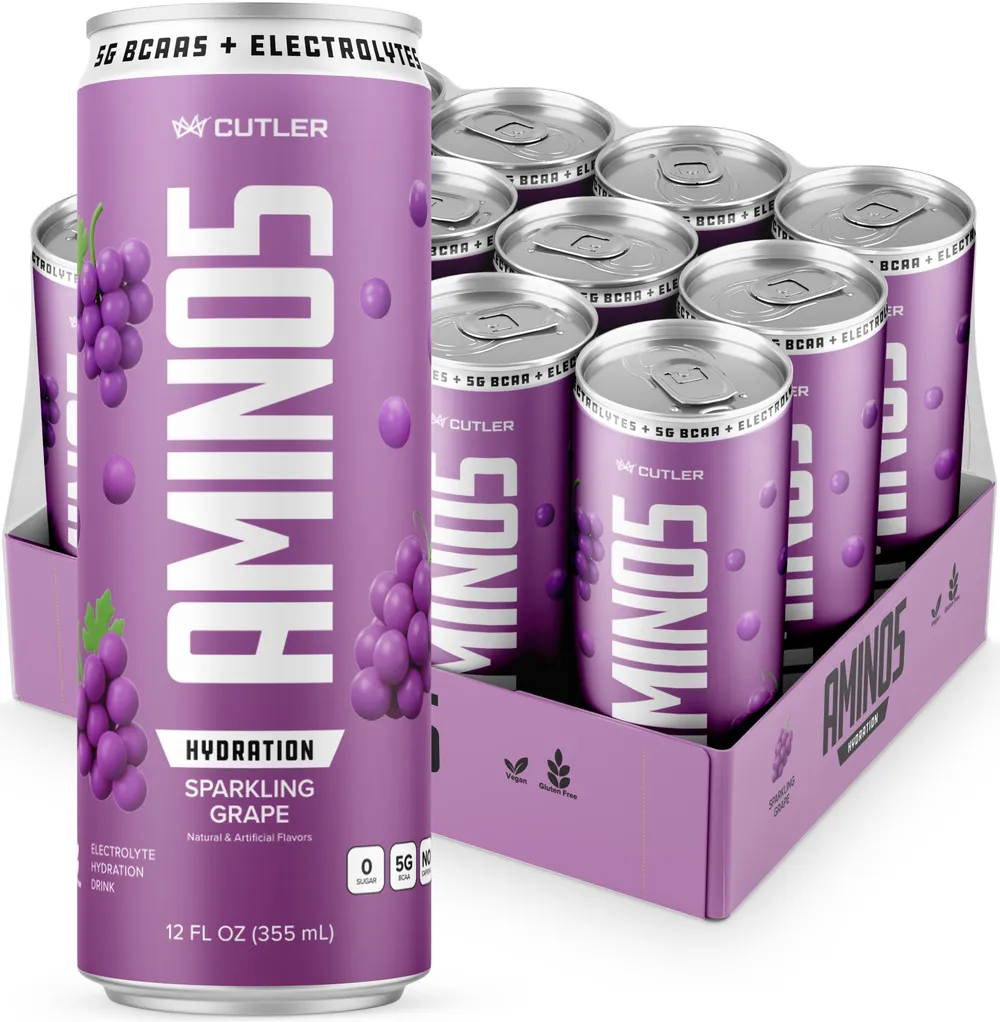
Cutler Nutrition Amino5 delivers 5g BCAAs, essential electrolytes, and coconut water powder in a zero-sugar, 5-calorie sparkling can.
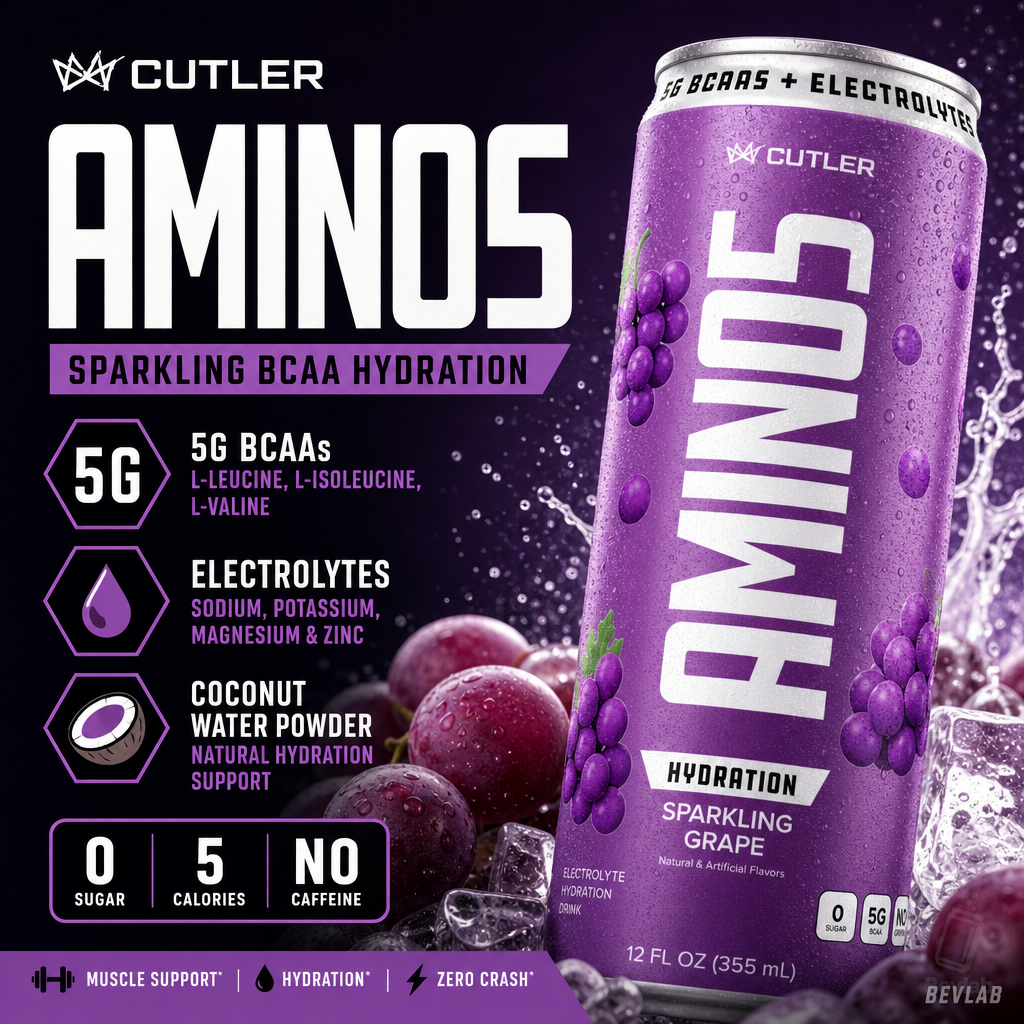
Cutler Nutrition Amino5 is a sparkling BCAA hydration drink built for the gym bag, not the supplement shelf. It delivers 5g of branched-chain amino acids, a multi-source electrolyte matrix, and coconut water powder in a 12oz zero-sugar, 5-calorie can. No caffeine, no crash.... just muscle support and hydration in a format you can crack open intra-workout or on the drive home.
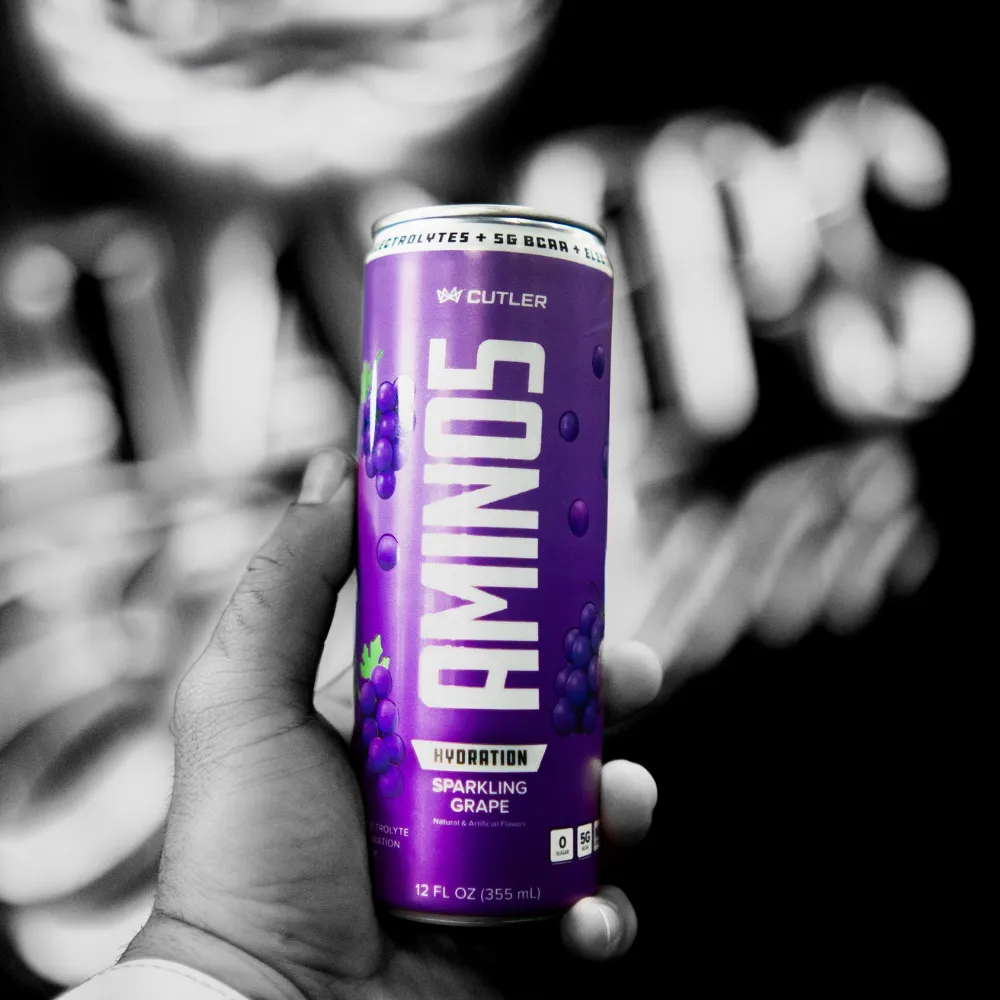
The brand behind it is Cutler Nutrition, the supplement line built around Jay Cutler, the four-time Mr. Olympia. Cutler's audience knows amino products. They've been scooping BCAA powder for years. Amino5 takes that same ritual and puts it in a grab-and-go can, which makes it easier to trial, easier to stock in gym coolers, and easier to share with people who'd never crack a tub. The product launched in April 2026 with Sparkling Grape as the debut flavor. The positioning is direct: this is your sports drink replacement, not just a sip between sets.
Watch Related Videos
Bevlab VideosAmino5 Nutrition Facts
- Calories: 5
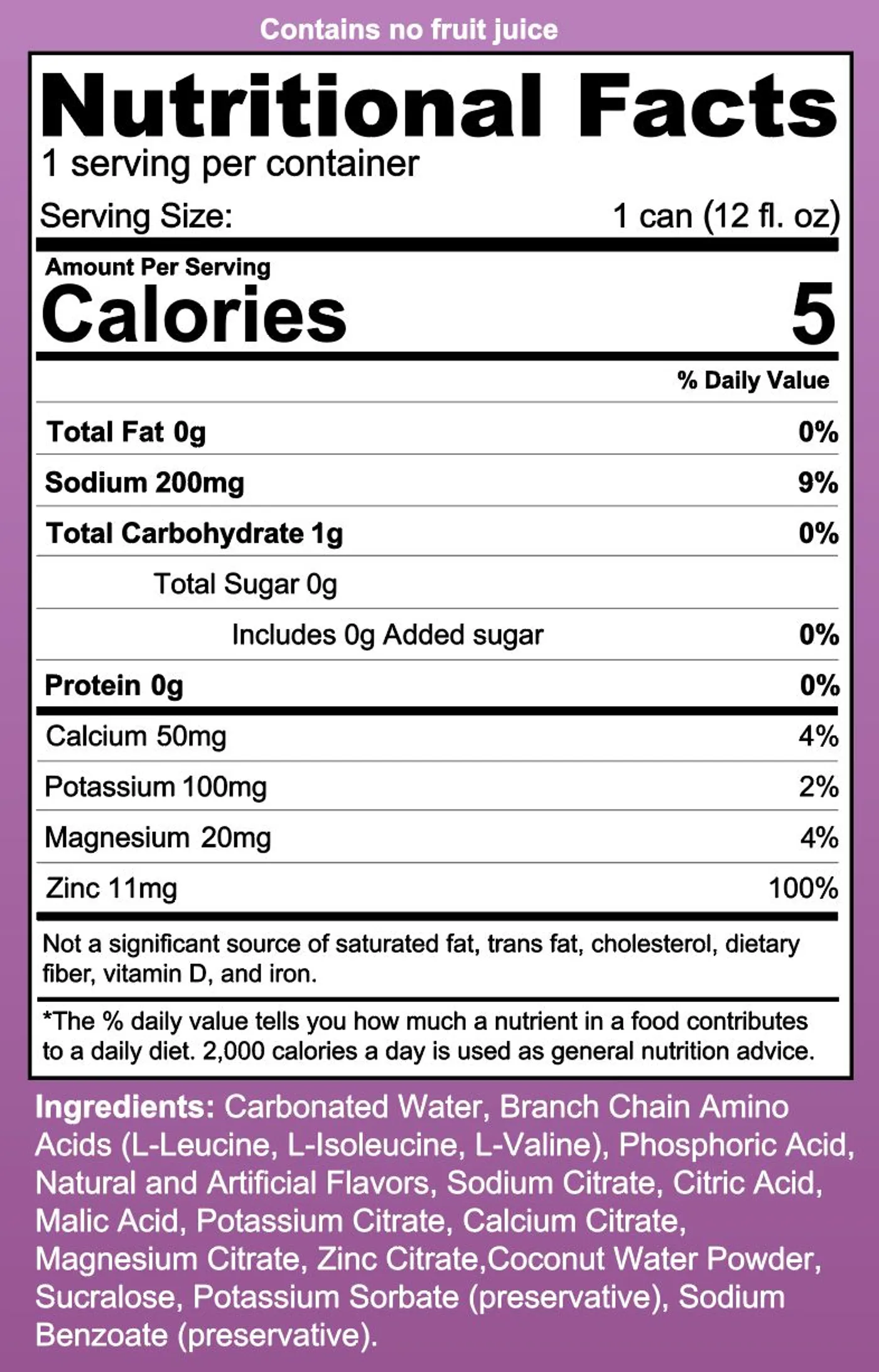
- Total Fat: 0g
- Sodium: 200mg (9% DV)
- Total Carbohydrate: 1g (0% DV)
- Total Sugars: 0g
- Added Sugars: 0g
- Protein: 0g
- Calcium: 50mg (4% DV)
- Potassium: 100mg (2% DV)
- Magnesium: 20mg (4% DV)
- Zinc: 11mg (100% DV)
What's Inside
Each 12 fl oz can provides the following:
-
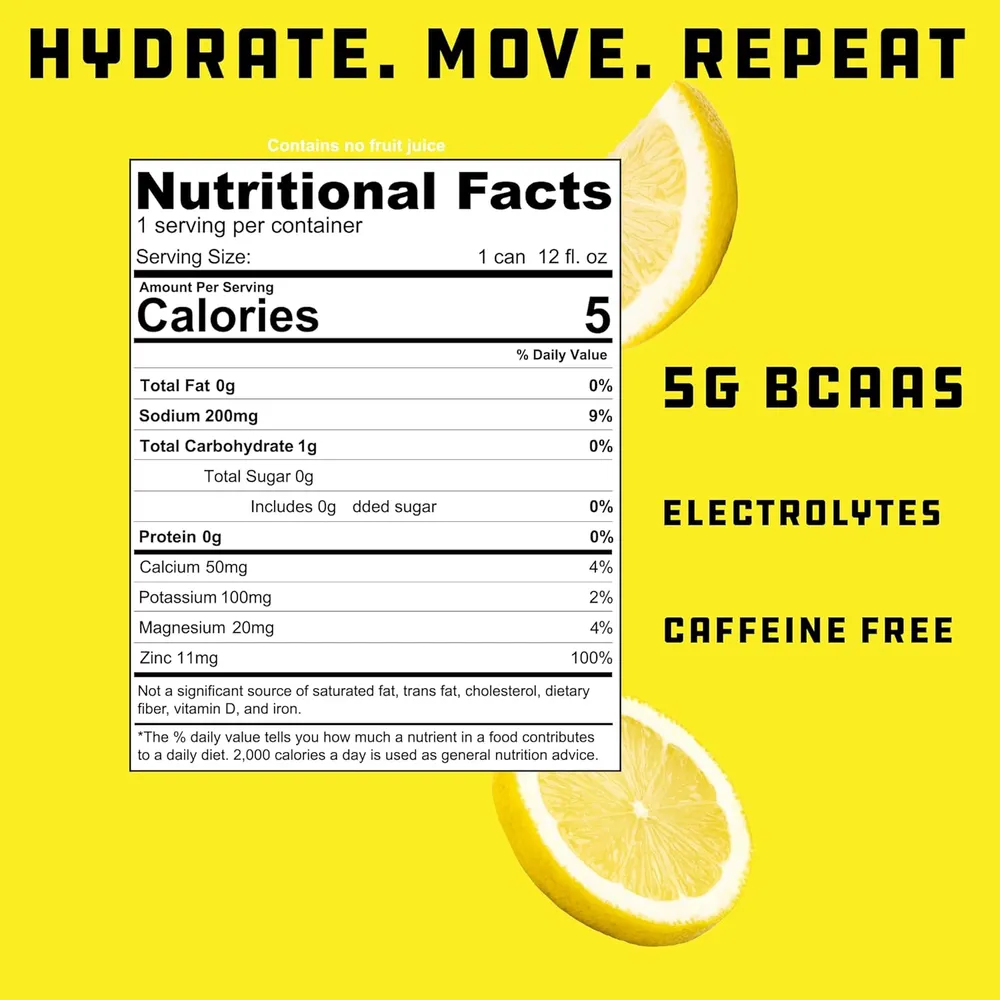
Branch Chain Amino Acids (L-Leucine, L-Isoleucine, L-Valine) -- 5g
BCAAs (leucine, isoleucine, and valine) are the three essential amino acids your muscles burn and rebuild during training. They make up roughly 35% of the essential amino acids in muscle protein, and leucine is the primary trigger for muscle protein synthesis after a hard set.
Here's the quick version: leucine signals your cells to start building protein by activating a pathway called mTORC1, which kicks off the molecular machinery for repair and growth.[1] Isoleucine and valine support the process and help prevent circulating leucine from depleting them in the process.[2]
A 2017 crossover study in resistance-trained men found that 5.6g of BCAAs post-exercise increased muscle protein synthesis by roughly 22% compared to placebo.[3] That's close to Amino5's 5g dose, which makes the formula relevant rather than cosmetic.
Worth being clear about what BCAAs can and can't do on their own: they're excellent at triggering the muscle-building signal, but they work best when your diet is already supplying the full range of essential amino acids through food or protein shakes.[4] Amino5 isn't replacing your post-workout protein. It's supporting recovery in the window when you need something light and fast.
For endurance athletes, BCAAs have also shown value in glycogen-depleted conditions, helping maintain energy output and shift toward fat burning when carbs run low.[5] That makes this more than a lifting drink.
-
Vitamins and Minerals
-
Calcium (as Calcium Citrate) -- 50mg (4% DV)
Calcium here comes as calcium citrate, one of the more bioavailable salt forms. At 50mg per can, this isn't a therapeutic bone-health dose. It's a contribution to daily intake. Calcium plays a foundational role in muscle contraction: every time a muscle fires, calcium is released from the sarcoplasmic reticulum and binds to trigger the contraction sequence.[6] For athletes, calcium losses through sweat are real, and pre- or intra-exercise intake can help buffer the hormonal response that pulls calcium from bone when blood levels drop.[7]
-
Potassium (as Potassium Citrate) -- 100mg (2% DV)
Potassium is the most important intracellular mineral for muscle function, nerve signaling, and fluid balance. It works in opposition to sodium: when you sweat, you lose both, and the ratio between them matters for cardiovascular health and performance.[8] Sweat potassium concentrations are relatively stable across hours of exercise at around 222µg/mL, which makes targeted replacement practical.[9] The 100mg here is modest relative to the 4,700mg daily adequate intake, but it's a clean contributing dose on top of whatever you get from food.
-
Magnesium (as Magnesium Citrate) -- 20mg (4% DV)
Magnesium is a cofactor for over 300 enzymatic reactions, including ATP synthesis -- the energy currency every muscle contraction depends on. During sustained training, magnesium is redistributed from plasma to working tissues, and losses through sweat can deplete stores meaningfully.[10] The citrate form is among the better-absorbed options. At 20mg, this is a supporting dose rather than a standalone therapeutic amount, but it fits the electrolyte-replenishment role this formula is built around.
-
Zinc (as Zinc Citrate) -- 11mg (100% DV)
Zinc hits 100% of the daily value at 11mg per can, making it the most meaningfully dosed micronutrient in Amino5. Athletes tend to run lower serum zinc than sedentary individuals despite similar dietary intake, likely due to sweat losses and increased demand from muscle repair.[11] Zinc supports testosterone levels under training stress -- research in athletes shows it can prevent the exercise-induced drop in testosterone that comes with heavy training loads.[12] A full DV dose in a recovery drink makes more sense here than it would in a general-purpose beverage.
-
-
Other Ingredients
-
Carbonated Water is the base of the formula, providing the sparkling texture that sets Amino5 apart from traditional amino powders mixed flat.
-
Phosphoric Acid is a common acidulant in sparkling beverages, used here to manage pH and contribute to the tart flavor profile alongside citric and malic acids. It carries GRAS status from the FDA.
-
Natural and Artificial Flavors deliver the Sparkling Grape profile. Both categories are evaluated under FDA and FEMA GRAS frameworks, and the distinction between natural and artificial at typical food use levels comes down to sourcing, not safety.
-
Sodium Citrate serves dual duty as a pH buffer and a mild electrolyte source, contributing to the 200mg sodium per can that supports fluid retention and helps replace what's lost in sweat. It also softens the tartness from the acidulants.
-
Citric Acid provides the backbone of the sour note in the flavor system and acts as an antimicrobial pH-lowering agent that helps extend shelf life. It's found naturally in citrus fruit and is one of the most widely used food-grade acids globally.
-
Malic Acid adds a softer, apple-adjacent tartness that rounds out the grape flavor and contributes to the overall acidity profile. It's a natural intermediate in the energy-production cycle inside every cell.
-
Coconut Water Powder is the natural hydration callout in this formula. Coconut water is a traditional electrolyte source containing potassium, sodium, and trace minerals. Its powder form brings those benefits into the can without adding significant calories.
-
Sucralose is the zero-calorie sweetener providing the can's sweetness. It's roughly 600 times sweeter than sugar, stable in acidic carbonated beverages, and keeps added sugar at zero without sacrificing flavor. EFSA sets the acceptable daily intake at 15mg/kg body weight per day.
-
Potassium Sorbate and Sodium Benzoate are the preservative pair used to extend shelf life by inhibiting yeast and mold growth in the acidic beverage environment. Both are GRAS at standard use levels, and their combination is common practice in carbonated RTDs. The active forms work best at low pH, which this formula's acid system provides.
-
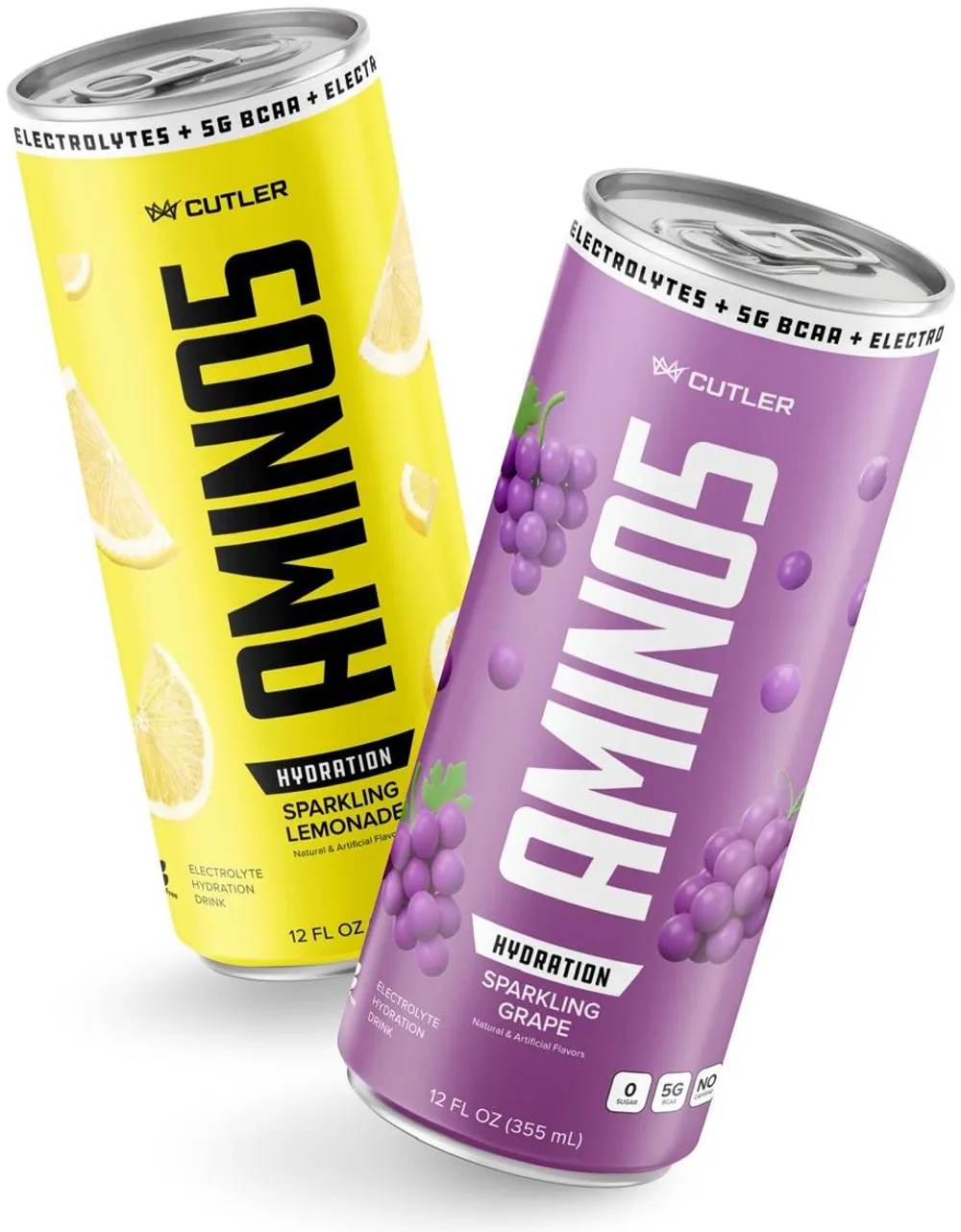
Flavors Available
Who It's For
- Active gym-goers and lifters: If you're already using BCAAs in powder form and want a more convenient intra- or post-workout option that doesn't require mixing, Amino5 is a direct format upgrade with the same functional payload.
- Sports drink switchers: If your current go-to is a sugary sports drink and you're looking for something with actual muscle-support ingredients, zero sugar, and only 5 calories, this fits that brief cleanly.
The Verdict
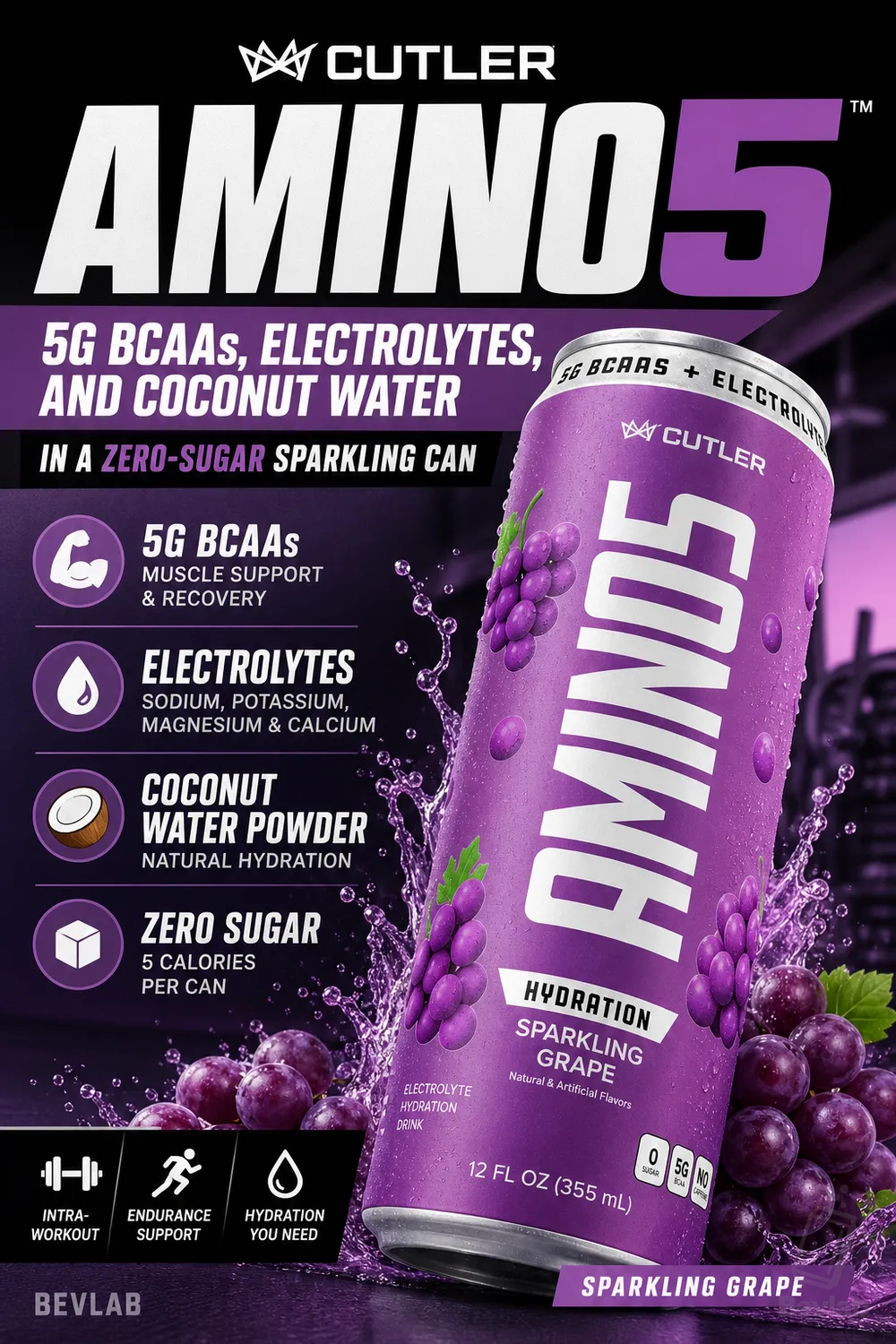
Amino5 delivers exactly what Cutler Nutrition says it does: 5g BCAAs, a clean electrolyte matrix anchored by a full DV of zinc, and coconut water powder in a zero-sugar sparkling can. The formula is honest, the positioning is tight, and the product fits naturally into how Jay Cutler's audience already trains. It's not trying to be an energy drink. It's a recovery and hydration vehicle, and at that job, the label backs up the claim.
More Related Videos
Bevlab VideosFollow @BevlabMedia on TikTok and Instagram for more product breakdowns as they drop.
References
- Blomstrand, Eva, et al. "Branched-chain amino acids activate key enzymes in protein synthesis after physical exercise." The Journal of nutrition, 2006. https://doi.org/10.1093/jn/136.1.269S
- Moberg, Marcus, et al. "Activation of mTORC1 by leucine is potentiated by branched-chain amino acids and even more so by essential amino acids following resistance exercise." American journal of physiology. Cell physiology, 2016. https://doi.org/10.1152/ajpcell.00374.2015
- Jackman, Sarah R, et al. "Branched-Chain Amino Acid Ingestion Stimulates Muscle Myofibrillar Protein Synthesis following Resistance Exercise in Humans." Frontiers in physiology, 2017. https://doi.org/10.3389/fphys.2017.00390
- Wolfe, Robert R. "Branched-chain amino acids and muscle protein synthesis in humans: myth or reality?." Journal of the International Society of Sports Nutrition, 2017. https://doi.org/10.1186/s12970-017-0184-9
- Adolpho, Thomas B. et al. "Influence Of Branched-chain Aminoacids (BCAA) Supplementation On Free Fatty Acids Oxidation During Endurance Exercise After Muscle Glycogen Depletion." Medicine & Science in Sports & Exercise, 2005. https://doi.org/10.1249/00005768-200505001-01836
- Szent-Györgyi, A.G. "Calcium Regulation Of Muscle Contraction." Biophysical Journal, 1975. https://doi.org/10.1016/s0006-3495(75)85849-8
- Barry, Daniel W, et al. "Acute Calcium Ingestion Attenuates Exercise Induced Disruption Of Calcium Homeostasis." Medicine and science in sports and exercise, 2011. https://doi.org/10.1249/MSS.0b013e3181f79fa8
- Cook, Nancy R, et al. "Joint Effects of Sodium and Potassium Intake on Subsequent Cardiovascular Disease: The Trials of Hypertension Prevention (TOHP) Follow-up Study." Archives of internal medicine, 2009. https://doi.org/10.1001/archinternmed.2008.523
- Montain, Scott J, et al. "Sweat mineral-element responses during 7 h of exercise-heat stress." International journal of sport nutrition and exercise metabolism, 2007. https://doi.org/10.1123/ijsnem.17.6.574
- Tarsitano, Maria Grazia, et al. "Effects Of Magnesium Supplementation On Muscle Soreness In Different Type Of Physical Activities A Systematic Review." Journal of translational medicine, 2024. https://doi.org/10.1186/s12967-024-05434-x
- Toro-Román, Víctor, et al. "Toro Roman2022 Influence Of Physical Training On Intracellular And Extracellular Zinc Concentrations." Journal of the International Society of Sports Nutrition, 2022. https://doi.org/10.1080/15502783.2022.2054665
- Kilic, Mehmet. "Effect of fatiguing bicycle exercise on thyroid hormone and testosterone levels in sedentary males supplemented with oral zinc." Neuro endocrinology letters, 2007. https://pubmed.ncbi.nlm.nih.gov/17984944/
Tagged