Echelon Performance Energy Drink: The Caffeine Does the Heavy Lifting
Pre-workout ingredients, energy drink doses, and a spiced orange seasonal worth chasing
Veteran-founded Echelon pairs 200mg of green coffee bean caffeine with L-theanine and adds beta-alanine and citrulline well below pre-workout doses.
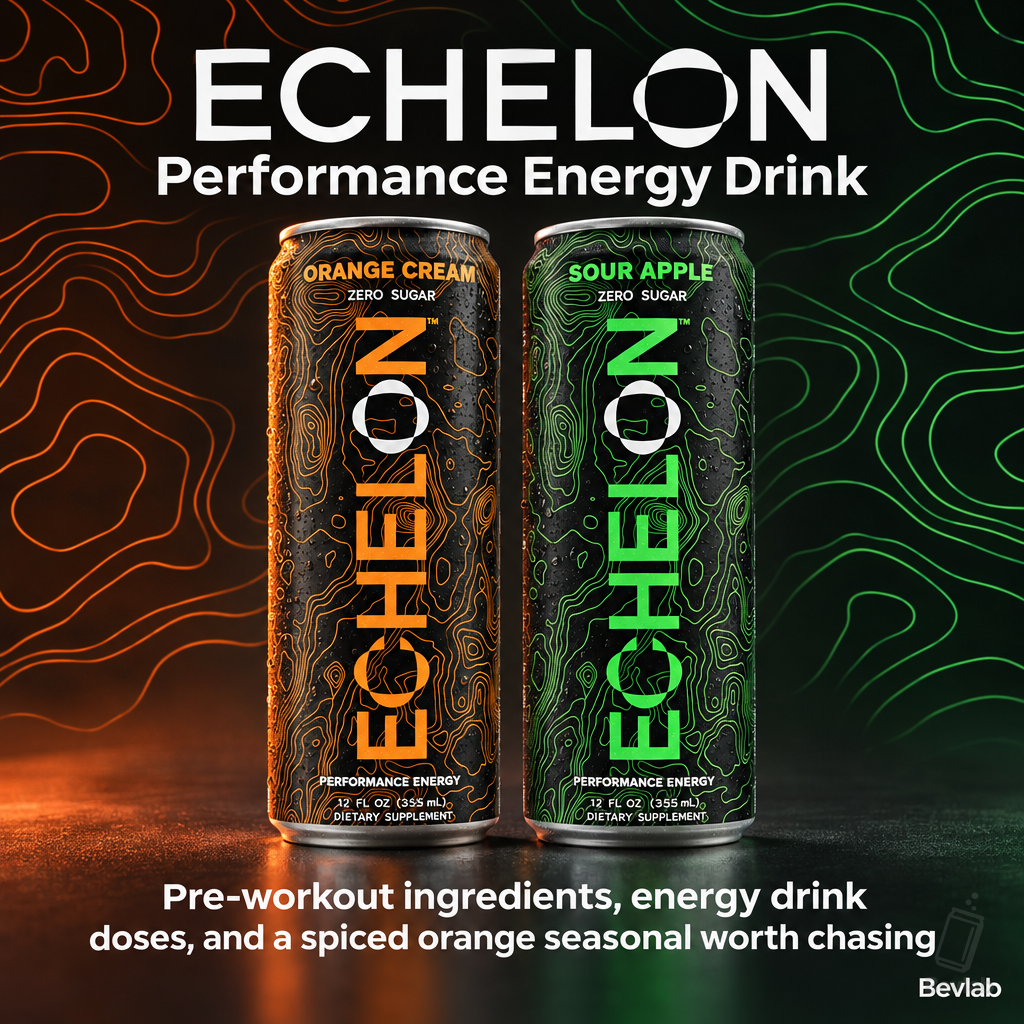
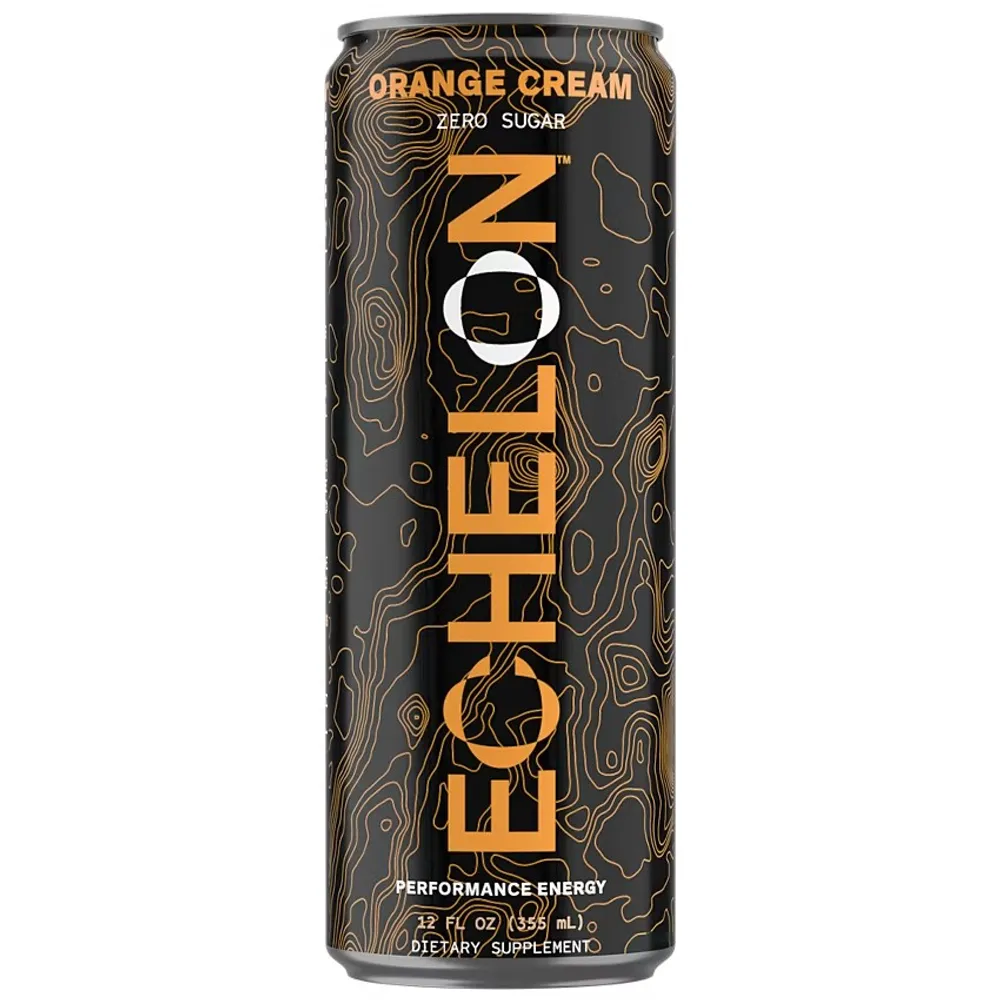
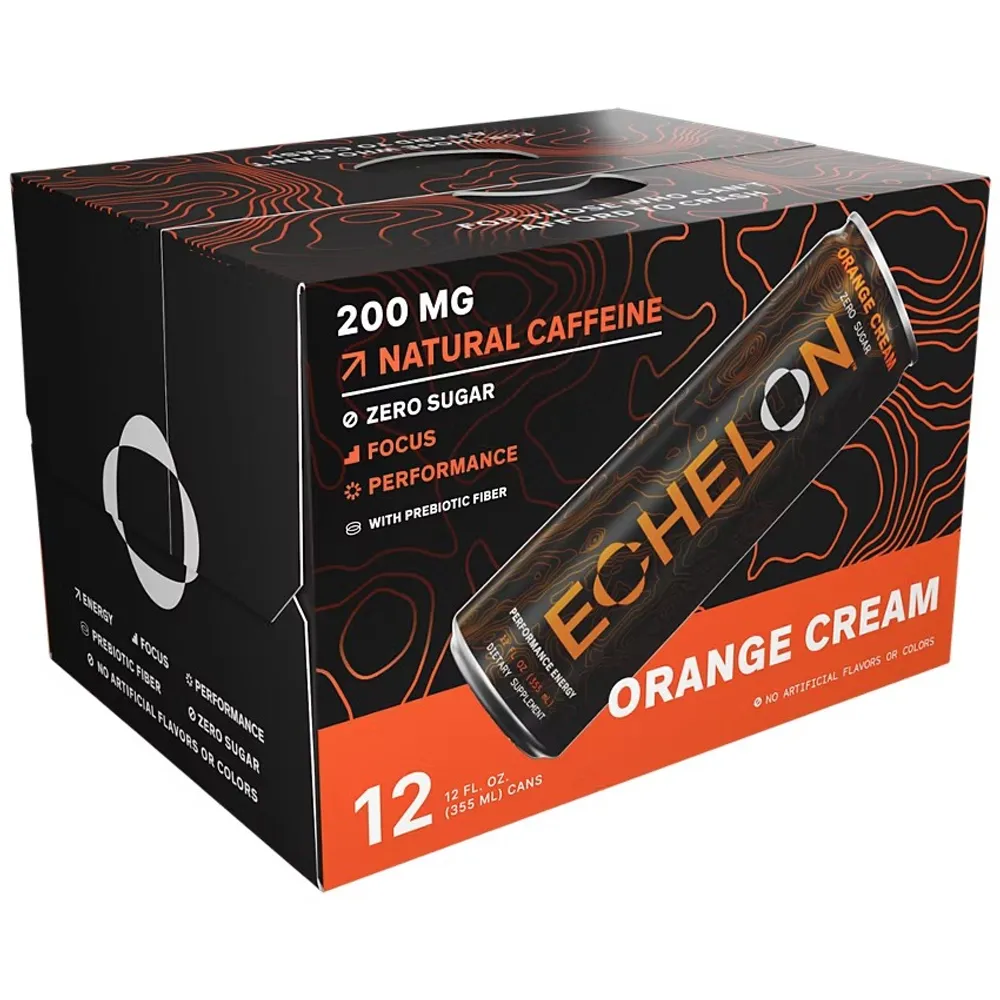
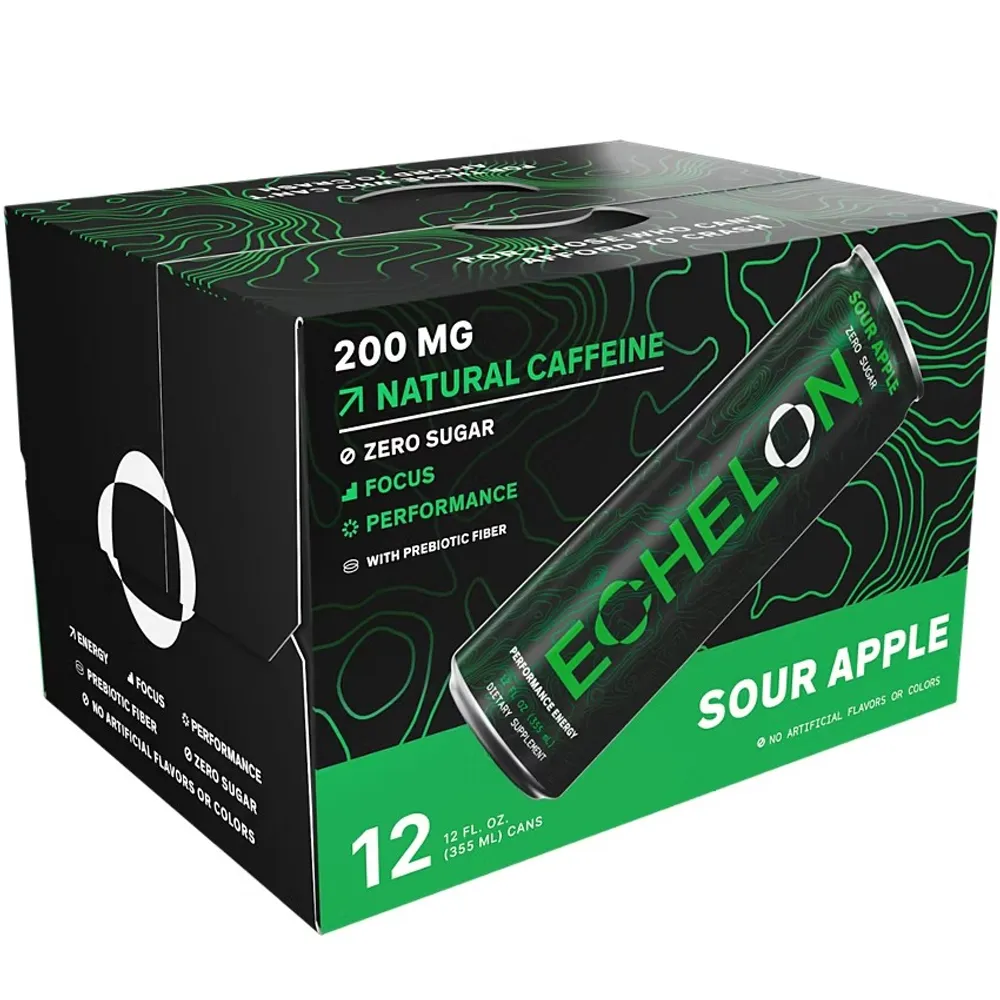
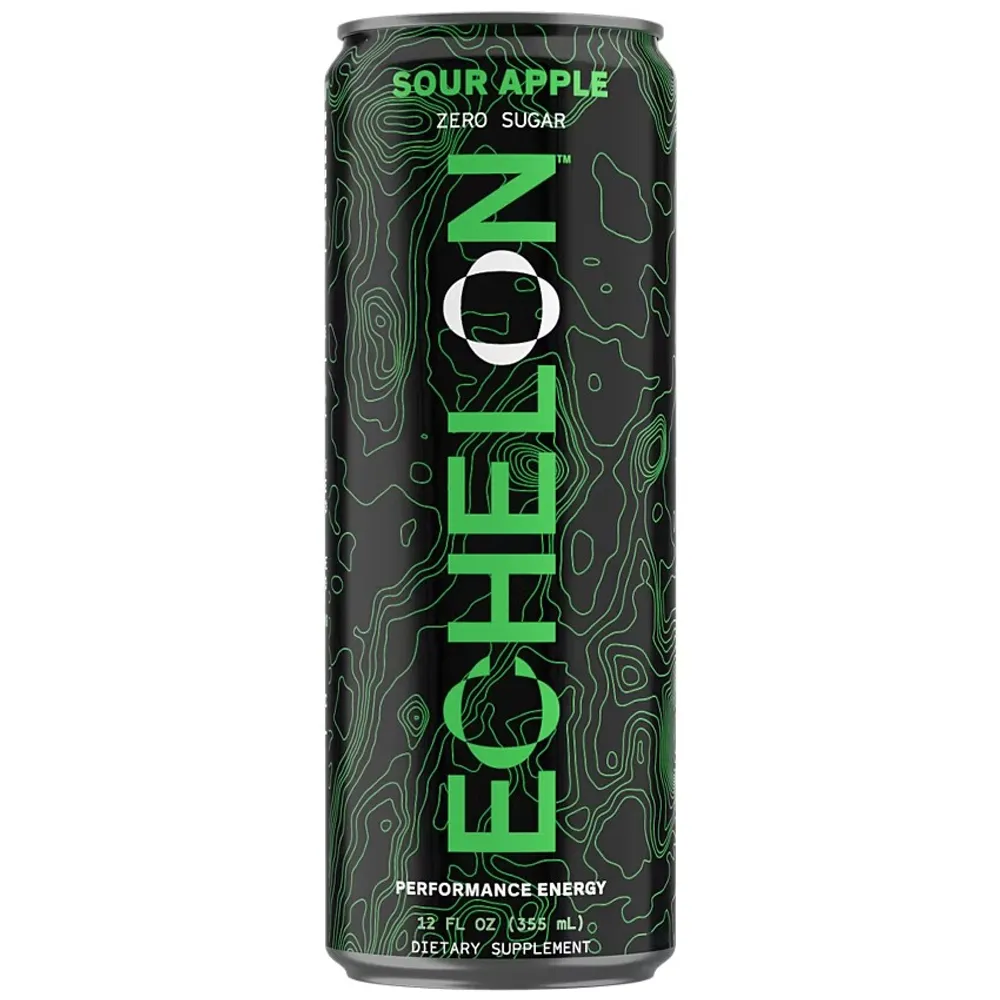
Echelon is a veteran-founded energy drink brand, and the Echelon Performance Energy Drink is its 12oz zero-sugar line. It takes a pre-workout ingredient list and puts it in a regular-sized can. Alongside 200mg of caffeine from green coffee bean, the label lists beta-alanine, citrulline, N-acetyl-L-tyrosine, and L-theanine, which is the kind of stack you'd usually scoop out of a tub.
The thing to watch is the doses. Bevlab's Cody Fernley reviewed the seasonal Agent Orange flavor on video, and his take is that the pump and endurance ingredients sit below the amounts used for workout performance. That leaves the caffeine and theanine doing most of the work. That isn't a dealbreaker. It just tells you what kind of can you're buying: a 200mg energy drink with a few performance extras, not a full pre-workout. Echelon also sells a separate 16oz Energy + Hydration line built around 100mg of caffeine and Alpha-GPC. That's a different product, and it isn't covered here.
Echelon Performance Energy Drink Nutrition Facts
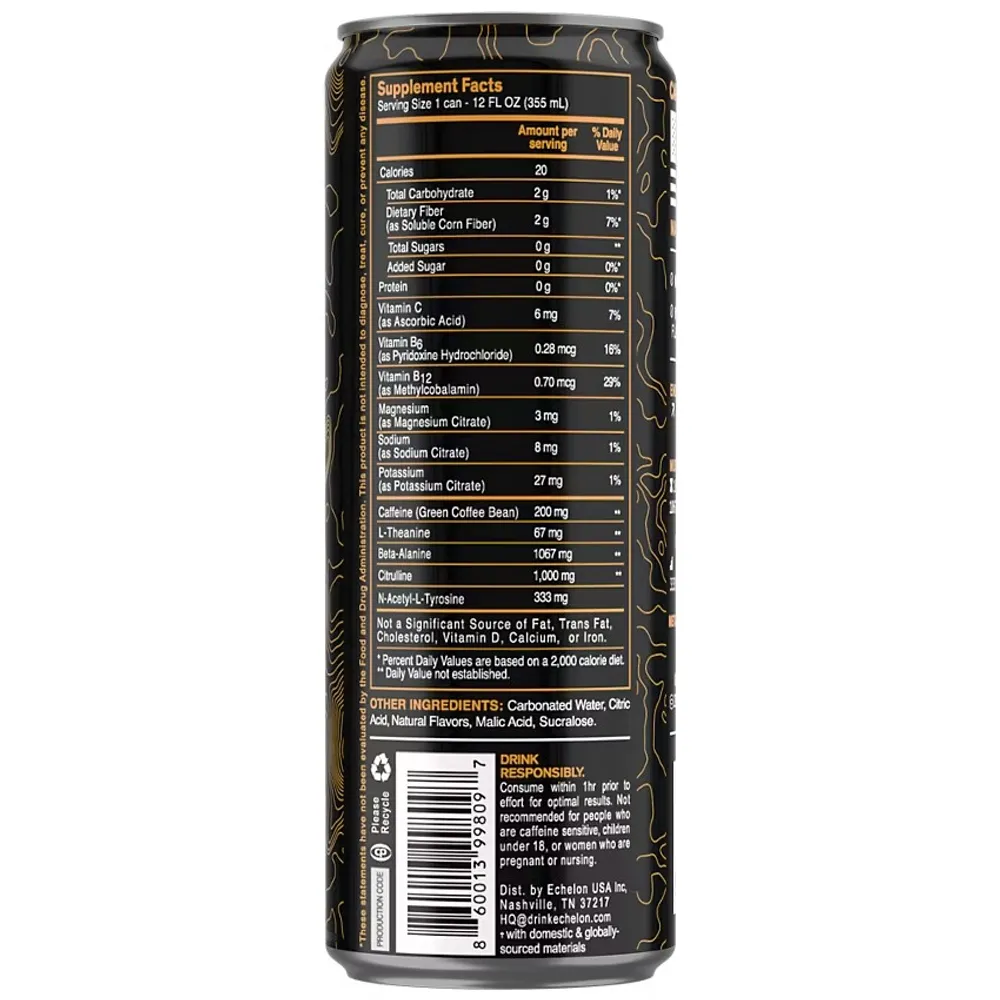
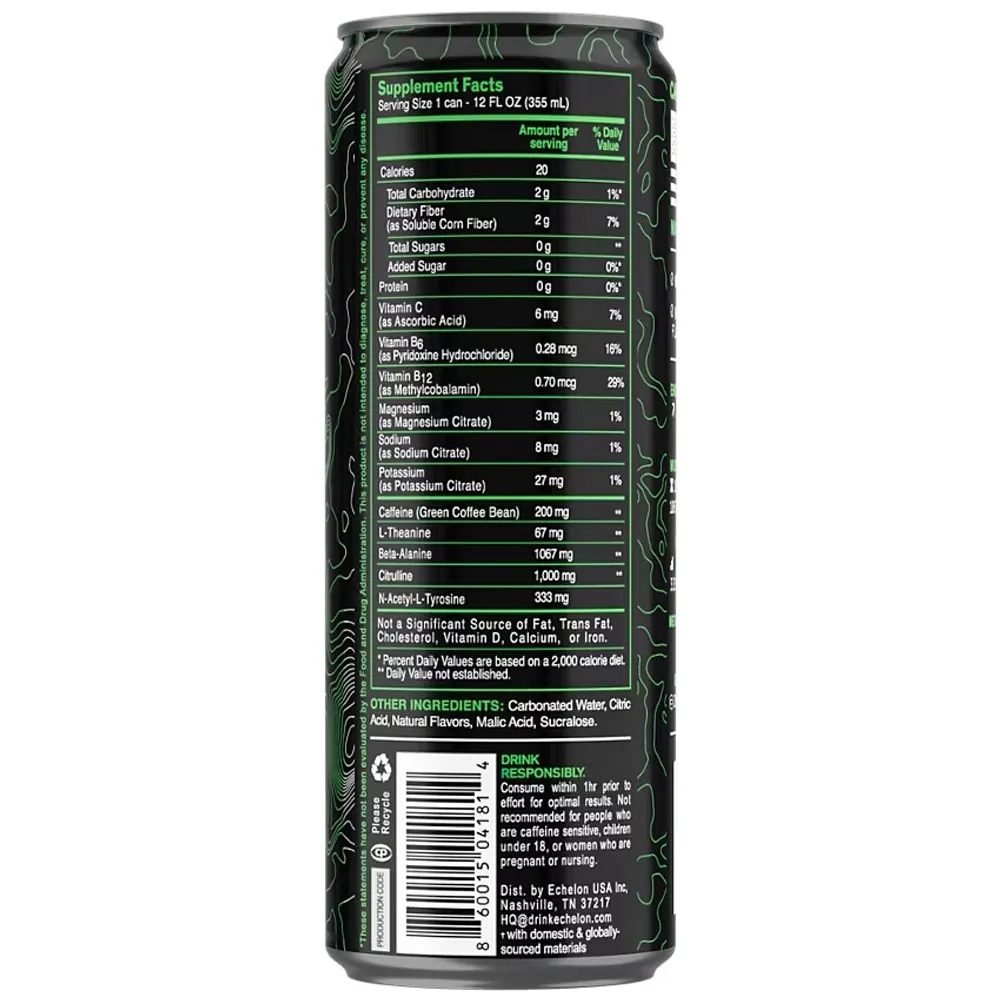
These numbers come from the Orange Cream can, and the Performance Energy line shares the same headline actives. The two figures worth noting are the 2g of fiber, which accounts for all of the carbohydrate, and a B-vitamin dose that stays modest.
- Calories: 20
- Total Carbohydrate: 2g (1% DV)
- Dietary Fiber: 2g (7% DV)
- Total Sugars: 0g
- Added Sugars: 0g (0% DV)
- Protein: 0g
- Vitamins and Minerals
- Sodium: 8mg (1% DV)
- Potassium: 27mg (1% DV)
- Magnesium: 3mg (1% DV)
- Vitamin C: 6mg (7% DV)
- Vitamin B6: 0.28mg (16% DV)
- Vitamin B12: 0.7mcg (29% DV)
Echelon Performance Energy Drink Ingredients
Each 12 fl oz (355mL) can provides the following key actives:
-
Caffeine (as Green Coffee Bean) - 200mg
Caffeine is the engine of this can, and Echelon sources its 200mg from green coffee bean. It blocks the signal that makes you feel tired, which is why it reliably sharpens alertness and focus. A broad review found that roughly 40-300mg improves alertness, vigilance, attention, and reaction time in both rested and sleep-restricted people.[1] For training, the International Society of Sports Nutrition puts the useful range at about 3-6mg/kg of body weight and supports caffeine for endurance, sprinting, jumping, and muscular endurance. It also notes that people vary a lot in how strongly they respond.[2,3] For a 70kg (154lb) adult, 200mg comes out just under 3mg/kg, which is the low edge of that range.
For safety, a large systematic review generally found up to 400mg/day free of overt adverse effects in healthy adults. It set lower benchmarks for pregnancy and younger people.[4] The label follows the same line: it isn't recommended for anyone under 18, for pregnant or nursing women, or for caffeine-sensitive people. Timing matters too. In one sleep study, 400mg taken six hours before bed still disrupted sleep compared to placebo.[5] An afternoon can deserves some thought.
-
L-Theanine - 67mg
L-theanine is the tea amino acid known for smoothing out caffeine's edge without killing the focus. It's the other half of what Cody calls the main effect of this can. The research is stronger for the pairing than for theanine alone. In a crossover study of 27 regular caffeine users, 50mg of caffeine plus 100mg of L-theanine improved both speed and accuracy when switching between tasks. People were also less distracted on a memory task.[6] Another trial tested 250mg of theanine with 150mg of caffeine. The combination improved reaction time, alertness, and working-memory speed and reduced mental fatigue, while theanine alone did little.[7]
A meta-analysis of 11 trials found the combination improved alertness and attention switching in the first two hours after a dose. Most of the attention gains tracked with the caffeine dose rather than the theanine dose.[8] That matters here, because 67mg is below the roughly 97-250mg range used in most caffeine-plus-theanine studies. The ratio here is about three parts caffeine to one part theanine. Expect theanine to take the edge off the caffeine a little, not to noticeably calm you down. The 200mg of caffeine is the part you'll feel.
-
Beta-Alanine - 1,067mg
Beta-alanine is a pre-workout staple, but it doesn't work the way caffeine does. It raises carnosine in your muscles, which helps buffer the acid that builds up during hard efforts. That buildup takes weeks of consistent intake, not one dose before a set. The ISSN position stand concluded that 4-6g/day for at least 2-4 weeks increases muscle carnosine and improves performance, especially in efforts lasting about 1-4 minutes.[9] A meta-analysis of 40 studies found a small overall benefit, largest in efforts lasting between 30 seconds and 10 minutes, and no meaningful effect in anything shorter.[10]
So 1,067mg in one can is a fraction of the daily intake used in that research, which is Cody's point. Reaching the low end of study doses would take about four cans, and that's 800mg of caffeine, double the 400mg benchmark. What a single serving can still deliver is the tingle. Paresthesia (the pins-and-needles feeling) is the only consistently reported side effect of beta-alanine, and researchers keep it in check by splitting intake into servings of roughly 1.6g or less.[11,9] Sensitive people may still notice a light tingle.
-
Citrulline - 1,000mg
Citrulline converts to arginine in your body, which boosts nitric oxide. That's what drives blood flow and the pump. It does the job better than taking arginine directly, because oral arginine gets broken down in the gut and liver before most of it can be used. A crossover study found citrulline raised blood arginine more effectively than arginine itself.[12,13] The label lists plain citrulline rather than citrulline malate. That matters because malate versions deliver less citrulline per gram.[14]
Study doses run much higher than this can. Free L-citrulline at 6g/day for a week improved oxygen uptake and tolerance during severe cycling.[15] A lower 2.4g/day protocol for a week, plus a dose before testing, made trained men 1.5% faster in a 4km time trial.[16] Most strength studies used 8g of citrulline malate. A meta-analysis found a small benefit for high-intensity strength and power, but it only included doses of at least 3g taken 30 minutes or more before exercise.[17] At 1,000mg, you're well below anything that pooled evidence covers. Think of citrulline here as a supporting ingredient, not a pump ingredient.
-
N-Acetyl-L-Tyrosine - 333mg
N-Acetyl-L-Tyrosine (NALT) is an acetylated form of tyrosine, the amino acid your brain uses to make dopamine and norepinephrine. Put simply, tyrosine helps your brain make dopamine under stress, and that condition matters. A review of the literature found tyrosine mainly helps cognitive performance during short-term stress or demanding mental work, with little benefit when you're rested.[18] A separate evidence assessment gave it a weak recommendation for cognitive performance under stressors like cold, noise, sleep loss, and combat training. It made no recommendation for physical performance.[19]
Dose is the issue again. In one field trial, military cadets drank 2g of tyrosine a day during a hard combat course and did better on memory and tracking tasks than the placebo group.[20] Across the wider research, doses run from 500mg up to 12g.[18] Those studies tested L-tyrosine itself, not NALT, and the two forms shouldn't be treated as interchangeable. At 333mg, this can sits at the bottom of the tyrosine research, if it reaches it at all. That's why Cody notes that tyrosine studies generally use more.
-
Dietary Fiber (as Soluble Corn Fiber) - 2g
Soluble corn fiber supplies the 2g of dietary fiber on the panel. Your small intestine doesn't digest it, so most of it reaches the colon, where gut bacteria ferment it. That's where the prebiotic angle comes from. In a 14-day trial, a dose delivering about 6g/day of fiber increased bifidobacteria, and the larger tested doses didn't produce a bigger increase.[21] Most human studies use more than that, often 10-20g/day.[22,23]
It's also easy on the stomach at modest amounts. Healthy adults taking 12g/day for two weeks reported only mild-to-moderate gut symptoms.[24] The fiber contributes very little usable energy, about 0.2kcal/g in one breath-hydrogen study, which helps keep the can at 20 calories.[25] Two grams won't change your gut bacteria on its own, but it's a sensible way to add some fiber and body to a zero-sugar can without adding sugar.
-
Vitamins and Minerals
Magnesium, sodium, and potassium each appear as citrate salts at 1% DV, which is a trace amount. This isn't an electrolyte drink, and Echelon's Energy + Hydration line is the one built for that.
-
Vitamin C (as Ascorbic Acid) - 6mg (7% DV)
Vitamin C is an essential nutrient involved in collagen production and normal immune function. At 6mg, this is a light top-up. It won't meaningfully change your vitamin C status if you eat any fruit or vegetables. It's a minor part of the label and not a reason to choose this drink.
-
Vitamin B6 (as Pyridoxine Hydrochloride) - 0.28mg (16% DV)
Vitamin B6 helps your body process amino acids and make neurotransmitters, so it fits naturally with a tyrosine-containing formula. Pyridoxine hydrochloride is the standard, stable form. At 0.28mg, the dose is modest and far below the 12mg/day adult upper limit set in Europe. That limit matters for people stacking B-vitamin products, but this can won't get you anywhere near it.
-
Vitamin B12 (as Methylcobalamin) - 0.7mcg (29% DV)
Vitamin B12 supports red blood cell formation and nerve function. Echelon uses methylcobalamin, one of the forms common in supplements. At 0.7mcg, it covers about a quarter of the daily value. That's a reasonable amount for a daily drink, but B12 doesn't add energy unless you're actually low on it.
-
-
Sweeteners and Flavors
-
Sucralose
Sucralose is the only sweetener, and it keeps the can at zero sugar. Echelon doesn't disclose the amount, but sucralose is so much sweeter than sugar that beverages only need a small amount. In 2026, EFSA's full re-evaluation kept the acceptable daily intake at 15mg/kg of body weight and found no safety concern at reported use levels.[26] One 120-person trial found that two weeks of sucralose changed glucose responses in some participants, with large person-to-person differences.[27] Most people won't notice anything, but it's worth knowing about if you track blood sugar closely.
-
Natural Flavors
Natural flavors carry the taste, and they're where the flavors in the line differ from each other. Under U.S. rules, "natural" describes where a flavor compound comes from, not its chemistry or how heavily it was processed.[28] The ingredient statement doesn't list any added colors.
-
-
Other Ingredients
- Carbonated Water - The base of the drink, and the source of the fizz.
- Citric Acid - Adds tartness and helps control acidity, as in most canned drinks.
- Malic Acid - A second acid that gives a sharper, apple-style sourness and rounds out the citric acid.
Agent Orange: Cody's Seasonal Pick
Agent Orange is a seasonal Performance Energy flavor built as a spiced orange cider. A portion of its sales goes to the HunterSeven Foundation, which works with veterans affected by toxic exposure, and the name points straight at that cause.
In his review, Cody tastes sweet orange up front, followed by cinnamon and clove-like fall spice on the finish. He calls it probably one of his favorite Echelon flavors. His formula verdict matches the breakdown above: don't expect a full pre-workout, because the citrulline and beta-alanine are below typical performance doses and tyrosine research generally uses more. The caffeine and theanine pairing is what you'll actually feel. Seasonal flavors come and go, so check the live flavor list below.
Buy It for the Caffeine and Theanine
Echelon Performance Energy Drink works best as a 200mg energy drink with a theanine assist and some pre-workout extras. If you want a lift before the gym or a long shift and like the veteran-founded story, it delivers. If you want clinical doses of beta-alanine and citrulline, you'll still need a real pre-workout.
References
- McLellan, Tom M. et al. "A Review Of Caffeine S Effects On Cognitive Physical And Occupational Performance." Neuroscience & Biobehavioral Reviews, 2016. https://doi.org/10.1016/j.neubiorev.2016.09.001
- Goldstein, Erica R, et al. "International society of sports nutrition position stand: caffeine and performance." Journal of the International Society of Sports Nutrition, 2010. https://doi.org/10.1186/1550-2783-7-5
- Guest, Nanci S, et al. "International society of sports nutrition position stand: caffeine and exercise performance." Journal of the International Society of Sports Nutrition, 2021. https://doi.org/10.1186/s12970-020-00383-4
- Wikoff, Daniele, et al. "Systematic review of the potential adverse effects of caffeine consumption in healthy adults, pregnant women, adolescents, and children." Food and chemical toxicology : an international journal published for the British Industrial Biological Research Association, 2017. https://doi.org/10.1016/j.fct.2017.04.002
- Drake, Christopher, et al. "Caffeine effects on sleep taken 0, 3, or 6 hours before going to bed." Journal of clinical sleep medicine : JCSM : official publication of the American Academy of Sleep Medicine, 2013. https://doi.org/10.5664/jcsm.3170
- Owen, Gail N, et al. "The combined effects of L-theanine and caffeine on cognitive performance and mood." Nutritional neuroscience, 2008. https://doi.org/10.1179/147683008X301513
- Haskell, Crystal F, et al. "The effects of L-theanine, caffeine and their combination on cognition and mood." Biological psychology, 2008. https://doi.org/10.1016/j.biopsycho.2007.09.008
- Camfield, David A, et al. "Acute effects of tea constituents L-theanine, caffeine, and epigallocatechin gallate on cognitive function and mood: a systematic review and meta-analysis." Nutrition reviews, 2014. https://doi.org/10.1111/nure.12120
- Trexler, Eric T, et al. "International society of sports nutrition position stand: Beta-Alanine." Journal of the International Society of Sports Nutrition, 2015. https://doi.org/10.1186/s12970-015-0090-y
- Saunders, Bryan, et al. "β-alanine supplementation to improve exercise capacity and performance: a systematic review and meta-analysis." British journal of sports medicine, 2017. https://doi.org/10.1136/bjsports-2016-096396
- Dolan, Eimear, et al. "A Systematic Risk Assessment and Meta-Analysis on the Use of Oral β-Alanine Supplementation." Advances in nutrition (Bethesda, Md.), 2019. https://doi.org/10.1093/advances/nmy115
- Schwedhelm, Edzard, et al. "Pharmacokinetic and pharmacodynamic properties of oral L-citrulline and L-arginine: impact on nitric oxide metabolism." British journal of clinical pharmacology, 2008. https://doi.org/10.1111/j.1365-2125.2007.02990.x
- Allerton, Timothy D, et al. "l-Citrulline Supplementation: Impact on Cardiometabolic Health." Nutrients, 2018. https://doi.org/10.3390/nu10070921
- Gough, Lewis A, et al. "A critical review of citrulline malate supplementation and exercise performance." European journal of applied physiology, 2021. https://doi.org/10.1007/s00421-021-04774-6
- Bailey, Stephen J, et al. "l-Citrulline supplementation improves O2 uptake kinetics and high-intensity exercise performance in humans." Journal of applied physiology (Bethesda, Md. : 1985), 2015. https://doi.org/10.1152/japplphysiol.00192.2014
- Suzuki, Takashi, et al. "Oral L-citrulline supplementation enhances cycling time trial performance in healthy trained men: Double-blind randomized placebo-controlled 2-way crossover study." Journal of the International Society of Sports Nutrition, 2016. https://doi.org/10.1186/s12970-016-0117-z
- Trexler, Eric T, et al. "Acute Effects of Citrulline Supplementation on High-Intensity Strength and Power Performance: A Systematic Review and Meta-Analysis." Sports medicine (Auckland, N.Z.), 2019. https://doi.org/10.1007/s40279-019-01091-z
- Jongkees, Bryant J, et al. "Effect of tyrosine supplementation on clinical and healthy populations under stress or cognitive demands--A review." Journal of psychiatric research, 2015. https://doi.org/10.1016/j.jpsychires.2015.08.014
- Attipoe, Selasi, et al. "Tyrosine for Mitigating Stress and Enhancing Performance in Healthy Adult Humans, a Rapid Evidence Assessment of the Literature." Military medicine, 2015. https://doi.org/10.7205/MILMED-D-14-00594
- Deijen, J B, et al. "Tyrosine improves cognitive performance and reduces blood pressure in cadets after one week of a combat training course." Brain research bulletin, 1999. https://doi.org/10.1016/s0361-9230(98)00163-4
- Adele, Costabile; Eddie R Deaville; Agustin Martin Morales; Glenn R Gibson. "Prebiotic Potential of a Maize-Based Soluble Fibre and Impact of Dose on the Human Gut Microbiota." PLoS One, 2016. https://doi.org/10.1371/journal.pone.0144457
- Corrie, M Whisner; Berdine R Martin; Cindy H Nakatsu; Jon A Story; Claire J MacDonald-Clarke; Linda D McCabe; George P McCabe; Connie M Weaver. "Soluble Corn Fiber Increases Calcium Absorption Associated with Shifts in the Gut Microbiome: A Randomized Dose-Response Trial in Free-Living Pubertal Females." J Nutr, 2016. https://doi.org/10.3945/jn.115.227256
- Steven, A Jakeman; Courtney N Henry; Berdine R Martin; George P McCabe; Linda D McCabe; George S Jackson; Munro Peacock; Connie M Weaver. "Soluble corn fiber increases bone calcium retention in postmenopausal women in a dose-dependent manner: a randomized crossover trial." Am J Clin Nutr, 2016. https://doi.org/10.3945/ajcn.116.132761
- Maria, L Stewart; Soma D Nikhanj; Derek A Timm; William Thomas; Joanne L Slavin. "Evaluation of the effect of four fibers on laxation, gastrointestinal tolerance and serum markers in healthy humans." Ann Nutr Metab, 2010. https://doi.org/10.1159/000275962
- Kirstie, Canene-Adams; Lisa Spence; Lore W Kolberg; Kavita Karnik; DeAnn Liska; Eunice Mah. "A Randomized, Double-Blind, Crossover Study to Determine the Available Energy from Soluble Fiber." J Am Coll Nutr, 2021. https://doi.org/10.1080/07315724.2020.1790440
- EFSA, Panel on Food Additives and Flavourings (FAF), et al. "Re-evaluation of sucralose (E 955) as a food additive and evaluation of a new application on extension of use of sucralose (E 955) in fine bakery wares." EFSA journal. European Food Safety Authority, 2026. https://doi.org/10.2903/j.efsa.2026.9854
- Suez, Jotham, et al. "Personalized microbiome-driven effects of non-nutritive sweeteners on human glucose tolerance." Cell, 2022. https://doi.org/10.1016/j.cell.2022.07.016
- Goodman, Matthew J. "The “Natural” vs. “Natural Flavors” Conflict in Food Labeling: A Regulatory Viewpoint." Food and drug law journal, 2017. https://pubmed.ncbi.nlm.nih.gov/29140655/
Tagged