Fizzen Sparkling Fruit Juice Protein
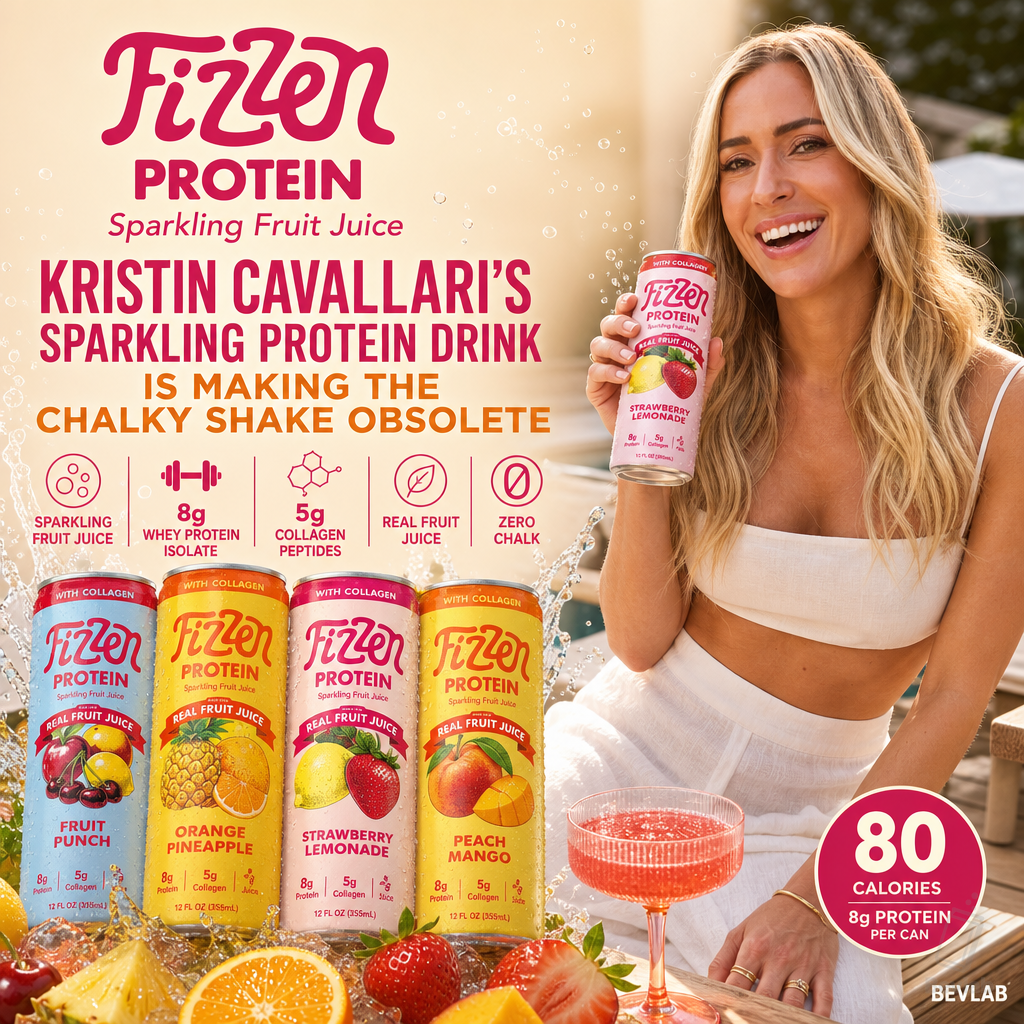
Kristin Cavallari's sparkling protein drink is making the chalky shake obsolete
Fizzen is Kristin Cavallari's sparkling protein drink: 8g whey isolate, 5g collagen, real fruit juice, and zero chalk.
The protein drink category has a perception problem. Walk the cooler at any grocery store and you'll find shelf after shelf of thick, opaque bottles engineered to look and taste like dessert. Some people want that. A lot of people don't -- and TV star Kristin Cavallari is betting that crowd is bigger than anyone has given it credit for.
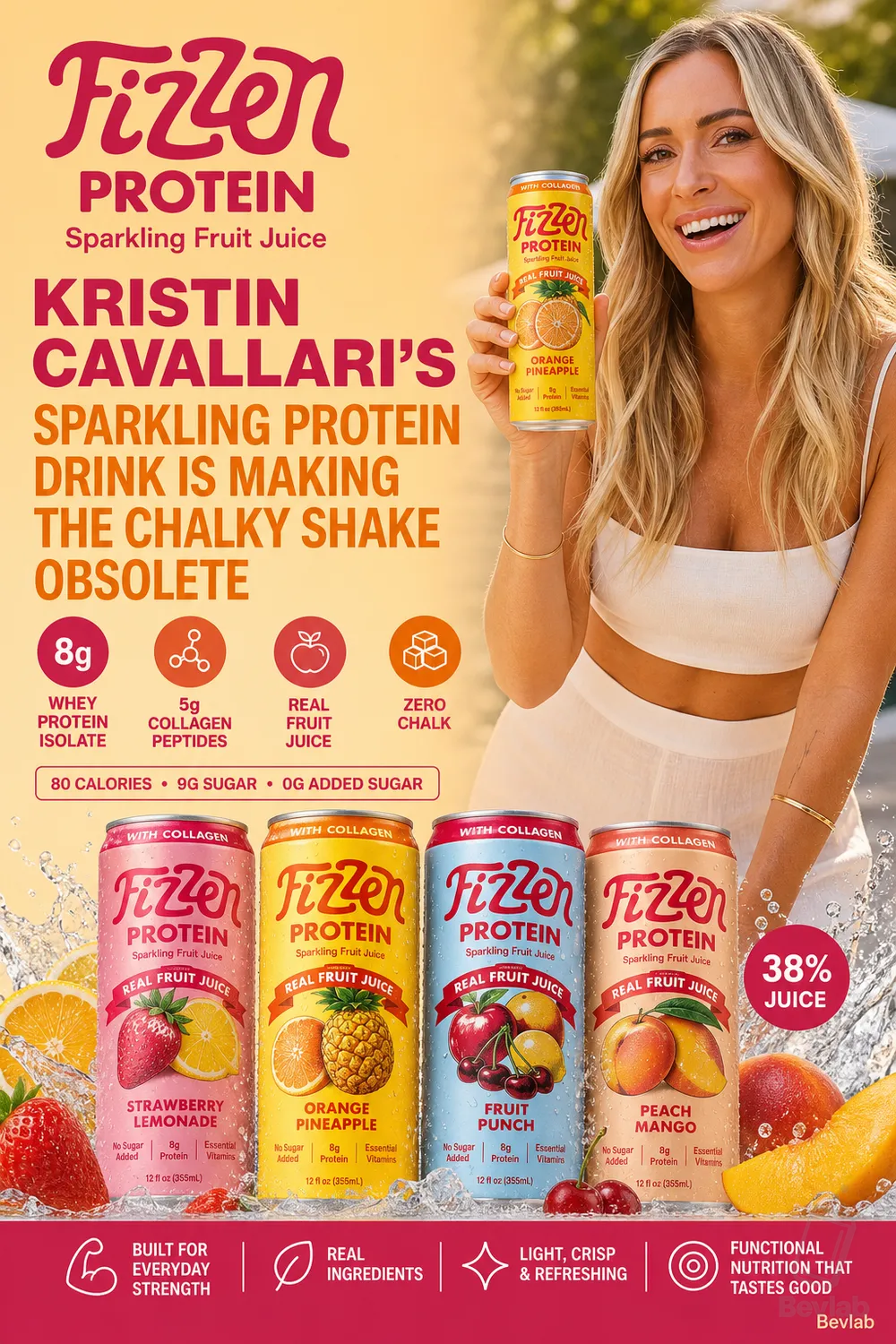
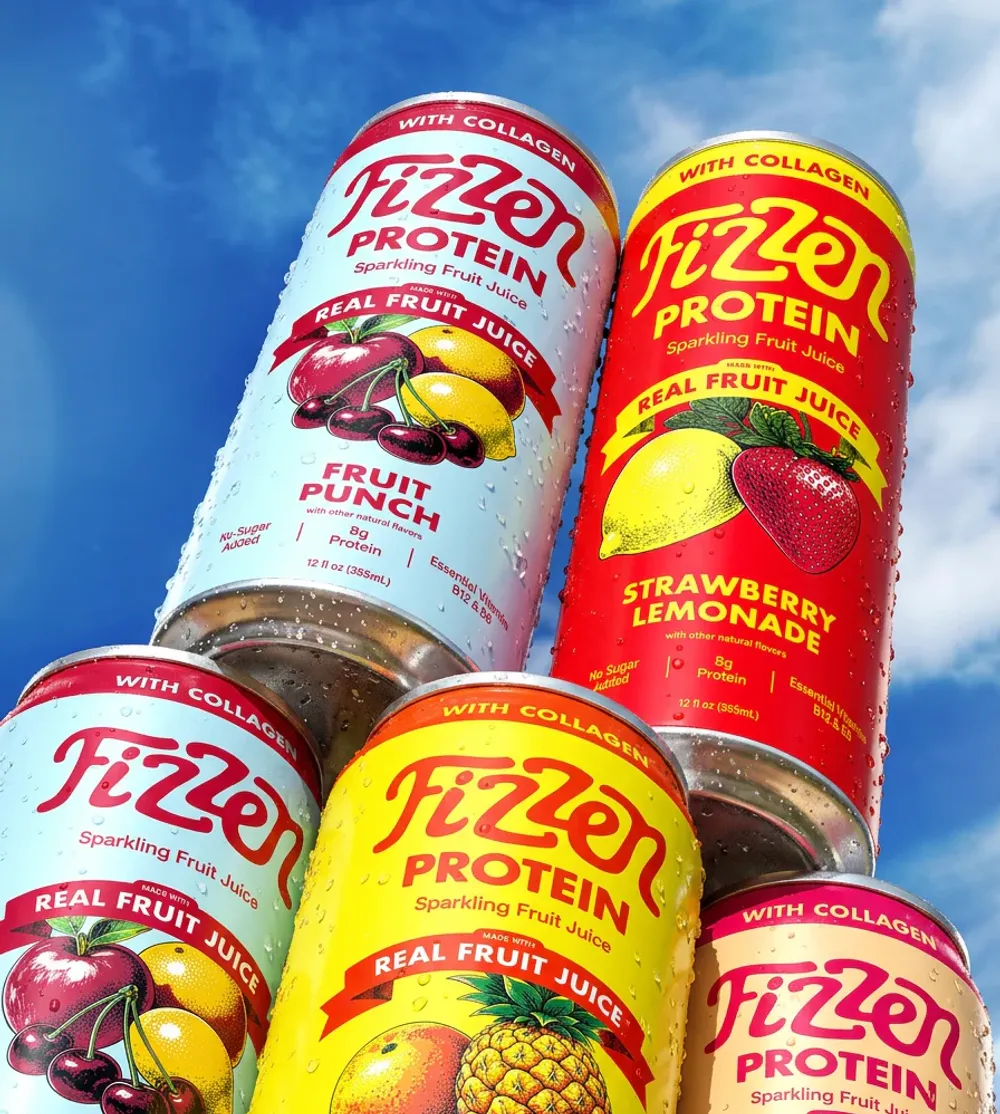
Fizzen Sparkling Fruit Juice Protein is her answer: a 12 fl oz can of carbonated water, real fruit juice, 8g of whey protein isolate, 5g of collagen peptides, and enough vitamins and minerals to actually call it functional. The result sits somewhere between sparkling juice and a light protein RTD, and that positioning is the whole point. Fizzen launched at Target across all 50 states with four flavors (Strawberry Lemonade, Orange Pineapple, Fruit Punch, and Peach Mango) built for the person who wants protein after Pilates, during a workday, or instead of another flat sparkling water.
Cavallari isn't just a face on the label. She's a co-founder who tasted every batch, shaped every flavor, and has been at the table since the first blender experiment in a hot kitchen with a bag of whey and fresh-squeezed orange juice. That origin story matters because it explains why the formula looks the way it does: fruit-forward and carbonated first, functional second. No caffeine. No proprietary blends. No chalk. Just a clean label that passes the "would I actually want to drink this?" test.
Fizzen Sparkling Fruit Juice Protein Nutrition Facts
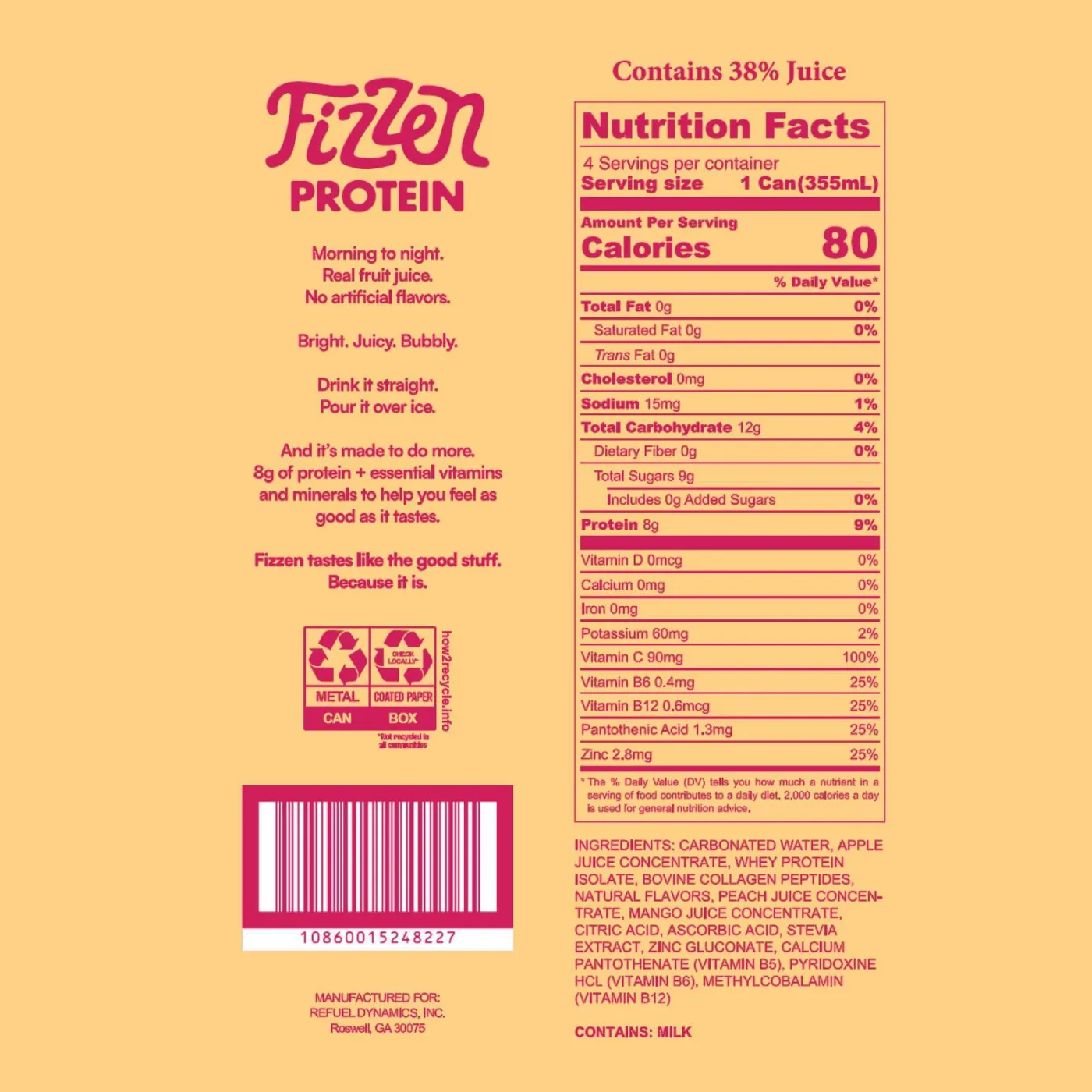
- Serving size: 1 Can (355mL)
- Calories: 80
- Total Fat: 0g
- Total Carbohydrate: 12g
- Total Sugars: 9g
- Includes Added Sugars: 0g
- Protein: 8g (9%DV)
- Sodium: 15mg (1%DV)
- Potassium: 60mg (2%DV)
- Vitamin C: 90mg (100%DV)
- Vitamin B6: 0.4mg (25%DV)
- Vitamin B12: 0.6mcg (25%DV)
- Pantothenic Acid (B5): 1.3mg (25%DV)
- Zinc: 2.8mg (25%DV)
Fizzen Sparkling Fruit Juice Protein Ingredients
Each 355mL can provides the following key actives:
-
Whey Protein Isolate - 8g
Whey protein isolate is the cleanest, most concentrated form of whey you can put in a product. Filtered to at least 90% protein by dry weight, it brings essentially no fat and negligible lactose, which is why it works in a sparkling, fruit-forward drink without adding cloudiness or heaviness. The real story is what happens after you drink it. Whey is fast-digesting, meaning it produces a rapid spike in plasma amino acids, particularly leucine, the branched-chain amino acid that kicks off muscle protein synthesis via the mTOR signaling pathway.[1] That leucine hit is what separates whey from slower proteins like casein, and it's why a whey dose post-exercise meaningfully outperforms the same amount of casein for muscle building in older adults.[2]
At 8g per can, Fizzen isn't a post-lifting recovery shake. It's a between-meal protein bump: enough to matter, light enough to drink at 10am on a Tuesday. Whey at this kind of dietary dose, combined with a high-protein day, contributes to lean mass gains and supports fat mass reduction over time.[3] It's also a complete protein with a Digestible Indispensable Amino Acid Score above 1.0, meaning one serving covers the requirement for every essential amino acid.[4]
-
Collagen Protein (as Bovine Collagen Peptides) - 5g
Collagen is the most abundant structural protein in the body: the scaffolding in your skin, tendons, ligaments, and connective tissue. Bovine collagen peptides are an enzymatically hydrolyzed form that breaks the protein into small, bioavailable fragments that survive digestion, enter circulation, and accumulate in the tissues where they're actually needed.[5] Key bioactive fragments, particularly the Gly-Pro-Hyp tripeptide, signal fibroblasts to ramp up collagen synthesis, which is the mechanism behind the documented skin and joint benefits.
The evidence for skin health is the strongest and most consistent in collagen research. Supplementing 2.5g to 5g of specific bioactive collagen peptides daily for eight weeks significantly improved skin elasticity in women aged 35-55 versus placebo, and those effects persisted through a four-week post-treatment washout.[6] A meta-analysis of 26 RCTs covering more than 1,700 participants confirmed meaningful improvements in both skin hydration and elasticity from hydrolyzed collagen supplementation.[7] At 5g, Fizzen is at or above the dose where these effects have been demonstrated. Collagen also supports joint comfort: a 24-week study in athletes with activity-related joint pain found significant improvements in joint pain metrics with 10g/day collagen hydrolysate versus placebo.[8] The Fizzen dose is below that threshold, but it's not cosmetic either.
Worth noting: collagen is not a complete protein. It's missing tryptophan and is low in branched-chain amino acids. Pairing it with whey isolate makes structural sense, giving you complementary amino acid profiles in a single can.
-
Vitamins and Minerals
-
Vitamin C (as Ascorbic Acid) - 90mg (100%DV)
Vitamin C hits 100% of the daily value per can, delivered as ascorbic acid, the form found naturally in citrus and the form your body uses directly. Vitamin C is an essential cofactor for collagen synthesis: it's required for the enzymes that stabilize collagen's triple helix structure.[9] That makes it a smart pairing with the collagen peptides in this formula. At 90mg, it also covers the dose range associated with plasma saturation, immune support, and a meaningful reduction in cold severity in meta-analysis data.[10]
-
Vitamin B6 (as Pyridoxine HCl) - 0.4mg (25%DV)
Vitamin B6 in its pyridoxine HCl form is a foundational cofactor involved in more than 140 enzymatic reactions, including the synthesis of dopamine, serotonin, and GABA.[11] At 25% of the daily value, this is a supplementary dose that contributes meaningfully to a diet that often falls short of the B6 RDA.
-
Vitamin B12 (as Methylcobalamin) - 0.6mcg (25%DV)
Vitamin B12 appears here as methylcobalamin, the most bioavailable form, one that goes directly to work in the methionine cycle without requiring hepatic conversion. B12 is critical for DNA synthesis, red blood cell formation, and myelin maintenance.[12] At 0.6mcg (25%DV), it's a solid daily contributor, not a clinical dose.
-
Pantothenic Acid / Vitamin B5 (as Calcium Pantothenate) - 1.3mg (25%DV)
Pantothenic acid is the precursor to Coenzyme A, the molecule at the center of energy metabolism. Fat oxidation, carbohydrate metabolism, and the Krebs cycle all run through CoA.[13] At 25% DV, this rounds out the micronutrient profile without overpromising.
-
Zinc (as Zinc Gluconate) - 2.8mg (25%DV)
Zinc is delivered as zinc gluconate, one of the better-studied and more bioavailable forms. Zinc is a cofactor for more than 300 enzymes, plays a key role in immune function, and has emerging evidence for sleep quality improvement.[14,15] At 2.8mg (25%DV), it's a meaningful contributor to daily zinc intake, especially for active people who tend to run low.[16]
-
Potassium - 60mg (2%DV)
Potassium comes in at 60mg per can, a modest 2% of the daily value. Most Americans fall well short of the 4,700mg/day adequate intake, making any contribution relevant,[17] though this dose is more a natural byproduct of the fruit juice content than a targeted electrolyte play.
-
-
Other Ingredients
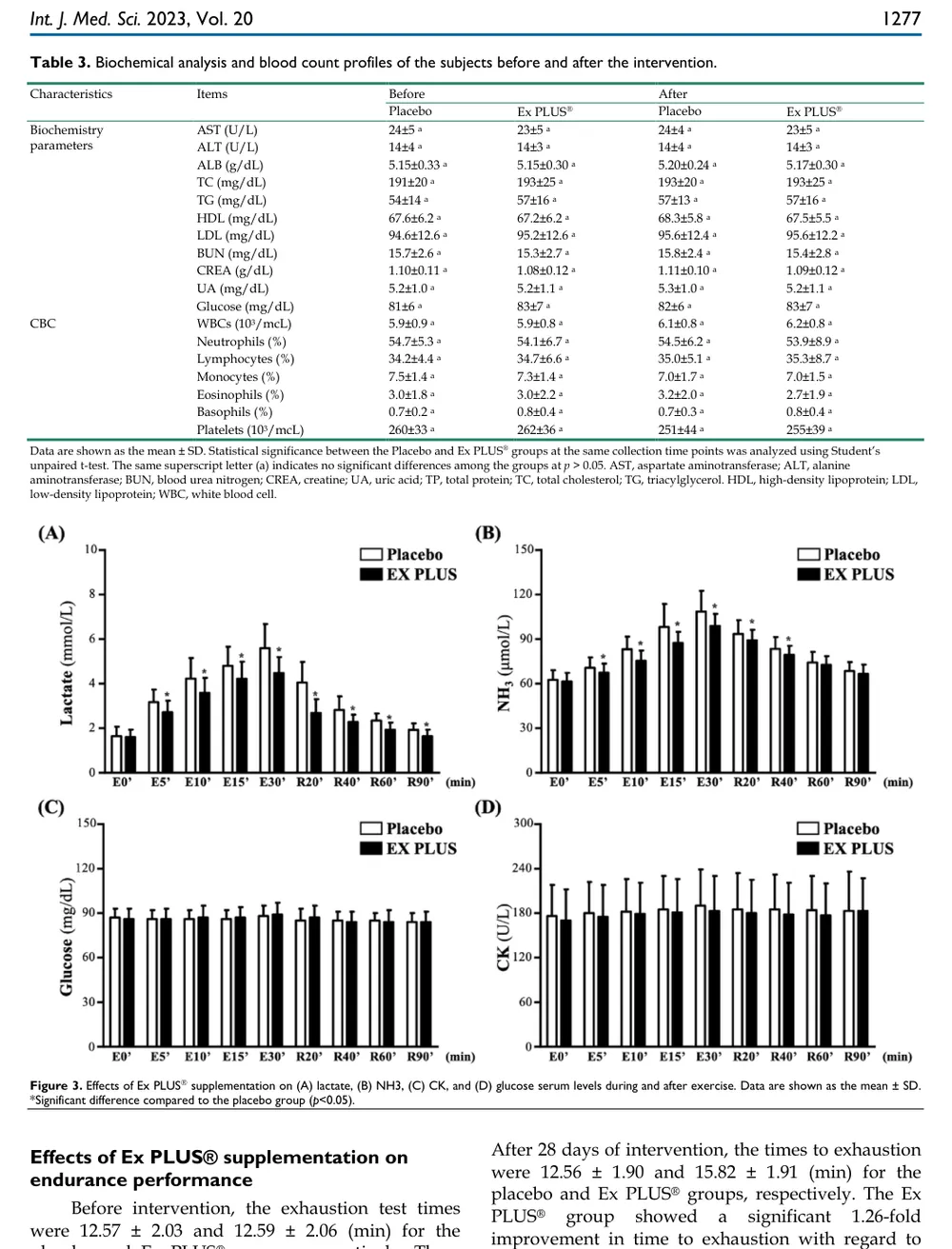
Table 3. Biochemical analysis and blood count profiles of the subjects before and after the intervention.[18] -
Carbonated Water is the base of the formula and the reason the drink feels more like sparkling juice than a protein shake. Beyond texture, carbonated water consumed post-exercise has been shown to improve mood and reduce sleepiness compared to still water, with a transient boost in cerebral blood flow.[19]
-
Apple Juice Concentrate, Peach Juice Concentrate, and Mango Juice Concentrate are the real fruit juice sources called out on the can. The label notes 38% juice content. Apple concentrate delivers polyphenols and organic acids. Peach concentrate brings carotenoids and natural sugars. Mango concentrate adds gallotannins and mangiferin, bioactive compounds with promising insulin-sensitivity effects in controlled research.[20] The natural sugars from these concentrates account for the 9g total sugars per can, none of which are added sugars.
-
Natural Flavors round out and stabilize the fruit flavor profile. At beverage-use concentrations, they function purely as sensory enhancers with no pharmacological effect.
-
Citric Acid is a naturally occurring organic acid found in citrus and one of the most common acidulants in sparkling beverage formulations. It sharpens the perceived fruit flavor, helps stabilize pH, and acts as a mild preservative. The tart note you taste in most sparkling drinks is largely citric acid at work.
-
Stevia Extract handles the sweetening. With 9g of natural sugar from fruit juice concentrates, the formula doesn't need much additional sweetness, and stevia fills that gap without adding calories. Stevia sweeteners have no significant effect on fasting blood glucose or postprandial insulin at typical beverage doses,[21] and a four-week RCT found no meaningful impact on gut microbiome composition compared to a sucrose control.[22]
-
Flavors Available
- Fruit Punch (Not in stock at any PricePlow partner stores)
- Peach Mango (Not in stock at any PricePlow partner stores)
- Strawberry Lemonade (Not in stock at any PricePlow partner stores)
Who It's For
- Protein-curious consumers who don't want a shake: If you're looking for a daily protein bump that doesn't taste like vanilla powder or require a blender, Fizzen fits. It's easy to drink at any point in the day (morning, post-workout, midday slump) without the ritual or the mess.
- Wellness-lifestyle drinkers: The collagen, the B vitamins, the real fruit juice, the Target shelf placement: all of it signals this is built for the person who thinks about what they put in their body but doesn't want to take supplements out of a pill bottle.
A Protein Drink That Actually Earns the Fruit Claim
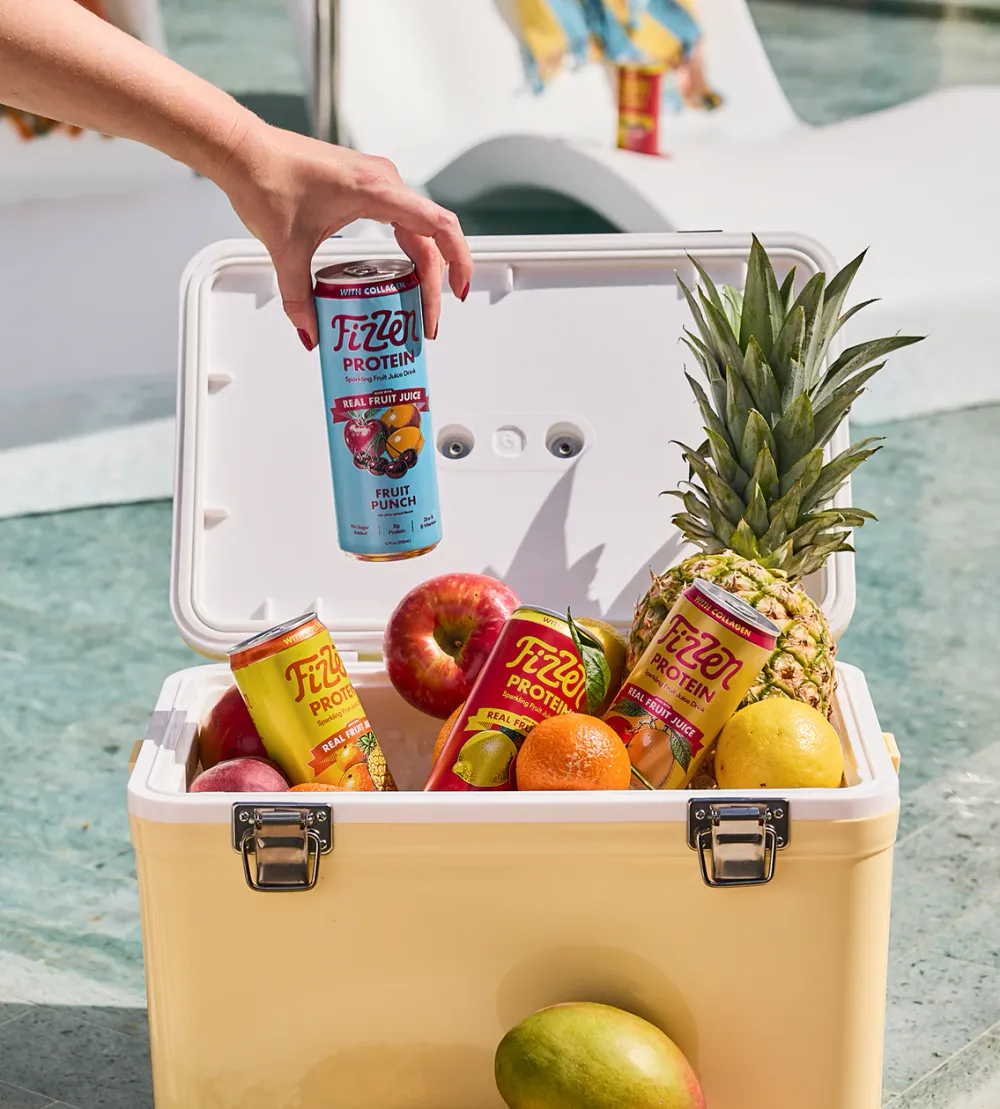
Fizzen isn't trying to replace a recovery shake or a pre-workout. It's the thing you reach for instead of a plain sparkling water when you want something that does a little more. The formula backs that up: 8g of high-quality whey isolate, 5g of bovine collagen peptides, 100% DV of vitamin C, real fruit juice from three sources, and a clean sweetener system that keeps sugar to what the fruit naturally provides. At 80 calories and 8g of protein, it's a genuinely functional sparkling drink, not a supplement dressed in fruit flavors and not a juice pretending to be protein. Follow @BevlabMedia on TikTok and Instagram for more on the functional RTD space.
References
- Farnfield, Michelle M, et al. "Whey protein ingestion activates mTOR-dependent signalling after resistance exercise in young men: a double-blinded randomized controlled trial." Nutrients, 2009. https://doi.org/10.3390/nu1020263
- Pennings, Bart, et al. "Whey Protein Stimulates Postprandial Muscle Protein Accretion More Effectively Than Do Casein And Casein Hydrolysate In Older Men." The American journal of clinical nutrition, 2011. https://doi.org/10.3945/ajcn.110.008102
- Miller, Paige E, et al. "Effects Of Whey Protein And Resistance Exercise On Body Composition A Meta Analysis Of Randomized Controlled Trials." Journal of the American College of Nutrition, 2014. https://doi.org/10.1080/07315724.2013.875365
- Wolfe, Robert R, et al. "Protein quality as determined by the Digestible Indispensable Amino Acid Score: evaluation of factors underlying the calculation." Nutrition reviews, 2016. https://doi.org/10.1093/nutrit/nuw022
- Kisling, Andrew, et al. "What Is The Role Of Peptide Fragments Of Collagen I And Iv In Health And Disease." Life sciences, 2019. https://doi.org/10.1016/j.lfs.2019.04.042
- Proksch, E, et al. "Oral Supplementation Of Specific Collagen Peptides Has Beneficial Effects On Human Skin Physiology A Double Blind Placebo Controlled Study." Skin pharmacology and physiology, 2014. https://doi.org/10.1159/000351376
- Pu, Szu-Yu, et al. "Effects Of Oral Collagen For Skin Anti Aging A Systematic Review And Meta Analysis." Nutrients, 2023. https://doi.org/10.3390/nu15092080
- Clark, Kristine L, et al. "24 Week Study On The Use Of Collagen Hydrolysate As A Dietary Supplement In Athletes With Activity Related Joint Pain." Current medical research and opinion, 2008. https://doi.org/10.1185/030079908X291967
- Carr, Anitra, et al. "Vitamin C And Immune Function." Nutrients, 2017. https://doi.org/10.3390/nu9111211
- Hemilä, Harri, et al. "Vitamin C reduces the severity of common colds: a meta-analysis." BMC public health, 2023. https://doi.org/10.1186/s12889-023-17229-8
- di, Salvo Martino Luigi, et al. "Di Salvo2010 Vitamin B6 Salvage Enzymes Mechanism Structure And Regulation." Biochimica et Biophysica Acta (BBA) - Proteins and Proteomics, 2011. https://doi.org/10.1016/j.bbapap.2010.12.006
- Lyon, Peter, et al. "B Vitamins And One Carbon Metabolism Implications In Human Health And Disease." Nutrients, 2020. https://doi.org/10.3390/nu12092867
- Freese, Riitta, et al. "Pantothenic acid - a scoping review for Nordic Nutrition Recommendations 2023." Food & nutrition research, 2023. https://doi.org/10.29219/fnr.v67.10255
- Cherasse, Yoan, et al. "Dietary Zinc Acts As A Sleep Modulator." International journal of molecular sciences, 2017. https://doi.org/10.3390/ijms18112334
- Jazinaki, Mostafa Shahraki, et al. "Effects Of Zinc Supplementation On Sleep Quality In Humans A Systematic Review Of Randomized Controlled Trials." Health science reports, 2024. https://doi.org/10.1002/hsr2.70019
- Toro-Román, Víctor, et al. "Toro Roman2022 Influence Of Physical Training On Intracellular And Extracellular Zinc Concentrations." Journal of the International Society of Sports Nutrition, 2022. https://doi.org/10.1080/15502783.2022.2054665
- Weaver, Connie M. "Potassium and health." Advances in nutrition (Bethesda, Md.), 2013. https://doi.org/10.3945/an.112.003533
- Lee, Mon-Chien, et al. "A Functional Evaluation Of Anti Fatigue And Exercise Performance Improvement Following Vitamin B Complex Supplementation In Healthy Humans A Randomized Double Blind Trial." International Journal of Medical Sciences, 2023. https://doi.org/10.7150/ijms.86738
- Kajiki, Masanobu, et al. "Ingesting carbonated water post-exercise in the heat transiently ameliorates hypotension and enhances mood state." Experimental physiology, 2024. https://doi.org/10.1113/EP091925
- Pett, Katherine D, et al. "Mango Consumption Is Associated with Increased Insulin Sensitivity in Participants with Overweight/Obesity and Chronic Low-Grade Inflammation." Nutrients, 2025. https://doi.org/10.3390/nu17030490
- Ajami, Marjan, et al. "Effects of stevia on glycemic and lipid profile of type 2 diabetic patients: A randomized controlled trial." Avicenna journal of phytomedicine, 2020. https://pubmed.ncbi.nlm.nih.gov/32257884/
- Kwok, David, et al. "Comparison of a Daily Steviol Glycoside Beverage compared with a Sucrose Beverage for Four Weeks on Gut Microbiome in Healthy Adults." The Journal of nutrition, 2024. https://doi.org/10.1016/j.tjnut.2024.01.032
Tagged