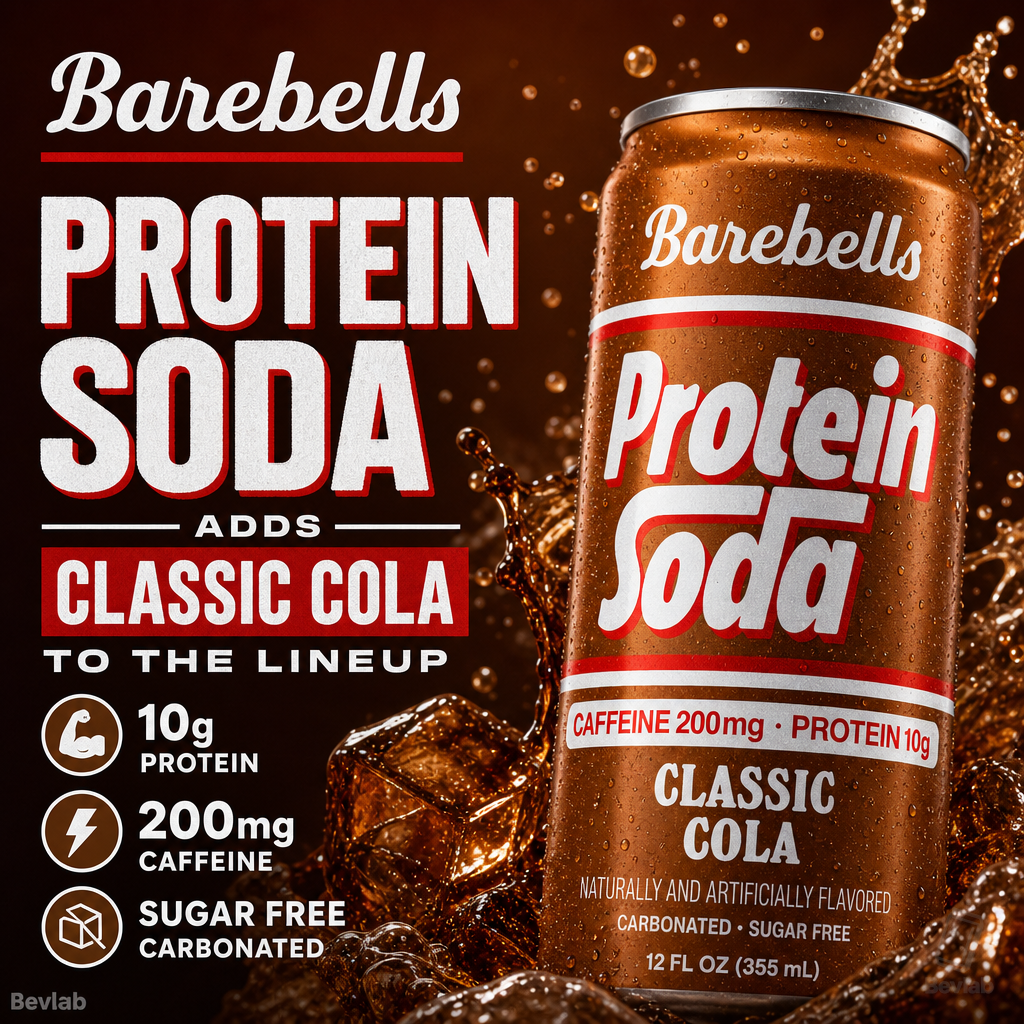
Barebells Protein Soda
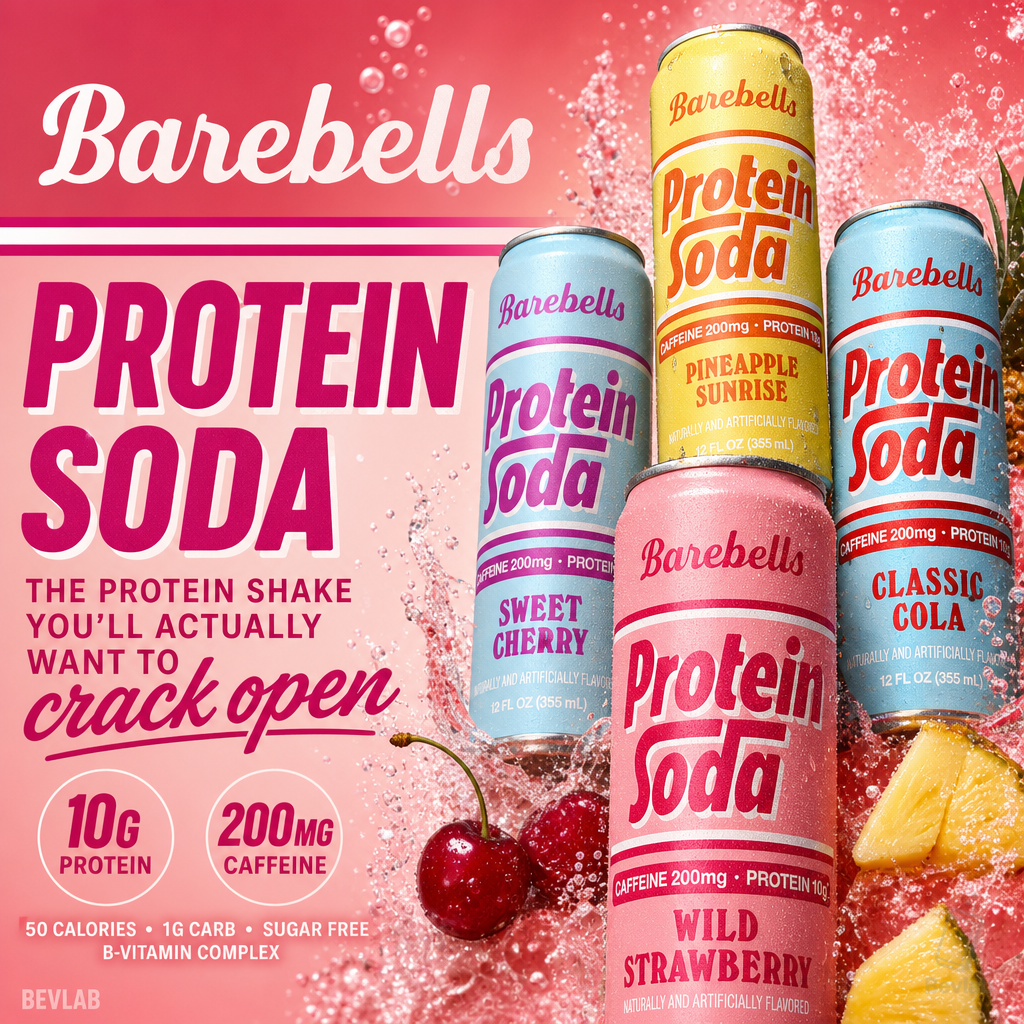
The protein shake you'll actually want to crack open
Barebells Protein Soda delivers 10g of clear whey protein isolate and 200mg caffeine in a sugar-free sparkling can. Full formula breakdown inside.
Most protein beverages ask you to pick one: flavor or function. Barebells Protein Soda refuses that deal.
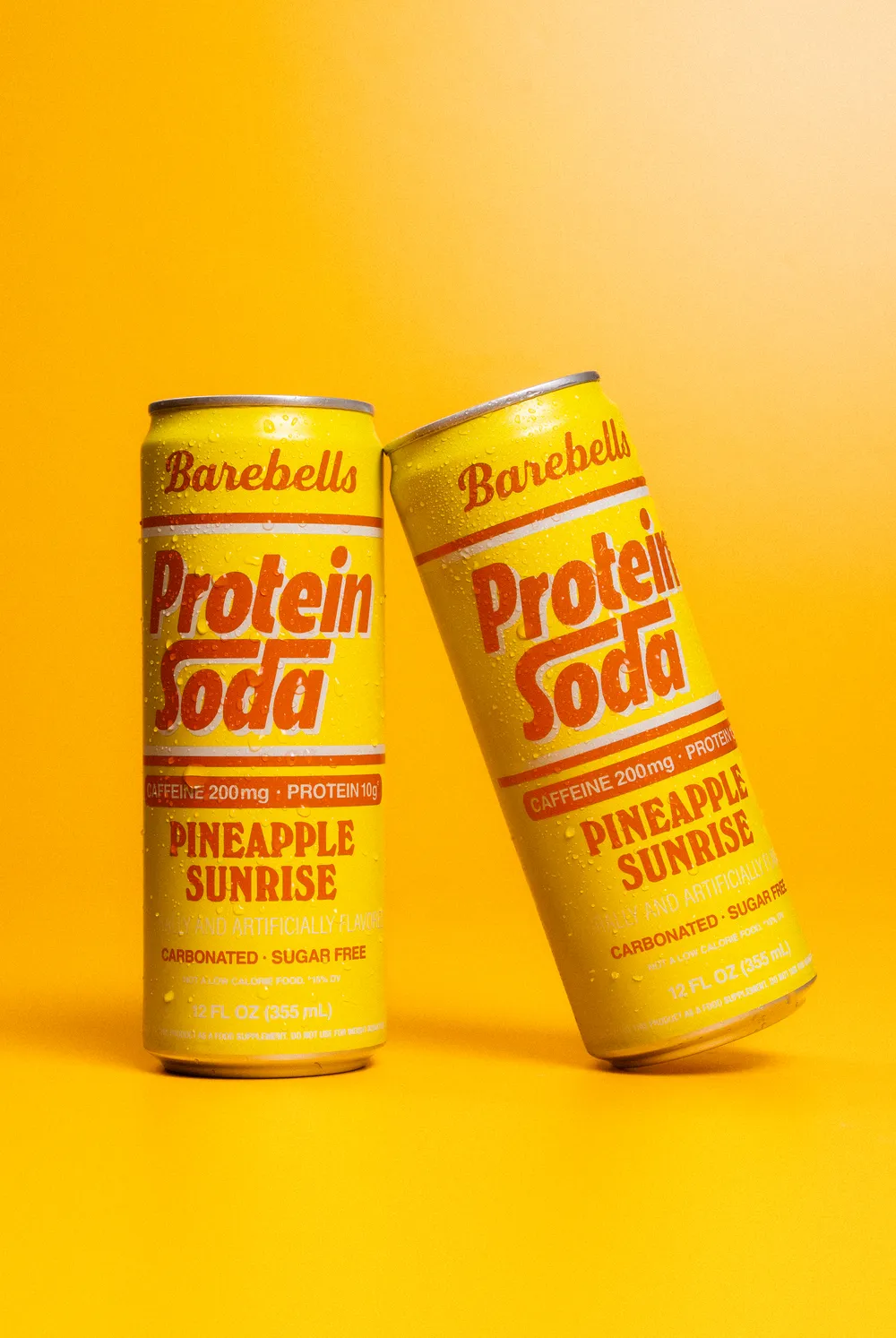
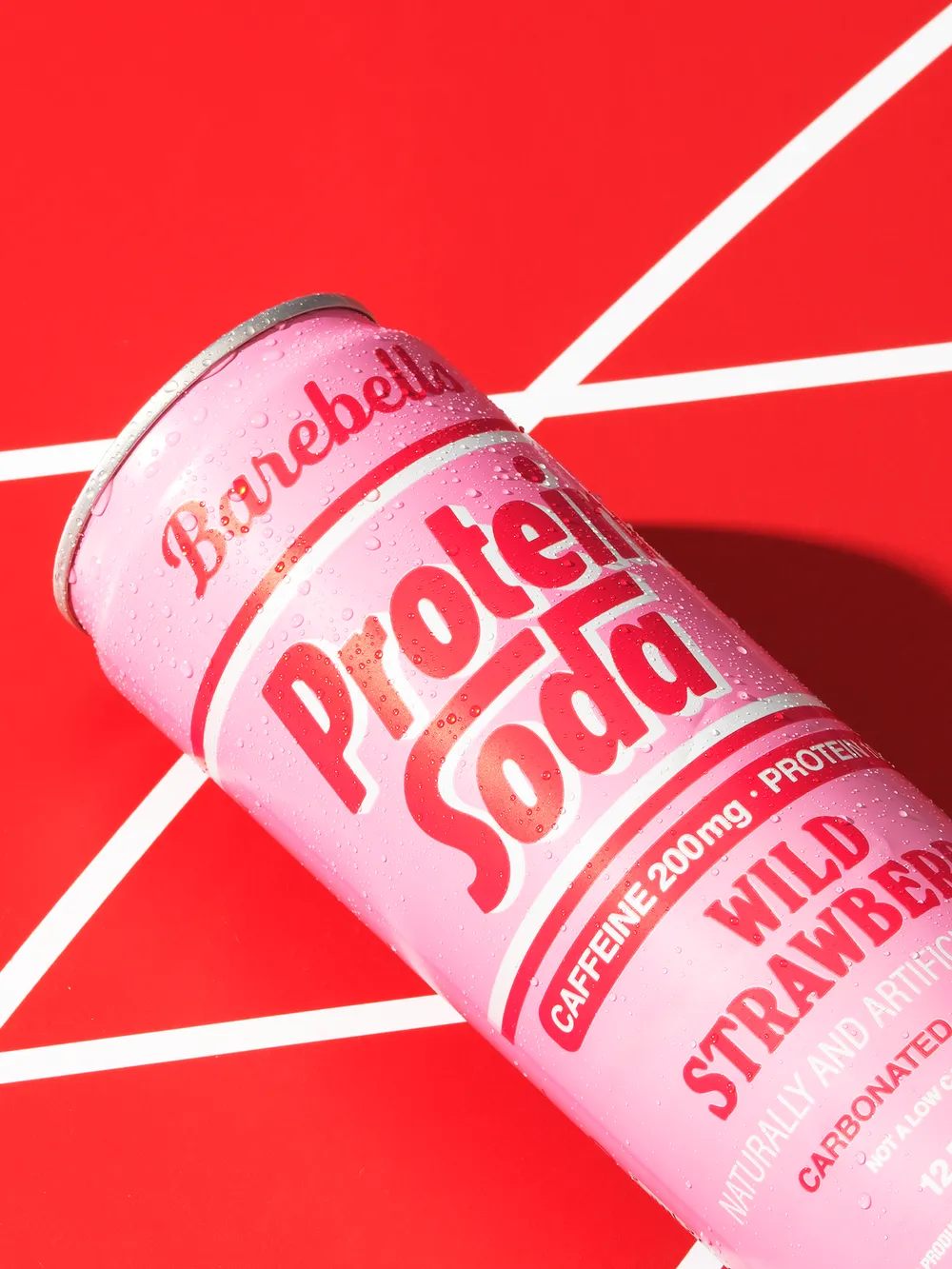
The Swedish better-for-you brand -- best known for its no-added-sugar protein bars -- has brought the same taste-first philosophy to a sparkling can, delivering 10g of clear whey protein isolate and 200mg of caffeine in a sugar-free RTD that drinks more like a soda than a supplement. It launched in four flavors: Classic Cola, Pineapple Sunrise, Sweet Cherry, and Wild Strawberry, all produced in the Netherlands for the US market.
The concept is straightforward. You get energy drink-level caffeine, a meaningful protein hit, and a B-vitamin complex in a can that weighs in at just 50 calories and 1g of carbohydrates. If you've been looking for something to replace your afternoon energy drink or post-workout shake without carrying two separate items, this is the product Barebells built.
Watch Related Videos
Bevlab VideosBarebells Protein Soda Nutrition Facts
- Calories: 50
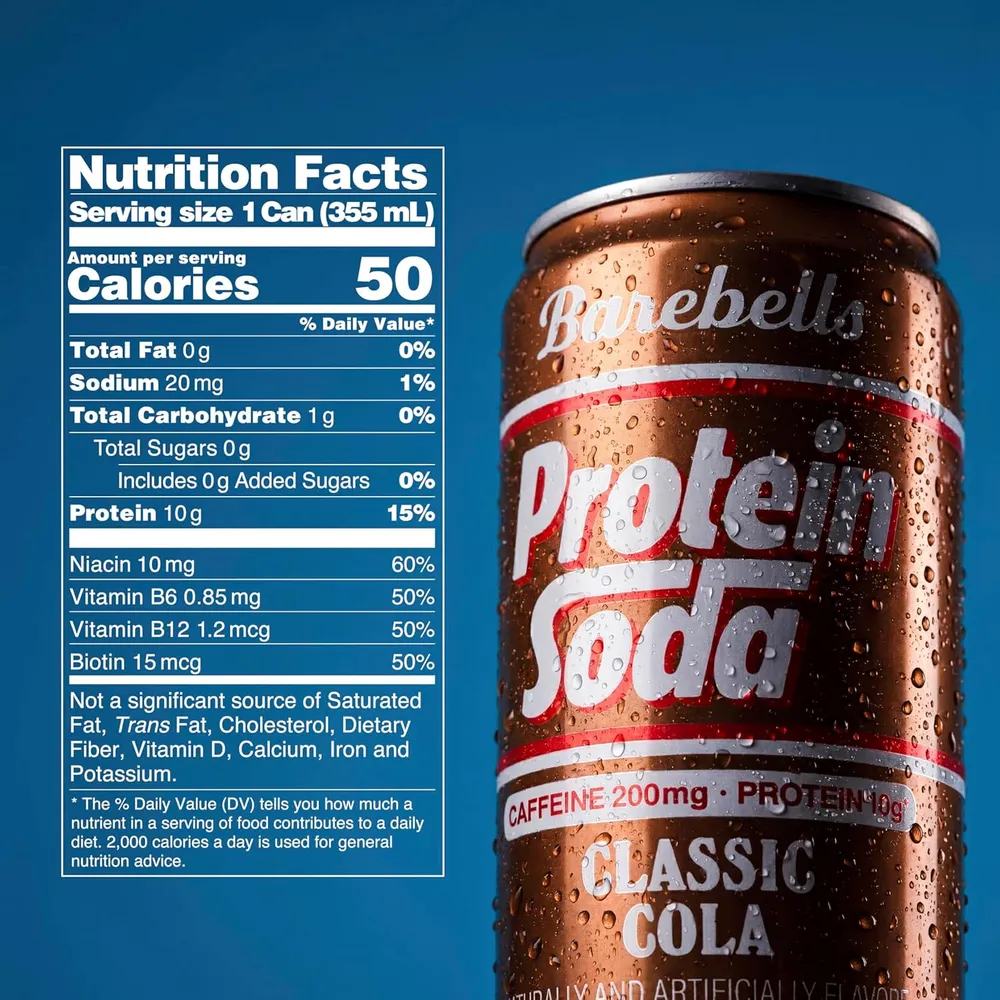
- Total Fat: 0g
- Sodium: 10mg (0%DV)
- Total Carbohydrate: 1g (0%DV)
- Total Sugars: 0g
- Added Sugars: 0g (0%DV)
- Protein: 10g (15%DV)
- Niacin: 10mg (60%DV)
- Vitamin B6: 0.85mg (50%DV)
- Vitamin B12: 1.2mcg (50%DV)
- Biotin: 15mcg (50%DV)
Barebells Protein Soda Ingredients
Each 355mL can provides the following key actives:
-
Whey Protein Isolate - 10g
Whey protein isolate is the cleanest-cut form of whey, processed to strip out most of the fat and lactose and leave a powder that's typically over 90% protein by dry weight. That's what allows Barebells to keep the liquid clear and the texture crisp rather than chalky. This is what "clear whey" means on the label: WPI's naturally lighter character in solution gives the soda its sparkling, non-milky appearance.
On the function side, whey protein isolate is one of the most thoroughly studied proteins in the world. It's a complete protein source, containing all nine essential amino acids the body can't make on its own.[1] Its amino acid profile scores exceptionally well by modern protein quality metrics.[2] Whey's high leucine content -- roughly 10-14% of total amino acids -- is the main driver of its well-documented ability to stimulate muscle protein synthesis.[3]
At 10g per can, this is a supplemental serving rather than a meal-replacement dose. Twenty grams is generally considered sufficient to maximally stimulate muscle protein synthesis in most adults post-exercise.[4] Ten grams still contributes meaningfully to your daily protein target and brings everything else this can offers with it.
-
Caffeine - 200mg
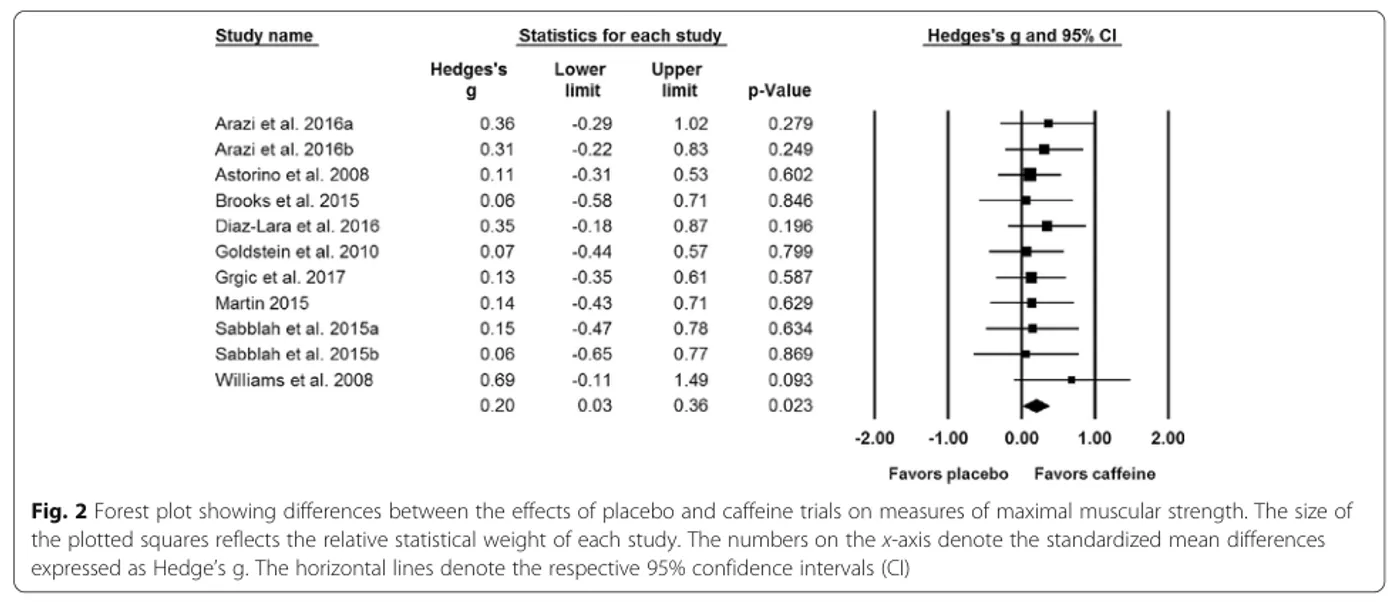
The Effects Of Caffeine Intake On Muscle Strength And Power A Systematic Review And Meta Analysis.[5] Caffeine blocks the signal in your brain that makes you feel tired. Specifically, it competes with adenosine at its receptors, preventing the inhibitory buildup that drives fatigue during waking hours.[6] Two hundred milligrams is a solid, well-researched dose that reliably improves alertness, reaction time, and sustained attention.[7]
At 200mg, you're in the sweet spot for cognitive and physical performance benefits without pushing into the range where anxiety and GI distress become common. Research places the optimal zone for endurance and performance benefits at 3-7mg per kilogram of body weight, which for most adults puts 200mg solidly in range.[6] For cognitive function, doses as low as 32mg show measurable improvements in vigilance, and the dose-response curve flattens well before 400mg.[7]
The label notes less than 0.01% lactose in the full can, effectively trace amounts from the WPI, so most lactose-sensitive people should be fine here. And unlike most energy drinks, this one pairs the caffeine with 10g of protein, which slows gastric emptying and can moderate the rate of caffeine absorption for a smoother onset.
-
Vitamins and Minerals
-
Niacin (as Niacinamide) - 10mg (60%DV)
Niacin, delivered here as niacinamide (the non-flushing form), is a B-vitamin that functions as a building block for NAD+, the coenzyme your cells use in hundreds of energy-producing reactions.[8] At 10mg, this hits 60% of the daily value and sits below any threshold associated with adverse effects.[9] Standard B-vitamin complex inclusion: supports cellular energy metabolism and pairs naturally with the rest of the B-vitamin stack here.
-
Vitamin B6 (as Pyridoxine Hydrochloride) - 0.85mg (50%DV)
Vitamin B6, provided as pyridoxine hydrochloride, is a cofactor involved in over 140 enzymatic reactions, including the synthesis of dopamine, serotonin, and norepinephrine.[10] At 0.85mg (50% DV), this is standard B-vitamin support for energy metabolism and neurotransmitter production, nowhere near any toxicity concern.
-
Vitamin B12 (as Cyanocobalamin) - 1.2mcg (50%DV)
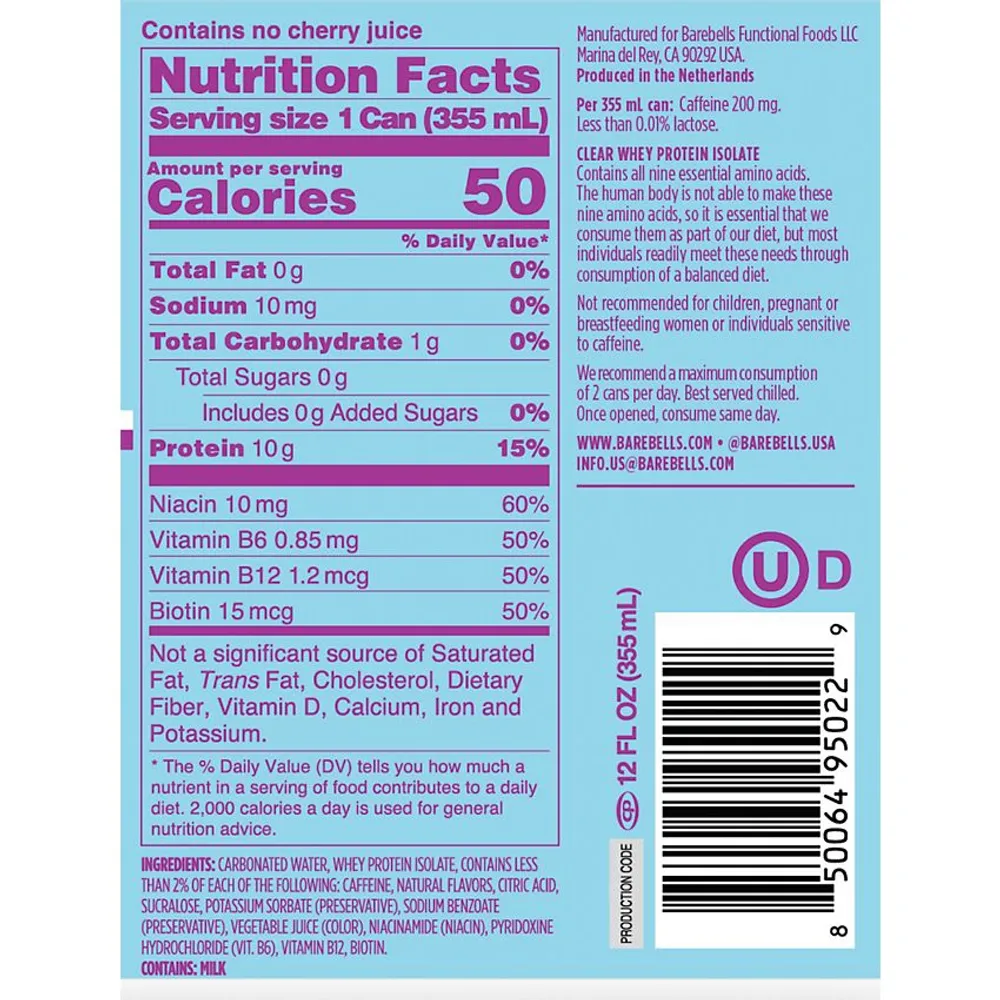
Barebells Protein Soda label showing the full ingredient panel and B-vitamin complex. Vitamin B12 supports red blood cell formation, myelin maintenance, and one-carbon metabolism.[11] The 1.2mcg dose covers 50% of the daily value. This is a nutritional inclusion rather than a therapeutic dose -- B12's ergogenic and cognitive benefits in the research literature tend to appear when correcting deficiency rather than at supplemental levels in replete individuals.[12] Still a smart add to a product aimed at active people, since athletes can show altered B12 metabolism despite normal serum levels.[13]
-
Biotin - 15mcg (50%DV)
Biotin is a coenzyme for enzymes involved in fat synthesis, gluconeogenesis, and amino acid catabolism.[14] At 15mcg (50% DV), it's well within normal dietary range and rounds out the B-vitamin panel cleanly.[15]
-
-
Other Ingredients
-
Carbonated Water -- the base that makes this a soda. CO₂ dissolved under pressure creates the effervescence and contributes to the crisp, bright character that distinguishes this from a standard RTD shake.
-
Natural Flavors -- botanical-derived compounds that deliver the characteristic flavor profile for each variety. In a product with no juice and a neutral-tasting protein base, natural flavors are doing most of the sensory work.[16]
-
Citric Acid -- a ubiquitous beverage acidulant that sharpens flavor, aids preservation, and contributes the tartness typical of sparkling sodas.[17]
-
Sucralose -- a zero-calorie sweetener roughly 600 times sweeter than sugar, used here to keep the carbohydrate count at 1g.[18] Approved globally and well within standard use levels at beverage concentrations.
-
Potassium Sorbate -- a widely used preservative effective against yeasts and molds, keeping the product shelf-stable without contributing flavor at functional concentrations.[19]
-
Sodium Benzoate -- a preservative that works best in acidic beverages (this qualifies), inhibiting microbial growth at the low pH typical of carbonated sodas.[20] Co-occurrence with ascorbic acid can produce trace benzene under certain conditions, but Barebells Protein Soda doesn't include vitamin C, so that interaction isn't a concern here.
-
Vegetable Juice (Color) -- natural coloring derived from vegetable sources, used to achieve the characteristic hue of each flavor without synthetic azo dyes.[21]
-
Flavors Available
- Classic Cola (12 Cans: $35.99)
- Pineapple Sunrise (12 Cans: $35.99)
- Sweet Cherry (12 Cans: $35.99)
- Wild Strawberry (12 Cans: $35.99)
Who It's For
-
Active people who want protein and energy from one can: If you're already drinking an energy drink and eating a protein bar separately, this collapses that into one SKU. At 10g of WPI and 200mg of caffeine, it's a functional mid-day or pre-workout option that doesn't require a shaker bottle.
-
Protein-conscious soda drinkers: If you're reaching for a sparkling beverage anyway, the choice between a Diet Coke and something with 10g of protein and 200mg of caffeine isn't a hard one. Barebells is betting on that consumer, and it's a sensible bet.
Protein Soda Done Right
Barebells has done something genuinely uncommon here: a sparkling RTD that doesn't read like a supplement in a soda costume. The formula is clean and purposeful -- clear WPI for a non-cloudy texture, a full 200mg caffeine dose, and a B-vitamin panel that hits meaningful percentages of daily value. The 50-calorie, 1g-carb macro profile is real, not label-gamed. If the flavors deliver on the brand's taste-first reputation, Protein Soda is a strong entry in a category where most attempts fall short.
More Related Videos
Bevlab VideosReferences
- van, Vliet Stephan, et al. "The Skeletal Muscle Anabolic Response to Plant- versus Animal-Based Protein Consumption." The Journal of nutrition, 2015. https://doi.org/10.3945/jn.114.204305
- Wolfe, Robert R, et al. "Protein quality as determined by the Digestible Indispensable Amino Acid Score: evaluation of factors underlying the calculation." Nutrition reviews, 2016. https://doi.org/10.1093/nutrit/nuw022
- Pennings, Bart, et al. "Whey Protein Stimulates Postprandial Muscle Protein Accretion More Effectively Than Do Casein And Casein Hydrolysate In Older Men." The American journal of clinical nutrition, 2011. https://doi.org/10.3945/ajcn.110.008102
- Witard, Oliver C, et al. "Myofibrillar muscle protein synthesis rates subsequent to a meal in response to increasing doses of whey protein at rest and after resistance exercise." The American journal of clinical nutrition, 2014. https://doi.org/10.3945/ajcn.112.055517
- Grgic, Jozo, et al. "Effects Of Caffeine Intake On Muscle Strength And Power A Systematic Review And Meta Analysis." Journal of the International Society of Sports Nutrition, 2018. https://doi.org/10.1186/s12970-018-0216-0
- Guest, Nanci S. et al. "International Society Of Sports Nutrition Position Stand Caffeine And Exercise Performance." Journal of the International Society of Sports Nutrition, 2021. https://doi.org/10.1186/s12970-020-00383-4
- McLellan, Tom M. et al. "A Review Of Caffeine S Effects On Cognitive Physical And Occupational Performance." Neuroscience & Biobehavioral Reviews, 2016. https://doi.org/10.1016/j.neubiorev.2016.09.001
- Gasperi, Valeria, et al. "Niacin In The Central Nervous System An Update Of Biological Aspects And Clinical Applications." International Journal of Molecular Sciences, 2019. https://doi.org/10.3390/ijms20040974
- Freese, Riitta, et al. "Niacin - a scoping review for Nordic Nutrition Recommendations 2023." Food & nutrition research, 2023. https://doi.org/10.29219/fnr.v67.10299
- di, Salvo Martino Luigi, et al. "Di Salvo2010 Vitamin B6 Salvage Enzymes Mechanism Structure And Regulation." Biochimica et Biophysica Acta (BBA) - Proteins and Proteomics, 2011. https://doi.org/10.1016/j.bbapap.2010.12.006
- Lyon, Peter, et al. "B Vitamins And One Carbon Metabolism Implications In Human Health And Disease." Nutrients, 2020. https://doi.org/10.3390/nu12092867
- Markun, Stefan, et al. "Effects Of Vitamin B12 Supplementation On Cognitive Function Depressive Symptoms And Fatigue A Systematic Review Meta Analysis And Meta Regression." Nutrients, 2021. https://doi.org/10.3390/nu13030923
- Herrmann, Markus, et al. "Altered Vitamin B12 Status In Recreational Endurance Athletes." International journal of sport nutrition and exercise metabolism, 2005. https://doi.org/10.1123/ijsnem.15.4.433
- Solvik, Beate Stokke, et al. "Biotin: a scoping review for Nordic Nutrition Recommendations 2023." Food & nutrition research, 2024. https://doi.org/10.29219/fnr.v68.10256
- Patel, Deepa P, et al. "A Review of the Use of Biotin for Hair Loss." Skin appendage disorders, 2017. https://doi.org/10.1159/000462981
- Singh, Nidhi, et al. "Natural food flavours: a healthier alternative for bakery industry-a review." Journal of food science and technology, 2024. https://doi.org/10.1007/s13197-023-05782-4
- Książek, Ewelina. "Citric Acid: Properties, Microbial Production, and Applications in Industries." Molecules (Basel, Switzerland), 2023. https://doi.org/10.3390/molecules29010022
- Wilk, Klara, et al. "The Effect of Artificial Sweeteners Use on Sweet Taste Perception and Weight Loss Efficacy: A Review." Nutrients, 2022. https://doi.org/10.3390/nu14061261
- EFSA, Panel on Food Additives and Nutrient Sources added to Food (ANS). "Scientific Opinion on the re‐evaluation of sorbic acid (E 200), potassium sorbate (E 202) and calcium sorbate (E 203) as food additives." EFSA Journal, 2015. https://doi.org/10.2903/j.efsa.2015.4144
- EFSA, Panel on Food Additives and Nutrient Sources (ANS). "Scientific Opinion on the re‐evaluation of benzoic acid (E 210), sodium benzoate (E 211), potassium benzoate (E 212) and calcium benzoate (E 213) as food additives." EFSA Journal, 2016. https://doi.org/10.2903/j.efsa.2016.4433
- Sigurdson, Gregory T, et al. "Natural Colorants: Food Colorants from Natural Sources." Annual review of food science and technology, 2017. https://doi.org/10.1146/annurev-food-030216-025923