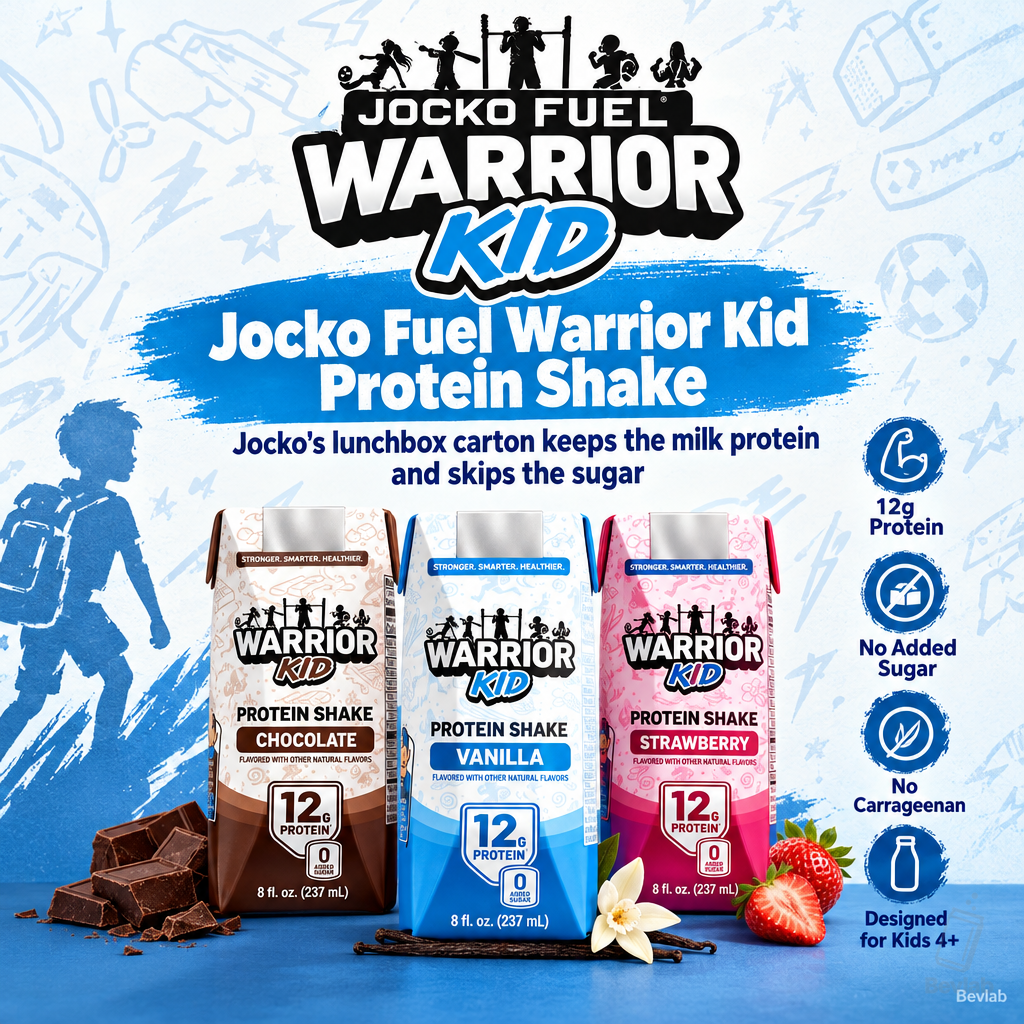
Jocko Fuel Warrior Kid Protein Shake: Kid-Sized Protein, No Added Sugar
Jocko's lunchbox carton keeps the milk protein and skips the sugar
Jocko Fuel's Warrior Kid carton pairs a grass-fed milk protein blend with Reb-M and monk fruit, skipping added sugar and carrageenan for kids 4 and up.
Jocko Fuel Warrior Kid Protein Shake is the kids' version of the dairy protein shakes Jocko Fuel already sells to adults. Co-founder Jocko Willink, a former Navy SEAL, wrote the kids' book Way of the Warrior Kid, and this line borrows its name. The pitch is simple: a shelf-stable carton with a straw that rides in a backpack, sweetened with stevia and monk fruit instead of sugar, and built without carrageenan, a thickener a lot of parents look to avoid.
We've had the team behind it on the PricePlow Podcast twice: Jocko Willink himself in Episode #132, and Jocko Fuel formulator Brian Littlefield in Episode #111, recorded at the brand's offices in Maine.
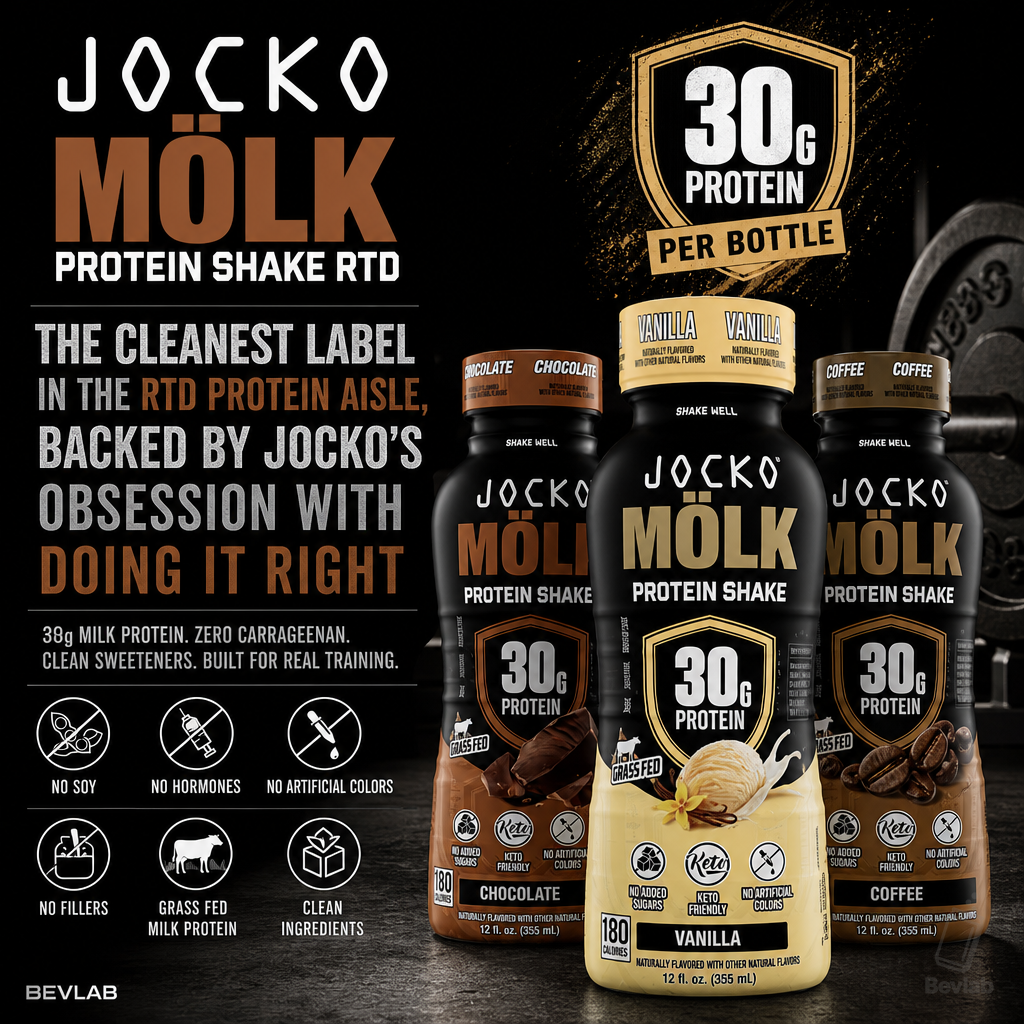
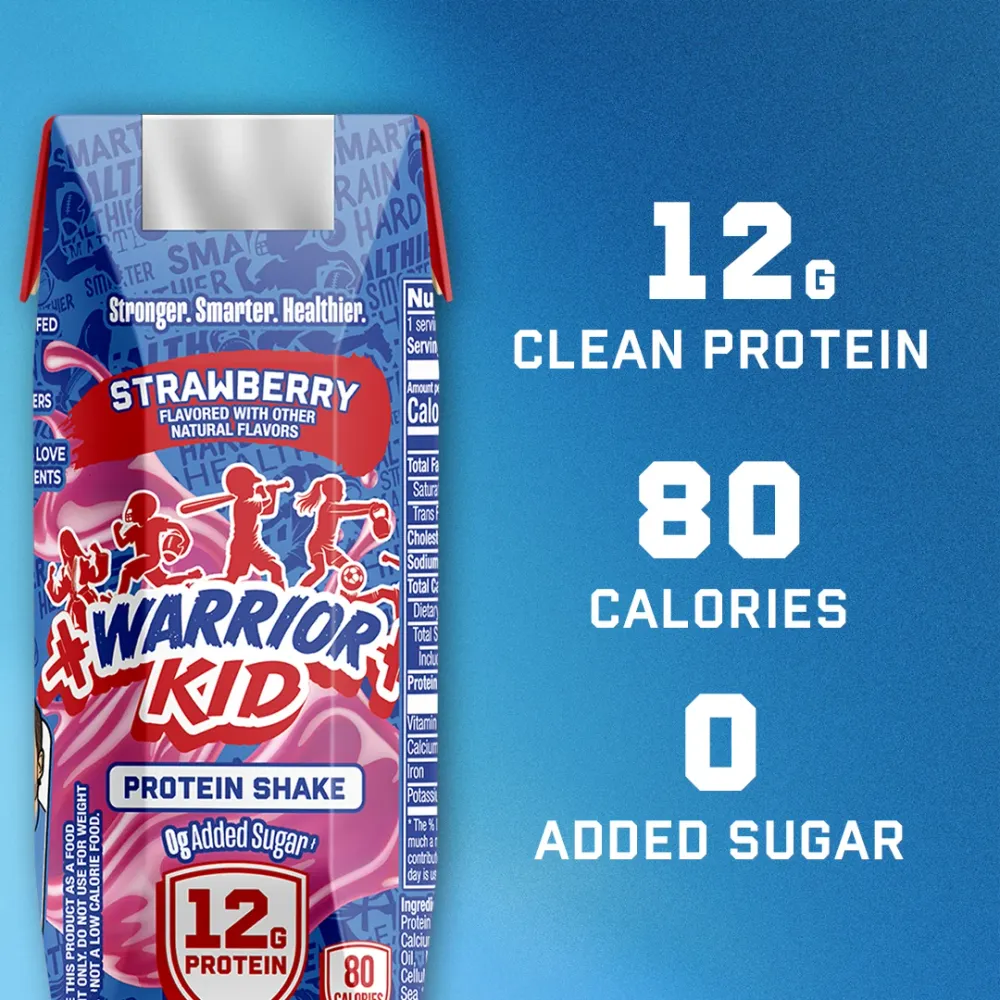
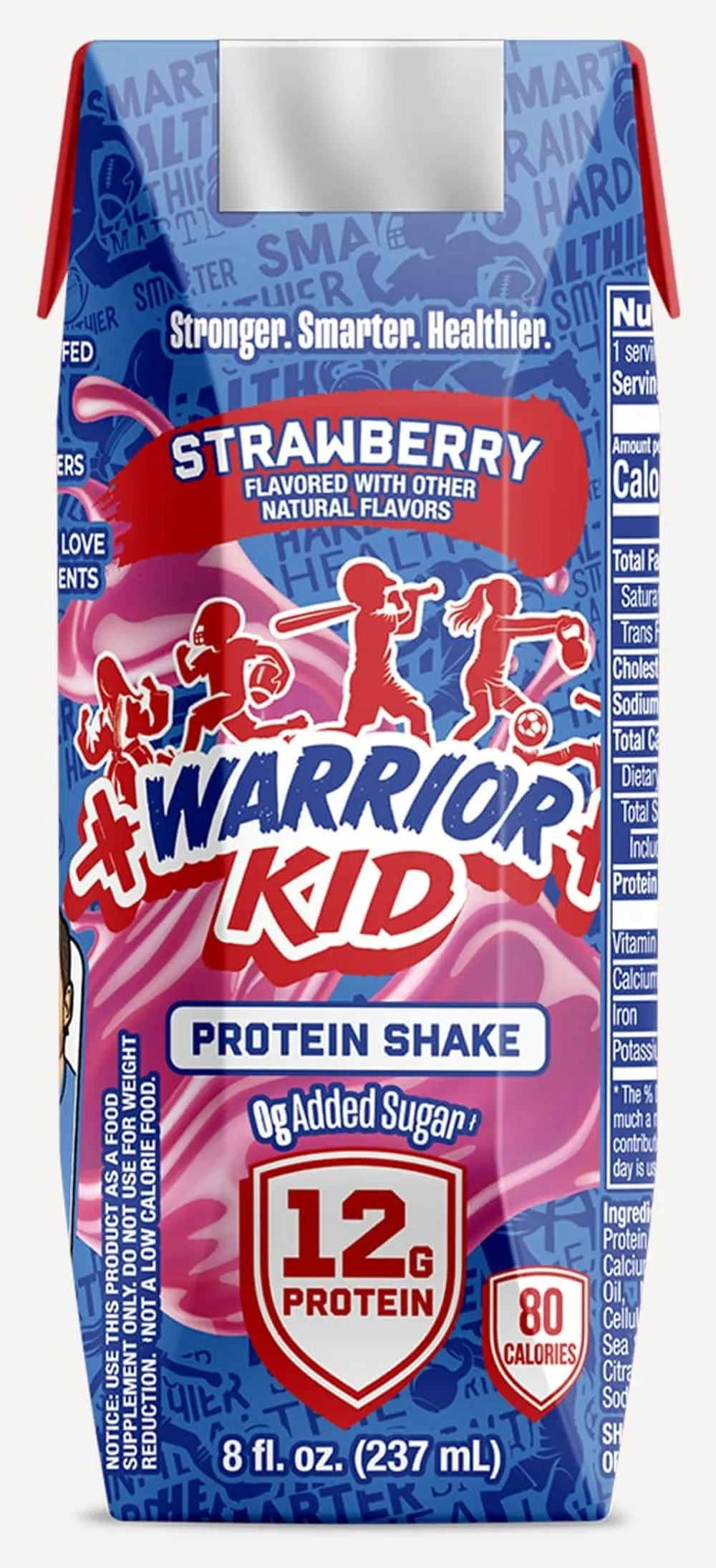
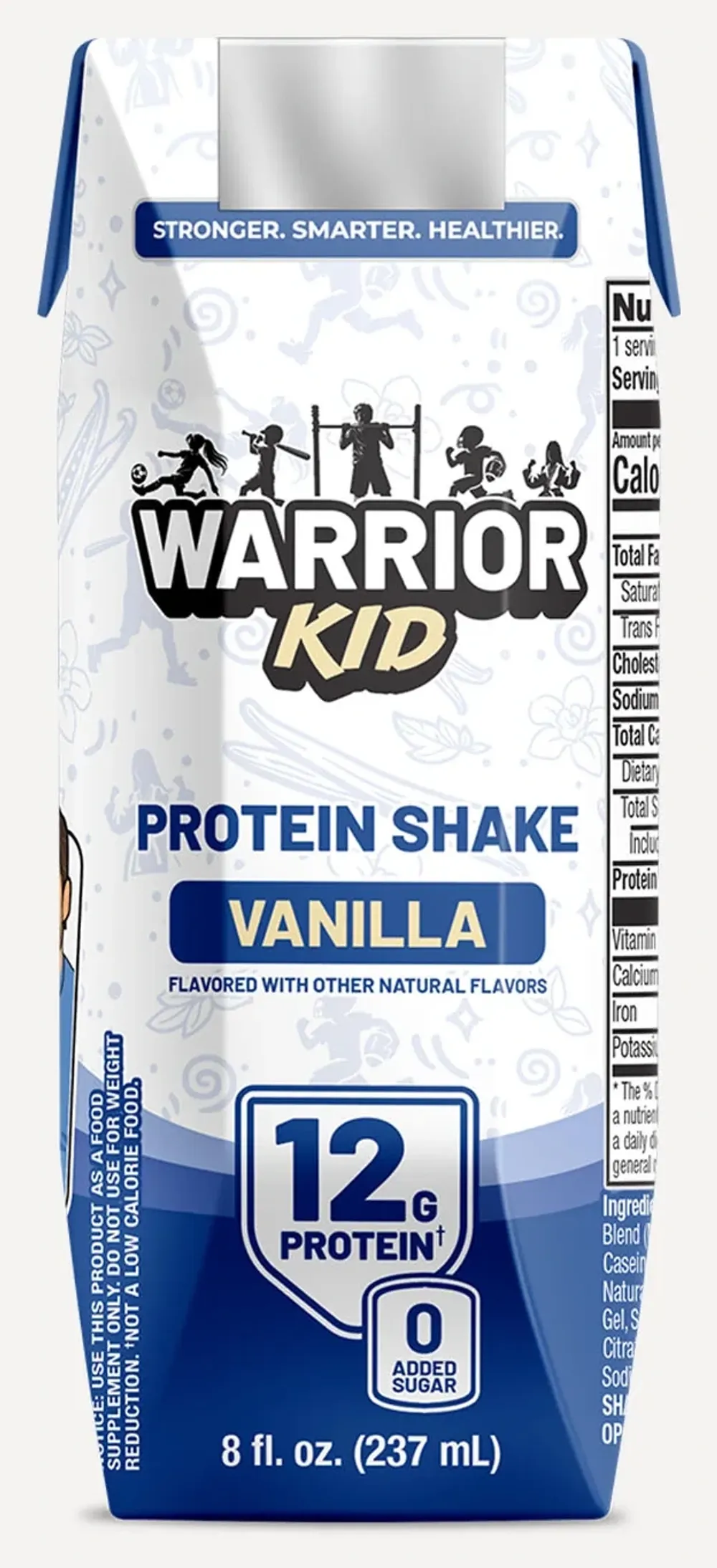
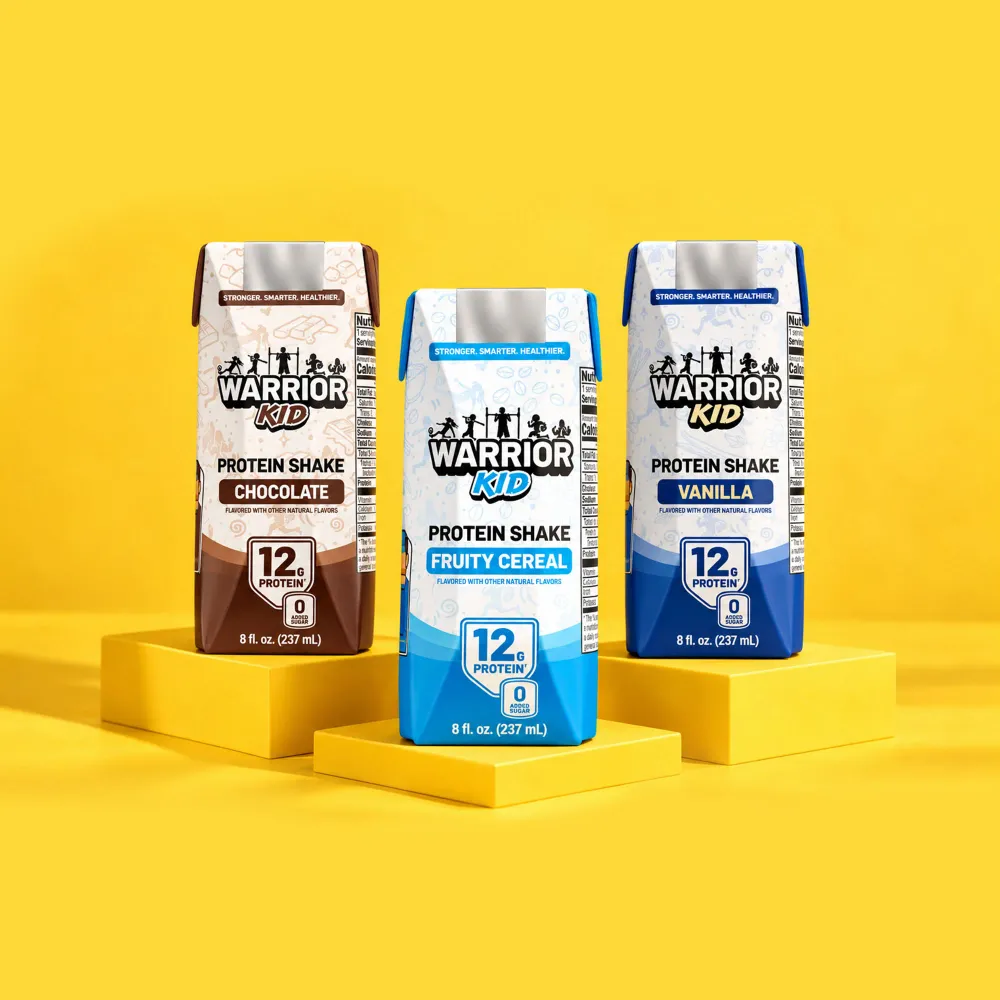
Each 8 fl oz (237mL) carton lands at 80 calories with 12g of protein and 0g of added sugar, and the brand says it's designed for kids 4 and up. The launch lineup covered Chocolate, Vanilla, and Strawberry, and Jocko Fuel has since added Fruity Cereal. If you already know Jocko's adult MOLK Protein Shake RTD, think of this as the same dairy protein idea scaled down to a kid-sized serving.
Jocko Fuel Warrior Kid Protein Shake Nutrition Facts
These numbers are from the Chocolate carton, and the other flavors may vary slightly.
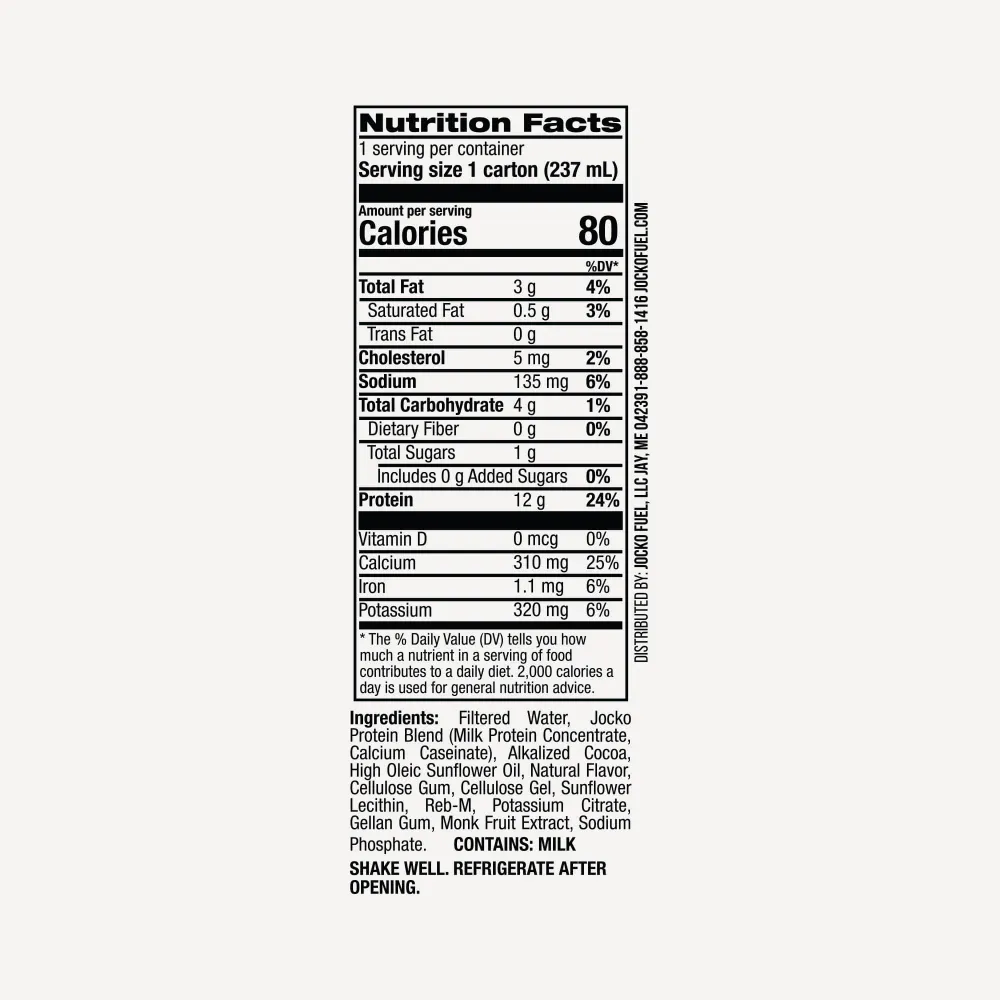
- Calories: 80
- Total Fat: 3g (4% DV)
- Saturated Fat: 0.5g (3% DV)
- Total Carbohydrate: 4g (1% DV)
- Dietary Fiber: 0g (0% DV)
- Total Sugars: 1g
- Added Sugars: 0g (0% DV)
- Protein: 12g (24% DV)
- Vitamins and Minerals
- Sodium: 135mg (6% DV)
- Potassium: 320mg (6% DV)
- Calcium: 310mg (25% DV)
- Iron: 1.1mg (6% DV)
Protein supplies most of those 80 calories, and calcium is the micronutrient standout at a quarter of the Daily Value per carton. The formula is built on milk proteins, so it's off the table for kids with a milk allergy.
Jocko Fuel Warrior Kid Protein Shake Ingredients
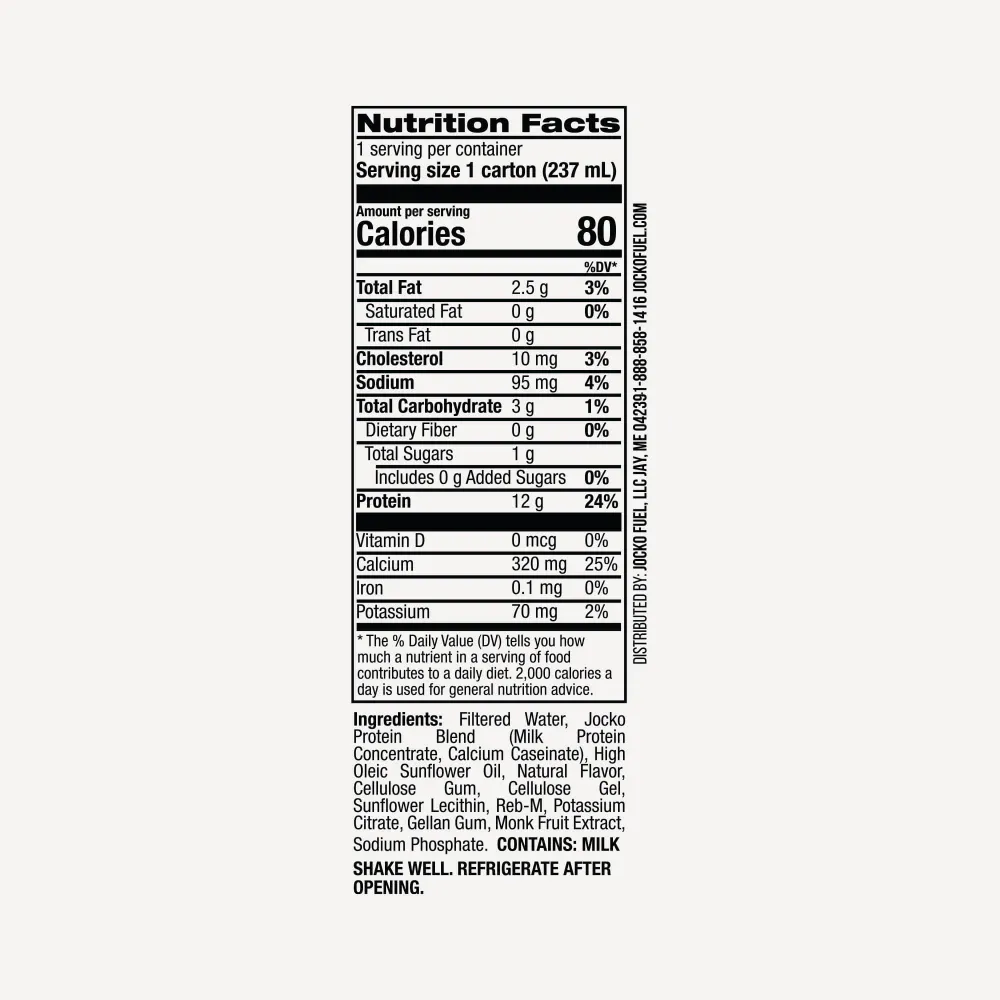
Each 1-carton (237mL) serving provides the following key actives:
-
Milk Protein Concentrate
The label lists a "Jocko Protein Blend" of milk protein concentrate and calcium caseinate. It doesn't give separate amounts for the two, only the panel's total of 12g of protein. Milk protein concentrate is milk with most of the water, lactose, and fat filtered out, and it keeps cow's milk's natural split of roughly 80% casein to 20% whey.[1] Jocko Fuel says its concentrate comes from grass-fed cows.
That split matters because the two fractions digest at different speeds. Whey hits the bloodstream fast, casein trickles in slowly, and milk protein lands in between. A rat study comparing the three found muscle-building activity peaked at 60 minutes for whey, 90 minutes for milk protein concentrate, and 120 minutes for casein.[2]
The human evidence for dairy protein comes from adults. In a 12-week trial in novice male weightlifters, fat-free milk after training added more lean mass than a matched soy drink or a carbohydrate drink.[3] Meta-analyses also find that protein added to resistance training increases fat-free mass in adults.[4,5] None of that tested a 12g carton in a second-grader. For kids, the realistic job here is helping a day's protein total, not building muscle on its own.
-
Calcium Caseinate
Calcium caseinate is casein bound to calcium. In the stomach, casein forms a curd that digests slowly, which gives a gradual, steady release of amino acids instead of a quick spike.[6]
Most of casein's sports-nutrition reputation comes from pre-sleep studies in adults that used 40g doses.[7] In older men, 20g of casein before bed didn't significantly raise overnight muscle protein synthesis, while 40g did.[8] A carton with 12g of total protein is a snack by comparison.
The one pediatric trial in this research set gave 8-year-old boys large whey or casein drinks for 7 days. Casein raised the growth-signaling hormone IGF-1 by 15%, while whey raised fasting insulin.[9] That's a short-term hormone signal at much larger casein intakes, not a measured growth outcome, so treat it as a sign that milk proteins do something biologically in kids rather than as proof of what this shake does.
-
Vitamins and Minerals
-
Calcium - 310mg (25% DV)
Calcium is the biggest micronutrient number on the panel, at a quarter of the Daily Value per carton. The label doesn't break out where it comes from, but calcium caseinate and the milk protein are the obvious contributors. For a growing kid, a calcium-dense snack that isn't a glass of chocolate milk is a useful option.
-
Potassium - 320mg (6% DV)
Potassium shows up partly as potassium citrate, which sits near the end of the ingredient list. The label doesn't split the 320mg by source, so the rest likely comes from the milk itself. At 6% of the Daily Value, it's a modest contribution.
-
Iron - 1.1mg (6% DV)
Iron comes in at 1.1mg per Chocolate carton. It's a modest contribution, and the label doesn't say where it comes from or whether the other flavors match it.
-
-
Sweeteners and Flavors
-
Rebaudioside M (Reb-M)
Reb-M (rebaudioside M) is a minor sweet compound from the stevia leaf. It's roughly 200 to 350 times sweeter than sugar and tastes cleaner than older stevia extracts.[10] In a 126-person taste test, Reb-M's sweetness and bitterness came closer to sugar than standard Reb A did, though its sweetness lingered longer.[11] European regulators found no safety concern for fermentation-produced Reb-M within the established stevia intake limit.[12]
-
Monk Fruit Extract
Monk fruit extract gets its sweetness from compounds called mogrosides and runs about 160 to 420 times sweeter than sugar, depending on purity.[13] On its own it can taste bitter or metallic, which is one reason brands pair it with another sweetener.[14] It's GRAS in the U.S. European regulators were more cautious and called the toxicity data insufficient for EU food-additive approval.[13]
-
Alkalized Cocoa
In the Chocolate carton, alkalized cocoa is the third ingredient, right behind the protein blend. It's cocoa treated with an alkali, a standard step that darkens the color and smooths out cocoa's sharper edge. The label doesn't give its amount, and it's specific to the Chocolate flavor.
-
Natural Flavors
Natural flavor fills in the rest of the taste. Under FDA rules, "natural" describes where a flavor comes from, not its chemistry.[15] The brand says the line uses no artificial flavors or sweeteners.
-
-
Other Ingredients
- Filtered Water - The base of the drink and the first ingredient on the label.
- High Oleic Sunflower Oil - A source of the 3g of fat, from a sunflower variety bred to be mostly oleic acid, the same main fat in olive oil.[16] At this amount it mainly adds body and a creamier mouthfeel.
- Cellulose Gum - A water-soluble cellulose thickener that helps keep protein particles from settling.[17] It's drawn attention in gut-microbiome research, where adults eating 15g a day for about 11 days saw shifts in gut bacteria.[18] The carton's amount isn't disclosed, so those trial doses don't map directly onto a single shake.
- Cellulose Gel - Also called microcrystalline cellulose, tiny insoluble cellulose particles that form a loose network to hold everything in suspension.[19]
- Sunflower Lecithin - A soy-free emulsifier that keeps the oil evenly mixed and helps milk proteins handle heat processing.[20]
- Gellan Gum - A fermentation-made polysaccharide used to keep particles suspended. European regulators set no numerical intake limit for it.[21]
- Sodium Phosphate - A phosphate salt that binds calcium so milk proteins don't clump during heat processing.[22] Additive phosphate is absorbed more efficiently than the phosphate naturally in food, and European regulators estimate kids' average phosphate intake from the whole diet already runs above their group limit.[23] It's the last ingredient listed, and the amount isn't disclosed.
Flavors
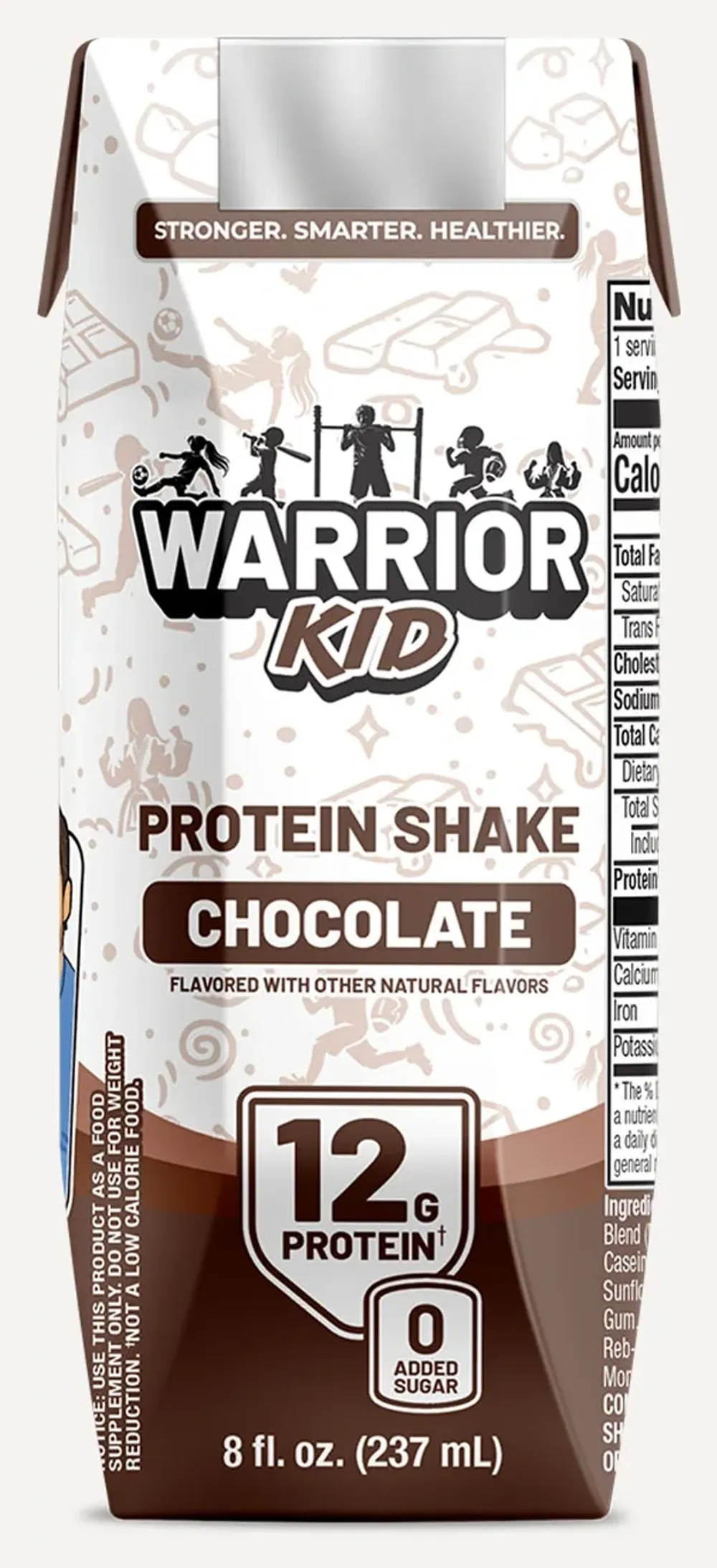
The launch lineup was Chocolate, Vanilla, and Strawberry, and Fruity Cereal joined later. The panel above is the Chocolate carton, so the cocoa belongs to that flavor, and the others may differ.
- Chocolate (12 Cartons: $27.99)
- Fruity Cereal (6 Cartons: $13.99)
- Strawberry (12 Cartons: $27.99)
- Vanilla (12 Cartons: $27.99)
Built for Lunchboxes and Practice
The carton stays shelf-stable until it's opened, so it can live in a sports bag. After opening, the label says to refrigerate, and the brand says to finish it within 24 hours. In October 2026, Jocko Fuel tied the shakes to its free Warrior Kid Challenge, a month-long habits program built around training, reading, eating well, and helping others.
A Short Label for Picky Eaters
Warrior Kid is a carrageenan-free milk protein carton with 12g of protein, a quarter of the Daily Value for calcium, and no added sugar, and the gums and phosphate are the price of keeping a milk drink stable on a shelf. It makes the most sense for parents who want a protein-forward lunchbox drink, and your kid's taste buds will decide whether you buy a second case.
References
- Goulding, D.A. et al. "Milk proteins: An overview." Milk Proteins, 2020. https://doi.org/10.1016/B978-0-12-815251-5.00002-5
- Kanda, Atsushi, et al. "Effects of Whey, Caseinate, or Milk Protein Ingestion on Muscle Protein Synthesis after Exercise." Nutrients, 2016. https://doi.org/10.3390/nu8060339
- Hartman, Joseph W, et al. "Consumption of fat-free fluid milk after resistance exercise promotes greater lean mass accretion than does consumption of soy or carbohydrate in young, novice, male weightlifters." The American journal of clinical nutrition, 2007. https://doi.org/10.1093/ajcn/86.2.373
- Cermak, Naomi M, et al. "Protein supplementation augments the adaptive response of skeletal muscle to resistance-type exercise training: a meta-analysis." The American journal of clinical nutrition, 2012. https://doi.org/10.3945/ajcn.112.037556
- Morton, Robert W, et al. "A systematic review, meta-analysis and meta-regression of the effect of protein supplementation on resistance training-induced gains in muscle mass and strength in healthy adults." British journal of sports medicine, 2018. https://doi.org/10.1136/bjsports-2017-097608
- Dangin, M, et al. "The digestion rate of protein is an independent regulating factor of postprandial protein retention." American journal of physiology. Endocrinology and metabolism, 2001. https://doi.org/10.1152/ajpendo.2001.280.2.E340
- Res, Peter T, et al. "Protein ingestion before sleep improves postexercise overnight recovery." Medicine and science in sports and exercise, 2012. https://doi.org/10.1249/MSS.0b013e31824cc363
- Kouw, Imre Wk, et al. "Protein Ingestion before Sleep Increases Overnight Muscle Protein Synthesis Rates in Healthy Older Men: A Randomized Controlled Trial." The Journal of nutrition, 2017. https://doi.org/10.3945/jn.117.254532
- Hoppe, C, et al. "Differential effects of casein versus whey on fasting plasma levels of insulin, IGF-1 and IGF-1/IGFBP-3: results from a randomized 7-day supplementation study in prepubertal boys." European journal of clinical nutrition, 2009. https://doi.org/10.1038/ejcn.2009.34
- Prakash, Indra, et al. "Development Of Next Generation Stevia Sweetener Rebaudioside M." Foods (Basel, Switzerland), 2014. https://doi.org/10.3390/foods3010162
- Tao, Ran, et al. "Consumer-Based Sensory Characterization of Steviol Glycosides (Rebaudioside A, D, and M)." Foods (Basel, Switzerland), 2020. https://doi.org/10.3390/foods9081026
- EFSA, Panel on Food Additives and Flavourings (FAF), et al. "Safety evaluation of the food additive steviol glycosides, predominantly Rebaudioside M, produced by fermentation using Yarrowia lipolyticaVRM." EFSA journal. European Food Safety Authority, 2023. https://doi.org/10.2903/j.efsa.2023.8387
- EFSA, Panel on Food Additives and Flavourings (FAF), et al. "Safety of use of Monk fruit extract as a food additive in different food categories." EFSA journal. European Food Safety Authority, 2019. https://doi.org/10.2903/j.efsa.2019.5921
- Yeung, Andy Wai Kan. "Bibliometric analysis on the literature of monk fruit extract and mogrosides as sweeteners." Frontiers in nutrition, 2023. https://doi.org/10.3389/fnut.2023.1253255
- Goodman, Matthew J. "The “Natural” vs. “Natural Flavors” Conflict in Food Labeling: A Regulatory Viewpoint." Food and drug law journal, 2017. https://pubmed.ncbi.nlm.nih.gov/29140655/
- González-Rámila, Susana, et al. "Olive pomace oil can improve blood lipid profile: a randomized, blind, crossover, controlled clinical trial in healthy and at-risk volunteers." European journal of nutrition, 2023. https://doi.org/10.1007/s00394-022-03001-y
- Liu, Jing, et al. "Stabilization of directly acidified protein drinks by single and mixed hydrocolloids-combining particle size, rheology, tribology, and sensory data." Food science & nutrition, 2020. https://doi.org/10.1002/fsn3.1933
- Chassaing, Benoit, et al. "Randomized Controlled-Feeding Study of Dietary Emulsifier Carboxymethylcellulose Reveals Detrimental Impacts on the Gut Microbiota and Metabolome." Gastroenterology, 2022. https://doi.org/10.1053/j.gastro.2021.11.006
- Nsor-Atindana, John, et al. "Functionality and nutritional aspects of microcrystalline cellulose in food." Carbohydrate polymers, 2017. https://doi.org/10.1016/j.carbpol.2017.04.021
- McSweeney, Seamus L. et al. "Effect of lecithin and monoglycerides on the heat stability of a model infant formula emulsion." Food Hydrocolloids, 2008. https://doi.org/10.1016/j.foodhyd.2007.04.017
- EFSA, Panel on Food Additives and Nutrient Sources added to Food (ANS), et al. "Re-evaluation of gellan gum (E 418) as food additive." EFSA journal. European Food Safety Authority, 2018. https://doi.org/10.2903/j.efsa.2018.5296
- Zaitoun, Baheeja J, et al. "The Influence of Sodium Hexametaphosphate Chain Length on the Physicochemical Properties of High-Milk Protein Dispersions." Foods (Basel, Switzerland), 2024. https://doi.org/10.3390/foods13091383
- EFSA, Panel on Food Additives and Flavourings (FAF), et al. "Re-evaluation of phosphoric acid-phosphates - di-, tri- and polyphosphates (E 338-341, E 343, E 450-452) as food additives and the safety of proposed extension of use." EFSA journal. European Food Safety Authority, 2019. https://doi.org/10.2903/j.efsa.2019.5674