Jocko MOLK Protein Shake RTD
The cleanest label in the RTD protein aisle, backed by Jocko's obsession with doing it right
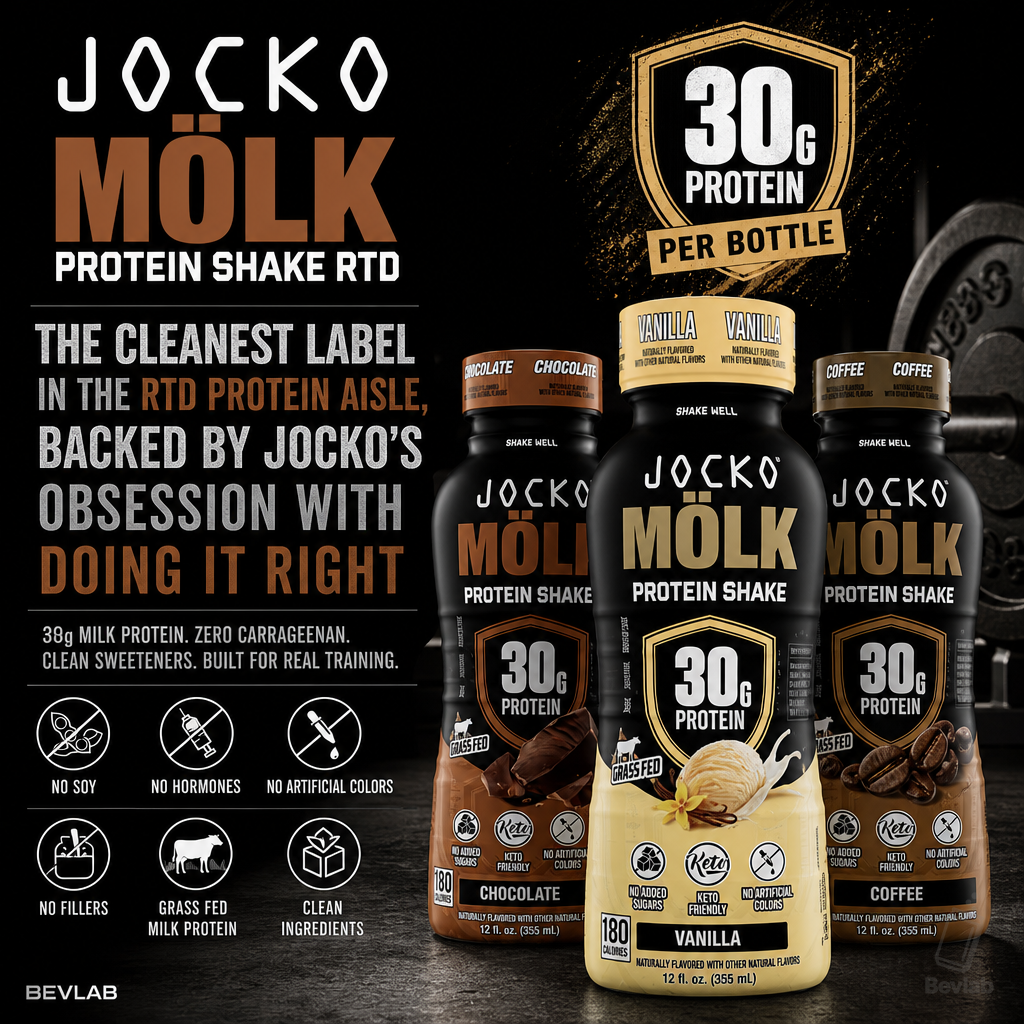
Jocko MOLK RTD packs 30g milk protein with zero carrageenan, clean sweeteners, and a label built for real training.
Most RTD protein shakes share a dirty little secret buried deep in the ingredient list: carrageenan. It's cheap, it works as a thickener, and it's in dozens of other top sellers. Jocko Fuel doesn't use it. That's not an accident -- it's a deliberate, more expensive choice that runs straight through the DNA of the brand.
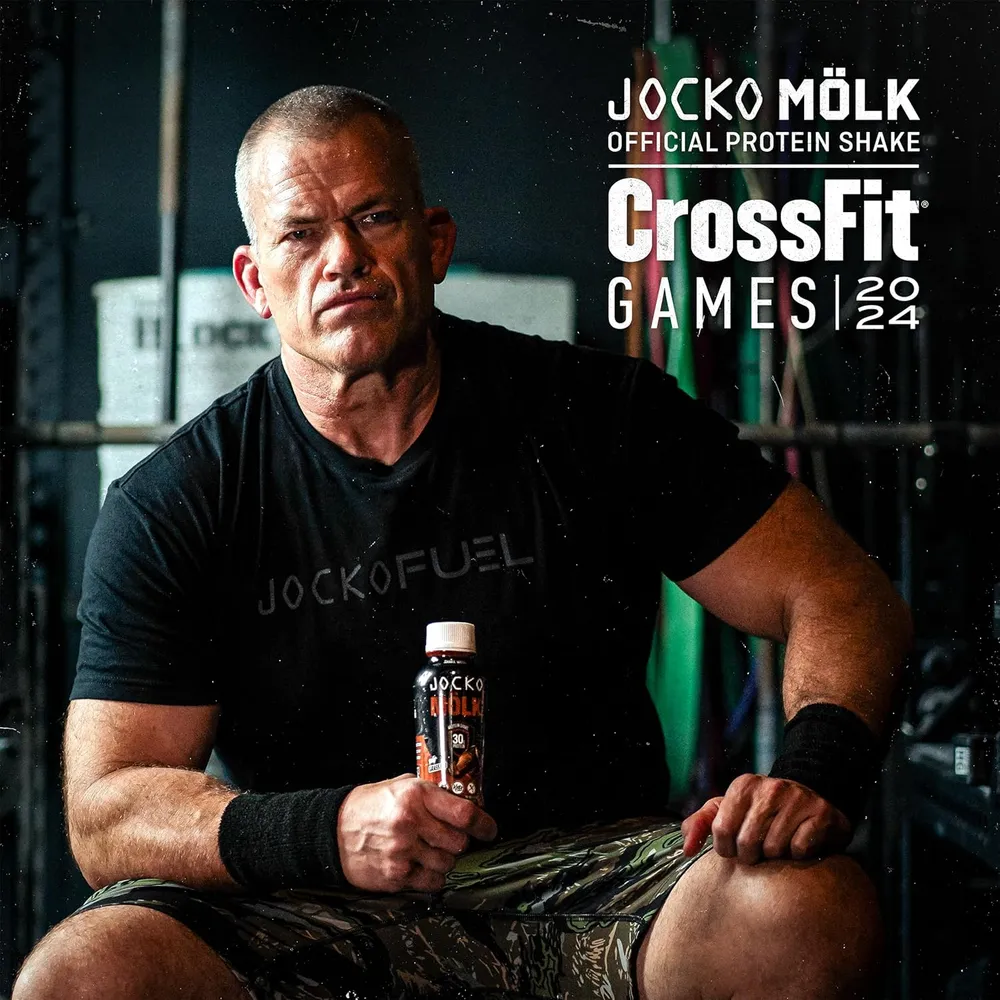
Jocko MOLK Protein Shake RTD delivers 30 grams of milk protein per bottle at 180 calories, zero added sugar, and an ingredient list short enough to read in a parking lot. The protein comes from a blend of milk protein concentrate and calcium caseinate, both from grass-fed cows, giving you the full natural ratio of whey and casein without the shortcut stabilizers most competitors lean on. If you want to know why Jocko Fuel operates this way -- and how chief science officer Brian Littlefield factors into every formula decision -- the PricePlow podcast episodes with Jocko Willink and Brian Littlefield lay it out in their own words. The short version: they built a brand where the label has to be something you can actually be proud of.
Watch Related Videos
Bevlab VideosJocko MOLK Protein Shake RTD Nutrition Facts
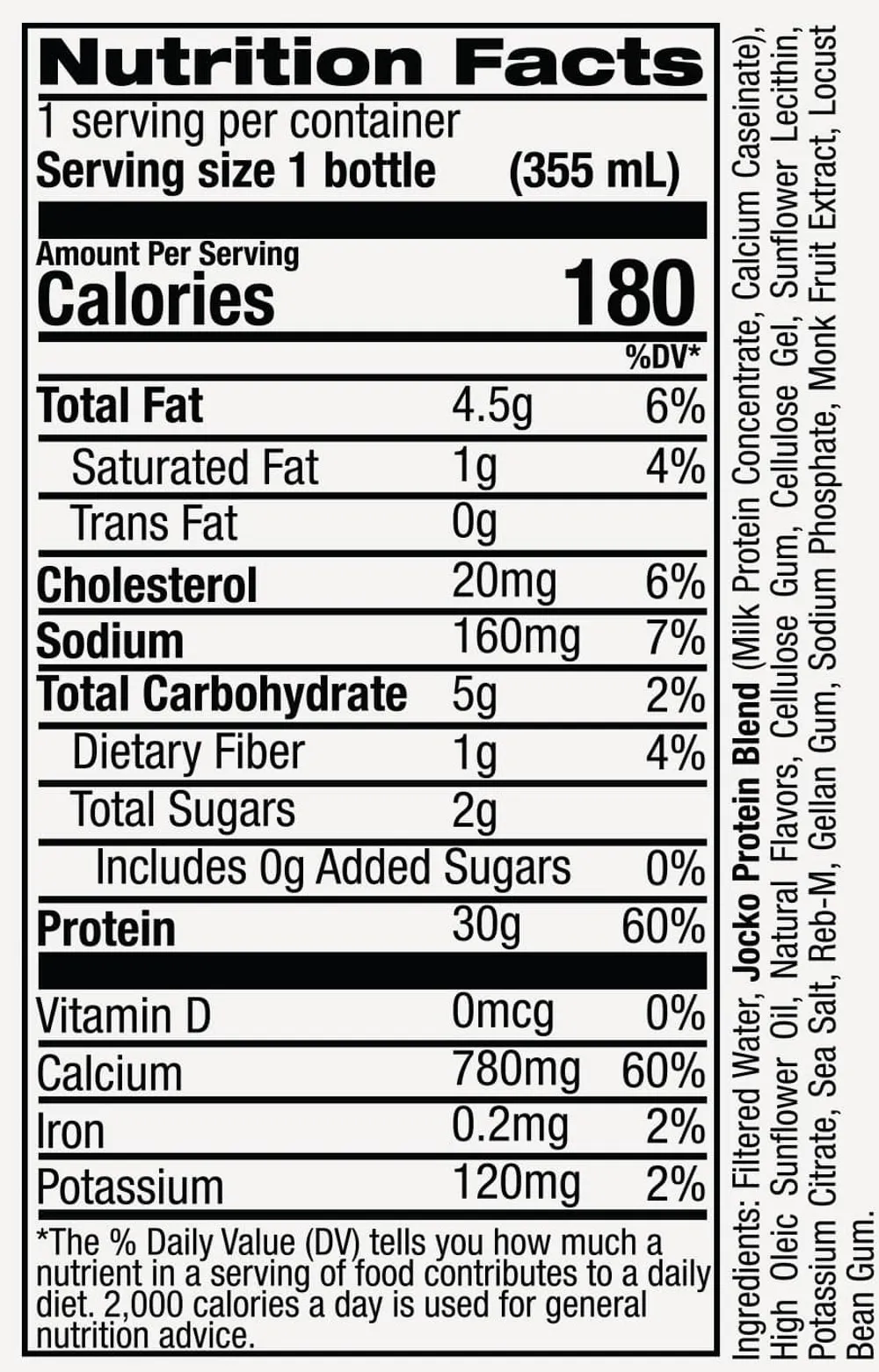
- Calories: 180
- Total Fat: 4.5g (6% DV)
- Saturated Fat: 1g (4% DV)
- Trans Fat: 0g
- Cholesterol: 20mg (6% DV)
- Sodium: 160mg (7% DV)
- Total Carbohydrate: 5g (2% DV)
- Dietary Fiber: 1g (4% DV)
- Total Sugars: 2g
- Added Sugars: 0g (0% DV)
- Protein: 30g (60% DV)
- Vitamin D: 0mcg (0% DV)
- Calcium: 780mg (60% DV)
- Iron: 0.2mg (2% DV)
- Potassium: 120mg (2% DV)
Jocko MOLK Protein Shake RTD Ingredients
Each 355mL bottle provides the following:
-
Jocko Protein Blend (Milk Protein Concentrate, Calcium Caseinate) - 30g
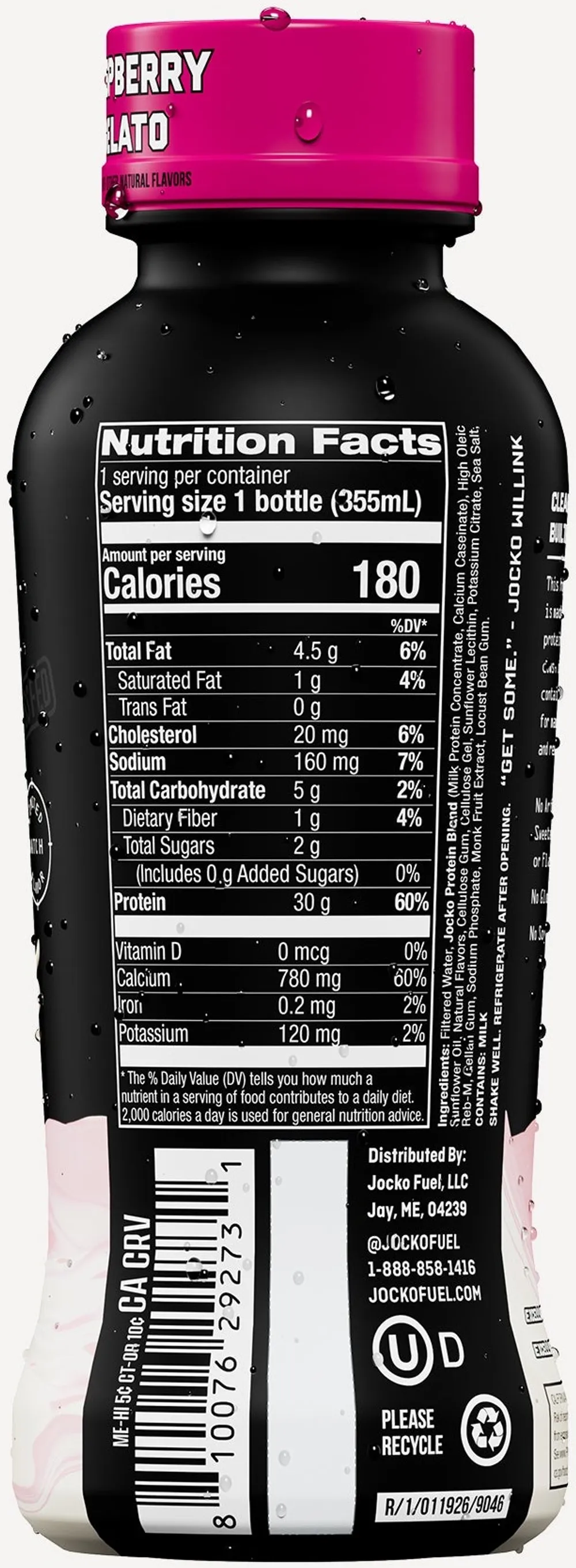
The protein here is milk protein, which naturally contains both whey and casein in roughly the same ratio they appear in actual milk. That matters because you get the fast-absorbing whey fraction alongside slower-digesting casein, so the recovery signal starts quickly and keeps going. The calcium caseinate adds stability to the beverage matrix while contributing additional slow-release protein.
What makes this formula different from a lot of competitors isn't just the protein source -- it's what isn't in there. No carrageenan. Carrageenan is a red algae-derived thickener that's cheap and widely used, but it has been linked to gut inflammation and may worsen conditions like IBD by disrupting the gut microbiota and triggering immune responses. Jocko Fuel uses a combination of plant-based hydrocolloids instead, which you'll see in the ingredients below. It costs more and takes more formulation work. They do it anyway.
Milk protein from grass-fed cows also delivers a meaningful calcium payload, which is why you'll see 780mg (60% DV) on the label. That calcium comes directly from the protein itself, not a separate mineral addition.
-
Vitamins and Minerals
-
Calcium (as Jocko Protein Blend) - 780mg (60% DV)
Calcium covers 60% of your daily value in a single bottle, and it comes from the milk protein itself rather than a separate fortification. That matters for bone support: a meta-analysis of 29 RCTs found calcium supplementation reduced total fracture risk by 12%, with effects strongest in those consuming less than 1,200mg daily total.[1] For anyone training hard, calcium also plays a direct role in muscle contraction. It's the molecular trigger that initiates force production by binding to troponin-C in the thin filament.[2]
-
Iron - 0.2mg (2% DV)
Iron appears at a trace amount here, contributing 2% DV per bottle. At this level it's incidental to the milk protein content rather than a meaningful dose. Iron is an essential trace mineral involved in oxygen transport via hemoglobin and energy metabolism, but you'll need to meet your full daily needs elsewhere.
-
Potassium (as Potassium Citrate) - 120mg (2% DV)
Potassium is present at 120mg as potassium citrate, contributing 2% DV. Potassium is the primary intracellular electrolyte and plays a role in blood pressure regulation through the sodium-potassium pump in vascular smooth muscle.[3] The citrate form carries an added alkalizing effect, which has been shown to reduce bone resorption markers in a 12-month RCT.[4] At 120mg this is a supporting role, not a primary electrolyte replacement dose.
-
-
Other Ingredients
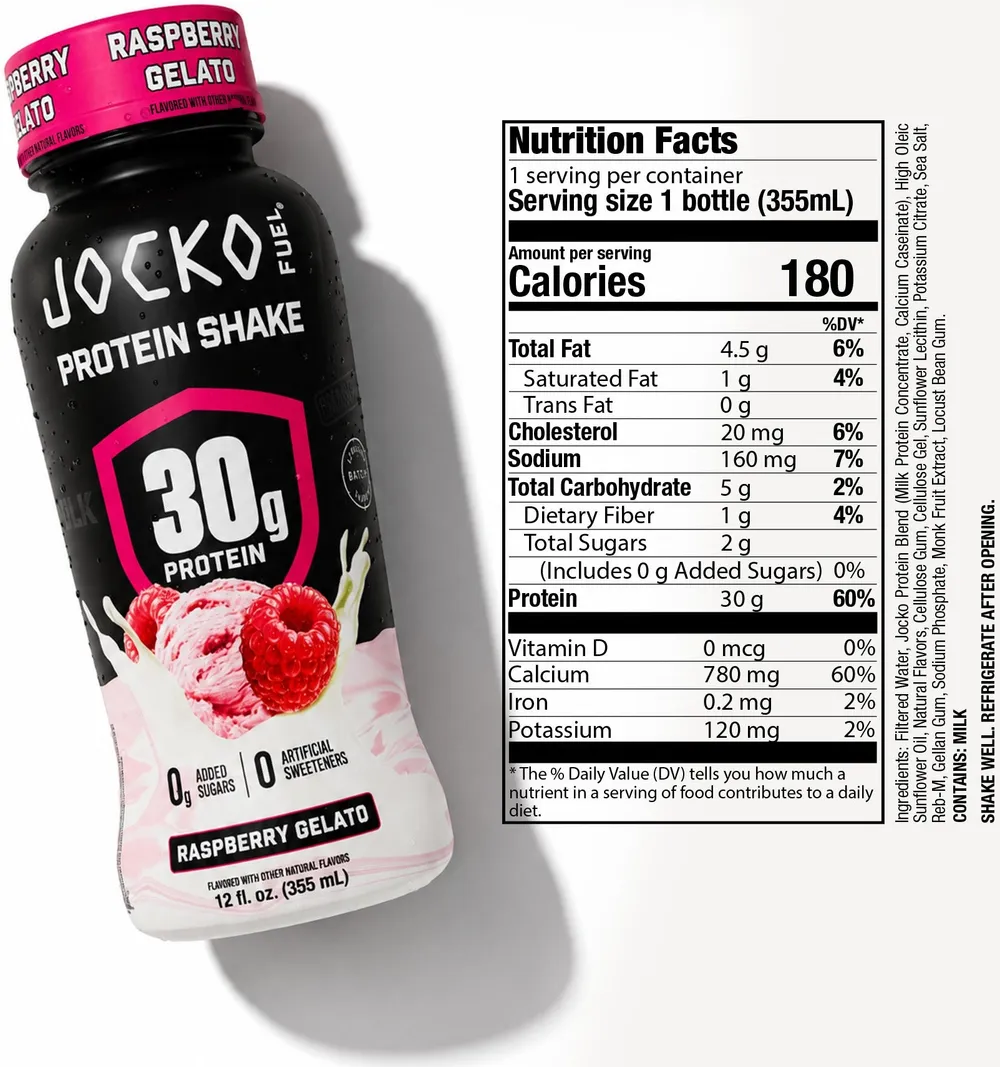
Full ingredients panel for the Jocko MOLK RTD -
Filtered Water -- the base of the beverage matrix. USP-grade purified water is standard for RTD supplement manufacturing.
-
High Oleic Sunflower Oil -- a refined sunflower oil with oleic acid at roughly 75-85% of total fatty acids. It contributes to the 4.5g of total fat and helps create a smooth, full mouthfeel. High oleic sunflower oil has a favorable lipid profile compared to conventional sunflower oil, with controlled trials showing meaningful LDL reductions when it replaces saturated fat in the diet.[5] It's also significantly more oxidatively stable than standard sunflower oil, which matters for a shelf-stable RTD.
-
Natural Flavors -- provide the characteristic flavor profile across SKUs (Raspberry Gelato and others). Natural flavors are derived from plant or animal source materials and are evaluated for safety by the FEMA Expert Panel under the GRAS program.[6] At typical beverage use levels, their function is purely sensory.
-
Cellulose Gum / Cellulose Gel -- these two cellulose derivatives serve as the primary stabilizers and texture agents in place of carrageenan. Sodium carboxymethylcellulose (cellulose gum) is a water-soluble, anionic polymer that thickens the beverage, suspends the protein in solution, and prevents sedimentation. Cellulose gel (microcrystalline cellulose) provides additional body and emulsion stability. Both are FDA GRAS, non-absorbed, and not meaningfully fermented by human gut microbiota, meaning they pass through the GI tract essentially unchanged.[7] This is the carrageenan-free stabilization strategy the brand built around.
-
Sunflower Lecithin -- an emulsifier derived from sunflower seeds that keeps the oil phase uniformly distributed throughout the water-based beverage, preventing separation. Sunflower lecithin is soy-free, which makes it a cleaner allergen choice. It works by orienting its phospholipid molecules at the oil-water interface, reducing interfacial tension and stabilizing fat droplets against coalescence.[8] The phosphatidylcholine fraction of lecithin is also a dietary source of choline, an essential nutrient involved in cell membrane integrity and neurotransmitter production.[9]
-
Sea Salt -- contributes the 160mg sodium per bottle, serving two functions: it supports post-workout electrolyte balance and suppresses bitterness in the protein matrix. Research with trained sensory panels confirms sodium selectively masks bitter taste more than it affects sweetness, which improves overall palatability of protein beverages.[10]
-
Reb-M (Rebaudioside M) -- one of two zero-calorie sweeteners in the formula. Rebaudioside M is the most sucrose-like of the steviol glycosides, with a glycosylation pattern that activates the sweet taste receptor while blocking the bitter taste receptors that make older stevia derivatives (Reb A) taste harsh.[11] A crossover RCT found Reb M's in-mouth sweetness was statistically indistinguishable from a sucrose reference, while Reb A was significantly more bitter.[12] FDA GRAS status confirmed.
-
Gellan Gum -- a bacterial-fermentation-derived polysaccharide used as a secondary stabilizer and suspending agent. Low-acyl gellan gum undergoes gelation in the stomach environment, contributing to a fuller mouthfeel and helping maintain the protein in suspension.[13] EFSA re-evaluated gellan gum in 2018 and confirmed no numerical ADI is required, with no safety concern at refined exposure levels.[14]
-
Sodium Phosphate (Sodium Hexametaphosphate) -- a calcium-chelating agent that prevents milk protein coagulation during thermal processing. It binds the calcium ions that would otherwise bridge casein micelles together, extending heat coagulation time and keeping the protein in stable suspension throughout the product's shelf life.[15] It's present at a stabilization-level dose, not the therapeutic phosphate-loading doses studied in ergogenic research.
-
Monk Fruit Extract -- works alongside Reb-M as the second zero-calorie sweetener. Monk fruit extract contains cucurbitane-type triterpene glycosides called mogrosides, primarily mogroside V, which bind sweet taste receptors without triggering an insulin response via pancreatic stimulation.[16] FDA GRAS status confirmed across multiple independent filings. The combination of Reb-M and monk fruit creates a rounder, more natural sweetness profile than either achieves alone.
-
Locust Bean Gum -- a galactomannan derived from carob seeds, used here as a texture and stabilization agent. Locust bean gum forms a viscous matrix that works synergistically with gellan gum and the cellulose-based stabilizers to maintain smooth, consistent texture throughout the bottle's shelf life.[17] At the trace-level doses used in beverages, its function is textural rather than clinical. The meaningful lipid-lowering doses studied in research (8-30g/day) are well above what any RTD format delivers.[18]
-
Flavors Available
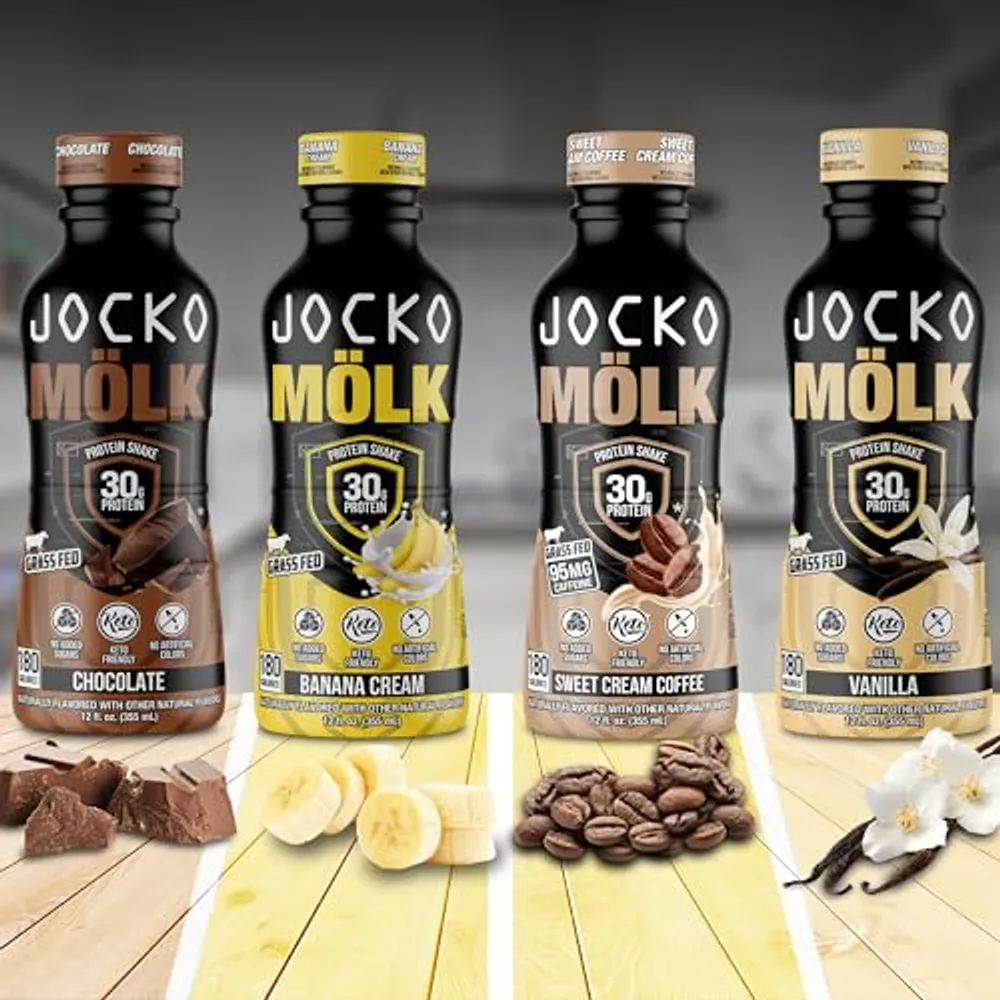
- Banana Cream (12 Bottles: $44.99)
- Chocolate (12 Bottles: $44.99)
- Fruity Cereal (12 Bottles: $44.99)
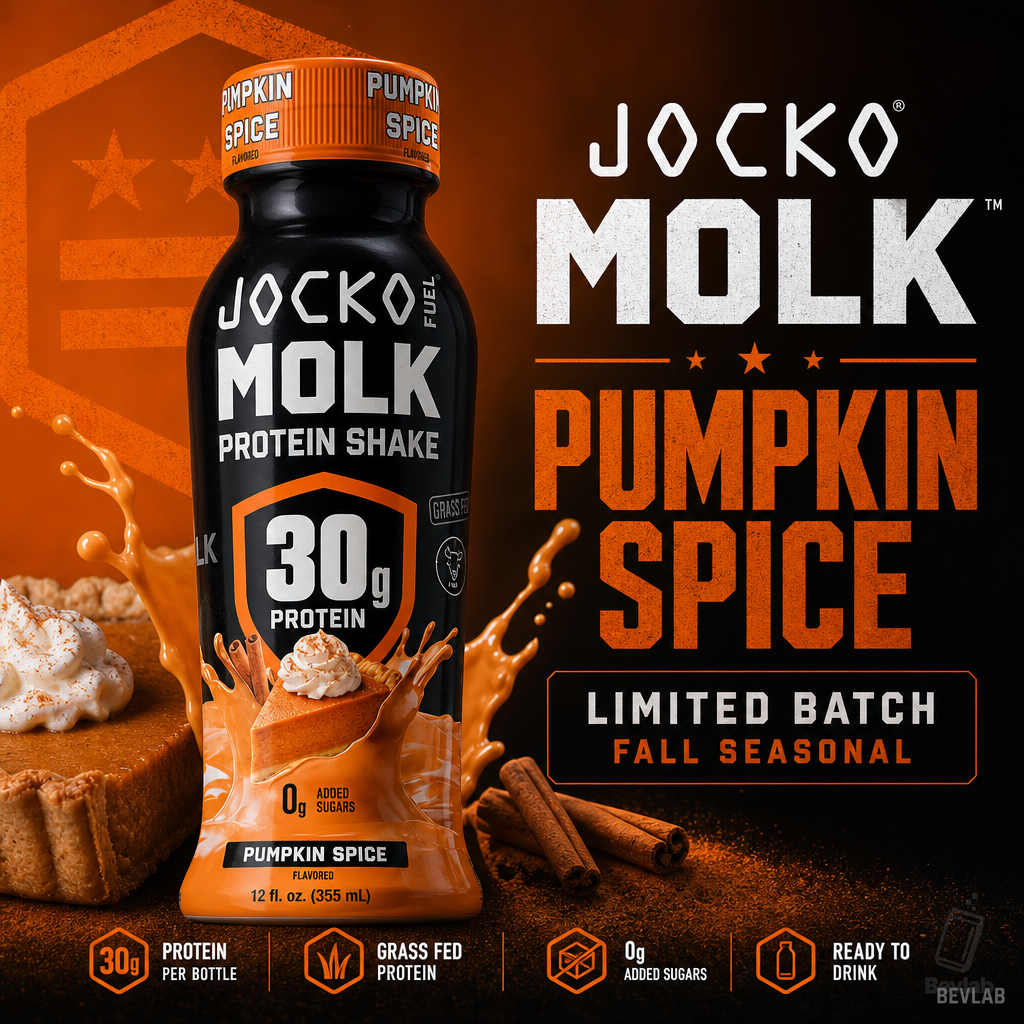
- Pumpkin Spice (12 Bottles: $44.99)
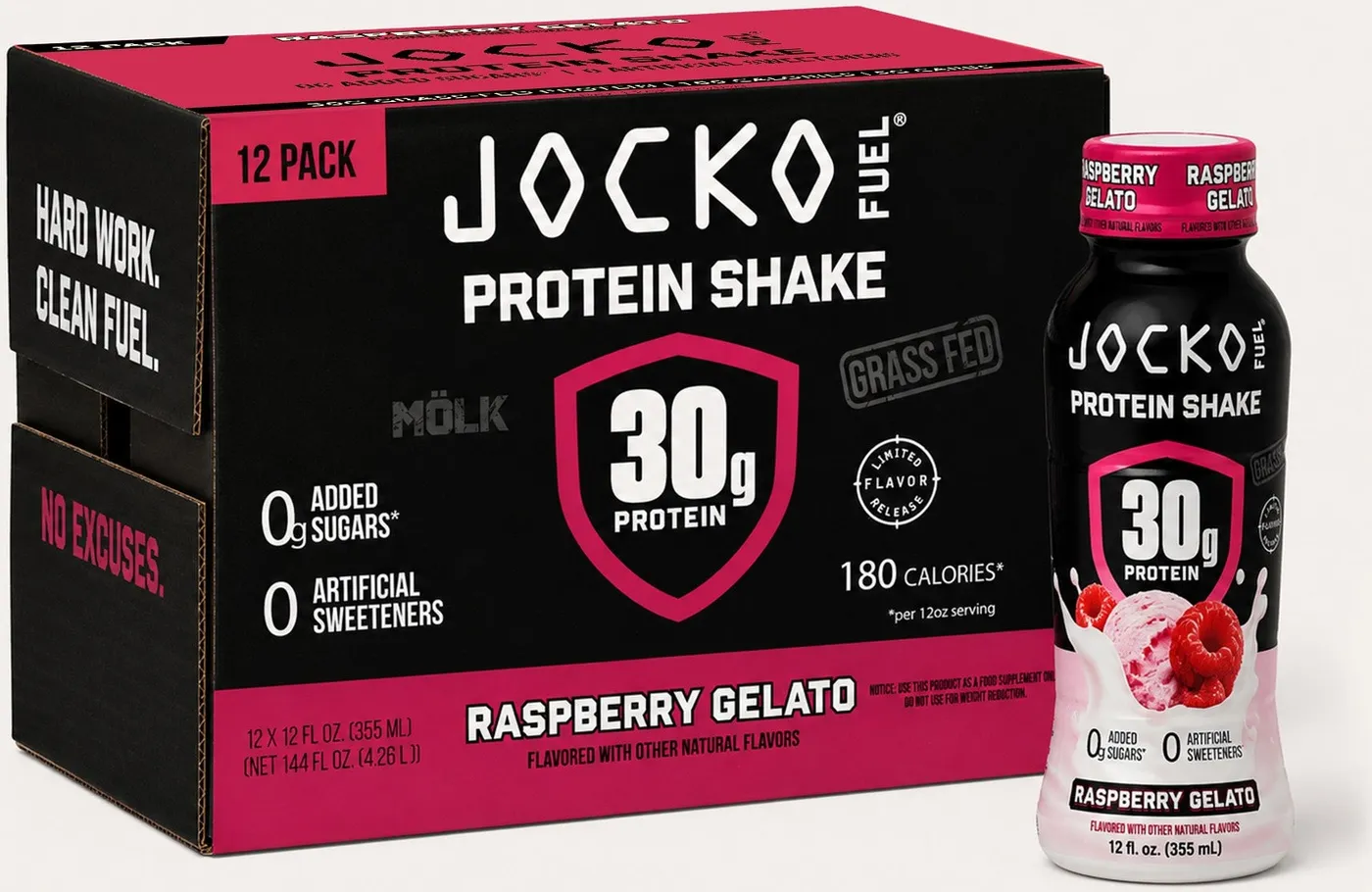
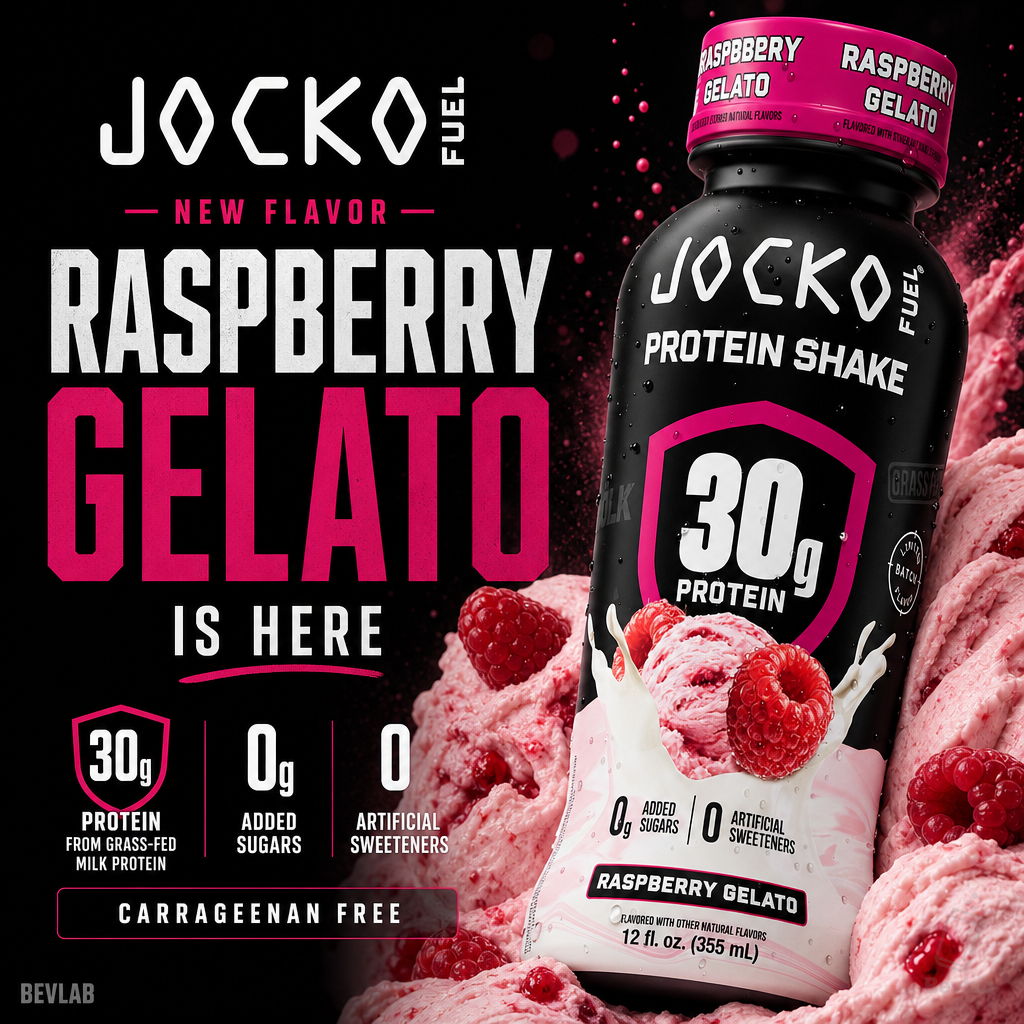
- Raspberry Gelato (12 Bottles: $44.99)
- Sweet Cream Coffee (12 Bottles: $44.99)
- Vanilla (12 Bottles: $44.99)
Who It's For
-
Protein-focused people who read labels: If the first thing you do with a new protein shake is flip it over and scan for carrageenan, artificial sweeteners, or mystery proprietary blends, this is the bottle that passes the check. The label is short, every ingredient has a clear function, and nothing is there to cut corners.
-
Post-workout recovery without the GI baggage: The carrageenan-free stabilization system matters most for people who've noticed that some RTD shakes mess with their gut. This formula takes the longer road to stability specifically to avoid that.
A Clean Protein Shake That Actually Earns the Label
The Jocko MOLK Protein Shake RTD is the rare ready-to-drink protein that can back up its "clean formula" positioning with an actual ingredient list. Thirty grams of grass-fed milk protein, zero carrageenan, zero added sugar, and a stabilization system built around cellulose and plant gums rather than the cheap stuff most competitors use. If you want to see how the same philosophy carries across to energy drinks, check out Jocko Fuel GO Energy Drink -- same brand, same clean-label obsession, different format. For anyone who wants protein without compromise, MOLK RTD is a solid pick.
More Related Videos
Bevlab VideosFlavor Review
REELS
REELS
Flavor Review
REELS
References
- Clarke, B.L. "Use Of Calcium Or Calcium In Combination With Vitamin D Supplementation To Prevent Fractures And Bone Loss In People Aged 50 Years And Older A Meta Analysis." Yearbook of Endocrinology, 2008. https://doi.org/10.1016/s0084-3741(08)79096-6
- Szent-Györgyi, A.G. "Calcium Regulation Of Muscle Contraction." Biophysical Journal, 1975. https://doi.org/10.1016/s0006-3495(75)85849-8
- Haddy, Francis J, et al. "Role of potassium in regulating blood flow and blood pressure." American journal of physiology. Regulatory, integrative and comparative physiology, 2006. https://doi.org/10.1152/ajpregu.00491.2005
- Gregory, Naina Sinha, et al. "Potassium citrate decreases bone resorption in postmenopausal women with osteopenia: A randomized double blind clinical trial." Endocrine practice : official journal of the American College of Endocrinology and the American Association of Clinical Endocrinologists, 2015. https://doi.org/10.4158/EP15738.OR
- Allman-Farinelli, Margaret A, et al. "A diet rich in high-oleic-acid sunflower oil favorably alters low-density lipoprotein cholesterol, triglycerides, and factor VII coagulant activity." Journal of the American Dietetic Association, 2005. https://doi.org/10.1016/j.jada.2005.04.008
- Davidsen, Jeanne M, et al. "FEMA GRAS assessment of natural flavor complexes: Asafetida oil, garlic oil and onion oil." Food and chemical toxicology : an international journal published for the British Industrial Biological Research Association, 2023. https://doi.org/10.1016/j.fct.2022.113580
- EFSA, Panel on Food Additives and Nutrient Sources added to Food (ANS), et al. "Re‐evaluation of celluloses E 460(i), E 460(ii), E 461, E 462, E 463, E 464, E 465, E 466, E 468 and E 469 as food additives." EFSA Journal, 2018. https://doi.org/10.2903/j.efsa.2018.5047
- Pan, L. G. et al. "Effect of sunflower lecithins on the stability of water‐in‐oil and oil‐in‐water emulsions." Journal of Surfactants and Detergents, 2002. https://doi.org/10.1007/s11743-002-0213-1
- Burns, Brianne C, et al. "Choline-An Essential Nutrient with Health Benefits and a Signaling Molecule." International journal of molecular sciences, 2025. https://doi.org/10.3390/ijms26157159
- Breslin, P A, et al. "Salt enhances flavour by suppressing bitterness." Nature, 1997. https://doi.org/10.1038/42388
- Jiang, Liangzhen, et al. "A Comprehensive Review on Steviol Glycosides: Sources, Properties, Bioactivities, Sensory-Functional Enhancement and Bioproduction Strategies." Plants (Basel, Switzerland), 2026. https://doi.org/10.3390/plants15020324
- Tao, Ran, et al. "Consumer-Based Sensory Characterization of Steviol Glycosides (Rebaudioside A, D, and M)." Foods (Basel, Switzerland), 2020. https://doi.org/10.3390/foods9081026
- Norton, Abigail B. et al. "Acid gelation of low acyl gellan gum relevant to self-structuring in the human stomach." Food Hydrocolloids, 2011. https://doi.org/10.1016/j.foodhyd.2010.10.007
- EFSA, Panel on Food Additives and Nutrient Sources added to Food (ANS), et al. "Re-evaluation of gellan gum (E 418) as food additive." EFSA journal. European Food Safety Authority, 2018. https://doi.org/10.2903/j.efsa.2018.5296
- Choi, Inseob, et al. "Physicochemical properties of skim milk powder dispersions prepared with calcium-chelating sodium tripolyphosphate, trisodium citrate, and sodium hexametaphosphate." Journal of dairy science, 2020. https://doi.org/10.3168/jds.2020-18644
- Yeung, Andy Wai Kan. "Bibliometric analysis on the literature of monk fruit extract and mogrosides as sweeteners." Frontiers in nutrition, 2023. https://doi.org/10.3389/fnut.2023.1253255
- Petitjean, Max, et al. "Locust Bean Gum, a Vegetable Hydrocolloid with Industrial and Biopharmaceutical Applications." Molecules (Basel, Switzerland), 2022. https://doi.org/10.3390/molecules27238265
- Zavoral, J H, et al. "The hypolipidemic effect of locust bean gum food products in familial hypercholesterolemic adults and children." The American journal of clinical nutrition, 1983. https://doi.org/10.1093/ajcn/38.2.285
Related Coverage
Tagged