Grizzly Energy Drink
Zero sugar, 160mg caffeine, and no artificial colors... you'll never guess which flavor's best
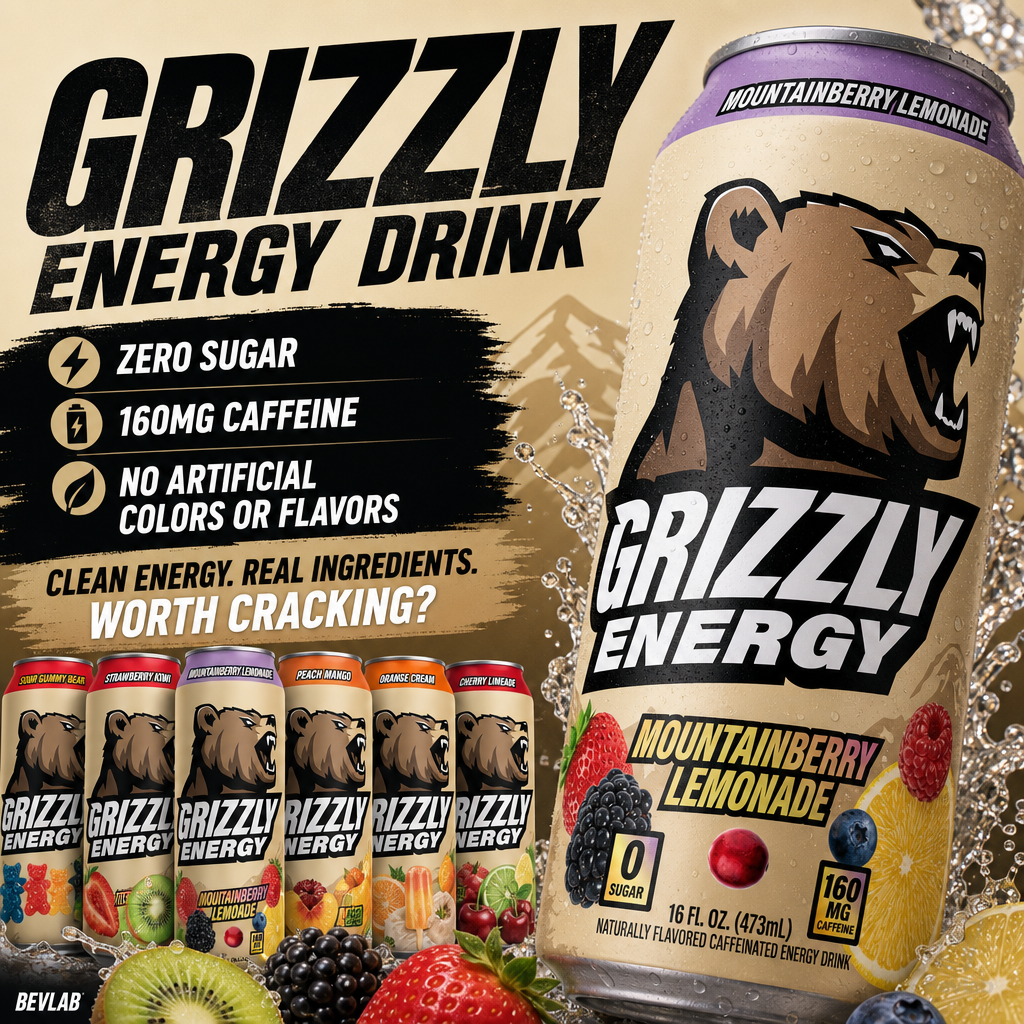
Grizzly Energy packs 160mg caffeine, taurine, and a clean B-vitamin stack into a zero-sugar can. Here's what the label says and whether it delivers.
Grizzly Energy Drink isn't trying to reinvent the category. It's a clean, no-frills zero-sugar energy drink built around a familiar core: caffeine, taurine, B vitamins, inositol, and glucuronolactone -- the classic energy drink stack that Red Bull popularized decades ago. What Grizzly does differently is the massive 1.7 gram dose of taurine and that they skip artificial colors and flavors entirely, delivering that formula in a 16 fl oz can with natural flavors only and a crisp finish the brand says doesn't leave the usual energy drink aftertaste. It's also priced competitively and ships through Amazon Prime.
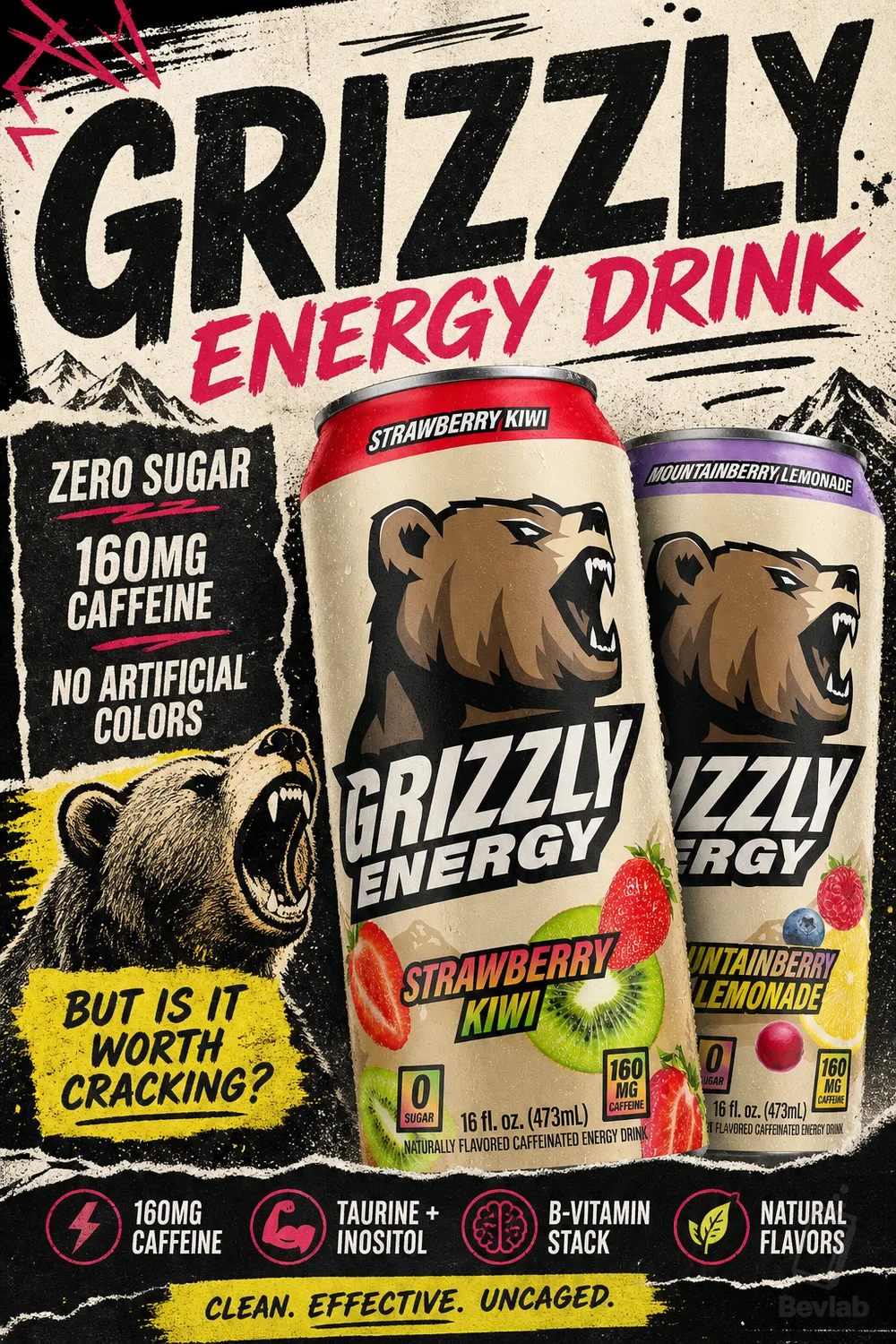
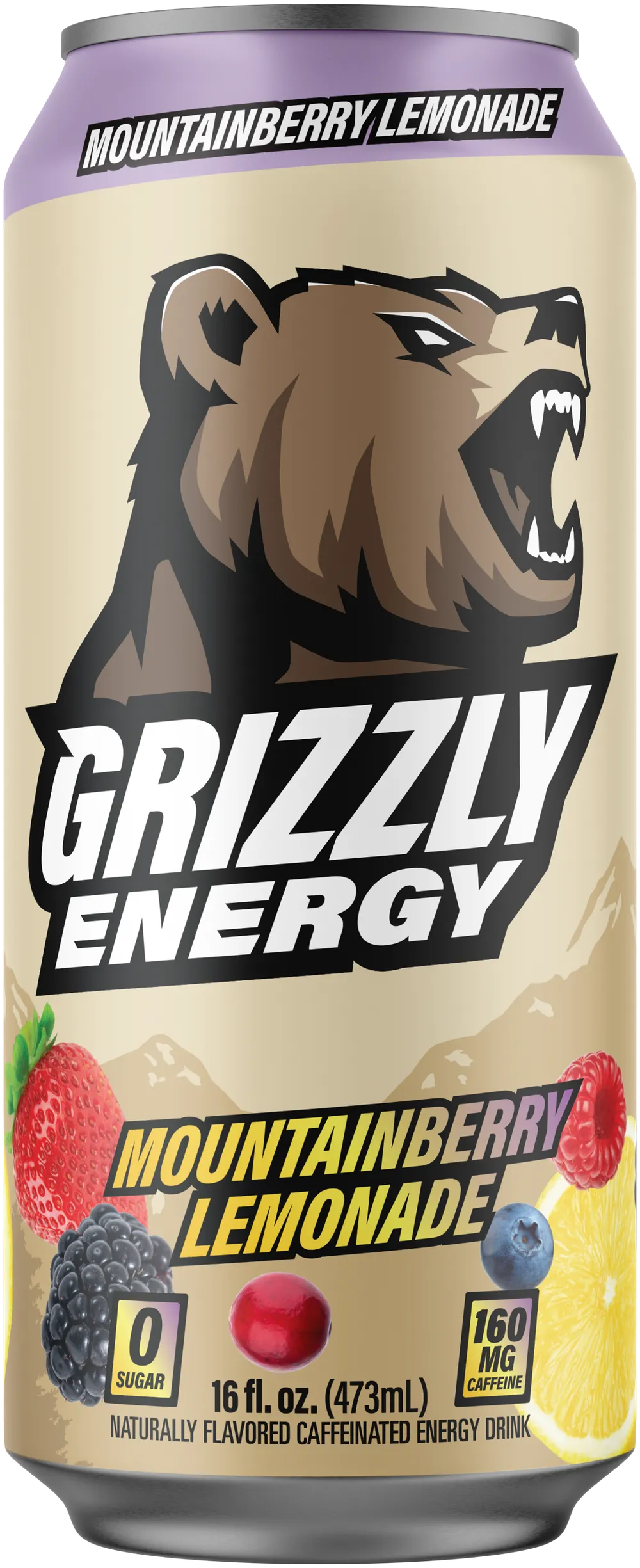
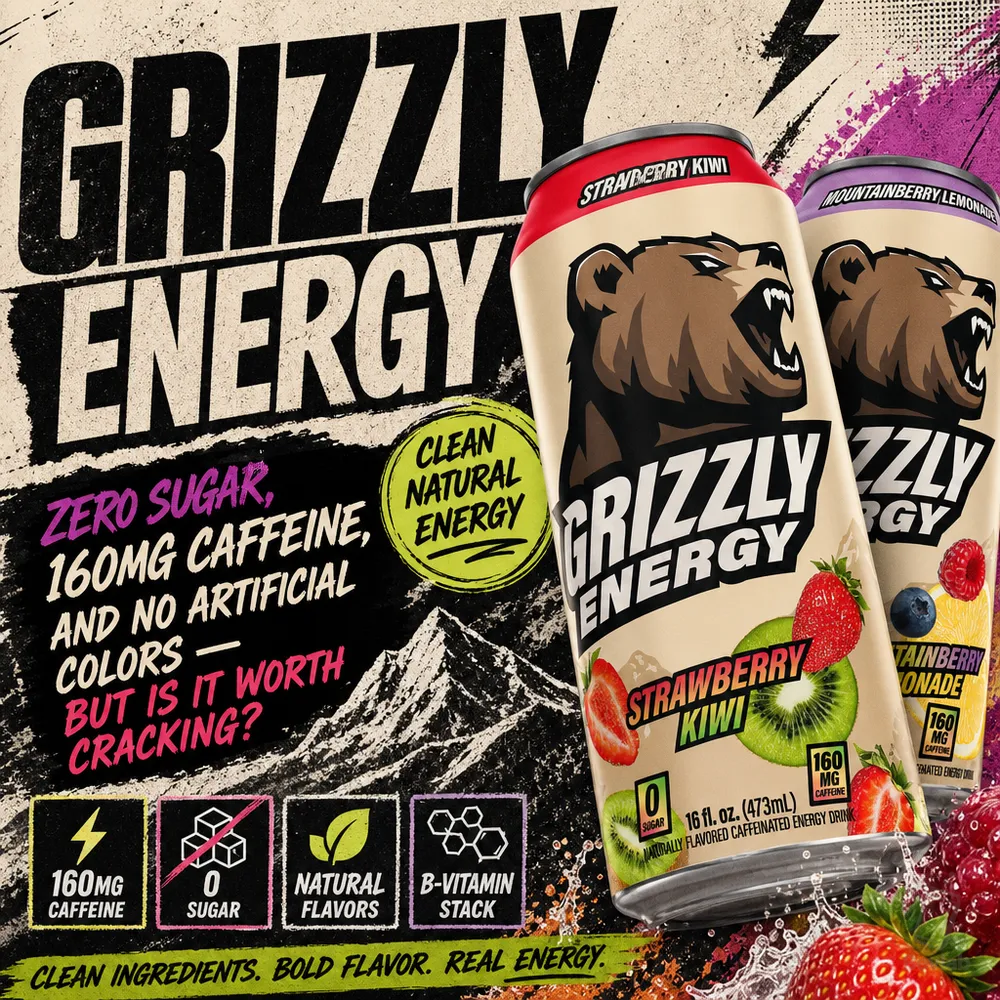
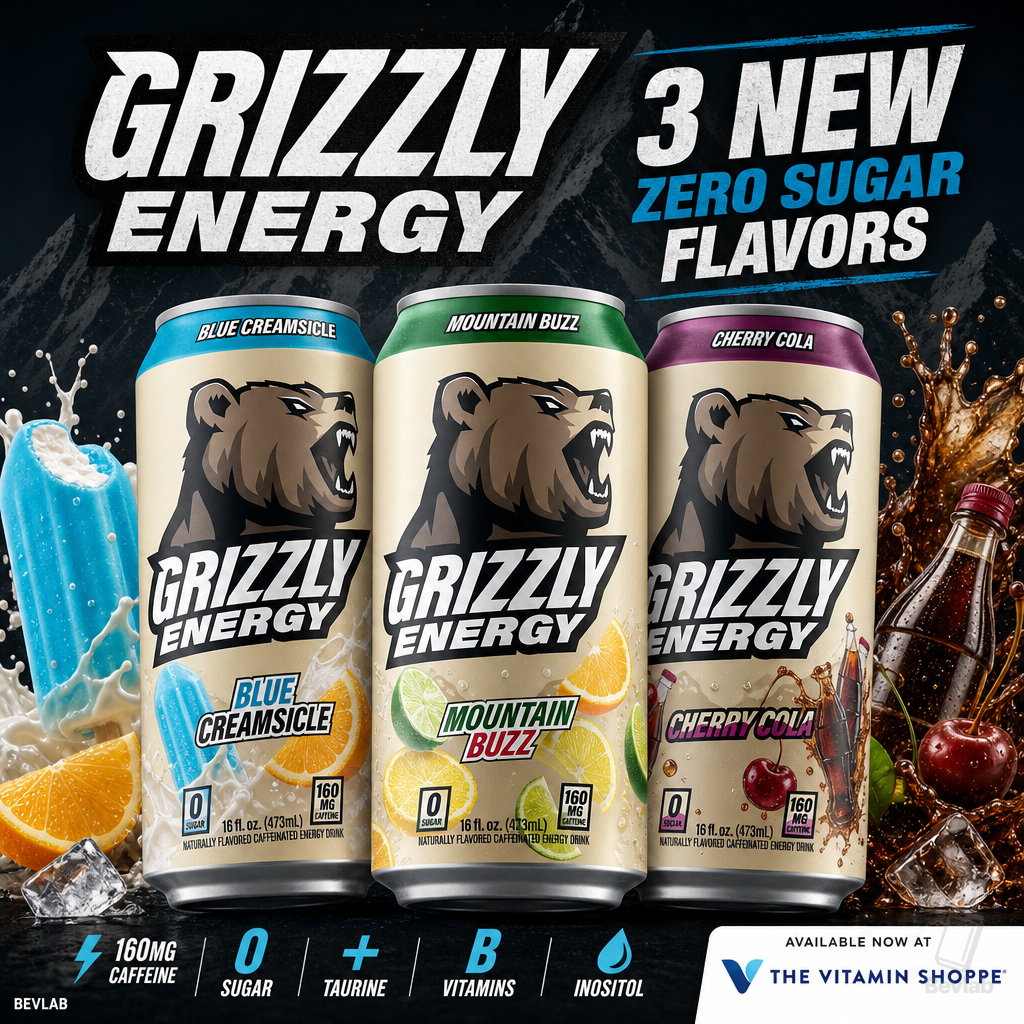
At the beginning of 2026, the lineup included six flavors, but more and more have been launched, including some retail exclusives. Mountainberry Lemonade is an all-time favorite around here: tart, berry-forward, and exactly the kind of flavor the category needs more of. Whether the formula backs up the packaging is what we're here to figure out.
Watch Related Videos
Bevlab VideosGrizzly Energy Drink Ingredients
Each 16 fl oz (473mL) can provides the following:
-
Caffeine - 160mg
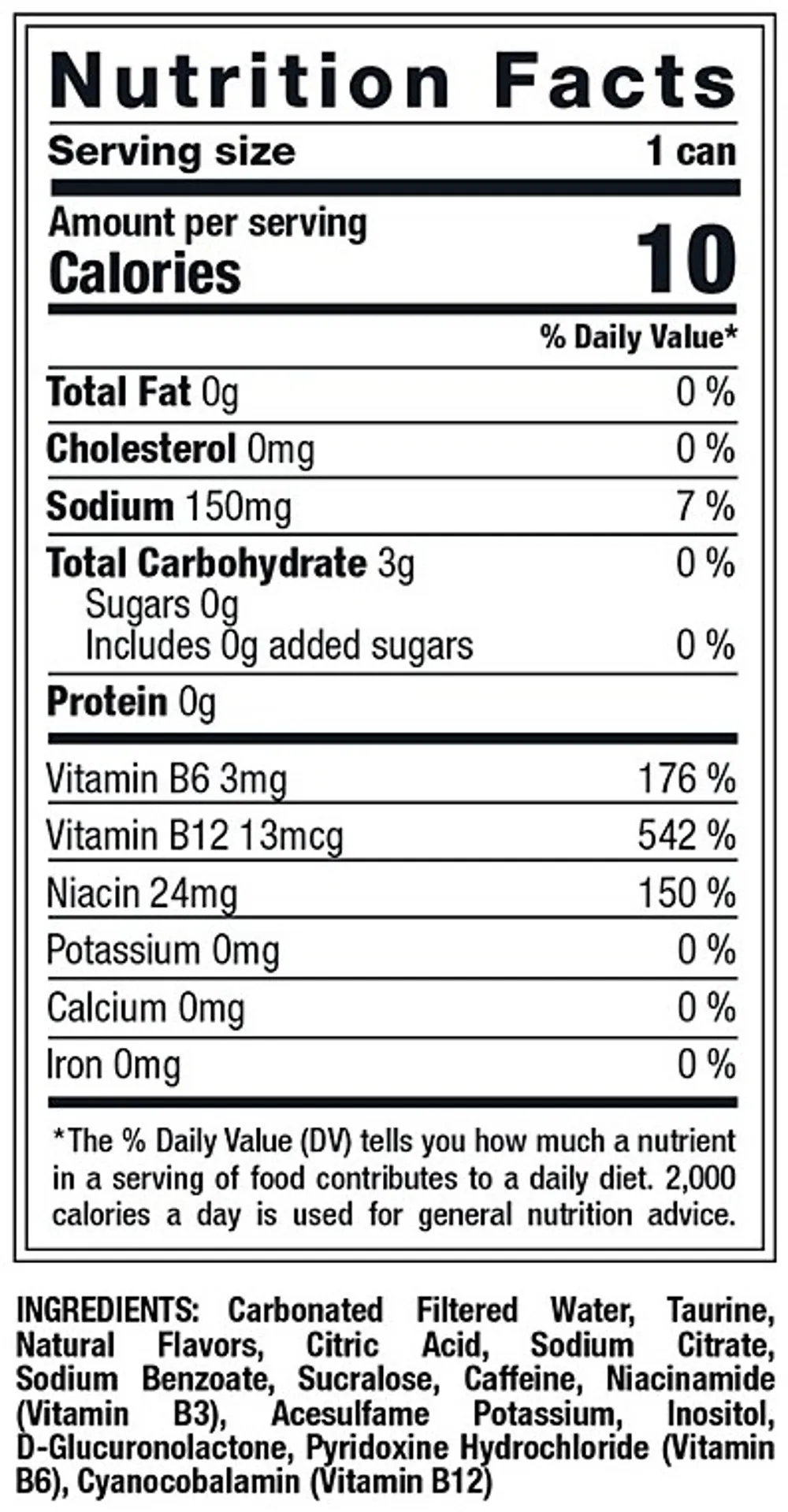
Grizzly Energy Drink ingredient and nutrition label Caffeine is the engine in every energy drink, and Grizzly keeps it at a moderate 160mg per can, right in the middle of the mainstream category. That's enough to block the signal in your brain that makes you feel tired, boost dopamine and norepinephrine availability, and sharpen focus without pushing into the range where anxiety and jitters become a real concern for most people.[1]
The ISSN's position on caffeine and exercise performance puts the ergogenic sweet spot at 3-6mg/kg body weight, which works out to roughly 200-400mg for most adults.[2] At 160mg, Grizzly sits slightly below that range for performance applications, but for everyday energy and mental clarity it's more than enough. Research consistently shows that doses as low as 32mg meaningfully improve reaction time and sustained attention in rested individuals, so 160mg lands well within the effective window.[1]
One thing worth noting: caffeine stays in your system for roughly 3-5 hours in healthy adults, though genetics and factors like oral contraceptive use can push that considerably higher.[2] The 160mg dose is conservative enough that most people won't be staring at the ceiling at midnight if they crack one in the early afternoon. For reference, 200mg caffeine taken six hours before bed has been shown to meaningfully disrupt sleep quality,[3] so timing still matters, but the dose gives you more flexibility than a 200-300mg can would.
-
Taurine - 1.7g
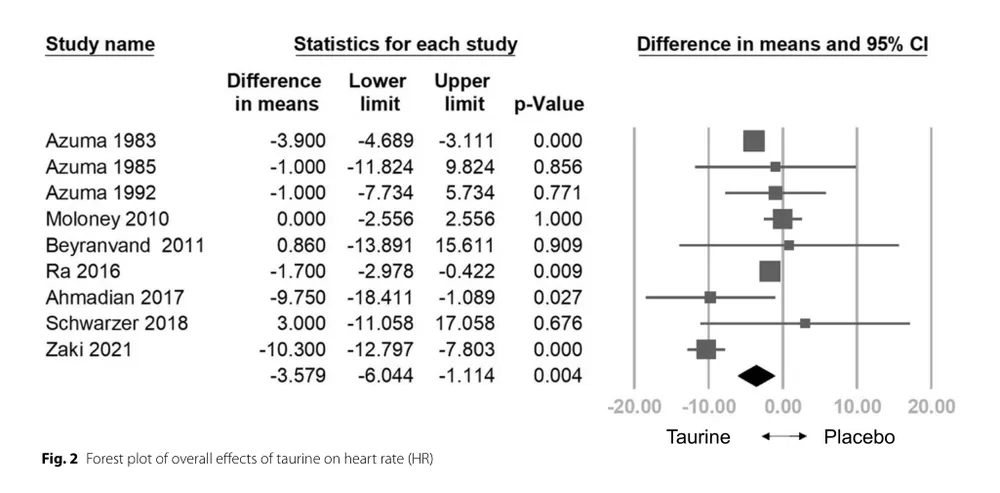
Cardiovascular Benefits of Taurine Taurine is one of the most abundant amino acids in your body, found at high concentrations in skeletal muscle, heart, and brain.[4] And this is a huge dose! Typical formulas run 750-1,000mg per serving, but Grizzly beats that, and in a big way.
Taurine supports muscle contractility by helping manage calcium release and reuptake in muscle cells, which translates to better force production and less fatigue during high-intensity efforts.[5,6] A meta-analysis of 23 trials found a small but real improvement in aerobic endurance performance with single-dose taurine supplementation, with the most consistent benefits appearing around one hour after ingestion.[7] When combined with caffeine specifically, the evidence gets stronger: a large meta-analysis found the caffeine-plus-taurine combination significantly improved anaerobic capacity and reaction time more than either compound alone.[8]
Taurine is also the ingredient most responsible for the cardiovascular stability you feel with a good energy drink. A meta-analysis of 20 RCTs found it significantly reduced heart rate and both systolic and diastolic blood pressure across a range of populations.[9] The result in practice is a smoother, cleaner energy effect: less edge, more focus.
At 1.7g, you get solid clinical backing, both in terms of endurance, but also fat oxidation. If you feel really good on Grizzly energy... as in, more than the average energy drink... then this is a likely reason why.
-
Inositol
Inositol (specifically myo-inositol) is a sugar alcohol that acts as a second messenger in signaling pathways tied to several neurotransmitter systems, including serotonin and norepinephrine.[10,11] In the energy drink context, it's often described as a mood-supporting ingredient, and there's clinical backing for that framing: a double-blind crossover RCT found 12g/day significantly reduced panic attack frequency compared to placebo in people with panic disorder.[10]
Grizzly doesn't disclose the inositol dose, and the amounts typically used in energy drinks are far below what psychiatric research studies. At beverage-level doses, the effect is more subtle: a general sense of calm focus rather than a dramatic anxiolytic outcome. The combination with caffeine is the real rationale here. Inositol at any meaningful dose takes some of the raw stimulation edge off and contributes to the clean, steady feel that separates a well-formulated energy drink from one that just winds you up.
On the metabolic side, myo-inositol has solid RCT-backed evidence for improving insulin sensitivity and lipid profiles in populations with metabolic dysfunction,[12,13] though those effects are most relevant at clinical doses (2-4g/day) and for people with underlying metabolic issues. For the average Grizzly drinker, the value-add is behavioral and neurological, not metabolic.
-
Glucuronolactone
Glucuronolactone is a naturally occurring compound your liver makes from glucose oxidation. Dietary exposure from food is essentially negligible, roughly 1-2mg/day, so the meaningful dose comes entirely from energy drinks like this one.[14,15] Grizzly doesn't disclose the amount, but standard energy drink formulations run around 600mg per 250mL serving, and Grizzly's can is 473mL.
The functional rationale goes back to early Red Bull research. The three-study series on Red Bull (which contains caffeine, taurine, B vitamins, and glucuronolactone) found the full formula improved aerobic endurance by roughly 9%, anaerobic endurance by up to 24%, and improved concentration and memory recall versus control drinks.[16] Isolating glucuronolactone's specific contribution from that research isn't possible, but it's one of the defining ingredients of the classic energy drink stack for a reason.
Mechanistically, glucuronolactone converts to D-glucaro-1,4-lactone, which inhibits the enzyme β-glucuronidase, a key step in the body's detoxification pathway that prevents already-neutralized toxins from being reactivated.[17,18] Animal work from the 1960s also found it meaningfully extended endurance and prevented several exercise-induced biochemical changes in ways that glucose alone didn't replicate.[19] The human-only evidence is thin, but it's been in every major energy drink for 30+ years for a reason.
-
Vitamins and Minerals
-
Niacin (as Niacinamide) - 24mg (150% DV)
Niacin in the niacinamide form (no flushing) is the precursor to NAD+, the coenzyme your cells need to run the energy-producing reactions that make every other ingredient in this can worth drinking.[20] At 24mg, 150% of the daily value, you're getting a meaningful dose without approaching the levels where metabolic or hepatic effects become relevant. Well-calibrated for a beverage format.
-
Vitamin B6 (as Pyridoxine Hydrochloride) - 3mg (176% DV)
Vitamin B6 as pyridoxine HCl needs to be converted to pyridoxal-5'-phosphate (PLP) in the liver before your body can use it, and PLP participates in over 140 enzymatic reactions, including the synthesis of dopamine, serotonin, and GABA.[21] At 3mg (176% DV), it supports the neurotransmitter production and energy metabolism pathways that give B6 its place in every energy drink B-complex.
-
Vitamin B12 (as Cyanocobalamin) - 13mcg (542% DV)
Vitamin B12 as cyanocobalamin is the most stable and widely used form in food and beverage applications.[22] At 542% DV, the dose looks high, but B12 is water-soluble and excess is excreted, so the overage isn't a concern. B12 is essential for red blood cell formation, myelin maintenance, and one-carbon metabolism.[23] In people who are actually deficient (common in vegans and older adults), correcting B12 status produces real improvements in energy and cognitive function.[24] For well-nourished people, the effect is more maintenance than transformation, but it belongs in the formula regardless.
-
-
Other Ingredients
Grizzly Energy Drink Featured -
Carbonated Filtered Water -- The base of the formula and the source of the carbonation. CO2 dissolved under pressure produces carbonic acid, which is responsible for the effervescent mouthfeel and slightly acidic bite.
-
Natural Flavors -- Grizzly uses only natural flavors, no artificial ones, a genuine differentiator from many competitors in this price range. Natural flavors are FEMA GRAS-affirmed flavoring substances derived from plant or animal sources, and their primary function is delivering the flavor profile without synthetic compounds.[25]
-
Citric Acid -- A natural acidulant that sharpens tartness in fruit-forward flavors and helps stabilize the formula's pH. It's the reason Mountainberry Lemonade has that clean, bright bite.[26]
-
Sodium Citrate -- Works alongside citric acid as a buffering agent to keep the pH in the right range for flavor stability and preservation. Also contributes a small amount of sodium.
-
Sodium Benzoate -- A standard preservative that keeps mold and bacteria out of the can. It's effective at the acidic pH of a drink like this and is used at GRAS-compliant levels.[27]
-
Sucralose -- The primary sweetener, roughly 600 times sweeter than sugar at near-zero calories. Zero glycemic impact at beverage doses. Approved globally and widely used in zero-sugar energy drinks.[28]
-
Acesulfame Potassium -- A co-sweetener paired with sucralose to round out the sweetness profile and reduce any bitter aftertaste. The combination is standard in the category and produces a more sugar-like sweetness curve than either sweetener alone.[29]
-
Flavors Available
- Cherry Cola (12 Cans: $29.99)
- Mountain Buzz (12 Cans: $29.99)
Who It's For
- Moderate-caffeine consumers: If 200-300mg cans feel like too much but you still want a real energy effect, Grizzly's 160mg sits in a sweet spot that works for most people without triggering jitteriness or sleep disruption later in the day.
- Clean-label shoppers: No artificial colors, no artificial flavors, gluten-free, and zero sugar. Grizzly checks every box for people who read labels before they drink.
The Bear Delivers Where It Counts
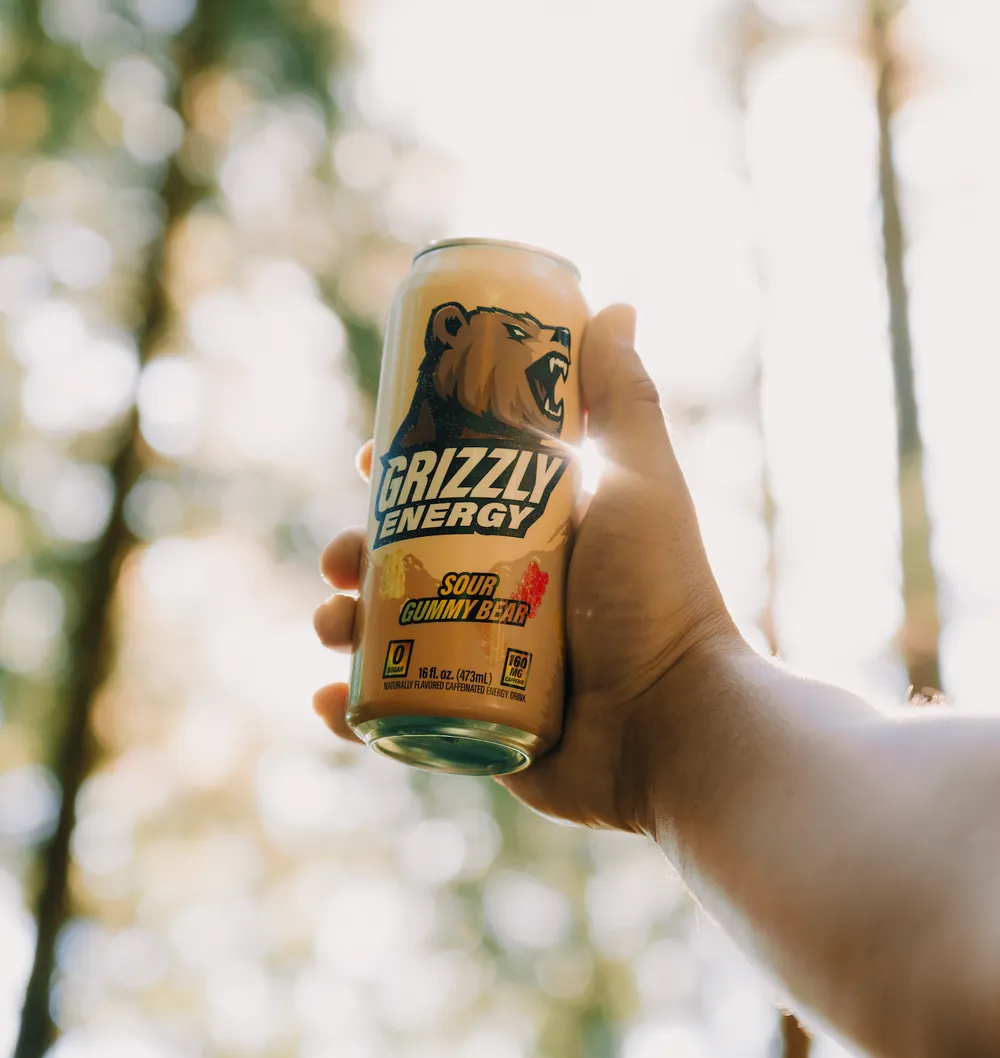
Grizzly Energy is a well-executed version of a proven formula. The caffeine dose is moderate and effective, the taurine-inositol-glucuronolactone stack is the same architecture that's driven the category for decades, and the natural flavors commitment is a genuine differentiator at this price point. It's not trying to be a nootropic powerhouse or a pre-workout in a can. It's a clean, drinkable everyday energy drink that doesn't taste like chemicals. The Mountainberry Lemonade especially delivers: tart, layered, and exactly as refreshing as it sounds.
If you want a zero-sugar Enny with no artificial ingredients and a flavor lineup that actually earns its names, Grizzly is worth adding to the rotation.
More Related Videos
Bevlab VideosFollow @BevlabMedia on TikTok and Instagram for more energy drink coverage.
References
- McLellan, Tom M. et al. "A Review Of Caffeine S Effects On Cognitive Physical And Occupational Performance." Neuroscience & Biobehavioral Reviews, 2016. https://doi.org/10.1016/j.neubiorev.2016.09.001
- Guest, Nanci S. et al. "International Society Of Sports Nutrition Position Stand Caffeine And Exercise Performance." Journal of the International Society of Sports Nutrition, 2021. https://doi.org/10.1186/s12970-020-00383-4
- Drake, Christopher, et al. "Caffeine effects on sleep taken 0, 3, or 6 hours before going to bed." Journal of clinical sleep medicine : JCSM : official publication of the American Academy of Sleep Medicine, 2013. https://doi.org/10.5664/jcsm.3170
- Ripps, Harris, et al. "Review: taurine: a "very essential" amino acid." Molecular vision, 2012. https://pmc.ncbi.nlm.nih.gov/articles/PMC3501277/
- Kurtz, Jennifer A, et al. "Taurine in sports and exercise." Journal of the International Society of Sports Nutrition, 2021. https://doi.org/10.1186/s12970-021-00438-0
- Goodman, Craig A, et al. "Taurine supplementation increases skeletal muscle force production and protects muscle function during and after high-frequency in vitro stimulation." Journal of applied physiology (Bethesda, Md. : 1985), 2009. https://doi.org/10.1152/japplphysiol.00040.2009
- Deng, Hengzhi, et al. "Does One Shot Work? The Acute Impact of a Single Taurine Dose on Exercise Performance: A Meta-Analytic Review." Scandinavian journal of medicine & science in sports, 2025. https://doi.org/10.1111/sms.70123
- Deng, Hengzhi, et al. "Caffeine and taurine: a systematic review and network meta-analysis of their individual and combined effects on physical capacity, cognitive function, and physiological markers." Journal of the International Society of Sports Nutrition, 2025. https://doi.org/10.1080/15502783.2025.2566371
- Tzang, Chih-Chen, et al. "Insights into the cardiovascular benefits of taurine: a systematic review and meta-analysis." Nutrition journal, 2024. https://doi.org/10.1186/s12937-024-00995-5
- Benjamin, J, et al. "Double-blind, placebo-controlled, crossover trial of inositol treatment for panic disorder." The American journal of psychiatry, 1995. https://doi.org/10.1176/ajp.152.7.1084
- Levine, J, et al. "Double-blind, controlled trial of inositol treatment of depression." The American journal of psychiatry, 1995. https://doi.org/10.1176/ajp.152.5.792
- Unfer, Vittorio, et al. "Myo-inositol effects in women with PCOS: a meta-analysis of randomized controlled trials." Endocrine connections, 2017. https://doi.org/10.1530/EC-17-0243
- Tabrizi, Reza, et al. "The effects of inositol supplementation on lipid profiles among patients with metabolic diseases: a systematic review and meta-analysis of randomized controlled trials." Lipids in health and disease, 2018. https://doi.org/10.1186/s12944-018-0779-4
- Rubio, Carmen, et al. "Caffeine, D-glucuronolactone and Taurine Content in Energy Drinks: Exposure and Risk Assessment." Nutrients, 2022. https://doi.org/10.3390/nu14235103
- Munteanu, Camelia, et al. "B Vitamins, Glucoronolactone and the Immune System: Bioavailability, Doses and Efficiency." Nutrients, 2023. https://doi.org/10.3390/nu16010024
- Alford, C, et al. "The effects of red bull energy drink on human performance and mood." Amino acids, 2001. https://doi.org/10.1007/s007260170021
- Marsh, C A. "Metabolism of D-glucuronolactone in mammalian systems. Inhibitory properties of the products of D-glucuronolactone-dehydrogenase action." The Biochemical journal, 1966. https://doi.org/10.1042/bj0990022
- Zółtaszek, Robert, et al. "[The biological role of D-glucaric acid and its derivatives: potential use in medicine]." Postepy higieny i medycyny doswiadczalnej (Online), 2008. https://pubmed.ncbi.nlm.nih.gov/18772850/
- Tamura, S, et al. "Effects of glucuronolactone and the other carbohydrates on the biochemical changes produced in the living body of rats by hard exercise." Japanese journal of pharmacology, 1968. https://doi.org/10.1254/jjp.18.30
- Gasperi, Valeria, et al. "Niacin In The Central Nervous System An Update Of Biological Aspects And Clinical Applications." International Journal of Molecular Sciences, 2019. https://doi.org/10.3390/ijms20040974
- di, Salvo Martino Luigi, et al. "Di Salvo2010 Vitamin B6 Salvage Enzymes Mechanism Structure And Regulation." Biochimica et Biophysica Acta (BBA) - Proteins and Proteomics, 2011. https://doi.org/10.1016/j.bbapap.2010.12.006
- Obeid, Rima, et al. "Cobalamin Coenzyme Forms Are Not Likely To Be Superior To Cyano And Hydroxyl Cobalamin In Prevention Or Treatment Of Cobalamin Deficiency." Molecular Nutrition & Food Research, 2015. https://doi.org/10.1002/mnfr.201500019
- Lyon, Peter, et al. "B Vitamins And One Carbon Metabolism Implications In Human Health And Disease." Nutrients, 2020. https://doi.org/10.3390/nu12092867
- Ueno, Asako, et al. "Influences Of Vitamin B12 Supplementation On Cognition And Homocysteine In Patients With Vitamin B12 Deficiency And Cognitive Impairment." Nutrients, 2022. https://doi.org/10.3390/nu14071494
- Singh, Nidhi, et al. "Natural food flavours: a healthier alternative for bakery industry-a review." Journal of food science and technology, 2024. https://doi.org/10.1007/s13197-023-05782-4
- Książek, Ewelina. "Citric Acid: Properties, Microbial Production, and Applications in Industries." Molecules (Basel, Switzerland), 2023. https://doi.org/10.3390/molecules29010022
- EFSA, Panel on Food Additives and Nutrient Sources (ANS). "Scientific Opinion on the re‐evaluation of benzoic acid (E 210), sodium benzoate (E 211), potassium benzoate (E 212) and calcium benzoate (E 213) as food additives." EFSA Journal, 2016. https://doi.org/10.2903/j.efsa.2016.4433
- Wilk, Klara, et al. "The Effect of Artificial Sweeteners Use on Sweet Taste Perception and Weight Loss Efficacy: A Review." Nutrients, 2022. https://doi.org/10.3390/nu14061261
- Chowdhury, Chandrama Roy, et al. "Beyond sweetness: A review of the health and safety of acesulfame-K." Food chemistry, 2026. https://doi.org/10.1016/j.foodchem.2025.147290
Tagged