Product Introduction
JSTWRK Energy
No nootropic theatrics here - just caffeine, the classic Enny trio, and four aggressive launch flavors.
Axe & Sledge launches JSTWRK Energy, a 12oz, 200mg-caffeine Enny with four flavors and a straightforward B-vitamin stack.
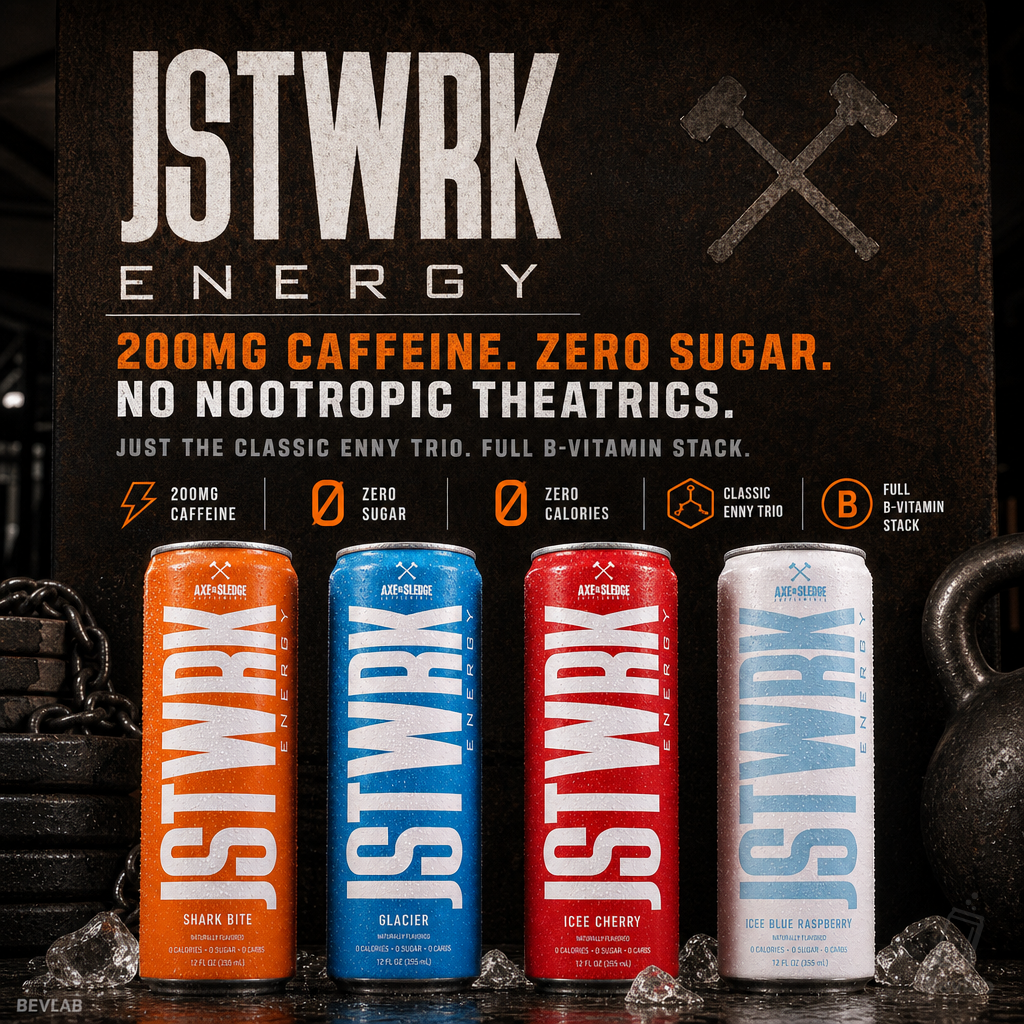
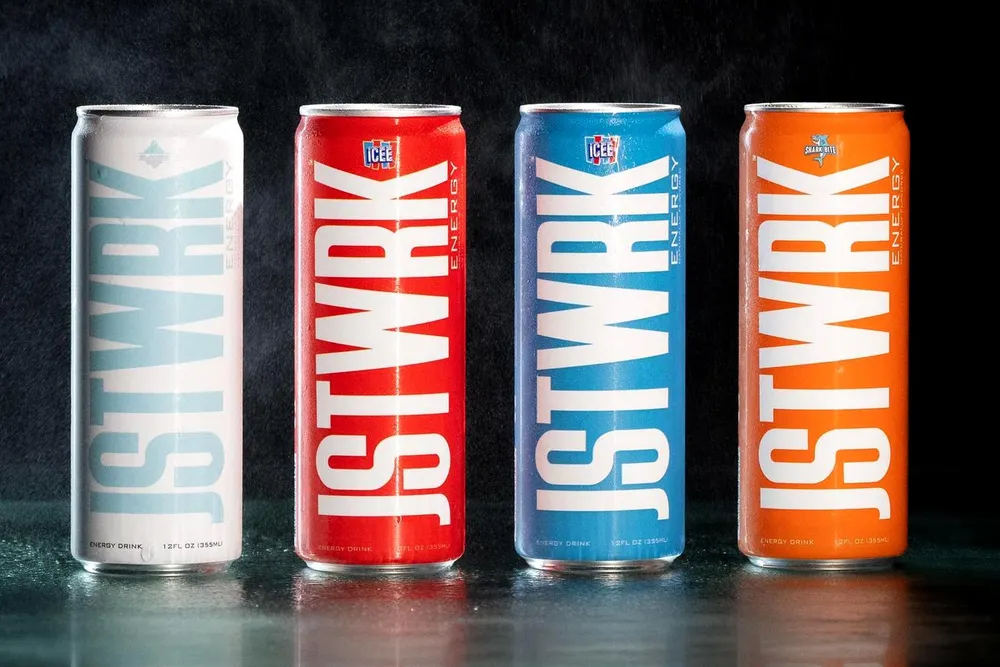
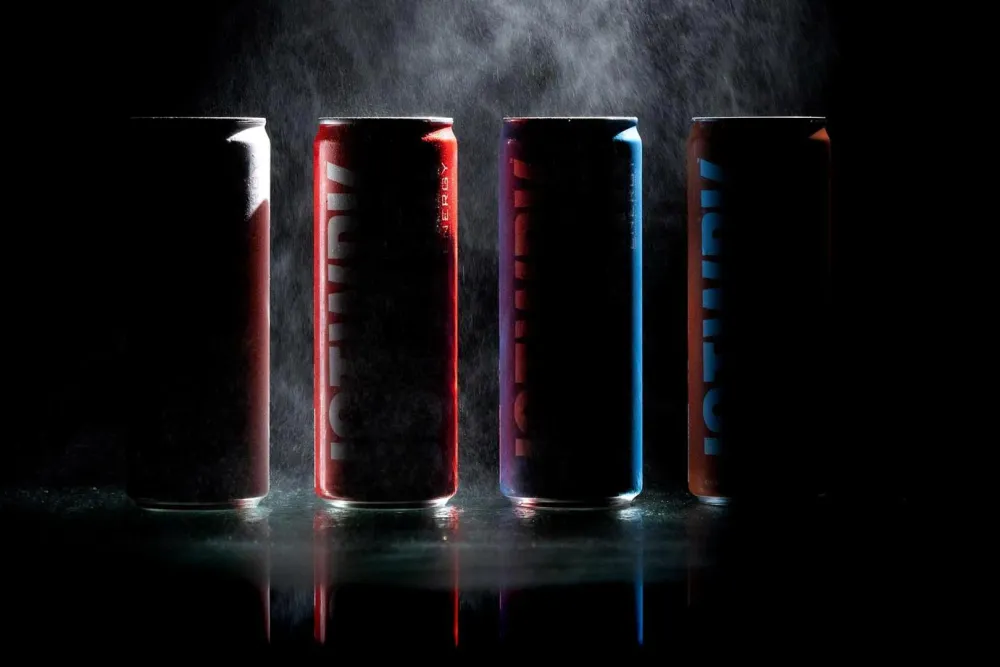
Axe & Sledge launched JSTWRK Energy on March 14, 2023, a 12oz slim can built around 200mg of caffeine with zero sugar, zero carbs, and zero calories. Four flavors launched simultaneously: Shark Bite, Glacier, ICEE Cherry, and ICEE Blue Raspberry.
If you've followed Axe & Sledge's supplement lineup on PricePlow's Axe & Sledge brand page, you already know the brand leans into bold flavor names and no-nonsense labeling, and JSTWRK Energy follows that same playbook. JSTWRK Energy skips the heavily dosed nootropic stack chasing the latest trend, opting instead for a caffeine-forward can built on the classic energy drink trio of taurine, glucuronolactone, and inositol, backed by a full run of B vitamins. Straightforward and familiar.
Watch Related Videos
Bevlab VideosJSTWRK Energy Nutrition Facts
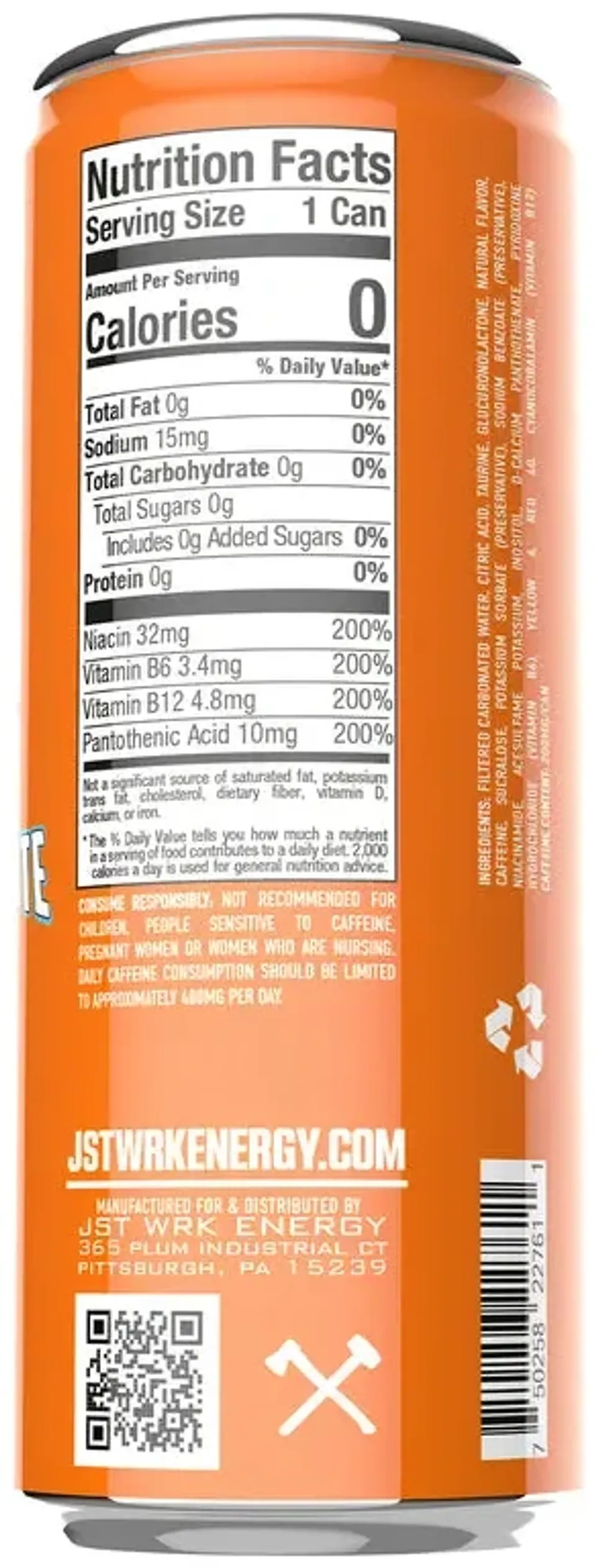
Per 12oz can:
- Calories: 0
- Total Fat: 0g
- Sodium: 15mg
- Total Carbohydrate: 0g
- Total Sugars: 0g
- Added Sugars: 0g
- Protein: 0g
- Niacin: 32mg (200% DV)
- Vitamin B6: 3.4mg (200% DV)
- Vitamin B12: 4.8mcg (200% DV)
- Pantothenic Acid (Vitamin B5): 10mg (200% DV)
JSTWRK Energy Ingredients
Each 12oz can provides the following key actives:
-
Caffeine - 200mg
Caffeine is the only active ingredient in JSTWRK Energy with a disclosed dose, and 200mg puts the can in a familiar, moderate tier for the category. It works by blocking the tiredness signal in your brain, getting in the way of adenosine at its receptors, which is why the effect shows up as alertness rather than a jittery spike for most people at this dose. The ISSN's position stand on caffeine and exercise performance points to 3-6mg/kg as the range that reliably improves endurance, sprint output, and reaction time in trained and untrained people alike.[1] At roughly 2.5-3mg/kg for an average adult, JSTWRK Energy's 200mg lands near the lower end of that ergogenic window rather than at the high-caffeine extreme some competitors chase. Research on caffeine and cognitive performance backs that dosing logic for vigilance and sustained attention tasks, the kind of mental grind a work shift or long drive actually demands.[2] The can's warning label caps daily intake advice at 400mg, consistent with FDA guidance for healthy adults.
-
Taurine
Taurine is one of the three defining ingredients that separate an energy drink from a plain caffeinated soda, alongside glucuronolactone and inositol. Axe & Sledge doesn't publish an exact milligram amount, so treat it as a familiar supporting ingredient rather than a fully dosed performance feature, one that sits beside caffeine in a formula built around category standards rather than a novel nootropic stack.
-
Glucuronolactone
Glucuronolactone is the third leg of the classic energy drink stool, most famously associated with Red Bull's original formula. Like taurine, JSTWRK Energy's label doesn't disclose an exact amount, and standard energy drink formulas in this category typically run around 600mg per 8.4oz serving as a point of comparison, not a claim about this specific can. The ingredient is a naturally occurring metabolite of glucose that the liver also produces on its own, and its main proposed mechanism runs through inhibition of an enzyme called β-glucuronidase, which is theorized to support the body's own detoxification pathway.[3] The trouble for anyone trying to make hard performance claims is that almost all human evidence testing glucuronolactone comes from multi-ingredient energy drink trials where its individual contribution can't be separated from caffeine and taurine.[4] The one study that isolated it measured cardiovascular markers, not energy or focus, and found no significant blood pressure change from the ingredient alone.[5] Its presence here is squarely traditional rather than a differentiated performance claim.
-
Inositol
Inositol rounds out the legacy trio, though its inclusion in JSTWRK Energy is best understood as a callback to classic energy drink formulas rather than a clinically dosed nootropic addition. The amount isn't disclosed on the label, which matters because the human research on inositol, mostly centered on PCOS, gestational diabetes, and mood applications, uses doses in the 1 to 4 gram per day range, and sometimes higher.[6] At those clinical doses, inositol is a precursor in the phosphatidylinositol signaling system that mediates insulin, hormone, and neurotransmitter receptor activity.[7] Whatever amount is actually in a 12oz can of JSTWRK Energy is almost certainly a fraction of a clinical dose, so don't expect the mood or metabolic effects seen in those trials from drinking this can. It's here because it's always been here in this category, not because Axe & Sledge is making a specific health claim about it.
-
Vitamins and Minerals
-
Niacin (as Niacinamide) - 32mg (200% DV)
Niacinamide supplies 32mg of niacin, or 200% of the Daily Value shown on the launch label. This is standard energy-drink fortification, not a reason to expect a separate stimulant effect.
-
Vitamin B6 - 3.4mg (200% DV)
Vitamin B6 appears at 3.4mg, or 200% of the Daily Value. It supports normal nutrient metabolism, but this remains a routine fortification dose rather than a special performance feature.
-
Vitamin B12 - 4.8mcg (200% DV)
Vitamin B12 comes in at 4.8 micrograms, which lines up with the 200% Daily Value listed on the can. B12 is essential for red blood cell formation and nerve function, and research on the vitamin has found no established upper limit and no reports of direct toxicity even at doses many times higher than what's in this can.[8] This is a routine fortification amount, the kind you'd see in most B-complex-supported energy drinks.
-
Pantothenic Acid (Vitamin B5) - 10mg (200% DV)
Pantothenic acid, or vitamin B5, appears at 10mg, equal to 200% of the Daily Value. Like the other B vitamins here, it supports normal energy metabolism without turning the can into a specialized nootropic product.
-
-
Other Ingredients
-
Filtered Carbonated Water - the carbonated base of the drink.
-
Citric Acid - a common acidulant that adds tartness and helps balance the sweetness profile.
-
Natural Flavor - the proprietary flavoring blend behind each of the four launch profiles.
-
Potassium Sorbate - a preservative that inhibits mold and yeast growth to extend shelf stability.
-
Sodium Benzoate - a preservative that works alongside potassium sorbate to prevent microbial growth.
-
Sucralose - the zero-calorie sweetener responsible for the drink's sweetness in the absence of sugar.
-
Green Tea Extract - included on the ingredient list without a disclosed amount. Green tea extract can contribute trace natural caffeine and catechins, but with no dose disclosed here, its practical contribution to the can's stated 200mg caffeine figure is unclear.
-
Flavors Available
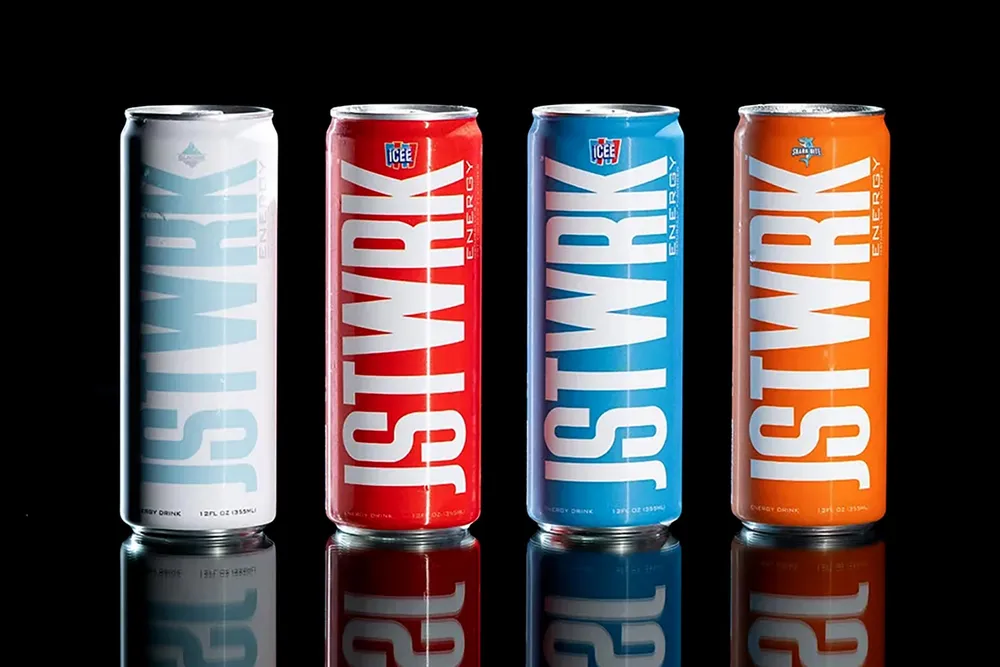
JSTWRK Energy launched with four flavors: Shark Bite, Glacier, ICEE Cherry, and ICEE Blue Raspberry.
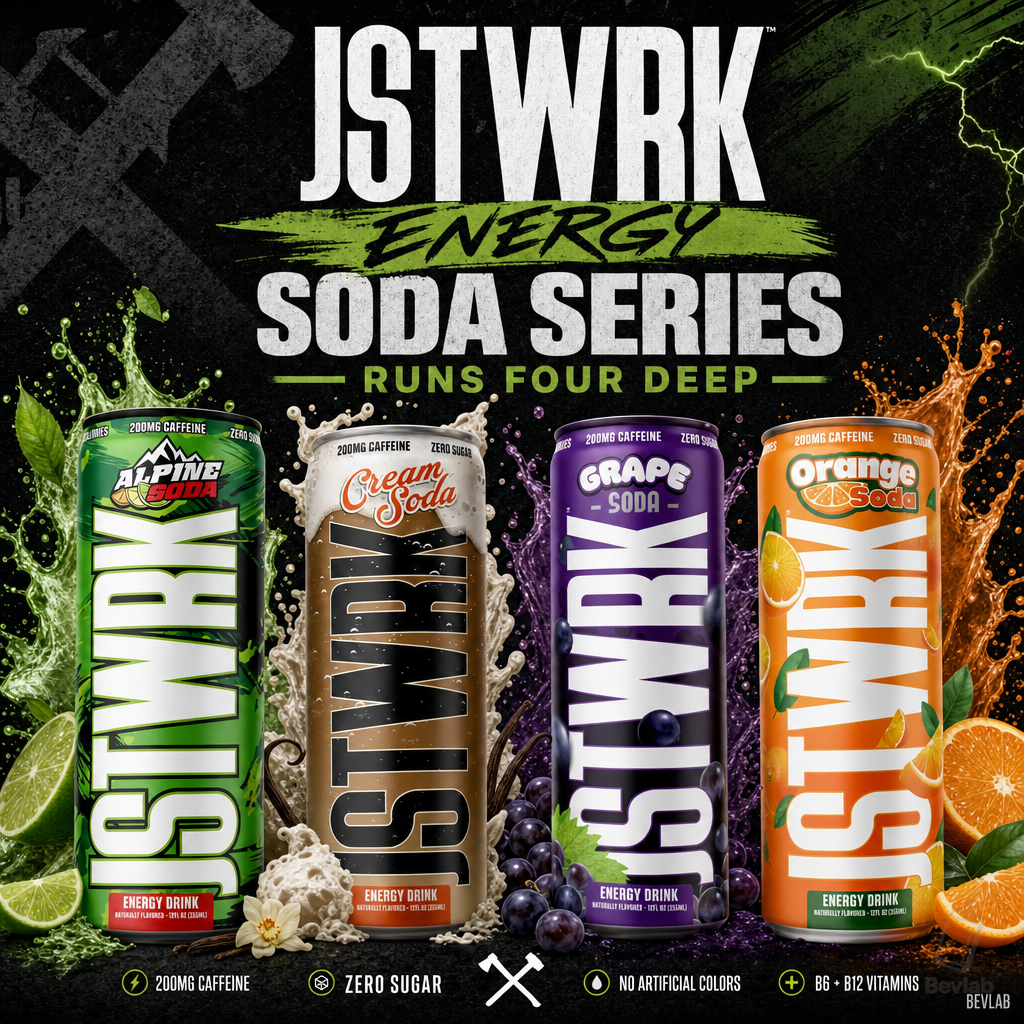
- Alpine Soda (12 Cans: $22.49)
- Cream Soda (12 Cans: $29.99)
- Grape Soda (12 Cans: $22.49)
- Melon Pop (12 Cans: $18.00)
- Orange Soda (12 Cans: $22.49)
Who It's For
- Convenience-store energy shoppers: If you want a 200mg can without wading through a nootropic ingredient list, this is a familiar, easy pickup.
- Axe & Sledge loyalists: Fans already running the brand's pre-workouts and supplements now have a matching energy drink to stack into their routine.
A Familiar Formula, Not a Reinvention
JSTWRK Energy leans on the classic caffeine, taurine, glucuronolactone, and inositol combination that's defined the category since Red Bull, backed by a full run of B vitamins at sensible, unremarkable doses. It's a solid, zero-sugar pick for anyone who wants 200mg of caffeine without a science-lecture ingredient panel, not a formula built to out-nootropic the competition.
More Related Videos
Bevlab VideosProduct Introduction
REELS
References
- Guest, Nanci S. et al. "International Society Of Sports Nutrition Position Stand Caffeine And Exercise Performance." Journal of the International Society of Sports Nutrition, 2021. https://doi.org/10.1186/s12970-020-00383-4
- McLellan, Tom M. et al. "A Review Of Caffeine S Effects On Cognitive Physical And Occupational Performance." Neuroscience & Biobehavioral Reviews, 2016. https://doi.org/10.1016/j.neubiorev.2016.09.001
- Marsh, C A. "Metabolism of D-glucuronolactone in mammalian systems. Inhibitory properties of the products of D-glucuronolactone-dehydrogenase action." The Biochemical journal, 1966. https://doi.org/10.1042/bj0990022
- Alford, C, et al. "The effects of red bull energy drink on human performance and mood." Amino acids, 2001. https://doi.org/10.1007/s007260170021
- Basrai, Maryam, et al. "Energy Drinks Induce Acute Cardiovascular and Metabolic Changes Pointing to Potential Risks for Young Adults: A Randomized Controlled Trial." The Journal of nutrition, 2019. https://doi.org/10.1093/jn/nxy303
- Unfer, Vittorio, et al. "Myo-inositol effects in women with PCOS: a meta-analysis of randomized controlled trials." Endocrine connections, 2017. https://doi.org/10.1530/EC-17-0243
- Zarezadeh, Meysam, et al. "Inositol supplementation and body mass index: A systematic review and meta-analysis of randomized clinical trials." Obesity science & practice, 2022. https://doi.org/10.1002/osp4.569
- Lyon, Peter, et al. "B Vitamins And One Carbon Metabolism Implications In Human Health And Disease." Nutrients, 2020. https://doi.org/10.3390/nu12092867
Tagged