Juice Monster
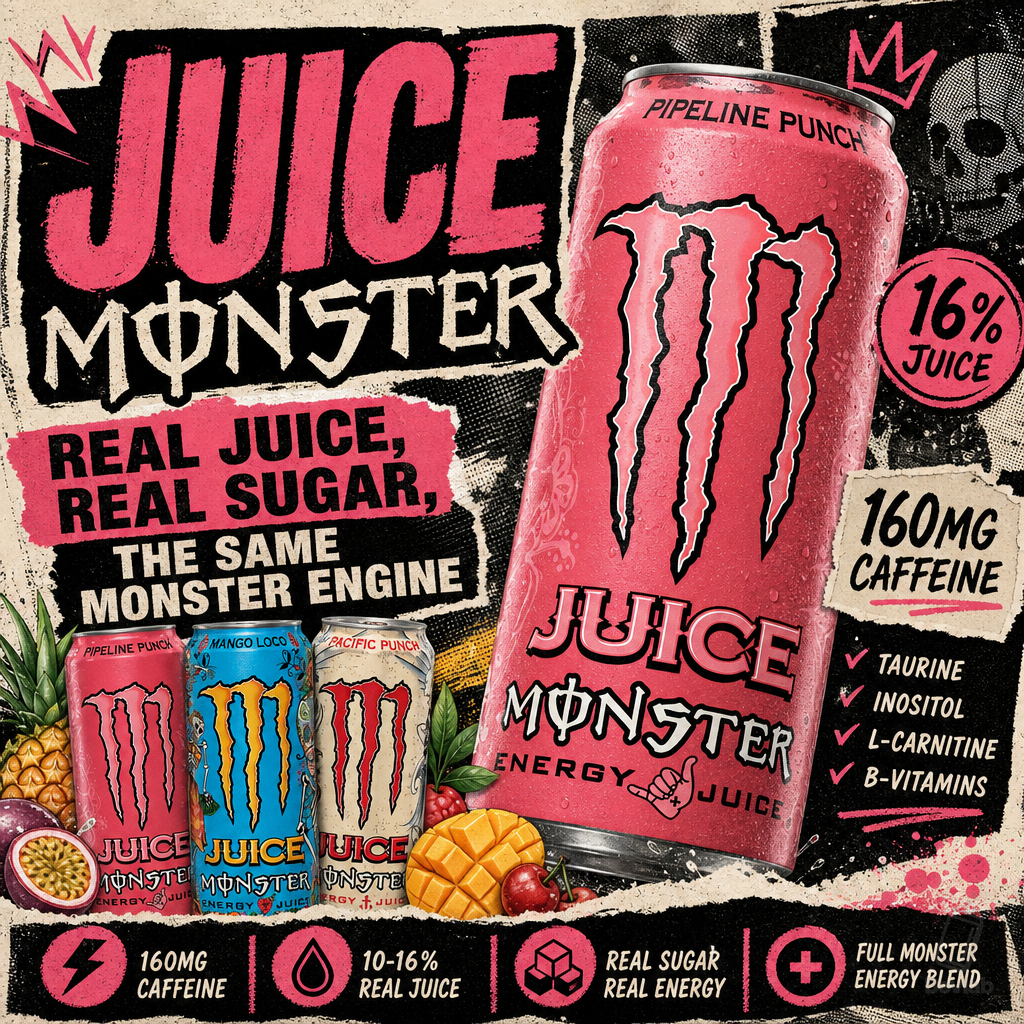
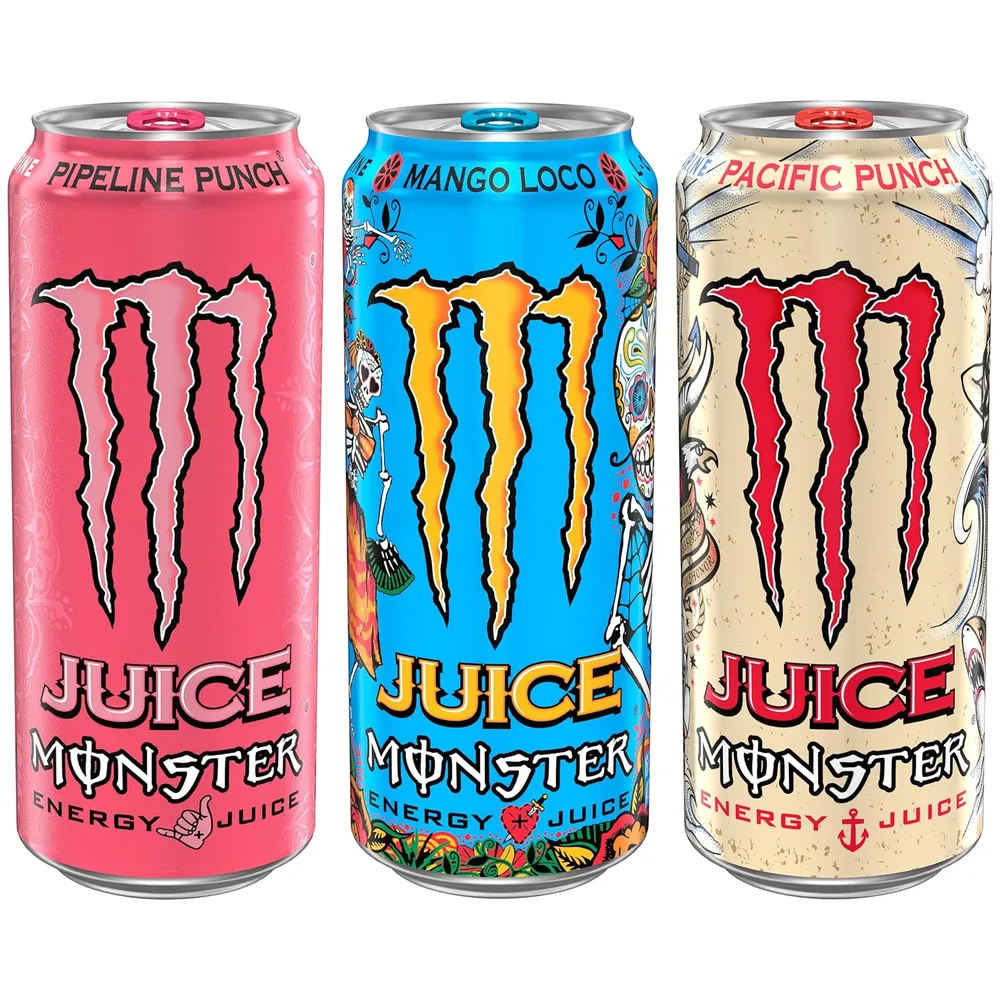
Juice Monster packs real fruit juice, 160mg caffeine, and the classic Monster energy blend into a bigger, bolder can. Here's everything in the formula.
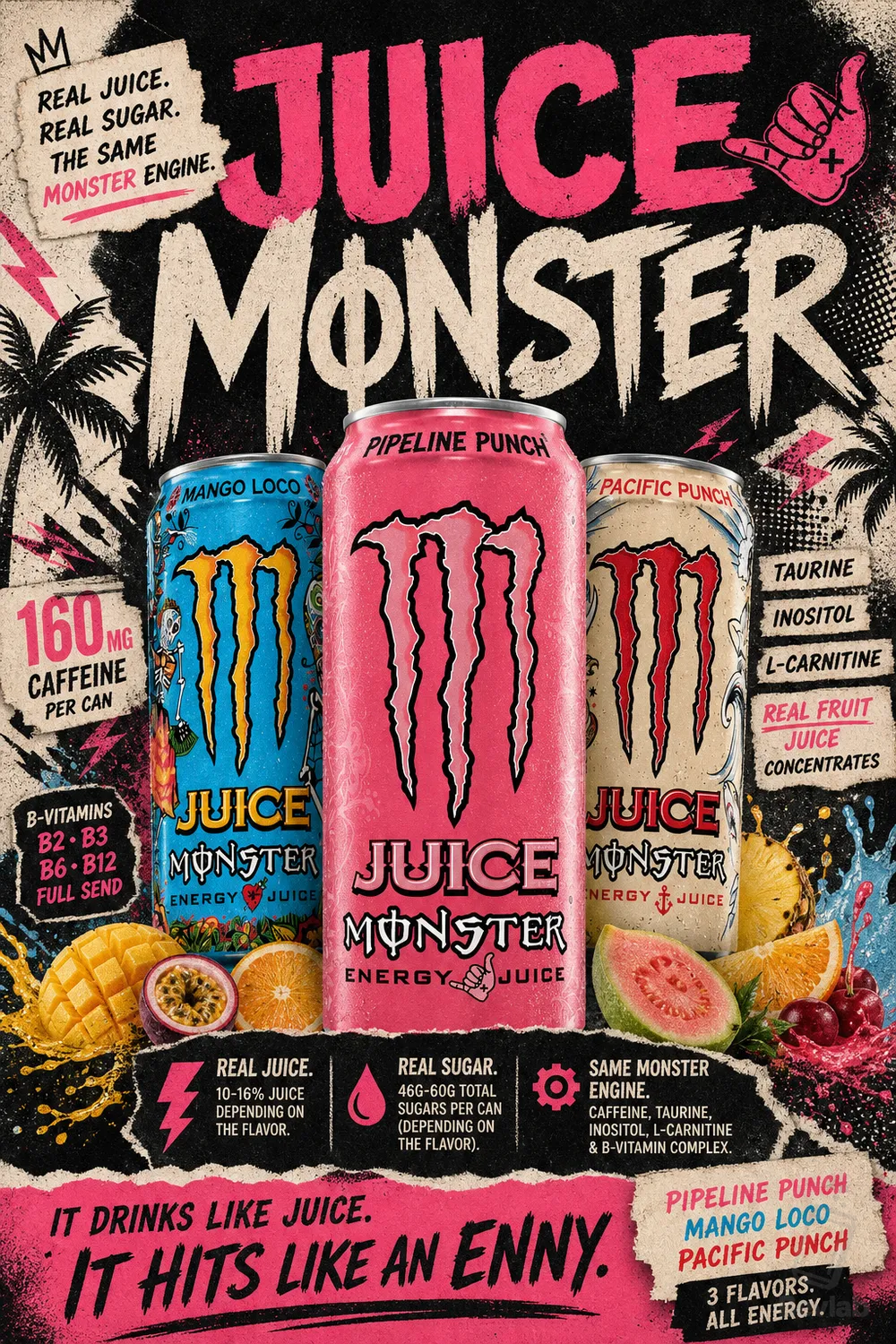
If you've ever wanted the Monster energy system in a can that actually tastes like fruit instead of a chemistry experiment, Juice Monster is where the brand went to deliver that. These aren't energy drinks with a splash of juice on the label for marketing cover -- they're built around real fruit juice concentrates (10-16% depending on the flavor), which is why they carry actual calories, real sugar, and a noticeably fuller mouthfeel than the famous white Monster Ultra cans.
The energy stack underneath the juice is the same Monster system you'd recognize from the original Monster Energy: caffeine, taurine, inositol, L-carnitine, and a B-vitamin complex. Juice Monster doesn't pretend to be a low-cal option or a fitness drink. It's a full-sugar, fruit-forward energy drink for people who want something that drinks like a juice but hits like an Enny.
Nutrition Varies by Flavor
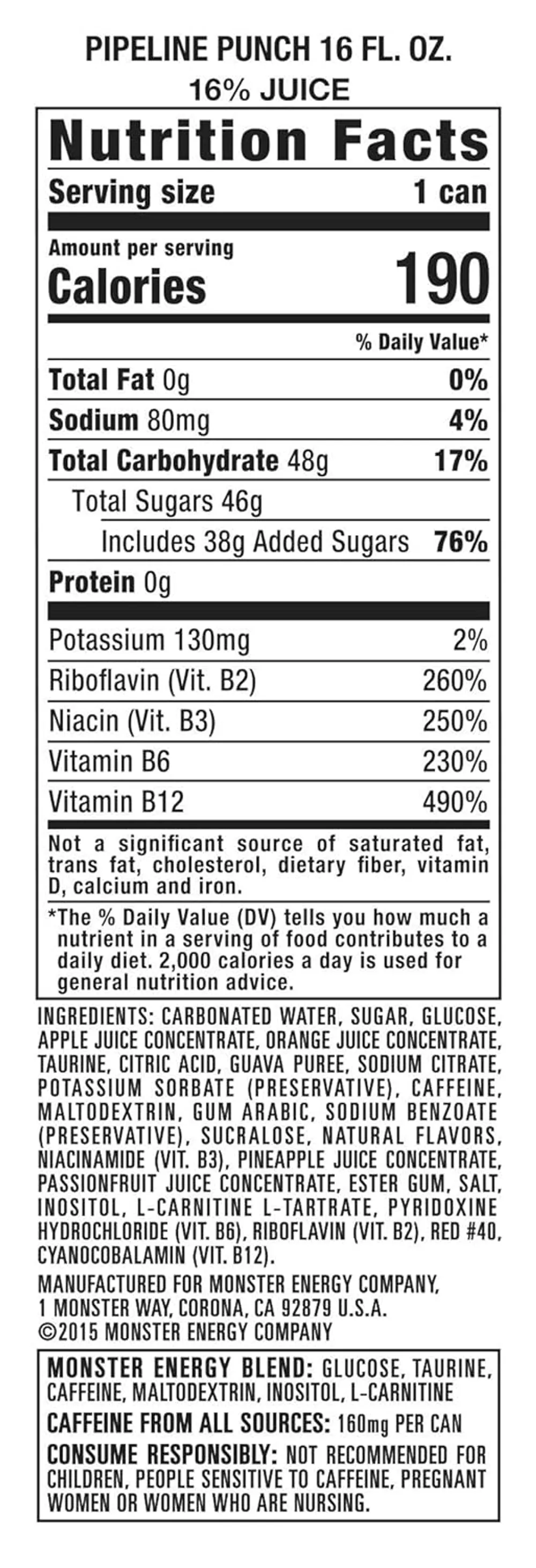
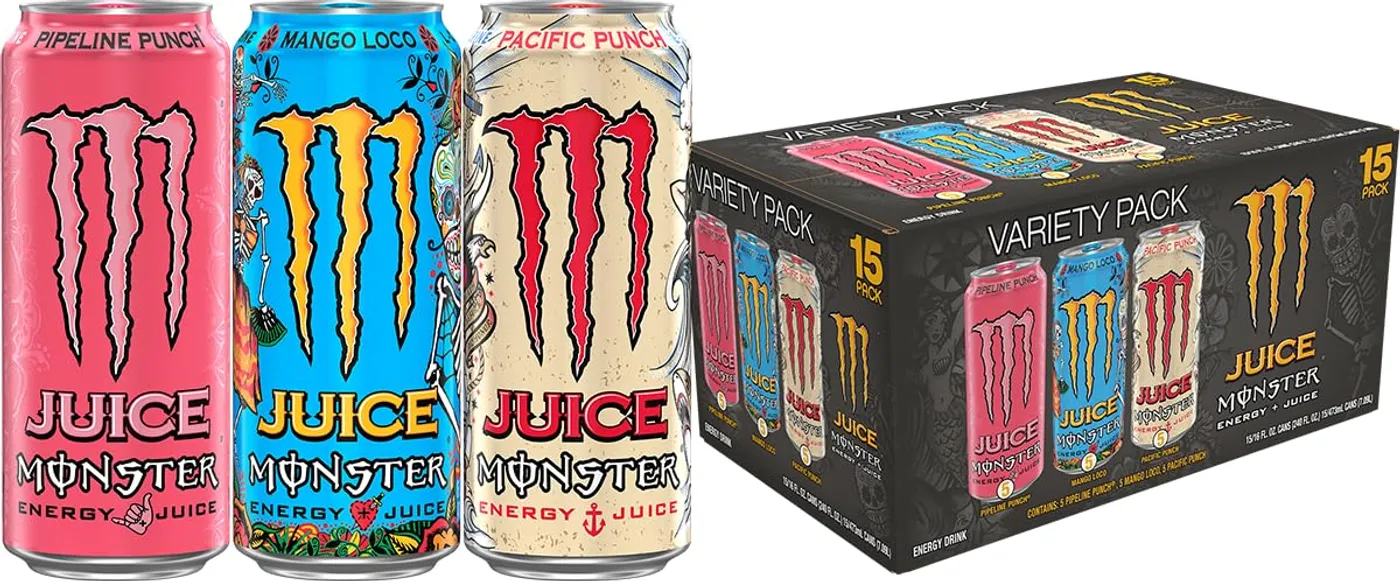
The three core Juice Monster flavors -- Pipeline Punch, Mango Loco, and Pacific Punch -- share the same energy engine but differ meaningfully in calories, sugar, potassium, and juice content. Here's how they stack up per can:
| Pipeline Punch | Mango Loco | Pacific Punch | |
|---|---|---|---|
| Juice % | 16% | 16% | 10% |
| Calories | 190 | 250 | 210 |
| Total Carbs | 48g | 64g | 53g |
| Total Sugars | 46g | 60g | 52g |
| Added Sugars | 38g | 46g | 47g |
| Sodium | 80mg | 90mg | 80mg |
| Potassium | 130mg | 370mg | 120mg |
| Riboflavin (B2) | 260% DV | 260% DV | 260% DV |
| Niacin (B3) | 250% DV | 250% DV | 250% DV |
| Vitamin B6 | 230% DV | 240% DV | 230% DV |
| Vitamin B12 | 490% DV | 500% DV | 490% DV |
Mango Loco lands at the top in calories, sugar, and potassium -- its mango, guava, pineapple, and apricot concentrate blend is the most fruit-dense of the trio. Pacific Punch has a slightly lower juice percentage but a comparable sugar load, driven by added sugars. All three share the same B-vitamin ratios and the same 160mg caffeine dose per can.
Ingredient lists also vary by flavor: Mango Loco includes xanthan gum, sodium alginate, malic acid, lactic acid, beta carotene for color (warning: this ingredient is known to be toxic in high doses shown by numerous studies), and a more elaborate fruit matrix. Pacific Punch adds cherry, raspberry, and Blue 1. Pipeline Punch leans on passionfruit, guava, and pineapple. The sections below focus on the shared functional stack across all three flavors.
Juice Monster Ingredients
Each can delivers the following key actives, shared across all three flavors:
-
Caffeine - 160mg
Caffeine is the main event. At 160mg per can, Juice Monster lands in the moderate-to-solid range -- enough to be genuinely useful without pushing into high-stimulant territory.[1]
The mechanism is straightforward: caffeine blocks the signal in your brain that makes you feel tired, which frees up stimulatory neurotransmitters like dopamine and norepinephrine.[2] The result is improved alertness, better reaction time, and reduced perceived effort during physical and cognitive tasks.[1]
Research consistently shows benefits at doses of 3-6mg/kg body weight, which puts 160mg in the right zone for most adults without the anxiety and GI distress that higher doses can bring.[3] The ISSN has affirmed that caffeine at this range is effective for endurance performance, vigilance, and sustained attention.[1] For a full-sugar energy drink, 160mg is a sensible call: the glucose in the formula is already doing some of the cognitive heavy lifting, and the two work better together than either does alone.[4]
-
Taurine
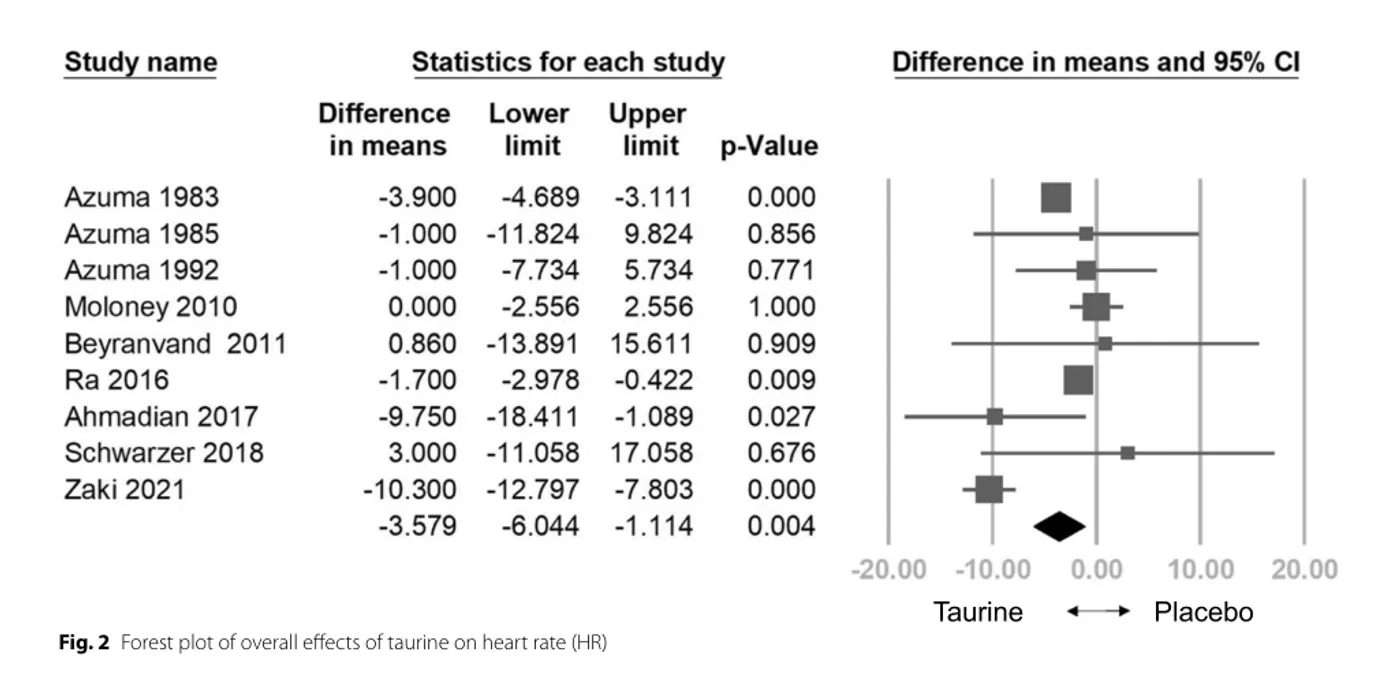
Insights into the cardiovascular benefits of taurine: a systematic review and meta-analysis.[5] Taurine is one of the most abundant amino acids in the human body, concentrated in skeletal muscle, heart, and brain. Monster doesn't disclose the exact amount, but it appears in most commercial energy drinks at around 750-1,000mg per serving as a functional complement to caffeine.
Its primary role is keeping cells working properly under stress. Taurine helps regulate cell volume and stabilize membranes during high-output situations.[6] In mitochondria, it's required for accurate synthesis of key respiratory chain subunits, which means it plays a real role in how efficiently your cells produce energy.[7] It also assists with calcium handling in muscle fibers, helping sustain contractile force and resist fatigue during exercise.[8]
When combined with caffeine, research shows the pair significantly improves anaerobic capacity and reaction time beyond what caffeine delivers on its own.[9] For recovery, taurine at meaningful doses reduces markers of exercise-induced muscle damage and speeds strength recovery after hard efforts.[10] It's been in Monster since the beginning for good reason.
-
Sugar and Glucose (Dextrose)
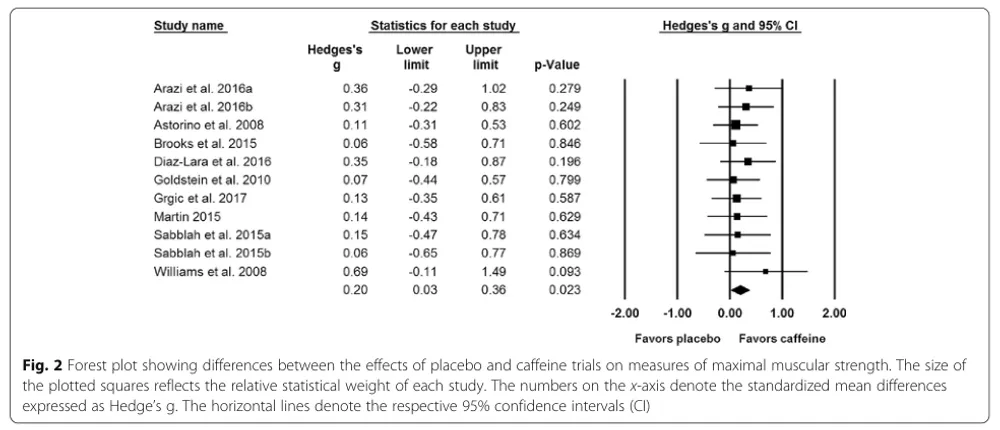
The Effects Of Caffeine Intake On Muscle Strength And Power A Systematic Review And Meta Analysis.[11] The carbohydrate profile in Juice Monster is a combination of sugar (sucrose) and glucose (listed as dextrose on some formulations). This isn't just about calories -- the glucose-plus-fructose pairing that sucrose delivers has real physiological advantages over a single sugar source.
When you consume glucose and fructose together, they use different intestinal transporters, which means total carbohydrate absorption can be meaningfully higher than with glucose alone.[12] For endurance contexts, this combination has been shown to increase carbohydrate oxidation rates substantially over glucose-only intake.[13] For post-exercise recovery, glucose-fructose mixtures like sucrose approximately double liver glycogen repletion rates compared to glucose alone.[14]
For cognitive performance, glucose is particularly well-studied. A 25g glucose load has been shown to improve memory, attention, and working memory, especially under high cognitive demand.[15] Juice Monster delivers well above that threshold in any flavor, and that glucose hits alongside 160mg caffeine -- a combination that research shows produces synergistic cognitive improvements that neither compound delivers alone.[4]
-
Maltodextrin
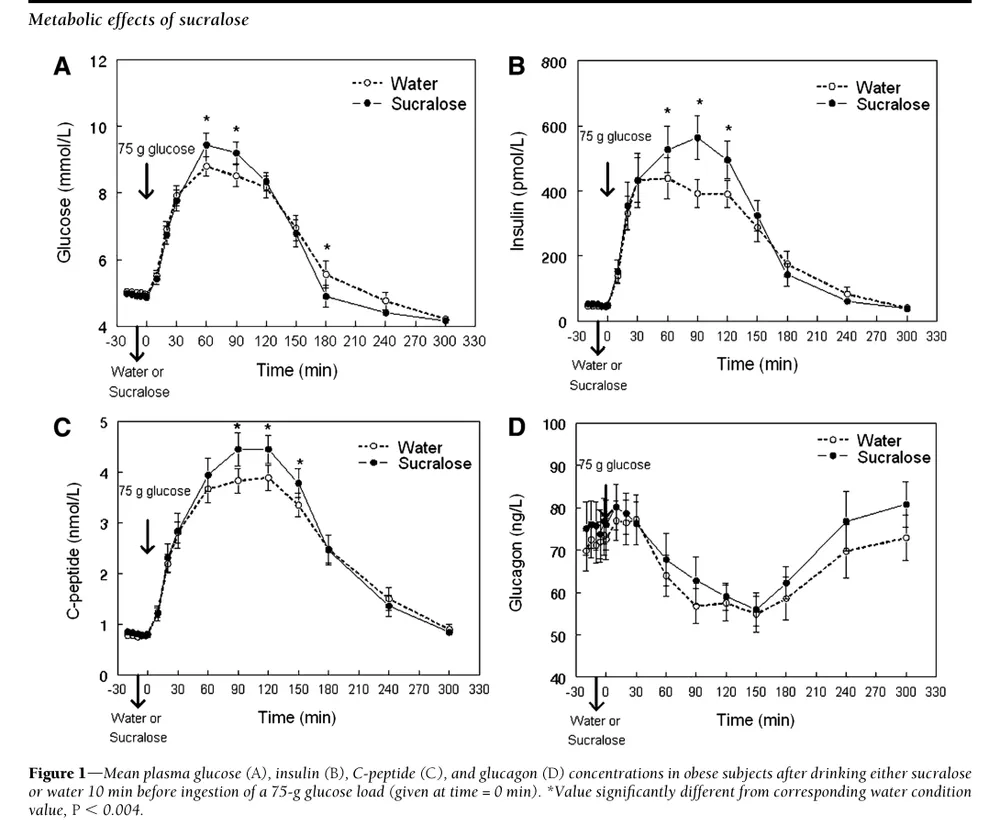
Sucralose affects glycemic and hormonal responses to an oral glucose load.[16] Maltodextrin is a glucose polymer derived from starch. It shows up in the Monster energy blend as part of the carbohydrate and delivery matrix alongside the direct sugar content.
Functionally, maltodextrin has a slightly lower osmolality than free glucose at equivalent concentrations, which means it's easier on the gut at higher carbohydrate loads and empties from the stomach more efficiently.[17] Once it reaches the small intestine, it's broken down to free glucose and absorbed through the same pathway as dextrose.[18] It contributes to the total carbohydrate pool available during exercise and adds to the glucose substrate that powers the cognitive facilitation effect.[19]
The maltodextrin here isn't a large standalone dose -- it's part of the Monster energy blend -- but researchers have flagged it as biologically active in the gut even at small amounts, particularly in relation to certain gut bacteria strains.[20] That's primarily a consideration for people with GI conditions, not a red flag for the typical consumer.
-
Inositol
Inositol (specifically myo-inositol) is a sugar alcohol that functions as a critical precursor in the phosphatidylinositol signaling system, acting as an intracellular second messenger for hormones and neurotransmitters including serotonin and noradrenergic receptors.[21,22] Monster doesn't disclose the dose in the energy blend.
Clinical applications of inositol require pharmacological doses far beyond what's in an energy drink -- panic disorder trials used 12g/day, and depression RCTs matched that threshold.[22,21] At the amounts present here, it's a complementary signal molecule in the stack, consistent with Monster's long-standing approach to the full energy blend.
-
L-Carnitine L-Tartrate
L-carnitine (as the L-tartrate salt) gets included in energy drinks for its role in fat metabolism and recovery. It's been in Monster's energy blend for years.
Its primary metabolic function is shuttling long-chain fatty acids across the inner mitochondrial membrane so they can be burned for fuel.[23] In exercise contexts, L-carnitine has been shown to reduce markers of muscle damage including creatine kinase and lipid peroxidation, and to lower muscle soreness after intense efforts.[23] Higher doses (around 2,000mg/day) have shown meaningful effects on body composition in research,[24] but Monster doesn't disclose the dose here. Consider it a supporting player rather than a headliner at energy drink levels.
-
Vitamins and Minerals
-
Riboflavin (as Riboflavin [Vitamin B2])
Riboflavin is the bright yellow vitamin responsible for the neon urine you'll notice after a B-complex dose -- that's normal. At 260% DV, you're getting a substantial amount. Riboflavin functions as a precursor to the coenzymes FAD and FMN, which are essential electron carriers in mitochondrial energy production.[25] It's also a key component of the glutathione redox cycle, helping regenerate the body's main cellular antioxidant.[26]
-
Niacin (as Niacinamide [Vitamin B3])
Niacin here is delivered as niacinamide (nicotinamide), not nicotinic acid -- which means no flushing or skin-reddening side effects. At 250% DV, this is a solid dose. Niacin's biological relevance comes from its role as a precursor to NAD+ and NADP+, coenzymes involved in hundreds of oxidation-reduction reactions critical to cellular energy metabolism.[27] The niacinamide form is well-tolerated and effective at boosting NAD+ without the pharmacological lipid-lowering effects of nicotinic acid.[28]
-
Vitamin B6 (as Pyridoxine Hydrochloride)
Vitamin B6 at 230-240% DV is a precursor to the active coenzyme pyridoxal-5'-phosphate (PLP). PLP participates in over 140 enzymatic reactions, including the synthesis of dopamine, serotonin, and norepinephrine -- neurotransmitters directly relevant to the mood and energy you feel from a can.[29] B6 is also required for the pathway that converts homocysteine to cysteine, which has cardiovascular relevance at adequate intake levels.[30]
-
Vitamin B12 (as Cyanocobalamin)
Vitamin B12 leads all the vitamins by percentage -- 490-500% DV across flavors. Cyanocobalamin is the most stable and cost-effective form, converting to active cobalamin in tissue. It does contain a cyanide molecule inside, however, which is why many try to avoid it. B12 is essential for myelin maintenance, red blood cell formation, and DNA synthesis.[31] The high percentage looks dramatic, but B12 has essentially no toxicity ceiling (excess is excreted) and oral bioavailability is low enough that several times the RDA is routine in food and supplement contexts.[31]
-
Potassium -- 120-370mg
Potassium is where the flavors diverge most dramatically. Mango Loco delivers 370mg thanks to its dense tropical fruit matrix. Pipeline Punch and Pacific Punch come in at 130mg and 120mg respectively, reflecting their lighter fruit bases. Potassium is the primary intracellular electrolyte, governing fluid balance, nerve signaling, and muscle contraction.[32] Most Americans chronically under-consume it relative to the 4,700mg/day adequate intake, making any meaningful contribution worthwhile.[33]
-
-
Other Ingredients
-
Carbonated water is the base, delivering the fizz and contributing to the mood lift research associates with carbonated beverage consumption.[34]
-
Fruit juice concentrates (apple, orange, guava, pineapple, passionfruit, and more depending on the flavor) provide the 10-16% juice content that distinguishes this lineup from standard energy drinks. These concentrates contribute polyphenols, organic acids, and natural fruit character that synthetic flavoring can't fully replicate.[35]
-
Citric acid is the primary acidulant, providing tartness and acting as a preservative and flavor stabilizer.[36]
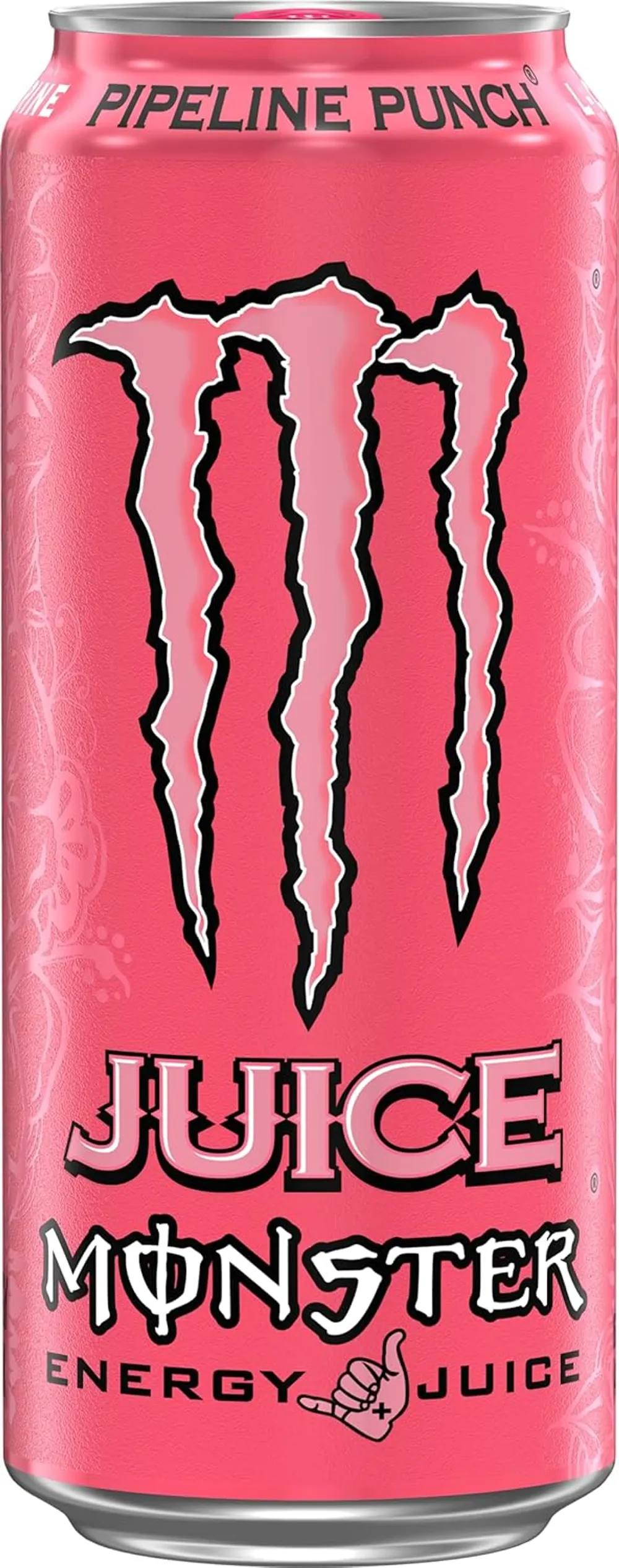
Juice Monster Energy Juice Pipeline Punch Can -
Sodium citrate buffers the formula's pH alongside citric acid and contributes a small amount of sodium to the electrolyte profile.[37]
-
Potassium sorbate and sodium benzoate are the dual-preservative system, both common in acidic beverages. At food-use concentrations and the acidic pH of a juice-based drink, they're effective against yeasts and molds. EFSA and FDA consider both safe at approved use levels.[38,39] One note worth flagging: documented mutagenic decomposition products can form when potassium sorbate reacts with ascorbic acid in the presence of iron -- an unresolved gap in beverage safety data that's particularly relevant to fruit-based drinks, though it hasn't translated to regulatory action.[40]
-
Sucralose appears despite the real sugar already in the formula -- it rounds out sweetness at the finish without adding more calories. It's one of the most widely studied artificial sweeteners, with regulatory bodies globally affirming its safety at typical food use levels.[41]
-
Natural flavors provide the aromatic complexity that juice concentrates alone don't fully deliver, particularly for enhanced fruit character in each variety.[42]
-
Ester gum (glycerol esters of wood rosin) is a density-adjusting agent that keeps the citrus oil emulsion stable -- without it, the oil phase would separate to the surface.[43]
-
Acacia fiber (listed as gum arabic) is a natural emulsifier and stabilizer that helps maintain the cloudy, fruit-forward appearance of the drink.[44]
-
Salt contributes a small amount of sodium that helps suppress bitterness and round out flavor. Research confirms sodium selectively suppresses bitter notes more than sweet ones, improving overall palatability.[45]
-
Artificial colors (Red 40 in Pipeline Punch and Mango Loco, Blue 1 in Pacific Punch) deliver the characteristic look of each variety. At current approved use levels, EFSA and FDA consider these colors safe, with genotoxicity studies consistently returning negative results.[46,47] Hilariously, it's the "natural color" of beta-carotene that has more toxicity associated with it.
-
Flavors Available
Who It's For
-
Full-sugar energy drink fans: If you find zero-sugar Ennies too synthetic-tasting or want something that actually drinks like a juice, Juice Monster delivers that without compromising on the caffeine and energy stack you want from Monster.
-
Active consumers who want carbs with their caffeine: The sucrose-plus-glucose carbohydrate base isn't just empty calories -- it's the same dual-transporter approach that sports nutrition research recommends for exercise fueling, making this a reasonable choice around physical activity when you want both energy and carbohydrate delivery.[12]
The Bottom Line on Juice Monster
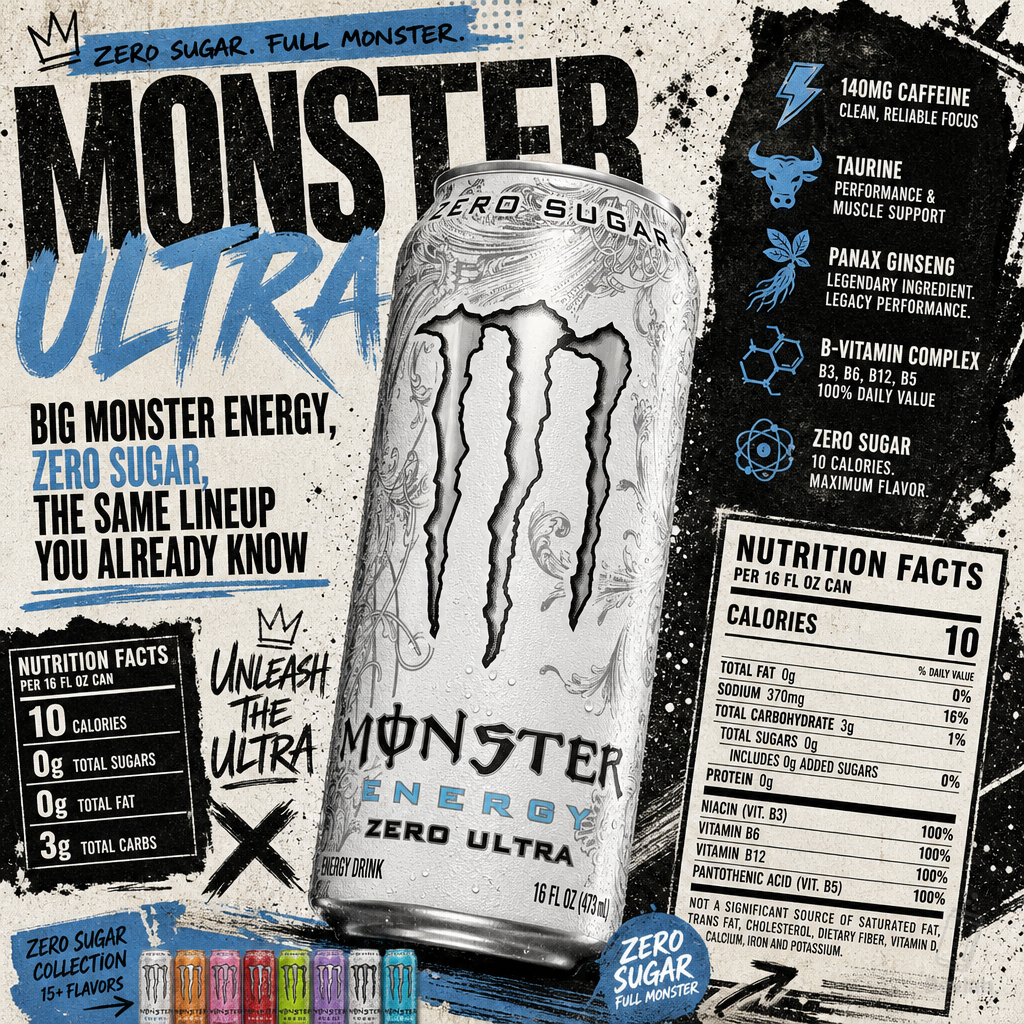
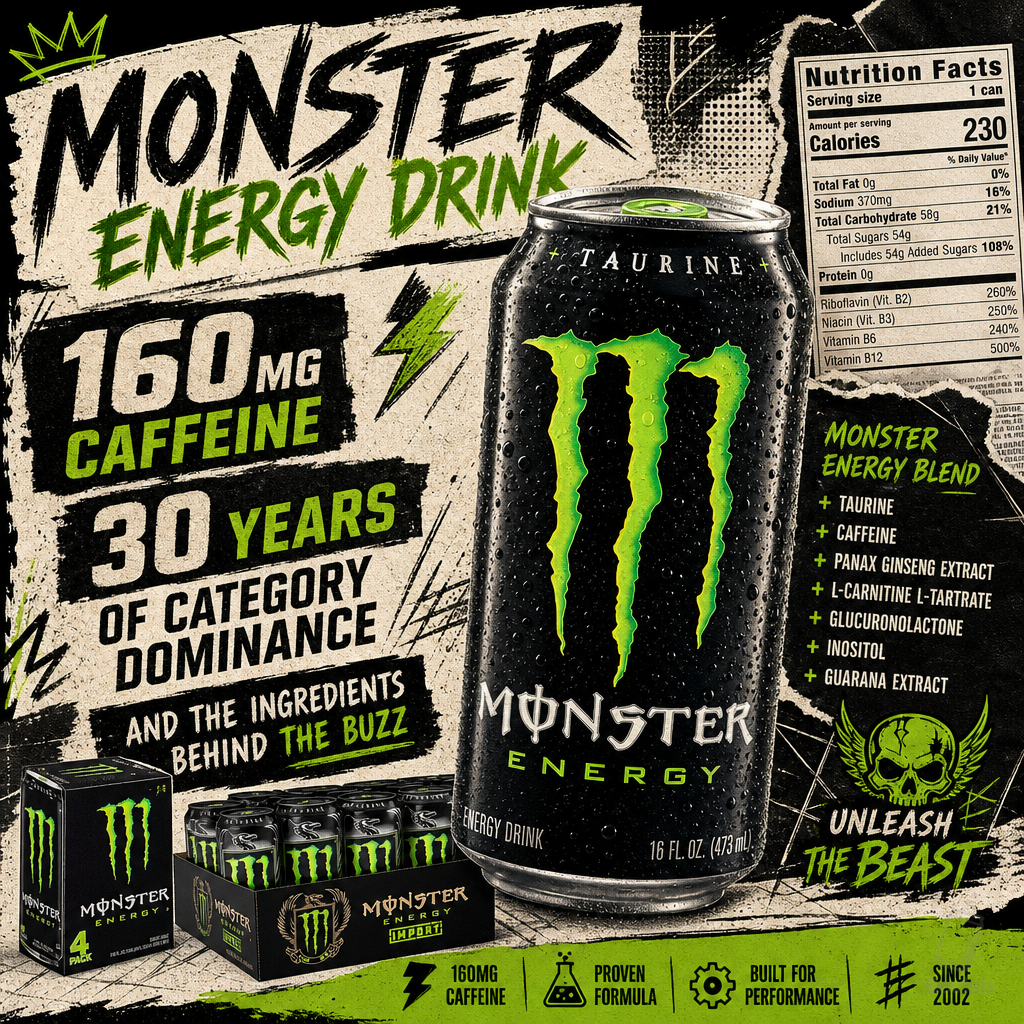
Juice Monster earns its place in the lineup. The real juice content, the sucrose-plus-glucose carbohydrate system, and the established Monster energy blend make it a genuinely different product from the original Monster Energy or the Monster Ultra zero-sugar cans. If lower calories or a cleaner label are your priority, look elsewhere. If you want a fruit-forward energy drink that actually delivers and don't mind the sugar that comes with real juice, Juice Monster is exactly what it says it is.
Follow @BevlabMedia on TikTok and Instagram for more breakdowns like this.
References
- Guest, Nanci S. et al. "Guest 2021 International Society Of Sports Nutrition Position Stand Caffeine And Exercise Performance." Journal of the International Society of Sports Nutrition, 2021. https://doi.org/10.1186/s12970-020-00383-4
- McLellan, Tom M. et al. "Mclellan2016 A Review Of Caffeine S Effects On Cognitive Physical And Occupational Performance." Neuroscience & Biobehavioral Reviews, 2016. https://doi.org/10.1016/j.neubiorev.2016.09.001
- Goldstein, Erica R, et al. "Goldstein 2011 International Society Of Sports Nutrition Position Stand Caffeine And Performance." Journal of the International Society of Sports Nutrition, 2010. https://doi.org/10.1186/1550-2783-7-5
- Scholey, Andrew B, et al. "Cognitive and physiological effects of an "energy drink": an evaluation of the whole drink and of glucose, caffeine and herbal flavouring fractions." Psychopharmacology, 2004. https://doi.org/10.1007/s00213-004-1935-2
- Tzang, Chih-Chen, et al. "Insights into the cardiovascular benefits of taurine: a systematic review and meta-analysis." Nutrition journal, 2024. https://doi.org/10.1186/s12937-024-00995-5
- Ripps, Harris, et al. "Review: taurine: a "very essential" amino acid." Molecular vision, 2012. https://pmc.ncbi.nlm.nih.gov/articles/PMC3501277/
- Jong, Chian Ju, et al. "The Role of Taurine in Mitochondria Health: More Than Just an Antioxidant." Molecules (Basel, Switzerland), 2021. https://doi.org/10.3390/molecules26164913
- Kurtz, Jennifer A, et al. "Taurine in sports and exercise." Journal of the International Society of Sports Nutrition, 2021. https://doi.org/10.1186/s12970-021-00438-0
- Deng, Hengzhi, et al. "Caffeine and taurine: a systematic review and network meta-analysis of their individual and combined effects on physical capacity, cognitive function, and physiological markers." Journal of the International Society of Sports Nutrition, 2025. https://doi.org/10.1080/15502783.2025.2566371
- McLeay, Yanita, et al. "The Effect of Taurine on the Recovery from Eccentric Exercise-Induced Muscle Damage in Males." Antioxidants (Basel, Switzerland), 2017. https://doi.org/10.3390/antiox6040079
- Grgic, Jozo, et al. "Grgic 2018 Effects Of Caffeine Intake On Muscle Strength And Power A Systematic Review And Meta Analysis." Journal of the International Society of Sports Nutrition, 2018. https://doi.org/10.1186/s12970-018-0216-0
- Fuchs, Cas J, et al. "Fructose co-ingestion to increase carbohydrate availability in athletes." The Journal of physiology, 2019. https://doi.org/10.1113/JP277116
- Jeukendrup, Asker E. "Carbohydrate and exercise performance: the role of multiple transportable carbohydrates." Current opinion in clinical nutrition and metabolic care, 2010. https://doi.org/10.1097/MCO.0b013e328339de9f
- Gonzalez, Javier T, et al. "Glucose Plus Fructose Ingestion for Post-Exercise Recovery-Greater than the Sum of Its Parts?." Nutrients, 2017. https://doi.org/10.3390/nu9040344
- Sünram-Lea, Sandra I, et al. "Investigation into the significance of task difficulty and divided allocation of resources on the glucose memory facilitation effect." Psychopharmacology, 2002. https://doi.org/10.1007/s00213-001-0987-9
- Pepino, M Yanina, et al. "Sucralose affects glycemic and hormonal responses to an oral glucose load." Diabetes care, 2013. https://doi.org/10.2337/dc12-2221
- Jeukendrup, A E, et al. "Oxidation of carbohydrate feedings during prolonged exercise: current thoughts, guidelines and directions for future research." Sports medicine (Auckland, N.Z.), 2000. https://doi.org/10.2165/00007256-200029060-00004
- Chronakis, I S. "On the molecular characteristics, compositional properties, and structural-functional mechanisms of maltodextrins: a review." Critical reviews in food science and nutrition, 1998. https://doi.org/10.1080/10408699891274327
- de, Oliveira Erick Prado, et al. "Gastrointestinal complaints during exercise: prevalence, etiology, and nutritional recommendations." Sports medicine (Auckland, N.Z.), 2014. https://doi.org/10.1007/s40279-014-0153-2
- Nickerson, Kourtney P, et al. "Crohn's disease-associated adherent-invasive Escherichia coli adhesion is enhanced by exposure to the ubiquitous dietary polysaccharide maltodextrin." PloS one, 2012. https://doi.org/10.1371/journal.pone.0052132
- Levine, J, et al. "Double-blind, controlled trial of inositol treatment of depression." The American journal of psychiatry, 1995. https://doi.org/10.1176/ajp.152.5.792
- Benjamin, J, et al. "Double-blind, placebo-controlled, crossover trial of inositol treatment for panic disorder." The American journal of psychiatry, 1995. https://doi.org/10.1176/ajp.152.7.1084
- Fielding, Roger, et al. "Fielding 2018 L Carnitine Supplementation In Recovery After Exercise." Nutrients, 2018. https://doi.org/10.3390/nu10030349
- Talenezhad, Nasir, et al. "Talenezhad 2020 Effects Of L Carnitine Supplementation On Weight Loss And Body Composition A Systematic Review And Meta Analysis Of 37 Randomized Controlled Clinical Trials With Dose Response Analysis." Clinical Nutrition ESPEN, 2020. https://doi.org/10.1016/j.clnesp.2020.03.008
- Saedisomeolia, Ahmad, et al. "Riboflavin in Human Health: A Review of Current Evidences." Advances in food and nutrition research, 2018. https://doi.org/10.1016/bs.afnr.2017.11.002
- Ashoori, Marziyeh, et al. "Riboflavin Vitamin B And Oxidative Stress A Review." The British journal of nutrition, 2014. https://doi.org/10.1017/S0007114514000178
- Gasperi, Valeria, et al. "Gasperi2019 Niacin In The Central Nervous System An Update Of Biological Aspects And Clinical Applications." International Journal of Molecular Sciences, 2019. https://doi.org/10.3390/ijms20040974
- Freese, Riitta, et al. "Niacin - a scoping review for Nordic Nutrition Recommendations 2023." Food & nutrition research, 2023. https://doi.org/10.29219/fnr.v67.10299
- di, Salvo Martino Luigi, et al. "Di Salvo2010 Vitamin B6 Salvage Enzymes Mechanism Structure And Regulation." Biochimica et Biophysica Acta (BBA) - Proteins and Proteomics, 2011. https://doi.org/10.1016/j.bbapap.2010.12.006
- Selhub, J, et al. "Vitamin Status And Intake As Primary Determinants Of Homocysteinemia In An Elderly Population." JAMA, 1993. https://doi.org/10.1001/jama.1993.03510220049033
- Lyon, Peter, et al. "Lyon2020 B Vitamins And One Carbon Metabolism Implications In Human Health And Disease." Nutrients, 2020. https://doi.org/10.3390/nu12092867
- Haddy, Francis J, et al. "Role of potassium in regulating blood flow and blood pressure." American journal of physiology. Regulatory, integrative and comparative physiology, 2006. https://doi.org/10.1152/ajpregu.00491.2005
- Weaver, Connie M. "Potassium and health." Advances in nutrition (Bethesda, Md.), 2013. https://doi.org/10.3945/an.112.003533
- Kajiki, Masanobu, et al. "Ingesting carbonated water post-exercise in the heat transiently ameliorates hypotension and enhances mood state." Experimental physiology, 2024. https://doi.org/10.1113/EP091925
- Rossi, Irene, et al. "Health effects of 100% fruit and vegetable juices: evidence from human subject intervention studies." Nutrition research reviews, 2024. https://doi.org/10.1017/S095442242300015X
- Książek, Ewelina. "Citric Acid: Properties, Microbial Production, and Applications in Industries." Molecules (Basel, Switzerland), 2023. https://doi.org/10.3390/molecules29010022
- Lancha, Junior Antonio Herbert, et al. "Nutritional Strategies to Modulate Intracellular and Extracellular Buffering Capacity During High-Intensity Exercise." Sports medicine (Auckland, N.Z.), 2015. https://doi.org/10.1007/s40279-015-0397-5
- EFSA, Panel on Food Additives and Nutrient Sources (ANS). "Scientific Opinion on the re‐evaluation of benzoic acid (E 210), sodium benzoate (E 211), potassium benzoate (E 212) and calcium benzoate (E 213) as food additives." EFSA Journal, 2016. https://doi.org/10.2903/j.efsa.2016.4433
- EFSA, Panel on Food Additives and Nutrient Sources added to Food (ANS). "Scientific Opinion on the re‐evaluation of sorbic acid (E 200), potassium sorbate (E 202) and calcium sorbate (E 203) as food additives." EFSA Journal, 2015. https://doi.org/10.2903/j.efsa.2015.4144
- Kitano, K, et al. "Mutagenicity and DNA-damaging activity caused by decomposed products of potassium sorbate reacting with ascorbic acid in the presence of Fe salt." Food and chemical toxicology : an international journal published for the British Industrial Biological Research Association, 2002. https://doi.org/10.1016/S0278-6915(02)00119-9
- et al. "Re-evaluation of sucralose (E 955) as a food additive and evaluation of a new application on extension of use of sucralose (E 955) in fine bakery wares." EFSA journal. European Food Safety Authority, 2026. https://doi.org/10.2903/j.efsa.2026.9854
- Singh, Nidhi, et al. "Natural food flavours: a healthier alternative for bakery industry-a review." Journal of food science and technology, 2024. https://doi.org/10.1007/s13197-023-05782-4
- et al. "Re-evaluation of glycerol esters of wood rosin (E 445) as a food additive." EFSA journal. European Food Safety Authority, 2018. https://doi.org/10.2903/j.efsa.2018.5370
- JanssenDuijghuijsen, Lonneke, et al. "Acacia fiber or probiotic supplements to relieve gastrointestinal complaints in patients with constipation-predominant IBS: a 4-week randomized double-blinded placebo-controlled intervention trial." European journal of nutrition, 2024. https://doi.org/10.1007/s00394-024-03398-8
- Breslin, P A, et al. "Salt enhances flavour by suppressing bitterness." Nature, 1997. https://doi.org/10.1038/42388
- EFSA, Panel on Food Additives and Nutrient Sources Added to Food. "Scientific Opinion on the re-evaluation of Allura Red AC (E 129) as a food additive." EFSA Journal, 2009. https://doi.org/10.2903/j.efsa.2009.1327
- Bastaki, Maria, et al. "Lack of genotoxicity in vivo for food color additive Allura Red AC." Food and chemical toxicology : an international journal published for the British Industrial Biological Research Association, 2017. https://doi.org/10.1016/j.fct.2017.04.037