Product Introduction
Lyflo Protein Water
10g protein, zero caffeine, and a formula built to feel like juice, not a shake
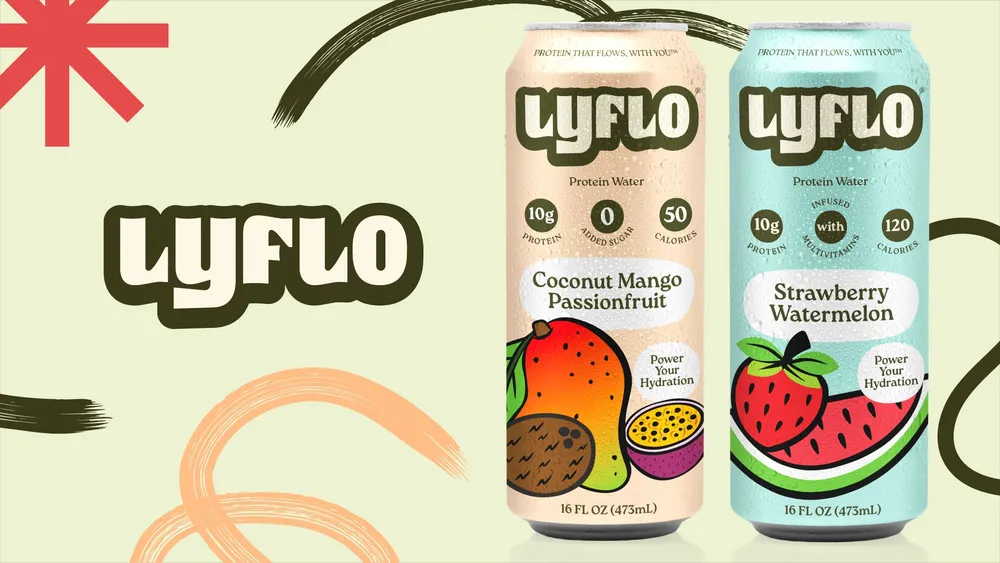
A 16-ounce, caffeine-free protein water with 10 grams of protein, multivitamins, and two fruit-forward flavors.
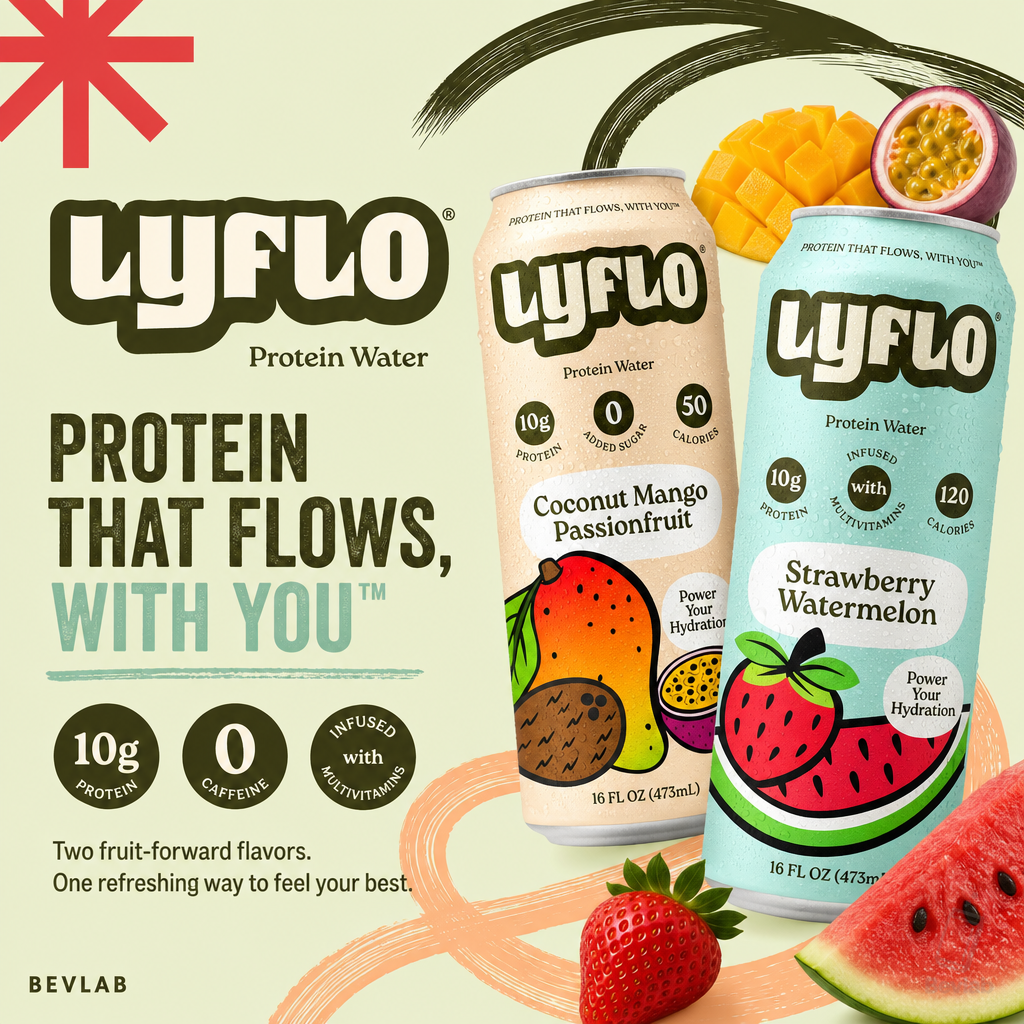
There's a specific kind of protein fatigue that hits when you're staring down another thick, chalky shake just to hit your daily number. Lyflo Protein Water is built for that exact moment. It's a 16 fl oz, caffeine-free can that delivers 10 grams of protein and a load of multivitamins in a format that drinks more like flavored water than a post-workout shake.
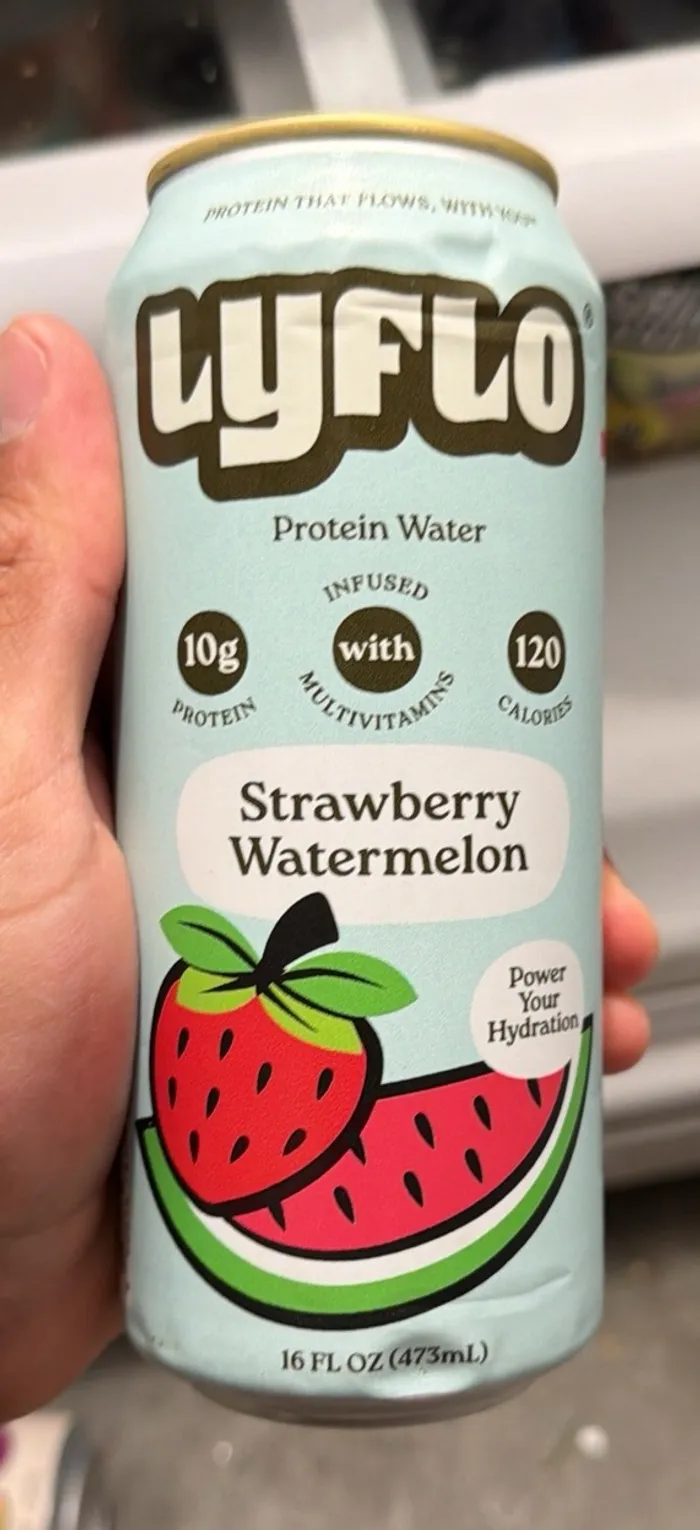
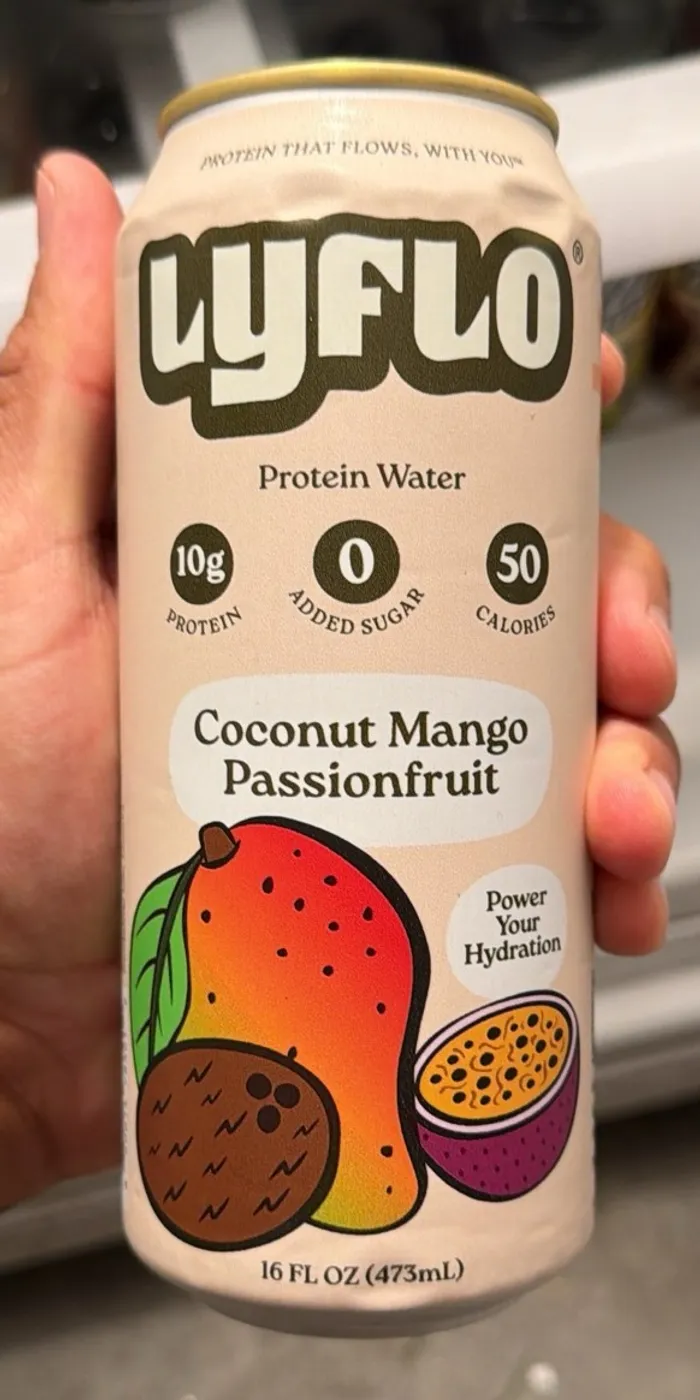
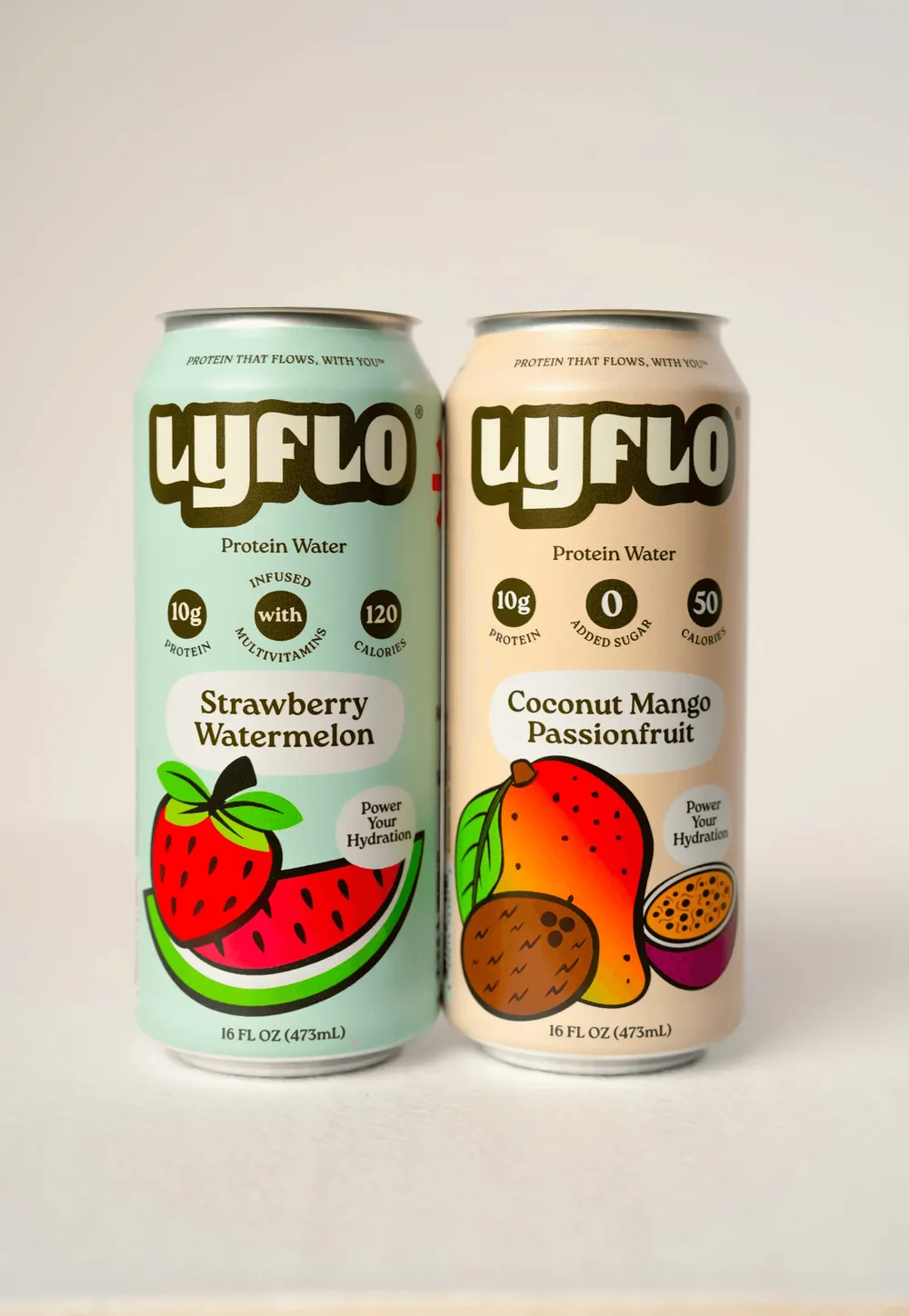
Lyflo is a newer entrant in the protein water category, and its whole pitch is right there in the tagline: "Protein that flows, with you." The brand leans hard into convenience and everyday wellness rather than gym-bro positioning, and the format backs that up. Two flavors are currently available, Strawberry Watermelon and Coconut Mango Passionfruit, both built around the same 10g protein base and a full multivitamin lineup.
Watch Related Videos
Bevlab VideosLyflo Protein Water Nutrition Facts
Calorie and sugar content vary meaningfully by flavor, so each label profile deserves its own look rather than a single generic spec sheet.
Strawberry Watermelon:
- Calories: 120
- Total Carbohydrate: 20g
- Total Sugars: 19g (Added Sugars: 19g)
- Protein: 10g
- Sodium: 160mg (7% DV)
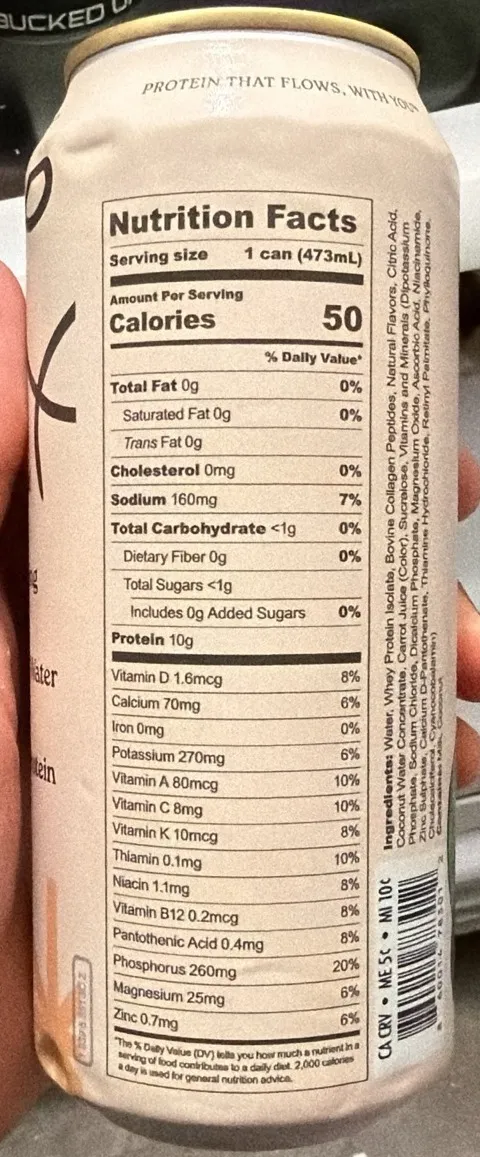
Coconut Mango Passionfruit:
- Calories: 50
- Total Carbohydrate: <1g
- Total Sugars: <1g (0g Added Sugars)
- Protein: 10g
- Sodium: 160mg (7% DV)
Both flavors share the same vitamin and mineral panel:
- Vitamin D: 1.6mcg (8% DV)
- Vitamin A: 80mcg (10% DV)
- Vitamin C: 8mg (10% DV)
- Vitamin K: 10mcg (8% DV)
- Thiamin: 0.1mg (10% DV)
- Niacin: 1.1mg (8% DV)
- Vitamin B12: 0.2mcg (8% DV)
- Pantothenic Acid: 0.4mg (8% DV)
- Calcium: 70mg (6% DV)
- Phosphorus: 260mg (20% DV)
- Magnesium: 25mg (6% DV)
- Zinc: 0.7mg (6% DV)
- Potassium: 270mg (6% DV)
- Iron: 0mg (0% DV)
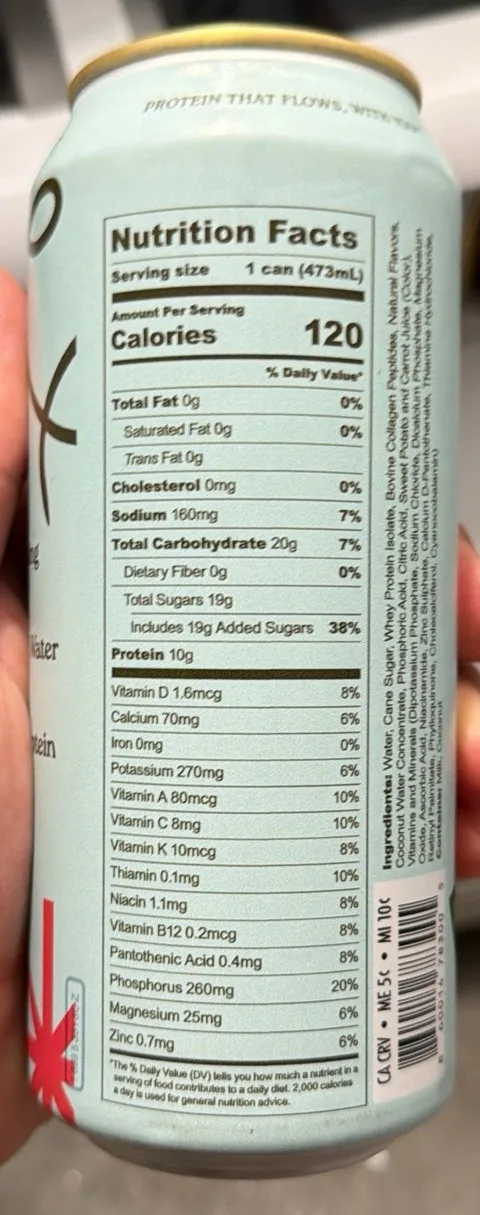
That calorie and sugar gap between flavors is worth calling out: Strawberry Watermelon is sweetened with cane sugar, while Coconut Mango Passionfruit runs on a zero-added-sugar sweetener system. If you're picking a flavor based on macros rather than taste, that's the deciding factor.
Lyflo Protein Water Ingredients
Each 16 fl oz can provides the following key actives and nutrients:
-
Whey Protein Isolate
Whey Protein Isolate is the fast-digesting half of Lyflo's dual-protein system. Once absorbed, whey delivers a rapid spike in blood leucine and essential amino acids that helps kick off muscle protein synthesis. That fast digestion is why it consistently produces stronger acute anabolic signaling than casein or soy at matched doses.[1] Research on dosing has found that around 20g of whey is enough to maximize the acute muscle-building response in trained young adults, with additional protein beyond that mostly getting oxidized rather than driving more synthesis.[2] Whey has also shown modest but real benefits for cardiometabolic markers like LDL and triglycerides, especially when paired with exercise.[3] Lyflo doesn't disclose the exact whey dose on the label, but it's one half of the 10g total protein blend alongside collagen.
-
Collagen (Bovine Collagen Peptides)
Collagen is the second protein source in Lyflo's blend, and it plays a different role than whey. Rather than driving a fast anabolic spike, collagen peptides supply glycine, proline, and hydroxyproline, the specific amino acids your body uses to build its own structural collagen in skin, joints, and connective tissue.[4] Human trials on specific collagen peptides have shown measurable improvements in skin elasticity and hydration after 8 weeks of daily use.[5] Separate research in active populations found collagen hydrolysate improved joint comfort scores in athletes with activity-related pain, though that benefit didn't show up until around six months of continuous use.[6] Pairing collagen with whey gives the formula a broader amino acid profile than whey alone, covering both muscle-building and connective-tissue support. As with the whey, Lyflo doesn't break out the exact collagen dose on the label.
-
Vitamins and Minerals
-
Vitamin D3 (as Cholecalciferol) - 1.6mcg (8% DV)
Vitamin D3 supports calcium absorption and bone metabolism, and it's one of the more commonly under-consumed vitamins today. At this dose, it's a modest top-up rather than a full day's requirement, but it helps close that gap.
-
Vitamin A (as Retinyl Palmitate) - 80mcg (10% DV)
Vitamin A here is preformed vitamin A, meaning it's absorbed efficiently and stored in the liver rather than regulated like the beta-carotene form found in vegetables. At 80mcg RAE, this contributes roughly 2.7% of the adult upper intake limit, a modest amount on its own, though preformed vitamin A adds up across fortified foods and supplements, so it's worth tracking over a full day.
-
Vitamin C (as Ascorbic Acid) - 8mg (10% DV)
Vitamin C supports immune cell function and collagen synthesis, working alongside the collagen peptides in this formula since vitamin C is a required cofactor for the enzymes that stabilize collagen structure.
-
Vitamin K (as Phytonadione) - 10mcg (8% DV)
Vitamin K is best known for its role in blood clotting, but it also activates proteins involved in bone mineralization. If you're on a vitamin K antagonist like warfarin, it's worth checking with your doctor before adding sources like this to your routine.
-
Thiamine (Vitamin B1) - 0.1mg (10% DV)
Thiamine is a B-vitamin cofactor essential for converting carbohydrates into usable cellular energy, part of the broader B-vitamin lineup rounding out this formula.
-
Niacin (as Niacinamide) - 1.1mg (8% DV)
Niacin here is in its niacinamide form, which unlike nicotinic acid doesn't cause the "niacin flush" and isn't used for lipid management at this dose. It functions as a precursor to NAD+, a coenzyme central to energy metabolism.
-
Vitamin B12 (as Cyanocobalamin) - 0.2mcg (8% DV)
Vitamin B12 supports red blood cell formation and nervous system function. This is a modest contribution toward the daily requirement rather than a high-dose energy-focused inclusion.
-
Vitamin B5 (as Calcium D-Pantothenate) - 0.4mg (8% DV)
Vitamin B5, or pantothenic acid, is the precursor to Coenzyme A, a molecule involved in numerous cellular reactions tied to energy metabolism and fatty acid processing.
-
Calcium (as Calcium Lactate) - 70mg (6% DV)
Calcium supports bone structure and muscle contraction. At 70mg, this is a supportive addition rather than a primary calcium source, best thought of as complementary to dietary intake.
-
Phosphorus (as Potassium Phosphate) - 260mg (20% DV)
Phosphorus is a notable inclusion at 20% DV, higher than most of the other minerals in this formula. It's essential for ATP production and bone structure.
-
Magnesium (as Magnesium Lactate) - 25mg (6% DV)
Magnesium is involved in hundreds of enzymatic reactions including energy production and muscle function. At 25mg, this is a minor contribution relative to the 310-420mg daily target most adults should hit through diet.
-
Zinc (as Zinc Sulfate) - 0.7mg (6% DV)
Zinc supports immune function and acts as a cofactor for hundreds of enzymes. This is a light supporting dose rather than a therapeutic one.
-
Potassium (as Potassium Phosphate/Potassium Citrate) - 270mg (6% DV)
Potassium is the electrolyte most Americans under-consume relative to sodium intake, and it plays a role in blood pressure regulation and muscle function. At 270mg, it's a meaningful electrolyte contribution for a protein water positioned around hydration.
-
Iron - 0mg (0% DV)
Iron is listed at 0mg on this label.
-
-
Other Ingredients
- Water - the base of the formula and primary hydration vehicle.
- Sugar (as Cane Sugar) - the sweetener in the Strawberry Watermelon flavor, contributing the 19g of sugar on that label.
- Natural Flavors - proprietary flavor compounds that create the fruit-forward taste profile without added nutritional value.
- Citric Acid - a tart, acidic flavoring agent that also helps balance pH and extend shelf stability.
- Salt (as Sea Salt) - contributes sodium content and rounds out the flavor profile.
- Rebaudioside M - a stevia-derived, next-generation zero-calorie sweetener known for a cleaner, more sucrose-like taste than older stevia extracts, used in the Coconut Mango Passionfruit flavor.
- Gellan Gum - a stabilizer that helps keep the protein and other ingredients evenly suspended in solution.
- Monk Fruit Extract (as Monk Fruit Juice Concentrate) - another zero-calorie natural sweetener, often blended with rebaudioside M to round out sweetness quality.
- Riboflavin - vitamin B2, included here both as a nutrient and as a natural yellow-toned coloring agent, common in clear beverages.
- Sodium Citrate - a buffering agent that helps manage acidity and pH stability.
- Coconut Water (as Coconut Water Concentrate) - contributes a small amount of natural electrolytes and flavor character, especially relevant to the Coconut Mango Passionfruit variety.
- Vegetable Juice (Color) - a plant-derived colorant used as a natural alternative to synthetic dyes.
- Sucralose - a high-intensity artificial sweetener used alongside the natural sweetener blend to fine-tune sweetness.
Flavors Available
Who It's For
- Anyone protein-fatigued by shakes: If a thick, creamy protein shake feels like a chore some days, Lyflo's juice-like format is designed to make hitting your protein number feel less like supplementation and more like just drinking something you'd want anyway.
- Caffeine-sensitive drinkers who still want function: Since there's zero caffeine here, it fits people who want a functional beverage without the jitters or the risk of stacking caffeine on top of an already-caffeinated day.
Protein That Actually Flows
Lyflo carves out a real niche: a light, drinkable protein source for people who want the macro without the shake-like mouthfeel. The dual whey-collagen blend backs that up, though the flavor choice comes down to sugar tolerance more than taste: Strawberry Watermelon carries real sugar and calories, Coconut Mango Passionfruit runs sugar-free.
More Related Videos
Bevlab VideosFollow @BevlabMedia on TikTok and Instagram for more protein water breakdowns as this category keeps growing.
References
- Pennings, Bart, et al. "Whey Protein Stimulates Postprandial Muscle Protein Accretion More Effectively Than Do Casein And Casein Hydrolysate In Older Men." The American journal of clinical nutrition, 2011. https://doi.org/10.3945/ajcn.110.008102
- Witard, Oliver C, et al. "Myofibrillar muscle protein synthesis rates subsequent to a meal in response to increasing doses of whey protein at rest and after resistance exercise." The American journal of clinical nutrition, 2014. https://doi.org/10.3945/ajcn.112.055517
- Prokopidis, Konstantinos, et al. "The Effects Of Whey Protein Supplementation On Indices Of Cardiometabolic Health A Systematic Review And Meta Analysis Of Randomized Controlled Trials." Clinical nutrition (Edinburgh, Scotland), 2025. https://doi.org/10.1016/j.clnu.2024.12.003
- Li, Peng, et al. "Roles Of Dietary Glycine Proline And Hydroxyproline In Collagen Synthesis And Animal Growth." Amino acids, 2018. https://doi.org/10.1007/s00726-017-2490-6
- Proksch, E, et al. "Oral Supplementation Of Specific Collagen Peptides Has Beneficial Effects On Human Skin Physiology A Double Blind Placebo Controlled Study." Skin pharmacology and physiology, 2014. https://doi.org/10.1159/000351376
- Clark, Kristine L, et al. "24 Week Study On The Use Of Collagen Hydrolysate As A Dietary Supplement In Athletes With Activity Related Joint Pain." Current medical research and opinion, 2008. https://doi.org/10.1185/030079908X291967
Tagged