Monster Ultra
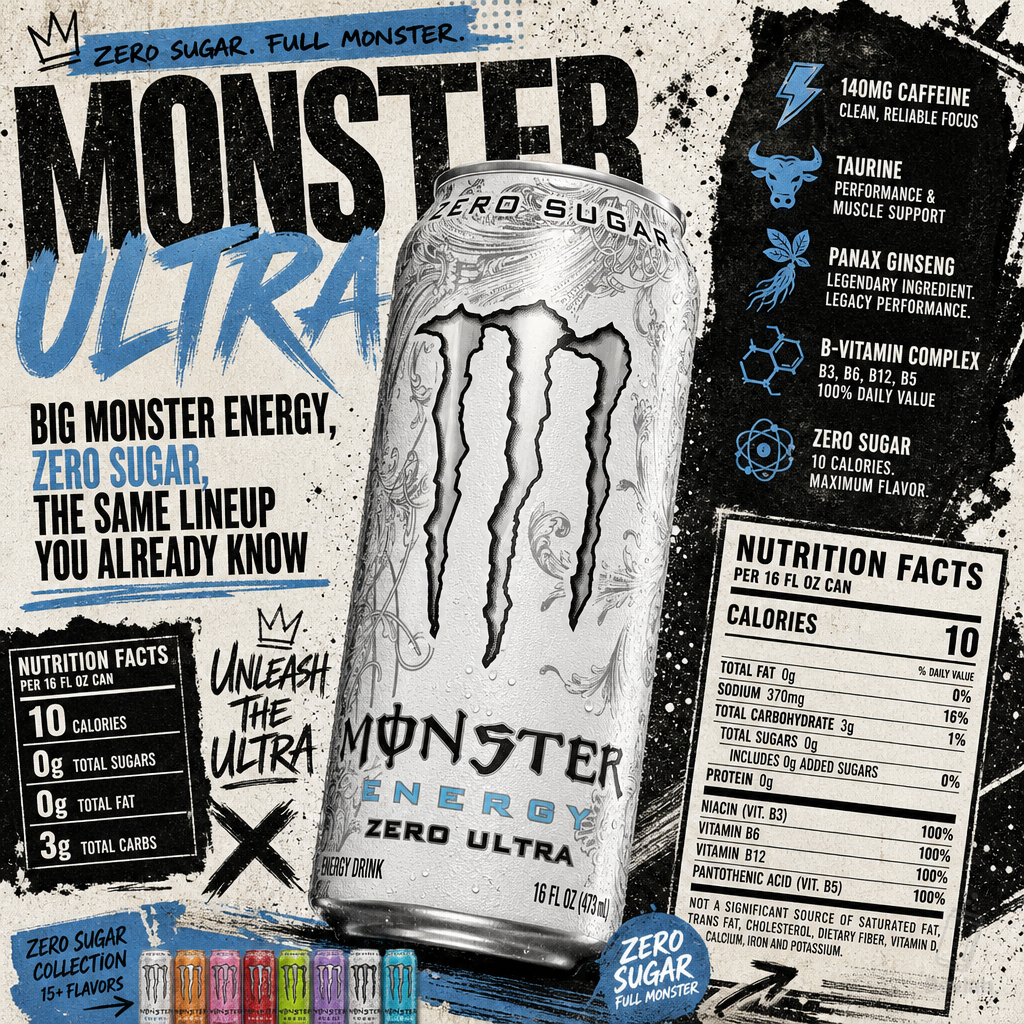
Monster Ultra is the zero-sugar answer to the original Monster. Here's what's in the can and why it became the default clean Enny for millions of drinkers.
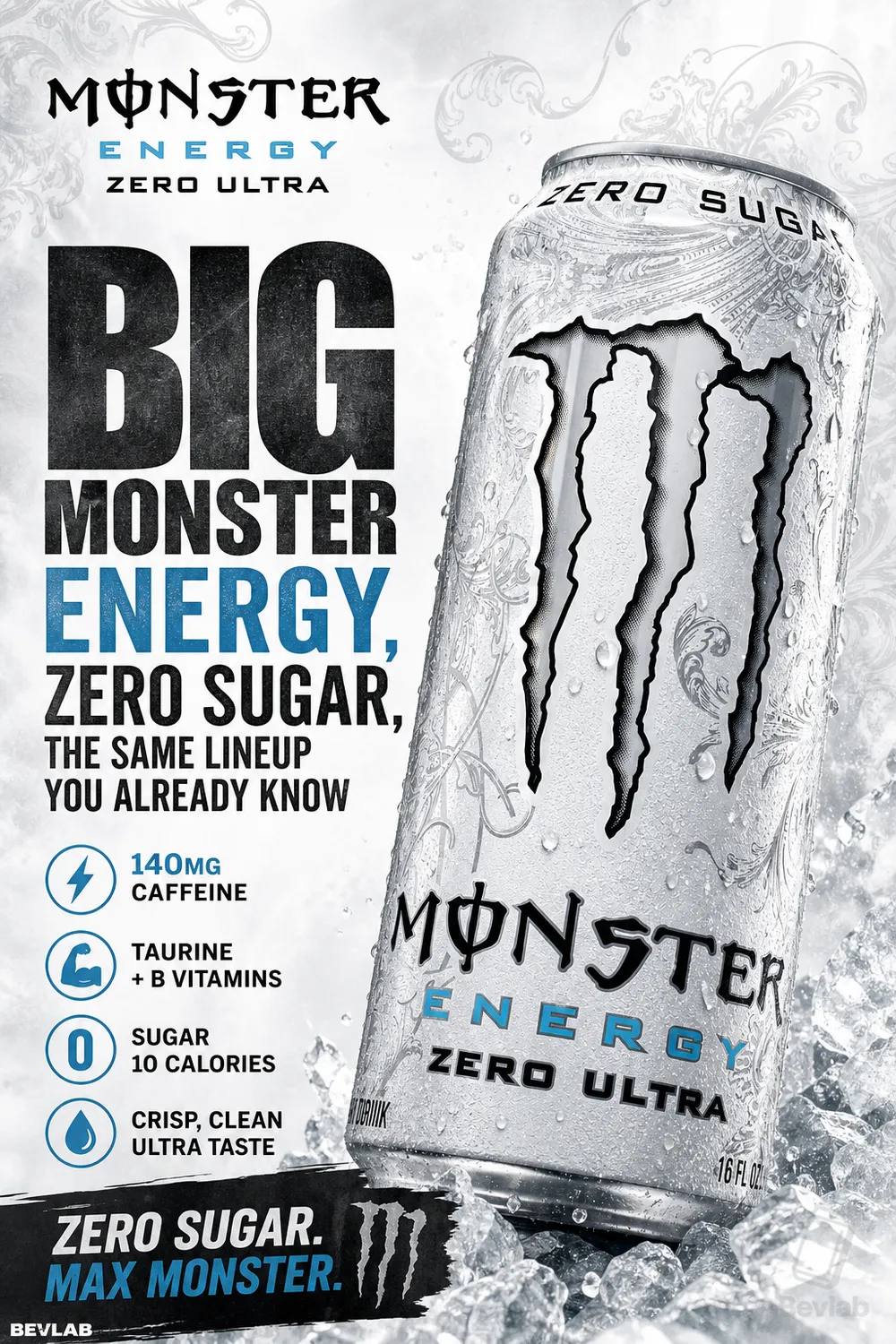
Monster Ultra is Monster Energy's zero-sugar line, and for a lot of Enny drinkers it became the default can -- the one you reach for when you want the Monster energy experience without the 27 grams of sugar dragging it down. The legendary white can launched in 2012 and essentially redefined what a mainstream zero-sugar energy drink could look like. It wasn't a stripped-down diet version. It kept the same familiar Monster DNA and just swapped the sugar bomb for a lighter, crisper flavor profile. Since then, Monster has expanded Ultra into one of the widest flavor lineups in the category, but the original white is still the anchor.
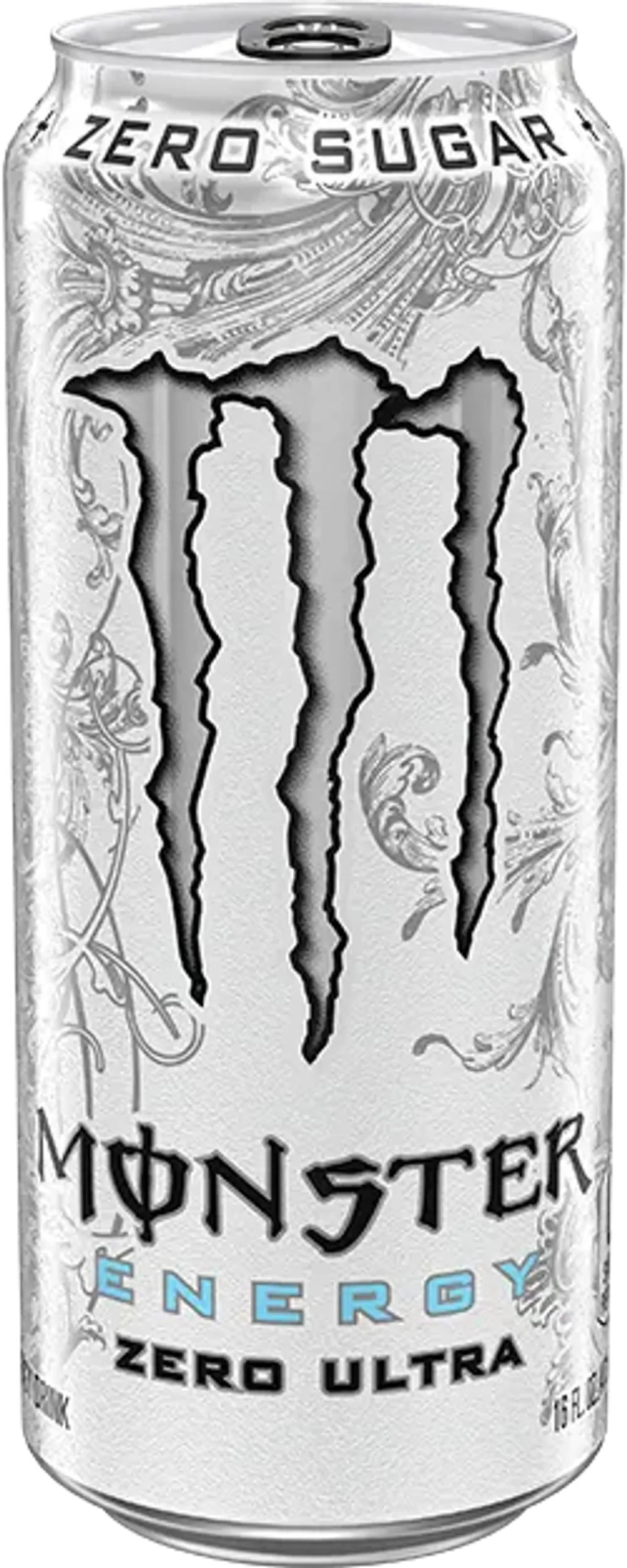
What makes Ultra worth breaking down is the formula underneath. It's not the most complex stack in the energy drink world, but it's a well-assembled, commercially proven formula that has held up for over a decade. You've got caffeine doing the heavy lifting, taurine along for the ride, a solid B-vitamin complex, and a few supporting players worth knowing about. Here's what's actually in the can.
Monster Ultra Nutrition Facts
Ingredients and nutrition facts may vary across flavors, but this is what we pulled for the white can:
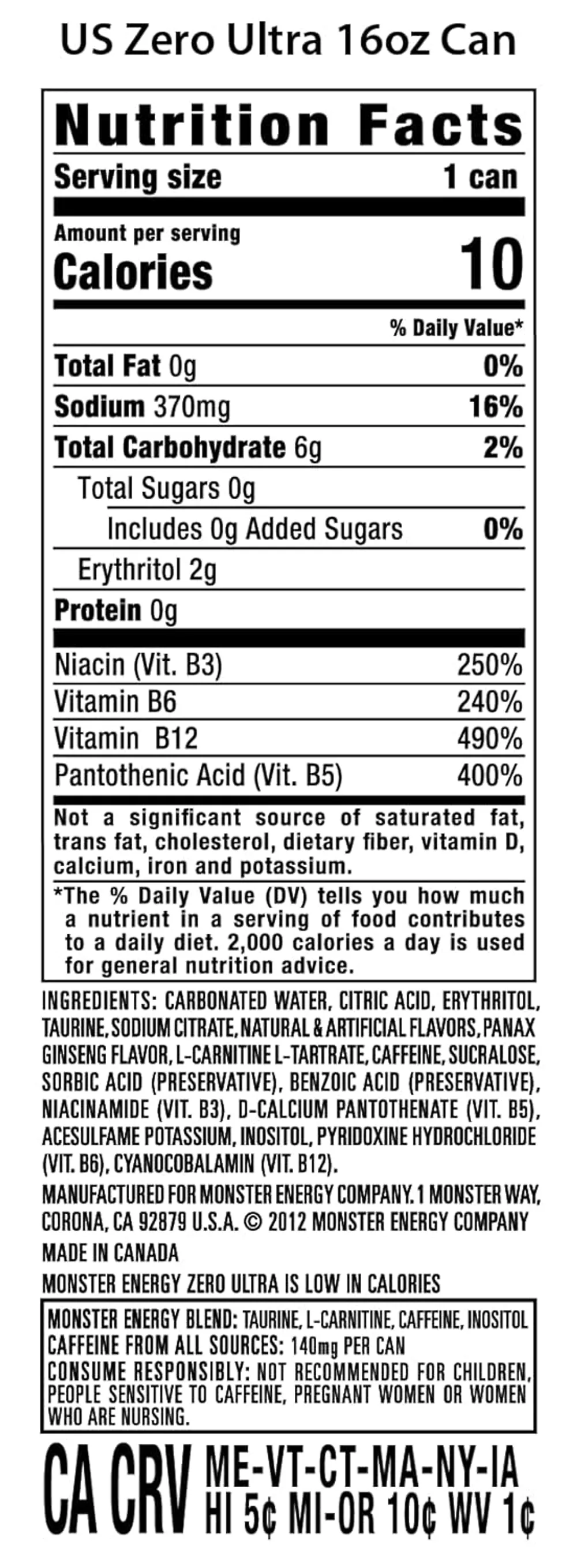
- Calories: 10
- Total Fat: 0g
- Total Carbohydrate: 3g
- Total Sugars: 0g
- Added Sugars: 0g
- Protein: 0g
- Niacin (Vitamin B3): 100% DV
- Vitamin B6: 100% DV
- Vitamin B12: 100% DV
- Pantothenic Acid (Vitamin B5): 100% DV
Monster Ultra Ingredients
Each 16 fl oz can delivers the following:
-
Caffeine - 140mg
Caffeine is the backbone of every energy drink formula, and Monster Ultra is no exception. It works by blocking the adenosine receptors in your brain that signal tiredness, which keeps stimulatory neurotransmitters (dopamine, norepinephrine, and acetylcholine) flowing freely.[1] The result is the core energy drink experience: sharper focus, faster reaction time, and the sense that the task in front of you is more manageable than it was before you cracked the can.
At 140mg per 16 fl oz can, Monster Ultra sits at the lower end of the full-size energy drink spectrum, roughly equivalent to a strong cup of coffee. That positions it comfortably within the range where cognitive and physical benefits are well-documented without the edge that comes from pushing past 200mg.[2] Research puts optimal performance benefits somewhere in the 3-6mg/kg body weight range for most adults, so 140mg hits that mark for anyone around 50-65kg.[3] It's a measured dose, which is part of why the Ultra line has such broad appeal.
-
Taurine
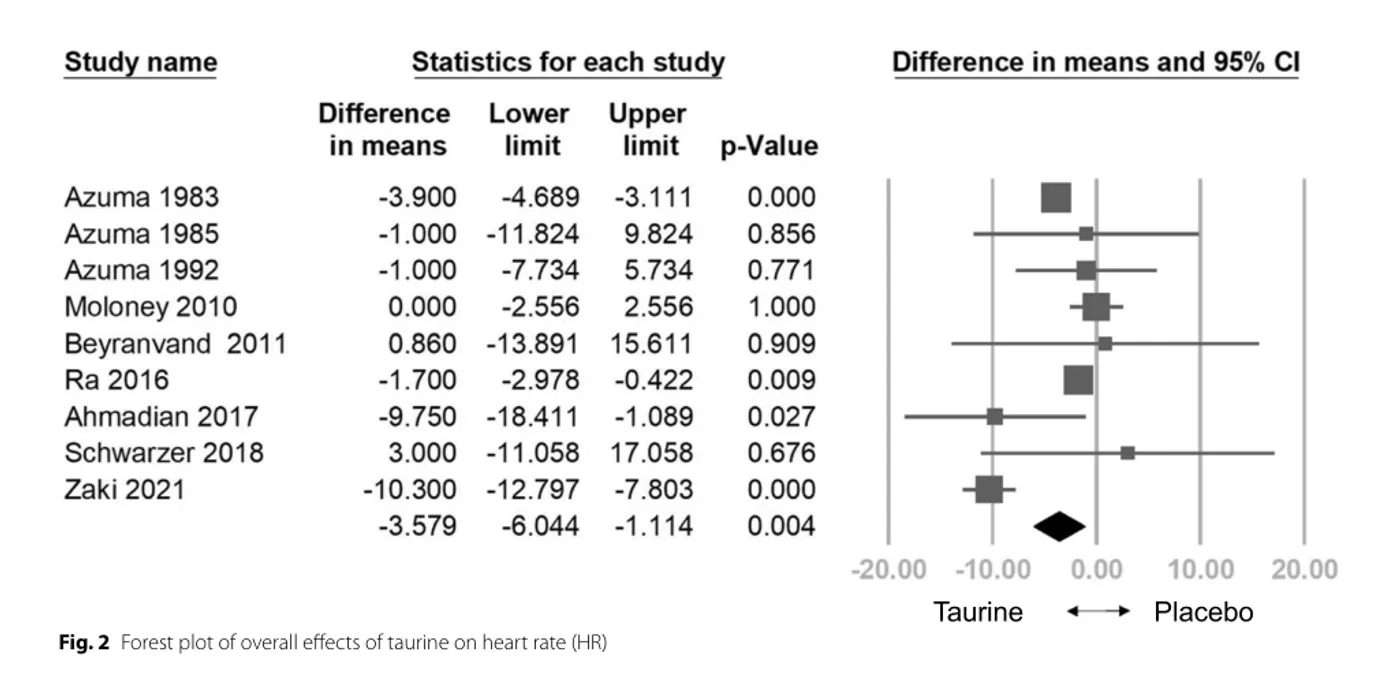
Insights into the cardiovascular benefits of taurine: a systematic review and meta-analysis.[4] Taurine is one of the most abundant amino acids in your body, concentrated especially in skeletal muscle, the heart, and the brain.[5] It doesn't get incorporated into proteins the way most amino acids do. Instead it works as an intracellular regulator, helping manage cell volume, calcium handling in muscle, and mitochondrial efficiency.[6] In practical terms: better muscle contractility, reduced exercise-induced oxidative stress, and a modest buffer against the fatigue that builds up over a long day or a tough workout.[7]
Pairing taurine with caffeine is a classic energy drink combination and for good reason. A network meta-analysis found the combination significantly improved anaerobic capacity and reaction time compared to either ingredient alone.[8] Research on taurine as a standalone supplement suggests doses in the 1-6g range produce small but measurable improvements in aerobic endurance performance, with around 1g being adequate for endurance-oriented benefits.[9] Monster doesn't disclose the taurine dose, so treat it as a meaningful supporting player rather than a precision supplement.
-
Panax Ginseng
Ginseng in Monster Ultra is a legacy ingredient -- it's been part of the Monster formula since day one, and the Ultra line carried it over. The active compounds are ginsenosides, a family of triterpenoid glycosides that act across multiple pathways: nitric oxide production, cholinergic signaling, HPA axis modulation, and antioxidant activity.[10] The honest story with ginseng in energy drinks is that dose matters enormously, and Monster doesn't disclose how much Panax ginseng extract is in the formula beyond listing "Panax Ginseng Flavor" in the ingredients.
The research on ginseng's cognitive effects is genuinely interesting at meaningful doses. Studies using standardized P. ginseng extracts at 400mg found improvements in secondary memory and working memory accuracy in healthy adults, while 200mg doses improved calmness and certain attention metrics.[11] American ginseng at 100-400mg improved spatial working memory and choice reaction time accuracy in multiple crossover trials.[12] Whether the ginseng in Monster Ultra approaches those thresholds is unknown. Treat it as a flavor and branding contribution more than a performance driver at this level.
-
L-Carnitine (as L-Carnitine L-Tartrate)
L-carnitine's primary job in human metabolism is shuttling long-chain fatty acids across the inner mitochondrial membrane so they can be burned for energy.[13] Without enough carnitine, that fat oxidation pathway slows down. The L-tartrate salt form used here is the version most commonly studied in sports nutrition contexts -- it's bioavailable, stable, and well-tolerated.
At the doses used in research, L-carnitine produces real effects. A meta-analysis of 37 RCTs found significant reductions in fat mass with around 2,000mg/day being the sweet spot for weight-related outcomes.[14] For exercise specifically, chronic use at roughly 2g/day helped with muscle recovery and reducing oxidative stress post-exercise.[15] Monster Ultra doesn't disclose the exact carnitine dose, and the listed amount is almost certainly well below those therapeutic ranges. Consider it a supporting role ingredient rather than a primary driver.
-
Inositol
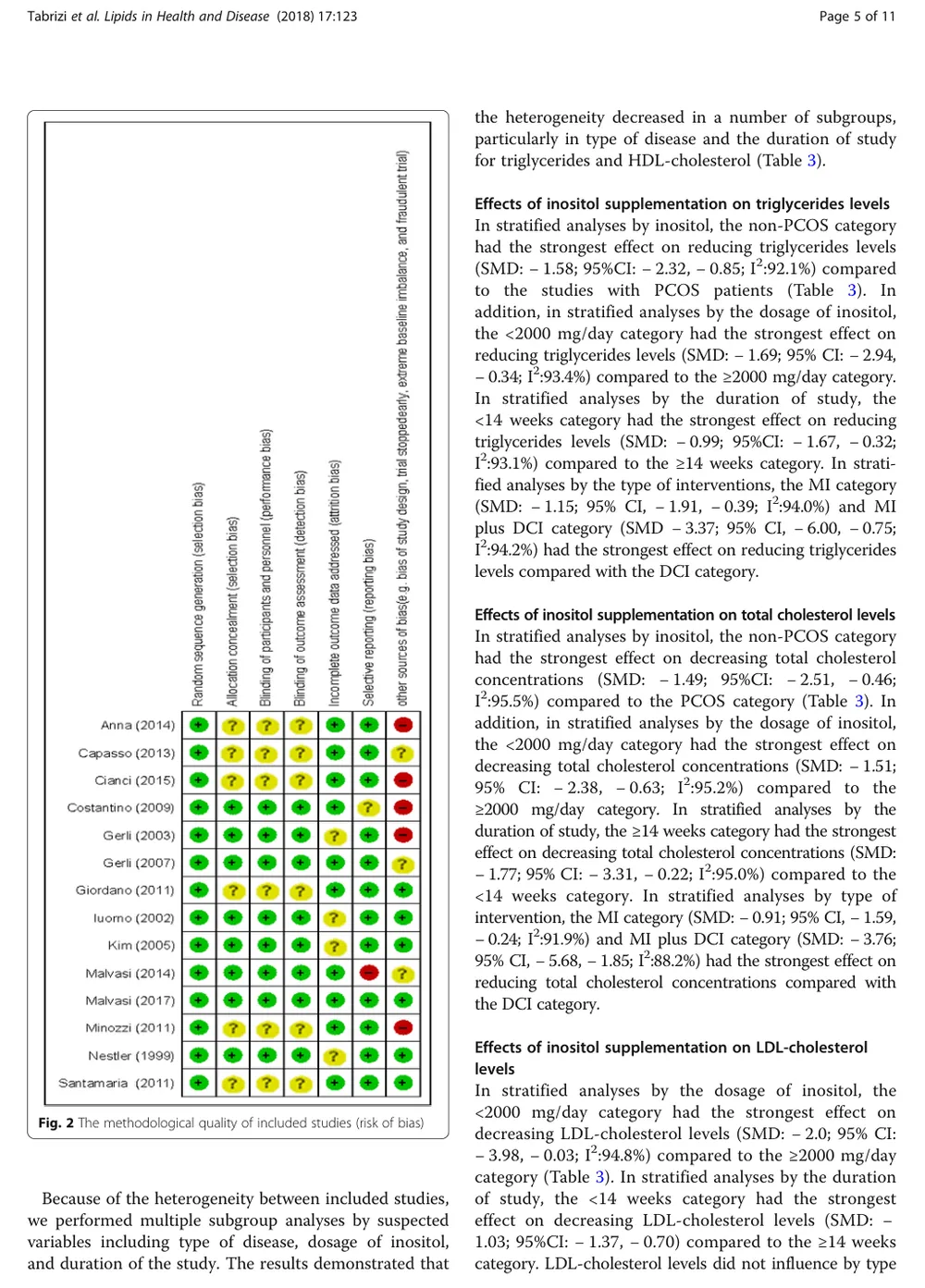
The effects of inositol supplementation on lipid profiles among patients with metabolic diseases: a systematic review and meta-analysis of randomized controlled trials.[16] Inositol is a naturally occurring sugar alcohol that acts as a second-messenger precursor in the phosphatidylinositol signaling system -- involved in how your cells respond to insulin and how certain neurotransmitter systems (serotonin-2, noradrenergic alpha-1) do their job.[17,18] It's been studied for metabolic health, mood support, sleep quality, and hormonal balance, with the clearest clinical evidence coming from metabolic and reproductive health contexts where doses of 2-4g/day are used.[19,20]
In an energy drink, inositol contributes to the overall formula character rather than delivering standalone clinical effects at beverage-level doses. It's a clean, well-tolerated addition with no safety concerns at any likely serving size, and FDA classifies it as GRAS. Research showing mood and anxiety benefits used doses of 12g/day in clinical settings,[18,17] far beyond what's in a can here. Worth noting on the label, but keep expectations realistic.
-
Vitamins and Minerals
-
Niacin (as Niacinamide, Vitamin B3) - 100% DV
Niacin is essential for producing NAD+, the coenzyme that drives hundreds of oxidation-reduction reactions across energy metabolism.[21] In the niacinamide form used here, there's no flushing effect at typical beverage doses, and you get full participation in cellular energy production. The 100% DV covers your daily baseline -- no performance enhancement at this level, but the B3 is doing real metabolic work in the background.
-
Vitamin B6 (as Pyridoxine Hydrochloride) - 100% DV
Monster Ultra Featured Brand Story Pyridoxal-5'-phosphate (the active form that pyridoxine converts into) participates in over 140 enzymatic reactions, including amino acid metabolism, neurotransmitter synthesis (GABA, dopamine, serotonin), and homocysteine clearance.[22] At 100% DV, this is a nutritional contribution rather than a pharmacological one, but for people running low on B6 -- vegans or those with poor diet quality in particular -- this addition is genuinely useful.
-
Vitamin B12 (as Cyanocobalamin) - 100% DV
Vitamin B12 is critical for DNA synthesis, myelin maintenance, red blood cell formation, and one-carbon metabolism.[23] Cyanocobalamin is the most stable and widely used supplement form, and its absorption and efficacy at nutritional doses are well-established. The 100% DV here is a baseline contribution. If you're already replete in B12, this won't add a perceptible energy boost, but it's a clean and legitimate nutritional addition.
-
Pantothenic Acid (as D-Calcium Pantothenate, Vitamin B5) - 100% DV
Vitamin B5 is the precursor to Coenzyme A, which is involved in roughly 4% of all cellular enzymatic reactions, including converting pyruvate to acetyl-CoA for the Krebs cycle and supporting fatty acid oxidation.[24] You need it for ATP synthesis to run properly. At 100% DV, it's a foundational nutritional contribution that keeps your energy metabolism well-supplied.
-
-
Other Ingredients
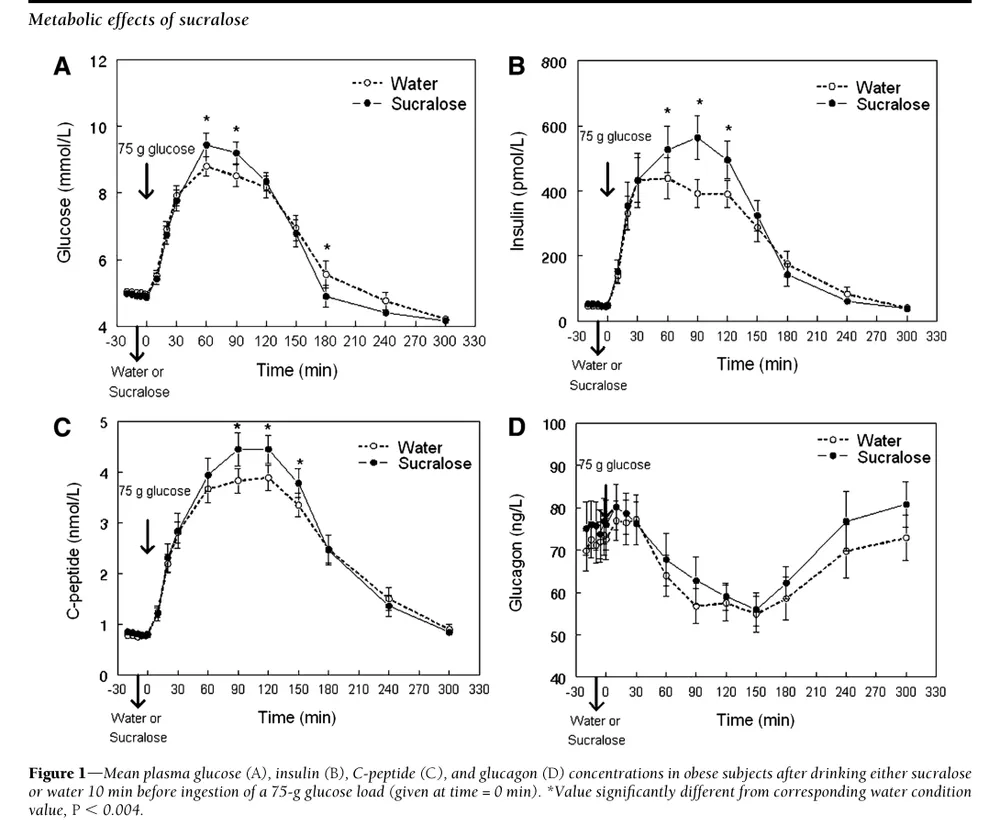
Sucralose affects glycemic and hormonal responses to an oral glucose load.[25] -
Erythritol (2g) - A sugar alcohol used as a bulk sweetener. It contributes virtually no calories, has zero glycemic index, and is roughly 60-80% as sweet as sucrose.[26] About 80-90% of ingested erythritol is absorbed in the small intestine and excreted unchanged in urine, which is why it doesn't cause the GI distress associated with other polyols.[27] It provides the slight body that high-intensity sweeteners alone can't deliver. Emerging research on erythritol and platelet activation has generated debate,[28,29] though major regulatory bodies including EFSA have not issued safety warnings and current evidence doesn't establish a causal relationship with cardiovascular harm at typical food-additive levels.[30]
-
Carbonated Water - The functional base of the beverage. CO2 dissolved under pressure creates carbonic acid, which gives energy drinks their characteristic carbonation and contributes to the tartness of the final product.
-
Citric Acid - Functions as the primary acidulant in Monster Ultra, creating the sharp, sour character that balances the sweeteners and makes the flavor pop. It also helps stabilize pH across the shelf life of the product.[31]
-
Sodium Citrate - The sodium salt of citric acid, used here primarily as a flavor modifier and pH buffer. It softens the sharpness of citric acid and contributes to the smooth finish of the beverage, while adding a small amount of sodium.
-
Natural & Artificial Flavors - A proprietary blend of flavoring compounds that defines each Ultra flavor variant. Both natural and artificial flavors undergo rigorous regulatory evaluation via the FEMA GRAS review process and are used at concentrations well within established safety thresholds.[32]
-
Sucralose - A chlorinated sucrose derivative approximately 600 times sweeter than sugar.[33] Along with acesulfame potassium, sucralose handles the sweetness load in Monster Ultra's zero-sugar formula. It's heat-stable, well-established in the beverage industry, and approved globally. Some research has raised questions about glycemic effects at sub-ADI doses in certain populations,[34] and microbiome interactions have been documented in controlled settings,[35] though regulatory bodies continue to confirm its safety at authorized use levels.[36]
-
Sorbic Acid (Preservative) - Used to inhibit mold and yeast growth, extending shelf life across distribution. Sorbic acid is most effective in the acidic pH range typical of energy drinks. It holds GRAS status in the US and is authorized under E200 in the EU, with an established group ADI of 11mg sorbic acid/kg body weight per day.[37] At typical beverage use levels, estimated consumer exposure falls well below that threshold.[38]
-
Benzoic Acid (Preservative) - Works alongside sorbic acid as a paired antimicrobial system. Benzoic acid inhibits microbial function in acidic environments, making it effective in carbonated soft drinks and energy drinks.[39] GRAS-listed in the US. EFSA's group ADI is 5mg/kg body weight per day.[40] As with sorbic acid, typical dietary exposure from beverages is well below regulatory limits.
-
Acesulfame Potassium - A calorie-free synthetic sweetener approximately 200 times sweeter than sucrose.[41] Paired with sucralose, Ace-K fills in sweetness across different parts of the taste profile, and the two together produce a more sugar-like overall perception than either would alone. Established ADI is 15mg/kg body weight per day.[41] Most consumers, even heavy energy drink users, don't approach that threshold through normal consumption.
-
Flavors Available
- Ultra Blue (24 16oz Cans: $69.99)
- Ultra Fiesta (12 16oz Cans: $47.26)
- Ultra Paridise (24 16oz Cans: $61.90)
- Ultra Red (24 16oz Cans: $77.00)
- Ultra Rosa (12 16oz Cans: $47.23)
- Ultra Sunrise (12 16oz Cans: $39.38)
- Ultra Vice Guava (1 16oz Can: $2.68)
- Ultra Violet (24 16oz Cans: $69.99)
- Ultra Watermelon (24 16oz Cans: $76.90)
- Variety Pack (24 16oz Cans: $63.99)
Who It's For
-
Everyday Enny drinkers watching their sugar intake: Monster Ultra delivers the full Monster experience -- the branding, the flavor boldness, the carbonation -- without the 27g of sugar that comes in the original.
-
Caffeine-sensitive drinkers looking for a mainstream option: At 140mg per 16 fl oz, Ultra is meaningfully more moderate than the 200-300mg options further up the category. It's enough to feel it, not enough to make your hands shake.
Monster Ultra Is the Benchmark for a Reason
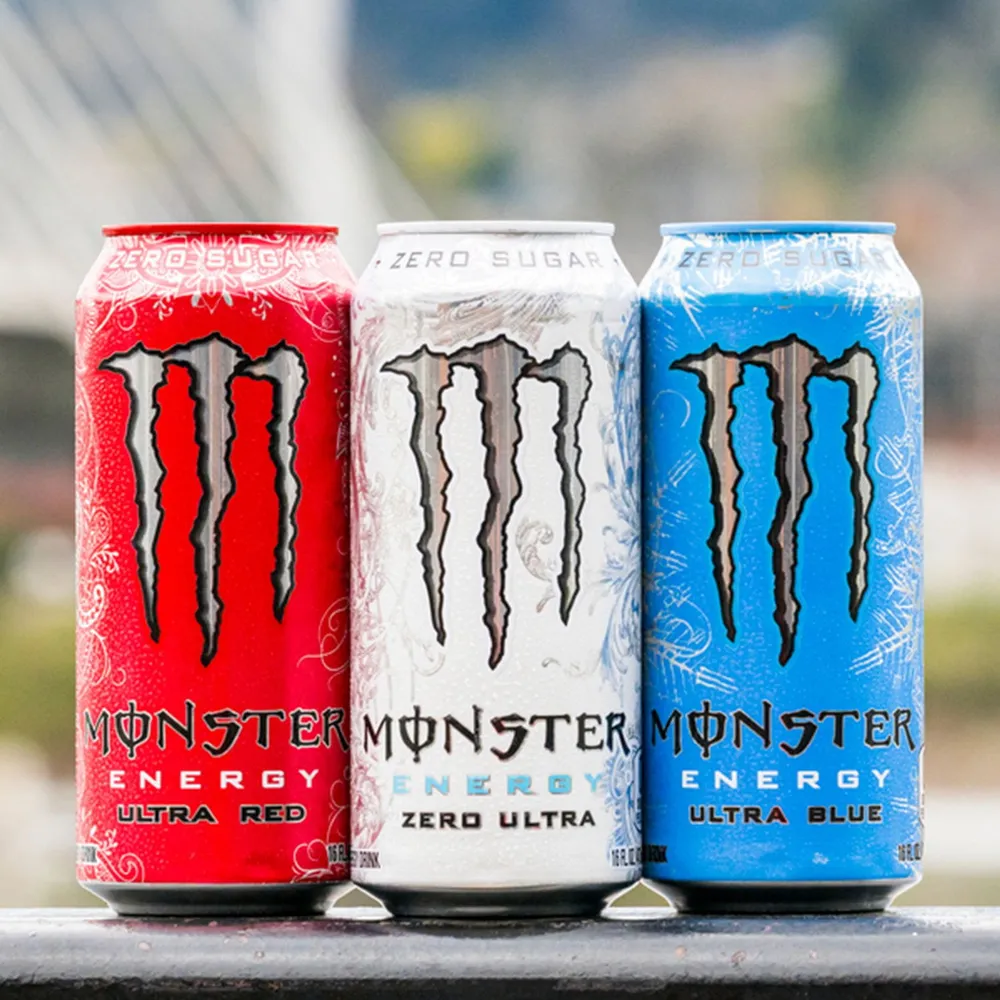
Monster Ultra didn't accidentally become the default zero-sugar Enny -- it earned it. The formula is clean, the caffeine is appropriately moderate, and the taurine and B-vitamin complex round things out in a way that makes practical sense. The ginseng and carnitine are supporting characters at undisclosed doses, and the sweetener system (sucralose, Ace-K, and erythritol) is a proven combination that has survived a decade of consumer scrutiny. This is the can you hand someone when they're new to Ennies and don't want to go hard. It's also the one a lot of experienced drinkers come back to because it doesn't try to do too much.
Follow @BevlabMedia on TikTok and Instagram for the latest in the energy drink space.
References
- McLellan, Tom M. et al. "Mclellan2016 A Review Of Caffeine S Effects On Cognitive Physical And Occupational Performance." Neuroscience & Biobehavioral Reviews, 2016. https://doi.org/10.1016/j.neubiorev.2016.09.001
- Guest, Nanci S. et al. "Guest 2021 International Society Of Sports Nutrition Position Stand Caffeine And Exercise Performance." Journal of the International Society of Sports Nutrition, 2021. https://doi.org/10.1186/s12970-020-00383-4
- Goldstein, Erica R, et al. "Goldstein 2011 International Society Of Sports Nutrition Position Stand Caffeine And Performance." Journal of the International Society of Sports Nutrition, 2010. https://doi.org/10.1186/1550-2783-7-5
- Tzang, Chih-Chen, et al. "Insights into the cardiovascular benefits of taurine: a systematic review and meta-analysis." Nutrition journal, 2024. https://doi.org/10.1186/s12937-024-00995-5
- Ripps, Harris, et al. "Review: taurine: a "very essential" amino acid." Molecular vision, 2012. https://pmc.ncbi.nlm.nih.gov/articles/PMC3501277/
- Jong, Chian Ju, et al. "The Role of Taurine in Mitochondria Health: More Than Just an Antioxidant." Molecules (Basel, Switzerland), 2021. https://doi.org/10.3390/molecules26164913
- Kurtz, Jennifer A, et al. "Taurine in sports and exercise." Journal of the International Society of Sports Nutrition, 2021. https://doi.org/10.1186/s12970-021-00438-0
- Deng, Hengzhi, et al. "Caffeine and taurine: a systematic review and network meta-analysis of their individual and combined effects on physical capacity, cognitive function, and physiological markers." Journal of the International Society of Sports Nutrition, 2025. https://doi.org/10.1080/15502783.2025.2566371
- Deng, Hengzhi, et al. "Does One Shot Work? The Acute Impact of a Single Taurine Dose on Exercise Performance: A Meta-Analytic Review." Scandinavian journal of medicine & science in sports, 2025. https://doi.org/10.1111/sms.70123
- Kennedy, David O, et al. "Kennedy2003 Ginseng Potential For The Enhancement Of Cognitive Performance And Mood." Pharmacology, biochemistry, and behavior, 2003. https://doi.org/10.1016/S0091-3057(03)00126-6
- Reay, Jonathon L, et al. "Reay2010 Panax Ginseng G115 Improves Aspects Of Working Memory Performance And Subjective Ratings Of Calmness In Healthy Young Adults." Human psychopharmacology, 2010. https://doi.org/10.1002/hup.1138
- Scholey, Andrew, et al. "Scholey2010 Effects Of American Ginseng Panax Quinquefolius On Neurocognitive Function An Acute Randomised Double Blind Placebo Controlled Crossover Study." Psychopharmacology, 2010. https://doi.org/10.1007/s00213-010-1964-y
- Fielding, Roger, et al. "Fielding 2018 L Carnitine Supplementation In Recovery After Exercise." Nutrients, 2018. https://doi.org/10.3390/nu10030349
- Talenezhad, Nasir, et al. "Talenezhad 2020 Effects Of L Carnitine Supplementation On Weight Loss And Body Composition A Systematic Review And Meta Analysis Of 37 Randomized Controlled Clinical Trials With Dose Response Analysis." Clinical Nutrition ESPEN, 2020. https://doi.org/10.1016/j.clnesp.2020.03.008
- Mielgo-Ayuso, Juan, et al. "Mielgo 2021 Effect Of Acute And Chronic Oral L Carnitine Supplementation On Exercise Performance Based On The Exercise Intensity A Systematic Review." Nutrients, 2021. https://doi.org/10.3390/nu13124359
- Tabrizi, Reza, et al. "The effects of inositol supplementation on lipid profiles among patients with metabolic diseases: a systematic review and meta-analysis of randomized controlled trials." Lipids in health and disease, 2018. https://doi.org/10.1186/s12944-018-0779-4
- Benjamin, J, et al. "Double-blind, placebo-controlled, crossover trial of inositol treatment for panic disorder." The American journal of psychiatry, 1995. https://doi.org/10.1176/ajp.152.7.1084
- Levine, J, et al. "Double-blind, controlled trial of inositol treatment of depression." The American journal of psychiatry, 1995. https://doi.org/10.1176/ajp.152.5.792
- Unfer, Vittorio, et al. "Myo-inositol effects in women with PCOS: a meta-analysis of randomized controlled trials." Endocrine connections, 2017. https://doi.org/10.1530/EC-17-0243
- D'Anna, Rosario, et al. "Myo-inositol Supplementation for Prevention of Gestational Diabetes in Obese Pregnant Women: A Randomized Controlled Trial." Obstetrics and gynecology, 2015. https://doi.org/10.1097/AOG.0000000000000958
- Gasperi, Valeria, et al. "Gasperi2019 Niacin In The Central Nervous System An Update Of Biological Aspects And Clinical Applications." International Journal of Molecular Sciences, 2019. https://doi.org/10.3390/ijms20040974
- di, Salvo Martino Luigi, et al. "Di Salvo2010 Vitamin B6 Salvage Enzymes Mechanism Structure And Regulation." Biochimica et Biophysica Acta (BBA) - Proteins and Proteomics, 2011. https://doi.org/10.1016/j.bbapap.2010.12.006
- Lyon, Peter, et al. "Lyon2020 B Vitamins And One Carbon Metabolism Implications In Human Health And Disease." Nutrients, 2020. https://doi.org/10.3390/nu12092867
- Freese, Riitta, et al. "Pantothenic acid - a scoping review for Nordic Nutrition Recommendations 2023." Food & nutrition research, 2023. https://doi.org/10.29219/fnr.v67.10255
- Pepino, M Yanina, et al. "Sucralose affects glycemic and hormonal responses to an oral glucose load." Diabetes care, 2013. https://doi.org/10.2337/dc12-2221
- Regnat, K, et al. "Erythritol as sweetener-wherefrom and whereto?." Applied microbiology and biotechnology, 2018. https://doi.org/10.1007/s00253-017-8654-1
- Hiele, M, et al. "Metabolism of erythritol in humans: comparison with glucose and lactitol." The British journal of nutrition, 1993. https://doi.org/10.1079/bjn19930019
- Witkowski, Marco, et al. "The artificial sweetener erythritol and cardiovascular event risk." Nature medicine, 2023. https://doi.org/10.1038/s41591-023-02223-9
- Witkowski, Marco, et al. "Ingestion of the Non-Nutritive Sweetener Erythritol, but Not Glucose, Enhances Platelet Reactivity and Thrombosis Potential in Healthy Volunteers-Brief Report." Arteriosclerosis, thrombosis, and vascular biology, 2024. https://doi.org/10.1161/ATVBAHA.124.321019
- et al. "Re-evaluation of erythritol (E 968) as a food additive." EFSA journal. European Food Safety Authority, 2023. https://doi.org/10.2903/j.efsa.2023.8430
- Książek, Ewelina. "Citric Acid: Properties, Microbial Production, and Applications in Industries." Molecules (Basel, Switzerland), 2023. https://doi.org/10.3390/molecules29010022
- Rosol, Thomas J, et al. "FEMA GRAS assessment of natural flavor complexes: Lemongrass oil, chamomile oils, citronella oil and related flavoring ingredients." Food and chemical toxicology : an international journal published for the British Industrial Biological Research Association, 2023. https://doi.org/10.1016/j.fct.2023.113697
- Wilk, Klara, et al. "The Effect of Artificial Sweeteners Use on Sweet Taste Perception and Weight Loss Efficacy: A Review." Nutrients, 2022. https://doi.org/10.3390/nu14061261
- Romo-Romo, Alonso, et al. "Sucralose decreases insulin sensitivity in healthy subjects: a randomized controlled trial." The American journal of clinical nutrition, 2018. https://doi.org/10.1093/ajcn/nqy152
- Suez, Jotham, et al. "Personalized microbiome-driven effects of non-nutritive sweeteners on human glucose tolerance." Cell, 2022. https://doi.org/10.1016/j.cell.2022.07.016
- et al. "Re-evaluation of sucralose (E 955) as a food additive and evaluation of a new application on extension of use of sucralose (E 955) in fine bakery wares." EFSA journal. European Food Safety Authority, 2026. https://doi.org/10.2903/j.efsa.2026.9854
- et al. "Opinion on the follow-up of the re-evaluation of sorbic acid (E200) and potassium sorbate (E202) as food additives." EFSA journal. European Food Safety Authority, 2019. https://doi.org/10.2903/j.efsa.2019.5625
- EFSA, Panel on Food Additives and Nutrient Sources added to Food (ANS). "Scientific Opinion on the re‐evaluation of sorbic acid (E 200), potassium sorbate (E 202) and calcium sorbate (E 203) as food additives." EFSA Journal, 2015. https://doi.org/10.2903/j.efsa.2015.4144
- Freese, E, et al. "Function of lipophilic acids as antimicrobial food additives." Nature, 1973. https://doi.org/10.1038/241321a0
- EFSA, Panel on Food Additives and Nutrient Sources (ANS). "Scientific Opinion on the re‐evaluation of benzoic acid (E 210), sodium benzoate (E 211), potassium benzoate (E 212) and calcium benzoate (E 213) as food additives." EFSA Journal, 2016. https://doi.org/10.2903/j.efsa.2016.4433
- Chowdhury, Chandrama Roy, et al. "Beyond sweetness: A review of the health and safety of acesulfame-K." Food chemistry, 2026. https://doi.org/10.1016/j.foodchem.2025.147290