True Protein Previews Liquid Creatine, a Canned 'Stable' Creatine Water
Australia's True Protein says its 3g canned creatine water stays stable without preservatives, launching early 2027.
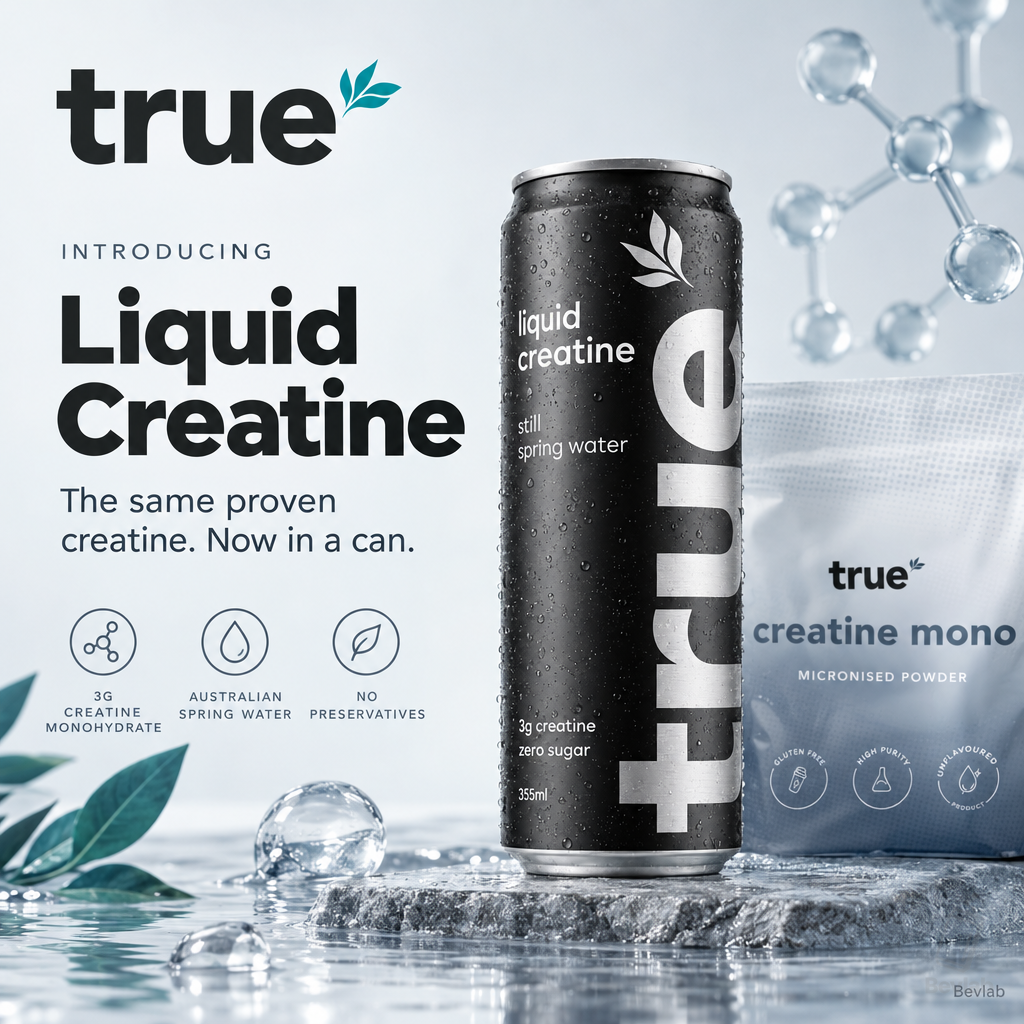
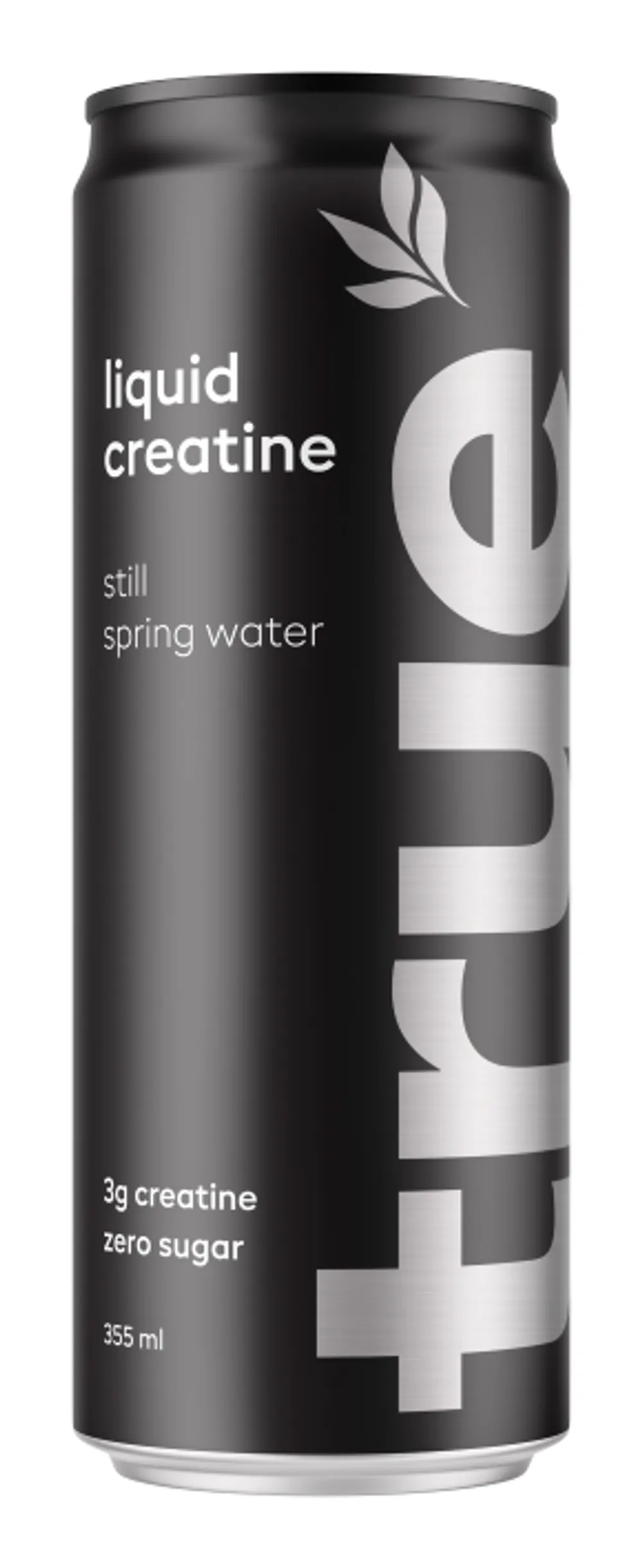
Australian sports nutrition brand True Protein is putting creatine in a can. True Protein Liquid Creatine is a 355ml still drink with 3g of creatine monohydrate and Australian spring water. That's the full ingredient list, and it launches in early 2027 through True Protein's website.[1]
Creatine in a can isn't new on its own. CreaBev-based drinks are already on shelves, including Sportsballer's creatine cocktail trio. The new part, according to True, is how it keeps the creatine intact. The brand calls Liquid Creatine the "world's first stable, preservative-free canned creatine". That's True's claim, and it rests on what seems to be a new, proprietary process.
Why Creatine and Water Don't Mix
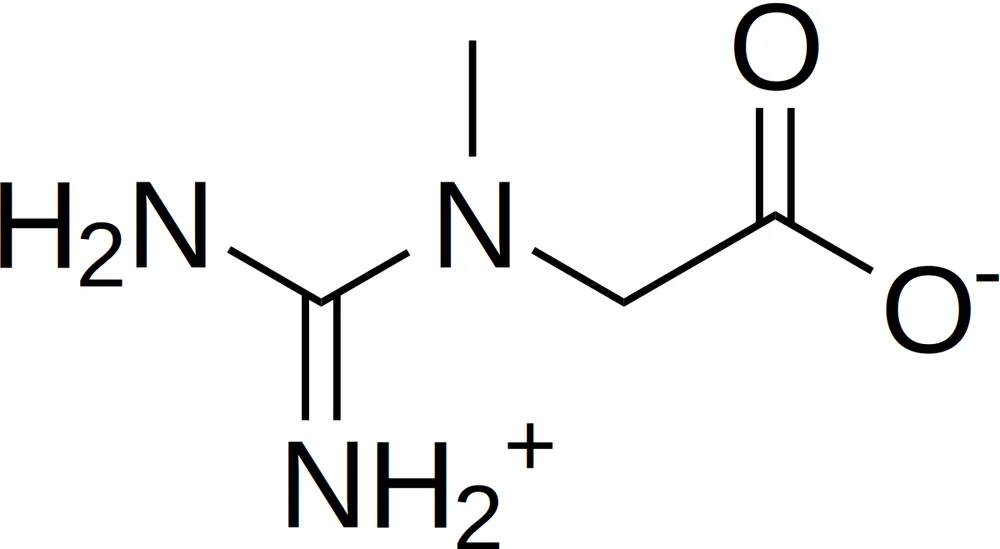
Creatine monohydrate is one of the most studied supplements around, but it has one big weakness. In water, creatine slowly converts into creatinine, a waste product your kidneys clear that does none of what creatine does. Heat, acidity, and time all speed that conversion up.[1] A canned drink sitting in a warehouse, a delivery truck, or a hot gym bag gets all three.
True says liquid and gummy creatine products usually handle this one of two ways. They add chemical stabilizers to slow the breakdown, or they put more creatine in than the label claims so enough survives.[1] The company also says outside testing it paid for found some liquid and gummy creatine products held as little as 10% of the creatine listed on the label.[1] True didn't name those products, so there's no way to see which brands fell short or how those samples were stored.
A Mechanical Fix, According to True
True says it isn't slowing the breakdown. It says it stabilizes the creatine itself with a "purely mechanical" process that uses no preservatives or chemical stabilizers. True adds that the process keeps conversion to creatinine "extremely low."[1] Since the stability comes from processing rather than the formula, the can only needs creatine and water.
The company says its research partners have worked on the technology for more than ten years. They started in 2015 with amino acids before moving to creatine monohydrate. In 2025, those researchers pitched the concept to True, which signed an exclusive agreement, hired them full-time, and built a Melbourne facility to scale the process to commercial production.[1]
"The usual answer has been to add chemicals or add more creatine and hope enough survives," said Ben Kierath, True Protein's founder and managing director. "We didn't want to work around the problem. We wanted to solve it."[1]
The Science Advisor Is More Careful

The headline claim is bold. The supporting evidence is still thin in public. True says stability data is "available to media and researchers on request," but it hasn't published that data.[1]
The most useful quote comes from Professor Sergej M. Ostojic, a creatine researcher who works as True's independent scientific advisor. His wording is noticeably more cautious than the press headline. His lab tested "samples supplied by the team," and he called the results "encouraging under the conditions evaluated." He also described them as "preliminary findings."[1]
He also spells out what still needs to happen: "The next step is to confirm these findings in commercially manufactured products through rigorous analytical testing, demonstrating that the stated creatine dose is maintained and conversion to creatinine remains minimal under real-world storage conditions."[1]
In other words, finished commercial cans haven't been through that testing yet, at least not publicly. Ostojic says that if stability holds through a ready-to-drink product's full shelf life without preservatives or large overages, it would be a meaningful advance for creatine delivery.[1] That's an "if," and he says so himself.
Liquid Creatine Ingredients
The label is about as simple as a drink label gets.
- Creatine Monohydrate (3g) - the most researched form of creatine, best known for supporting strength and power output, with growing interest in its cognitive uses.
- Australian Spring Water - the base, with no sweeteners, flavors, or preservatives listed.
True says products made with its process can be dosed at "clinically relevant levels" and deliver what the label says.[1] It's a still drink, so there's no carbonation, and nothing else is in the formula.
Availability
Liquid Creatine is set to launch in early 2027 through True Protein's own website in Australia.[1] True hasn't announced US distribution.
If True publishes stability data on finished cans pulled from real shelves, this could be the creatine drink that finally makes the label number trustworthy. Until then, it's a well-funded promise with a cautious scientist behind it.
References
- AACS. "True Protein Cracks the Code on Liquid Creatine, Launching the World's First Stable, Preservative-Free Canned Creatine." 2026. https://aacs.org.au/true-protein-cracks-the-code-on-liquid-creatine-launching-the-worlds-first-stable-preservative-free-canned-creatine/
Tagged