Christian Guzman: Building an Empire as a Content Creator | Episode #005
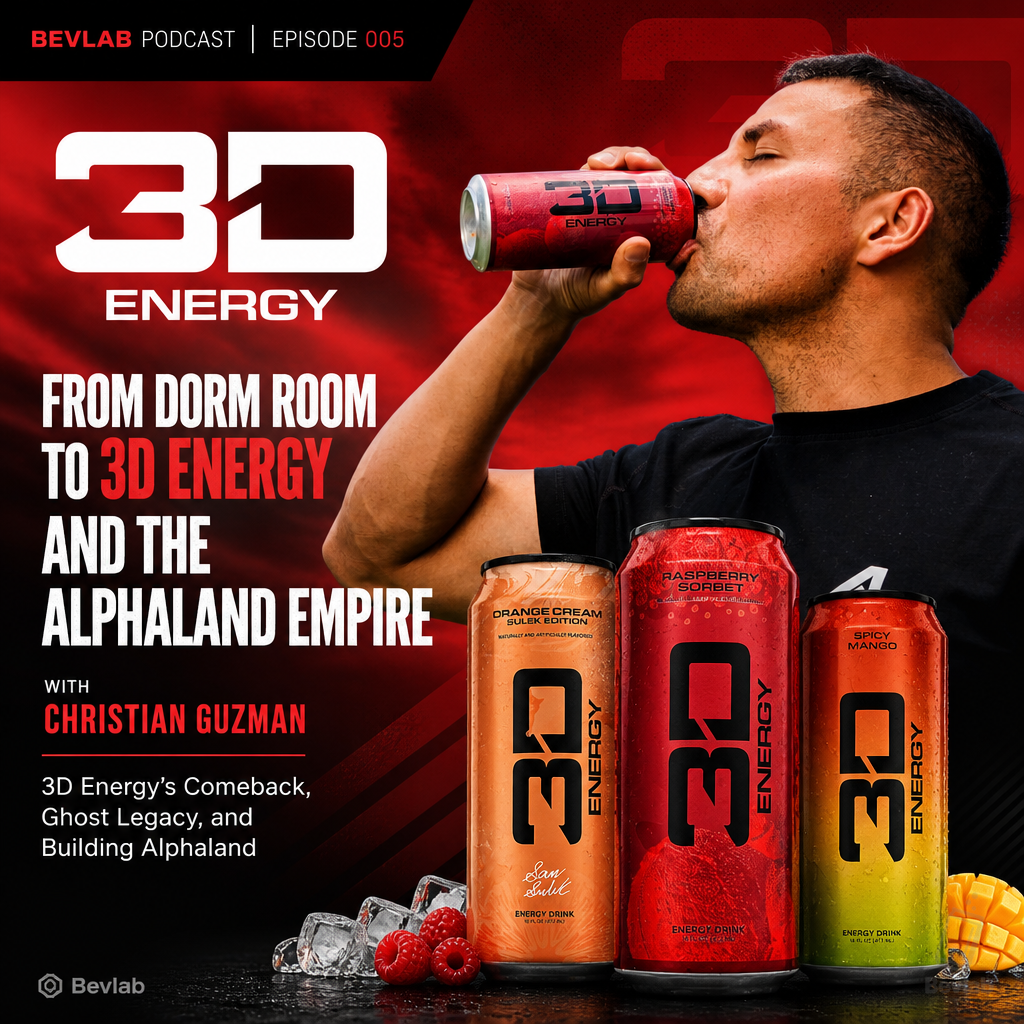
From Dorm Room to 3D Energy and the Alphaland Empire
Watch on YouTube
Christian Guzman on 3D Energy's Comeback, Ghost Legacy, and Building Alphaland
Episode 5: Christian Guzman on Building an Empire From a Dorm Room Camera
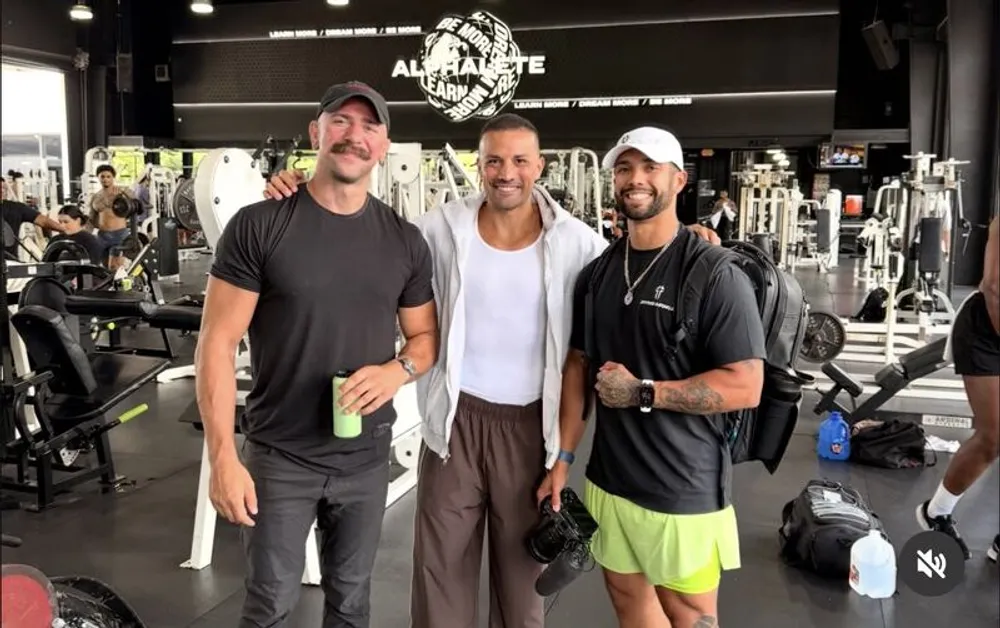
Christian Guzman has been making fitness content for 15 years, and in that time he's built a resume most influencers only dream about: a Cellucor affiliate deal that turned into a Ghost partnership defining a generation of supplement collabs, the Alphalete apparel empire, the sprawling Alphaland training facility outside Houston, and now a rebuilt 3D Energy Drink that's finally getting its footing back in retail. In this episode, Guzman sits down with the Bevlab crew over cans of 3D to walk through how a guy answering fitness emails between college classes ended up running four companies at once, and why he thinks the influencer-collab era that made him famous can't happen the same way twice.
This episode is sponsored by Cognizin® Citicoline: The Brain Choline.
What We Covered
The conversation moves chronologically through Guzman's career, but it keeps circling back to a practical question: how do you know when to stop working for someone else's brand and build your own? A short list of what's in the episode:
- How coaching clients over email in college (and a nudge from his dad to actually charge for it) became Guzman's first real business
- The Cellucor-to-Ghost pipeline and why 2016-2019 was peak YouTube for supplement collabs
- Why Guzman waited years to launch his own energy drink instead of jumping in early
- The messy history behind 3D Energy: a lawsuit over the original name, a partner split, and getting 100% equity back in 2024
- How the relaunched 3D formula and pricing strategy (staying under $2 a can) is built around volume over margin
- Why TikTok Shop and founder-led content are replacing the old flat-fee influencer retainer model
- The origin of Alpha Eats, his mom's food business now operating out of Alphaland's commercial kitchen
- What didn't make the can: a pickle juice energy drink that got shelved
Key Takeaways
The influencer-to-founder jump has a timing window
Guzman is direct about this: if you're driving serious value to someone else's brand for eight or nine years as an affiliate or ambassador, you probably should have started your own version by year two or three. He credits early timing, not just talent, for 3D and Alphalete's success, and argues that trying to launch a supplement brand from scratch today, without an existing audience at its peak, would be a much harder climb than it was in 2016.
3D Energy's relaunch is a pricing and simplicity play
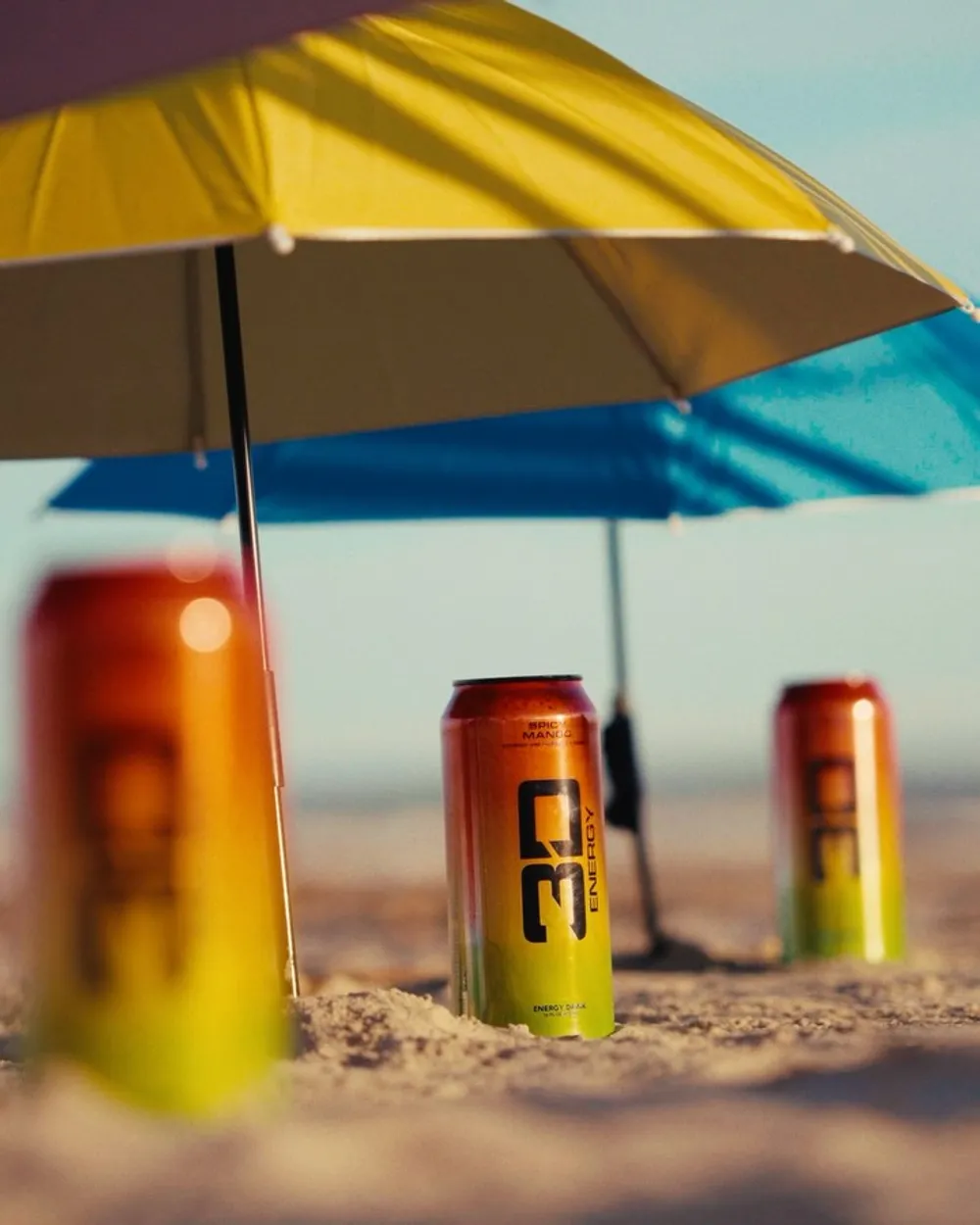
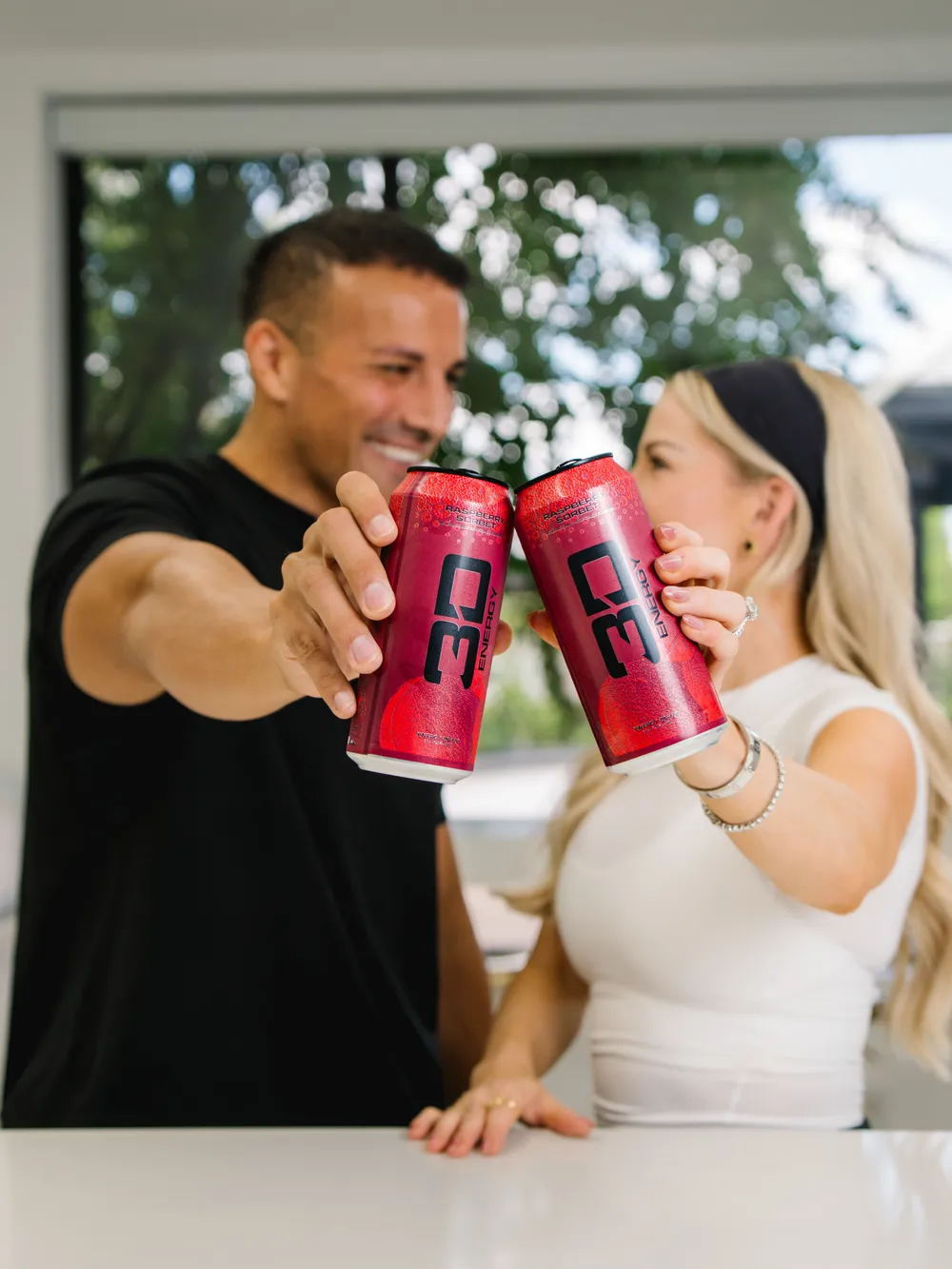
After reclaiming full ownership of 3D in 2024, Guzman and his new partner rebuilt the brand around three priorities: keeping cans under $2, focusing on standout flavors like cucumber melon and spicy mango, and cutting the formula complexity. The bet is that once people try it at that price, trial converts to repeat purchase. It's a volume strategy in a category that's spent the last few years trending toward higher price points and heavier stacks.
Collabs like the Ghost era are much harder to replicate now
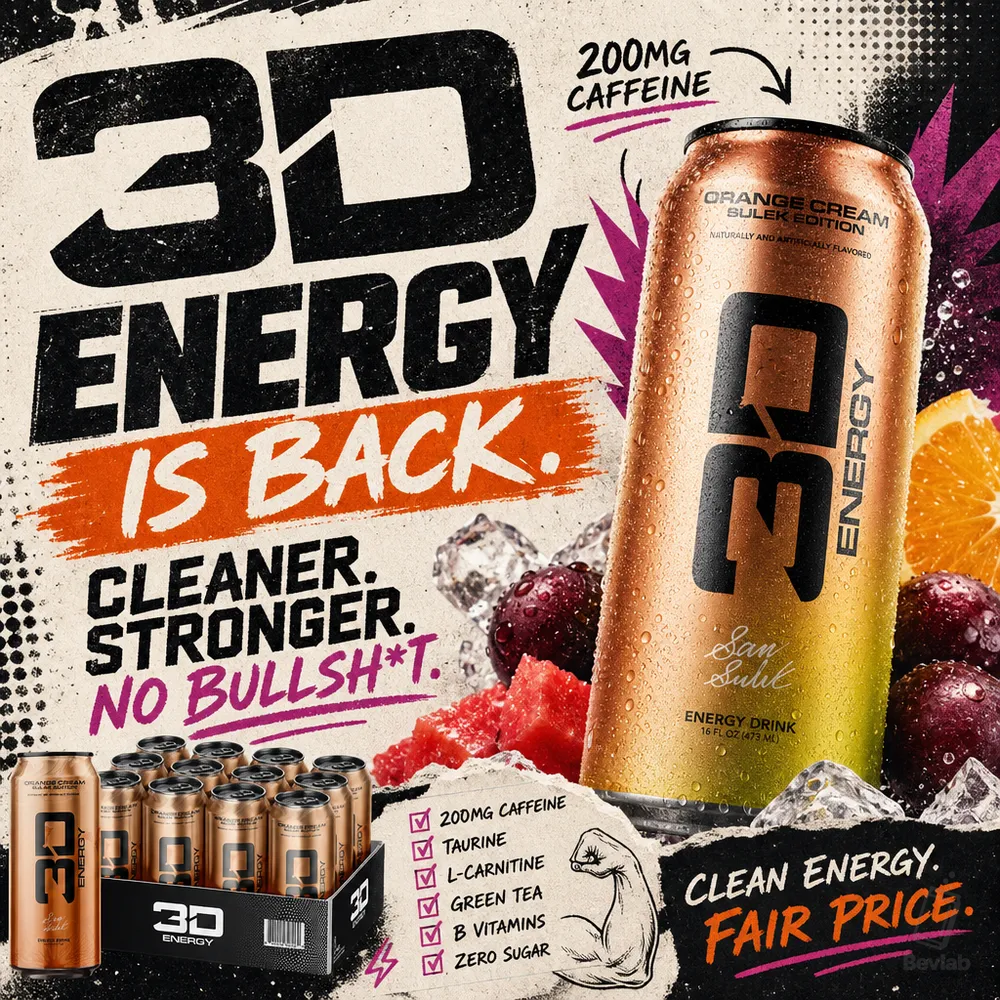
Guzman points to market saturation, not talent, as the reason those 2016-2019 collab numbers don't happen anymore. Back then, a single announcement and photo shoot could sell out a run. Today, even the biggest names (he mentions Sam Sulek by name) need sustained storytelling and real marketing spend behind a drop to hit similar numbers, because there are simply more creators, more brands, and more noise competing for the same attention.
Performance-based deals are replacing flat retainers
3D is shifting its athlete and affiliate structure toward tiered commission models tied to TikTok Shop performance rather than fixed monthly retainers. Guzman frames this as a return to an earlier era of influencer economics (commission-based deals before the retainer era took over), just running through a different platform.
Sell-through data is the industry's blind spot
One of the more useful operator insights in the episode: getting a product onto shelves at a major retailer is only half the battle, and getting clear sell-through data back from those retailers is still slow and inconsistent. Guzman notes this is a bigger challenge in beverage than it ever was in apparel, where Shopify gives instant read on what's working.
Why This Episode Matters
For brand operators and founders, this is a rare inside look at what it actually takes to rebuild a beverage brand after a bad partnership, not just the marketing wins. For retail buyers and category watchers, Guzman's read on pricing strategy and sell-through visibility is a useful data point on where the value-tier energy segment is headed. And for anyone managing influencer or affiliate relationships, his take on the shift from flat retainers to performance-based TikTok Shop deals is worth paying attention to before that model becomes the industry default.
Thank you to Cognizin® Citicoline
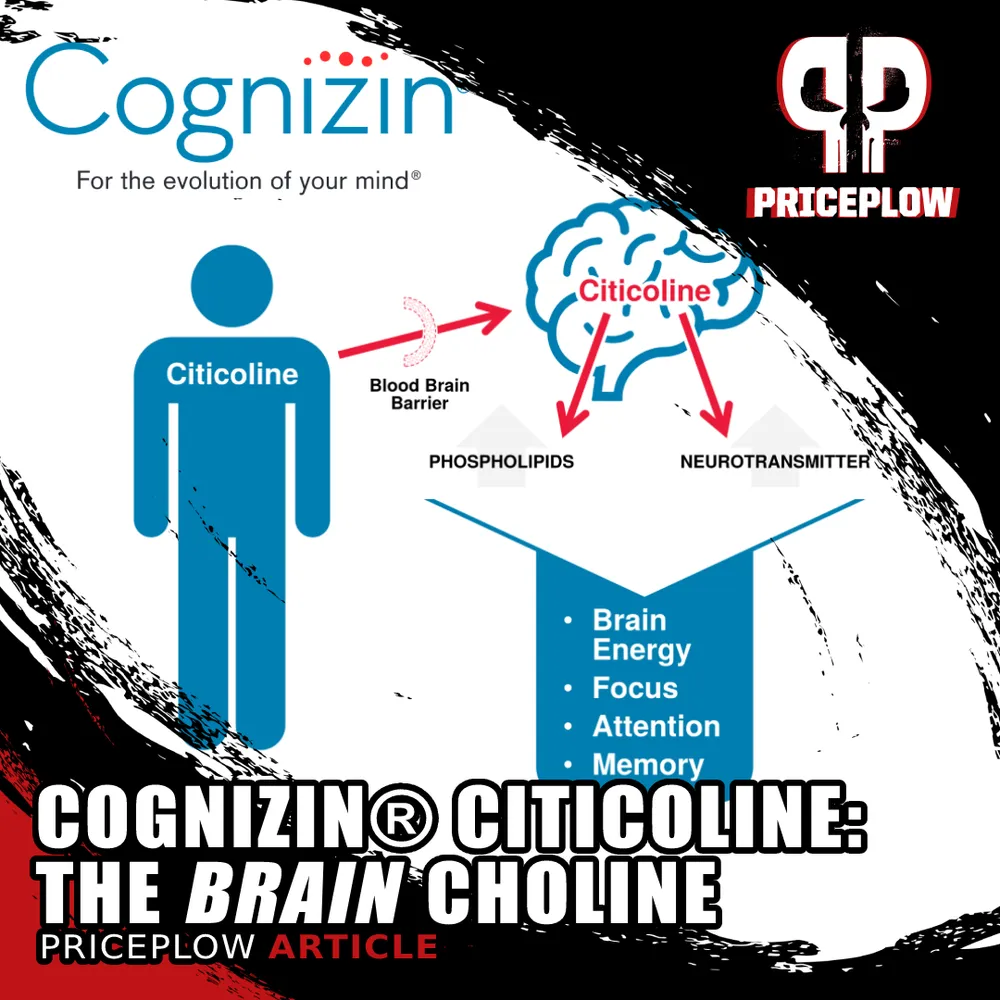
A big thank-you to Cognizin® Citicoline for supporting Bevlab Podcast Episode #005. Cognizin is Kyowa Hakko’s branded form of citicoline, also known as CDP-choline. It's a naturally occurring compound that provides choline and serves as an important precursor for phosphatidylcholine, a major structural component of brain-cell membranes.
Citicoline also supports acetylcholine production and has been studied in humans for its effects on attention, memory, and cognitive performance. For beverage formulators looking to add a well-researched brain-health ingredient, Cognizin brings both strong scientific backing and a recognizable branded ingredient story to any energy drink, pre-workout, or nootropic / cognitive wellness formula.
Watch the Episode
Watch the full conversation on YouTube: Christian Guzman on Building Alphalete, Business, and Fitness - Bevlab Podcast Ep. 5
Tagged