Phorm Energy
The supplement giant goes ready-to-drink, and the 200mg natural caffeine formula is worth talking about
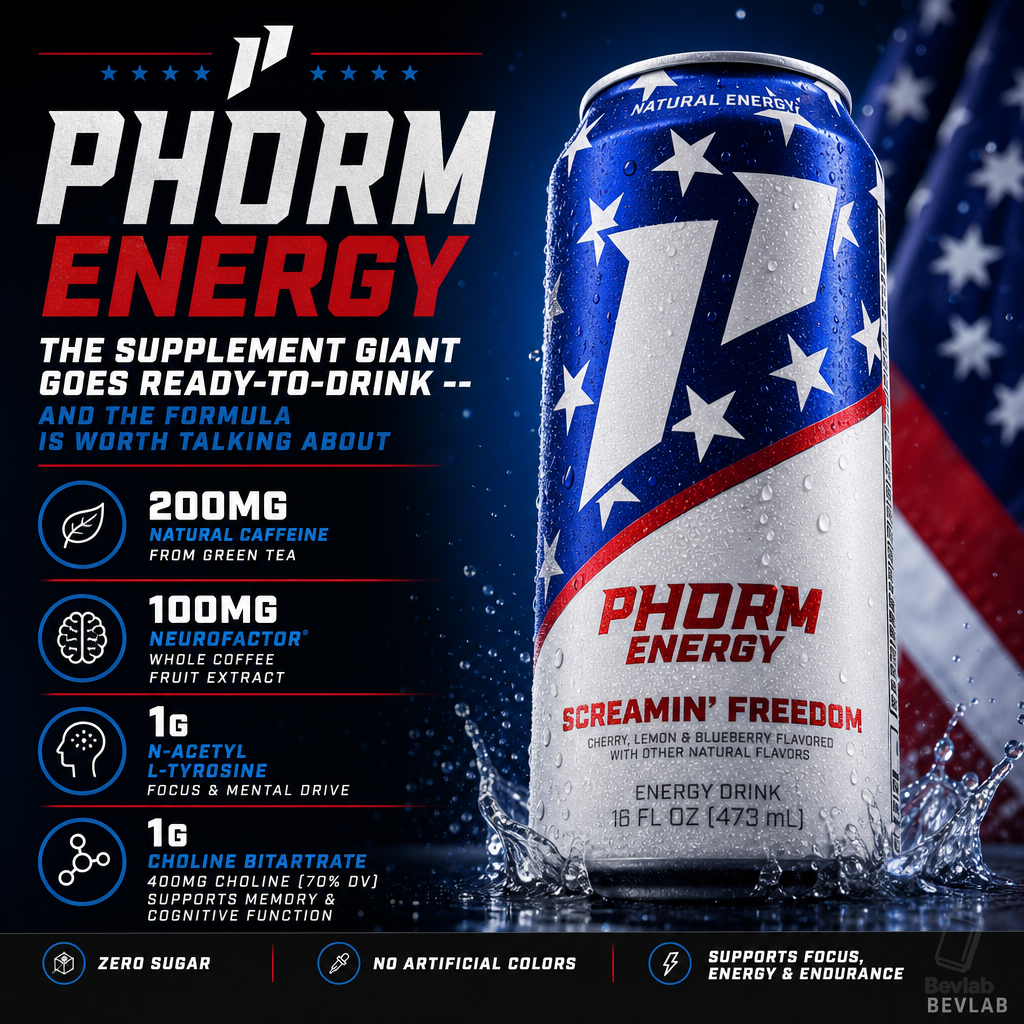
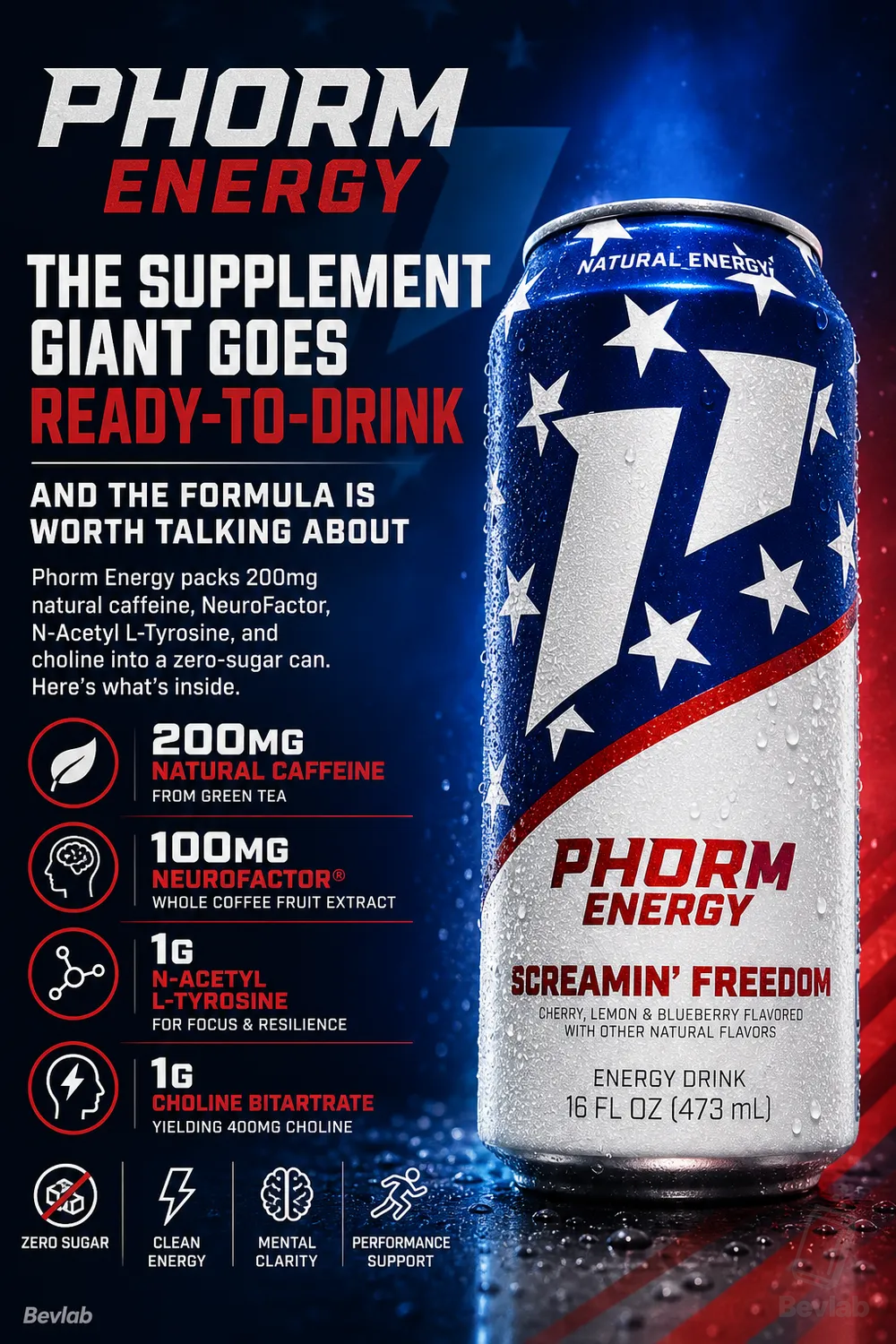
Phorm Energy packs 200mg natural caffeine, NeuroFactor, N-Acetyl L-Tyrosine, and choline into a zero-sugar can. Here's what's inside.
1st Phorm is one of the most recognizable supplement brands in the country, built on the conviction that better ingredients and real customer support can coexist with commercial success. The St. Louis-based company has spent over a decade earning loyalty in the fitness community through protein powders, pre-workouts, and a coaching app that has helped hundreds of thousands of people. Phorm Energy is where that philosophy meets the ready-to-drink energy aisle -- a 16 fl oz zero-sugar can built around natural caffeine from green tea and a short, intentional nootropic stack.
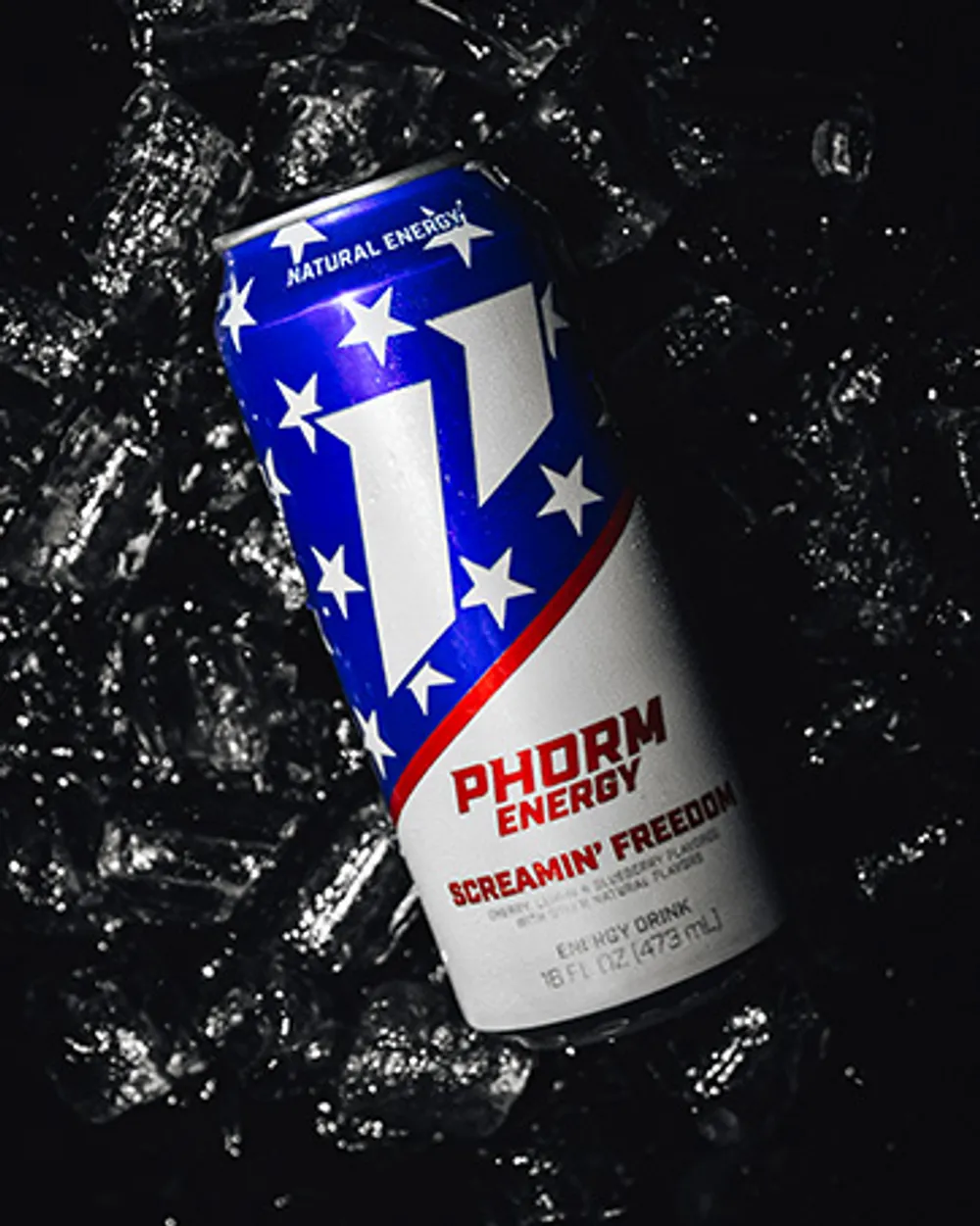
What makes the formula worth paying attention to isn't just the 200mg caffeine number. It's the combination of NeuroFactor whole coffee fruit extract, N-Acetyl L-Tyrosine, and choline bitartrate alongside that caffeine -- a stack designed to support mental clarity and focus rather than just raw stimulation. Whether you're cracking one before a workout or reaching for it mid-afternoon, Phorm Energy is making a specific case: clean energy with a cognitive edge. Here's what the label shows.
Watch Related Videos
Bevlab VideosPhorm Energy Ingredients
Each 16 fl oz (473mL) can provides the following key actives:
-
Caffeine from Green Tea -- 200mg
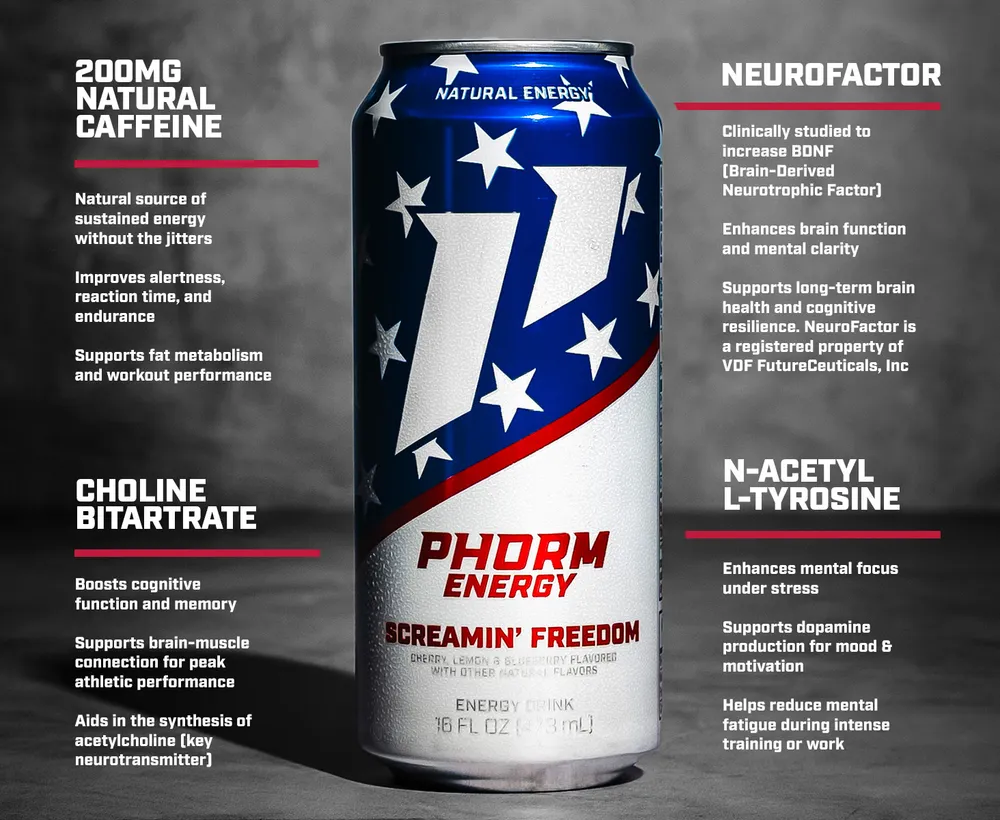
Caffeine is the reason energy drinks work, and Phorm Energy delivers 200mg sourced from green tea rather than synthetic caffeine anhydrous. The sourcing distinction matters less pharmacologically -- both forms behave identically once absorbed -- but it signals a cleaner-label positioning that fits the brand's identity.
At 200mg per can, you're in the sweet spot for most people. Research consistently shows that doses in the 3-6mg/kg range improve vigilance, reaction time, and sustained attention, with effects most reliable on the kinds of monotonous tasks that dominate long work sessions or endurance training.[1] The mechanism is direct: caffeine blocks the tiredness signal in your brain by occupying adenosine receptors, letting stimulatory neurotransmitters like dopamine and norepinephrine operate without interference.[2]
Green tea as a caffeine source carries a modest body of evidence for supporting fat metabolism and cardiovascular markers beyond the acute stimulant effect, though the doses studied in those trials are typically higher than what you'd get from a natural-source energy drink.[3] Here, it's primarily a clean delivery vehicle, and 200mg is a well-supported dose that works well in combination with the rest of the formula.
-
N-Acetyl L-Tyrosine -- 1g
N-Acetyl L-Tyrosine (NALT) is the acetylated form of L-Tyrosine, an amino acid your brain uses to make dopamine and norepinephrine -- the neurotransmitters behind drive, motivation, and stress resilience. The acetylated form is used in beverages for better water solubility, though some evidence suggests free-form L-Tyrosine may convert more efficiently in the body.
The rationale for pairing tyrosine with caffeine is solid. Tyrosine's benefits show up most consistently when your brain is under demand -- stress, sleep deprivation, intense cognitive load, or the combined fatigue of a hard training session.[4] When you're firing on all cylinders, catecholamine synthesis can become rate-limited by tyrosine availability, and supplementing helps maintain output rather than starting from a depleted baseline.[5] Military research found meaningful improvements in memory and perceptual motor skills during a week of combat training at relatively modest doses.[6]
At 1g per can, Phorm Energy is below the 2g acute dose most often studied in controlled trials and well below the 150mg/kg weight-adjusted doses used in heat and exercise research.[7] That said, 1g of NALT is a real contribution to your circulating tyrosine pool -- more honest than the trace amounts many brands list for label appeal. Stack it with 200mg caffeine and some stimulation-driven neuronal demand, and there's a reasonable basis for the focus support the can claims.
-
NeuroFactor Whole Coffee Fruit Extract -- 100mg
NeuroFactor is a patented whole coffee fruit extract (WCCE) from VDF FutureCeuticals, standardized from the entire Coffea arabica cherry rather than just the roasted bean. The primary bioactives are chlorogenic acids and procyanidins -- a polyphenol profile distinct from what you'd get in a cup of coffee or a green coffee caffeine isolate.
The standout finding behind NeuroFactor is its effect on BDNF -- brain-derived neurotrophic factor, a protein your brain produces to support neuron growth, synaptic plasticity, and long-term cognitive function. A crossover study found that a single 100mg dose of whole coffee fruit concentrate increased plasma BDNF by 91% at 60 minutes, compared to a 5% increase in the placebo group.[8] Green coffee bean extract and isolated caffeine did not replicate this effect, pointing to the whole-fruit polyphenol matrix as the active driver rather than caffeine.[9]
Beyond the BDNF story, chlorogenic acids from coffee fruit can cross the blood-brain barrier, where they inhibit the enzyme that breaks down acetylcholine and reduce neuroinflammatory markers.[10] A 28-day trial in older adults with mild cognitive decline found that 100mg daily significantly improved working memory reaction time compared to placebo.[11] Phorm Energy hits the exact dose with the most human trial support.
-
Choline Bitartrate -- 1g (yielding 400mg choline, 70% DV)
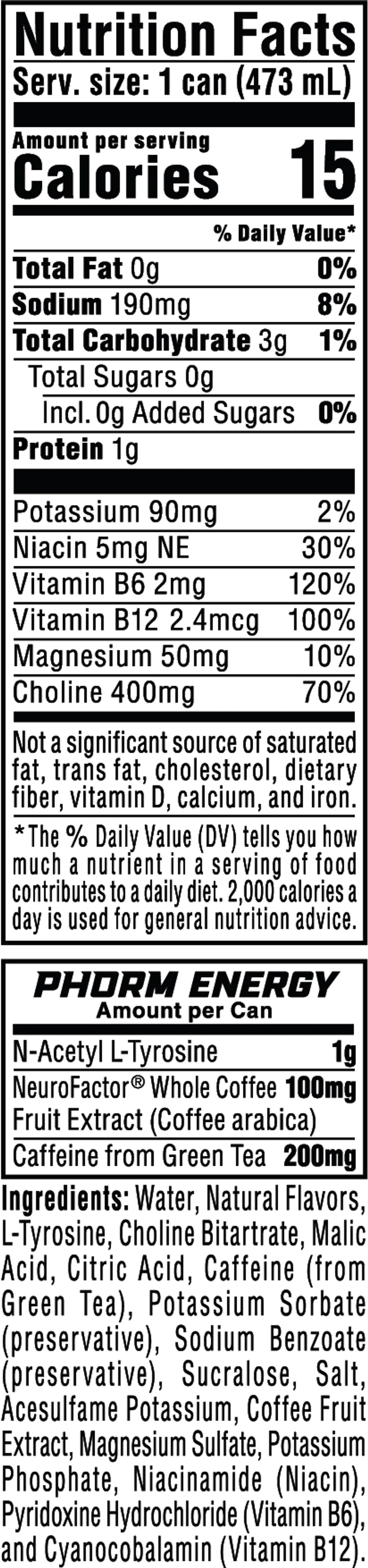
Nutrition Facts panel showing 400mg choline (70% DV) and the full vitamin and mineral profile. Choline Bitartrate is a salt form of choline that delivers approximately 41% choline by molecular weight, so 1000mg of the salt provides roughly 400mg of actual choline, a very solid dose. Choline is the direct precursor to acetylcholine, the neurotransmitter governing attention, muscle coordination, and memory consolidation.
The pairing with caffeine and tyrosine makes sense: cholinergic neurons rely on available choline to keep up with demand. When neuronal firing accelerates under cognitive load, prolonged effort, or stress, the system becomes more dependent on exogenous choline supply.[12] Research using 2g choline bitartrate found improved visuomotor precision in healthy young adults, with cholinergic tone correlating directly with accuracy gains.[13]
Endurance athletes show plasma choline drops of 25-40% during marathon-distance events, a depletion that theoretically impairs neuromuscular transmission in the final miles.[14] Phorm Energy's 400mg won't match the multi-gram loads studied in performance research, but it meaningfully supports baseline choline status for a busy day or a moderately long training session. Postmenopausal women, who have reduced endogenous choline synthesis, are among those most likely to benefit at this range.[15]
-
Vitamins and Minerals
-
Niacin (as Niacinamide) -- 5mg
1st Phorm Phorm Energy Featured Brand Story Niacin in the form of niacinamide is an essential B-vitamin that serves as the direct precursor to NAD+, the coenzyme driving hundreds of cellular energy reactions including the ones that convert food into ATP.[16] At 5mg per can, this sits well below therapeutic doses used in lipid-lowering contexts but covers a meaningful fraction of the daily requirement. Niacinamide is the preferred form here -- no flushing, and it still does its job as an NAD+ precursor via the salvage pathway.[17]
-
Vitamin B6 (as Pyridoxine Hydrochloride) -- 2mg
Vitamin B6 is the workhorse B-vitamin for neurotransmitter synthesis. Its active form, pyridoxal-5'-phosphate (PLP), is required for the enzymatic steps that produce dopamine, serotonin, norepinephrine, and GABA. Low B6 status has been independently associated with faster cognitive decline in aging adults, and B6-containing regimens significantly reduce homocysteine in populations with mild cognitive impairment.[18] At 2mg, this can covers the recommended daily amount for most adults.
-
Vitamin B12 (as Cyanocobalamin) -- 2.4mcg
Vitamin B12 arrives as cyanocobalamin at exactly the RDA of 2.4mcg. B12 is essential for myelin maintenance, DNA synthesis, and one-carbon metabolism, and deficiency is strongly associated with cognitive impairment and elevated homocysteine.[19] The dose won't correct a deficiency on its own -- studies showing meaningful B12 restoration typically use doses 100x higher -- but for people who are B12-sufficient, it's a sensible daily top-up.
-
Magnesium (as Magnesium Sulfate) -- 50mg
Magnesium arrives as magnesium sulfate, an inorganic form that's primarily used here as a processing aid rather than a high-bioavailability supplemental source. Magnesium sulfate is water-soluble and dissociates readily, so ionic magnesium is present, but organic forms like magnesium citrate or glycinate are generally better absorbed for supplemental purposes.[20] The 50mg is modest against the 310-420mg daily requirement, but magnesium is a genuine cofactor in ATP synthesis and muscle function, and any contribution to the pool is additive to dietary intake.
-
Potassium (as Potassium Phosphate) -- 90mg
Potassium as potassium phosphate sits at 90mg per can, a real but modest contribution toward the 4,700mg daily adequate intake that most Americans significantly undershoot.[21] Potassium is the dominant electrolyte inside your cells, governing nerve signaling, muscle contraction, and fluid balance. Sweat potassium concentrations remain stable across hours of exercise-heat stress, so even modest amounts in a functional beverage support ongoing losses during prolonged activity.[22]
-
-
Other Ingredients
-
Water is the base of the beverage and the primary vehicle for delivering every active ingredient in solution.
-
Natural Flavors provide the taste profile for each Phorm Energy variant -- Screamin' Freedom, Grape Smash, Orange Fury, and others -- without contributing calories or active nutritional value.
-
Malic Acid contributes to the flavor profile and also plays a role as a TCA cycle intermediate in cellular energy metabolism. In this context it's primarily a flavoring agent.
-
Citric Acid functions as an acidulant and preservative, contributing to the sour/bright taste characteristic of energy drinks while helping stabilize pH and extend shelf life.
-
Sucralose is a zero-calorie sweetener approximately 600 times sweeter than sugar, used here to deliver sweetness without sugar. It's the primary sweetener in the formula.[23]
-
Acesulfame Potassium (Ace-K) is a zero-calorie sweetener commonly paired with sucralose to round out the sweetness profile and mask the slight bitterness each sweetener carries on its own. The combination is standard across zero-sugar energy drinks.
-
Potassium Sorbate is a broad-spectrum preservative effective against yeasts and molds, used at standard levels to maintain beverage stability and shelf life. EFSA's acceptable daily intake is 11mg/kg body weight per day -- a threshold realistic dietary exposures don't approach.[24]
-
Sodium Benzoate is a second preservative included alongside potassium sorbate, effective in the acidic pH range where energy drinks operate. It's among the most widely used beverage preservatives globally, with a regulatory ADI of 5mg/kg bw/day.[25]
-
Salt (sodium chloride) contributes a small amount of sodium that enhances overall flavor and suppresses bitter notes from other ingredients.[26]
-
Phorm Energy Flavors
- Blue Blitz (12 Cans: $24.74)
- Grape Smash (12 Cans: $24.74)
- Orange Fury (12 Cans: $24.74)
- Silver Lightning (12 Cans: $24.74)
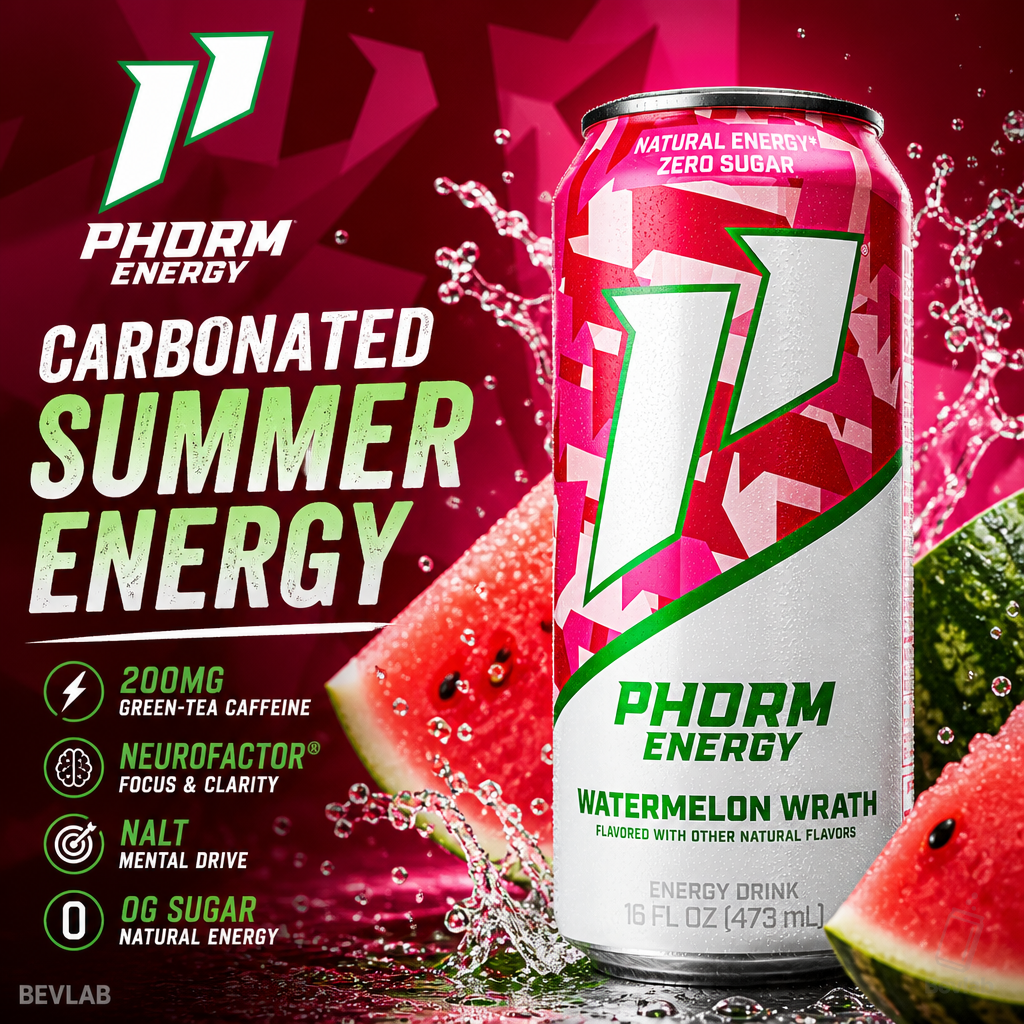
- Watermelon Wrath (12 Cans: $24.74)
Who It's For
- Fitness-focused consumers who want more than caffeine: If you're already using pre-workouts or nootropics and want a canned option that does more than just deliver stimulation, Phorm Energy's NALT, NeuroFactor, and choline stack gives you a real functional base.
- 1st Phorm loyalists moving into RTDs: If you trust the brand's supplement quality, Phorm Energy is a consistent extension of that identity into a convenient format.
Clean Stimulation With a Real Nootropic Argument
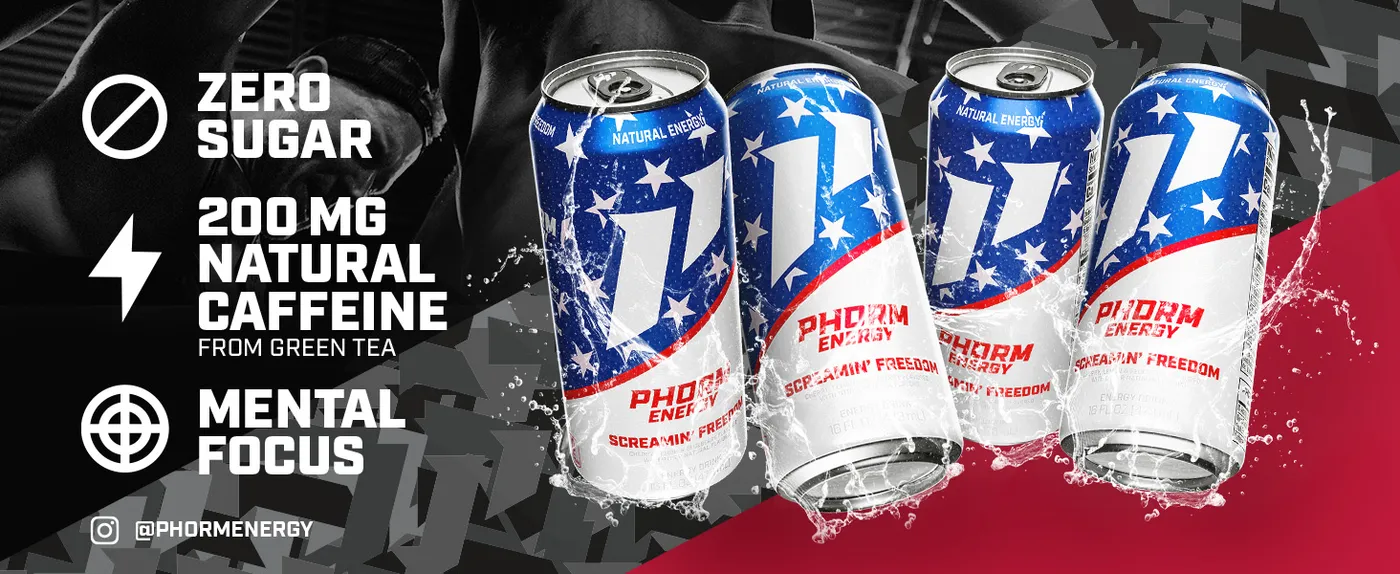
The formula does what the brand promises. You get 200mg of natural caffeine, a NeuroFactor dose that matches the clinical research exactly, and both tyrosine and choline at amounts that go beyond label decoration. The vitamin and mineral profile is standard but honest. For a 16 fl oz zero-sugar energy drink built by a supplement brand that knows how to formulate, this is a strong showing. It's the right can for someone who wants their afternoon energy drink to do more than keep them awake.
More Related Videos
Bevlab VideosREELS
Flavor Review
REELS
Product Short
REELS
Follow @BevlabMedia on TikTok and Instagram for more on what's in your can.
References
- McLellan, Tom M. et al. "A Review Of Caffeine S Effects On Cognitive Physical And Occupational Performance." Neuroscience & Biobehavioral Reviews, 2016. https://doi.org/10.1016/j.neubiorev.2016.09.001
- Guest, Nanci S. et al. "International Society Of Sports Nutrition Position Stand Caffeine And Exercise Performance." Journal of the International Society of Sports Nutrition, 2021. https://doi.org/10.1186/s12970-020-00383-4
- Zamani, Mohammad, et al. "The effects of green tea supplementation on cardiovascular risk factors: A systematic review and meta-analysis." Frontiers in Nutrition, 2023. https://doi.org/10.3389/fnut.2022.1084455
- Jongkees, Bryant J, et al. "Effect of tyrosine supplementation on clinical and healthy populations under stress or cognitive demands--A review." Journal of psychiatric research, 2015. https://doi.org/10.1016/j.jpsychires.2015.08.014
- Fernstrom, John D. et al. "Tyrosine, phenylalanine, and catecholamine synthesis and function in the brain." The Journal of Nutrition, 2007. https://doi.org/10.1093/jn/137.6.1539s
- Deijen, J B, et al. "Tyrosine improves cognitive performance and reduces blood pressure in cadets after one week of a combat training course." Brain research bulletin, 1999. https://doi.org/10.1016/s0361-9230(98)00163-4
- Tumilty, Les, et al. "Oral tyrosine supplementation improves exercise capacity in the heat." European journal of applied physiology, 2011. https://doi.org/10.1007/s00421-011-1921-4
- Reyes-Izquierdo, Tania, et al. "Stimulatory Effect of Whole Coffee Fruit Concentrate Powder on Plasma Levels of Total and Exosomal Brain-Derived Neurotrophic Factor in Healthy Subjects: An Acute Within-Subject Clinical Study." Food and Nutrition Sciences, 2013. https://doi.org/10.4236/fns.2013.49127
- Reyes-Izquierdo, Tania, et al. "Modulatory Effect Of Coffee Fruit Extract On Plasma Levels Of Brainderived Neuro." The British journal of nutrition, 2013. https://doi.org/10.1017/S0007114512005338
- Nabavi, Seyed Fazel, et al. "Chlorogenic Acid And Mental Diseases From Chemistry To Medicine." Current neuropharmacology, 2017. https://doi.org/10.2174/1570159X14666160325120625
- Robinson, Jennifer L, et al. "Cognitive Short And Long Term Effects Of Coffee Cherry Extract In Older Adults With Mild Cognitive Decline." Neuropsychology, development, and cognition. Section B, Aging, neuropsychology and cognition, 2020. https://doi.org/10.1080/13825585.2019.1702622
- Blusztajn, Jan K. et al. "Choline And Cholinergic Neurons." Science, 1983. https://doi.org/10.1126/science.6867732
- Naber, Marnix, et al. "Improved Human Visuomotor Performance And Pupil Constriction After Choline Supplementation In A Placebo Controlled Double Blind Study." Scientific reports, 2015. https://doi.org/10.1038/srep13188
- Conlay, L A, et al. "Decreased Plasma Choline Concentrations In Marathon Runners." The New England journal of medicine, 1986. https://pubmed.ncbi.nlm.nih.gov/3748109/
- Wallace, Julie M W, et al. "Choline Supplementation And Measures Of Choline And Betaine Status A Randomised Controlled Trial In Postmenopausal Women." The British journal of nutrition, 2012. https://doi.org/10.1017/S000711451100674X
- Gasperi, Valeria, et al. "Niacin In The Central Nervous System An Update Of Biological Aspects And Clinical Applications." International Journal of Molecular Sciences, 2019. https://doi.org/10.3390/ijms20040974
- Freese, Riitta, et al. "Niacin - a scoping review for Nordic Nutrition Recommendations 2023." Food & nutrition research, 2023. https://doi.org/10.29219/fnr.v67.10299
- Olaso-Gonzalez, Gloria, et al. "Impact of supplementation with vitamins B6 , B12 , and/or folic acid on the reduction of homocysteine levels in patients with mild cognitive impairment: A systematic review." IUBMB life, 2022. https://doi.org/10.1002/iub.2507
- Jatoi, Shazia, et al. "Low Vitamin B12 Levels An Underestimated Cause Of Minimal Cognitive Impairment And Dementia." Cureus, 2020. https://doi.org/10.7759/cureus.6976
- Schuette, Sally A. et al. "Bioavailability of Magnesium Diglycinate vs Magnesium Oxide in Patients with Ileal Resection." Journal of Parenteral and Enteral Nutrition, 1994. https://doi.org/10.1177/0148607194018005430
- Weaver, Connie M. "Potassium and health." Advances in nutrition (Bethesda, Md.), 2013. https://doi.org/10.3945/an.112.003533
- Montain, Scott J, et al. "Sweat mineral-element responses during 7 h of exercise-heat stress." International journal of sport nutrition and exercise metabolism, 2007. https://doi.org/10.1123/ijsnem.17.6.574
- Wilk, Klara, et al. "The Effect of Artificial Sweeteners Use on Sweet Taste Perception and Weight Loss Efficacy: A Review." Nutrients, 2022. https://doi.org/10.3390/nu14061261
- EFSA, Panel on Food Additives and Flavourings (FAF), et al. "Opinion on the follow-up of the re-evaluation of sorbic acid (E200) and potassium sorbate (E202) as food additives." EFSA journal. European Food Safety Authority, 2019. https://doi.org/10.2903/j.efsa.2019.5625
- EFSA, Panel on Food Additives and Nutrient Sources (ANS). "Scientific Opinion on the re‐evaluation of benzoic acid (E 210), sodium benzoate (E 211), potassium benzoate (E 212) and calcium benzoate (E 213) as food additives." EFSA Journal, 2016. https://doi.org/10.2903/j.efsa.2016.4433
- Breslin, P A, et al. "Salt enhances flavour by suppressing bitterness." Nature, 1997. https://doi.org/10.1038/42388
Related Coverage
Tagged