Product Short
Area 51 Energy
Lion's mane, a nootropic stack, and 150mg of caffeine from Fort Worth's newest Enny
A full ingredient breakdown of Area 51 Energy, the Fort Worth-based drink combining lion's mane, BCAAs, and a nootropic stack in a 10-calorie can.
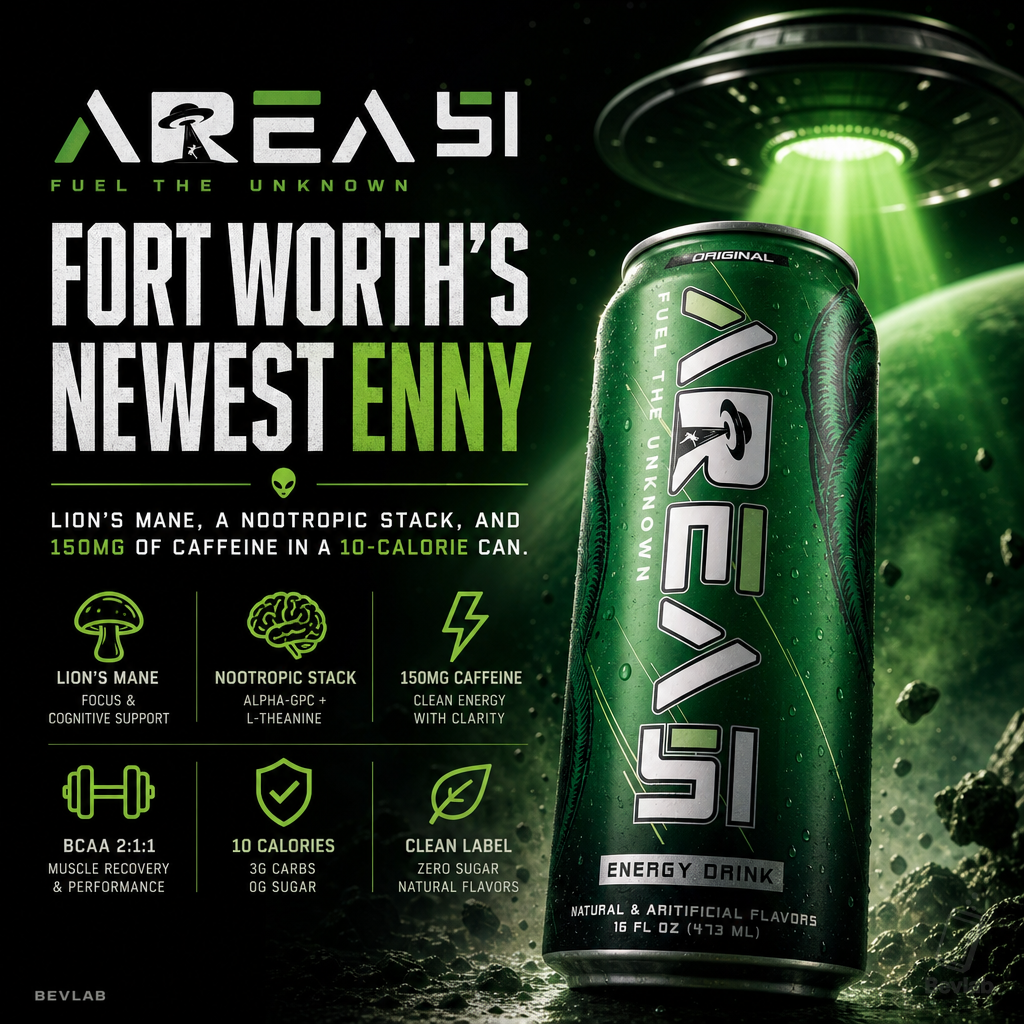
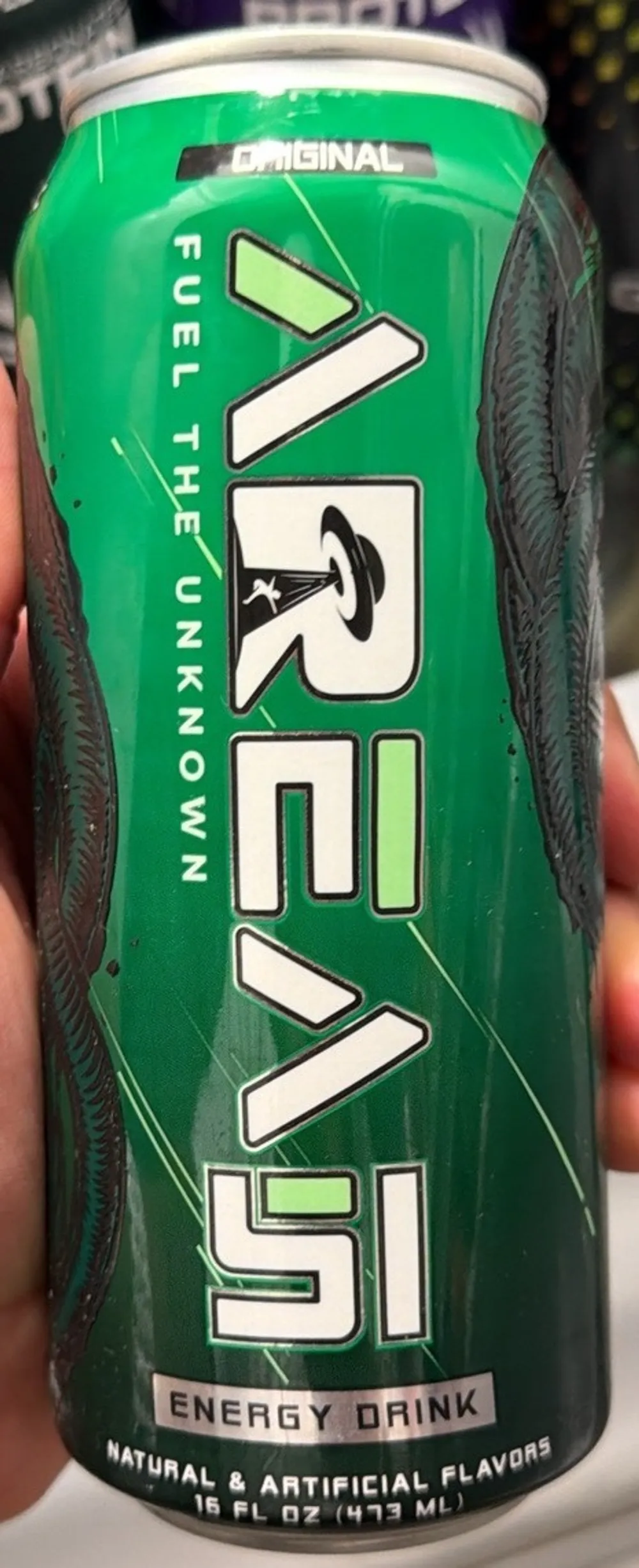
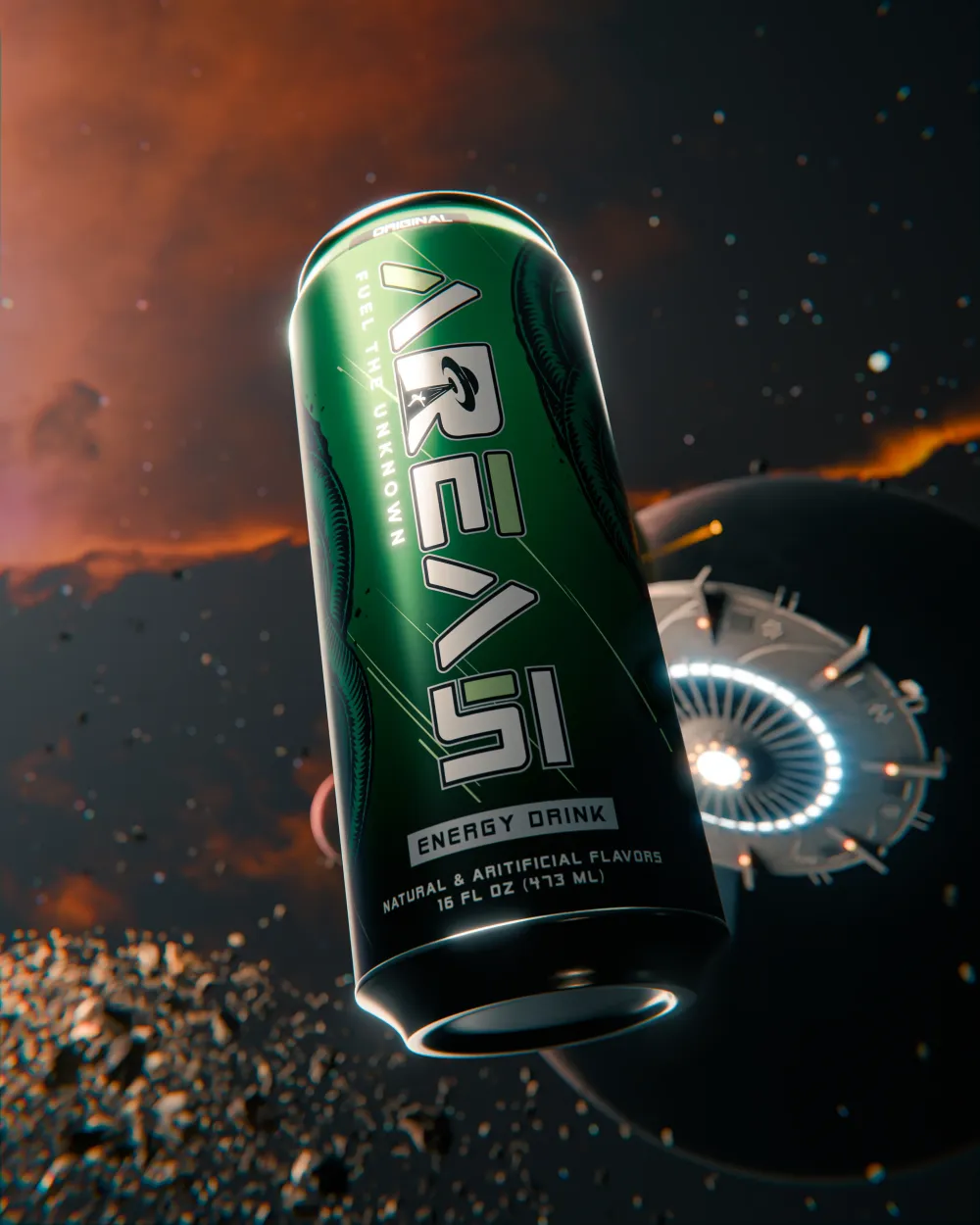
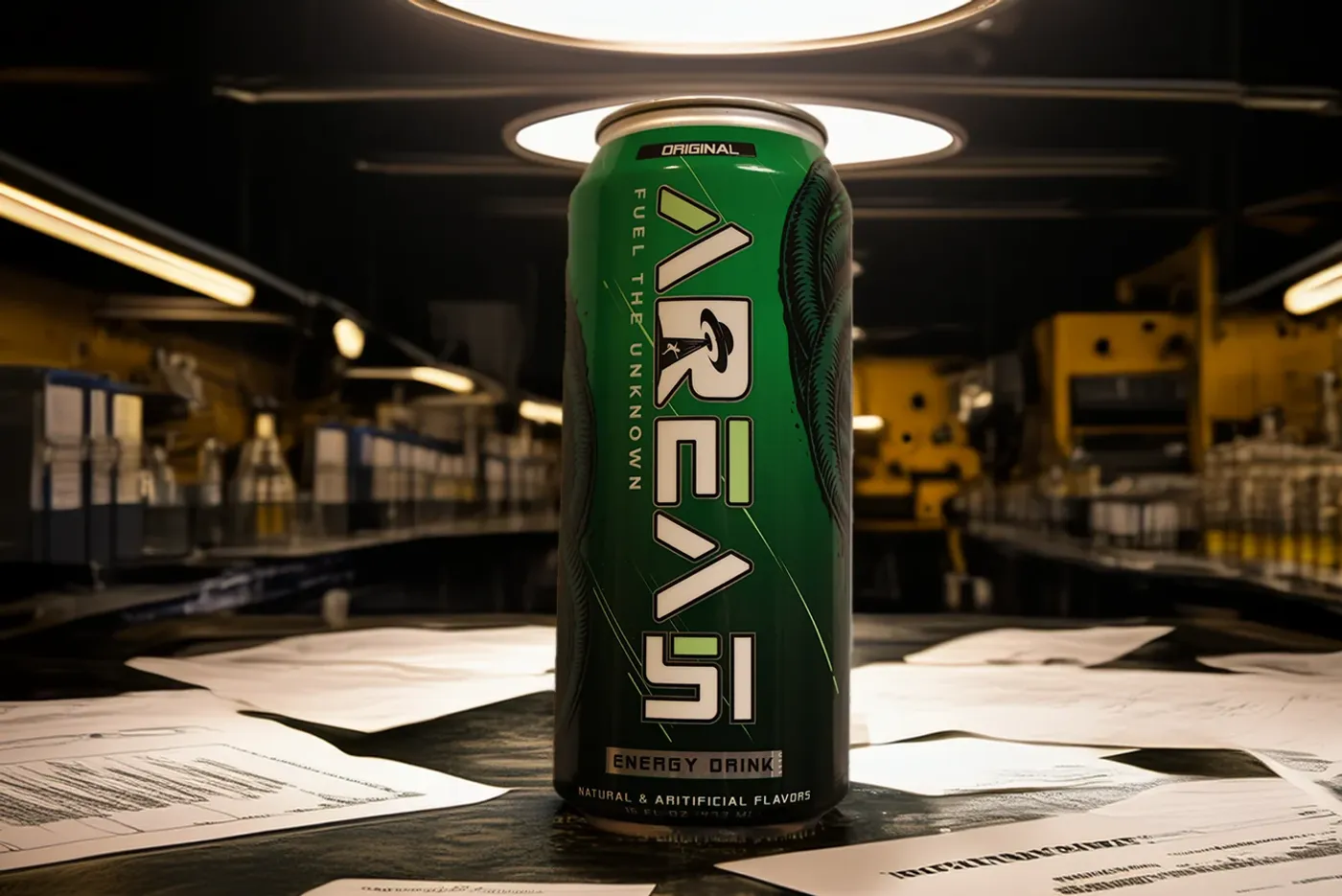
Area 51 Energy is a Fort Worth, Texas brand betting that lion's mane and a nootropic stack can carve out space in a crowded Enny aisle. The can leans hard into its "otherworldly" branding, but underneath the black-and-green packaging is a formula built around functional mushroom extract, a BCAA blend, and a stimulant-plus-nootropic combo that's become increasingly common in the focus-forward corner of the category. At just 10 calories and 3g of carbs per 16oz can, it's positioned as a clean-label option that leans on function over flavor gimmicks.
Watch Related Videos
Bevlab VideosProduct Introduction
Area 51 Energy Nutrition Facts
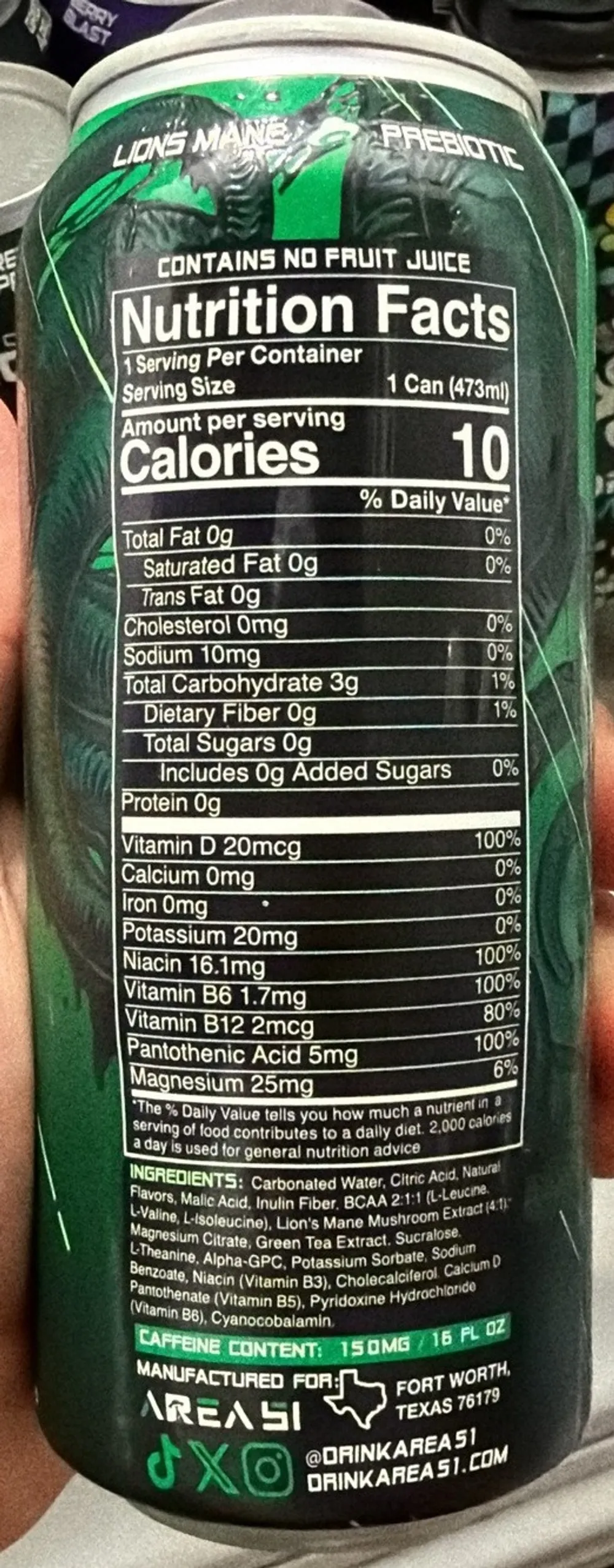
- Calories: 10
- Total Fat: 0g
- Total Carbohydrate: 3g
- Dietary Fiber: 0g
- Total Sugars: 0g (0g Added Sugars)
- Protein: 0g
- Vitamin D: 20mcg (100% DV)
- Potassium: 20mg (0% DV)
- Niacin: 16.1mg (100% DV)
- Vitamin B6: 1.7mg (100% DV)
- Vitamin B12: 2mcg (80% DV)
- Pantothenic Acid: 5mg (100% DV)
- Magnesium: 25mg (6% DV)
Area 51 Energy Ingredients
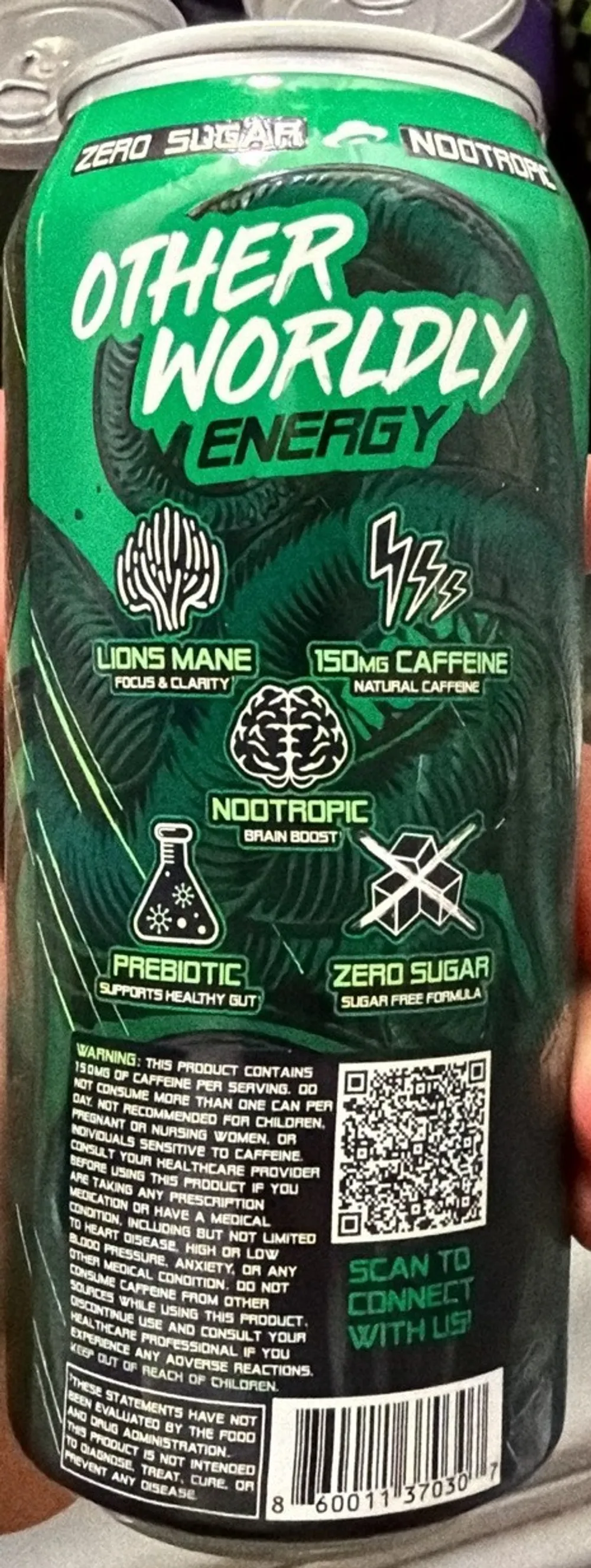
Area 51's label lists caffeine content separately on the packaging (150mg per 16 fl oz can) rather than inside the Nutrition Facts panel or the ingredient statement itself. That's worth flagging upfront: caffeine doesn't appear as a listed ingredient on this can, even though the front-of-can callout confirms the dose. The functional ingredients below appear on the ingredient statement without individual doses disclosed, aside from the vitamins and minerals that populate the Nutrition Facts panel.
-
Caffeine - 150mg
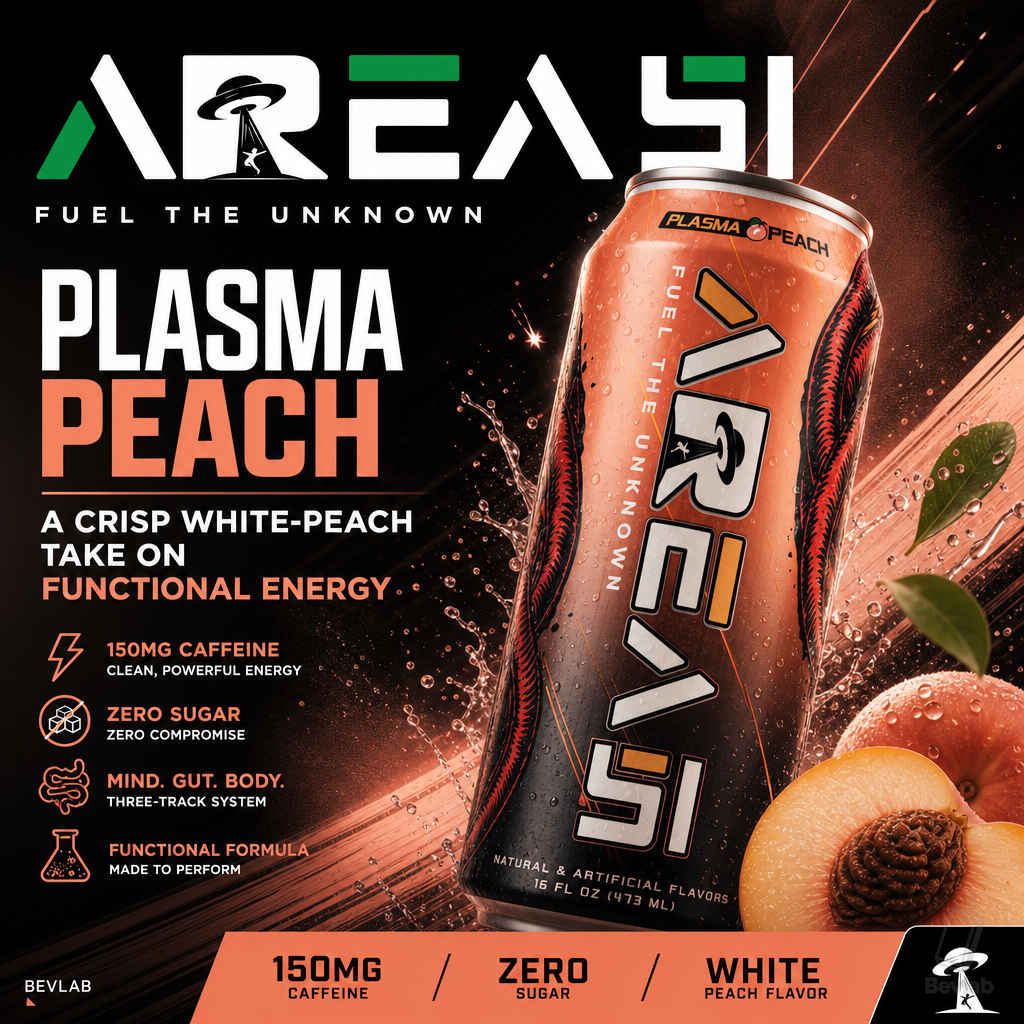
Caffeine is the primary stimulant in Area 51 Energy, and the can states 150mg per 16 fl oz serving directly on the packaging. That places it in the moderate range for the category, below the 200-300mg found in many stronger Ennies. Mechanistically, caffeine works by blocking the signal that makes you feel tired, competing with adenosine at receptors in the brain and central nervous system, which is why you feel more alert and less fatigued after a dose.[1] Research on cognitive and physical performance shows this class of benefit shows up reliably at doses from roughly 32mg up through 300mg, with vigilance and reaction time among the most consistently improved measures.[2] For endurance-type exercise, doses in the 3-7mg/kg range (about 200-500mg for most adults) tend to be the sweet spot, and 150mg sits comfortably under that ceiling.[3] Worth noting: caffeine isn't listed in Area 51's ingredient statement, so if you're tracking total stimulant intake carefully, rely on the front-of-can disclosure rather than the panel.
-
BCAA 2:1:1 (L-Leucine, L-Isoleucine, L-Valine)
The BCAA blend uses the standard 2:1:1 ratio of leucine to isoleucine to valine, though Area 51's label doesn't disclose the total dose. Leucine is the most potent activator of the mTORC1 pathway, the primary signaling route that turns on muscle protein synthesis, while isoleucine and valine play supporting roles and help prevent leucine from depleting their own plasma levels when taken alone.[4,5] In practical terms, this trio is mostly associated with exercise recovery and reduced muscle breakdown rather than acute energy or focus, so its presence here reads as a nod to the "not just a stimulant" positioning rather than a headline effect. Human trials on BCAAs alone have found modest but real increases in muscle protein synthesis after resistance exercise, though the effect is smaller than what you'd get from a complete protein source.[6]
-
Lion's Mane Mushroom Extract
Lion's Mane is the ingredient Area 51 puts front and center on the can, and it's the most distinctive part of this formula. Hericium erinaceus contains compounds called hericenones and erinacines that stimulate nerve growth factor production, a protein essential for maintaining and building neural connections.[7,8] Human trials are still fairly small, but a 16-week double-blind study in adults with mild cognitive impairment found meaningful improvement on a standard dementia screening scale versus placebo, with benefits fading again once supplementation stopped.[9] A more recent UK pilot study in healthy young adults found a single dose improved performance on the Stroop attention test within an hour, with a trend toward reduced subjective stress after a month of daily use.[10] Area 51 doesn't disclose the exact extract dose on its label, so it's impossible to compare directly against these study amounts (which ranged from about 750mg to 3.2g per day).
-
Green Tea Extract
Green Tea extract contributes polyphenol compounds called catechins, most notably EGCG, which is the most studied and typically most abundant catechin in these extracts.[11] Green tea catechins work partly by inhibiting the enzyme that breaks down norepinephrine, which can modestly boost thermogenesis and fat oxidation when paired with caffeine.[12] Meta-analytic data on green tea extract supplementation shows small but statistically significant reductions in body weight and BMI over 12-week periods, along with favorable shifts in cholesterol and blood sugar markers.[13,14] Area 51 doesn't list a specific extract dose, so it's best treated here as a supporting player alongside caffeine rather than a headline metabolic ingredient.
-
L-Theanine
L-Theanine is the amino acid most commonly paired with caffeine to smooth out its edge, and that's clearly the intent here. Found naturally in tea leaves, theanine promotes alpha brain wave activity, a marker of the relaxed-focus state, and modulates glutamate signaling in a way that tends to counteract some of caffeine's jitterier effects.[15,16] The strongest evidence for this combination comes from studies directly comparing caffeine alone, theanine alone, and the pairing together: one RCT found the combo improved reaction time, working memory speed, and alertness in ways that neither ingredient achieved on its own.[17] A separate crossover study confirmed theanine alone can improve visual reaction time, with additive (not necessarily synergistic) benefits when stacked with caffeine.[18] No specific dose is disclosed on Area 51's label, but typical effective doses in this pairing run 100-250mg.
-
Alpha-GPC
Alpha-GPC rounds out the nootropic stack as a choline-delivery compound that's roughly 40% choline by weight, making it one of the more bioavailable ways to get choline into the brain.[19] Once absorbed, it breaks down into free choline, which crosses into the brain and serves as the direct building block for acetylcholine, the neurotransmitter tied to memory, attention, and neuromuscular signaling.[20] A 2024 double-blind trial found single doses of 315mg and 630mg significantly improved Stroop test performance in resistance-trained men, though effects on working memory and mood were less consistent.[21] Other trials in healthy, non-clinical adults have been mixed at lower doses, so Alpha-GPC's cognitive benefit looks somewhat dose-dependent.[22] Area 51's label doesn't disclose the amount included, which makes it hard to say where this formula lands on that dose-response curve.
-
Vitamins and Minerals
-
Vitamin D (as Cholecalciferol) - 20mcg (100% DV)
Vitamin D3 is best known for its role in calcium absorption and bone metabolism, though large trials in generally healthy adults have found limited benefit on bone density or fracture risk beyond correcting outright deficiency.[23,24] At 100% of the daily value, this is a straightforward baseline dose rather than anything therapeutic.
-
Niacin (as Niacin (Vitamin B3)) - 16.1mg (100% DV)
Niacin is a precursor to NAD+, the redox cofactor central to energy metabolism across hundreds of enzymatic reactions.[25] At standard B-vitamin doses like this, niacin functions as basic nutritional support rather than the gram-level doses used in lipid-management research.
-
Vitamin B6 (as Pyridoxine Hydrochloride (Vitamin B6)) - 1.7mg (100% DV)
Vitamin B6 serves as a cofactor in over 140 enzymatic reactions, including the synthesis of neurotransmitters like dopamine, serotonin, and GABA.[26] This dose sits well within standard nutritional territory, far below the higher doses linked to neuropathy risk in case reports.[27]
-
Vitamin B12 (as Cyanocobalamin) - 2mcg (80% DV)
Vitamin B12 is essential for red blood cell formation and nerve function, delivered here as cyanocobalamin, the most stable and common commercial form. At 80% DV, this is a standard maintenance dose rather than the higher therapeutic amounts used in deficiency-correction studies.
-
Pantothenic Acid (as Calcium Pantothenate (Vitamin B5)) - 5mg (100% DV)
Vitamin B5 is the direct precursor to Coenzyme A, a molecule involved in roughly 4% of all cellular enzymatic reactions, particularly energy metabolism.[28] This is a standard multivitamin-level dose with no specific performance claim attached.
-
Magnesium (as Magnesium Citrate) - 25mg (6% DV)
Magnesium supports over 300 enzymatic reactions including energy production and muscle function, and citrate is one of the more bioavailable forms compared to magnesium oxide.[29] At 25mg, this is a fraction of the 250-500mg doses studied for blood pressure or muscle recovery benefits, so treat it as a minor nutritional addition rather than a functional dose.
-
Calcium - 0mg (0% DV) and Potassium - 20mg (0% DV) and Iron - 0mg (0% DV)
The label lists calcium and iron at 0mg and potassium at 20mg, all effectively negligible amounts that don't contribute meaningfully to daily intake targets.
-
-
Other Ingredients
- Carbonated Water is the beverage base, providing the can's carbonation and mouthfeel.
- Citric Acid is a common acidulant that adds tartness and helps balance the beverage's overall flavor profile.
- Natural Flavors is the broad flavoring category that gives the drink its taste identity without contributing nutritionally.
- Malic Acid contributes tart, fruit-like sourness and is commonly used alongside citric acid in flavored beverages.
- Inulin Fiber is a prebiotic soluble fiber sourced from chicory root, included here as the source of the can's 0g-listed dietary fiber.
- Sucralose is the zero-calorie sweetener responsible for the can's sweetness without added sugar.
- Potassium Sorbate and Sodium Benzoate are both preservatives used to control microbial growth and extend shelf stability in acidic beverages.
The Otherworldly Angle Only Goes So Far
Area 51 Energy leans on a genuinely interesting formula: lion's mane, a caffeine-theanine-Alpha-GPC nootropic trio, and a BCAA blend all in a 10-calorie can. The catch is that several of the functional ingredients, including lion's mane itself, don't come with disclosed doses, so you're trusting the brand's judgment more than you can verify from the label. If you're drawn to the mushroom-plus-nootropic angle and don't need exact numbers to feel confident, this is worth a try. If dose transparency matters to you, it's a fair question to ask Area 51 directly. You can spot them at DrinkArea51.com
More Related Videos
Bevlab VideosProduct Short
REELS
Product Introduction
REELS
Flavor Review
REELS
References
- Guest, Nanci S. et al. "International Society Of Sports Nutrition Position Stand Caffeine And Exercise Performance." Journal of the International Society of Sports Nutrition, 2021. https://doi.org/10.1186/s12970-020-00383-4
- McLellan, Tom M. et al. "A Review Of Caffeine S Effects On Cognitive Physical And Occupational Performance." Neuroscience & Biobehavioral Reviews, 2016. https://doi.org/10.1016/j.neubiorev.2016.09.001
- Goldstein, Erica R, et al. "International Society Of Sports Nutrition Position Stand Caffeine And Performance." Journal of the International Society of Sports Nutrition, 2010. https://doi.org/10.1186/1550-2783-7-5
- Anthony, J C, et al. "Leucine stimulates translation initiation in skeletal muscle of postabsorptive rats via a rapamycin-sensitive pathway." The Journal of nutrition, 2000. https://doi.org/10.1093/jn/130.10.2413
- Moberg, Marcus, et al. "Activation of mTORC1 by leucine is potentiated by branched-chain amino acids and even more so by essential amino acids following resistance exercise." American journal of physiology. Cell physiology, 2016. https://doi.org/10.1152/ajpcell.00374.2015
- Jackman, Sarah R, et al. "Branched-Chain Amino Acid Ingestion Stimulates Muscle Myofibrillar Protein Synthesis following Resistance Exercise in Humans." Frontiers in physiology, 2017. https://doi.org/10.3389/fphys.2017.00390
- Mori, Koichiro, et al. "Nerve growth factor-inducing activity of Hericium erinaceus in 1321N1 human astrocytoma cells." Biological and Pharmaceutical Bulletin, 2008. https://doi.org/10.1248/bpb.31.1727
- Li, I-Chen, et al. "Neurohealth Properties Of Hericium Erinaceus Mycelia Enriched With Erinacines." Behavioural neurology, 2018. https://doi.org/10.1155/2018/5802634
- Mori, Koichiro, et al. "Improving Effects Of The Mushroom Yamabushitake Hericium Erinaceus On Mild Cognitive Impairment A Double Blind Placebo Controlled Clinical Trial." Phytotherapy research : PTR, 2009. https://doi.org/10.1002/ptr.2634
- Docherty, Sarah, et al. "The Acute And Chronic Effects Of Lion S Mane Mushroom Supplementation On Cognitive Function Stress And Mood In Young Adults A Double Blind Parallel Groups Pilot Study." Nutrients, 2023. https://doi.org/10.3390/nu15224842
- Asbaghi, Omid, et al. "Asbaghi The Effects Of Green Tea Extract Supplementation On Body Composition Obesity Related Hormones And Oxidative Stress Markers A Grade Assessed Systematic Review And Dose Response Meta Analysis Of Randomi." The British journal of nutrition, 2024. https://doi.org/10.1017/S000711452300260X
- Hursel, R, et al. "The Effects Of Catechin Rich Teas And Caffeine On Energy Expenditure And Fat Oxidation A." Obesity reviews : an official journal of the International Association for the Study of Obesity, 2011. https://doi.org/10.1111/j.1467-789X.2011.00862.x
- Lin, Ying, et al. "The Effect Of Green Tea Supplementation On Obesity A Systematic Review And Dose Response Meta Analysis Of Randomized Controlled Trials." Phytotherapy research : PTR, 2020. https://doi.org/10.1002/ptr.6697
- Zamani, Mohammad, et al. "The Effects Of Green Tea Supplementation On Cardiovascular Risk Factors A Systematic Review And Meta Analysis." Frontiers in nutrition, 2022. https://doi.org/10.3389/fnut.2022.1084455
- Juneja, L. "L-theanine—a unique amino acid of green tea and its relaxation effect in humans." Trends in Food Science & Technology, 1999. https://doi.org/10.1016/s0924-2244(99)00044-8
- Lopes, Sakamoto Filipe, et al. "Psychotropic Effects Of L Theanine And Its Clinical Properties From The Management Of Anxiety And Stress To A Potential Use In Schizophrenia." Pharmacological research, 2019. https://doi.org/10.1016/j.phrs.2019.104395
- Haskell, Crystal F, et al. "The Effects Of L Theanine Caffeine And Their Combination On Cognition And Mood." Biological psychology, 2008. https://doi.org/10.1016/j.biopsycho.2007.09.008
- Kahathuduwa, Chanaka N, et al. "Acute Effects Of Theanine Caffeine And Theanine Caffeine Combination On Attention." Nutritional neuroscience, 2017. https://doi.org/10.1080/1028415X.2016.1144845
- Kansakar, Urna, et al. "Choline supplements: An update." Frontiers in Endocrinology, 2023. https://doi.org/10.3389/fendo.2023.1148166
- Traini, Enea, et al. "Choline alphoscerate (alpha-glyceryl-phosphoryl-choline) an old choline- containing phospholipid with a still interesting profile as cognition enhancing agent." Current Alzheimer Research, 2013. https://doi.org/10.2174/15672050113106660173
- Kerksick, Chad M. "Acute Alpha-Glycerylphosphorylcholine Supplementation Enhances Cognitive Performance in Healthy Men." Nutrients, 2024. https://doi.org/10.3390/nu16234240
- Parker, Adam G, et al. "The effects of alpha-glycerylphosphorylcholine, caffeine or placebo on markers of mood, cognitive function, power, speed, and agility." Journal of the International Society of Sports Nutrition, 2015. https://doi.org/10.1186/1550-2783-12-s1-p41
- Bolland, Mark J, et al. "Effects Of Vitamin D Supplementation On Musculoskeletal Health A Systematic Review Meta Analysis And Trial Sequential Analysis." The lancet. Diabetes & endocrinology, 2018. https://doi.org/10.1016/S2213-8587(18)30265-1
- LeBoff, Meryl S, et al. "Supplemental Vitamin D And Incident Fractures In Midlife And Older Adults." The New England journal of medicine, 2022. https://doi.org/10.1056/NEJMoa2202106
- Yang, Yue, et al. "Nad Metabolism Bioenergetics Signaling And Manipulation For Therapy." Biochimica et Biophysica Acta (BBA) - Proteins and Proteomics, 2016. https://doi.org/10.1016/j.bbapap.2016.06.014
- di, Salvo Martino Luigi, et al. "Vitamin B(6) salvage enzymes: mechanism, structure and regulation." Biochimica et Biophysica Acta (BBA) - Proteins and Proteomics, 2011. https://doi.org/10.1016/j.bbapap.2010.12.006
- Kościńska-Shukla, Iga, et al. "Underestimated pyridoxine consumption and neurotoxicity: a novel manifestation with rheumatologic relevance - a case-based review." Rheumatology international, 2025. https://doi.org/10.1007/s00296-025-05900-9
- Freese, Riitta, et al. "Pantothenic acid - a scoping review for Nordic Nutrition Recommendations 2023." Food & nutrition research, 2023. https://doi.org/10.29219/fnr.v67.10255
- Fatima, Ghizal, et al. "Magnesium Matters A Comprehensive Review Of Its Vital Role In Health And Diseases." Cureus, 2024. https://doi.org/10.7759/cureus.71392
Related Coverage
Tagged