Product Review
Neutonic Productivity Drink
A focus-first can pairing Cognizin, Rhodiola, and L-Theanine with 120mg of caffeine
Neutonic's Productivity Drink packs 500mg Cognizin, 400mg Rhodiola, 400mg L-Theanine, and 120mg caffeine into one focus-first can.
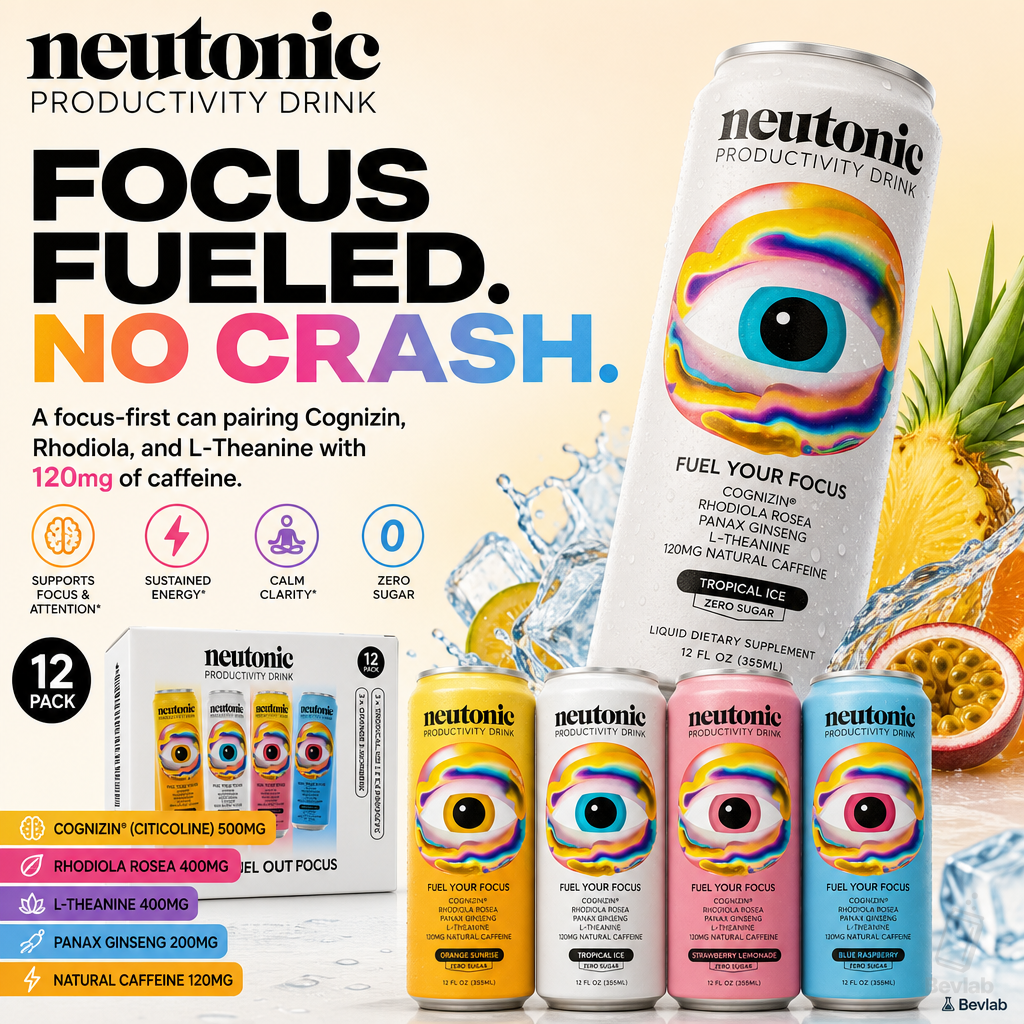
Most cans in the energy aisle lead with a number: 200mg, 300mg, sometimes higher. Neutonic's Productivity Drink leads with a different pitch entirely. It's built to replace your coffee, not out-caffeinate your competitors, packing just 120mg of naturally sourced caffeine alongside a nootropic stack that includes a full 500mg of Cognizin citicoline, 400mg of rhodiola rosea, 400mg of L-theanine, and 200mg of Panax ginseng. The branding calls it a "Productivity Drink" instead of an energy drink, and the formula backs that framing up more than most functional beverages manage.
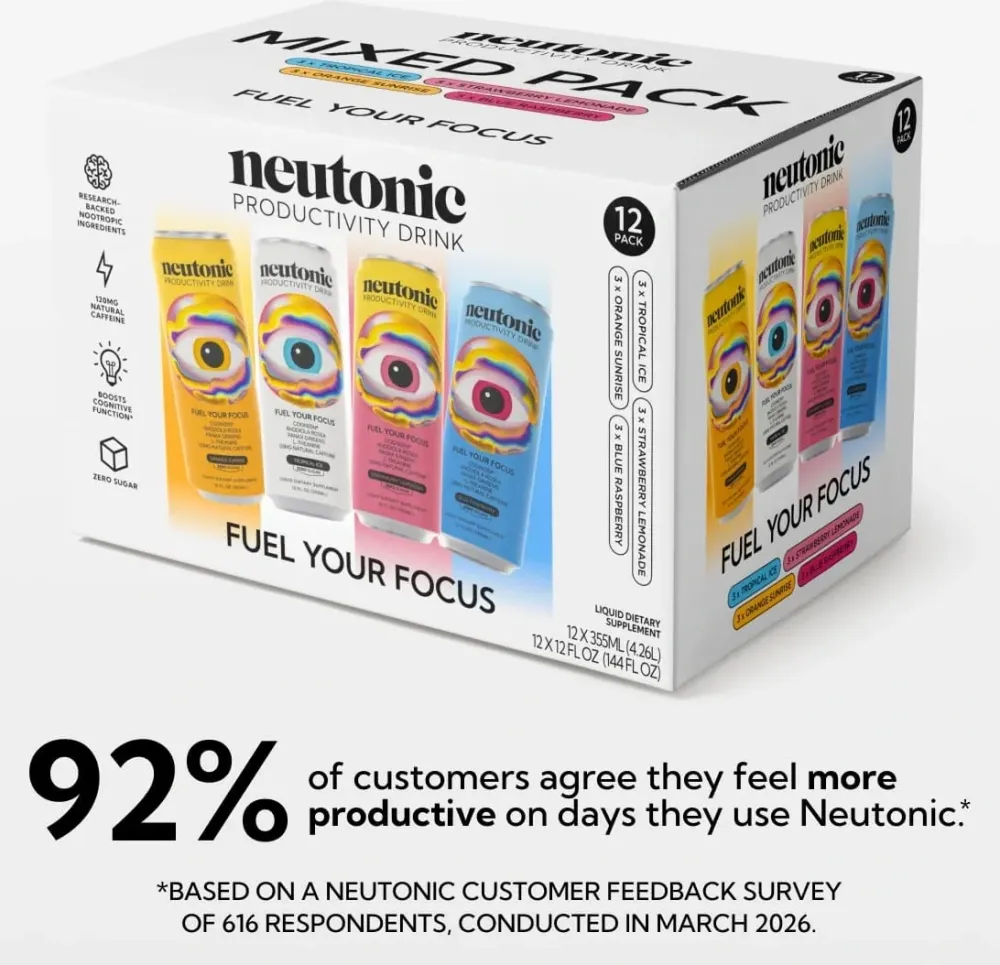
Neutonic says its own March 2026 customer survey (616 respondents) found that 92% felt more productive on days they used the product and 88% reported sustained energy without a crash. Take that as brand-reported sentiment rather than clinical data, but the underlying formula is worth digging into on its own merits, since several of these actives are dosed right in line with the human research behind them.
Watch Related Videos
Bevlab VideosNeutonic Productivity Drink Nutrition Facts
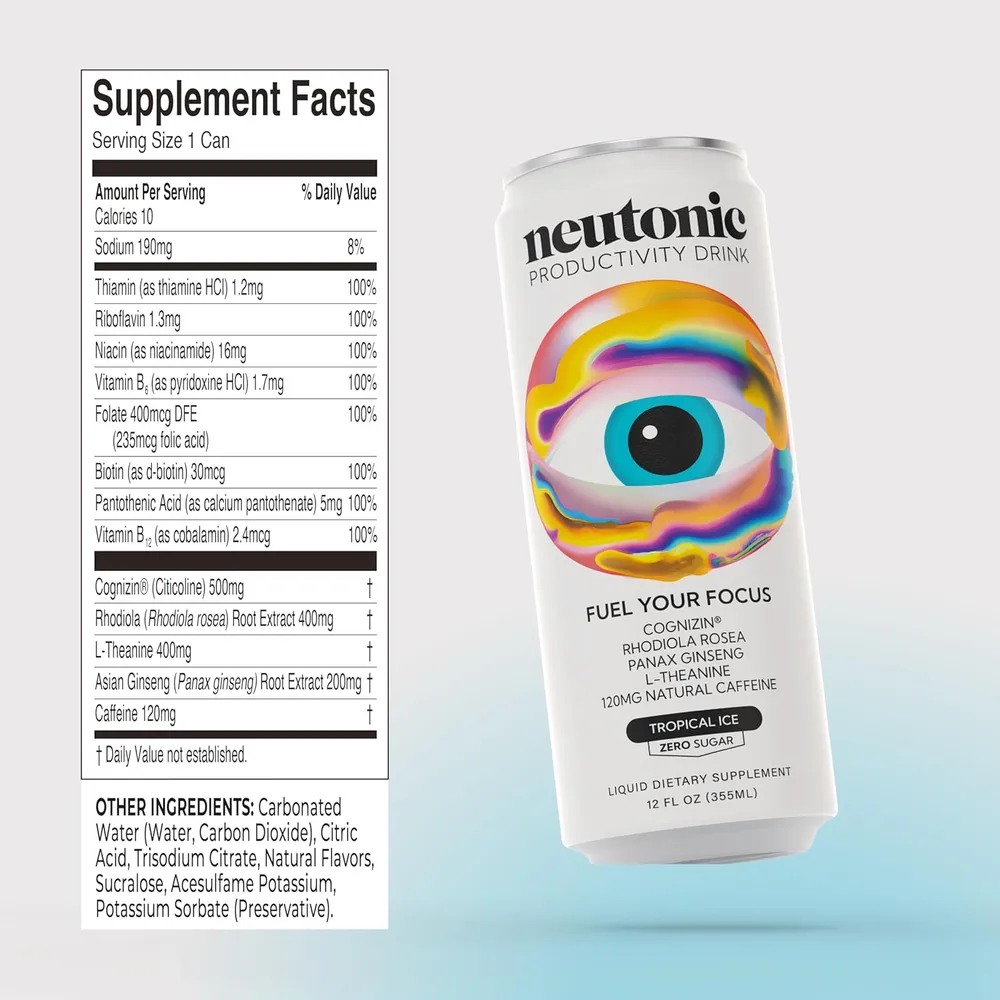
Per 1 can (355mL):
- Calories: 15
- Total Carbohydrate: 2g (1% DV)
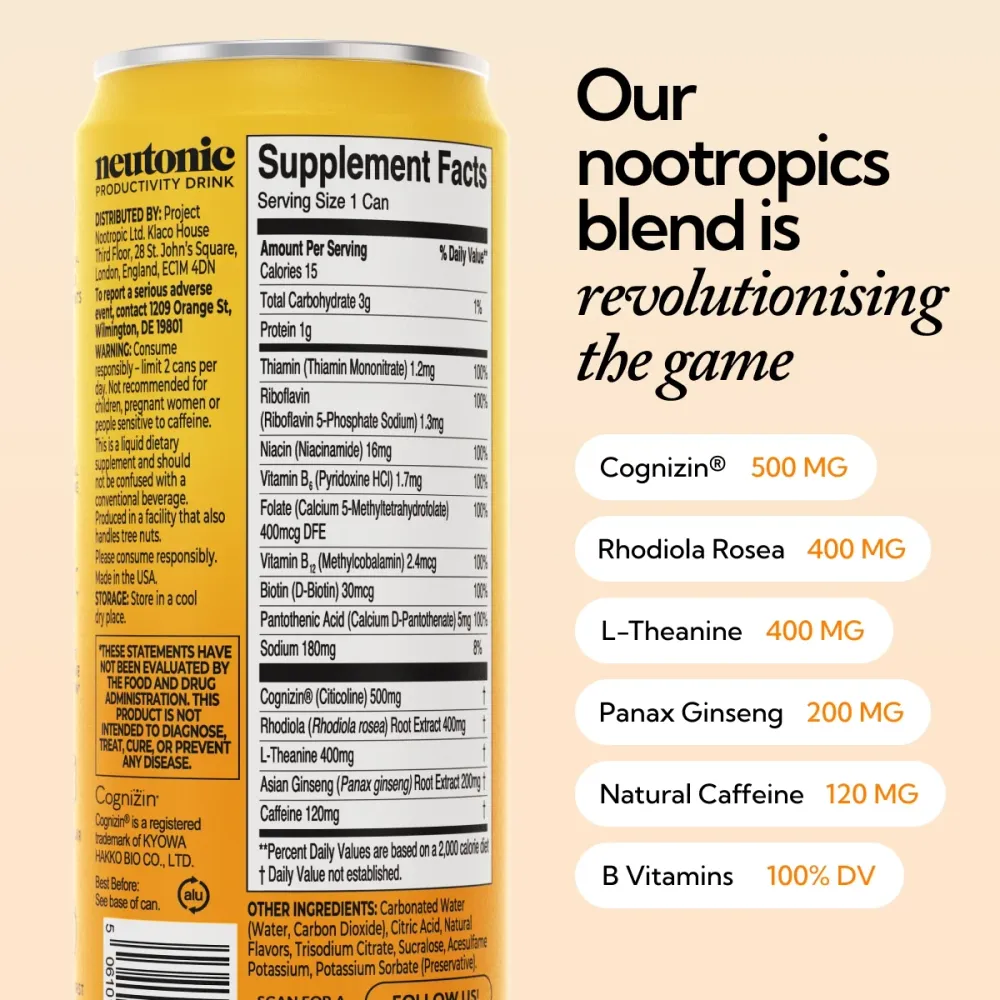
- Protein: 1g
- Sodium: 170mg (7% DV)
- Thiamin: 1.2mg (100% DV)
- Riboflavin: 1.3mg (100% DV)
- Niacin: 16mg (100% DV)
- Vitamin B6: 1.7mg (100% DV)
- Folate: 400mcg DFE (100% DV)
- Vitamin B12: 2.4mcg (100% DV)
- Biotin: 30mcg (100% DV)
- Pantothenic Acid: 5mg (100% DV)
Fifteen calories and 2g of carbs for the entire can is about as low-impact as a beverage gets, and the full spread of 100% DV B-vitamins is a genuine addition rather than filler. The label also discloses every active dose individually, with no proprietary blend hiding behind a single combined number, unlike many competitors in this category.
Neutonic Productivity Drink Ingredients
Each can provides the following key actives:
-
Cognizin® (Citicoline) - 500mg
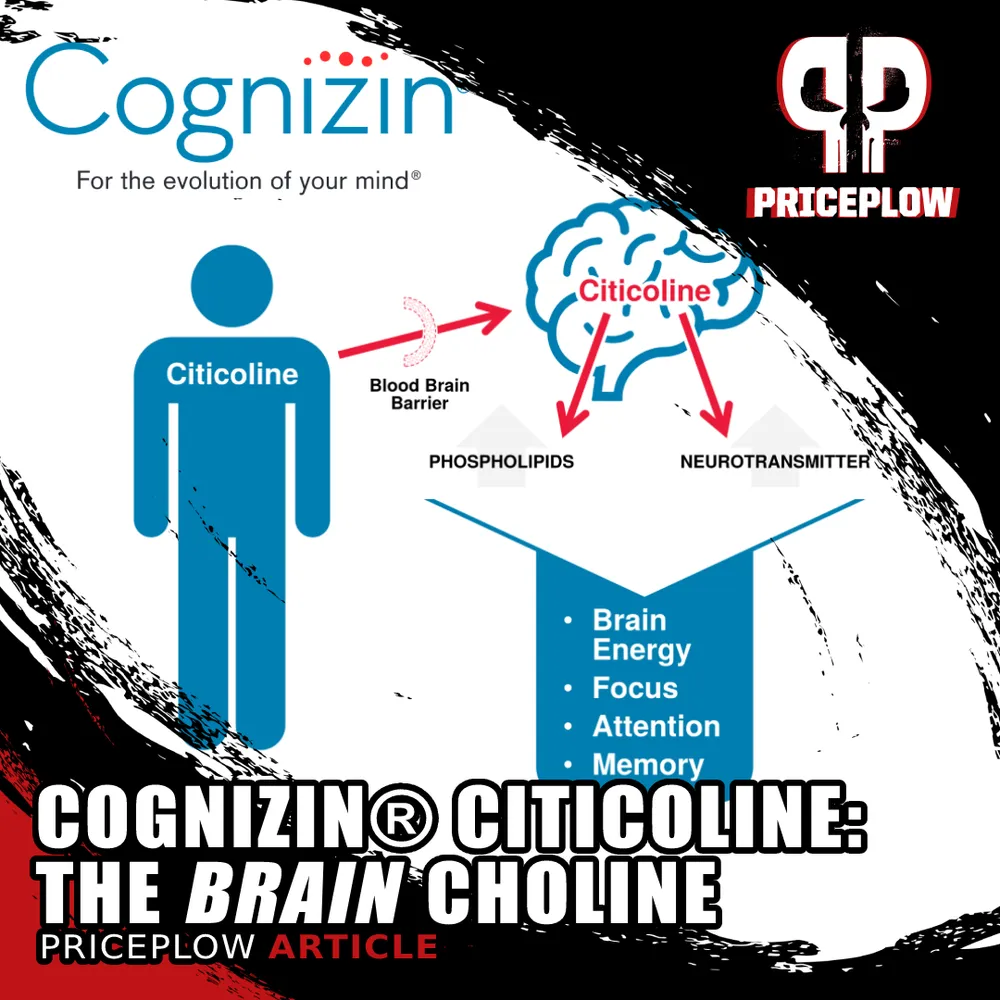
Cognizin is the branded, high-purity form of citicoline made by Kyowa Hakko, and it's the headline ingredient here at the full 500mg dose used across most of its human research. Once ingested, citicoline splits into choline and cytidine, which the brain uses to rebuild phosphatidylcholine, the primary structural fat in neuronal membranes, while also supporting dopamine synthesis in the striatum. This isn't a token inclusion: a randomized, placebo-controlled trial in women aged 40 to 60 found that 250mg and 500mg Cognizin significantly cut both omission and commission errors on a sustained-attention test after 28 days,[1] and a separate RCT in adolescent males found the same doses improved motor speed and selective attention.[2] A 12-week trial in older adults with age-associated memory impairment found 500mg significantly improved episodic memory and a composite memory score versus placebo,[3] and brain imaging work at this same dose showed measurable increases in frontal lobe energy metabolism.[4] Landing exactly at 500mg instead of a token 125mg is what separates a full Cognizin inclusion from a marketing checkbox.
-
Rhodiola Rosea Root Extract - 400mg
Rhodiola is an adaptogenic root long used in Scandinavian and Russian traditional medicine as a stress and fatigue remedy, and it's one of the most clinically studied botanicals in this category. The mechanism centers on blunting the cortisol spike tied to acute stress while supporting mitochondrial energy output under fatigue, a combination researchers describe as adaptogenic rather than purely stimulant-driven.[5] Human trials using standardized rhodiola extracts in the 370-576mg range, close to the 400mg on this label, have shown measurable anti-fatigue effects: a placebo-controlled trial in 161 military cadets found single doses of 370mg and 555mg both produced significant improvement on a composite mental-fatigue index,[6] while a 4-week trial in adults with diagnosed burnout found 576mg/day significantly improved attention scores and blunted the cortisol awakening response versus placebo.[7] Evidence for rhodiola's role in pure physical performance is far less consistent than for mental fatigue, so this ingredient earns its spot here as a stress-and-focus play, not a workout booster.
-
L-Theanine - 400mg
L-Theanine is an amino acid naturally found in tea leaves, and at 400mg it's dosed at the upper end of what's been studied for calm, focused alertness. Mechanistically, it competes with glutamate at excitatory receptor sites and raises brain GABA levels, which is the biochemical basis for the "relaxed but alert" feeling people associate with it. A 28-day RCT using this same 400mg/day dose found measurable improvements versus placebo, though a notable placebo effect was also present in that trial.[8] Where L-theanine's evidence gets genuinely strong is in combination with caffeine: a controlled crossover trial found that theanine plus caffeine together improved reaction time, sustained attention, and self-rated alertness in ways that neither ingredient reliably produced alone,[9] and a meta-analysis of 11 RCTs confirmed this combo effect on alertness and attentional switching.[10] With 400mg of theanine sitting alongside 120mg of caffeine here, this can is functionally built around that exact synergy.
-
Panax Ginseng Root Extract - 200mg
Ginseng is one of the more heavily researched adaptogens for acute cognitive performance, and its active compounds, the ginsenosides, are thought to modulate cholinergic signaling and endothelial nitric oxide production. What's notable here is the dose: 200mg is the exact amount used in a randomized, placebo-controlled crossover trial in adults aged 40 to 60, which found a single dose significantly improved a composite working memory score at 3 hours post-dose, driven mainly by spatial working memory performance.[11] A related crossover trial in younger adults found doses of 100mg, 200mg, and 400mg American ginseng all improved spatial working memory versus placebo, with 200mg specifically improving immediate word recall and numeric working memory speed.[12] Neither of those trials tested Asian ginseng identically to what's on this label, but the dose match with a well-controlled human trial is a meaningfully better signal than most ginseng inclusions in this category.
-
Caffeine - 120mg
Caffeine here comes from what Neutonic describes as a natural source, and at 120mg it's a carefully limited dose compared to the 200-300mg you'll find in most energy drinks. The mechanism is well understood: caffeine blocks the tiredness signal in your brain by competing with adenosine at its receptors, which is why it reliably increases alertness and reaction speed. Research on caffeine's cognitive effects shows this exact range, roughly 32-300mg, is where the vigilance and attention benefits show up most consistently in both rested and fatigued people, following a curve where more isn't automatically better.[13] At 120mg per can, this sits well under the 400mg/day intake that large-scale safety reviews consider free of overt adverse effects in healthy adults, leaving plenty of headroom if you're also drinking coffee elsewhere in your day.
-
Vitamins and Minerals
-
Thiamin (as Thiamin Mononitrate) - 1.2mg (100% DV)
Thiamin, or vitamin B1, is a cofactor for the enzymes that convert carbohydrates and fats into usable cellular energy. Deficiency is more common globally than most people assume, especially in populations with high refined-carb intake.[14] At 100% DV, this is a standard nutritional inclusion rather than a therapeutic mega-dose.
-
Riboflavin (as Riboflavin 5'-Phosphate Sodium) - 1.3mg (100% DV)
Riboflavin, vitamin B2, is required to make the coenzymes FAD and FMN, which drive dozens of redox reactions including the mitochondrial electron transport chain.[15] The 5'-phosphate form used here is the pre-activated version the body would otherwise have to convert riboflavin into anyway.
-
Niacin (as Niacinamide) - 16mg (100% DV)
Niacin here is delivered as niacinamide rather than nicotinic acid, which means you get the vitamin's role in NAD+ production for cellular energy metabolism without the skin-flushing sensation nicotinic acid is known for.[16] This is a standard 100% DV nutritional dose.
-
Vitamin B6 (as Pyridoxine HCl) - 1.7mg (100% DV)
Vitamin B6 is a cofactor for over 140 enzymatic reactions, including the transsulfuration pathway that helps keep homocysteine, a cardiovascular risk marker, in check alongside folate and B12.[17] At 1.7mg, this is well within standard nutritional territory, not a therapeutic dose.
-
Folate (as Optifolin+, Calcium 5-Methyltetrahydrofolate) - 400mcg DFE (100% DV)
Optifolin+ delivers folate as pre-converted 5-MTHF rather than folic acid, which matters because folic acid has to run through a slow, highly variable liver enzyme (DHFR) before the body can use it, a bottleneck 5-MTHF skips entirely.[18] A head-to-head pharmacokinetic trial comparing this exact dicholine salt form against folic acid is the primary human data behind the branded ingredient.[19]
-
Vitamin B12 (as Methylcobalamin) - 2.4mcg (100% DV)
Vitamin B12 as methylcobalamin covers the full daily requirement and supports red blood cell formation, nerve myelination, and the same homocysteine-clearing pathway that folate and B6 feed into.[20] At 2.4mcg, this matches the standard adult RDA rather than a high-dose therapeutic amount.
-
Biotin (as D-Biotin) - 30mcg (100% DV)
Biotin, vitamin B7, is a cofactor for the carboxylase enzymes involved in fatty acid synthesis and energy metabolism. Overt deficiency is rare in the general population, and 30mcg here reflects a standard adequate-intake dose rather than the multi-milligram amounts sometimes marketed for hair and nails.[21]
-
Pantothenic Acid (as Calcium D-Pantothenate) - 5mg (100% DV)
Pantothenic Acid, vitamin B5, is the direct precursor to Coenzyme A, which sits at the center of nearly every energy-producing pathway in the body.[22] The 5mg here covers the full daily requirement without venturing into the gram-level doses used in specialty clinical contexts.[23]
-
-
Other Ingredients
- Carbonated Water - the base of the drink, giving it carbonation and its can-format fizz.
- Citric Acid - a tartness-adjusting acidulant that also helps balance the drink's overall pH.
- Trisodium Citrate (Sodium Citrate) - buffers the citric acid's sharpness and contributes to the can's 170mg sodium content.
- Natural Flavors - the flavor system behind each variant, built to deliver each fruit profile without added sugar.
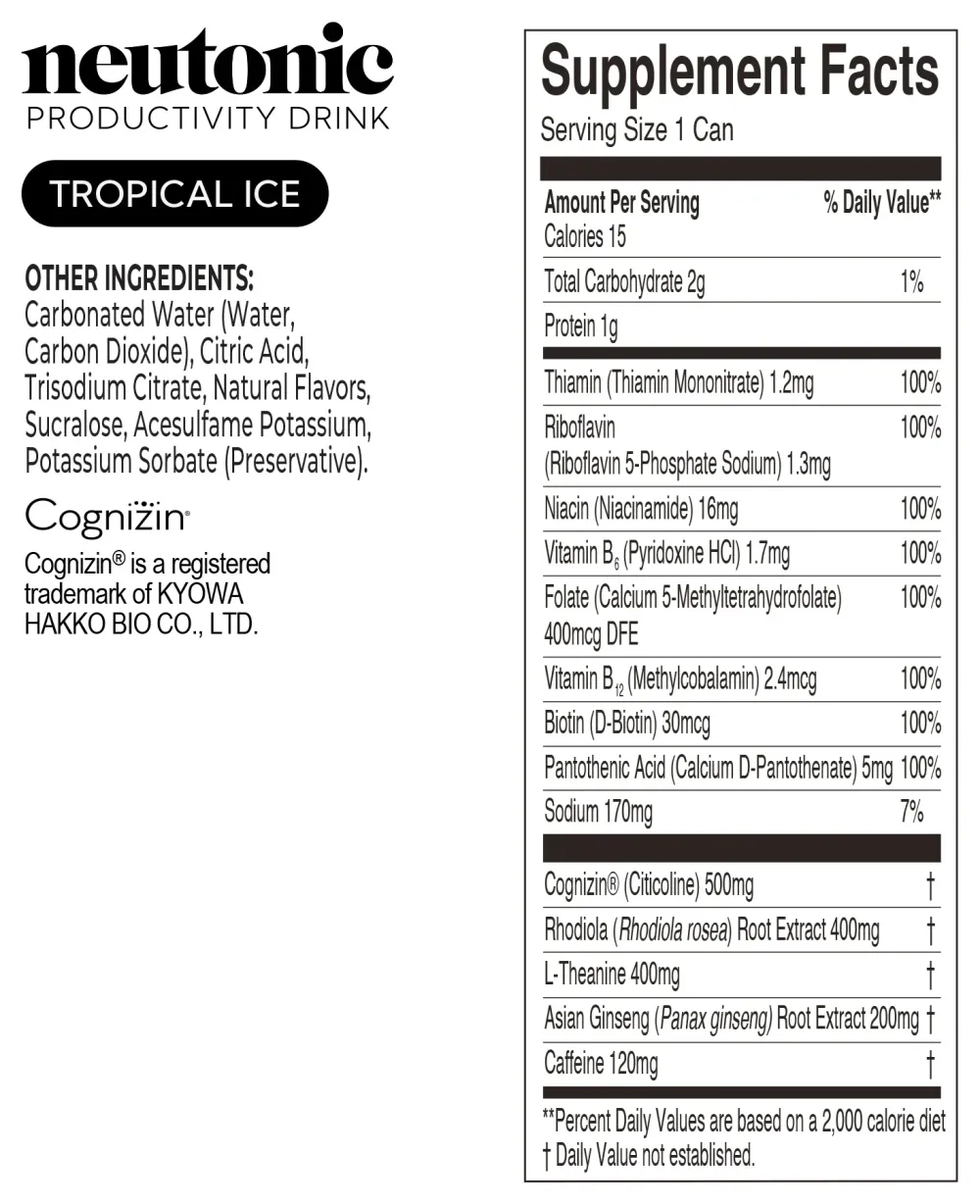
- Sucralose - a zero-calorie, high-intensity sweetener that does most of the sweetening work here.
- Acesulfame Potassium - typically paired with sucralose to round out the sweetness profile and reduce any lingering aftertaste.
- Potassium Sorbate - a preservative that inhibits mold and yeast growth to keep the can shelf-stable.
Flavors Available
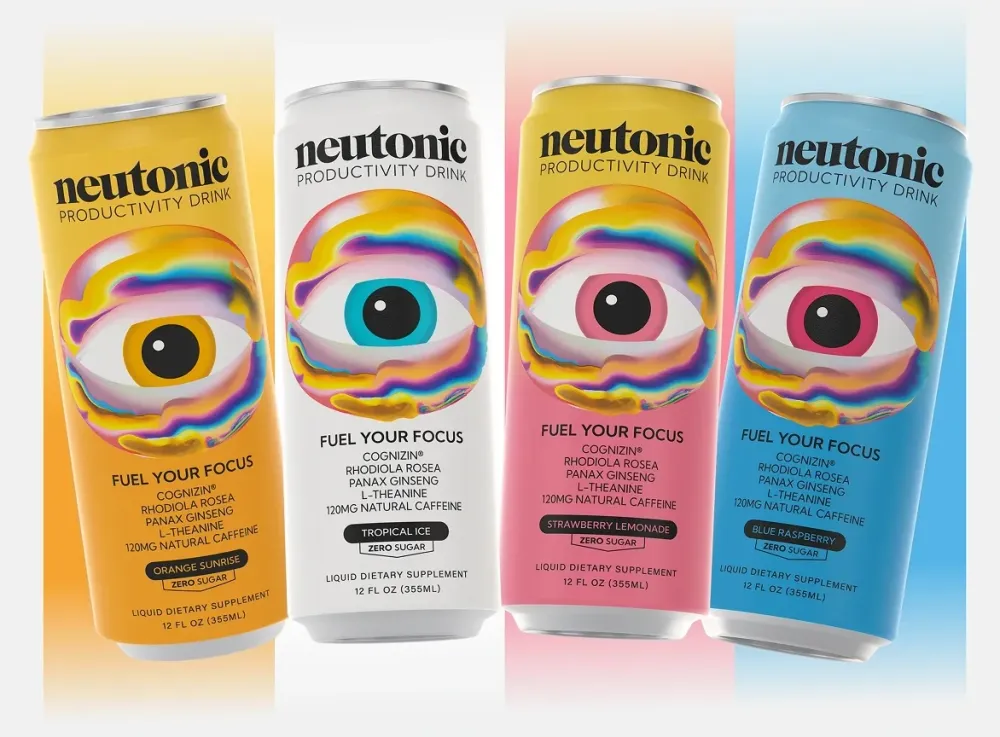
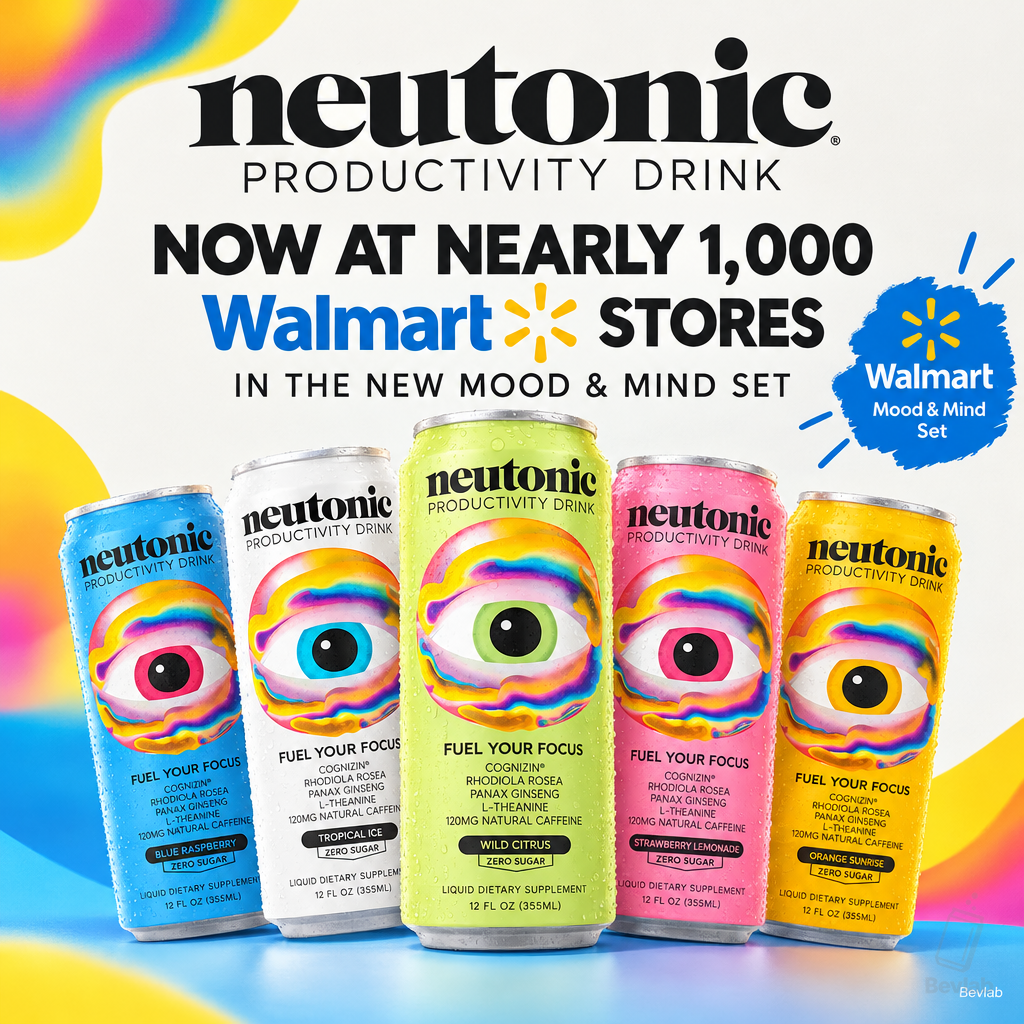
The label referenced here is Tropical Ice, but Neutonic's Variety Pack bundles four of its best-selling flavors together: Tropical Ice, Orange Sunrise, Strawberry Lemonade, and Blue Raspberry, three cans of each in a 12-pack. All four share the same core formula covered above.
- Blue Raspberry (12 Cans: $37.99)
- Orange Sunrise (12 Cans: $37.99)
- Strawberry Lemonade (12 Cans: $37.99)
- Tropical Ice (12 Cans: $37.99)
- Variety Pack (12 Cans: $42.99)
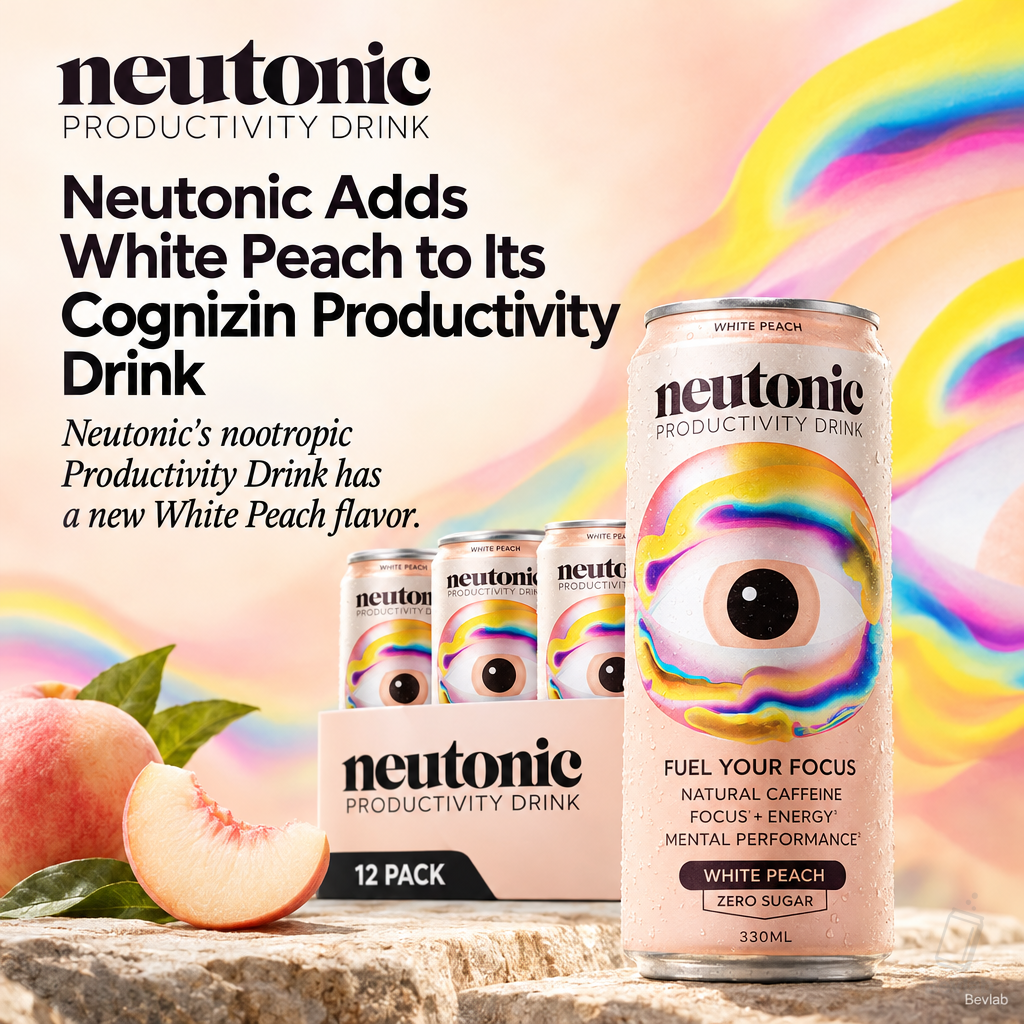
- White Peach (12 Cans: $37.99)
- Wild Citrus (12 Cans: $37.99)
Who It's For
- Coffee replacers and desk workers: if you want one clean dose that gets you through a focused work block without piling on caffeine, 120mg alongside a fully dosed nootropic stack is a genuinely different pitch than a 300mg energy drink.
- Caffeine-sensitive stackers: if you already get your caffeine from coffee, the 120mg dose here still leaves plenty of room to add this can without stacking too much stimulant on top, since the nootropic stack is doing most of the work.
A Formula That Reads Like the Research, Not a Marketing Deck
Full 500mg Cognizin, 400mg rhodiola, 400mg L-theanine, and a 200mg ginseng dose that matches a published trial almost exactly sets this can apart from the usual proprietary-blend energy category. If you want a caffeine dose that layers on top of your coffee and a nootropic stack dosed at levels the research actually supports, this can delivers on its name.
More Related Videos
Bevlab VideosFollow @BevlabMedia on TikTok and Instagram for more formula breakdowns like this one.
References
- McGlade, Erin, et al. "Improved Attentional Performance Following Citicoline Administration In Healthy Adult Women." Food and Nutrition Sciences, 2012. https://doi.org/10.4236/fns.2012.36103
- McGlade, Erin, et al. "The Effect of Citicoline Supplementation on Motor Speed and Attention in Adolescent Males." Journal of attention disorders, 2019. https://doi.org/10.1177/1087054715593633
- Nakazaki, Eri, et al. "Citicoline and Memory Function in Healthy Older Adults: A Randomized, Double-Blind, Placebo-Controlled Clinical Trial." The Journal of Nutrition, 2021. https://doi.org/10.1093/jn/nxab119
- Silveri, M M, et al. "Citicoline enhances frontal lobe bioenergetics as measured by phosphorus magnetic resonance spectroscopy." NMR in biomedicine, 2008. https://doi.org/10.1002/nbm.1281
- Panossian, A, et al. "Rosenroot (Rhodiola rosea): traditional use, chemical composition, pharmacology and clinical efficacy." Phytomedicine : international journal of phytotherapy and phytopharmacology, 2010. https://doi.org/10.1016/j.phymed.2010.02.002
- Shevtsov, V A, et al. "A randomized trial of two different doses of a SHR-5 Rhodiola rosea extract versus placebo and control of capacity for mental work." Phytomedicine : international journal of phytotherapy and phytopharmacology, 2003. https://doi.org/10.1078/094471103321659780
- Olsson, Erik M, et al. "A randomised, double-blind, placebo-controlled, parallel-group study of the standardised extract shr-5 of the roots of Rhodiola rosea in the treatment of subjects with stress-related fatigue." Planta medica, 2009. https://doi.org/10.1055/s-0028-1088346
- Moulin, Marc, et al. "Safety and Efficacy of AlphaWave® L-Theanine Supplementation for 28 Days in Healthy Adults with Moderate Stress: A Randomized, Double-Blind, Placebo-Controlled Trial." Neurology and therapy, 2024. https://doi.org/10.1007/s40120-024-00624-7
- Haskell, Crystal F, et al. "The Effects Of L Theanine Caffeine And Their Combination On Cognition And Mood." Biological psychology, 2008. https://doi.org/10.1016/j.biopsycho.2007.09.008
- Camfield, David A, et al. "Acute effects of tea constituents L-theanine, caffeine, and epigallocatechin gallate on cognitive function and mood: a systematic review and meta-analysis." Nutrition reviews, 2014. https://doi.org/10.1111/nure.12120
- Ossoukhova, Anastasia, et al. "Improved Working Memory Performance Following Administration Of A Single Dose Of American Ginseng Panax Quinquefolius L To Healthy Middle Age Adults." Human psychopharmacology, 2015. https://doi.org/10.1002/hup.2463
- Scholey, Andrew, et al. "Effects Of American Ginseng Panax Quinquefolius On Neurocognitive Function An Acute Randomised Double Blind Placebo Controlled Crossover Study." Psychopharmacology, 2010. https://doi.org/10.1007/s00213-010-1964-y
- McLellan, Tom M. et al. "A Review Of Caffeine S Effects On Cognitive Physical And Occupational Performance." Neuroscience & Biobehavioral Reviews, 2016. https://doi.org/10.1016/j.neubiorev.2016.09.001
- Whitfield, Kyly C, et al. "Thiamine deficiency disorders: diagnosis, prevalence, and a roadmap for global control programs." Annals of the New York Academy of Sciences, 2018. https://doi.org/10.1111/nyas.13919
- Saedisomeolia, Ahmad, et al. "Riboflavin in Human Health: A Review of Current Evidences." Advances in food and nutrition research, 2018. https://doi.org/10.1016/bs.afnr.2017.11.002
- Gasperi, Valeria, et al. "Niacin In The Central Nervous System An Update Of Biological Aspects And Clinical Applications." International Journal of Molecular Sciences, 2019. https://doi.org/10.3390/ijms20040974
- Selhub, J, et al. "Vitamin Status And Intake As Primary Determinants Of Homocysteinemia In An Elderly Population." JAMA, 1993. https://doi.org/10.1001/jama.1993.03510220049033
- Bailey, Steven W, et al. "The extremely slow and variable activity of dihydrofolate reductase in human liver and its implications for high folic acid intake." Proceedings of the National Academy of Sciences of the United States of America, 2009. https://doi.org/10.1073/pnas.0902072106
- Schön, Christiane, et al. "Pharmacokinetics of (6S)-5-Methyltetrahydrofolate dicholine salt compared to folic acid: a randomized double-blind single dose cross-over study." Food & nutrition research, 2025. https://doi.org/10.29219/fnr.v69.12633
- Lyon, Peter, et al. "B Vitamins And One Carbon Metabolism Implications In Human Health And Disease." Nutrients, 2020. https://doi.org/10.3390/nu12092867
- Solvik, Beate Stokke, et al. "Biotin: a scoping review for Nordic Nutrition Recommendations 2023." Food & nutrition research, 2024. https://doi.org/10.29219/fnr.v68.10256
- Freese, Riitta, et al. "Pantothenic acid - a scoping review for Nordic Nutrition Recommendations 2023." Food & nutrition research, 2023. https://doi.org/10.29219/fnr.v67.10255
- Shichkin, Valentin P. "Vitamin B5 and vitamin U review: justification of combined use for the treatment of mucosa-associated gastrointestinal pathologies." Frontiers in pharmacology, 2025. https://doi.org/10.3389/fphar.2025.1587627
Related Coverage
Tagged