Bucked Up Refresher Drink
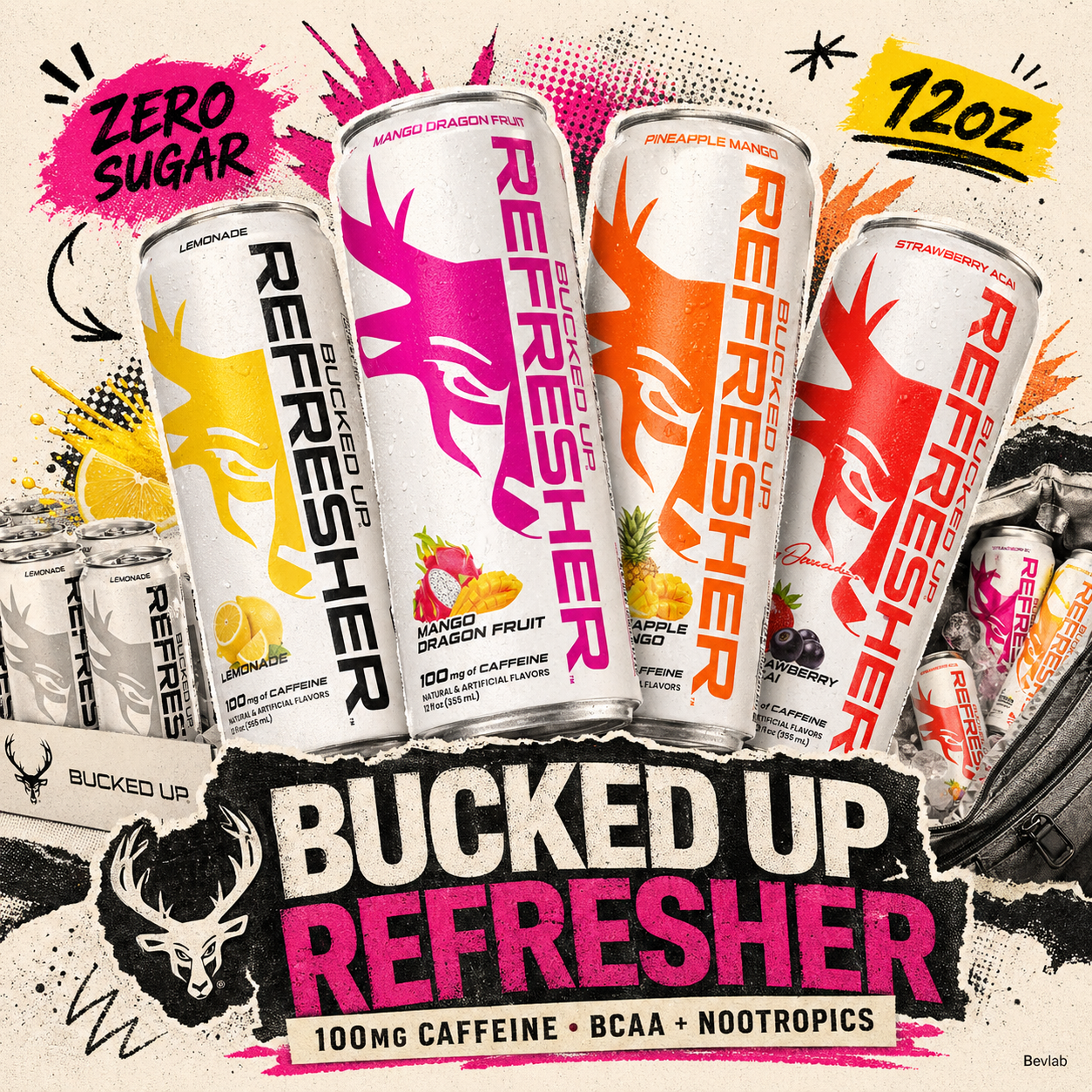
Bucked Up Refresher Energy packs 100mg caffeine, a 2:1:1 BCAA blend, and nootropics like huperzine A into a zero-sugar 12oz can.
Bucked Up Refresher Energy Drink is the Utah supplement giant's answer to a question the better-for-you beverage aisle has been dancing around for years: what does a lifestyle energy drink look like when it's built by a company that actually knows supplements? The answer is a 12oz zero-sugar can with 100mg caffeine, a 2:1:1 BCAA blend, and a nootropic stack that includes huperzine A -- an ingredient you're far more likely to find in a pre-workout than in the energy drink cooler.
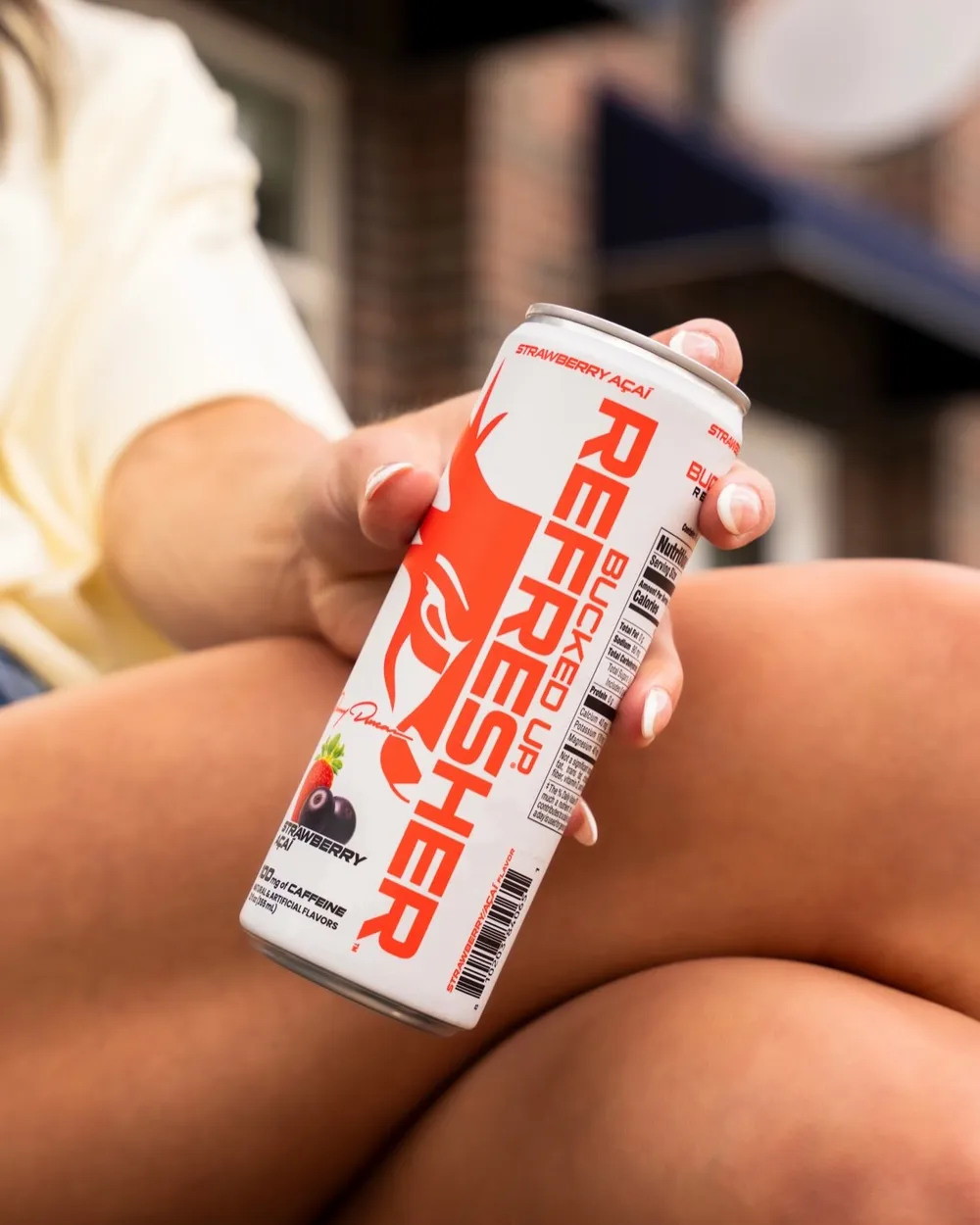
Bucked Up is already doing over $300 million in annual revenue and has hit 100,000+ retail locations across the US. They've worked with legends like Conor McGregor, Bryson DeChambeau, and Danny Duncan, with the last two getting their own signature Refresher flavors (Pineapple Mango and Strawberry Acai, respectively). This isn't a brand figuring out the beverage category for the first time. It's a supplement company that knows its ingredients, knows its audience, and is now competing for your midday sip.
This article digs into the new Bucked Up Refresher formula.
Buy Bucked Up Refresher
Drink at BuckedUp.com
Drink at BuckedUp.com
Use code
PRICEPLOW for 10% OFFNutrition Facts
- Calories: 0
- Total Fat: 0g
- Total Carbohydrate: 0g
- Total Sugars: 0g
- Added Sugars: 0g
- Protein: 0g
- Calcium (as Tricalcium Citrate): 40mg (4% DV)
- Potassium (as Potassium Citrate): 170mg (4% DV)
- Magnesium (as Magnesium Citrate): 40mg (10% DV)
What's Inside
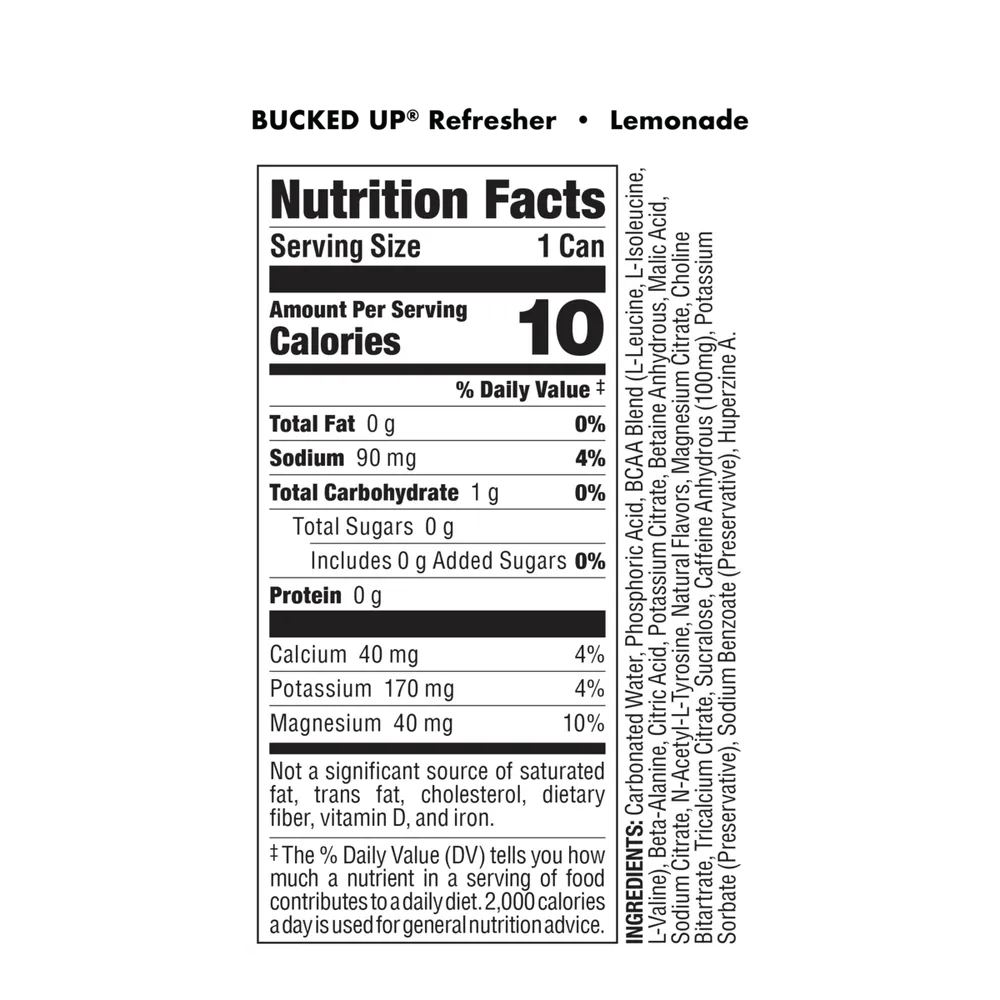
Each 12oz can delivers the following key actives:
-
Caffeine Anhydrous - 100mg
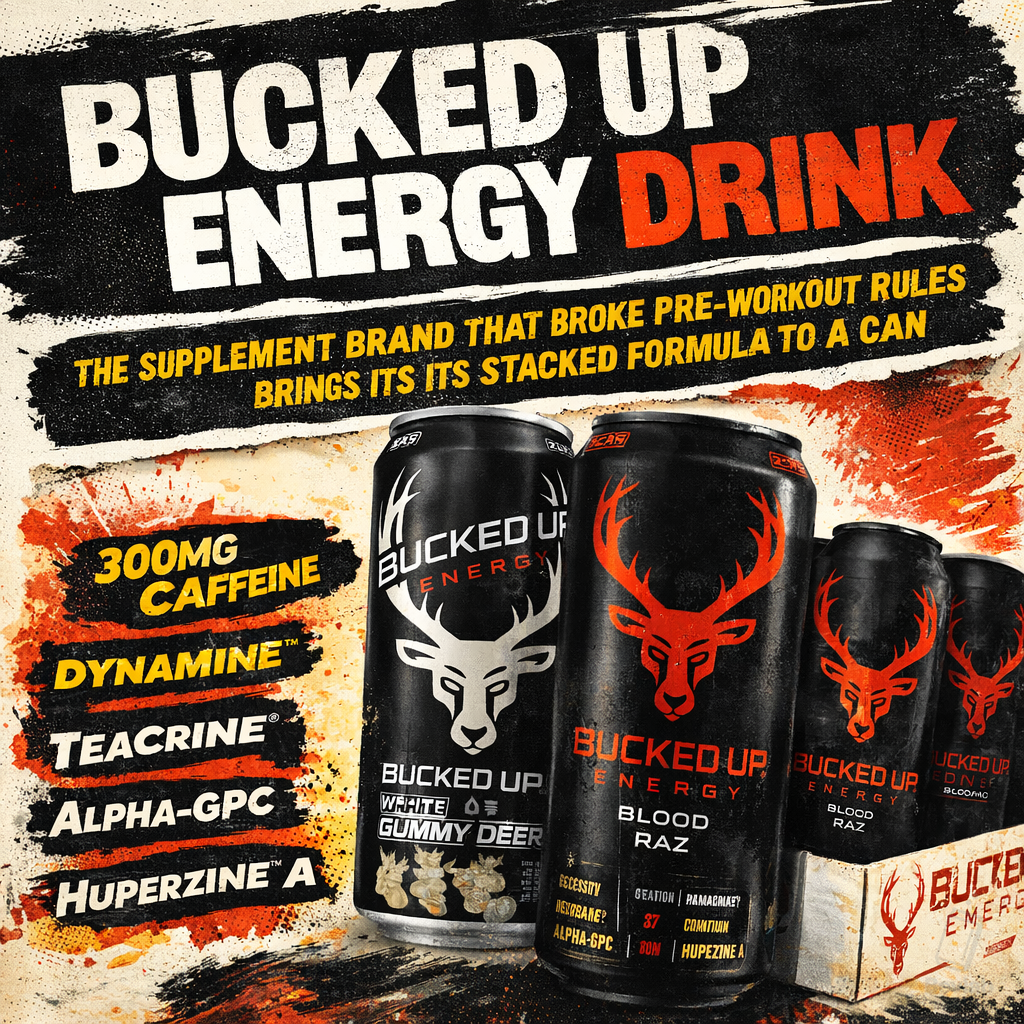
100mg sits at the low end of what most people think of as "energy", and that's deliberate. Bucked Up is positioning Refresher as an alternative to coffee or soda, not as a pre-workout in a can. After all, the OG Bucked Up Energy Drink already has 300mg, so if you want it stronger, you go there. At this 100mg dose, research consistently still shows improvements in alertness, reaction time, and sustained attention in both rested and mildly fatigued people, without the anxiety spike that higher doses can trigger in caffeine-sensitive individuals.[1,2]
The 100mg ceiling also means Refresher plays well alongside other caffeine sources during the day. You're not committing to 200mg+ when you crack one mid-afternoon. For people who want a gentle functional lift rather than a full energy drink experience, that math works in their favor. Caffeine anhydrous is the dehydrated powder form, pharmacologically identical to natural caffeine and among the most studied ergogenic ingredients in sports nutrition.[2]
-
BCAA Blend (L-Leucine, L-Isoleucine, L-Valine) 2:1:1
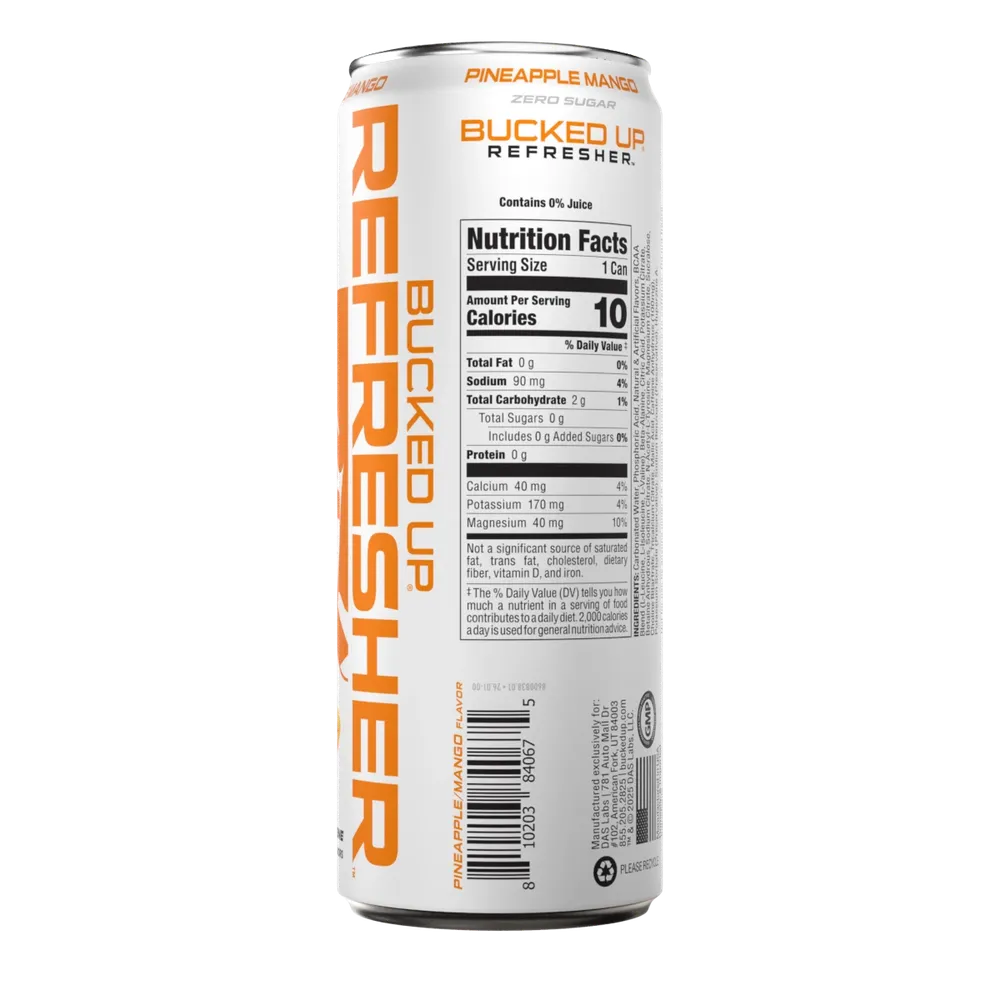
The Bucked Up Refresher label — note the BCAA blend and nootropic stack. The 2:1:1 BCAA ratio is leucine-heavy by design, and it's the most common ratio in sports nutrition for good reason. Leucine is the primary driver of muscle protein synthesis signaling, and isoleucine and valine need to be present to prevent their own plasma concentrations from being driven down when leucine is taken solo.[3,4] The specific BCAA dose isn't disclosed on the label, which is worth noting. Without a quantity, it's hard to know whether you're getting a meaningful ergogenic amount or a trace inclusion.
What the research does support is that BCAAs can help reduce exercise-induced muscle damage markers and may support recovery when combined with other active compounds.[5] For a lifestyle beverage aimed at gym days, errands, or extended work sessions, the BCAA addition points in the right direction. In a glycogen-depleted state, BCAA supplementation has also been shown to extend endurance by shifting the body toward fat as a fuel source.[6]
-
Beta-Alanine
Beta-alanine is the ingredient that causes the familiar tingles -- a temporary, harmless skin sensation called paraesthesia that's been well documented in the safety literature.[7] The mechanism is straightforward: beta-alanine is the rate-limiting precursor to carnosine in skeletal muscle, and carnosine buffers the acid buildup that drives fatigue during high-intensity efforts.[8] The performance benefit is most reliable for exercise lasting roughly 1 to 10 minutes, including sets of squats, sprints, any repeated high-intensity effort.[9]
The dose isn't disclosed here, which matters. To meaningfully elevate muscle carnosine, you need roughly 3.2 to 6.4g per day over multiple weeks.[10] A single can of a lifestyle energy drink almost certainly isn't hitting that threshold. What you might get is a low-dose priming effect, or just the tingle as a signal that something is happening -- but don't expect the same benefit you'd get from loading a dedicated beta-alanine supplement.
-
Betaine Anhydrous
Betaine (trimethylglycine) does two things: it helps cells maintain hydration under stress, and it donates methyl groups to support the methionine cycle, including downstream creatine production.[11] Most of the performance research clusters around 2 to 2.5g per day, with a 2024 meta-analysis finding a meaningful benefit on maximal muscular strength, particularly in lower body movements.[12]
Like beta-alanine, the dose isn't on the label. At a meaningful dose, betaine has also shown body composition benefits in RCTs using 2.5g per day over several weeks.[13] The practical takeaway: the inclusion is a good signal about Bucked Up's formulation philosophy, but without a disclosed dose you can't evaluate efficacy directly.
-
N-Acetyl-L-Tyrosine
N-Acetyl-L-Tyrosine (NALT) is the acetylated form of tyrosine, a precursor to dopamine and norepinephrine. The core mechanism that converts tyrosine into the building blocks of these neurotransmitters isn't fully saturated under normal conditions. When demand spikes via stress, cognitive load, sustained focus, heat, the synthesis pathway can become precursor-limited, and supplemental tyrosine helps maintain neurotransmitter output.[14,15]
The research is clearest for performance under stress: cold exposure, sleep deprivation, and military training scenarios consistently show tyrosine benefits on memory, attention, and reaction time.[16,17] For a midday energy drink context like fighting the afternoon slump or staying sharp during a long work session, tyrosine is one of the more relevant additions a brand could make. One note on the acetylated form: NALT has higher water solubility than free-form tyrosine, which is useful for beverage formulation, though its conversion efficiency in humans is debated.
-
Choline Bitartrate
Choline bitartrate delivers roughly 41% choline by weight. Choline is the direct precursor to acetylcholine, the neurotransmitter driving both neuromuscular junctions and the brain signaling behind memory, attention, and motor precision.[18] Research in healthy young adults using 2g choline bitartrate found improved visuomotor accuracy and measurable changes in a biomarker of central cholinergic engagement.[19]
There's also an exercise angle worth noting: plasma choline can drop significantly during prolonged endurance efforts, and at least one mechanism suggests this depletion could impair neuromuscular transmission late in long events.[20] Choline bitartrate won't hit as hard as alpha-GPC or citicoline for acute cognitive effects, but at a meaningful dose it supports the broader focus stack that Refresher is building with tyrosine and huperzine A.
-
Huperzine A
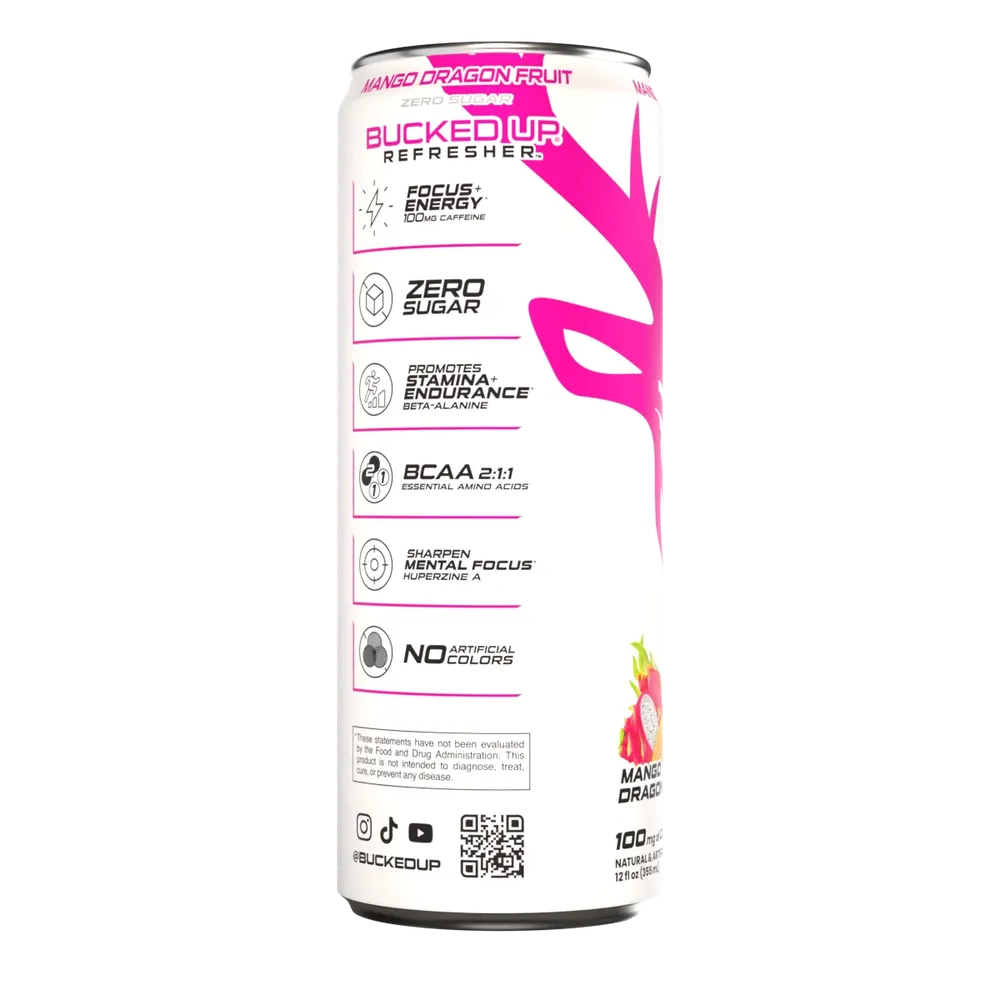
The side label calls out the nootropic stack — huperzine A is a rare find in a lifestyle energy drink. This is the ingredient that makes Refresher genuinely interesting from a formulation standpoint. Huperzine A is a extracted from Huperzia serrata that inhibits acetylcholinesterase (AChE), the enzyme that breaks down acetylcholine (cited above).[21] By slowing that breakdown, huperzine A allows acetylcholine to accumulate, amplifying the same cholinergic signaling that choline bitartrate is helping to sustain upstream. The two ingredients work on complementary sides of the same pathway.
Huperzine A is notably potent and selective for brain AChE compared to alternatives used in clinical settings.[22,23] It stays active in your system for roughly 10 to 12 hours after a single dose.[22] Clinical trials have demonstrated cognitive improvements in Alzheimer's patients, and animal models show no tolerance development over 30 days of daily dosing.[24] For a healthy adult looking for sharper focus and recall, huperzine A is a genuinely differentiated move for a can in this category.
-
Vitamins and Minerals
-
Calcium (as Tricalcium Citrate) - 40mg (4% DV)
At 40mg calcium, this is a trace inclusion relative to the ~1,000mg daily target for most adults (we argue that you do not need a full 1200mg every day, the RDA is too high). Calcium's role in skeletal muscle contraction is foundational: it's the molecular trigger that initiates the muscle fiber activation cycle.[25] The citrate form has solid bioavailability. This dose won't move the needle on bone health or training performance on its own, but it contributes to the overall electrolyte picture alongside potassium and magnesium.
-
Potassium (as Potassium Citrate) - 170mg (4% DV)
170mg represents about 4% of the 4,700mg daily adequate potassium intake, a shortfall nutrient that most Americans don't come close to hitting.[26] Potassium citrate is a well-absorbed organic salt that contributes to fluid balance, nerve signaling, and muscle contraction. Sweat potassium concentrations remain stable over multiple hours of exercise, making even modest potassium inclusion relevant in an active-use context.[27]
-
Magnesium (as Magnesium Citrate) - 40mg (10% DV)
Magnesium citrate is among the better-absorbed forms of the mineral, and at 40mg you're getting 10% of the daily value in one can. Magnesium is a cofactor for hundreds of enzymatic reactions including ATP production, and deficiency is widespread in Western diets.[28] In athletes, magnesium loss through sweat can contribute to muscle damage and impaired recovery, and supplementation has shown protective effects on muscle damage markers in competitive scenarios.[29]
-
Other Ingredients
- Carbonated Water - The base and the bubble. CO₂ dissolved under pressure creates the fizz and tartness.
- Phosphoric Acid - Acidulant that lowers pH and contributes to the tart, slightly sharp flavor characteristic of cola-adjacent drinks. Not the best for tooth enamel, however.
- Citric Acid - The most commonly used food-grade acidulant. Balances sweetness, enhances flavor brightness, and supports shelf stability.
- Malic Acid - An organic acid found naturally in apples and grapes. Contributes an extended sour note and rounds out the flavor complexity from citric acid alone.
- Sodium Citrate - Sodium salt of citric acid. Functions as a pH buffer, keeping the formula stable and lending a slight mineral roundness to the taste.
- Natural Flavors - Flavor compounds derived from botanical or animal sources. These define the specific fruit profiles for each SKU.
- Sucralose - Zero-calorie sweetener roughly 600 times sweeter than sugar. FDA-approved and widely used in zero-sugar beverages.
- Potassium Sorbate - Preservative effective against yeasts and molds in acidic beverages. Used alongside sodium benzoate as a dual-preservative system.
- Sodium Benzoate - Broad-spectrum antimicrobial preservative standard in carbonated soft drinks. Works at acidic pH to inhibit microbial growth.
Flavors Available
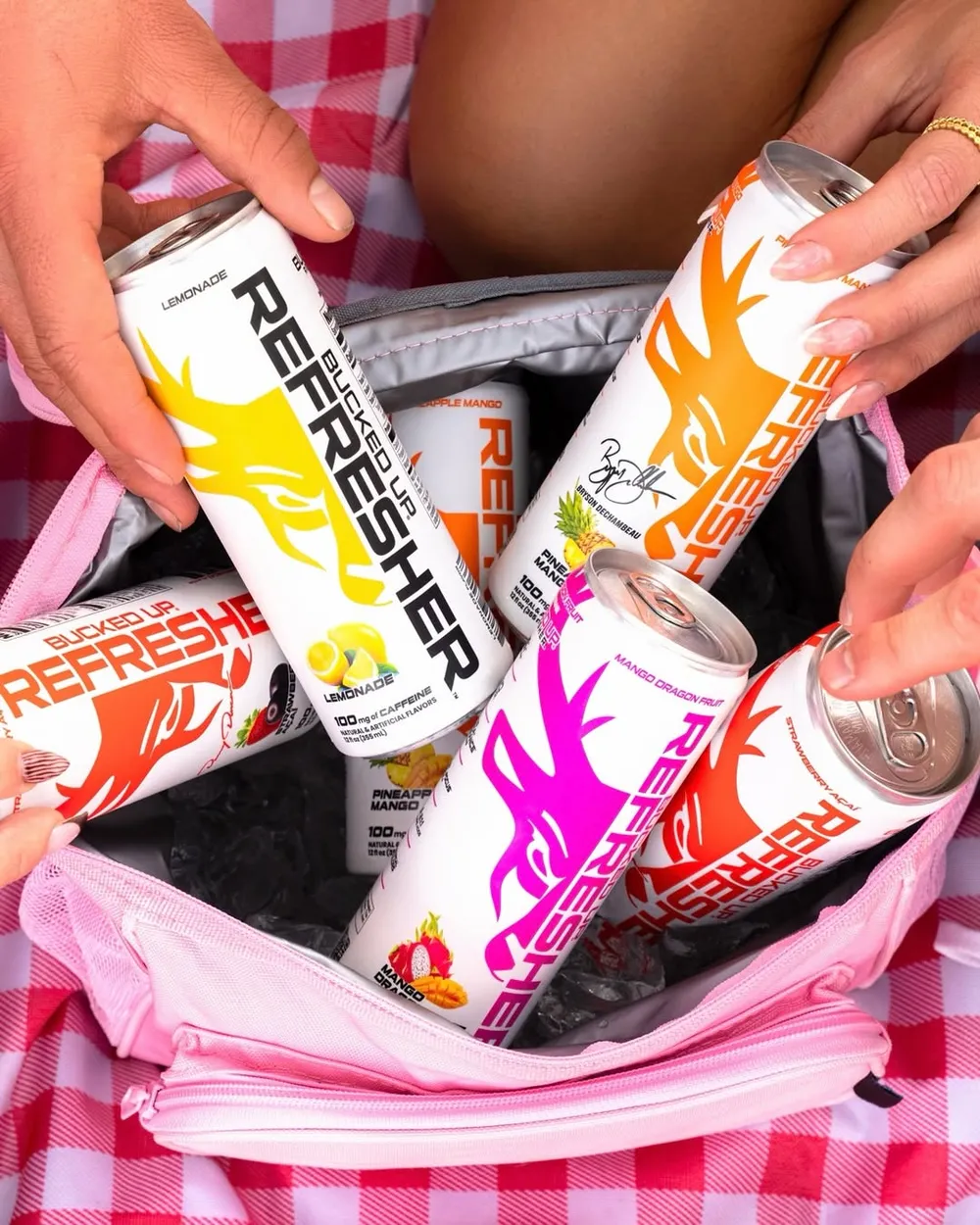
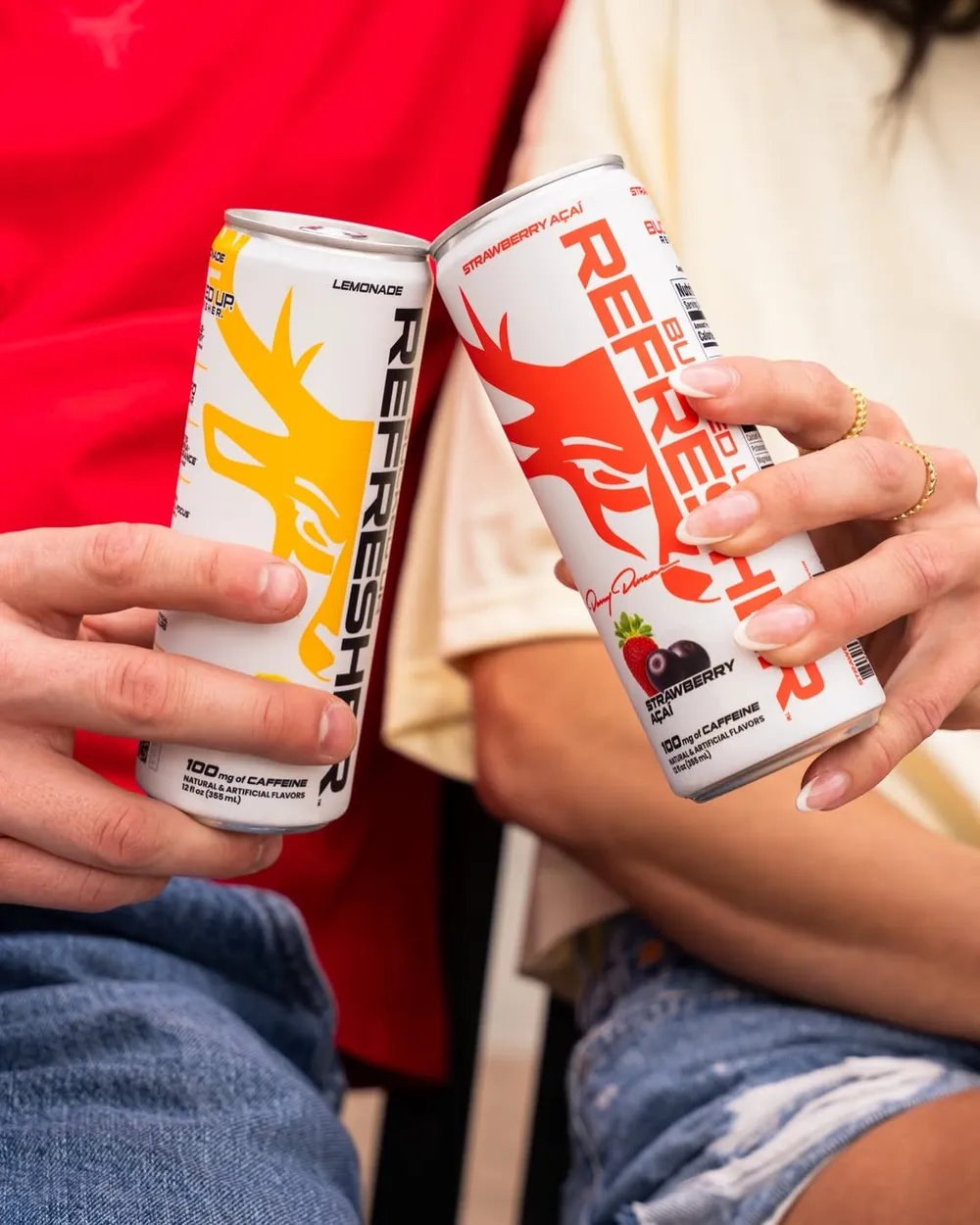
- Lemonade (12 Cans: $35.99)
- Mango Dragon Fruit (12 Cans: $35.99)
- Pineapple Mango (12 Cans: $35.99)
- Strawberry Acai (12 Cans: $35.99)
- Variety Pack (12 Cans: $35.99)
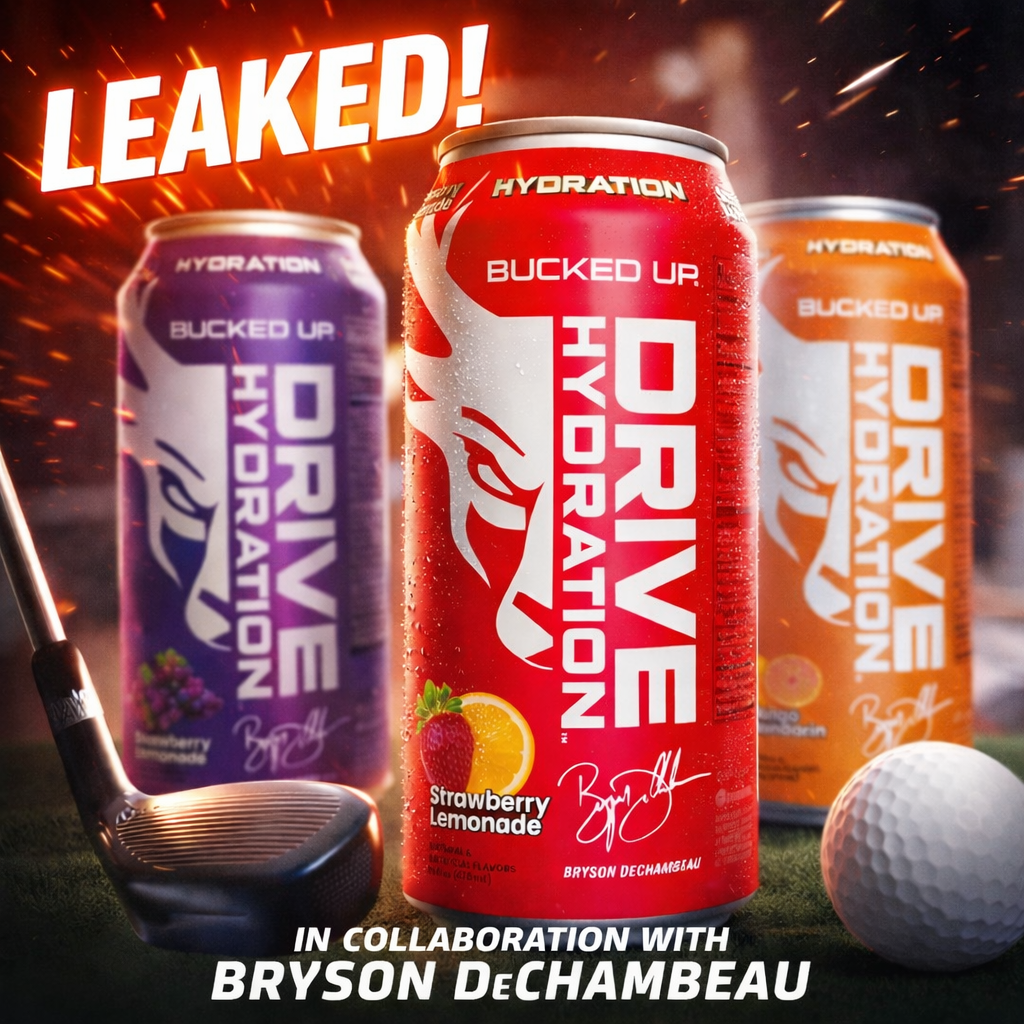
Note that two of these flavors are in collaboration with Bryson DeChambeau and Danny Duncan (Pineapple Mango and Strawberry Acai, respectively) -- very cool. You can learn more about Bryson DeChambeau in our article on Bucked Up Drive Hydration.
Who It's For
- People replacing a second coffee or afternoon soda: At 100mg caffeine with no sugar and a modest focus stack, Refresher fits naturally in that 1-4pm window where you want something functional but don't want to be wired at 10pm.
- Gym-goers on lighter training days: The BCAAs and electrolytes make more sense on a recovery day or during an easier session than as a pre-workout for max-effort training.
But again, if you need more energy, then the standard Bucked Up Energy Drink has 300mg of caffeine - 3x this amount!
The Verdict
Bucked Up didn't just slap a different label on a standard energy drink formula. The huperzine A inclusion alone sets Refresher apart from every major competitor in the lifestyle energy segment, and stacking it with choline bitartrate and tyrosine shows real supplement literacy. The 100mg caffeine keeps it approachable. The undisclosed doses on beta-alanine and betaine are the main frustration -- you're trusting the brand on those. For an everyday sip that skews closer to nootropic than pre-workout, Refresher is one of the more interesting cans to hit the 12oz category in a while.
Buy Bucked Up Refresher
Drink at BuckedUp.com
Drink at BuckedUp.com
Use code
PRICEPLOW for 10% OFFFollow @BevlabMedia on TikTok and Instagram for more coverage of what's actually in your can.
References
- McLellan, Tom M. et al. "Mclellan2016 A Review Of Caffeine S Effects On Cognitive Physical And Occupational Performance." Neuroscience & Biobehavioral Reviews, 2016. https://doi.org/10.1016/j.neubiorev.2016.09.001
- Guest, Nanci S. et al. "Guest 2021 International Society Of Sports Nutrition Position Stand Caffeine And Exercise Performance." Journal of the International Society of Sports Nutrition, 2021. https://doi.org/10.1186/s12970-020-00383-4
- Moberg, Marcus, et al. "Activation of mTORC1 by leucine is potentiated by branched-chain amino acids and even more so by essential amino acids following resistance exercise." American journal of physiology. Cell physiology, 2016. https://doi.org/10.1152/ajpcell.00374.2015
- Churchward-Venne, Tyler A, et al. "Leucine supplementation of a low-protein mixed macronutrient beverage enhances myofibrillar protein synthesis in young men: a double-blind, randomized trial." The American journal of clinical nutrition, 2014. https://doi.org/10.3945/ajcn.113.068775
- Ra, Song-Gyu, et al. "Combined effect of branched-chain amino acids and taurine supplementation on delayed onset muscle soreness and muscle damage in high-intensity eccentric exercise." Journal of the International Society of Sports Nutrition, 2013. https://doi.org/10.1186/1550-2783-10-51
- Adolpho, Thomas B. et al. "Influence Of Branched-chain Aminoacids (BCAA) Supplementation On Free Fatty Acids Oxidation During Endurance Exercise After Muscle Glycogen Depletion." Medicine & Science in Sports & Exercise, 2005. https://doi.org/10.1249/00005768-200505001-01836
- Dolan, Eimear, et al. "A Systematic Risk Assessment and Meta-Analysis on the Use of Oral β-Alanine Supplementation." Advances in nutrition (Bethesda, Md.), 2019. https://doi.org/10.1093/advances/nmy115
- Trexler, Eric T, et al. "International society of sports nutrition position stand: Beta-Alanine." Journal of the International Society of Sports Nutrition, 2015. https://doi.org/10.1186/s12970-015-0090-y
- Saunders, Bryan, et al. "β-alanine supplementation to improve exercise capacity and performance: a systematic review and meta-analysis." British journal of sports medicine, 2017. https://doi.org/10.1136/bjsports-2016-096396
- Harris, R C, et al. "The absorption of orally supplied beta-alanine and its effect on muscle carnosine synthesis in human vastus lateralis." Amino acids, 2006. https://doi.org/10.1007/s00726-006-0299-9
- Craig, Stuart A S. "Betaine in human nutrition." The American journal of clinical nutrition, 2004. https://doi.org/10.1093/ajcn/80.3.539
- Zawieja, Emilia, et al. "Effects of chronic betaine supplementation on exercise performance: Systematic review and meta-analysis." Journal of sports sciences, 2024. https://doi.org/10.1080/02640414.2024.2423578
- Gao, Xiang, et al. "Effect of Betaine on Reducing Body Fat-A Systematic Review and Meta-Analysis of Randomized Controlled Trials." Nutrients, 2019. https://doi.org/10.3390/nu11102480
- Fernstrom, John D. et al. "Tyrosine, Phenylalanine, and Catecholamine Synthesis and Function in the Brain." The Journal of Nutrition, 2007. https://doi.org/10.1093/jn/137.6.1539s
- Jongkees, Bryant J, et al. "Effect of tyrosine supplementation on clinical and healthy populations under stress or cognitive demands--A review." Journal of psychiatric research, 2015. https://doi.org/10.1016/j.jpsychires.2015.08.014
- Attipoe, Selasi, et al. "Tyrosine for Mitigating Stress and Enhancing Performance in Healthy Adult Humans, a Rapid Evidence Assessment of the Literature." Military medicine, 2015. https://doi.org/10.7205/MILMED-D-14-00594
- López-Gil, José Francisco, et al. "A comparison of tyrosine against placebo, phentermine, caffeine, and D-amphetamine during sleep deprivation." Frontiers in Behavioral Neuroscience, 2022. https://doi.org/10.3389/fnbeh.2022.860241
- Blusztajn, Jan K. et al. "Blusztajn1983 Choline And Cholinergic Neurons." Science, 1983. https://doi.org/10.1126/science.6867732
- Naber, Marnix, et al. "Naber2015 Improved Human Visuomotor Performance And Pupil Constriction After Choline Supplementation In A Placebo Controlled Double Blind Study." Scientific reports, 2015. https://doi.org/10.1038/srep13188
- Conlay, L A, et al. "Conlay1986 Decreased Plasma Choline Concentrations In Marathon Runners." The New England journal of medicine, 1986. https://pubmed.ncbi.nlm.nih.gov/3748109/
- "Tang1989 Effect Of Huperzine A A New Cholinesterase Inhibitor On The Central Cholinergic System Of The Rat."
- "Damar2016 Huperzine A As A Neuroprotective And Antiepileptic Drug A Review Of Preclinical Research."
- "Cheng1996 Huperzine A A Novel Promising Acetylcholinesterase Inhibitor."
- "Liang2006 Comparative Studies Of Huperzine A Donepezil And Rivastigmine On Brain Acetylcholine Dopamine Norepinephrine And 5 Hydroxytryptamine Levels In Freely Moving Rats."
- Szent-Györgyi, A.G. "Szent1975 Calcium Regulation Of Muscle Contraction." Biophysical Journal, 1975. https://doi.org/10.1016/s0006-3495(75)85849-8
- Weaver, Connie M. "Potassium and health." Advances in nutrition (Bethesda, Md.), 2013. https://doi.org/10.3945/an.112.003533
- Montain, Scott J, et al. "Sweat mineral-element responses during 7 h of exercise-heat stress." International journal of sport nutrition and exercise metabolism, 2007. https://doi.org/10.1123/ijsnem.17.6.574
- Fatima, Ghizal, et al. "Fatima2024 Magnesium Matters A Comprehensive Review Of Its Vital Role In Health And Diseases." Cureus, 2024. https://doi.org/10.7759/cureus.71392
- Córdova, Alfredo, et al. "Cordova2019 Impact Of Magnesium Supplementation In Muscle Damage Of Professional Cyclists Competing In A Stage Race." Nutrients, 2019. https://doi.org/10.3390/nu11081927