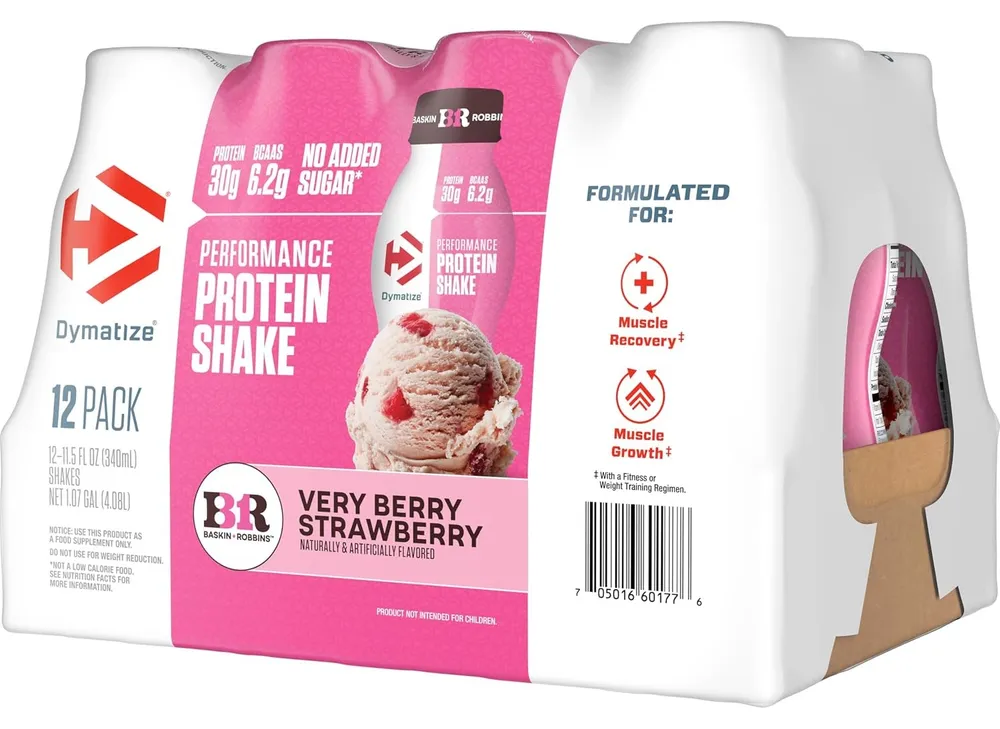
Dymatize Performance Protein Shake RTD
30g protein, zero added sugar, and a Baskin-Robbins collab that actually works
Dymatize built a heavy protein shake with 30g protein and no added sugar, with some awesome collabs.
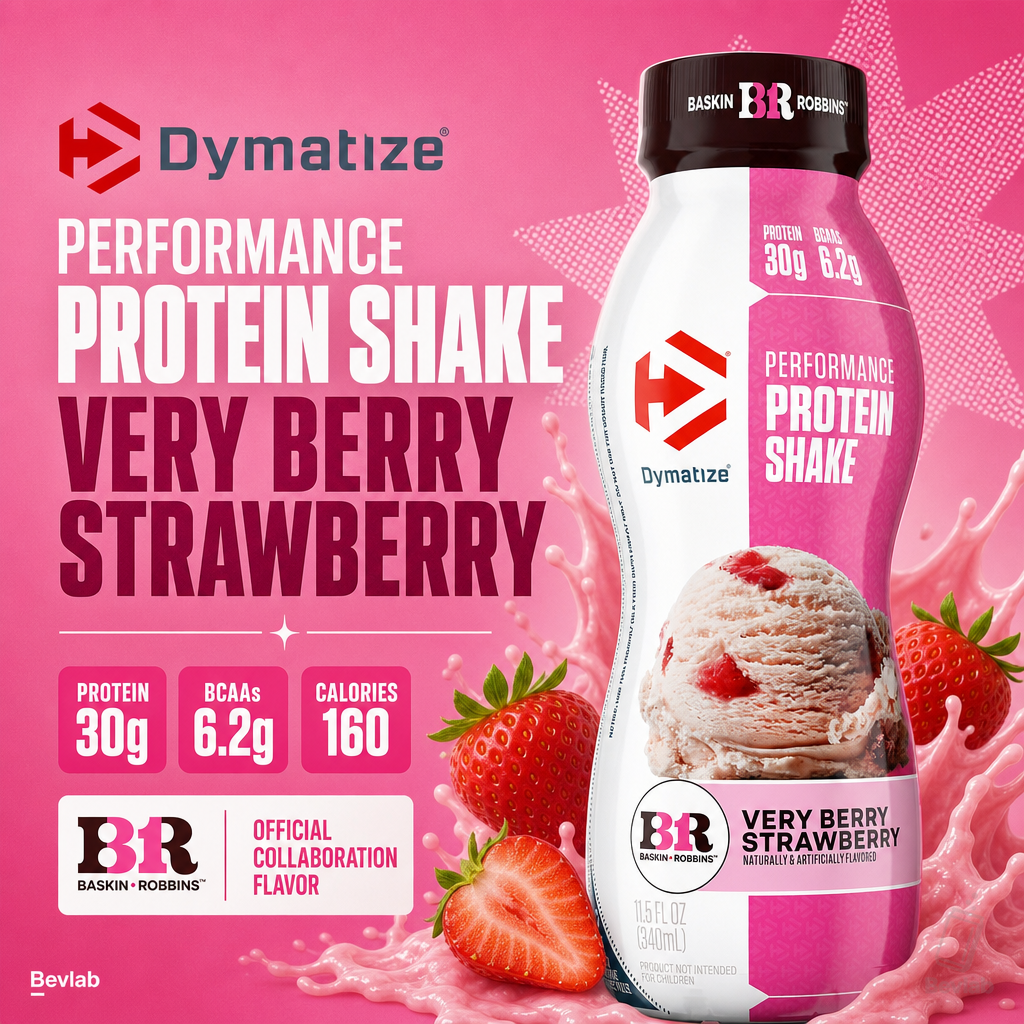
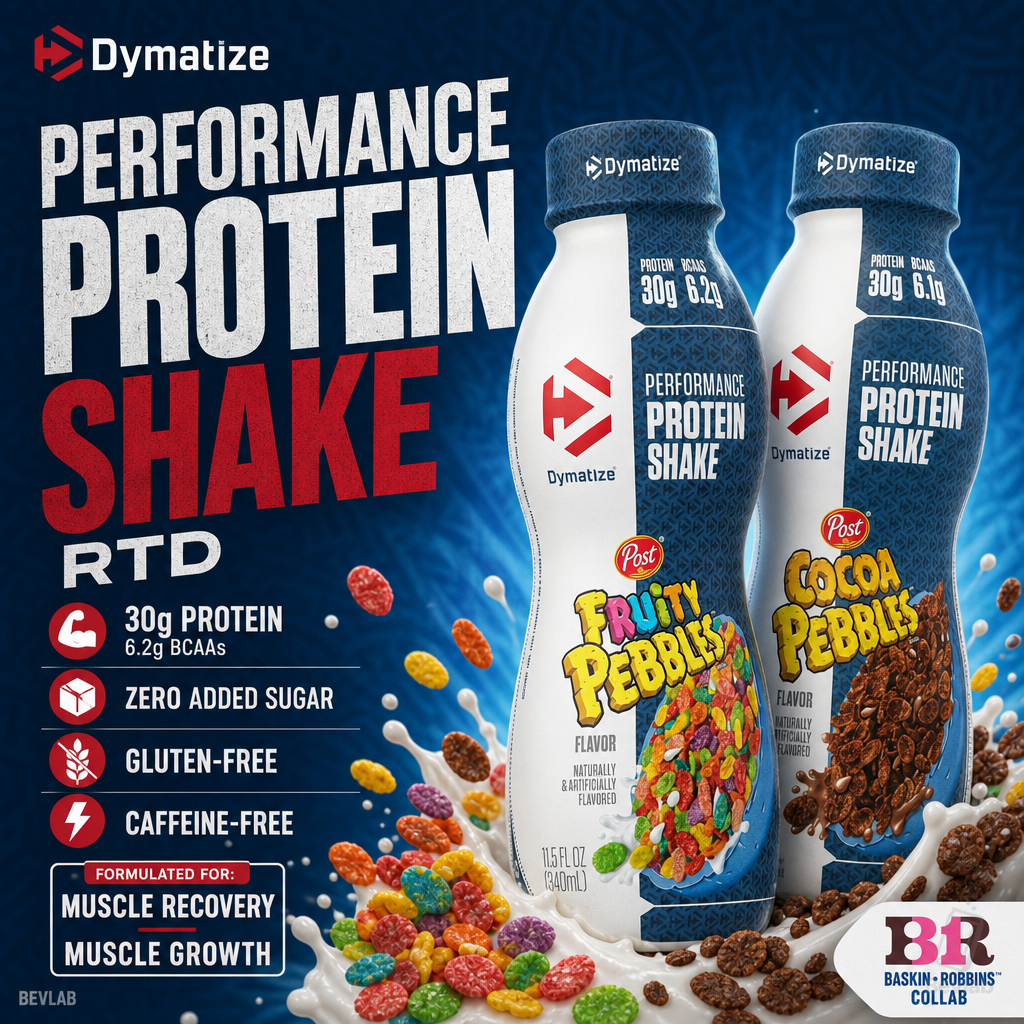
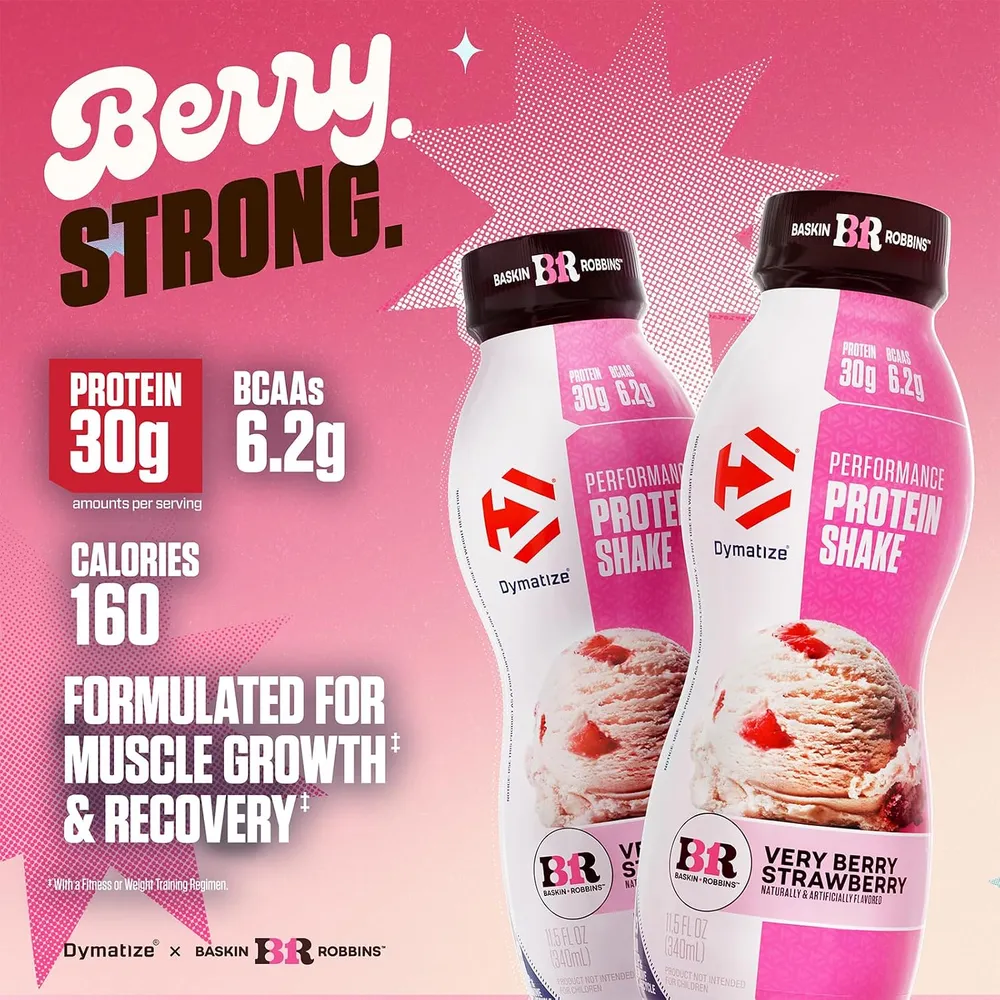
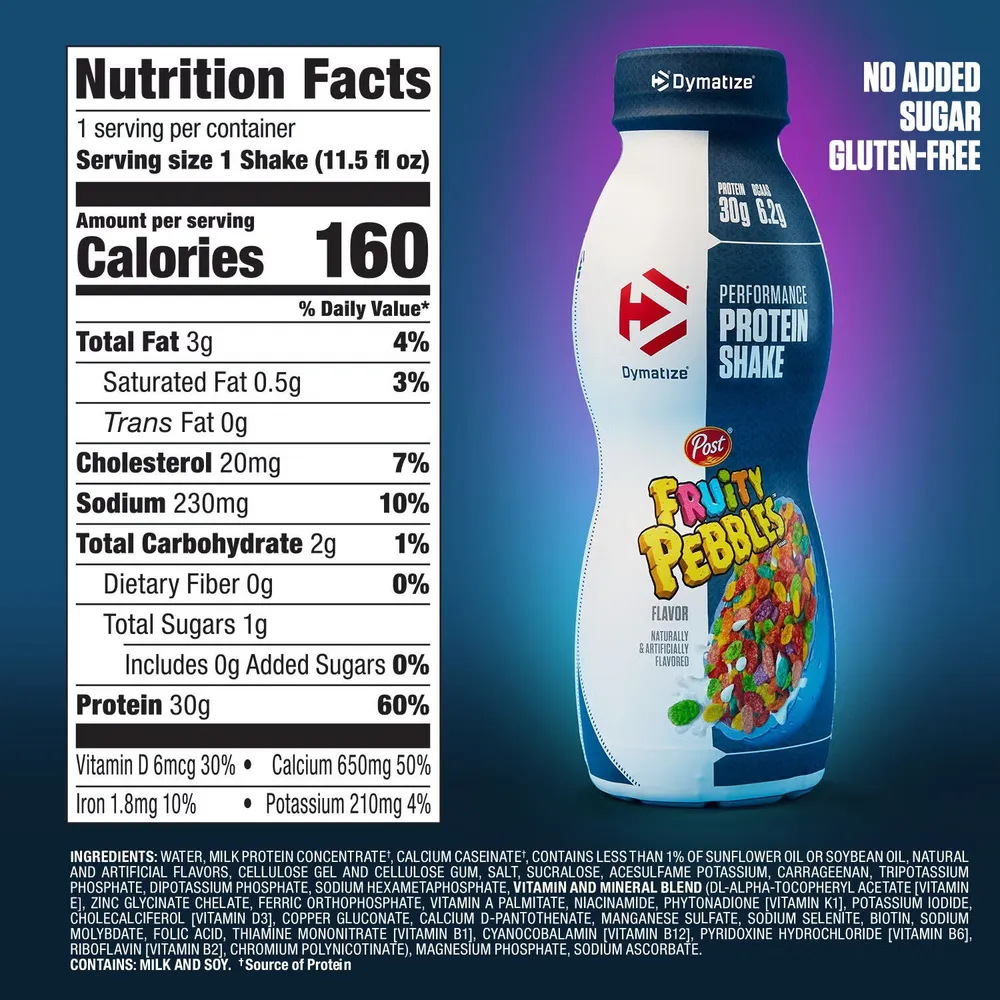
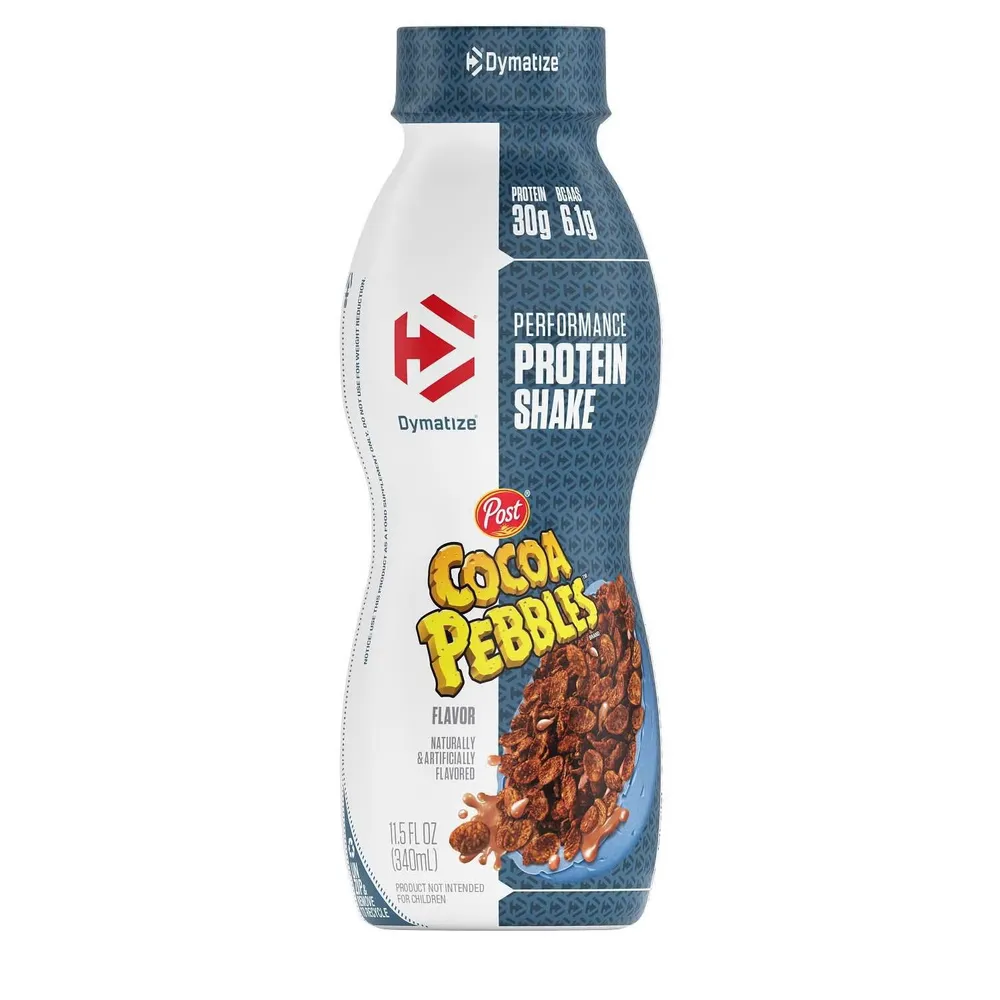
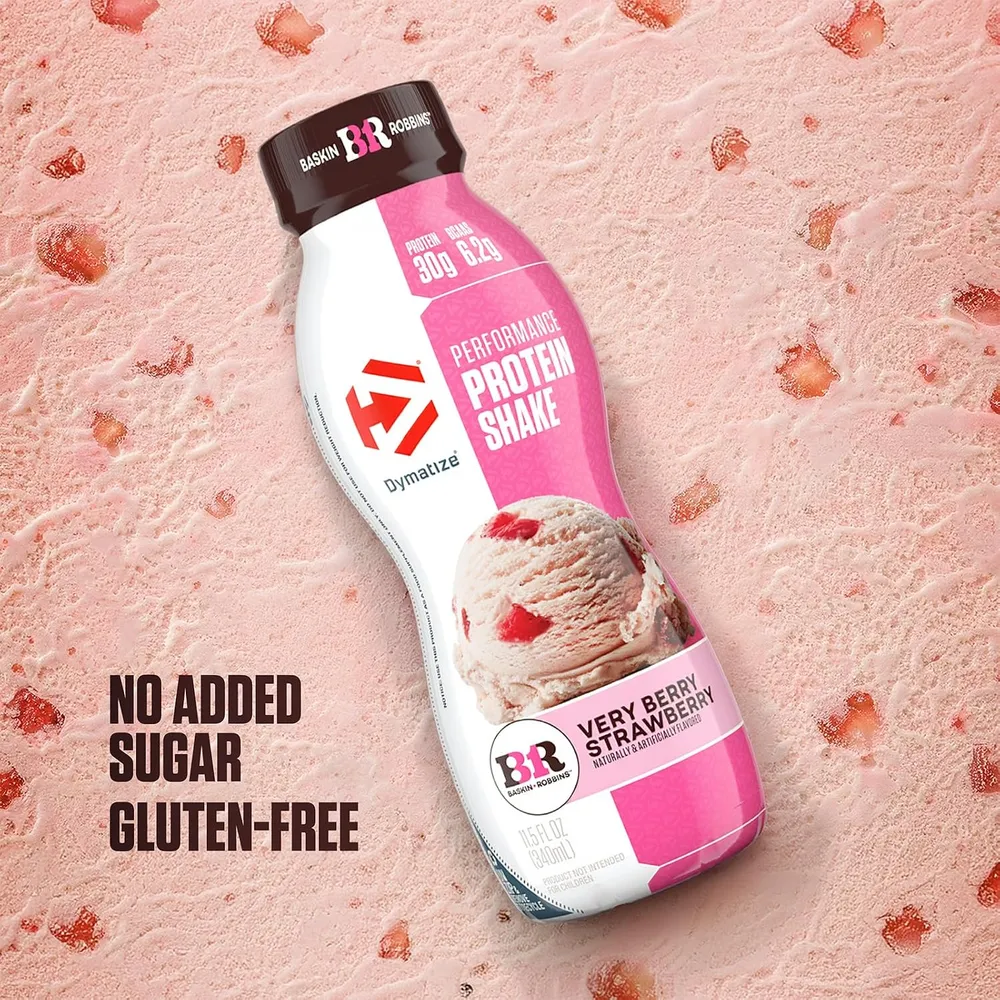
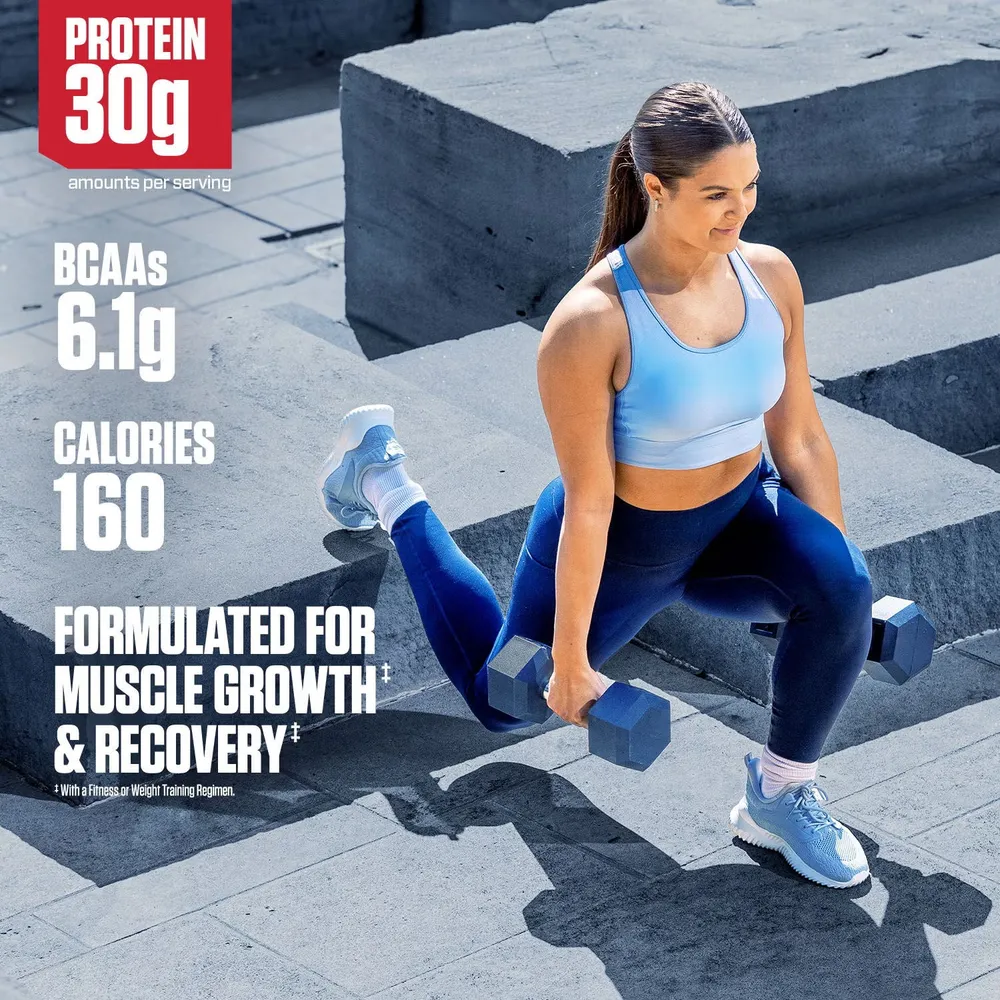
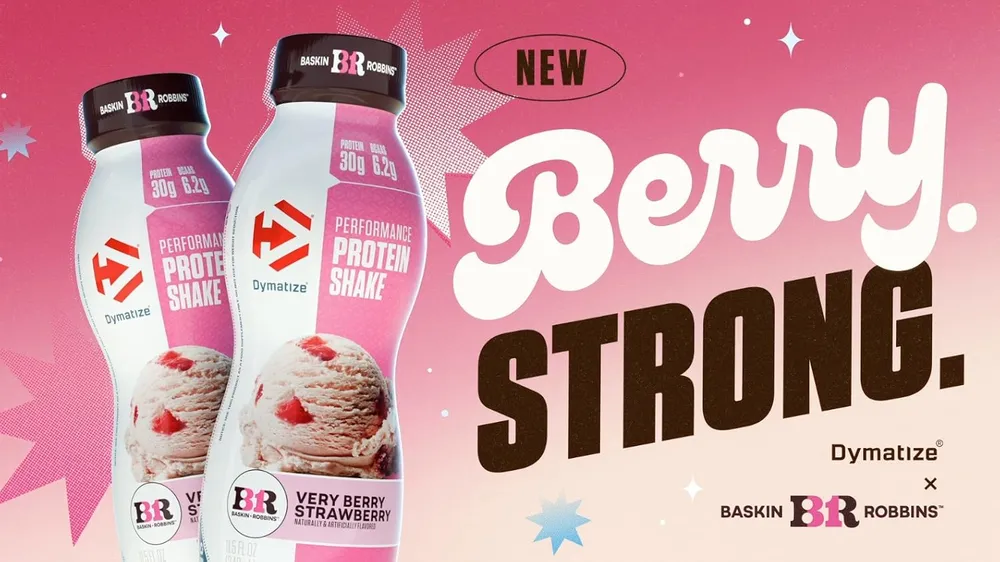
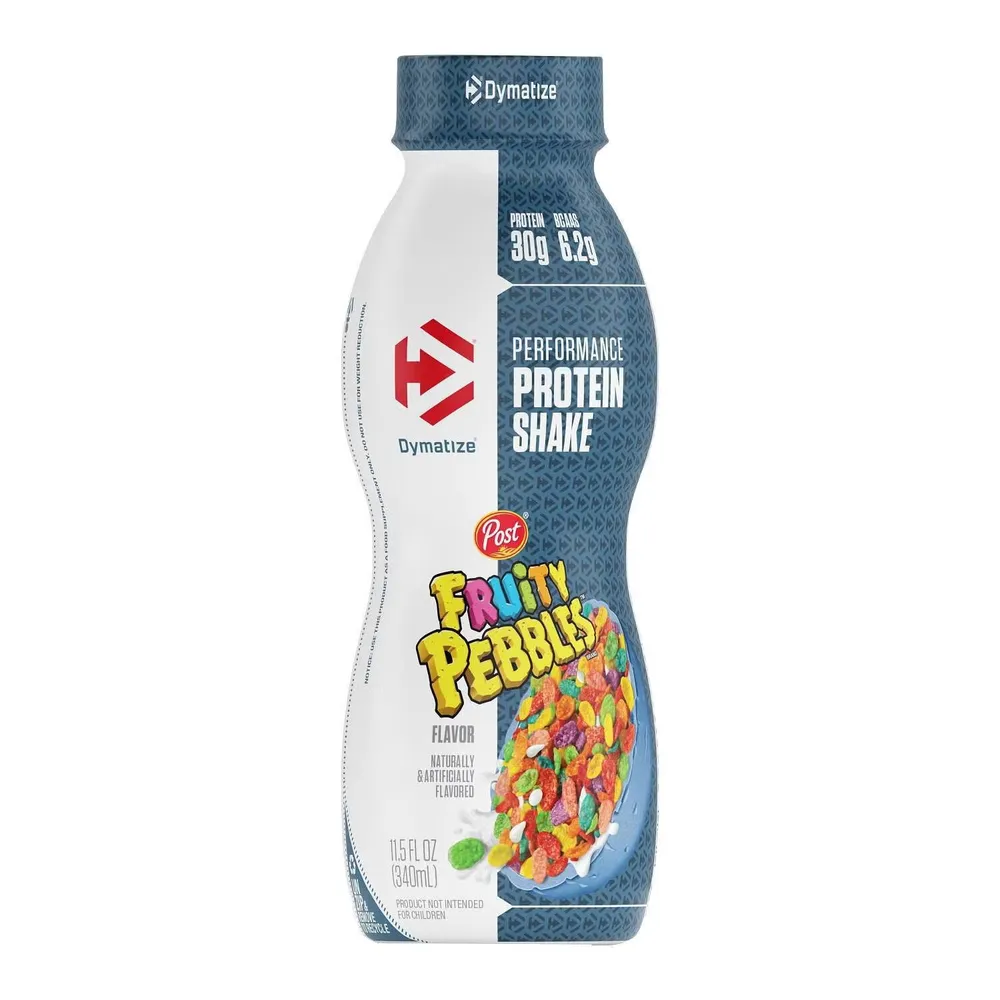
Ice cream, cereal, and protein shakes don't usually all belong in the same sentence, but that's exactly the pitch behind many of the Dymatize Performance Shake RTD flavors, which is a bottled RTD built in collaboration with some of your childhood favorites. It's not exactly the cleanest blend of ingredients, but it does bring 30g protein, 160 calories, zero added sugar, and is gluten-free and caffeine-free. The bottle also carries a "Formulated For: Muscle Recovery, Muscle Growth" claim, with the standard fine print that those benefits assume you're pairing it with an actual training regimen. Done and understood.
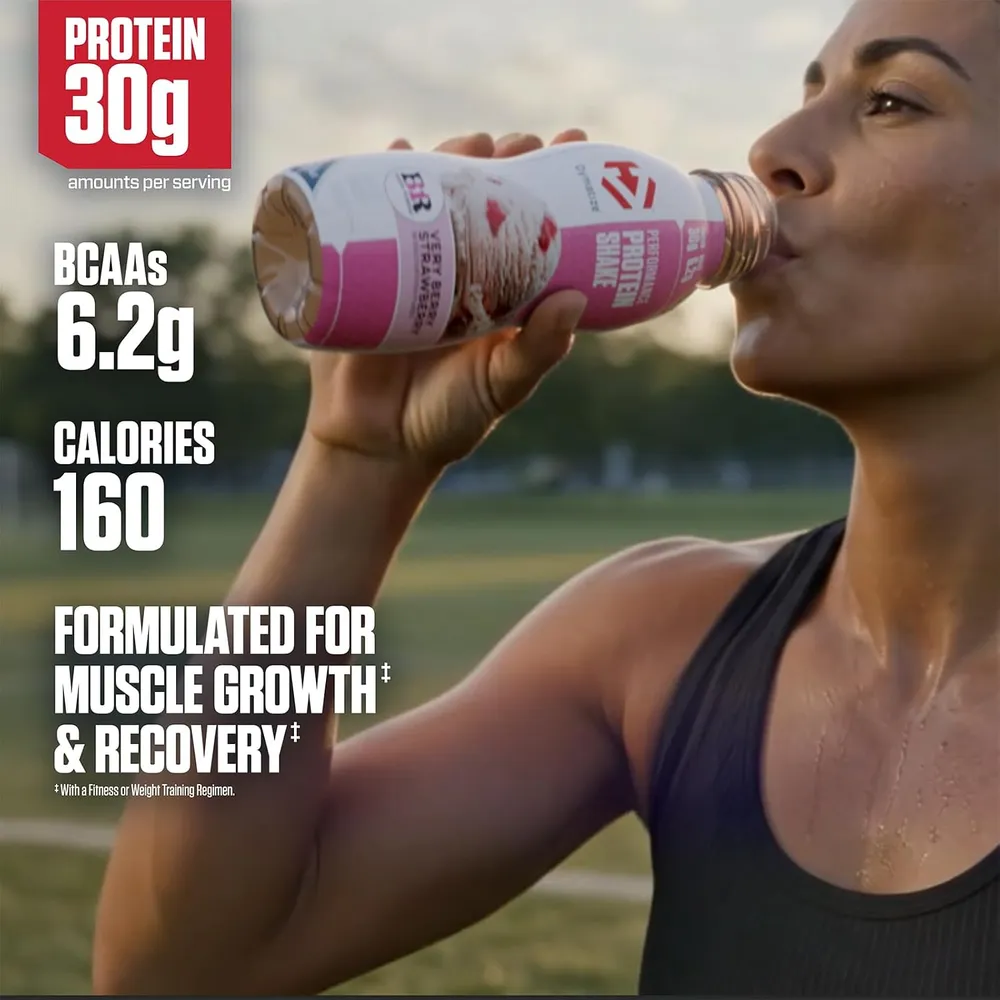
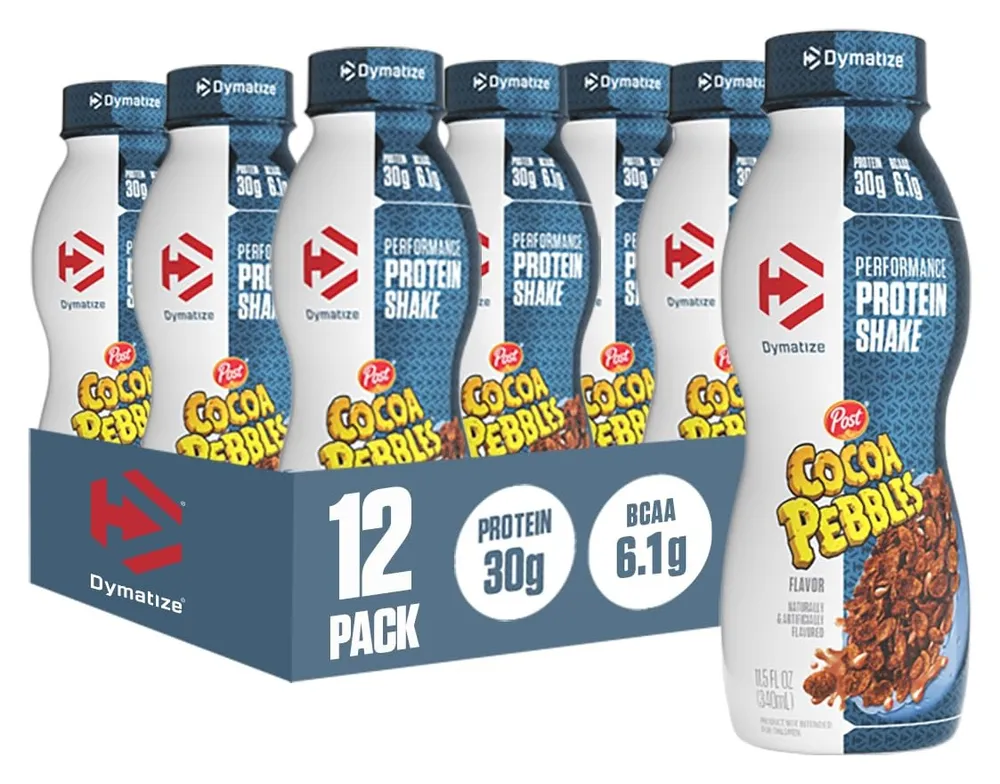
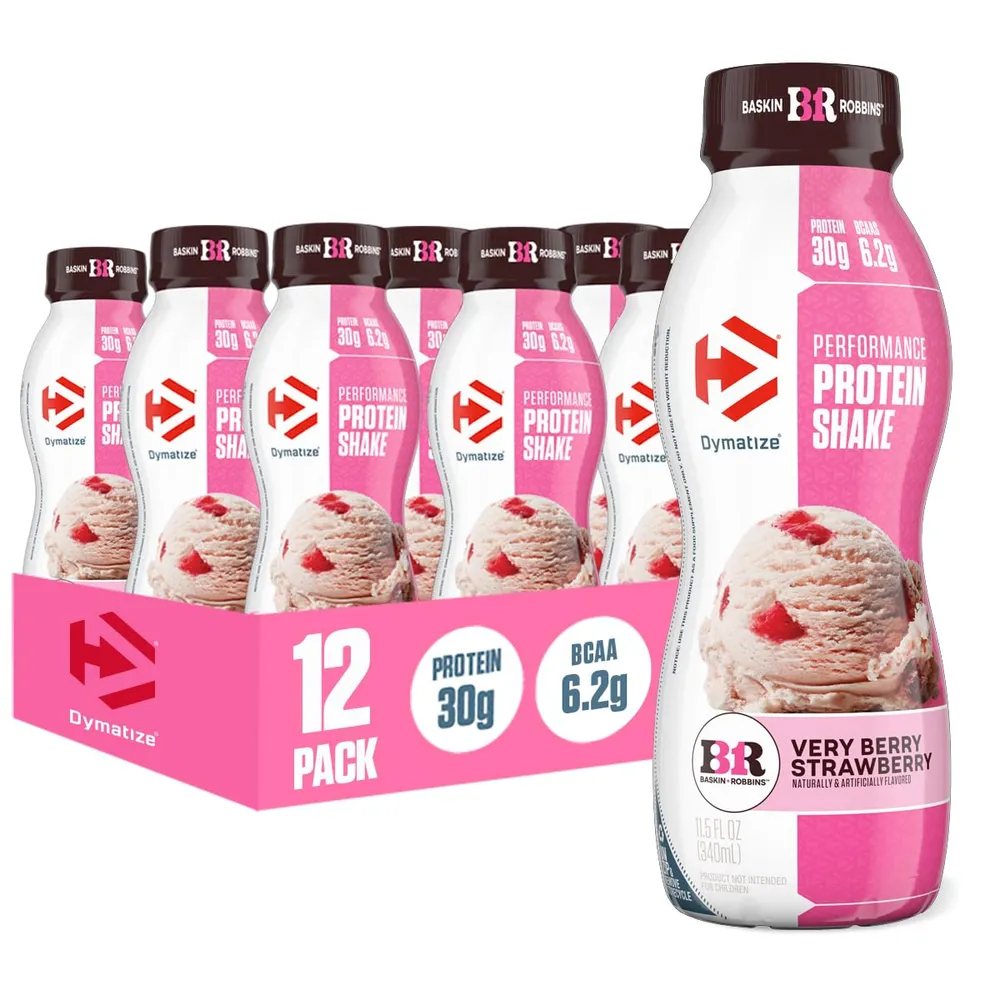
The propular drinks come in a single 11.5 fl oz bottle or a 12-pack, and the formula underneath the flavor collab is more interesting than a typical protein RTD, mostly because of what protein sources it leans on, some of the filler ingredients, and what it leaves out.
Dymatize Performance Protein Shake Nutrition Facts
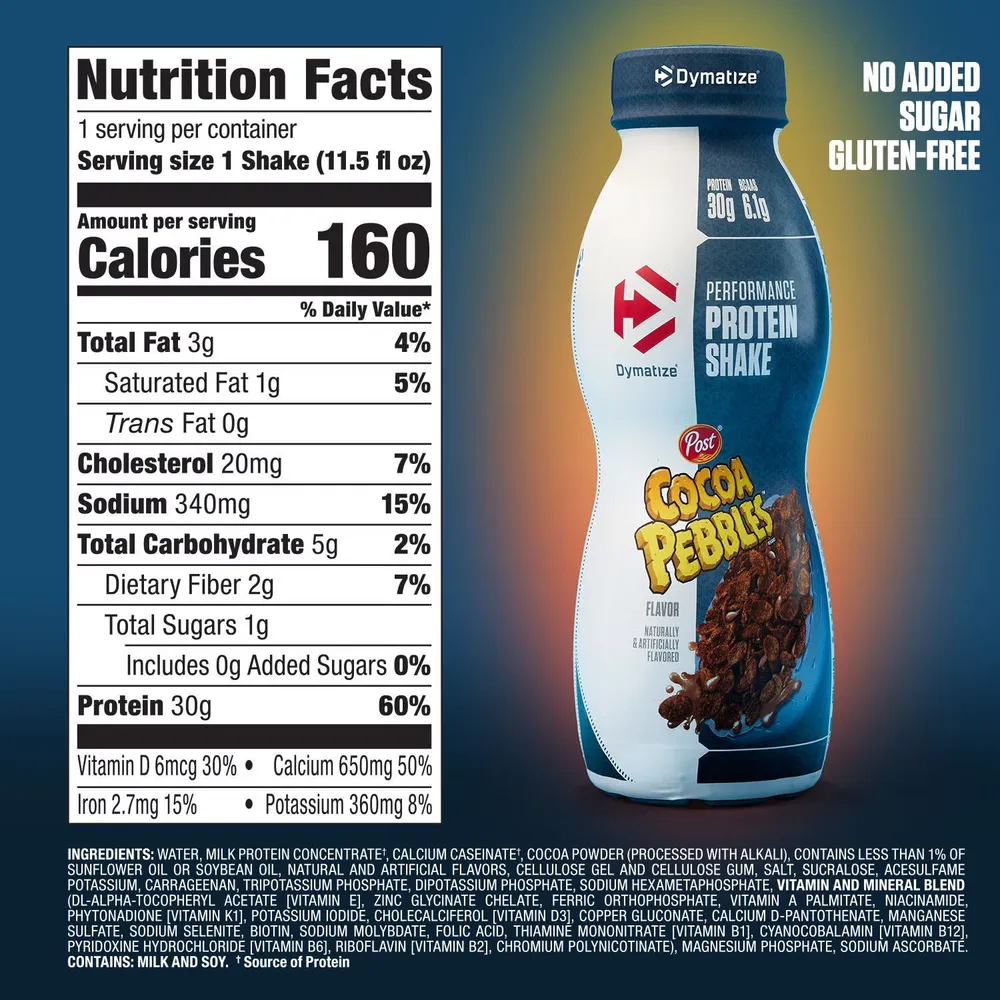
Macros will vary by flavor, but here's a sampling of one of them:
- Calories: 160
- Total Fat: 3g (4% DV)
- Saturated Fat: 0.5g (3% DV)
- Trans Fat: 0g
- Cholesterol: 20mg (7% DV)
- Sodium: 230mg (10% DV)
- Total Carbohydrate: 3g (1% DV)
- Dietary Fiber: 0g
- Total Sugars: 1g
- Added Sugars: 0g (0% DV)
- Protein: 30g (60% DV)
- Vitamin D: 6mcg (30% DV)
- Calcium: 650mg (50% DV)
- Iron: 1.8mg (10% DV)
- Potassium: 180mg (4% DV)
Dymatize Performance Protein Shake Ingredients
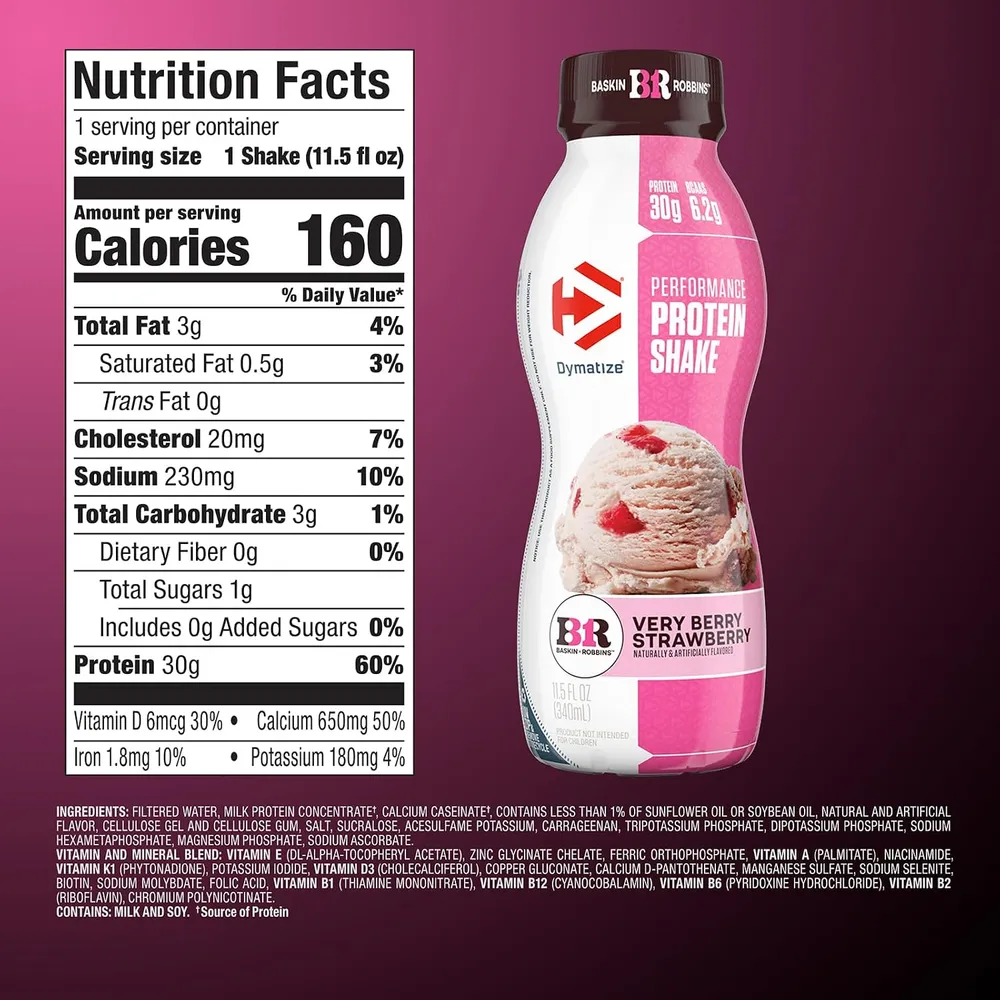
Each 11.5 fl oz serving provides the following:
-
Milk Protein Concentrate
Milk Protein Concentrate is milk's naturally occurring protein blend, roughly 80% casein and 20% whey, rather than an isolated single protein.[1] Because casein clots in the stomach and digests slowly while whey digests fast, MPC delivers a blended amino acid release instead of the sharp spike you'd get from whey isolate alone.[1] That slower-release profile lines up with resistance-training research: meta-analyses pooling dozens of trials found protein supplementation meaningfully increases fat-free mass and strength gains during training programs.[2,3] Dymatize doesn't break out how much of the 30g protein total comes from MPC versus the calcium caseinate listed right after it, but since it's first on the ingredient list, it's likely the larger share.
-
Calcium Caseinate
Calcium caseinate is essentially pure casein, the protein responsible for milk's "curd" effect once it hits stomach acid.[4] That's part of why this can leans on the "muscle recovery" claim: casein produces a long, steady trickle of amino acids into your bloodstream rather than a fast spike, and studies testing casein before sleep have shown it supports overnight muscle protein synthesis in a way whey alone doesn't replicate as well.[5,6] A 12-week resistance-training study using nightly casein found real gains in muscle mass and strength versus a non-caloric placebo.[7] The front label also touts 6.2g of BCAAs, which come baked into this casein-and-milk-protein blend rather than being separately dosed. It's a solid branched-chain load for a protein shake, just a naturally occurring one, not an extra add-in.
-
Filtered Water
Filtered water is the base of this shake, and it's doing more than just diluting things. Water is the primary transport medium for every nutrient in the can, and even mild dehydration, as little as 1-2% of body weight, is enough to blunt concentration and physical performance.[8] For a product positioned around training and recovery, that's a quiet but real supporting role.
-
Natural and Artificial Flavor
Natural and artificial flavors are what turn a plain protein-and-water base into something that tastes like Very Berry Strawberry instead of chalky milk. The "natural" versus "artificial" split sounds like a big deal, but it's a regulatory distinction based on source, not a difference in safety or even chemical identity.[9] Flavor systems like this also commonly help mask the slightly bitter or metallic notes that come from a dense vitamin and mineral blend, working alongside sweeteners to keep the overall taste balanced.[10] Given how loaded this can's micronutrient stack is, that masking job is probably doing real work here.
-
Salt
Salt shows up in nearly every protein RTD for a reason beyond taste. Sodium regulates fluid balance, and it also has a documented flavor role: it suppresses bitterness more than it suppresses sweetness, which helps offset some of the metallic aftertaste that comes from a protein-plus-vitamin blend like this one.[11] At 230mg per serving (10% DV), this is a formulation-level sodium dose, not a hydration-focused one.
-
Sucralose
Sucralose is the main reason this can claims zero added sugar while still tasting like dessert. It's roughly 600 times sweeter than table sugar by weight, so only a tiny amount is needed. The catch is that its effect on blood sugar handling isn't as settled as marketing usually suggests: one 14-day trial found a measurable dip in insulin sensitivity in healthy adults at a dose near 15% of the acceptable daily intake, while a larger randomized trial found no meaningful change in fasting glucose, insulin, or HbA1c after two weeks.[12,13] For an occasional protein shake, that's not something to lose sleep over, but it's a more nuanced picture than "sucralose is inert."
-
Acesulfame Potassium
Acesulfame potassium (Ace-K) is almost always paired with sucralose because the combination tastes closer to real sugar than either sweetener alone, and it holds up well in a shelf-stable can like this one. In a randomized crossover trial, a sucralose-and-Ace-K blend actually produced a lower post-meal insulin response than sucrose, without leading people to eat more later in the day.[14] Most of the more concerning Ace-K findings, like gut microbiota shifts or pancreatic effects, come from animal studies using doses well above what a beverage like this would ever deliver.[15]
-
Carrageenan

Carrageenan is a seaweed-derived thickener that keeps this shake's texture smooth and stops the protein from settling out in the can. It's one of the more debated additives in food science: EFSA's official safety review found no genotoxicity or carcinogenicity concern for food-grade carrageenan and didn't flag a numerical intake limit as necessary.[16] At the same time, small human trials have found carrageenan can measurably increase intestinal permeability, and observational cohort data have linked higher carrageenan intake to a modestly elevated risk of type 2 diabetes.[17,18] The evidence isn't fully settled, and the amount used in a beverage like this is well below the levels tested in most of the concerning animal work. However, if this gives you some gut troubles, you may want to look into this ingredient.
-
Tripotassium Phosphate, Dipotassium Phosphate, Sodium Hexametaphosphate
Sodium hexametaphosphate is a food-technology workhorse in protein beverages. It chelates calcium ions inside the casein micelle, which is exactly what keeps a 30g-protein RTD like this from clumping, curdling, or separating on a shelf for months.[19,20] The tradeoff is that phosphate additives are also the dominant source of "hidden" dietary phosphorus in packaged food, since they absorb far more completely than the organic phosphorus naturally bound in whole foods.[21] EFSA's re-evaluation set a group acceptable daily intake for these additives specifically because of that bioavailability difference.[22] One shake isn't going to move that needle much, but it explains why phosphates show up here alongside the tripotassium and dipotassium phosphate used for the same purpose.
-
Microcrystalline Cellulose
Microcrystalline cellulose (cellulose gel) is purified plant fiber used almost entirely for texture rather than nutrition. In beverages, it helps stabilize the protein dispersion and prevent settling, and EFSA's most recent safety re-evaluation found no need for a numerical intake limit given how it's typically used in food.[23] It's functionally inert from a health standpoint, quietly doing formulation work in the background of the can.
-
Cellulose Gum
Cellulose gum (sodium carboxymethylcellulose) works alongside the microcrystalline cellulose above to control viscosity and keep the mouthfeel consistent from the first sip to the last. Human trials using much higher doses than any beverage would ever deliver have found it can shift gut bacteria and reduce short-chain fatty acid production, though the same research found no increase in measured inflammatory markers at more realistic intake levels.[24]
-
Vitamins and Minerals
Dymatize includes a full "Vitamin and Mineral Blend" on this label, but only Vitamin D, calcium, iron, and potassium get individual amounts disclosed in the Nutrition Facts panel. Everything else in the blend below is included at an undisclosed dose.
-
Vitamin D3 (as Cholecalciferol) - 6mcg (30% DV)
Vitamin D3 is dosed at 30% of the daily value here, a reasonable fortification level. It's essential for calcium absorption and bone health, though the evidence for extra benefits beyond correcting a deficiency, like fracture prevention, is weaker than supplement marketing usually implies.[25]
-
Calcium (as Calcium Caseinate) - 650mg (50% DV)
Calcium is dosed heavily here at 650mg, half your daily value in one shake. Its best-supported use case is bone density and fracture prevention in adults over 50, backed by a meta-analysis of nearly 64,000 participants.[26] At this level, it's also functioning as a structural part of the caseinate protein itself.
-
Iron - 1.8mg (10% DV)
Iron is included at a modest fortification dose rather than a therapeutic one. It's essential for oxygen transport and energy metabolism, and deficiency remains one of the most common nutritional shortfalls worldwide, especially in menstruating women and endurance athletes.[27,28]
-
Ferric Orthophosphate (Ferric Phosphate)
The iron here specifically comes from ferric orthophosphate, a form whose real-world bioavailability swings widely depending on particle size and processing rather than being a fixed number. Older studies on conventional ferric orthophosphate found it performed poorly relative to ferrous sulfate, while newer micronized and nanostructured versions absorb dramatically better.[29,30] The label doesn't specify which grade is used here.
-
Potassium - 180mg (4% DV)
Potassium comes in modestly at 180mg. It's one of the more well-supported minerals for blood pressure and cardiovascular health, though most research uses supplemental potassium in the thousands of milligrams, well above what this can delivers on its own.[31]
-
Niacin (as Niacinamide)
Niacin here is niacinamide, the form that won't trigger the flushing sensation associated with high-dose nicotinic acid. It plays a foundational role in cellular energy metabolism through NAD+.[32]
-
Vitamin B5 (as Calcium D-Pantothenate)
Vitamin B5 (pantothenic acid) is the direct precursor to Coenzyme A, a molecule involved in roughly 4% of all enzymatic reactions in the body, mostly tied to energy metabolism.[33]
-
Biotin
Biotin makes the popular hair-and-nails claim, but that evidence base is thin outside of people with an actual biotin deficiency.[34] Its more defensible role is as a cofactor for fat and glucose metabolism.
-
Folic Acid
Folic acid is the synthetic, heat-stable form of vitamin B9. It's best known for reducing neural tube defect risk when taken before and during early pregnancy, a benefit backed by decades-old randomized trial data.[35] For most other adults, it's routine fortification.
-
Magnesium (as Magnesium Phosphate)
Magnesium is present as magnesium phosphate, though the milligram amount isn't disclosed. It's involved in over 300 enzymatic reactions and has reasonable trial support for modestly lowering blood pressure and easing post-exercise muscle soreness.[36,37]
-
Vitamin C (as Sodium Ascorbate)
Vitamin C here comes as sodium ascorbate, a buffered salt form of ascorbic acid. Its best-supported human benefit is a modest reduction in cold severity, not prevention, and that effect shows up at gram-level doses well above whatever fortification amount is used here.[38]
-
Vitamin E (as DL-Alpha-Tocopheryl Acetate)
Vitamin E is included as DL-alpha-tocopheryl acetate, the synthetic form common in fortified foods. Worth noting: high-dose alpha-tocopherol supplementation of 400IU/day or more has been linked to a small increase in all-cause mortality in a large meta-analysis, though this is a fortification-level dose, not a megadose.[39]
-
Vitamin K (as Phytonadione)
Vitamin K as phytonadione (K1) supports normal blood clotting and, alongside vitamin D, helps direct calcium toward bone rather than soft tissue.[40] If you're on a blood thinner like warfarin, it's worth knowing this shake contains it.
-
Zinc (as Zinc Glycinate Chelate)
Zinc is delivered as zinc glycinate chelate, a well-absorbed chelated form. It supports immune function and wound healing, and some trials link adequate zinc status to better sleep quality, though effects are strongest in people who start out deficient.[41]
-
Iodine (as Potassium Iodide)
Iodine as potassium iodide supports normal thyroid hormone production.[42] Most adults get enough from diet alone, so this is routine fortification rather than a targeted thyroid dose.
-
Vitamin A (as Retinyl Palmitate)
Vitamin A here comes as retinyl palmitate, the preformed, storage form of the vitamin. At standard fortification doses this is routine, but it's worth knowing pharmacologic-dose retinyl palmitate trials in smokers found an increased risk of lung cancer and overall mortality, which is why regulators keep close tabs on upper intake levels for preformed vitamin A.[43,44] That generally doesn't apply at fortification-level amounts like this, but be careful because it adds up and bioaccumulates.
-
Molybdenum (as Sodium Molybdate)
Molybdenum is an essential trace mineral required for a handful of enzyme systems involved in processing sulfur-containing amino acids and purines.[45] True deficiency is rare, and this is a routine, undisclosed-dose inclusion.
-
Copper (as Copper Gluconate)
Copper as copper gluconate rounds out the trace mineral blend. It's essential for iron metabolism and antioxidant enzyme function, and supplemental doses in the low single-digit milligrams are generally well tolerated in human trials.[46]
-
Manganese (as Manganese Sulfate)
Manganese as manganese sulfate supports enzyme systems involved in bone formation and metabolism.[47] Manganese toxicity concerns are tied to environmental or occupational overexposure, not fortified beverages.
-
Selenium (as Sodium Selenite)
Selenium as sodium selenite supports thyroid hormone metabolism and antioxidant defense through selenoproteins.[48] Selenite is a well-studied form at nutritional doses, though selenium status is one nutrient where more isn't automatically better.[49]
-
Vitamin B6 (as Pyridoxine Hydrochloride)
Vitamin B6 as pyridoxine hydrochloride supports amino acid metabolism, which tracks in a 30g-protein shake. Worth flagging: chronic high-dose pyridoxine has been linked to peripheral neuropathy in case reports, though that's a gram-level concern, not a routine fortification one.[50]
-
Thiamine (as Thiamine Mononitrate)
Thiamine (vitamin B1) as thiamine mononitrate is a cofactor for enzymes that convert carbohydrates and amino acids into usable energy.[51] Standard, low-risk fortification.
-
Vitamin B12 (as Cyanocobalamin)
Vitamin B12 as cyanocobalamin is the most common, most stable form used in fortified foods. It's essential for red blood cell formation and nerve function, and it converts to the active coenzyme forms in the body just as effectively as pricier forms like methylcobalamin.[52]
-
Chromium (as Chromium Polynicotinate)
Chromium as chromium polynicotinate is included at an undisclosed dose. Its most-studied role is supporting insulin signaling and glucose metabolism, with the strongest trial evidence in people who already have insulin resistance rather than healthy adults.[53]
-
Riboflavin (Vitamin B2)
Riboflavin is a coenzyme precursor central to the body's antioxidant glutathione cycle and energy metabolism.[54] Standard fortification dose, nothing unusual here.
-
Phosphorus (as Tripotassium Phosphate, Dipotassium Phosphate)
Phosphorus here comes from the same tripotassium and dipotassium phosphate covered above, doing double duty as both a mineral nutrient and a functional stabilizer. It's essential for bone structure and cellular energy via ATP, but it's also one of the more scrutinized additives in packaged food since additive-derived phosphorus absorbs far more completely than the kind naturally found in whole food.[55]
-
-
Other Ingredients
-
Sunflower Oil or Soybean Oil (less than 1% of the formula) - The label lists this as an "or" ingredient, so there's no way to know which oil actually ends up in a given bottle. If it's sunflower oil, it's a linoleic-acid-dominant polyunsaturated fat that's more prone to oxidation when repeatedly heated to high temperatures, though that's more of a frying-oil concern that doesn't apply to a cold-filled RTD shake. If it's soybean oil, it's also heavily polyunsaturated but contributes some alpha-linolenic acid alongside the linoleic acid.
Either way, at under 1% of the formula, it's functioning as a trace lipid carrier and smoothing agent. We'd rather not have these, and loathe the fact that they don't state which one it is, but at less than 1%, it's not the end of the world (unless you have allergies).
-
Who It's For
- Anytime-protein people, not just the post-workout crowd: Since this leans on casein rather than fast-digesting whey, it fits better as a meal-replacement or bedtime shake than an immediate post-lifting chugger.
- Caffeine-free, gluten-free shoppers: No stimulants and no gluten make this a fit for anyone avoiding either, without giving up a real 30g protein dose.
A Casein-Heavy Shake Dressed Up Like Dessert
This is a casein-and-caseinate-based RTD, not a fast-digesting whey shake, built to make 30g of protein and zero added sugar go down easy inside some super fun collabs. Skip it if you want a fast post-workout spike, but if you want a satisfying, caffeine-free protein hit that doubles as a mini dessert, this can delivers.
Follow @BevlabMedia on TikTok and Instagram for more product breakdowns like this one.
References
- Goulding, D.A. et al. "Milk proteins: An overview." Milk Proteins, 2020. https://doi.org/10.1016/B978-0-12-815251-5.00002-5
- Cermak, Naomi M, et al. "Protein supplementation augments the adaptive response of skeletal muscle to resistance-type exercise training: a meta-analysis." The American journal of clinical nutrition, 2012. https://doi.org/10.3945/ajcn.112.037556
- Morton, Robert W, et al. "A systematic review, meta-analysis and meta-regression of the effect of protein supplementation on resistance training-induced gains in muscle mass and strength in healthy adults." British journal of sports medicine, 2018. https://doi.org/10.1136/bjsports-2017-097608
- Boirie, Y, et al. "Slow and fast dietary proteins differently modulate postprandial protein accretion." Proceedings of the National Academy of Sciences of the United States of America, 1997. https://doi.org/10.1073/pnas.94.26.14930
- Groen, Bart B L, et al. "Intragastric protein administration stimulates overnight muscle protein synthesis in elderly men." American journal of physiology. Endocrinology and metabolism, 2012. https://doi.org/10.1152/ajpendo.00321.2011
- Kouw, Imre Wk, et al. "Protein Ingestion before Sleep Increases Overnight Muscle Protein Synthesis Rates in Healthy Older Men: A Randomized Controlled Trial." The Journal of nutrition, 2017. https://doi.org/10.3945/jn.117.254532
- Snijders, Tim, et al. "Protein Ingestion before Sleep Increases Muscle Mass and Strength Gains during Prolonged Resistance-Type Exercise Training in Healthy Young Men." The Journal of nutrition, 2015. https://doi.org/10.3945/jn.114.208371
- Riebl, Shaun K, et al. "The Hydration Equation: Update on Water Balance and Cognitive Performance." ACSM's health & fitness journal, 2013. https://doi.org/10.1249/FIT.0b013e3182a9570f
- Singh, Nidhi, et al. "Natural food flavours: a healthier alternative for bakery industry-a review." Journal of food science and technology, 2024. https://doi.org/10.1007/s13197-023-05782-4
- Coupland, John N, et al. "Physical approaches to masking bitter taste: lessons from food and pharmaceuticals." Pharmaceutical research, 2014. https://doi.org/10.1007/s11095-014-1480-6
- Breslin, P A, et al. "Salt enhances flavour by suppressing bitterness." Nature, 1997. https://doi.org/10.1038/42388
- Romo-Romo, Alonso, et al. "Sucralose decreases insulin sensitivity in healthy subjects: a randomized controlled trial." The American journal of clinical nutrition, 2018. https://doi.org/10.1093/ajcn/nqy152
- Suez, Jotham, et al. "Personalized microbiome-driven effects of non-nutritive sweeteners on human glucose tolerance." Cell, 2022. https://doi.org/10.1016/j.cell.2022.07.016
- Almiron-Roig, Eva, et al. "Impact of acute consumption of beverages containing plant-based or alternative sweetener blends on postprandial appetite, food intake, metabolism, and gastro-intestinal symptoms: Results of the SWEET beverages trial." Appetite, 2023. https://doi.org/10.1016/j.appet.2023.106515
- Chowdhury, Chandrama Roy, et al. "Beyond sweetness: A review of the health and safety of acesulfame-K." Food chemistry, 2026. https://doi.org/10.1016/j.foodchem.2025.147290
- EFSA, Panel on Food Additives and Nutrient Sources added to Food (ANS), et al. "Re-evaluation of carrageenan (E 407) and processed Eucheuma seaweed (E 407a) as food additives." EFSA journal. European Food Safety Authority, 2018. https://doi.org/10.2903/j.efsa.2018.5238
- Wagner, Robert, et al. "Carrageenan and insulin resistance in humans: a randomised double-blind cross-over trial." BMC medicine, 2024. https://doi.org/10.1186/s12916-024-03771-8
- Salame, Clara, et al. "Food additive emulsifiers and the risk of type 2 diabetes: analysis of data from the NutriNet-Santé prospective cohort study." The lancet. Diabetes & endocrinology, 2024. https://doi.org/10.1016/S2213-8587(24)00086-X
- Zaitoun, Baheeja J, et al. "The Influence of Sodium Hexametaphosphate Chain Length on the Physicochemical Properties of High-Milk Protein Dispersions." Foods (Basel, Switzerland), 2024. https://doi.org/10.3390/foods13091383
- Choi, Inseob, et al. "Physicochemical properties of skim milk powder dispersions prepared with calcium-chelating sodium tripolyphosphate, trisodium citrate, and sodium hexametaphosphate." Journal of dairy science, 2020. https://doi.org/10.3168/jds.2020-18644
- Ritz, Eberhard, et al. "Phosphate additives in food--a health risk." Deutsches Arzteblatt international, 2012. https://doi.org/10.3238/arztebl.2012.0049
- EFSA, Panel on Food Additives and Flavourings (FAF), et al. "Re-evaluation of phosphoric acid-phosphates - di-, tri- and polyphosphates (E 338-341, E 343, E 450-452) as food additives and the safety of proposed extension of use." EFSA journal. European Food Safety Authority, 2019. https://doi.org/10.2903/j.efsa.2019.5674
- EFSA, Panel on Food Additives and Nutrient Sources added to Food (ANS), et al. "Re‐evaluation of celluloses E 460(i), E 460(ii), E 461, E 462, E 463, E 464, E 465, E 466, E 468 and E 469 as food additives." EFSA Journal, 2018. https://doi.org/10.2903/j.efsa.2018.5047
- Wellens, Judith, et al. "Effect of Five Dietary Emulsifiers on Inflammation, Permeability, and the Gut Microbiome: A Placebo-controlled Randomized Trial." Clinical gastroenterology and hepatology : the official clinical practice journal of the American Gastroenterological Association, 2026. https://doi.org/10.1016/j.cgh.2025.08.005
- Bolland, Mark J, et al. "Effects Of Vitamin D Supplementation On Musculoskeletal Health A Systematic Review Meta Analysis And Trial Sequential Analysis." The lancet. Diabetes & endocrinology, 2018. https://doi.org/10.1016/S2213-8587(18)30265-1
- Clarke, B.L. "Use Of Calcium Or Calcium In Combination With Vitamin D Supplementation To Prevent Fractures And Bone Loss In People Aged 50 Years And Older A Meta Analysis." Yearbook of Endocrinology, 2008. https://doi.org/10.1016/s0084-3741(08)79096-6
- Camaschella, Clara. "Iron-deficiency anemia." The New England journal of medicine, 2015. https://doi.org/10.1056/NEJMra1401038
- McClung, James P, et al. "Female athletes: a population at risk of vitamin and mineral deficiencies affecting health and performance." Journal of trace elements in medicine and biology : organ of the Society for Minerals and Trace Elements (GMS), 2014. https://doi.org/10.1016/j.jtemb.2014.06.022
- Pennell, M D, et al. "Biological availability of iron supplements for rats, chicks and humans." The Journal of nutrition, 1976. https://doi.org/10.1093/jn/106.2.265
- Rohner, Fabian, et al. "Synthesis, characterization, and bioavailability in rats of ferric phosphate nanoparticles." The Journal of nutrition, 2007. https://doi.org/10.1093/jn/137.3.614
- He, Feng J, et al. "Beneficial effects of potassium on human health." Physiologia plantarum, 2008. https://doi.org/10.1111/j.1399-3054.2007.01033.x
- Yang, Yue, et al. "Nad Metabolism Bioenergetics Signaling And Manipulation For Therapy." Biochimica et Biophysica Acta (BBA) - Proteins and Proteomics, 2016. https://doi.org/10.1016/j.bbapap.2016.06.014
- Freese, Riitta, et al. "Pantothenic acid - a scoping review for Nordic Nutrition Recommendations 2023." Food & nutrition research, 2023. https://doi.org/10.29219/fnr.v67.10255
- Patel, Deepa P, et al. "A Review of the Use of Biotin for Hair Loss." Skin appendage disorders, 2017. https://doi.org/10.1159/000462981
- MRC, Vitamin Study Research Group. "Prevention of neural tube defects: Results of the Medical Research Council Vitamin Study." The Lancet, 1991. https://doi.org/10.1016/0140-6736(91)90133-A
- Alharran, Abdullah M, et al. "Impact Of Magnesium Supplementation On Blood Pressure An Umbrella Meta Analysis Of Randomized Controlled Trials." Current therapeutic research, clinical and experimental, 2024. https://doi.org/10.1016/j.curtheres.2024.100755
- Tarsitano, Maria Grazia, et al. "Effects Of Magnesium Supplementation On Muscle Soreness In Different Type Of Physical Activities A Systematic Review." Journal of translational medicine, 2024. https://doi.org/10.1186/s12967-024-05434-x
- Hemilä, Harri, et al. "Vitamin C reduces the severity of common colds: a meta-analysis." BMC public health, 2023. https://doi.org/10.1186/s12889-023-17229-8
- Miller, Edgar R, et al. "Meta-analysis: high-dosage vitamin E supplementation may increase all-cause mortality." Annals of internal medicine, 2005. https://doi.org/10.7326/0003-4819-142-1-200501040-00110
- "The Synergistic Interplay Between Vitamins D And K For Bone And Cardiovascular Health A Narrative Review."
- Jazinaki, Mostafa Shahraki, et al. "Effects Of Zinc Supplementation On Sleep Quality In Humans A Systematic Review Of Randomized Controlled Trials." Health science reports, 2024. https://doi.org/10.1002/hsr2.70019
- Delić, Tea, et al. "Iodine in Health and Disease: A Comprehensive Review." Nutrients, 2026. https://doi.org/10.3390/nu18081262
- Omenn, G S, et al. "Effects of a combination of beta carotene and vitamin A on lung cancer and cardiovascular disease." The New England journal of medicine, 1996. https://doi.org/10.1056/nejm199605023341802
- EFSA Panel on Nutrition, Novel Foods and Food Allergens (NDA), et al. "Scientific opinion on the tolerable upper intake level for preformed vitamin A and β-carotene." EFSA journal. European Food Safety Authority, 2024. https://doi.org/10.2903/j.efsa.2024.8814
- Mendel, Ralf R. "The molybdenum cofactor." The Journal of biological chemistry, 2013. https://doi.org/10.1074/jbc.R113.455311
- DiSilvestro, Robert A, et al. "A randomized trial of copper supplementation effects on blood copper enzyme activities and parameters related to cardiovascular health." Metabolism: clinical and experimental, 2012. https://doi.org/10.1016/j.metabol.2012.02.002
- Martins, Airton C, et al. "Manganese in the Diet: Bioaccessibility, Adequate Intake, and Neurotoxicological Effects." Journal of agricultural and food chemistry, 2020. https://doi.org/10.1021/acs.jafc.0c00641
- Fairweather-Tait, Susan J, et al. "Selenium in human health and disease." Antioxidants & redox signaling, 2011. https://doi.org/10.1089/ars.2010.3275
- Rayman, Margaret P. "Selenium and human health." Lancet (London, England), 2012. https://doi.org/10.1016/S0140-6736(11)61452-9
- Muhamad, Raman, et al. "The Role Of Vitamin B6 In Peripheral Neuropathy A Systematic Review." Nutrients, 2023. https://doi.org/10.3390/nu15132823
- Whitfield, Kyly C, et al. "Thiamine deficiency disorders: diagnosis, prevalence, and a roadmap for global control programs." Annals of the New York Academy of Sciences, 2018. https://doi.org/10.1111/nyas.13919
- Obeid, Rima, et al. "Cobalamin Coenzyme Forms Are Not Likely To Be Superior To Cyano And Hydroxyl Cobalamin In Prevention Or Treatment Of Cobalamin Deficiency." Molecular Nutrition & Food Research, 2015. https://doi.org/10.1002/mnfr.201500019
- Georgaki, Maria-Nefeli, et al. "Chromium supplementation and type 2 diabetes mellitus: an extensive systematic review." Environmental geochemistry and health, 2024. https://doi.org/10.1007/s10653-024-02297-5
- Saedisomeolia, Ahmad, et al. "Riboflavin in Human Health: A Review of Current Evidences." Advances in food and nutrition research, 2018. https://doi.org/10.1016/bs.afnr.2017.11.002
- Calvo, Mona S, et al. "Industrial Use of Phosphate Food Additives: A Mechanism Linking Ultra-Processed Food Intake to Cardiorenal Disease Risk?." Nutrients, 2023. https://doi.org/10.3390/nu15163510
Related Coverage
Tagged