Gorilla Mind Energy Drink
Derek's RTD bet -- 1000mg NALT, 400mg Alpha-GPC, and huperzine in a 16-oz can
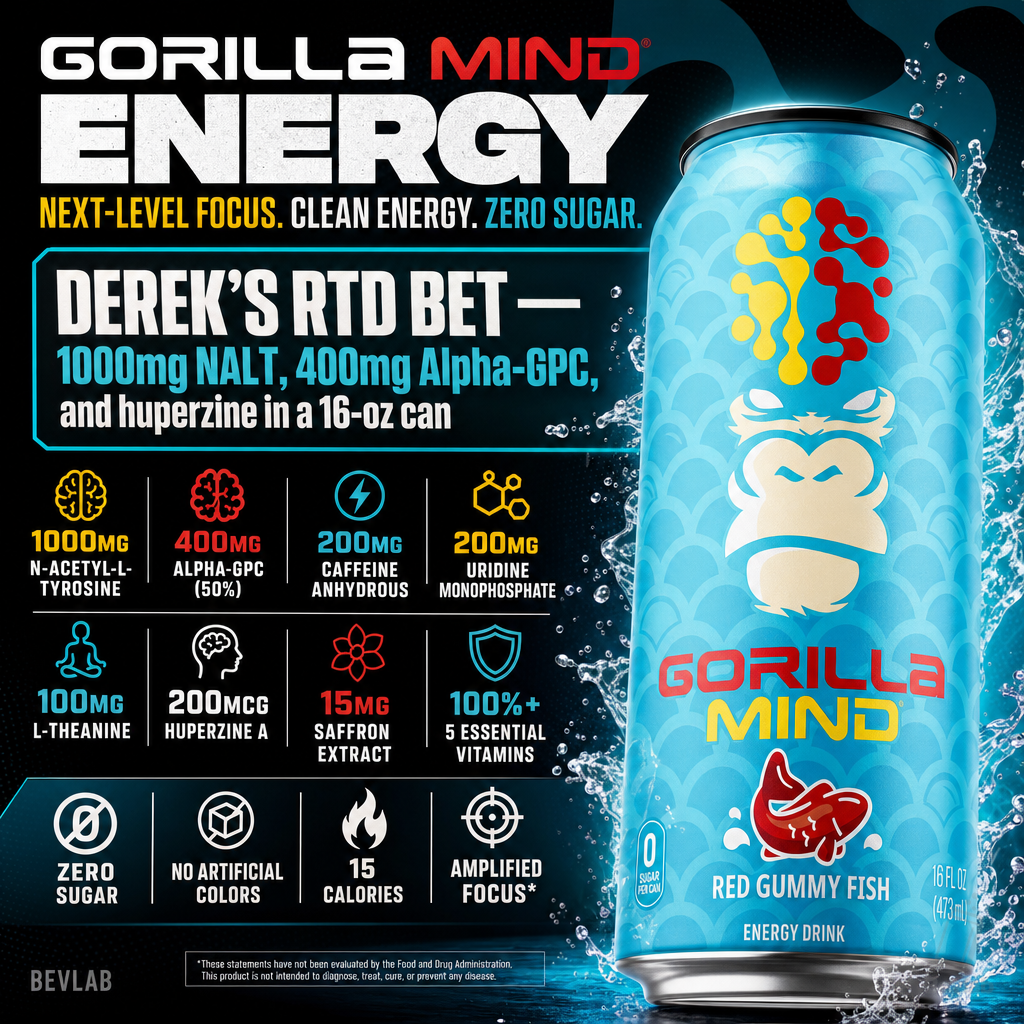
Gorilla Mind Energy packs a massive nootrpoic formula and even adds saffron to a zero-sugar 16-oz can.
Most energy drinks earn their stripes on caffeine and B vitamins. Gorilla Mind Energy Drink earns its by treating the category as a nootropic delivery system. Creator Derek of More Plates More Dates spent over a year engineering this formula to suspend a legitimate cognitive stack inside a 16-oz RTD, and the ingredient list reads less like a Monster knockoff and more like a focus supplement that also happens to taste like candy. We're talking 1000mg N-Acetyl-L-Tyrosine, 400mg Alpha-GPC, 200mg uridine monophosphate, huperzine A, and saffron extract in the same can as 200mg caffeine and 100mg L-theanine. Zero sugar, no artificial colors, 15 calories.
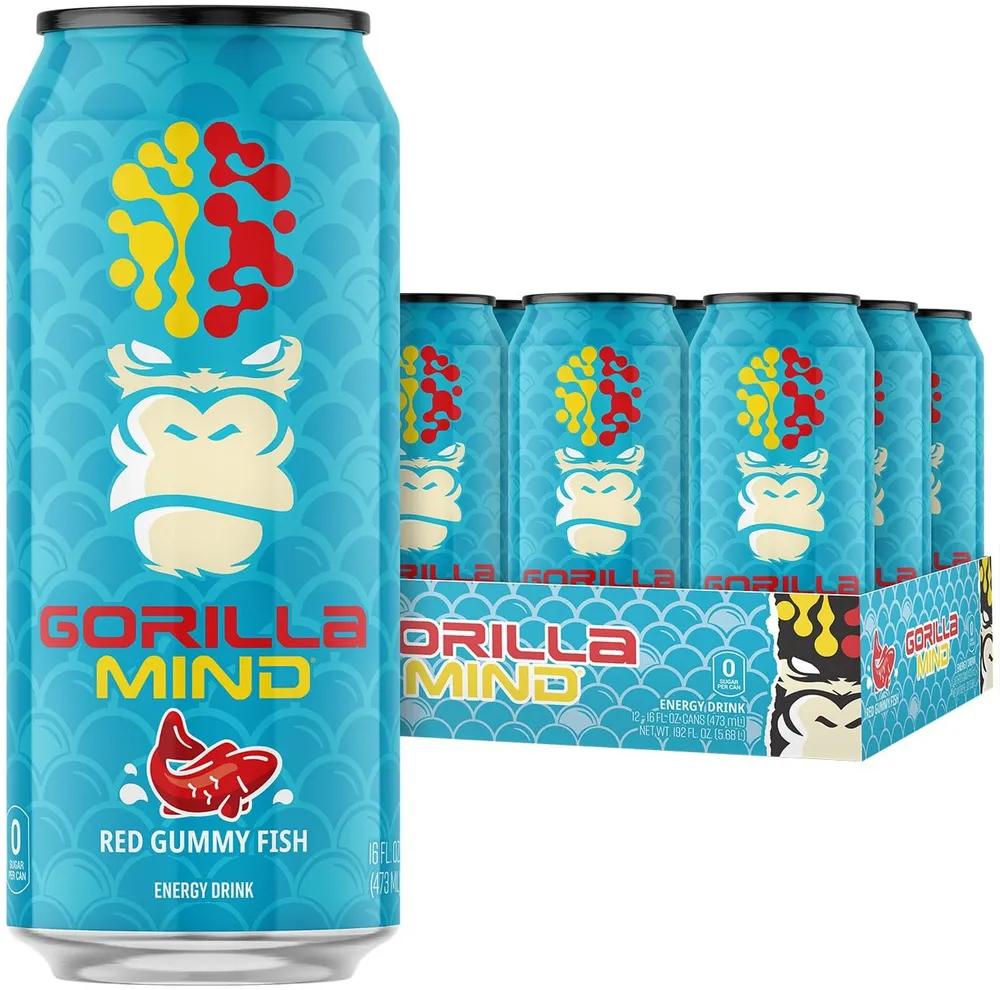
If you crack one of these expecting a standard energy drink experience, you might be surprised. If you're the kind of person who already thinks about dopamine and acetylcholine support before choosing a pre-workout, this was built for you.
Watch Related Videos
Bevlab VideosProduct Review
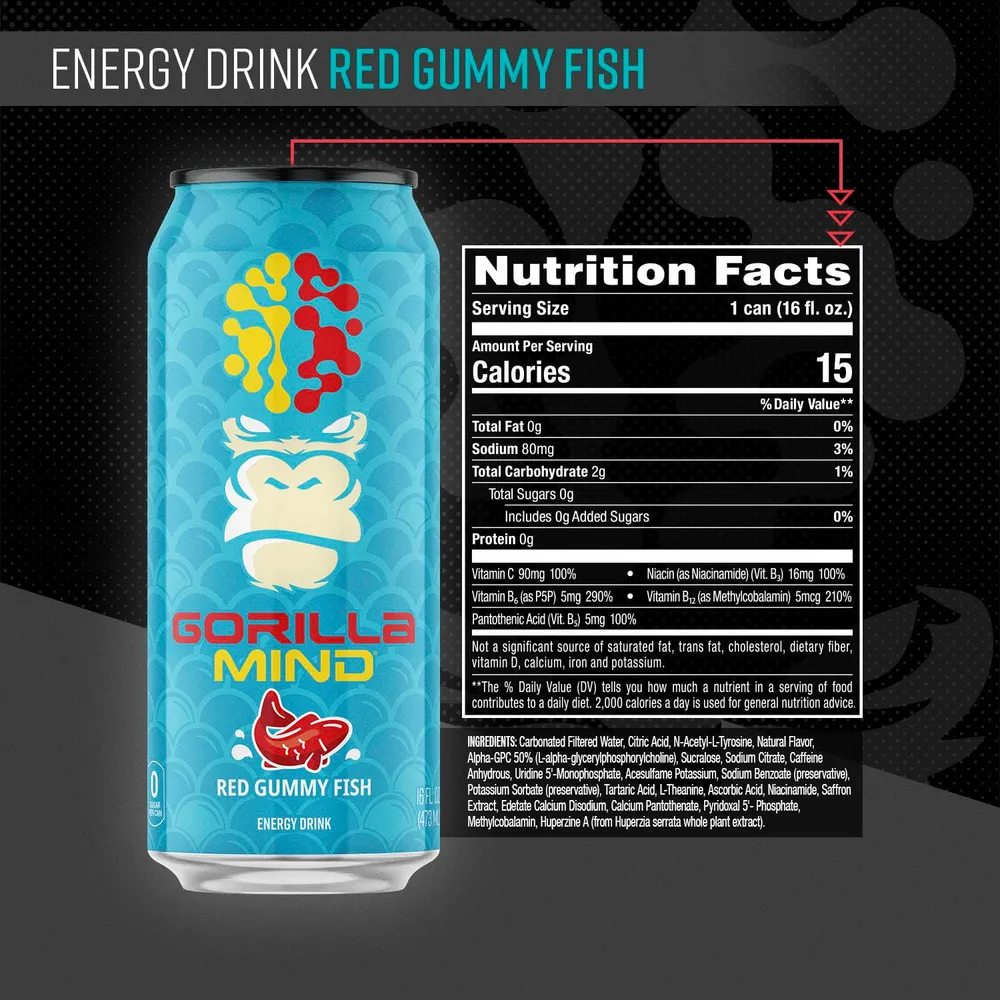
Gorilla Mind Energy Drink Nutrition Facts
- Calories: 15
- Total Fat: 0g
- Sodium: 25mg (1% DV)
- Total Carbohydrate: 0g
- Total Sugars: 0g
- Added Sugars: 0g
- Protein: 0g
- Vitamin C (as Ascorbic Acid): 90mg (100% DV)
- Niacin (as Niacinamide): 16mg (100% DV)
- Vitamin B6 (as Pyridoxal-5'-Phosphate): 5mg (290% DV)
- Vitamin B12 (as Methylcobalamin): 5mcg (210% DV)
- Pantothenic Acid (Vitamin B5): 5mg (100% DV)
Gorilla Mind Energy Drink Ingredients
Each 16 fl. oz. can provides the following key actives:
-
N-Acetyl-L-Tyrosine - 1000mg
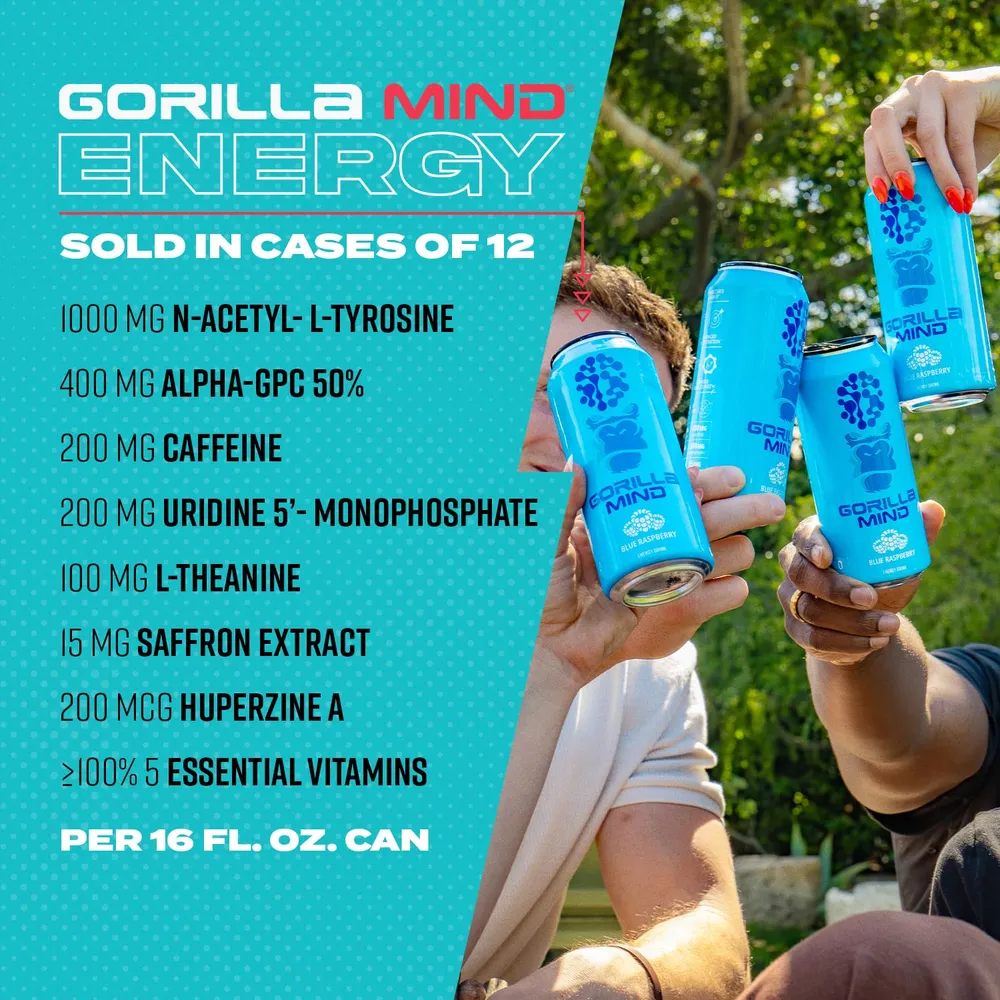
N-Acetyl-L-Tyrosine (NALT) is a water-soluble acetylated form of L-Tyrosine. Once absorbed, the acetyl group is cleaved and you're working with L-tyrosine in your system -- the direct precursor to dopamine, norepinephrine, and epinephrine.
The key insight: the enzyme that converts tyrosine into those brain chemicals runs at only about 75% substrate saturation under normal conditions. Under cognitive stress, poor sleep, or a demanding training session, catecholamine synthesis can become precursor-limited, and more tyrosine genuinely helps.[1] Studies back this up. Military cadets completing a week of combat training showed significantly improved memory and motor skill on tyrosine versus placebo.[2] Sleep-deprived subjects on tyrosine outperformed placebo on working memory and logical reasoning.[3] Heat stress plus exercise is another scenario where it shines -- one trial found a 15% longer time to exhaustion with 150mg/kg tyrosine in hot conditions.[4]
At rest with no real demands on your system, the effect is minimal. Pair this dose with actual mental work, and you're giving your brain's catecholamine machinery something real to work with.
-
Alpha-GPC (as Alpha-GPC 50%) - 400mg
Alpha-GPC (L-alpha-glycerylphosphorylcholine) is one of the most bioavailable choline sources available. Gorilla Mind went with 400mg of the 50% standardized form, delivering 200mg of actual alpha-GPC activity. Once absorbed, it raises free choline in the blood, which the brain uses to synthesize acetylcholine -- the neurotransmitter most directly tied to attention, learning, and memory formation.[5]
In healthy younger adults, alpha-GPC improved reaction time and cognitive control on attention tasks versus placebo.[6] For physical performance, 600mg taken before resistance exercise significantly increased isometric peak force versus placebo.[7] It also triggers a sharp spike in growth hormone -- a 1000mg oral dose in young males raised plasma GH by roughly 290% at 60 minutes.[8] That's partly why you see alpha-GPC in both nootropic stacks and pre-workouts.
One layer worth knowing: alpha-GPC doesn't just dump choline into circulation. Animal studies show it directly increases acetylcholine release in the hippocampus and striatum, meaning the effect ties to actual neuronal activity rather than simple substrate availability.[9] It also modulates dopamine transporter expression, which helps explain why it stacks well with tyrosine in a formula targeting multiple pathways.[10]
-
Caffeine Anhydrous - 200mg
Caffeine is the workhorse, and 200mg is a well-positioned dose -- enough to deliver the performance benefits the research is built on, without crossing into territory where jitter and anxiety start competing with focus. The primary mechanism is blocking the signal that makes you feel tired, which frees up stimulatory neurotransmitters to do their job.[11]
At 3-6mg/kg body weight, caffeine reliably improves aerobic endurance, reaction time, sustained attention, and vigilance.[12] For muscle strength and endurance, the benefit is modest at that range.[13] It also pushes fat metabolism, with a consistent small increase in fat oxidation across doses and fitness levels.[14]
The 200mg pairs intelligently with the 100mg L-theanine in this formula. That combination is one of the better-studied stacks in the nootropic space, and it tends to produce cleaner energy -- better sustained attention, lower jitteriness -- than caffeine alone.[15]
-
Uridine Monophosphate - 200mg
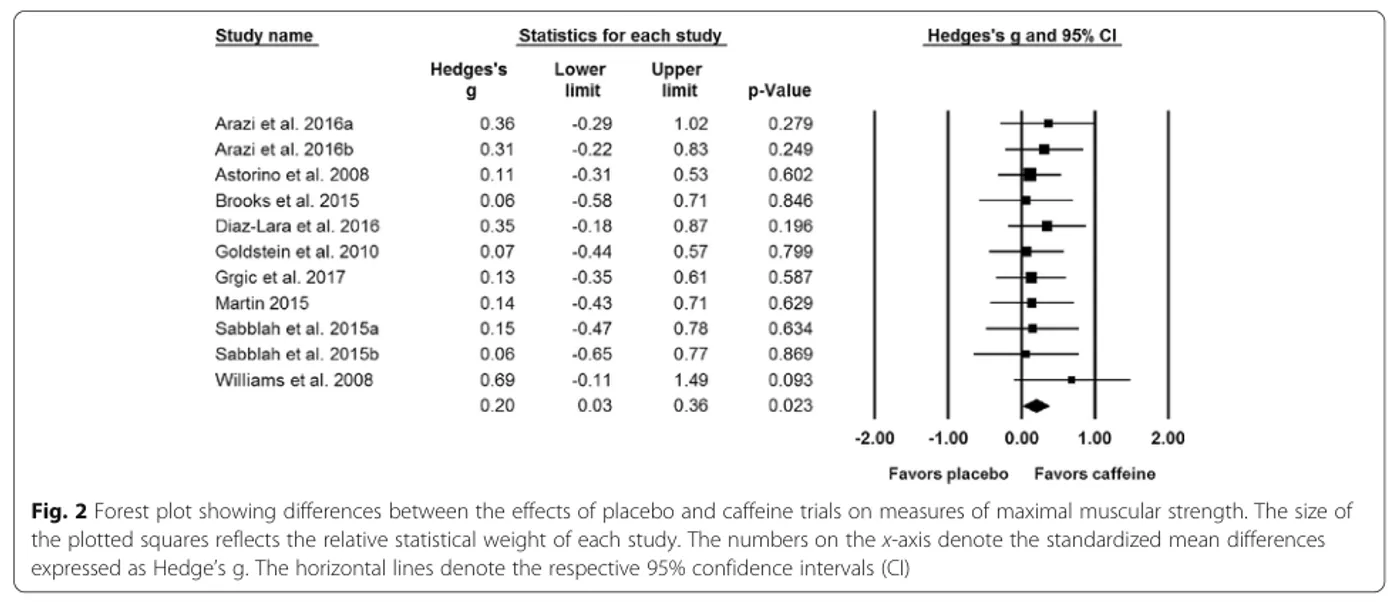
The Effects Of Caffeine Intake On Muscle Strength And Power A Systematic Review And Meta Analysis.[16] Uridine Monophosphate (UMP) is the ingredient most people will have questions about. It's a naturally occurring pyrimidine nucleotide found in breast milk and many foods, but you rarely see it in energy drinks. Its role here is to support neuronal membrane synthesis: once absorbed, UMP releases uridine into circulation, which crosses the blood-brain barrier and feeds into the pathway that produces phosphatidylcholine and phosphatidylethanolamine, two key components of synaptic membranes.[17,18]
Human evidence is better than most realize. A placebo-controlled crossover trial found that seven days of oral uridine directly increased brain phospholipid precursors measured by MRS imaging -- a direct readout of the mechanism working as intended.[19] Paired with DHA and choline, uridine synergistically increases brain phospholipids and synaptic proteins above what any single ingredient does alone.[20] The mood angle is also worth noting: small open-label trials in bipolar depression showed meaningful symptom reduction with uridine-based supplementation, likely tied to improved mitochondrial function.[21]
At 200mg, the dose is modest relative to the research doses, but it's a meaningful inclusion. Combined with the alpha-GPC already in this formula, you're providing two of the three Kennedy cycle inputs for membrane synthesis.
-
L-Theanine - 100mg
L-Theanine is doing exactly the job it's hired for: smoothing out the caffeine without killing the energy. It's a non-proteinogenic amino acid from green tea that promotes alpha-wave brain activity (the relaxed-focus state) without sedation, and at research doses it reduces physiological stress markers including heart rate response to cognitive stressors.[22]
The research on caffeine plus L-theanine is notably consistent. Compared to either ingredient alone, the combination improved simple reaction time, working memory speed, accuracy on sustained attention tasks, and alertness ratings in a well-designed crossover study.[15] A systematic review and meta-analysis confirmed meaningful benefits on attentional switching and alertness in the first two hours post-dose.[23]
The 2:1 caffeine-to-theanine ratio here (200mg:100mg) is a common real-world pairing. The mechanism involves GABA agonism, glutamate reuptake inhibition, and serotonin and dopamine modulation -- collectively landing in a neurological state that complements rather than blunts the stimulant effect.[24]
-
Huperzine A (from Huperzia serrata) - 200mcg
Huperzine A is where this formula gets genuinely aggressive. Most products that include it use 50-100mcg. Gorilla Mind went with 200mcg, which sits right in the range used in clinical trials for mild cognitive impairment and is on the higher end of anything in the energy drink or nootropic supplement space.
The mechanism is reversible, highly selective inhibition of acetylcholinesterase (AChE) -- the enzyme that breaks down acetylcholine in the synaptic cleft.[25] By blocking that breakdown, huperzine A amplifies the effect of whatever acetylcholine your neurons are producing. It targets brain tissue selectively over peripheral tissues, which matters for a cleaner side-effect profile.[26] In a multi-center Phase II RCT, a higher therapeutic dose produced statistically significant cognitive improvements in Alzheimer's patients.[27]
In the context of this energy drink, huperzine A stacks directly on top of the alpha-GPC: you're increasing acetylcholine production via the precursor route, then reducing its breakdown via AChE inhibition. That's a layered cholinergic approach. Two things worth knowing: huperzine A has a long elimination half-life of roughly 10-12 hours, so daily use or double-dosing is worth thinking about. And because it inhibits the same enzyme as pharmaceutical acetylcholinesterase inhibitors, combining it with other cholinergic medications warrants caution.[28]
-
Saffron Extract - 15mg
Saffron Extract is the ingredient in this can that most people will raise an eyebrow at, and it probably has the most underappreciated evidence behind it. At 15mg, this sits below most mood-targeted clinical doses (30mg is the most common RCT benchmark), but it's a meaningful inclusion in a formula already hitting dopaminergic and cholinergic pathways.
The primary mechanisms relevant here are serotonin and dopamine reuptake inhibition -- saffron's bioactives crocin and safranal act similarly to SSRIs and SNRIs at the transporter level, which helps explain its consistent clinical findings.[29] Multiple RCTs have shown 30mg/day saffron extract to be comparable in antidepressant effect to standard antidepressants for mild-to-moderate depression, with a favorable side-effect profile.[30,31] A meta-analysis of five trials confirmed a large effect versus placebo.[32]
At the subclinical mood level, a 4-week RCT in 128 healthy adults with moderate mood variability found 28mg/day of an affron-standardized extract significantly reduced total mood disturbance versus placebo -- importantly, the 22mg/day arm showed no significant effect, suggesting a real threshold in that range.[33] The 15mg here is below that threshold, but combined with the dopaminergic support from tyrosine and the cholinergic environment from alpha-GPC and huperzine A, it adds a serotonergic dimension that most energy drinks don't even attempt.
-
Vitamins and Minerals
-
Vitamin C (as Ascorbic Acid) - 90mg (100% DV)
Vitamin C hits exactly 100% DV at 90mg. It covers its core immune and antioxidant functions at this dose, and there's evidence it supports endothelial function by enhancing nitric oxide synthesis in vascular tissue.[34] Plasma saturation occurs somewhere around 100-200mg/day for most active people, so this dose is efficiently placed.
-
Niacin (as Niacinamide) - 16mg (100% DV)
Niacin here is in the niacinamide form, which means no flushing and no pharmacological lipid effects. At 16mg, it covers the RDA and contributes to NAD+ synthesis -- the coenzyme at the center of cellular energy production, DNA repair, and sirtuin signaling.[35] Standard energy drink territory.
-
Vitamin B6 (as Pyridoxal-5'-Phosphate) - 5mg (290% DV)
Vitamin B6 is supplied as P5P, the biologically active cofactor form that skips the liver conversion step required by standard pyridoxine HCl. Pyridoxal-5'-phosphate is a cofactor in over 140 enzymatic reactions, including the synthesis of dopamine, serotonin, and GABA -- which fits neatly with the neurochemical targets of the rest of this formula.[36] At 290% DV, it's a generous dose, and well within established safety ranges.
-
Vitamin B12 (as Methylcobalamin) - 5mcg (210% DV)
Vitamin B12 is here as methylcobalamin, the active coenzyme form. It supports the methionine cycle, myelin maintenance, and red blood cell formation.[37] The 5mcg dose is modest -- well above the 2.4mcg RDA but nowhere near therapeutic doses studied in deficiency contexts. It's the right form for an energy drink.
-
Pantothenic Acid (Vitamin B5) - 5mg (100% DV)
Vitamin B5 is the obligate precursor to Coenzyme A, which drives the entire TCA cycle and fatty acid metabolism.[38] It also contributes to acetylcholine synthesis via the CoA pathway -- a subtle but relevant connection in a formula this heavily cholinergic. Hits 100% DV cleanly.
-
-
Other Ingredients
- Carbonated Filtered Water -- the vehicle. RTDs live and die by carbonation level, and the carbonated filtered water base is standard for premium energy drinks.
- Natural Flavors -- sensory work. No artificial colors anywhere in this formula, which is a deliberate brand decision across the Gorilla Mind Energy lineup.
- Malic Acid -- tartness agent and TCA cycle intermediate. It contributes the characteristic sour-tart edge that makes these flavors pop and participates in cellular energy metabolism as a Krebs cycle component.
- Sucralose -- primary sweetener. Roughly 600x sweeter than sugar, used at low concentrations to achieve sweetness without caloric load. Considered safe and calorie-free by major regulatory bodies at typical beverage use levels.
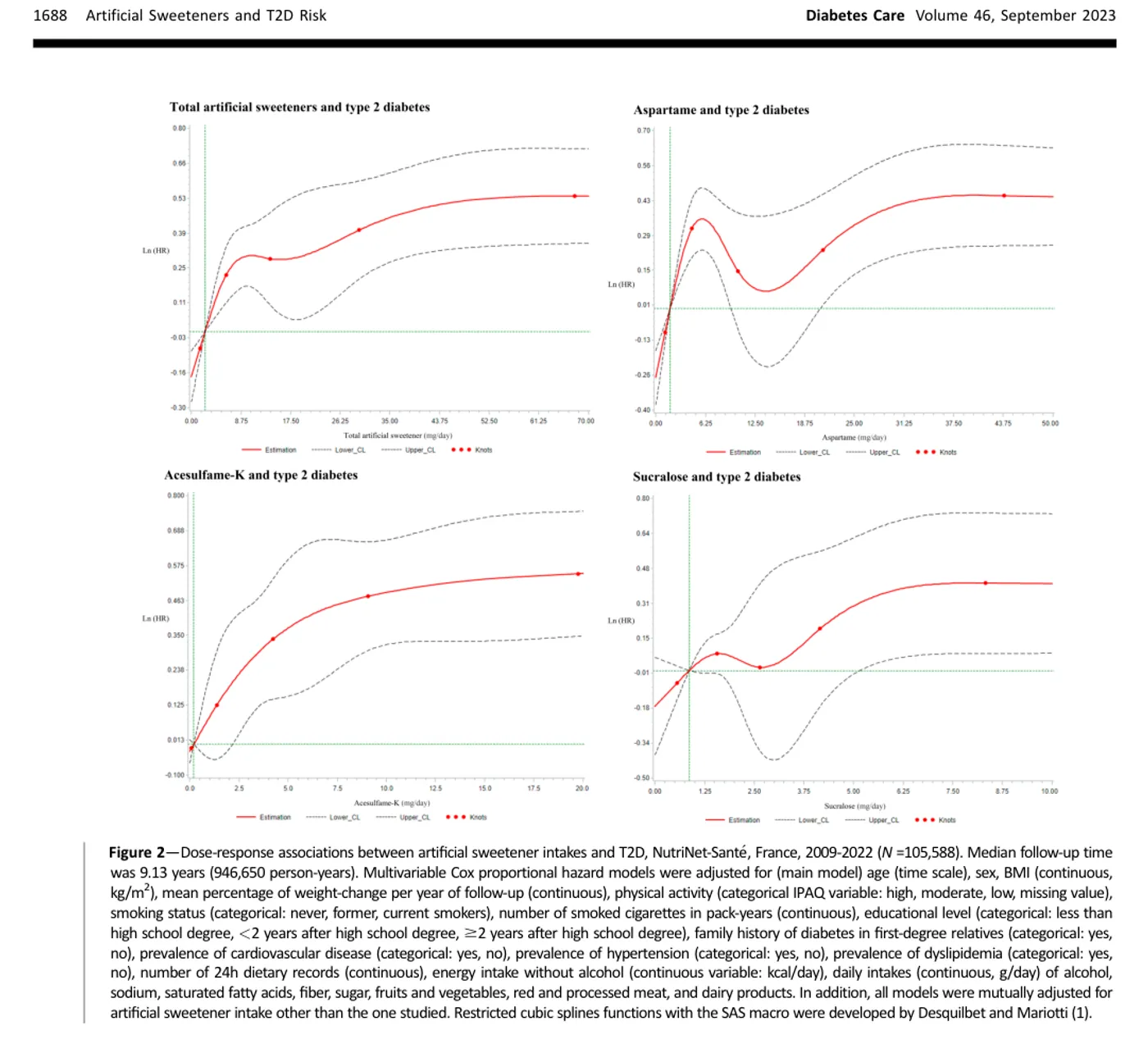
Artificial Sweeteners and Risk of Type 2 Diabetes in the Prospective NutriNet-Sante Cohort.[39] - Sodium Benzoate -- preservative. Inhibits microbial growth by diffusing into microbial cells in its undissociated acid form, most effective at the low pH of a carbonated energy drink. Standard use in the category.
- Potassium Sorbate -- secondary preservative. Works alongside sodium benzoate against yeasts and molds, well within established acceptable daily intake levels at beverage concentrations.
- Acesulfame Potassium -- secondary sweetener blended with sucralose to round out the flavor profile and reduce bitterness aftertaste from either sweetener alone.
- Edetate Calcium Disodium -- chelating agent that stabilizes the formula by binding trace metal ions that could otherwise catalyze oxidation or affect flavor stability.
Flavors Available
- Artic White (12 Cans: $34.99)
- Berry Burst (12 Cans: $40.00)
- Black Cherry Vanilla (12 Cans: $34.99)
- Blackberry Lemonade (12 Cans: $34.99)
- Blue Raspberry (12 Cans: $34.99)
- Bombsicle (12 Cans: $34.99)
- Candy Apple (12 Cans: $31.50)
- Citrus Rain (12 Cans: $34.99)
- Fruit Punch (12 Cans: $34.99)
- Orange Rush (12 Cans: $34.99)
- Rainbow Sherbet (12 Cans: $34.99)
- Red Gummy Fish (12 Cans: $34.99)
- Rocket Frost (12 Cans: $34.99)
- Root Beer (12 Cans: $65.21)
- Strawberry Candy (12 Cans: $40.00)
- Tiger's Blood (12 Cans: $34.99)
- Tropic Storm (1 Can: $3.32)
- Variety Pack (12 Cans: $39.99)
- White Frost (12 Cans: $39.99)
- White Gummy Bear (12 Cans: $34.99)
- Wild Grape (12 Cans: $39.99)
Who It's For
- Nootropic-curious energy drink drinkers: If you've ever read a supplement label and wanted more from your Enny, this is the direct answer to that. The formula goes further than anything in mainstream convenience store fridges.
- People who already stack focus supplements with their caffeine: The alpha-GPC, huperzine A, tyrosine, and uridine combination is serious. If you already buy citicoline or huperzine A separately, you'll recognize immediately what's in this can.
This Formula Actually Backs Up the Claim
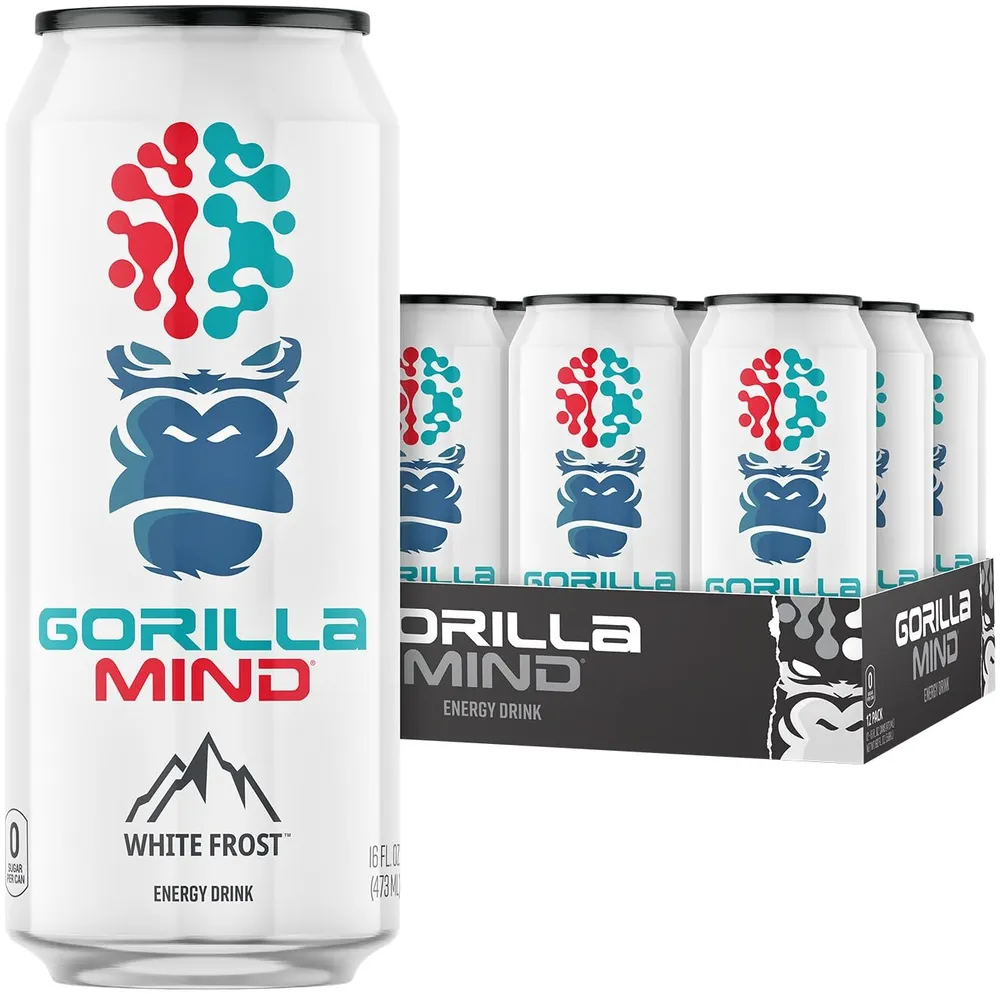
Gorilla Mind called it "the most efficacious energy drink" on launch day, and the label is hard to argue with. No other mainstream RTD combines 400mg alpha-GPC, 200mcg huperzine A, 1000mg NALT, 200mg UMP, and 15mg saffron alongside a well-dosed caffeine-theanine pair. That's a meaningful layering of dopaminergic, cholinergic, and serotonergic support in a single can -- not a marketing stack. If you want a functional energy drink you'll actually feel differently, this is it. If you want a cheap caffeine hit, there are easier options on the shelf next to it.
Follow @BevlabMedia on TikTok and Instagram for coverage of every new Gorilla Mind flavor drop as they roll out.
More Related Videos
Bevlab VideosReferences
- Fernstrom, John D. et al. "Tyrosine, Phenylalanine, and Catecholamine Synthesis and Function in the Brain." The Journal of Nutrition, 2007. https://doi.org/10.1093/jn/137.6.1539s
- Smid, Dagmar J. et al. "Tyrosine improves cognitive performance and reduces blood pressure in cadets after one week of a combat training course." Frontiers in Physiology, 2025. https://doi.org/10.3389/fphys.2025.1539615
- López-Gil, José Francisco, et al. "A comparison of tyrosine against placebo, phentermine, caffeine, and D-amphetamine during sleep deprivation." Frontiers in Behavioral Neuroscience, 2022. https://doi.org/10.3389/fnbeh.2022.860241
- Tumilty, Les, et al. "Oral tyrosine supplementation improves exercise capacity in the heat." European journal of applied physiology, 2011. https://doi.org/10.1007/s00421-011-1921-4
- Lopez, C.M. et al. "Effect Of A New Cognition Enhancer Alpha Glycerylphosphorylcholine On Scopolamine Induced Amnesia And Brain Acetylcholine." Pharmacology Biochemistry and Behavior, 1991. https://doi.org/10.1016/0091-3057(91)90040-9
- Kerksick, Chad M. "Acute Alpha-Glycerylphosphorylcholine Supplementation Enhances Cognitive Performance in Healthy Men." Nutrients, 2024. https://doi.org/10.3390/nu16234240
- Bellar, David, et al. "The Effect Of 6 Days Of Alpha Glycerylphosphorylcholine On Isometric Strength." Journal of the International Society of Sports Nutrition, 2015. https://doi.org/10.1186/s12970-015-0103-x
- Kawamura, Takashi, et al. "Glycerophosphocholine Enhances Growth Hormone Secretion And Fat Oxidation In Young Adults." Nutrition (Burbank, Los Angeles County, Calif.), 2012. https://doi.org/10.1016/j.nut.2012.02.011
- Sigala, Sandra, et al. "L Alpha Glycerylphosphorylcholine Antagonizes Scopolamine Induced Amnesia And Enhances Hippocampal Cholinergic Transmission In The Rat." European Journal of Pharmacology, 1992. https://doi.org/10.1016/0014-2999(92)90392-h
- Traini, Enea, et al. "Choline Alphoscerate Alpha Glyceryl Phosphoryl Choline An Old Choline Containing Phospholipid With A Still Interesting Profile As Cognition Enhancing Agent." Current Alzheimer Research, 2013. https://doi.org/10.2174/15672050113106660173
- Guest, Nanci S. et al. "International Society Of Sports Nutrition Position Stand Caffeine And Exercise Performance." Journal of the International Society of Sports Nutrition, 2021. https://doi.org/10.1186/s12970-020-00383-4
- McLellan, Tom M. et al. "A Review Of Caffeine S Effects On Cognitive Physical And Occupational Performance." Neuroscience & Biobehavioral Reviews, 2016. https://doi.org/10.1016/j.neubiorev.2016.09.001
- Bilondi, Hossein Taghizadeh, et al. "The Effect Of Caffeine Supplementation On Muscular Strength And Endurance A Meta Analysis Of Meta Analyses." Heliyon, 2024. https://doi.org/10.1016/j.heliyon.2024.e35025
- Conger, Scott A. et al. "Does Caffeine Increase Fat Metabolism A Systematic Review And Meta Analysis." International Journal of Sport Nutrition and Exercise Metabolism, 2023. https://doi.org/10.1123/ijsnem.2022-0131
- Haskell, Crystal F, et al. "The Effects Of L Theanine Caffeine And Their Combination On Cognition And Mood." Biological psychology, 2008. https://doi.org/10.1016/j.biopsycho.2007.09.008
- Grgic, Jozo, et al. "Effects Of Caffeine Intake On Muscle Strength And Power A Systematic Review And Meta Analysis." Journal of the International Society of Sports Nutrition, 2018. https://doi.org/10.1186/s12970-018-0216-0
- Cansev, Mehmet, et al. "Oral uridine-5'-monophosphate (UMP) increases brain CDP-choline levels in gerbils." Brain research, 2005. https://doi.org/10.1016/j.brainres.2005.07.054
- Cansev, Mehmet. "Uridine and cytidine in the brain: their transport and utilization." Brain research reviews, 2006. https://doi.org/10.1016/j.brainresrev.2006.05.001
- Agarwal, Nivedita, et al. "Short-term administration of uridine increases brain membrane phospholipid precursors in healthy adults: a 31-phosphorus magnetic resonance spectroscopy study at 4T." Bipolar disorders, 2010. https://doi.org/10.1111/j.1399-5618.2010.00884.x
- Wurtman, Richard J, et al. "Synaptic proteins and phospholipids are increased in gerbil brain by administering uridine plus docosahexaenoic acid orally." Brain research, 2006. https://doi.org/10.1016/j.brainres.2006.03.019
- Jensen, J Eric, et al. "Triacetyluridine (TAU) decreases depressive symptoms and increases brain pH in bipolar patients." Experimental and clinical psychopharmacology, 2008. https://doi.org/10.1037/1064-1297.16.3.199
- Williams, Jackson L, et al. "The Effects Of Green Tea Amino Acid L Theanine Consumption On The Ability To Manage Stress And Anxiety Levels A Systematic Review." Plant foods for human nutrition (Dordrecht, Netherlands), 2020. https://doi.org/10.1007/s11130-019-00771-5
- Camfield, David A, et al. "Acute effects of tea constituents L-theanine, caffeine, and epigallocatechin gallate on cognitive function and mood: a systematic review and meta-analysis." Nutrition reviews, 2014. https://doi.org/10.1111/nure.12120
- Lopes, Sakamoto Filipe, et al. "Psychotropic Effects Of L Theanine And Its Clinical Properties From The Management Of Anxiety And Stress To A Potential Use In Schizophrenia." Pharmacological research, 2019. https://doi.org/10.1016/j.phrs.2019.104395
- Tang, X.‐C. et al. "Effect Of Huperzine A A New Cholinesterase Inhibitor On The Central Cholinergic System Of The Rat." Journal of Neuroscience Research, 1989. https://doi.org/10.1002/jnr.490240220
- Cheng, Dong Hang, et al. "Huperzine A A Novel Promising Acetylcholinesterase Inhibitor." NeuroReport, 1996. https://doi.org/10.1097/00001756-199612200-00020
- Tun, Maung Kyaw Moe, et al. "The Pharmacology And Therapeutic Potential Of Huperzine A." Journal of experimental pharmacology, 2012. https://doi.org/10.2147/JEP.S27084
- Zhang, Hai-Yan. "New Insights Into Huperzine A For The Treatment Of Alzheimer S Disease." Acta pharmacologica Sinica, 2012. https://doi.org/10.1038/aps.2012.128
- Shafiee, Mojtaba, et al. "Saffron in the treatment of depression, anxiety and other mental disorders: Current evidence and potential mechanisms of action." Journal of Affective Disorders, 2018. https://doi.org/10.1016/j.jad.2017.11.020
- Akhondzadeh, Shahin, et al. "Comparison of Crocus sativus L. and imipramine in the treatment of mild to moderate depression: a pilot double-blind randomized trial [ISRCTN45683816]." BMC complementary and alternative medicine, 2004. https://doi.org/10.1186/1472-6882-4-12
- Noorbala, A.A. et al. "Hydro-alcoholic extract of Crocus sativus L. versus fluoxetine in the treatment of mild to moderate depression: a double-blind, randomized pilot trial." Journal of Ethnopharmacology, 2005. https://doi.org/10.1016/j.jep.2004.11.004
- Hausenblas, Heather Ann, et al. "Saffron (Crocus sativus L.) and major depressive disorder: a meta-analysis of randomized clinical trials." Journal of integrative medicine, 2013. https://doi.org/10.3736/jintegrmed2013056
- Kell, Graham, et al. "affron® a novel saffron extract (Crocus sativus L.) improves mood in healthy adults over 4 weeks in a double-blind, parallel, randomized, placebo-controlled clinical trial." Complementary Therapies in Medicine, 2017. https://doi.org/10.1016/j.ctim.2017.06.001
- Heller, Regine, et al. "L Ascorbic Acid Potentiates Nitric Oxide Synthesis In Endothelial Cells." Journal of Biological Chemistry, 1999. https://doi.org/10.1074/jbc.274.12.8254
- Gasperi, Valeria, et al. "Niacin In The Central Nervous System An Update Of Biological Aspects And Clinical Applications." International Journal of Molecular Sciences, 2019. https://doi.org/10.3390/ijms20040974
- di, Salvo Martino Luigi, et al. "Di Salvo2010 Vitamin B6 Salvage Enzymes Mechanism Structure And Regulation." Biochimica et Biophysica Acta (BBA) - Proteins and Proteomics, 2011. https://doi.org/10.1016/j.bbapap.2010.12.006
- Lyon, Peter, et al. "B Vitamins And One Carbon Metabolism Implications In Human Health And Disease." Nutrients, 2020. https://doi.org/10.3390/nu12092867
- Freese, Riitta, et al. "Pantothenic acid - a scoping review for Nordic Nutrition Recommendations 2023." Food & nutrition research, 2023. https://doi.org/10.29219/fnr.v67.10255
- Debras, Charlotte, et al. "Artificial Sweeteners and Risk of Type 2 Diabetes in the Prospective NutriNet-Santé Cohort." Diabetes care, 2023. https://doi.org/10.2337/dc23-0206
Related Coverage
Tagged