Huel Energy+ Drink
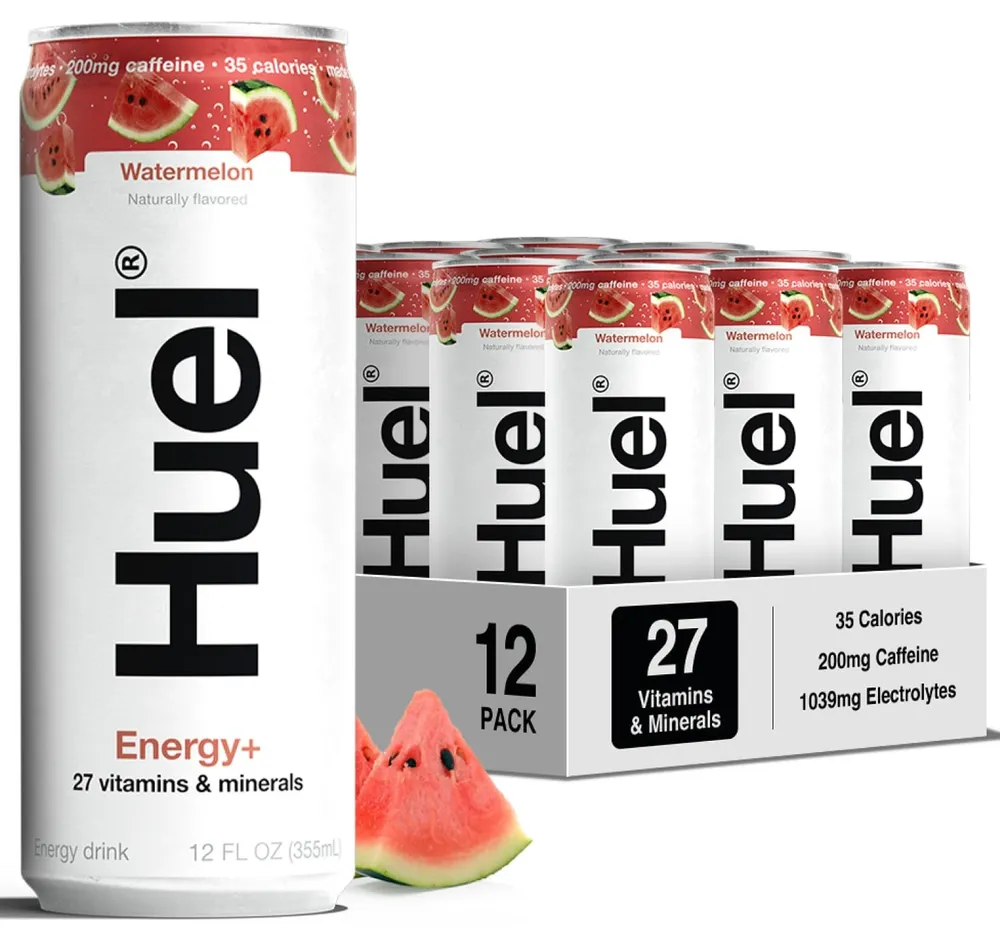
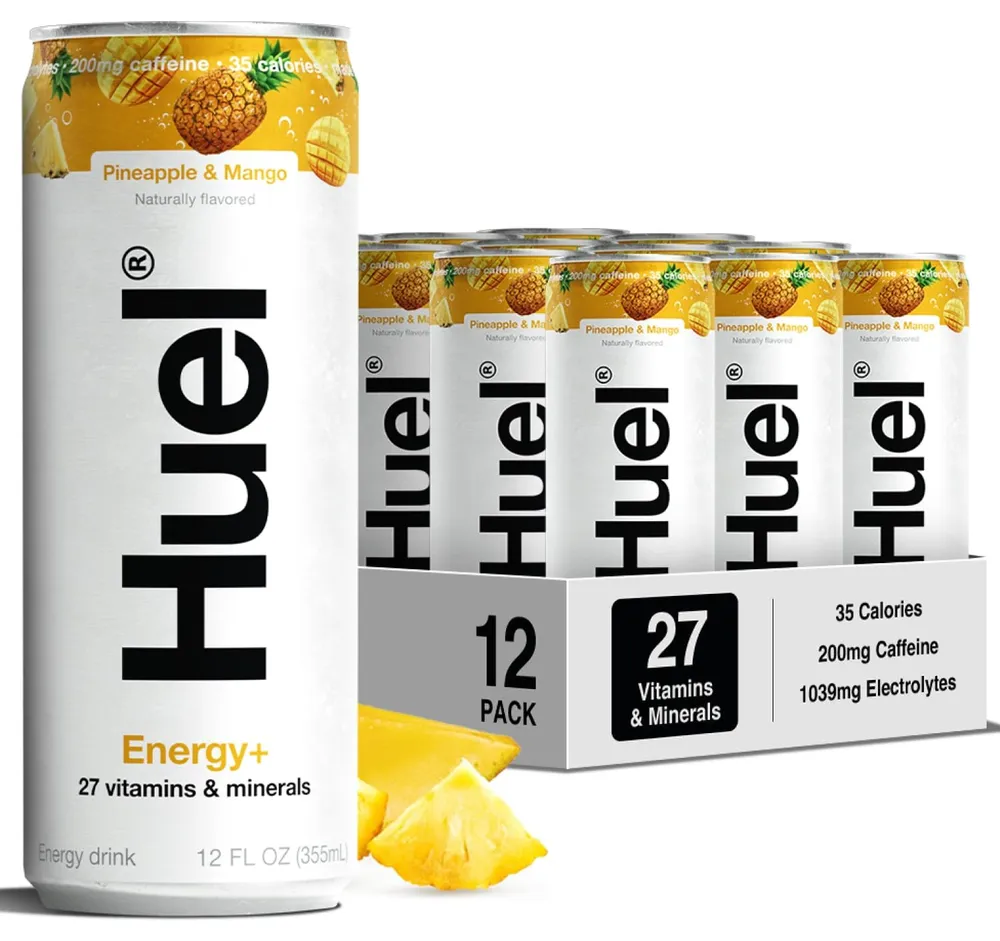
27 vitamins and minerals, 200mg of caffeine, and a 35-calorie can from a brand built on complete nutrition.
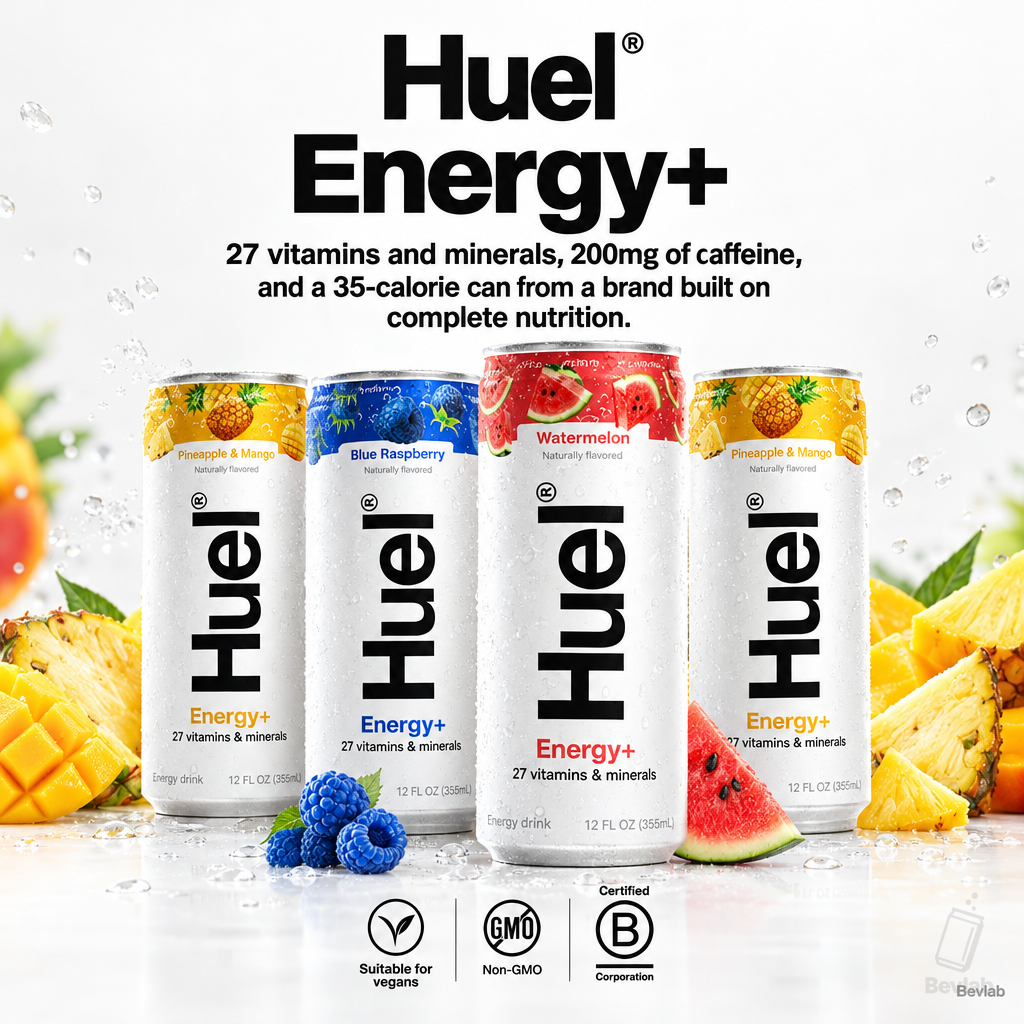
Huel's sparkling energy drink, Energy+, packs 200mg caffeine, 150mg L-theanine, and 27 vitamins and minerals into a 35-calorie can.
Huel built its reputation on liquid meals, not energy drinks. So when the brand behind powdered nutritional shakes and ready-to-drink protein bottles rolled out Huel Energy+ Drink, a sparkling can carrying 200mg of caffeine and 27 vitamins and minerals, it read less like a pivot and more like the company finally showing up in a category it was arguably built for. Huel has spent a decade selling the idea that a single product can cover your nutritional bases. Energy+ applies that same logic to the energy drink aisle: instead of a straightforward caffeine-and-sweetener can, you get a full micronutrient stack layered on top of a 200mg caffeine and 150mg L-theanine combo, all for 35 calories.
The can carries a Certified B Corporation seal alongside vegan and non-GMO badges, consistent with the sustainability-forward branding Huel has used across its product range. It ships in flavors including Watermelon, built around a fruit-forward profile and 4g of fiber per can standing in for the sugar most competitors lean on.
Huel Energy+ Nutrition Facts
The numbers below are for a single 355mL can, based on the Watermelon can's label. These can vary slightly by flavor, though the core structure should hold across the lineup.
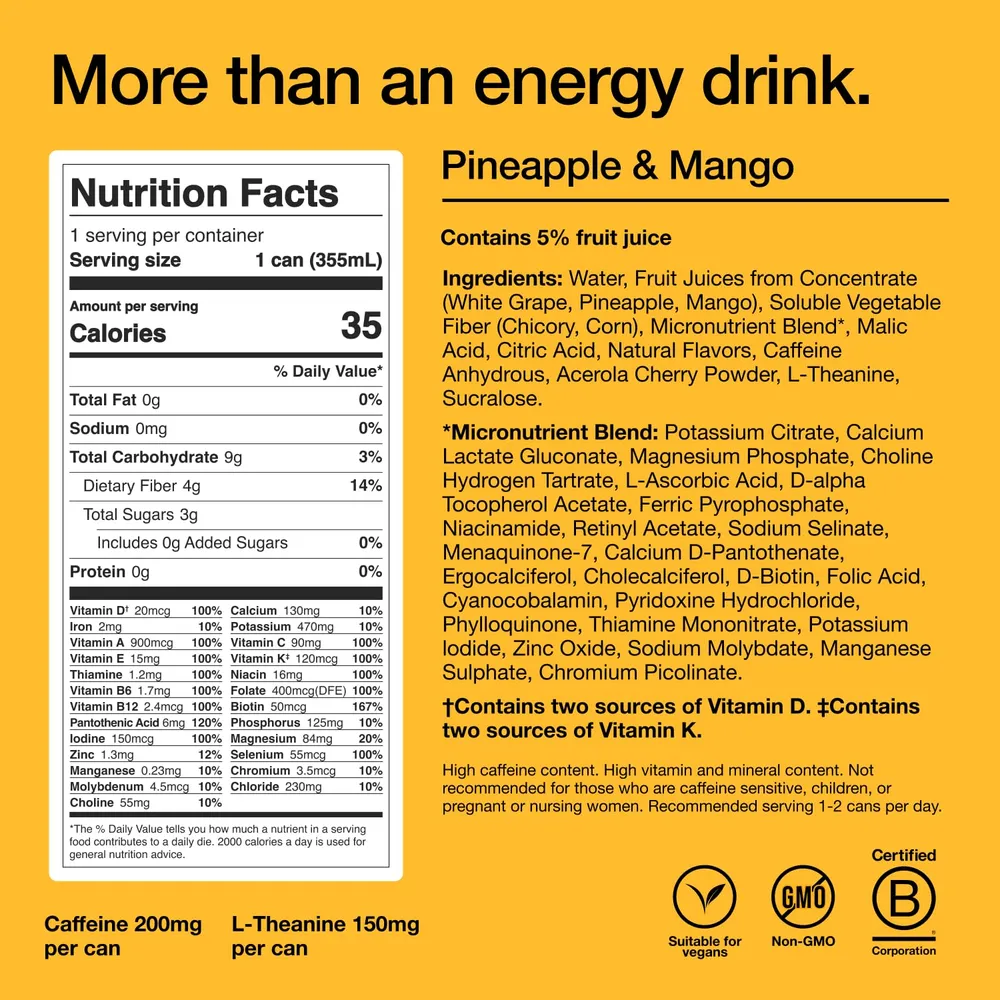
- Calories: 35
- Total Fat: 0g (0% DV)
- Total Carbohydrate: 9g (3% DV)
- Dietary Fiber: 4g (14% DV)
- Total Sugars: 3g
- Added Sugars: 0g (0% DV)
- Protein: 0g
- Vitamins and Minerals
- Sodium: 0mg (0% DV)
- Potassium: 470mg (10% DV)
- Chloride: 230mg (10% DV)
- Calcium: 130mg (10% DV)
- Iron: 2mg (10% DV)
- Vitamin A: 900mcg (100% DV)
- Vitamin C: 90mg (100% DV)
- Vitamin D: 20mcg (100% DV)
- Vitamin E: 15mg (100% DV)
- Vitamin K: 120mcg (100% DV)
- Thiamin: 1.2mg (100% DV)
- Niacin: 16mg (100% DV)
- Vitamin B6: 1.7mg (100% DV)
- Folate: 400mcg DFE (100% DV)
- Vitamin B12: 2.4mcg (100% DV)
- Biotin: 50mcg (167% DV)
- Pantothenic Acid: 6mg (120% DV)
- Phosphorus: 125mg (10% DV)
- Iodine: 150mcg (100% DV)
- Magnesium: 84mg (20% DV)
- Zinc: 1.3mg (12% DV)
- Selenium: 55mcg (100% DV)
- Manganese: 0.23mg (10% DV)
- Chromium: 3.5mcg (10% DV)
- Molybdenum: 4.5mcg (10% DV)
- Choline: 55mg (10% DV)
The can also lists 200mg of caffeine and 150mg of L-theanine outside the standard Daily Value framework, since neither has an established DV.
Huel Energy+ Ingredients
Each 355mL can provides the following:
-
Water
Water is the literal base of Energy+, and it's doing more work than a filler ingredient label suggests. Adequate hydration status affects reaction time, mood, and short-term memory well before you'd notice classic thirst signals, with measurable effects showing up at just 1-2% body-weight fluid loss.[1] That's a big part of why energy drinks in general benefit from being genuinely hydrating rather than pure stimulant delivery vehicles. At 355mL, Energy+ isn't going to single-handedly cover your daily fluid needs, but it's a meaningfully wet way to get your caffeine.
-
Malic Acid
Malic acid shows up in Energy+ purely as a formulation tool, not a dosed active. It's the tart, slightly sour organic acid found naturally in apples and other fruit, and in beverage manufacturing it's used almost universally to balance sweetness and sharpen a fruit-forward flavor profile. Huel doesn't disclose an exact amount on the label, which tracks with how it's typically used industry-wide: as a flavor and pH adjustment tool rather than a dosed supplement ingredient. Malic acid is also a genuine intermediate in the body's energy-producing Krebs cycle, but the research connecting supplemental malic acid to measurable energy or endurance benefits is thin and mostly tied to combination products, not the acidulant amounts found in a can like this one.[2]
-
Citric Acid
Citric acid plays a similar role alongside malic acid: it's the beverage industry's go-to acidulant, used for tartness, pH stability, and shelf life rather than any targeted physiological effect at these amounts. It's also naturally abundant in citrus fruit and, biochemically, a central player in the same Krebs cycle that turns food into usable energy.[3] That mechanistic tie-in sounds compelling, but it doesn't mean the small quantities used to balance a can's flavor profile move the needle on energy metabolism. Citric acid is manufactured at massive scale, mostly through fermentation, and carries a long safety track record as a food additive.[4] In Energy+, treat it as a flavor and shelf-life ingredient, not a functional one.
-
Natural Flavors
Natural flavors cover whatever combination of plant- or fruit-derived flavor compounds gives Energy+ its specific taste. Under FDA rules, "natural flavor" is defined by the source material used to derive the flavor compound, not by its final chemical structure, meaning a natural flavor and an artificial version of the same molecule can be chemically identical.[5] The category has a well-established safety record through the flavor industry's own GRAS review process, and there's no evidence this ingredient class carries any functional health benefit beyond the obvious one: making the drink taste like something you'd want to finish.[6]
-
Caffeine (Caffeine Anhydrous) - 200mg
At 200mg per can, Energy+'s caffeine dose sits toward the higher end of what most people associate with a "normal" energy drink, roughly on par with category leaders. Mechanistically, caffeine works by blocking the signal that makes you feel tired, competing with adenosine at its receptors in the brain and boosting downstream release of dopamine and norepinephrine.[7] The evidence base for caffeine's effects on vigilance, reaction time, and endurance performance is some of the deepest in all of sports nutrition, with meaningful benefits showing up at doses similar to what's in this can.[8] The FDA's general safety ceiling sits at 400mg per day for healthy adults, so a single can leaves plenty of room, but Huel's own label flags that this isn't meant for children, pregnant or nursing people, or anyone who's caffeine sensitive, and caps recommended intake at 1-2 cans daily.[9]
-
Acerola (Acerola Cherry Powder)
Acerola cherry powder is a whole-fruit source of vitamin C, and it's paired here with synthetic ascorbic acid to hit the can's 90mg (100% DV) vitamin C total, though the label doesn't break out how much of that comes from each source. Acerola is one of the most concentrated natural vitamin C sources in the plant world, and there's some evidence that vitamin C delivered through the whole fruit matrix is retained in the body slightly better than an equivalent dose of isolated ascorbic acid, likely thanks to the polyphenols that ride along with it.[10] Beyond vitamin C, acerola brings its own antioxidant polyphenol profile, though most of the human research on its broader health effects is preliminary and drawn from small pilot studies rather than the kind of large trials that would support specific health claims.[11]
-
L-Theanine - 150mg
L-theanine at 150mg is the other half of Energy+'s stimulant strategy, and it's a well-supported one. On its own, L-theanine promotes the relaxed-focus state associated with alpha wave brain activity, but the more relevant research here is what happens when it's combined with caffeine: studies consistently show the pairing improves alertness and attentional switching more than either ingredient alone, with much of caffeine's usual jitteriness smoothed out in the process.[12] A five-way crossover trial found L-theanine alone can boost visual reaction time and produce measurable changes in brain activity, roughly comparable to caffeine's own effect at these doses.[13] At a 150mg-to-200mg L-theanine-to-caffeine ratio, Energy+'s dosing is close to what's shown up in some of the stronger combination studies.[14]
-
Sucralose
Sucralose is doing the sweetening work that keeps Energy+ at 35 calories despite a full flavor profile and added fruit juice. It's a chlorinated derivative of table sugar, roughly 600 times sweeter by weight, and it's approved for food use in essentially every major regulatory market, including under the FDA's acceptable daily intake framework.[15] Sucralose research has gotten more complicated in recent years: some human trials have found it can modestly shift gut microbiome composition and glycemic response in certain individuals, though a large 2022 controlled trial found the effects were highly person-specific rather than universal, with the biggest shifts often showing up in people who don't already drink diet beverages regularly.[16] At the amount used to sweeten a single can, most of the population tolerates it without issue, but the research here isn't fully settled.
-
Vitamins and Minerals
-
Vitamin D (as Cholecalciferol, with Ergocalciferol) - 20mcg (100% DV)
Vitamin D reaches 100% DV at 20mcg, sourced mainly from cholecalciferol (D3) with a second declared source, ergocalciferol (D2), though the label doesn't specify how the total splits between the two. D3 is the form most commonly used in fortified foods and supplements in the US. Despite vitamin D's reputation as a broad health fix, large randomized trials have consistently failed to show it reduces fractures, falls, or mortality in people who aren't already deficient, so this dose is best understood as filling a nutritional gap rather than delivering a specific clinical benefit.[17]
-
Calcium (as Calcium Lactate Gluconate) - 130mg (10% DV)
Calcium at 130mg mostly supports the can's bone-health positioning, though at 10% DV it's a modest slice of a full day's needs. Calcium's best-established benefit is fracture and bone-density support in older adults, alongside adequate vitamin D, which Energy+ also supplies.[18] Some research shows calcium can blunt the exercise-induced parathyroid hormone spike that drives bone resorption during workouts, though those studies mostly used doses near 1,000mg taken right before exercise, well above what's in one can.[19]
-
Iron (as Ferric Pyrophosphate) - 2mg (10% DV)
Iron at 2mg (10% DV) uses ferric pyrophosphate, a less bioavailable but gentler-on-the-stomach iron form common in fortified beverages. Iron deficiency remains the most common nutrient deficiency worldwide, disproportionately affecting menstruating women, and even mild iron-deficient, non-anemic states have been linked to measurable fatigue that improves with repletion.[20] At 10% DV, this can is a small contributor toward daily iron needs rather than a treatment dose, and the vitamin C in the same can should help with absorption.[21]
-
Potassium (as Potassium Citrate) - 470mg (10% DV)
Potassium rounds out Energy+'s electrolyte profile at 470mg, chipping away at a gap most people run in modern diets, where typical intake sits at roughly half the traditional adequate-intake target.[22] Low dietary potassium relative to sodium is tied to higher blood pressure across a large body of trial evidence, and while 10% DV per can won't fix that ratio alone, it's a real contribution if your diet is otherwise light on produce.[23]
-
Vitamin A (as Retinyl Acetate) - 900mcg (100% DV)
Vitamin A rounds out the can at 900mcg (100% DV) as retinyl acetate, a standard preformed vitamin A source used in fortified foods and supplements. This is a completely unnecessary addition, as it loads the vitamin A directly into the liver and now puts dieters much closer to the upper safe limit. With a substantial portion of the public already vitamin A toxic, we advise caution in adding this much more in preformed retinol.
-
Vitamin C (as L-Ascorbic Acid and Acerola Cherry Powder) - 90mg (100% DV)
Vitamin C hits 100% DV at 90mg, split between synthetic ascorbic acid and the acerola cherry powder covered above. Beyond the classic immune and antioxidant story, vitamin C plays a direct role in collagen synthesis and helps the body absorb non-heme iron from plant sources, which pairs logically with the iron also in this can.[24] Research on vitamin C and cold symptom severity found roughly 15% shorter or milder symptom duration at gram-level doses, well above what's in a single can, so treat the immune-support angle here as adequacy support rather than a therapeutic dose.[25]
-
Vitamin E (as D-alpha Tocopherol Acetate) - 15mg (100% DV)
Vitamin E shows up here as D-alpha tocopherol acetate, the standard alpha-tocopherol form used in most fortified foods, at 15mg (100% DV). This is worth flagging because alpha-tocopherol is a different animal from the tocotrienol forms of vitamin E getting attention in newer research: the meta-analysis showing a possible mortality signal at high-dose vitamin E was specifically about alpha-tocopherol supplementation above 400IU/day, well beyond what a single can delivers.[26] At 100% DV, this is a straightforward nutritional inclusion, not a therapeutic dose in either direction.[27]
-
Vitamin K (as Phylloquinone, with Menaquinone-7) - 120mcg (100% DV)
Vitamin K clocks in at 120mcg (100% DV), combining phylloquinone (K1) with a second declared source, menaquinone-7 (K2, or MK-7), though the exact split isn't disclosed. Vitamin K's clearest human evidence is in bone health, where meta-analyses link supplementation to modest improvements in bone density and fracture risk, with MK-7 forms showing some of the more consistent effects.[28] MK-7 also has a meaningfully longer half-life in the body than K1, which is likely part of why some formulas include both forms rather than relying on one.[29]
-
Thiamine (as Thiamine Mononitrate) - 1.2mg (100% DV)
Thiamine, or vitamin B1, hits 100% DV at 1.2mg using thiamine mononitrate, a standard stable form for fortified foods. Thiamine is required for converting carbohydrates into usable cellular energy, and while deficiency is rare in developed countries, it remains a documented concern in specific populations, including people with alcohol use disorder or restrictive diets.[30] At this dose, it's a straightforward adequacy nutrient rather than anything with acute effects.[31]
-
Niacin (as Niacinamide) - 16mg (100% DV)
Niacin appears as niacinamide, the non-flushing form of vitamin B3, at 16mg (100% DV). Niacinamide won't produce the skin-flushing sensation associated with high-dose nicotinic acid, and at this dose, it's functioning as a standard B-vitamin inclusion tied to energy metabolism through NAD+, the coenzyme niacin ultimately becomes in the body.[32] The much larger doses studied for cholesterol management or inflammation reduction run into the hundreds or thousands of milligrams, far beyond what a can of Energy+ provides.[33]
-
Vitamin B6 (as Pyridoxine Hydrochloride) - 1.7mg (100% DV)
Vitamin B6 reaches 100% DV at 1.7mg as pyridoxine hydrochloride, the most common supplemental B6 form. B6 is a cofactor in more than 140 enzymatic reactions spanning amino acid metabolism and neurotransmitter synthesis, and at nutritional doses like this one, there's no safety concern.[34] The neuropathy risk associated with high-dose pyridoxine only shows up well above 50mg per day, sustained over time, meaning a single can's 1.7mg is nowhere near that territory.[35]
-
Folate (as Folic Acid) - 400mcg DFE (100% DV)
Folic acid provides 100% DV at 400mcg DFE, using the standard synthetic form found in fortified foods rather than the newer 5-MTHF, or "active folate," form some supplements use. Folic acid's strongest evidence base is neural tube defect prevention during pregnancy, though Huel's own label advises against this product for pregnant or nursing people due to its caffeine content, so that specific benefit doesn't really apply here.[36] At typical fortification-level doses like this one, folic acid is a well-tolerated way to support normal one-carbon metabolism.[37]
-
Vitamin B12 (as Cyanocobalamin) - 2.4mcg (100% DV)
Vitamin B12 hits 100% DV at 2.4mcg as cyanocobalamin, the most stable and widely used B12 form in fortified foods. B12 is essential for red blood cell formation and nerve function, and it's the one nutrient in this can genuinely relevant to vegans, who rely almost entirely on fortified foods and supplements for reliable B12 status.[38] At this dose, it's simply meeting a full day's need rather than delivering any acute cognitive or energy effect beyond adequacy.[39]
-
Biotin (as D-Biotin) - 50mcg (167% DV)
Biotin overshoots the Daily Value more than anything else on this label, hitting 167% DV at 50mcg. That's still well within a safe range: biotin has no established tolerable upper limit and no meaningful toxicity has been documented even at gram-level doses.[40] The one practical caveat worth knowing is that high-dose biotin supplementation can interfere with certain lab tests, especially thyroid panels, by throwing off immunoassay results, so it's worth mentioning to a doctor before bloodwork if you drink these regularly.[41]
-
Pantothenic Acid (as Calcium D-Pantothenate) - 6mg (120% DV)
Pantothenic acid, or vitamin B5, comes in at 6mg, or 120% DV, as calcium D-pantothenate. It's the direct precursor to Coenzyme A, a molecule involved in an enormous share of the body's energy-producing reactions, and deficiency is rare precisely because it's so widespread in food.[42] The DV overshoot here is typical of B-vitamin fortification generally and isn't a safety concern at this dose.
-
Iodine (as Potassium Iodide) - 150mcg (100% DV)
Iodine rounds out to 100% DV at 150mcg as potassium iodide, one of the most reliably absorbed iodine forms available.[43] Iodine is essential for thyroid hormone production, and certain groups, including people on vegan diets and those who've cut back on iodized salt, run a real risk of falling short.[44] This dose sits well within the range studied for maintaining normal thyroid function without tipping into the excess-iodine territory tied to thyroid dysfunction in more sensitive individuals.[45]
-
Magnesium (as Magnesium Phosphate) - 84mg (20% DV)

Magnesium at 84mg (20% DV) is one of the more generous doses on this label relative to typical daily need, and it's a mineral most American diets fall short on. Magnesium's best human evidence points to modest blood pressure reductions and small but consistent anti-inflammatory effects, with one meta-analysis linking supplementation to measurable drops in CRP.[46] It's also been studied for reducing post-exercise muscle soreness, though evidence there is more mixed and dose-dependent than the inflammatory data.[47]
-
Zinc (as Zinc Oxide) - 1.3mg (12% DV)
Zinc contributes a modest 1.3mg (12% DV) as zinc oxide, one of the less bioavailable but most common zinc forms in fortified products. Zinc supports immune function and has some evidence tying adequate status to better sleep quality, though the sleep-related evidence mostly used higher doses taken over sustained periods than what's in a single can.[48] At 12% DV, this is a minor nutritional contribution rather than a dosed sleep or immune intervention.[49]
-
Selenium (as Sodium Selenate) - 55mcg (100% DV)
Selenium hits 100% DV at 55mcg as sodium selenate, an inorganic form that's generally well absorbed though slightly less retained long-term than organic forms like selenomethionine.[50] Selenium is a cofactor for antioxidant enzymes and thyroid hormone metabolism, and at nutritionally adequate doses like this one, it supports normal function without venturing into the higher-dose territory where research gets murkier around metabolic and lipid effects.[51]
-
Manganese (as Manganese Sulphate) - 0.23mg (10% DV)
Manganese comes in at 0.23mg (10% DV) as manganese sulphate. It's a cofactor for antioxidant enzymes and normal metabolism, and the body tightly regulates how much it absorbs and retains, adjusting both up and down depending on existing intake.[52] At this dose, it's simply a nutritional trace addition, well below any level associated with the neurological concerns seen with chronic high-dose manganese exposure.[53]
-
Chromium (as Chromium Picolinate) - 3.5mcg (10% DV)
Chromium finishes the panel at 3.5mcg (10% DV) as chromium picolinate, the most heavily studied supplemental chromium form. Most chromium research uses doses in the hundreds of micrograms, aimed at insulin sensitivity and glucose metabolism in people with metabolic conditions, so 3.5mcg here is functioning purely as a trace nutrient rather than anything close to a studied glycemic-support dose.[54]
-
Molybdenum (as Sodium Molybdate) - 4.5mcg (10% DV)
Molybdenum rounds out the trace mineral panel at 4.5mcg (10% DV) as sodium molybdate. It's required for a small number of enzyme systems involved in sulfur and purine metabolism, and genuine dietary deficiency is essentially unheard of outside rare clinical settings like prolonged parenteral nutrition.[55] This is a nutritional-adequacy inclusion rather than anything with a functional angle at this dose.[56]
-
Choline (as Choline Hydrogen Tartrate) - 55mg (10% DV)
Choline at 55mg nods to the classic energy-drink nootropic stack, though the dose is modest. Choline is the direct precursor for acetylcholine, the neurotransmitter behind neuromuscular signaling and memory, and marathon runners reliably show a drop in circulating choline after long endurance efforts.[57] Controlled supplementation trials in athletes have mostly failed to turn choline repletion into measurable performance gains, and 55mg sits well below the multi-gram doses tested in that research, making this more a nutritional top-up than a dosed nootropic.[58]
-
Huel Energy+ Flavors
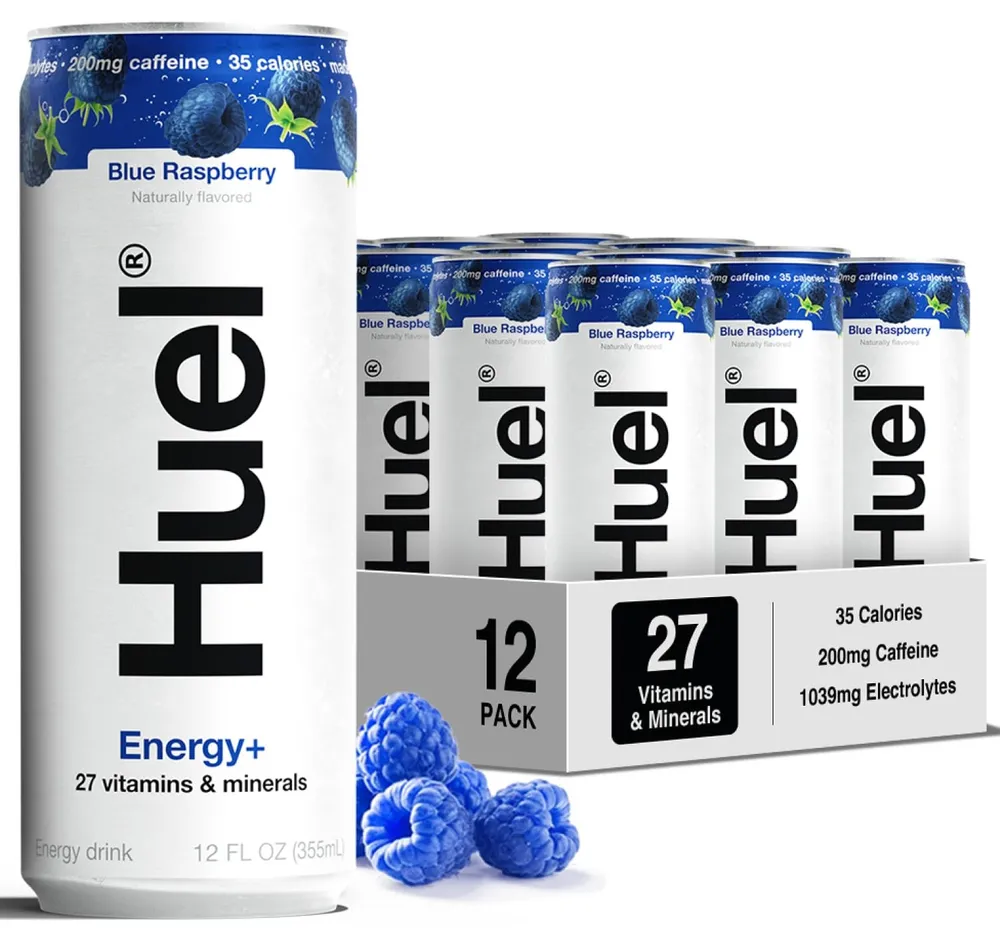
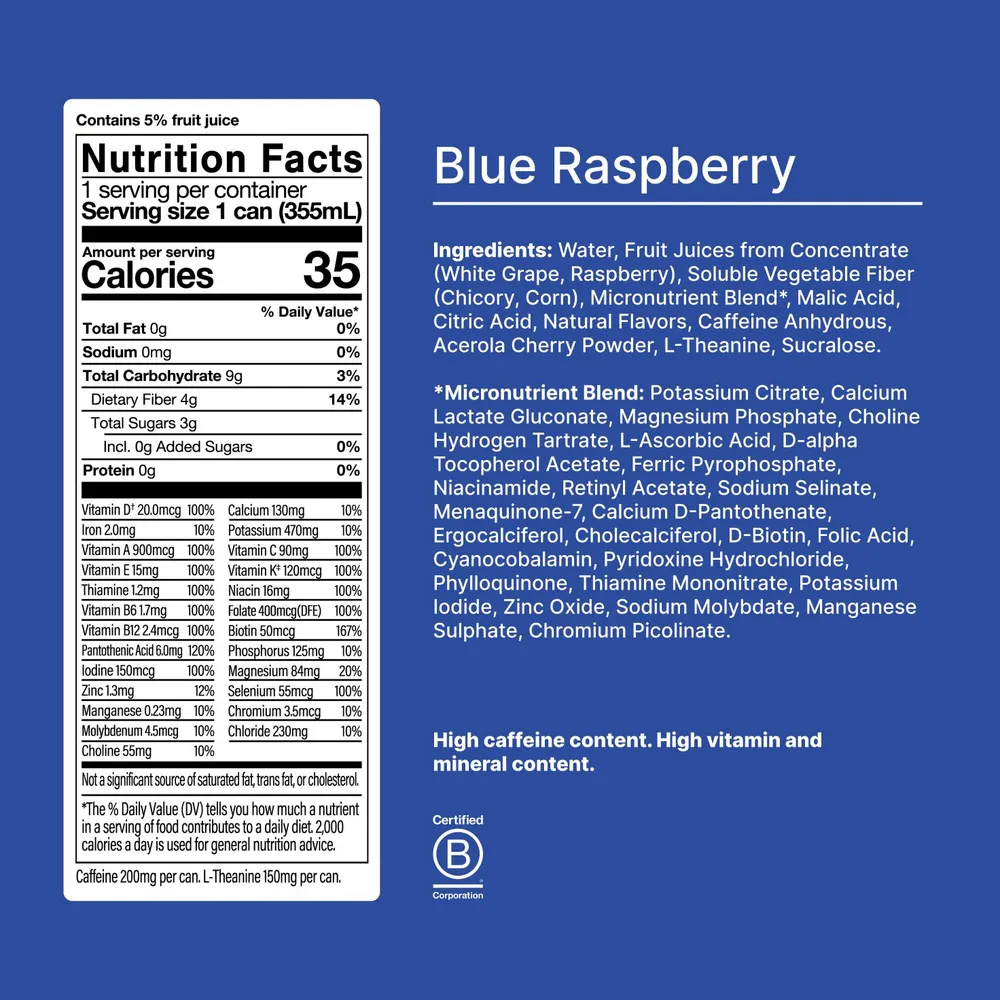
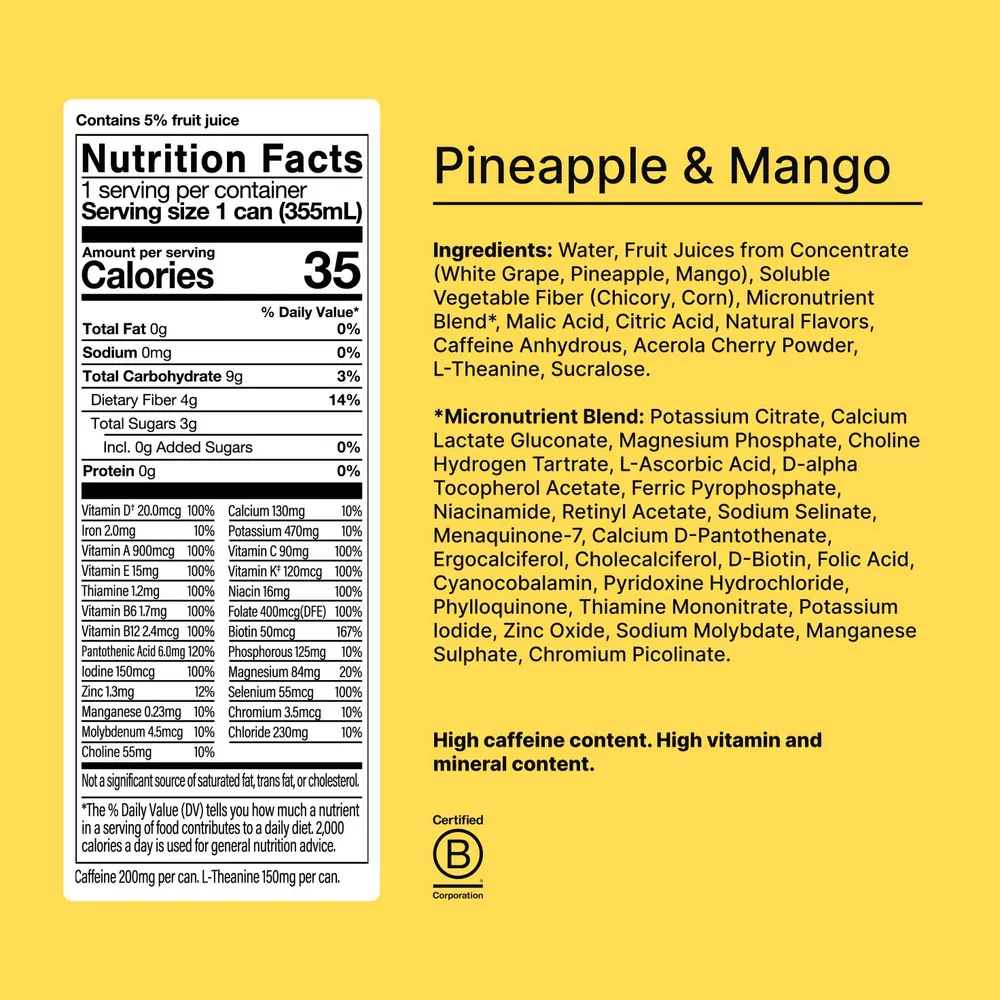
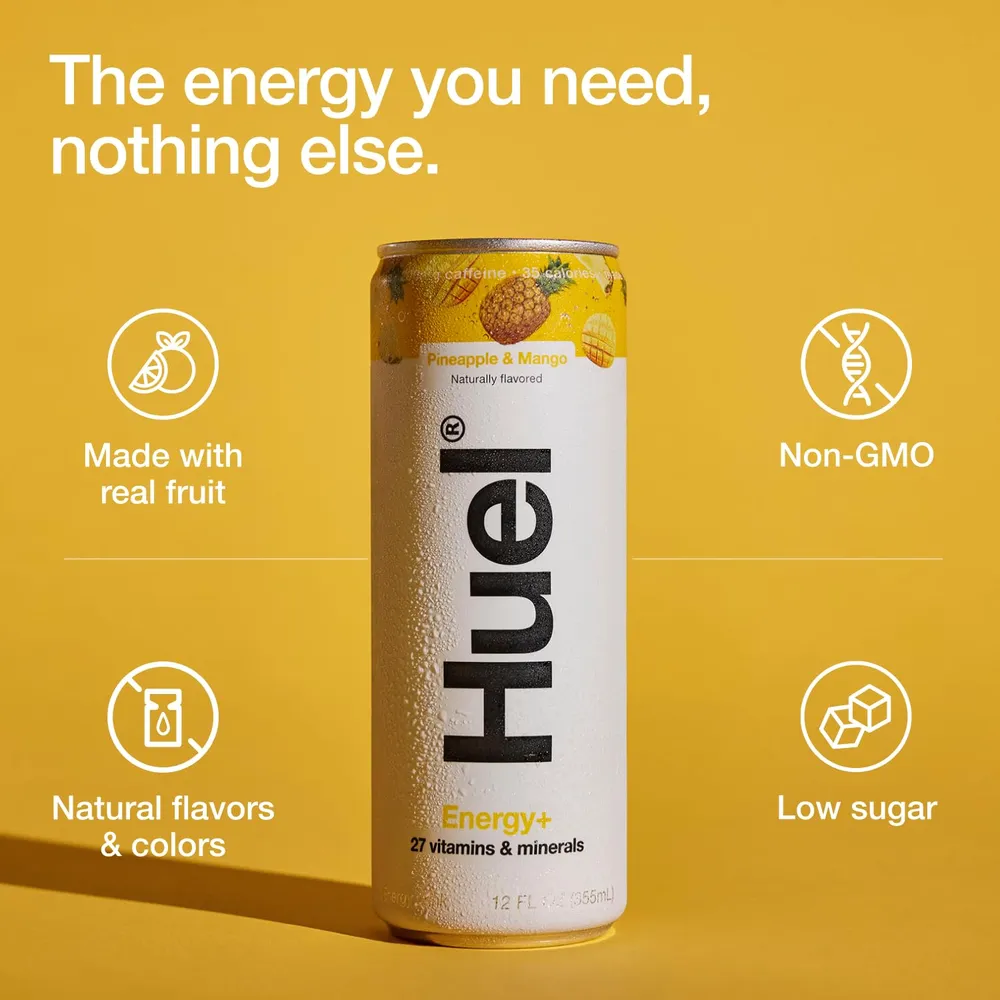
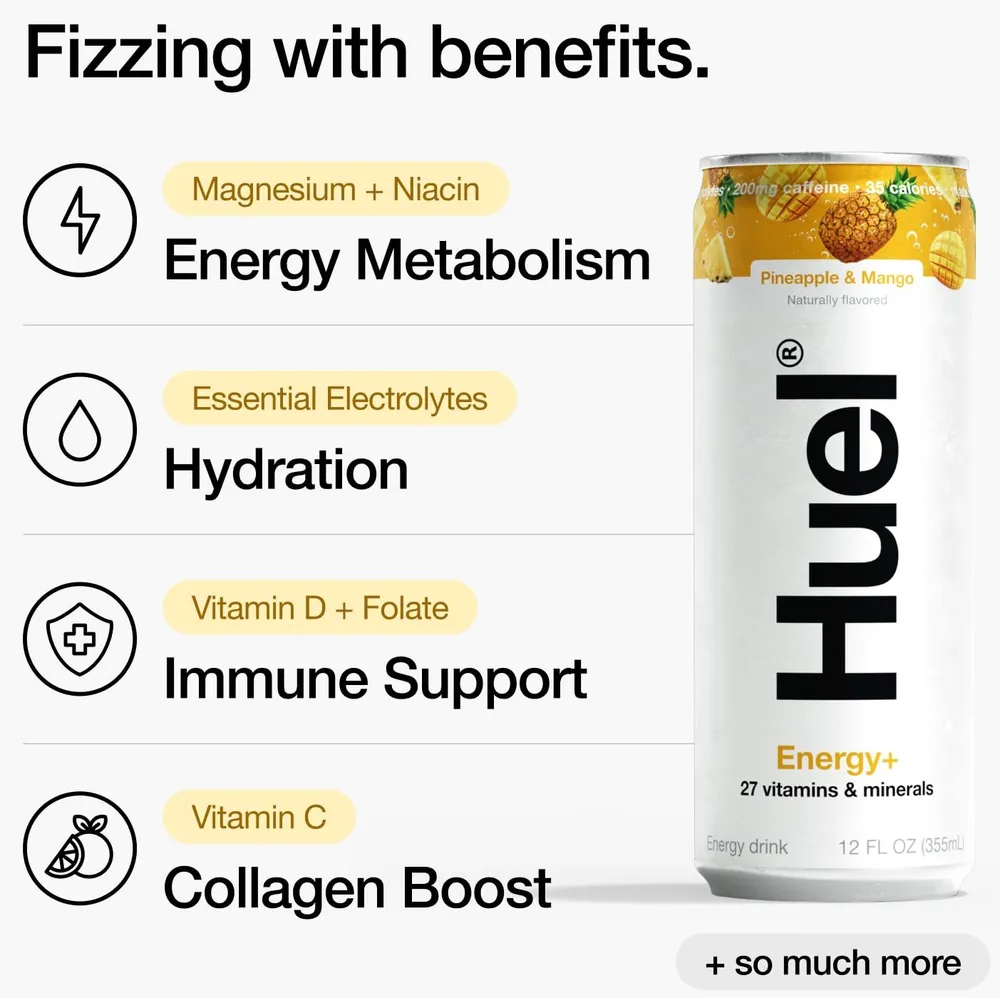
Huel Energy+ is currently represented in three flavors: Watermelon, Pineapple & Mango, and Blue Raspberry. Each keeps the same core 355mL formula and nutrient-forward positioning, with the flavor identity changing across the lineup.
Who This Can Actually Makes Sense For
- Vitamin-conscious caffeine drinkers: If you already take a daily multivitamin and want your caffeine to come with some nutritional overlap instead of empty calories, Energy+'s dosing lines up well.
- Not for kids, pregnant or nursing people, or the caffeine-sensitive: Huel's own label is explicit about this, and the 200mg caffeine dose plus a heavy vitamin stack make it worth taking that warning seriously.
A Logical, If Unsurprising, Move for Huel
Energy+ isn't reinventing the energy drink. It's Huel applying its usual playbook, stacking in the nutrients and keeping the calories low, on top of a category built on empty-calorie caffeine delivery. The caffeine and L-theanine doses are well-supported and reasonably matched, and the vitamin stack is generous enough to actually matter if your diet is otherwise thin on B-vitamins or minerals like magnesium and iodine. If you're already a Huel customer or you like the idea of a functional multivitamin with a caffeine kick, this one's worth trying. If you just want the biggest jolt for your money, there are more caffeine-forward options in the category.
Follow @BevlabMedia on TikTok and Instagram for more on what's actually in your energy drink.
References
- Riebl, Shaun K, et al. "The Hydration Equation: Update on Water Balance and Cognitive Performance." ACSM's health & fitness journal, 2013. https://doi.org/10.1249/FIT.0b013e3182a9570f
- Qiang, Fu. "Effect Of Malate Oligosaccharide Solution On Antioxidant Capacity Of Endurance Athletes." The Open Biomedical Engineering Journal, 2015. https://doi.org/10.2174/1874120701509010326
- Vesnina, Anna, et al. "Citric Acid Cycle Genes and Nutrigenetics." International journal of molecular sciences, 2026. https://doi.org/10.3390/ijms27052360
- Ciriminna, Rosaria, et al. "Citric acid: emerging applications of key biotechnology industrial product." Chemistry Central journal, 2017. https://doi.org/10.1186/s13065-017-0251-y
- Goodman, Matthew J. "The “Natural” vs. “Natural Flavors” Conflict in Food Labeling: A Regulatory Viewpoint." Food and drug law journal, 2017. https://pubmed.ncbi.nlm.nih.gov/29140655/
- Davidsen, Jeanne M, et al. "FEMA GRAS assessment of natural flavor complexes: Asafetida oil, garlic oil and onion oil." Food and chemical toxicology : an international journal published for the British Industrial Biological Research Association, 2023. https://doi.org/10.1016/j.fct.2022.113580
- McLellan, Tom M. et al. "A Review Of Caffeine S Effects On Cognitive Physical And Occupational Performance." Neuroscience & Biobehavioral Reviews, 2016. https://doi.org/10.1016/j.neubiorev.2016.09.001
- Guest, Nanci S. et al. "International Society Of Sports Nutrition Position Stand Caffeine And Exercise Performance." Journal of the International Society of Sports Nutrition, 2021. https://doi.org/10.1186/s12970-020-00383-4
- Wikoff, Daniele, et al. "Systematic review of the potential adverse effects of caffeine consumption in healthy adults, pregnant women, adolescents, and children." Food and chemical toxicology : an international journal published for the British Industrial Biological Research Association, 2017. https://doi.org/10.1016/j.fct.2017.04.002
- Uchida, Eriko, et al. "Absorption and excretion of ascorbic acid alone and in acerola (Malpighia emarginata) juice: comparison in healthy Japanese subjects." Biological & pharmaceutical bulletin, 2011. https://doi.org/10.1248/bpb.34.1744
- Aquino, Jailane de Souza, et al. "Acerola and Its By-Products as Sources of Bioactive Compounds: Phytochemical Profile and Biological Effects in Experimental and Clinical Studies." Molecules (Basel, Switzerland), 2026. https://doi.org/10.3390/molecules31111792
- Haskell, Crystal F, et al. "The Effects Of L Theanine Caffeine And Their Combination On Cognition And Mood." Biological psychology, 2008. https://doi.org/10.1016/j.biopsycho.2007.09.008
- Kahathuduwa, Chanaka N, et al. "Acute Effects Of Theanine Caffeine And Theanine Caffeine Combination On Attention." Nutritional neuroscience, 2017. https://doi.org/10.1080/1028415X.2016.1144845
- Camfield, David A, et al. "Acute effects of tea constituents L-theanine, caffeine, and epigallocatechin gallate on cognitive function and mood: a systematic review and meta-analysis." Nutrition reviews, 2014. https://doi.org/10.1111/nure.12120
- Sharma, Arun, et al. "Artificial sweeteners as a sugar substitute: Are they really safe?." Indian journal of pharmacology, 2016. https://doi.org/10.4103/0253-7613.182888
- Suez, Jotham, et al. "Personalized microbiome-driven effects of non-nutritive sweeteners on human glucose tolerance." Cell, 2022. https://doi.org/10.1016/j.cell.2022.07.016
- LeBoff, Meryl S, et al. "Supplemental Vitamin D And Incident Fractures In Midlife And Older Adults." The New England journal of medicine, 2022. https://doi.org/10.1056/NEJMoa2202106
- Clarke, B.L. "Use Of Calcium Or Calcium In Combination With Vitamin D Supplementation To Prevent Fractures And Bone Loss In People Aged 50 Years And Older A Meta Analysis." Yearbook of Endocrinology, 2008. https://doi.org/10.1016/s0084-3741(08)79096-6
- Barry, Daniel W, et al. "Acute Calcium Ingestion Attenuates Exercise Induced Disruption Of Calcium Homeostasis." Medicine and science in sports and exercise, 2011. https://doi.org/10.1249/MSS.0b013e3181f79fa8
- Vaucher, Paul, et al. "Effect of iron supplementation on fatigue in nonanemic menstruating women with low ferritin: a randomized controlled trial." CMAJ : Canadian Medical Association journal = journal de l'Association medicale canadienne, 2012. https://doi.org/10.1503/cmaj.110950
- Piskin, Elif, et al. "Iron Absorption: Factors, Limitations, and Improvement Methods." ACS omega, 2022. https://doi.org/10.1021/acsomega.2c01833
- Weaver, Connie M. "Potassium and health." Advances in nutrition (Bethesda, Md.), 2013. https://doi.org/10.3945/an.112.003533
- He, Feng J, et al. "Beneficial effects of potassium on human health." Physiologia plantarum, 2008. https://doi.org/10.1111/j.1399-3054.2007.01033.x
- Lykkesfeldt, Jens, et al. "The pharmacology of vitamin C." Pharmacological reviews, 2025. https://doi.org/10.1016/j.pharmr.2025.100043
- Hemilä, Harri, et al. "Vitamin C reduces the severity of common colds: a meta-analysis." BMC public health, 2023. https://doi.org/10.1186/s12889-023-17229-8
- Miller, Edgar R, et al. "Meta-analysis: high-dosage vitamin E supplementation may increase all-cause mortality." Annals of internal medicine, 2005. https://doi.org/10.7326/0003-4819-142-1-200501040-00110
- Abner, Erin L, et al. "Vitamin E and all-cause mortality: a meta-analysis." Current aging science, 2011. https://doi.org/10.2174/1874609811104020158
- "Effect Of Vitamin K On Bone Mineral Density And Fracture Risk In Adults Systematic Review And Meta Analysis."
- "Vitamin K Containing Dietary Supplements Comparison Of Synthetic Vitamin K1 And Natto Derived Menaquinone 7."
- Whitfield, Kyly C, et al. "Thiamine deficiency disorders: diagnosis, prevalence, and a roadmap for global control programs." Annals of the New York Academy of Sciences, 2018. https://doi.org/10.1111/nyas.13919
- Maguire, Donogh, et al. "The role of thiamine dependent enzymes in obesity and obesity related chronic disease states: A systematic review." Clinical nutrition ESPEN, 2018. https://doi.org/10.1016/j.clnesp.2018.02.007
- Yang, Yue, et al. "Nad Metabolism Bioenergetics Signaling And Manipulation For Therapy." Biochimica et Biophysica Acta (BBA) - Proteins and Proteomics, 2016. https://doi.org/10.1016/j.bbapap.2016.06.014
- Rad, Esmaeil Yousefi, et al. "The effect of niacin on inflammatory markers and adipokines: a systematic review and meta-analysis of interventional studies." European journal of nutrition, 2024. https://doi.org/10.1007/s00394-024-03425-8
- di Salvo, Martino Luigi, et al. "Vitamin B(6) salvage enzymes: mechanism, structure and regulation." Biochimica et Biophysica Acta (BBA) - Proteins and Proteomics, 2011. https://doi.org/10.1016/j.bbapap.2010.12.006
- Ghavanini, Amer A, et al. "Revisiting the evidence for neuropathy caused by pyridoxine deficiency and excess." Journal of clinical neuromuscular disease, 2014. https://doi.org/10.1097/cnd.0000000000000049
- US, Preventive Services Task Force, et al. "Folic Acid Supplementation to Prevent Neural Tube Defects: US Preventive Services Task Force Reaffirmation Recommendation Statement." JAMA, 2023. https://doi.org/10.1001/jama.2023.12876
- Pietrzik, Klaus, et al. "Folic acid and L-5-methyltetrahydrofolate: comparison of clinical pharmacokinetics and pharmacodynamics." Clinical pharmacokinetics, 2010. https://doi.org/10.2165/11532990-000000000-00000
- Paul, Cristiana, et al. "Comparative Bioavailability and Utilization of Particular Forms of B12 Supplements With Potential to Mitigate B12-related Genetic Polymorphisms." Integrative medicine (Encinitas, Calif.), 2017. https://pubmed.ncbi.nlm.nih.gov/28223907/
- Lyon, Peter, et al. "B Vitamins And One Carbon Metabolism Implications In Human Health And Disease." Nutrients, 2020. https://doi.org/10.3390/nu12092867
- Solvik, Beate Stokke, et al. "Biotin: a scoping review for Nordic Nutrition Recommendations 2023." Food & nutrition research, 2024. https://doi.org/10.29219/fnr.v68.10256
- Mrosewski, Ingo, et al. "Interference of High Dose Biotin Supplementation with Thyroid Parameters in Immunoassays Utilizing the Interaction between Streptavidin and Biotin: a Case Report and Review of Current Literature." Clinical laboratory, 2019. https://doi.org/10.7754/Clin.Lab.2018.180637
- Shichkin, Valentin P. "Vitamin B5 and vitamin U review: justification of combined use for the treatment of mucosa-associated gastrointestinal pathologies." Frontiers in pharmacology, 2025. https://doi.org/10.3389/fphar.2025.1587627
- Liu, Xiaobing, et al. "The Iodine Bioavailability and Its Metabolic Response for Kombu and Potassium Iodide Intake in Chinese Adults." Food science & nutrition, 2025. https://doi.org/10.1002/fsn3.70818
- Eveleigh, Elizabeth Rose, et al. "Systematic review and meta-analysis of iodine nutrition in modern vegan and vegetarian diets." British Journal of Nutrition, 2023. https://doi.org/10.1017/s000711452300051x
- Katagiri, Ryoko, et al. "Effect of excess iodine intake on thyroid diseases in different populations: A systematic review and meta-analyses including observational studies." PloS one, 2017. https://doi.org/10.1371/journal.pone.0173722
- Veronese, Nicola, et al. "Effect Of Magnesium Supplementation On Inflammatory Parameters A Meta Analysis Of Randomized Controlled Trials." Nutrients, 2022. https://doi.org/10.3390/nu14030679
- Tarsitano, Maria Grazia, et al. "Effects Of Magnesium Supplementation On Muscle Soreness In Different Type Of Physical Activities A Systematic Review." Journal of translational medicine, 2024. https://doi.org/10.1186/s12967-024-05434-x
- Jazinaki, Mostafa Shahraki, et al. "Effects Of Zinc Supplementation On Sleep Quality In Humans A Systematic Review Of Randomized Controlled Trials." Health science reports, 2024. https://doi.org/10.1002/hsr2.70019
- Li, Jin, et al. "Zinc Intakes And Health Outcomes An Umbrella Review." Frontiers in nutrition, 2022. https://doi.org/10.3389/fnut.2022.798078
- Hadrup, Niels, et al. "Absorption, distribution, metabolism and excretion (ADME) of oral selenium from organic and inorganic sources: A review." Journal of trace elements in medicine and biology : organ of the Society for Minerals and Trace Elements (GMS), 2021. https://doi.org/10.1016/j.jtemb.2021.126801
- Rayman, Margaret P. "Selenium and human health." Lancet (London, England), 2012. https://doi.org/10.1016/S0140-6736(11)61452-9
- Kippler, Maria, et al. "Manganese - a scoping review for Nordic Nutrition Recommendations 2023." Food & nutrition research, 2024. https://doi.org/10.29219/fnr.v68.10367
- O'Neal, Stefanie L, et al. "Manganese Toxicity Upon Overexposure: a Decade in Review." Current environmental health reports, 2015. https://doi.org/10.1007/s40572-015-0056-x
- Georgaki, Maria-Nefeli, et al. "Chromium supplementation and type 2 diabetes mellitus: an extensive systematic review." Environmental geochemistry and health, 2024. https://doi.org/10.1007/s10653-024-02297-5
- Abumrad, N N, et al. "Amino acid intolerance during prolonged total parenteral nutrition reversed by molybdate therapy." The American journal of clinical nutrition, 1981. https://doi.org/10.1093/ajcn/34.11.2551
- Oskarsson, Agneta, et al. "Molybdenum - a scoping review for Nordic Nutrition Recommendations 2023." Food & nutrition research, 2023. https://doi.org/10.29219/fnr.v67.10326
- Conlay, L A, et al. "Decreased Plasma Choline Concentrations In Marathon Runners." The New England journal of medicine, 1986. https://pubmed.ncbi.nlm.nih.gov/3748109/
- Warber, John P. et al. "The Effects Of Choline Supplementation On Physical Performance." International Journal of Sport Nutrition and Exercise Metabolism, 2000. https://doi.org/10.1123/ijsnem.10.2.170
Tagged