Nello Energy
Zero Sugar, Zero Sucralose, Still Tastes Like Rainbow Sherbet
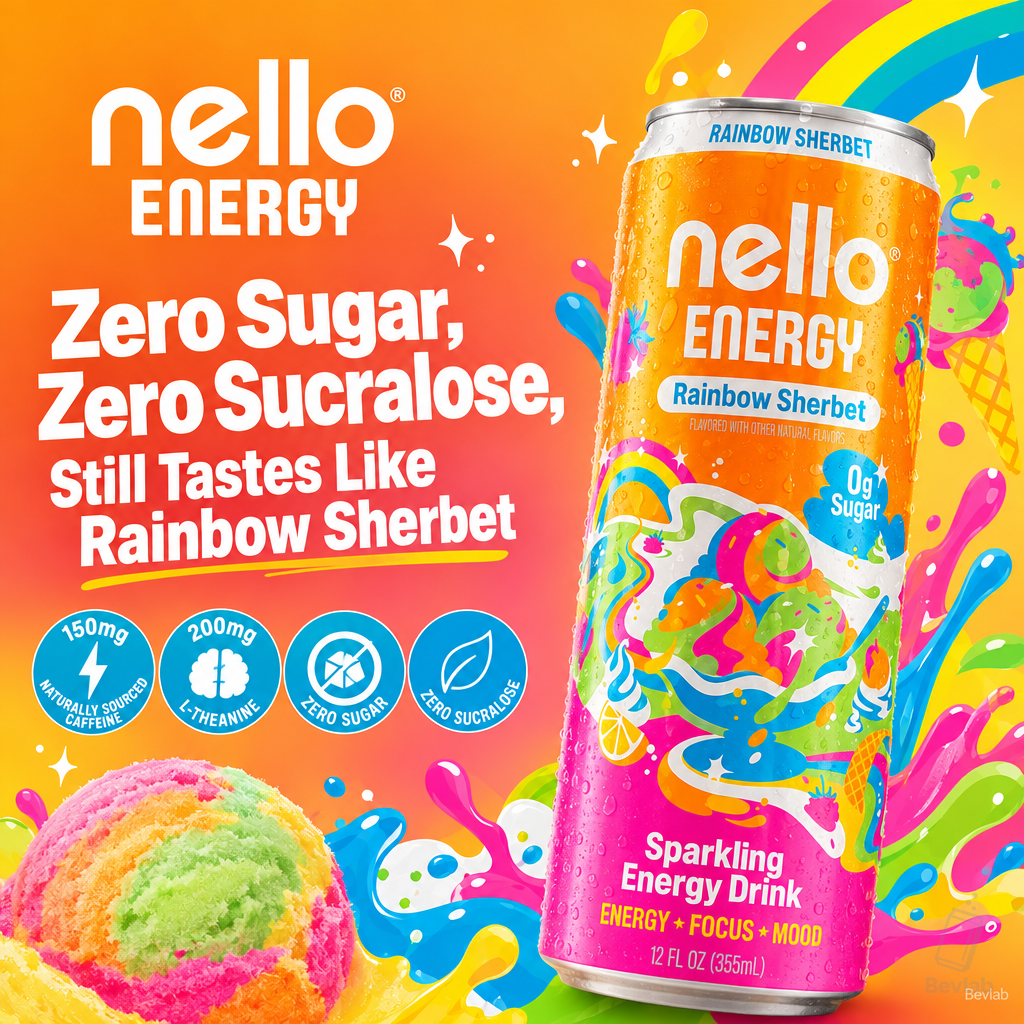
Nello Energy pairs 150mg natural caffeine with 200mg L-theanine, skips sucralose, and uses Reb M in a four-flavor lineup launched at Target.
Nello started in Utah in 2021 as a stress-support powder brand, built around SuperCalm and a pitch of "feel more like yourself, but better." That's an unusual pedigree for an energy drink launch, but it's exactly where Nello Energy comes from. The brand has spent the last few years building a reputation on clinically dosed ingredients, zero proprietary blends, and full label transparency, and Nello Energy is the company's attempt to bring that same philosophy to a category dominated by sugar bombs and sucralose.
The pitch is specific: 150mg of naturally sourced caffeine, 200mg of L-theanine to smooth it out, zero sugar, and notably, zero sucralose. Nello says it looked for a naturally sweetened energy drink without artificial sweeteners and couldn't find a good one, so they built it. In a category where "zero sugar" almost always means "swap sugar for sucralose", we get it. Nello Energy originally launched at Target across four flavors, including Rainbow Sherbet.
Nello Energy Nutrition Facts
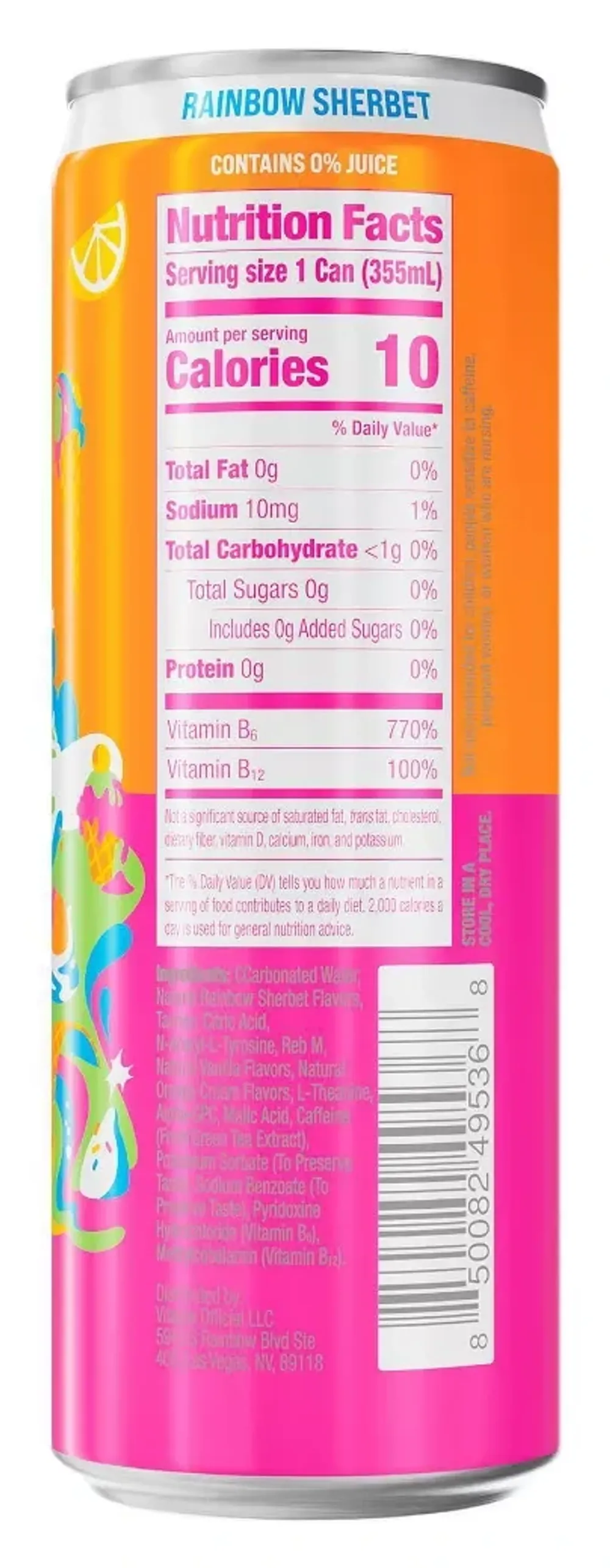
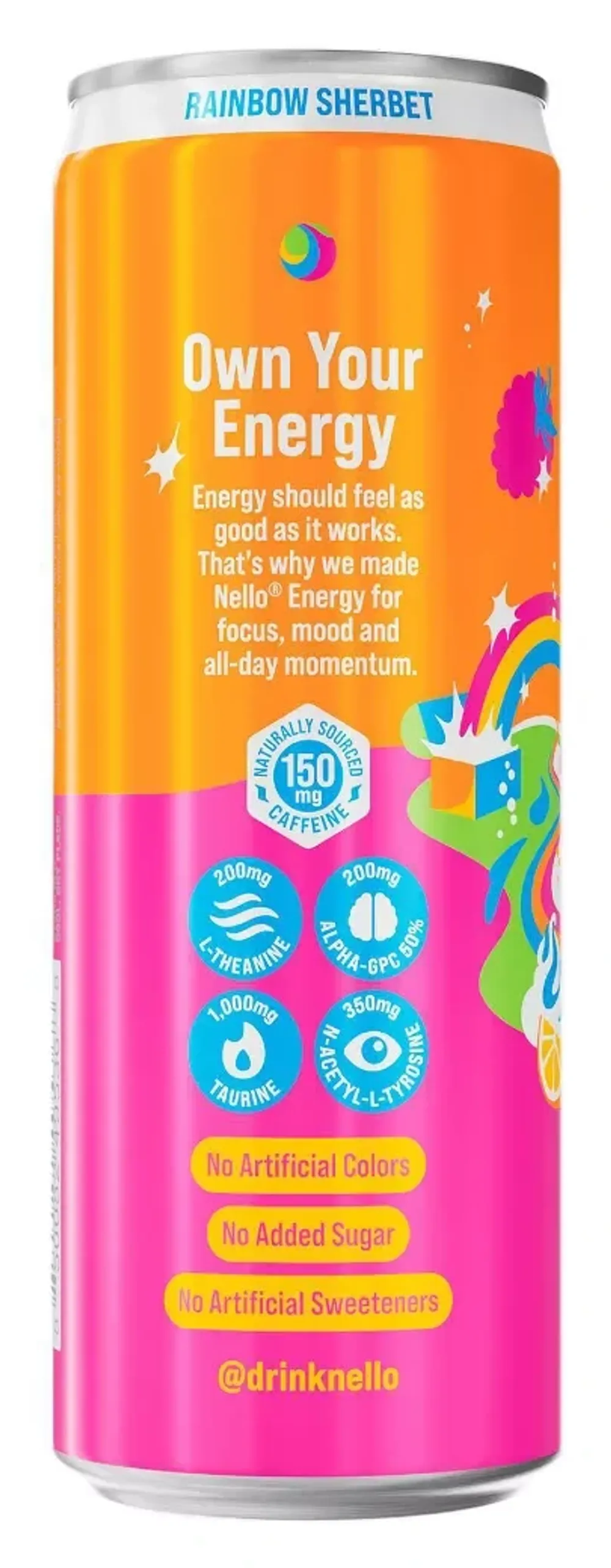
The numbers below come from the Rainbow Sherbet can, and since every Nello Energy flavor is sweetened with Reb M rather than sugar, the macro profile should track closely across the lineup.
- Calories: 10
- Total Fat: 0g (0% DV)
- Total Carbohydrate: <1g (0% DV)
- Total Sugars: 0g
- Added Sugars: 0g (0% DV)
- Total Sugars: 0g
- Protein: 0g (0% DV)
- Vitamins and Minerals
- Sodium: 10mg (1% DV)
- Vitamin B6: ~13mg (770% DV)
- Vitamin B12: ~2.4mcg (100% DV)
The can prints Daily Values rather than absolute amounts for B6 and B12, so the doses above are back-calculated from the current U.S. DVs and should be treated as approximate. For B6, 770% of the 1.7mg Daily Value works out to about 13mg per can. That's enough to deserve a closer look, but a high %DV by itself doesn't tell us where toxicity begins, so we'll put that dose in perspective below.
Nello Energy Ingredients
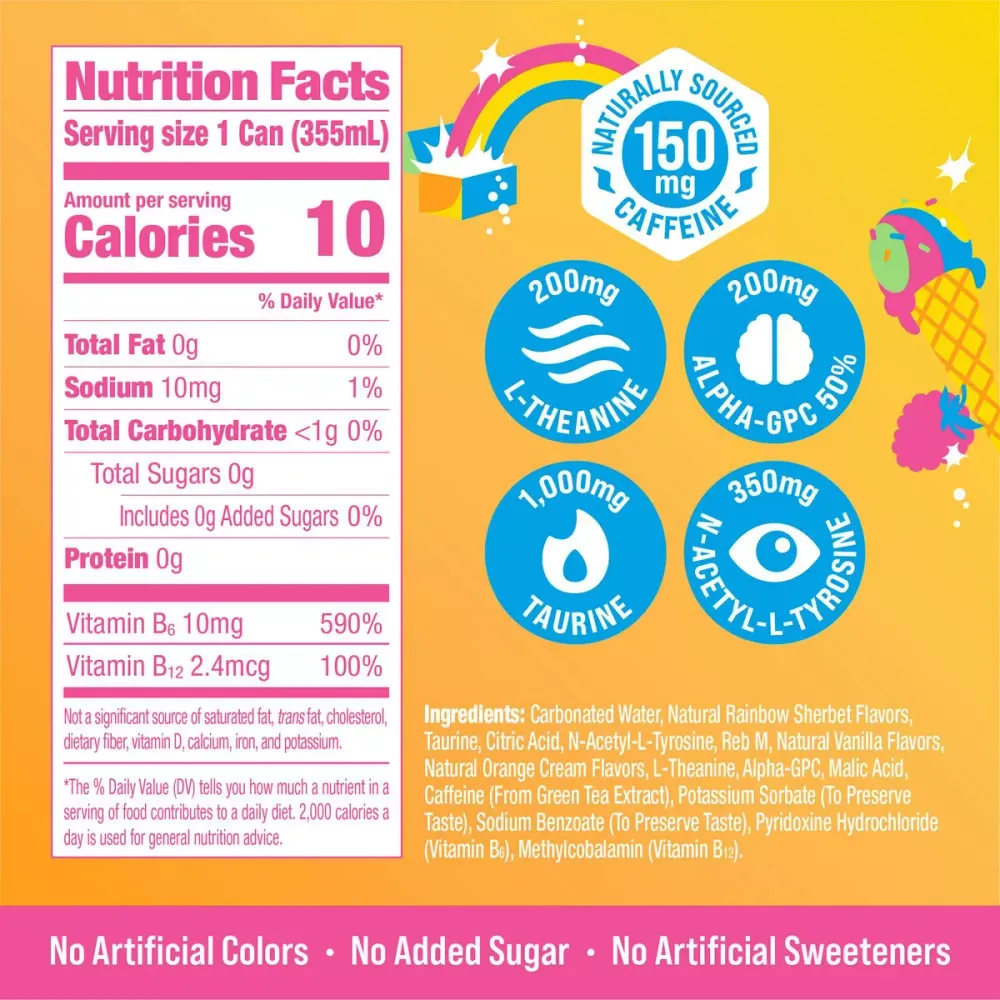
Each 12oz (355mL) can provides the following key actives, based on the shared core formula across Nello's flavor lineup:
-
Caffeine - 150mg
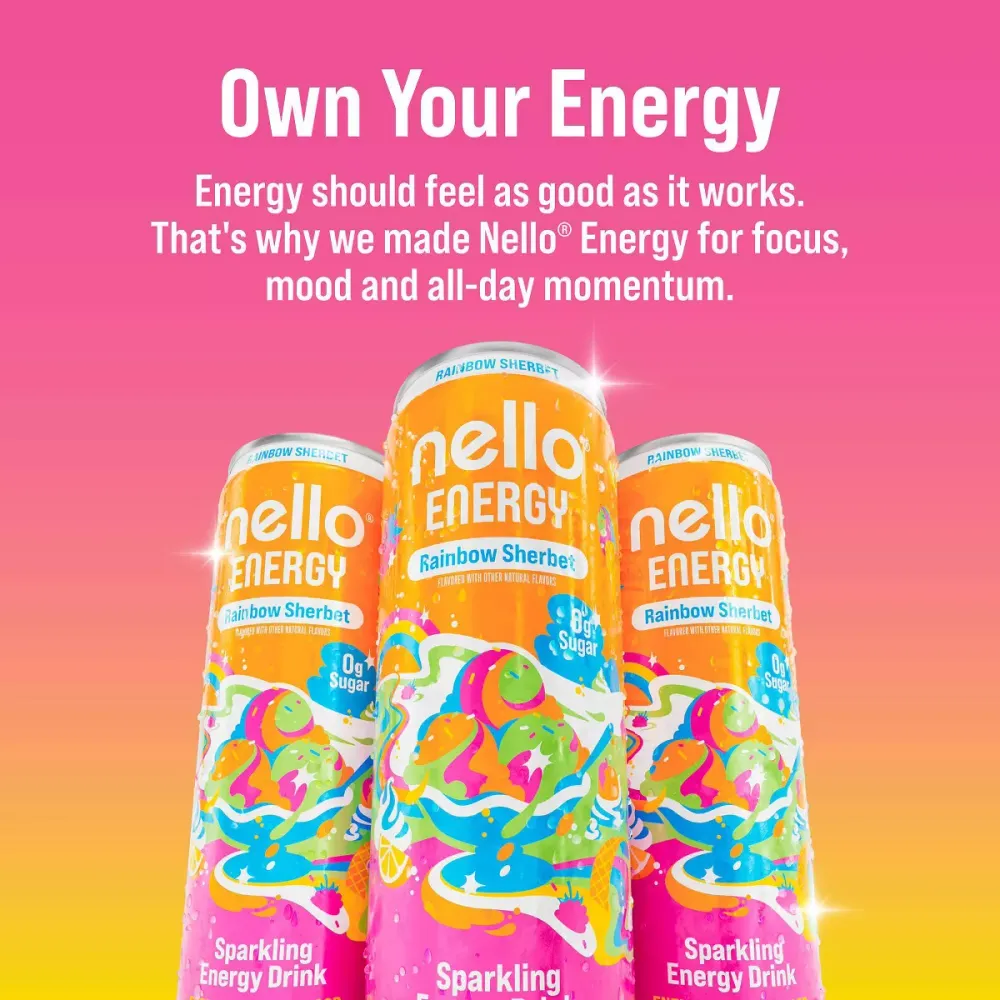
Caffeine is the ingredient doing the actual work here, and 150mg puts Nello Energy on the lighter end of the category, well below the 200-300mg most energy drinks lean on. Mechanistically, caffeine blocks adenosine receptors in the brain, the ones responsible for that creeping tired feeling, which is why it reliably improves alertness and reaction time.[1] The ISSN's position stand on caffeine backs doses in the 3-6mg/kg range (about 200-400mg for a 70kg adult) for measurable performance and vigilance benefits, so 150mg sits a bit under the sweet spot most sports nutrition research targets.[2] A comprehensive safety review found no adverse cardiovascular, behavioral, or reproductive effects at intakes up to 400mg/day in healthy adults, which puts a single can well inside the safety margin.[3]
-
L-Theanine - 200mg
L-Theanine is the ingredient responsible for Nello's "no jitters" claim, and at 200mg it's dosed generously relative to most of the caffeine + theanine research base. On its own, theanine promotes alpha brain-wave activity, the relaxed-focus state associated with calm alertness.[4] Paired with caffeine specifically, a meta-analysis of 11 randomized trials found the combination produced moderate improvements in alertness and attentional accuracy compared to placebo, with the effect showing up fastest in the first two hours post-dose.[5] A separate crossover trial found the combination improved reaction time and reduced mental fatigue in ways that neither ingredient replicated alone, which is the actual mechanism behind Nello's "no jitters" review quotes.[6]
-
Panax Ginseng
Nello doesn't disclose the exact amount of Panax ginseng root extract in the can, so treat this as a supporting player rather than a headline ingredient. Ginseng has human evidence, but effects are dose-sensitive: a crossover trial found 400mg of standardized extract improved calmness and mental arithmetic performance, while a different dose in the same study produced mixed results.[7] More directly relevant to a stressed-out energy drink audience, a 2025 trial in moderately stressed adults found 200mg of red ginseng reduced perceived stress and negative affect over three weeks.[8] It's worth noting ginseng isn't a reliable stimulant on its own. A dedicated exercise-performance trial found no benefit to repeated sprint performance from standardized extract, so this ingredient is functioning more as an adaptogen than a caffeine backup.[9]
-
N-Acetyl-L-Tyrosine
L-tyrosine, here in its acetylated form, is the direct biosynthetic precursor to dopamine and norepinephrine, the neurotransmitters behind focus and drive.[10] The catch is that tyrosine mostly helps under stress, not at rest. The "depletion reversal" model in the research literature holds that tyrosine supplementation helps maintain catecholamine output specifically when neurons are firing hard, like during acute stress or sleep deprivation, rather than boosting baseline focus in a calm, well-rested person.[11] A rapid evidence review backed this up with a weak-but-consistent recommendation for tyrosine under physiological or psychological stress, while finding no reliable case for it as a general-purpose cognitive booster.[12] Nello doesn't disclose the dose, so it's hard to say whether this hits research-relevant levels.
-
Taurine
Taurine shows up in nearly every energy drink formula, and Nello's isn't an exception, though the exact dose isn't disclosed here. The strongest human evidence for taurine isn't really about energy at all, it's cardiometabolic. A meta-analysis of 20 randomized trials found taurine supplementation meaningfully lowered heart rate and blood pressure over weeks to months of use.[13] For acute exercise and cognitive effects, the picture is murkier. A recent meta-analysis of single-dose taurine trials found a small but real performance benefit, concentrated mostly in strength, power, and coordination tasks rather than raw energy or focus.[14] Because taurine is almost always paired with caffeine in these formulas, isolating its independent contribution to how a can actually makes you feel is genuinely difficult.[15]
-
Citric Acid
Citric acid is doing acidulant and flavor-balancing work here rather than anything functional, giving Nello Energy its tartness and helping stabilize the overall pH. It's also a central intermediate in the body's own energy-producing citric acid cycle, the same pathway your cells use to generate ATP from food, though the amount in a beverage is a flavoring dose, not a metabolic one.[16] Naturally, citric acid is most concentrated in lemons and limes, and commercially it's produced at scale via fermentation.[17]
-
Malic Acid
Malic acid contributes the tart, apple-like edge that rounds out Nello Energy's flavor profile, and like citric acid, it's also a genuine intermediate in cellular energy metabolism, specifically the step where fumarate converts to malate in the TCA cycle.[18] There's some athletic-recovery research behind malic acid at higher doses, including a fibromyalgia trial that found benefit only at doses well above what a beverage would reasonably contain.[19] At flavoring-level amounts, this is really a taste ingredient first.
-
Rebaudioside M
Rebaudioside M is the sweetener doing the heavy lifting behind Nello's no-sucralose, no-sugar pitch. It's a highly glycosylated steviol glycoside naturally found in stevia leaf, and it's specifically chosen over cheaper stevia extracts because it delivers a cleaner, less bitter sweetness profile.[20] Consumer sensory testing backs this up: in a 126-person panel, Reb M rated closer to real sucrose in both sweetness and bitterness than older stevia extracts like Reb A.[21] On the health side, a randomized crossover trial found that swapping sucrose for Reb M in a food product significantly lowered postprandial insulin and glucose response without dulling appetite.[22] EFSA has reviewed multiple Reb M production routes and found no safety concerns at the doses used in food and beverage applications.[23]
-
Natural Flavors
Natural flavors is a broad regulatory category, not a single ingredient, covering any flavor compound sourced from a plant, animal, or fermentation product rather than synthesized from scratch.[24] The individual flavor compounds used in complexes like this are reviewed and affirmed GRAS by the FEMA Expert Panel, a formal safety process distinct from the more casual "natural" labeling claims you see on packaging.[25] Worth knowing as a consumer: "natural flavor" describes origin, not necessarily a match to what's pictured on the can, since flavor compounds can be sourced from completely different natural materials than the fruit named on the label.[24]
-
Carbonated Water
Carbonated water is the beverage base, and it's more biologically active than most people assume. A small study using near-infrared spectroscopy found that ingesting carbonated water increased blood flow to the frontal region of the brain associated with reward processing, an effect not seen with still water.[26] Separately, a review of nine studies found no meaningful sustained blood pressure changes from carbonated water consumption beyond the first 20 minutes.[27] None of this makes carbonation "functional" in a marketing sense, but it does explain part of why a sparkling energy drink can feel more alert-inducing in the moment than a flat one.
-
Potassium Sorbate (as Potassium Sorbate)
Potassium sorbate is a standard antimicrobial preservative used to keep yeast and mold from growing in the can over shelf life. It works best in acidic conditions like this one, penetrating microbial cell membranes and disrupting their internal energy production.[28] EFSA's most recent re-evaluation set an acceptable daily intake of 11mg per kilogram of body weight per day, with realistic dietary exposure estimates falling well under that limit even for high-consuming populations.[29] There's a genuinely contested research thread around potassium sorbate reacting with vitamin C and iron to form mutagenic byproducts in solution, and ascorbic acid does appear in the ingredient statement here, although its amount is not disclosed.[30]
-
Sodium Benzoate (as Benzoic Acid)
Sodium benzoate is the second preservative in the formula, working through a similar low-pH antimicrobial mechanism as potassium sorbate, diffusing into microbial cells and disrupting their internal chemistry.[31] EFSA's 2016 re-evaluation set a group acceptable daily intake of 5mg per kilogram of body weight per day for benzoate salts, though the same review flagged that heavy, brand-loyal consumption of flavored drinks by children could approach or exceed that limit.[32] For an adult having an occasional can, that's not a meaningful concern, but it's a reasonable data point for parents.
-
Vitamins and Minerals
-
Vitamin B6 (as Pyridoxine Hydrochloride) - ~13mg (770% DV)
Vitamin B6 is where the percentage looks scarier until you put the dose in perspective. Using the current U.S. Daily Value of 1.7mg, the can's 770% DV works out to roughly 13mg of B6; because the label prints only %DV, treat that as a back-calculation rather than an exact declared amount. Pyridoxal-5'-phosphate, the active form B6 converts into, is a cofactor in over 140 enzymatic reactions, including the synthesis of dopamine, serotonin, and GABA.[33]
The safety concern is chronic pyridoxine exposure and peripheral neuropathy, but the dose-response is not clean. Many of the clearest historical toxicity reports involved far larger daily intakes, while a 2025 review notes that EFSA now uses a 12mg/day adult upper limit and that lower-dose case reports also exist.[34] That upper limit is a conservative long-term intake ceiling, not a threshold where one extra milligram suddenly becomes toxic.
So drinking a single can isn't an acute-toxicity scenario... but the more practical concern is daily use plus a multivitamin, B-complex, pre-workout, or other fortified products that all add up to something more. At roughly 13mg per can, this is more B6 than we'd personally want to see in an everyday energy drink, but the evidence doesn't justify implying that a single can is likely to cause neuropathy.
-
Vitamin B12 (as Methylcobalamin) - ~2.4mcg (100% DV)
Vitamin B12 appears as methylcobalamin at ~2.4mcg per can (100% DV) and is converted to active cobalamin cofactors after absorption.[35] B12 is essential for red blood cell formation and nerve function, and research suggests all common supplemental forms perform similarly once inside the body, so the specific form is less important than adequate B12 delivery.[36]
-
Vitamin C (as Ascorbic Acid)
Nello doesn't disclose the exact amount of vitamin C in Nello Energy, and it doesn't show up with its own Daily Value line on this can's nutrition panel. Vitamin C supports epithelial barrier function and several steps of the immune response, though the evidence base is strongest for maintaining adequate status rather than for mega-dosing benefits.[37] It's a common, low-cost addition to fortified beverages, and here it reads more like a label-rounding ingredient than a headline feature.
-
Sodium - 10mg (1% DV)
At just 10mg, sodium here is incidental, likely a byproduct of the preservative system rather than an intentional electrolyte play. This isn't a hydration or sports drink, and it doesn't try to be.
-
-
Other Ingredients
- Niacin appears on the ingredient statement but doesn't carry its own Daily Value line on the nutrition panel, and Nello doesn't disclose the amount.
- Natural Organic Colors show up specifically on the Rainbow Sherbet can, consistent with the brand's stated avoidance of synthetic dyes. Other flavors in the lineup may use different natural colorants.
Four Flavors, Zero Sucralose
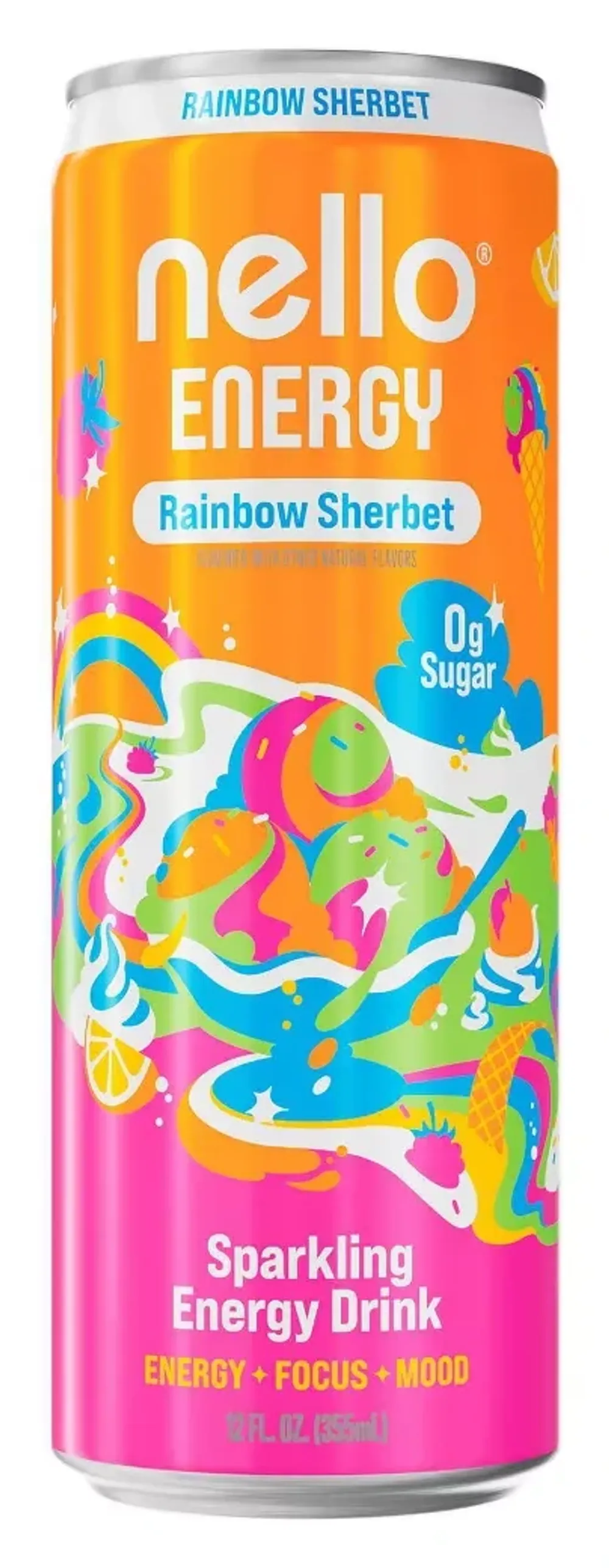
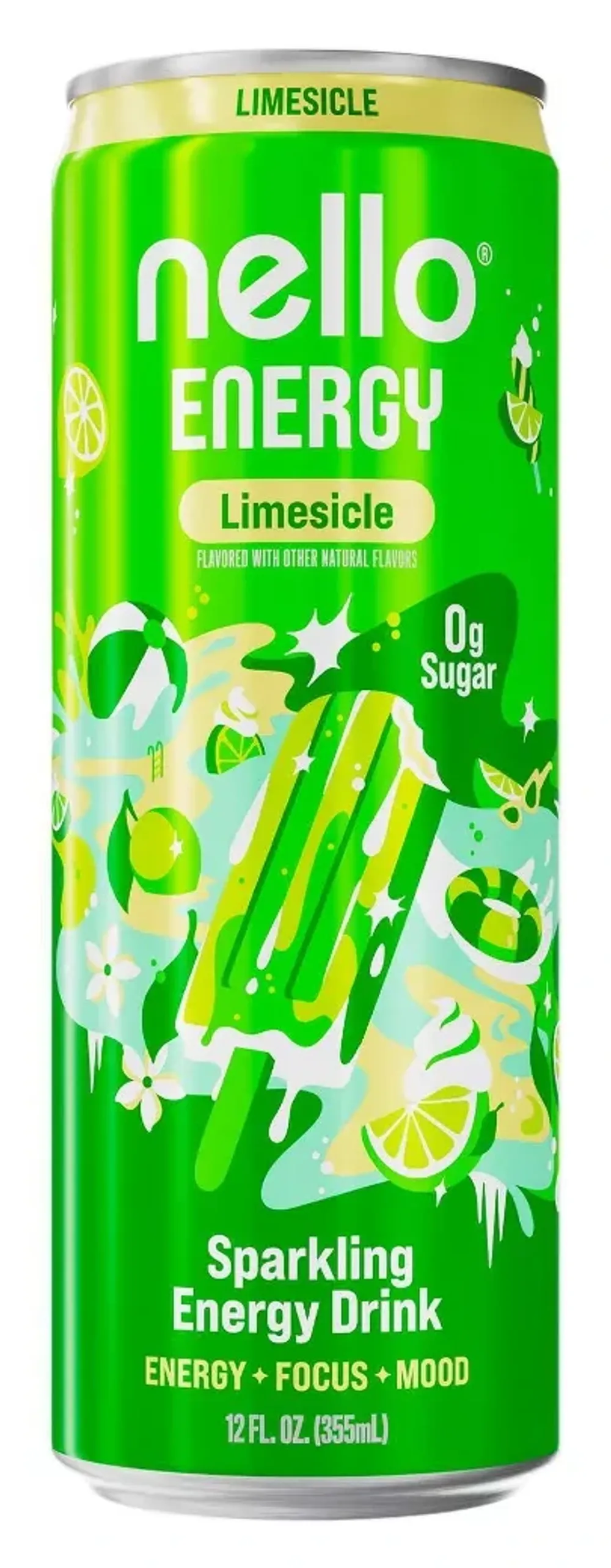
Nello Energy launched in Strawberry Lemon, Cherry Splash, Limesicle, and Rainbow Sherbet, all built on the same 150mg caffeine and 200mg L-theanine base. The consistent formula across flavors is the point: Nello wants the caffeine-plus-theanine pairing and the no-sucralose promise to be the constant, with flavor as the variable.
- Apple Rush (Not in stock at any PricePlow partner stores)
- Cherry Splash (Not in stock at any PricePlow partner stores)
- Limesicle (Not in stock at any PricePlow partner stores)
- Rainbow Sherbet (Not in stock at any PricePlow partner stores)
- Strawberry Lemon (Not in stock at any PricePlow partner stores)
Betting Against Sucralose
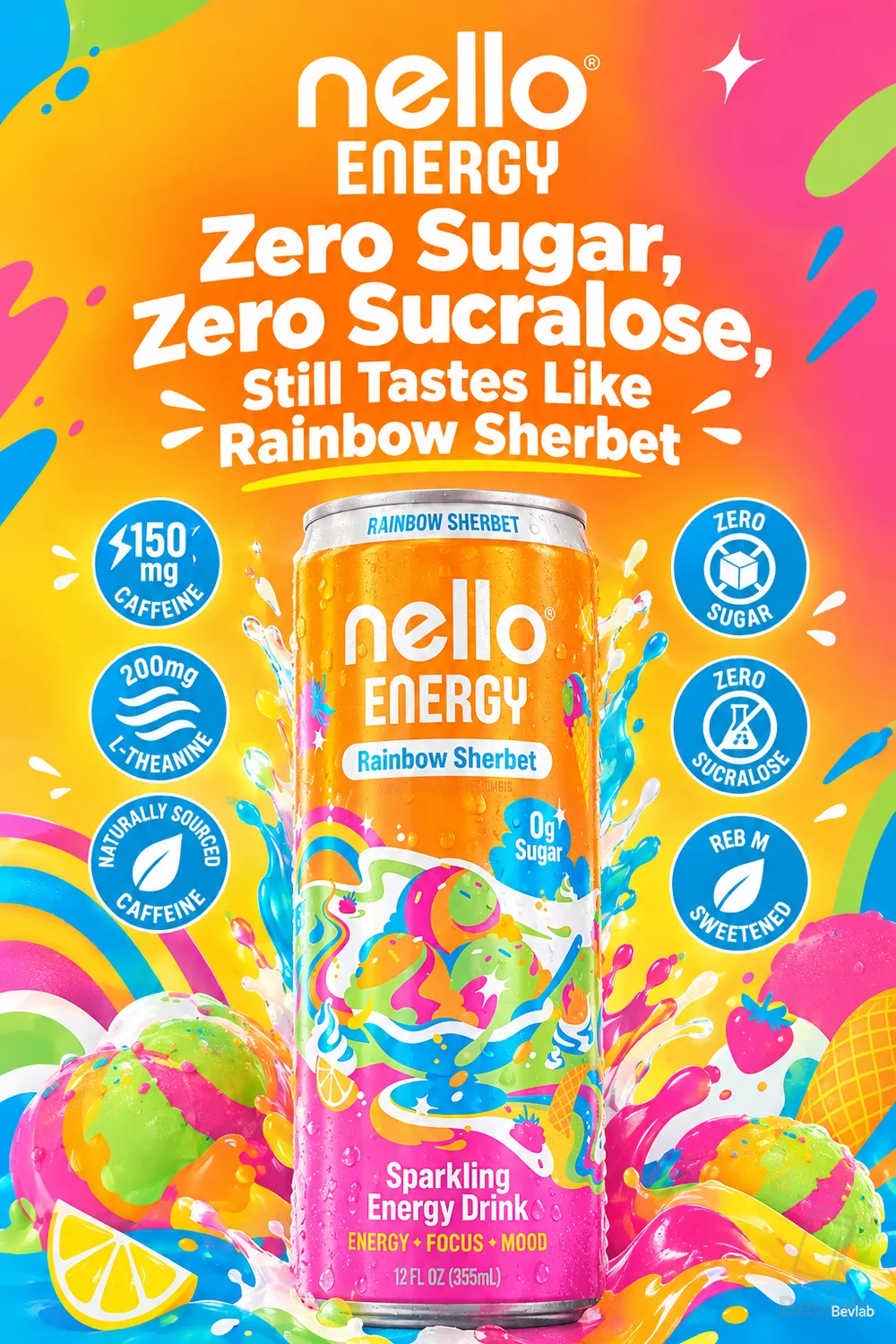
Nello Energy's most interesting quality is the formulation constraint the brand set for itself: zero sugar and zero sucralose. That combination is harder to hit than it sounds, since sucralose is the default fallback for most "clean" energy drinks chasing a candy-like flavor without calories. Leaning on Reb M instead is a real formulation cost, not a marketing footnote, and it's consistent with Nello's broader "no fairy dust" pitch from its SuperCalm days. It's a real point of difference on a shelf where most "sugar-free" energy drinks still reach for sucralose.
Should You Grab a Can?
Nello Energy is built for someone who wants a moderate 150mg caffeine hit without sugar or sucralose, and the theanine dose is generous enough to back up the "no jitters" claims in customer reviews. It's not going to compete with 300mg stimulant stacks on raw output, and several supporting ingredients (tyrosine, ginseng, taurine) are dosed opaquely enough that you're taking Nello's word on meaningful inclusion.
Our concern is the B6 dose though. If you're getting too much, you may not enjoy it. If it's your only source, it's probably fine.
Anyway, if the sucralose-free promise is what you're shopping for, this is one of the few cans on shelf actually built around it.
References
- Fredholm, Bertil B. et al. "Actions of Caffeine in the Brain with Special Reference to Factors That Contribute to Its Widespread Use." Pharmacological Reviews, 1999. https://doi.org/10.1016/S0031-6997(24)01396-6
- Guest, Nanci S. et al. "International Society Of Sports Nutrition Position Stand Caffeine And Exercise Performance." Journal of the International Society of Sports Nutrition, 2021. https://doi.org/10.1186/s12970-020-00383-4
- Wikoff, Daniele, et al. "Systematic review of the potential adverse effects of caffeine consumption in healthy adults, pregnant women, adolescents, and children." Food and chemical toxicology : an international journal published for the British Industrial Biological Research Association, 2017. https://doi.org/10.1016/j.fct.2017.04.002
- Juneja, L. "L-theanine—a unique amino acid of green tea and its relaxation effect in humans." Trends in Food Science & Technology, 1999. https://doi.org/10.1016/s0924-2244(99)00044-8
- Camfield, David A, et al. "Acute effects of tea constituents L-theanine, caffeine, and epigallocatechin gallate on cognitive function and mood: a systematic review and meta-analysis." Nutrition reviews, 2014. https://doi.org/10.1111/nure.12120
- Haskell, Crystal F, et al. "The Effects Of L Theanine Caffeine And Their Combination On Cognition And Mood." Biological psychology, 2008. https://doi.org/10.1016/j.biopsycho.2007.09.008
- Kennedy, D O, et al. "Dose dependent changes in cognitive performance and mood following acute administration of Ginseng to healthy young volunteers." Nutritional neuroscience, 2001. https://doi.org/10.1080/1028415x.2001.11747370
- Dormal, Valérie, et al. "Effect of Hydroponically Grown Red Panax Ginseng on Perceived Stress Level, Emotional Processing, and Cognitive Functions in Moderately Stressed Adults: A Randomized, Double-Blind, Placebo-Controlled Study." Nutrients, 2025. https://doi.org/10.3390/nu17060955
- Engels, Hermann-J, et al. "Effects of ginseng on secretory IgA, performance, and recovery from interval exercise." Medicine and science in sports and exercise, 2003. https://doi.org/10.1249/01.MSS.0000058363.23986.D2
- Fernstrom, John D. et al. "Tyrosine, phenylalanine, and catecholamine synthesis and function in the brain." The Journal of Nutrition, 2007. https://doi.org/10.1093/jn/137.6.1539s
- Jongkees, Bryant J, et al. "Effect of tyrosine supplementation on clinical and healthy populations under stress or cognitive demands--A review." Journal of psychiatric research, 2015. https://doi.org/10.1016/j.jpsychires.2015.08.014
- Attipoe, Selasi, et al. "Tyrosine for Mitigating Stress and Enhancing Performance in Healthy Adult Humans, a Rapid Evidence Assessment of the Literature." Military medicine, 2015. https://doi.org/10.7205/MILMED-D-14-00594
- Tzang, Chih-Chen, et al. "Insights into the cardiovascular benefits of taurine: a systematic review and meta-analysis." Nutrition journal, 2024. https://doi.org/10.1186/s12937-024-00995-5
- Deng, Hengzhi, et al. "Does One Shot Work? The Acute Impact of a Single Taurine Dose on Exercise Performance: A Meta-Analytic Review." Scandinavian journal of medicine & science in sports, 2025. https://doi.org/10.1111/sms.70123
- Souza, Diego B, et al. "Acute effects of caffeine-containing energy drinks on physical performance: a systematic review and meta-analysis." European journal of nutrition, 2017. https://doi.org/10.1007/s00394-016-1331-9
- Vesnina, Anna, et al. "Citric Acid Cycle Genes and Nutrigenetics." International journal of molecular sciences, 2026. https://doi.org/10.3390/ijms27052360
- Książek, Ewelina. "Citric Acid: Properties, Microbial Production, and Applications in Industries." Molecules (Basel, Switzerland), 2023. https://doi.org/10.3390/molecules29010022
- Mescam, Muriel, et al. "Identification Of The Catalytic Mechanism And Estimation Of Kinetic Parameters For Fumarase." The Journal of biological chemistry, 2011. https://doi.org/10.1074/jbc.M110.214452
- Pomier-Layrargues, Gilles, et al. "Treatment Of Fibromyalgia Syndrome With Super Malic A Randomized Double Blind Placebo Controlled Crossover Pilot Study." Hepatology, 2003. https://doi.org/10.1053/jhep.2003.50276
- Prakash, Indra, et al. "Development Of Next Generation Stevia Sweetener Rebaudioside M." Foods (Basel, Switzerland), 2014. https://doi.org/10.3390/foods3010162
- Tao, Ran, et al. "Consumer-Based Sensory Characterization of Steviol Glycosides (Rebaudioside A, D, and M)." Foods (Basel, Switzerland), 2020. https://doi.org/10.3390/foods9081026
- Gibbons, Catherine, et al. "Acute and two-week effects of neotame, stevia rebaudioside M and sucrose-sweetened biscuits on postprandial appetite and endocrine response in adults with overweight/obesity-a randomised crossover trial from the SWEET consortium." EBioMedicine, 2024. https://doi.org/10.1016/j.ebiom.2024.105005
- EFSA, Panel on Food Additives and Flavourings (FAF), et al. "Safety evaluation of the food additive steviol glycosides, predominantly Rebaudioside M, produced by fermentation using Yarrowia lipolyticaVRM." EFSA journal. European Food Safety Authority, 2023. https://doi.org/10.2903/j.efsa.2023.8387
- Goodman, Matthew J. "The “Natural” vs. “Natural Flavors” Conflict in Food Labeling: A Regulatory Viewpoint." Food and drug law journal, 2017. https://pubmed.ncbi.nlm.nih.gov/29140655/
- Davidsen, Jeanne M, et al. "FEMA GRAS assessment of natural flavor complexes: Asafetida oil, garlic oil and onion oil." Food and chemical toxicology : an international journal published for the British Industrial Biological Research Association, 2023. https://doi.org/10.1016/j.fct.2022.113580
- Kosugi, Wataru, et al. "Effect of carbonated water on cerebral blood flow in the frontal region: a study using near-infrared spectroscopy." Frontiers in behavioral neuroscience, 2024. https://doi.org/10.3389/fnbeh.2024.1409123
- Santana-Ramos, Héctor, et al. "Systematic Review of the Effects of Sparkling Water Consumption on Blood Pressure." Current nutrition reports, 2024. https://doi.org/10.1007/s13668-024-00562-8
- EFSA, Panel on Food Additives and Nutrient Sources added to Food (ANS). "Scientific Opinion on the re‐evaluation of sorbic acid (E 200), potassium sorbate (E 202) and calcium sorbate (E 203) as food additives." EFSA Journal, 2015. https://doi.org/10.2903/j.efsa.2015.4144
- EFSA, Panel on Food Additives and Flavourings (FAF), et al. "Opinion on the follow-up of the re-evaluation of sorbic acid (E200) and potassium sorbate (E202) as food additives." EFSA journal. European Food Safety Authority, 2019. https://doi.org/10.2903/j.efsa.2019.5625
- Kitano, K, et al. "Mutagenicity and DNA-damaging activity caused by decomposed products of potassium sorbate reacting with ascorbic acid in the presence of Fe salt." Food and chemical toxicology : an international journal published for the British Industrial Biological Research Association, 2002. https://doi.org/10.1016/S0278-6915(02)00119-9
- Freese, E, et al. "Function of lipophilic acids as antimicrobial food additives." Nature, 1973. https://doi.org/10.1038/241321a0
- EFSA, Panel on Food Additives and Nutrient Sources (ANS). "Scientific Opinion on the re‐evaluation of benzoic acid (E 210), sodium benzoate (E 211), potassium benzoate (E 212) and calcium benzoate (E 213) as food additives." EFSA Journal, 2016. https://doi.org/10.2903/j.efsa.2016.4433
- Kato, Norihisa, et al. "Relationship of Low Vitamin B6 Status with Sarcopenia, Frailty, and Mortality: A Narrative Review." Nutrients, 2024. https://doi.org/10.3390/nu16010177
- Kościńska-Shukla, Iga, et al. "Underestimated pyridoxine consumption and neurotoxicity: a novel manifestation with rheumatologic relevance - a case-based review." Rheumatology international, 2025. https://doi.org/10.1007/s00296-025-05900-9
- Obeid, Rima, et al. "Cobalamin Coenzyme Forms Are Not Likely To Be Superior To Cyano And Hydroxyl Cobalamin In Prevention Or Treatment Of Cobalamin Deficiency." Molecular Nutrition & Food Research, 2015. https://doi.org/10.1002/mnfr.201500019
- Paul, Cristiana, et al. "Comparative Bioavailability and Utilization of Particular Forms of B12 Supplements With Potential to Mitigate B12-related Genetic Polymorphisms." Integrative medicine (Encinitas, Calif.), 2017. https://pubmed.ncbi.nlm.nih.gov/28223907/
- Carr, Anitra, et al. "Vitamin C And Immune Function." Nutrients, 2017. https://doi.org/10.3390/nu9111211
Tagged