GORGIE Protein Energy Drink
A women-founded energy brand adds a protein twist to its sparkling lineup
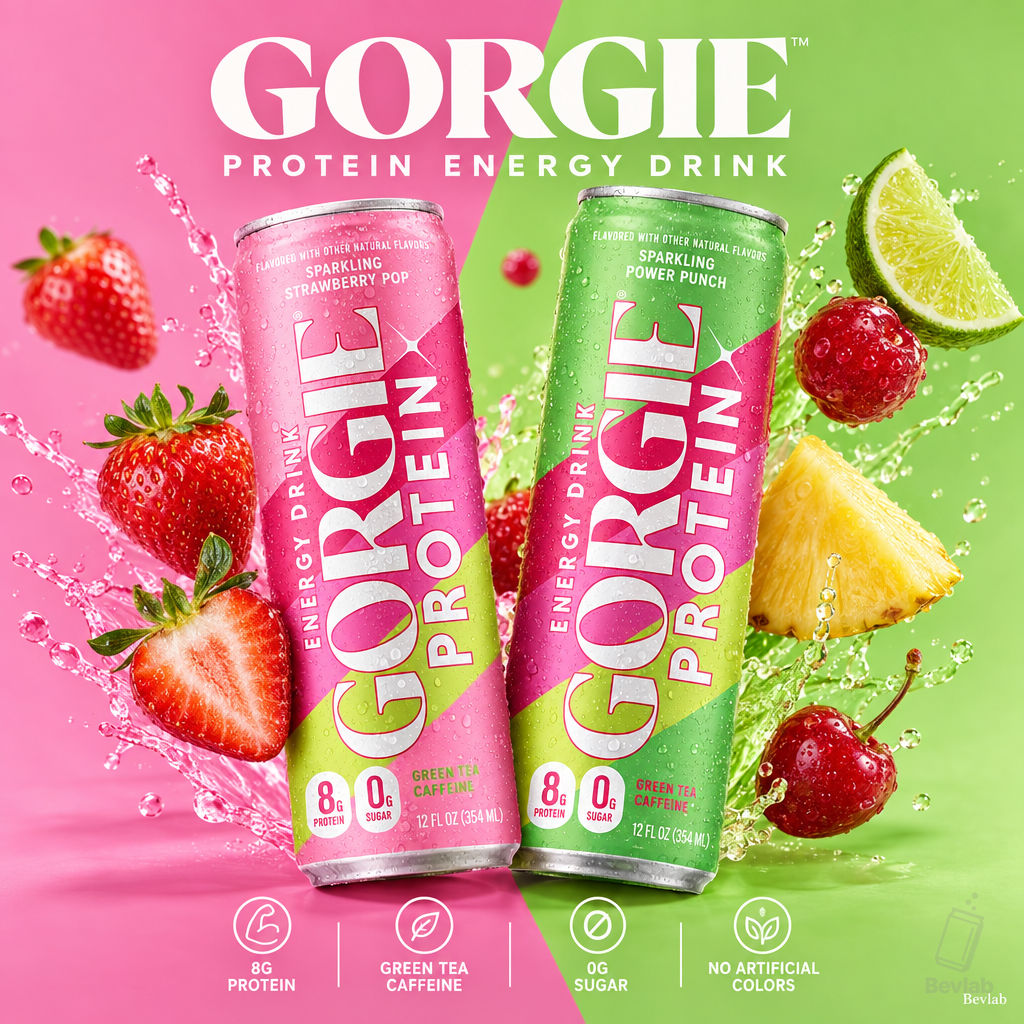
GORGIE Protein Energy Drink packs 8g whey protein isolate and green tea caffeine into a zero-sugar, 40-calorie can built for women-first wellness.
Most energy drink brands treat protein and caffeine as separate categories entirely. GORGIE Protein Energy Drink puts them in the same can, pairing 8g of whey protein isolate with green tea caffeine, L-theanine, and a light B-vitamin stack, all wrapped around 40 calories and zero sugar. GORGIE built its name on a women-first, community-driven approach to energy drinks, crowdsourcing flavors and names with its follower base before ever expanding into protein. The Protein Energy line marked a shift from the brand's original vegan sparkling energy drinks into something aimed more directly at gym-goers and anyone who wants a can that does more than just wake them up.
GORGIE Protein Energy Drink Nutrition Facts
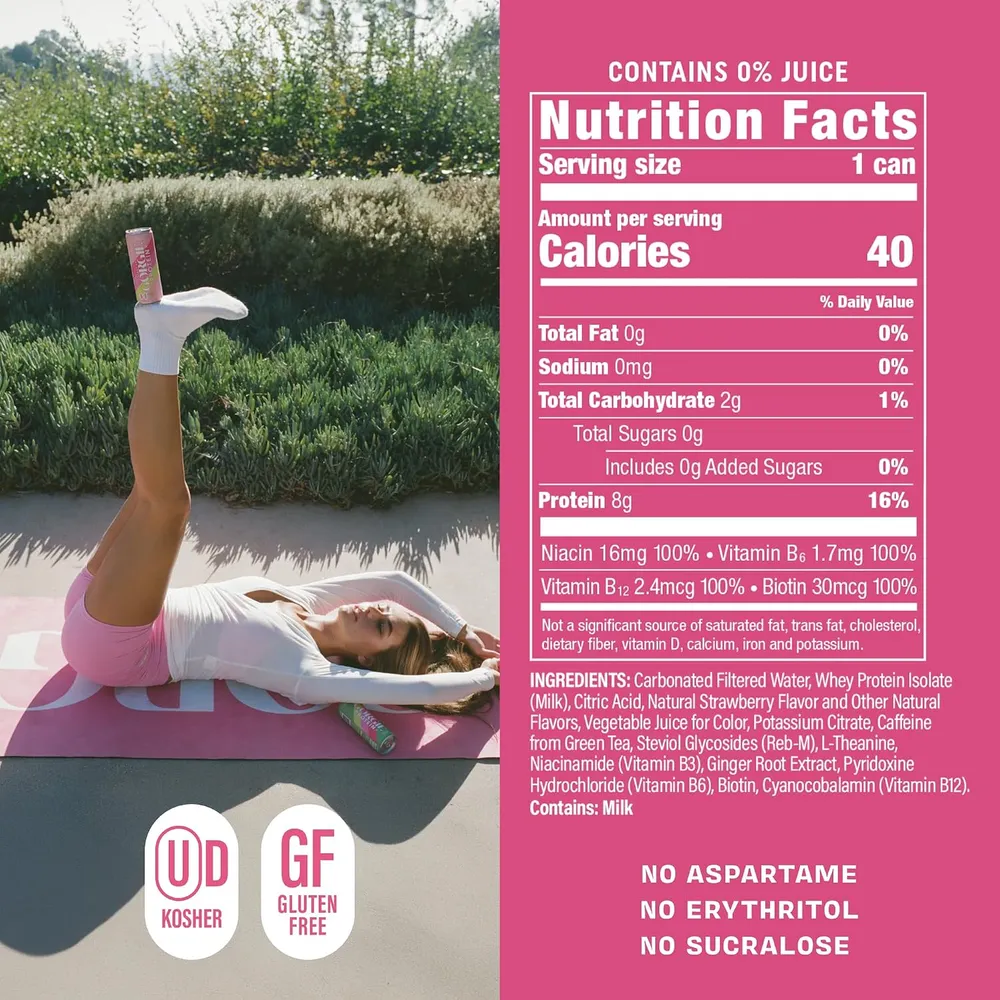
- Calories: 40
- Total Fat: 0g (0% DV)
- Total Carbohydrate: 2g (1% DV)
- Total Sugars: 0g
- Added Sugars: 0g (0% DV)
- Total Sugars: 0g
- Protein: 8g (16% DV)
- Vitamins and Minerals
- Niacin: 16mg (100% DV)
- Vitamin B6: 1.7mg (100% DV)
- Vitamin B12: 2.4mcg (100% DV)
- Biotin: 30mcg (100% DV)
GORGIE Protein Energy Drink Ingredients
Each can provides the following formula, built around milk-derived protein and a green tea caffeine and nootropic pairing:
-
Whey Protein Isolate - 8g
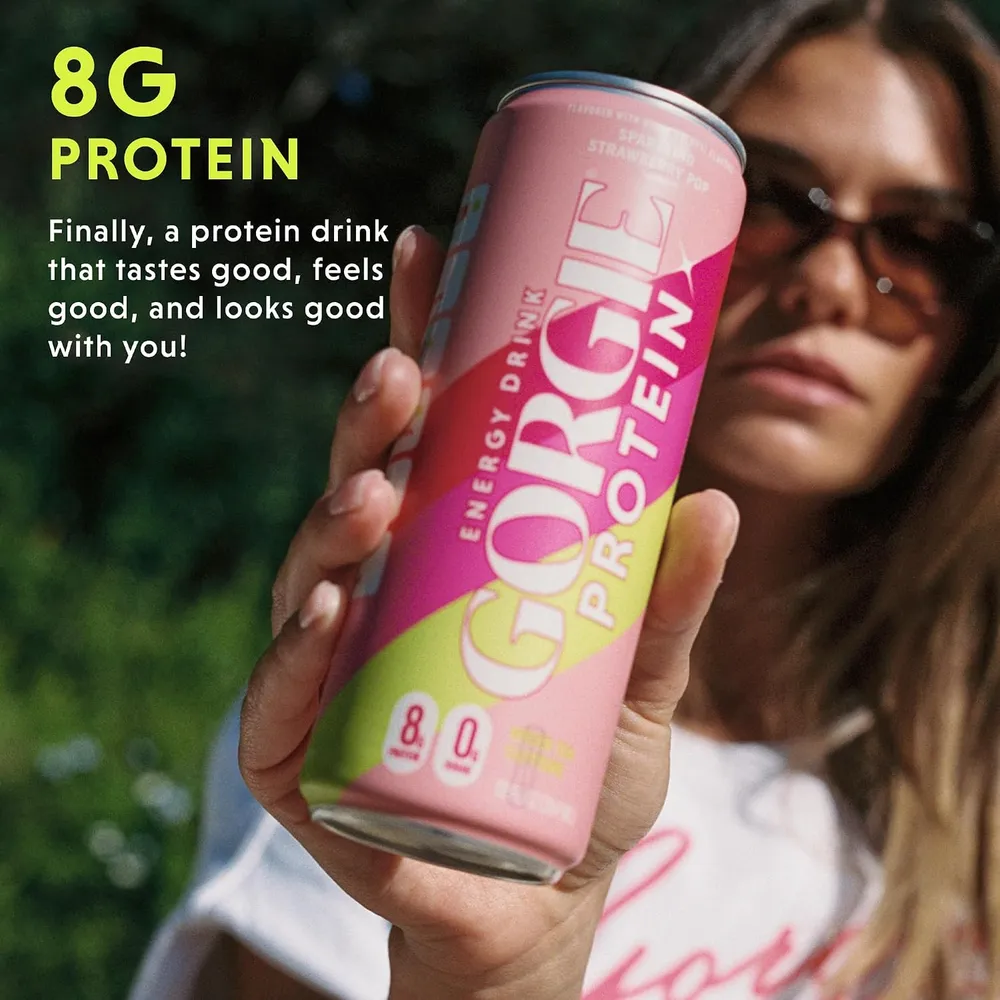
Whey protein is the fast-digesting, leucine-rich fraction of milk protein, and it's the reason this can reads more like a light protein shake than a typical energy drink.[1] Whey's biggest strength in the research is how quickly it raises circulating amino acids after you drink it, which is what drives muscle protein synthesis in study after study.[2] The 8g here is well below the 20-40g doses used in most resistance-training research, where whey has been shown to meaningfully boost strength and lean mass gains over time.[3,4] That doesn't make it useless. Whey protein still counts toward daily protein intake and delivers a genuinely complete amino acid profile, unlike most plant proteins tested against it in head-to-head trials.[5] Think of this can as a protein top-up alongside your energy, not a replacement for a real post-workout shake.
-
Caffeine (from Green Tea) - 150mg
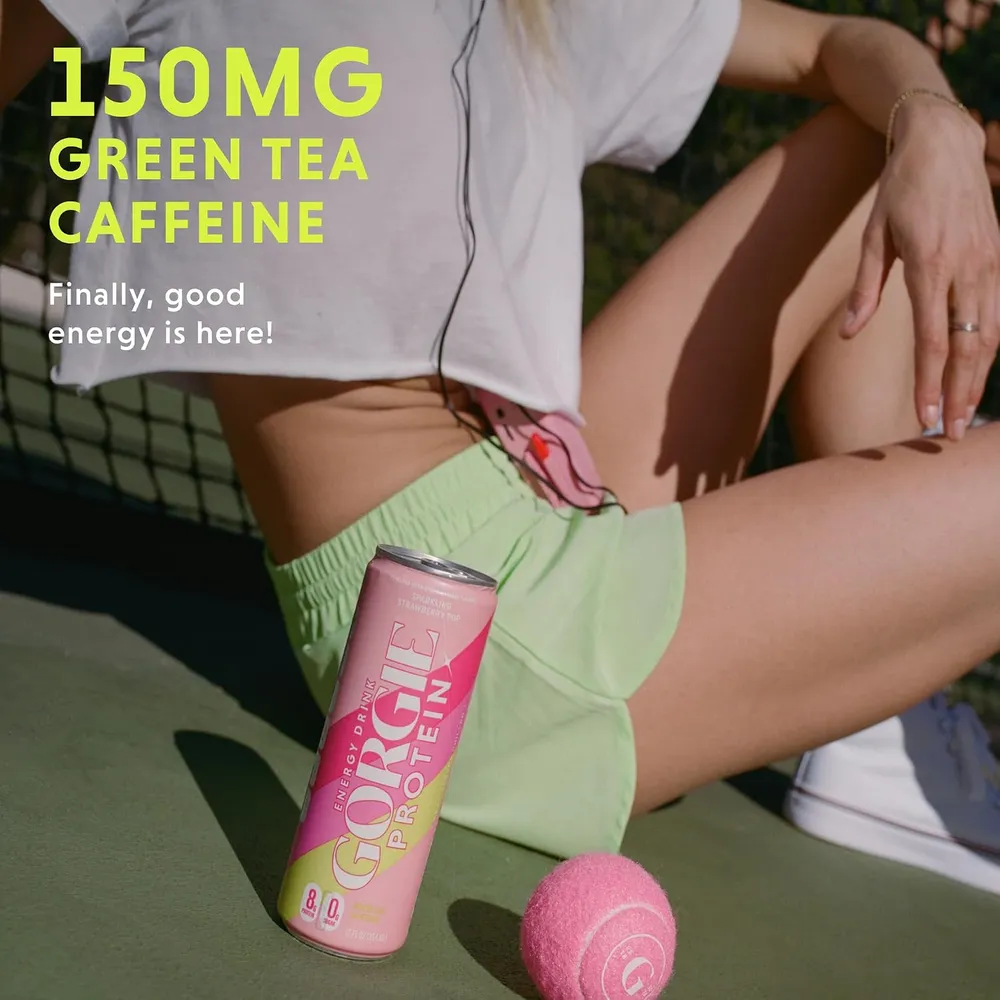
GORGIE's product pages list 150mg caffeine per can, sourced from green tea rather than synthetic caffeine anhydrous. That's a solidly moderate dose, sitting inside the 3-6mg/kg range shown across dozens of trials to improve endurance, reaction time, and perceived effort during exercise.[6] Doses in this range have also been shown to sharpen vigilance and attention in both rested and sleep-deprived people, which covers the "regular workday" use case just as well as the "before a workout" one.[7] At 150mg, GORGIE lands below many 200-300mg energy drinks, which keeps it in moderate territory rather than the high-dose end of the category. Caffeine's core mechanism is blocking the receptors that pick up on your brain's tiredness signal, which is why it works reliably across so many different contexts.
-
L-Theanine
GORGIE doesn't disclose an exact L-theanine amount, but its presence alongside caffeine follows one of the best-established pairings in the beverage world. Human trials combining roughly 100-250mg L-theanine with 40-160mg caffeine consistently show better alertness and attentional switching than either ingredient alone, an effect not fully explained by caffeine dose alone.[8,9] Mechanistically, L-theanine promotes alpha brain waves associated with relaxed focus and modestly boosts GABA activity, which is the likely reason it takes some of the edge off caffeine without blunting the lift.[10] Standalone L-theanine research is more mixed, with acute cognitive benefits that don't always hold up over weeks of daily use.[11] Without a disclosed dose here, it's hard to say exactly how much of that caffeine-smoothing effect this can delivers, but the pairing itself is a sound formulation choice.
-
Rebaudioside M
Rebaudioside M (Reb M) is the sweetener behind GORGIE's zero-sugar, zero-erythritol, zero-sucralose label claims. It's a highly glycosylated steviol glycoside that consumer sensory panels rate closer to real sugar than older stevia extracts like Rebaudioside A, with less of the lingering bitter or licorice aftertaste some people associate with stevia.[12,13] Because Reb M occurs in trace amounts in the stevia leaf, commercial supply depends on enzymatic bioconversion rather than simple extraction, which is part of why it commands a premium over older stevia blends.[14] Regulatory bodies including EFSA have reviewed multiple Reb M production routes and found no safety concerns at the doses used in food and beverage applications, with the existing acceptable daily intake for steviol glycosides applying to Reb M as well.[15,16] For a beverage trying to hit both "zero sugar" and "tastes good," Reb M is one of the stronger tools on the market right now.
-
Ginger Root Extract
Ginger shows up on GORGIE's label without a disclosed amount, which matters because most of ginger's human research uses doses far larger than what a flavor-level extract typically provides. Studies on gastric motility and nausea used doses of 1,200mg or more.[17,18] At those clinical doses, ginger has shown real, repeatable digestive benefits. At the smaller amounts typically used to flavor a beverage, it's reasonable to view ginger here as a flavor and formulation choice with some background digestive-support rationale, rather than a dose calibrated to reproduce those trial results. A broad review of over 100 randomized trials found ginger's most consistent evidence sits in gastrointestinal function and nausea, with weaker and more inconsistent evidence elsewhere.[19]
-
Potassium (as Potassium Citrate)
Potassium citrate appears on GORGIE's ingredient list, but the Nutrition Facts panel notes the can is "not a significant source" of potassium, meaning the amount is too small to register a meaningful percentage of the Daily Value. In beverage formulas, potassium citrate more commonly functions as a buffering and pH-stabilizing agent that works alongside citric acid, rather than as a way to deliver electrolyte-level potassium. Potassium itself has a well-documented role in blood pressure regulation when intake is meaningful, largely tied to the dietary sodium-to-potassium ratio.[20] That research simply doesn't apply at the trace level used here. Consider this ingredient a formulation tool for taste and stability, not a source of dietary potassium.
-
Citric Acid
Citric acid is the tartness behind both GORGIE flavors, and it's one of the most common acidulants in the beverage world for good reason. It's naturally present in citrus fruit, cheap to produce at scale through fermentation, and functions as both a flavor enhancer and a mild preservative by chelating metal ions that would otherwise speed up oxidation.[21] It also plays a central role in the body's own energy-producing Krebs cycle, though the amount used for flavoring a beverage is nowhere near a dose that matters metabolically.[22] Its job here is simple: balance sweetness and give the can its bright, tart edge.
-
Natural Flavors
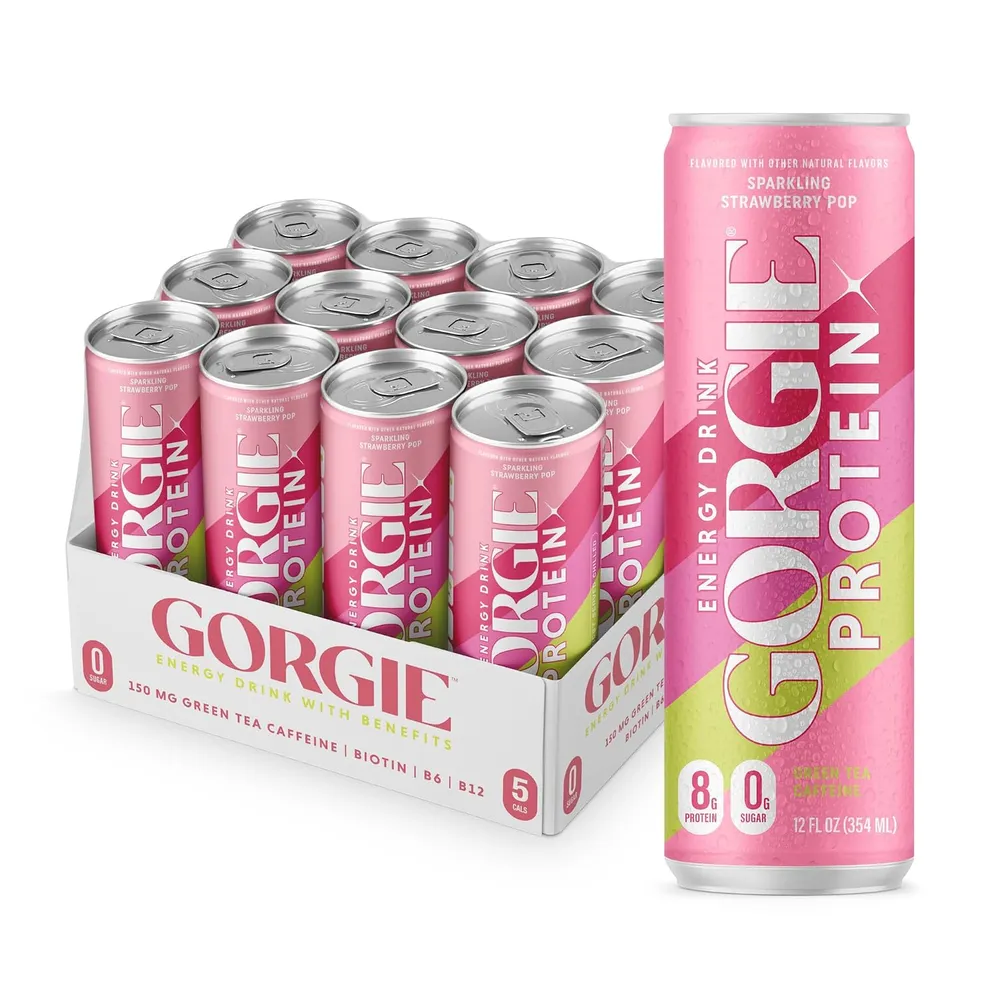
GORGIE's flavor system leans on natural flavors, a regulatory category defined by source material rather than chemical structure. Under FDA rules, a natural flavor has to come from something like a fruit, vegetable, spice, or dairy product, even though the resulting flavor compound can be chemically identical to its artificial counterpart.[23] For Strawberry Pop and Power Punch, this is the ingredient doing most of the work to hit those nostalgic, fruit-forward profiles the brand talks about on its site.
-
Vegetable Juice (Color)
Both GORGIE flavors get their vivid pink and red hues from vegetable juice, a natural colorant category that typically draws on beet, carrot, or similar produce rather than synthetic dyes like Red 40. This is a meaningful formulation choice. Synthetic azo dyes have been linked in multiple studies to hyperactivity in children and other adverse behavioral effects, which is part of why more brands are shifting toward vegetable-based color systems.[24,25] Vegetable-derived pigments like betalains and anthocyanins carry their own antioxidant properties, though at the concentrations used purely for color, the practical takeaway for a can of GORGIE is simpler: it's pink because of beets or a similar vegetable source, not an artificial dye.[26]
-
Carbonated Water
Carbonated water is the base of every GORGIE can, delivering the fizz without adding calories or sugar. Beyond mouthfeel, research on carbonated water has found some interesting secondary effects, including modestly increased oxyhemoglobin activity in the brain's frontal region and improved post-exercise mood ratings compared to still water.[27,28] None of that changes the core function here: carbonation is what makes this taste like a sparkling energy drink instead of a flat protein shake.
-
Vitamins and Minerals
-
Niacin (as Niacinamide) - 16mg (100% DV)
Niacin, delivered here as niacinamide, is a B-vitamin your cells need to build NAD+, the coenzyme central to virtually every energy-producing reaction in the body.[29] Niacinamide specifically doesn't cause the flushing sensation associated with high-dose nicotinic acid, so a 100% DV dose like this one is well-tolerated territory rather than a therapeutic lipid-management dose.[30]
-
Vitamin B6 (as Pyridoxine Hydrochloride) - 1.7mg (100% DV)
Vitamin B6 is a coenzyme involved in more than 140 metabolic reactions, from amino acid metabolism to neurotransmitter synthesis.[31] At 1.7mg, this dose sits comfortably below the 12mg/day tolerable upper intake level that regulators use as a chronic exposure ceiling, and far below the levels associated with reported peripheral neuropathy cases.[32]
-
Vitamin B12 (as Cyanocobalamin) - 2.4mcg (100% DV)
Vitamin B12 supports red blood cell formation and the methionine cycle, and cyanocobalamin is the most stable, shelf-friendly form used in fortified beverages.[33] All B12 forms get processed down to the same active intracellular compounds, so cyanocobalamin isn't a downgrade from pricier forms for covering the basic RDA.[34]
-
Biotin - 30mcg (100% DV)
Biotin is a cofactor for several carboxylase enzymes involved in fat and glucose metabolism, and it's the vitamin behind most "hair, skin, and nails" energy drink marketing.[35] Worth noting: the clinical evidence for biotin improving hair or nails in people who aren't actually deficient is thin, with most positive case reports involving diagnosed deficiency states rather than healthy adults.[36] At 30mcg, this dose is also far below the milligram-range amounts shown to interfere with thyroid lab tests, so it's not a concern worth worrying about here.[37]
-
Two Flavors, One Protein-Forward Formula
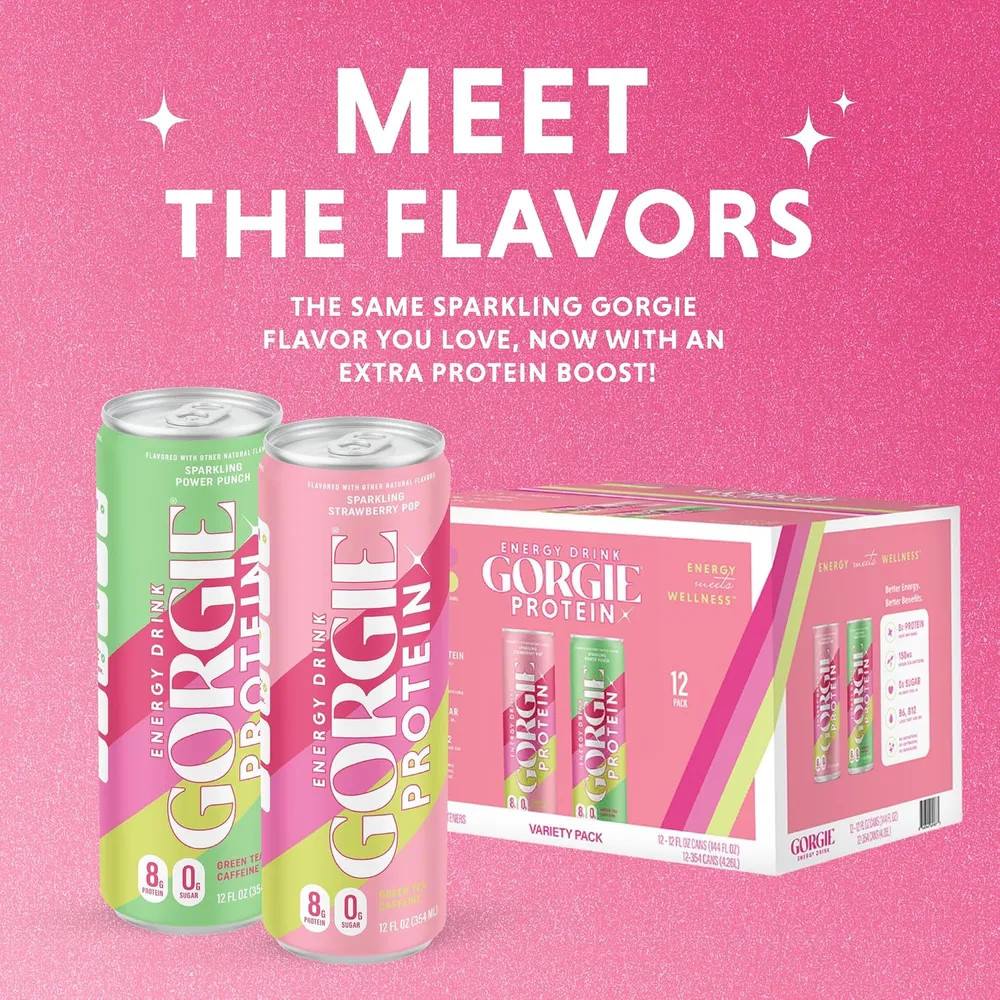
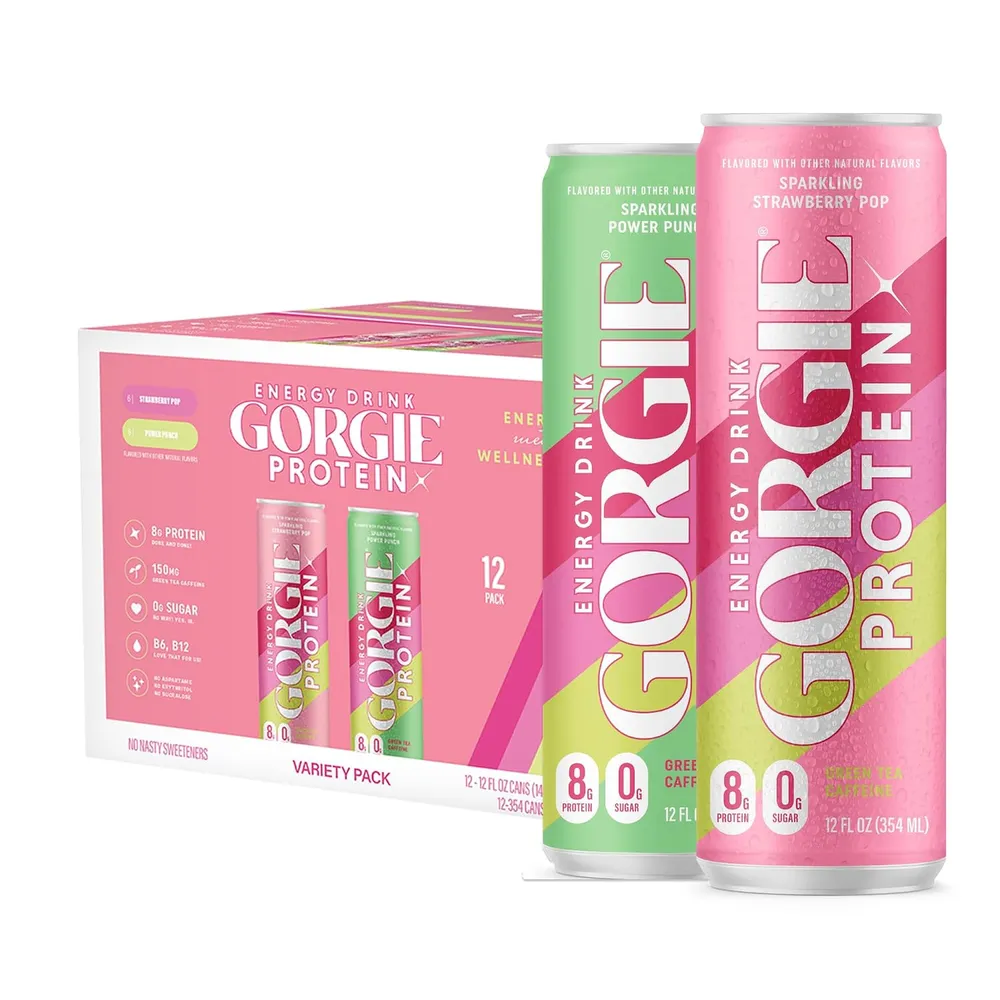
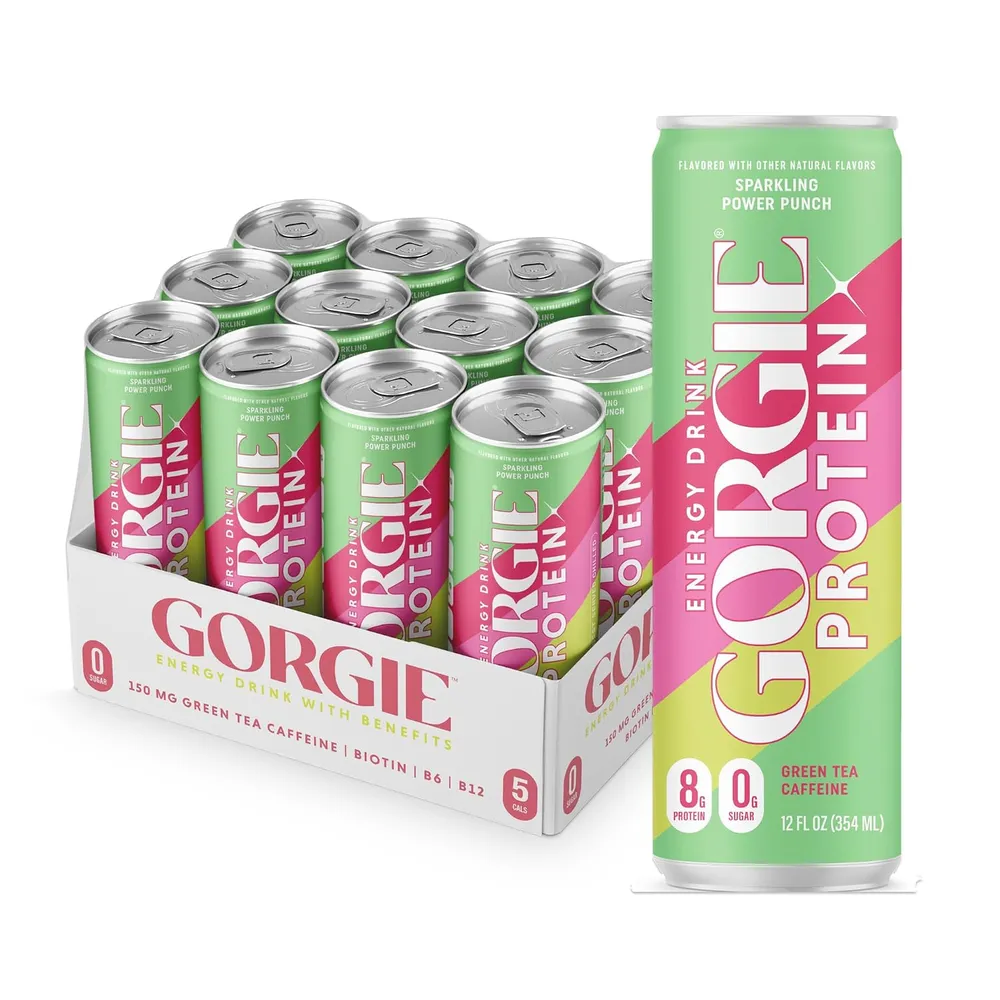
GORGIE's protein line launched with two flavors built on the same shared formula: Strawberry Pop and Power Punch. Strawberry Pop leans into a bright, juicy strawberry profile, while Power Punch takes a tarter, fruit-punch-inspired direction. Both share the identical ingredient list and nutrition panel, just swapping the natural flavor and vegetable juice color inputs to hit their respective profiles.
Who Actually Wants This Can
- Gym-goers who skip breakfast protein: 8g of whey plus 150mg caffeine covers a light pre-workout boost and a partial protein hit in one can, without the sugar load of a typical pre-workout drink.
- Milk-tolerant energy drinkers: the whey protein isolate base means this isn't a fit for anyone avoiding dairy, unlike GORGIE's original vegan sparkling energy lineup.
A Genuinely Different Formula Lane
GORGIE Protein Energy Drink isn't trying to out-caffeinate the category. It's carving out a specific lane: a moderate 150mg caffeine dose, a real 8g dairy protein hit, and a formula that skips sucralose, erythritol, and artificial dyes. That combination makes the most sense for people who want a lighter, protein-supplemented alternative to a standard energy drink, not for anyone chasing a 300mg jolt.
References
- Goulding, D.A. et al. "Milk proteins: An overview." Milk Proteins, 2020. https://doi.org/10.1016/B978-0-12-815251-5.00002-5
- Pennings, Bart, et al. "Whey Protein Stimulates Postprandial Muscle Protein Accretion More Effectively Than Do Casein And Casein Hydrolysate In Older Men." The American journal of clinical nutrition, 2011. https://doi.org/10.3945/ajcn.110.008102
- Witard, Oliver C, et al. "Myofibrillar muscle protein synthesis rates subsequent to a meal in response to increasing doses of whey protein at rest and after resistance exercise." The American journal of clinical nutrition, 2014. https://doi.org/10.3945/ajcn.112.055517
- Morton, Robert W, et al. "A systematic review, meta-analysis and meta-regression of the effect of protein supplementation on resistance training-induced gains in muscle mass and strength in healthy adults." British journal of sports medicine, 2018. https://doi.org/10.1136/bjsports-2017-097608
- van Vliet, Stephan, et al. "The Skeletal Muscle Anabolic Response to Plant- versus Animal-Based Protein Consumption." The Journal of nutrition, 2015. https://doi.org/10.3945/jn.114.204305
- Guest, Nanci S. et al. "International Society Of Sports Nutrition Position Stand Caffeine And Exercise Performance." Journal of the International Society of Sports Nutrition, 2021. https://doi.org/10.1186/s12970-020-00383-4
- McLellan, Tom M. et al. "A Review Of Caffeine S Effects On Cognitive Physical And Occupational Performance." Neuroscience & Biobehavioral Reviews, 2016. https://doi.org/10.1016/j.neubiorev.2016.09.001
- Haskell, Crystal F, et al. "The Effects Of L Theanine Caffeine And Their Combination On Cognition And Mood." Biological psychology, 2008. https://doi.org/10.1016/j.biopsycho.2007.09.008
- Camfield, David A, et al. "Acute effects of tea constituents L-theanine, caffeine, and epigallocatechin gallate on cognitive function and mood: a systematic review and meta-analysis." Nutrition reviews, 2014. https://doi.org/10.1111/nure.12120
- Juneja, L. "L-theanine—a unique amino acid of green tea and its relaxation effect in humans." Trends in Food Science & Technology, 1999. https://doi.org/10.1016/s0924-2244(99)00044-8
- Baba, Yoshitake, et al. "Effects Of L Theanine On Cognitive Function In Middle Aged And Older Subjects A Randomized Placebo Controlled Study." Journal of medicinal food, 2021. https://doi.org/10.1089/jmf.2020.4803
- Tao, Ran, et al. "Consumer-Based Sensory Characterization of Steviol Glycosides (Rebaudioside A, D, and M)." Foods (Basel, Switzerland), 2020. https://doi.org/10.3390/foods9081026
- Prakash, Indra, et al. "Development Of Next Generation Stevia Sweetener Rebaudioside M." Foods (Basel, Switzerland), 2014. https://doi.org/10.3390/foods3010162
- Guo, Baodang, et al. "Enhancement of Rebaudioside M Production by Structure-Guided Engineering of Glycosyltransferase UGT76G1." Journal of agricultural and food chemistry, 2022. https://doi.org/10.1021/acs.jafc.2c01209
- EFSA, Panel on Food Additives and Flavourings (FAF), et al. "Safety of the proposed amendment of the specifications for steviol glycosides (E 960) as a food additive: Rebaudioside M produced via enzyme-catalysed bioconversion of purified stevia leaf extract." EFSA journal. European Food Safety Authority, 2019. https://doi.org/10.2903/j.efsa.2019.5867
- EFSA, Panel on Food Additives and Flavourings (FAF), et al. "Safety evaluation of the food additive steviol glycosides, predominantly Rebaudioside M, produced by fermentation using Yarrowia lipolyticaVRM." EFSA journal. European Food Safety Authority, 2023. https://doi.org/10.2903/j.efsa.2023.8387
- Wu, Keng-Liang, et al. "Effects Of Ginger On Gastric Emptying And Motility In Healthy Humans." European journal of gastroenterology & hepatology, 2008. https://doi.org/10.1097/MEG.0b013e3282f4b224
- Chaiyakunapruk, Nathorn, et al. "The Efficacy Of Ginger For The Prevention Of Postoperative Nausea And Vomiting A Meta Analysis." American journal of obstetrics and gynecology, 2006. https://doi.org/10.1016/j.ajog.2005.06.046
- Anh, Nguyen Hoang, et al. "Ginger on Human Health: A Comprehensive Systematic Review of 109 Randomized Controlled Trials." Nutrients, 2020. https://doi.org/10.3390/nu12010157
- He, Feng J, et al. "Beneficial effects of potassium on human health." Physiologia plantarum, 2008. https://doi.org/10.1111/j.1399-3054.2007.01033.x
- Książek, Ewelina. "Citric Acid: Properties, Microbial Production, and Applications in Industries." Molecules (Basel, Switzerland), 2023. https://doi.org/10.3390/molecules29010022
- Ciriminna, Rosaria, et al. "Citric acid: emerging applications of key biotechnology industrial product." Chemistry Central journal, 2017. https://doi.org/10.1186/s13065-017-0251-y
- Goodman, Matthew J. "The “Natural” vs. “Natural Flavors” Conflict in Food Labeling: A Regulatory Viewpoint." Food and drug law journal, 2017. https://pubmed.ncbi.nlm.nih.gov/29140655/
- McCann, Donna, et al. "Food additives and hyperactive behaviour in 3-year-old and 8/9-year-old children in the community: a randomised, double-blinded, placebo-controlled trial." Lancet (London, England), 2007. https://doi.org/10.1016/S0140-6736(07)61306-3
- de Oliveira, Zandleme Birino, et al. "Synthetic Colors in Food: A Warning for Children's Health." International journal of environmental research and public health, 2024. https://doi.org/10.3390/ijerph21060682
- Sigurdson, Gregory T, et al. "Natural Colorants: Food Colorants from Natural Sources." Annual review of food science and technology, 2017. https://doi.org/10.1146/annurev-food-030216-025923
- Kosugi, Wataru, et al. "Effect of carbonated water on cerebral blood flow in the frontal region: a study using near-infrared spectroscopy." Frontiers in behavioral neuroscience, 2024. https://doi.org/10.3389/fnbeh.2024.1409123
- Kajiki, Masanobu, et al. "Ingesting carbonated water post-exercise in the heat transiently ameliorates hypotension and enhances mood state." Experimental physiology, 2024. https://doi.org/10.1113/EP091925
- Yang, Yue, et al. "Nad Metabolism Bioenergetics Signaling And Manipulation For Therapy." Biochimica et Biophysica Acta (BBA) - Proteins and Proteomics, 2016. https://doi.org/10.1016/j.bbapap.2016.06.014
- Gasperi, Valeria, et al. "Niacin In The Central Nervous System An Update Of Biological Aspects And Clinical Applications." International Journal of Molecular Sciences, 2019. https://doi.org/10.3390/ijms20040974
- di Salvo, Martino Luigi, et al. "Vitamin B(6) salvage enzymes: mechanism, structure and regulation." Biochimica et Biophysica Acta (BBA) - Proteins and Proteomics, 2011. https://doi.org/10.1016/j.bbapap.2010.12.006
- EFSA Panel on Nutrition, Novel Foods and Food Allergens (NDA), et al. "Scientific opinion on the tolerable upper intake level for vitamin B6." EFSA journal. European Food Safety Authority, 2023. https://doi.org/10.2903/j.efsa.2023.8006
- Lyon, Peter, et al. "B Vitamins And One Carbon Metabolism Implications In Human Health And Disease." Nutrients, 2020. https://doi.org/10.3390/nu12092867
- Obeid, Rima, et al. "Cobalamin Coenzyme Forms Are Not Likely To Be Superior To Cyano And Hydroxyl Cobalamin In Prevention Or Treatment Of Cobalamin Deficiency." Molecular Nutrition & Food Research, 2015. https://doi.org/10.1002/mnfr.201500019
- Solvik, Beate Stokke, et al. "Biotin: a scoping review for Nordic Nutrition Recommendations 2023." Food & nutrition research, 2024. https://doi.org/10.29219/fnr.v68.10256
- Patel, Deepa P, et al. "A Review of the Use of Biotin for Hair Loss." Skin appendage disorders, 2017. https://doi.org/10.1159/000462981
- Mrosewski, Ingo, et al. "Interference of High Dose Biotin Supplementation with Thyroid Parameters in Immunoassays Utilizing the Interaction between Streptavidin and Biotin: a Case Report and Review of Current Literature." Clinical laboratory, 2019. https://doi.org/10.7754/Clin.Lab.2018.180637
Tagged