Protein NOW! RTD by NutraBio
NutraBio's stealth launch just made the protein shot category a lot more interesting
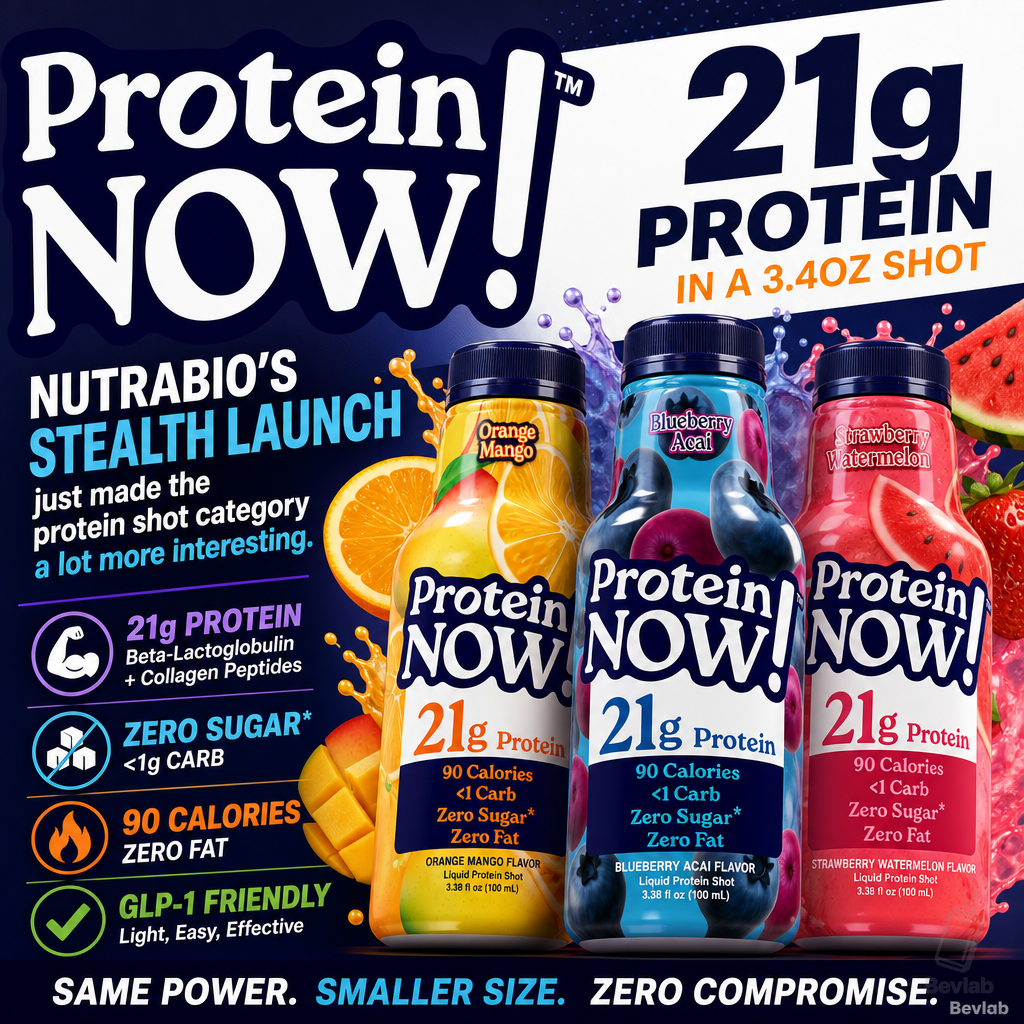
NutraBio's Protein Now! has 21g protein from BLG and collagen in a 3.4oz shot. 90 calories, GLP-1 friendly.
Protein shots are having a moment. The pitch is simple: the same protein you'd get from a full shake, condensed into a 3.4oz bottle you can crack and drain in seconds. No shaker, no powder cloud, no 16oz of liquid to chug. Just protein, ready when you are. NutraBio Protein Now! RTD is the latest entry in this growing category, and it comes with a twist -- NutraBio launched it under its own standalone brand rather than putting the NutraBio label front and center. They're promoting it heavily on their Instagram anyway, so the connection isn't exactly hidden. Think of it as a sub-brand play designed to reach people who have never heard of NutraBio.
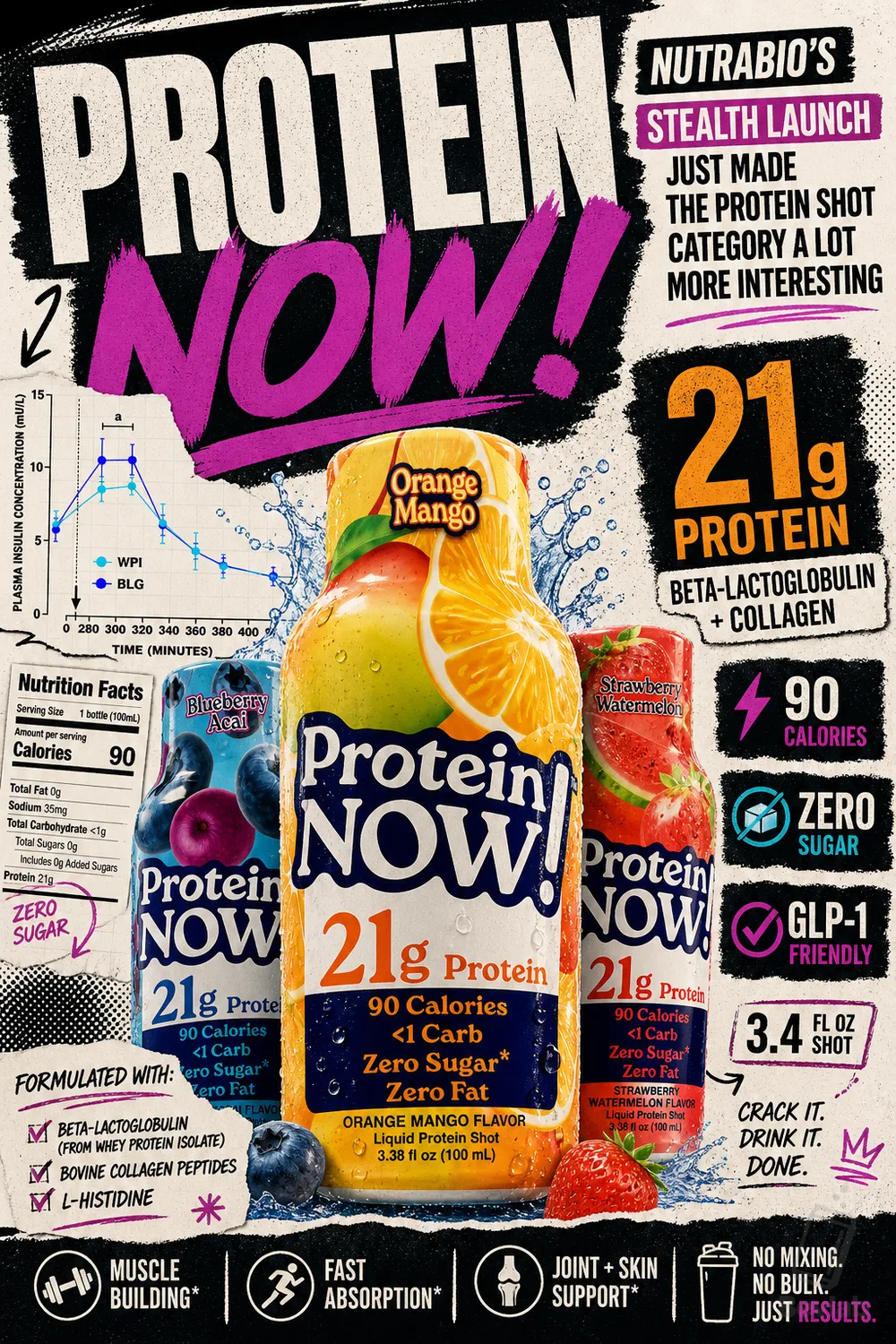
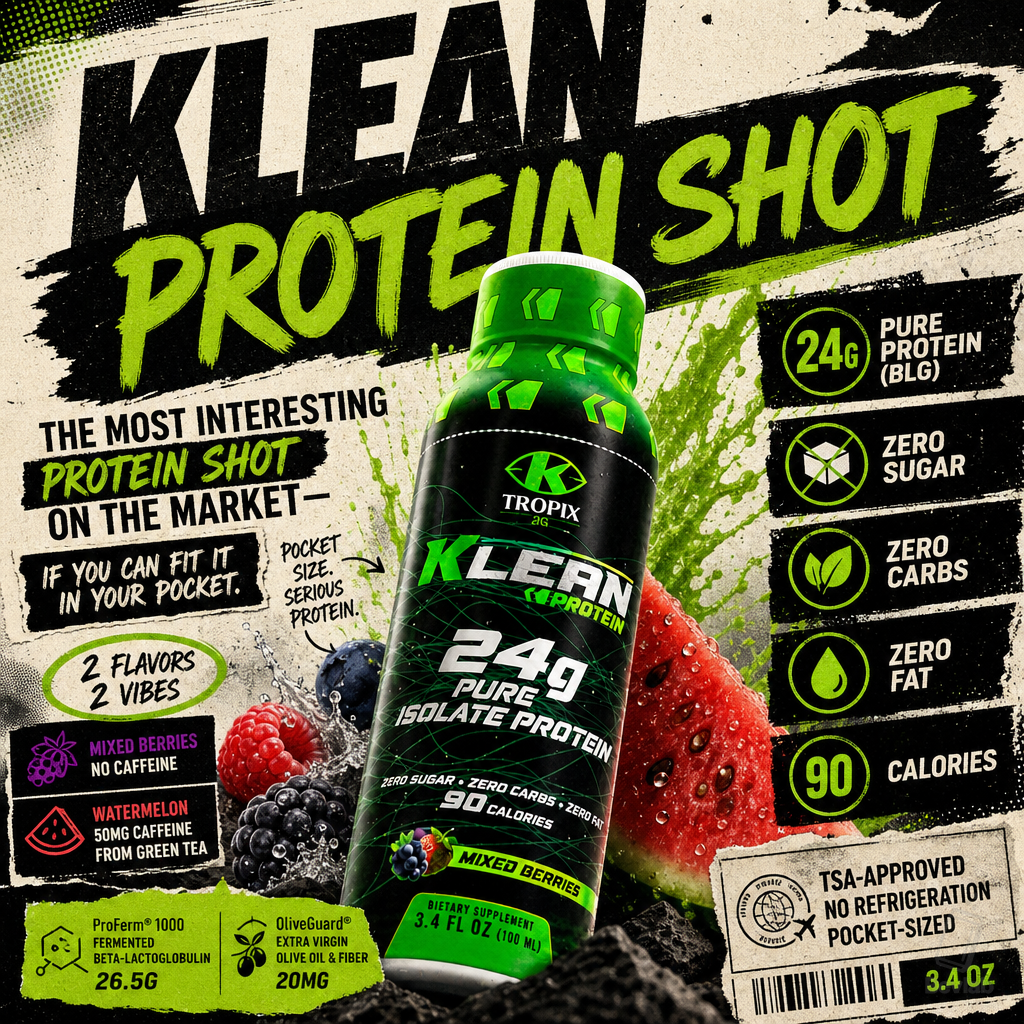
The formula is built around beta-lactoglobulin -- the leucine-rich fraction of whey protein -- paired with bovine collagen peptides, delivering 21g of protein in 90 calories with zero sugar. Three flavors at launch: Blueberry Acai, Strawberry Watermelon, and Orange Mango. If this format sounds familiar, it's because we covered KTropix Klean Protein Shot recently -- 24g of pure BLG in a similar format. Protein Now! takes a different direction with a blended protein formula and a cleaner ingredient deck. Both products signal that the protein shot category is starting to develop some real depth.
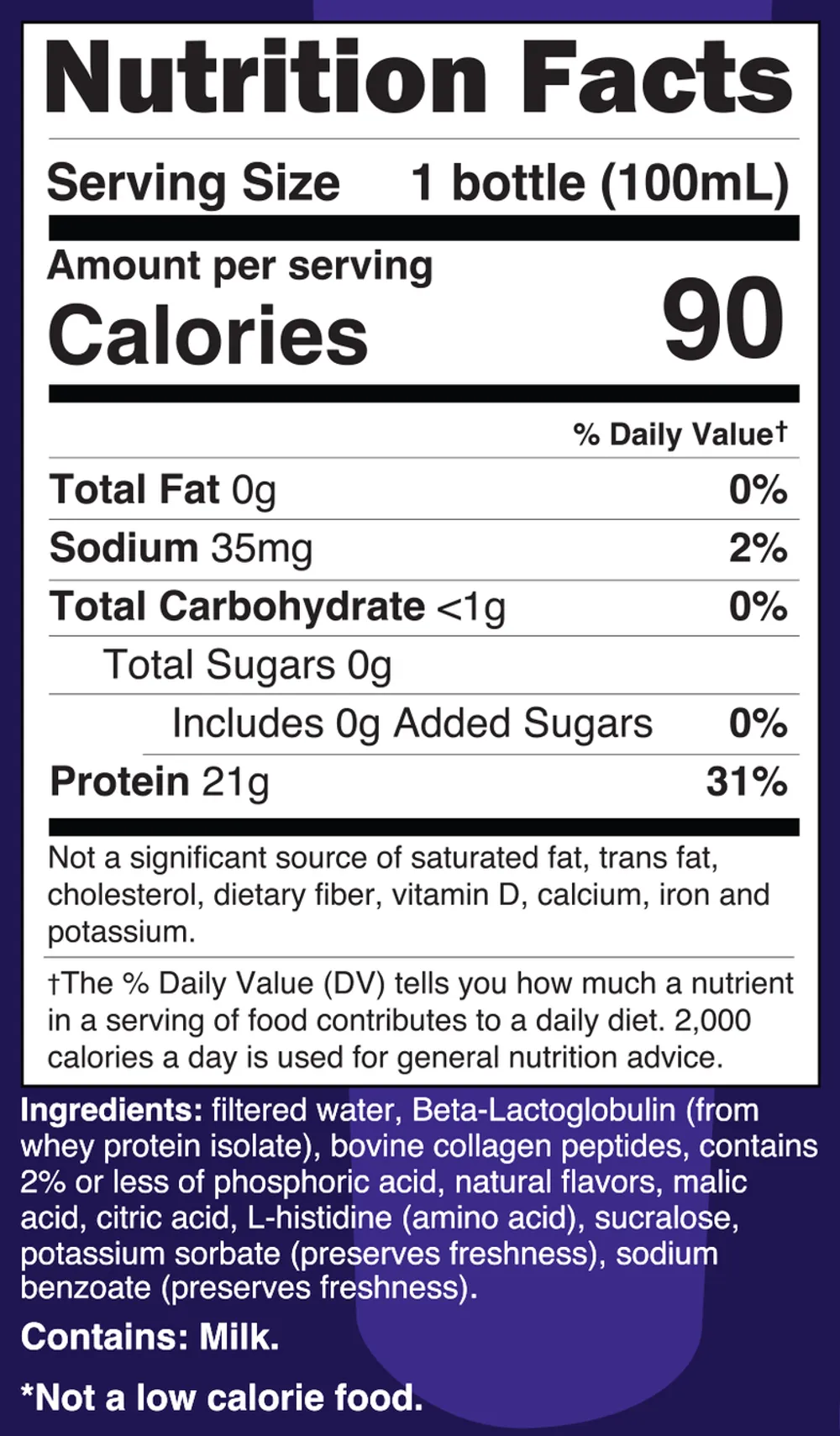
Protein Now! Nutrition Facts
- Calories: 90
- Total Fat: 0g
- Total Carbohydrate: 0g
- Total Sugars: 0g
- Added Sugars: 0g
- Protein: 21g
Protein Now! Ingredients
Each 3.38 fl oz serving provides the following key actives:
-
Beta-Lactoglobulin (from Whey Protein Isolate)
Beta-lactoglobulin (BLG) is the primary protein fraction in whey, making up roughly 45-57% of total whey proteins. What sets it apart in a protein shot context is its leucine content: approximately 15-16% of its amino acids by weight, compared to 10-12% in standard whey protein isolate.[1] That gap matters because leucine is the amino acid that triggers the muscle-building signal in your body -- specifically, it activates mTORC1, the central switch for muscle protein synthesis.[2]
BLG is a fast-digesting protein that clears the stomach quickly and drives a sharp peak of amino acids in your blood.[3] A 2025 crossover study compared about 10g of BLG against an equal amount of standard whey protein isolate and found that BLG produced roughly 35% more leucine exposure in the blood, even though the muscle protein synthesis response was similar between the two at that dose.[1] The researchers noted this leucine advantage becomes more meaningful in older adults, who need higher leucine concentrations to get the same anabolic response as younger people.[4,5]
Beyond muscle, BLG also stimulates insulin secretion at a higher rate than standard whey, which has implications for blood sugar management and is part of why this product is positioned as GLP-1 friendly.[6]
-
Collagen (Bovine Collagen Peptides)
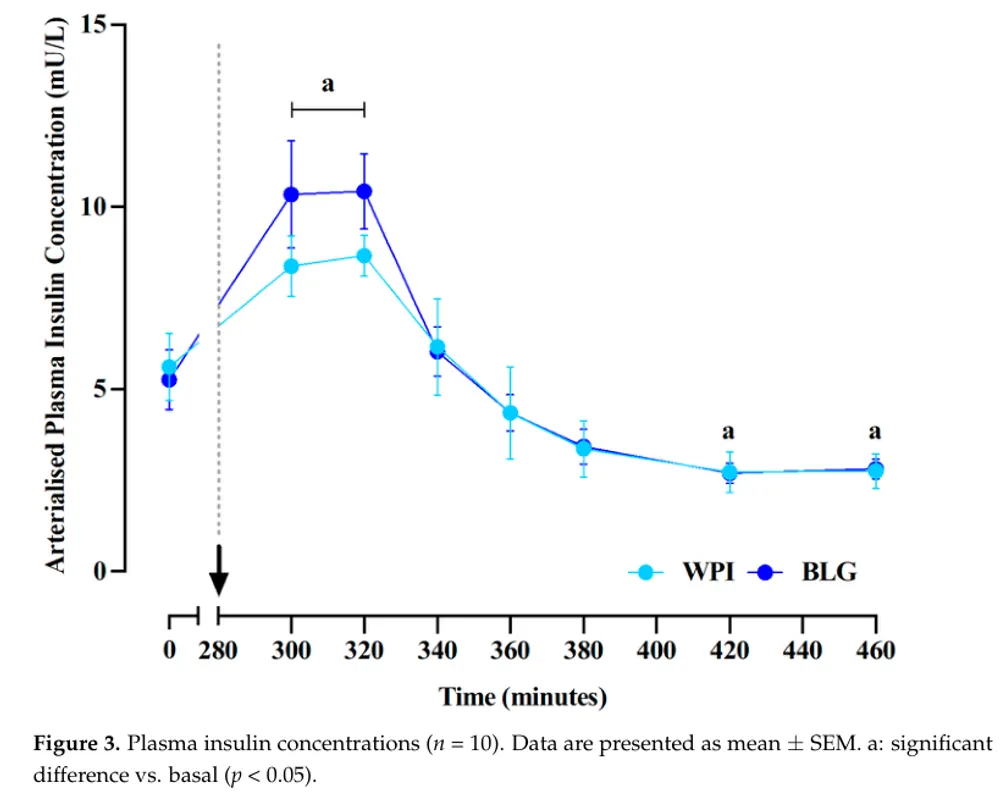
Figure 3. Plasma insulin concentrations (n = 10). Data are presented as mean ± SEM. Collagen is the most abundant protein in the human body, forming the structural backbone of skin, tendons, ligaments, cartilage, and connective tissue.[7] The bovine collagen peptides here are hydrolyzed: broken into smaller fragments that absorb efficiently and accumulate in connective tissues, where they signal fibroblasts and chondrocytes to ramp up collagen production.[8]
The evidence base is strongest for skin and joint applications. A meta-analysis of 26 RCTs found that hydrolyzed collagen meaningfully improved both skin hydration and skin elasticity compared to placebo.[9] For joints, a 24-week study in student athletes with activity-related joint pain found that 10g per day of collagen hydrolysate improved physician-assessed joint pain and several self-reported measures compared to placebo.[10] When combined with resistance training, 15g per day produced meaningfully better gains in lean mass and strength compared to training alone, including in older adults with sarcopenia.[11]
The amino acid profile is distinct from BLG: collagen is rich in glycine, proline, and hydroxyproline -- the raw materials for connective tissue repair -- but lacks tryptophan and is considered an incomplete protein on its own.[12] That's exactly why pairing it with BLG makes sense. The two profiles are complementary.
-
L-Histidine
L-histidine is an essential amino acid with a structural feature that makes it useful in beverage formulas: its imidazole side chain can buffer pH in the physiological range, which helps with intracellular acid management and potentially with product stability.[13] In the body, histidine is one of two building blocks for carnosine, a dipeptide concentrated in skeletal muscle that helps neutralize acid buildup from intense exercise.[14] The other precursor, beta-alanine, is typically the rate-limiting factor in healthy people with adequate protein intake, but histidine remains an obligate substrate.
Research also shows histidine's metal-chelating properties (the imidazole ring binds transition metals like iron and copper) contribute to antioxidant activity by preventing the free radical generation that can damage cells.[15] The label doesn't disclose the histidine dose, so it's not possible to benchmark the inclusion against research amounts, but its presence alongside BLG and collagen points to a role in buffering and amino acid profile rounding.
-
Other Ingredients

- Filtered Water - the base and delivery vehicle for the formula.
- Phosphoric Acid - an acidulant that lowers the pH of the shot into the tart range, contributing to flavor and helping suppress microbial growth.[16]
- Natural Flavors - provide the flavor profile without adding sugar, carbs, or meaningful calories.[17]
- Malic Acid - a secondary acidulant that adds a smoother, fruit-forward tartness to complement phosphoric acid's sharper bite. Found naturally in apples and grapes.[18]
- Citric Acid - another acidulant and preservative synergist, common in fruit-flavored beverages. Helps round out the sour profile and contributes to shelf stability.[19]
- Sucralose - a zero-calorie sweetener roughly 600 times sweeter than sugar, used here to hit a palatable sweetness level without adding carbs or calories.[20]
- Potassium Sorbate - a preservative that inhibits mold and yeast in low-pH environments. Approved with an established acceptable daily intake well above realistic dietary exposure levels.[21]
- Sodium Benzoate - a second preservative effective against yeast, molds, and some bacteria in acidic conditions. Often paired with potassium sorbate for broader coverage.[22]
Flavors Available
- Blueberry Acai (3.38oz.) (12 Bottles: $59.99)
- Orange Mango (3.38oz.) (12 Bottles: $59.99)
- Strawberry Watermelon (3.38oz.) (12 Bottles: $59.99)
- Variety (3.38oz.) (3 Bottles: $18.00)
Who It's For
- Anyone who needs protein on the move: Gym bag, car console, desk drawer, carry-on -- the TSA-approved size and shelf-stable format mean it actually goes where you go.
- GLP-1 medication users: Reduced appetite from medications like Ozempic or Wegovy makes it genuinely hard to hit daily protein targets through food alone. A 3.4oz shot with 21g of protein is about as frictionless as it gets -- no volume, no prep, and no heaviness.
A Protein Shot Worth Cracking
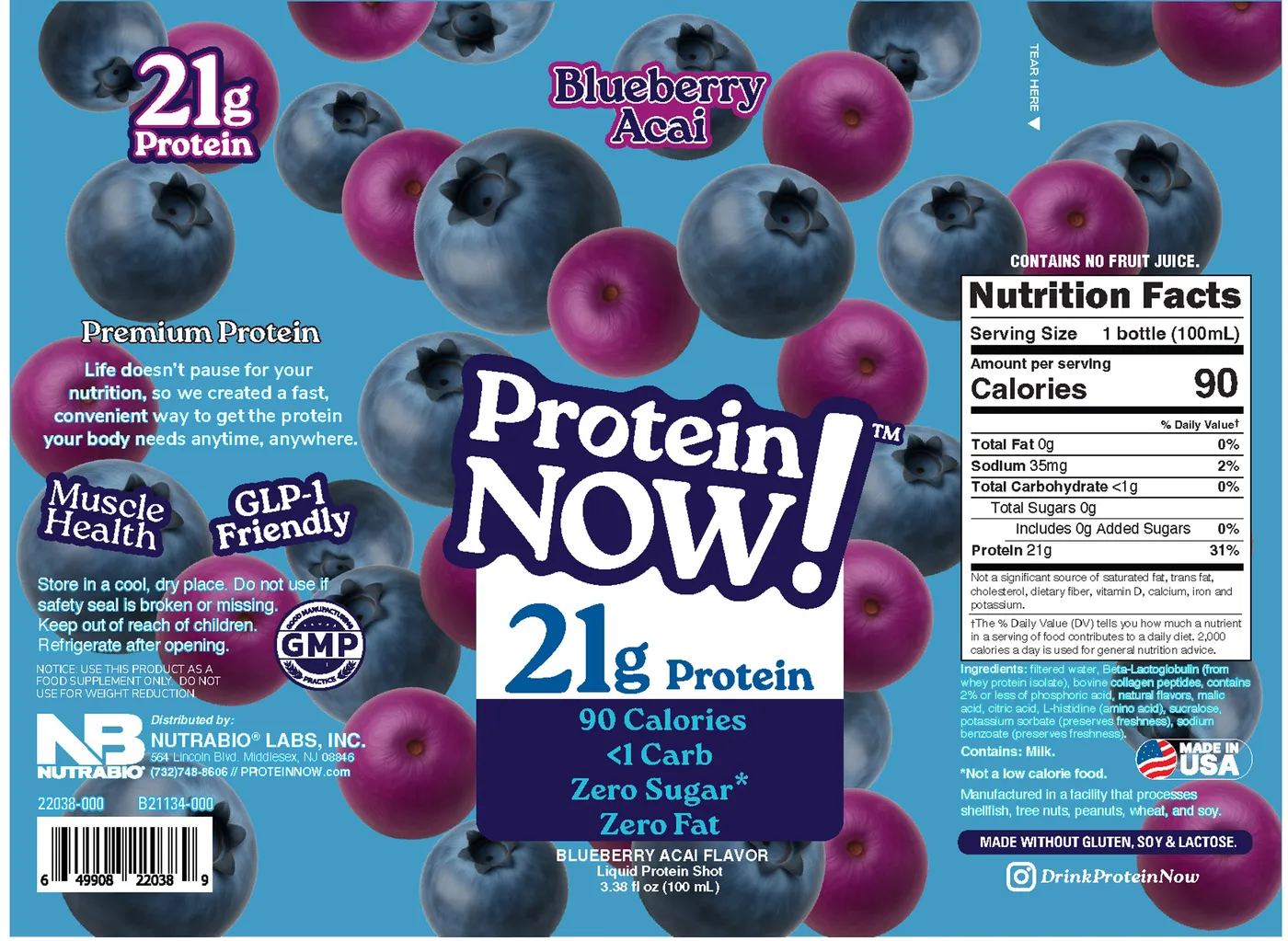
NutraBio / Protein Now! is doing the right things for this format. BLG is a strong choice for a high-dose shot: its leucine density packs more anabolic signal into fewer grams, and its fast-digesting profile means you're not carrying unabsorbed protein around for hours.[1,3] Adding collagen gives you a complementary amino acid profile that rounds out the muscle and connective tissue story.[11] The GLP-1 positioning is smart and timely. At 21g of protein, 90 calories, and zero sugar, the numbers back up what the brand is selling.
The protein shot category is still early. KTropix is pushing 24g on pure BLG. Protein Now! blends BLG and collagen at 21g. There's already a formula debate worth having. Follow @BevlabMedia on TikTok and Instagram as more shots enter the market and we keep tracking what's actually working.
References
- Ely, Isabel A, et al. "The Effect of Leucine-Enriched β-Lactoglobulin Versus an Isonitrogenous Whey Protein Isolate on Skeletal Muscle Protein Anabolism in Young Healthy Males." Nutrients, 2025. https://doi.org/10.3390/nu17213410
- Ely, Isabel A, et al. "A focus on leucine in the nutritional regulation of human skeletal muscle metabolism in ageing, exercise and unloading states." Clinical nutrition (Edinburgh, Scotland), 2023. https://doi.org/10.1016/j.clnu.2023.08.010
- Mahé, S, et al. "Gastrojejunal kinetics and the digestion of [15N]beta-lactoglobulin and casein in humans: the influence of the nature and quantity of the protein." The American journal of clinical nutrition, 1996. https://doi.org/10.1093/ajcn/63.4.546
- Katsanos, Christos S, et al. "A high proportion of leucine is required for optimal stimulation of the rate of muscle protein synthesis by essential amino acids in the elderly." American journal of physiology. Endocrinology and metabolism, 2006. https://doi.org/10.1152/ajpendo.00488.2005
- Moore, Daniel R, et al. "Protein ingestion to stimulate myofibrillar protein synthesis requires greater relative protein intakes in healthy older versus younger men." The journals of gerontology. Series A, Biological sciences and medical sciences, 2015. https://doi.org/10.1093/gerona/glu103
- Mose, Maike, et al. "β-Lactoglobulin Is Insulinotropic Compared with Casein and Whey Protein Ingestion during Catabolic Conditions in Men in a Double-Blinded Randomized Crossover Trial." The Journal of nutrition, 2021. https://doi.org/10.1093/jn/nxab010
- Shoulders, Matthew D, et al. "Collagen Structure And Stability." Annual review of biochemistry, 2009. https://doi.org/10.1146/annurev.biochem.77.032207.120833
- Kisling, Andrew, et al. "What Is The Role Of Peptide Fragments Of Collagen I And Iv In Health And Disease." Life sciences, 2019. https://doi.org/10.1016/j.lfs.2019.04.042
- Pu, Szu-Yu, et al. "Effects Of Oral Collagen For Skin Anti Aging A Systematic Review And Meta Analysis." Nutrients, 2023. https://doi.org/10.3390/nu15092080
- Clark, Kristine L, et al. "24 Week Study On The Use Of Collagen Hydrolysate As A Dietary Supplement In Athletes With Activity Related Joint Pain." Current medical research and opinion, 2008. https://doi.org/10.1185/030079908X291967
- Zdzieblik, Denise, et al. "Collagen Peptide Supplementation With Resistance Training Improves Body Composition And Strength In Elderly Sarcopenic Men." The British journal of nutrition, 2015. https://doi.org/10.1017/S0007114515002810
- Paul, Cristiana, et al. "Significant Amounts Of Functional Collagen Peptides Can Be Incorporated In The Diet While Maintaining Indispensable Amino Acid Balance." Nutrients, 2019. https://doi.org/10.3390/nu11051079
- Holeček, Milan. "Histidine In Health And Disease Metabolism Physiological Importance And Use As A Supplement." Nutrients, 2020. https://doi.org/10.3390/nu12030848
- Artioli, Guilherme Giannini, et al. "Role of beta-alanine supplementation on muscle carnosine and exercise performance." Medicine and science in sports and exercise, 2010. https://doi.org/10.1249/MSS.0b013e3181c74e38
- Moro, Joanna, et al. "Histidine A Systematic Review On Metabolism And Physiological Effects In Human And Different Animal Species." Nutrients, 2020. https://doi.org/10.3390/nu12051414
- Reddy, Avanija, et al. "The pH of beverages in the United States." Journal of the American Dental Association (1939), 2016. https://doi.org/10.1016/j.adaj.2015.10.019
- Davidsen, Jeanne M, et al. "FEMA GRAS assessment of natural flavor complexes: Asafetida oil, garlic oil and onion oil." Food and chemical toxicology : an international journal published for the British Industrial Biological Research Association, 2023. https://doi.org/10.1016/j.fct.2022.113580
- de, Carvalho Jozélio Freire, et al. "Malic Acid For The Treatment Of Rheumatic Diseases." Mediterranean journal of rheumatology, 2023. https://doi.org/10.31138/mjr.301223.mar
- Książek, Ewelina. "Citric Acid: Properties, Microbial Production, and Applications in Industries." Molecules (Basel, Switzerland), 2023. https://doi.org/10.3390/molecules29010022
- et al. "Re-evaluation of sucralose (E 955) as a food additive and evaluation of a new application on extension of use of sucralose (E 955) in fine bakery wares." EFSA journal. European Food Safety Authority, 2026. https://doi.org/10.2903/j.efsa.2026.9854
- et al. "Opinion on the follow-up of the re-evaluation of sorbic acid (E200) and potassium sorbate (E202) as food additives." EFSA journal. European Food Safety Authority, 2019. https://doi.org/10.2903/j.efsa.2019.5625
- EFSA, Panel on Food Additives and Nutrient Sources (ANS). "Scientific Opinion on the re‐evaluation of benzoic acid (E 210), sodium benzoate (E 211), potassium benzoate (E 212) and calcium benzoate (E 213) as food additives." EFSA Journal, 2016. https://doi.org/10.2903/j.efsa.2016.4433