Clean Simple Eats Clear Protein Water
10g of grass-fed whey in a light, fruit-forward sip
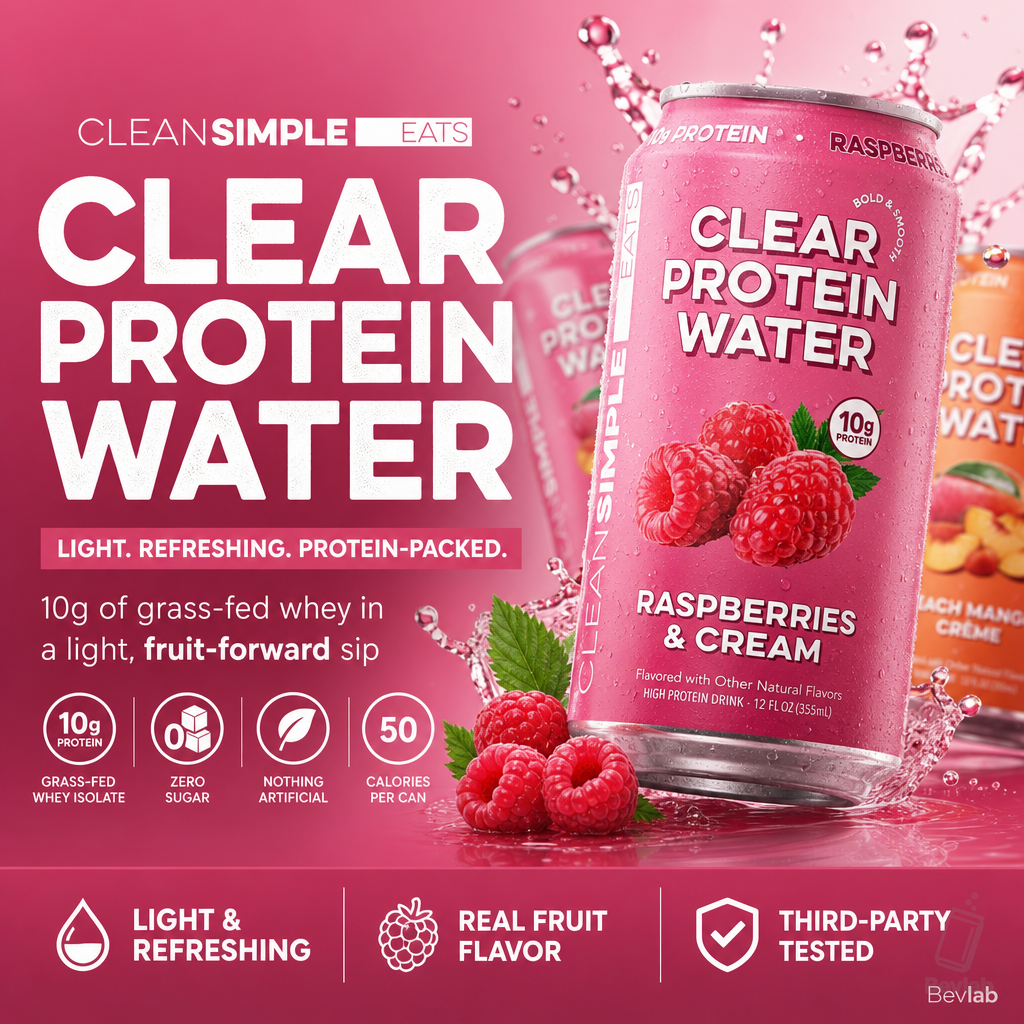
Clean Simple Eats Clear Protein Water packs 10g of grass-fed whey isolate into a light, refreshing 12oz drink. Full formula breakdown and review.
Protein water has been one of those category promises that keeps landing awkwardly -- too chalky, too sweet, or so aggressively flavored it tastes like a kid's vitamin. Clean Simple Eats Clear Protein Water is a serious attempt at getting it right. Each 12oz can delivers 10g of grass-fed, ultra-filtered whey protein isolate with 50 calories, zero sugar, and a formula Clean Simple Eats describes as "nothing artificial." The sweetener system leans on Reb M and Reb A -- the two steviol glycosides with the cleanest taste profiles in the category -- and the brand backs the product with third-party testing. For anyone trying to bump daily protein without the weight or richness of a shake, this is a genuinely useful option.
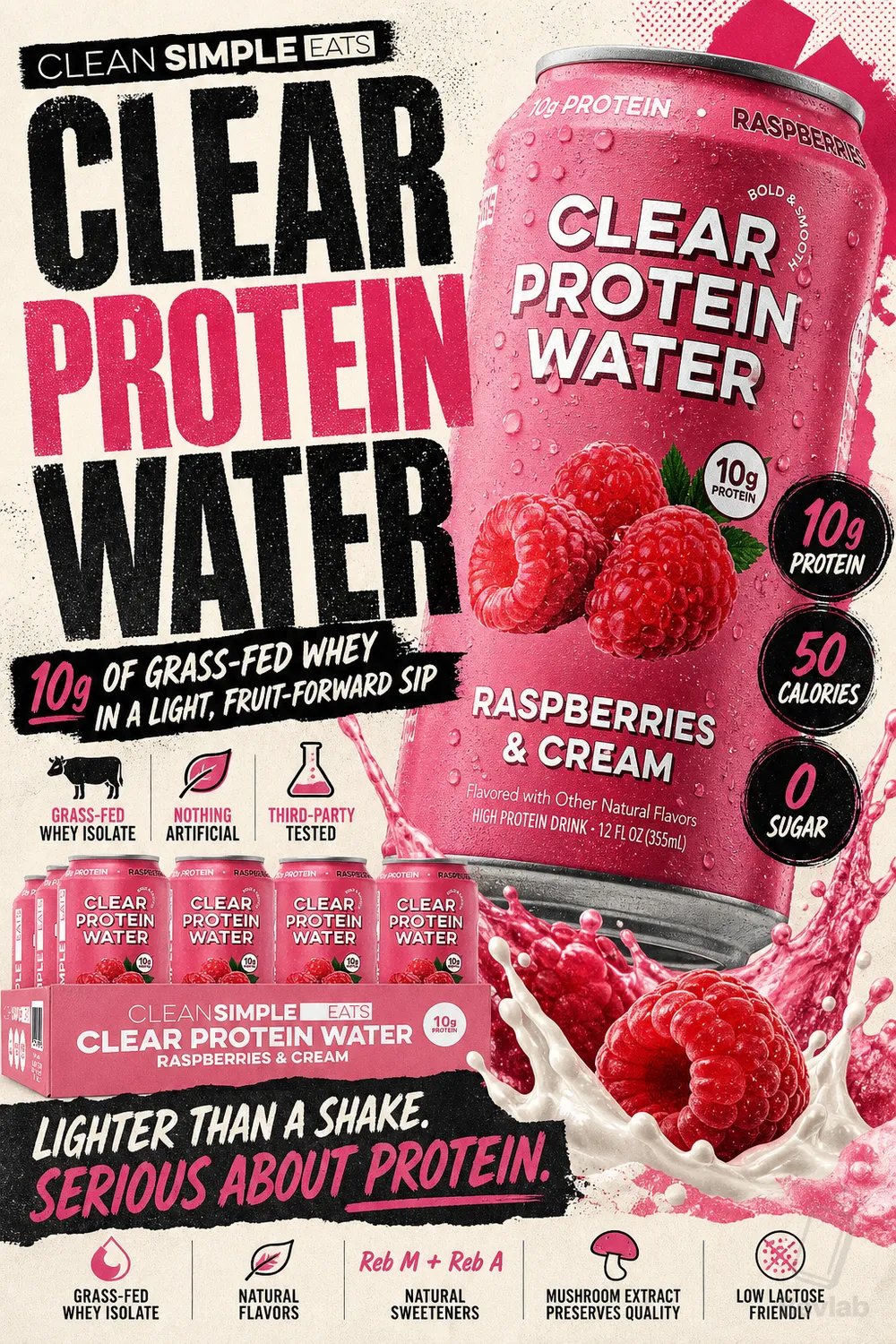
Clean Simple Eats built its following around the idea that clean eating and good flavor aren't at odds. This product extends that philosophy into RTD beverages. The lineup already covers more than a dozen flavors -- from Sour Green Apple and Prickly Pear to Coconut Crème and Dragon Fruit -- with most available directly through their website. Target and Vitamin Shoppe both carry select flavors at retail.
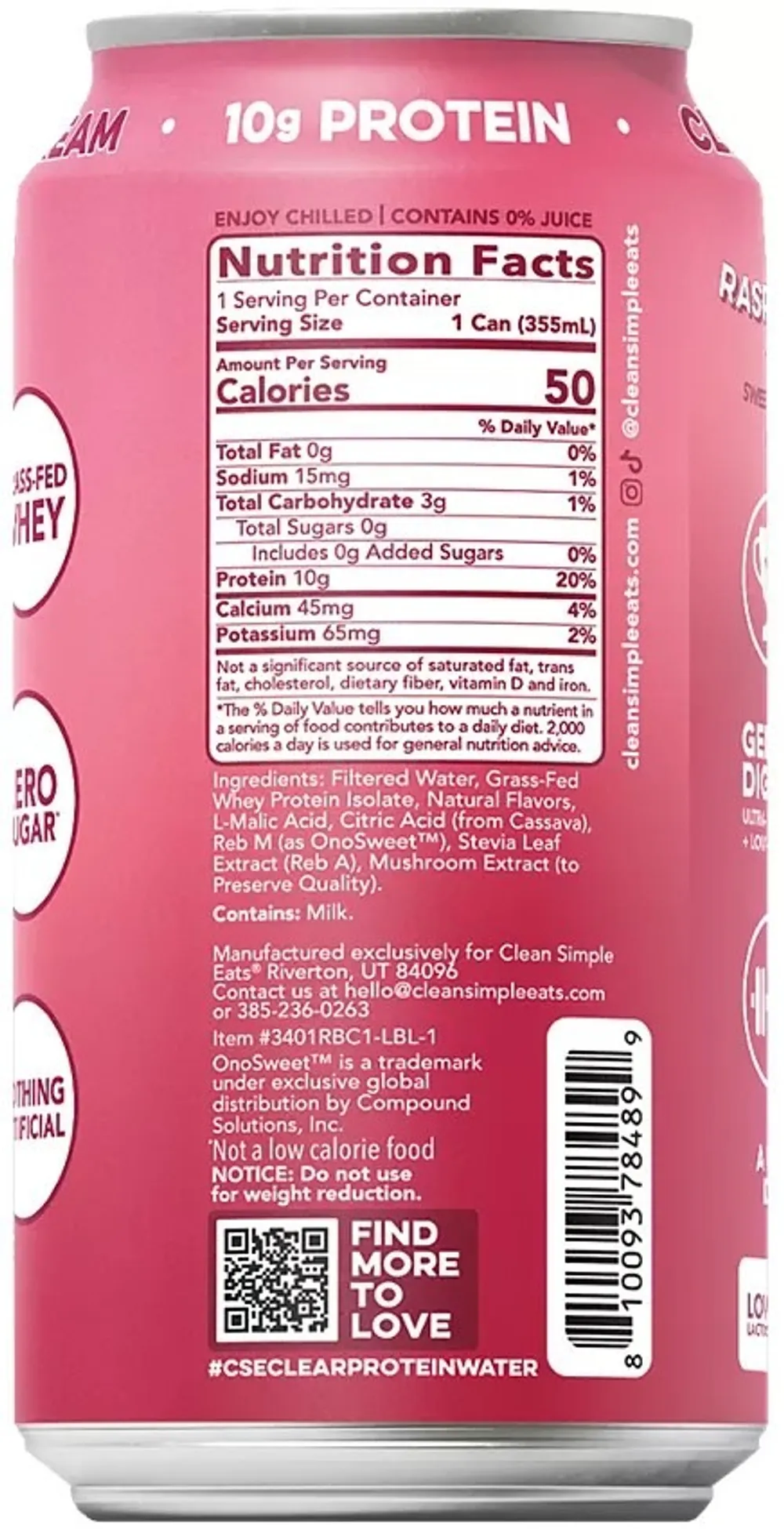
Clean Simple Eats Clear Protein Water Nutrition Facts
- Calories: 50
- Total Fat: 0g
- Sodium: 15mg (1% DV)
- Total Carbohydrate: 3-4g (1% DV)
- Total Sugars: 0g
- Added Sugars: 0g
- Protein: 10g (20% DV)
- Calcium: 45mg (4% DV)
- Potassium: 55-65mg (2% DV)
Clean Simple Eats Clear Protein Water Ingredients
Each 12oz serving provides the following key actives:
-
Grass-Fed Whey Protein Isolate - 10g
Whey protein isolate is the main event here, and the grass-fed sourcing signals a commitment to quality that lines up with the brand's positioning. WPI is a highly purified whey fraction that typically contains 90% or more protein by dry weight, with minimal fat and lactose, which is why Clean Simple Eats can accurately call this low-lactose.[1] Most people who are lactose sensitive can tolerate it without issue.
What makes WPI especially effective for muscle support is its fast digestion and high leucine content. Leucine triggers the muscle protein synthesis pathway, and whey delivers it in a rapid, pronounced spike compared to slower proteins like casein.[2] That spike activates mTOR signaling, the downstream cascade that kicks off muscle repair and growth.[3] Research with trained men has found that 20g of WPI post-exercise meaningfully raises muscle protein synthesis, with diminishing returns above that threshold.[4] At 10g per can, a single serving won't fully saturate the anabolic response on its own, but it's a practical, digestible contribution to a daily protein target -- especially if you're already eating adequate protein across your meals.
Across multiple meta-analyses, WPI supplementation combined with resistance training has consistently improved lean mass and reduced fat mass in healthy adults.[5,6] It also scores above 1.0 on the DIAAS scale, the current gold standard for protein quality, meaning a single serving fully covers the requirement for the most limiting essential amino acid.[7]
-
Vitamins and Minerals
-
Calcium (as Grass-Fed Whey Protein Isolate) -- 45mg (4% DV)
Calcium here comes naturally from the whey rather than as an added mineral. At 45mg it's a minor contribution toward the daily target of around 1,000mg, but it's not nothing. Calcium is essential for muscle contraction: it's the molecular signal that triggers the actin-myosin interaction that produces force.[8] For active people, keeping calcium intake adequate also helps buffer the exercise-induced PTH response that can pull calcium from bone over time.
-
Potassium -- 55-65mg (2% DV)
Potassium appears at a modest 55-65mg, varying slightly by flavor. The daily adequate intake is 4,700mg, so this provides a small but real contribution.[9] Potassium is the main intracellular electrolyte and plays a role in nerve signaling, muscle contraction, and maintaining fluid balance. It's also lost in sweat during exercise, though at relatively stable concentrations.[10] Don't expect this to replace a dedicated electrolyte product, but it's a welcome inclusion.
-
-
Other Ingredients
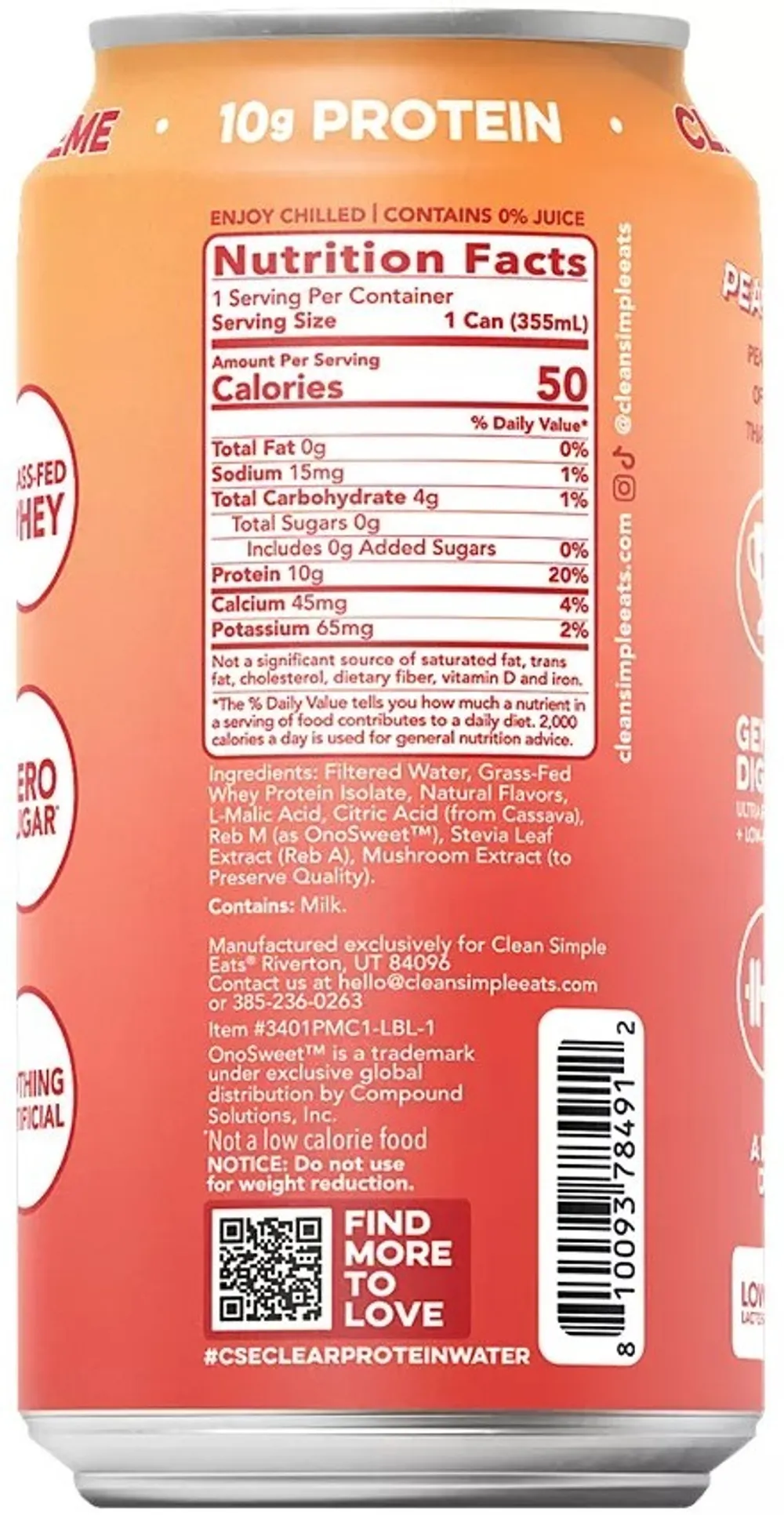
Ingredient list showing grass-fed whey isolate, Reb M (OnoSweet M), Reb A, and mushroom extract as preservative. -
Filtered Water - the base of the formula and the reason the product reads as a beverage rather than a diluted shake.
-
Natural Flavors - used here to create distinct, fruit-forward taste profiles across a large flavor lineup. Natural flavors are derived from botanical or animal sources and serve no nutritional function; their job is palatability and masking any protein off-notes.
-
Citric Acid (from Cassava) - a common acidulant that provides tartness and helps stabilize the formula's pH. The cassava sourcing is notable for consumers who avoid corn-derived additives. Citric acid carries FDA GRAS status and is one of the most widely used food ingredients in the world.
-
L-Malic Acid - works alongside citric acid to build the tart, bright flavor profile. Malic acid is naturally present in fruits like apples and grapes and is what gives them their characteristic sourness. It's also a TCA cycle intermediate, though at flavoring amounts it's not delivering a meaningful ergogenic dose.
-
Reb M (as OnoSweet M) - the primary sweetener. OnoSweet M is a branded form of Rebaudioside M, a next-generation steviol glycoside from Stevia rebaudiana. Reb M is roughly 200-350 times sweeter than sucrose, and unlike the more common Reb A, it has dramatically reduced bitterness and astringency. In trained panel testing, its in-mouth bitterness was indistinguishable from sucrose.[11] That's a meaningful formulation choice. It's also metabolically neutral: one RCT in adults with overweight and obesity found that Reb M reduced postprandial glucose and insulin responses compared to sucrose without disrupting appetite hormones.[12] The Yarrowia lipolytica fermentation route used for OnoSweet M has received a formal EFSA safety opinion with no concerns identified.[13]
-
Stevia Leaf Extract (Reb A) - a secondary sweetener working in combination with Reb M. Rebaudioside A is the most common commercial steviol glycoside and has GRAS status in the U.S. It has a slightly less clean taste profile than Reb M, but blending the two lets the formula hit the right sweetness level with less of each individual compound. Stevia-sweetened products have shown no adverse effects on blood glucose compared to sucralose controls in diabetic patients,[14] and one well-designed RCT found that stevia preloads reduced postprandial insulin compared to both sucrose and aspartame.[15]
-
Mushroom Extract (to Preserve Quality) - the most unusual ingredient on the label. The most likely candidate is a glycolipid extract from Dacryopinax spathularia (sold as Nagardo®), which holds FDA GRAS status for use as a natural antimicrobial preservative in non-alcoholic beverages at 2-100 ppm.[16] At low concentrations it inhibits yeast and lactic acid bacteria without synthetic preservatives like sodium benzoate, exactly the kind of clean-label preservation strategy that fits this brand's positioning. EFSA completed a formal safety review and established an ADI of 10mg/kg body weight per day, with estimated real-world exposure well inside that limit.[17] The brand does not disclose the specific extract source or concentration.
-
Flavors Available
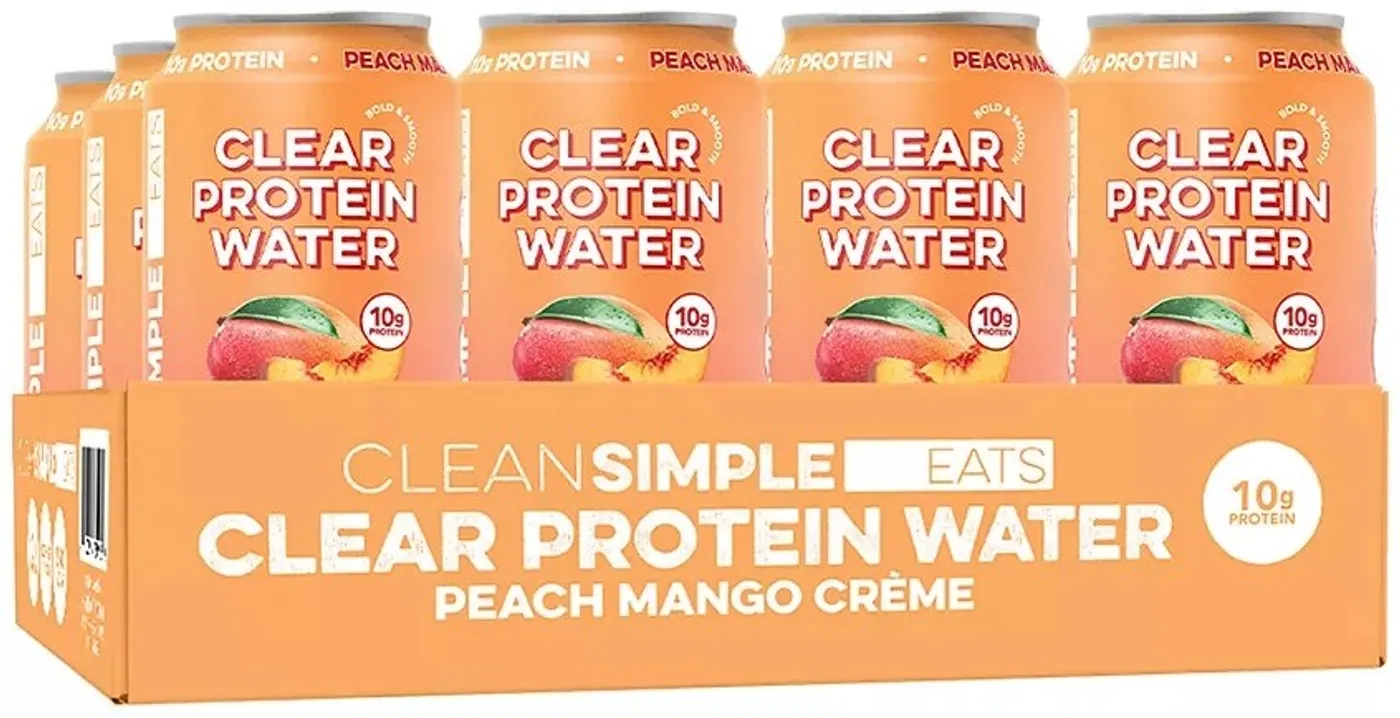
Clean Simple Eats offers a wide range of flavors. The full lineup includes Raspberries & Cream, Peach Mango Creme, Dragon Fruit, Coconut Crème, Blackberry Vanilla, Tropical Orange, Blue Razz, Prickly Pear, Frosted Lemonade, Cherry Lime, Sour Green Apple, and Classic Grape. More flavors may be available at cleansimpleeats.com than what's stocked at any individual retailer. Target and Vitamin Shoppe carry select SKUs.
Who It's For
-
High-protein-goal consumers: If you're targeting 150g or more of protein daily, Clear Protein Water makes it easy to add 10g between meals without the calories, richness, or prep of a full shake. It fits cleanly into routines built around tracking macros.
-
Clean-label buyers: The formula is free of artificial sweeteners, colors, and preservatives. The grass-fed sourcing, cassava-derived citric acid, and mushroom-based preservation all reflect deliberate ingredient choices that will matter to the segment of the market reading labels carefully.
Light Formula, Serious Protein Credentials
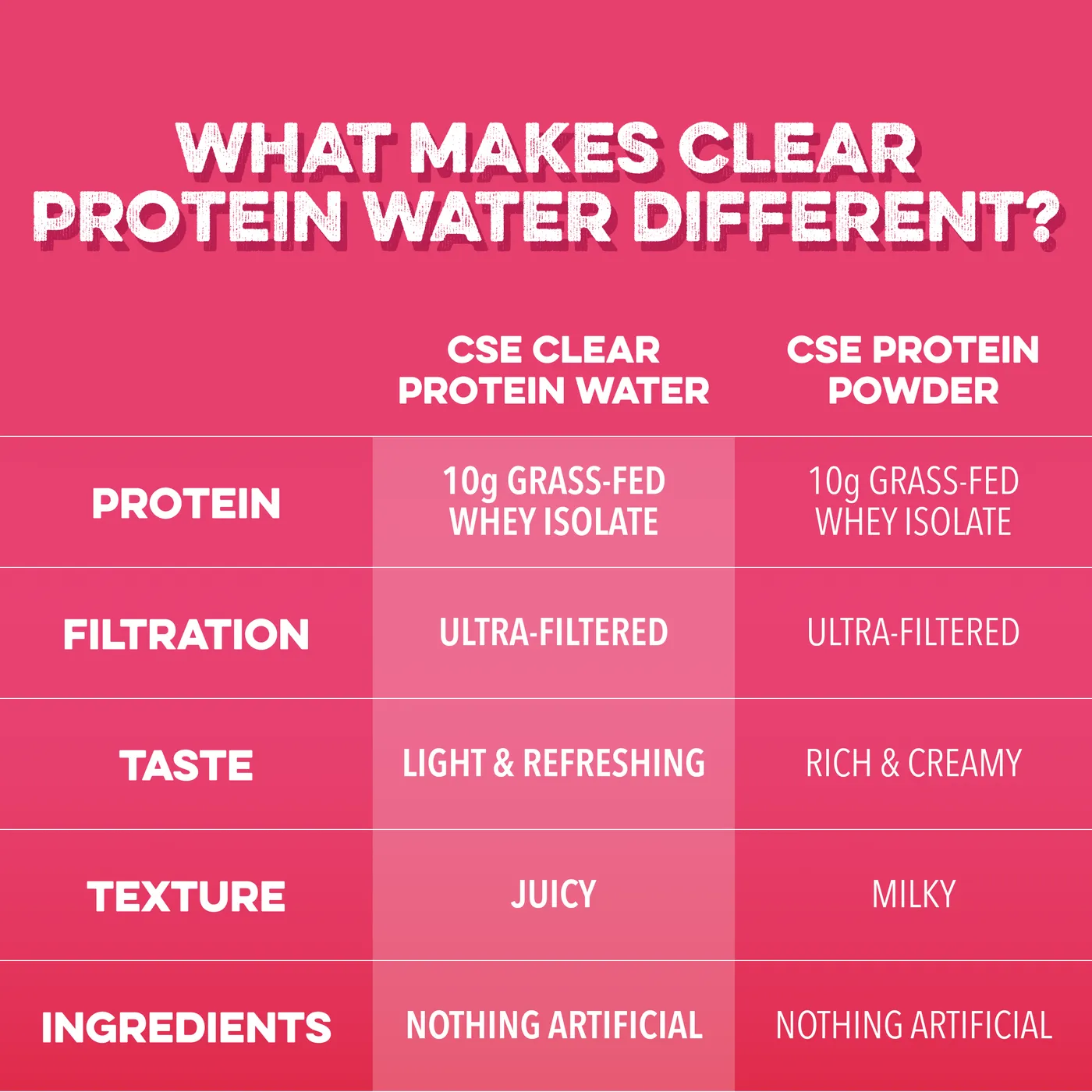
Clean Simple Eats Clear Protein Water does what it says. The whey isolate is high-quality, the sweetener system is one of the better-tasting natural options available, and the clean-label commitment runs all the way through to the preservative. At $36 for 12 cans, you're paying a premium for convenience and ingredient quality. If you want easy, low-calorie protein between meals that actually tastes like a fruit drink, it earns a place in the rotation.
Follow @BevlabMedia on TikTok and Instagram for more in the protein beverage space.
References
- van, Vliet Stephan, et al. "The Skeletal Muscle Anabolic Response to Plant- versus Animal-Based Protein Consumption." The Journal of nutrition, 2015. https://doi.org/10.3945/jn.114.204305
- Pennings, Bart, et al. "Whey Protein Stimulates Postprandial Muscle Protein Accretion More Effectively Than Do Casein And Casein Hydrolysate In Older Men." The American journal of clinical nutrition, 2011. https://doi.org/10.3945/ajcn.110.008102
- Farnfield, Michelle M, et al. "Whey protein ingestion activates mTOR-dependent signalling after resistance exercise in young men: a double-blinded randomized controlled trial." Nutrients, 2009. https://doi.org/10.3390/nu1020263
- Witard, Oliver C, et al. "Myofibrillar muscle protein synthesis rates subsequent to a meal in response to increasing doses of whey protein at rest and after resistance exercise." The American journal of clinical nutrition, 2014. https://doi.org/10.3945/ajcn.112.055517
- Li, Meng, et al. "Effect Of Whey Protein Supplementation During Resistance Training Sessions On Body Mass And Muscular Strength A Meta Analysis." Food & function, 2019. https://doi.org/10.1039/C9FO00182D
- Miller, Paige E, et al. "Effects Of Whey Protein And Resistance Exercise On Body Composition A Meta Analysis Of Randomized Controlled Trials." Journal of the American College of Nutrition, 2014. https://doi.org/10.1080/07315724.2013.875365
- Wolfe, Robert R, et al. "Protein quality as determined by the Digestible Indispensable Amino Acid Score: evaluation of factors underlying the calculation." Nutrition reviews, 2016. https://doi.org/10.1093/nutrit/nuw022
- Szent-Györgyi, A.G. "Calcium Regulation Of Muscle Contraction." Biophysical Journal, 1975. https://doi.org/10.1016/s0006-3495(75)85849-8
- Weaver, Connie M. "Potassium and health." Advances in nutrition (Bethesda, Md.), 2013. https://doi.org/10.3945/an.112.003533
- Montain, Scott J, et al. "Sweat mineral-element responses during 7 h of exercise-heat stress." International journal of sport nutrition and exercise metabolism, 2007. https://doi.org/10.1123/ijsnem.17.6.574
- Tao, Ran, et al. "Consumer-Based Sensory Characterization of Steviol Glycosides (Rebaudioside A, D, and M)." Foods (Basel, Switzerland), 2020. https://doi.org/10.3390/foods9081026
- Gibbons, Catherine, et al. "Acute and two-week effects of neotame, stevia rebaudioside M and sucrose-sweetened biscuits on postprandial appetite and endocrine response in adults with overweight/obesity-a randomised crossover trial from the SWEET consortium." EBioMedicine, 2024. https://doi.org/10.1016/j.ebiom.2024.105005
- et al. "Safety evaluation of the food additive steviol glycosides, predominantly Rebaudioside M, produced by fermentation using Yarrowia lipolyticaVRM." EFSA journal. European Food Safety Authority, 2023. https://doi.org/10.2903/j.efsa.2023.8387
- Ajami, Marjan, et al. "Effects of stevia on glycemic and lipid profile of type 2 diabetic patients: A randomized controlled trial." Avicenna journal of phytomedicine, 2020. https://pubmed.ncbi.nlm.nih.gov/32257884/
- Anton, Stephen D, et al. "Effects Of Stevia Aspartame And Sucrose On Food Intake Satiety And Postprandial Glucose And Insulin Levels." Appetite, 2010. https://doi.org/10.1016/j.appet.2010.03.009
- Galasong, Yupawadee, et al. "Natural glycolipids inhibits certain yeasts and lactic acid bacteria pertinent to the spoilage of shelf stable beverages." Food Control, 2023. https://doi.org/10.1016/j.foodcont.2022.109544
- et al. "Safety evaluation of long-chain glycolipids from Dacryopinax spathularia." EFSA journal. European Food Safety Authority, 2021. https://doi.org/10.2903/j.efsa.2021.6609