NYNE Focus
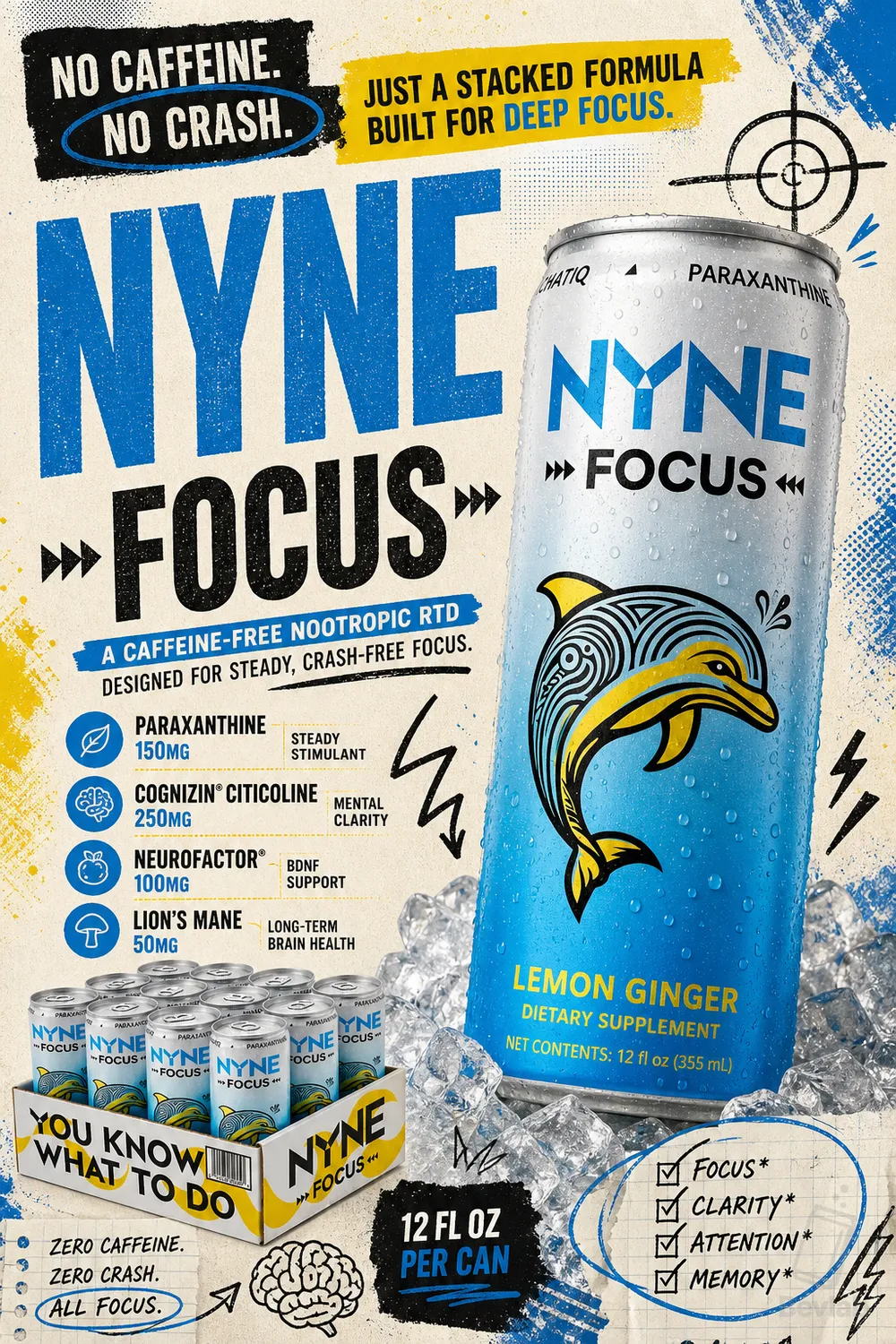
No caffeine. No crash. Just a stacked Cognizin-based formula for deep focus.
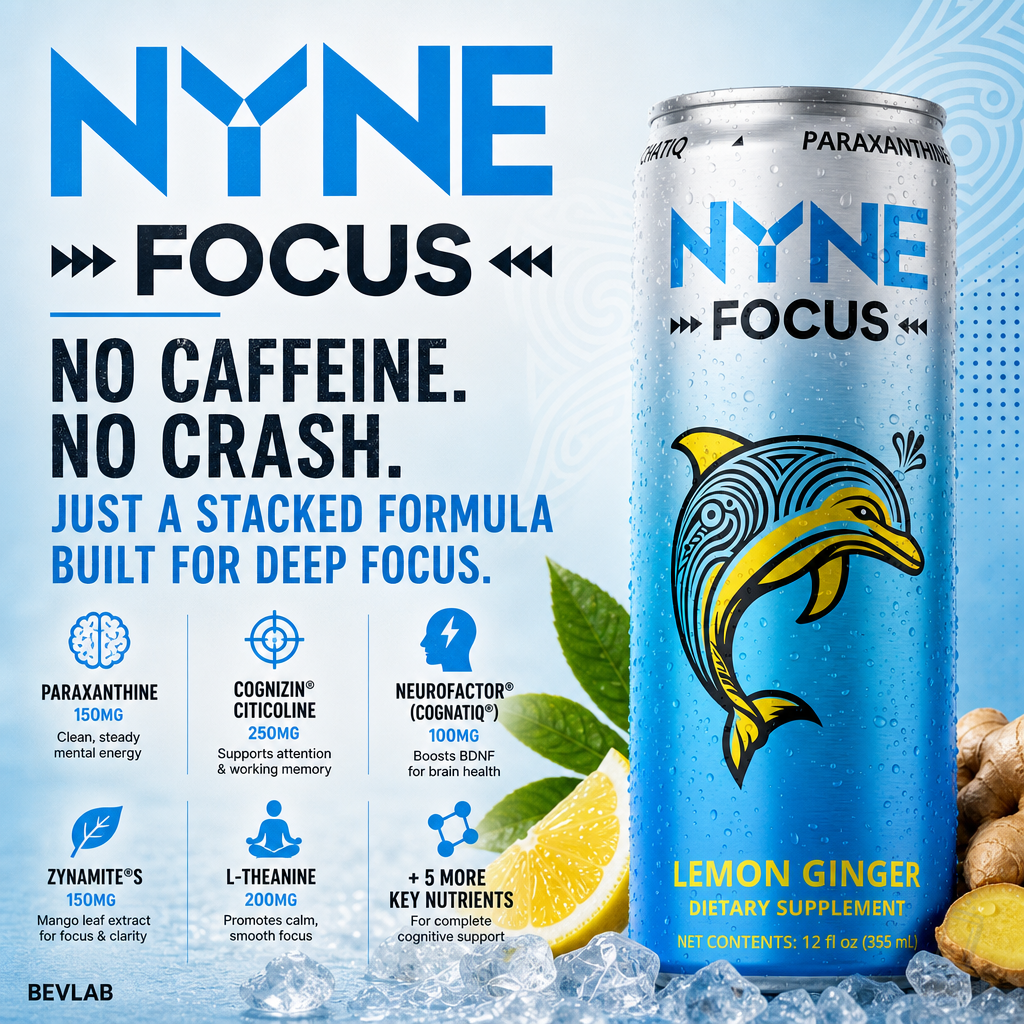
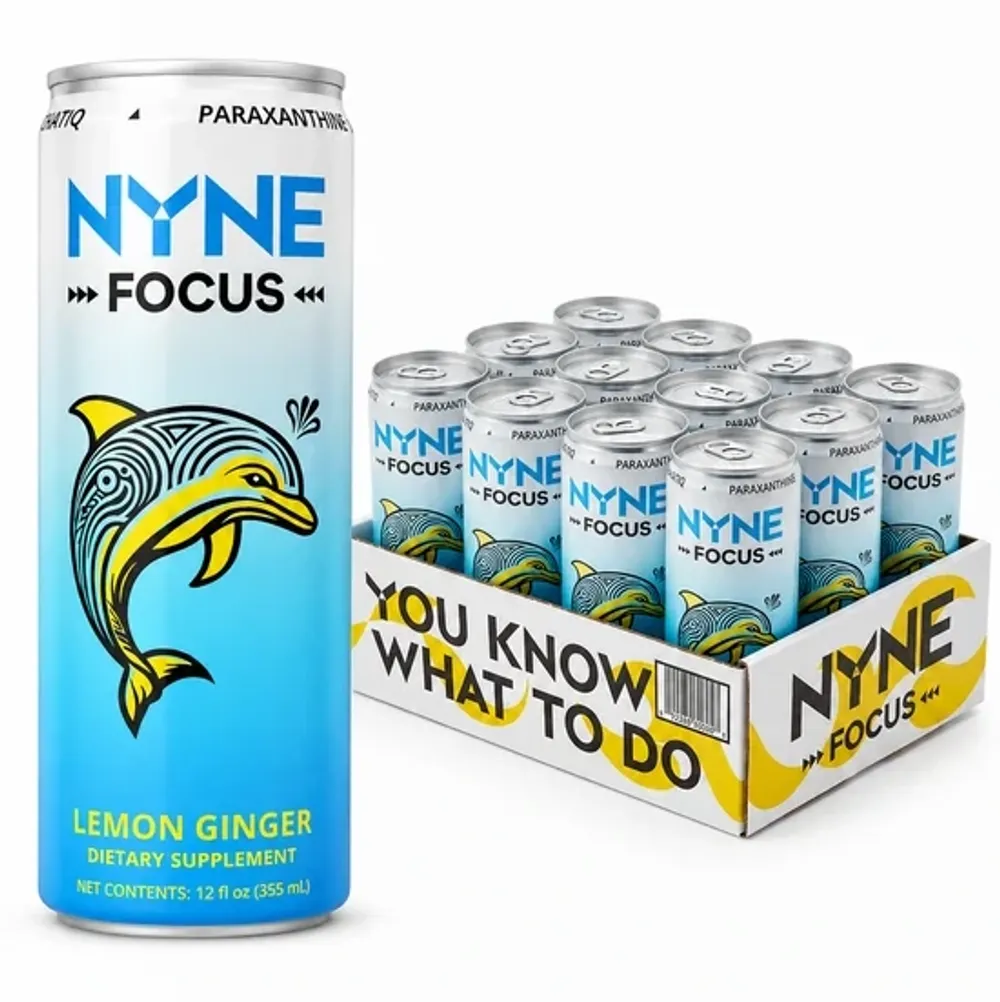
NYNE Focus is a caffeine-free nootropic RTD built on paraxanthine, citicoline, and mango leaf extract for steady, crash-free focus.
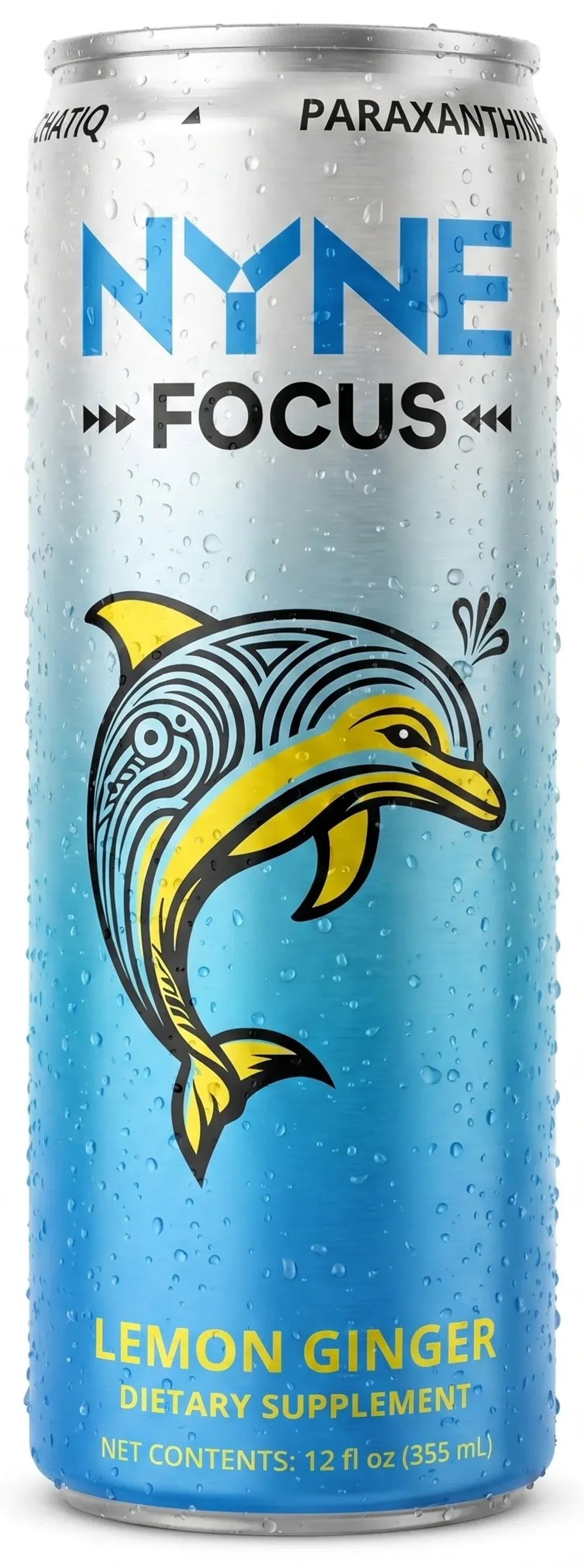
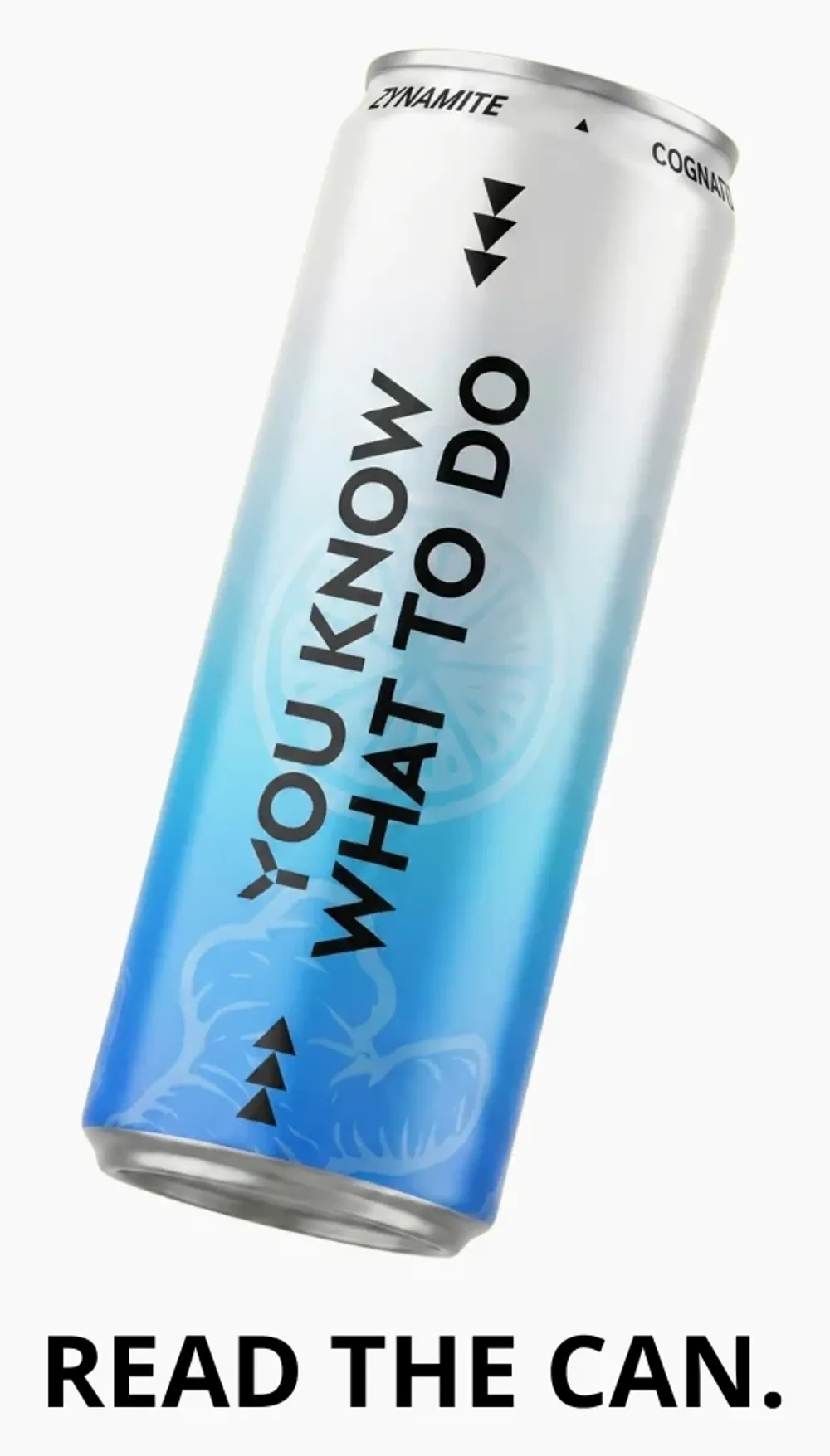
NYNE Focus is the debut can from NYNE, a nootropic RTD built around a simple pitch: focus without the spike-and-crash pattern that comes with most energy drinks. There's no caffeine anywhere on the label. Instead, the can leans on paraxanthine (caffeine's own metabolite, delivered directly), citicoline, mango leaf extract, coffee fruit extract, lion's mane, phosphatidylserine, and a theanine-tyrosine pairing, all stacked into a single 12 fl oz serving. It's a caffeine-free approach to a category that usually reaches for caffeine first, and the ingredient list reads more like a nootropic stack than a typical energy can.
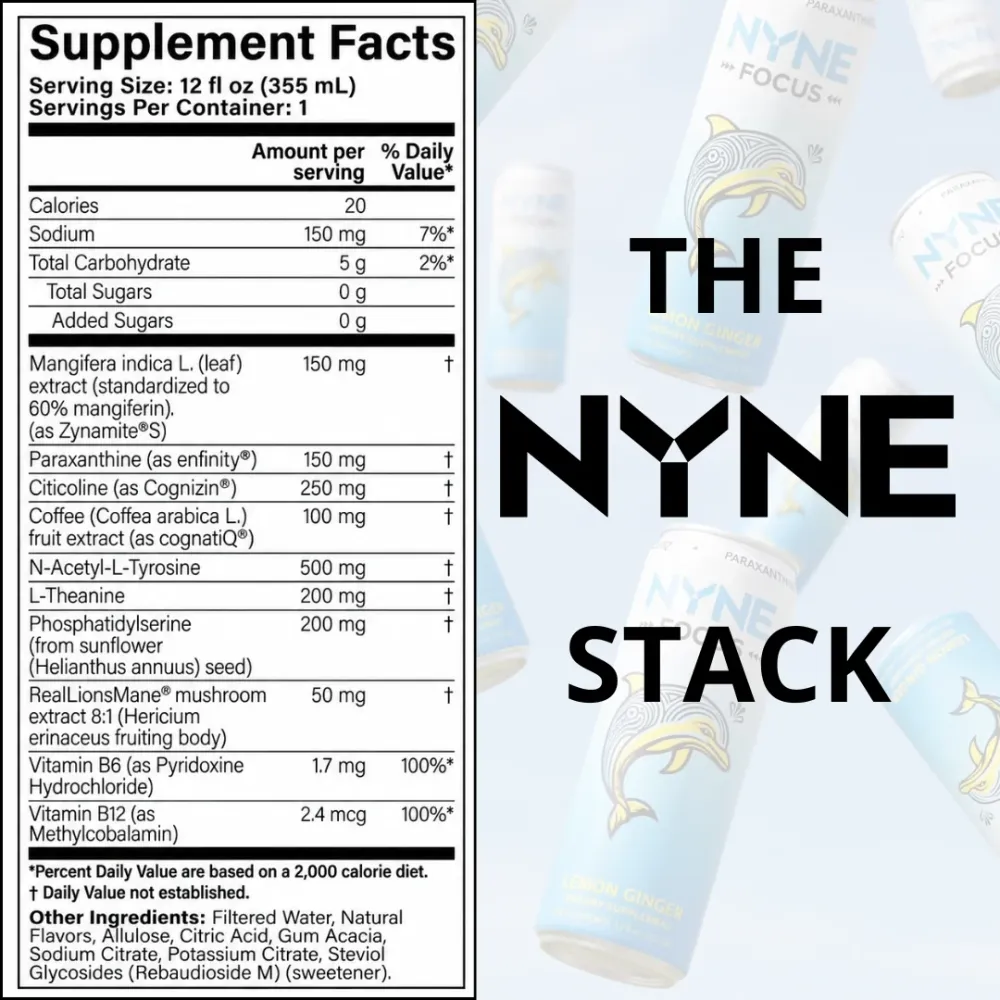
NYNE Focus Nutrition Facts
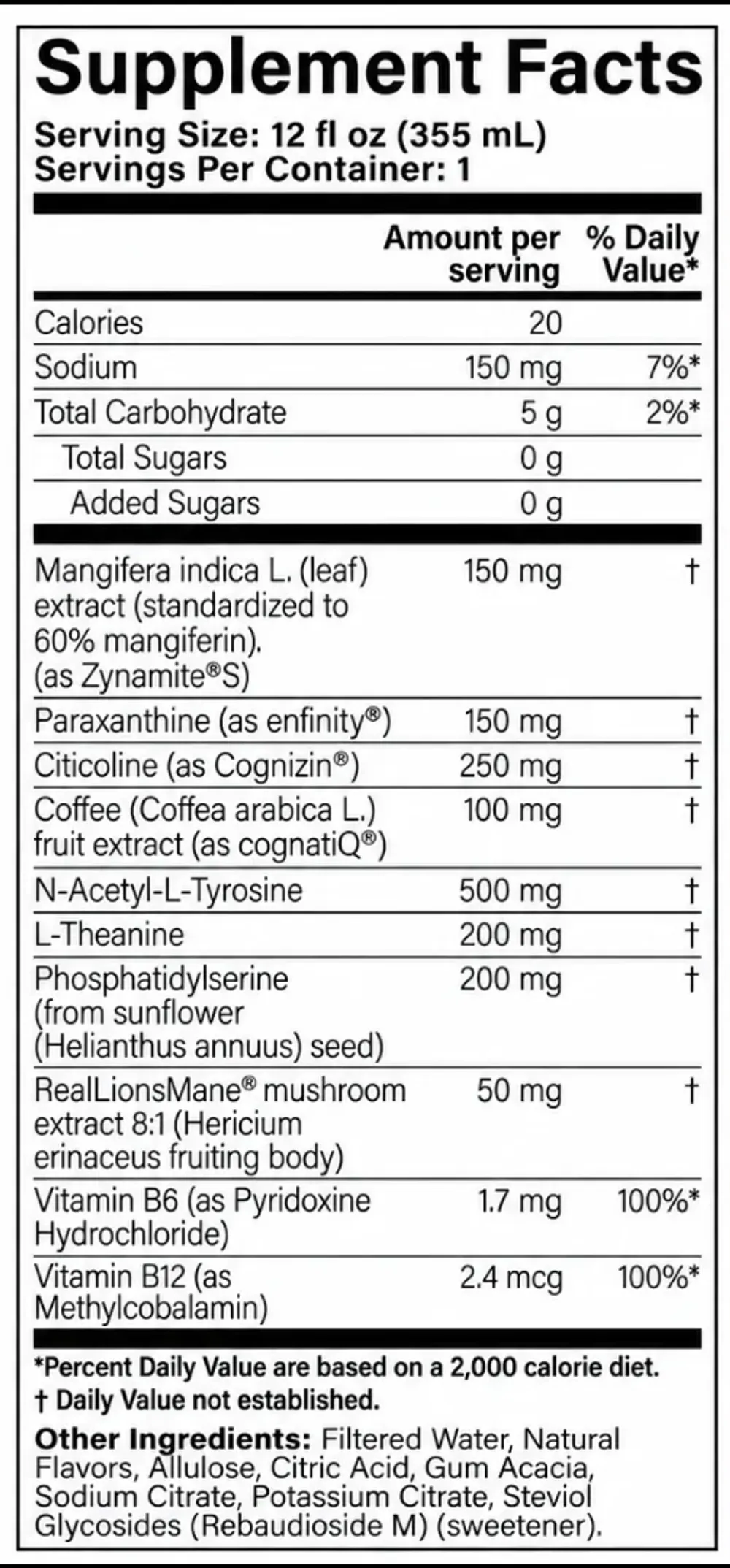
- Calories: 20
- Sodium: 150mg (7%DV)
- Total Carbohydrate: 5g (2%DV)
- Total Sugars: 0g
- Added Sugars: 0g
NYNE Focus Ingredients
Each 12 fl oz can provides the following key actives:
-
Zynamite (as Zynamite®S) - 150mg
Zynamite is a standardized mango leaf (Mangifera indica) extract built around mangiferin, and NYNE uses the water-soluble Zynamite S grade rather than the original powder form. In the core human trial behind the ingredient, a single 300mg dose of standard-grade Zynamite significantly improved global accuracy, attention, and long-term memory compared to placebo in a crossover study.[1] Mechanistic work from the same research group found mangiferin behaves as a selective inhibitor of catechol-O-methyltransferase (COMT), an enzyme tied to catecholamine turnover, and that Zynamite produced EEG changes patterned similarly to caffeine without moving blood pressure or heart rate.[2] Zynamite S is engineered for higher mangiferin bioavailability than the original extract, which is why brands can run it at a lower per-serving weight while still landing near the ingredient's studied cognitive range. NYNE's 150mg falls in that window, positioned as the "non-stimulant mental energy" piece of the stack rather than a caffeine substitute.
-
enfinity® Paraxanthine - 150mg
Paraxanthine is the compound your liver naturally makes from caffeine, and enfinity delivers it directly instead of relying on the body to convert it.[3] Because it skips that conversion step, it bypasses the CYP1A2 enzyme variability that makes caffeine hit some people harder than others.[4] A dose-ranging crossover trial testing 50mg, 100mg, and 200mg found benefit at every dose, with the most consistent improvements in executive function, attention, and working memory showing up at 100mg and 200mg.[5] NYNE's 150mg sits right in that effective band. A separate acute-dose trial found paraxanthine improved cognition, short-term memory, and sustained attention versus placebo.[6] Because paraxanthine is a caffeine metabolite rather than caffeine itself, it's the mechanism that lets NYNE market this as a stimulant built for steadiness instead of a spike.
-
Cognizin® Citicoline - 250mg
Cognizin is the branded form of citicoline, and its 250mg dose here is one of the most directly evidence-matched inclusions on this label. Citicoline breaks down into choline and cytidine, which the brain uses to rebuild phosphatidylcholine, the primary structural phospholipid in neuronal membranes.[7] In a randomized, double-blind trial in women aged 40 to 60, 250mg/day of Cognizin for 28 days significantly reduced both omission and commission errors on a continuous attention test versus placebo.[8] That's the exact per-serving amount in NYNE Focus, meaning this can uses a dose that's already been tested and shown to work for sustained attention. A separate 12-week RCT in older adults with age-associated memory impairment found 500mg/day (twice this can's dose) significantly improved episodic memory and a composite memory score versus placebo.[9] Brain imaging work adds a mechanistic layer: 31P-MRS scans found Cognizin supplementation raised phosphocreatine and ATP-related markers specifically in the anterior cingulate cortex, a region tied to attention and working memory, and notably found the lower 500mg dose outperformed a 2000mg dose on several of these bioenergetic markers.[10] That non-linear pattern is a big reason brands don't automatically load up on citicoline, and it supports NYNE's decision to land at a moderate, well-studied 250mg rather than maxing out the dose.
-
NeuroFactor (as cognatiQ®) - 100mg
NeuroFactor is a whole coffee fruit extract standardized for chlorogenic acids, and it's essentially caffeine-free itself, with less than 2% caffeine by weight in the extract. Its calling card is brain-derived neurotrophic factor (BDNF), a growth factor tied to synaptic plasticity and memory. NYNE's 100mg dose is the exact amount used in the ingredient's core human research. A pilot study found a single 100mg dose increased plasma BDNF by an average of 137% versus placebo.[11] A follow-up crossover trial confirmed the effect, with BDNF up 91% at 60 minutes post-dose, an increase not replicated by brewed coffee at an equivalent visit.[12] In older adults with subjective cognitive complaints, the same 100mg dose significantly increased exosomal BDNF and was associated with faster reaction time on a working memory task.[13] A 28-day trial in a similar population found daily 100mg dosing improved reaction time by double digits versus placebo over four weeks.[14] Not every trial has landed positive: a 2023 study in healthy adults under 50 found no cognitive benefit at 100mg or 300mg, so the strongest signal for this ingredient still comes from older or cognitively-stressed populations rather than young, healthy ones.
-
N-Acetyl-L-Tyrosine - 500mg
L-Tyrosine is the amino acid precursor to dopamine and norepinephrine, and it only meaningfully boosts catecholamine output when neurons are already firing hard under stress, sleep loss, or heavy cognitive demand.[15] Most of the human research behind tyrosine uses weight-based dosing in the 100-150mg/kg range, which works out to roughly 7-10g for a 70kg adult, well above the 500mg NALT dose used here.[16] That gap matters for expectations. NYNE's 500mg is a supportive-level inclusion rather than a clinically-dosed one, closer to how tyrosine shows up paired with theanine in stress-focused stacks. One relevant data point comes from a virtual-reality active-shooter training drill, where a combined L-theanine and L-tyrosine dose attenuated stress markers and supported cognitive performance during the simulation.[17] NYNE runs that same theanine-tyrosine pairing, just at more modest, beverage-friendly doses.
-
L-Theanine - 200mg
L-Theanine is the amino acid most known for taking the edge off stimulants, and NYNE's 200mg lands right in the range used across the strongest human trials. A 4-week crossover RCT using 200mg/day found significant improvements in verbal fluency and executive function versus placebo, along with reduced anxiety and better sleep quality scores.[18] A meta-analysis of 11 RCTs found that pairing theanine with a stimulant produces moderate improvements in alertness and attentional switching accuracy compared to placebo, though the analysis noted much of that benefit tracks with the stimulant dose rather than theanine alone.[19] That's a relevant nuance for NYNE Focus, since the "stimulant" here is paraxanthine rather than caffeine. A direct comparison trial found theanine alone showed few standalone cognitive benefits and even modestly impaired one math-based task, while the combination with a stimulant reliably improved reaction time, alertness, and reduced mental fatigue.[20] The pairing logic behind NYNE's stack, theanine smoothing out paraxanthine's edge, follows that same evidence.
-
Phosphatidylserine (from sunflower) - 200mg
Phosphatidylserine is a membrane phospholipid with a documented role in blunting the body's stress response, but the dose matters more here than with most ingredients on this label. In the key human trial, a 10-day, double-blind crossover study found 800mg/day of phosphatidylserine significantly blunted the exercise-induced rise in ACTH and cortisol, while a 400mg/day dose showed no significant effect on cortisol at all.[21] NYNE's 200mg sits below both tested doses, which means the cortisol-blunting story from that trial doesn't necessarily carry over at this level. Phosphatidylserine also plays a broader structural role in neuronal membranes, supporting receptor function and signal transduction in ways that underpin its general cognitive-health reputation.[22] Broader review literature backs the ingredient's biochemical rationale for brain support, though much of that evidence base leans on older studies using bovine-derived phosphatidylserine rather than the modern sunflower-derived form used in NYNE Focus.[23] Treat this inclusion as a supportive, lower-dose add rather than the stack's primary driver.
-
RealLionsMane® Mushroom Extract 8:1 - 50mg
Lion's Mane (Hericium erinaceus) is a mushroom studied for its ability to stimulate nerve growth factor, and NYNE's 50mg of an 8:1 concentrated extract sits well below the doses used in the strongest human trials. A 16-week RCT in adults with mild cognitive impairment used 750mg/day of fruiting body powder and found significantly better cognitive scores versus placebo.[24] A 12-week trial using 3.2g/day found similar improvement on a standard cognitive screening tool.[25] Acute, lower-dose human data lines up more closely with what a beverage-sized serving can deliver. A UK pilot study using 1.8g/day found a single dose significantly sped up Stroop task performance within an hour.[26] A separate crossover trial found a single 1g dose improved reaction time on working memory and attention tasks within two hours.[27] An 8:1 extract concentrates roughly eight times the raw mushroom material into the same weight, so 50mg here is functionally closer to 400mg of raw fruiting body, still meaningfully under the doses that produced the clearest cognitive results in trials.
-
Vitamins and Minerals
-
Vitamin B6 (as Pyridoxine Hydrochloride) - 1.7mg (100%DV)
Vitamin B6 is a cofactor for more than 140 enzymatic reactions, including the synthesis of dopamine, serotonin, and GABA. At 1.7mg, NYNE Focus delivers 100% of the daily value, well within the range considered safe for daily intake and far below doses linked to neuropathy risk in case reports.
-
Vitamin B12 (as Methylcobalamin) - 2.4mcg (100%DV)
Vitamin B12 supports red blood cell formation and nerve function, and NYNE uses methylcobalamin at 2.4mcg, matching 100% of the daily value. B12 has no established upper tolerable limit and is considered one of the safest vitamins to include at full-DV levels in a beverage.
-
Potassium (as Potassium Citrate)
Potassium appears here as potassium citrate, functioning primarily as an electrolyte and pH-buffering ingredient rather than a headline active. NYNE doesn't disclose a specific milligram amount for this inclusion on the label.
-
-
Other Ingredients
- Filtered Water - the base of the drink.
- Natural Flavors - provides the can's flavor profile without adding calories or altering the nutritional panel.
- Allulose - a rare, zero-calorie sugar substitute that adds a touch of natural sweetness without a glycemic hit.
- Citric Acid - a common acidulant that balances tartness and helps stabilize the formula.
- Sodium Citrate - works alongside citric acid to manage pH and round out the tartness.
- Gum Acacia (Acacia Fiber) - a low-viscosity soluble fiber used here in a small, undisclosed amount, likely for mouthfeel and minor fiber contribution rather than a functional fiber dose.
- Steviol Glycosides (Rebaudioside M) - a high-intensity, zero-calorie sweetener known for a cleaner, less bitter taste than older stevia extracts.
Who It's For
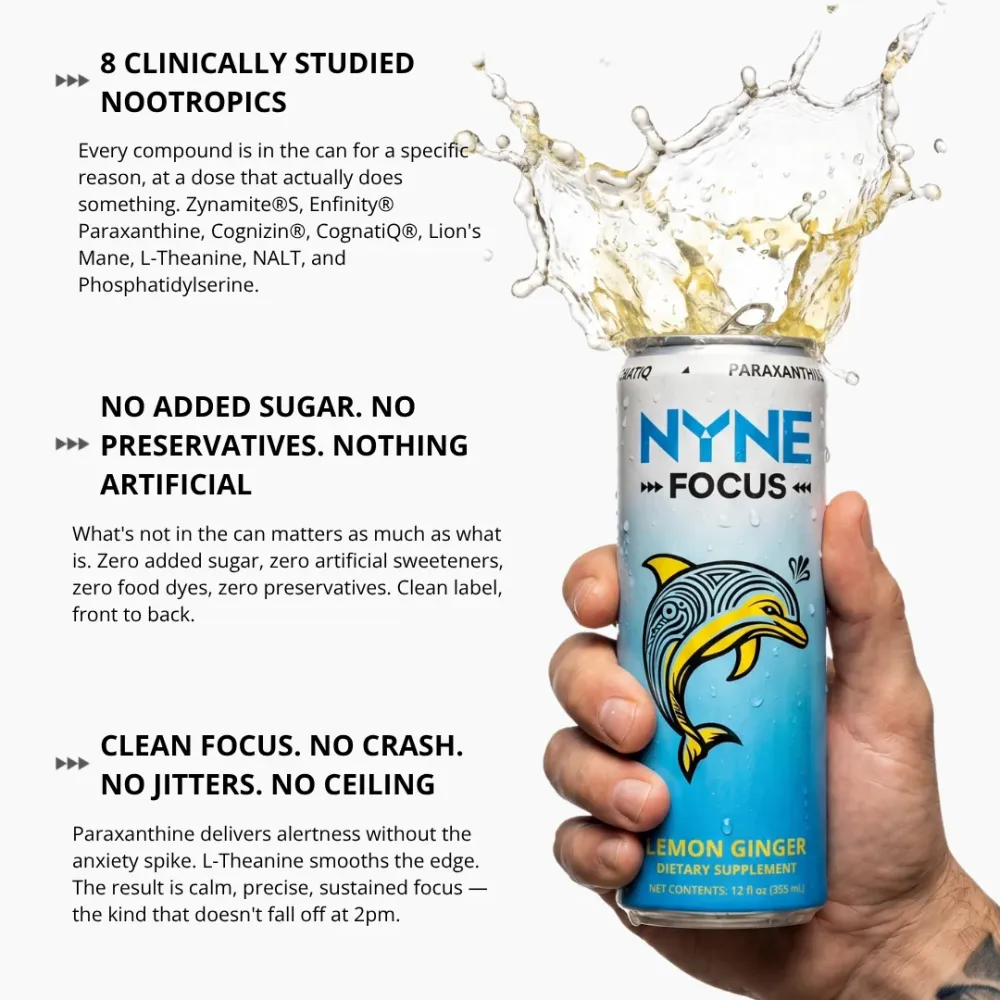
- Caffeine-sensitive drinkers who still want mental sharpness: with no caffeine on the label, NYNE Focus is built for people who want a focus boost without the jitteriness or afternoon crash that comes from a 200mg+ caffeine can.
- Desk-bound, long-session work: the citicoline, paraxanthine, and NeuroFactor combination is aimed more at sustained attention across a workday than a short burst of pre-workout energy.
A Focused, Honest Debut
NYNE Focus backs up its "no crash" pitch with dosing that mostly holds up: Cognizin and NeuroFactor land right on their studied doses, while tyrosine, phosphatidylserine, and lion's mane run lighter than the clinical literature. It's a solid first swing at a caffeine-free nootropic drink, best suited for people who've already ruled out caffeine entirely.
For more on the formula, PricePlow's ingredient breakdown of NYNE Focus digs into the full label. Follow @BevlabMedia on TikTok and Instagram for more can-by-can breakdowns.
References
- Wightman, Emma L. et al. "Acute Effects of a Polyphenol-Rich Leaf Extract of Mangifera indica L. (Zynamite) on Cognitive Function in Healthy Adults: A Double-Blind, Placebo-Controlled Crossover Study." Nutrients, 2020. https://doi.org/10.3390/nu12082194
- López-Ríos, Laura, et al. "Central nervous system activities of extract Mangifera indica L." Journal of ethnopharmacology, 2020. https://doi.org/10.1016/j.jep.2020.112996
- Gu, Lie, et al. "Biotransformation of caffeine, paraxanthine, theobromine and theophylline by cDNA-expressed human CYP1A2 and CYP2E1." Pharmacogenetics, 1992. https://doi.org/10.1097/00008571-199204000-00004
- Lelo, A. et al. "Comparative pharmacokinetics of caffeine and its primary demethylated metabolites paraxanthine, theobromine and theophylline in man." British Journal of Clinical Pharmacology, 1986. https://doi.org/10.1111/j.1365-2125.1986.tb05246.x
- Xing, Dante, et al. "Dose-Response of Paraxanthine on Cognitive Function: A Double Blind, Placebo Controlled, Crossover Trial." Nutrients, 2021. https://doi.org/10.3390/nu13124478
- Yoo, Choongsung, et al. "Acute Paraxanthine Ingestion Improves Cognition and Short-Term Memory and Helps Sustain Attention in a Double-Blind, Placebo-Controlled, Crossover Trial." Nutrients, 2021. https://doi.org/10.3390/nu13113980
- Conant, Richard, et al. "Therapeutic applications of citicoline for stroke and cognitive dysfunction in the elderly: a review of the literature." Alternative medicine review : a journal of clinical therapeutic, 2004. https://pubmed.ncbi.nlm.nih.gov/15005642/
- McGlade, Erin, et al. "Improved Attentional Performance Following Citicoline Administration In Healthy Adult Women." Food and Nutrition Sciences, 2012. https://doi.org/10.4236/fns.2012.36103
- Nakazaki, Eri, et al. "Citicoline and Memory Function in Healthy Older Adults: A Randomized, Double-Blind, Placebo-Controlled Clinical Trial." The Journal of Nutrition, 2021. https://doi.org/10.1093/jn/nxab119
- Silveri, M M, et al. "Citicoline enhances frontal lobe bioenergetics as measured by phosphorus magnetic resonance spectroscopy." NMR in biomedicine, 2008. https://doi.org/10.1002/nbm.1281
- Reyes-Izquierdo, Tania, et al. "Modulatory effect of coffee fruit extract on plasma levels of brain-derived neurotrophic factor in healthy subjects." The British journal of nutrition, 2013. https://doi.org/10.1017/S0007114512005338
- Reyes-Izquierdo, Tania, et al. "Stimulatory Effect of Whole Coffee Fruit Concentrate Powder on Plasma Levels of Total and Exosomal Brain-Derived Neurotrophic Factor in Healthy Subjects: An Acute Within-Subject Clinical Study." Food and Nutrition Sciences, 2013. https://doi.org/10.4236/fns.2013.49127
- Robinson, Jennifer L. et al. "Neurophysiological Effects Of Whole Coffee Cherry Extract In Older Adults With Subjective Cognitive Impairment A Randomized Double Blind Placebo Controlled Cross Over Pilot Study." Antioxidants, 2021. https://doi.org/10.3390/antiox10020144
- Robinson, Jennifer L, et al. "Cognitive short- and long-term effects of coffee cherry extract in older adults with mild cognitive decline." Neuropsychology, development, and cognition. Section B, Aging, neuropsychology and cognition, 2020. https://doi.org/10.1080/13825585.2019.1702622
- Fernstrom, John D. et al. "Tyrosine, phenylalanine, and catecholamine synthesis and function in the brain." The Journal of Nutrition, 2007. https://doi.org/10.1093/jn/137.6.1539s
- Jongkees, Bryant J, et al. "Effect of tyrosine supplementation on clinical and healthy populations under stress or cognitive demands--A review." Journal of psychiatric research, 2015. https://doi.org/10.1016/j.jpsychires.2015.08.014
- Mátyus, Rebeka Olga, et al. "Impact of L-theanine and L-tyrosine on markers of stress and cognitive performance in response to a virtual reality based active shooter training drill." Journal of Clinical Medicine, 2025. https://doi.org/10.3390/jcm14217710
- Hidese, Shinsuke, et al. "Effects Of L Theanine Administration On Stress Related Symptoms And Cognitive Functions In Healthy Adults A Randomized Controlled Trial." Nutrients, 2019. https://doi.org/10.3390/nu11102362
- Camfield, David A, et al. "Acute effects of tea constituents L-theanine, caffeine, and epigallocatechin gallate on cognitive function and mood: a systematic review and meta-analysis." Nutrition reviews, 2014. https://doi.org/10.1111/nure.12120
- Haskell, Crystal F, et al. "The Effects Of L Theanine Caffeine And Their Combination On Cognition And Mood." Biological psychology, 2008. https://doi.org/10.1016/j.biopsycho.2007.09.008
- Monteleone, P, et al. "Blunting by chronic phosphatidylserine administration of the stress-induced activation of the hypothalamo-pituitary-adrenal axis in healthy men." European journal of clinical pharmacology, 1992. https://doi.org/10.1007/BF00280123
- Kim, Hee-Yong, et al. "Phosphatidylserine in the brain: metabolism and function." Progress in Lipid Research, 2014. https://doi.org/10.1016/j.plipres.2014.06.002
- Glade, Michael J. et al. "Phosphatidylserine and the human brain." Nutrition, 2015. https://doi.org/10.1016/j.nut.2014.10.014
- Mori, Koichiro, et al. "Improving Effects Of The Mushroom Yamabushitake Hericium Erinaceus On Mild Cognitive Impairment A Double Blind Placebo Controlled Clinical Trial." Phytotherapy research : PTR, 2009. https://doi.org/10.1002/ptr.2634
- Saitsu, Yuusuke, et al. "Improvement Of Cognitive Functions By Oral Intake Of Hericium Erinaceus." Biomedical research (Tokyo, Japan), 2019. https://doi.org/10.2220/biomedres.40.125
- Docherty, Sarah, et al. "The Acute And Chronic Effects Of Lion S Mane Mushroom Supplementation On Cognitive Function Stress And Mood In Young Adults A Double Blind Parallel Groups Pilot Study." Nutrients, 2023. https://doi.org/10.3390/nu15224842
- La, Monica Michael B, et al. "Acute Effects Of Naturally Occurring Guayusa Tea And Nordic Lion S Mane Extracts On Cognitive Performance." Nutrients, 2023. https://doi.org/10.3390/nu15245018
Tagged