Pioneer Pastures High Protein A2 Milkshakes: Dessert Name, Gym Macros
Filtered A2 Milk Does the Heavy Lifting
Pioneer Pastures builds its shakes on ultra-filtered A2 low fat milk, landing 30g of protein and 760mg of calcium with no added sugar.
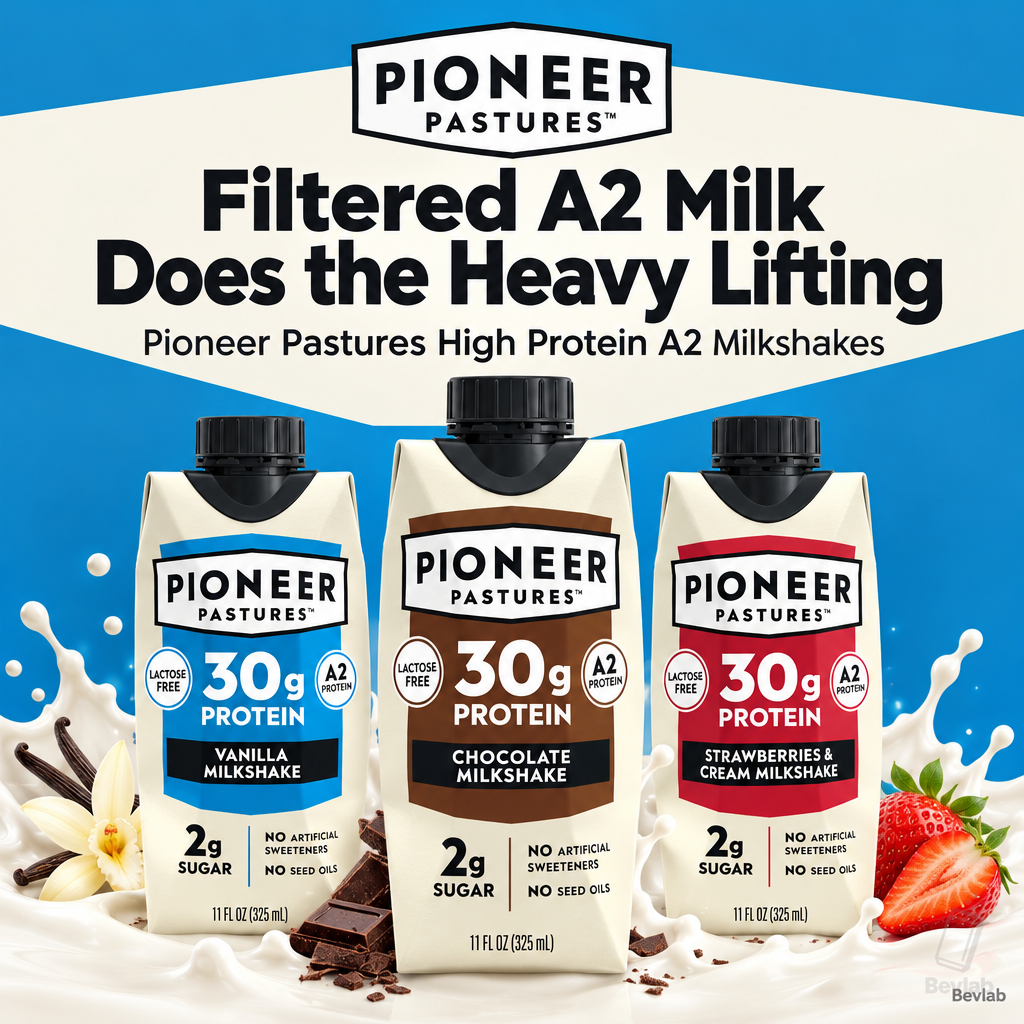
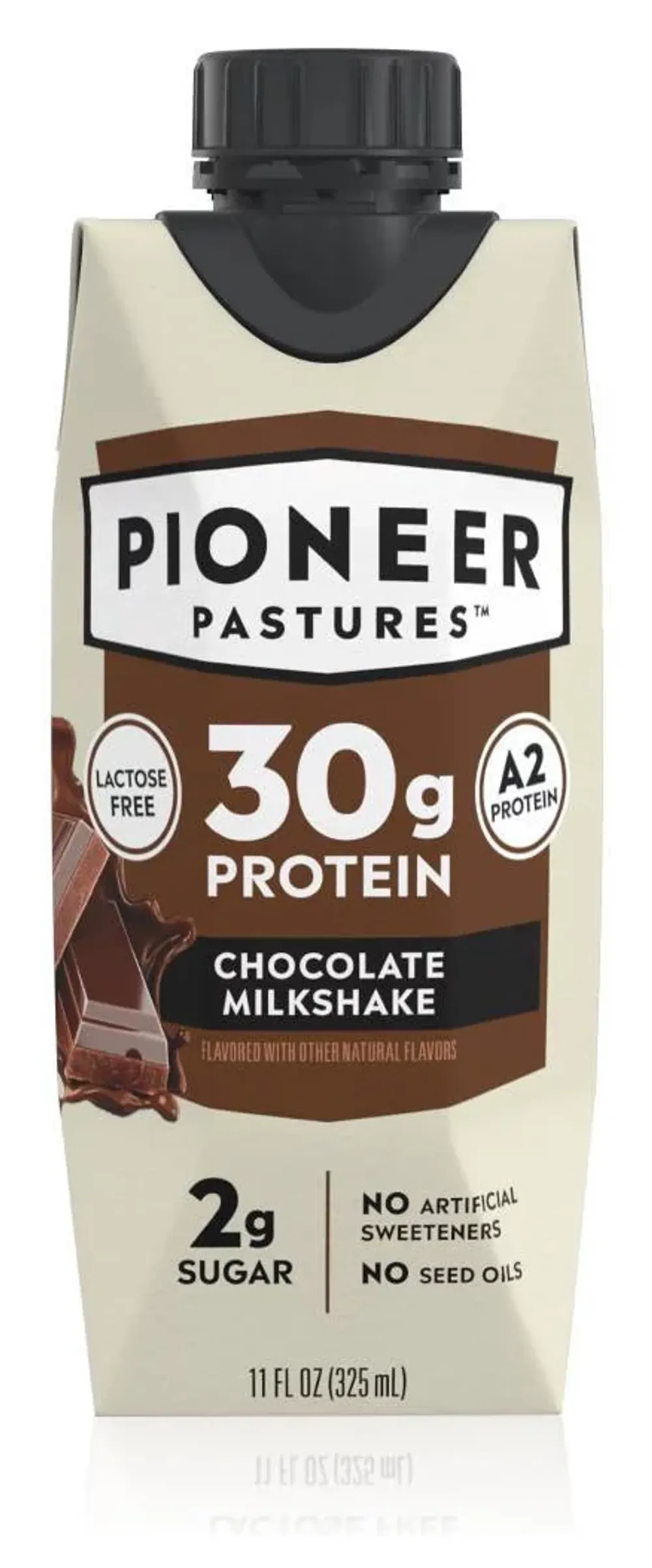
Pioneer Pastures is an A2 dairy brand, and its Pioneer Pastures High Protein A2 Milkshakes take the company's ultra-filtered milk and turn it into a single-serve protein drink with a dessert-shop name. The twist is what's missing. There's no whey isolate, no protein blend, and no scoop of anything. The protein comes from the milk itself, concentrated by filtration, with lactase added and monk fruit handling the sweetness.
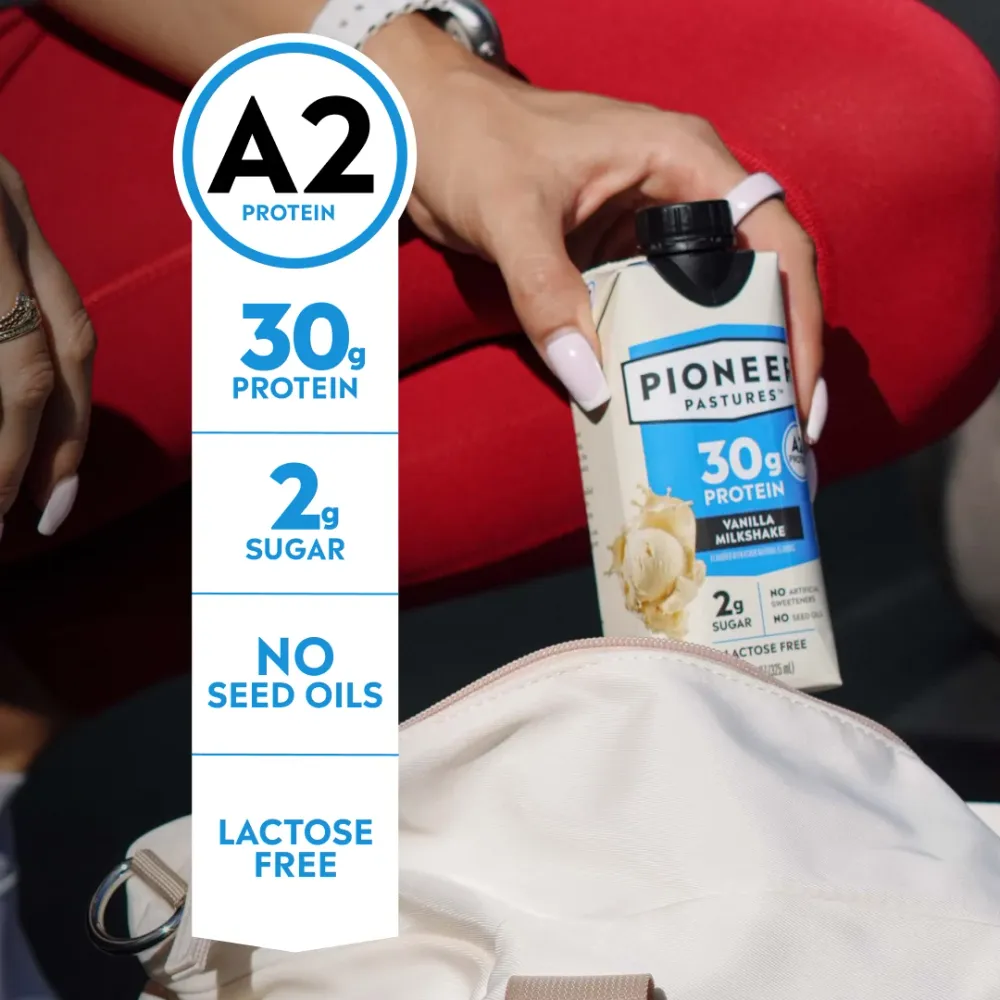
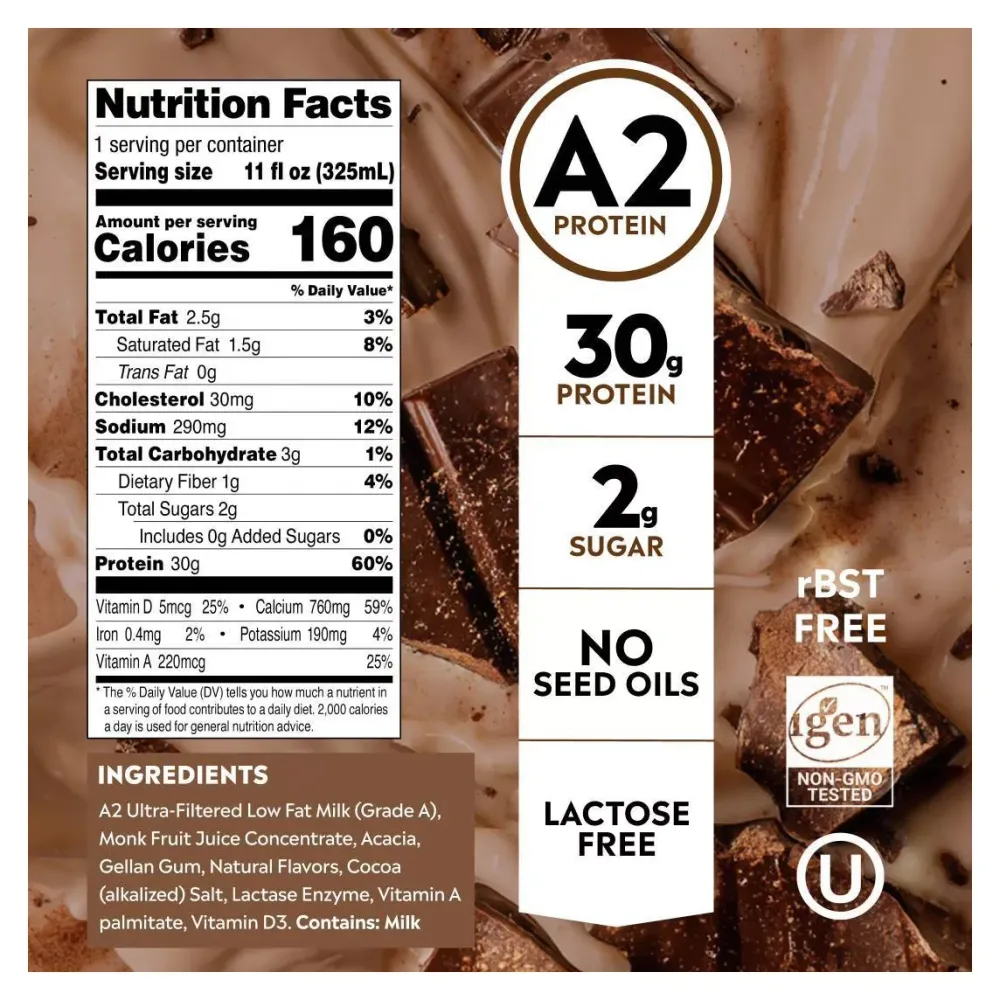
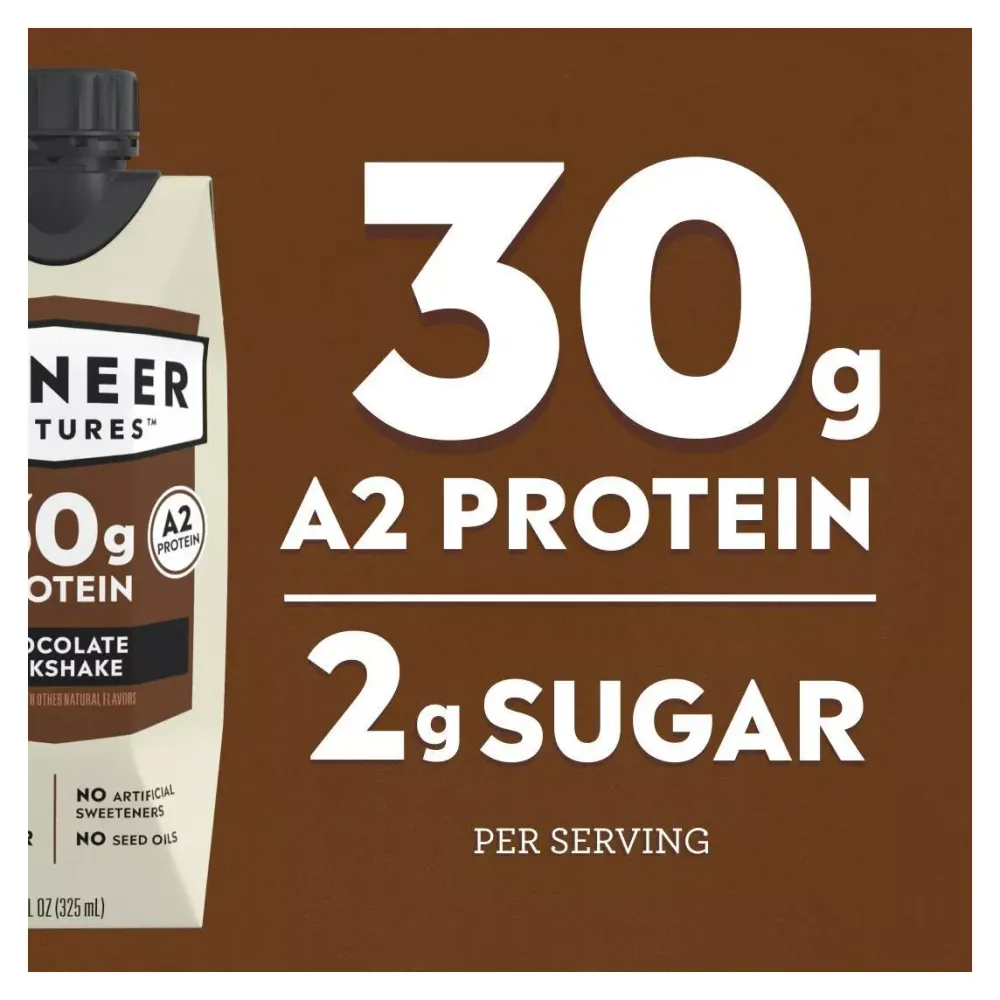
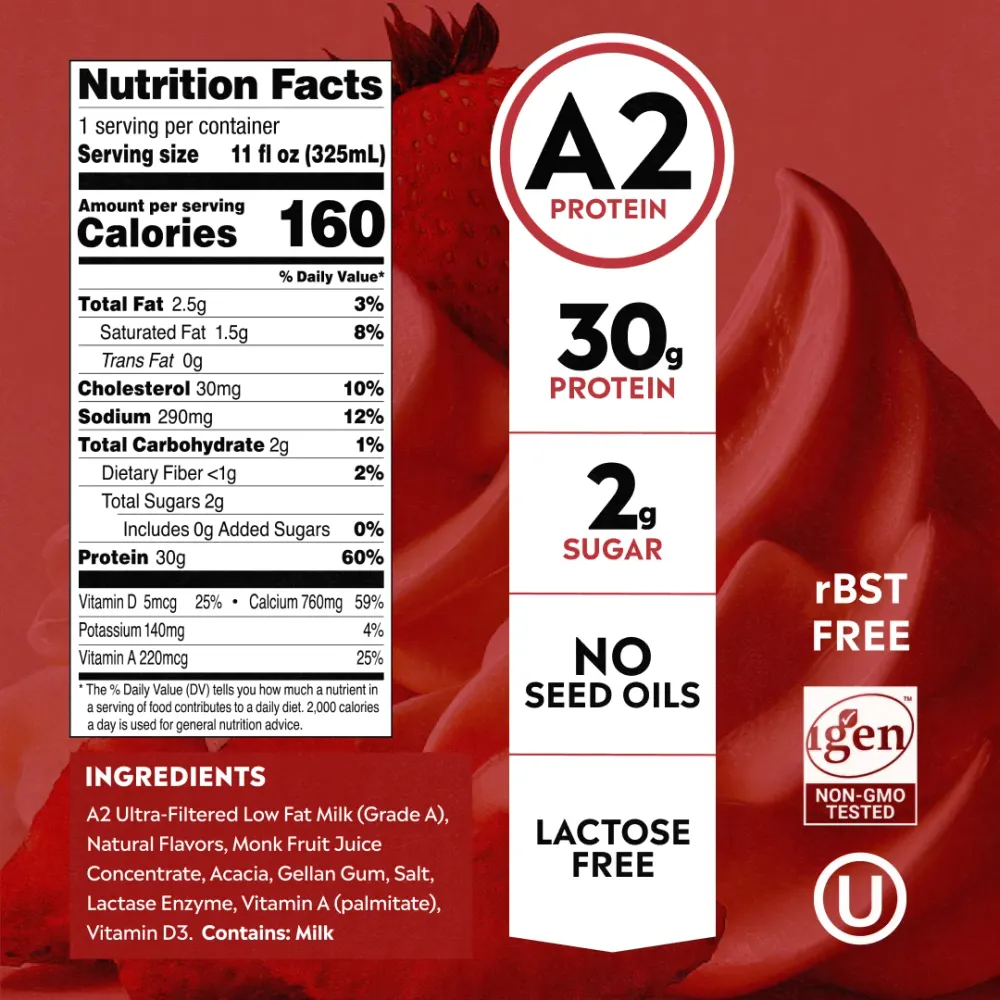
The numbers back up the name on the gym side of things. Each 11 fl oz (325mL) shake lists 160 calories, 30g of protein, 2g of sugar, and 0g of added sugar. The full panel below comes from the Chocolate shake, and the brand's Vanilla and Strawberries & Cream labels list the same 160 calories, 30g of protein, and 2g of sugar. If you want a fridge protein drink that reads like milk instead of a chemistry set, this one is worth a look.
Pioneer Pastures High Protein A2 Milkshakes Nutrition Facts
- Calories: 160
- Total Fat: 2.5g (3% DV)
- Saturated Fat: 1.5g (8% DV)
- Cholesterol: 30mg (10% DV)
- Total Carbohydrate: 3g (1% DV)
- Dietary Fiber: 1g (4% DV)
- Total Sugars: 2g
- Added Sugars: 0g (0% DV)
- Protein: 30g (60% DV)
- Vitamins and Minerals
- Sodium: 290mg (12% DV)
- Potassium: 190mg (4% DV)
- Calcium: 760mg (59% DV)
- Vitamin D3: 5mcg (200 IU, 25% DV)
- Vitamin A: 220mcg (25% DV)
- Iron: 0.4mg (2% DV)
These are the Chocolate shake's numbers. The macro split is about as lean as dairy gets: 30g of protein against 3g of carbs and 2.5g of fat. The other figure that jumps out is calcium. At 760mg (59% DV), a single shake covers more than half the Daily Value, which is what happens when you concentrate milk instead of building a drink from powder.
The A2 and Filtration Pitch
Pioneer Pastures is built on two milk ideas. The first is A2. A2 milk comes from cows that make only the A2 type of beta-casein, one of milk's main proteins, instead of the A1 and A2 mix most milk carries. The brand sells A2 milks alongside these shakes and argues across its site that A2 milk is easier on digestion. That digestion argument is the brand's case to make, and it isn't something this formula proves on its own.
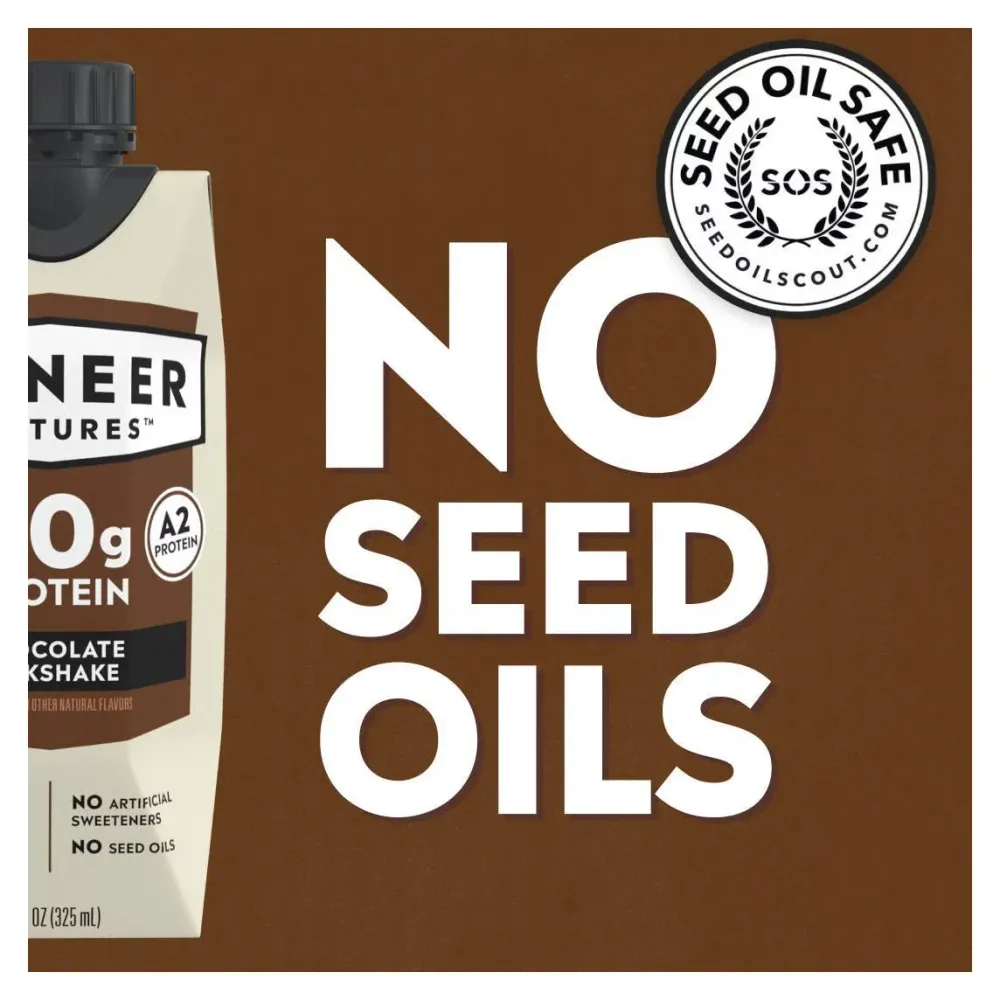
The second idea is ultrafiltration. Rather than blending milk with protein powder, the brand filters the milk to concentrate its protein and drop most of its lactose, then adds lactase on top. The front of the pack sums up the pitch: A2 protein, 30g protein, 2g sugar, lactose free, rBST free, and no seed oils. The no-seed-oils badge is an easy one to earn when all the fat comes from milk, but it'll land with shoppers who check for it.
Pioneer Pastures High Protein A2 Milkshakes Ingredients
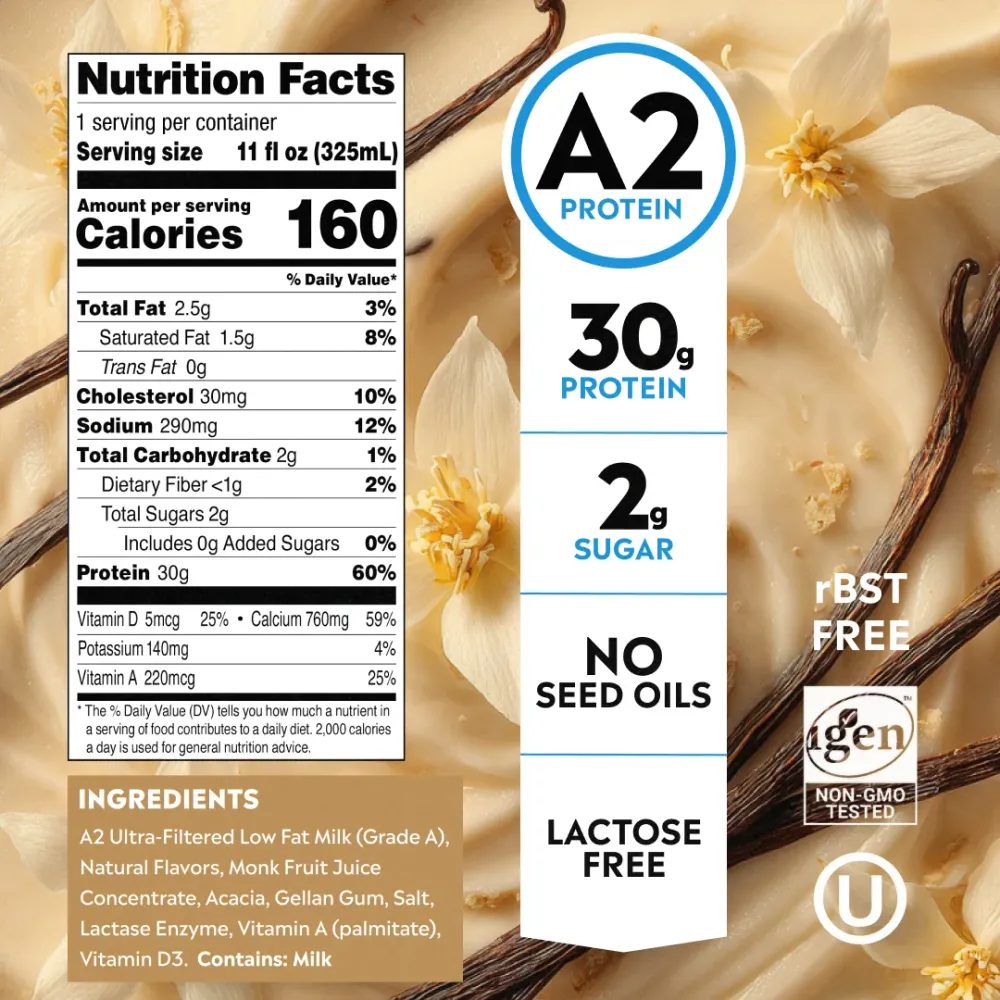
Each 11 fl oz (325mL) shake provides the following key actives:
-
A2 Ultra-Filtered Low Fat Milk
A2 ultra-filtered low fat milk is the whole protein story here. The label doesn't list a separate protein ingredient, so all 30g trace back to the milk. Ultrafiltration pushes milk across a membrane that holds back the proteins while lactose and some dissolved minerals pass through, which lets a brand raise protein and cut lactose without adding isolates.[1,2] How many minerals leave depends on the process. In one lab study, about 16% of skim milk's calcium went out with the filtered-off liquid.[3] Judging by the 760mg on this label, plenty stayed put.
Concentrating protein also changes how milk feels in your mouth. In a trained-panel study, raising the protein in skim and 1% milk made them seem more like higher-fat milk.[4] That helps explain how a 2.5g-fat drink can still pass for a milkshake. Dairy protein ingredients usually run about 80% casein and 20% whey.[5]
As for recovery, a trial in 30 young men found that a faster-absorbing milk protein raised blood amino acids more after lifting, but it didn't build more muscle protein over four hours than standard milk protein or casein.[6] That study tested 25g of protein powder, not this shake, but it's a useful reminder that a fancy fast-digesting protein isn't required to get good use out of plain milk protein.
-
Lactase
Lactase is the enzyme that splits lactose into glucose and galactose. Most people produce less of it after childhood, and one review puts global lactose intolerance prevalence at 57-65%.[7] That same review lists both enzyme supplements and A2 beta-casein milk among the current management options.[7]
Adding the enzyme straight to milk has a solid track record. Lactase-pretreated milk eliminated the diarrhea and digestive complaints that regular milk caused in lactose-intolerant adults.[8] In another trial, incubating a liquid milk-based supplement overnight with lactase cut its lactose content by 80%.[9] The amount matters, though. Enzyme doses that handled a 20g lactose challenge did little against 50g.[10]
Pioneer Pastures doesn't disclose how much lactase goes in. Here the enzyme works on milk that's already had much of its lactose filtered out, and the label shows just 2g of total sugars. The pack calls the shakes lactose free, and most people with lactose intolerance tolerate small amounts of lactose anyway.[11] Still, if dairy usually wrecks you, go by your own experience. Anyone with galactosemia, a rare inherited disorder, should skip it, because lactase turns lactose into free galactose.
-
Acacia Fiber
Acacia fiber, also called gum arabic, is a soluble fiber that comes from acacia tree sap. It dissolves easily without making a drink thick, which is why you'll see it in beverages. The label lists 1g of total dietary fiber per shake, and the acacia amount itself isn't disclosed.
The research uses far larger amounts. In a 4-week trial of people with constipation-predominant IBS, 5g to 10g of acacia fiber per day increased stool frequency by about 1.3 bowel movements per week versus placebo, though overall symptom scores didn't improve.[12] In a 6-week trial using 25g to 35g per day, acacia gum shifted gut bacteria and raised fecal short-chain fatty acids, but it didn't move blood pressure, glucose, or other cardiometabolic markers at the group level.[13] In an infant gut model, its prebiotic effect was weak next to GOS/FOS and inulin.[14]
With 1g of total fiber on the label, treat acacia as a minor helper in this formula, not a gut-health feature.
-
Vitamins and Minerals
-
Vitamin A (as Vitamin A Palmitate) - 220mcg (25% DV)
Vitamin A palmitate is preformed vitamin A, and it's the one ingredient we'd cut. It builds up in the liver, and in a small autopsy study of 27 US adults, a third met a liver-based definition of vitamin A excess.[15] EFSA's adult upper limit is 3,000mcg RE per day.[16] 220mcg is modest, and the worst signals come from supplement trials.[17] But most people eating a Western diet don't need more, so this is label dressing we'd gladly trade away.
-
Vitamin D3 - 5mcg (200 IU, 25% DV)
Vitamin D3 helps your body absorb calcium, and in a trial of postmenopausal women, calcium absorption rose steadily with vitamin D dose.[18] That's a sensible pairing next to 760mg of calcium. At 5mcg (200 IU), this is a moderate top-up, far below the commonly cited adult upper limit of 4,000 IU per day.[19] Just don't read it as fracture insurance. The large VITAL trial found no fracture benefit from 2,000 IU per day in midlife and older adults.[20]
-
-
Sweeteners and Flavors
-
Monk Fruit Juice Concentrate
Monk fruit juice concentrate handles the sweetening. The label uses a juice concentrate rather than a purified extract, so it isn't identical to the mogroside extracts in the research. Monk fruit's sweetness comes from mogrosides, and in rat studies mogroside V was mostly broken down by gut bacteria rather than absorbed.[21] Purified monk fruit extract holds GRAS status in the US across several notices, though EFSA said in 2019 that the data weren't enough to approve it as an EU food additive.[22] Health-benefit research so far is almost entirely animal and lab work.[23]
-
Natural Flavors
Natural flavors shape each flavor's profile. Under FDA rules, "natural" describes where a flavor came from, not its chemistry, and the label doesn't have to name the source.[24] They're in the shake for taste, not function.
-
Cocoa (Alkalized)
The Chocolate shake gets alkalized cocoa, often called Dutch-process cocoa, which is treated to mellow cocoa's bitterness and darken its color. The amount isn't disclosed. Vanilla and Strawberries & Cream leave it out.
-
Salt
Salt is mostly here for flavor. The shake lists 290mg of sodium (12% DV), and not all of that comes from added salt, since milk carries its own sodium. Salt suppresses bitterness, which lets other flavors come forward.[25] In whey protein hydrolysate tests, sodium chloride cut bitterness in some samples but not all.[26]
-
-
Other Ingredients
- Gellan Gum - A fermentation-made gum that keeps the shake smooth and helps stop cocoa and other particles from settling. It isn't absorbed intact and barely ferments in the gut.[27]
One Milk Base, Three Directions
Chocolate, Vanilla, and Strawberries & Cream share the same milk, lactase, monk fruit, and vitamin build. Chocolate is the only one that adds cocoa, so its panel is the one to check if you're comparing minor nutrients.
- Chocolate (12 Servings: $38.97)
- Chocolate Peppermint (4 Servings: $12.99)
- Hot Chocolate (4 Servings: $12.99)
- Santa's Sugar Cookie & Cream (4 Servings: $12.99)
- Snickerdoodle (4 Servings: $12.99)
- Strawberries & Cream (4 Servings: $12.99)
Where These Shakes Fit
- Lifters who want milk protein without powder: 30g of protein with 3g of carbs and no added sugar, built on milk instead of isolates.
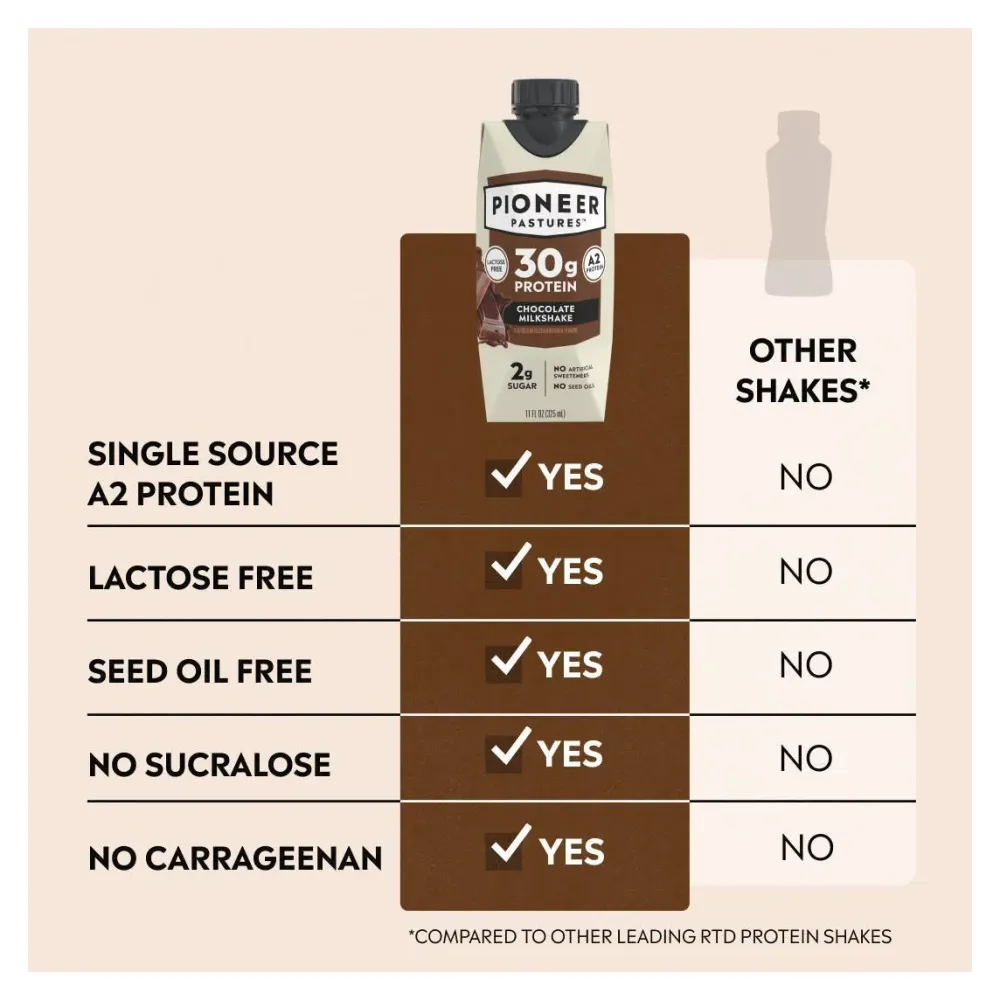
- Shoppers skipping sucralose: monk fruit is the only sweetener on the label.
Real Milk, One Asterisk
If you want 30g of protein from actual milk, with no added sugar and a short label, these shakes deliver on the pitch. The A2 digestion story is the brand's to prove, and the added vitamin A is the one thing we'd drop from an otherwise tidy formula. For more drops like this, follow @BevlabMedia on TikTok and Instagram.
References
- Reig, Mònica, et al. "Use of Membrane Technologies in Dairy Industry: An Overview." Foods (Basel, Switzerland), 2021. https://doi.org/10.3390/foods10112768
- Hernandez, A J, et al. "Milk beverage base with lactose removed with ultrafiltration: Effect of fat and protein concentration on sensory and physical properties." Journal of dairy science, 2024. https://doi.org/10.3168/jds.2023-23715
- Vyas, H K, et al. "Process for calcium retention during skim milk ultrafiltration." Journal of dairy science, 2003. https://doi.org/10.3168/jds.S0022-0302(03)73872-7
- Quiñones, H J, et al. "Influence of protein standardization by ultrafiltration on the viscosity, color, and sensory properties of skim and 1% milk." Journal of dairy science, 1997. https://doi.org/10.3168/jds.S0022-0302(97)76285-4
- Singh, R, et al. "Invited review: Shelf-stable dairy protein beverages-Scientific and technological aspects." Journal of dairy science, 2022. https://doi.org/10.3168/jds.2022-22208
- Chan, Alex H, et al. "The Degree of Aminoacidemia after Dairy Protein Ingestion Does Not Modulate the Postexercise Anabolic Response in Young Men: A Randomized Controlled Trial." The Journal of nutrition, 2019. https://doi.org/10.1093/jn/nxz099
- Catanzaro, Roberto, et al. "Lactose intolerance: An update on its pathogenesis, diagnosis, and treatment." Nutrition research (New York, N.Y.), 2021. https://doi.org/10.1016/j.nutres.2021.02.003
- Nagy, L, et al. "Efficacy testing of beta-galactosidase with H2 breath test in patients with carbohydrate malabsorption." Acta medica Hungarica, 1987. https://pubmed.ncbi.nlm.nih.gov/3118327/
- Suarez, F L, et al. "Nutritional supplements used in weight-reduction programs increase intestinal gas in persons who malabsorb lactose." Journal of the American Dietetic Association, 2001. https://doi.org/10.1016/S0002-8223(01)00349-2
- Lin, M Y, et al. "Comparative effects of exogenous lactase (beta-galactosidase) preparations on in vivo lactose digestion." Digestive diseases and sciences, 1993. https://doi.org/10.1007/BF01297079
- Borralho, Ana Isabel, et al. "Lactose Intolerance and Malabsorption Revisited: Exploring the Impact and Solutions." GE Portuguese journal of gastroenterology, 2025. https://doi.org/10.1159/000545923
- JanssenDuijghuijsen, Lonneke, et al. "Acacia fiber or probiotic supplements to relieve gastrointestinal complaints in patients with constipation-predominant IBS: a 4-week randomized double-blinded placebo-controlled intervention trial." European journal of nutrition, 2024. https://doi.org/10.1007/s00394-024-03398-8
- Armet, Anissa M, et al. "Mechanistic insights into microbiome-dependent and personalized responses to dietary fibre in a randomized controlled trial." medRxiv : the preprint server for health sciences, 2025. https://doi.org/10.1101/2025.11.20.25340625
- Momo Cabrera, Paula, et al. "Comparative prebiotic potential of galacto- and fructo-oligosaccharides, native inulin, and acacia gum in Kenyan infant gut microbiota during iron supplementation." ISME communications, 2024. https://doi.org/10.1093/ismeco/ycae033
- Olsen, Kiersten, et al. "Serum retinyl esters are positively correlated with analyzed total liver vitamin A reserves collected from US adults at time of death." The American journal of clinical nutrition, 2018. https://doi.org/10.1093/ajcn/nqy190
- EFSA Panel on Nutrition, Novel Foods and Food Allergens (NDA), et al. "Scientific opinion on the tolerable upper intake level for preformed vitamin A and β-carotene." EFSA journal. European Food Safety Authority, 2024. https://doi.org/10.2903/j.efsa.2024.8814
- Schwingshackl, Lukas, et al. "Dietary Supplements and Risk of Cause-Specific Death, Cardiovascular Disease, and Cancer: A Systematic Review and Meta-Analysis of Primary Prevention Trials." Advances in nutrition (Bethesda, Md.), 2017. https://doi.org/10.3945/an.116.013516
- Aloia, John F, et al. "Vitamin D Supplementation Increases Calcium Absorption Without A Threshold Effect Complete." The American journal of clinical nutrition, 2014. https://doi.org/10.3945/ajcn.113.067199
- Rizzoli, René. "Vitamin D Supplementation Upper Limit For Safety Revisited." Aging clinical and experimental research, 2021. https://doi.org/10.1007/s40520-020-01678-x
- LeBoff, Meryl S, et al. "Supplemental Vitamin D And Incident Fractures In Midlife And Older Adults." The New England journal of medicine, 2022. https://doi.org/10.1056/NEJMoa2202106
- Murata, Yuji, et al. "Digestion and absorption of Siraitia grosvenori triterpenoids in the rat." Bioscience, biotechnology, and biochemistry, 2010. https://doi.org/10.1271/bbb.90832
- EFSA, Panel on Food Additives and Flavourings (FAF), et al. "Safety of use of Monk fruit extract as a food additive in different food categories." EFSA journal. European Food Safety Authority, 2019. https://doi.org/10.2903/j.efsa.2019.5921
- Yeung, Andy Wai Kan. "Bibliometric analysis on the literature of monk fruit extract and mogrosides as sweeteners." Frontiers in nutrition, 2023. https://doi.org/10.3389/fnut.2023.1253255
- Goodman, Matthew J. "The “Natural” vs. “Natural Flavors” Conflict in Food Labeling: A Regulatory Viewpoint." Food and drug law journal, 2017. https://pubmed.ncbi.nlm.nih.gov/29140655/
- Breslin, P A, et al. "Salt enhances flavour by suppressing bitterness." Nature, 1997. https://doi.org/10.1038/42388
- Leksrisompong, Pattarin, et al. "Bitter taste inhibiting agents for whey protein hydrolysate and whey protein hydrolysate beverages." Journal of food science, 2012. https://doi.org/10.1111/j.1750-3841.2012.02800.x
- EFSA, Panel on Food Additives and Nutrient Sources added to Food (ANS), et al. "Re-evaluation of gellan gum (E 418) as food additive." EFSA journal. European Food Safety Authority, 2018. https://doi.org/10.2903/j.efsa.2018.5296