Rekt Energy + Focus Drink: Amazon Leaf Energy Meets Gamer Focus
The scoop that built Rekt, now cold in a can
Rekt's canned Energy + Focus Drink splits its 200mg of caffeine between green coffee and AmaTea guayusa, an Amazonian leaf with real human trials behind it.
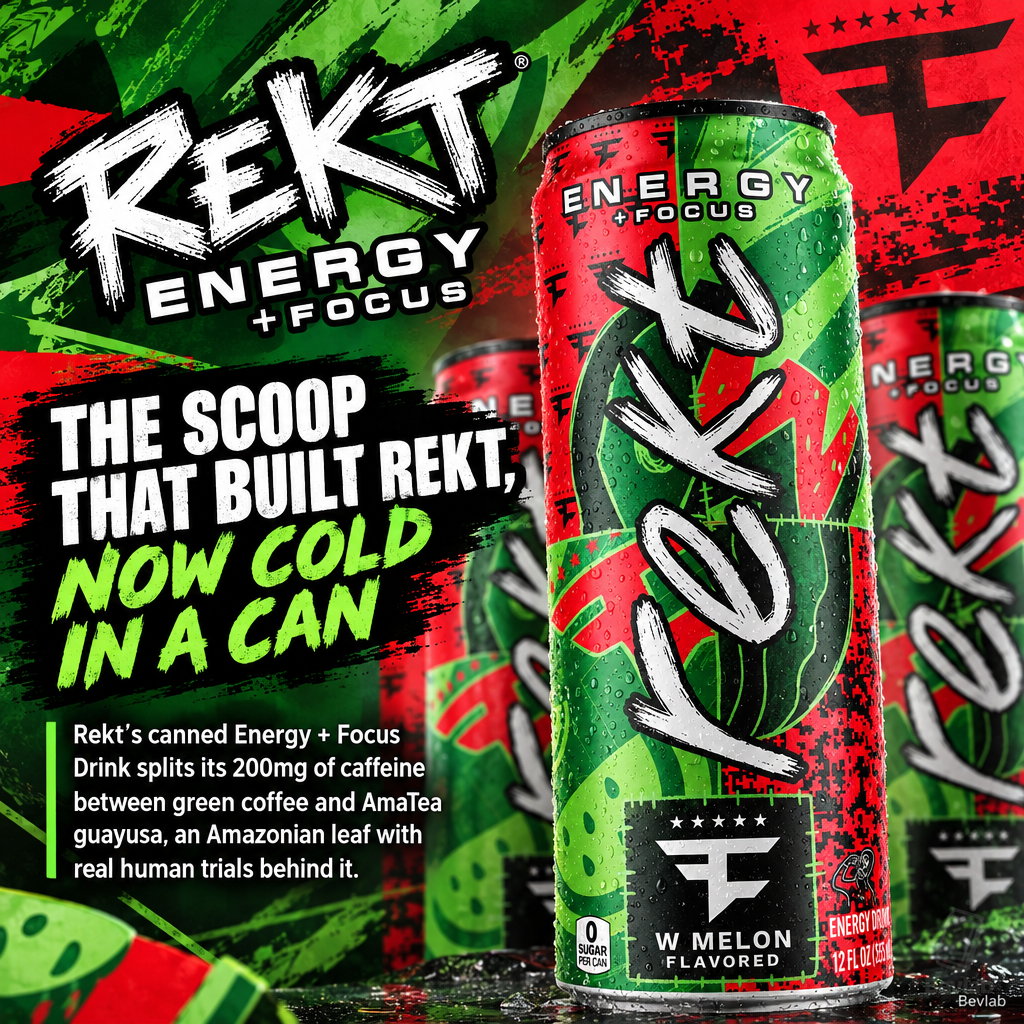
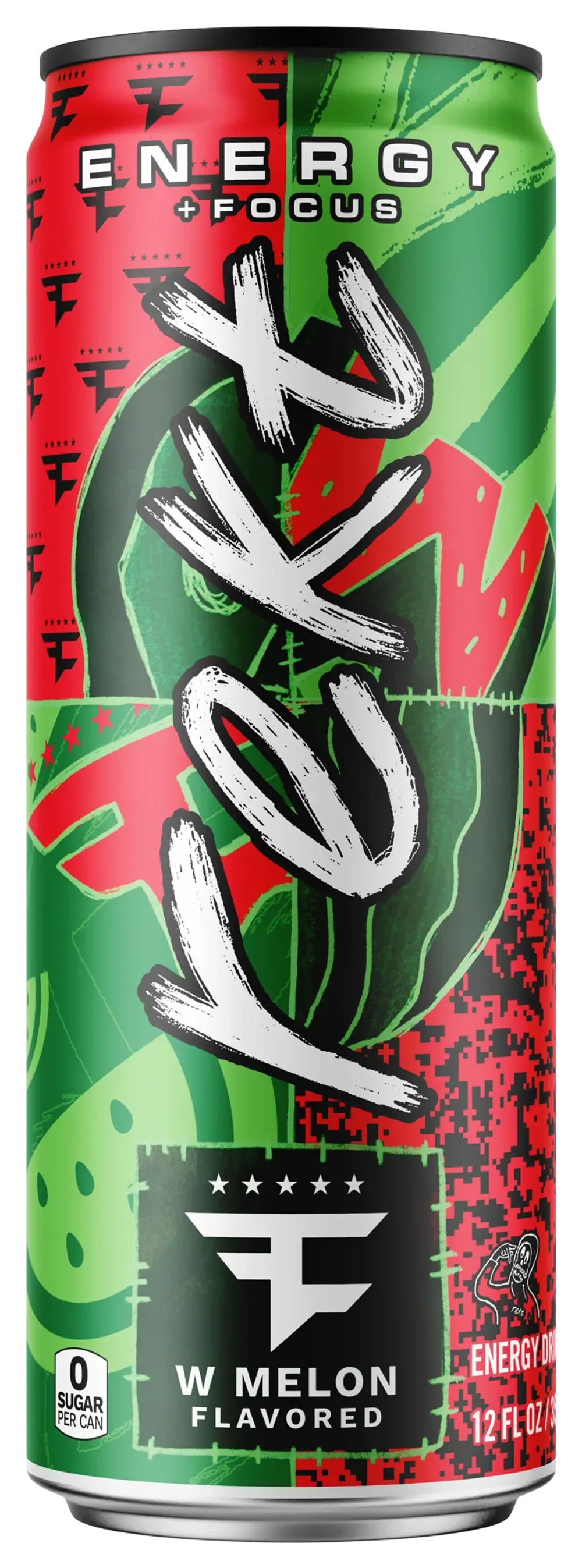
Rekt built its name on a tub. The Rekt Energy + Focus Drink is what happens when that tub's formula gets carbonated and canned. The brand first caught on with its Rekt Energy + Focus Powder (listed on PricePlow simply as Rekt Energy), a zero-sugar scoop that mixes caffeine with a focus stack, and the canned drink keeps that same idea in a grab-and-go format. The star of the show is where the caffeine comes from: alongside green coffee bean, Rekt uses AmaTea, a patented guayusa leaf extract from the Amazon. Guayusa is a caffeinated holly leaf that Ecuador's Kichwa people have brewed for generations, and AmaTea has published human trials on mood, focus, and even gaming performance.
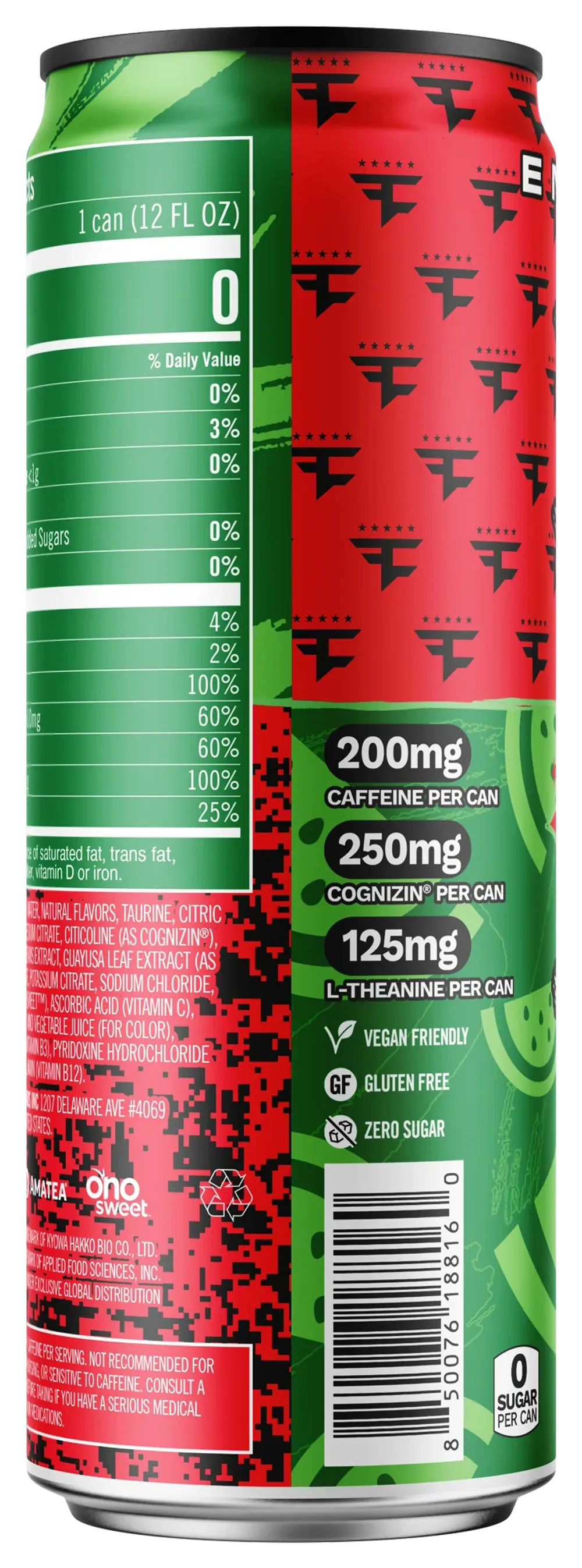
The label backs it up with 200mg of total caffeine, plus Cognizin citicoline and L-theanine, which Rekt lists at 250mg and 125mg. There's taurine, a B-vitamin set, a solid 100mg of magnesium, zero sugar, and zero calories. For a brand that grew up around gaming and internet culture, pairing a guayusa caffeine source with a choline-based focus ingredient makes a lot of sense.
Rekt Energy + Focus Drink Nutrition Facts
These numbers come from the FaZe W Melon can (one 12 fl oz can per serving), and other flavors may vary slightly.
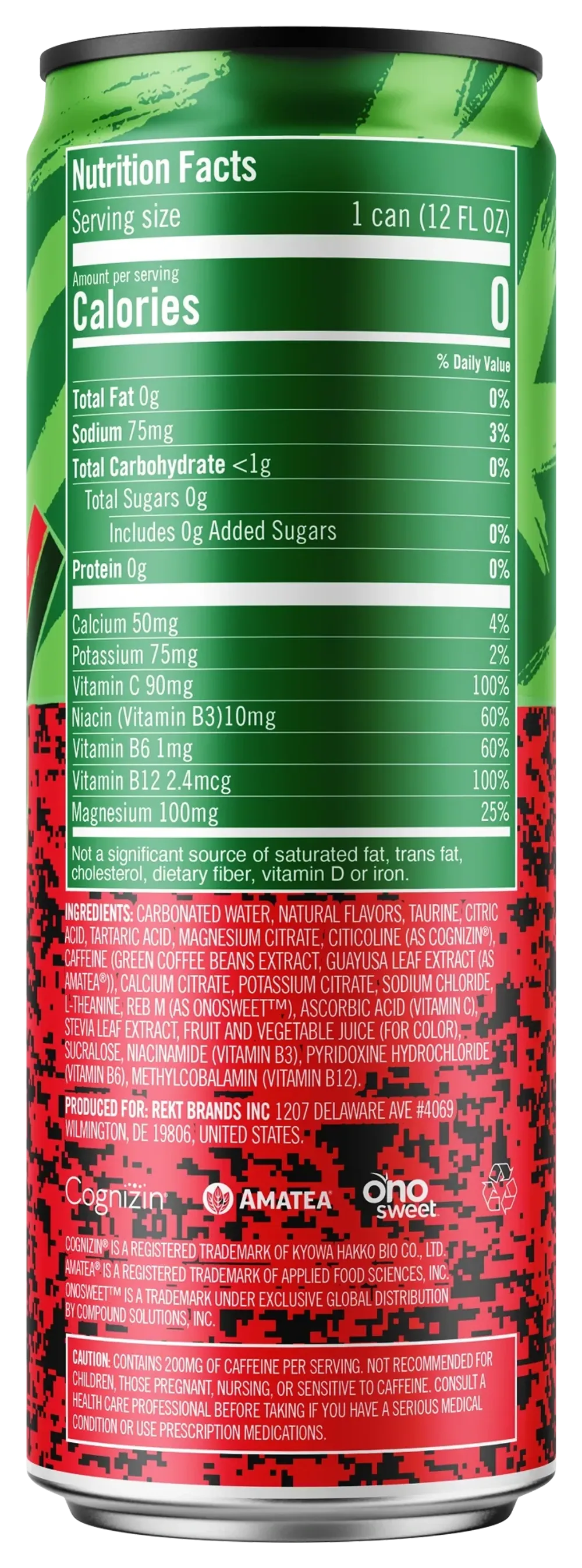
- Calories: 0
- Total Fat: 0g (0% DV)
- Total Carbohydrate: <1g (0% DV)
- Total Sugars: 0g
- Added Sugars: 0g (0% DV)
- Total Sugars: 0g
- Protein: 0g (0% DV)
- Vitamins and Minerals
- Sodium: 75mg (3% DV)
- Potassium: 75mg (2% DV)
- Calcium: 50mg (4% DV)
- Magnesium: 100mg (25% DV)
- Vitamin C: 90mg (100% DV)
- Niacin (Vitamin B3): 10mg (60% DV)
- Vitamin B6: 1mg (60% DV)
- Vitamin B12: 2.4mcg (100% DV)
Rekt Energy + Focus Drink Ingredients
Each 12 fl oz can provides the following key actives:
-
Caffeine (as Green Coffee Bean Extract and Guayusa Leaf Extract (AmaTea)) - 200mg
Caffeine is the engine here, and 200mg puts the can right in the middle of the energy drink pack. It works by blocking the signal that makes you feel tired, which raises alertness and lowers perceived fatigue.[1,2] The research on caffeine and focus is stronger than for most functional ingredients. Low-to-moderate doses improve alertness, vigilance, attention, and reaction time, and those benefits show up in both rested and sleep-restricted people.[2] A review of placebo-controlled trials found improvements on both simple and complex attention tasks that couldn't be explained by simply reversing withdrawal.[3]
Rekt splits that 200mg between green coffee bean extract and AmaTea guayusa extract, but doesn't say how much comes from each. Both are counted inside the 200mg total, not on top of it.
Response varies a lot from person to person. Genetics, medications, smoking, and hormones all change how fast you clear caffeine.[4] Timing matters too: in one sleep study, 400mg taken even six hours before bed still disrupted sleep.[5] A large safety review supported up to 400mg a day for healthy adults, so this can leaves room for one more, not three.[6]
-
AmaTea (Guayusa Leaf Extract)
From PricePlow's AmaTea Max deep dive AmaTea is the ingredient that makes this formula stand out. It comes from Ilex guayusa, a caffeinated holly tree from the upper Amazon, and the AmaTea Max extract is standardized to about 20% caffeine and 30% chlorogenic acids. That polyphenol load is the point. Chlorogenic acids appear to work alongside caffeine through a separate route in the brain, which may explain why guayusa feels different from plain caffeine.[7]
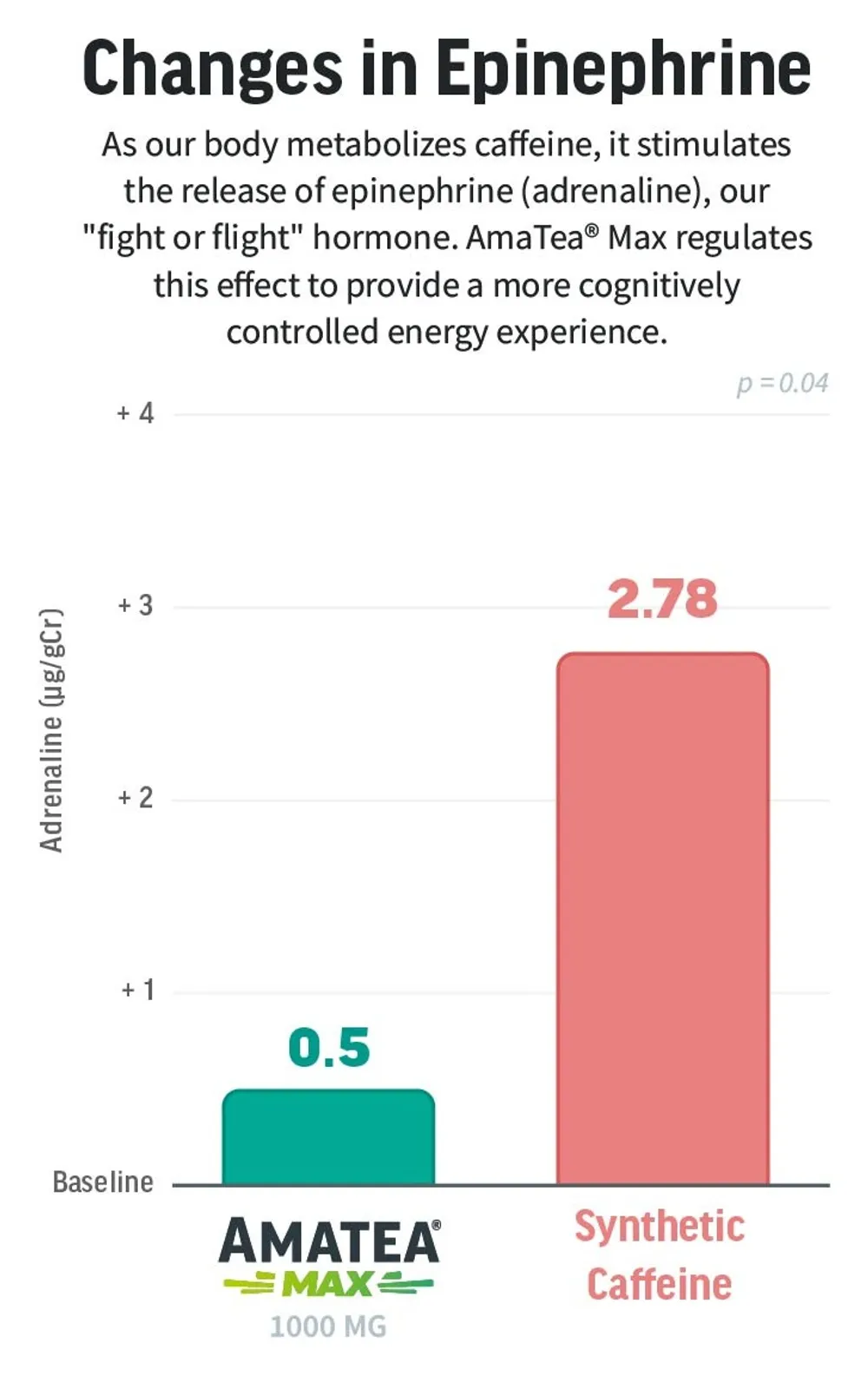
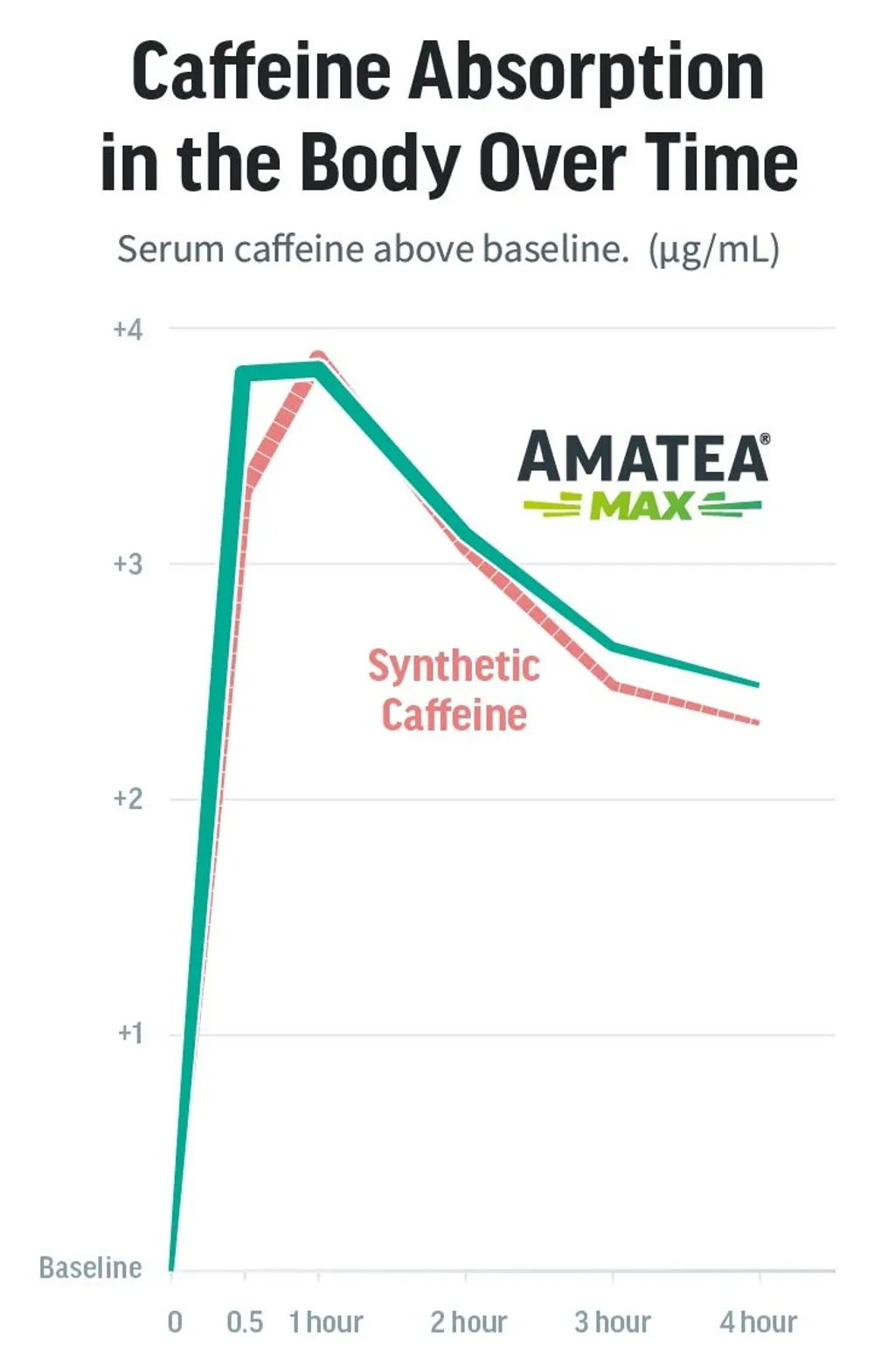
The research is better than you'd expect for a botanical. In a 2016 crossover study, guayusa caffeine absorbed just like synthetic caffeine, but produced a much smaller rise in urinary epinephrine, the adrenaline signal tied to that jittery edge.[8]
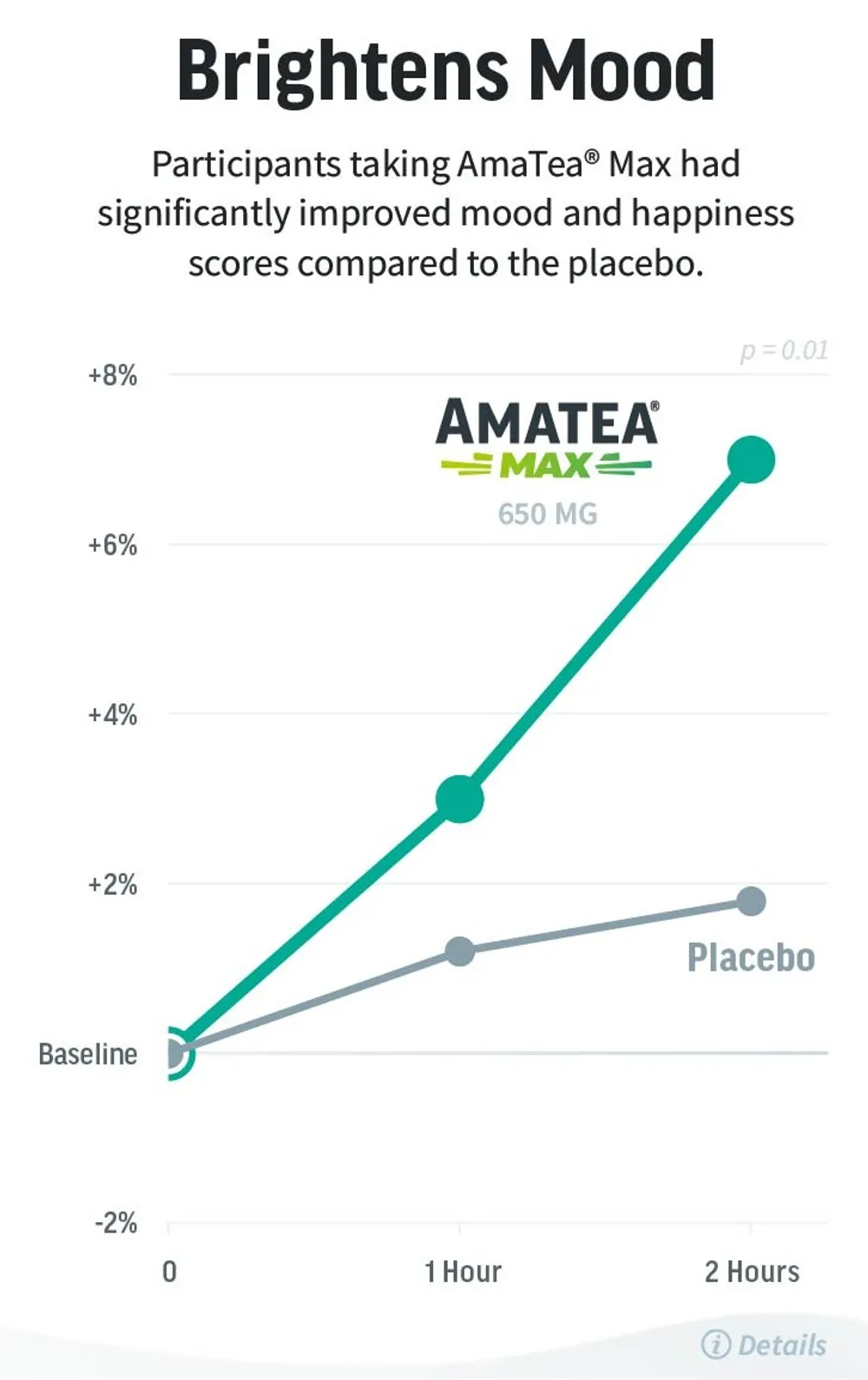
A 2024 trial on 25 adults found 600mg of the extract improved mood, energy, fatigue, and motor speed compared to placebo, without changing the QTc heart rhythm marker.[7]
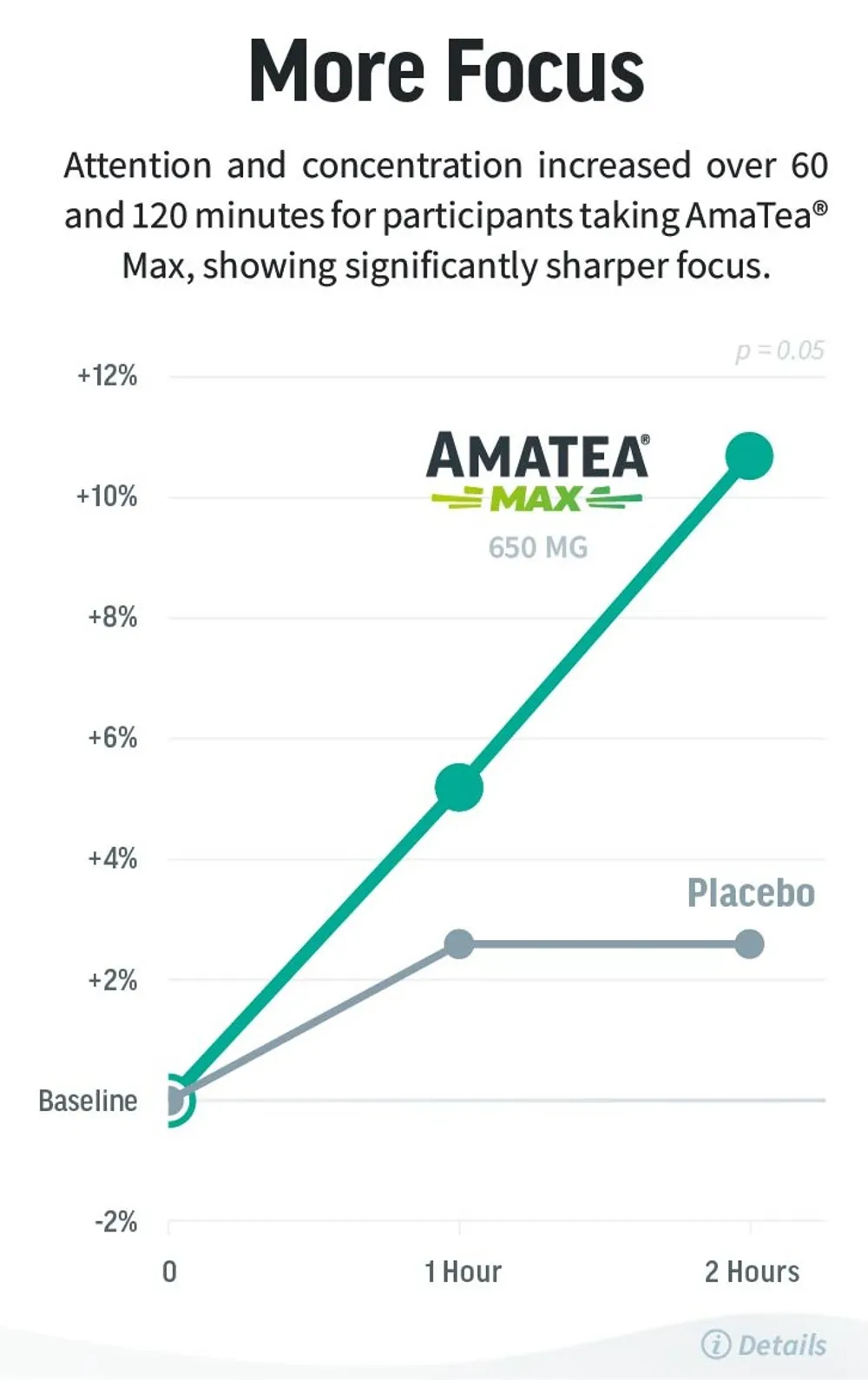
Another trial on 40 adults found 650mg sharpened working memory, reaction time, and self-rated focus.[9]
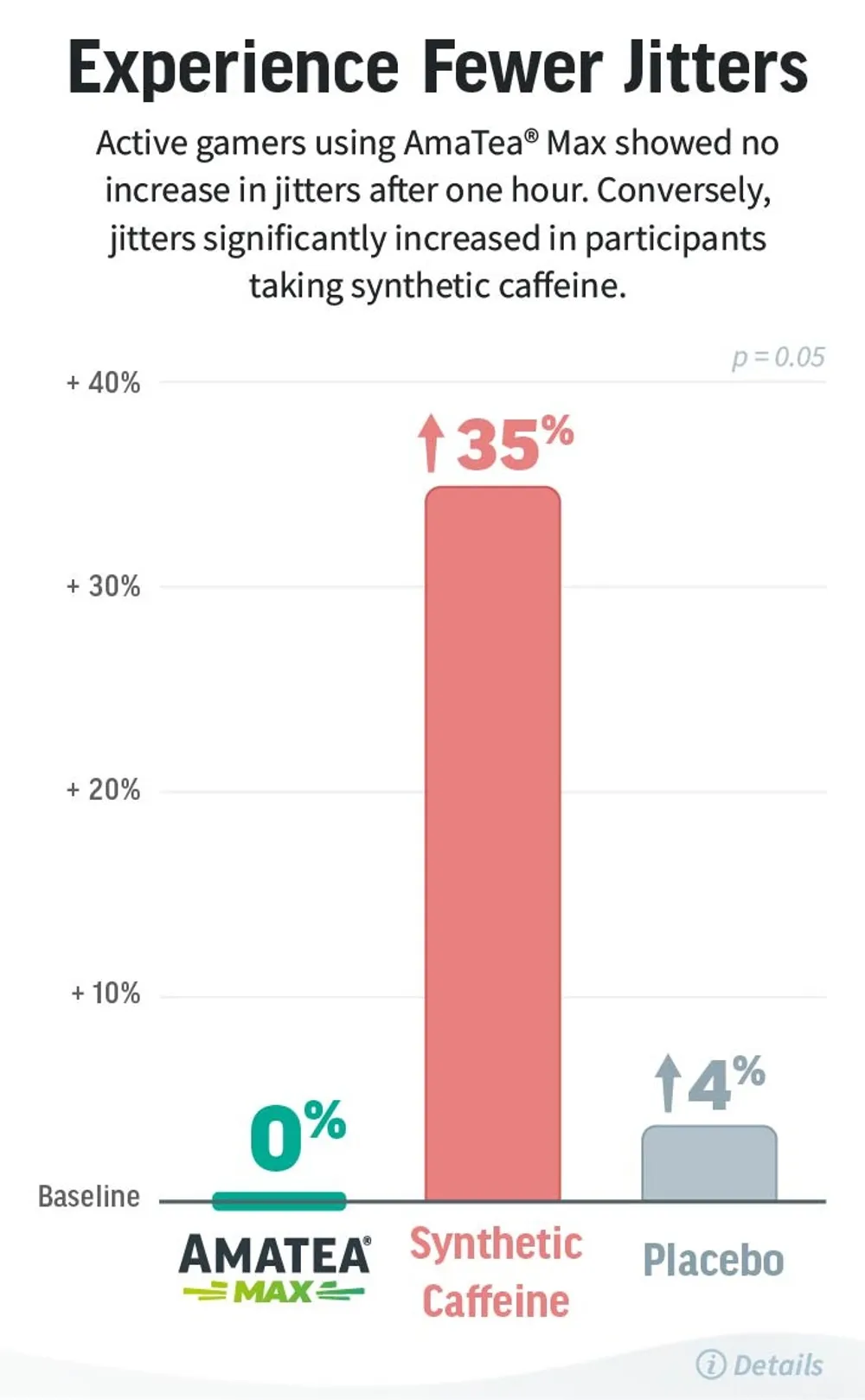
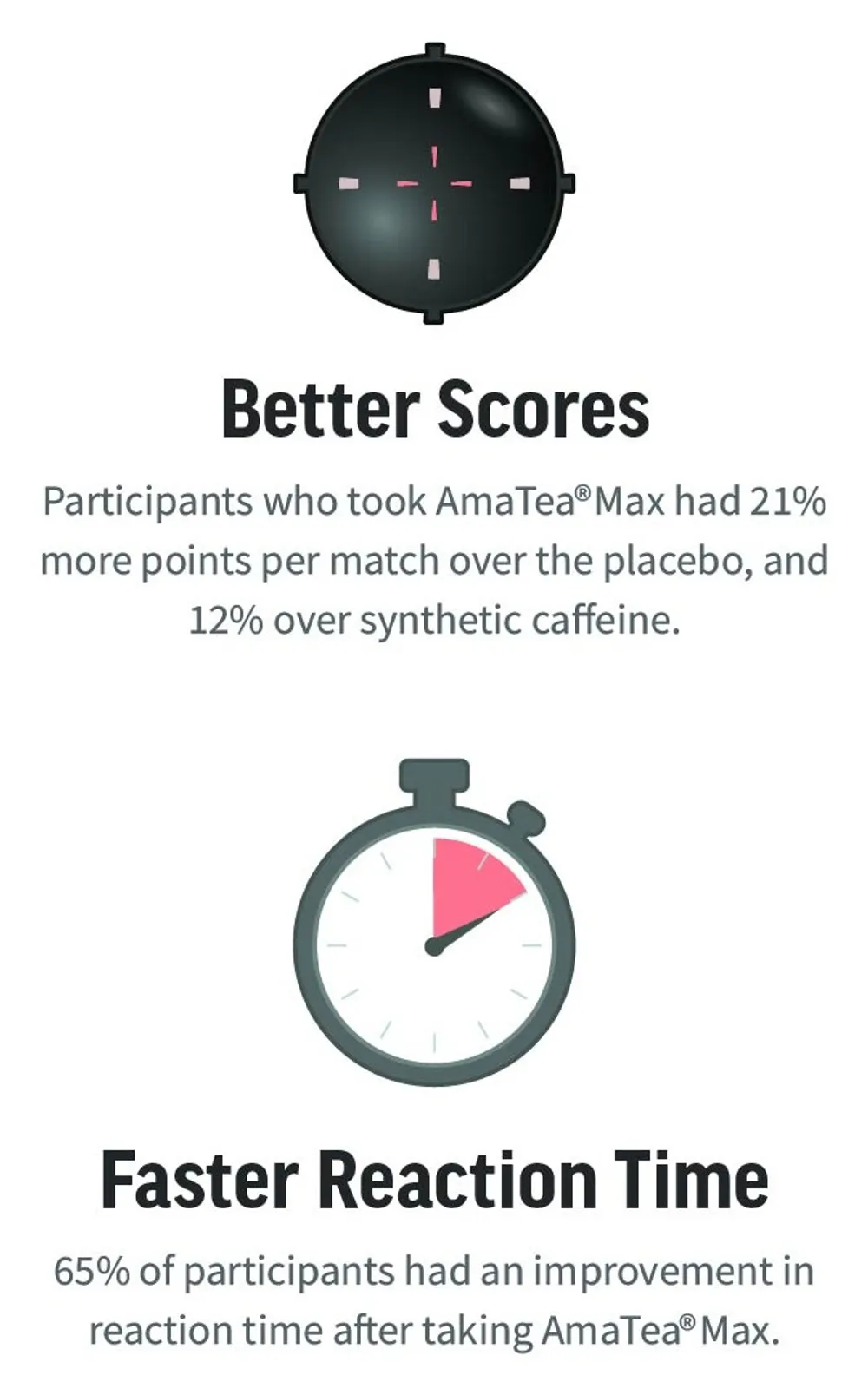
And in a 2022 study on 49 active gamers, AmaTea Max didn't raise jitters the way synthetic caffeine did.[10]
Rekt doesn't disclose how much AmaTea is in the can. Note that like with caffeine, blood pressure also rose a few points.[7]
For the full story on this ingredient and every trial behind it, read our AmaTea Max deep dive on the PricePlow Blog.
-
Cognizin Citicoline - 250mg
Cognizin is a branded form of citicoline (CDP-choline) made by Kyowa Hakko. Rekt lists 250mg per serving. Your body breaks citicoline into choline and cytidine, which help build the fats in brain cell membranes and supply raw material for acetylcholine, the brain signaling behind focus and memory.[11,12]
That 250mg number matters. In a 28-day trial on 60 women aged 40-60, 250mg a day of Cognizin reduced both omission and commission errors on an attention test compared to placebo.[13] A similar trial in teenage boys found Cognizin improved motor speed and attention speed.[14] Brain imaging work found Cognizin boosted energy markers in the frontal region tied to attention.[12]
A few things to keep in mind. Many of those trials ran for weeks of daily use rather than a single dose, and people with weaker baseline performance tend to see bigger effects.[15] Several Cognizin studies were funded by its manufacturer. Safety data is strong, with side effects rare and mild across clinical use.[16]
Most energy drinks that include citicoline use token amounts. Matching the dose from a published attention trial is a smart choice.
-
L-Theanine - 125mg
L-Theanine is the amino acid that gives green tea its calm-focus reputation. Rekt lists 125mg per serving. It crosses into the brain and promotes the relaxed-focus state within about 40 minutes.[17]
On its own, theanine's cognitive effects are modest. Paired with caffeine, things get more interesting. A meta-analysis of 11 trials found the combination improved alertness and attention switching compared to placebo.[18] In a crossover trial, 250mg of theanine with 150mg of caffeine improved reaction time, working memory speed, and alertness while reducing tiredness, effects neither ingredient fully matched alone.[19] An EEG study found the pair's effects on reaction time and attention-related brain responses were additive.[20]
The same meta-analysis noted that much of the attention benefit traced back to the caffeine dose, so think of theanine as the smoothing partner rather than the main event.[18] Rekt adds theanine as its own ingredient rather than relying on the guayusa. Safety data is clean, with no serious adverse events reported in trials.[21]
-
Taurine
Taurine is a sulfur-containing amino acid found in high amounts in the heart, muscles, and brain, and it's been an energy drink staple for decades.[22] Rekt doesn't disclose how much taurine is in the can.
The best taurine data is in exercise. A meta-analysis found taurine supplementation improved endurance performance, usually at 1-6g doses.[23] A network meta-analysis found taurine alone produced small-to-moderate gains in physical capacity, while the caffeine-plus-taurine combination ranked best for anaerobic capacity and reaction time.[24]
For focus, the evidence is thin. A systematic review of acute trials found taurine alone produced small and inconsistent cognitive effects, with better results only when combined with caffeine.[25] So in a drink built for focus, taurine is a supporting player. Without a listed amount, it's hard to say how much it adds here.
-
Vitamins and Minerals
These amounts come straight from the Nutrition Facts panel on the FaZe W Melon can.
-
Vitamin C (as Ascorbic Acid) - 90mg (100% DV)
Vitamin C is an antioxidant vitamin your body needs for collagen production and immune function. A full Daily Value per can is generous for an energy drink. Ascorbic acid is the standard form, and it also helps protect flavor and color in beverages.
-
Niacin (as Niacinamide) - 10mg (60% DV)
Niacin (vitamin B3) helps your body turn food into usable energy as part of NAD+. The niacinamide form doesn't cause the skin flushing that the nicotinic acid form is known for, which makes it the better pick for a drink you might have daily. At 60% DV, it's a sensible amount rather than the mega-doses some energy drinks use.
-
Vitamin B6 (as Pyridoxine Hydrochloride) - 1mg (60% DV)
Vitamin B6 is a cofactor in more than a hundred enzyme reactions, including the ones that make neurotransmitters like dopamine and serotonin. Very high long-term pyridoxine intake has been linked to nerve problems, but 1mg is far below the levels of concern. This is a restrained, everyday dose, which is how it should be.
-
Vitamin B12 (as Methylcobalamin) - 2.4mcg (100% DV)
Vitamin B12 supports red blood cell formation, nerve health, and energy metabolism. Methylcobalamin is one of the active forms, though research suggests all common B12 forms end up processed the same way inside your cells. 2.4mcg matches the adult daily requirement exactly, which is a nice touch for anyone eating mostly plants.
-
Magnesium (as Magnesium Citrate) - 100mg (25% DV)
Magnesium is the standout mineral here. It's involved in hundreds of enzyme reactions, including energy production and muscle function, and a lot of people don't get enough from food. 100mg (25% DV) is far more than most energy drinks bother with. Citrate is an organic magnesium form that tends to absorb better than oxide.
-
Calcium (as Calcium Citrate) - 50mg (4% DV)
Calcium triggers muscle contraction and supports bone health. At 4% DV, it's a small contribution, likely there as part of the drink's mineral and electrolyte profile rather than as a functional dose. Calcium citrate dissolves well in acidic drinks like this one.
-
Potassium (as Potassium Citrate) - 75mg (2% DV)
Potassium is a key electrolyte for fluid balance, nerve signaling, and muscle function. 75mg is a light touch, but potassium citrate also helps buffer the drink's acidity and round out flavor.
-
Sodium (as Sodium Chloride) - 75mg (3% DV)
Sodium from salt is the main electrolyte you lose in sweat. 75mg won't replace a hard training session, but a pinch of salt also suppresses bitterness and lifts other flavors, which helps in a can carrying 200mg of caffeine.
-
-
Sweeteners and Flavors
-
Rebaudioside M (as OnoSweet)
Reb M is a rare steviol glycoside from the stevia leaf, prized for tasting cleaner and closer to sugar than older stevia extracts.[26] In a 126-person sensory study, Reb M scored closer to sucrose on sweetness and bitterness than Reb A did.[27] Because it's scarce in the leaf, most Reb M is made through enzymatic conversion, and European regulators have found no safety concern with those production routes.[28]
-
Stevia Leaf Extract
Stevia leaf extract adds more zero-calorie sweetness from the same plant as Reb M. Blending steviol glycosides is a common way to dial in sweetness while keeping the lingering aftertaste in check.
-
Sucralose
Sucralose is a zero-calorie sweetener hundreds of times sweeter than sugar, so a tiny amount goes a long way. Research on sucralose is mixed. One trial in healthy adults found daily sucralose reduced insulin sensitivity.[29] If you prefer to skip it, note that this can uses sucralose alongside its stevia-based sweeteners.
-
Natural Flavors
Natural flavors carry the flavor profile of each can. Under U.S. rules, the term covers flavoring compounds drawn from natural sources, and it describes where they came from rather than any health effect.[30]
-
-
Other Ingredients
- Carbonated Water - The base of the drink, giving it fizz.
- Citric Acid - Adds tartness and helps keep the drink shelf-stable.
- Tartaric Acid - A second acid that sharpens the fruit flavor with a crisp, grape-like tang.
- Fruit and Vegetable Juice (for color) - Provides color from plant sources instead of synthetic dyes.
A Can Built for the Lobby
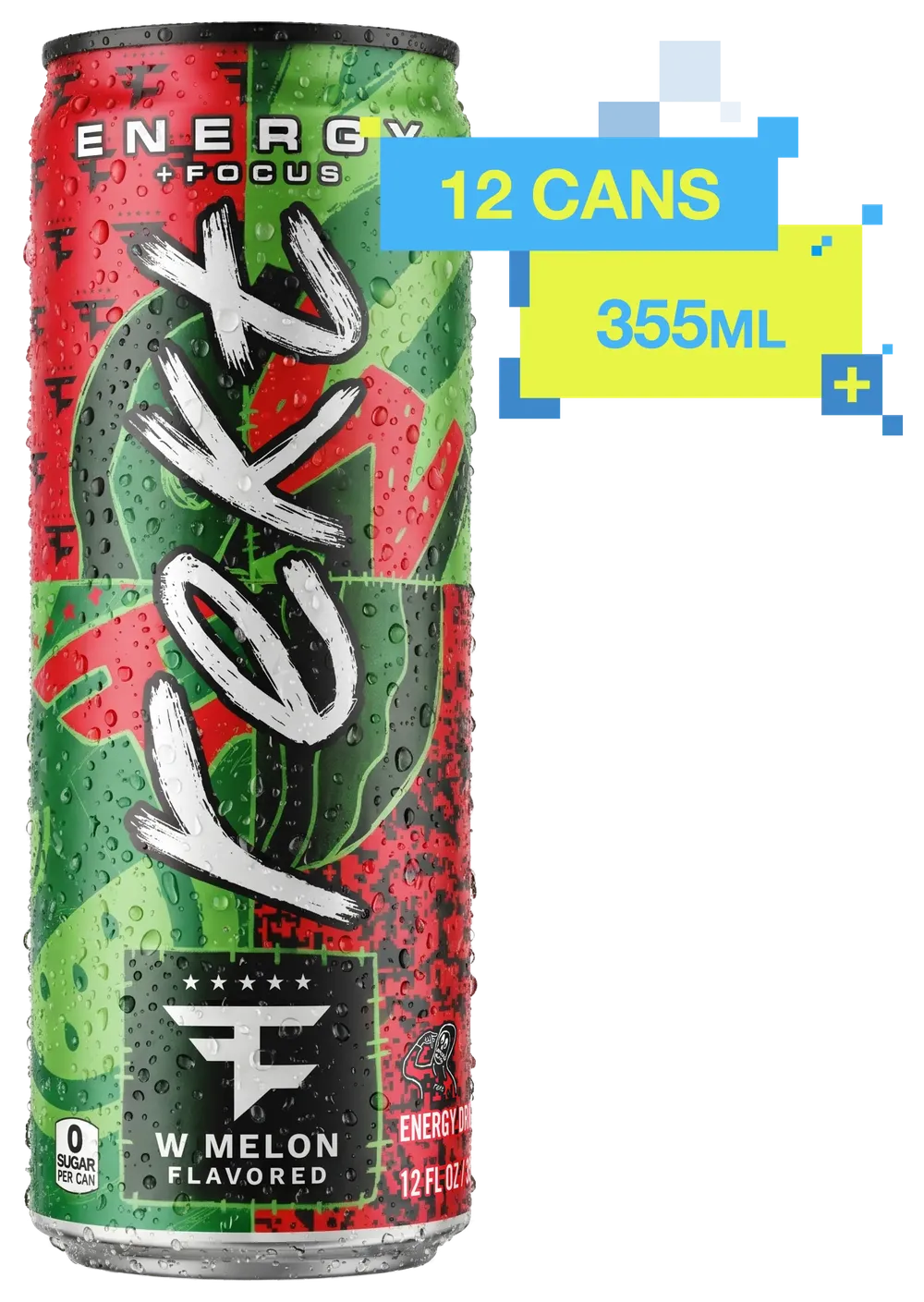
The launch flavor, FaZe W Melon, is a collaboration with FaZe Esports, which fits a brand rooted in gaming and online culture. Check the lineup below for flavors.
- FaZe W Melon (12 Cans: $39.99)
Rekt Took Guayusa Seriously
Rekt could have dumped 200mg of synthetic caffeine in a can and called it a day. Instead, it leaned on AmaTea guayusa, an Amazonian leaf with human data on mood, focus, and smoother energy, and backed it with 250mg of Cognizin and theanine. If you liked the powder that put Rekt on the map, or you want a gaming-friendly energy drink with a smarter caffeine source, this can delivers.
References
- Fredholm, Bertil B. et al. "Actions of Caffeine in the Brain with Special Reference to Factors That Contribute to Its Widespread Use." Pharmacological Reviews, 1999. https://doi.org/10.1016/S0031-6997(24)01396-6
- McLellan, Tom M. et al. "A Review Of Caffeine S Effects On Cognitive Physical And Occupational Performance." Neuroscience & Biobehavioral Reviews, 2016. https://doi.org/10.1016/j.neubiorev.2016.09.001
- Einöther, Suzanne J L, et al. "Caffeine as an attention enhancer: reviewing existing assumptions." Psychopharmacology, 2013. https://doi.org/10.1007/s00213-012-2917-4
- Nehlig, Astrid. "Interindividual Differences in Caffeine Metabolism and Factors Driving Caffeine Consumption." Pharmacological reviews, 2018. https://doi.org/10.1124/pr.117.014407
- Drake, Christopher, et al. "Caffeine effects on sleep taken 0, 3, or 6 hours before going to bed." Journal of clinical sleep medicine : JCSM : official publication of the American Academy of Sleep Medicine, 2013. https://doi.org/10.5664/jcsm.3170
- Wikoff, Daniele, et al. "Systematic review of the potential adverse effects of caffeine consumption in healthy adults, pregnant women, adolescents, and children." Food and chemical toxicology : an international journal published for the British Industrial Biological Research Association, 2017. https://doi.org/10.1016/j.fct.2017.04.002
- Helwig, Nathaniel J, et al. "Acute, dose-response effects of guayusa leaf extract on mood, cognitive and motor-cognitive performance, and blood pressure, heart rate, and ventricular repolarization." Journal of the International Society of Sports Nutrition, 2024. https://doi.org/10.1080/15502783.2024.2379424
- Krieger, DR; Kalman DS; Feldman S; Arnillas L; Goldberg D; Gisbert O; Nader S. "The Safety, Pharmacokinetics, and Nervous System Effects of Two Natural Sources of Caffeine in Healthy Adult Males." Clinical and Translational Science, 2016. https://doi.org/10.1111/cts.12403
- La Monica, Michael B, et al. "Acute Effects Of Naturally Occurring Guayusa Tea And Nordic Lion S Mane Extracts On Cognitive Performance." Nutrients, 2023. https://doi.org/10.3390/nu15245018
- Bloomer, Richard J, et al. "Impact of AmaTea® Max on physiological measures and gaming performance in active gamers: A placebo-controlled, double-blind, randomized study." Journal of clinical and translational research, 2022. https://doi.org/10.18053/jctres.08.202202.005
- Conant, Richard, et al. "Therapeutic applications of citicoline for stroke and cognitive dysfunction in the elderly: a review of the literature." Alternative medicine review : a journal of clinical therapeutic, 2004. https://pubmed.ncbi.nlm.nih.gov/15005642/
- Silveri, M M, et al. "Citicoline enhances frontal lobe bioenergetics as measured by phosphorus magnetic resonance spectroscopy." NMR in biomedicine, 2008. https://doi.org/10.1002/nbm.1281
- McGlade, Erin, et al. "Improved Attentional Performance Following Citicoline Administration In Healthy Adult Women." Food and Nutrition Sciences, 2012. https://doi.org/10.4236/fns.2012.36103
- McGlade, Erin, et al. "The Effect of Citicoline Supplementation on Motor Speed and Attention in Adolescent Males." Journal of attention disorders, 2019. https://doi.org/10.1177/1087054715593633
- Knott, Verner, et al. "Neurocognitive effects of acute choline supplementation in low, medium and high performer healthy volunteers." Pharmacology Biochemistry and Behavior, 2015. https://doi.org/10.1016/j.pbb.2015.02.004
- Secades, Julio J, et al. "Citicoline: pharmacological and clinical review, 2006 update." Methods and findings in experimental and clinical pharmacology, 2006. https://pubmed.ncbi.nlm.nih.gov/17171187/
- Juneja, L. "L-theanine—a unique amino acid of green tea and its relaxation effect in humans." Trends in Food Science & Technology, 1999. https://doi.org/10.1016/s0924-2244(99)00044-8
- Camfield, David A, et al. "Acute effects of tea constituents L-theanine, caffeine, and epigallocatechin gallate on cognitive function and mood: a systematic review and meta-analysis." Nutrition reviews, 2014. https://doi.org/10.1111/nure.12120
- Haskell, Crystal F, et al. "The Effects Of L Theanine Caffeine And Their Combination On Cognition And Mood." Biological psychology, 2008. https://doi.org/10.1016/j.biopsycho.2007.09.008
- Kahathuduwa, Chanaka N, et al. "Acute Effects Of Theanine Caffeine And Theanine Caffeine Combination On Attention." Nutritional neuroscience, 2017. https://doi.org/10.1080/1028415X.2016.1144845
- Williams, Jackson L, et al. "The Effects Of Green Tea Amino Acid L Theanine Consumption On The Ability To Manage Stress And Anxiety Levels A Systematic Review." Plant foods for human nutrition (Dordrecht, Netherlands), 2020. https://doi.org/10.1007/s11130-019-00771-5
- Ripps, Harris, et al. "Review: taurine: a "very essential" amino acid." Molecular vision, 2012. https://pmc.ncbi.nlm.nih.gov/articles/PMC3501277/
- Waldron, Mark, et al. "The Effects of an Oral Taurine Dose and Supplementation Period on Endurance Exercise Performance in Humans: A Meta-Analysis." Sports medicine (Auckland, N.Z.), 2018. https://doi.org/10.1007/s40279-018-0896-2
- Deng, Hengzhi, et al. "Caffeine and taurine: a systematic review and network meta-analysis of their individual and combined effects on physical capacity, cognitive function, and physiological markers." Journal of the International Society of Sports Nutrition, 2025. https://doi.org/10.1080/15502783.2025.2566371
- Moore, Jack A, et al. "Cognitive Effects of Taurine and Related Sulphur-Containing Amino Acids: A Systematic Review of Human Trials and Considerations for Plant-Based Dietary Transitions." Foods (Basel, Switzerland), 2026. https://doi.org/10.3390/foods15040634
- Prakash, Indra, et al. "Development Of Next Generation Stevia Sweetener Rebaudioside M." Foods (Basel, Switzerland), 2014. https://doi.org/10.3390/foods3010162
- Tao, Ran, et al. "Consumer-Based Sensory Characterization of Steviol Glycosides (Rebaudioside A, D, and M)." Foods (Basel, Switzerland), 2020. https://doi.org/10.3390/foods9081026
- EFSA, Panel on Food Additives and Flavourings (FAF), et al. "Safety evaluation of the food additive steviol glycosides, predominantly Rebaudioside M, produced by fermentation using Yarrowia lipolyticaVRM." EFSA journal. European Food Safety Authority, 2023. https://doi.org/10.2903/j.efsa.2023.8387
- Romo-Romo, Alonso, et al. "Sucralose decreases insulin sensitivity in healthy subjects: a randomized controlled trial." The American journal of clinical nutrition, 2018. https://doi.org/10.1093/ajcn/nqy152
- Goodman, Matthew J. "The “Natural” vs. “Natural Flavors” Conflict in Food Labeling: A Regulatory Viewpoint." Food and drug law journal, 2017. https://pubmed.ncbi.nlm.nih.gov/29140655/
Tagged