Premier Protein Ultimate 42g: The Classic Shake, Supersized
Forty percent more protein than the original, built on a casein-heavy dairy base
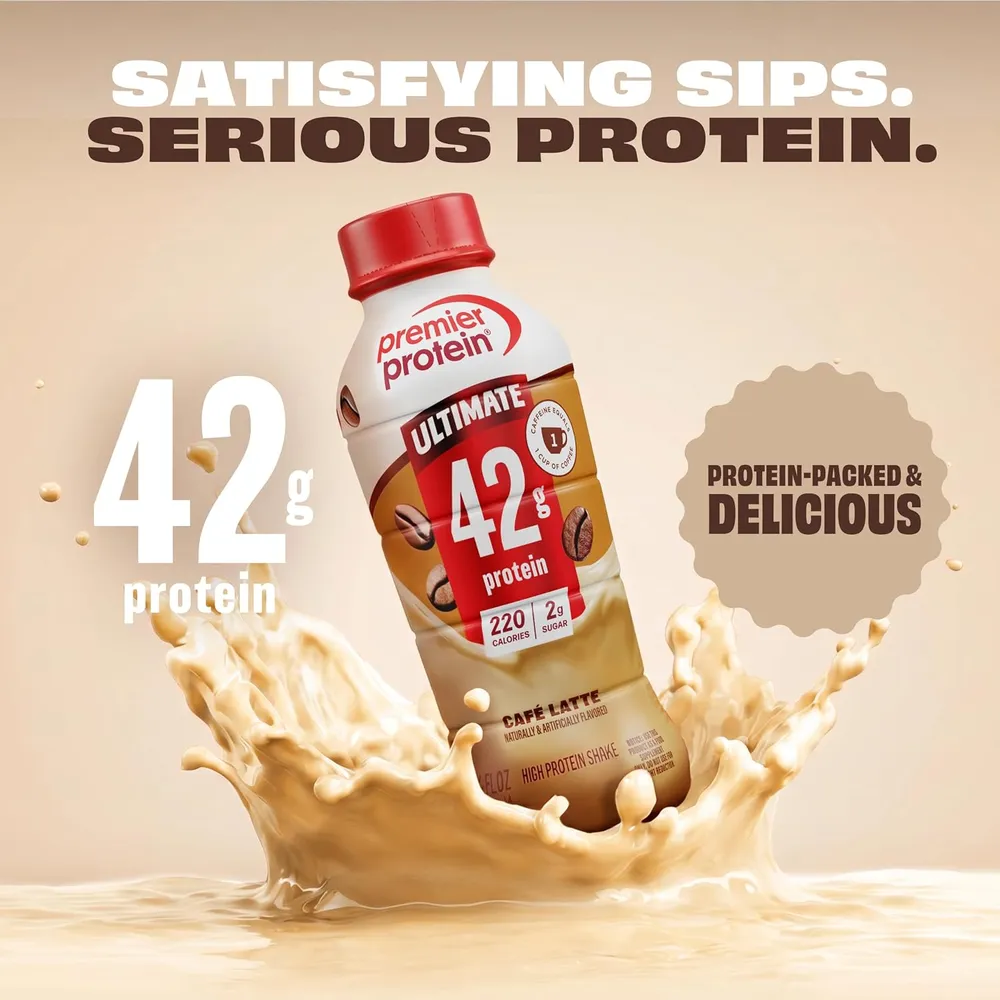
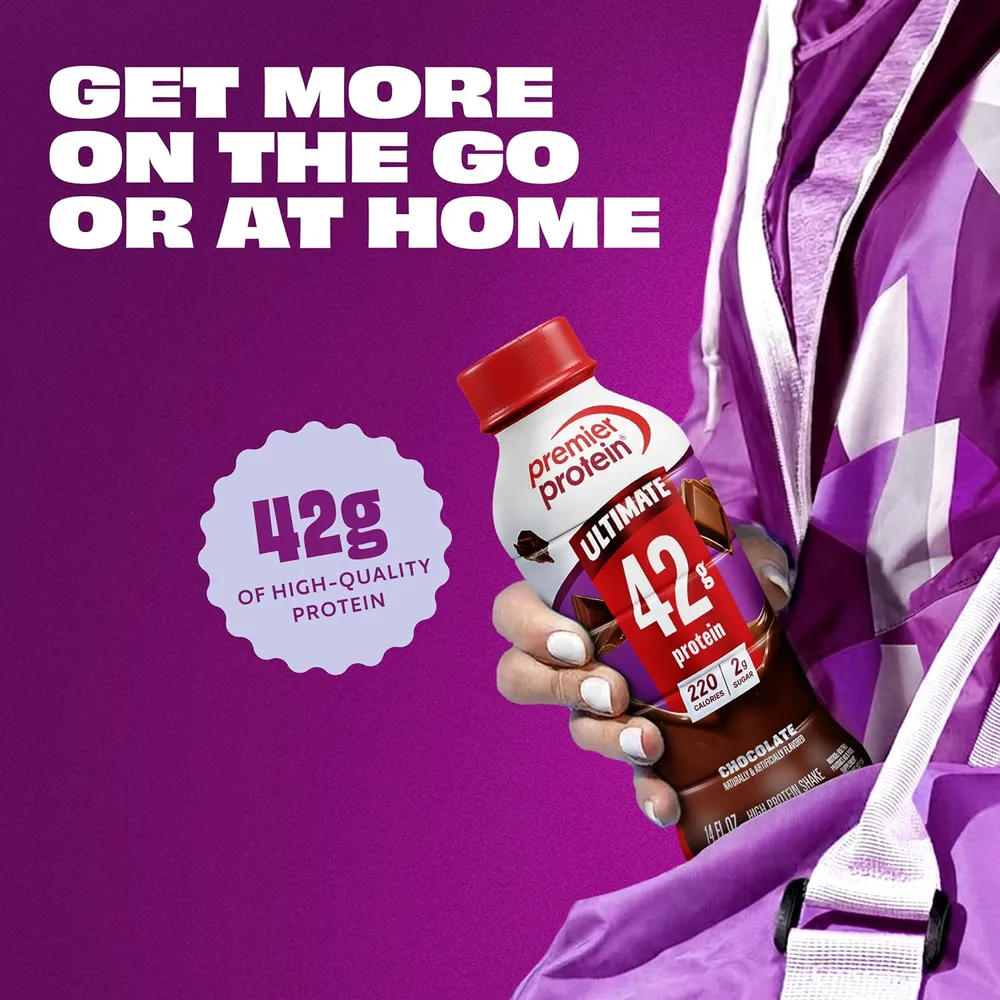
Premier Protein's Ultimate line stretches its classic shake to 14 fl oz and 42g of dairy protein while sucralose and Ace-K hold sugar to 2g.
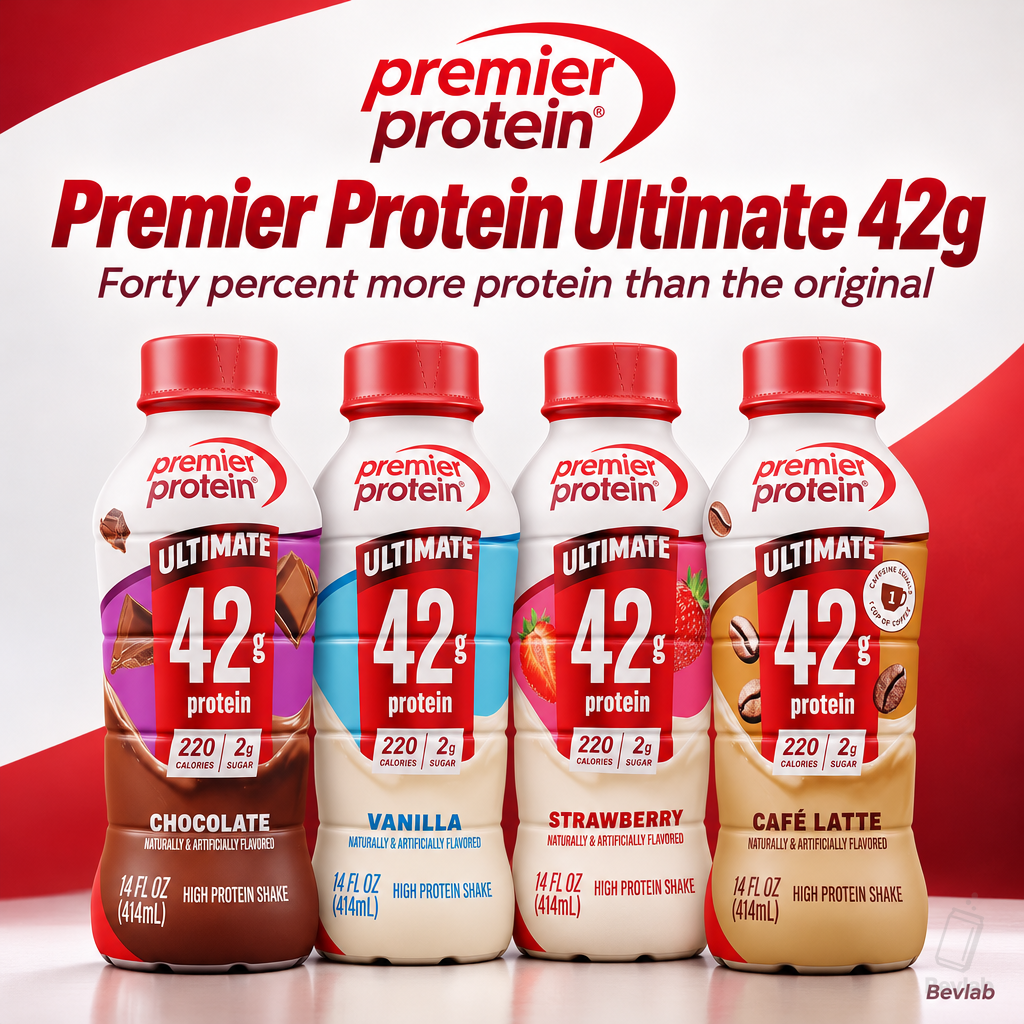
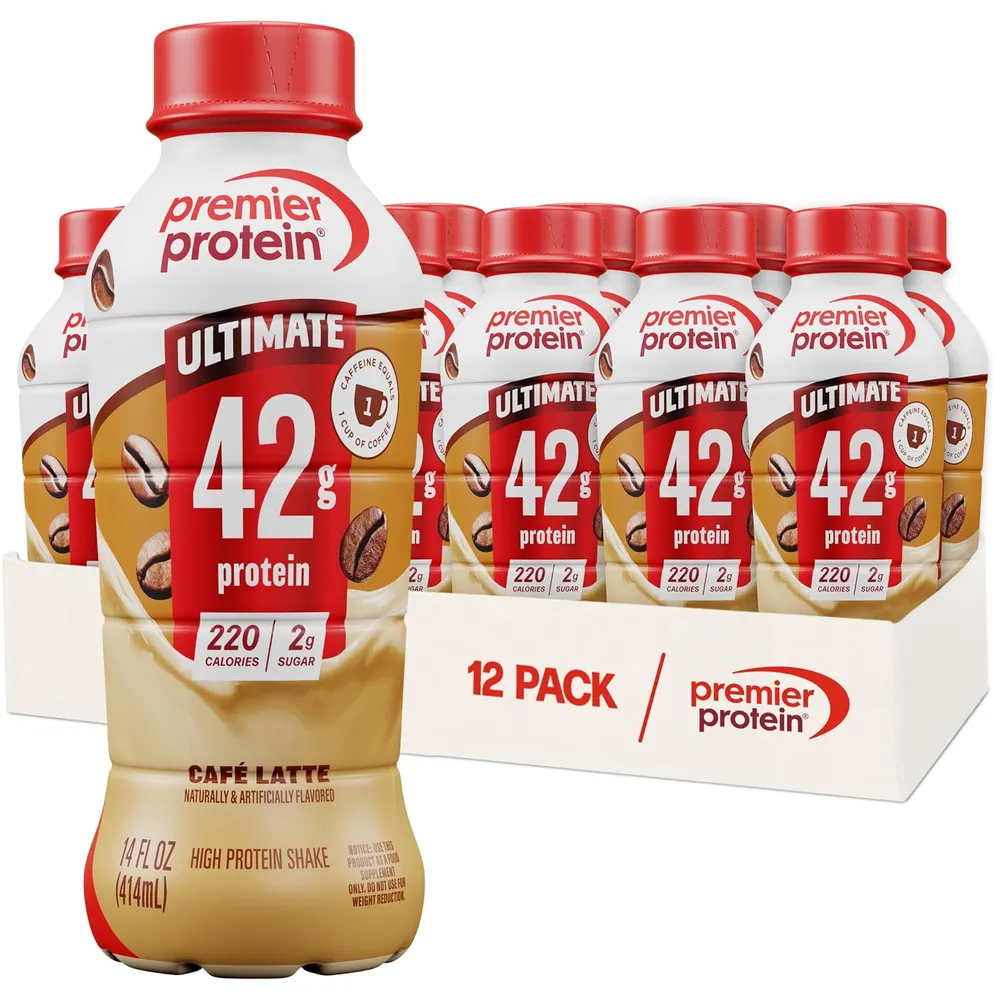
Premier Protein, the BellRing Brands label whose 30g shake is a fixture of grocery shelves, decided its flagship wasn't big enough. Premier Protein Ultimate 42g is the answer: a 14oz bottle with 40% more protein than the classic 30g shake in its 11.5oz bottle, built on the same milk protein and casein base.
The pitch is simple math. If you were already drinking the original and still felt short on protein, this bottle is meant to close the gap without a second shake.
The extra protein didn't bring extra sugar. The shake holds to 220 calories and 2g of sugar (0g added), with sucralose and acesulfame potassium handling the sweetening. That makes the formula worth a closer look.
Premier Protein Ultimate 42g Nutrition Facts
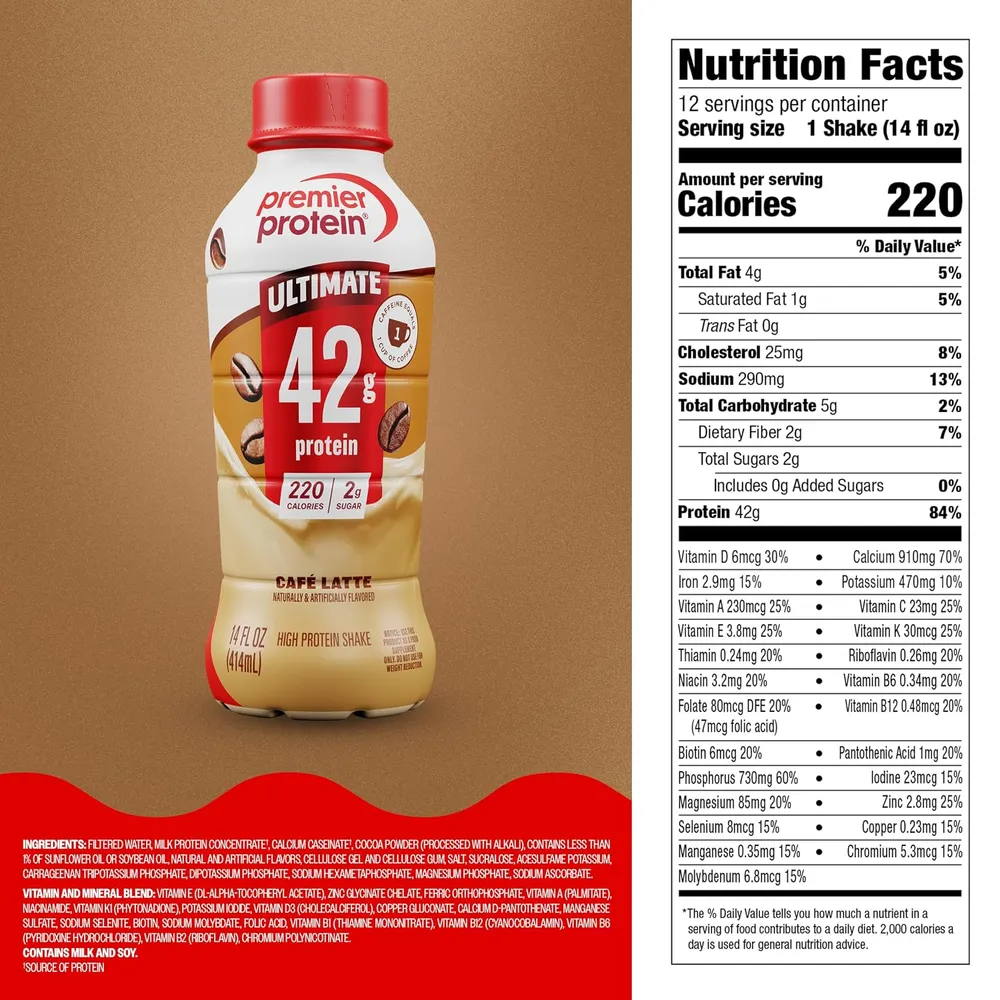
These numbers come from the Chocolate bottle. The other flavors vary slightly.
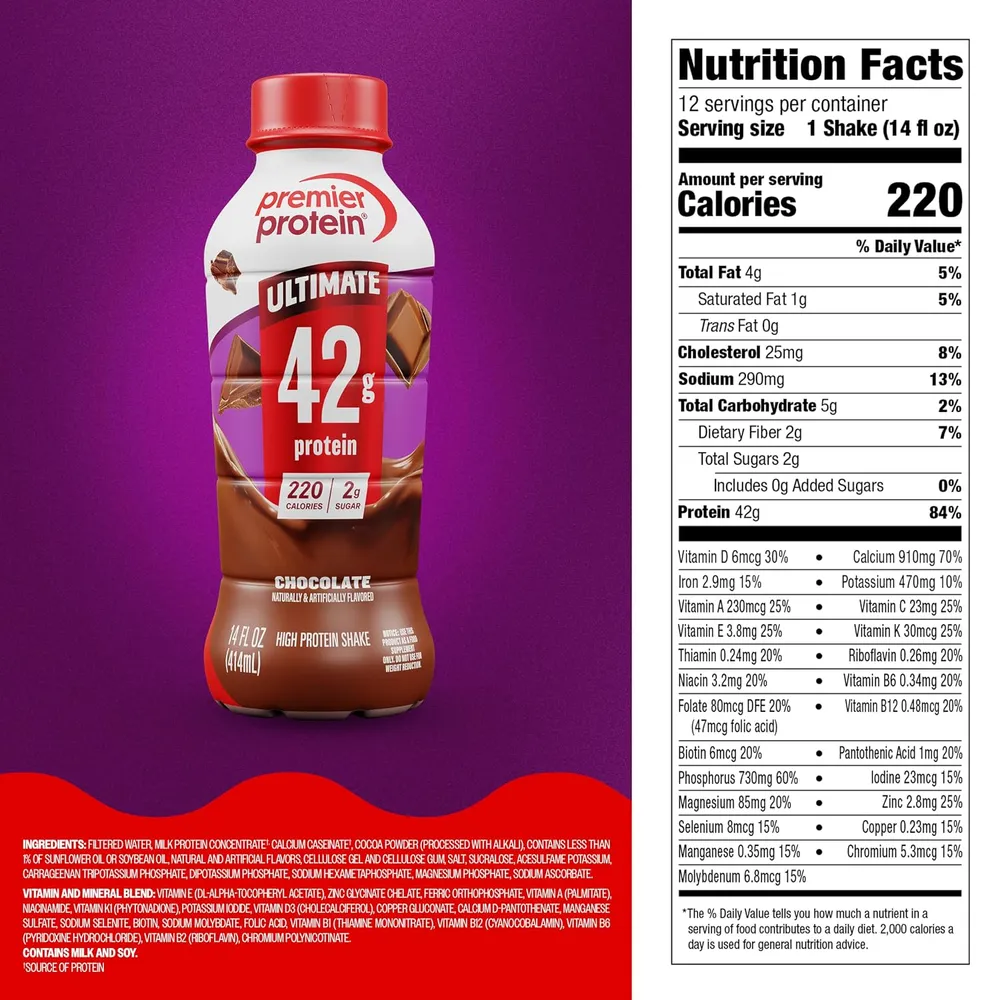
- Serving Size: 1 shake (14 fl oz)
- Calories: 220
- Total Fat: 4g (5% DV)
- Saturated Fat: 1g (5% DV)
- Trans Fat: 0g
- Cholesterol: 25mg (8% DV)
- Total Carbohydrate: 5g (2% DV)
- Dietary Fiber: 2g (7% DV)
- Total Sugars: 2g
- Added Sugars: 0g (0% DV)
- Protein: 42g (84% DV)
- Vitamins and Minerals
- Sodium: 290mg (13% DV)
- Potassium: 470mg (10% DV)
- Calcium: 910mg (70% DV)
- Phosphorus: 730mg (60% DV)
- Iron: 2.9mg (15% DV)
- Magnesium: 85mg (20% DV)
- Zinc: 2.8mg (25% DV)
- Copper: 0.23mg (15% DV)
- Manganese: 0.35mg (15% DV)
- Selenium: 8mcg (15% DV)
- Iodine: 23mcg (15% DV)
- Chromium: 5.3mcg (15% DV)
- Molybdenum: 6.8mcg (15% DV)
- Vitamin A: 230mcg (25% DV)
- Vitamin C: 23mg (25% DV)
- Vitamin D: 6mcg (240 IU, 30% DV)
- Vitamin E: 3.8mg (25% DV)
- Vitamin K: 30mcg (25% DV)
- Thiamin: 0.24mg (20% DV)
- Riboflavin: 0.26mg (20% DV)
- Niacin: 3.2mg (20% DV)
- Vitamin B6: 0.34mg (20% DV)
- Folate: 80mcg DFE (47mcg folic acid, 20% DV)
- Vitamin B12: 0.48mcg (20% DV)
- Biotin: 6mcg (20% DV)
- Pantothenic Acid: 1mg (20% DV)
Two numbers stand out. At 42g, the shake covers 84% of the Daily Value for protein in one bottle while carbs stay at 5g. Calcium (70% DV) and phosphorus (60% DV) are far higher than the rest of the micronutrient panel, which makes sense for a drink that's mostly dairy protein and phosphate salts.
Premier Protein Ultimate 42g Ingredients
Each 14 fl oz bottle gets all 42g of its protein from two dairy sources. The label marks both milk protein concentrate and calcium caseinate as protein sources but doesn't say how the 42g splits between them.
-
Milk Protein Concentrate
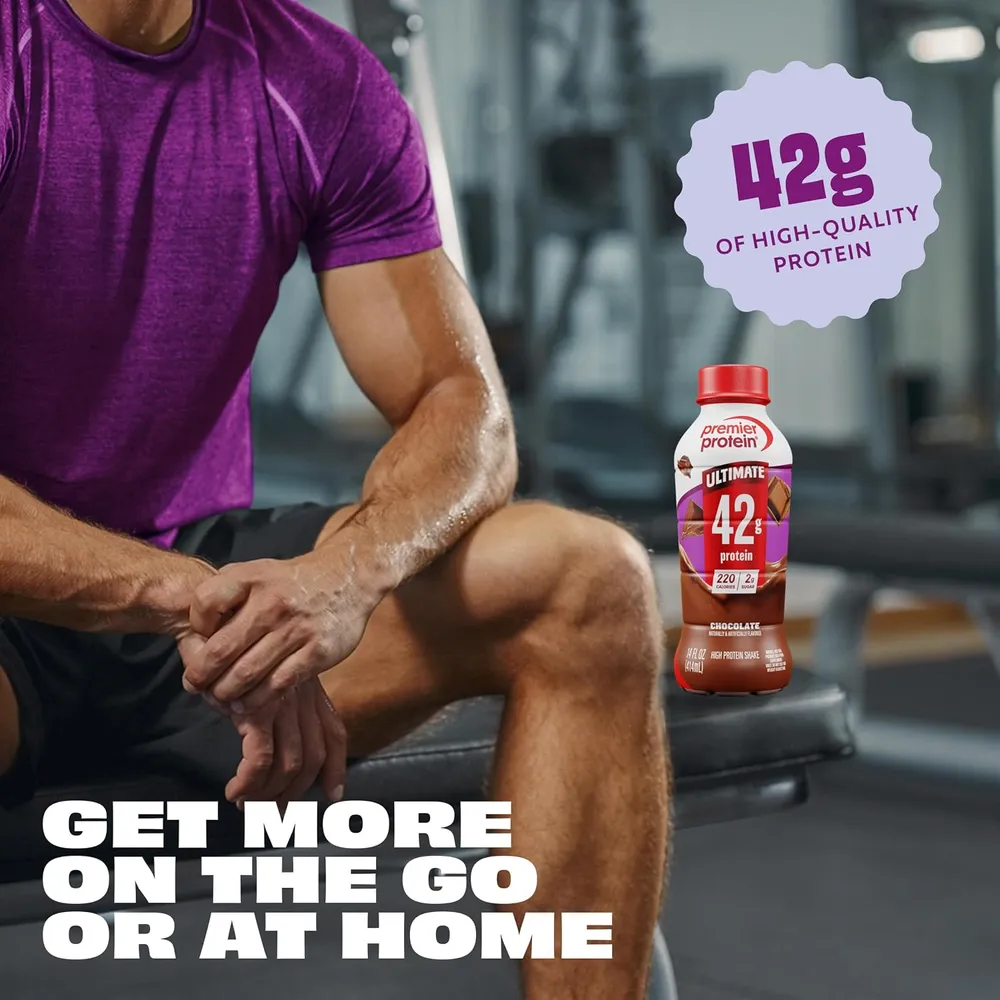
Milk protein concentrate is listed first after water, so it's the main protein in the bottle. It's made by filtering skim milk so the casein and whey stay together in roughly the same 80:20 ratio found in cow's milk.[1] That gives you a quick-digesting whey portion and a slower casein portion in one ingredient. In a rat study, milk protein concentrate peaked between whey and caseinate for muscle protein synthesis timing.[2]
Human data on this exact ingredient is thinner, but fluid milk, which has the same protein ratio, beat both soy and carbohydrate for lean mass gains over 12 weeks of training in novice lifters.[3] Meta-analyses back protein supplementation during resistance training in general, with benefits leveling off around 1.6g/kg of total daily protein.[4,5]
The 42g question is whether one big dose gets wasted. Older studies found the short-term muscle-building response maxed out near 20g.[6,7] Newer tracer work with milk protein showed that 100g produced a larger response lasting more than 12 hours compared with 25g, without a matching jump in protein being burned off.[8] Those were lab doses in young trained men, not this shake, but they weaken the old "anything past 20g is pointless" argument.
-
Calcium Caseinate
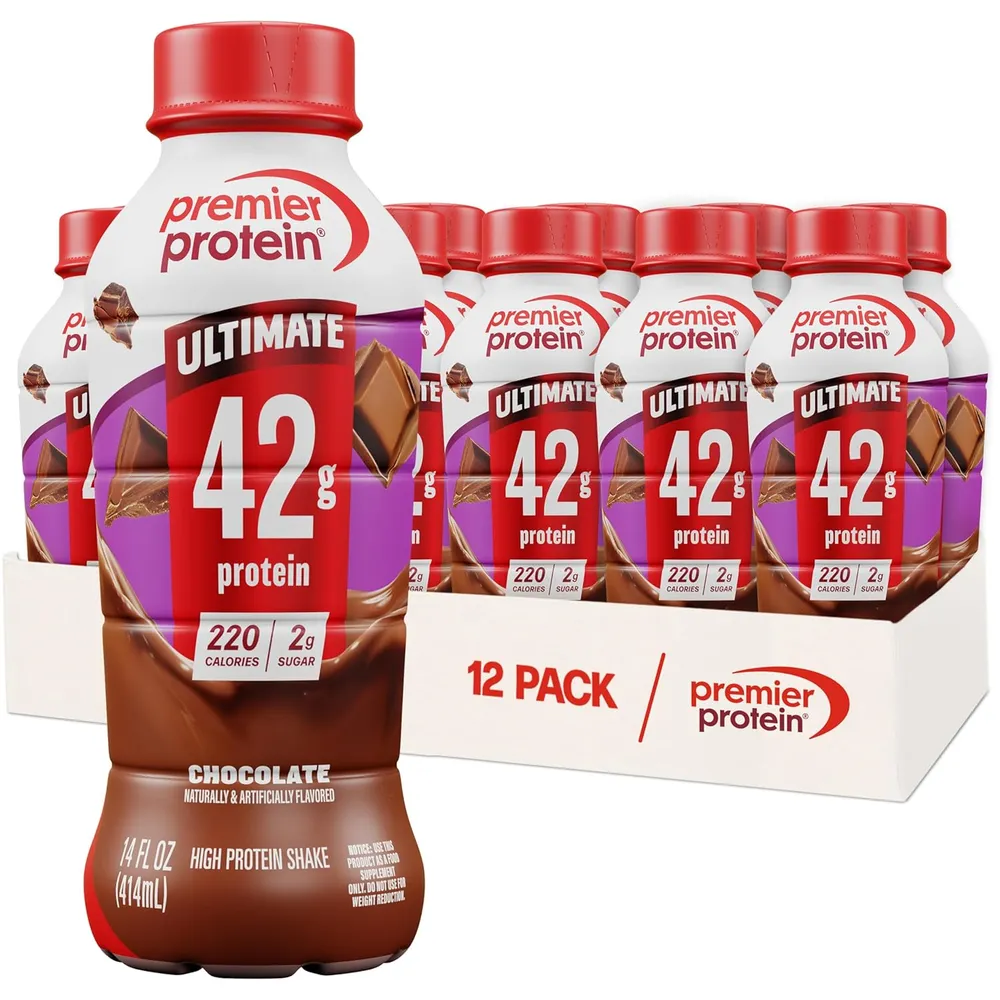
Calcium caseinate is casein, the main protein in milk, processed into a form that dissolves easily in liquid. Casein clots in stomach acid, so it empties from the stomach slowly and releases amino acids gradually instead of in one spike.[9] In tracer studies, that slower digestion improved whole-body protein retention compared with fast-digesting whey at the same intake.[10]
That slow release is why casein is the classic nighttime protein. In older men, 40g of casein before bed raised overnight muscle protein synthesis, while 20g did not reach significance.[11] Over 12 weeks of training, nightly casein before sleep led to larger strength and muscle gains than placebo.[12] One limit to keep in mind: a small crossover trial found that casein before bed didn't improve sleep quality itself.[13]
Casein and whey also produce different appetite and gut-hormone responses.[14] That fits the usual fullness pitch for casein, but no one has tested it on this shake. Processing matters as well, since heat treatment can loosen the curd casein forms in the stomach.[15]
-
Vitamins and Minerals
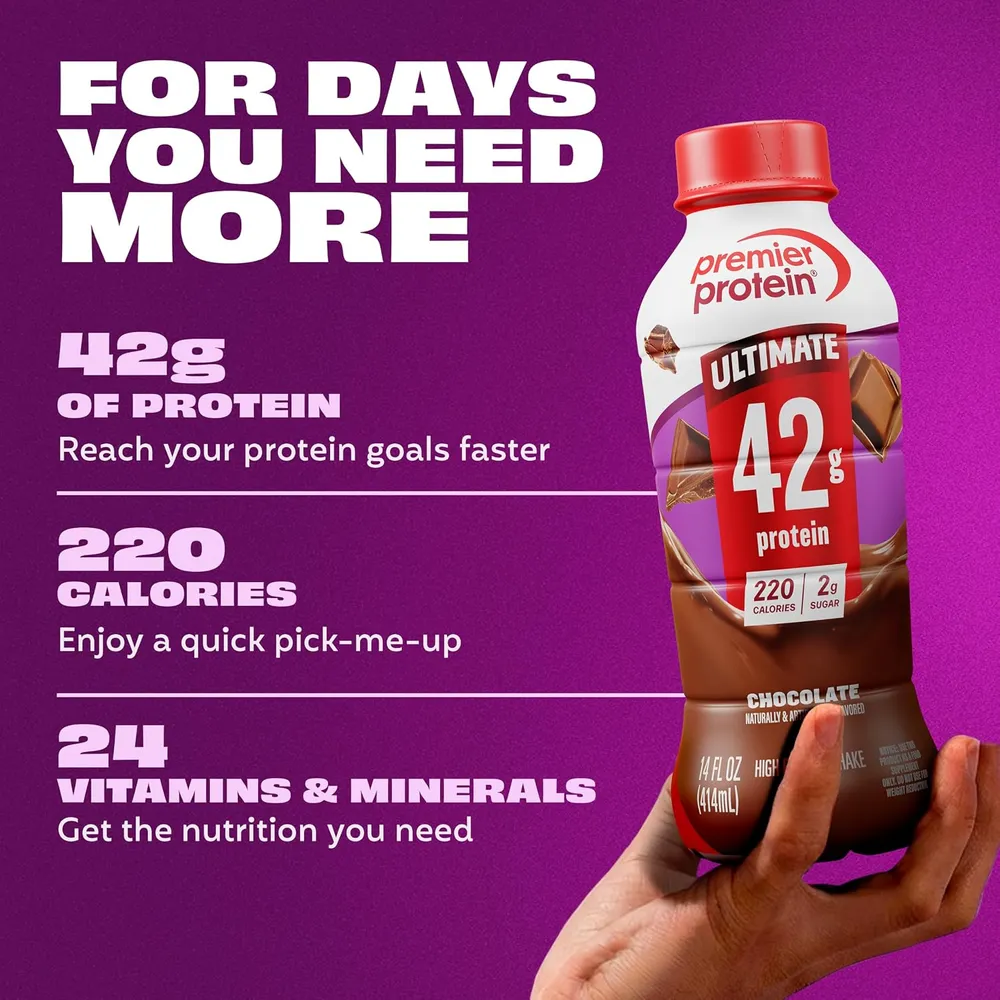
The label lists a full vitamin and mineral blend, with most nutrients at 15-30% DV. That's ordinary fortification, far below the doses used in most of the research below, so treat these as nutritional coverage rather than functional doses.
-
Calcium - 910mg (70% DV)
Calcium is the largest micronutrient on the panel. The ingredient list has no calcium additive, so most of it comes with the dairy protein base, and calcium caseinate is calcium-bound by definition. One bottle covers most of a day's DV, which is worth knowing if you also take a calcium supplement.
-
Phosphorus - 730mg (60% DV)
Phosphorus comes from the dairy proteins and several added phosphate salts. Phosphate from additives is absorbed more efficiently than phosphate bound up in whole foods.[16] The good news is that dairy phosphate arrives with plenty of calcium, and high dairy intake didn't produce the unfavorable bone-marker pattern seen with low-calcium, additive-heavy diets.[17] People with kidney disease should count every phosphate source.
-
Potassium (as Tripotassium Phosphate, Dipotassium Phosphate) - 470mg (10% DV)
Potassium comes from two phosphate salts that also help buffer the shake's pH, along with whatever the dairy contributes. At 470mg it's a modest electrolyte top-up rather than a hydration feature, and its main job in the formula is keeping the protein stable.
-
Magnesium (as Magnesium Phosphate) - 85mg (20% DV)
Magnesium supports energy metabolism and muscle function. The form here is magnesium phosphate, which doubles as another mineral salt in the stabilizer system. At 85mg, it's a reasonable contribution toward your daily intake, though not a dose that would change sleep or training outcomes on its own.
-
Vitamin C (as Sodium Ascorbate) - 23mg (25% DV)
Vitamin C appears as sodium ascorbate. At 23mg, it's a nutritional amount. The cold-severity research uses 1g or more a day, roughly 40 times this bottle, so think of it as part of your daily total rather than immune support.
-
Vitamin E (as dl-Alpha-Tocopheryl Acetate) - 3.8mg (25% DV)
Vitamin E here is the synthetic dl-alpha-tocopheryl acetate form. The worrying signals in the vitamin E literature come from high-dose supplementation at 400 IU and above, a completely different exposure from 3.8mg in a shake.[18]
-
Vitamin A (as Vitamin A Palmitate) - 230mcg (25% DV)
Vitamin A palmitate is the ingredient we'd drop first. Preformed vitamin A is fat-soluble, builds up in the liver, and has a relatively low upper limit (3,000mcg RE/day for adults in Europe).[19] In an autopsy study of 27 US adults, a third met a liver-based definition of hypervitaminosis A.[20] Most Western diets don't need more, and adding it to a daily shake works against you.
-
Vitamin D3 (as Cholecalciferol) - 6mcg (240 IU, 30% DV)
Vitamin D3 helps you absorb the calcium the shake already provides. At 6mcg (240 IU), it's a moderate daily-style dose, the kind the safety research favors over megadoses. Large RCTs haven't shown fracture or mortality benefits from supplementation in people who aren't deficient, so treat it as nutritional coverage.
-
Vitamin K (as Vitamin K1, Phytonadione) - 30mcg (25% DV)
Vitamin K1 activates the proteins involved in blood clotting and bone metabolism. The practical note is about medication: if you take warfarin or another vitamin K antagonist, a daily shake adds vitamin K your clinician should know about, so keep your intake consistent.
-
Thiamin (as Thiamine Mononitrate) - 0.24mg (20% DV)
Thiamine (vitamin B1) helps your body turn carbohydrate into usable energy. Thiamine mononitrate is the standard stable form used in fortification. At 20% DV, it's routine coverage with no safety concerns.
-
Riboflavin (as Vitamin B2) - 0.26mg (20% DV)
Riboflavin (vitamin B2) is the building block of the coenzymes FAD and FMN, which run energy metabolism and recycle the antioxidant glutathione. Milk is already a classic riboflavin source, so 0.26mg here is a modest addition.
-
Niacin (as Niacinamide) - 3.2mg (20% DV)
Niacin is supplied as niacinamide, which feeds NAD+ production without the skin flush that nicotinic acid causes. At 3.2mg, it's far from the gram-level doses studied for cholesterol. It's a standard fortification amount.
-
Vitamin B6 (as Pyridoxine Hydrochloride) - 0.34mg (20% DV)
Vitamin B6 shows up as pyridoxine hydrochloride, the form linked to nerve problems when people take too much for too long. At 0.34mg, this bottle sits far below Europe's 12mg/day adult upper limit, so B6 stacking only becomes a concern if you're also taking high-dose B-complex products.
-
Folate (as Folic Acid) - 80mcg DFE (47mcg folic acid, 20% DV)
Folic acid, the synthetic form of folate, supports cell division and homocysteine metabolism. The ongoing debate about unmetabolized folic acid centers on single doses above roughly 200-400mcg. At 47mcg, this shake stays well below that range.
-
Vitamin B12 (as Cyanocobalamin) - 0.48mcg (20% DV)
Vitamin B12 comes as cyanocobalamin, the most stable and cheapest form. Despite marketing claims for other forms, the research shows no form is metabolically superior for methylation. At 0.48mcg, it's a top-up, though dairy also supplies some natural B12.
-
Biotin - 6mcg (20% DV)
Biotin is a cofactor for the enzymes that make fatty acids and new glucose. At 6mcg, it's nowhere near the high doses that can interfere with thyroid and other lab tests, so there's nothing to flag here.
-
Pantothenic Acid (as Calcium D-Pantothenate) - 1mg (20% DV)
Pantothenic acid (vitamin B5) is the starting material for Coenzyme A, which runs through much of energy and fat metabolism. Calcium d-pantothenate is the usual stable salt. No upper limit has been set, and 1mg is a light nutritional amount.
-
Iron (as Ferric Orthophosphate) - 2.9mg (15% DV)
Iron comes as ferric orthophosphate, a fortification form that's chosen partly because it doesn't change a product's color or taste. How well it's absorbed depends heavily on particle size and processing, and the label doesn't say which grade is used. Count the 2.9mg toward your total, but don't rely on it to fix low iron.
-
Zinc (as Zinc Glycinate Chelate) - 2.8mg (25% DV)
Zinc is a cofactor for hundreds of enzymes and is involved in immune function and muscle repair. The glycinate chelate is a quality form choice. At 2.8mg, it's well below the 30mg/day doses used in sleep and testosterone studies, which is fine for a shake you might drink every day.
-
Copper (as Copper Gluconate) - 0.23mg (15% DV)
Copper runs several antioxidant and iron-handling enzymes. Copper gluconate is absorbed reasonably well, and pairing it with zinc makes sense because high zinc intake can lower copper status. At 0.23mg, it's nowhere near the multi-milligram intakes linked to copper buildup.
-
Manganese (as Manganese Sulfate) - 0.35mg (15% DV)
Manganese supports enzymes such as manganese superoxide dismutase. One wrinkle: in small human studies, calcium reduced manganese absorption, and this shake contains 910mg of calcium. The 0.35mg dose is small and well below the 8mg/day safe intake level Europe set for adults.
-
Selenium (as Sodium Selenite) - 8mcg (15% DV)
Selenium builds the selenoproteins involved in antioxidant defense and thyroid hormone metabolism. Sodium selenite is a common inorganic form. Selenium research follows a U-shaped curve where more isn't better once you're replete, and 8mcg sits safely at the nutritional end.
-
Iodine (as Potassium Iodide) - 23mcg (15% DV)
Iodine is a required building block for thyroid hormone. Potassium iodide is absorbed well. At 23mcg, it's a fraction of the 150mcg DV and far from the intakes linked to thyroid problems, though anyone with thyroid disease should count all their iodine sources.
-
Chromium (as Chromium Polynicotinate) - 5.3mcg (15% DV)
Chromium is a trace mineral involved in insulin signaling. The glucose and appetite studies use 200-1,000mcg a day, roughly 40 to 200 times this bottle, so 5.3mcg isn't doing anything functional. It's there to round out the micronutrient panel.
-
Molybdenum (as Sodium Molybdate) - 6.8mcg (15% DV)
Molybdenum is a cofactor for enzymes such as sulfite oxidase and xanthine oxidoreductase. Sodium molybdate is a soluble, well-absorbed form. Dietary deficiency hasn't been reported in otherwise healthy people, so this is fortification for completeness.
-
-
Sweeteners and Flavors
-
Sucralose
Sucralose does most of the sweetening, so the shake needs no added sugar. EFSA's 2026 re-evaluation kept the acceptable daily intake at 15mg/kg/day and found no safety concern at current uses.[21] Human data is mixed: one 14-day trial found reduced insulin sensitivity at 15% of the ADI, and a larger trial found person-specific changes in glucose response and the gut microbiome.[22,23] If you drink several sucralose products a day, it's worth knowing.
-
Acesulfame Potassium
Acesulfame potassium (Ace-K) is paired with sucralose to round out the sweetness and cover sucralose's aftertaste. Nearly all of it leaves the body unchanged in urine within a day.[24] In a crossover trial, a sucralose and Ace-K blend before breakfast lowered the insulin response compared with sugar, without leading people to eat more later in the day.[25]
-
Natural and Artificial Flavors
Natural and artificial flavors carry each flavor's profile. The legal difference is where the flavor molecule comes from, not its chemistry. An identical compound counts as natural or artificial depending on how it was made.[26] Shoppers still tend to prefer the "natural" label.[27]
-
Cocoa Powder (Processed with Alkali)
Cocoa powder is on the Chocolate label, processed with alkali to soften bitterness and darken the color. The label doesn't give an amount, and it's flavor-specific, so don't assume it's in the other flavors.
-
-
Other Ingredients
- Filtered Water - The base of the shake and the bulk of the 14 fl oz.
- Sunflower Oil or Soybean Oil - The label lists less than 1% of sunflower oil or soybean oil and doesn't say which one is used, so anything specific to either oil is conditional. Both are linoleic acid-rich oils that oxidize more readily under heat than high-oleic types, which is a frying and storage issue rather than a concern for a trace amount in a sealed shake. The research on both oils uses tens of grams a day and doesn't apply here, though anyone with a sunflower seed or soy allergy should know either oil may be the one used.
- Cellulose Gel - Microcrystalline cellulose, an insoluble plant fiber that keeps particles suspended and stops the protein from settling.
- Cellulose Gum - Carboxymethylcellulose, a thickener that controls viscosity and mouthfeel.
- Salt - Seasoning that also adds to the sodium.
- Carrageenan - A seaweed-derived stabilizer that keeps dairy proteins from separating.
- Sodium Hexametaphosphate - A calcium-binding phosphate salt that helps milk proteins survive heat processing.
The shake is built on milk proteins, so it isn't an option for anyone avoiding dairy.
Gums, Phosphates, and the Texture Bill
A shelf-stable 42g protein shake takes engineering, and Premier uses a full stabilizer stack. The research on the main pieces:
Start with cellulose gel. In a model ready-to-drink protein beverage built on milk protein concentrate, microcrystalline cellulose beat both carrageenan and cellulose gum for physical stability during accelerated storage, with 0.35% working best in that matrix.[28] It isn't absorbed intact and passes through mostly as bulk.[29]
Sodium hexametaphosphate binds calcium and loosens casein micelles, which helps milk protein dispersions resist clumping during heat processing.[30] As part of the broader phosphate additive group, it falls under EFSA's group ADI of 40mg phosphorus/kg/day.[31]
Cellulose gum is where the gut research gets interesting. In a controlled feeding trial, 15g/day of carboxymethylcellulose changed the gut microbiome and lowered beneficial fecal metabolites in healthy adults.[32] At a lower 2.75g/day, short-chain fatty acids still dropped, but inflammatory markers didn't move compared with placebo.[33] Premier doesn't disclose the amount, and a stabilizer dose in one shake is probably much smaller than either study.
Carrageenan gets the most scrutiny. EFSA found no cancer or genotoxicity concern but called its ADI temporary while uncertainties are resolved.[34] In a 14-day crossover, 500mg/day raised intestinal permeability in healthy young men.[35] One mouse study points in a reassuring direction for dairy drinks: carrageenan dissolved in casein caused milder gut barrier damage than the same amount in plain water.[36] If you have inflammatory bowel disease, it's reasonable to talk with your clinician about emulsifiers. For everyone else, it's a fine-print item, not a reason to panic.
From Walmart Shelves to the 7-Eleven Cooler
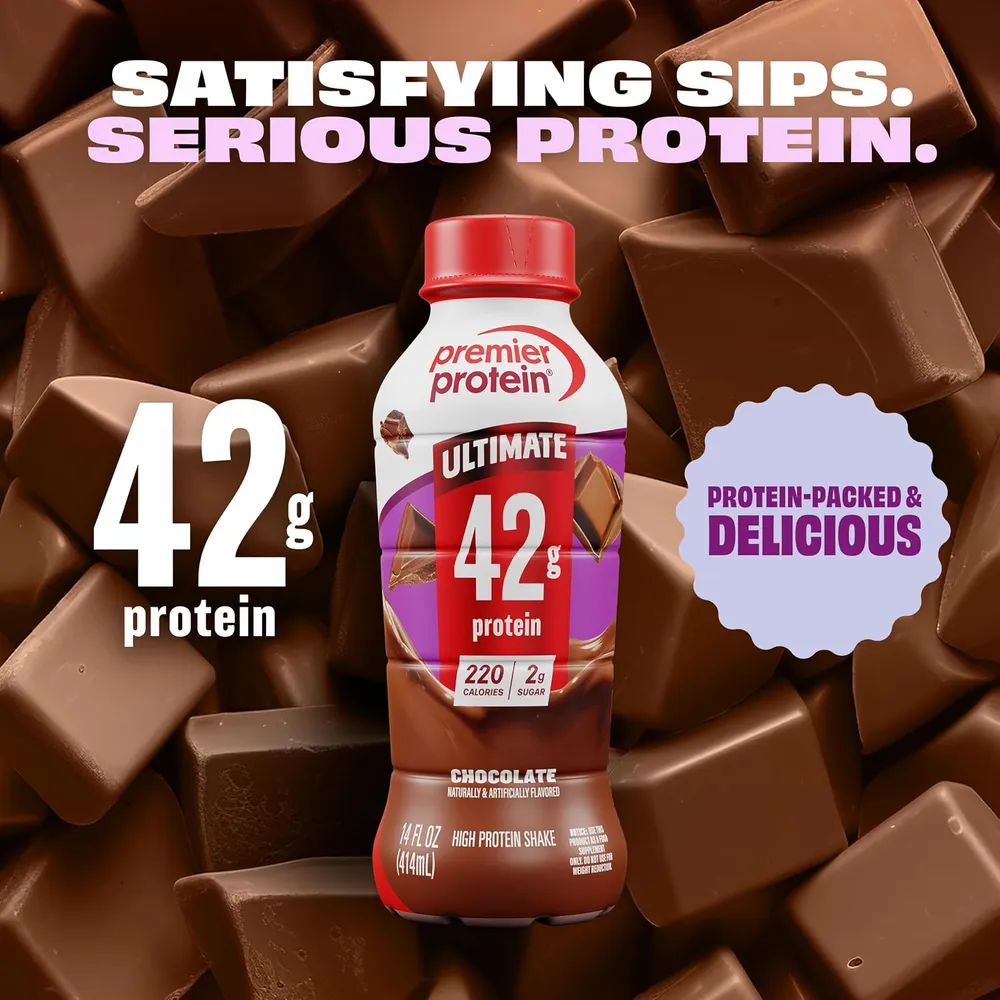
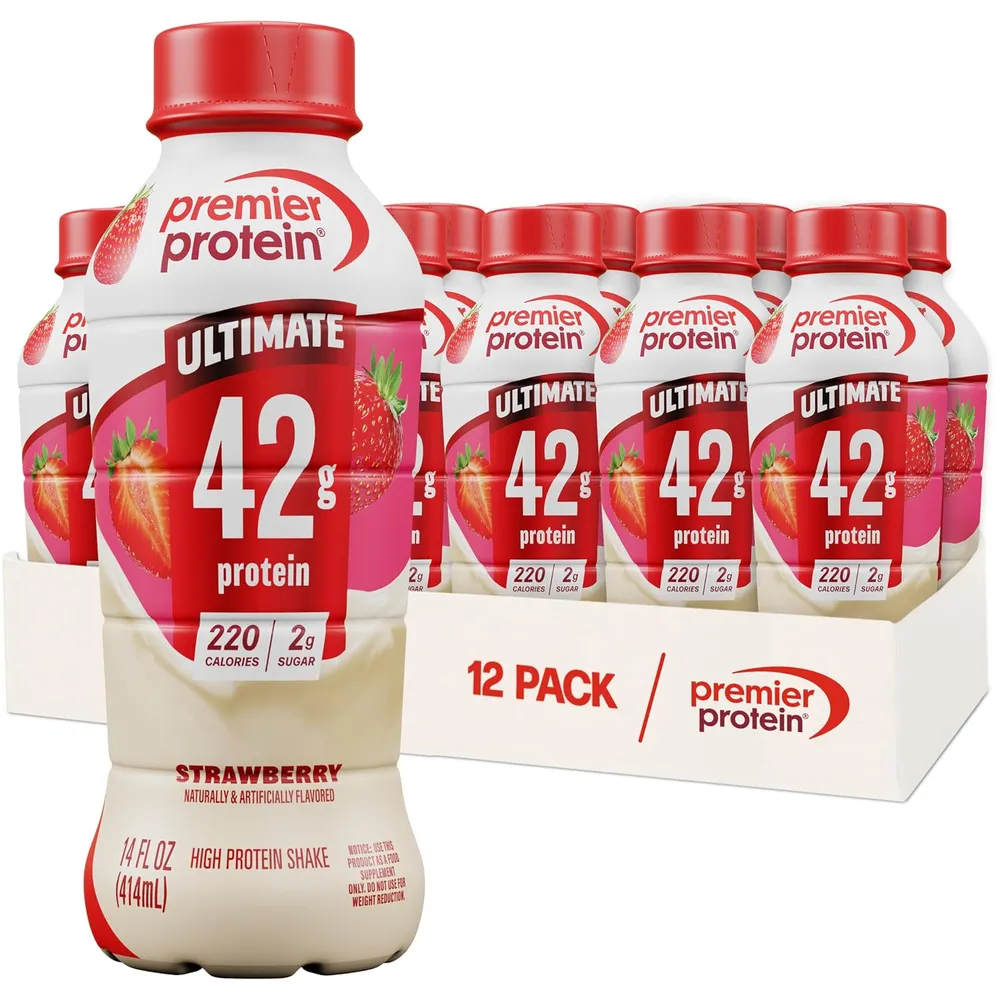
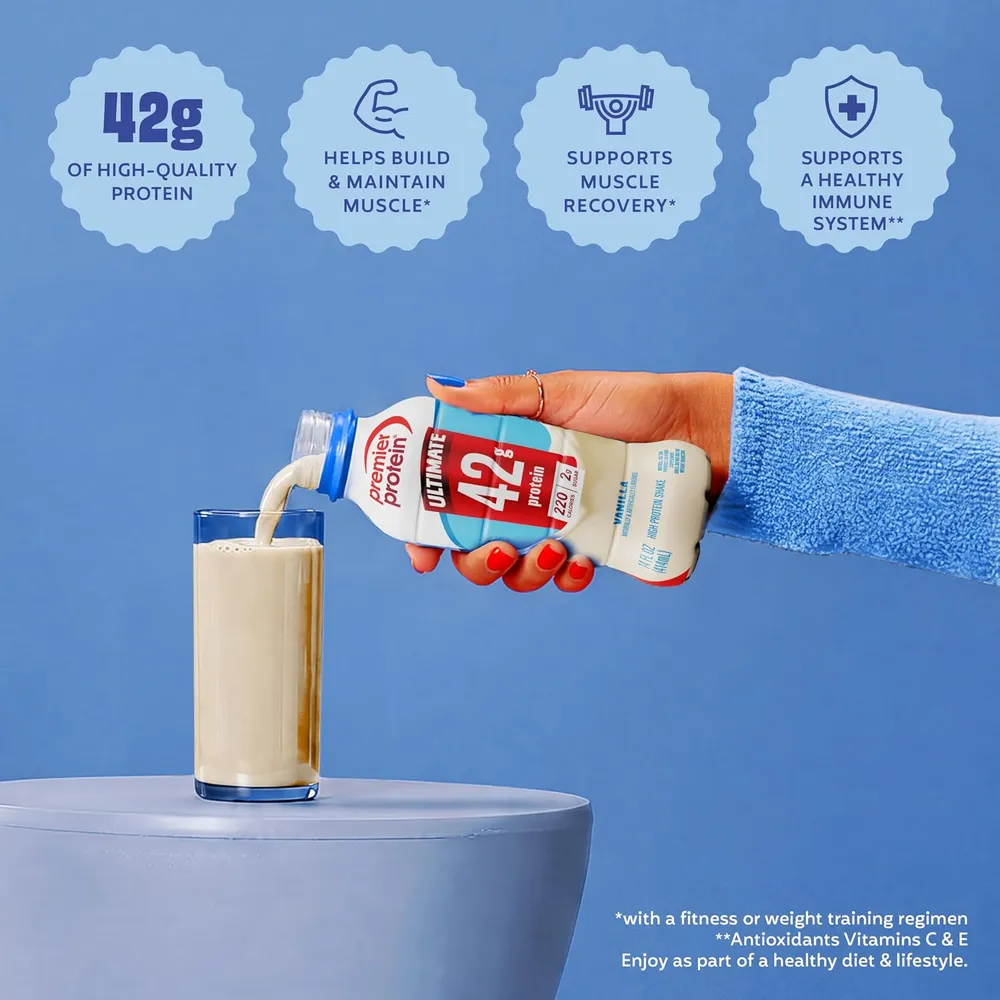
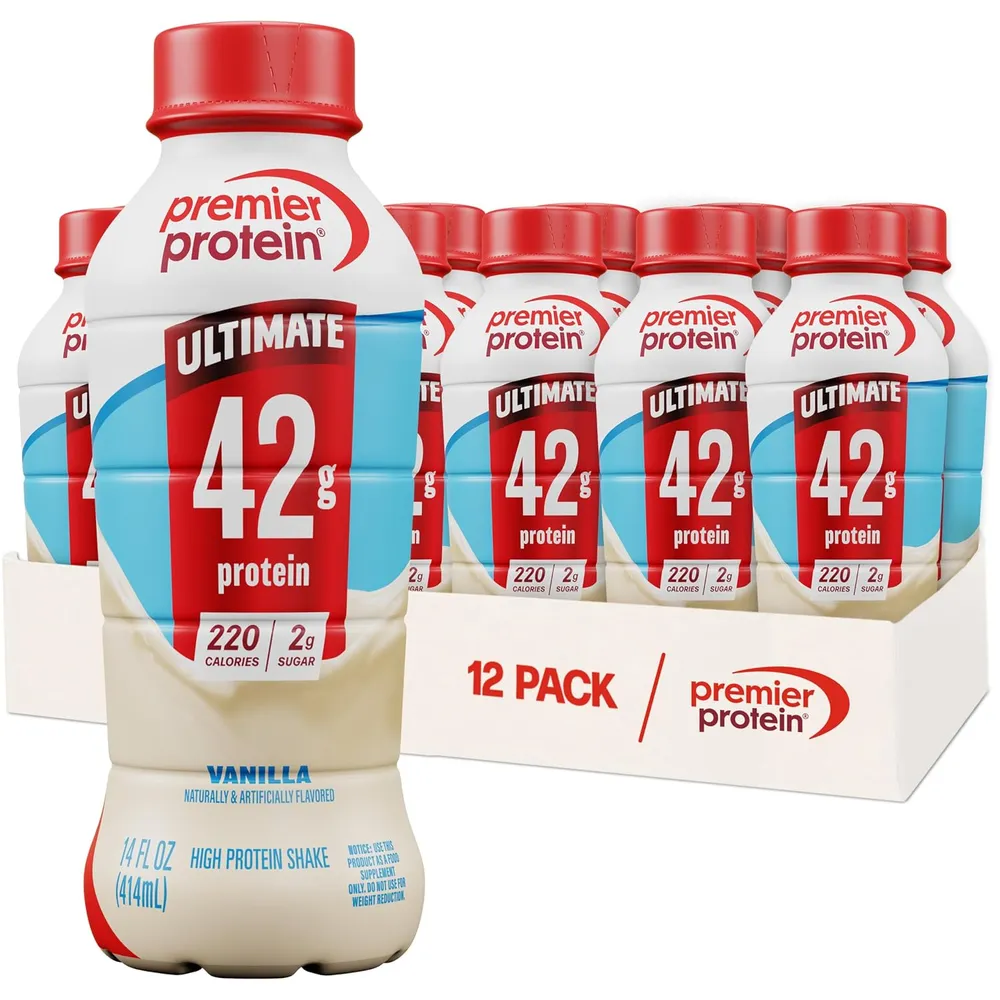
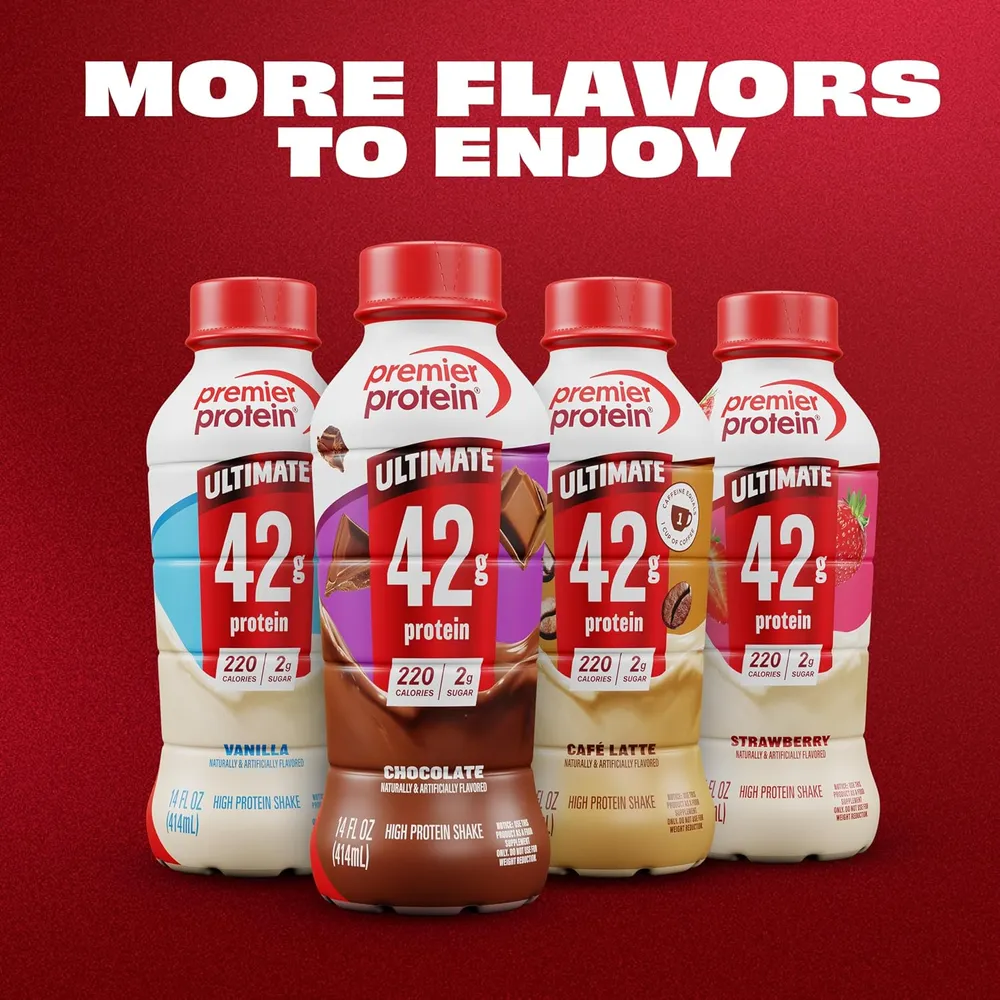
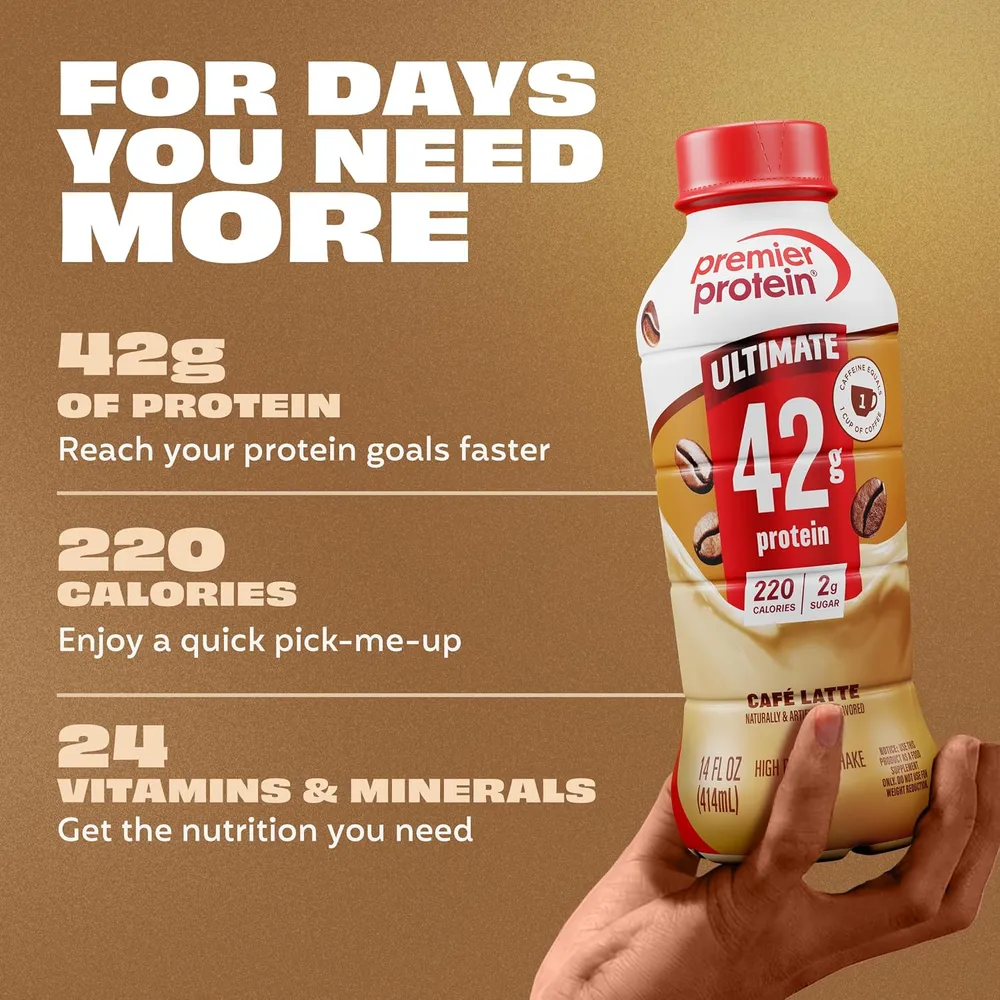
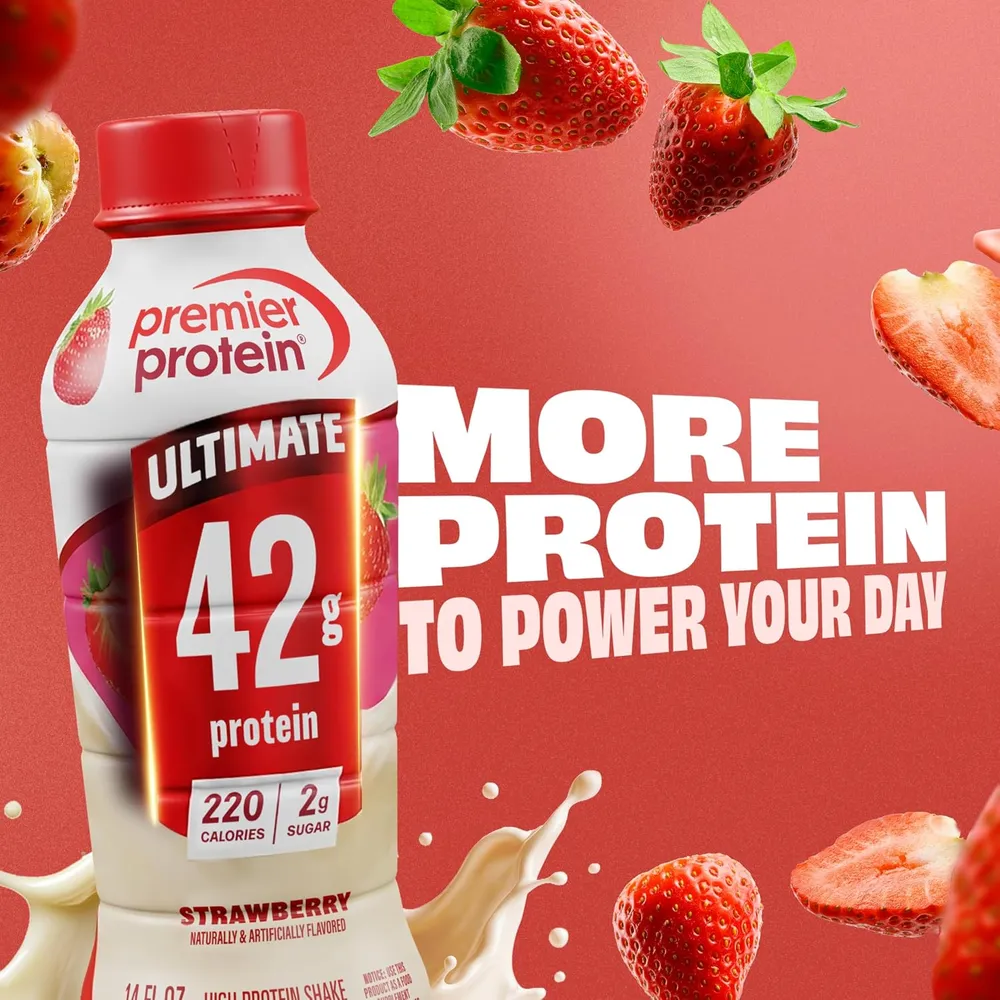
Ultimate launched in July 2026 at national retailers, including Walmart and Amazon, with four flavors: Chocolate, Vanilla, Strawberry, and Café Latte. Café Latte is the one to watch if you're sensitive to stimulants. It contains caffeine, comparable to about one cup of coffee, but no milligram amount is listed.
Starting November 23, 2026, Ultimate Chocolate and Café Latte roll into participating 7-Eleven, Speedway, and Stripes stores nationwide. That's a meaningful step for a 42g protein shake: a single cold bottle you can grab at a gas station, not just a multipack from a club or mass retailer.
- Cafe Latte (4 Bottles: $14.98)
- Chocolate (4 Bottles: $14.98)
- Strawberry (12 Bottles: $47.64)
- Vanilla (12 Bottles: $42.99)
Who Should Grab the 42
If you already rely on Premier's 30g shake and still come up short on protein, Ultimate solves that with a milk protein and casein base the research supports. We'd skip the added vitamin A and keep an eye on how many sucralose and gum-stabilized products you drink each day, but on protein, the bottle delivers what the label promises.
Follow @BevlabMedia on TikTok and Instagram for more protein shake breakdowns.
References
- Goulding, D.A. et al. "Milk proteins: An overview." Milk Proteins, 2020. https://doi.org/10.1016/B978-0-12-815251-5.00002-5
- Kanda, Atsushi, et al. "Effects of Whey, Caseinate, or Milk Protein Ingestion on Muscle Protein Synthesis after Exercise." Nutrients, 2016. https://doi.org/10.3390/nu8060339
- Hartman, Joseph W, et al. "Consumption of fat-free fluid milk after resistance exercise promotes greater lean mass accretion than does consumption of soy or carbohydrate in young, novice, male weightlifters." The American journal of clinical nutrition, 2007. https://doi.org/10.1093/ajcn/86.2.373
- Cermak, Naomi M, et al. "Protein supplementation augments the adaptive response of skeletal muscle to resistance-type exercise training: a meta-analysis." The American journal of clinical nutrition, 2012. https://doi.org/10.3945/ajcn.112.037556
- Morton, Robert W, et al. "A systematic review, meta-analysis and meta-regression of the effect of protein supplementation on resistance training-induced gains in muscle mass and strength in healthy adults." British journal of sports medicine, 2018. https://doi.org/10.1136/bjsports-2017-097608
- Moore, Daniel R, et al. "Ingested protein dose response of muscle and albumin protein synthesis after resistance exercise in young men." The American journal of clinical nutrition, 2009. https://doi.org/10.3945/ajcn.2008.26401
- Witard, Oliver C, et al. "Myofibrillar muscle protein synthesis rates subsequent to a meal in response to increasing doses of whey protein at rest and after resistance exercise." The American journal of clinical nutrition, 2014. https://doi.org/10.3945/ajcn.112.055517
- Trommelen, Jorn, et al. "The anabolic response to protein ingestion during recovery from exercise has no upper limit in magnitude and duration in vivo in humans." Cell reports. Medicine, 2023. https://doi.org/10.1016/j.xcrm.2023.101324
- Boirie, Y, et al. "Slow and fast dietary proteins differently modulate postprandial protein accretion." Proceedings of the National Academy of Sciences of the United States of America, 1997. https://doi.org/10.1073/pnas.94.26.14930
- Dangin, M, et al. "The digestion rate of protein is an independent regulating factor of postprandial protein retention." American journal of physiology. Endocrinology and metabolism, 2001. https://doi.org/10.1152/ajpendo.2001.280.2.E340
- Kouw, Imre Wk, et al. "Protein Ingestion before Sleep Increases Overnight Muscle Protein Synthesis Rates in Healthy Older Men: A Randomized Controlled Trial." The Journal of nutrition, 2017. https://doi.org/10.3945/jn.117.254532
- Snijders, Tim, et al. "Protein Ingestion before Sleep Increases Muscle Mass and Strength Gains during Prolonged Resistance-Type Exercise Training in Healthy Young Men." The Journal of nutrition, 2015. https://doi.org/10.3945/jn.114.208371
- Aussieker, Thorben, et al. "Presleep Whey but Not Casein Protein Ingestion Improves Sleep Quality After Resistance Exercise When Compared With an Isocaloric Control in Resistance Trained Individuals." International journal of sport nutrition and exercise metabolism, 2026. https://doi.org/10.1123/ijsnem.2025-0205
- Hall, W L, et al. "Casein and whey exert different effects on plasma amino acid profiles, gastrointestinal hormone secretion and appetite." The British journal of nutrition, 2003. https://doi.org/10.1079/BJN2002760
- Ye, Aiqian, et al. "Coagulation behaviour of milk under gastric digestion: Effect of pasteurization and ultra-high temperature treatment." Food chemistry, 2019. https://doi.org/10.1016/j.foodchem.2019.02.010
- Calvo, Mona S, et al. "Industrial Use of Phosphate Food Additives: A Mechanism Linking Ultra-Processed Food Intake to Cardiorenal Disease Risk?." Nutrients, 2023. https://doi.org/10.3390/nu15163510
- van der Vaart, Amarens, et al. "Effect of high in comparison to low dairy intake intervention on markers of bone and cartilage remodeling and phosphate metabolism in healthy adults with overweight." European journal of nutrition, 2024. https://doi.org/10.1007/s00394-023-03278-7
- Miller, Edgar R, et al. "Meta-analysis: high-dosage vitamin E supplementation may increase all-cause mortality." Annals of internal medicine, 2005. https://doi.org/10.7326/0003-4819-142-1-200501040-00110
- EFSA Panel on Nutrition, Novel Foods and Food Allergens (NDA), et al. "Scientific opinion on the tolerable upper intake level for preformed vitamin A and β-carotene." EFSA journal. European Food Safety Authority, 2024. https://doi.org/10.2903/j.efsa.2024.8814
- Olsen, Kiersten, et al. "Serum retinyl esters are positively correlated with analyzed total liver vitamin A reserves collected from US adults at time of death." The American journal of clinical nutrition, 2018. https://doi.org/10.1093/ajcn/nqy190
- EFSA, Panel on Food Additives and Flavourings (FAF), et al. "Re-evaluation of sucralose (E 955) as a food additive and evaluation of a new application on extension of use of sucralose (E 955) in fine bakery wares." EFSA journal. European Food Safety Authority, 2026. https://doi.org/10.2903/j.efsa.2026.9854
- Romo-Romo, Alonso, et al. "Sucralose decreases insulin sensitivity in healthy subjects: a randomized controlled trial." The American journal of clinical nutrition, 2018. https://doi.org/10.1093/ajcn/nqy152
- Suez, Jotham, et al. "Personalized microbiome-driven effects of non-nutritive sweeteners on human glucose tolerance." Cell, 2022. https://doi.org/10.1016/j.cell.2022.07.016
- Chowdhury, Chandrama Roy, et al. "Beyond sweetness: A review of the health and safety of acesulfame-K." Food chemistry, 2026. https://doi.org/10.1016/j.foodchem.2025.147290
- Almiron-Roig, Eva, et al. "Impact of acute consumption of beverages containing plant-based or alternative sweetener blends on postprandial appetite, food intake, metabolism, and gastro-intestinal symptoms: Results of the SWEET beverages trial." Appetite, 2023. https://doi.org/10.1016/j.appet.2023.106515
- Singh, Nidhi, et al. "Natural food flavours: a healthier alternative for bakery industry-a review." Journal of food science and technology, 2024. https://doi.org/10.1007/s13197-023-05782-4
- Murley, Tyler, et al. "The Influence of Colorants, Flavorants and Product Identity on Perceptions of Naturalness." Foods (Basel, Switzerland), 2019. https://doi.org/10.3390/foods8080317
- Li, Jiaxin, et al. "Enhancing Stability of Vitamin-Fortified Protein Beverages: Optimization of Stabilizer Type and Concentration and Screening of Natural Antioxidant Combinations." Foods (Basel, Switzerland), 2026. https://doi.org/10.3390/foods15081392
- EFSA, Panel on Food Additives and Nutrient Sources added to Food (ANS), et al. "Re‐evaluation of celluloses E 460(i), E 460(ii), E 461, E 462, E 463, E 464, E 465, E 466, E 468 and E 469 as food additives." EFSA Journal, 2018. https://doi.org/10.2903/j.efsa.2018.5047
- Zaitoun, Baheeja J, et al. "The Influence of Sodium Hexametaphosphate Chain Length on the Physicochemical Properties of High-Milk Protein Dispersions." Foods (Basel, Switzerland), 2024. https://doi.org/10.3390/foods13091383
- EFSA, Panel on Food Additives and Flavourings (FAF), et al. "Re-evaluation of phosphoric acid-phosphates - di-, tri- and polyphosphates (E 338-341, E 343, E 450-452) as food additives and the safety of proposed extension of use." EFSA journal. European Food Safety Authority, 2019. https://doi.org/10.2903/j.efsa.2019.5674
- Chassaing, Benoit, et al. "Randomized Controlled-Feeding Study of Dietary Emulsifier Carboxymethylcellulose Reveals Detrimental Impacts on the Gut Microbiota and Metabolome." Gastroenterology, 2022. https://doi.org/10.1053/j.gastro.2021.11.006
- Wellens, Judith, et al. "Effect of Five Dietary Emulsifiers on Inflammation, Permeability, and the Gut Microbiome: A Placebo-controlled Randomized Trial." Clinical gastroenterology and hepatology : the official clinical practice journal of the American Gastroenterological Association, 2026. https://doi.org/10.1016/j.cgh.2025.08.005
- EFSA, Panel on Food Additives and Nutrient Sources added to Food (ANS), et al. "Re-evaluation of carrageenan (E 407) and processed Eucheuma seaweed (E 407a) as food additives." EFSA journal. European Food Safety Authority, 2018. https://doi.org/10.2903/j.efsa.2018.5238
- Wagner, Robert, et al. "Carrageenan and insulin resistance in humans: a randomised double-blind cross-over trial." BMC medicine, 2024. https://doi.org/10.1186/s12916-024-03771-8
- Shang, Xuke, et al. "Effect of Food Matrix on Regulation of Intestinal Barrier and Microbiota Homeostasis by Polysaccharides Sulfated Carrageenan." Foods (Basel, Switzerland), 2025. https://doi.org/10.3390/foods14040635