Optimum Nutrition ChampionSips Non-Alcoholic Brew: Protein Posing as Beer
Barley, hops, and plant protein in one can, and a taste test that went sideways
Malted barley outranks both proteins on the ChampionSips label, so ON's non-alcoholic brew leans harder on beer than on the brand's whey roots.
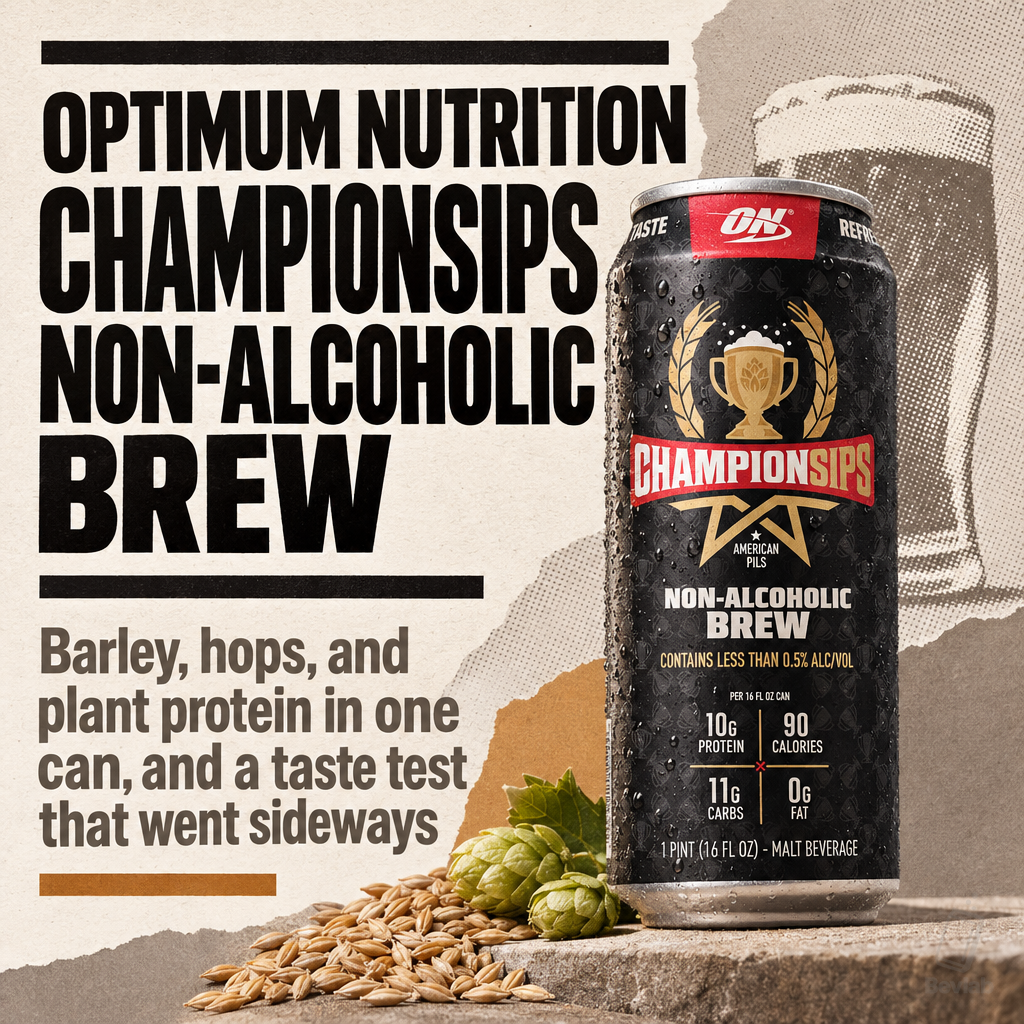
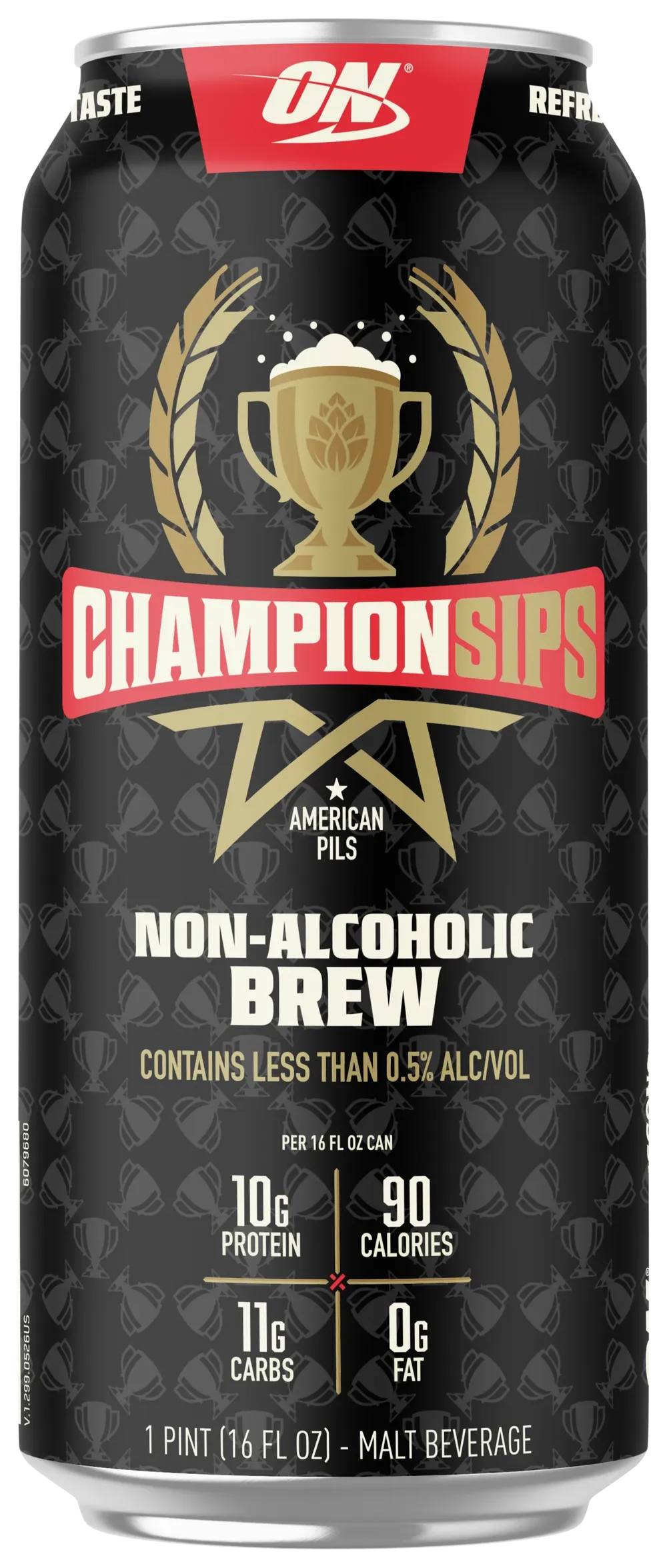
Optimum Nutrition built its name on Gold Standard 100% Whey, so a beer-style can is not where you'd expect to find the brand. Optimum Nutrition ChampionSips Non-Alcoholic Brew is a protein drink first. It gets its protein from pea and rice, and the base is malted barley and hops, built to drink like a non-alcoholic beer.
It's an odd mashup: a protein drink in a beer-style format, from a company that's lived in tubs of powder since 1986. The ingredient list is short enough that you can see exactly how ON pulled it off. Bevlab's taste test went badly, more on that below.
Watch Related Videos
Bevlab VideosFrom Whey Tubs to a Brew Can
Brothers Tony and Mike Costello founded Optimum Nutrition in 1986 to improve sports nutrition. Today it's part of Glanbia and sells in more than 100 countries. Its quality pitch rests on owned manufacturing, batch testing, and a large in-house quality-control team. The brand has been moving beyond powder into ready-to-drink formats, such as the Protein Shake + Fiber RTD.
ChampionSips moves further from home. ON made its reputation on dairy protein, but this can uses plant protein. And instead of a shake, ChampionSips borrows beer's own building blocks: malted barley, malt extract, and hops. If you know ON only from the whey aisle, this is a very different product from the same company.
ChampionSips Non-Alcoholic Brew Nutrition Facts
The panel lists two columns, one per serving and one for the full can.
Per serving:
- Calories: 68
- Total Fat: 0g
- Total Carbohydrate: 8.3g
- Protein: 7.5g
Per can:
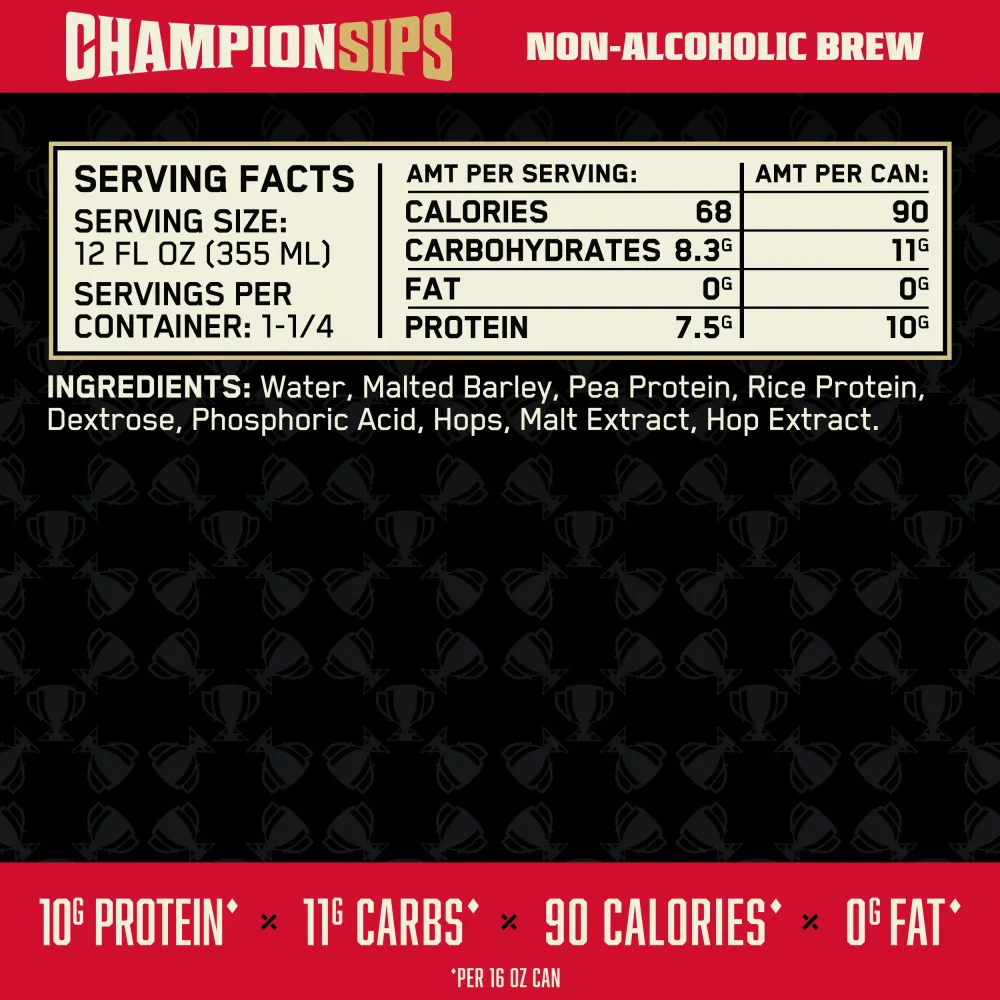
- Calories: 90
- Total Fat: 0g
- Total Carbohydrate: 11g
- Protein: 10g
Protein and carbs split the calories almost evenly, and there's no fat. That makes ChampionSips a light drink with some protein in it, not a meal-replacement shake. Most people will drink the whole can, so the per-can column is the one that matters.
Optimum Nutrition ChampionSips Non-Alcoholic Brew Ingredients
The label lists, in order: Water, Malted Barley, Pea Protein, Rice Protein, Dextrose, Phosphoric Acid, Hops, Malt Extract, Hop Extract. No ingredient has an individual amount on the label, so the panel totals above are the only numbers you get.
The order tells you something. Malted barley comes right after water and ahead of both proteins, so the beer side of this drink is the base, not a light flavoring.
-
Pea Protein
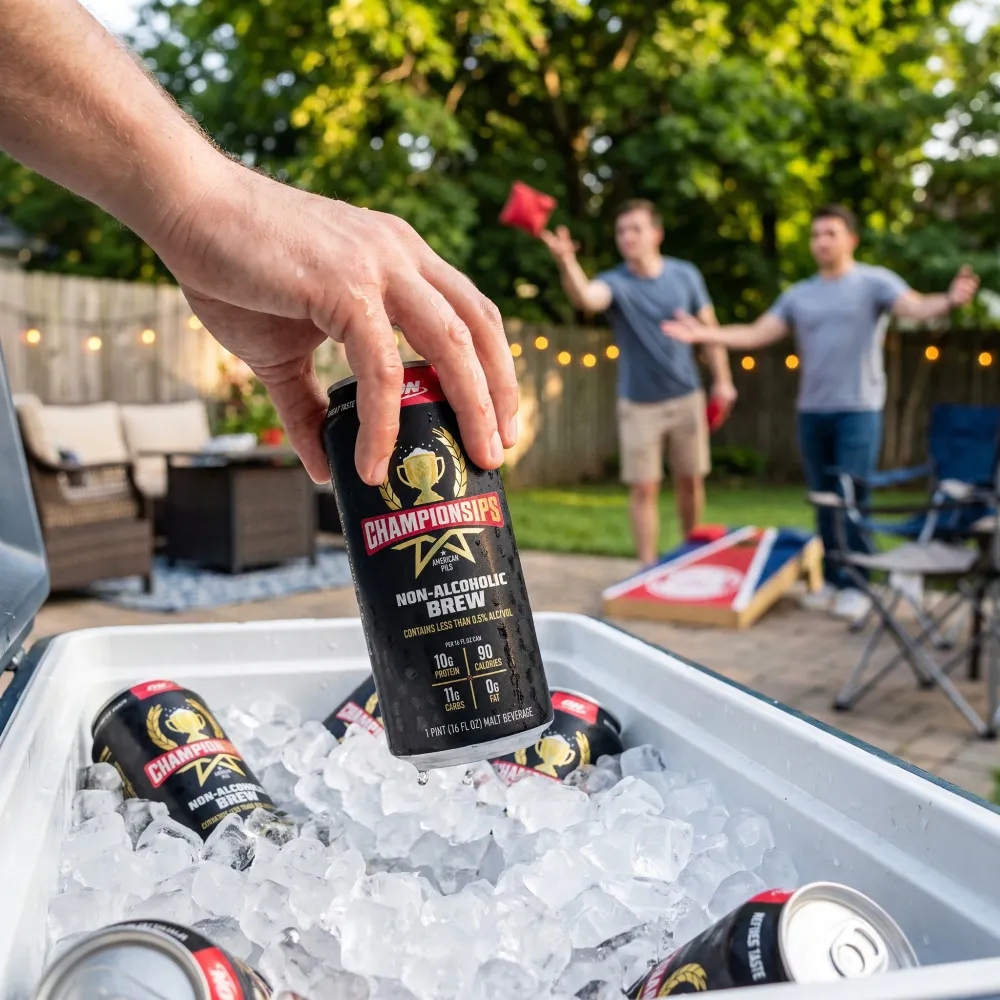
Pea protein is the protein-rich part of yellow or field peas, and it's the first protein on the label. ON doesn't say how the can's protein splits between pea and rice. The research on pea itself is still worth knowing.
In 24 healthy young men, 30g of pea-derived protein produced the same five-hour muscle protein synthesis rate as 30g of milk protein, even though milk pushed more essential amino acids into the blood.[1] After whole-body resistance training, 25g of pea protein supported muscle-building rates similar to mycoprotein and a pea-mycoprotein blend.[2] Pea's main weak spot is methionine, an amino acid it runs low on compared with some animal proteins.[3,2]
The catch is the dose. Those studies used 25-30g of protein in one sitting. ChampionSips has 10g total per can, split across two plant sources. Treat it as a protein top-up, not a full post-workout dose. Also note that pea is an emerging allergen, and severe reactions have been reported.[4]
-
Rice Protein
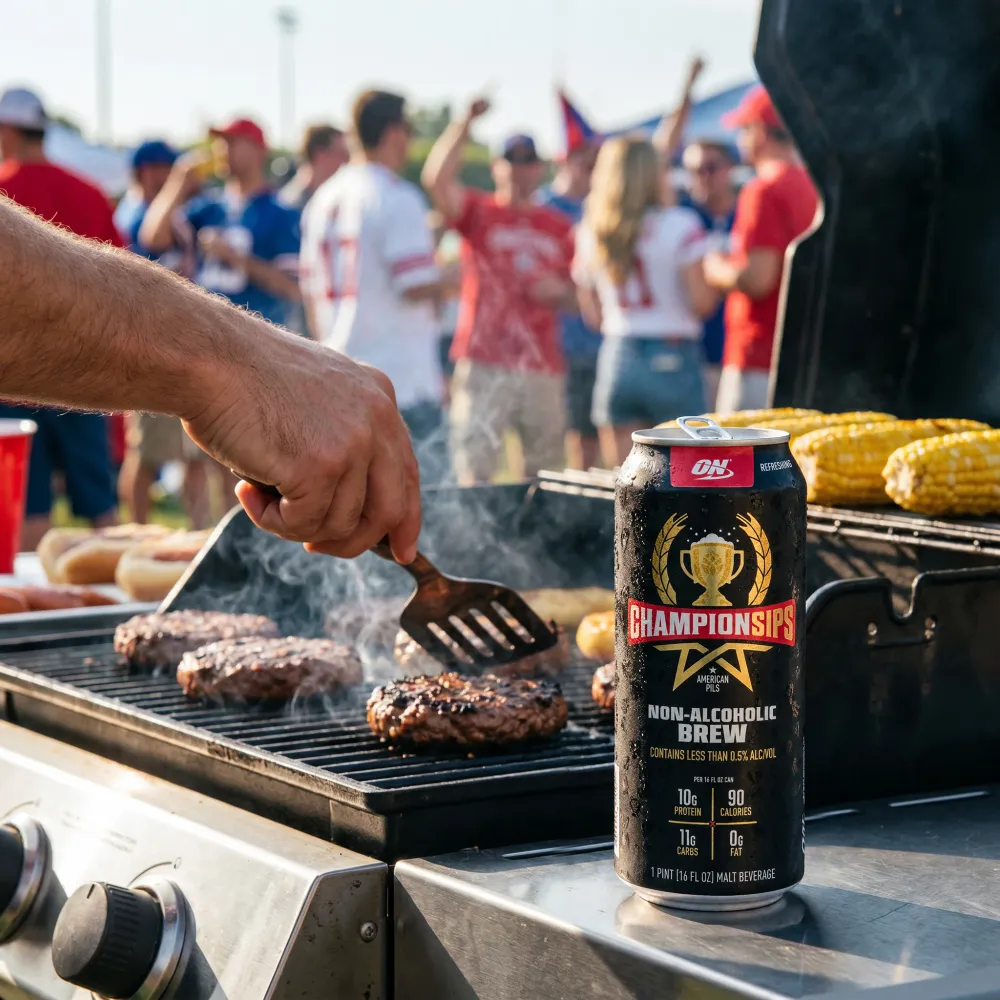
Rice protein is the second plant protein on the list, right behind pea. ON doesn't disclose how much of the can's protein comes from rice. Together with pea, it means the drink's protein comes only from plants, which sets ChampionSips apart from the whey that made the brand famous.
-
Sweeteners and Flavors
-
Dextrose
Dextrose is glucose, the same sugar that circulates in your blood, and your body can use it without first converting it in the liver. The label doesn't say how much of the 11g of carbs per can comes from dextrose and how much comes from the malt ingredients. Sports nutrition research relies on dextrose for refueling after hard training, but at much larger amounts. Recovery guidelines call for roughly 1.0-1.2g/kg of body weight per hour.[5,6] In this can, dextrose adds sweetness and a little fuel. It's nowhere near a recovery dose.
-
Malted Barley and Malt Extract
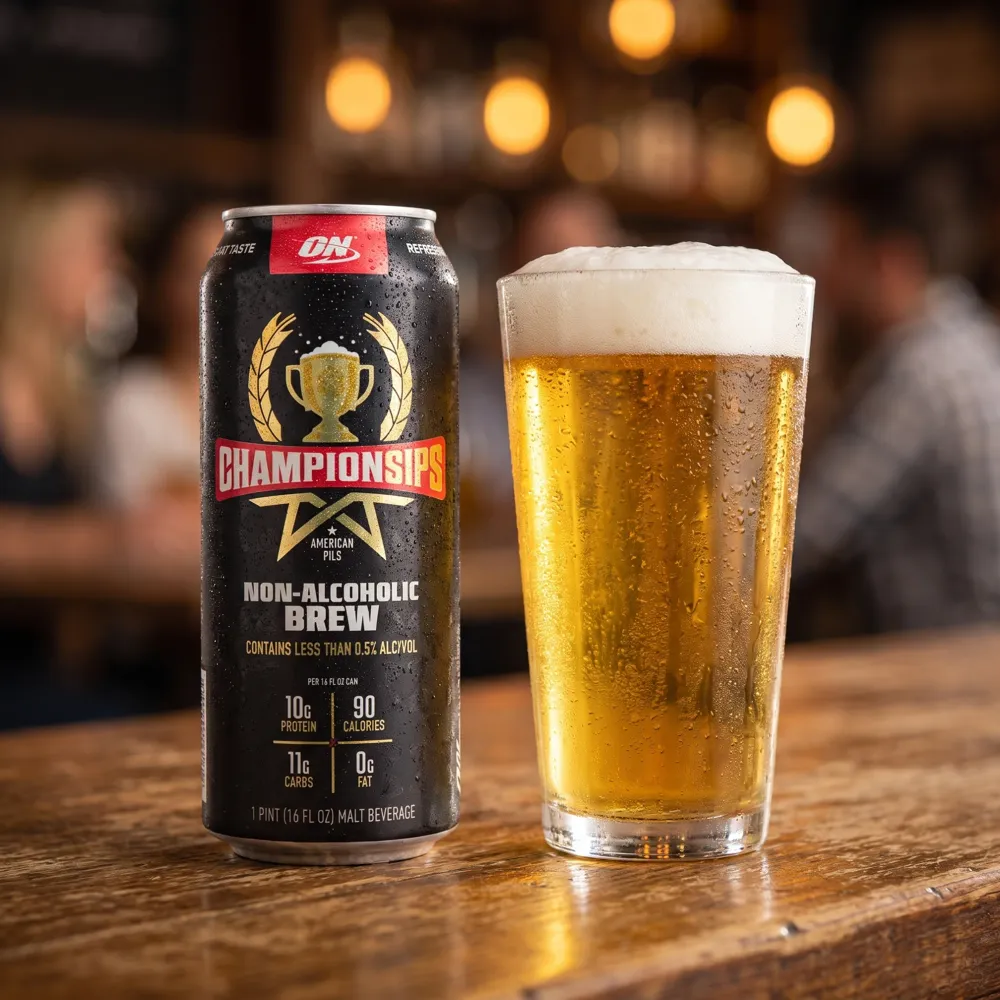
Malted barley is beer's backbone grain, the source of the bready, toasty base flavor most people link with beer. Malt extract shows up later in the list and adds a concentrated hit of the same malt character. Neither amount is disclosed. Barley is a gluten-containing grain, so check this before buying if you avoid gluten.
-
Hops and Hop Extract
Hops and hop extract add the bitterness and aroma that make beer taste like beer. Both sit near the end of the list, so they're there for flavor finishing, not bulk.
-
-
Other Ingredients
Cody's Tasters Scored It 2/10
The formula reads fine. The taste test didn't go as well. In Cody's Bevlab video, the tasters rated ChampionSips 2 out of 10, and one said it tasted like "bad apple."
ChampionSips asks to be judged as a beer-style brew, so a 2/10 hurts more than it would for a shake that only has to taste good enough.
Better on the Label Than in the Glass
ChampionSips fits drinkers who want a non-alcoholic, beer-style can with a modest dose of plant protein. Buy it out of curiosity about the beer-protein crossover, not as your next go-to protein drink.
More Related Videos
Bevlab VideosCatch more taste tests from Cody and the crew by following @BevlabMedia on TikTok and Instagram.
References
- Pinckaers, Philippe J M, et al. "Post-prandial muscle protein synthesis rates following the ingestion of pea-derived protein do not differ from ingesting an equivalent amount of milk-derived protein in healthy, young males." European journal of nutrition, 2024. https://doi.org/10.1007/s00394-023-03295-6
- West, Sam, et al. "Ingestion of mycoprotein, pea protein, and their blend support comparable postexercise myofibrillar protein synthesis rates in resistance-trained individuals." American journal of physiology. Endocrinology and metabolism, 2023. https://doi.org/10.1152/ajpendo.00166.2023
- Lu, Z. X. et al. "Composition, physicochemical properties of pea protein and its application in functional foods." Critical Reviews in Food Science and Nutrition, 2020. https://doi.org/10.1080/10408398.2019.1651248
- Abu Risha, Marua, et al. "Legume Allergens Pea, Chickpea, Lentil, Lupine and Beyond." Current allergy and asthma reports, 2024. https://doi.org/10.1007/s11882-024-01165-7
- Jentjens, Roy, et al. "Determinants of post-exercise glycogen synthesis during short-term recovery." Sports medicine (Auckland, N.Z.), 2003. https://doi.org/10.2165/00007256-200333020-00004
- American, Dietetic Association, et al. "American College of Sports Medicine position stand. Nutrition and athletic performance." Medicine and science in sports and exercise, 2009. https://doi.org/10.1249/MSS.0b013e31890eb86
- Reddy, Avanija, et al. "The pH of beverages in the United States." Journal of the American Dental Association (1939), 2016. https://doi.org/10.1016/j.adaj.2015.10.019
Tagged