Slate Ultra Protein 42g: Filtered Milk Does the Heavy Lifting
A canned shake that gets its protein from the milk itself
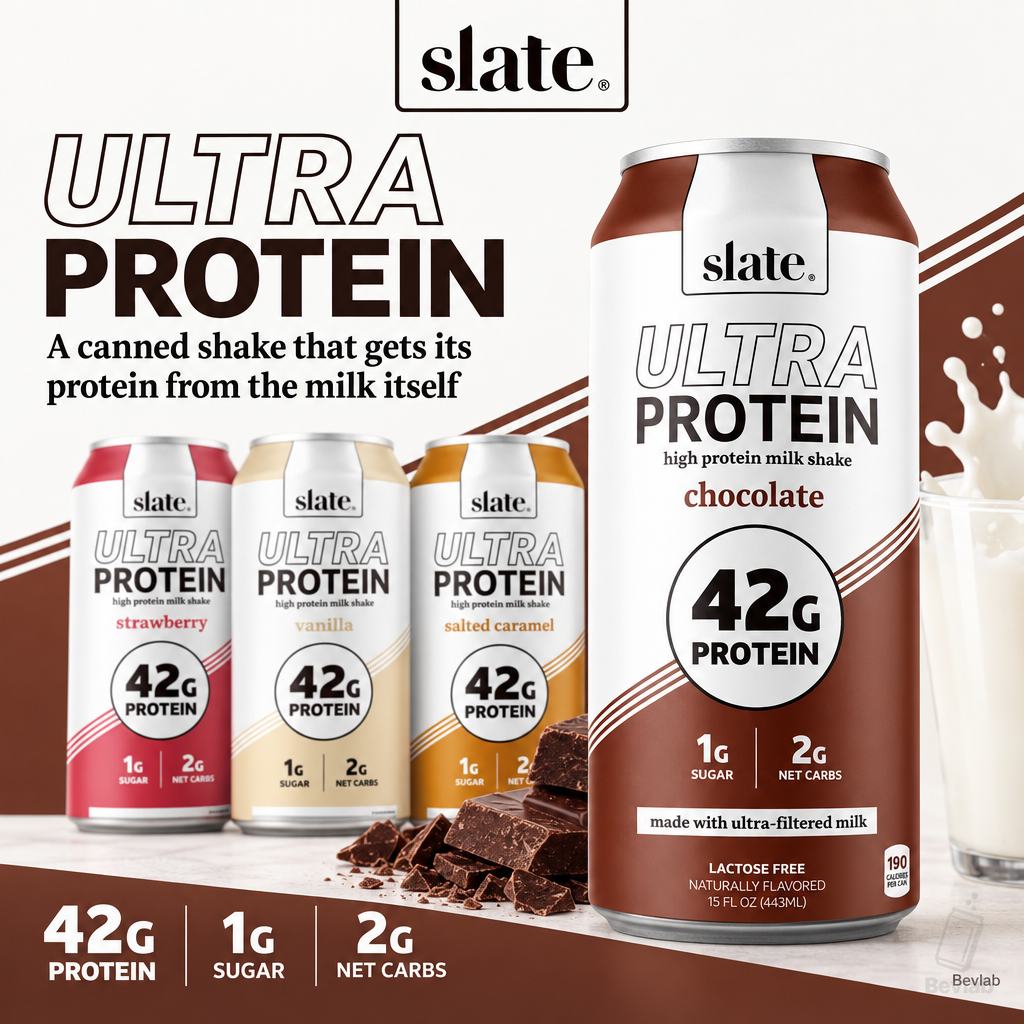
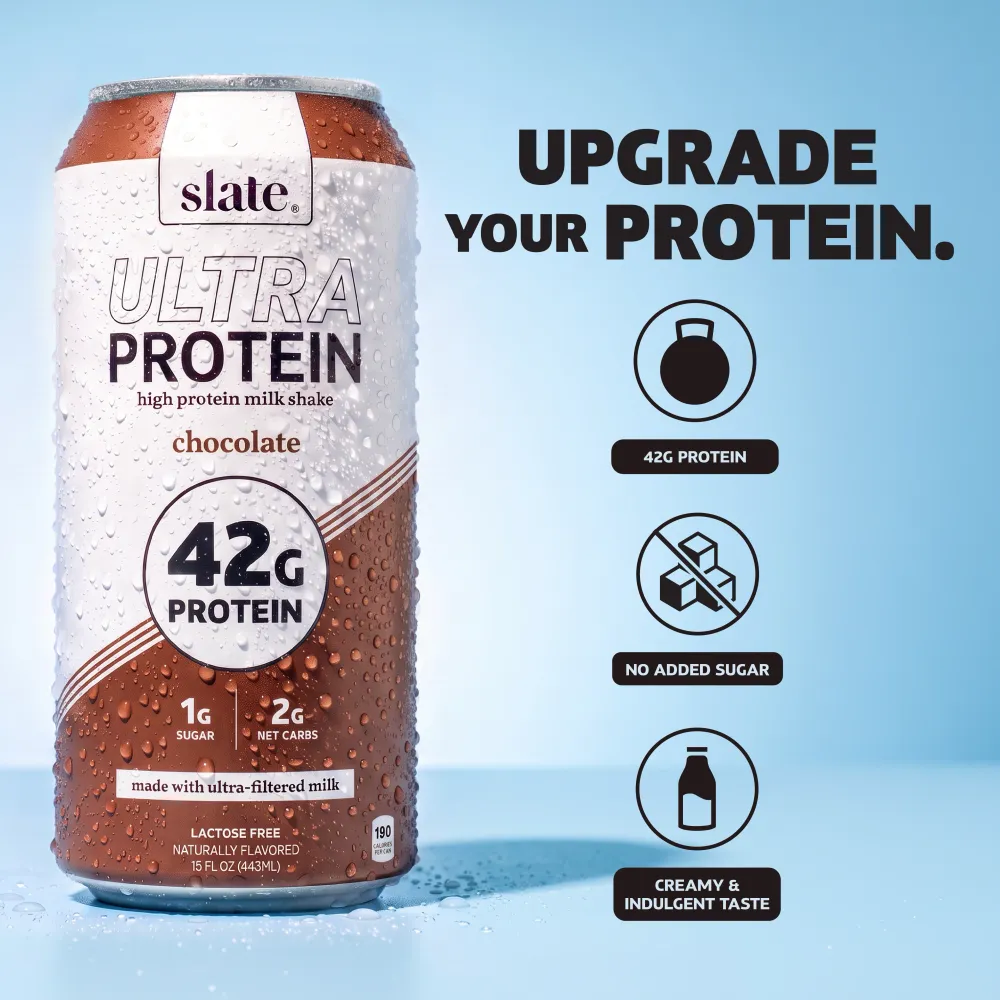
Ultrafiltered skim milk is the protein source in this 15 fl oz Slate can, which lists 42g of protein, 1g of sugar, and added lactase.
Slate Ultra Protein 42g is the heavy hitter in Slate's canned milk lineup. Slate began as a chocolate milk brand for adults, started by Northeastern University grads Manny Lubin and Josh Belinsky, and its whole approach is ultrafiltered milk: filter out most of the lactose and some of the water, and keep the protein. The brand's original 20g protein milk shakes were built on that idea, and Ultra Protein 42g takes it into a bigger can with roughly twice the protein.
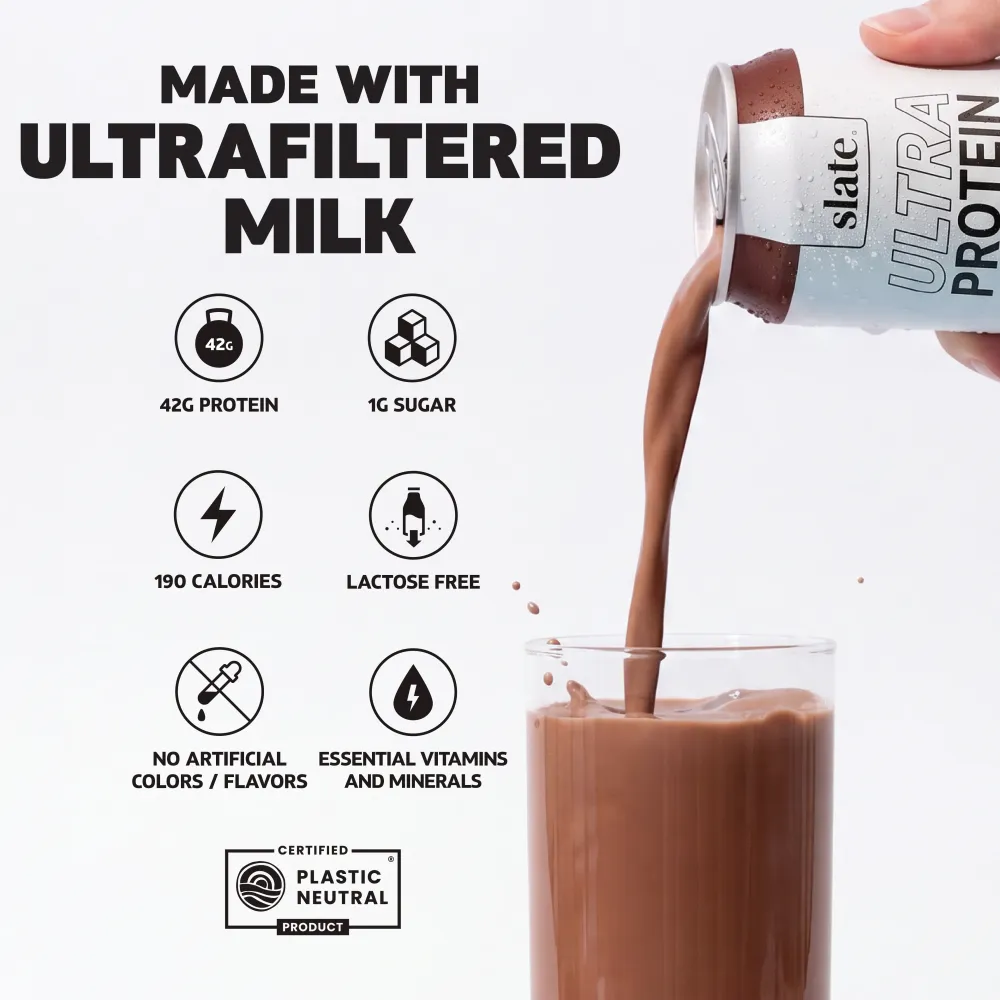
Each 15 fl oz can lists 42g of protein, 190 calories, and 1g of sugar, and there's no separate protein powder in the ingredient statement. The protein comes from the ultrafiltered skim milk blend at the top of the list, backed by lactase, two sweeteners (sucralose and Reb M), three stabilizers, potassium, salt, and added vitamins A and D. This explainer walks through the Chocolate can's label, what each piece does, and where the evidence is thin.
Slate Ultra Protein 42g Nutrition Facts
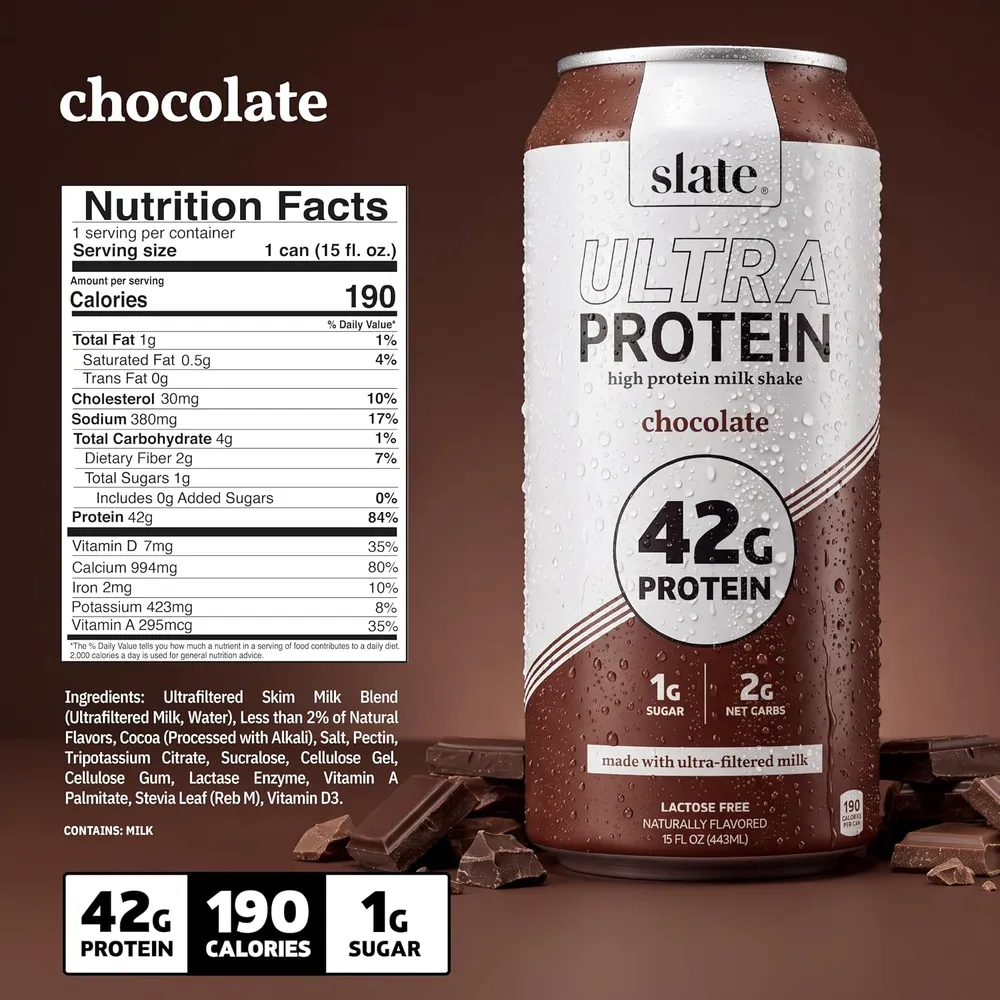
- Calories: 190
- Total Fat: 1g (1% DV)
- Saturated Fat: 0.5g (4% DV)
- Cholesterol: 30mg (10% DV)
- Total Carbohydrate: 4g (1% DV)
- Dietary Fiber: 2g (7% DV)
- Total Sugars: 1g
- Added Sugars: 0g (0% DV)
- Protein: 42g (84% DV)
- Vitamins and Minerals
- Sodium: 380mg (17% DV)
- Potassium: 423mg (8% DV)
- Calcium: 994mg (80% DV)
- Iron: 2mg (10% DV)
- Vitamin D: ~7mcg (~280 IU, 35% DV)
- Vitamin A: 295mcg (35% DV)
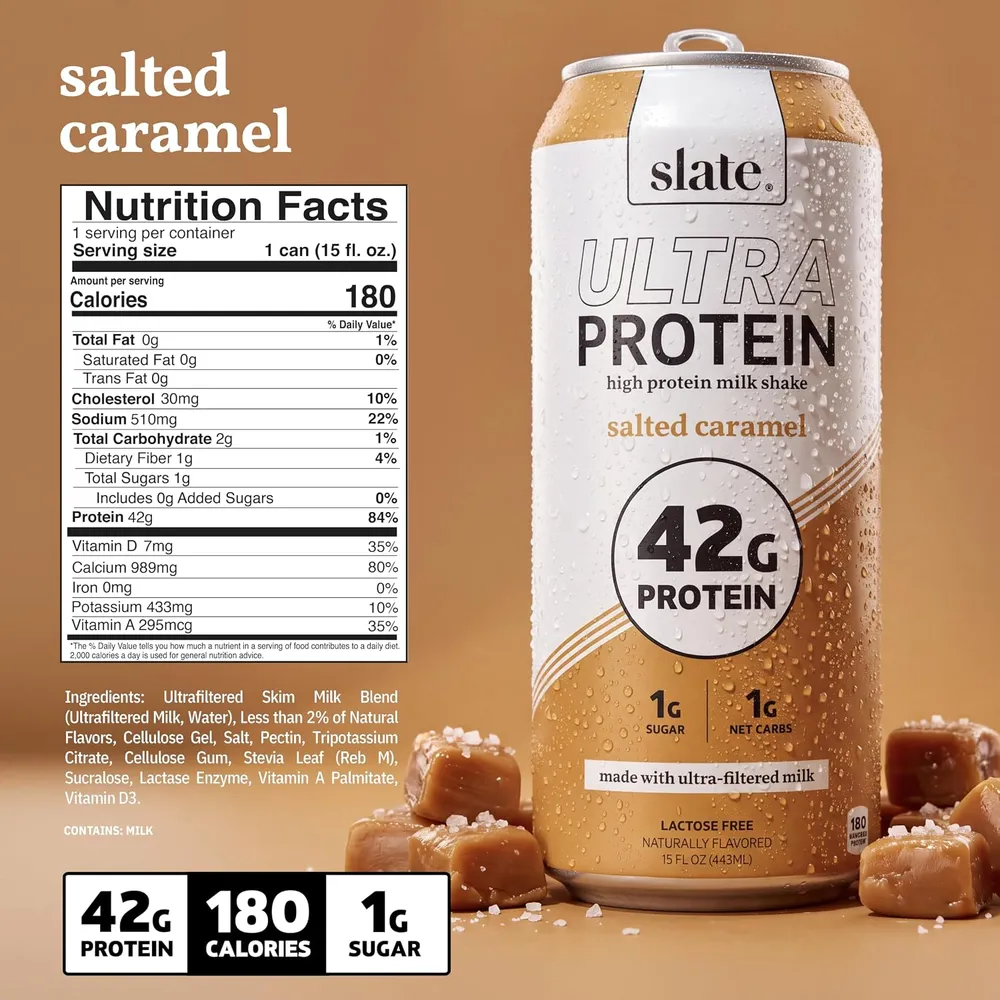
These numbers are from the Chocolate can, and the other flavors vary slightly. The tilde on vitamin D marks an amount worked back from the rounded 35% DV.
The panel tells a simple story. Nearly all of the 190 calories ride on the protein, the carbs are low, and the 1g of sugar is all naturally occurring. The 2g of fiber isn't broken out by source, so don't assume it comes from any one ingredient. Calcium is the other standout at 80% DV, and sodium at 17% DV is worth a glance if you count it.
Slate Ultra Protein 42g Ingredients
Each 15 fl oz can (one serving) provides the following key ingredients. Where the label doesn't give an amount, we say so.
-
Milk Protein (as Ultrafiltered Skim Milk) - 42g protein
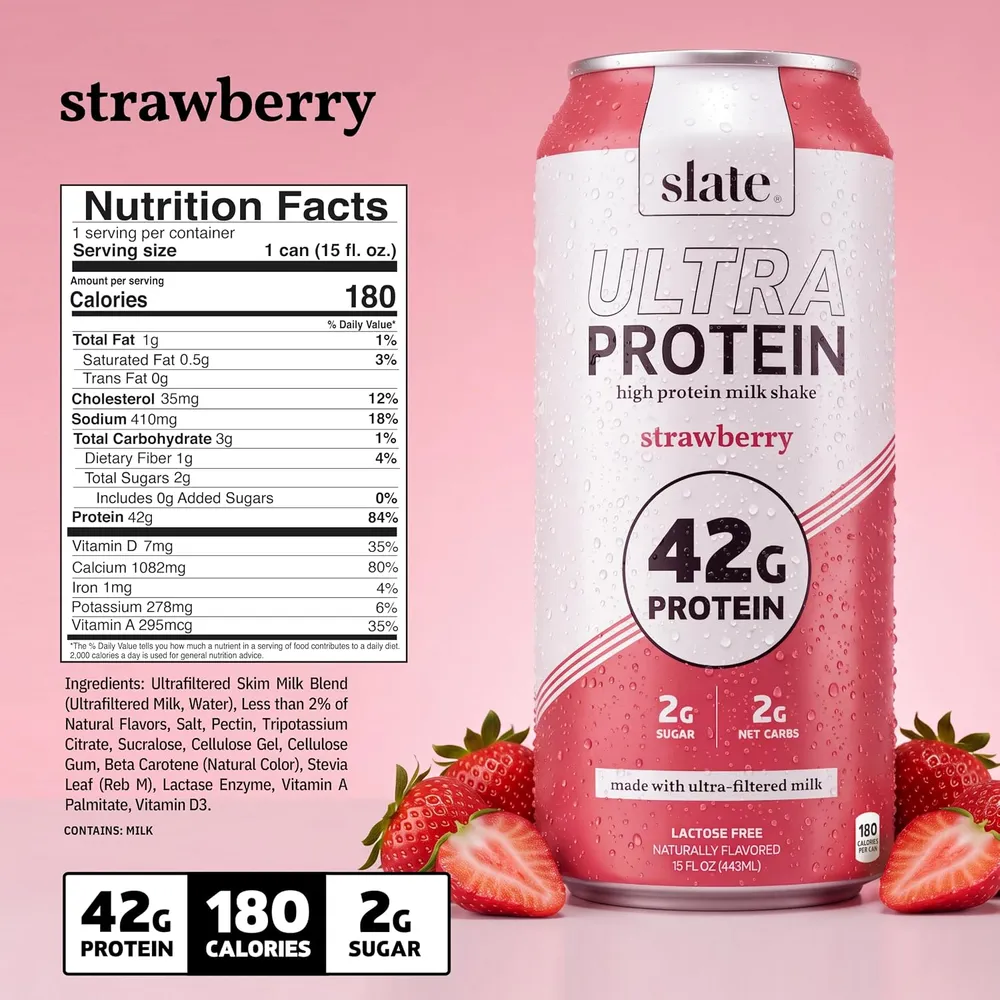
Milk protein is the whole pitch. The ingredient statement leads with an ultrafiltered skim milk blend (ultrafiltered milk and water), and the panel shows 42g of protein per can. Ultrafiltration is a membrane process that holds protein back while lactose, some minerals, and water pass through, so the milk ends up more protein-dense and lower in sugar.[1,2,3] Milk protein concentrates made this way contain both casein and whey, and as protein goes up, lactose goes down.[4] That lines up with the label's 1g of total sugar and 0g of added sugar.
Extra protein also changes how milk feels. In a tasting study, raising true protein made skim and 1% milk read more like higher-fat milk, which gives a formula rationale for a creamy drink with only 1g of fat.[5] Filtration can send some soluble calcium out with the filtrate, though it can be recovered.[3] The ingredient statement lists no added calcium source, so the 994mg on the panel likely rides in with the milk.
-
Lactase
Lactase is an enzyme that splits lactose into glucose and galactose, the same job your small intestine's own lactase does until it winds down in many adults. The label lists lactase enzyme but doesn't give an amount or activity units. That matters, because in trials the enzyme dose had to scale with the lactose load it faced.[6]
The evidence for lactase in dairy drinks is encouraging. Milk pretreated with the enzyme eliminated digestive complaints in lactose-intolerant adults in one trial,[7] and a ready-to-drink milk supplement incubated with an over-the-counter lactase product lost 80% of its lactose.[8] Those results don't tell you how any one person will handle this can.
Two limits to know. Lactase does nothing for a milk protein allergy, and the can still contains milk. People with galactosemia should also check with a doctor, since lactase hydrolysis releases free galactose.
-
Vitamins and Minerals
-
Vitamin A (as Retinyl Palmitate) - 295mcg (35% DV)
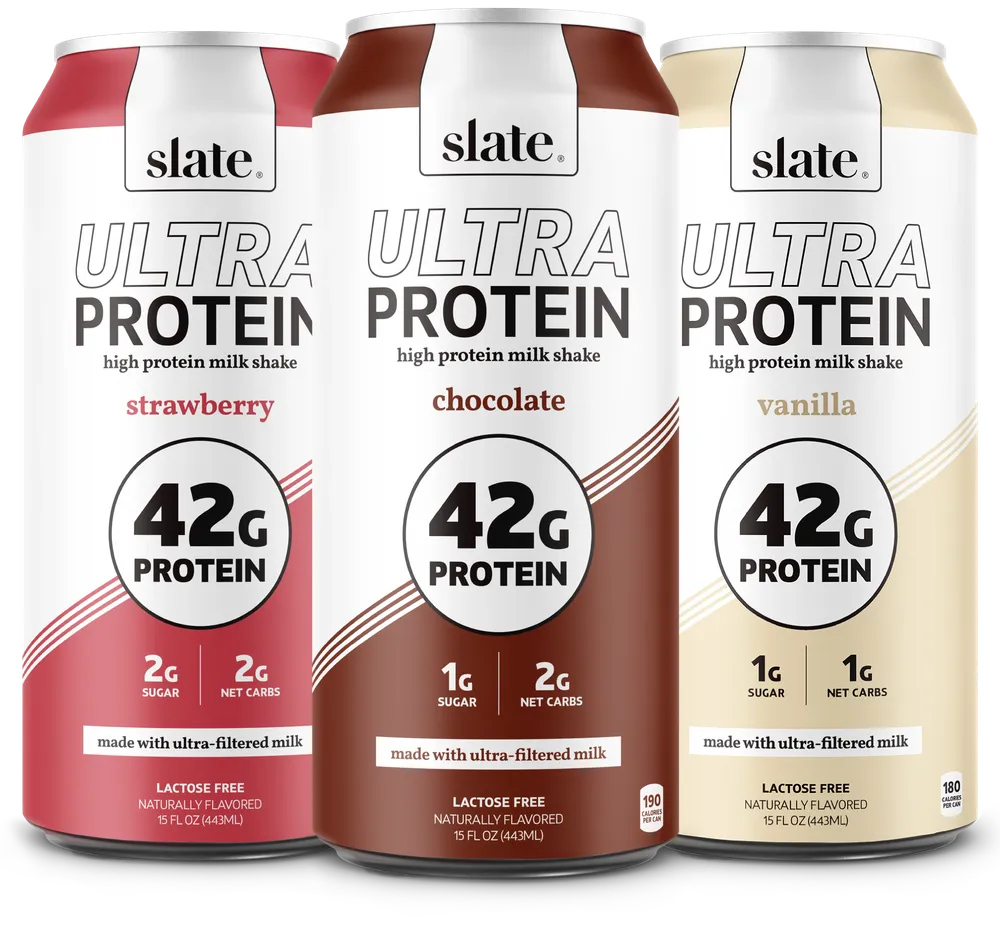
Vitamin A is added as vitamin A palmitate, a preformed form of the vitamin. At 295mcg per can it's a fortification-level amount, roughly a tenth of the 3,000mcg RE per day adult upper limit EFSA kept for preformed vitamin A. It also stacks on whatever you get from food and supplements, which is what that limit counts. Risk to a developing fetus is why EFSA set it, so total intake matters most in pregnancy.[9]
We're not fans of this addition. Vitamin A is fat soluble and stored in the liver, and in an autopsy study of 27 US adults, a third met a liver-based definition of excess, a tiny sample that can't tell us how common that is.[10] Meta-analyses of supplement trials have tied vitamin A to higher mortality in low-bias trials.[11] Those doses run many times what's in a can, and nothing tests fortification-level intake. For most people eating a normal US diet, we see little reason to add more.
-
Vitamin D3 - ~7mcg (~280 IU, 35% DV)
Vitamin D3 is cholecalciferol, and its best-established job is helping your gut absorb calcium.[12] Pairing it with a calcium-rich milk base makes sense on paper. In large trials of adults who weren't deficient, though, supplemental vitamin D didn't reduce fractures,[13] so treat this as a nutrient top-up rather than a selling point. The amount sits far below the roughly 100mcg (4,000 IU) adult upper limit.[14]
-
Potassium (as Tripotassium Citrate) - 423mg (8% DV)
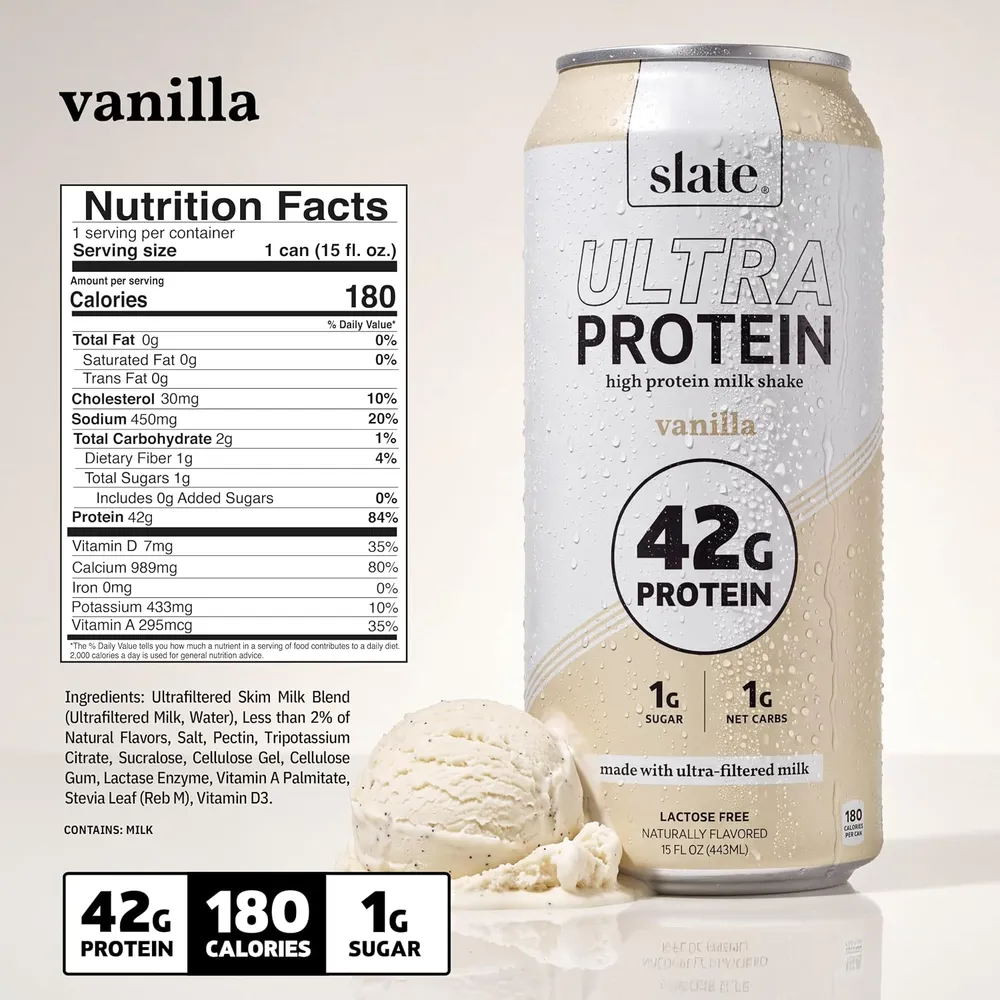
Potassium comes from tripotassium citrate, an organic potassium salt. Most adults fall short on potassium,[15] but 423mg is a modest slice of the day. The blood pressure and bone studies on potassium used amounts several times higher.[16] If you have kidney disease or take potassium-sparing medication, ask your doctor about your total intake.
-
Salt (Sodium) - 380mg total sodium (17% DV)
Salt is sodium chloride, and the can lists 380mg of sodium in total. The label doesn't split that by source. In a protein drink, salt works as a flavor tool, since sodium suppresses bitterness and lets other flavors come through.[17] Sodium also helps your body hold onto fluid after sweating,[18] but this isn't a sports drink, and 17% DV per can is worth counting if you track sodium.
-
-
Sweeteners and Flavors
-
Sucralose
Sucralose is a zero-calorie sweetener roughly 600 times sweeter than sugar, and regulators around the world permit it. EFSA's 2026 re-evaluation kept the acceptable daily intake at 15mg/kg of body weight and found no safety concern at current uses.[19] The US FDA figure is lower, at 5mg/kg.[20] The label doesn't disclose the amount in the can, but sucralose is listed ahead of the Reb M on the Chocolate can, which under label rules means more of it by weight.
The research on metabolism is less settled. In a 120-person trial, two weeks of sucralose shifted gut microbiome function and glucose-tolerance responses, though HbA1c and fasting glucose held steady.[21] A 66-adult trial at a modest daily amount saw a drop in insulin sensitivity,[22] and a large French cohort tied higher sucralose intake to higher type 2 diabetes risk, though the authors couldn't rule out reverse causality.[23] None of these tested the amount in this can, so treat them as reasons to pay attention, not as verdicts.
-
Rebaudioside M (as Stevia Leaf)
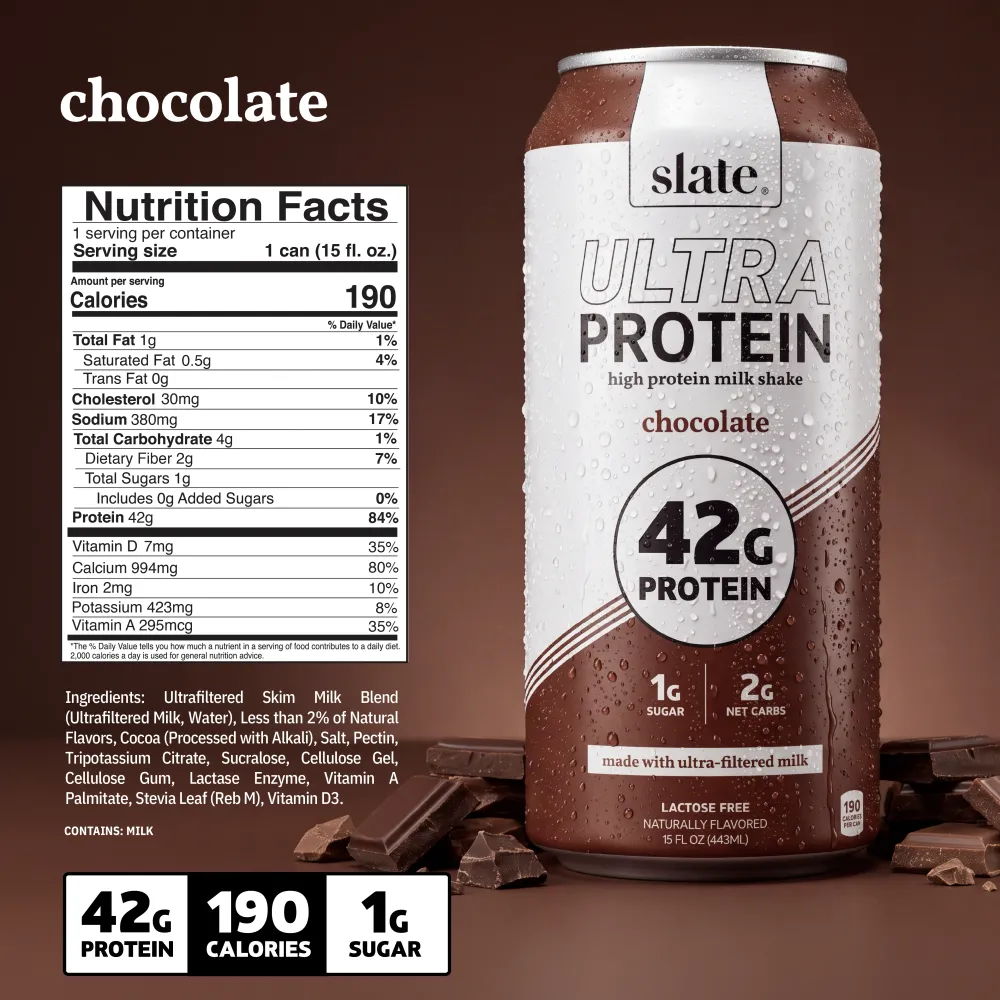
Rebaudioside M (Reb M) appears on the label as "Stevia Leaf (Reb M)." It's a heavily glycosylated steviol glycoside, meaning it carries extra sugar groups that give it a cleaner, more sugar-like taste than older stevia sweeteners such as Reb A.[24,25] Reb M is scarce in the leaf, so commercial supply usually comes from enzyme bioconversion or engineered production. The label doesn't say which route this one uses.[26,27]
Gut bacteria break steviol glycosides down toward steviol.[28] EFSA has reviewed Reb M made by two production routes and found no safety concern, with an existing 4mg/kg ADI (as steviol equivalents) considered applicable.[29,30]
The best human data come from a crossover trial in 53 adults with overweight or obesity. Reb M-sweetened biscuits produced lower after-meal insulin and glucose than sucrose-sweetened ones, without raising appetite.[31] That was a biscuit trial, not a shake, and the Reb M amount in this can isn't disclosed.
-
Natural Flavors
Natural flavors are listed at less than 2%. This is a source-based regulatory category, so the name doesn't tell you what's in it or tie it to the flavor on the can.[32] The label doesn't disclose the individual components.
-
Cocoa (Processed with Alkali)
Cocoa processed with alkali appears on the Chocolate can alongside natural flavors for its chocolate taste. The amount isn't disclosed, and other flavors carry their own ingredient lines.
-
-
Other Ingredients
- Pectin - A plant-derived fiber that thickens and helps hold a drink's texture together. The trials showing effects from pectin used grams per day, so don't read those results onto a stabilizer-level amount that the label doesn't disclose.
- Microcrystalline Cellulose (listed as Cellulose Gel) - Purified plant cellulose that doesn't dissolve and helps keep fine particles suspended instead of settling. In a lab model of a milk protein drink, it outperformed two other stabilizers at 0.35%, though that was one test matrix and not this can's recipe.[33]
- Cellulose Gum - Carboxymethyl cellulose, a thickener that adds body and helps stabilize protein drinks. Human feeding trials at 15g/day and 2.75g/day shifted gut bacterial metabolites in the short term without establishing clinical harm,[34,35] and the amount in this can isn't disclosed.
Pick Your Can
Here's a list of all known flavors in our system:
- Chocolate (12 Cans: $40.59)
- Salted Caramel (12 Cans: $39.99)
- Strawberry (12 Cans: $42.49)
- Vanilla (12 Cans: $49.99)
Skip This Can If
Skip it if you have a milk allergy, since the label declares milk and lactase doesn't change the milk protein. It's also a pass if you're avoiding sucralose, or if you'd rather not take in added vitamin A.
Protein First, Fine Print Second
If you want 42g of protein in a can built on filtered milk, this does the job, and the 1g of sugar backs up the pitch. But the sweetener pair, the stabilizer trio, and a vitamin A addition we'd rather skip are the fine print.
Want more label breakdowns? Follow @BevlabMedia on TikTok and Instagram.
References
- Reig, Mònica, et al. "Use of Membrane Technologies in Dairy Industry: An Overview." Foods (Basel, Switzerland), 2021. https://doi.org/10.3390/foods10112768
- Hernandez, A J, et al. "Milk beverage base with lactose removed with ultrafiltration: Effect of fat and protein concentration on sensory and physical properties." Journal of dairy science, 2024. https://doi.org/10.3168/jds.2023-23715
- Vyas, H K, et al. "Process for calcium retention during skim milk ultrafiltration." Journal of dairy science, 2003. https://doi.org/10.3168/jds.S0022-0302(03)73872-7
- Agarwal, Shantanu, et al. "Innovative uses of milk protein concentrates in product development." Journal of food science, 2015. https://doi.org/10.1111/1750-3841.12807
- Quiñones, H J, et al. "Influence of protein standardization by ultrafiltration on the viscosity, color, and sensory properties of skim and 1% milk." Journal of dairy science, 1997. https://doi.org/10.3168/jds.S0022-0302(97)76285-4
- Lin, M Y, et al. "Comparative effects of exogenous lactase (beta-galactosidase) preparations on in vivo lactose digestion." Digestive diseases and sciences, 1993. https://doi.org/10.1007/BF01297079
- Nagy, L, et al. "Efficacy testing of beta-galactosidase with H2 breath test in patients with carbohydrate malabsorption." Acta medica Hungarica, 1987. https://pubmed.ncbi.nlm.nih.gov/3118327/
- Suarez, F L, et al. "Nutritional supplements used in weight-reduction programs increase intestinal gas in persons who malabsorb lactose." Journal of the American Dietetic Association, 2001. https://doi.org/10.1016/S0002-8223(01)00349-2
- EFSA Panel on Nutrition, Novel Foods and Food Allergens (NDA), et al. "Scientific opinion on the tolerable upper intake level for preformed vitamin A and β-carotene." EFSA journal. European Food Safety Authority, 2024. https://doi.org/10.2903/j.efsa.2024.8814
- Olsen, Kiersten, et al. "Serum retinyl esters are positively correlated with analyzed total liver vitamin A reserves collected from US adults at time of death." The American journal of clinical nutrition, 2018. https://doi.org/10.1093/ajcn/nqy190
- Bjelakovic, Goran, et al. "Mortality in randomized trials of antioxidant supplements for primary and secondary prevention: systematic review and meta-analysis." JAMA, 2007. https://doi.org/10.1001/jama.297.8.842
- Aloia, John F, et al. "Vitamin D Supplementation Increases Calcium Absorption Without A Threshold Effect Complete." The American journal of clinical nutrition, 2014. https://doi.org/10.3945/ajcn.113.067199
- LeBoff, Meryl S, et al. "Supplemental Vitamin D And Incident Fractures In Midlife And Older Adults." The New England journal of medicine, 2022. https://doi.org/10.1056/NEJMoa2202106
- Rizzoli, René. "Vitamin D Supplementation Upper Limit For Safety Revisited." Aging clinical and experimental research, 2021. https://doi.org/10.1007/s40520-020-01678-x
- Weaver, Connie M. "Potassium and health." Advances in nutrition (Bethesda, Md.), 2013. https://doi.org/10.3945/an.112.003533
- He, Feng J, et al. "Beneficial effects of potassium on human health." Physiologia plantarum, 2008. https://doi.org/10.1111/j.1399-3054.2007.01033.x
- Breslin, P A, et al. "Salt enhances flavour by suppressing bitterness." Nature, 1997. https://doi.org/10.1038/42388
- Shirreffs, S M, et al. "Rehydration and recovery of fluid balance after exercise." Exercise and sport sciences reviews, 2000. https://pubmed.ncbi.nlm.nih.gov/11131686/
- EFSA, Panel on Food Additives and Flavourings (FAF), et al. "Re-evaluation of sucralose (E 955) as a food additive and evaluation of a new application on extension of use of sucralose (E 955) in fine bakery wares." EFSA journal. European Food Safety Authority, 2026. https://doi.org/10.2903/j.efsa.2026.9854
- Chen, Junfeng, et al. "Long-term sucralose exposure accelerates ovarian aging via gut microbiota dysbiosis." NPJ science of food, 2026. https://doi.org/10.1038/s41538-026-00775-x
- Suez, Jotham, et al. "Personalized microbiome-driven effects of non-nutritive sweeteners on human glucose tolerance." Cell, 2022. https://doi.org/10.1016/j.cell.2022.07.016
- Romo-Romo, Alonso, et al. "Sucralose decreases insulin sensitivity in healthy subjects: a randomized controlled trial." The American journal of clinical nutrition, 2018. https://doi.org/10.1093/ajcn/nqy152
- Debras, Charlotte, et al. "Artificial Sweeteners and Risk of Type 2 Diabetes in the Prospective NutriNet-Santé Cohort." Diabetes care, 2023. https://doi.org/10.2337/dc23-0206
- Prakash, Indra, et al. "Development Of Next Generation Stevia Sweetener Rebaudioside M." Foods (Basel, Switzerland), 2014. https://doi.org/10.3390/foods3010162
- Tao, Ran, et al. "Consumer-Based Sensory Characterization of Steviol Glycosides (Rebaudioside A, D, and M)." Foods (Basel, Switzerland), 2020. https://doi.org/10.3390/foods9081026
- Okonkwo, Clinton E, et al. "A review on rebaudioside M: The next generation steviol glycoside and noncaloric sweetener." Journal of food science, 2024. https://doi.org/10.1111/1750-3841.17401
- Guo, Baodang, et al. "Enhancement of Rebaudioside M Production by Structure-Guided Engineering of Glycosyltransferase UGT76G1." Journal of agricultural and food chemistry, 2022. https://doi.org/10.1021/acs.jafc.2c01209
- Purkayastha, Sidd, et al. "In vitro metabolism of rebaudioside B, D, and M under anaerobic conditions: comparison with rebaudioside A." Regulatory toxicology and pharmacology : RTP, 2014. https://doi.org/10.1016/j.yrtph.2013.12.004
- EFSA, Panel on Food Additives and Flavourings (FAF), et al. "Safety Of The Proposed Amendment Of The Specifications For Steviol Glycosides E 960 As A Food Additive." EFSA journal. European Food Safety Authority, 2019. https://doi.org/10.2903/j.efsa.2019.5867
- EFSA, Panel on Food Additives and Flavourings (FAF), et al. "Safety evaluation of the food additive steviol glycosides, predominantly Rebaudioside M, produced by fermentation using Yarrowia lipolyticaVRM." EFSA journal. European Food Safety Authority, 2023. https://doi.org/10.2903/j.efsa.2023.8387
- Gibbons, Catherine, et al. "Acute and two-week effects of neotame, stevia rebaudioside M and sucrose-sweetened biscuits on postprandial appetite and endocrine response in adults with overweight/obesity-a randomised crossover trial from the SWEET consortium." EBioMedicine, 2024. https://doi.org/10.1016/j.ebiom.2024.105005
- Goodman, Matthew J. "The “Natural” vs. “Natural Flavors” Conflict in Food Labeling: A Regulatory Viewpoint." Food and drug law journal, 2017. https://pubmed.ncbi.nlm.nih.gov/29140655/
- Li, Jiaxin, et al. "Enhancing Stability of Vitamin-Fortified Protein Beverages: Optimization of Stabilizer Type and Concentration and Screening of Natural Antioxidant Combinations." Foods (Basel, Switzerland), 2026. https://doi.org/10.3390/foods15081392
- Chassaing, Benoit, et al. "Randomized Controlled-Feeding Study of Dietary Emulsifier Carboxymethylcellulose Reveals Detrimental Impacts on the Gut Microbiota and Metabolome." Gastroenterology, 2022. https://doi.org/10.1053/j.gastro.2021.11.006
- Wellens, Judith, et al. "Effect of Five Dietary Emulsifiers on Inflammation, Permeability, and the Gut Microbiome: A Placebo-controlled Randomized Trial." Clinical gastroenterology and hepatology : the official clinical practice journal of the American Gastroenterological Association, 2026. https://doi.org/10.1016/j.cgh.2025.08.005
Tagged