ZOA Energy Drink
Dwayne Johnson's energy brand, dissected can by can
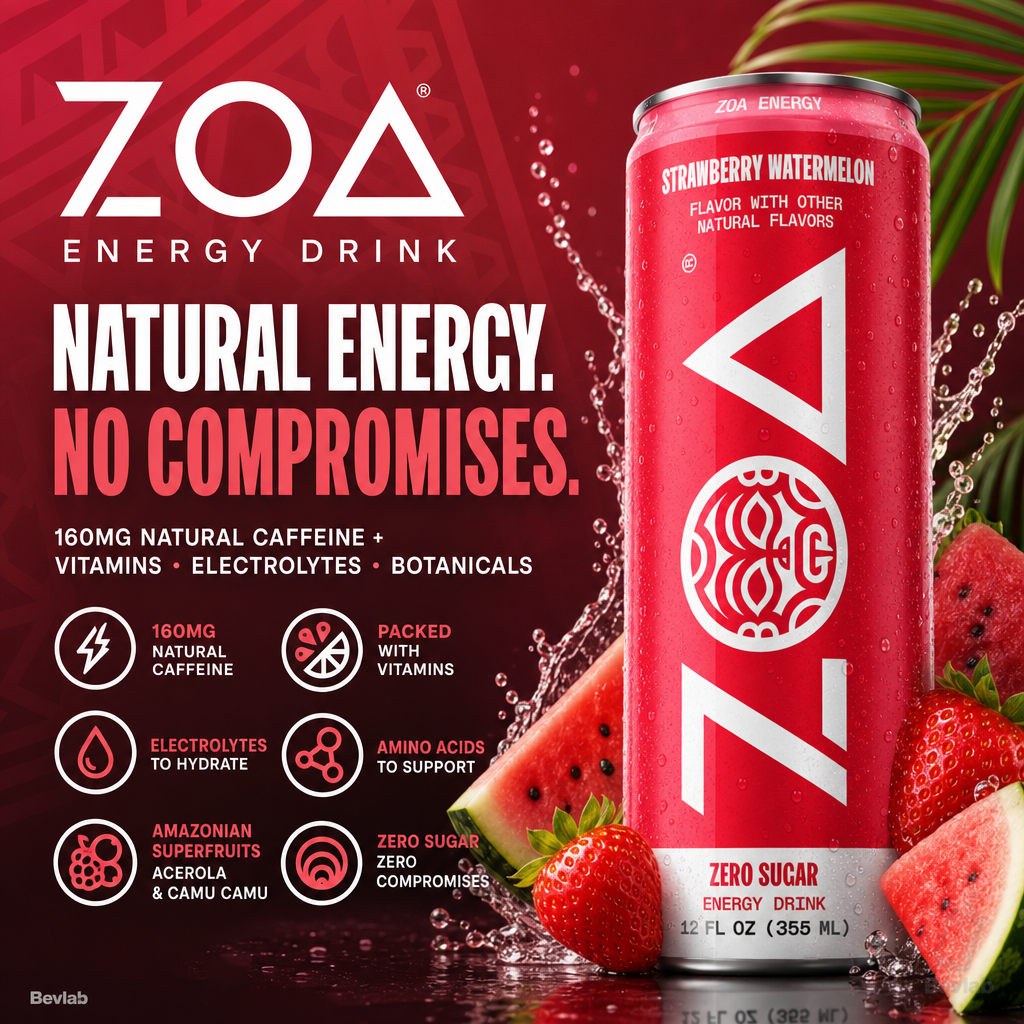
The Rock's Energy Drink! A full breakdown of ZOA's formula, from its 160mg caffeine blend to its electrolytes, B-vitamins, and botanical extras.

ZOA Energy Drink is the better-for-you energy line co-founded by Dwayne "The Rock" Johnson, positioned less as a hardcore stimulant play and more as a zero-sugar, vitamin-and-electrolyte-forward option for people who want energy without the gas-station-can baggage. It's become one of the more visible names in the crowded natural-caffeine tier of the category, built around a formula that leans on green tea and green coffee bean caffeine rather than straight synthetic anhydrous.
What separates ZOA from a lot of the competition isn't a single flashy ingredient. It's the sheer number of supporting players packed into a 12oz can: electrolytes, six B-vitamins, a full day's vitamin C, amino acids, and a handful of Amazonian fruit extracts that most energy drinks don't bother with. Here's what's actually going on inside the can.
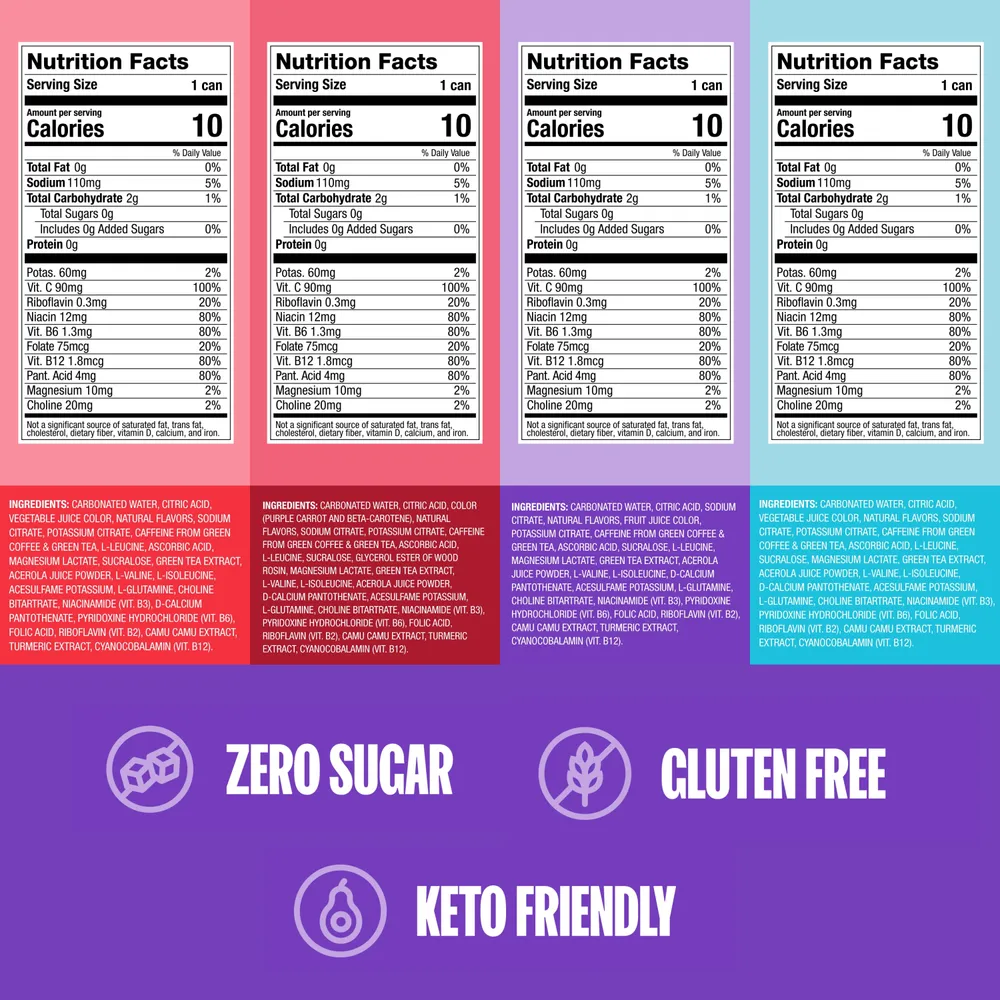
ZOA Energy Drink Nutrition Facts
Per 12oz can:
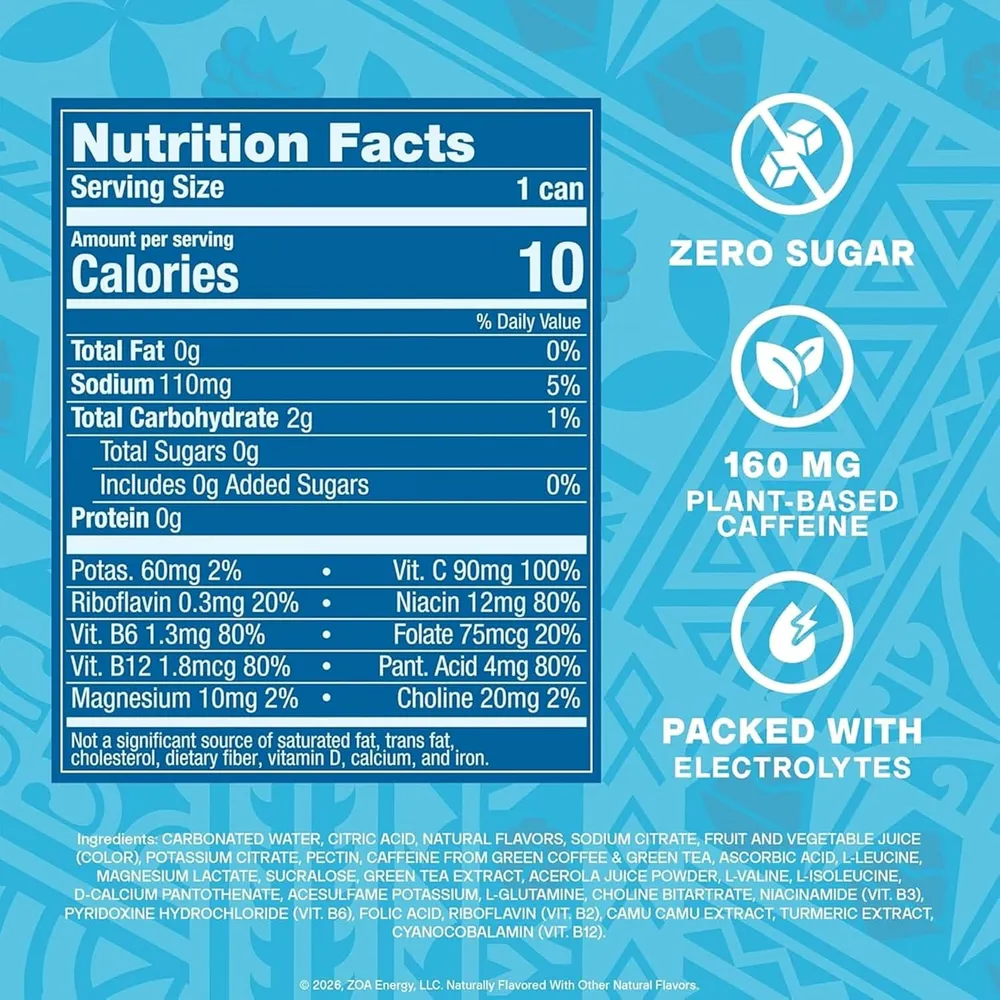
- Calories: 10
- Total Fat: 0g
- Sodium: 110mg (5% DV)
- Total Carbohydrate: 2g (1% DV)
- Total Sugars: 0g
- Added Sugars: 0g (0% DV)
- Protein: 0g
- Potassium: 60mg (2% DV)
- Magnesium: 10mg (2% DV)
- Vitamin C: 90mg (100% DV)
- Riboflavin: 0.3mg (20% DV)
- Niacin: 12mg (80% DV)
- Vitamin B6: 1.3mg (80% DV)
- Folate: 75mcg (20% DV)
- Vitamin B12: 1.8mcg (80% DV)
- Pantothenic Acid: 4mg (80% DV)
- Choline: 20mg (2% DV)
ZOA Energy Drink Ingredients
Each can provides the following key actives:
-
Caffeine - 160mg

Big Dwayne Energy Caffeine is the ingredient doing the actual heavy lifting here, and ZOA sources its full 160mg from green coffee and green tea rather than lab-synthesized anhydrous powder. Functionally, this doesn't change much: naturally derived and synthetic caffeine are chemically identical once absorbed, and both work by blocking adenosine receptors in the brain, which is what keeps you from feeling that creeping tiredness during a long day.[1] At 160mg, ZOA sits in a moderate zone: enough to meaningfully improve reaction time, vigilance, and sustained attention, but well under the doses where jitteriness and anxiety start creeping in for most people.[2] Research on caffeine and exercise or cognitive performance generally centers on doses of 3-6mg/kg body weight, so a 160mg can sits on the lighter end of that range for most adults, which likely explains ZOA's "no crash, no jitters" positioning.[3] Systematic safety reviews put the ceiling for healthy adults at 400mg/day, so a single can leaves plenty of room in a normal day.[4]
-
Choline Bitartrate - 20mg
Choline is the raw material your brain uses to build acetylcholine, the neurotransmitter behind focus, memory, and the actual electrical signaling that make muscles fire on command.[5] ZOA includes it as choline bitartrate, the most common and least expensive choline salt, delivering elemental choline at roughly 41% of the compound's weight.[6] The 20mg in this can is a small fraction of the 425-550mg adequate intake most adults are supposed to hit daily, so this is more of a supporting nutrient than a functional dose. Human research using choline bitartrate at meaningfully higher doses, around 2g per serving, has shown modest improvements in visuomotor precision alongside pupil constriction, a marker of central cholinergic activity.[7] At 20mg, don't expect ZOA's choline inclusion to move the needle much on its own. It reads more like a "why not" addition than a headline ingredient.
-
BCAAs (L-Leucine)
ZOA's amino acid profile leans on L-leucine, one of the three branched-chain amino acids alongside isoleucine and valine, both of which also appear further down the ingredient list. Leucine is the most potent trigger of mTORC1, the cellular signaling pathway that kicks off muscle protein synthesis, and it does this more effectively than either of its BCAA siblings taken alone.[8] Human trials show BCAAs ingested around exercise can modestly stimulate muscle protein synthesis and reduce measures of muscle breakdown, though the effect is smaller than what you'd get from a complete protein source that also supplies the other six essential amino acids.[9] ZOA doesn't disclose the specific milligram amount of leucine or the other aminos in this formula, so treat this as a directional inclusion for muscle-recovery positioning rather than a dosed ergogenic aid the way you'd see in a dedicated BCAA or EAA product.
-
Curcumin (Turmeric Extract)

Curcumin is the primary active compound in turmeric root, best known for inhibiting the NF-κB inflammatory signaling pathway that drives production of pro-inflammatory cytokines throughout the body.[10] A GRADE-assessed meta-analysis of 66 randomized trials found curcumin supplementation meaningfully lowered inflammatory markers like CRP and TNF-alpha, along with improvements in oxidative stress markers.[11] The catch with curcumin, always, is bioavailability. Standard turmeric extract absorbs so poorly that a 2g oral dose can leave curcumin undetectable in blood serum.[12] ZOA doesn't disclose the milligram amount of turmeric extract in this formula or specify an enhanced-absorption delivery form, so it's reasonable to treat this as a functional but likely low-impact inclusion rather than a clinically dosed anti-inflammatory ingredient.
-
Green Tea Extract
Beyond serving as one of ZOA's two natural caffeine sources, green tea extract brings along a family of polyphenols called catechins, the most studied of which is EGCG. These compounds work partly by inhibiting the enzyme that breaks down norepinephrine, which is part of why catechin-caffeine combinations have shown small but measurable boosts to fat oxidation and daily energy expenditure in respiration-chamber studies.[13] A large GRADE-assessed meta-analysis of 59 trials found green tea extract modestly reduced body mass, BMI, and body fat percentage, with effects most consistent in people under 50 and at doses under 1,000mg per day.[14] Green tea catechins have also shown favorable, if modest, effects on cholesterol and blood sugar markers across a large body of clinical trials.[15] Because ZOA doesn't separate out how much of its 160mg caffeine total comes from green tea specifically, the catechin dose here is unknown, so these benefits should be read as directional rather than guaranteed at this serving size.
-
Pectin
Pectin shows up on ZOA's label as both a functional fiber and a stabilizer, helping keep the drink's texture consistent. Beyond its structural role, pectin is fermented by a narrow set of beneficial gut bacteria and has shown some capacity to support a healthy gut microbial environment in fermentation studies.[16] Human research on low-methoxy citrus pectin at considerably higher doses, in the 15-20g per day range, has found reductions in inflammatory markers and even anxiety scores in small pilot trials.[17] ZOA's can almost certainly contains a small fraction of that amount given its role here as a texturizing agent rather than a dosed functional fiber, so this is more of a formulation ingredient than a headline benefit.
-
Acerola
Acerola is a small, deep-red Amazonian cherry that happens to be one of the most concentrated natural vitamin C sources on the planet, sometimes containing 50 to 100 times more vitamin C by weight than an orange.[18] Beyond raw vitamin C content, research suggests the fruit's natural polyphenol matrix may actually help the body absorb and retain that vitamin C better than an isolated ascorbic acid supplement does. A human study found acerola juice increased ascorbic acid uptake in intestinal cells more than vitamin C alone, tied to increased expression of the transporter gene responsible for pulling vitamin C into cells.[19] A separate human pharmacokinetic study found acerola juice produced a modestly higher plasma vitamin C level and lower urinary loss compared to ascorbic acid taken by itself.[20] In ZOA, acerola juice powder functions as a natural whole-food vitamin C contributor alongside the isolated ascorbic acid also listed on the label.
-
Glutamine
Glutamine is the most abundant free amino acid in the human body, and while it's technically nonessential, meaning your body can make its own, research shows demand can outstrip supply during intense exercise or physical stress, making it "conditionally essential" in those windows.[21] Human trials on eccentric exercise have found oral glutamine supplementation reduced muscle soreness and helped preserve strength in the days following a hard workout.[22] Separately, a week of daily glutamine supplementation has been shown to prevent the spike in gut permeability that hard exercise in heat can otherwise cause.[23] ZOA doesn't disclose its glutamine dose, and the research supporting these effects generally used multi-gram daily amounts taken consistently over several days, so treat this as a supportive inclusion rather than a guaranteed recovery boost from one can.
-
Camu Camu
Camu camu is another Amazonian fruit, and like acerola, it's included here primarily as a natural vitamin C source, with unripe fruit sometimes testing at several thousand milligrams of vitamin C per 100 grams.[24] Beyond vitamin C, camu camu carries a distinct polyphenol profile including ellagitannins and anthocyanins. In one of the more interesting human trials on this fruit, smokers who drank camu camu juice for a week saw significant drops in inflammatory markers like CRP and IL-6, while an equal dose of straight vitamin C tablets produced no such effect, pointing to camu camu's non-vitamin-C compounds as the likely driver.[25] A 12-week randomized crossover trial in adults with elevated triglycerides also found camu camu supplementation reduced liver fat and liver enzyme markers.[26] ZOA doesn't specify how much camu camu extract is in this can, so these findings, from meaningfully higher research doses, shouldn't be read as a direct promise of this exact serving.
-
Vitamins and Minerals
-
Vitamin C (as Ascorbic Acid) - 90mg (100% DV)
Vitamin C delivers a full day's value here, and it's one of the more well-supported ingredients in the whole can. Meta-analyses of controlled cold trials show regular vitamin C intake can meaningfully shorten and soften cold symptoms.[27] It also accumulates in immune cells at levels far above what's found in blood plasma, supporting the immune system's ability to fight off pathogens.[28]
-
Vitamin B12 (as Cyanocobalamin) - 1.8mcg (80% DV)
ZOA Energy + Electrolytes Variety Pack Nutrition Vitamin B12 is essential for red blood cell formation and nerve function, and ZOA uses cyanocobalamin, the most stable and widely used supplemental form.[29] Getting adequate B12 matters most for people who don't eat much animal protein, since it's almost exclusively found in meat, dairy, and eggs.
-
Vitamin B6 (as Pyridoxine Hydrochloride) - 1.3mg (80% DV)
Vitamin B6 acts as a cofactor for well over 100 enzymatic reactions in the body, including ones involved in making neurotransmitters like dopamine and serotonin.[30] Alongside B12 and folate, it plays a role in keeping homocysteine, a compound linked to cardiovascular risk, in check.[31]
-
Vitamin B5 (as Calcium Pantothenate) - 4mg (80% DV)
Vitamin B5, or pantothenic acid, is the direct building block for Coenzyme A, a molecule involved in roughly 4% of all the enzymatic reactions happening in your cells, most notably the ones that turn food into usable energy.[32] It's a foundational, if unglamorous, energy-metabolism nutrient.
-
Niacin (as Niacinamide) - 12mg (80% DV)
Niacin converts into NAD+, a molecule your cells depend on for energy production and hundreds of other reactions.[33] ZOA uses niacinamide, the form that doesn't cause the flushing sensation associated with high-dose nicotinic acid.
-
Riboflavin (as Vitamin B2) - 0.3mg (20% DV)
Riboflavin is required to make two coenzymes, FAD and FMN, that shuttle electrons through the energy-producing machinery inside your cells.[34] It's a supporting-cast B-vitamin here rather than a headline ingredient, but a necessary one for basic energy metabolism.
-
Folic Acid - 75mcg (20% DV)
Folic Acid supports DNA synthesis and cell division throughout the body, and it works alongside B12 and B6 in the same homocysteine-regulating pathway mentioned above. A three-year randomized trial found folic acid supplementation modestly improved memory and processing speed in older adults, though effects in younger, well-nourished populations tend to be smaller.[35]
-
Magnesium (as Magnesium Lactate) - 10mg (2% DV)
Magnesium is a cofactor for hundreds of enzymatic reactions spanning energy production, muscle function, and blood pressure regulation.[36] At 10mg, this can provides only a small fraction of the 310-420mg most adults need daily, so it's a token electrolyte inclusion rather than a meaningful magnesium source.
-
Potassium (as Potassium Citrate) - 60mg (2% DV)
Potassium is the body's primary intracellular electrolyte, and getting enough of it relative to sodium is tied to healthier blood pressure outcomes in a large body of research.[37] The 60mg here is a modest contribution against a 4,700mg daily target, but it fits ZOA's "packed with electrolytes" positioning alongside sodium and magnesium.[38]
-
-
Other Ingredients
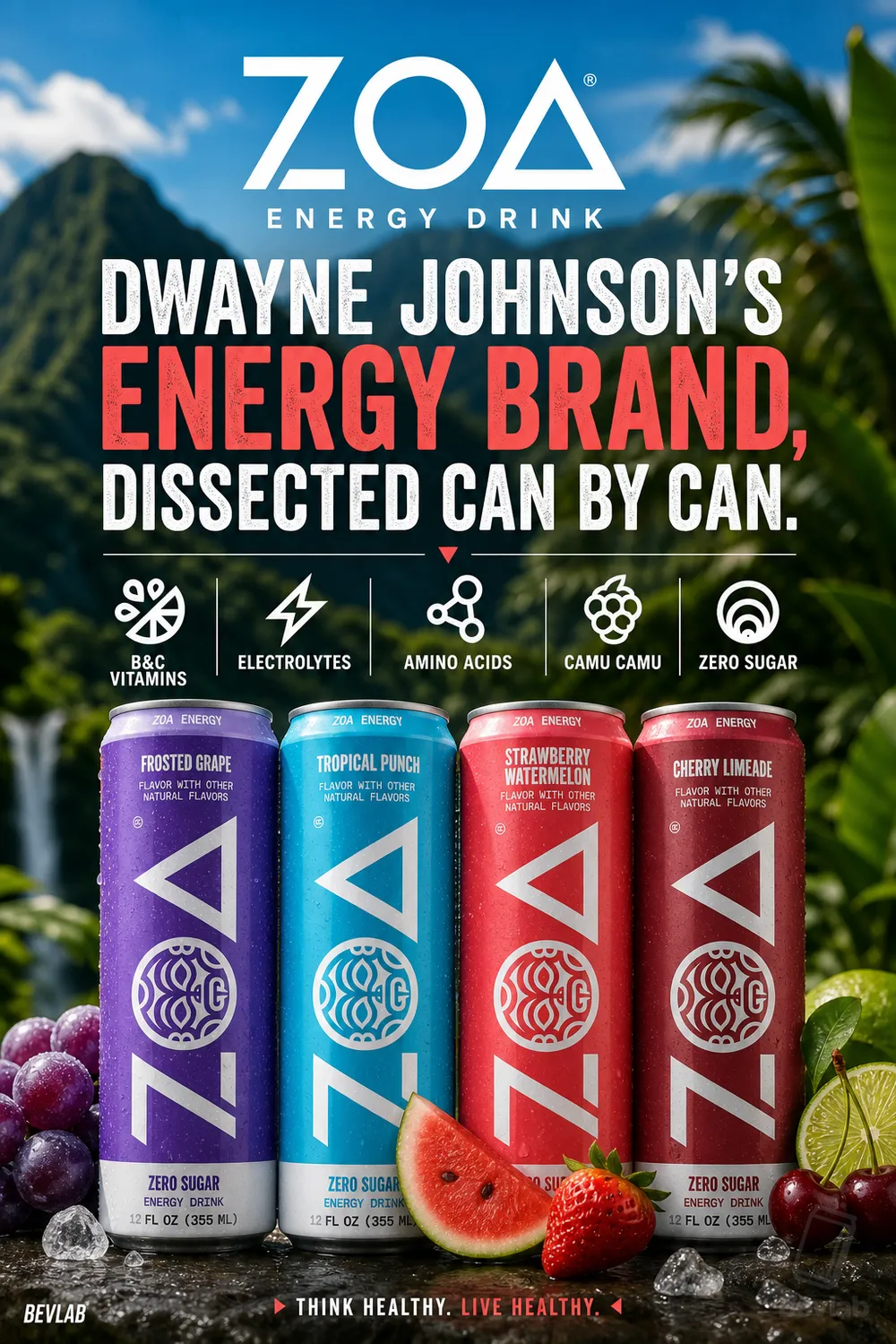
- Carbonated Water - The base of the drink, providing the effervescence and mouthfeel.
- Citric Acid - A tart acidulant that balances sweetness and helps stabilize the formula.
- Natural Flavors - The proprietary flavor blend responsible for each SKU's specific taste profile.
- Sodium Citrate - A buffering salt that helps manage acidity and contributes a small amount of sodium.
- Fruit and Vegetable Juice (Color) - A natural coloring agent derived from produce rather than synthetic dyes.
- Sucralose - A zero-calorie, high-intensity sweetener roughly 600 times sweeter than sugar.
- Acesulfame Potassium - A second high-intensity sweetener, typically blended with sucralose to round out the sweetness profile and reduce any lingering aftertaste.
Flavors Available
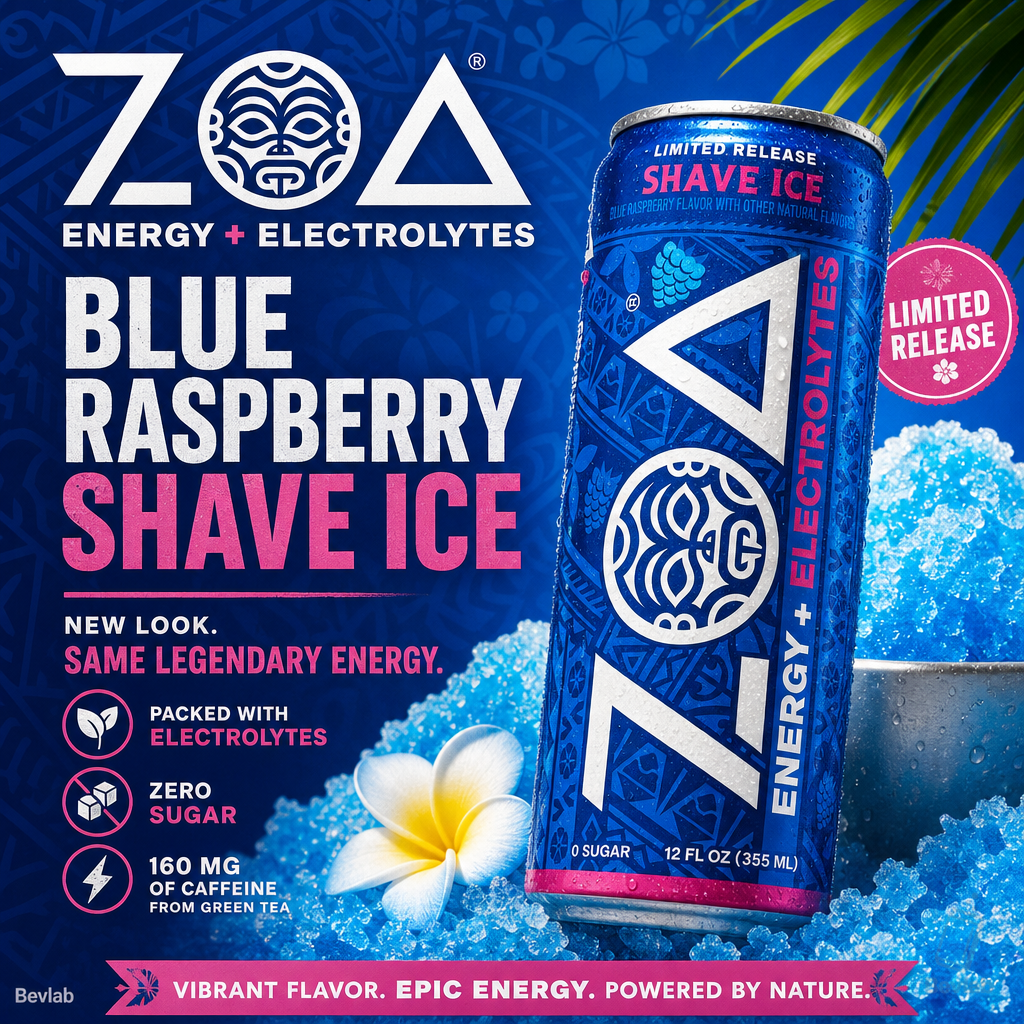
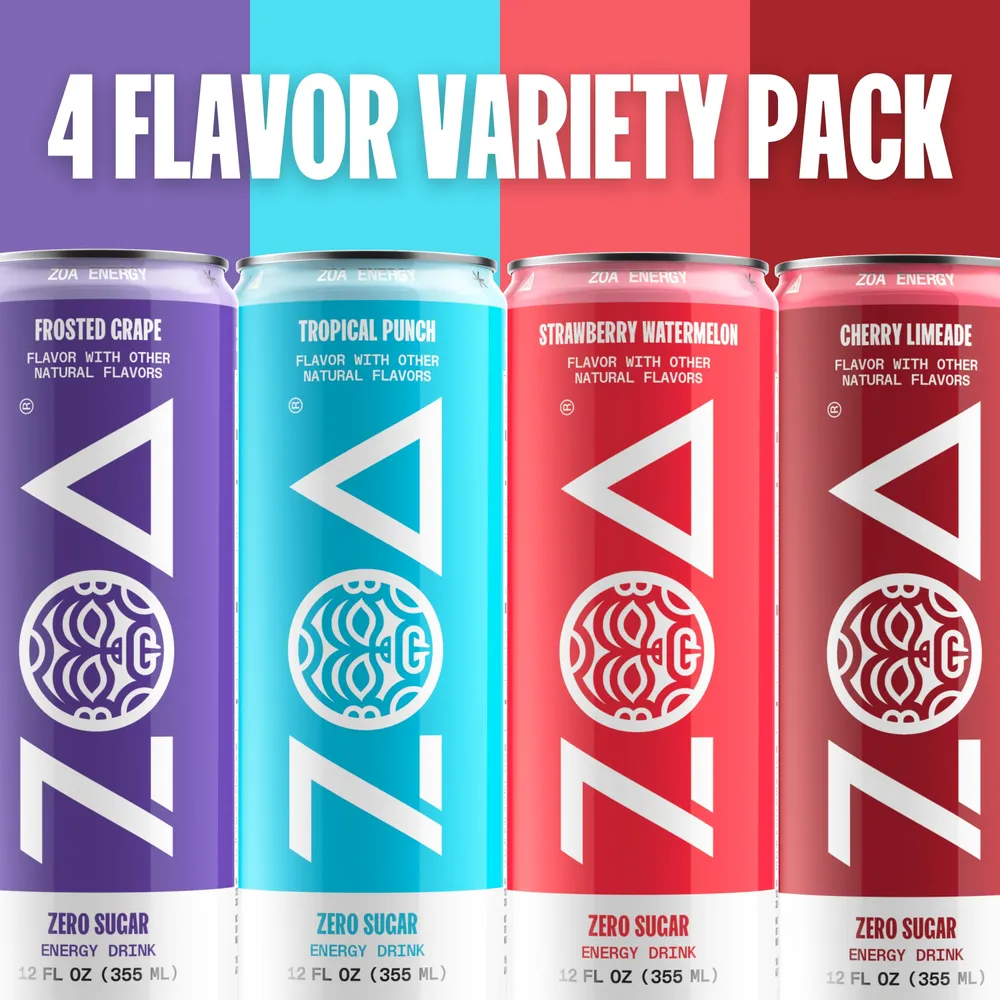
ZOA comes in a lineup of eight flavors across its 12oz can format, including fan-favorite Frosted Grape and the tropical Blue Raspberry Shave Ice.
- Cherry Limeade (12 Cans: $24.99)
- Frosted Grape (12 Cans: $24.99)
- Green Apple (12 Cans: $24.99)
- Lemon Lime (12 Cans: $24.99)
- Mango Splash (12 Cans: $24.99)
- Pineapple Coconut (12 Cans: $24.99)
- Shave Ice (Blue Raspberry) (12 Cans: $24.99)
- Strawberry Watermelon (12 Cans: $24.99)
- Tropical Punch (12 Cans: $24.99)
- Variety Pack (12 Cans: $24.99)
- White Peach (12 Cans: $28.67)
- Wild Orange (12 Cans: $24.99)
Who It's For
- Everyday energy drinkers who want a lighter caffeine hit: At 160mg, ZOA sits below the 200-300mg range common in harder-hitting Ennies, making it a reasonable fit for people who want alertness without a heavy stimulant load.
- Label-readers who care about the extras: Between the acerola, camu camu, and full B-vitamin spread, ZOA is built for the shopper who wants more going on in the can than just caffeine and sweetener.
A Genuinely Loaded Can, Even If Some Doses Stay Hidden
ZOA earns its "better-for-you" label honestly: zero sugar, a moderate and naturally sourced caffeine dose, a full day of vitamin C, and a roster of botanicals most competitors skip entirely. The tradeoff is that several of those botanicals, curcumin, green tea, camu camu, and the amino acids, don't come with disclosed doses, so you're trusting the brand's formulation rather than verifying the numbers yourself. For someone who wants steady, moderate energy with a well-rounded nutrition label behind it, ZOA delivers. For someone chasing a specific, dosed nootropic or performance stack, look elsewhere.
References
- Guest, Nanci S. et al. "International Society Of Sports Nutrition Position Stand Caffeine And Exercise Performance." Journal of the International Society of Sports Nutrition, 2021. https://doi.org/10.1186/s12970-020-00383-4
- McLellan, Tom M. et al. "A Review Of Caffeine S Effects On Cognitive Physical And Occupational Performance." Neuroscience & Biobehavioral Reviews, 2016. https://doi.org/10.1016/j.neubiorev.2016.09.001
- Goldstein, Erica R, et al. "International Society Of Sports Nutrition Position Stand Caffeine And Performance." Journal of the International Society of Sports Nutrition, 2010. https://doi.org/10.1186/1550-2783-7-5
- Wikoff, Daniele, et al. "Systematic review of the potential adverse effects of caffeine consumption in healthy adults, pregnant women, adolescents, and children." Food and chemical toxicology : an international journal published for the British Industrial Biological Research Association, 2017. https://doi.org/10.1016/j.fct.2017.04.002
- Blusztajn, Jan K. et al. "Choline And Cholinergic Neurons." Science, 1983. https://doi.org/10.1126/science.6867732
- Kansakar, Urna, et al. "Choline Supplements An Update." Frontiers in endocrinology, 2023. https://doi.org/10.3389/fendo.2023.1148166
- Naber, Marnix, et al. "Improved Human Visuomotor Performance And Pupil Constriction After Choline Supplementation In A Placebo Controlled Double Blind Study." Scientific reports, 2015. https://doi.org/10.1038/srep13188
- Anthony, J C, et al. "Leucine stimulates translation initiation in skeletal muscle of postabsorptive rats via a rapamycin-sensitive pathway." The Journal of nutrition, 2000. https://doi.org/10.1093/jn/130.10.2413
- Jackman, Sarah R, et al. "Branched-Chain Amino Acid Ingestion Stimulates Muscle Myofibrillar Protein Synthesis following Resistance Exercise in Humans." Frontiers in physiology, 2017. https://doi.org/10.3389/fphys.2017.00390
- Kunnumakkara, Ajaikumar B, et al. "Curcumin, the golden nutraceutical: multitargeting for multiple chronic diseases." British journal of pharmacology, 2017. https://doi.org/10.1111/bph.13621
- Dehzad, Mohammad Jafar, et al. "Antioxidant and anti-inflammatory effects of curcumin/turmeric supplementation in adults: A GRADE-assessed systematic review and dose-response meta-analysis of randomized controlled trials." Cytokine, 2023. https://doi.org/10.1016/j.cyto.2023.156144
- Lao, Christopher D, et al. "Dose escalation of a curcuminoid formulation." BMC complementary and alternative medicine, 2006. https://doi.org/10.1186/1472-6882-6-10
- Hursel, R, et al. "The Effects Of Catechin Rich Teas And Caffeine On Energy Expenditure And Fat Oxidation A." Obesity reviews : an official journal of the International Association for the Study of Obesity, 2011. https://doi.org/10.1111/j.1467-789X.2011.00862.x
- Asbaghi, Omid, et al. "Asbaghi The Effects Of Green Tea Extract Supplementation On Body Composition Obesity Related Hormones And Oxidative Stress Markers A Grade Assessed Systematic Review And Dose Response Meta Analysis Of Randomi." The British journal of nutrition, 2024. https://doi.org/10.1017/S000711452300260X
- Zamani, Mohammad, et al. "The Effects Of Green Tea Supplementation On Cardiovascular Risk Factors A Systematic Review And Meta Analysis." Frontiers in nutrition, 2022. https://doi.org/10.3389/fnut.2022.1084455
- Chung, Wing Sun Faith, et al. "Prebiotic potential of pectin and pectic oligosaccharides to promote anti-inflammatory commensal bacteria in the human colon." FEMS Microbiology Ecology, 2017. https://doi.org/10.1093/femsec/fix127
- Vijay, Amrita, et al. "Supplementation with Citrus Low-Methoxy Pectin Reduces Levels of Inflammation and Anxiety in Healthy Volunteers: A Pilot Controlled Dietary Intervention Study." Nutrients, 2024. https://doi.org/10.3390/nu16193326
- Johnson, Paul D. "Acerola (Malpighia glabra L., M. punicifolia L., M. emarginata D.C.): agriculture, production and nutrition." World review of nutrition and dietetics, 2003. https://doi.org/10.1159/000069930
- Takino, Yuka, et al. "Acerola (Malpighia emarginata DC.) Promotes Ascorbic Acid Uptake into Human Intestinal Caco-2 Cells via Enhancing the Gene Expression of Sodium-Dependent Vitamin C Transporter 1." Journal of nutritional science and vitaminology, 2020. https://doi.org/10.3177/jnsv.66.296
- Uchida, Eriko, et al. "Absorption and excretion of ascorbic acid alone and in acerola (Malpighia emarginata) juice: comparison in healthy Japanese subjects." Biological & pharmaceutical bulletin, 2011. https://doi.org/10.1248/bpb.34.1744
- Cruzat, Vinicius, et al. "Glutamine: Metabolism and Immune Function, Supplementation and Clinical Translation." Nutrients, 2018. https://doi.org/10.3390/nu10111564
- Legault, Zachary, et al. "The Influence of Oral L-Glutamine Supplementation on Muscle Strength Recovery and Soreness Following Unilateral Knee Extension Eccentric Exercise." International journal of sport nutrition and exercise metabolism, 2015. https://doi.org/10.1123/ijsnem.2014-0209
- Zuhl, Micah N, et al. "Effects of oral glutamine supplementation on exercise-induced gastrointestinal permeability and tight junction protein expression." Journal of applied physiology (Bethesda, Md. : 1985), 2014. https://doi.org/10.1152/japplphysiol.00646.2013
- García-Chacón, Juliana María, et al. "Camu Camu (Myrciaria dubia (Kunth) McVaugh): An Amazonian Fruit with Biofunctional Properties-A Review." ACS omega, 2023. https://doi.org/10.1021/acsomega.2c07245
- Inoue, Teruo, et al. "Tropical fruit camu-camu (Myrciaria dubia) has anti-oxidative and anti-inflammatory properties." Journal of cardiology, 2008. https://doi.org/10.1016/j.jjcc.2008.06.004
- Agrinier, Anne-Laure, et al. "Camu-camu decreases hepatic steatosis and liver injury markers in overweight, hypertriglyceridemic individuals: A randomized crossover trial." Cell reports. Medicine, 2024. https://doi.org/10.1016/j.xcrm.2024.101682
- Hemilä, Harri, et al. "Vitamin C reduces the severity of common colds: a meta-analysis." BMC public health, 2023. https://doi.org/10.1186/s12889-023-17229-8
- Carr, Anitra, et al. "Vitamin C And Immune Function." Nutrients, 2017. https://doi.org/10.3390/nu9111211
- Lyon, Peter, et al. "B Vitamins And One Carbon Metabolism Implications In Human Health And Disease." Nutrients, 2020. https://doi.org/10.3390/nu12092867
- di, Salvo Martino Luigi, et al. "Vitamin B(6) salvage enzymes: mechanism, structure and regulation." Biochimica et Biophysica Acta (BBA) - Proteins and Proteomics, 2011. https://doi.org/10.1016/j.bbapap.2010.12.006
- Selhub, J, et al. "Vitamin Status And Intake As Primary Determinants Of Homocysteinemia In An Elderly Population." JAMA, 1993. https://doi.org/10.1001/jama.1993.03510220049033
- Freese, Riitta, et al. "Pantothenic acid - a scoping review for Nordic Nutrition Recommendations 2023." Food & nutrition research, 2023. https://doi.org/10.29219/fnr.v67.10255
- Freese, Riitta, et al. "Niacin - a scoping review for Nordic Nutrition Recommendations 2023." Food & nutrition research, 2023. https://doi.org/10.29219/fnr.v67.10299
- Saedisomeolia, Ahmad, et al. "Riboflavin in Human Health: A Review of Current Evidences." Advances in food and nutrition research, 2018. https://doi.org/10.1016/bs.afnr.2017.11.002
- Durga, Jane, et al. "Effect of 3-year folic acid supplementation on cognitive function in older adults in the FACIT trial: a randomised, double blind, controlled trial." Lancet (London, England), 2007. https://doi.org/10.1016/S0140-6736(07)60109-3
- Fatima, Ghizal, et al. "Magnesium Matters A Comprehensive Review Of Its Vital Role In Health And Diseases." Cureus, 2024. https://doi.org/10.7759/cureus.71392
- He, Feng J, et al. "Beneficial effects of potassium on human health." Physiologia plantarum, 2008. https://doi.org/10.1111/j.1399-3054.2007.01033.x
- Weaver, Connie M. "Potassium and health." Advances in nutrition (Bethesda, Md.), 2013. https://doi.org/10.3945/an.112.003533
Related Coverage
Tagged