Poppi Prebiotic Soda: The Shark Tank Soda That Won Over PepsiCo
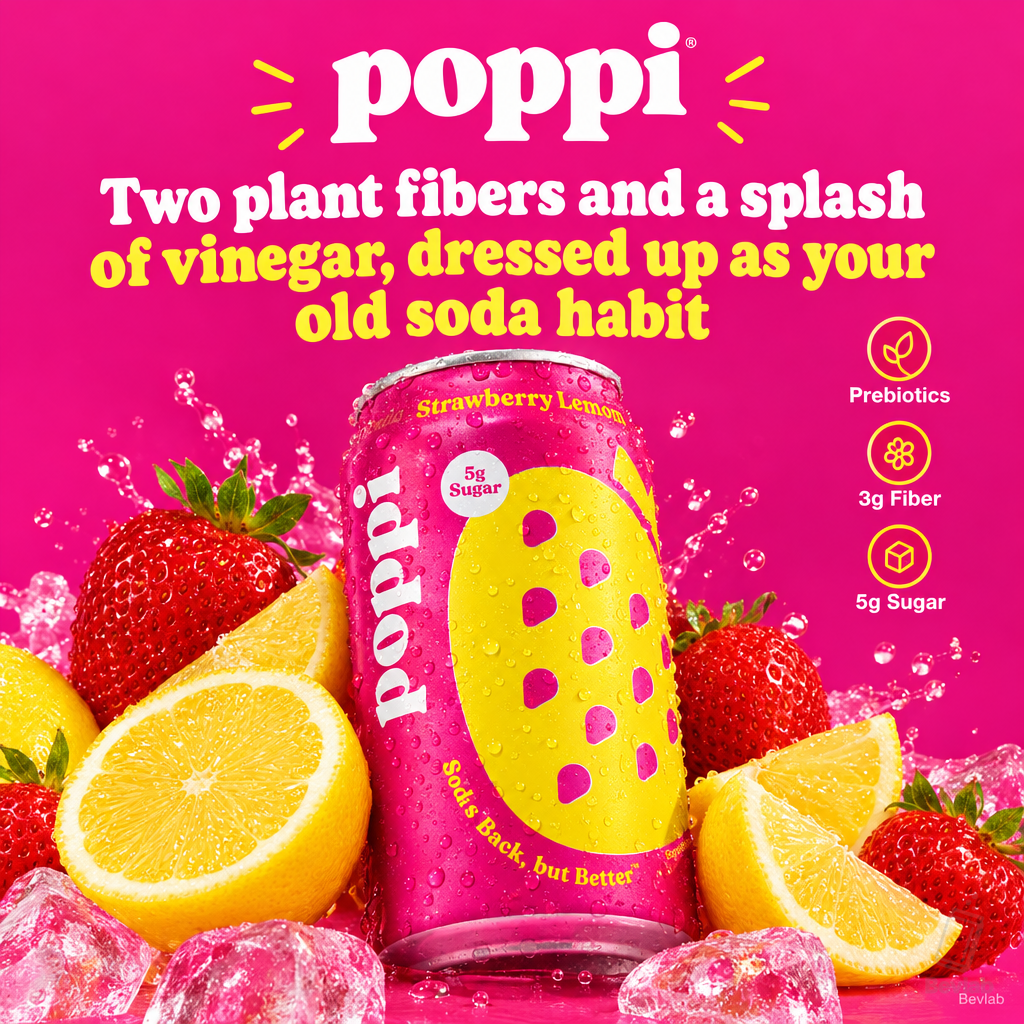
Two plant fibers and a splash of vinegar, dressed up as your old soda habit
Allison Ellsworth's kitchen-born soda leans on apple cider vinegar plus cassava root and agave fibers, landing at 5g of sugar and 3g of fiber per can.
In 2015, Allison Ellsworth was ready to break up with soda. She didn't like how it made her feel, but she couldn't quit the taste, so she started mixing fruit juice, prebiotics, and sparkling water in her Dallas kitchen. She bottled the results for a local farmers' market, a Whole Foods buyer stopped by for a sip, and the drink took off from there. Allison and her husband, Stephen Ellsworth, landed a deal on Shark Tank with investor Rohan Oza, gave the brand a new name and look, and Poppi Prebiotic Soda was born. In 2025, Poppi joined PepsiCo.
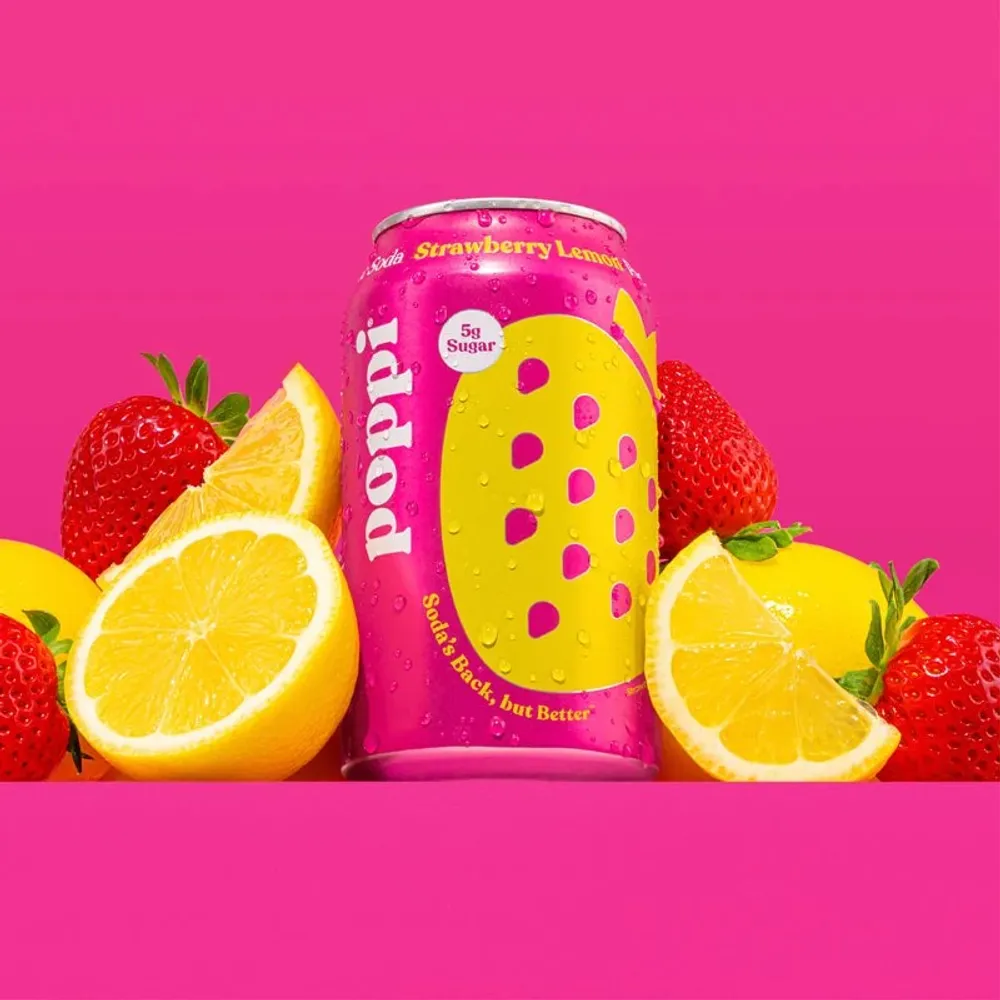
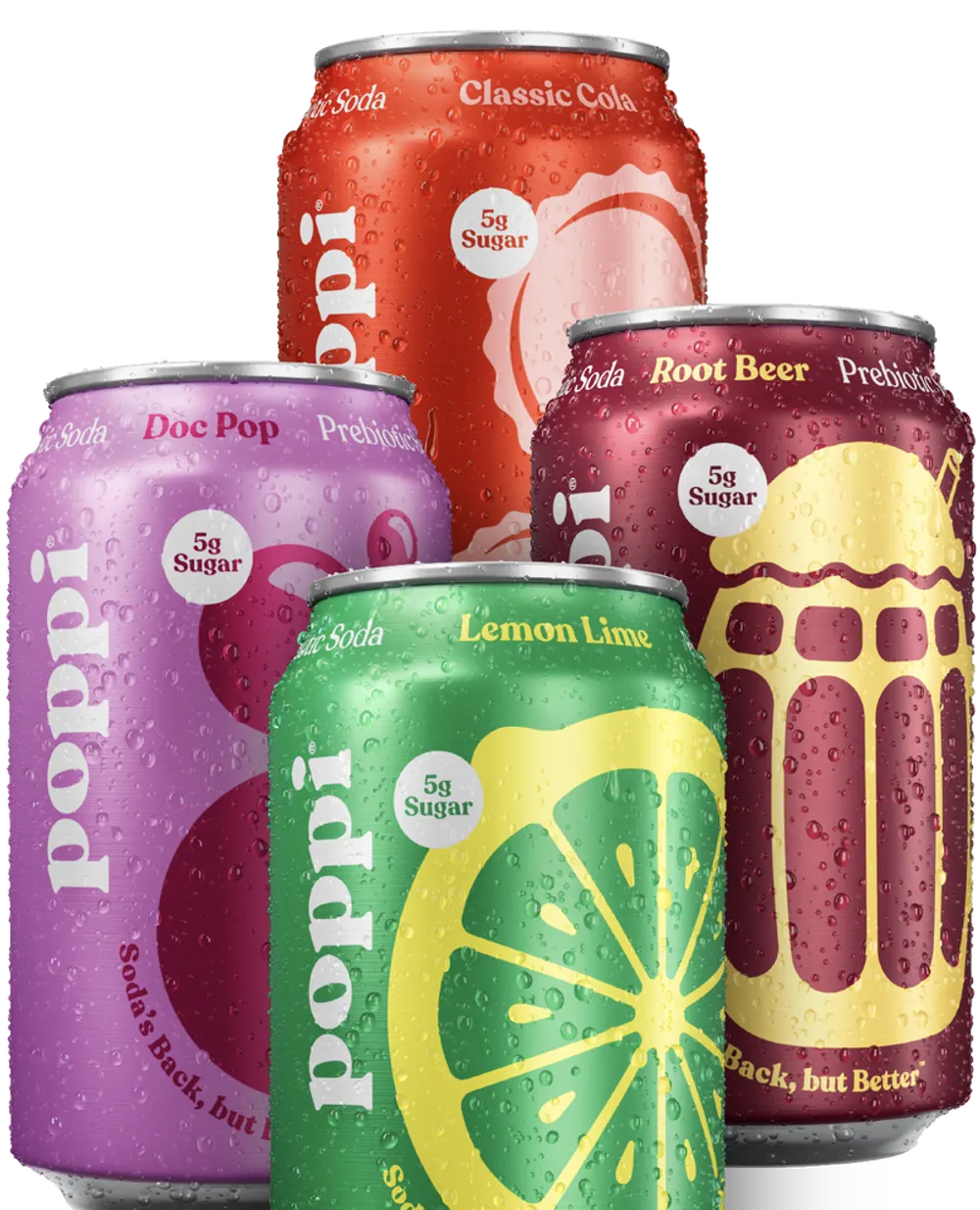
Poppi's promise is soda flavor and fizz without the baggage: 5g of sugar, prebiotics, and a lineup that swings between fruity flavors and soda-fountain classics. On the label, the prebiotic claim comes from two plant fibers, cassava root fiber and organic agave inulin, backed by a splash of organic apple cider vinegar. Organic cane sugar and stevia split the sweetening work. It's a lower-sugar soda with a modest fiber boost, and the details below show exactly how modest.
Poppi Prebiotic Soda Nutrition Facts
These numbers come from a 12 fl oz can of Strawberry Lemon. Other flavors vary slightly, so treat them as representative of the lineup rather than identical across every can.
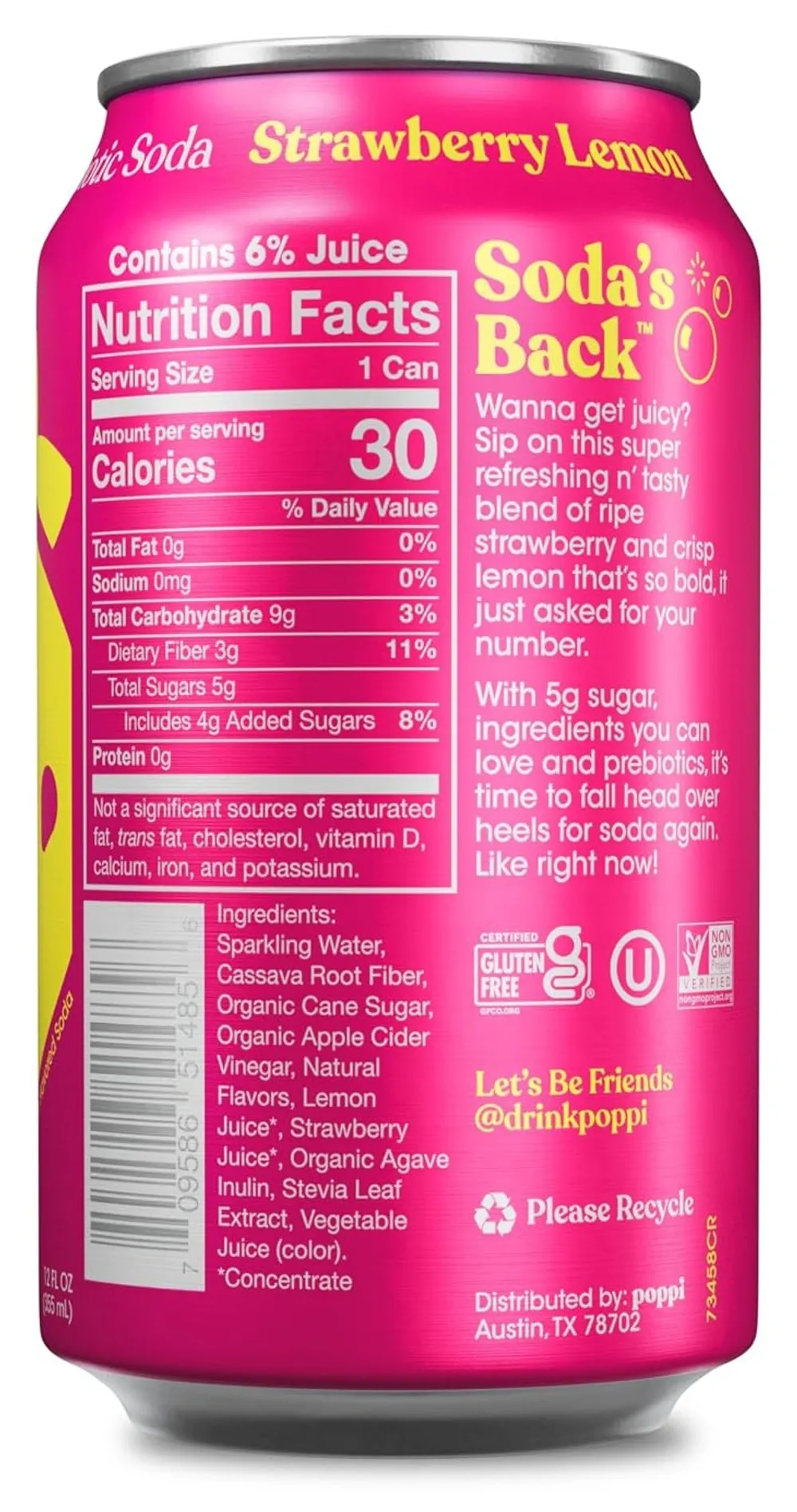
- Calories: 30
- Total Fat: 0g (0% DV)
- Total Carbohydrate: 9g (3% DV)
- Dietary Fiber: 3g (11% DV)
- Total Sugars: 5g
- Added Sugars: 4g (8% DV)
- Protein: 0g
Fiber is the line to watch. The 3g covers 11% of the Daily Value and comes from two sources, cassava root fiber and agave inulin, though Poppi doesn't say how much of each is in the can. Four of the 5g of sugar count as added sugar, and stevia leaf extract fills in the sweetness so that number can stay low.
Poppi Prebiotic Soda Ingredients
The Strawberry Lemon can lists sparkling water, cassava root fiber, organic cane sugar, organic apple cider vinegar, natural flavors, lemon and strawberry juice from concentrate, organic agave inulin, stevia leaf extract, and vegetable juice for color. Poppi doesn't disclose individual amounts for any of them, so the functional ingredients below are covered without doses.
-
Cassava Root Fiber
Cassava root fiber is the second ingredient on the can, right behind the sparkling water, which makes it the heaviest thing in the formula after the water itself. Cassava is the plant tapioca comes from, and soluble tapioca fibers are typically made by restructuring tapioca starch so your digestive enzymes can't easily break it down. Poppi doesn't specify which type of cassava fiber it uses, and the 3g of total fiber on the panel covers this ingredient and the inulin combined.
Most of the research sits on resistant maltodextrin (also called resistant dextrin), including tapioca-based versions. In a crossover trial on 16 healthy adults, 50g of tapioca resistant maltodextrin produced much lower blood sugar and insulin at the 30-minute mark than the same amount of glucose or regular tapioca maltodextrin.[1] A meta-analysis found resistant maltodextrin at 10g or less blunted the blood sugar response to carb-heavy foods, with roughly a 20% reduction from 6g delivered in a drink.[2] Another meta-analysis of 29 trials using about 3.8-13.5g/day found more frequent bowel movements, about 0.71 extra per week.[3]
With 3g of total fiber shared between two ingredients, one can sits below even the low end of those study doses. The upside is comfort. Healthy adults handled single doses of resistant maltodextrin up to 1.0g/kg of body weight without diarrhea.[4]
-
Organic Apple Cider Vinegar
Apple cider vinegar (ACV) is apple juice fermented twice: yeast turns the fruit sugar into alcohol, then bacteria turn the alcohol into acetic acid, the compound behind most of the research, alongside small amounts of polyphenols and other organic acids.[5]
The best-known human data is on blood sugar. Across four small crossover trials, about 10g of vinegar (roughly two teaspoons) at mealtime cut the post-meal glucose rise by 23-28% in healthy adults.[6] The effect disappeared when the carbs came from pure glucose instead of starch, which points to vinegar slowing carb digestion.[6] For body weight, a 12-week double-blind trial in obese Japanese adults found 15mL or 30mL of vinegar daily lowered body weight, visceral fat, and triglycerides compared to placebo, and the changes reversed within four weeks of stopping.[7] A 2025 meta-analysis of 10 trials found only the 30mL/day dose significantly moved body weight.[8]
Poppi doesn't disclose its vinegar amount. It's listed after the cane sugar, and the whole can carries just 4g of added sugar, so the amount is almost certainly a small fraction of the 15-30mL used in those trials. Think of it as a tangy flavor note rather than a clinical dose. One more thing: lab testing found every vinegar variety tested caused measurable enamel erosion.[9] The vinegar here is diluted in a full can of sparkling water, but it's still an acidic drink.
-
Organic Agave Inulin
Inulin is a chain of fructose units your small intestine can't digest, so it travels to the colon intact. Poppi sources it from organic agave, one of several plants (along with chicory root, onion, and garlic) that store energy as inulin.[10] Once it reaches the colon, gut bacteria ferment it, and it selectively feeds Bifidobacterium, the effect that makes inulin a classic prebiotic.[11] That fermentation produces short-chain fatty acids such as acetate, propionate, and butyrate, which fuel the cells lining the colon and trigger gut hormones tied to fullness.[12]
The metabolic research is narrower than the prebiotic buzz suggests. A meta-analysis of 33 trials found inulin-type fiber improved fasting glucose and HbA1c, with clear effects mostly in people with prediabetes or type 2 diabetes and a sweet spot around 10g/day for six weeks or more.[13] Another meta-analysis found no significant effects on glucose or body weight in healthy adults.[14] Appetite and weight-loss results across trials are inconsistent.[15]
Poppi doesn't list the inulin amount. It sits after the fruit juices on the label and shares the 3g fiber total with cassava root fiber, so each can holds a fraction of those study doses. That keeps things gentle: a review of 17 inulin trials put the reliably comfortable range at up to 5g/day, with gas and bloating rising as intake climbs.[16] Inulin is restricted on low-FODMAP diets, so anyone following one should take note.
-
Sweeteners and Flavors
-
Organic Cane Sugar
Organic cane sugar is sucrose, which splits into equal parts glucose and fructose during digestion. It's the third ingredient, and the panel shows 4g of added sugar per can (8% DV). The research case against sugary drinks is about volume: a meta-analysis of 11 cohort studies linked the highest intake of sugar-sweetened beverages, most often 1-2 servings a day, with a 26% higher risk of type 2 diabetes.[17] For teeth, both frequency and amount matter, and caries risk rises above about 60g/day of added sugar for adults.[18] Four grams is a small slice of that.
-
Stevia Leaf Extract
Stevia leaf extract delivers steviol glycosides, zero-calorie sweet compounds from the Stevia rebaudiana plant that run hundreds of times sweeter than sugar.[19] EFSA's acceptable daily intake is 4mg/kg of body weight per day as steviol equivalents, and typical sweetener use falls well below it.[20] For a prebiotic soda, one trial stands out: healthy adults drinking a 16 fl oz stevia-sweetened beverage daily for four weeks showed no changes in gut microbiome composition compared to a sucrose drink.[21]
-
Natural Flavors
Natural flavors are defined by where they come from, not by their chemistry. Under FDA rules, a natural flavor must be derived from sources such as fruit, vegetables, spices, or fermentation, and its job is taste rather than nutrition, which means the same flavor molecule can be natural or artificial depending on its origin.[22] U.S. labels don't require brands to name the source material outside of major allergens, and Poppi doesn't break down its blend.[22]
-
Lemon and Strawberry Juice
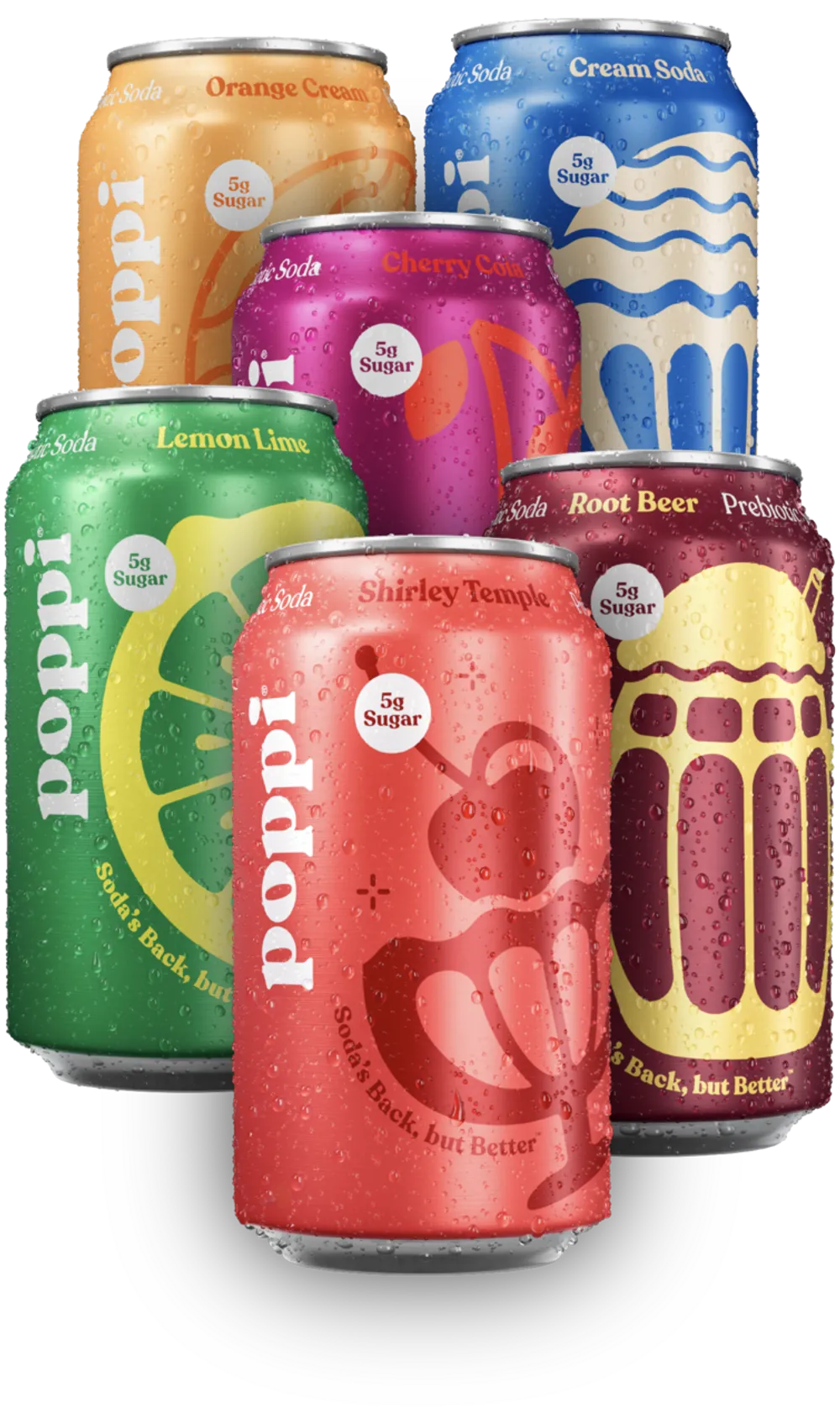
The Strawberry Lemon can lists lemon juice and strawberry juice, both from concentrate, right after the natural flavors. They're there for fruit flavor, and Poppi doesn't disclose how much of either goes into the can. Other flavors use different fruit (Cherry Cola uses apple juice concentrate, for example), so this line changes from can to can.
-
-
Other Ingredients
- Sparkling Water - The base of the drink. In a crossover trial on 18 adolescents, plain carbonated water lowered saliva pH far less than sugar-sweetened soda did.[23]
- Vegetable Juice (color) - Gives the drink its color. Vegetable juice is an FDA-listed color additive exempt from certification and a plant-based alternative to synthetic dyes such as Red 40.[24]
What Prebiotic Means in One Can
The word prebiotic on the can comes from two fermentable fibers, and together they add up to 3g. That's 11% of the Daily Value, which is a solid bump for something you'd mostly drink for flavor. It's also small next to the research. The inulin trials that moved blood sugar used around 10g a day for six weeks or more, the resistant maltodextrin bowel trials ran about 3.8-13.5g daily, and the vinegar weight trials used 15-30mL a day.
That gap cuts both ways. You shouldn't expect a can of Poppi to reproduce what those trials found. But 3g of fiber split across two sources is a gentle amount, well inside the range where inulin rarely causes more than mild gas, and if you drink a couple of cans a day the fiber adds up while the sugar stays at 5g per can.
The better read is that Poppi is a lower-sugar soda with a modest fiber boost. That's a useful thing to be, and it matches the brand's own pitch about getting soda back without the baggage.
The Cola Caffeine Exception
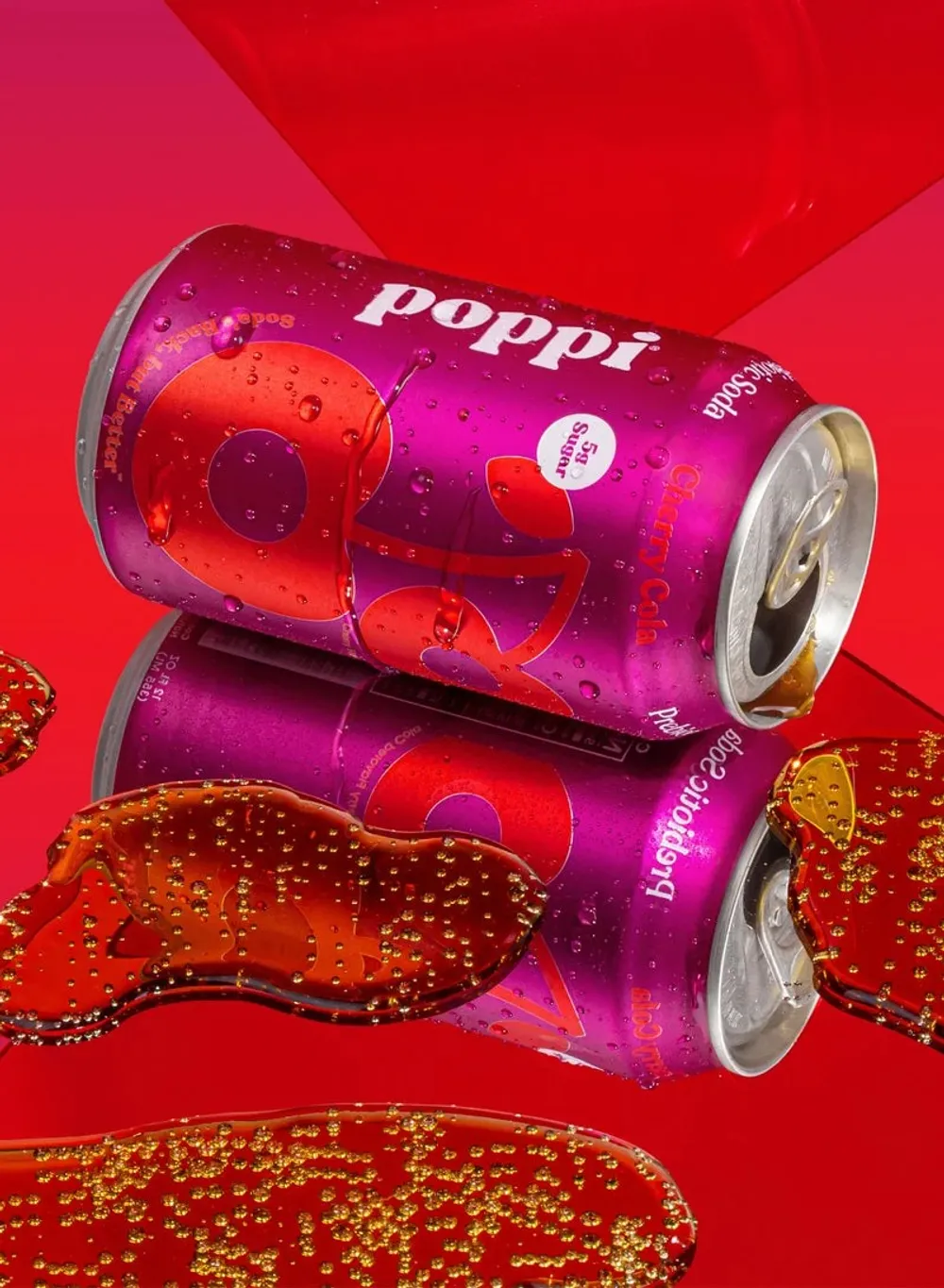
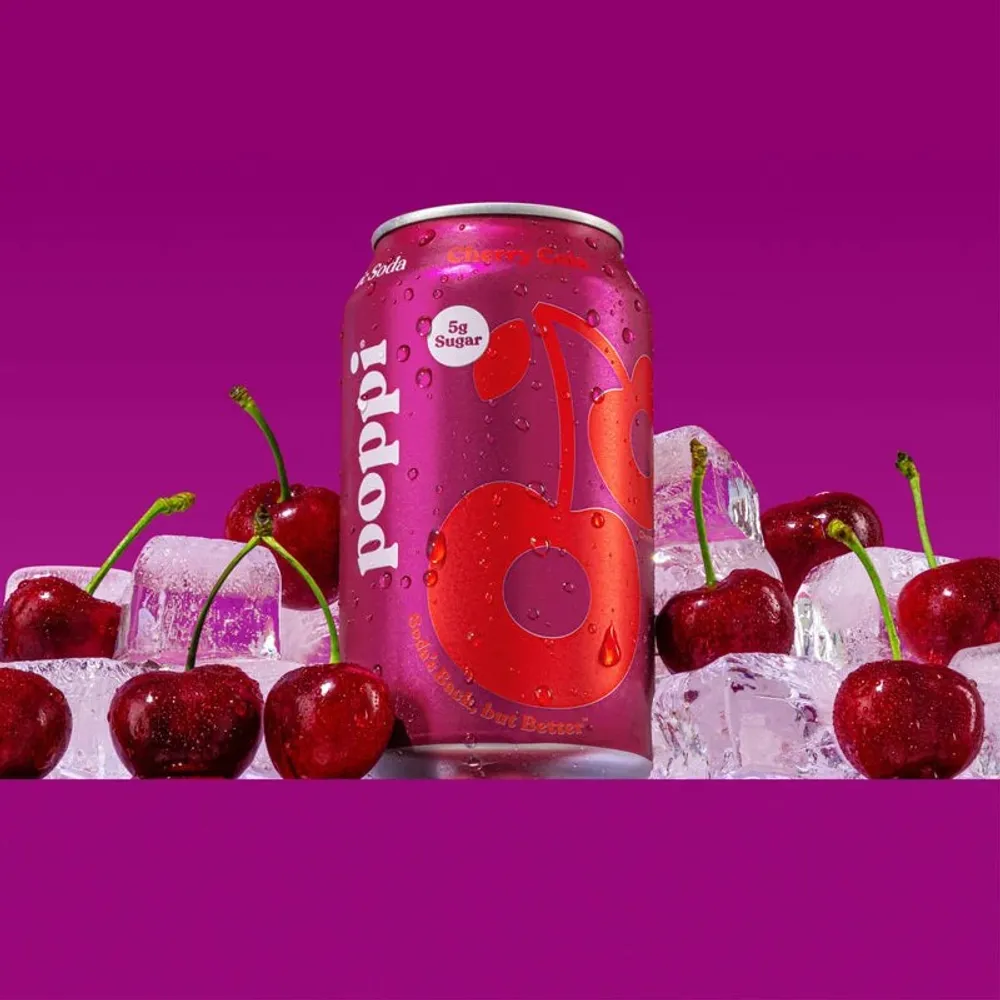
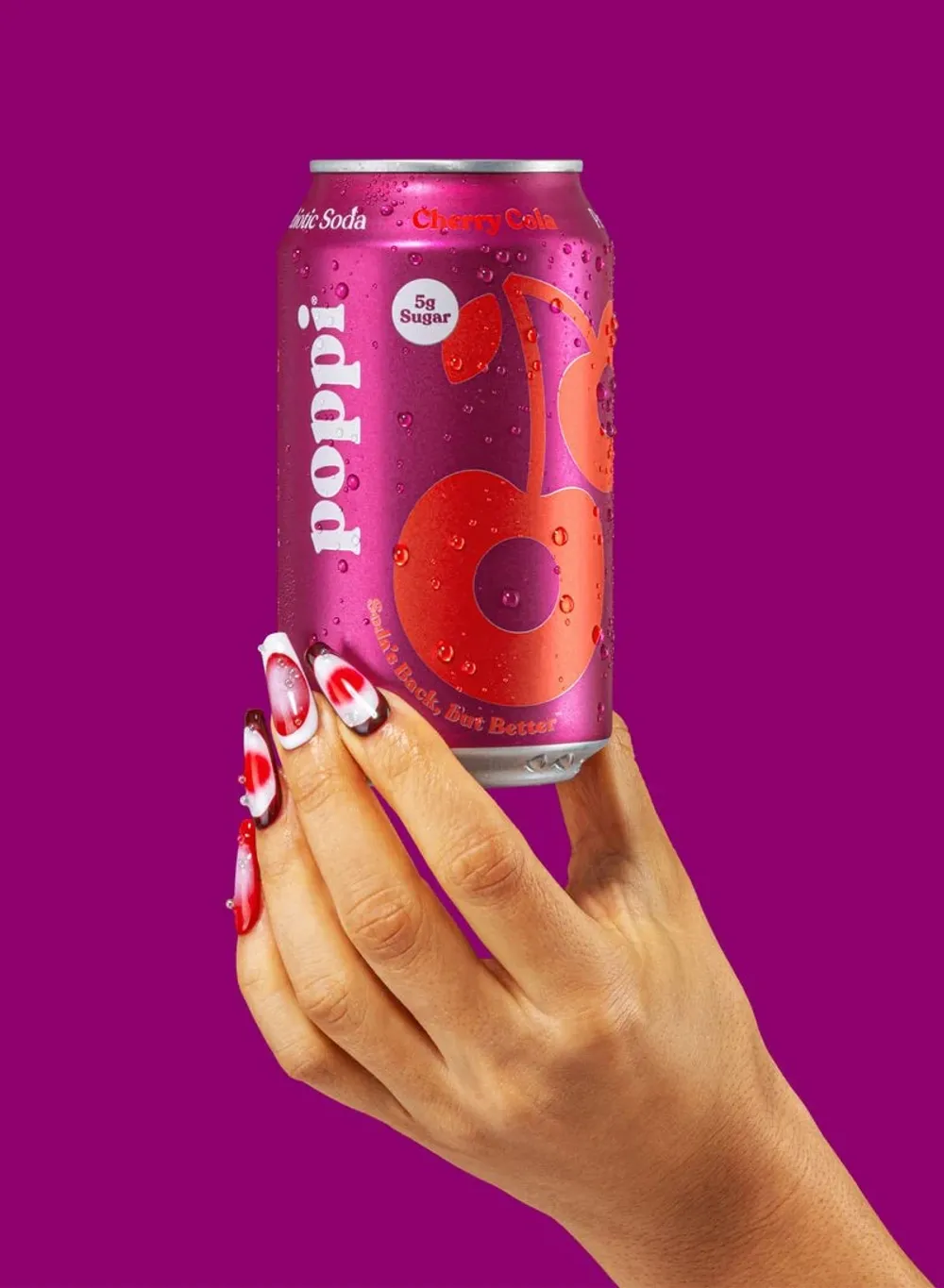
Strawberry Lemon has no caffeine on the label, but the cola-style flavors such as Cherry Cola add a little natural caffeine, with Cherry Cola listing 40mg per can. It's a light dose by energy drink standards, but worth checking if you grab one late in the day.
- Alpine Blast (12 Cans: $18.99)
- Lemonade (12 Cans: $23.11)
- Strawberry Lemon (12 Cans: $17.50)
- Variety Pack (12 Cans: $23.97)
Better Soda, Not a Supplement
Poppi Prebiotic Soda is for soda drinkers who want the flavor and the fizz with 5g of sugar instead of a full sugar load, and the label backs that up. The prebiotic side is modest, with 3g of fiber and a splash of vinegar that sit well below research doses, so buy it as a better soda rather than a gut-health fix.
References
- Astina, Junaida, et al. "Attenuation of glycaemic and insulin responses following tapioca resistant maltodextrin consumption in healthy subjects: a randomised cross-over controlled trial." Journal of nutritional science, 2020. https://doi.org/10.1017/jns.2020.22
- Livesey, Geoffrey, et al. "Interventions to lower the glycemic response to carbohydrate foods with a low-viscosity fiber (resistant maltodextrin): meta-analysis of randomized controlled trials." The American journal of clinical nutrition, 2009. https://doi.org/10.3945/ajcn.2008.26842
- Watanabe, Norikazu, et al. "Effects of resistant maltodextrin on bowel movements: a systematic review and meta-analysis." Clinical and experimental gastroenterology, 2018. https://doi.org/10.2147/CEG.S153924
- Kishimoto, Yuka, et al. "The maximum single dose of resistant maltodextrin that does not cause diarrhea in humans." Journal of nutritional science and vitaminology, 2013. https://doi.org/10.3177/jnsv.59.352
- Petsiou, Eleni I, et al. "Effect and mechanisms of action of vinegar on glucose metabolism, lipid profile, and body weight." Nutrition reviews, 2014. https://doi.org/10.1111/nure.12125
- Johnston, Carol S, et al. "Examination of the antiglycemic properties of vinegar in healthy adults." Annals of nutrition & metabolism, 2010. https://doi.org/10.1159/000272133
- Kondo, Tomoo, et al. "Vinegar intake reduces body weight, body fat mass, and serum triglyceride levels in obese Japanese subjects." Bioscience, biotechnology, and biochemistry, 2009. https://doi.org/10.1271/bbb.90231
- Castagna, Alberto, et al. "Effect of Apple Cider Vinegar Intake on Body Composition in Humans with Type 2 Diabetes and/or Overweight: A Systematic Review and Meta-Analysis of Randomized Controlled Trials." Nutrients, 2025. https://doi.org/10.3390/nu17183000
- Willershausen, Ines, et al. "In vitro study on dental erosion caused by different vinegar varieties using an electron microprobe." Clinical laboratory, 2014. https://doi.org/10.7754/clin.lab.2013.130528
- Carlson, Justin L, et al. "Health Effects and Sources of Prebiotic Dietary Fiber." Current Developments in Nutrition, 2018. https://doi.org/10.1093/cdn/nzy005
- Meyer, D, et al. "The bifidogenic effect of inulin and oligofructose and its consequences for gut health." European journal of clinical nutrition, 2009. https://doi.org/10.1038/ejcn.2009.64
- den Besten, Gijs, et al. "The role of short-chain fatty acids in the interplay between diet, gut microbiota, and host energy metabolism." Journal of Lipid Research, 2013. https://doi.org/10.1194/jlr.r036012
- Wang, Long, et al. "Inulin-type fructans supplementation improves glycemic control for the prediabetes and type 2 diabetes populations: results from a GRADE-assessed systematic review and dose-response meta-analysis of 33 randomized controlled trials." Journal of translational medicine, 2019. https://doi.org/10.1186/s12967-019-02159-0
- Li, Liangkui, et al. "Assessing the effects of inulin-type fructan intake on body weight, blood glucose, and lipid profile: A systematic review and meta-analysis of randomized controlled trials." Food science & nutrition, 2021. https://doi.org/10.1002/fsn3.2403
- Liber, Anna, et al. "Effects of inulin-type fructans on appetite, energy intake, and body weight in children and adults: systematic review of randomized controlled trials." Annals of nutrition & metabolism, 2013. https://doi.org/10.1159/000350312
- Mysonhimer, Annemarie R, et al. "Gastrointestinal Effects and Tolerance of Nondigestible Carbohydrate Consumption." Advances in nutrition (Bethesda, Md.), 2022. https://doi.org/10.1093/advances/nmac094
- Malik, Vasanti S, et al. "Sugar-sweetened beverages and risk of metabolic syndrome and type 2 diabetes: a meta-analysis." Diabetes care, 2010. https://doi.org/10.2337/dc10-1079
- Sheiham, A. "Dietary effects on dental diseases." Public health nutrition, 2001. https://doi.org/10.1079/phn2001142
- Orellana-Paucar, Adriana Monserrath. "Steviol Glycosides From Stevia Rebaudiana An Updated Overview Of Their Sweetening Activity Pharmacological Properties And Safety Aspects." Molecules (Basel, Switzerland), 2023. https://doi.org/10.3390/molecules28031258
- EFSA, Panel on Food Additives and Flavourings (FAF), et al. "Safety Of The Proposed Amendment Of The Specifications For Steviol Glycosides E 960 As A Food Additive." EFSA journal. European Food Safety Authority, 2019. https://doi.org/10.2903/j.efsa.2019.5867
- Kwok, David, et al. "Comparison of a Daily Steviol Glycoside Beverage compared with a Sucrose Beverage for Four Weeks on Gut Microbiome in Healthy Adults." The Journal of nutrition, 2024. https://doi.org/10.1016/j.tjnut.2024.01.032
- Goodman, Matthew J. "The “Natural” vs. “Natural Flavors” Conflict in Food Labeling: A Regulatory Viewpoint." Food and drug law journal, 2017. https://pubmed.ncbi.nlm.nih.gov/29140655/
- Barajas-Torres, Guadalupe Carolina, et al. "Effects of Carbonated Beverage Consumption on Oral pH and Bacterial Proliferation in Adolescents: A Randomized Crossover Clinical Trial." Life (Basel, Switzerland), 2022. https://doi.org/10.3390/life12111776
- Sigurdson, Gregory T, et al. "Natural Colorants: Food Colorants from Natural Sources." Annual review of food science and technology, 2017. https://doi.org/10.1146/annurev-food-030216-025923
Tagged