3D Energy Drink
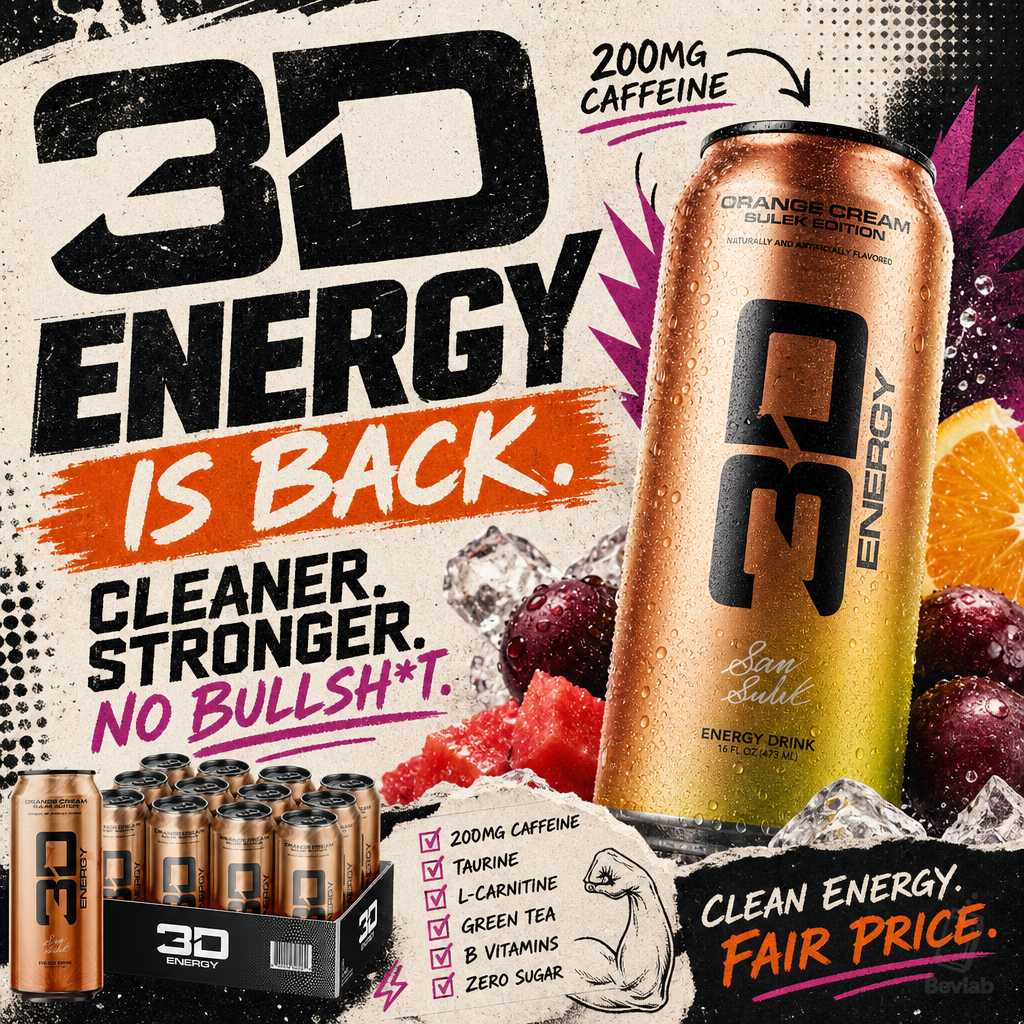
3D Energy is back and cleaner than ever. Here's what's in the can, why the formula works, and who should be reaching for it.
3D Energy Drink is Christian Guzman's energy drink brand, and after years of limbo, it's back with a cleaner formula, no artificial dyes, and a lineup that's finally moving again. In March 2025, Guzman flew to San Francisco to nail down the first wave of new flavors in person, and by summer the cans were shipping. The result is a fully clear, fully transparent product that drinks lighter than the old version and doesn't sit heavy in your stomach. That's Guzman's own description, and it lines up with what changed: the dyes are gone, the ingredient deck is tighter, and the focus is squarely on delivering clean energy at a fair price.
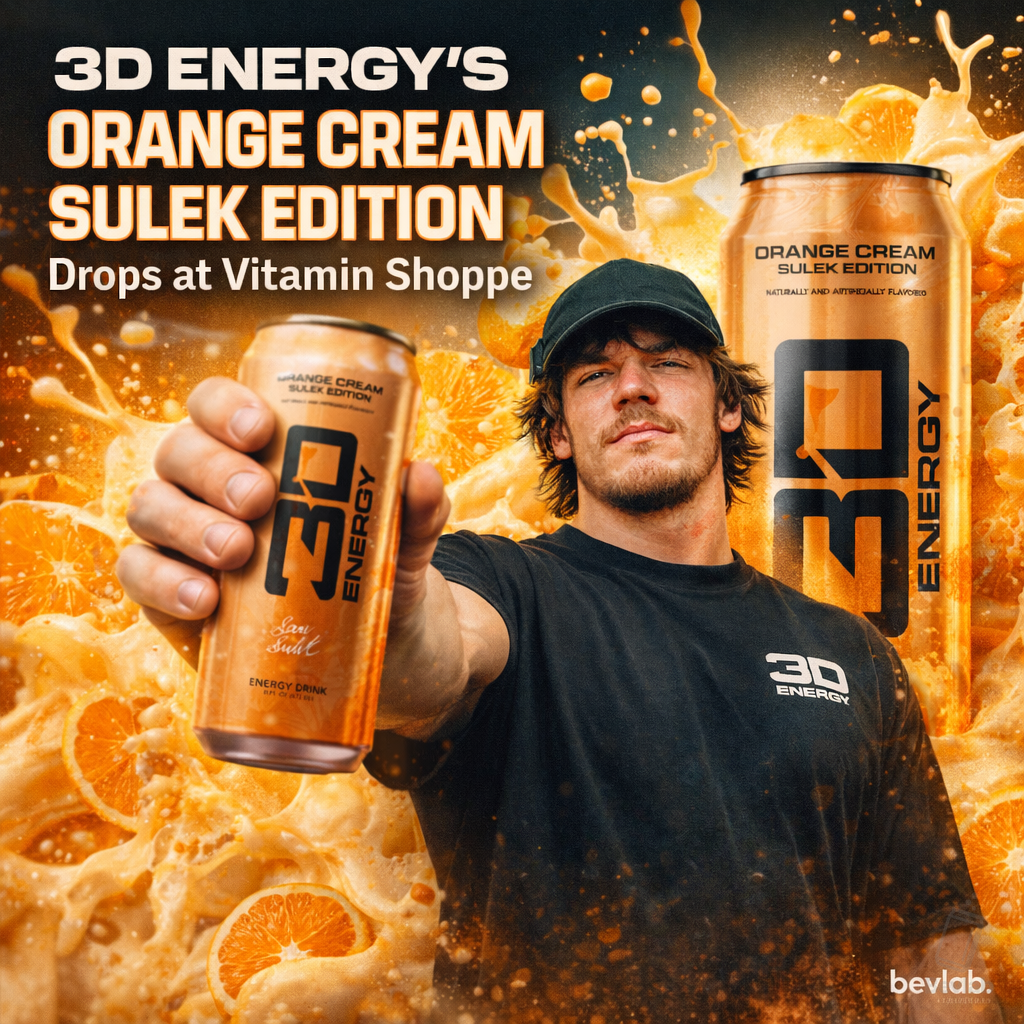
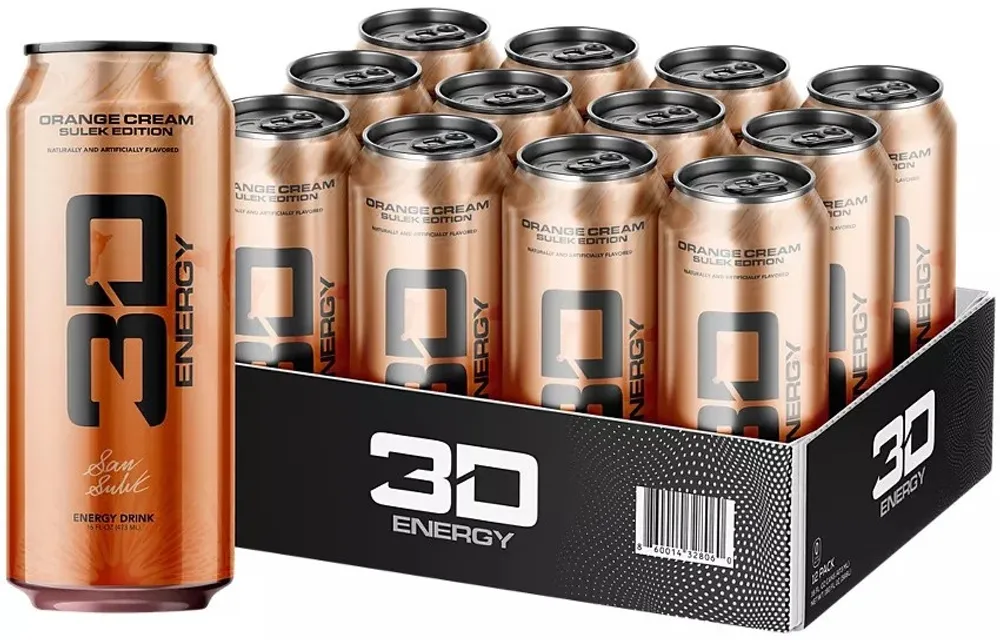
The formula is exactly what the category's best-selling shelf fillers tend to be: 200mg caffeine, B vitamins at meaningful doses, taurine, L-carnitine, green tea, and a zero-sugar sweetener blend. No proprietary blends on the active side -- everything that needs a dose has one listed. If you've been waiting for 3D to get its act together, this is the version worth trying. And if you're new to the brand, check out the 3D Energy Orange Cream Sam Sulek Edition for a taste of where the brand is going with limited collabs.
3D Energy Drink Ingredients
Each 16 fl oz can provides the following key actives:
-
Caffeine Anhydrous - 200mg
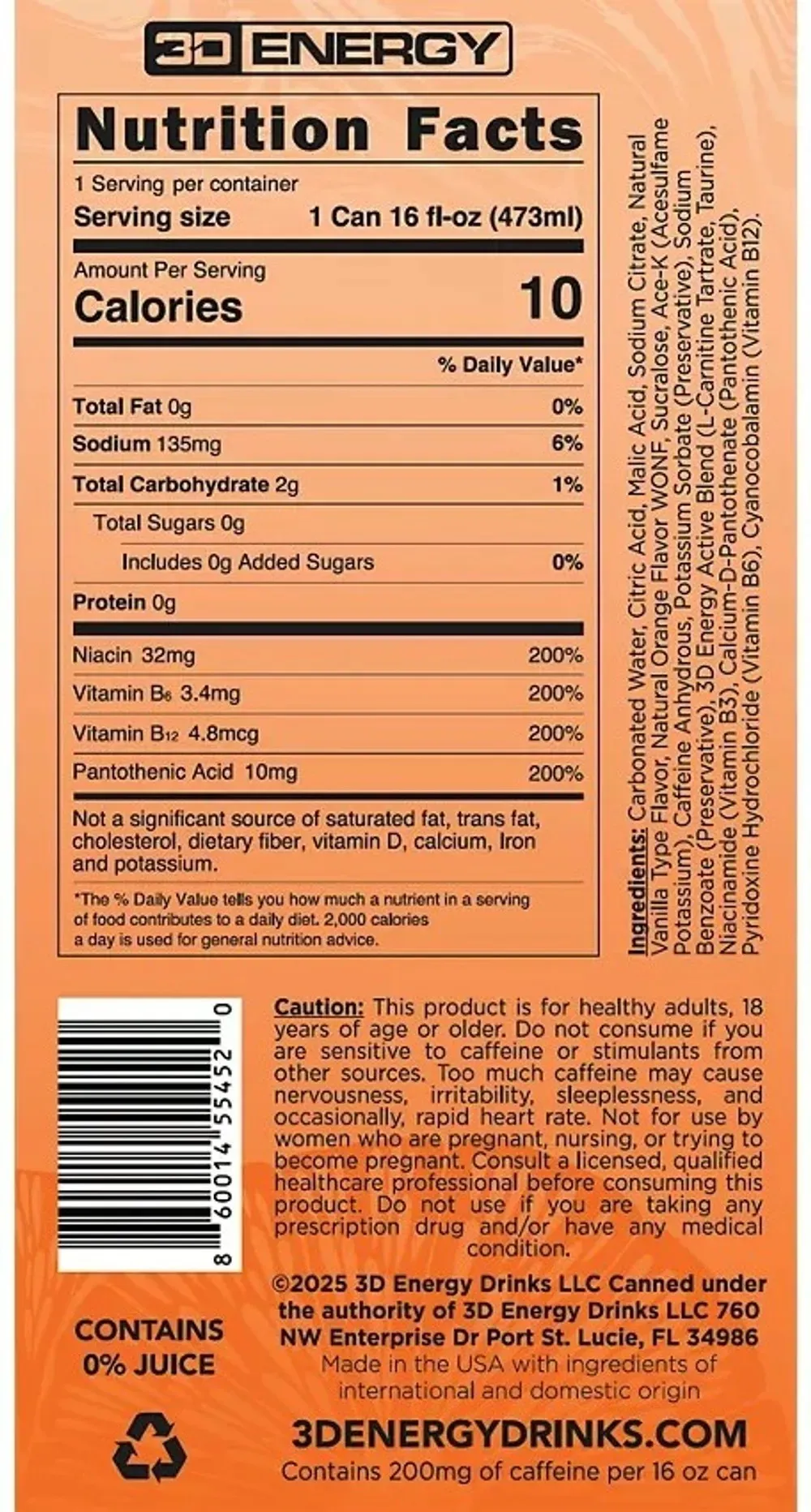
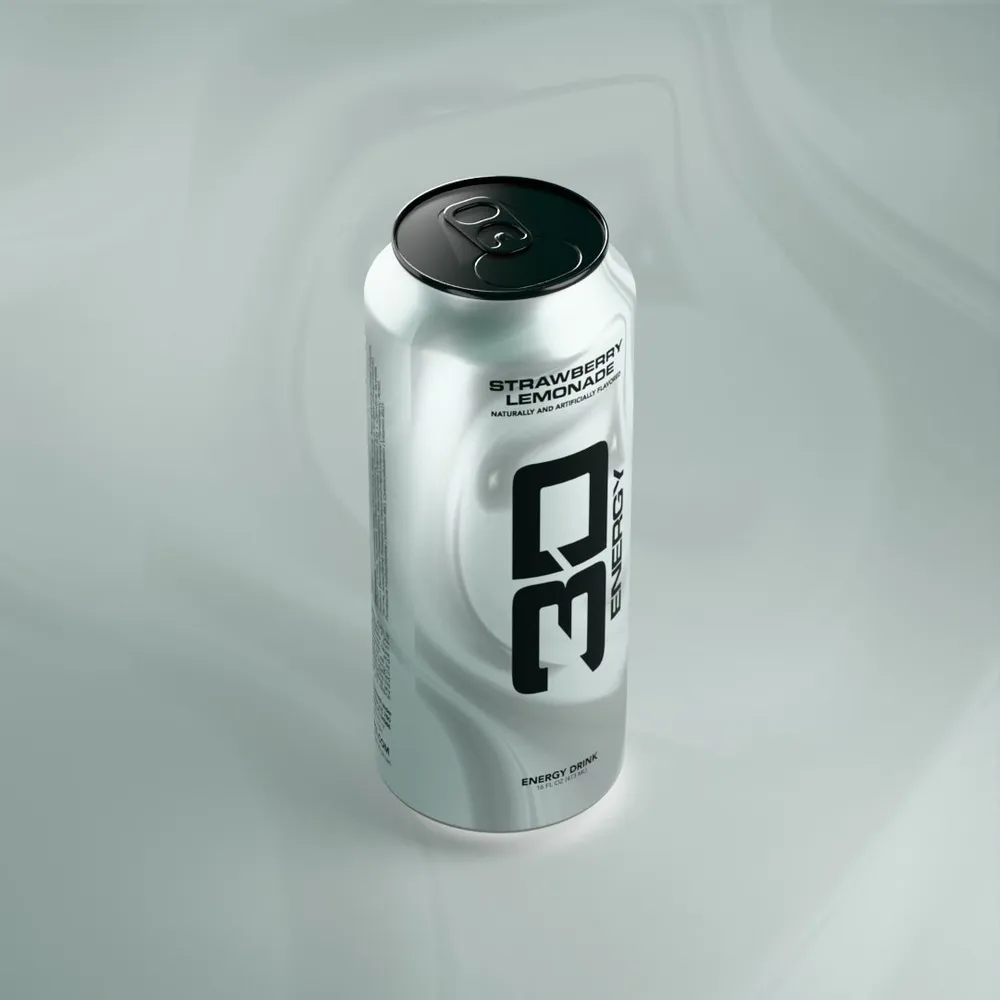
3D Energy ingredient panel — 200mg caffeine, B vitamins, taurine, L-carnitine, and green tea. 200mg is the sweet spot for most people, and 3D lands squarely on it. Caffeine blocks the signal in your brain that makes you feel tired, competing with adenosine at its receptor sites and keeping dopamine and norepinephrine flowing.[26] The result is improved reaction time, sharper focus, and sustained energy without the jittery edge that comes with higher-dose cans.[27]
At 200mg you're in the range where the research is most consistent: real cognitive lift, meaningful endurance support, and a feel most people can handle without anxiety.[28] Peak effects typically arrive within 30 to 60 minutes and run for a few hours before tapering.[27] For context, 3-6mg/kg of body weight is where the performance literature puts the optimal zone, so 200mg covers most adults in a single can without pushing into uncomfortable territory.[29]
The caffeine here is listed as caffeine anhydrous on the label -- not a botanical blend, not guarana, just straight anhydrous. That's a good thing for predictability and cost, which is where 3D wins.
-
Taurine
Taurine is in virtually every energy drink on the market, and 3D is no different. The dose isn't disclosed on this label, but taurine's presence is worth more than a footnote. It's a sulfur-containing amino acid found in high concentrations in your muscle, heart, and brain, doing real regulatory work inside cells rather than getting incorporated into proteins.[30]
From an exercise standpoint, taurine helps your muscles manage calcium more effectively, which supports contraction and delays fatigue.[31] A meta-analysis of single-dose taurine supplementation found a small but meaningful improvement in aerobic endurance performance, with the effect most consistent when taurine is taken about an hour before activity.[32] It also shows up in research on muscle recovery, with supplementation linked to lower markers of muscle damage and soreness following hard exercise.[33]
In combination with caffeine, the two work better together than either does alone. A network meta-analysis found that combined caffeine and taurine improved anaerobic capacity and reaction time more than either compound in isolation.[34] That's the real reason this pairing shows up everywhere: it's a legitimate stack.
-
L-Carnitine L-Tartrate
L-carnitine's job in the cell is straightforward: it shuttles long-chain fatty acids across the inner mitochondrial membrane so they can be burned for energy.[35] Without it, that fuel source stays locked out. The tartrate salt is the most common form in sports nutrition and is stable in liquid.
The research on L-carnitine is more nuanced than the label suggests. At high acute doses (3-4g, 60-90 minutes pre-exercise), it's been shown to improve performance during high-intensity work: less perceived effort, better lactate handling, higher power output.[36] At the lower doses common in energy drinks, you're not getting the full ergogenic effect, but you are getting a compound with solid recovery credentials. Supplementation at 2g per day has been shown to reduce exercise-induced muscle damage markers, including creatine kinase and lipid peroxidation products.[35]
Think of the L-carnitine in 3D as a recovery-facing inclusion rather than an acute performance driver. It adds meaningful depth to what's otherwise a caffeine-forward formula.
-
Green Tea
Green tea extract shows up here as "Green Tea" on the label, without a disclosed dose or standardization. The bioactive that matters is EGCG (epigallocatechin-3-gallate), the primary catechin responsible for most of the documented metabolic effects.[37]
In the context of an energy drink, the most relevant effect is EGCG's ability to inhibit the enzyme that breaks down norepinephrine, which means the catechins in green tea extend and smooth out caffeine's stimulant effect rather than duplicating it.[38] That's a genuinely useful interaction. Research shows that catechin-caffeine combinations increase 24-hour fat oxidation more than caffeine alone, with one meta-analysis finding a 16% increase when catechins and caffeine were combined versus caffeine solo.[38]
The undisclosed dose is the caveat here. Meaningful metabolic and thermogenic effects in the literature tend to appear at doses between 400mg and 1,000mg of green tea extract per day.[39] What's in a can of 3D is almost certainly less than that, so the contribution is real but modest -- more of a formula complement than a standalone active.
-
Vitamins and Minerals
-
Niacin (as Niacinamide) - 32mg (200% DV)
Niacin is vitamin B3, and 3D delivers it as niacinamide, which is the recycled form that doesn't cause flushing. At the cellular level, niacin is a precursor to NAD+, the coenzyme your mitochondria use to run energy metabolism.[40] The 32mg here is well above the daily RDA (16mg for men, 14mg for women) and sits comfortably below the 35mg tolerable upper intake level set by the US IOM for flushing-free forms.[41] Standard energy drink territory, solidly dosed.
-
Vitamin B6 (as Pyridoxine Hydrochloride) - 3.4mg (200% DV)
Vitamin B6 participates in over 140 enzymatic reactions, including the synthesis of dopamine, serotonin, and GABA.[42] At 3.4mg you're at 200% of the daily value, which is meaningful without approaching levels where toxicity concerns arise.
-
Vitamin B12 (as Cyanocobalamin) - 4.8mcg (200% DV)
Cyanocobalamin is the most shelf-stable vitamin B12 form and performs comparably to other forms for raising serum B12 levels in most people.[43] B12 supports red blood cell formation and myelin integrity -- a genuine energy-metabolism nutrient. The 4.8mcg here is at 200% DV, well above the 2.4mcg RDA.
-
Vitamin B5 (as Calcium-D-Pantothenate) - 10mg (200% DV)
Vitamin B5 as Pantothenic acid is the precursor to coenzyme A, which drives the Krebs cycle and fatty acid metabolism.[44] Every macronutrient you eat gets processed through CoA-dependent pathways, making B5 quietly essential to the entire energy production chain.[45] Ten milligrams at 200% DV is well above the 5mg adequate intake and is well-tolerated with no established upper limit.
-
-
Other Ingredients

-
Carbonated Water - The base of every sparkling energy drink. CO2 dissolved under pressure gives 3D its carbonation and contributes to the light, clean mouthfeel Guzman describes.
-
Citric Acid - A naturally occurring organic acid used in virtually every acidic beverage to provide tartness and act as a pH stabilizer. Standard food additive with GRAS status.
-
Malic Acid - Works alongside citric acid to create a fuller, more rounded sourness. Malic acid is the compound that makes green apples taste tart, and it contributes to that clean finish 3D is aiming for.
-
Sodium Citrate - Functions as a buffering agent to balance acidity in the formula and enhance flavor stability. Also provides a modest sodium contribution.
-
Sucralose - The primary sweetener. Sucralose is roughly 600 times sweeter than sugar and contributes zero calories. It's the most common zero-calorie sweetener in this category and has broad regulatory approval globally.[46] Most consumers at typical energy drink consumption levels remain well below the established acceptable daily intake.[47]
-
Acesulfame Potassium (Ace-K) - Paired with sucralose to create a more sugar-like sweetness profile and mask the slight bitter aftertaste either sweetener can produce alone. Standard co-sweetener combination across the category.[48]
-
Potassium Sorbate - A common antimicrobial preservative that inhibits yeast and mold. Used at typical food-safe levels with a long regulatory track record. EFSA's current acceptable daily intake is 11mg per kilogram of body weight per day, and exposure from a single energy drink is a small fraction of that.[49]
-
Sodium Benzoate - Pairs with potassium sorbate for broad-spectrum preservation in acidic beverages. Effective in the pH range of most carbonated drinks. Regulatory maximum in beverages is 150mg/L in the EU; US FDA allows up to 0.1% (1,000mg/kg).[50] Standard use in the category.
-
Flavors Available
- Blue (Blueberry Mist) (12 Cans: $19.99)
- Candy Blast (12 Cans: $69.99)
- Citrus Frost (12 Cans: $25.99)
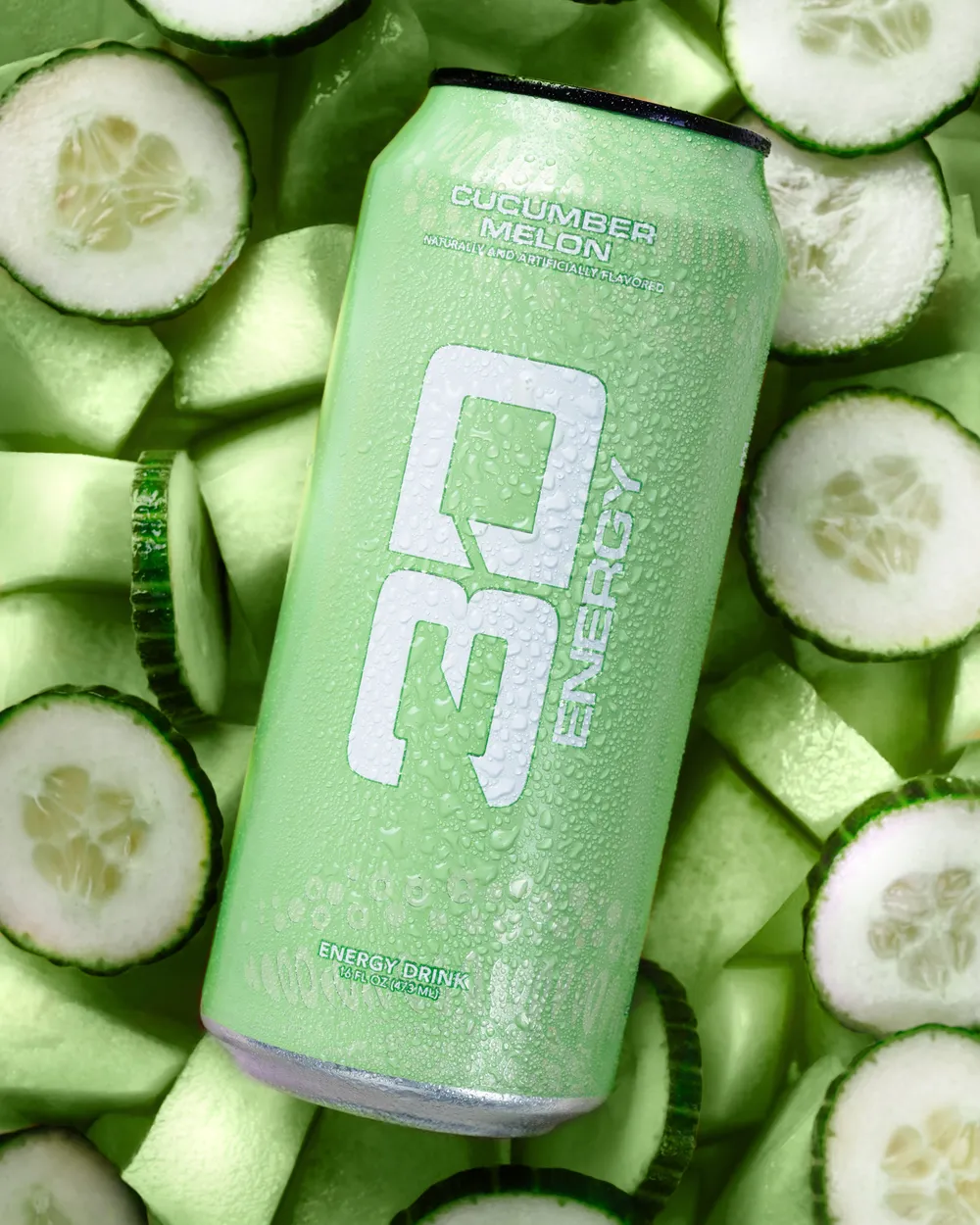
- Cucumber Melon (12 Cans: $25.99)
- Liberty Pop (Red, White and Blue) (12 Cans: $25.99)
- Orange Cream - Sulek Edition (12 Cans: $25.99)
- Spicy Mango (12 Cans: $25.99)
- Strawberry Lemonade (12 Cans: $25.99)
- Variety Pack (12 Cans: $25.99)
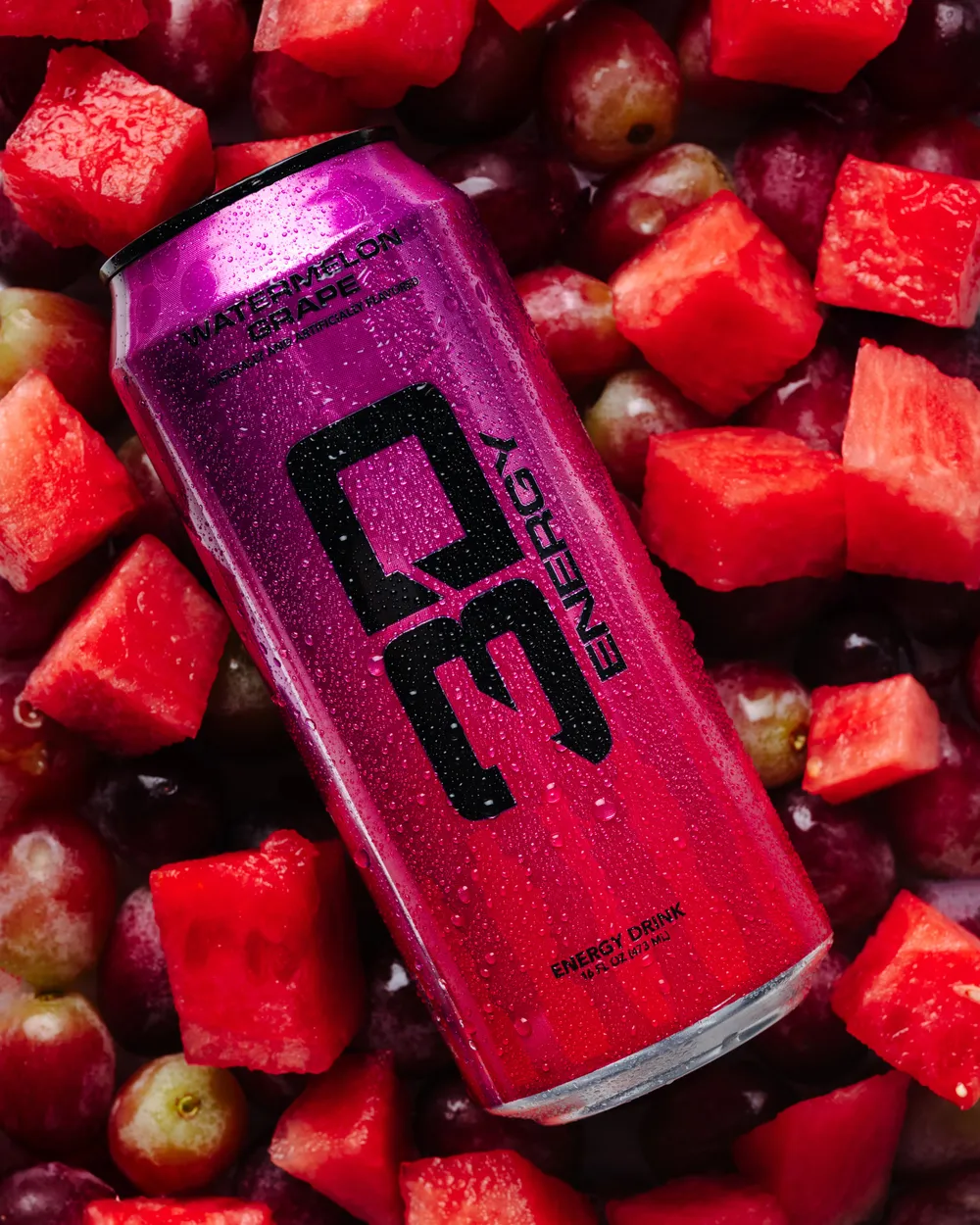
- Watermelon Grape (12 Cans: $25.99)
Who It's For
- Caffeine-sensitive drinkers looking for a clean 200mg option: If 300mg cans feel like too much but you want real energy, 3D hits the practical midpoint. No artificial dyes, no overcrowded stack -- just the compounds that earn their place.
- Fans of Christian Guzman or the Alphalete community: The brand has a clear identity and an audience that already trusts it. If you've been waiting for the relaunch, the formula backs up the hype.
The Verdict on 3D's Comeback Can
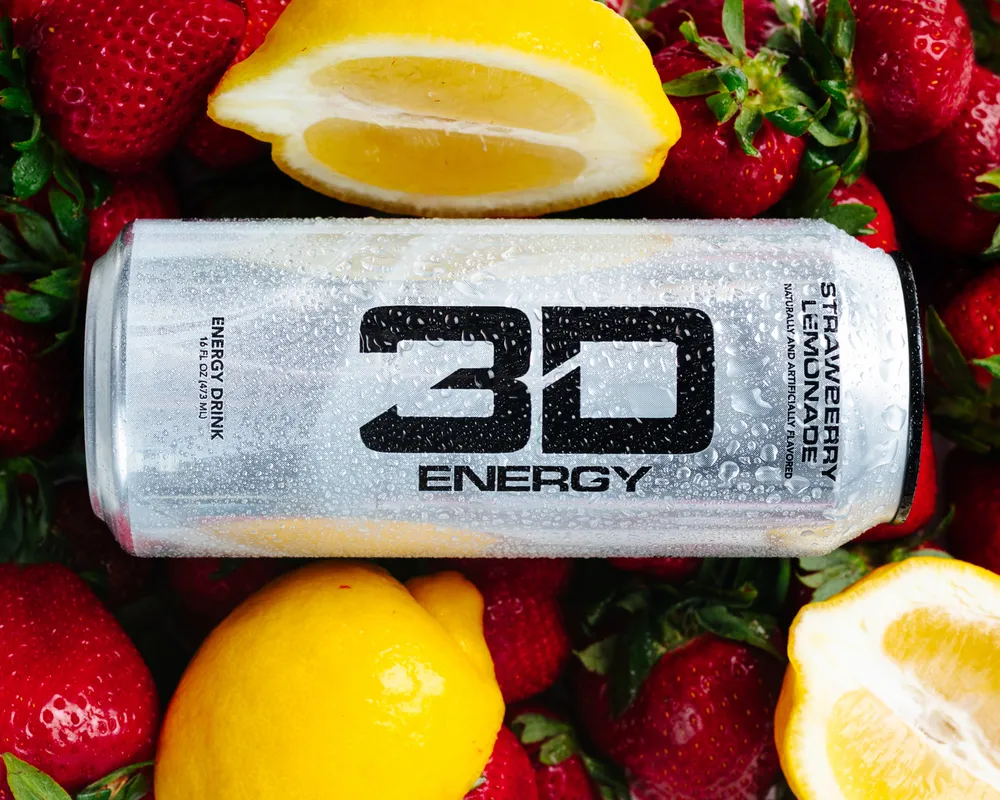
Three years of limbo, one trip to the flavor house, and 3D came out the other side with exactly what it needed to be: a clean, honest 200mg energy drink that doesn't overcomplicate things. The formula (caffeine, taurine, L-carnitine, green tea, B vitamins) is well-constructed for what it claims to do, and pulling the artificial dyes was the right call. This is a solid everyday Enny for anyone who wants predictable energy without the noise.
Follow @BevlabMedia on TikTok and Instagram for more on what's hitting shelves.
References
-
McLellan TM et al. "A review of caffeine's effects on cognitive, physical and occupational performance." Neuroscience & Biobehavioral Reviews, 2016. https://pubmed.ncbi.nlm.nih.gov/27612937/
-
Guest NS et al. "International society of sports nutrition position stand: caffeine and exercise performance." Journal of the International Society of Sports Nutrition, 2021. https://pubmed.ncbi.nlm.nih.gov/33388079/
-
Wikoff D et al. "Systematic review of the potential adverse effects of caffeine consumption in healthy adults, pregnant women, adolescents, and children." Food and Chemical Toxicology, 2017. https://pubmed.ncbi.nlm.nih.gov/28438661/
-
Goldstein ER et al. "International society of sports nutrition position stand: caffeine and performance." Journal of the International Society of Sports Nutrition, 2010. https://pubmed.ncbi.nlm.nih.gov/20205813/
-
Ripps H, Shen W. "Review: taurine: a 'very essential' amino acid." Molecular Vision, 2012. https://pubmed.ncbi.nlm.nih.gov/23170060/
-
Kurtz JA et al. "Taurine in sports and exercise." Journal of the International Society of Sports Nutrition, 2021. https://pubmed.ncbi.nlm.nih.gov/33992088/
-
Deng A et al. "Single-dose taurine supplementation and aerobic endurance performance: a meta-analysis." Journal of the International Society of Sports Nutrition, 2025.
-
McLeay Y et al. "The effect of taurine on delayed onset muscle soreness markers." European Journal of Nutrition, 2017. https://pubmed.ncbi.nlm.nih.gov/27807698/
-
Deng A et al. "Combined caffeine and taurine supplementation and anaerobic capacity: a network meta-analysis." 2025.
-
Fielding R et al. "L-carnitine supplementation in recovery after exercise." Nutrients, 2018. https://pubmed.ncbi.nlm.nih.gov/29495598/
-
Mielgo-Ayuso J et al. "Effect of acute and chronic oral L-carnitine supplementation on exercise performance." Nutrients, 2021.
-
Asbaghi O et al. "Green tea catechins and metabolic outcomes: a systematic review." (Year unavailable.)
-
Hursel R et al. "The effects of catechin rich teas and caffeine on energy expenditure and fat oxidation: a meta-analysis." Obesity Reviews, 2011. https://pubmed.ncbi.nlm.nih.gov/21366839/
-
Lin Y et al. "Green tea extract dosing and metabolic effects: a review." 2020.
-
Gasperi V et al. "Niacin in the central nervous system: an update of biological aspects and clinical applications." International Journal of Molecular Sciences, 2019. https://pubmed.ncbi.nlm.nih.gov/30721912/
-
Freese R et al. "B vitamin intake recommendations and upper limits." 2023.
-
Di Salvo ML et al. "Vitamin B6 salvage enzymes: mechanism, structure and regulation." Biochimica et Biophysica Acta, 2010. https://pubmed.ncbi.nlm.nih.gov/20399912/
-
Obeid R et al. "Cobalamin coenzyme forms are not likely to be superior to cyano- and hydroxyl-cobalamin in prevention or treatment of cobalamin deficiency." Molecular Nutrition & Food Research, 2015. https://pubmed.ncbi.nlm.nih.gov/25545627/
-
Freese R et al. "Pantothenic acid and coenzyme A in energy metabolism." 2023.
-
Shichkin VP et al. "Coenzyme A-dependent metabolism and B5 supplementation." 2025.
-
Wilk K et al. "Sucralose safety review." 2022.
-
Daher MI et al. "Sucralose acceptable daily intake and consumer exposure." 2022.
-
Chowdhury K et al. "Acesulfame potassium and sucralose co-sweetener combinations: a review." 2026.
-
Opinion EFSA. "Potassium sorbate: re-evaluation as a food additive." EFSA Journal, 2019.
-
EFSA. "Sodium benzoate as a food additive: re-evaluation." EFSA Journal, 2016.
-
McLellan, Tom M. et al. "Mclellan2016 A Review Of Caffeine S Effects On Cognitive Physical And Occupational Performance." Neuroscience & Biobehavioral Reviews, 2016. https://doi.org/10.1016/j.neubiorev.2016.09.001
-
Guest, Nanci S. et al. "Guest 2021 International Society Of Sports Nutrition Position Stand Caffeine And Exercise Performance." Journal of the International Society of Sports Nutrition, 2021. https://doi.org/10.1186/s12970-020-00383-4
-
Wikoff, Daniele, et al. "Systematic review of the potential adverse effects of caffeine consumption in healthy adults, pregnant women, adolescents, and children." Food and chemical toxicology : an international journal published for the British Industrial Biological Research Association, 2017. https://doi.org/10.1016/j.fct.2017.04.002
-
Goldstein, Erica R, et al. "Goldstein 2011 International Society Of Sports Nutrition Position Stand Caffeine And Performance." Journal of the International Society of Sports Nutrition, 2010. https://doi.org/10.1186/1550-2783-7-5
-
Ripps, Harris, et al. "Review: taurine: a "very essential" amino acid." Molecular vision, 2012. https://pmc.ncbi.nlm.nih.gov/articles/PMC3501277/
-
Kurtz, Jennifer A, et al. "Taurine in sports and exercise." Journal of the International Society of Sports Nutrition, 2021. https://doi.org/10.1186/s12970-021-00438-0
-
Deng, Hengzhi, et al. "Does One Shot Work? The Acute Impact of a Single Taurine Dose on Exercise Performance: A Meta-Analytic Review." Scandinavian journal of medicine & science in sports, 2025. https://doi.org/10.1111/sms.70123
-
McLeay, Yanita, et al. "The Effect of Taurine on the Recovery from Eccentric Exercise-Induced Muscle Damage in Males." Antioxidants (Basel, Switzerland), 2017. https://doi.org/10.3390/antiox6040079
-
Deng, Hengzhi, et al. "Caffeine and taurine: a systematic review and network meta-analysis of their individual and combined effects on physical capacity, cognitive function, and physiological markers." Journal of the International Society of Sports Nutrition, 2025. https://doi.org/10.1080/15502783.2025.2566371
-
Fielding, Roger, et al. "Fielding 2018 L Carnitine Supplementation In Recovery After Exercise." Nutrients, 2018. https://doi.org/10.3390/nu10030349
-
Mielgo-Ayuso, Juan, et al. "Mielgo 2021 Effect Of Acute And Chronic Oral L Carnitine Supplementation On Exercise Performance Based On The Exercise Intensity A Systematic Review." Nutrients, 2021. https://doi.org/10.3390/nu13124359
-
Asbaghi, Omid, et al. "Asbaghi The Effects Of Green Tea Extract Supplementation On Body Composition Obesity Related Hormones And Oxidative Stress Markers A Grade Assessed Systematic Review And Dose Response Meta Analysis Of Randomi." The British journal of nutrition, 2024. https://doi.org/10.1017/S000711452300260X
-
Hursel, R, et al. "Hursel 2011 The Effects Of Catechin Rich Teas And Caffeine On Energy Expenditure And Fat Oxidation A." Obesity reviews : an official journal of the International Association for the Study of Obesity, 2011. https://doi.org/10.1111/j.1467-789X.2011.00862.x
-
Lin, Ying, et al. "Lin 2020 The Effect Of Green Tea Supplementation On Obesity A Systematic Review And Dose Response Meta Analysis Of Randomized Controlled Trials." Phytotherapy research : PTR, 2020. https://doi.org/10.1002/ptr.6697
-
Gasperi, Valeria, et al. "Gasperi2019 Niacin In The Central Nervous System An Update Of Biological Aspects And Clinical Applications." International Journal of Molecular Sciences, 2019. https://doi.org/10.3390/ijms20040974
-
Freese, Riitta, et al. "Niacin - a scoping review for Nordic Nutrition Recommendations 2023." Food & nutrition research, 2023. https://doi.org/10.29219/fnr.v67.10299
-
di, Salvo Martino Luigi, et al. "Di Salvo2010 Vitamin B6 Salvage Enzymes Mechanism Structure And Regulation." Biochimica et Biophysica Acta (BBA) - Proteins and Proteomics, 2011. https://doi.org/10.1016/j.bbapap.2010.12.006
-
Obeid, Rima, et al. "Obeid2015 Cobalamin Coenzyme Forms Are Not Likely To Be Superior To Cyano And Hydroxyl Cobalamin In Prevention Or Treatment Of Cobalamin Deficiency." Molecular Nutrition & Food Research, 2015. https://doi.org/10.1002/mnfr.201500019
-
Freese, Riitta, et al. "Pantothenic acid - a scoping review for Nordic Nutrition Recommendations 2023." Food & nutrition research, 2023. https://doi.org/10.29219/fnr.v67.10255
-
Shichkin, Valentin P. "Vitamin B5 and vitamin U review: justification of combined use for the treatment of mucosa-associated gastrointestinal pathologies." Frontiers in pharmacology, 2025. https://doi.org/10.3389/fphar.2025.1587627
-
Wilk, Klara, et al. "The Effect of Artificial Sweeteners Use on Sweet Taste Perception and Weight Loss Efficacy: A Review." Nutrients, 2022. https://doi.org/10.3390/nu14061261
-
Daher, Mira, et al. "Trends and amounts of consumption of low-calorie sweeteners: A cross-sectional study." Clinical nutrition ESPEN, 2022. https://doi.org/10.1016/j.clnesp.2022.01.006
-
Chowdhury, Chandrama Roy, et al. "Beyond sweetness: A review of the health and safety of acesulfame-K." Food chemistry, 2026. https://doi.org/10.1016/j.foodchem.2025.147290
-
et al. "Opinion on the follow-up of the re-evaluation of sorbic acid (E200) and potassium sorbate (E202) as food additives." EFSA journal. European Food Safety Authority, 2019. https://doi.org/10.2903/j.efsa.2019.5625
-
EFSA, Panel on Food Additives and Nutrient Sources (ANS). "Scientific Opinion on the re‐evaluation of benzoic acid (E 210), sodium benzoate (E 211), potassium benzoate (E 212) and calcium benzoate (E 213) as food additives." EFSA Journal, 2016. https://doi.org/10.2903/j.efsa.2016.4433
Related Coverage