Product Review
Alani Nu Energy Drink
Clean energy, real numbers, and the brand that changed who drinks energy drinks
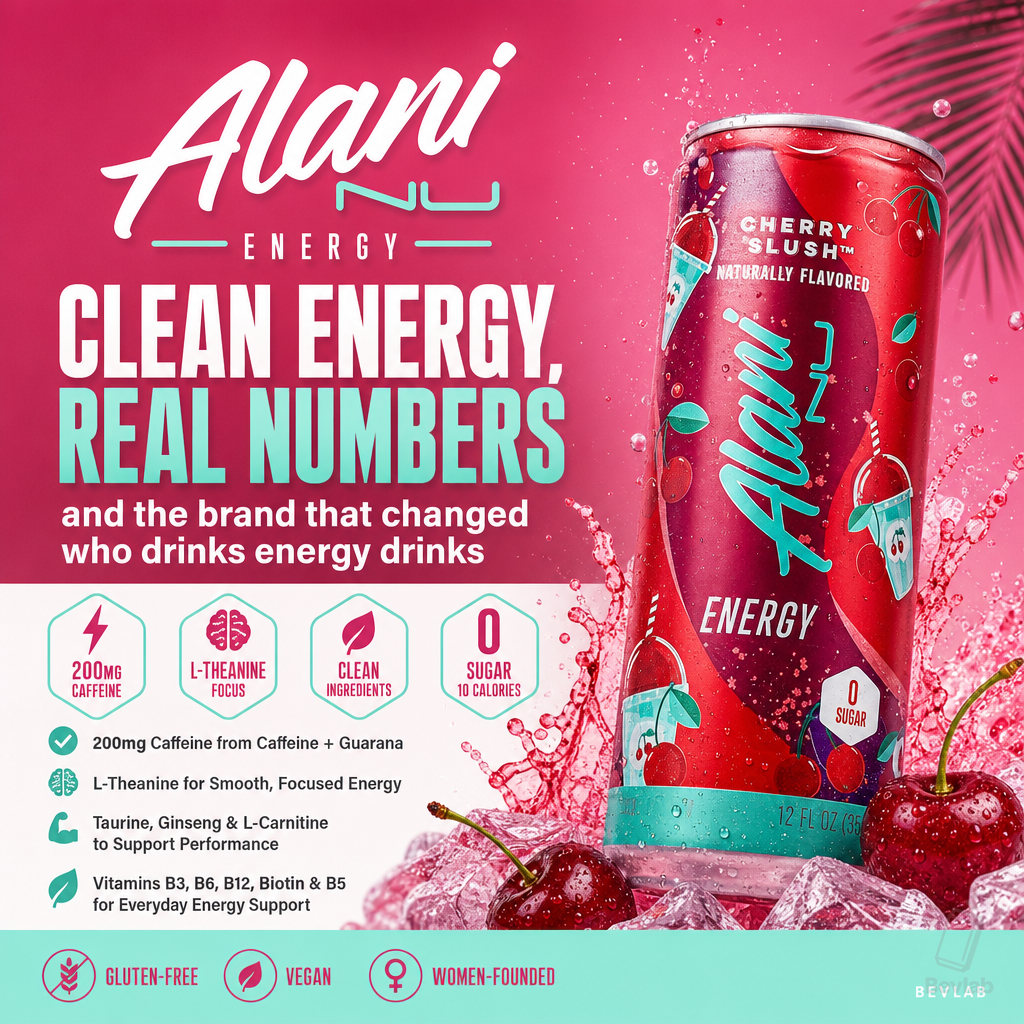
Full breakdown of the Alani Nu Energy Drink formula -- 200mg caffeine, L-theanine, taurine, ginseng, and more -- plus the wild acquisition story behind it.
When Alani Nu Energy Drink launched in 2019, the energy category had a color problem. Every major brand was marketing to the same audience -- aggressive black-and-green cans, extreme sports imagery, and formulas built around testosterone rather than wellness. Katy Hearn Schneider and her husband Haydn were already running the Alani Nu supplement brand, saw that gap, and built a brand directly into it: clean ingredients, bright playful packaging, and a formula designed to feel as good as it looks.
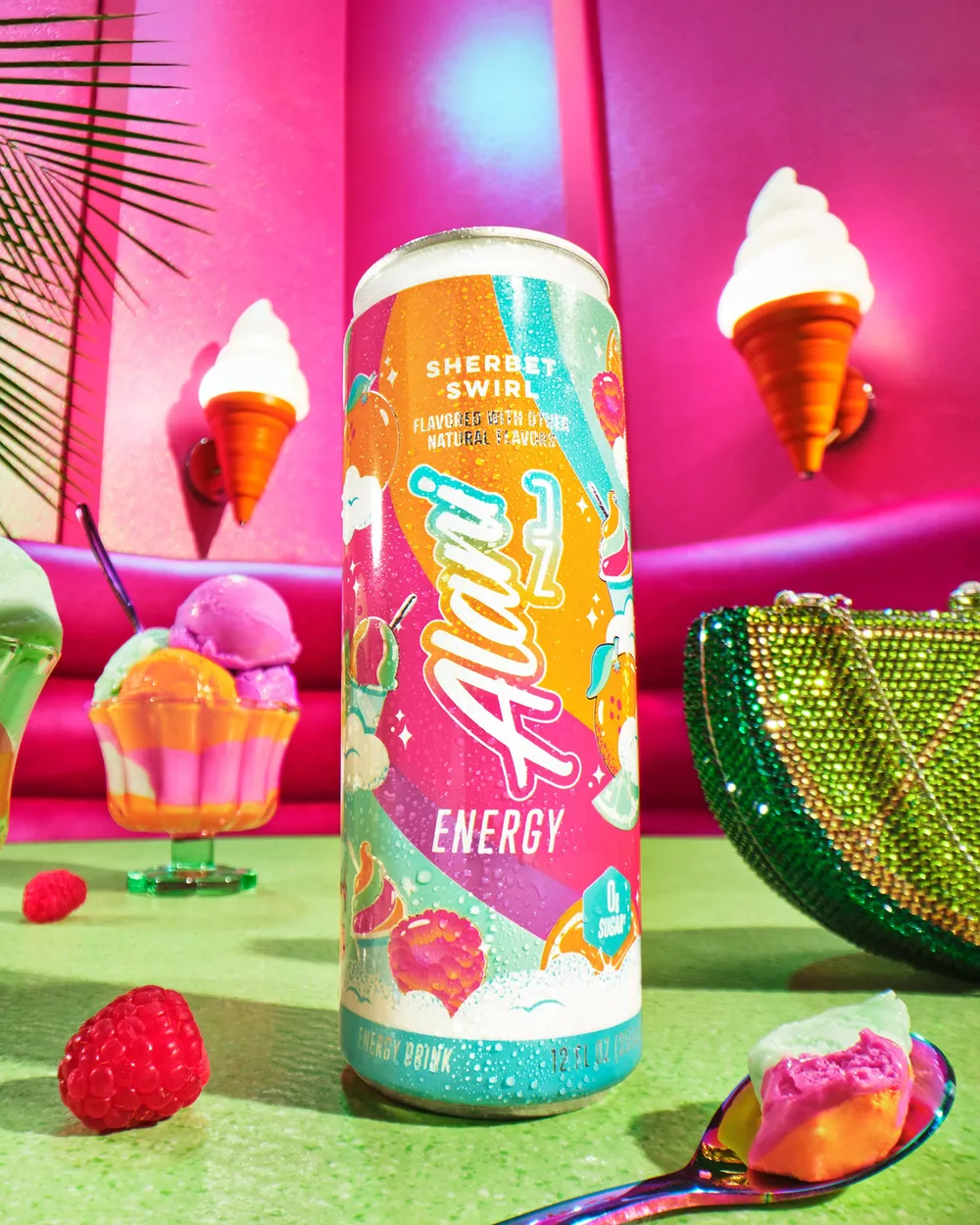
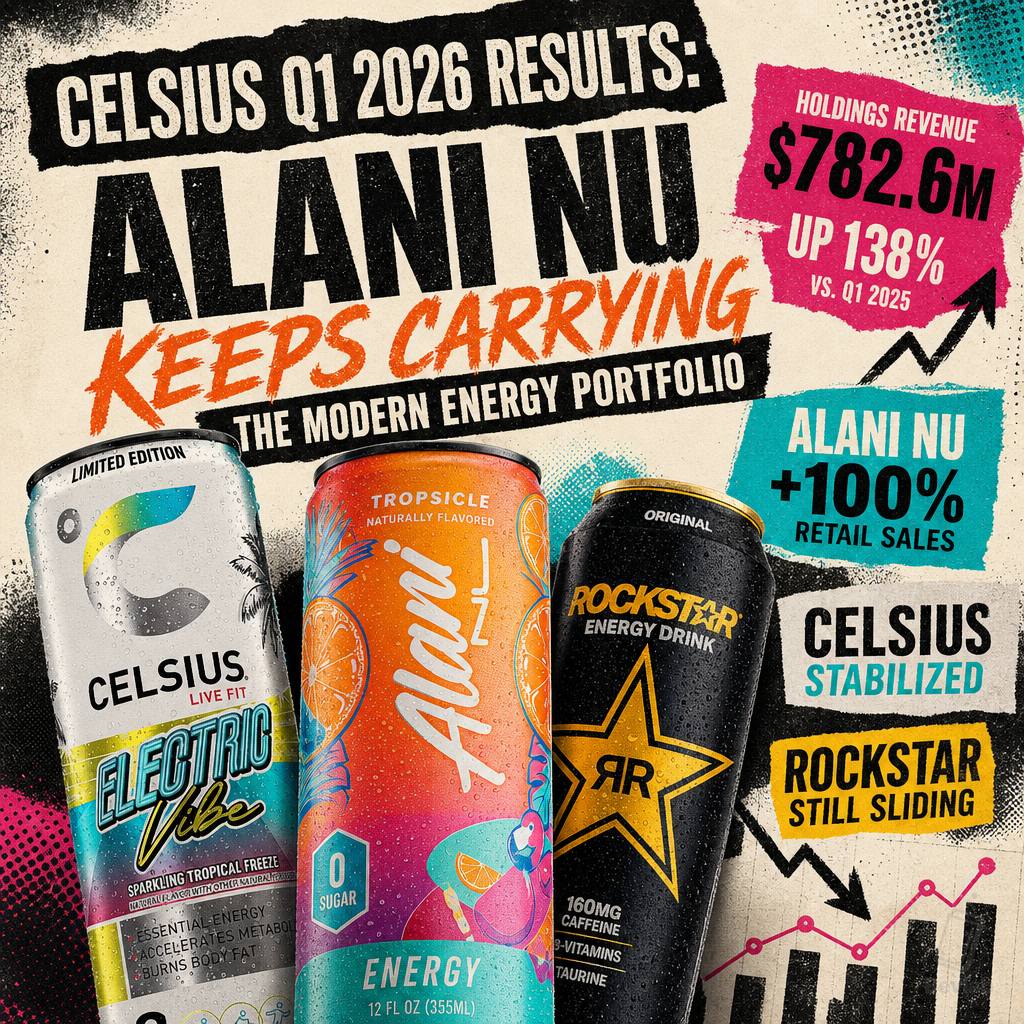
The results were hard to ignore. By 2022, Alani Nu had hit $228 million in annual sales, landing at the top of Circana's Pacesetters report. By April 2025, Celsius Holdings had acquired the brand for $1.8 billion, and in just three quarters under Celsius ownership, Alani Nu generated over a billion dollars in revenue, growing retail sales 100% year-over-year with a 9% share of the U.S. RTD energy market. We've been tracking that story closely, and the Q1 2026 numbers only reinforced the point: Alani Nu is nearly neck-and-neck with the Celsius flagship brand in tracked dollar share. For an energy drink built around a female wellness audience that most brands were ignoring, that's a remarkable story.
The formula is a big part of why it connected. Here's what's actually inside the can.
Watch Related Videos
Bevlab VideosProduct Short
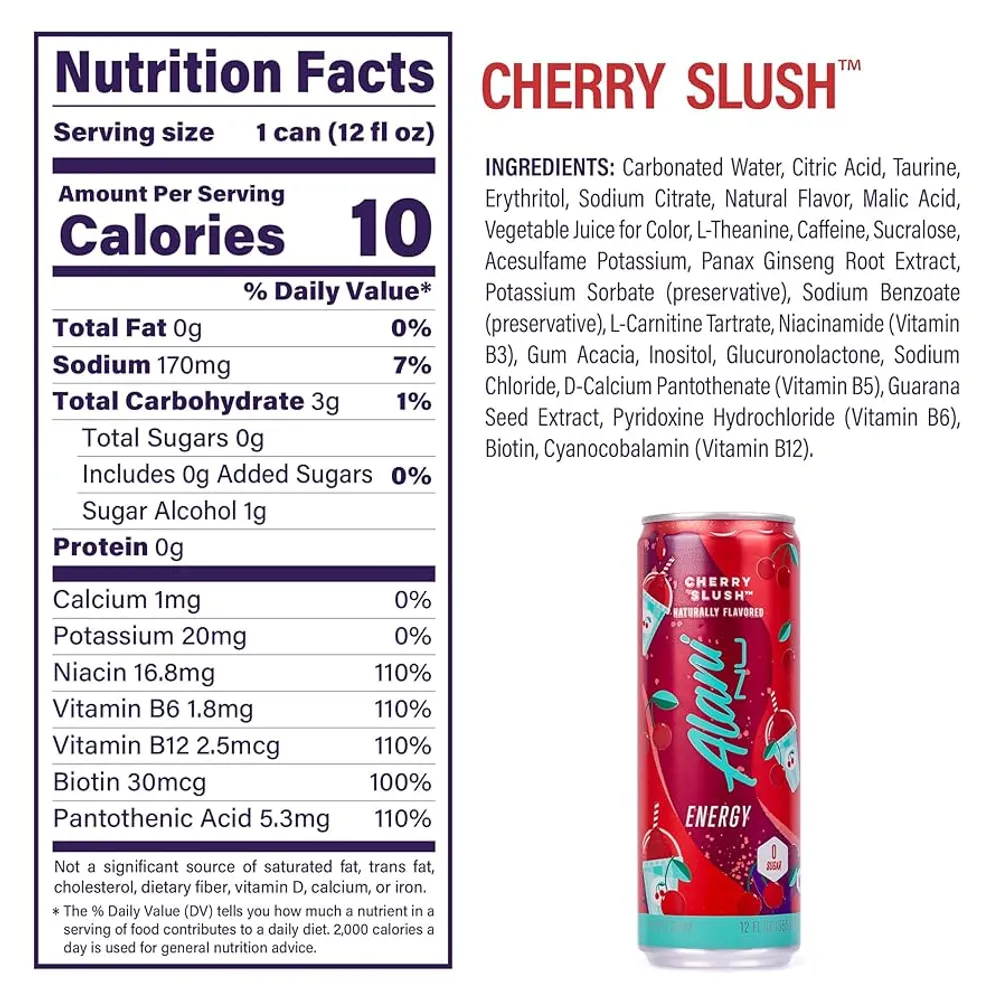
Alani Nu Energy Drink Nutrition Facts
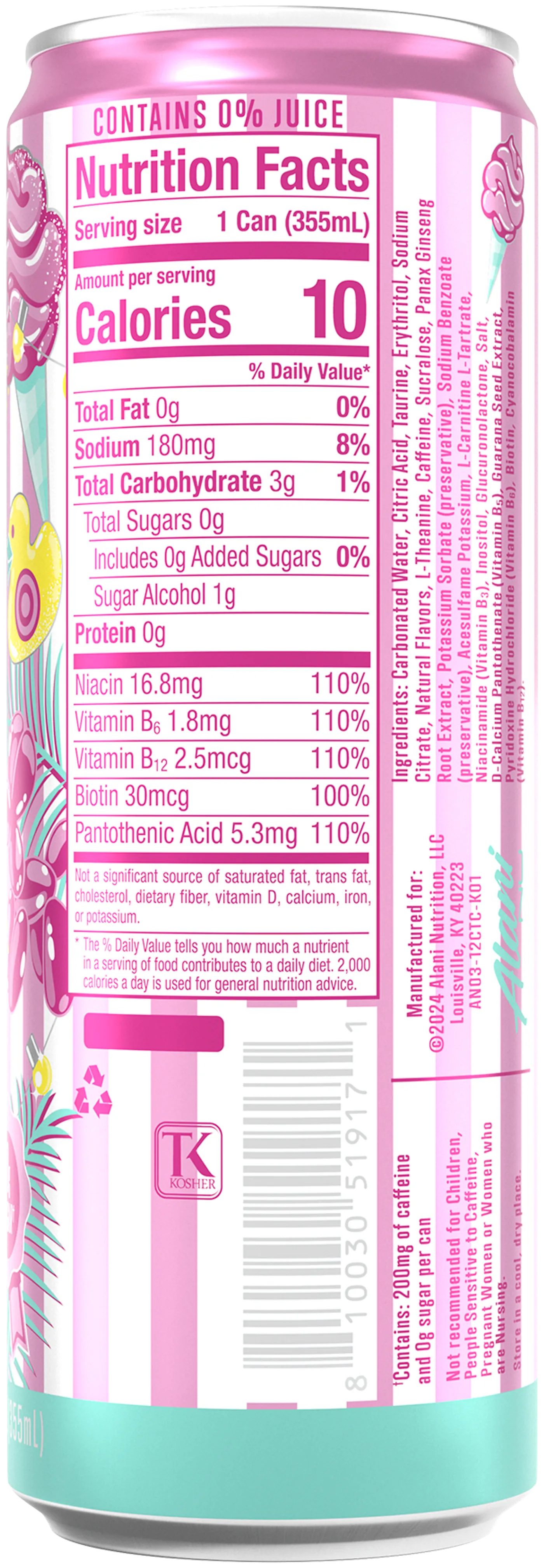
- Calories: 10
- Total Fat: 0g
- Total Carbohydrate: 3g
- Total Sugars: 0g
- Added Sugars: 0g
- Protein: 0g
- Niacin (Vitamin B3): 16.8mg (110% DV)
- Vitamin B6: 1.8mg (110% DV)
- Vitamin B12: 2.5mcg (110% DV)
- Biotin: 30mcg (100% DV)
- Pantothenic Acid (Vitamin B5): 5.3mg (110% DV)
- Calcium: 1mg (0% DV)
- Potassium: 20mg (0% DV)
Alani Nu Energy Drink Ingredients
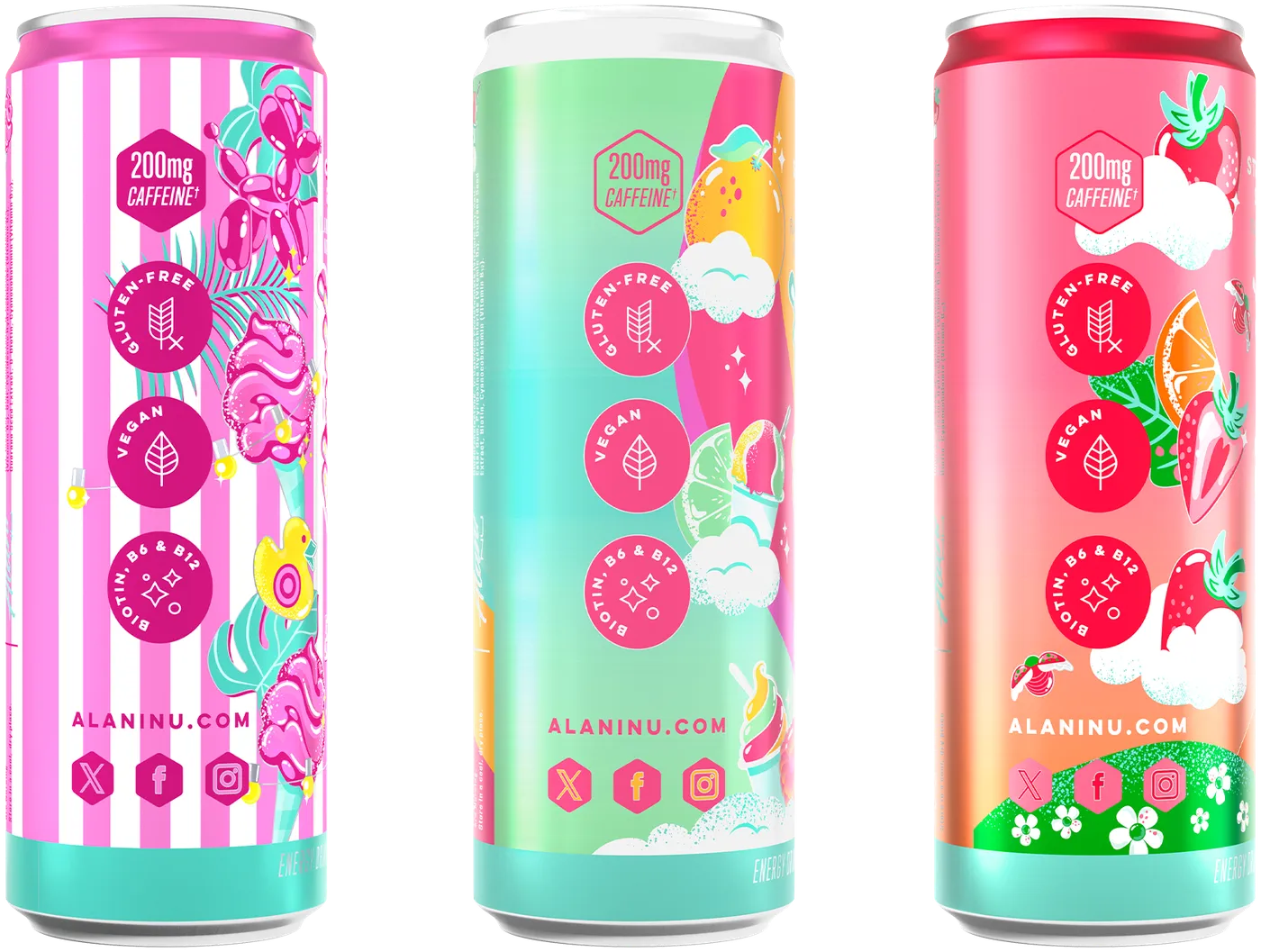
Each 12 fl oz (355mL) serving provides the following key actives:
-
Caffeine - 200mg
Caffeine is the engine. At 200mg per can, Alani Nu sits at the sweet spot the category has converged on for good reason -- high enough to deliver real energy, conservative enough that most people can drink one without pushing past comfortable territory.[1]
Caffeine works by blocking the signal that makes you feel tired, which increases the availability of stimulatory neurotransmitters including dopamine and norepinephrine.[2] The result is improved alertness, faster reaction time, and better sustained attention, all well-replicated in human trials at doses right around this range.[3]
Worth noting: Alani Nu lists caffeine alongside guarana seed extract further down the label. Guarana is a natural caffeine source, and the brand confirms the total caffeine from all sources is 200mg per can. That's the number that matters. The combination may also slightly extend the energy curve compared to synthetic caffeine alone, since tannins and saponins in guarana can modulate how quickly caffeine is absorbed.[4]
200mg is a clean, defensible dose that doesn't overpromise. It's also the same number Alani Nu has held since launch, which tells you something about the brand's restraint.
-
L-Theanine
L-theanine is the reason Alani Nu tends to feel smoother than a lot of competitors at the same caffeine level. The brand doesn't disclose the exact dose, but the label order puts L-theanine before caffeine, meaning by FDA ingredient ordering rules it's present in a meaningful amount relative to caffeine, not just a trace.
L-theanine is a non-proteinogenic amino acid from green tea leaves that promotes alpha-wave brain activity (the relaxed-focus state) while dampening some of caffeine's rougher edges.[5] The mechanism involves GABA receptor agonism, glutamate antagonism, and upward pressure on dopamine and serotonin in key brain regions.[6]
In combination with caffeine, the evidence is strong. Studies consistently show that L-theanine plus caffeine improves attentional switching accuracy, reduces jitters and self-reported tension, and tends to produce better cognitive performance than caffeine alone.[7,8] Pairing the two is standard in better-formulated energy drinks, and Alani Nu has been doing it consistently since launch. The fact that L-theanine appears high in the ingredient order suggests the brand took the dosing seriously rather than using a cosmetic amount.
-
Taurine
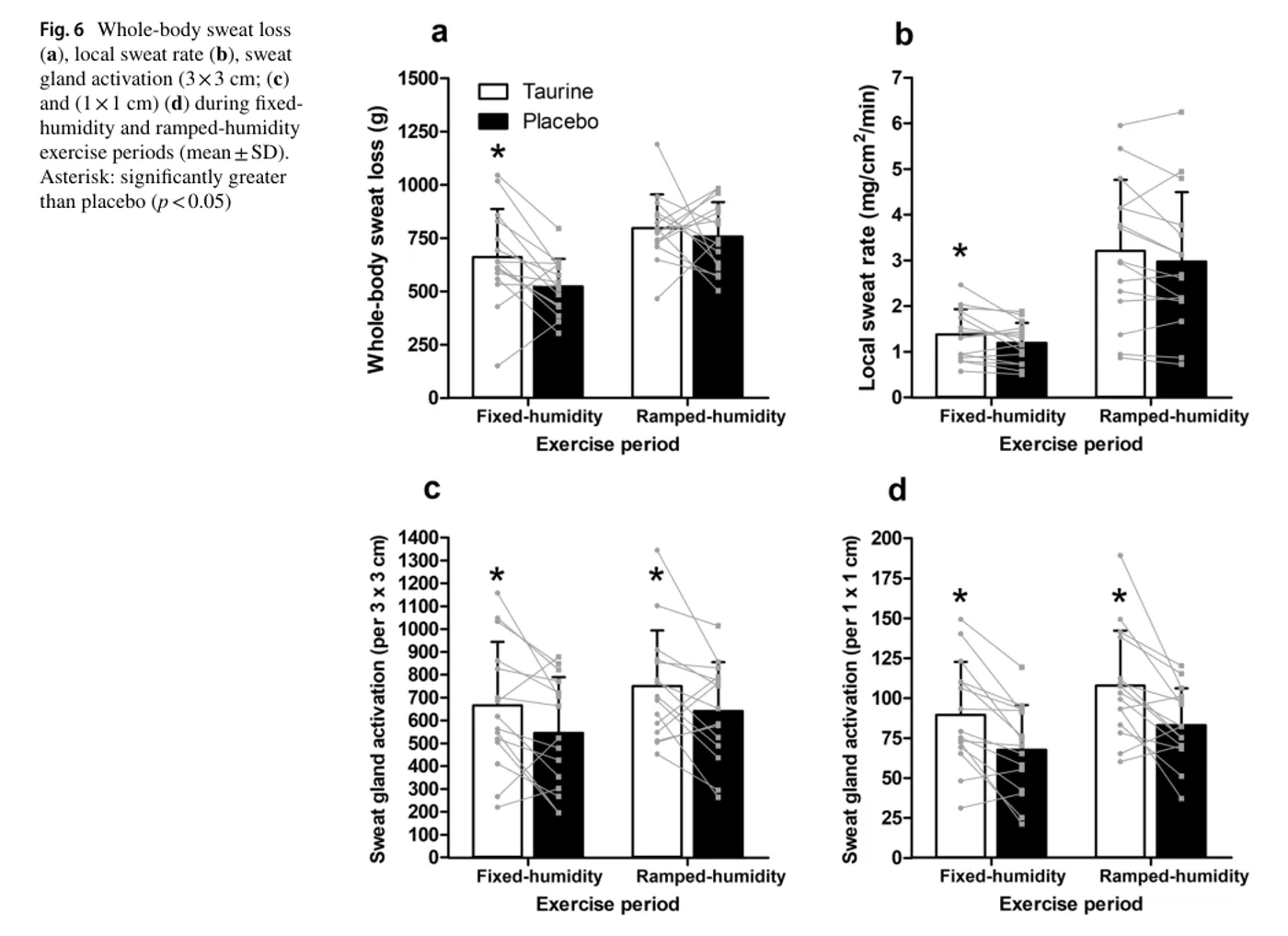
The effect of 8-day oral taurine supplementation on thermoregulation during low-intensity exercise at fixed heat production in hot conditions of incremental humidity.[9] Taurine is one of the most common energy drink ingredients for good reason -- it does real work at the right dose. It's a sulfur-containing amino acid found naturally in muscle, heart, and brain tissue, and it doesn't just come along for the ride in a formula like this.
At the level implied by its position in the ingredient list, taurine supports the cardiovascular and muscular side of sustained energy. It helps regulate calcium handling in skeletal muscle, which is directly tied to force generation and fatigue resistance.[10] It also acts as an antioxidant inside mitochondria, protecting the mitochondrial respiratory chain from excess superoxide generation rather than scavenging free radicals directly.[11]
The caffeine and taurine combination has been studied specifically. Co-supplementation produced improvements in anaerobic capacity and reaction time beyond what either ingredient delivered alone.[12] Taurine alone also appears to support hydration balance and buffer some of the cardiovascular stimulation from high caffeine doses, which is part of why the pairing became industry-standard after Red Bull demonstrated it decades ago.[13]
-
Panax Ginseng Root Extract
Ginseng has been used as an adaptogen and cognitive tonic for thousands of years, and the modern research gives it a more specific story. The active compounds are ginsenosides, which work through multiple mechanisms: enhanced nitric oxide production, support for the brain signaling behind focus and memory, and modulation of the HPA axis stress response.[14]
The cognitive evidence is particularly interesting. Studies with standardized Panax ginseng extracts have shown improvements in working memory speed and accuracy, along with reduced anxiety in acute dosing trials.[15] American ginseng (Panax quinquefolius) showed similar working memory benefits in a controlled crossover trial, with effects still present six hours post-dose.[16] Ginseng also has a modest anti-fatigue profile, with the strongest data coming from cancer survivor populations but with signals extending into healthy adults.[17]
The brand doesn't disclose the ginseng dose, which is common in energy drinks where it often appears as a supporting element rather than the lead active. At whatever amount is present here, it contributes to the formula's overall mental clarity positioning without being the primary driver.
-
L-Carnitine Tartrate
L-carnitine appears as L-Carnitine Tartrate, the salt form widely used in sports nutrition research for its stability and bioavailability. Carnitine's primary job is transporting long-chain fatty acids into mitochondria for fat burning.[18]
The specific dose isn't disclosed on the label, but its placement puts it in the supporting range. At therapeutic doses studied in research (typically 2g or more per day), L-carnitine has shown meaningful effects on body composition, exercise recovery, and high-intensity performance.[19] Acute supplementation has also been linked to reduced exercise-induced muscle damage markers and faster recovery.[18]
In an energy drink, L-carnitine is a nod to the fitness-oriented consumer who wants more than a caffeine hit. Alani Nu's core audience skews active, and the inclusion fits that positioning honestly. The ergogenic contribution at energy drink doses is modest, but it's an honest signal.
-
Inositol
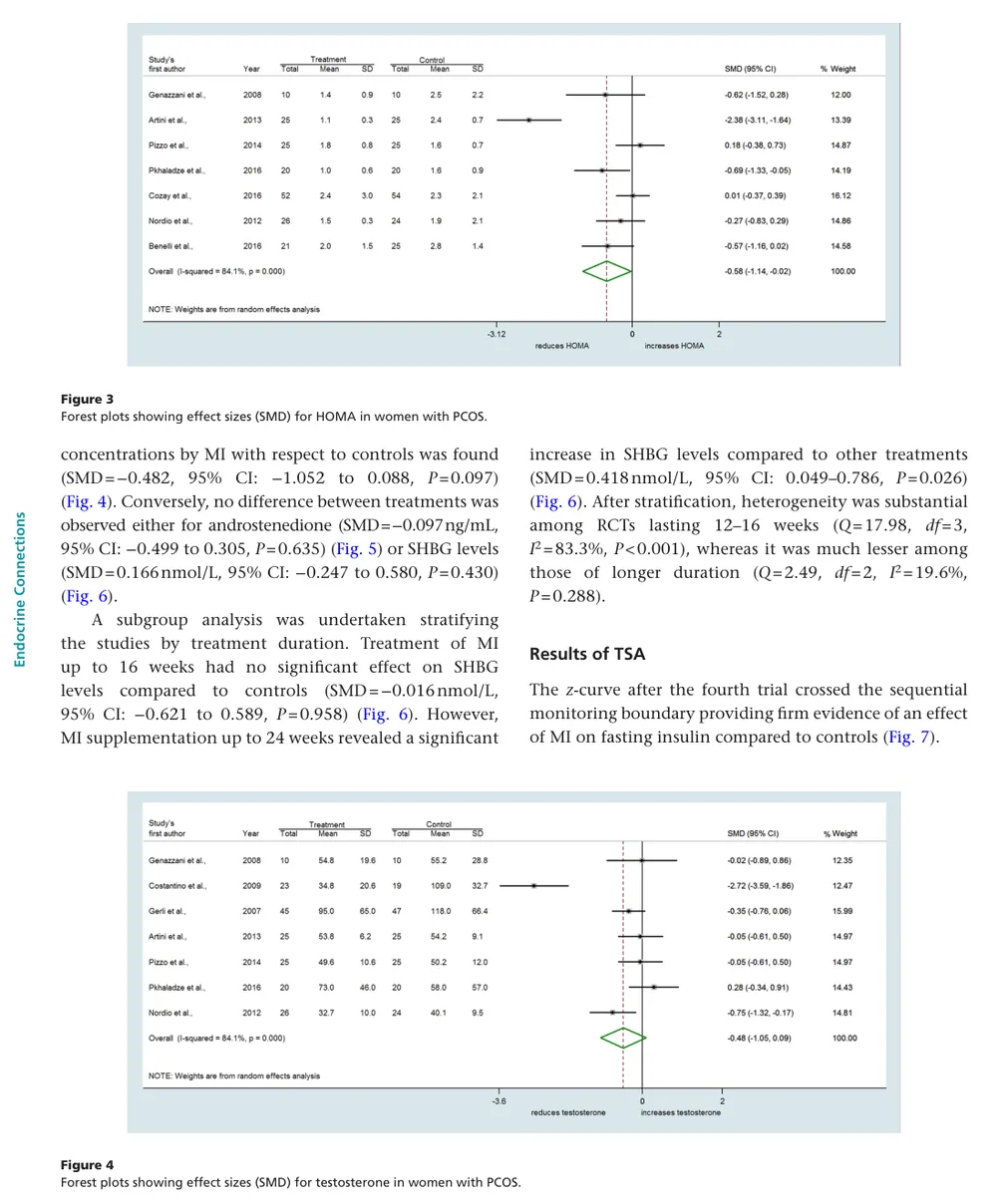
Myo-inositol effects in women with PCOS: a meta-analysis of randomized controlled trials.[20] Inositol (sometimes called "vitamin B8," though it's not technically a vitamin) is one of the more interesting additions here, and one that most energy drinks skip. It's a naturally occurring sugar alcohol that functions as a precursor in the phosphatidylinositol signaling system, mediating receptor signals for several hormones and neurotransmitters including serotonin.[21]
The mood and stress angle is where inositol has the most research traction. A controlled double-blind crossover trial found that 12g inositol daily significantly outperformed placebo on depression and panic disorder measures, with effects attributed to improved serotonergic receptor signaling.[22,21] Metabolic research has also linked inositol to improved insulin sensitivity, particularly in PCOS populations, which given Alani Nu's core demographic makes the inclusion strategically fitting.[20]
The dose here is undisclosed and likely well below research levels, but inositol's presence suggests the brand is thinking about the formula holistically rather than just stacking stimulants.
-
Glucuronolactone
Glucuronolactone is a carbohydrate compound that's been in energy drink formulas since Red Bull put it there in the 1990s. The body produces it in small amounts from glucose, but dietary intake is typically minimal, and energy drinks are by far the primary exposure source for most people.[23]
The clearest functional evidence comes from research on Red Bull itself, where it appears as part of a multi-ingredient stack. In repeated-measures human studies, the full formula (caffeine, taurine, glucuronolactone, B vitamins) improved aerobic endurance, anaerobic endurance, reaction time, and mental alertness versus controls.[24] Isolating glucuronolactone's individual contribution is difficult, but mechanistically it converts to D-glucaro-1,4-lactone, a compound that supports the body's phase II detoxification pathway.[25,26]
In a formula like Alani Nu's, glucuronolactone contributes to the full-stack effect rather than working as a standalone active. It's been part of the category's identity for decades for a reason.
-
Guarana Seed Extract
Guarana (Paullinia cupana) seeds contain 2.5-6% caffeine by dry weight, making them a concentrated natural caffeine source. But guarana isn't just caffeine. It also contains theobromine, theophylline, catechins, epicatechins, and tannins that together may extend and smooth the caffeine effect compared to synthetic caffeine alone.[4]
In controlled studies, guarana produced measurable stimulation at concentrations where equivalent pure caffeine doses showed no significant effect, suggesting the non-caffeine bioactives contribute meaningfully.[27] Cognitive research using guarana specifically found improvements in response time and alertness in human crossover trials, with guarana numerically outperforming matched-caffeine controls in several measures.[28]
In Alani Nu's formula, guarana contributes to the total 200mg caffeine count and adds a slight extended-release quality to the energy curve. It's a smart pairing with the straight caffeine listed earlier in the ingredient panel.
-
Vitamins and Minerals
-
Niacin (as Niacinamide, Vitamin B3) - 16.8mg (110% DV)
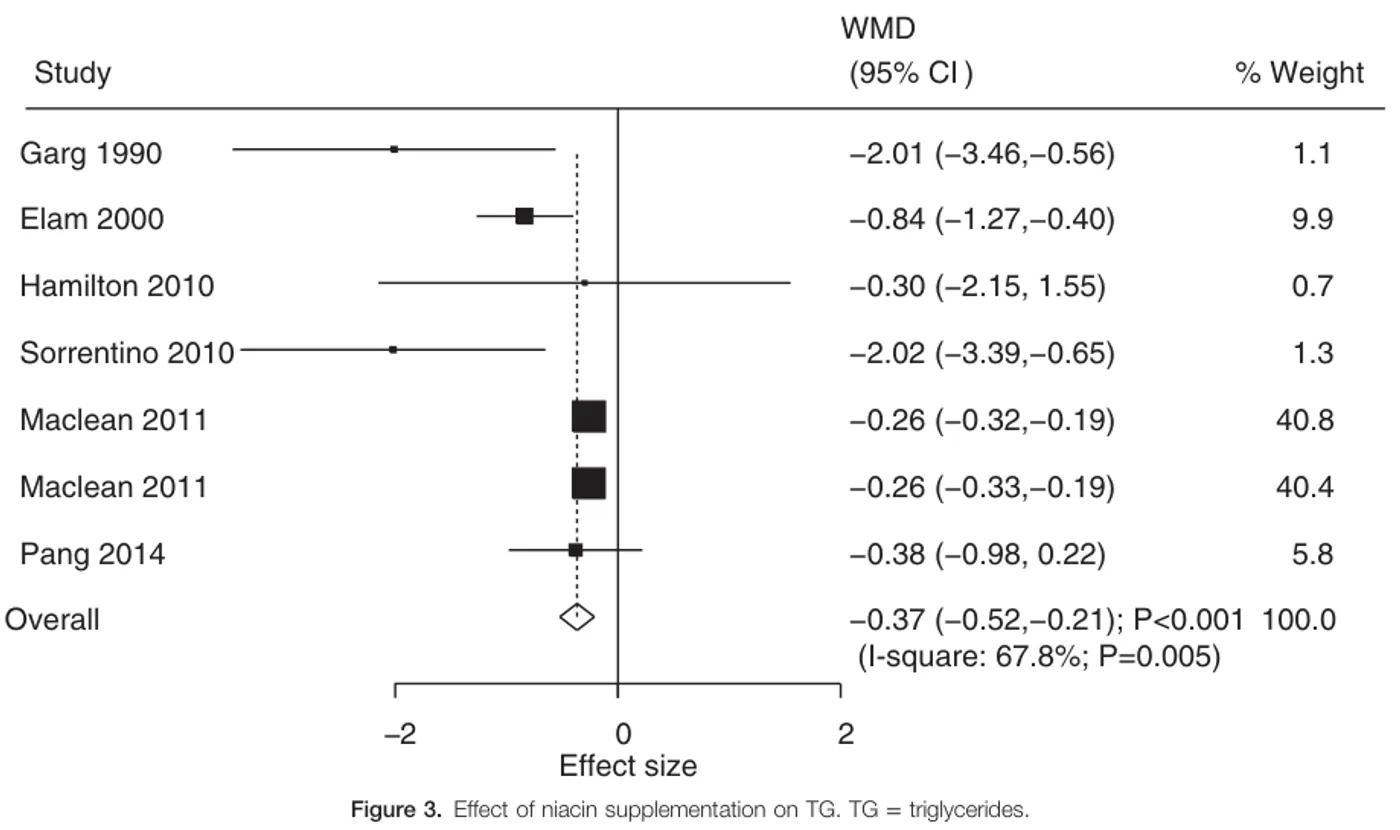
Effect of niacin supplementation on TG. TG = triglycerides.[29] Niacin is present here as niacinamide, the flush-free form that won't cause the skin flushing associated with nicotinic acid.[30] At 110% of the daily value, the dose is at the standard energy drink level: above adequacy, below the threshold where anything interesting happens pharmacologically. Its role is straightforward metabolic support. NAD+ is essential for cellular energy production, and B3 is part of keeping that pathway supplied.[31]
-
Vitamin B6 (as Pyridoxine Hydrochloride) - 1.8mg (110% DV)
Vitamin B6 as pyridoxine hydrochloride is the most commonly supplemented B6 form. At 110% DV, this is a maintenance dose supporting pyridoxal-5'-phosphate (PLP), the active coenzyme form involved in amino acid metabolism, neurotransmitter synthesis, and homocysteine regulation.[32] Low B6 status has been linked to accelerated cognitive decline in aging populations, so keeping it topped up is genuinely useful.[33]
-
Vitamin B12 (as Cyanocobalamin) - 2.5mcg (110% DV)
Vitamin B12 as cyanocobalamin is the stable, cost-effective form. At 2.5mcg (110% DV), the dose is adequate for the general population, though research suggests higher intakes are needed to meaningfully raise the biologically active fraction in people with marginal status.[34] B12 is critical for DNA synthesis, myelin maintenance, and red blood cell formation. Its presence in an energy drink is category table stakes, but it's dosed honestly.
-
Biotin - 30mcg (100% DV)
Biotin at 30mcg hits exactly 100% DV. It's genuinely essential as a cofactor for the carboxylase enzymes involved in fatty acid synthesis and gluconeogenesis.[35] The hair and nail claims common in marketing are mostly relevant for people with documented deficiency. At 100% DV this isn't an aggressive dose, and it fits cleanly into the B-vitamin complex without overpromising.[36]
-
Pantothenic Acid (as D-Calcium Pantothenate, Vitamin B5) - 5.3mg (110% DV)
Pantothenic acid is the precursor to Coenzyme A, one of the most metabolically central molecules in the body, required for fatty acid metabolism, the Krebs cycle, and neurotransmitter synthesis including acetylcholine.[37] At 110% DV, the dose is solidly above adequacy without trying to make pharmacological claims. Like the other B vitamins here, it supports the energy metabolism story honestly.
-
Calcium - 1mg (0% DV)
Calcium at 1mg is a trace amount from the formula's ionic chemistry, negligible for nutritional purposes but technically declarable. Not a meaningful contributor to daily calcium intake.
-
Potassium - 20mg (0% DV)
Potassium at 20mg is a minor electrolyte contribution. Potassium is critical for fluid balance and nerve signaling, and sweat losses during exercise can be meaningful, but 20mg doesn't move the needle on daily intake needs.[38] It's present more as a byproduct of other formula components (sodium citrate, potassium sorbate) than as a targeted electrolyte play.
-
-
Other Ingredients
-
Carbonated Water -- the base and the bubble. CO2 dissolved under pressure delivers the effervescence and the slightly acidic environment that stabilizes several of the active ingredients.
-
Citric Acid -- primary acidulant for tartness and flavor balance, and a chelating agent that helps protect formula stability by binding trace metal ions that could accelerate oxidation.
-
Erythritol -- a zero-glycemic sugar alcohol that adds light bulk and mouthfeel to the sweetener system. About 80-90% is absorbed in the small intestine and excreted unchanged in urine, contributing essentially no calories.[39] Alani Nu's Cherry Slush flavor uses erythritol for a slightly different texture profile than the standard formula variants.
-
Sodium Citrate -- sodium salt of citric acid, serving dual duty as a pH buffer and a modest sodium source. Helps round out the flavor and contributes to the electrolyte baseline.
-
Natural Flavors -- the flavor system. Proprietary blends of botanical-derived flavoring compounds tuned for each SKU. The specific composition varies by flavor, which is how Alani Nu achieves distinct taste profiles across a wide lineup using the same base formula.[40]
-
Malic Acid -- a secondary acidulant that adds a sharper, fruitier tartness than citric acid alone. Found naturally in apples and grapes, and used in beverages to give a more complex sour profile.
-
Vegetable Juice (for Color) -- natural colorant system using vegetable-derived pigments (anthocyanins, betalains, or carotenoids depending on the flavor and target hue). The choice of vegetable juice color over synthetic dyes is consistent with Alani Nu's clean-label positioning.[41] Just have to be careful of excess beta-carotene, which has been shown to be toxic in extremely high doses.
-
Sucralose -- high-intensity zero-calorie sweetener at approximately 600x the sweetness of sugar. The dominant sweetener in most Alani Nu flavors, providing sweetness without the bitter aftertaste that some competing sweeteners carry at high concentrations.[42]
-
Acesulfame Potassium (Ace-K) -- zero-calorie synthetic sweetener paired with sucralose. The combination is standard in the zero-sugar category because each sweetener masks the slight off-notes of the other, producing a cleaner finish than either alone.[43]
-
Gum Acacia (Acacia Fiber) -- a soluble dietary fiber derived from acacia tree exudate, serving primarily as an emulsifier and stabilizer. At energy drink levels it's a functional excipient rather than a prebiotic dose, though it contributes marginally to mouthfeel and formula stability.
-
Potassium Sorbate -- preservative effective against yeasts and molds in acidic beverage matrices. Standard at the usage levels in this category.
-
Sodium Benzoate -- broad-spectrum antimicrobial preservative used alongside potassium sorbate. Most effective below pH 4, which fits the acidic profile of a carbonated energy drink. Both preservatives together provide the shelf stability expected for retail distribution.
-
Salt (Sodium Chloride) -- a small amount contributes to flavor enhancement (sodium selectively suppresses bitterness, allowing the sweetness to come through more cleanly) and adds to the minor electrolyte baseline.[44]
-
Flavors Available
- Blue Slush (12 Cans: $24.49)
- Breezeberry (12 Cans: $25.49)
- Cherry Bomb (12 Cans: $54.20)
- Cherry Slush (12 Cans: $25.49)
- Cherry Twist (12 Cans: $25.49)
- Cosmic Stardust (12 Cans: $22.49)
- Cotton Candy (12 Cans: $37.00)
- Dream Float (24 Cans: $29.99)
- Hawaiian Shaved Ice (12 Cans: $25.49)
- Juicy Peach (12 Cans: $25.49)
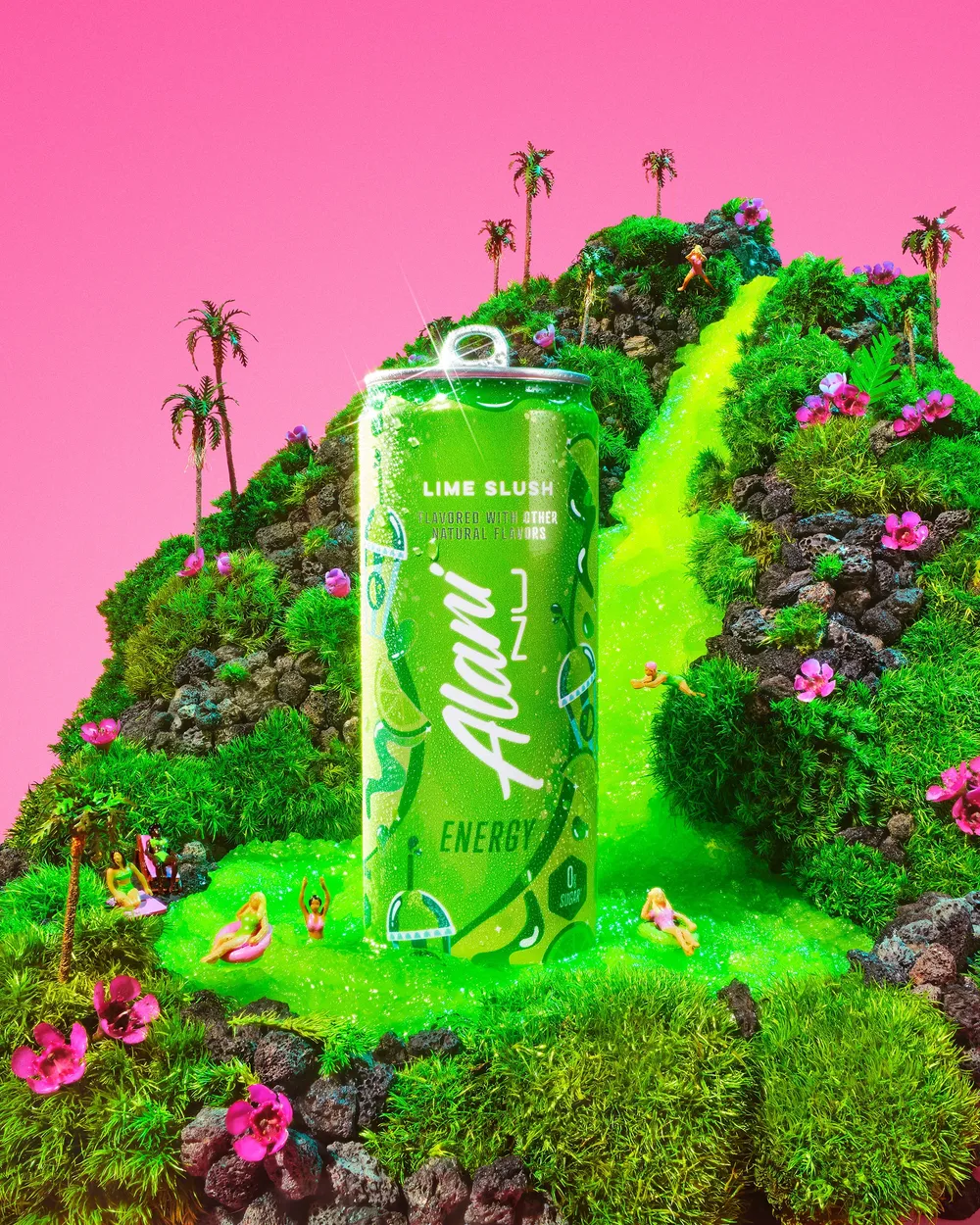
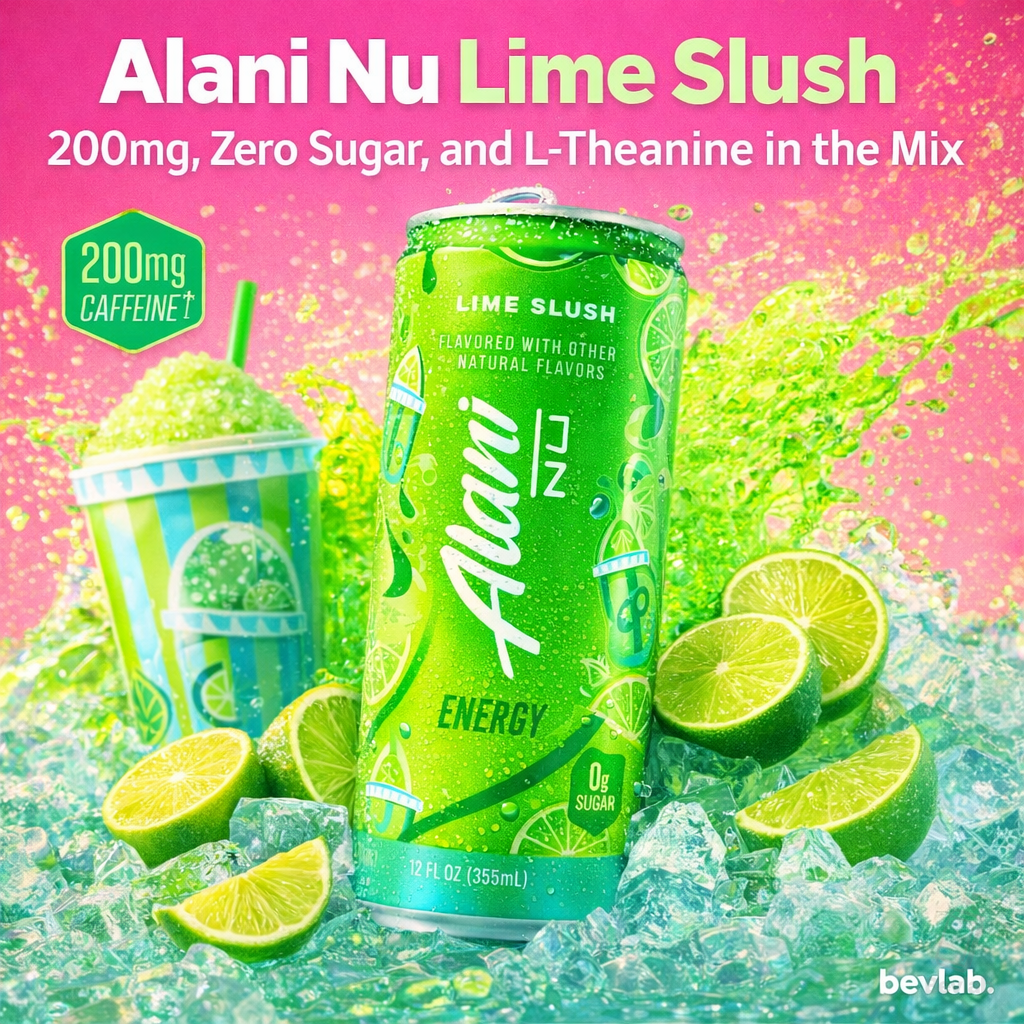
- Lime Slush (12 Cans: $59.99)
- Mimosa (12 Cans: $29.99)
- Orange Kiss (1 Can: $2.67)
- Pink Slush (12 Cans: $24.49)
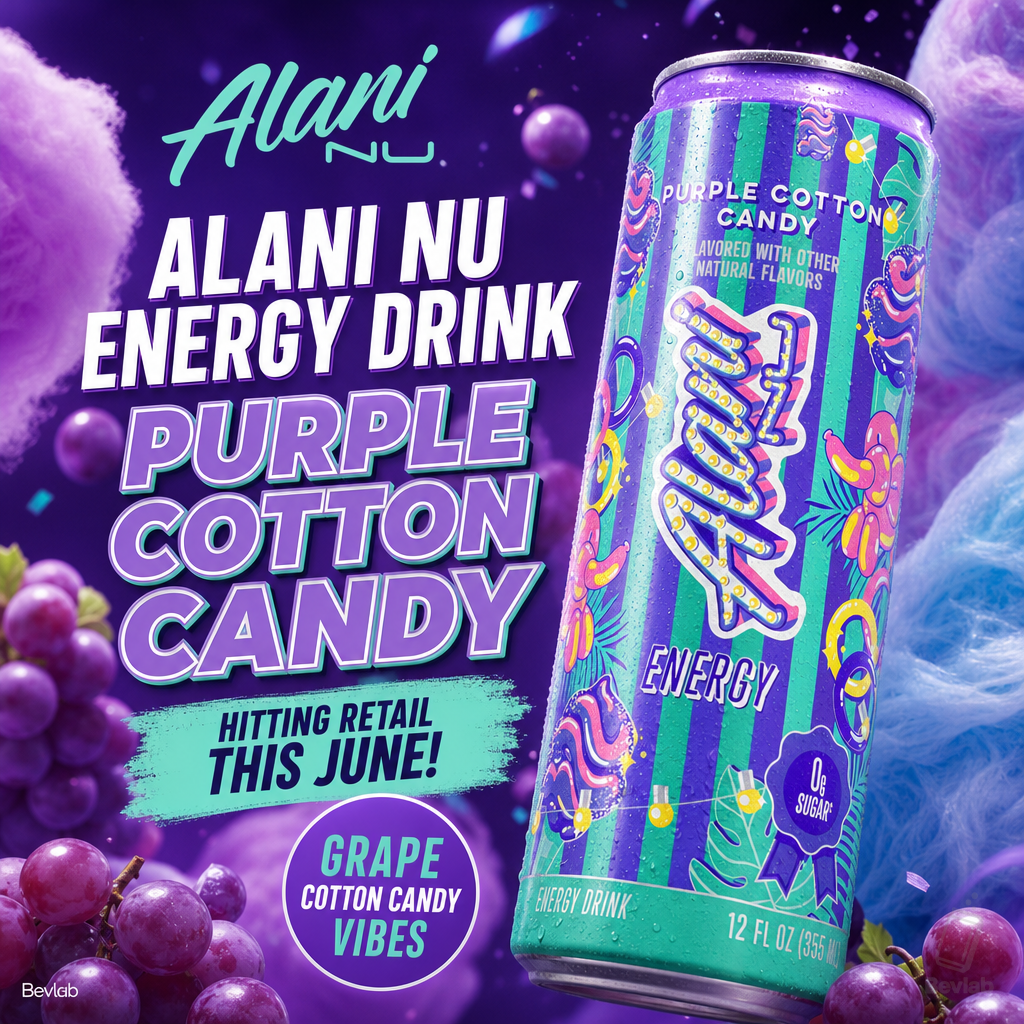
- Purple Cotton Candy (12 Cans: $38.80)
- Sherbet Swirl (12 Cans: $24.49)
- Strawberry Sunrise (12 Cans: $25.49)
- Variety Pack (12 Cans: $19.99)
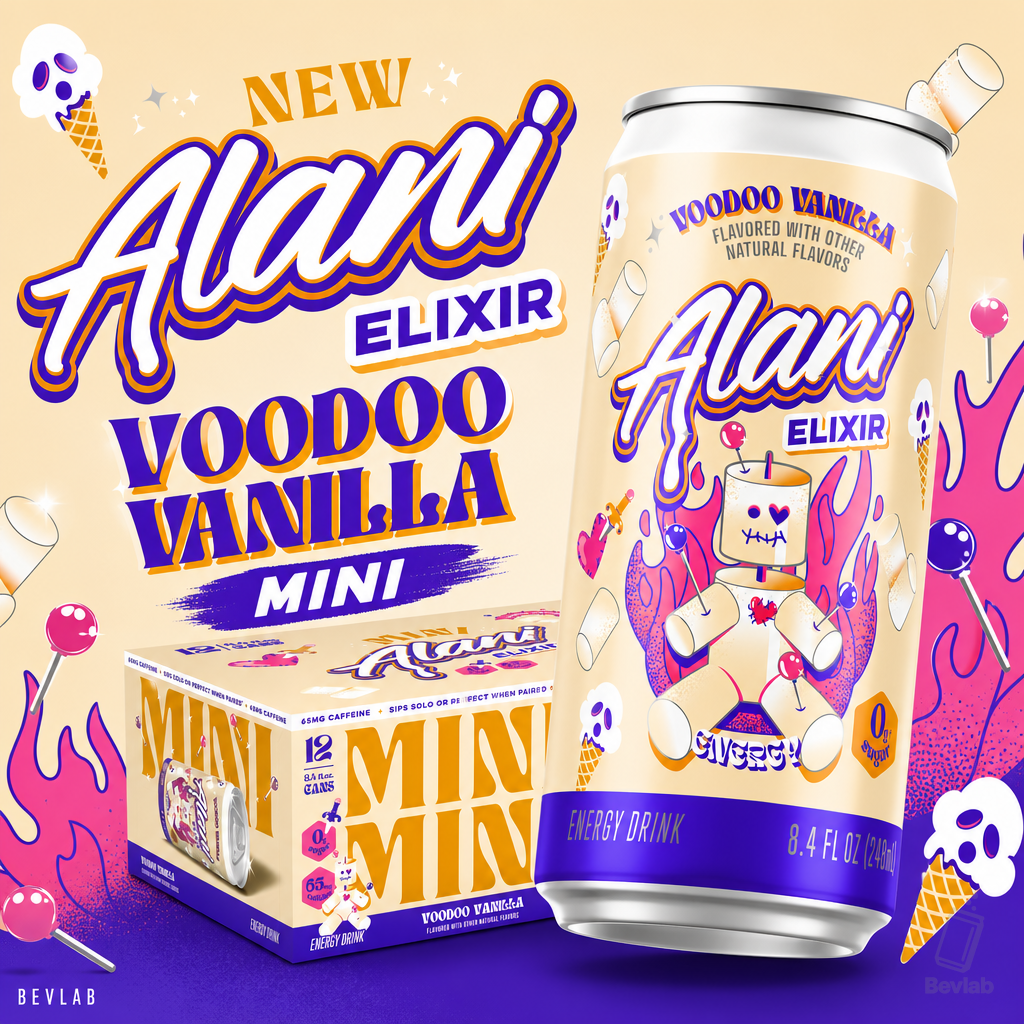
- Voodoo Vanilla (12 8.4oz Cans: $112.98)
- Watermelon Wave (12 Cans: $29.99)
- Winter Wonderland (Berry Coconut) (24 Cans: $59.99)
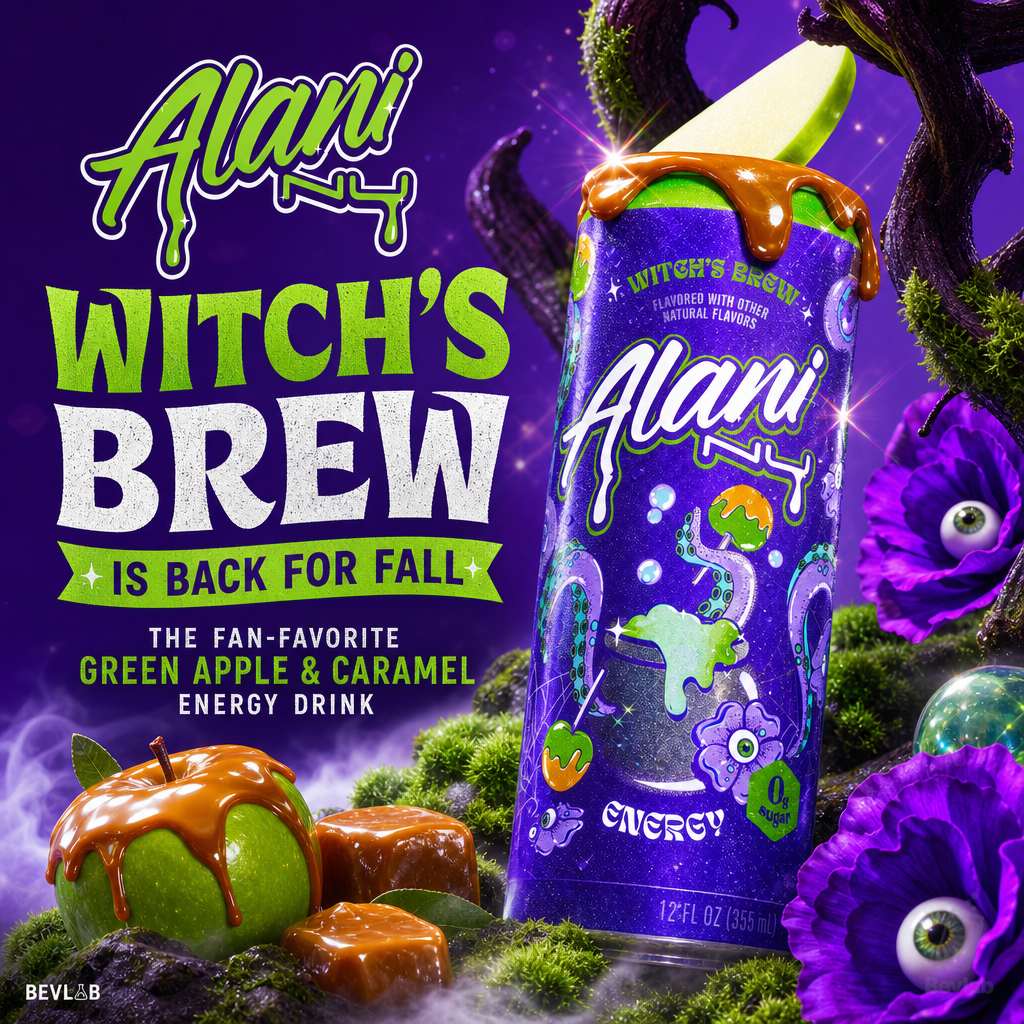
- Witch's Brew (Caramel Apple) (12 Cans: $29.99)
Who It's For
-
The wellness-first energy drinker: You want real energy, not the kind that comes with anxiety, a crash, or a can that looks like it belongs in a gas station freezer next to the motor oil. Alani Nu's combination of 200mg caffeine, L-theanine, and a clean B-vitamin stack delivers that without the overengineered complexity of performance supplements or the sugar load of legacy energy drinks.
-
Active women who've been ignored by the category: Alani Nu was built for this audience from day one, and the formula reflects it -- carnitine for metabolism, inositol for hormonal and mood support, and a calorie profile (10 calories, 0g sugar) that doesn't ask you to trade energy for your dietary goals.
The Formula Earns the Brand's Reputation
Alani Nu grew to a billion-dollar acquisition not because of clever marketing alone. A well-dosed 200mg caffeine paired with L-theanine produces cleaner energy than the raw stimulant approach that dominated the category before Alani Nu arrived. The B-vitamin stack is complete and honestly dosed. The supporting cast (taurine, ginseng, inositol, glucuronolactone) adds meaningful depth without tipping into proprietary blend territory that makes other brands harder to trust.
If you want a zero-sugar Enny that tastes like it was made for someone who cares what they put in their body, this is the one.
More Related Videos
Bevlab VideosProduct Comparison
Product Review
REELS
REELS
REELS
Flavor Review
Follow @BevlabMedia on TikTok and Instagram for ongoing coverage as Alani Nu keeps expanding under Celsius Holdings.
References
- Wikoff, Daniele, et al. "Systematic review of the potential adverse effects of caffeine consumption in healthy adults, pregnant women, adolescents, and children." Food and chemical toxicology : an international journal published for the British Industrial Biological Research Association, 2017. https://doi.org/10.1016/j.fct.2017.04.002
- Guest, Nanci S. et al. "International Society Of Sports Nutrition Position Stand Caffeine And Exercise Performance." Journal of the International Society of Sports Nutrition, 2021. https://doi.org/10.1186/s12970-020-00383-4
- McLellan, Tom M. et al. "A Review Of Caffeine S Effects On Cognitive Physical And Occupational Performance." Neuroscience & Biobehavioral Reviews, 2016. https://doi.org/10.1016/j.neubiorev.2016.09.001
- Torres, Elizabeth A F S, et al. "Effects Of The Consumption Of Guarana On Human Hea." Comprehensive reviews in food science and food safety, 2022. https://doi.org/10.1111/1541-4337.12862
- Juneja, L. "L-theanine—a unique amino acid of green tea and its relaxation effect in humans." Trends in Food Science & Technology, 1999. https://doi.org/10.1016/s0924-2244(99)00044-8
- Lopes, Sakamoto Filipe, et al. "Psychotropic Effects Of L Theanine And Its Clinical Properties From The Management Of Anxiety And Stress To A Potential Use In Schizophrenia." Pharmacological research, 2019. https://doi.org/10.1016/j.phrs.2019.104395
- Camfield, David A, et al. "Acute effects of tea constituents L-theanine, caffeine, and epigallocatechin gallate on cognitive function and mood: a systematic review and meta-analysis." Nutrition reviews, 2014. https://doi.org/10.1111/nure.12120
- Haskell, Crystal F, et al. "The Effects Of L Theanine Caffeine And Their Combination On Cognition And Mood." Biological psychology, 2008. https://doi.org/10.1016/j.biopsycho.2007.09.008
- Peel, Jennifer S, et al. "The effect of 8-day oral taurine supplementation on thermoregulation during low-intensity exercise at fixed heat production in hot conditions of incremental humidity." European journal of applied physiology, 2024. https://doi.org/10.1007/s00421-024-05478-3
- Goodman, Craig A, et al. "Taurine supplementation increases skeletal muscle force production and protects muscle function during and after high-frequency in vitro stimulation." Journal of applied physiology (Bethesda, Md. : 1985), 2009. https://doi.org/10.1152/japplphysiol.00040.2009
- Jong, Chian Ju, et al. "The Role of Taurine in Mitochondria Health: More Than Just an Antioxidant." Molecules (Basel, Switzerland), 2021. https://doi.org/10.3390/molecules26164913
- Deng, Hengzhi, et al. "Caffeine and taurine: a systematic review and network meta-analysis of their individual and combined effects on physical capacity, cognitive function, and physiological markers." Journal of the International Society of Sports Nutrition, 2025. https://doi.org/10.1080/15502783.2025.2566371
- Ripps, Harris, et al. "Review: taurine: a "very essential" amino acid." Molecular vision, 2012. https://pmc.ncbi.nlm.nih.gov/articles/PMC3501277/
- Kennedy, David O, et al. "Ginseng Potential For The Enhancement Of Cognitive Performance And Mood." Pharmacology, biochemistry, and behavior, 2003. https://doi.org/10.1016/S0091-3057(03)00126-6
- Reay, Jonathon L, et al. "Panax Ginseng G115 Improves Aspects Of Working Memory Performance And Subjective Ratings Of Calmness In Healthy Young Adults." Human psychopharmacology, 2010. https://doi.org/10.1002/hup.1138
- Scholey, Andrew, et al. "Effects Of American Ginseng Panax Quinquefolius On Neurocognitive Function An Acute Randomised Double Blind Placebo Controlled Crossover Study." Psychopharmacology, 2010. https://doi.org/10.1007/s00213-010-1964-y
- Arring, Noël M, et al. "Ginseng As A Treatment For Fatigue A Systematic Review." Journal of alternative and complementary medicine (New York, N.Y.), 2018. https://doi.org/10.1089/acm.2017.0361
- Fielding, Roger, et al. "L Carnitine Supplementation In Recovery After Exercise." Nutrients, 2018. https://doi.org/10.3390/nu10030349
- Mielgo-Ayuso, Juan, et al. "Effect Of Acute And Chronic Oral L Carnitine Supplementation On Exercise Performance Based On The Exercise Intensity A Systematic Review." Nutrients, 2021. https://doi.org/10.3390/nu13124359
- Unfer, Vittorio, et al. "Myo-inositol effects in women with PCOS: a meta-analysis of randomized controlled trials." Endocrine connections, 2017. https://doi.org/10.1530/EC-17-0243
- Benjamin, J, et al. "Double-blind, placebo-controlled, crossover trial of inositol treatment for panic disorder." The American journal of psychiatry, 1995. https://doi.org/10.1176/ajp.152.7.1084
- Levine, J, et al. "Double-blind, controlled trial of inositol treatment of depression." The American journal of psychiatry, 1995. https://doi.org/10.1176/ajp.152.5.792
- Munteanu, Camelia, et al. "B Vitamins, Glucoronolactone and the Immune System: Bioavailability, Doses and Efficiency." Nutrients, 2023. https://doi.org/10.3390/nu16010024
- Alford, C, et al. "The effects of red bull energy drink on human performance and mood." Amino acids, 2001. https://doi.org/10.1007/s007260170021
- Marsh, C A. "Metabolism of D-glucuronolactone in mammalian systems. Inhibitory properties of the products of D-glucuronolactone-dehydrogenase action." The Biochemical journal, 1966. https://doi.org/10.1042/bj0990022
- Zółtaszek, Robert, et al. "[The biological role of D-glucaric acid and its derivatives: potential use in medicine]." Postepy higieny i medycyny doswiadczalnej (Online), 2008. https://pubmed.ncbi.nlm.nih.gov/18772850/
- Moustakas, Dimitrios, et al. "Guarana Provides Additional Stimulation Over Caffeine Alone In The Planarian Model." PloS one, 2015. https://doi.org/10.1371/journal.pone.0123310
- Gurney, Tom, et al. "Cognitive Effects Of Guarana Supplementation With Maximal Intensity Cycling." The British journal of nutrition, 2023. https://doi.org/10.1017/S0007114522002859
- Xiang, Dan, et al. "Effectiveness of niacin supplementation for patients with type 2 diabetes: A meta-analysis of randomized controlled trials." Medicine, 2020. https://doi.org/10.1097/MD.0000000000021235
- Freese, Riitta, et al. "Niacin - a scoping review for Nordic Nutrition Recommendations 2023." Food & nutrition research, 2023. https://doi.org/10.29219/fnr.v67.10299
- Gasperi, Valeria, et al. "Niacin In The Central Nervous System An Update Of Biological Aspects And Clinical Applications." International Journal of Molecular Sciences, 2019. https://doi.org/10.3390/ijms20040974
- di, Salvo Martino Luigi, et al. "Vitamin B(6) salvage enzymes: mechanism, structure and regulation." Biochimica et Biophysica Acta (BBA) - Proteins and Proteomics, 2011. https://doi.org/10.1016/j.bbapap.2010.12.006
- Kato, Norihisa, et al. "Relationship of Low Vitamin B6 Status with Sarcopenia, Frailty, and Mortality: A Narrative Review." Nutrients, 2024. https://doi.org/10.3390/nu16010177
- Eussen, Simone J. P. M. "Oral Cyanocobalamin Supplementation In Older People With Vitamin B12 Deficiency." Archives of Internal Medicine, 2005. https://doi.org/10.1001/archinte.165.10.1167
- Solvik, Beate Stokke, et al. "Biotin: a scoping review for Nordic Nutrition Recommendations 2023." Food & nutrition research, 2024. https://doi.org/10.29219/fnr.v68.10256
- Patel, Deepa P, et al. "A Review of the Use of Biotin for Hair Loss." Skin appendage disorders, 2017. https://doi.org/10.1159/000462981
- Freese, Riitta, et al. "Pantothenic acid - a scoping review for Nordic Nutrition Recommendations 2023." Food & nutrition research, 2023. https://doi.org/10.29219/fnr.v67.10255
- Weaver, Connie M. "Potassium and health." Advances in nutrition (Bethesda, Md.), 2013. https://doi.org/10.3945/an.112.003533
- Hiele, M, et al. "Metabolism of erythritol in humans: comparison with glucose and lactitol." The British journal of nutrition, 1993. https://doi.org/10.1079/bjn19930019
- Singh, Nidhi, et al. "Natural food flavours: a healthier alternative for bakery industry-a review." Journal of food science and technology, 2024. https://doi.org/10.1007/s13197-023-05782-4
- Sigurdson, Gregory T, et al. "Natural Colorants: Food Colorants from Natural Sources." Annual review of food science and technology, 2017. https://doi.org/10.1146/annurev-food-030216-025923
- Wilk, Klara, et al. "The Effect of Artificial Sweeteners Use on Sweet Taste Perception and Weight Loss Efficacy: A Review." Nutrients, 2022. https://doi.org/10.3390/nu14061261
- Chowdhury, Chandrama Roy, et al. "Beyond sweetness: A review of the health and safety of acesulfame-K." Food chemistry, 2026. https://doi.org/10.1016/j.foodchem.2025.147290
- Breslin, P A, et al. "Salt enhances flavour by suppressing bitterness." Nature, 1997. https://doi.org/10.1038/42388
Related Coverage
Tagged