NOS Energy Drink
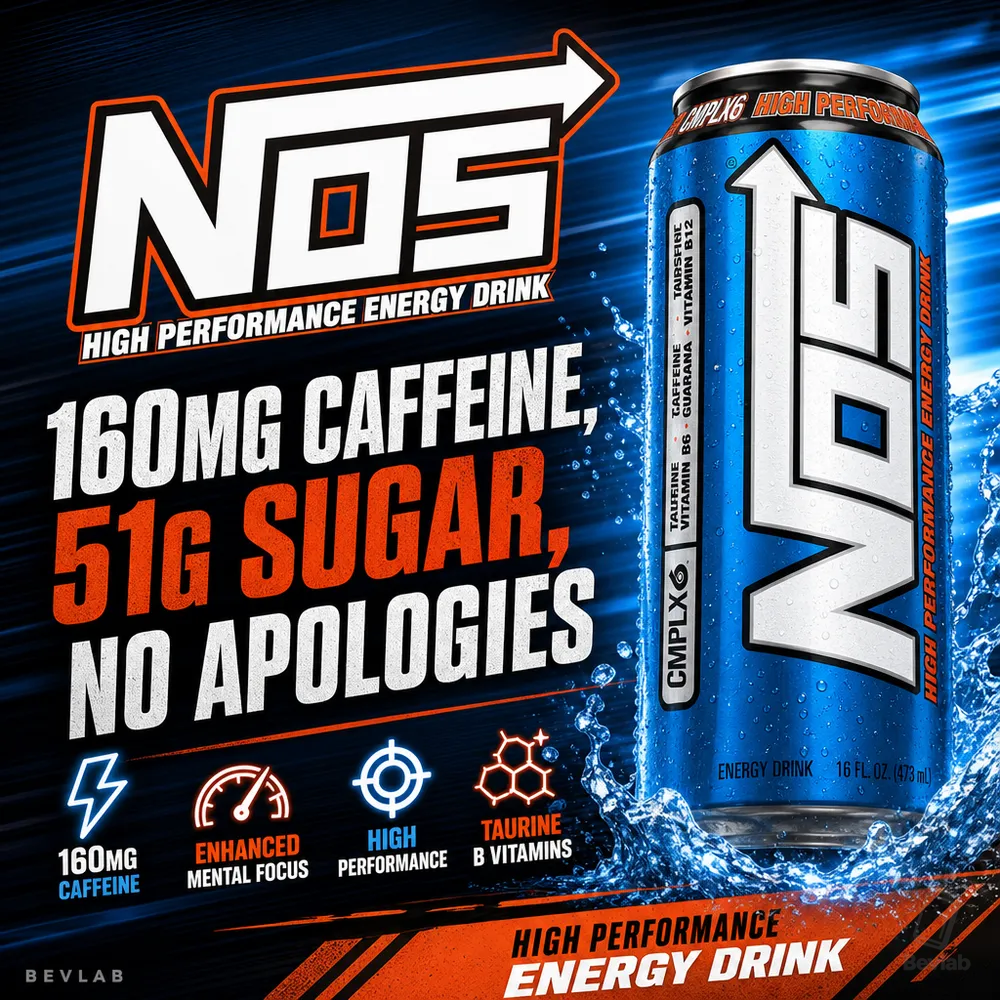
160mg caffeine, 51g sugar, no apologies
Full breakdown of NOS Energy Drink Original -- formula, ingredients, and who this old-school can is actually for.
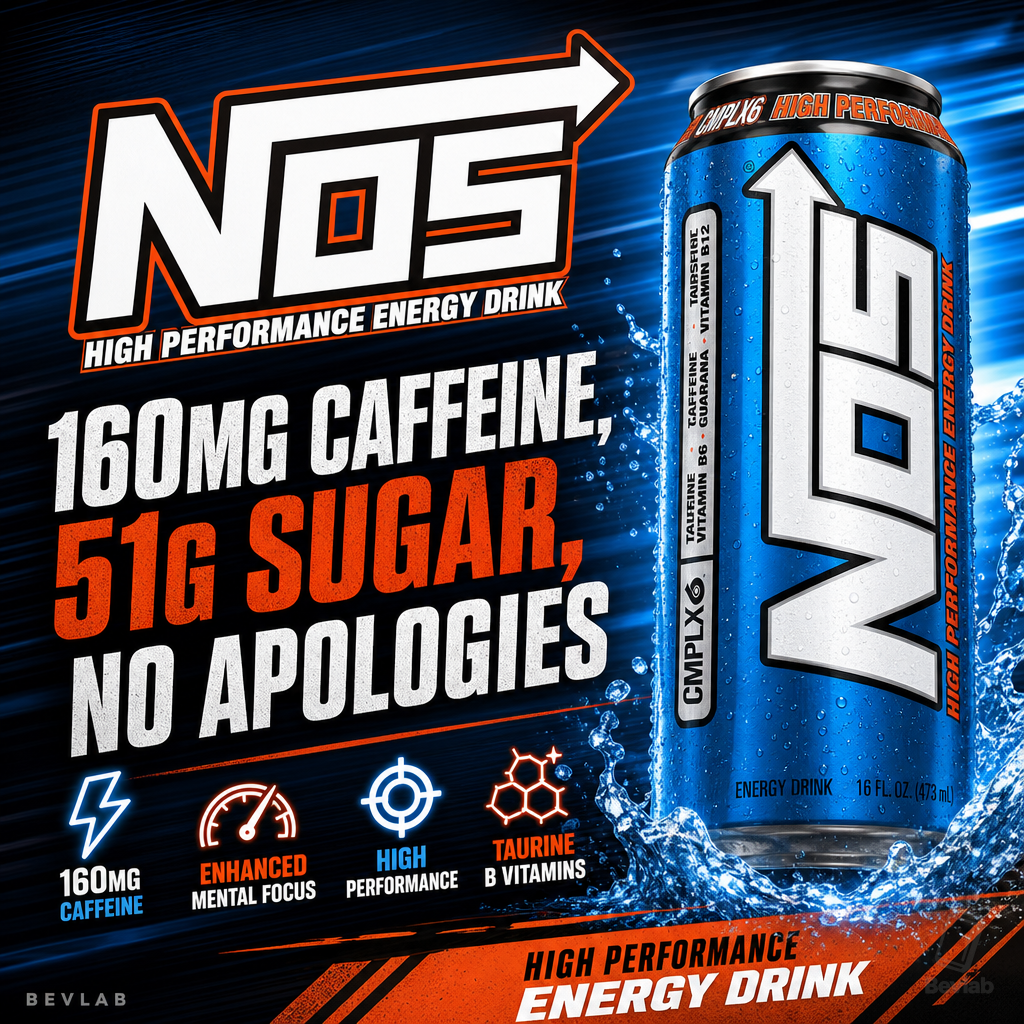
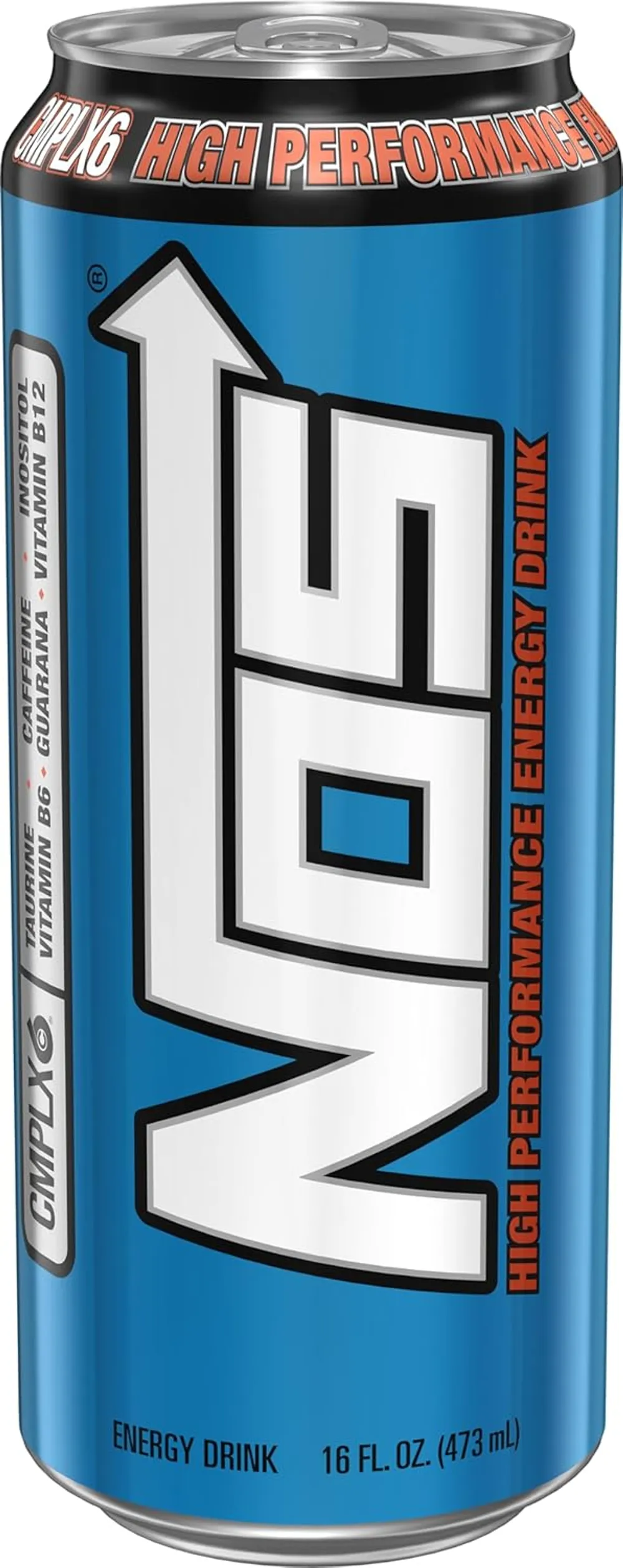
NOS Energy Drink launched in 2005 with a name borrowed from automotive nitrous oxide systems, and it hasn't drifted far from that identity in the 20 years since. The blue can, the motorsports-coded branding, the gas-station shelf positioning -- it's all still there. NOS lives inside Monster Energy's portfolio now, sitting alongside Full Throttle and the rest of the brands Monster inherited from Coca-Cola's energy exit in 2015. That distribution muscle is real: NOS Original is still one of the easier energy drinks to find at a truck stop or convenience store at 11pm, and that's not an accident.
What you're getting with NOS Original is a 16 fl oz, full-sugar, 160mg caffeine energy drink with a tropical citrus profile -- mango and passionfruit notes, bright and sweet. It's built for people who don't want a clinical label or a wellness pitch. It has high-fructose corn syrup, it has artificial colors, and it doesn't pretend otherwise. If that's not your thing, there's a Zero Sugar version in the lineup. But if you want the original NOS experience, this is it.
Watch Related Videos
Bevlab VideosNOS Energy Drink Nutrition Facts
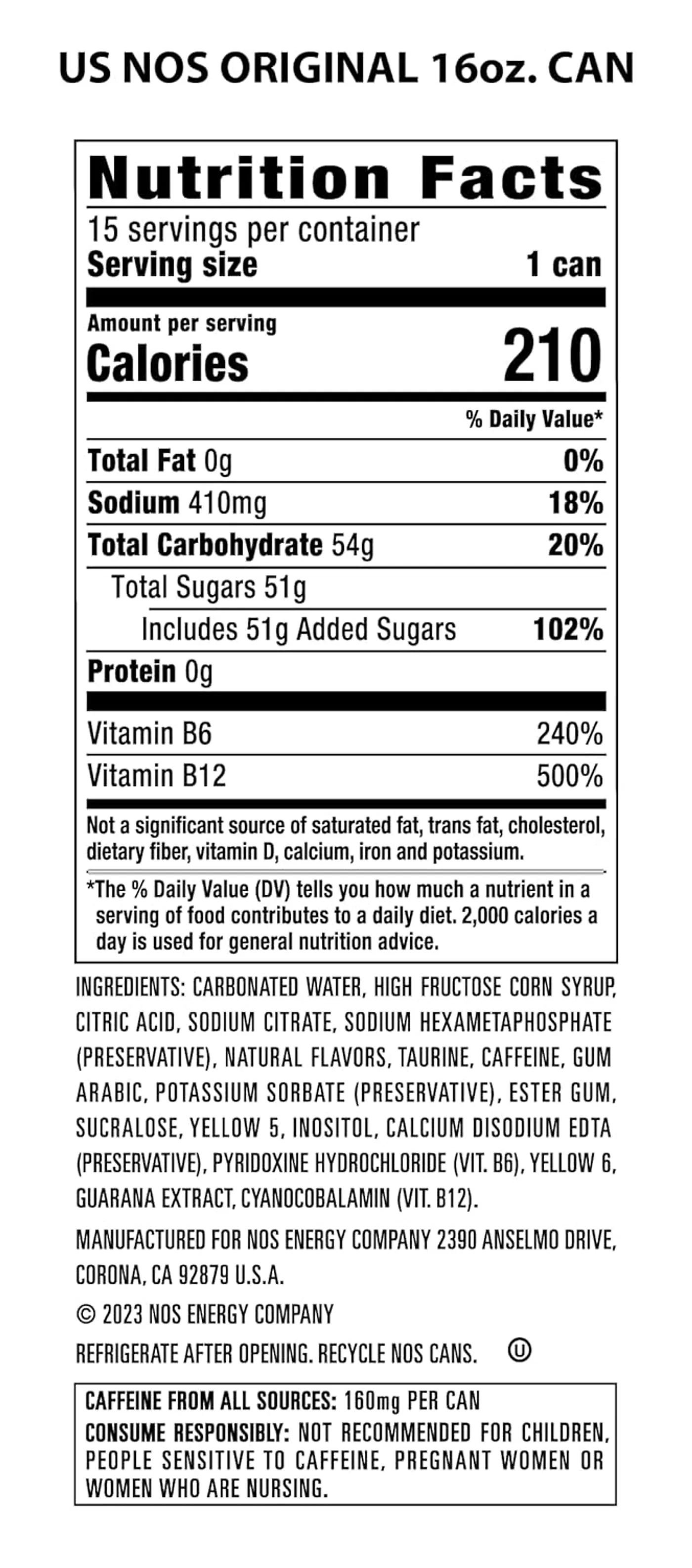
- Calories: 210
- Total Fat: 0g
- Sodium: 410mg (18%DV)
- Total Carbohydrate: 54g (20%DV)
- Total Sugars: 51g
- Added Sugars: 51g (102%DV)
- Protein: 0g
- Vitamin B6 (as Pyridoxine HCl): 240%DV
- Vitamin B12 (as Cyanocobalamin): 500%DV
What's Inside
Each 16 fl oz can provides the following:
-
Caffeine -- 160mg
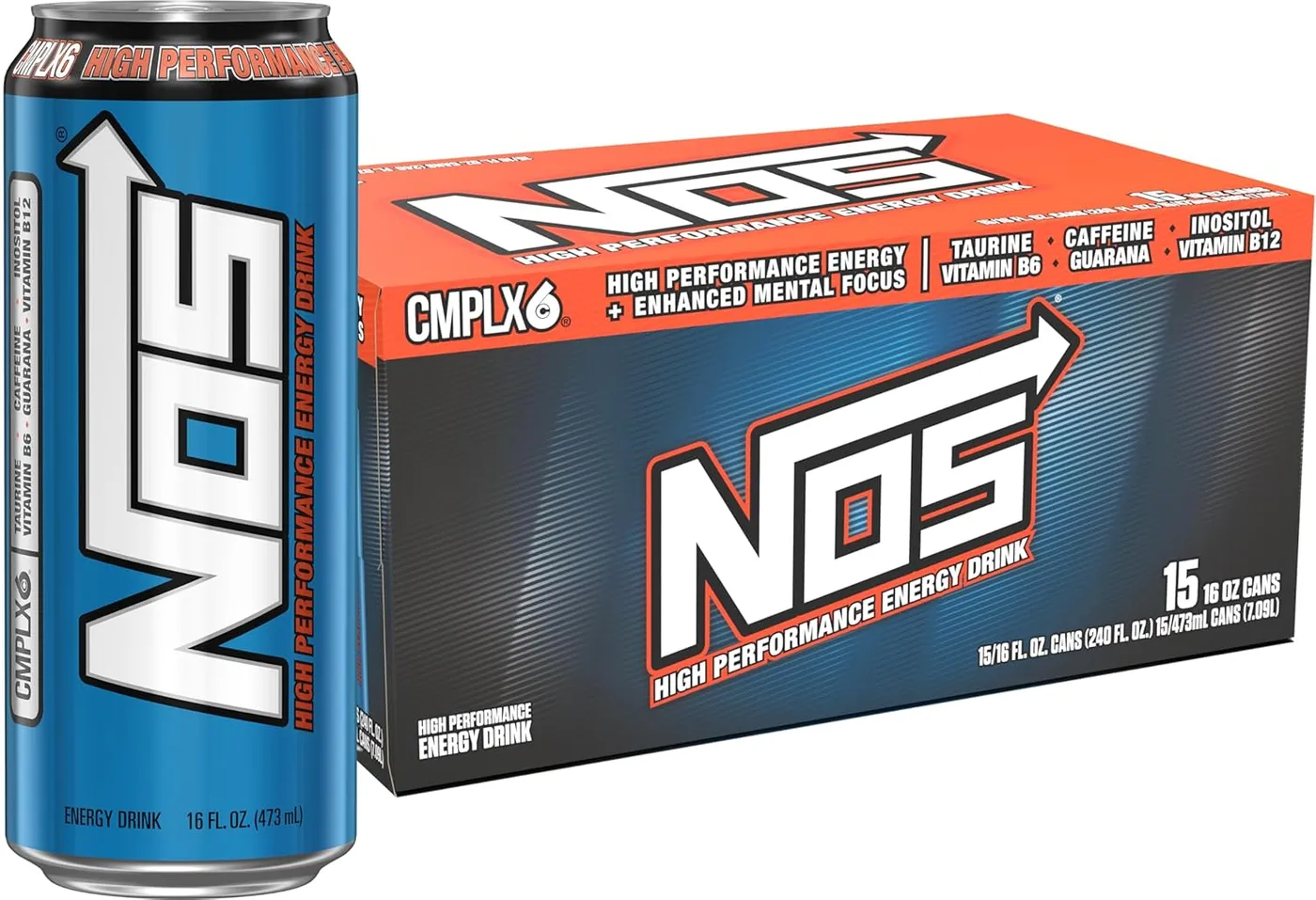
Caffeine is the reason you're cracking this can. It blocks the signal in your brain that makes you feel tired -- specifically the adenosine receptors that accumulate during wakefulness and push you toward fatigue [1]. By occupying those receptors, caffeine keeps dopamine, norepinephrine, and other stimulatory neurotransmitters running at higher levels, which is what produces that familiar lift in alertness and focus [2].
At 160mg per can, NOS Original sits in the middle of the category. That's the same neighborhood as a Monster Energy Original -- enough to feel it clearly, not enough to make you regret it at 2am. Research on caffeine performance benefits clusters around 3-6mg/kg body weight, which works out to roughly 210-420mg for a 70kg adult, so a single NOS can lands at the lower end of that functional range [2]. For a lot of people, that's exactly the right amount for a solid but manageable energy effect without running into jitters or a hard crash. Caffeine in NOS comes from both caffeine and guarana extract -- more on guarana below.
-
Taurine
Taurine is a sulfur-containing amino acid found naturally in high concentrations in the heart, brain, and skeletal muscle. It supports calcium handling in muscle tissue, antioxidant defense, and cardiovascular function [3]. Unlike most amino acids, it's not incorporated into proteins. It works as a free molecule doing maintenance work at the cellular level.
In an energy drink, taurine's most relevant role is pairing with caffeine. Research suggests the combination may support anaerobic capacity and reaction time better than either compound alone [4], and taurine appears to buffer some of caffeine's more aggressive cardiovascular effects. Clinical meta-analyses show meaningful effects on blood pressure and lipid profiles, though those studies typically use 1.5-3g/day doses over several weeks -- not a one-time can [5]. The label doesn't disclose NOS's exact taurine dose, which is standard practice for legacy energy drink formulas.
-
Guarana
Guarana (Paullinia cupana) is a botanical from the Amazon that's been used as a stimulant for centuries. Its seeds contain roughly 2.5-6% caffeine by dry weight -- more concentrated than coffee beans -- alongside theobromine, theophylline, catechins, and proanthocyanidins [6]. In NOS, guarana extract contributes to the 160mg total caffeine on the label.
The interesting thing about guarana is that it appears to do more than its caffeine content alone would predict. Research supports a small improvement in response time with acute guarana supplementation, and a 2022 crossover study found guarana produced greater cognitive effects than a matched caffeine dose during and after exercise [7]. In a planarian model, guarana extract produced stimulant effects at concentrations where equivalent caffeine had no significant effect, pointing to activity from the non-caffeine compounds [8]. The tannin and polyphenol content may also slow caffeine absorption slightly, which could contribute to a more sustained energy curve [9].
-
Inositol
Inositol is a naturally occurring sugar alcohol that acts as a precursor for the phosphatidylinositol signaling system -- a key intracellular second-messenger pathway used by hormones including insulin and several neurotransmitter systems [10]. In energy drinks, it's typically included to support mood and mental clarity rather than as a primary active. The brand doesn't disclose the exact amount in NOS.
Clinical evidence for inositol is strongest in metabolic and hormonal contexts at 2-4g/day over multiple weeks. At the amounts likely found in NOS, the effect is more about complementing the formula's stimulant stack than delivering standalone benefits. Early RCT data showed that higher inositol doses significantly outperformed placebo on depression rating scales and reduced panic attack frequency [11,10], with the mechanism involving support of serotonin and noradrenergic signaling. Even modest contributions to those pathways can matter in context.
-
Vitamins
-
Vitamin B6 (as Pyridoxine Hydrochloride) -- 240%DV
Vitamin B6 in pyridoxine HCl form gets converted by the liver into pyridoxal-5'-phosphate (PLP), the biologically active coenzyme. PLP participates in over 140 enzymatic reactions, including the synthesis of dopamine, serotonin, GABA, and noradrenaline [12]. In an energy drink, that's the relevant connection: B6 is part of the machinery your brain uses to regulate mood and alertness. At 240%DV, the dose is well above daily requirements but well within the range used safely in the general population.
-
Vitamin B12 (as Cyanocobalamin) -- 500%DV
Vitamin B12 is included here as cyanocobalamin, the most stable and cost-effective supplement form. B12 is essential for neurological function, red blood cell formation, and energy metabolism [13]. At 500%DV, the dose is high relative to the RDA, but B12 has no established upper tolerable intake limit and no confirmed toxicity even at much higher amounts [13]. For most people eating a varied diet, this dose won't change much. For anyone running low -- vegans, older adults, people with absorption issues -- the top-off is genuinely useful.
-
-
Other Ingredients
-
Carbonated Water -- the base of the formula, providing the carbonation that defines the sensory experience of the drink.
-
High Fructose Corn Syrup -- the primary sweetener, delivering 51g of sugar per can. HFCS-55 (the grade typically used in soft drinks) is 55% fructose and 42% glucose. The metabolic research on HFCS is not flattering: fructose bypasses the regulatory brake that governs glucose metabolism, driving fat production in the liver more aggressively than glucose alone [14]. At 102% of the daily added sugar recommendation in one can, this is the most significant health consideration in the formula. NOS is not positioning itself as a health drink, and the label makes no attempt to pretend otherwise.
-
Citric Acid -- a common organic acid used to provide tartness, balance sweetness, and stabilize pH. It's the world's most widely produced organic acid and is considered safe at food-use levels.
-
Sodium Citrate -- paired with citric acid to buffer acidity and maintain flavor stability. Also contributes a small amount of sodium.
-
Sodium Hexametaphosphate -- a polyphosphate salt that functions as a sequestrant and preservative, binding calcium and magnesium ions to prevent mineral-driven cloudiness or precipitation. EFSA has flagged the broader phosphate additive class as "worth monitoring" for phosphate load in heavy consumers, though a single can is far from a meaningful exposure concern.
-
Natural Flavors -- the proprietary flavor system behind the tropical citrus and mango-passionfruit profile NOS Original is known for. Functionally sensory, no pharmacological role at use levels.
-
Gum Arabic (Acacia Fiber) -- a complex polysaccharide from Acacia senegal trees. It functions as an emulsifier and stabilizer, helping maintain consistency throughout the beverage.
-
Potassium Sorbate -- a widely used antimicrobial preservative that inhibits yeast and mold. EFSA's current acceptable daily intake is 11mg/kg body weight per day, and realistic single-beverage exposure is well within that limit.
-
Ester Gum -- glycerol esters of wood rosin, used to keep the flavor oil phase from separating out of the water phase. Standard emulsion technology in citrus-flavored beverages, FDA GRAS at up to 100mg/L.
-
Sucralose -- a zero-calorie sweetener roughly 600 times sweeter than sugar, used here alongside HFCS to boost sweetness without adding more sugar. Well within regulatory limits at beverage-use amounts, though questions around gut microbiome effects and insulin sensitivity have been raised in research using sub-ADI doses [15].
-
Yellow 5 / Yellow 6 -- the artificial colors giving NOS Original its characteristic appearance. Both are FD&C-certified azo dyes approved for use in the US. The Southampton study raised questions about azo dye combinations and childhood hyperactivity, and the EU now requires a warning label on products containing these dyes [16]. At the exposure levels in a single can, the risk to adults is considered minimal by current regulatory assessments [17].
-
Calcium Disodium EDTA -- a chelating agent used as a preservative. It binds metal ions that could catalyze oxidation and degrade flavor or color, and is standard in commercial beverages.
-
Who It's For
-
Convenience-store regulars who want a straightforward energy drink and don't care about some additives: NOS Original doesn't require any justification. It's sweet, it's caffeinated, it tastes good, and it's easy to find. If you're not looking for a nootropic stack or a clean-label product, this delivers exactly what it promises.
-
Carb lovers / sugar burners who want something lighter than the 300mg+ category: At 160mg caffeine, NOS sits in the original-Monster lane, not the Bang or Celsius Force lane. If high-stimulant cans hit you too hard, this is a more manageable option.
Old School for a Reason
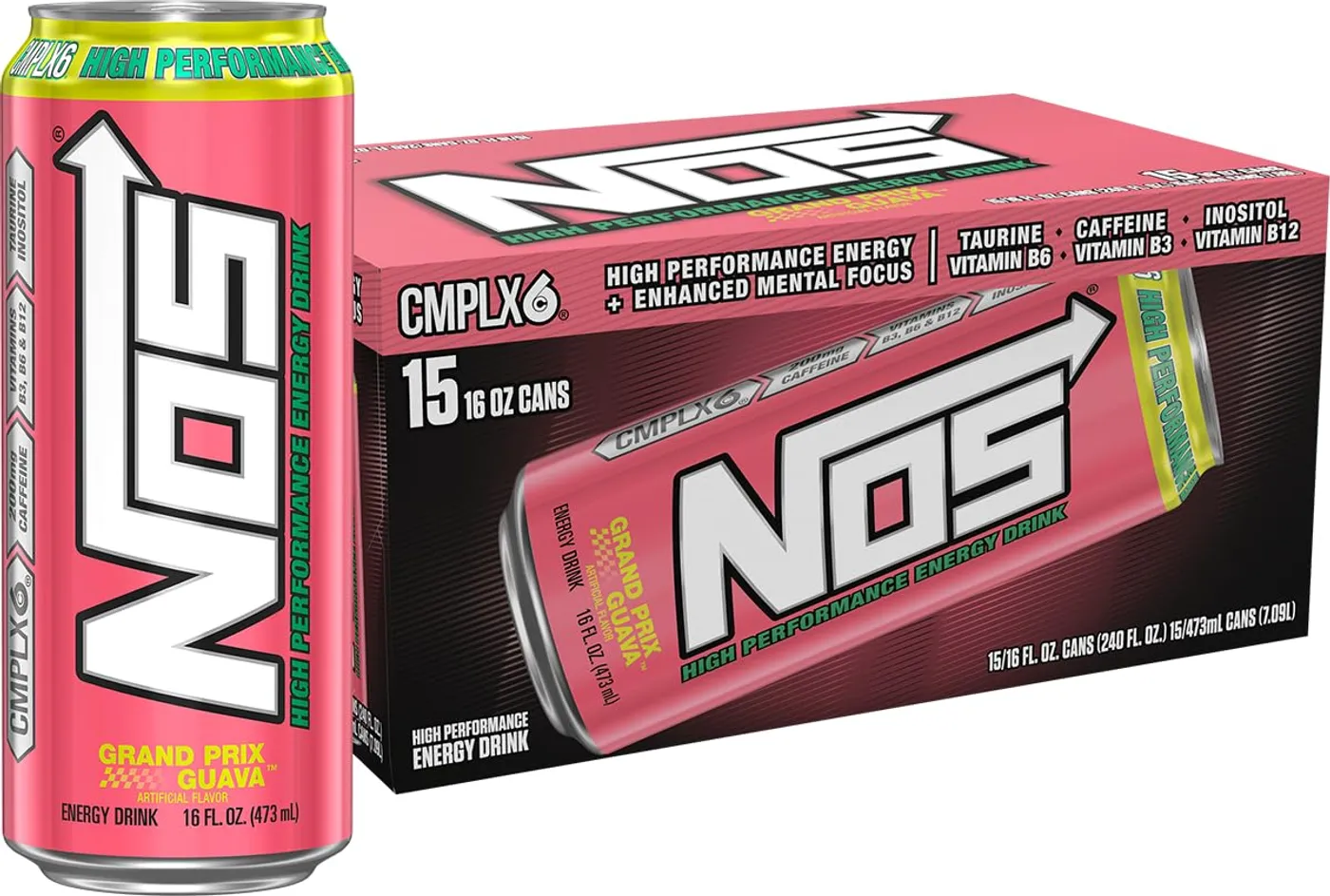
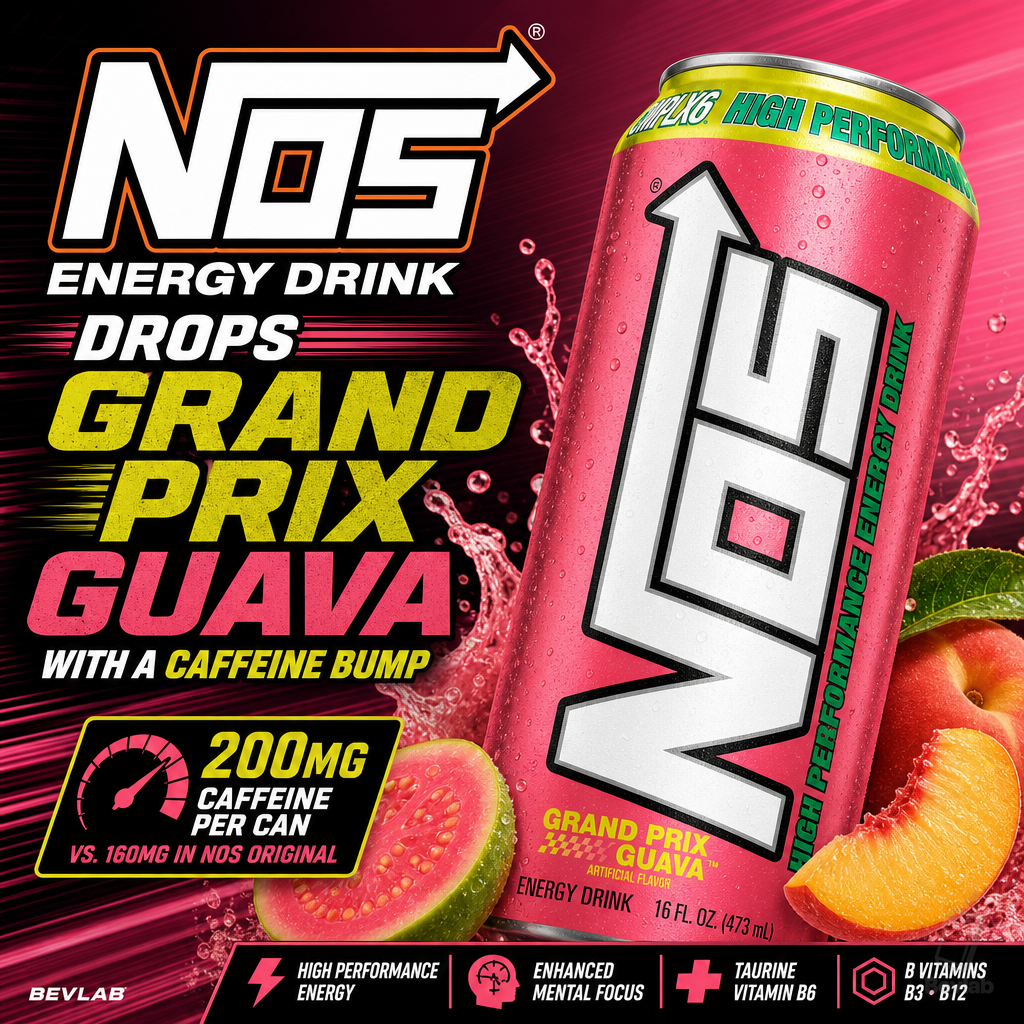
NOS Original isn't trying to be the most sophisticated drink on the shelf, and it's not hiding what's inside. You've got 160mg caffeine, 51 grams of sugar from HFCS, a supporting cast of taurine, guarana, inositol, and B vitamins, and a flavor profile that's genuinely enjoyable if tropical citrus is your thing. It's a gas-station energy drink with two decades of staying power. The Grand Prix Guava brings 200mg caffeine and zero sugar to the NOS lineup if you want a more current formula -- but for original-NOS fans, the blue can is still the blue can.
More Related Videos
Bevlab VideosReferences
- McLellan, Tom M. et al. "A Review Of Caffeine S Effects On Cognitive Physical And Occupational Performance." Neuroscience & Biobehavioral Reviews, 2016. https://doi.org/10.1016/j.neubiorev.2016.09.001
- Guest, Nanci S. et al. "International Society Of Sports Nutrition Position Stand Caffeine And Exercise Performance." Journal of the International Society of Sports Nutrition, 2021. https://doi.org/10.1186/s12970-020-00383-4
- Ripps, Harris, et al. "Review: taurine: a "very essential" amino acid." Molecular vision, 2012. https://pmc.ncbi.nlm.nih.gov/articles/PMC3501277/
- Deng, Hengzhi, et al. "Caffeine and taurine: a systematic review and network meta-analysis of their individual and combined effects on physical capacity, cognitive function, and physiological markers." Journal of the International Society of Sports Nutrition, 2025. https://doi.org/10.1080/15502783.2025.2566371
- Nie, Zizheng, et al. "Effects of Oral Taurine Supplementation on Cardiometabolic Risk Factors: A Meta-analysis and Systematic Review of Randomized Clinical Trials." Nutrition reviews, 2025. https://doi.org/10.1093/nutrit/nuaf220
- Torres, Elizabeth A F S, et al. "Effects Of The Consumption Of Guarana On Human Hea." Comprehensive reviews in food science and food safety, 2022. https://doi.org/10.1111/1541-4337.12862
- Gurney, Tom, et al. "Cognitive Effects Of Guarana Supplementation With Maximal Intensity Cycling." The British journal of nutrition, 2023. https://doi.org/10.1017/S0007114522002859
- Moustakas, Dimitrios, et al. "Guarana Provides Additional Stimulation Over Caffeine Alone In The Planarian Model." PloS one, 2015. https://doi.org/10.1371/journal.pone.0123310
- Hack, Brian, et al. "Effect Of Guarana Paullinia Cupana On Cognitive Performance A Systematic Review And Meta Analysis." Nutrients, 2023. https://doi.org/10.3390/nu15020434
- Benjamin, J, et al. "Double-blind, placebo-controlled, crossover trial of inositol treatment for panic disorder." The American journal of psychiatry, 1995. https://doi.org/10.1176/ajp.152.7.1084
- Levine, J, et al. "Double-blind, controlled trial of inositol treatment of depression." The American journal of psychiatry, 1995. https://doi.org/10.1176/ajp.152.5.792
- di, Salvo Martino Luigi, et al. "Di Salvo2010 Vitamin B6 Salvage Enzymes Mechanism Structure And Regulation." Biochimica et Biophysica Acta (BBA) - Proteins and Proteomics, 2011. https://doi.org/10.1016/j.bbapap.2010.12.006
- Lyon, Peter, et al. "B Vitamins And One Carbon Metabolism Implications In Human Health And Disease." Nutrients, 2020. https://doi.org/10.3390/nu12092867
- Softic, Samir, et al. "Role of Dietary Fructose and Hepatic De Novo Lipogenesis in Fatty Liver Disease." Digestive diseases and sciences, 2016. https://doi.org/10.1007/s10620-016-4054-0
- Romo-Romo, Alonso, et al. "Sucralose decreases insulin sensitivity in healthy subjects: a randomized controlled trial." The American journal of clinical nutrition, 2018. https://doi.org/10.1093/ajcn/nqy152
- McCann, Donna, et al. "Food additives and hyperactive behaviour in 3-year-old and 8/9-year-old children in the community: a randomised, double-blinded, placebo-controlled trial." Lancet (London, England), 2007. https://doi.org/10.1016/S0140-6736(07)61306-3
- Bastaki, Maria, et al. "Estimated daily intake and safety of FD&C food-colour additives in the US population." Food additives & contaminants. Part A, Chemistry, analysis, control, exposure & risk assessment, 2017. https://doi.org/10.1080/19440049.2017.1308018
Tagged