Barebells Milk Drink: 24g Protein From Ultrafiltered Milk
A chilled dairy protein can with a short sugar count and a long fine print
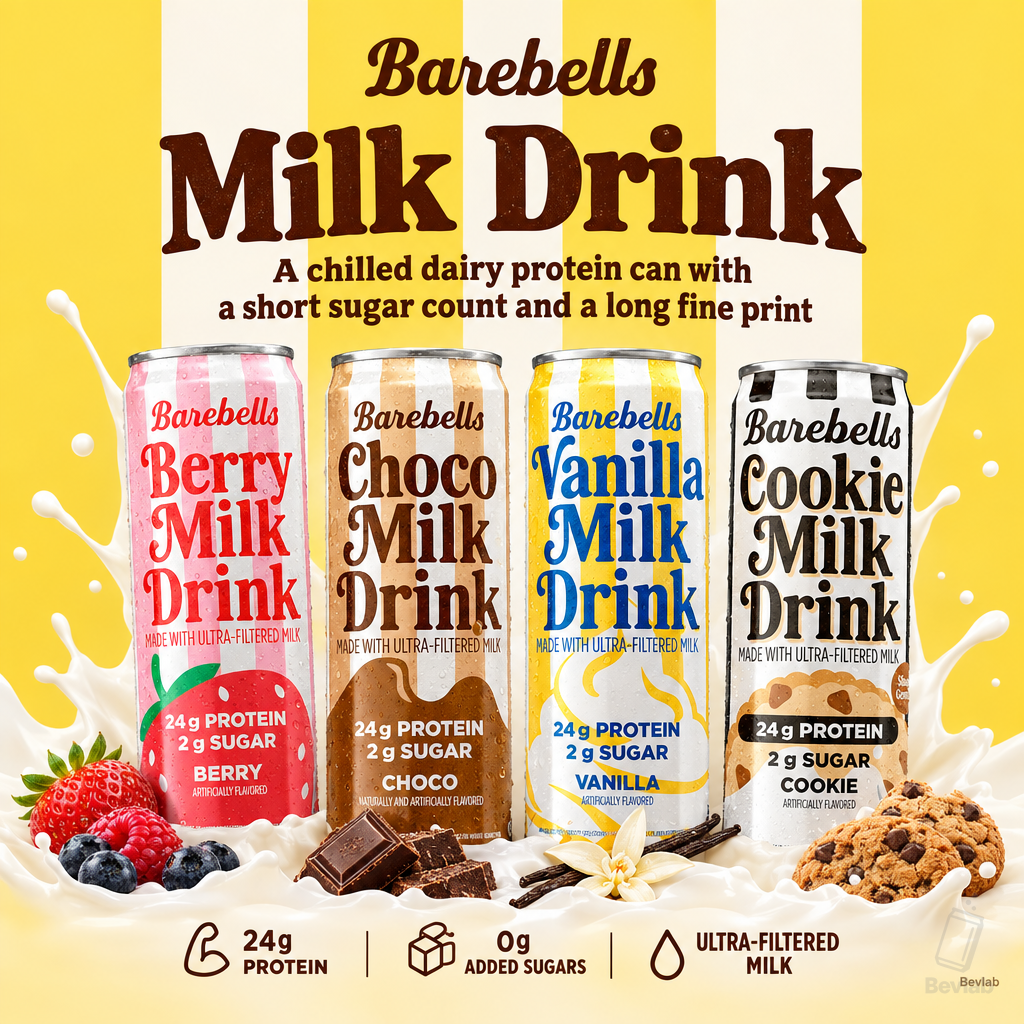
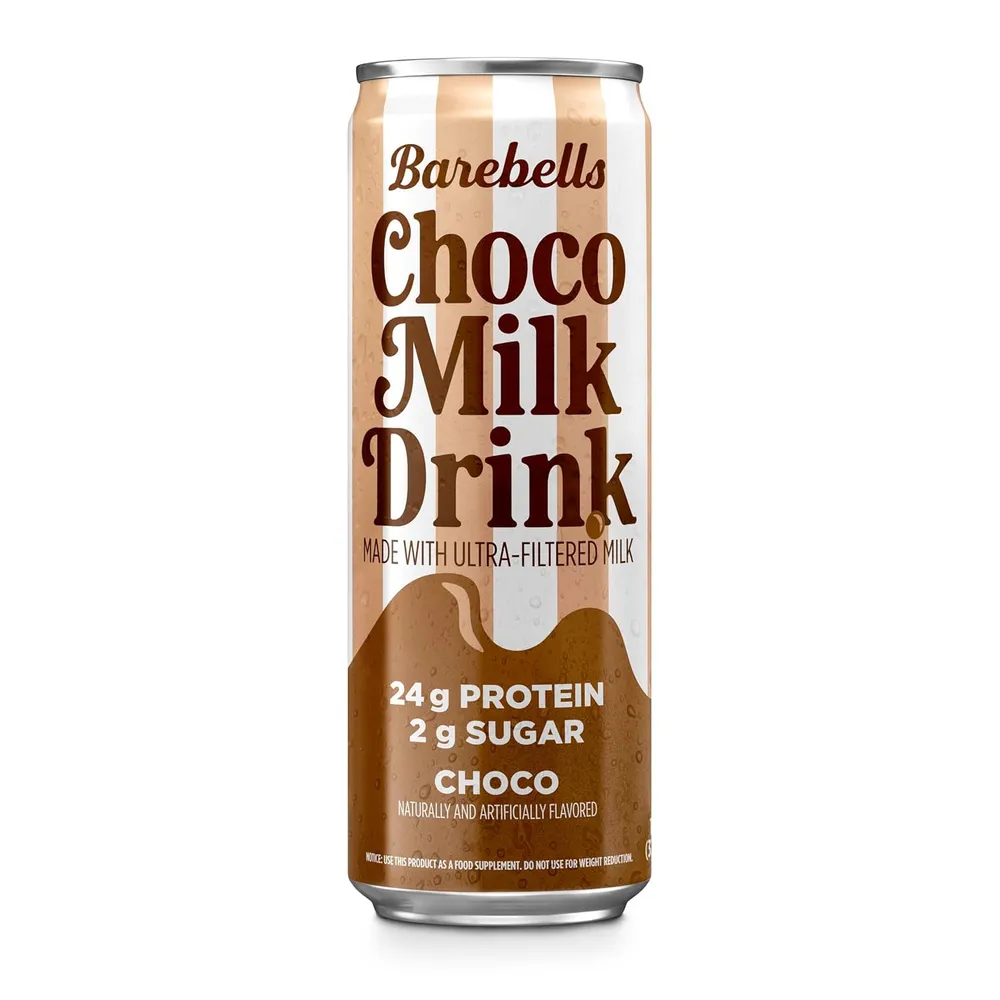
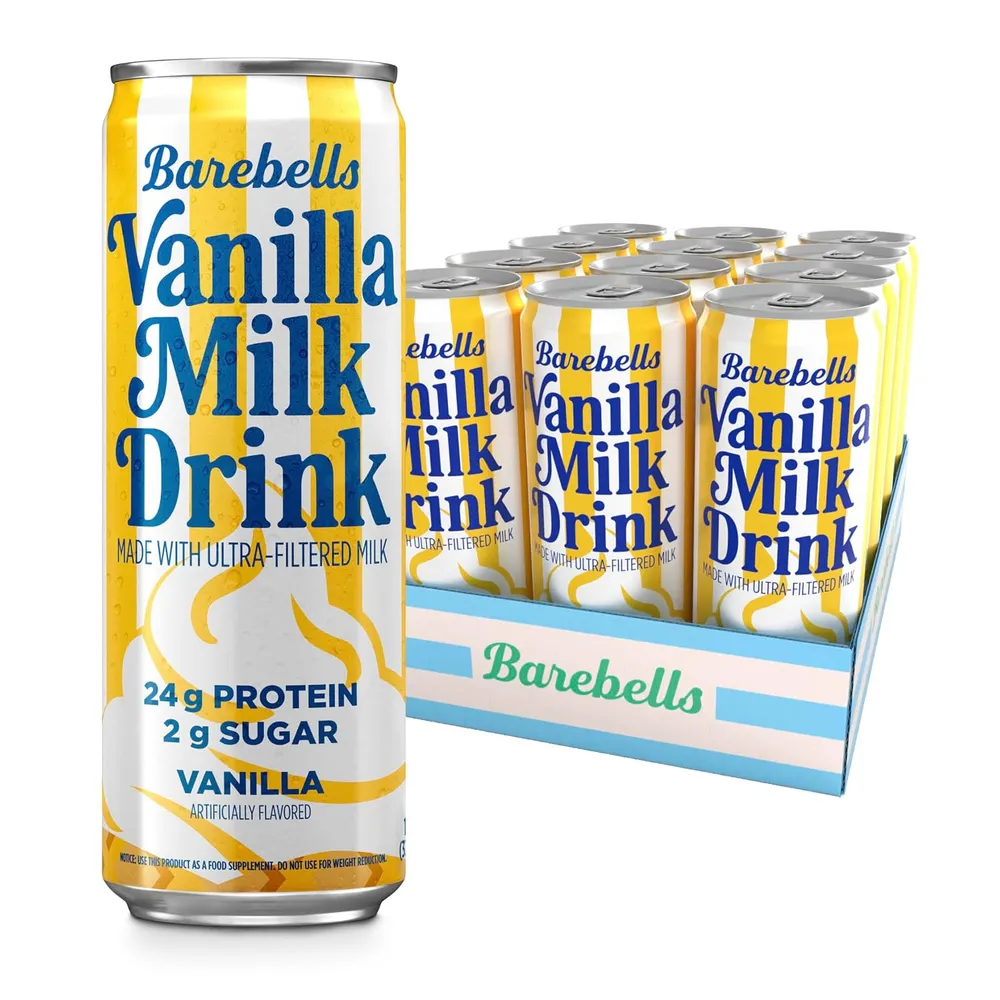
Barebells Milk Drink starts with ultrafiltered skim milk and lists 24g protein and 0g added sugars per 325mL can on its Vanilla label.
Barebells Milk Drink is the Swedish protein brand's ready-to-drink milk line, built on ultrafiltered milk and labeled at 24g of protein per 325mL can. Barebells launched in 2016 as a "taste first" protein snack brand, and this line takes that pitch into a chilled can that reads more like flavored milk than a shake. The formula pairs a dairy base with a stabilizer and a two-sweetener stack with some unnecessary fortification, so it's worth a close read of the label to decide if you want in. We know it'll taste great though.
It's also a separate formula from Barebells Protein Soda, the sparkling product we covered earlier. This one is dairy-based, with its own ingredient list, so the two shouldn't be compared line for line.
Barebells Milk Drink Nutrition Facts
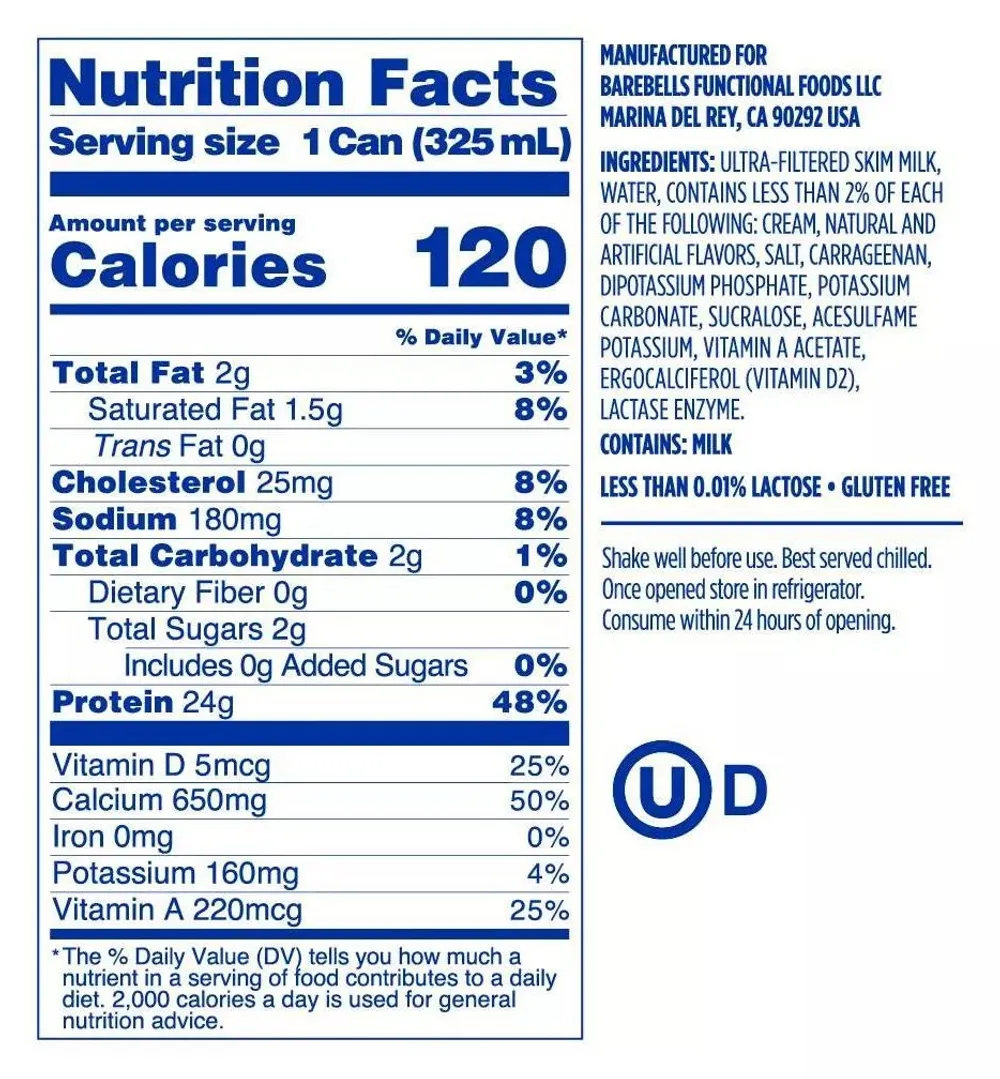
Per 1 can (325mL), from the Vanilla label:
- Calories: 120
- Total Fat: 2g (3% DV)
- Saturated Fat: 1.5g (8% DV)
- Cholesterol: 25mg (8% DV)
- Total Carbohydrate: 2g (1% DV)
- Dietary Fiber: 0g (0% DV)
- Total Sugars: 2g
- Added Sugars: 0g (0% DV)
- Protein: 24g (48% DV)
- Vitamins and Minerals
- Sodium: 180mg (8% DV)
- Calcium: 650mg (50% DV)
- Potassium: 160mg (4% DV)
- Vitamin A: 220mcg (25% DV)
- Vitamin D: 5mcg (200 IU, 25% DV)
These numbers come from the Vanilla can, and the other flavors vary slightly.
Barebells Milk Drink Ingredients
The Vanilla label lists ultra-filtered skim milk and water first, then less than 2% each of everything else. Barebells doesn't print individual amounts for the minor ingredients, so none are given here.
-
Ultrafiltered Milk
Ultrafiltered milk is the base. Ultrafiltration pushes milk through membranes that hold back protein while lactose and some soluble minerals pass through, so protein becomes a bigger share of what remains.[1] In one skim milk study, roughly 76% of the lactose and 16% of the calcium left with the permeate, and some of that calcium could be recovered afterward.[2] That's a processing result, not a statement about this can. The label is the product fact: 24g protein, 2g total sugars, and 650mg calcium per can. The ingredient list has no added calcium source, so that calcium comes along with the dairy.
Protein concentration also changes how a drink feels. In a sensory study, raising true protein in skim and 1% milk made it read more like a higher-fat milk, mostly through whiteness and thickness.[3] On the muscle side, a trial of 25g dairy protein after resistance exercise found that a faster rise in blood amino acids did not produce a bigger muscle protein synthesis response.[4] The 24g is a labeled number. The research doesn't show that filtration itself improves performance, and the can doesn't state a casein-to-whey split.
-
Cream
Cream is listed among the ingredients at less than 2% each, and Barebells doesn't disclose how much goes in. The panel's 2g total fat (1.5g saturated) counts fat from every source, including the dairy base, so it can't tell you the cream amount. Cream is there for dairy fat and mouthfeel. Its fat travels in globules wrapped in a milk fat globule membrane, and processing can change that structure.[5]
Most of the research on that matrix uses far bigger amounts. One trial gave 40g of milk fat a day as whipping cream for 8 weeks.[6] Those results don't carry over to this can. Here, cream is mainly a texture ingredient.
-
Lactase
Lactase is the enzyme that splits lactose into glucose and galactose. Barebells doesn't say how much lactase goes in or at what stage, so the amount is undisclosed. Its place on the ingredient list is consistent with a lower-lactose approach.
The research backs the general strategy. In one study, overnight incubation of a milk-based liquid supplement with an over-the-counter lactase preparation cut its lactose content by 80%.[7] In children with primary lactase deficiency, lactose-hydrolyzed milk caused fewer symptoms than ordinary milk.[8] Dose still has to match lactose load, though, and a lactase listing doesn't guarantee everyone tolerates a product.[9]
-
Carrageenan
Carrageenan is a seaweed-derived thickener that keeps protein drinks from separating and gives them body. It's listed below the 2% line, and no amount is disclosed.
Regulators accept it, but we prefer to go without it. EFSA's re-evaluation found no carcinogenicity or genotoxicity concern for native carrageenan, though it called the group intake limit temporary pending better data.[10] Much of the older toxicity work used poligeenan, a degraded form that isn't a food additive.[11] Still, a scoping review of nearly 200 papers found that studies on food-grade carrageenan also reported intestinal effects, generally milder, and called for better human trials.[12]
The human data are small. A 14-day trial of 500mg/day in healthy young men found increased intestinal permeability.[13] A pilot at roughly 2,000mg/day in quiescent ulcerative colitis found no difference in disease activity versus placebo.[14] Mouse work suggests a casein-rich matrix may soften the gut effects.[15] In this formula, it's a texture ingredient in a minor share.
-
Sucralose
Sucralose is a zero-calorie sweetener about 600 times sweeter than sugar. The label shows 0g added sugars, so the sweetness comes from sucralose and a second sweetener rather than sugar. EFSA's 2026 re-evaluation kept the acceptable daily intake at 15mg/kg body weight and found no safety concern at authorized uses.[16]
The glucose research is mixed. In a 120-person trial, 14 days of sucralose (like saccharin) altered glycemic responses to a glucose challenge, though fasting glucose and HbA1c didn't change.[17] A 14-day trial in 66 healthy adults found reduced insulin sensitivity at 15% of the acceptable daily intake.[18] A large French cohort linked higher intake to type 2 diabetes risk, but observational data can't establish cause.[19] None of this tests the amount in one can.
-
Acesulfame Potassium
Acesulfame potassium (Ace-K) is roughly 150-200 times sweeter than sugar and often paired with other sweeteners to round out the taste and cover a slight bitter edge.[20] The amount in this formula isn't disclosed. A weight-of-evidence review of animal and mechanistic data found no consistent genotoxic or carcinogenic signal.[21]
In the SWEET beverages trial, 60 adults drank a sucralose and Ace-K blend before breakfast. Their insulin response was lower than after sucrose, and 24-hour energy intake didn't differ.[22] One observational study linked higher intake to earlier puberty in girls, an association that needs replication.[23] Dutch exposure modeling found most intakes below the acceptable daily intake.[24]
-
Natural & Artificial Flavors
Natural and artificial flavors is a legal category, not a recipe. The split is about origin rather than chemistry. Natural flavors come from plant or animal material, artificial ones are synthesized, and a flavor isn't natural just because it's identical to one found in nature.[25] "Natural" also doesn't mean simpler. Natural flavors can contain synthetic processing aids.[26]
The label doesn't break the blend down. The sweetener pairing makes flavor work especially useful here. Sweet-associated aromas like vanilla can raise perceived sweetness in model beverages.[27]
-
Salt
Salt sits below the 2% line, and in a protein drink it's mostly a flavor tool. Salt suppresses bitterness, which is useful when protein and sweeteners leave an edge.[28] Sodium salts reduced bitterness in whey protein hydrolysate beverages in a sensory study, though some also dampened vanilla and chocolate notes.[29] The panel's 180mg sodium (8% DV) is the total from all sources, so this is a taste adjustment rather than an electrolyte play.
-
Vitamins and Minerals
-
Vitamin A (as Retinyl Acetate) - 220mcg (25% DV)
Vitamin A is added as retinyl acetate, a preformed vitamin A ester. It's fortification, supplying 220mcg (25% DV) per can. Given the amount of westerners already in vitamin A toxicity,[30] this is a wholly unnecessary ingredient that we'd rather go without.
-
Vitamin D2 (as Ergocalciferol) - 5mcg (200 IU, 25% DV)
Vitamin D2 is one of the two common supplemental forms of vitamin D, alongside D3. The label lists ergocalciferol, not D3, and vitamin D helps your body absorb calcium, which pairs with the dairy's 650mg per can. Vitamin D is on the Vanilla panel, but other flavor panels may differ.
-
Potassium - 160mg (4% DV)
Potassium on the panel is the total from all sources, including the dairy and the added potassium salts in the ingredient list, so it isn't a dose for any single ingredient. At 4% DV, it's a minor line item rather than a selling point.
-
-
Other Ingredients
- Water is the second ingredient and the carrier for everything else, thinning the concentrated dairy base to drinkable consistency.
- Dipotassium Phosphate is a buffering salt typically used in dairy drinks to help keep proteins stable through heat treatment. The amount isn't disclosed.
- Potassium Carbonate is an alkaline salt typically used to adjust acidity. The amount isn't disclosed.
Flavor Labels Vary Slightly
Check the label on the flavor you're buying. Fortification, sodium, and calories can shift between flavors.
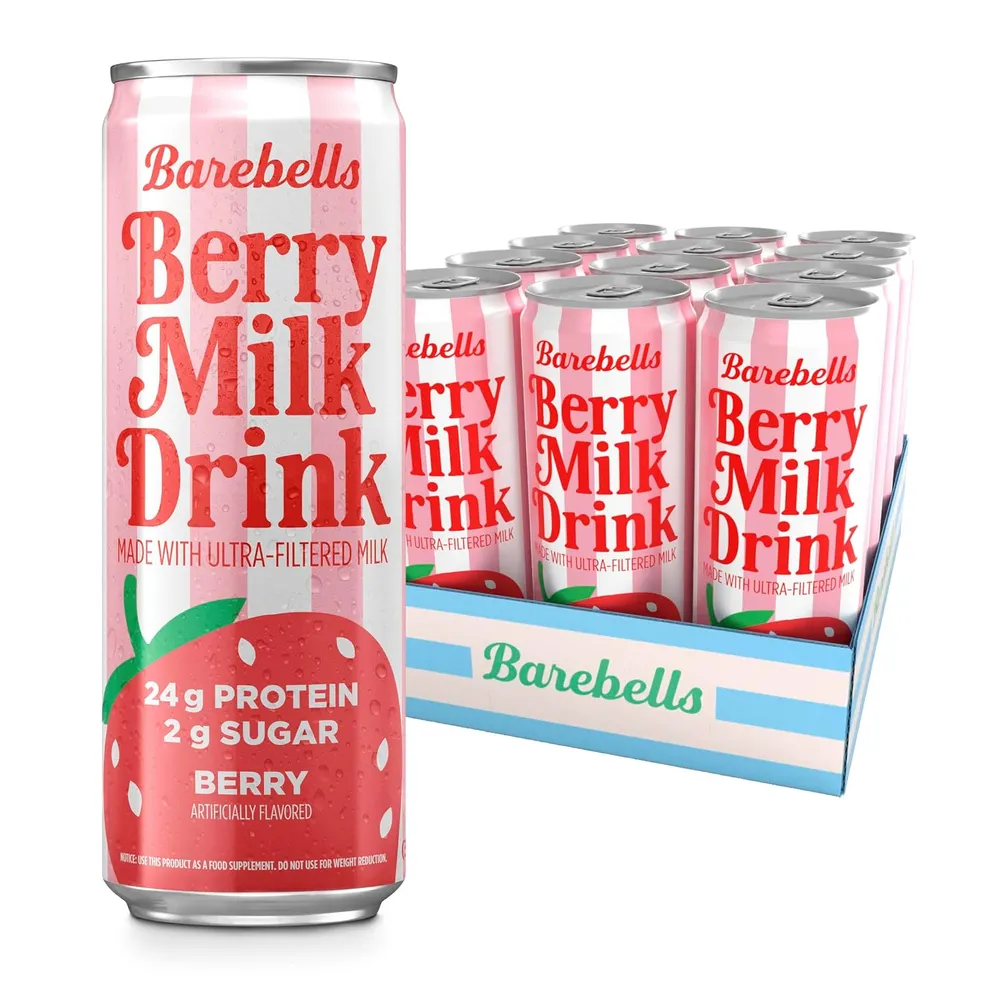
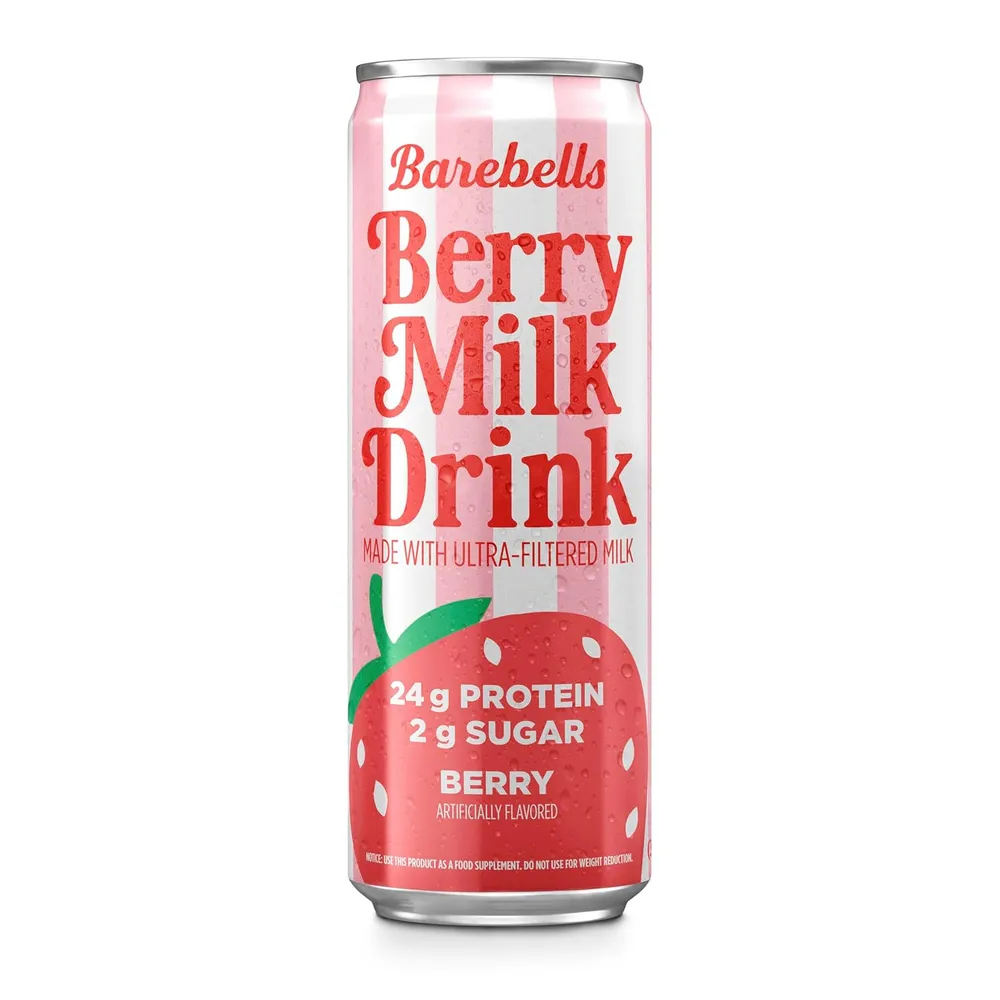
- Berry (12 Cans: $39.99)
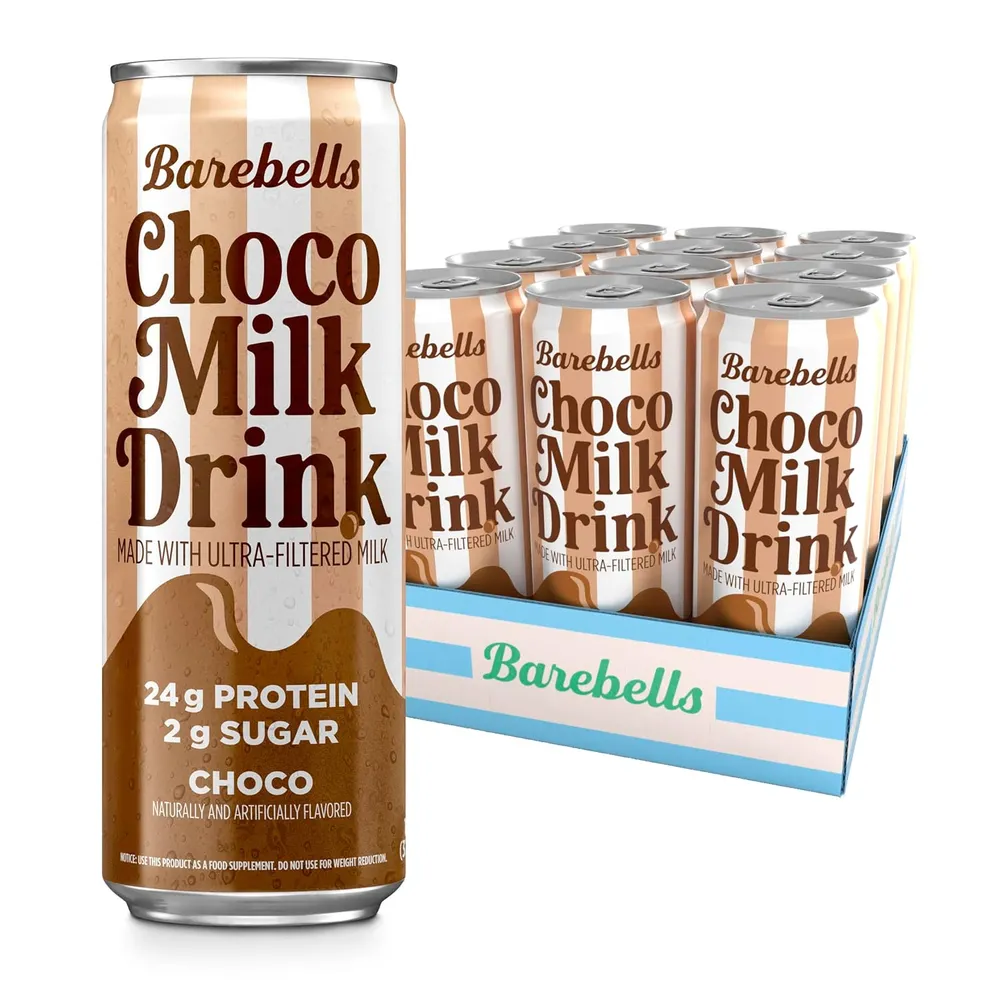
- Choco (12 Cans: $39.99)
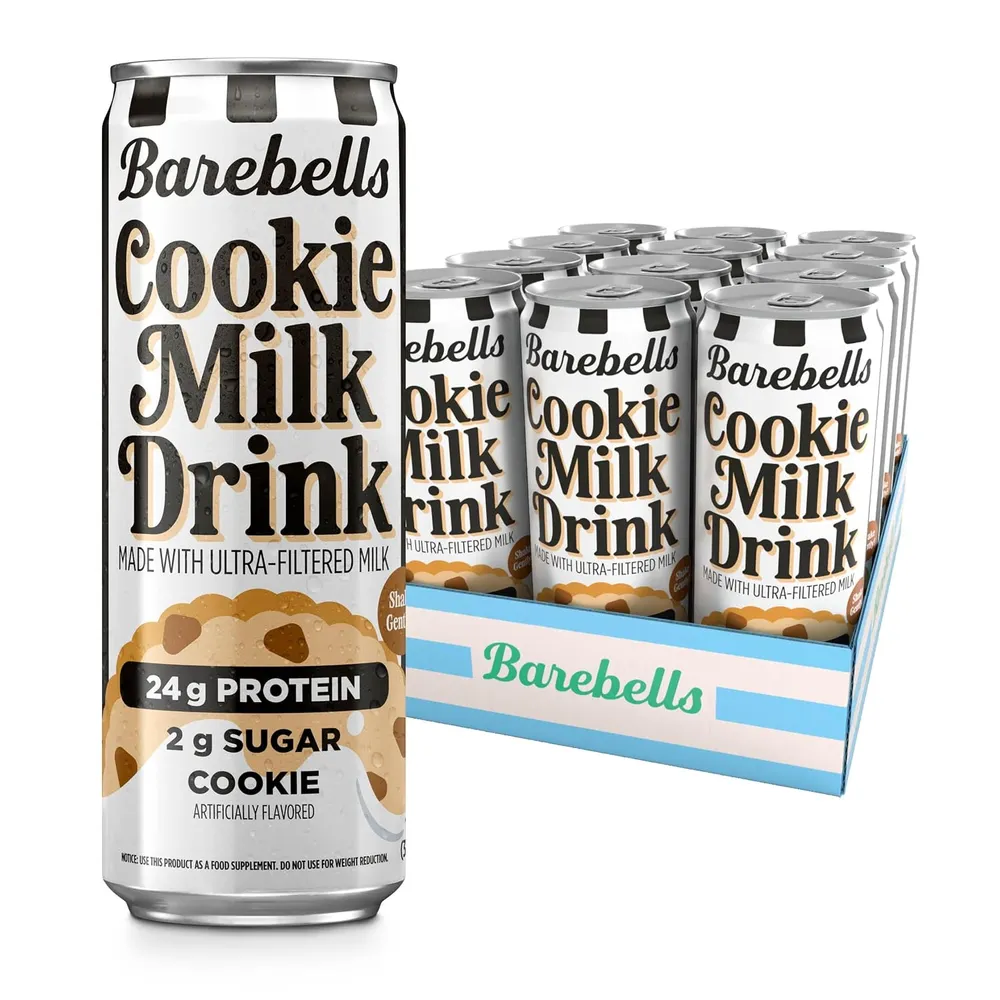
- Cookie (12 Cans: $39.99)
- Sugar Cookie (12 Cans: $33.99)
- Vanilla (12 Cans: $35.99)
Milk Allergy Still Applies
This is a milk-based drink, so it contains milk. Lactase breaks down lactose, a sugar, not milk protein, so it doesn't change that. A lactase listing also doesn't guarantee that everyone who's lactose-sensitive will tolerate it.
Dessert Macros, Honest Fine Print
If you want 24g of protein in a cold can that drinks like milk, with 2g total sugars and no added sugar, the formula does what it says. The tradeoff is a standard stabilizer and sweetener stack: carrageenan, two high-intensity sweeteners, and added phosphate and potassium salts (and unnecessary vitamin A fortification for a society that doesn't need more). If that doesn't bother you, it's an easy protein grab. If you read labels closely, pick your flavor with the panel in hand.
References
- Reig, Mònica, et al. "Use of Membrane Technologies in Dairy Industry: An Overview." Foods (Basel, Switzerland), 2021. https://doi.org/10.3390/foods10112768
- Vyas, H K, et al. "Process for calcium retention during skim milk ultrafiltration." Journal of dairy science, 2003. https://doi.org/10.3168/jds.S0022-0302(03)73872-7
- Quiñones, H J, et al. "Influence of protein standardization by ultrafiltration on the viscosity, color, and sensory properties of skim and 1% milk." Journal of dairy science, 1997. https://doi.org/10.3168/jds.S0022-0302(97)76285-4
- Chan, Alex H, et al. "The Degree of Aminoacidemia after Dairy Protein Ingestion Does Not Modulate the Postexercise Anabolic Response in Young Men: A Randomized Controlled Trial." The Journal of nutrition, 2019. https://doi.org/10.1093/jn/nxz099
- Jukkola, Annamari, et al. "Milk fat globules and associated membranes: Colloidal properties and processing effects." Advances in colloid and interface science, 2017. https://doi.org/10.1016/j.cis.2017.04.010
- Rosqvist, Fredrik, et al. "Potential role of milk fat globule membrane in modulating plasma lipoproteins, gene expression, and cholesterol metabolism in humans: a randomized study." The American journal of clinical nutrition, 2015. https://doi.org/10.3945/ajcn.115.107045
- Suarez, F L, et al. "Nutritional supplements used in weight-reduction programs increase intestinal gas in persons who malabsorb lactose." Journal of the American Dietetic Association, 2001. https://doi.org/10.1016/S0002-8223(01)00349-2
- Nielsen, O H, et al. "Calcium absorption and acceptance of low-lactose milk among children with primary lactase deficiency." Journal of pediatric gastroenterology and nutrition, 1984. https://doi.org/10.1097/00005176-198403000-00009
- Lin, M Y, et al. "Comparative effects of exogenous lactase (beta-galactosidase) preparations on in vivo lactose digestion." Digestive diseases and sciences, 1993. https://doi.org/10.1007/BF01297079
- EFSA, Panel on Food Additives and Nutrient Sources added to Food (ANS), et al. "Re-evaluation of carrageenan (E 407) and processed Eucheuma seaweed (E 407a) as food additives." EFSA journal. European Food Safety Authority, 2018. https://doi.org/10.2903/j.efsa.2018.5238
- McKim, James M, et al. "Clarifying the confusion between poligeenan, degraded carrageenan, and carrageenan: A review of the chemistry, nomenclature, and in vivo toxicology by the oral route." Critical reviews in food science and nutrition, 2019. https://doi.org/10.1080/10408398.2018.1481822
- Tahiri, Mirlinda, et al. "Evidence and hypotheses on adverse effects of the food additives carrageenan (E 407)/processed Eucheuma seaweed (E 407a) and carboxymethylcellulose (E 466) on the intestines: a scoping review." Critical reviews in toxicology, 2023. https://doi.org/10.1080/10408444.2023.2270574
- Wagner, Robert, et al. "Carrageenan and insulin resistance in humans: a randomised double-blind cross-over trial." BMC medicine, 2024. https://doi.org/10.1186/s12916-024-03771-8
- Laatikainen, Reijo, et al. "Randomized controlled pilot study: effect of carrageenan emulsifier on inflammation and gastrointestinal symptoms in quiescent ulcerative colitis." Food & nutrition research, 2023. https://doi.org/10.29219/fnr.v67.9575
- Shang, Xuke, et al. "Effect of Food Matrix on Regulation of Intestinal Barrier and Microbiota Homeostasis by Polysaccharides Sulfated Carrageenan." Foods (Basel, Switzerland), 2025. https://doi.org/10.3390/foods14040635
- EFSA, Panel on Food Additives and Flavourings (FAF), et al. "Re-evaluation of sucralose (E 955) as a food additive and evaluation of a new application on extension of use of sucralose (E 955) in fine bakery wares." EFSA journal. European Food Safety Authority, 2026. https://doi.org/10.2903/j.efsa.2026.9854
- Suez, Jotham, et al. "Personalized microbiome-driven effects of non-nutritive sweeteners on human glucose tolerance." Cell, 2022. https://doi.org/10.1016/j.cell.2022.07.016
- Romo-Romo, Alonso, et al. "Sucralose decreases insulin sensitivity in healthy subjects: a randomized controlled trial." The American journal of clinical nutrition, 2018. https://doi.org/10.1093/ajcn/nqy152
- Debras, Charlotte, et al. "Artificial Sweeteners and Risk of Type 2 Diabetes in the Prospective NutriNet-Santé Cohort." Diabetes care, 2023. https://doi.org/10.2337/dc23-0206
- Chowdhury, Chandrama Roy, et al. "Beyond sweetness: A review of the health and safety of acesulfame-K." Food chemistry, 2026. https://doi.org/10.1016/j.foodchem.2025.147290
- Marchitti, Satori A, et al. "Lack of Genotoxic and Carcinogenic Potential for Nonsugar Sweeteners: A Review of Animal and Mechanistic Evidence." Advances in nutrition (Bethesda, Md.), 2025. https://doi.org/10.1016/j.advnut.2025.100552
- Almiron-Roig, Eva, et al. "Impact of acute consumption of beverages containing plant-based or alternative sweetener blends on postprandial appetite, food intake, metabolism, and gastro-intestinal symptoms: Results of the SWEET beverages trial." Appetite, 2023. https://doi.org/10.1016/j.appet.2023.106515
- Wu, Hung-Tsung, et al. "Consumption of the nonnutritive sweetener acesulfame potassium increases central precocious puberty risk." Journal of hazardous materials, 2024. https://doi.org/10.1016/j.jhazmat.2023.132529
- Sprong, Corinne, et al. "Refined intake assessment of seven sweeteners via foods and beverages by the Dutch population using branded data." Food additives & contaminants. Part A, Chemistry, analysis, control, exposure & risk assessment, 2025. https://doi.org/10.1080/19440049.2025.2479865
- Singh, Nidhi, et al. "Natural food flavours: a healthier alternative for bakery industry-a review." Journal of food science and technology, 2024. https://doi.org/10.1007/s13197-023-05782-4
- Goodman, Matthew J. "The “Natural” vs. “Natural Flavors” Conflict in Food Labeling: A Regulatory Viewpoint." Food and drug law journal, 2017. https://pubmed.ncbi.nlm.nih.gov/29140655/
- Gaudette, Nicole J. et al. "The Contribution of Bitter Blockers and Sensory Interactions to Flavour Perception." Chemosensory Perception, 2016. https://doi.org/10.1007/s12078-015-9201-z
- Breslin, P A, et al. "Salt enhances flavour by suppressing bitterness." Nature, 1997. https://doi.org/10.1038/42388
- Leksrisompong, Pattarin, et al. "Bitter taste inhibiting agents for whey protein hydrolysate and whey protein hydrolysate beverages." Journal of food science, 2012. https://doi.org/10.1111/j.1750-3841.2012.02800.x
- Olsen, Kiersten, et al. "Serum retinyl esters are positively correlated with analyzed total liver vitamin A reserves collected from US adults at time of death." The American journal of clinical nutrition, 2018. https://doi.org/10.1093/ajcn/nqy190
Tagged