Java Monster: Coffeehouse Comfort With an Energy Drink Spine
Where the morning latte meets the gas station cooler
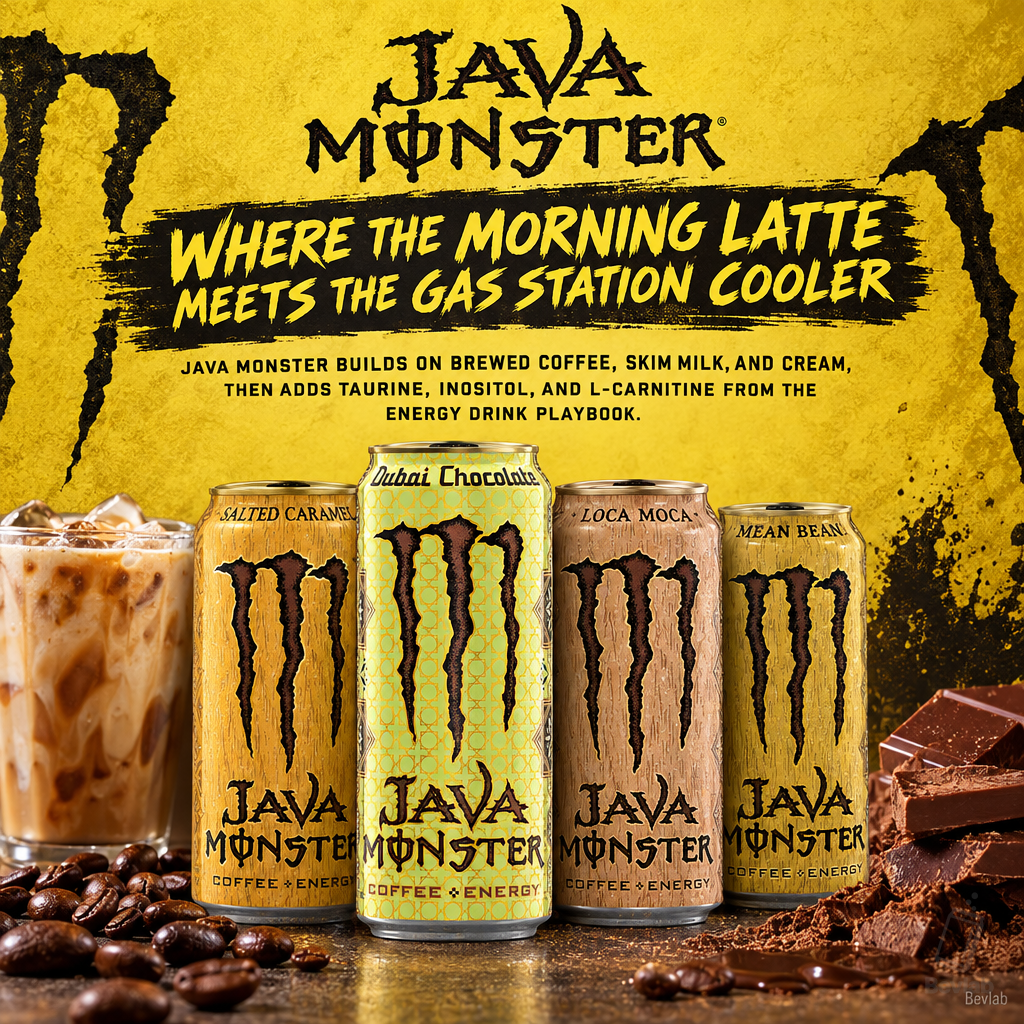
Java Monster builds on brewed coffee, skim milk, and cream, then adds taurine, inositol, and L-carnitine from the energy drink playbook.
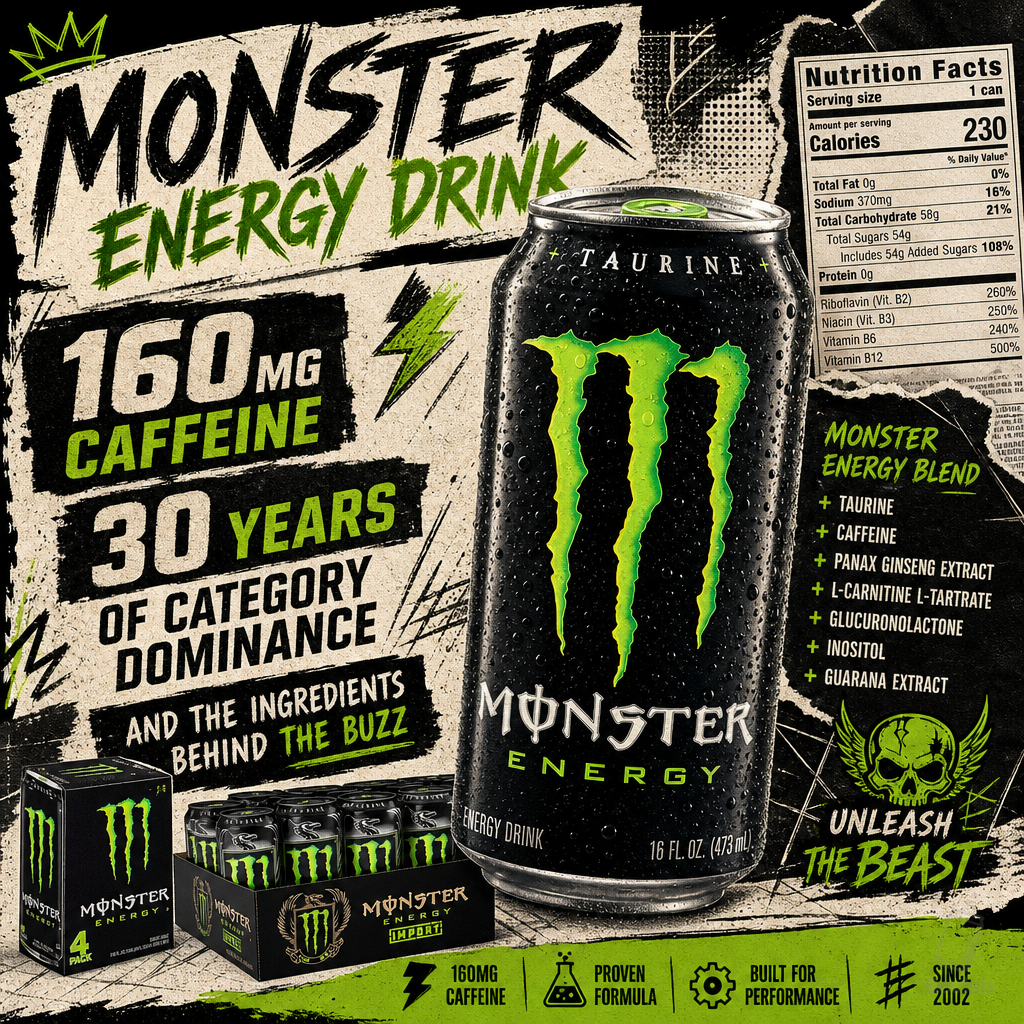
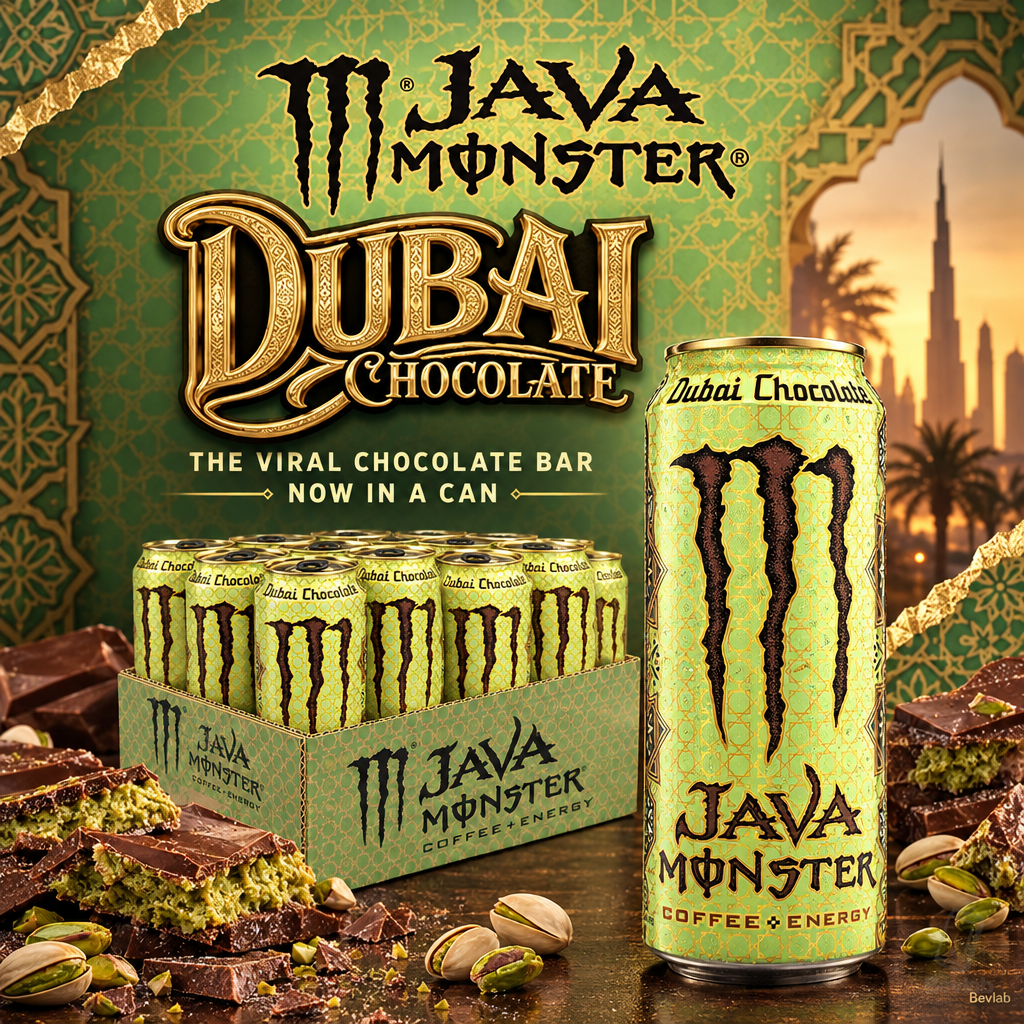
Monster Energy's Java Monster is where the brand's energy drink thinking meets a coffee shop order. The base isn't water and sweetener. It's brewed coffee, skim milk, and cream, with energy drink staples like taurine, inositol, L-carnitine, and a B-vitamin stack layered on top. If you're coming from the original Monster Energy Drink, think of Java Monster as Monster's answer for coffee people: something that tastes like a sweet, creamy coffee drink but still reads like an energy drink on the label.
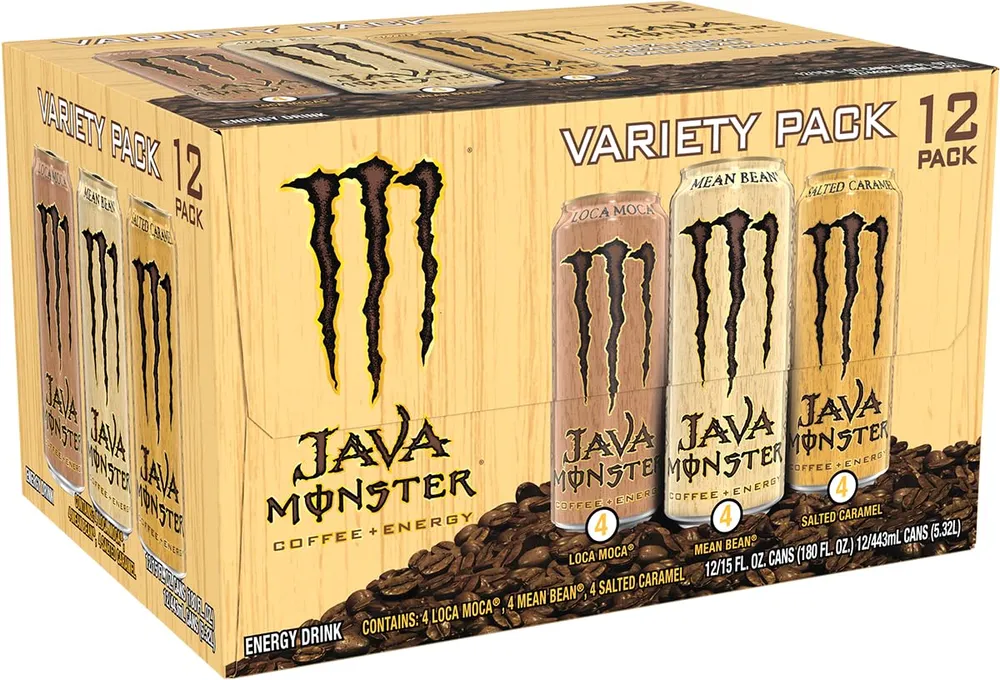
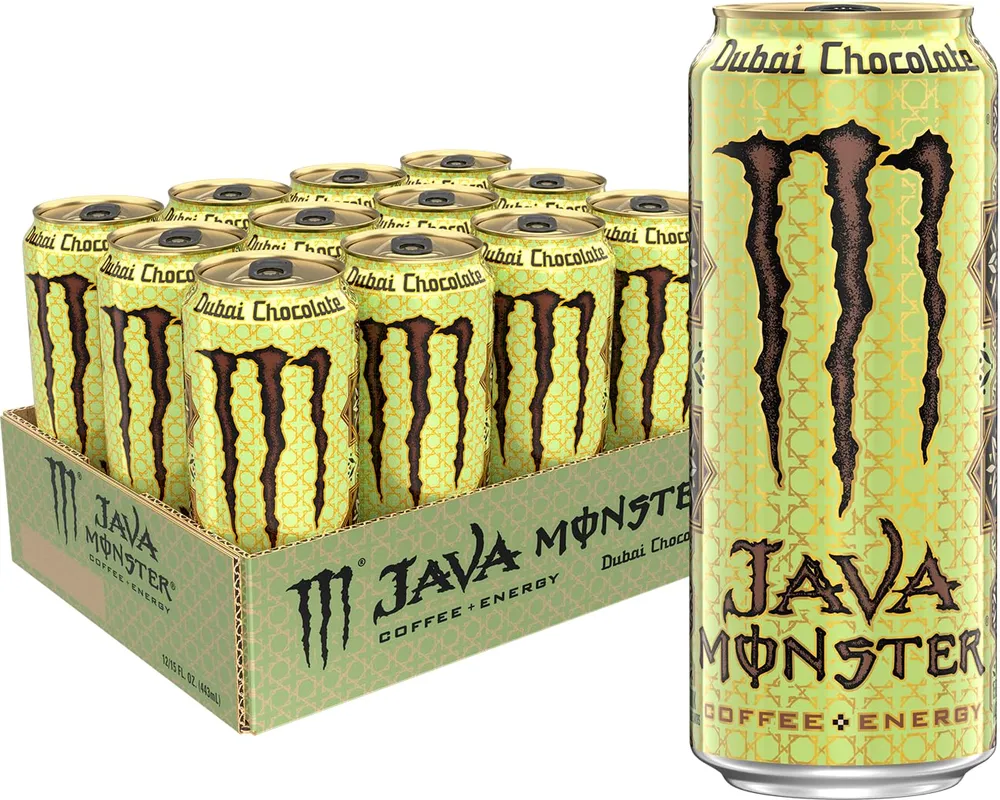
The label numbers on this page come from the Dubai Chocolate can, the newest flavor in the line as of its October 2026 launch. Other Java Monster flavors carry their own panels, so calories, sugar, and the exact ingredient list will differ depending on which can you grab. The Dubai Chocolate can has 220 calories, 7g of protein, and 24g of added sugar, so this is a full-sugar coffee drink, not a lean energy drink.
Java Monster Nutrition Facts
Serving size is one can. These figures are from the Dubai Chocolate can:
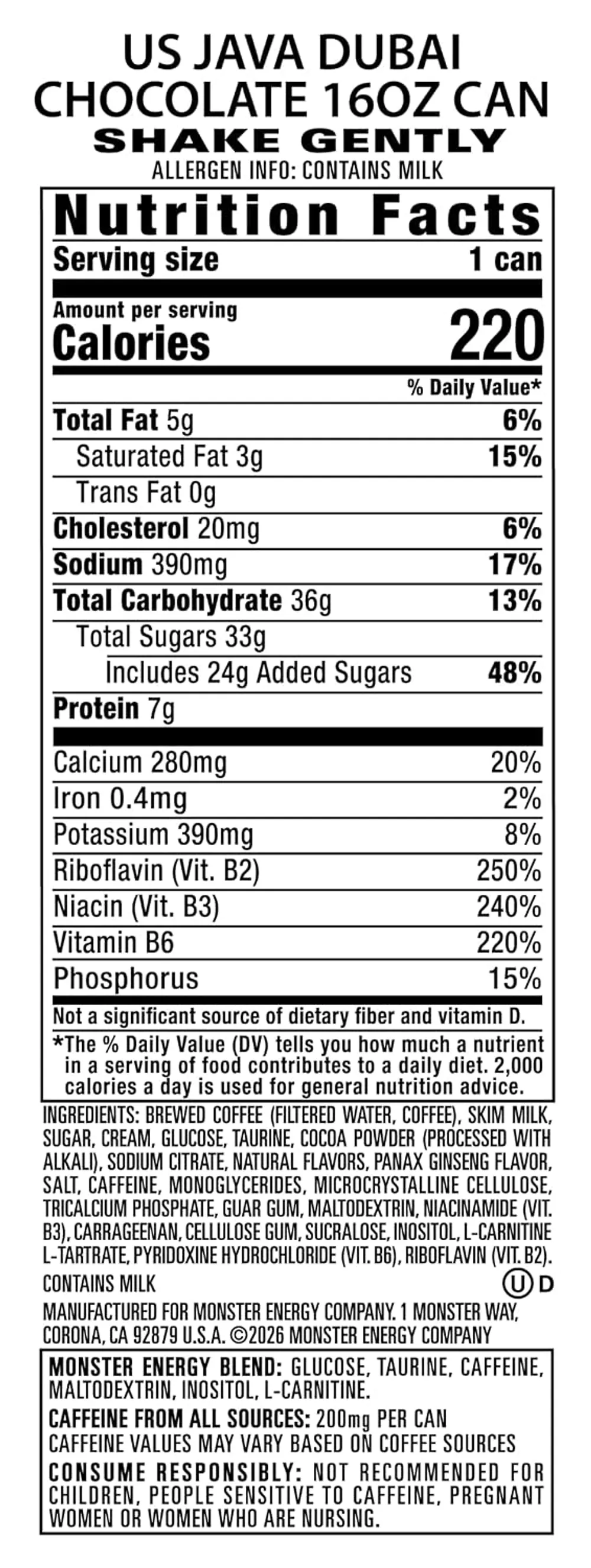
- Calories: 220
- Total Fat: 5g (6% DV)
- Saturated Fat: 3g (15% DV)
- Trans Fat: 0g
- Cholesterol: 20mg (6% DV)
- Total Carbohydrate: 36g (13% DV)
- Total Sugars: 33g
- Added Sugars: 24g (48% DV)
- Total Sugars: 33g
- Protein: 7g
- Vitamins and Minerals
- Sodium: 390mg (17% DV)
- Potassium: 390mg (8% DV)
- Calcium: 280mg (20% DV)
- Phosphorus: ~190mg (15% DV)
- Iron: 0.4mg (2% DV)
- Riboflavin: ~3.2mg (250% DV)
- Niacin: ~38mg NE (240% DV)
- Vitamin B6: ~3.7mg (220% DV)
The amounts marked with a ~ are estimates based on the current U.S. Daily Values, because the can prints only percentages for those rows.
Three numbers jump out. First, 24g of added sugar covers nearly half of the Daily Value in a single can. The gap between total and added sugars is sugar that wasn't added, and in a milk-based drink that includes the milk's own lactose. Second, 3g of saturated fat (15% DV) is the cream talking, and it's not something you'll see on a typical energy drink panel. Third, 390mg of sodium is more than most people would expect from a coffee drink, and the sodium citrate and salt on the ingredient list help explain it. On the plus side, 280mg of calcium (20% DV) and 7g of protein are a reminder that there's actual dairy in this can.
Java Monster Ingredients

Each one-can serving of the Dubai Chocolate flavor lists the following key actives. Apart from caffeine, the can doesn't print individual amounts, so the headings stick to names and the label order does the talking. Ingredients are listed by weight, so anything near the top makes up more of the can than anything near the bottom.
-
Brewed Coffee
Brewed coffee (filtered water and coffee) is the first ingredient on the can, which makes it the backbone of the drink by weight. The label doesn't say how much coffee goes into each can, or which beans and roast Monster uses. Coffee brings its own caffeine plus a long list of other compounds, including chlorogenic acids, that pure caffeine doesn't.
The performance research is encouraging. In a crossover trial of 38 men and women, coffee delivering 3mg/kg of caffeine improved 5km cycling time-trial performance by roughly 1-2% versus placebo, with similar gains in both sexes.[1] Another trial found coffee and anhydrous caffeine improved endurance cycling to a similar degree.[2] In 40 healthy daily coffee drinkers, coffee with 160mg of caffeine nudged blood pressure up within normal ranges without worsening self-reported stomach symptoms.[3] Large cohort data also tie regular coffee drinking to lower all-cause mortality, with similar results for decaf, which points to compounds beyond caffeine.[4] That's observational research on everyday coffee, though, not on sweetened coffee-and-milk energy drinks, so don't read it as a promise about this can.
-
Skim Milk
Skim milk comes second, right behind the coffee. It's milk with most of the fat removed, which leaves the protein (casein and whey), lactose, calcium, and potassium behind. The label doesn't split the panel's 7g of protein or 280mg of calcium by ingredient, but the dairy is the obvious contributor.
Skim milk has a solid research record on its own. In a 12-week trial of 56 novice male lifters, drinking fat-free milk after training led to bigger lean mass gains than soy or carbohydrate drinks.[5] Those lifters drank far more milk than one can holds, so don't treat Java Monster as a recovery shake. Skim milk also holds onto fluid well. In a resting study, it produced urine output similar to a sweetened soy beverage, putting it in the same hydration ballpark.[6] One quirk: skim milk triggers a bigger insulin response than its low glycemic index would predict.[7] Lactose malabsorption and cow's milk protein allergy are the main adverse reactions to milk.[8] Since this is a dairy-based drink, anyone with either issue should plan accordingly.
-
Cream
Cream lands fourth, just after sugar, and it's what gives Java Monster its body and its 3g of saturated fat. Cream's fat sits in tiny globules wrapped in a milk fat globule membrane, a layer of phospholipids and proteins that also helps keep the fat evenly dispersed in liquid.[9]
That structure seems to matter. In an 8-week trial, 57 overweight adults ate 40g/day of milk fat as either whipping cream or butter oil. Butter oil raised LDL cholesterol, while the cream group saw minimal changes despite the matched fat intake.[10] Researchers reviewing the dairy literature argue that whole dairy foods can't be judged by fat grams alone, because structure and processing change how the body handles them.[11]
Keep the scale honest, though. Those studies used far more cream than a can delivers, and none of this means a splash of cream in a coffee drink lowers cholesterol. In Java Monster, cream is a texture and flavor ingredient first, and it's the reason the drink feels like a latte instead of a soda.
-
Taurine
Taurine shows up sixth, right after glucose, which puts it in the upper half of the list. Monster doesn't disclose the amount. Taurine is an amino acid your body makes and stores in muscle, heart, and brain tissue, and it's one of the most familiar names on energy drink labels.
The exercise evidence is the strongest piece. A meta-analysis of 23 randomized trials found a single 1-6g dose of taurine produced a small-to-moderate overall boost in exercise performance, with the clearest effects in endurance, strength and power, and agility.[12] An earlier meta-analysis also found taurine improved endurance performance.[13] The pairing with caffeine matters too. A network meta-analysis found caffeine plus taurine ranked best for anaerobic capacity and reaction time compared with either one alone.[14] On the flip side, a meta-analysis of caffeinated energy drinks credited caffeine with much of the performance effect.[15]
For focus, taurine alone looks weak, with acute human trials showing small and inconsistent cognitive effects.[16] Safety-wise, up to 3g/day is commonly cited as an observed safe level.[17]
-
Caffeine
Caffeine appears twice in Java Monster: naturally inside the brewed coffee, and as added caffeine further down the ingredient list. The Dubai Chocolate can lists 200mg of caffeine per can from all sources. Coffee-based caffeine can vary, so other flavors may land differently.
Caffeine works by blocking the signal that makes you feel tired. A broad review found roughly 40-300mg improves alertness, vigilance, attention, and reaction time, whether people are rested or short on sleep.[18] A separate review of placebo-controlled studies concluded the attention benefits aren't explained by withdrawal relief alone.[19] For training, the ISSN supports caffeine for endurance and many strength and power outcomes while stressing that individual responses vary.[20] Genetics, medications, smoking, and hormones all change how fast you clear it.[21]
Timing matters. In one study, 400mg taken even six hours before bed disrupted sleep.[22] A large safety review supports up to 400mg/day in healthy adults, with lower benchmarks for pregnancy and younger people.[23]
-
Inositol
Inositol sits near the end of the list, right after sucralose, which suggests a small amount, though the can doesn't say how much. It's a naturally occurring compound found in foods like citrus, beans, and grains, and your body uses it to build phosphatidylinositol, part of the signaling system behind insulin and other hormones.
Most of the research uses gram-level doses aimed at specific conditions. A meta-analysis of nine randomized trials in women with PCOS found 1.1-4g/day of myo-inositol lowered fasting insulin and insulin resistance scores.[24] Another meta-analysis found a small BMI reduction across 15 trials, with the biggest effects in people with PCOS or excess weight.[25] Older trials tested 12g/day for panic disorder, with positive results in a small group that still needs replication.[26]
None of that translates directly into an energy drink effect. In Java Monster, inositol reads more like an energy drink staple than a dosed active you'd buy the can for.
-
L-Carnitine
L-carnitine follows inositol near the very bottom of the ingredient list, and the amount isn't disclosed. Its main job in your body is ferrying long-chain fatty acids into the mitochondria so they can be burned for fuel, which is why it shows up in so many fat-loss and endurance products.
The catch is absorption. Supplemental L-carnitine is absorbed at roughly 14-18% at gram-level doses, far less efficiently than the smaller amounts in food.[27] Exercise results are mixed. A systematic review of 11 studies found no meaningful benefit for moderate-intensity exercise, though several high-intensity protocols using roughly 1-4g reported improvements.[28] Recovery data look more consistent, with studies reporting less soreness and fewer markers of muscle damage after supplementation.[29] For weight, a meta-analysis of 37 trials found an average loss of about 1.2kg, a modest effect at best.[30]
Given its position on the label, treat L-carnitine here as a formula signature, not a fat-burning dose.
-
Vitamins and Minerals
The can prints only percentages for its B vitamins, so the amounts below are estimates based on the current U.S. Daily Values, not numbers printed on the label.
-
Riboflavin (Vitamin B2) - ~3.2mg (250% DV)
Riboflavin is the raw material for FAD and FMN, the coenzymes your cells use to turn food into energy inside the mitochondria. One can covers about 250% of the Daily Value. No tolerable upper intake level has been set for riboflavin, and your body excretes the excess, which is why high-B2 drinks can turn your urine bright yellow.
-
Niacin (as Niacinamide) - ~38mg NE (240% DV)
Niacin shows up here as niacinamide, a form your body converts into NAD+, a coenzyme involved in hundreds of energy-metabolism reactions. The estimated ~38mg NE lands just above the U.S. upper limit of 35mg/day, a limit built around the flushing reaction. Niacinamide is the non-flushing form, and a benchmark-dose analysis concluded current limits are likely conservative for it.[31] Still, count it if you also take a B-complex.
-
Vitamin B6 (as Pyridoxine Hydrochloride) - ~3.7mg (220% DV)
Vitamin B6 comes as pyridoxine hydrochloride, which your body converts into pyridoxal-5'-phosphate, a coenzyme in more than 140 enzyme reactions.[32] At an estimated ~3.7mg, one can sits well under EFSA's adult upper limit of 12mg/day.[33] The bigger concern with pyridoxine is long-term stacking across fortified drinks and supplements, since high cumulative intake is linked to sensory nerve problems.[34]
-
-
Sweeteners and Flavors
-
Sugar
Sugar is the third ingredient, ahead of the cream, and it's a big reason the panel shows 24g of added sugar. Table sugar splits into glucose and fructose during digestion. In a meta-analysis of 11 cohort studies, people drinking the most sugar-sweetened beverages (often 1-2 servings a day) had a 26% higher risk of type 2 diabetes than those drinking the least.[35] That's observational data on a whole beverage category, not proof about one can. How often you sip sugar also matters for your teeth.[36]
-
Glucose
Glucose (also called dextrose) is listed fifth. It's the same sugar that circulates in your blood, so it hits fast. In a small crossover study, a whole energy drink with glucose and caffeine improved memory and attention scores, while glucose or caffeine alone didn't reach significance.[37] There's a flip side. In healthy men, caffeinated coffee taken an hour before a carbohydrate meal significantly increased the blood sugar response compared with decaf.[38] Java Monster puts coffee, caffeine, and sugars in one can, so that's worth knowing if you watch blood sugar.
-
Sucralose
Sucralose is a zero-calorie sweetener about 600 times sweeter than sugar. Here it tops up sweetness alongside real sugar, so Java Monster isn't a low-sugar drink. EFSA's 2026 re-evaluation kept the acceptable daily intake at 15mg/kg of body weight and found no safety concern at reported uses.[39] A 14-day trial found sucralose shifted gut bacteria and impaired glucose tolerance in some people, with responses that varied a lot from person to person.[40]
-
Natural Flavors
Natural flavors are defined by where the flavor compounds come from, not by their chemical structure, and U.S. labels don't have to name the specific sources.[41] They're in the can for taste, not function.
-
Cocoa Powder
Cocoa powder is the most obvious flavor driver on the Dubai Chocolate can, and it sits right after taurine on the list. Since this panel comes from a chocolate flavor, don't assume every Java Monster flavor includes it. The label doesn't give an amount, and it's here for chocolate flavor, not as a functional cocoa extract.
-
Panax Ginseng Flavor
Panax ginseng flavor is listed as a flavor, not as a ginseng extract with a stated dose. That distinction matters. Ginseng research uses defined extracts at specific amounts, and this can doesn't give one, so treat it as part of the flavor system instead of a functional ingredient.
-
-
Other Ingredients
- Sodium Citrate - A salt of citric acid that helps control acidity and keeps milk proteins stable. It also adds to the can's sodium.
- Salt - Rounds out the flavor and adds sodium. Salt is also known to tame bitterness, a handy trick in a coffee drink.
- Monoglycerides - An emulsifier that helps keep the cream's fat evenly blended with the water-based coffee.
- Microcrystalline Cellulose - A purified plant cellulose used as a stabilizer to keep particles suspended and slow separation.
- Tricalcium Phosphate - A calcium phosphate salt commonly used in dairy drinks as a stabilizer and calcium source.
- Guar Gum - A thickener from guar beans that adds body.
- Maltodextrin - A starch-derived carbohydrate used as a bulking agent and carrier.
- Carrageenan - A seaweed-derived thickener that keeps milk proteins suspended. Research on its gut effects is still debated, so people with inflammatory bowel conditions may want to talk through food emulsifiers and thickeners with a clinician.
- Cellulose Gum - Also called carboxymethylcellulose, a thickener and stabilizer that helps with texture and suspension.
Dubai Chocolate and the Wider Line
Dubai Chocolate arrived in October 2026 as the newest Java Monster flavor, and it's the can every number on this page comes from. Other flavors carry their own panels, so check the specific can for calories, sugar, and ingredients.
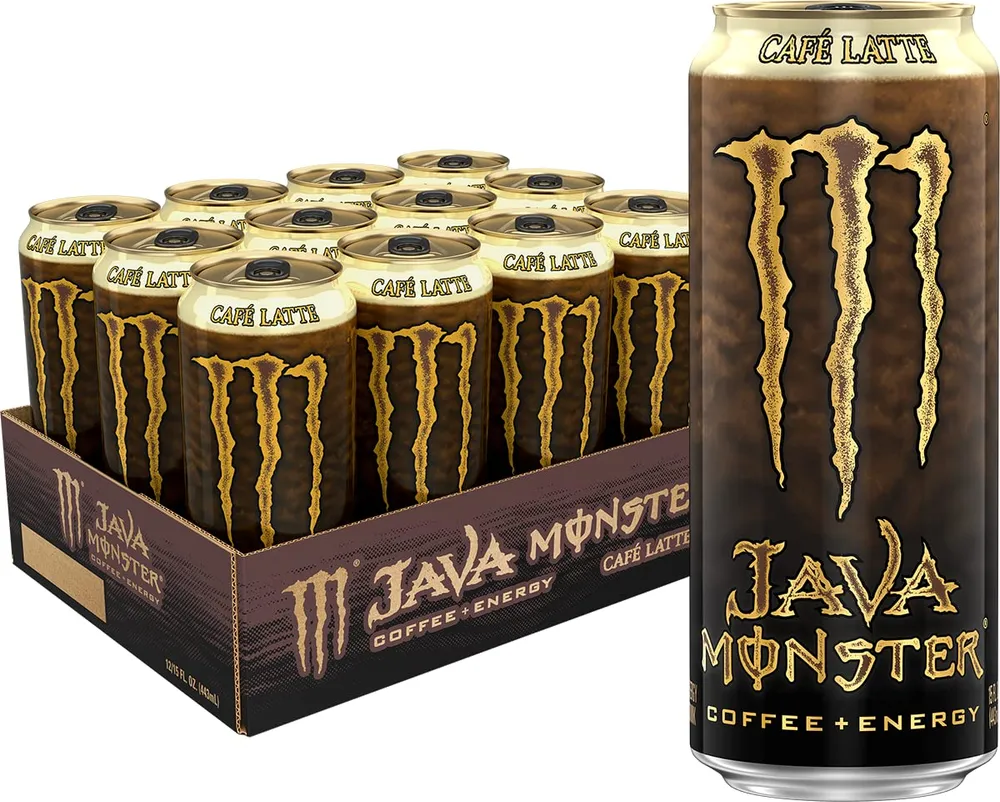
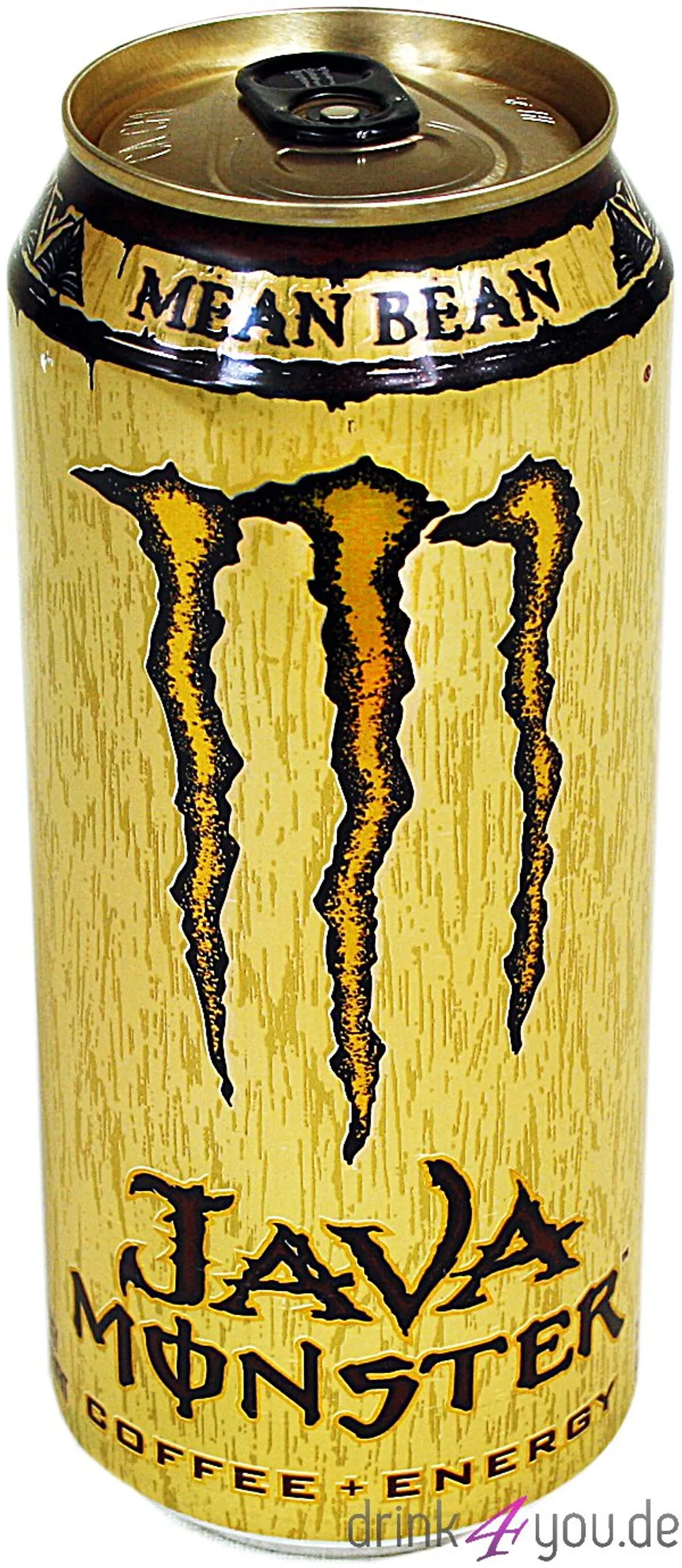
- Café Latte (15oz.) (12 Cans: $34.56)
- Dubai Chocolate (15oz.) (12 Cans: $35.89)
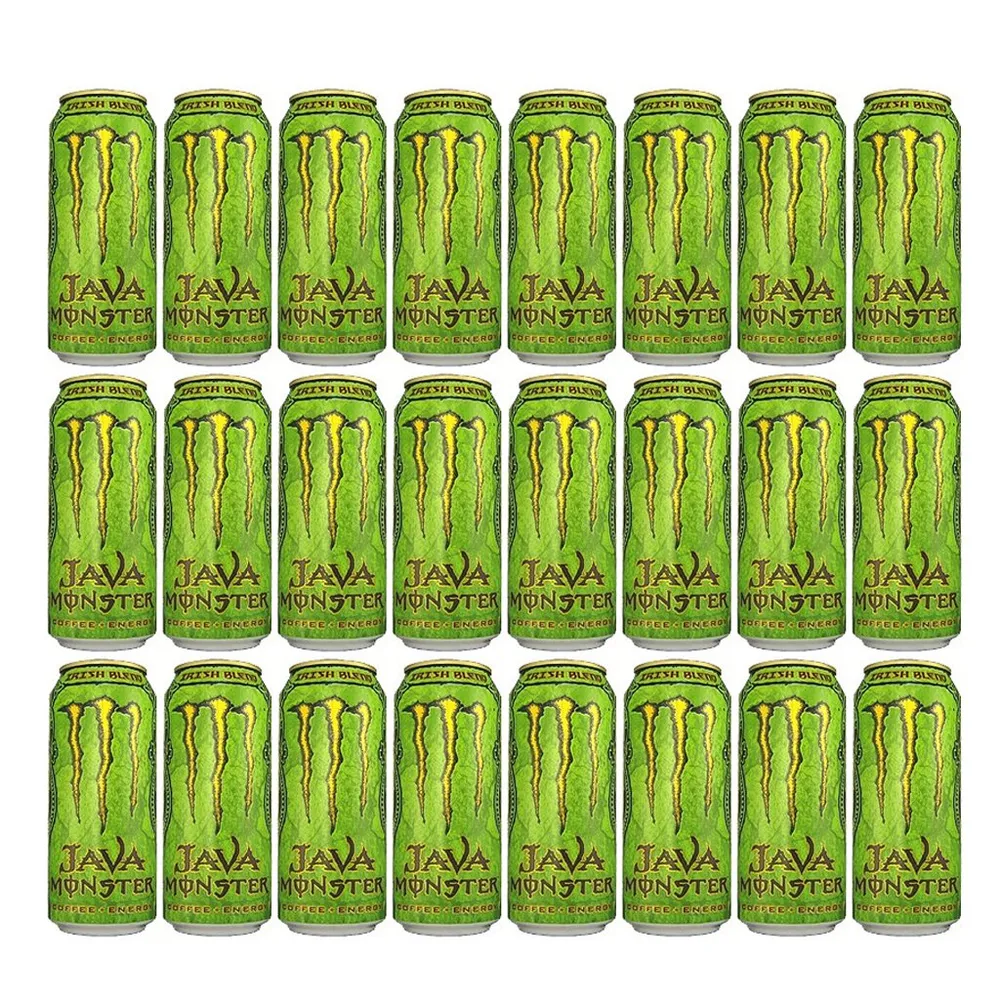
- Irish Blend (15oz.) (24 Cans: $82.18)
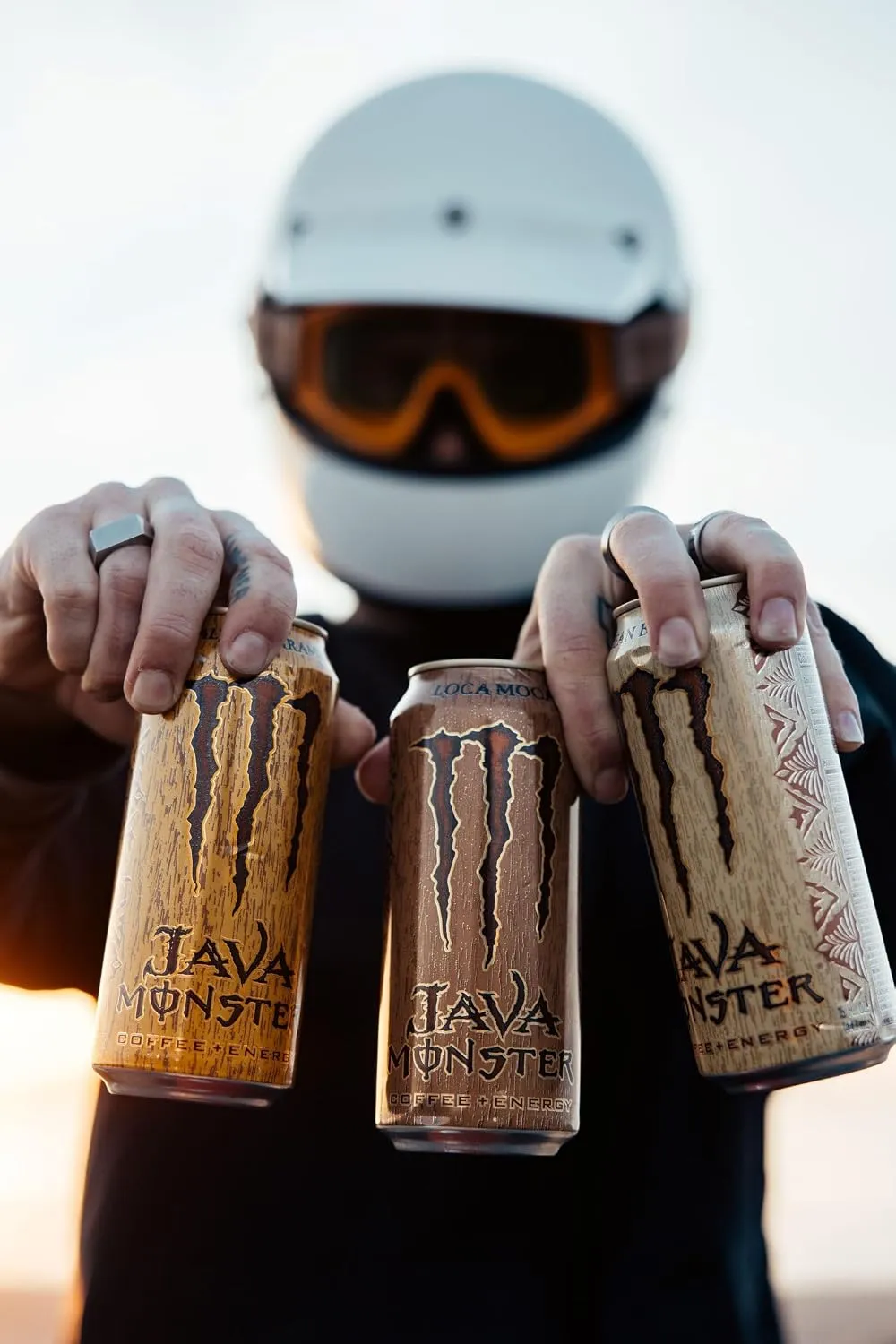
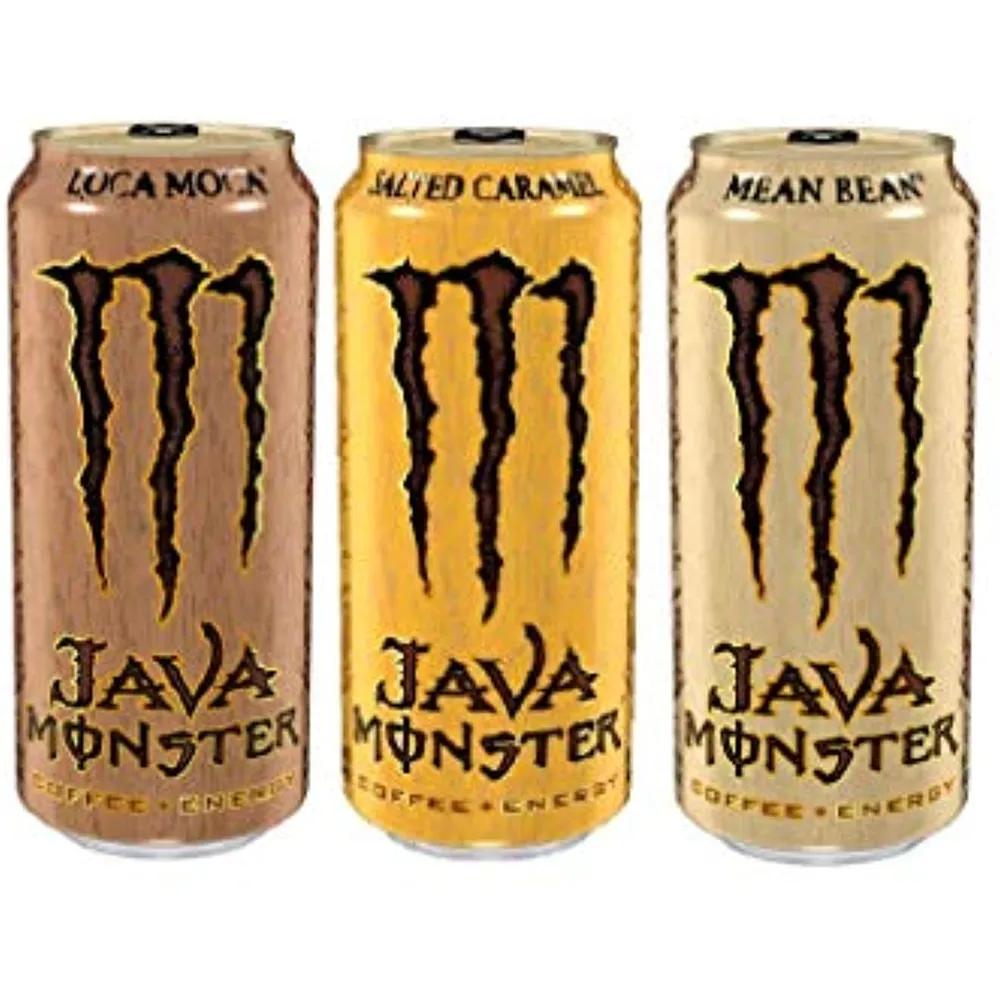
- Loca Moca (11oz.) (24 Cans: $79.30)
- Loco Moco (15oz.) (24 Cans: $81.91)
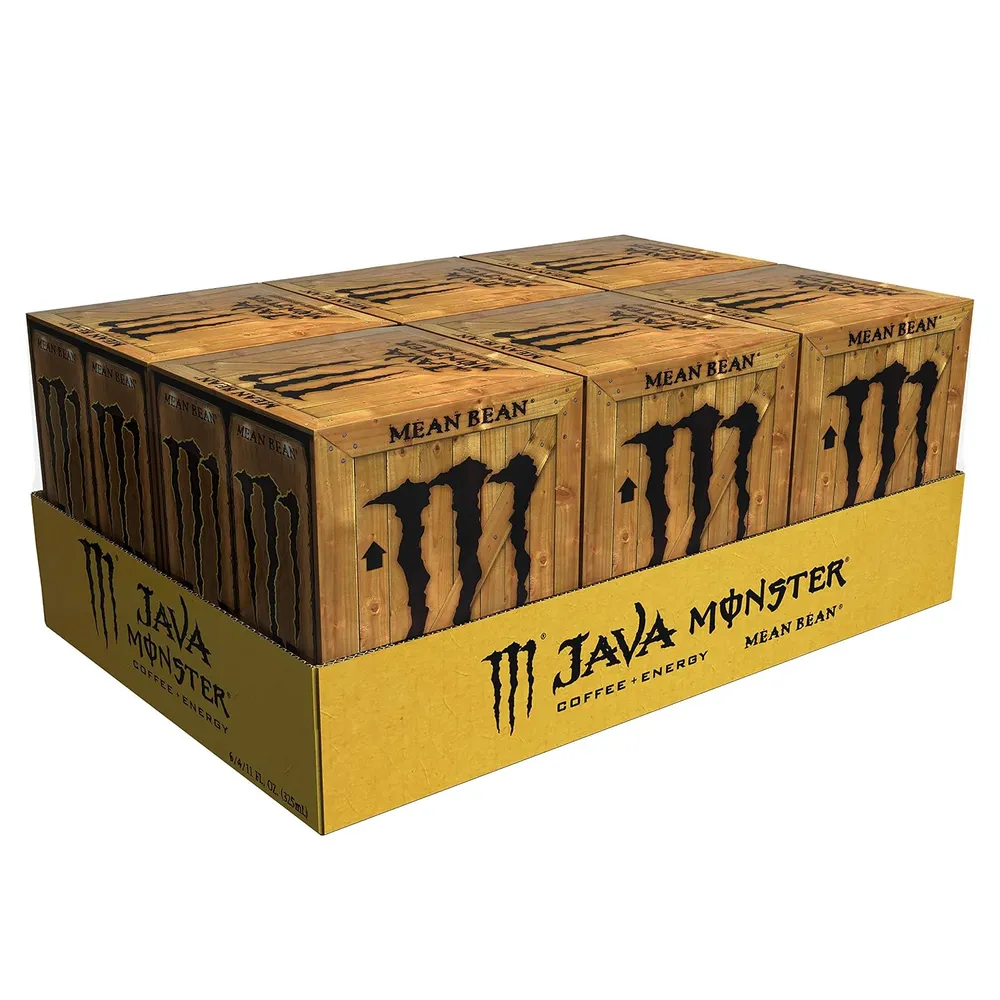
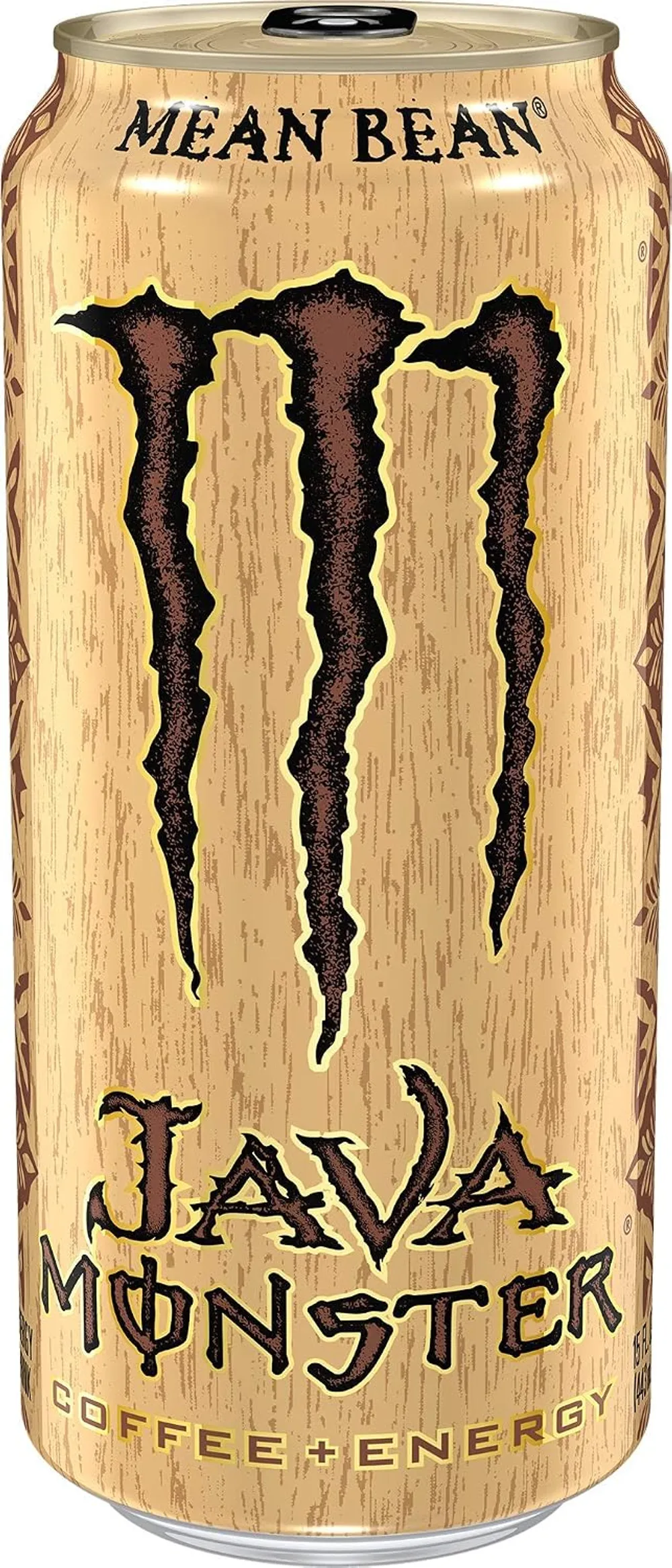
- Mean Bean (15oz.) (12 Cans: $50.59)
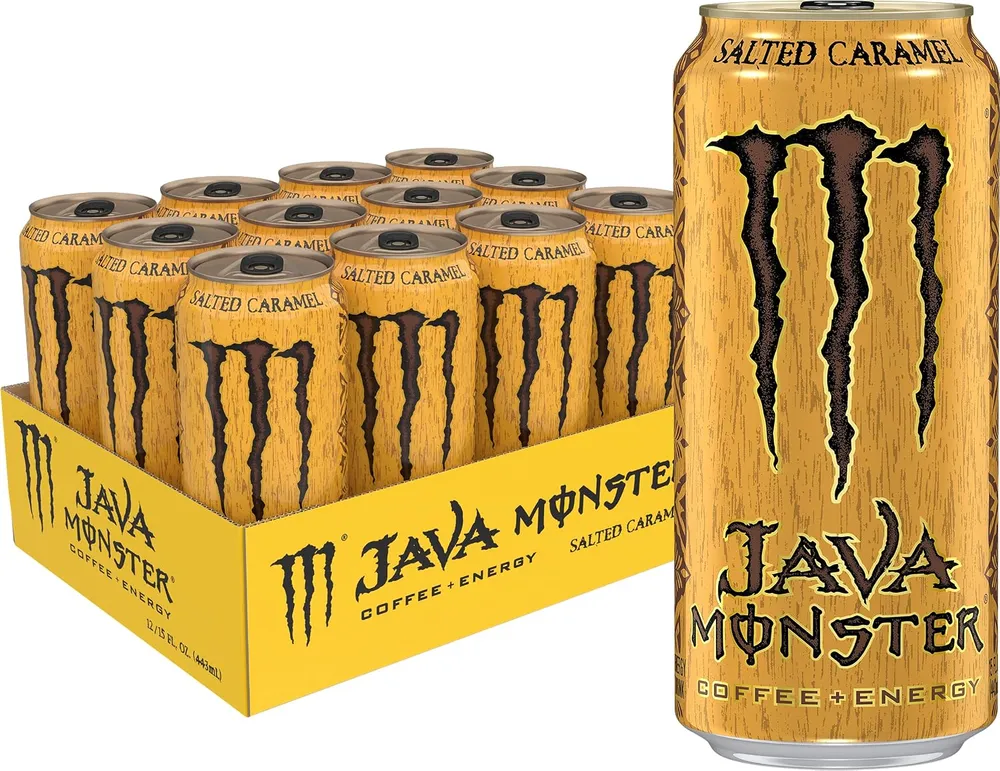
- Salted Caramel (15oz.) (12 Cans: $30.96)
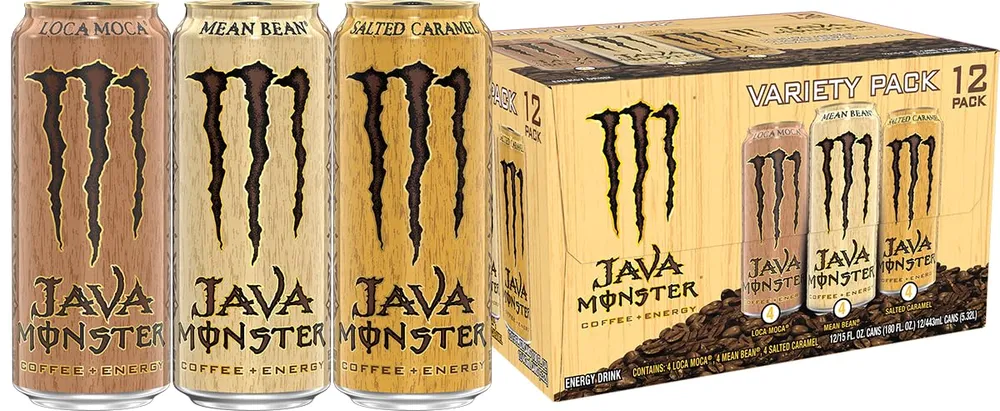
- Variety (15oz.) (12 Cans: $46.00)
Built for the Coffee-First Crowd
Java Monster makes the most sense for people who want an energy drink that tastes like a sweet coffee-shop drink, with real milk and cream doing the heavy lifting on texture. The formula backs that positioning with brewed coffee as the base and taurine, inositol, and L-carnitine riding along, but with 24g of added sugar on the Dubai Chocolate can, it's a treat-level coffee drink, not a lean daily driver. For Monster's next dairy-based swing, see our Monster Protein Energy coverage.
References
- Clarke, Neil D, et al. "Coffee Ingestion Improves 5 km Cycling Performance in Men and Women by a Similar Magnitude." Nutrients, 2019. https://doi.org/10.3390/nu11112575
- Hodgson, Adrian B, et al. "The metabolic and performance effects of caffeine compared to coffee during endurance exercise." PloS one, 2013. https://doi.org/10.1371/journal.pone.0059561
- Papakonstantinou, Emilia, et al. "Acute effects of coffee consumption on self-reported gastrointestinal symptoms, blood pressure and stress indices in healthy individuals." Nutrition journal, 2016. https://doi.org/10.1186/s12937-016-0146-0
- Loftfield, Erikka, et al. "Association of Coffee Drinking With Mortality by Genetic Variation in Caffeine Metabolism: Findings From the UK Biobank." JAMA internal medicine, 2018. https://doi.org/10.1001/jamainternmed.2018.2425
- Hartman, Joseph W, et al. "Consumption of fat-free fluid milk after resistance exercise promotes greater lean mass accretion than does consumption of soy or carbohydrate in young, novice, male weightlifters." The American journal of clinical nutrition, 2007. https://doi.org/10.1093/ajcn/86.2.373
- Peden, Donald L, et al. "Fluid and electrolyte balance following consumption of skimmed milk and a plant-based soya beverage at rest in euhydrated males." European journal of applied physiology, 2024. https://doi.org/10.1007/s00421-024-05516-0
- Hoyt, Garrett, et al. "Dissociation of the glycaemic and insulinaemic responses to whole and skimmed milk." The British journal of nutrition, 2005. https://doi.org/10.1079/bjn20041304
- Pereira, Paula C. "Milk nutritional composition and its role in human health." Nutrition (Burbank, Los Angeles County, Calif.), 2014. https://doi.org/10.1016/j.nut.2013.10.011
- Nie, Chao, et al. "Structure, Biological Functions, Separation, Properties, and Potential Applications of Milk Fat Globule Membrane (MFGM): A Review." Nutrients, 2024. https://doi.org/10.3390/nu16050587
- Rosqvist, Fredrik, et al. "Potential role of milk fat globule membrane in modulating plasma lipoproteins, gene expression, and cholesterol metabolism in humans: a randomized study." The American journal of clinical nutrition, 2015. https://doi.org/10.3945/ajcn.115.107045
- Thorning, Tanja Kongerslev, et al. "Whole dairy matrix or single nutrients in assessment of health effects: current evidence and knowledge gaps." The American journal of clinical nutrition, 2017. https://doi.org/10.3945/ajcn.116.151548
- Deng, Hengzhi, et al. "Does One Shot Work? The Acute Impact of a Single Taurine Dose on Exercise Performance: A Meta-Analytic Review." Scandinavian journal of medicine & science in sports, 2025. https://doi.org/10.1111/sms.70123
- Waldron, Mark, et al. "The Effects of an Oral Taurine Dose and Supplementation Period on Endurance Exercise Performance in Humans: A Meta-Analysis." Sports medicine (Auckland, N.Z.), 2018. https://doi.org/10.1007/s40279-018-0896-2
- Deng, Hengzhi, et al. "Caffeine and taurine: a systematic review and network meta-analysis of their individual and combined effects on physical capacity, cognitive function, and physiological markers." Journal of the International Society of Sports Nutrition, 2025. https://doi.org/10.1080/15502783.2025.2566371
- Souza, Diego B, et al. "Acute effects of caffeine-containing energy drinks on physical performance: a systematic review and meta-analysis." European journal of nutrition, 2017. https://doi.org/10.1007/s00394-016-1331-9
- Moore, Jack A, et al. "Cognitive Effects of Taurine and Related Sulphur-Containing Amino Acids: A Systematic Review of Human Trials and Considerations for Plant-Based Dietary Transitions." Foods (Basel, Switzerland), 2026. https://doi.org/10.3390/foods15040634
- Santulli, Gaetano, et al. "Functional Role of Taurine in Aging and Cardiovascular Health: An Updated Overview." Nutrients, 2023. https://doi.org/10.3390/nu15194236
- McLellan, Tom M. et al. "A Review Of Caffeine S Effects On Cognitive Physical And Occupational Performance." Neuroscience & Biobehavioral Reviews, 2016. https://doi.org/10.1016/j.neubiorev.2016.09.001
- Einöther, Suzanne J L, et al. "Caffeine as an attention enhancer: reviewing existing assumptions." Psychopharmacology, 2013. https://doi.org/10.1007/s00213-012-2917-4
- Guest, Nanci S. et al. "International Society Of Sports Nutrition Position Stand Caffeine And Exercise Performance." Journal of the International Society of Sports Nutrition, 2021. https://doi.org/10.1186/s12970-020-00383-4
- Nehlig, Astrid. "Interindividual Differences in Caffeine Metabolism and Factors Driving Caffeine Consumption." Pharmacological reviews, 2018. https://doi.org/10.1124/pr.117.014407
- Drake, Christopher, et al. "Caffeine effects on sleep taken 0, 3, or 6 hours before going to bed." Journal of clinical sleep medicine : JCSM : official publication of the American Academy of Sleep Medicine, 2013. https://doi.org/10.5664/jcsm.3170
- Wikoff, Daniele, et al. "Systematic review of the potential adverse effects of caffeine consumption in healthy adults, pregnant women, adolescents, and children." Food and chemical toxicology : an international journal published for the British Industrial Biological Research Association, 2017. https://doi.org/10.1016/j.fct.2017.04.002
- Unfer, Vittorio, et al. "Myo-inositol effects in women with PCOS: a meta-analysis of randomized controlled trials." Endocrine connections, 2017. https://doi.org/10.1530/EC-17-0243
- Zarezadeh, Meysam, et al. "Inositol supplementation and body mass index: A systematic review and meta-analysis of randomized clinical trials." Obesity science & practice, 2022. https://doi.org/10.1002/osp4.569
- Benjamin, J, et al. "Double-blind, placebo-controlled, crossover trial of inositol treatment for panic disorder." The American journal of psychiatry, 1995. https://doi.org/10.1176/ajp.152.7.1084
- Rebouche, Charles J. "Kinetics, pharmacokinetics, and regulation of L-carnitine and acetyl-L-carnitine metabolism." Annals of the New York Academy of Sciences, 2004. https://doi.org/10.1196/annals.1320.003
- Mielgo-Ayuso, Juan, et al. "Effect Of Acute And Chronic Oral L Carnitine Supplementation On Exercise Performance Based On The Exercise Intensity A Systematic Review." Nutrients, 2021. https://doi.org/10.3390/nu13124359
- Fielding, Roger, et al. "L Carnitine Supplementation In Recovery After Exercise." Nutrients, 2018. https://doi.org/10.3390/nu10030349
- Talenezhad, Nasir, et al. "Effects of l-carnitine supplementation on weight loss and body composition: A systematic review and meta-analysis of 37 randomized controlled clinical trials with dose-response analysis." Clinical Nutrition ESPEN, 2020. https://doi.org/10.1016/j.clnesp.2020.03.008
- Minto, Clara, et al. "Definition of a tolerable upper intake level of niacin: a systematic review and meta-analysis of the dose-dependent effects of nicotinamide and nicotinic acid supplementation." Nutrition reviews, 2017. https://doi.org/10.1093/nutrit/nux011
- di Salvo, Martino Luigi, et al. "Vitamin B(6) salvage enzymes: mechanism, structure and regulation." Biochimica et Biophysica Acta (BBA) - Proteins and Proteomics, 2011. https://doi.org/10.1016/j.bbapap.2010.12.006
- EFSA Panel on Nutrition, Novel Foods and Food Allergens (NDA), et al. "Scientific opinion on the tolerable upper intake level for vitamin B6." EFSA journal. European Food Safety Authority, 2023. https://doi.org/10.2903/j.efsa.2023.8006
- Muhamad, Raman, et al. "The Role Of Vitamin B6 In Peripheral Neuropathy A Systematic Review." Nutrients, 2023. https://doi.org/10.3390/nu15132823
- Malik, Vasanti S, et al. "Sugar-sweetened beverages and risk of metabolic syndrome and type 2 diabetes: a meta-analysis." Diabetes care, 2010. https://doi.org/10.2337/dc10-1079
- Moynihan, Paula, et al. "Diet, nutrition and the prevention of dental diseases." Public health nutrition, 2004. https://doi.org/10.1079/PHN2003589
- Scholey, Andrew B, et al. "Cognitive and physiological effects of an "energy drink": an evaluation of the whole drink and of glucose, caffeine and herbal flavouring fractions." Psychopharmacology, 2004. https://doi.org/10.1007/s00213-004-1935-2
- Moisey, Lesley L, et al. "Caffeinated coffee consumption impairs blood glucose homeostasis in response to high and low glycemic index meals in healthy men." The American journal of clinical nutrition, 2008. https://doi.org/10.1093/ajcn/87.5.1254
- EFSA, Panel on Food Additives and Flavourings (FAF), et al. "Re-evaluation of sucralose (E 955) as a food additive and evaluation of a new application on extension of use of sucralose (E 955) in fine bakery wares." EFSA journal. European Food Safety Authority, 2026. https://doi.org/10.2903/j.efsa.2026.9854
- Suez, Jotham, et al. "Personalized microbiome-driven effects of non-nutritive sweeteners on human glucose tolerance." Cell, 2022. https://doi.org/10.1016/j.cell.2022.07.016
- Goodman, Matthew J. "The “Natural” vs. “Natural Flavors” Conflict in Food Labeling: A Regulatory Viewpoint." Food and drug law journal, 2017. https://pubmed.ncbi.nlm.nih.gov/29140655/
Related Coverage
Tagged