Lost and Found Energy Drink
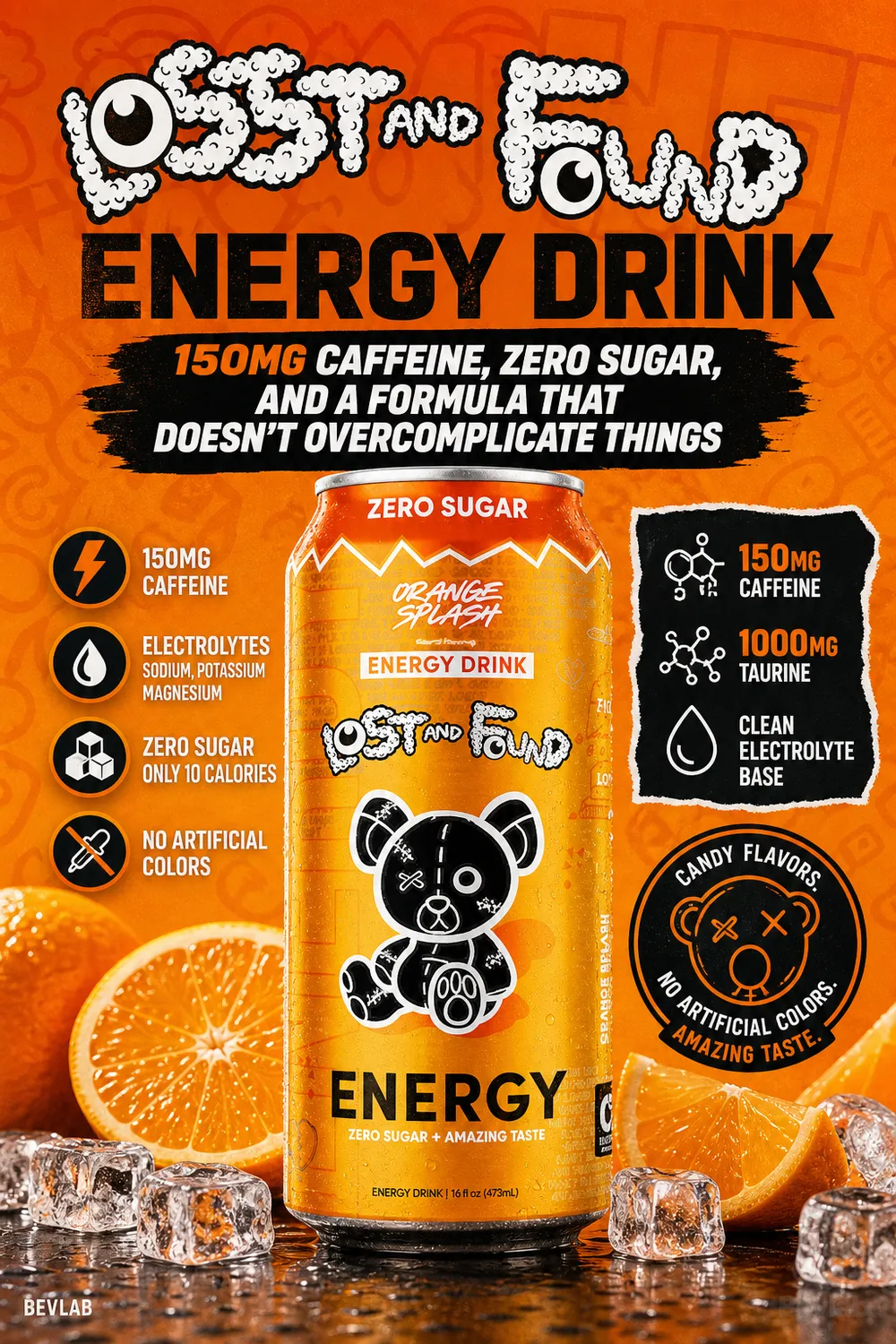
150mg Caffeine, zero sugar, and a formula that doesn't overcomplicate things
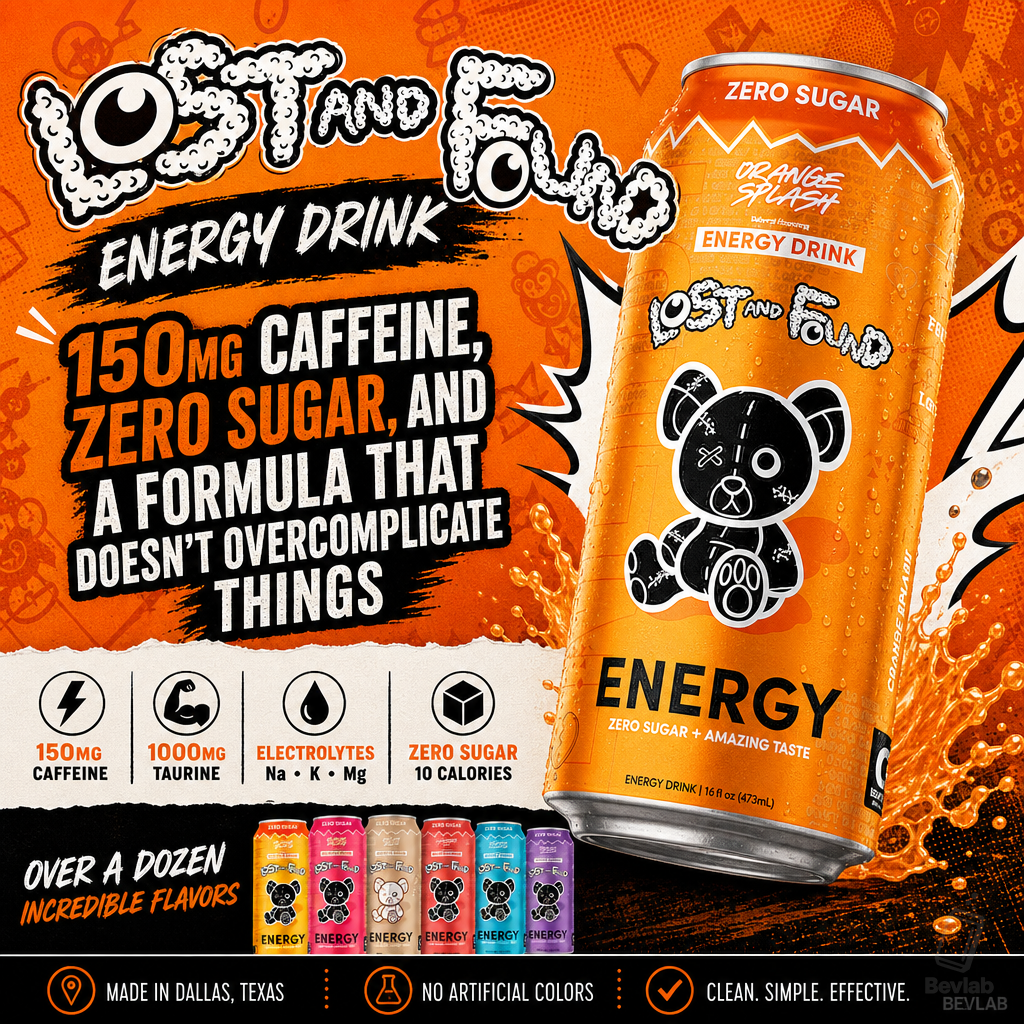
A full ingredient breakdown of Lost and Found Energy Drink -- 150mg caffeine, 1g taurine, and a clean electrolyte base in a zero-sugar 16oz can.
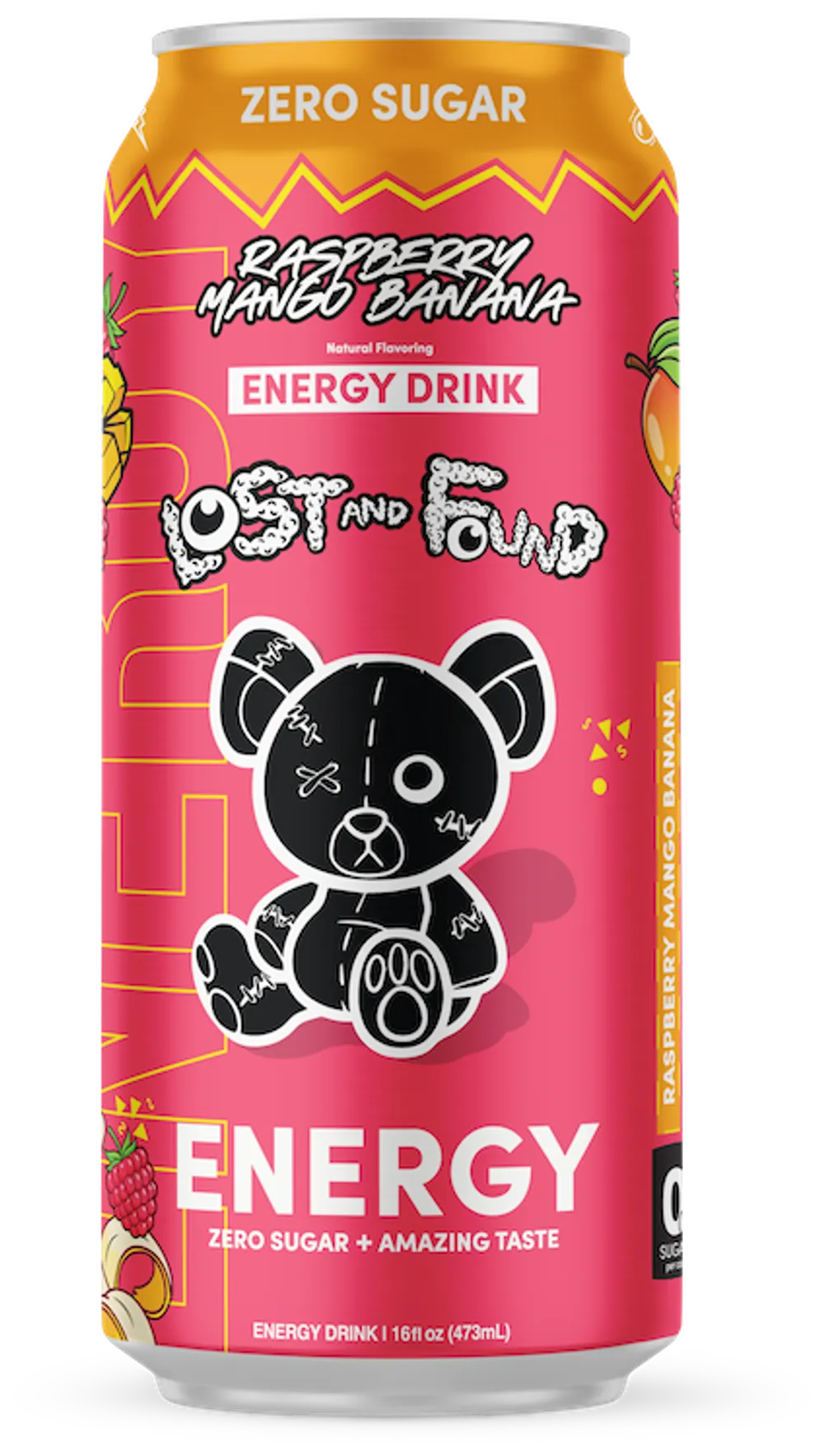
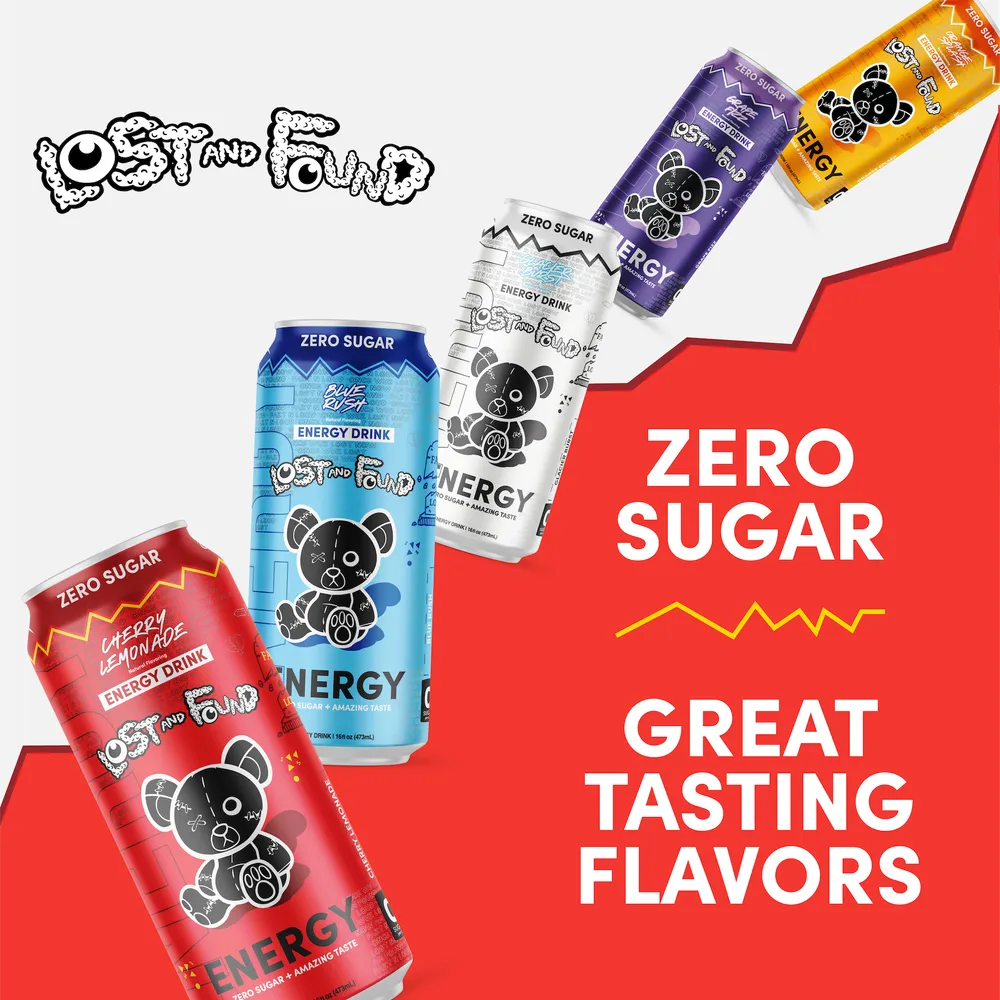
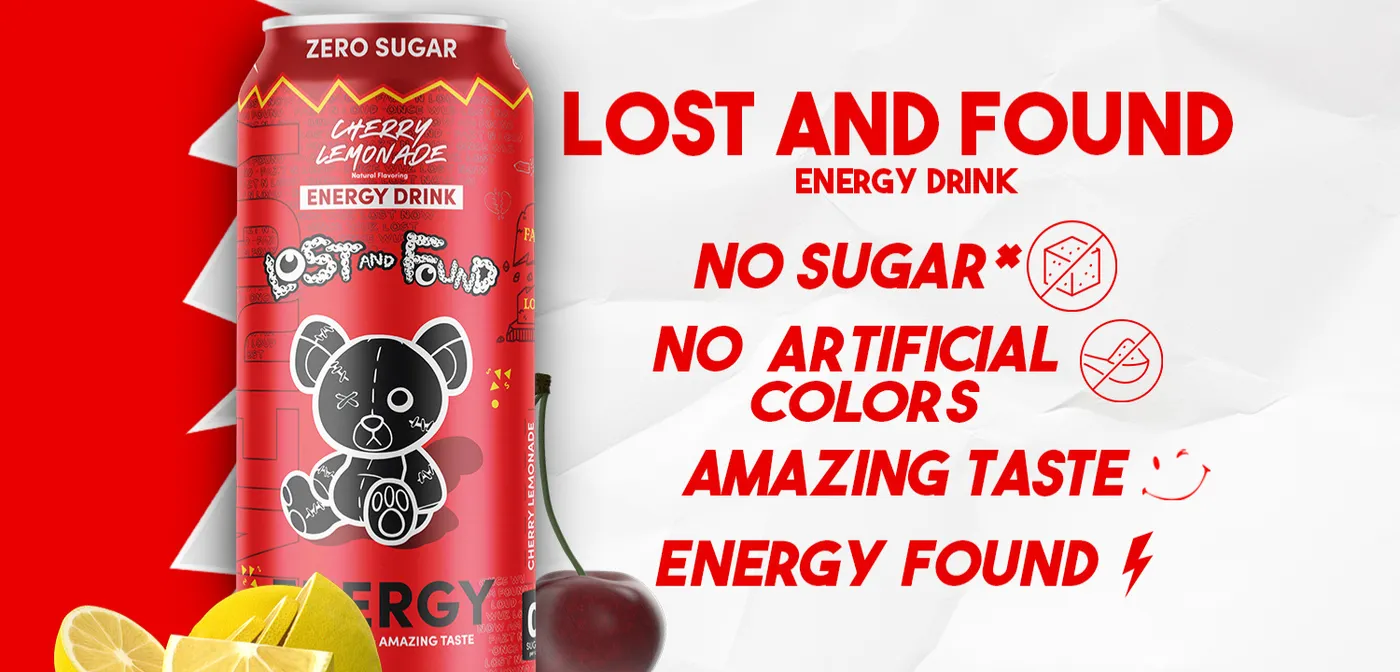
Lost and Found Energy launched in 2022 out of Dallas, Texas, from the same team behind Primeval Labs -- a sports supplement brand with a solid reputation in the pre-workout space. The core pitch is simple: zero sugar, no artificial colors, 10 calories, and a moderate 150mg of caffeine in a 16oz can. That puts it squarely in the everyday-Enny lane rather than the high-stim category, which is exactly the point. The Lost and Found Energy Drink is built for people who want something they can crack on a Tuesday morning without second-guessing whether they'll sleep that night. The formula is straightforward: caffeine, taurine, and a trio of electrolytes backed by citrate salts. That restraint turns out to be a feature.
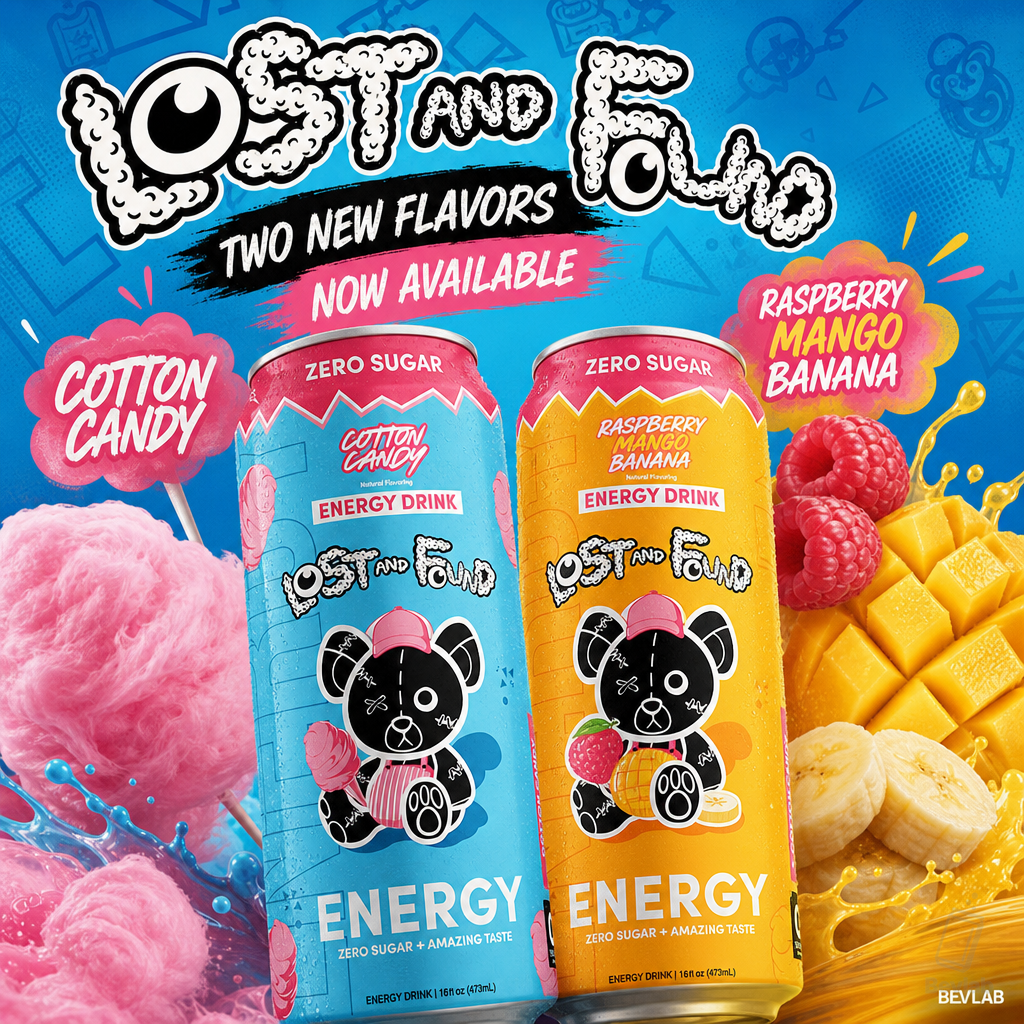
The brand currently runs more than a dozen flavors across a 150mg core lineup, plus a newer high-stim sub-line pushing 300mg. This breakdown covers the standard formula, which hasn't changed in any meaningful way since the brand quietly removed artificial colors in 2023.
Lost and Found Energy Drink Nutrition Facts
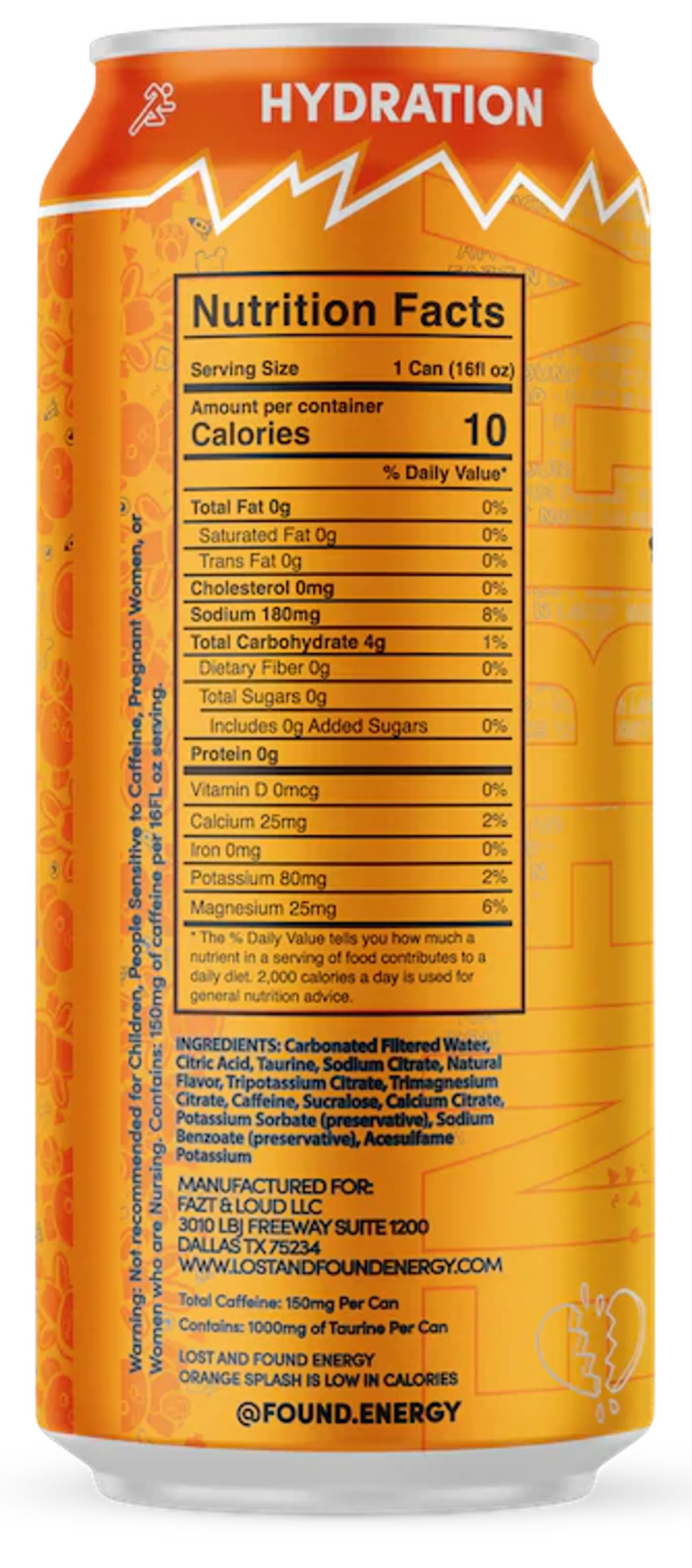
- Calories: 10
- Total Fat: 0g
- Total Carbohydrate: 4g
- Total Sugars: 0g
- Added Sugars: 0g
- Protein: 0g
- Calcium (as Calcium Citrate): 25mg (2% DV)
- Iron: 0mg (0% DV)
- Potassium (as Tripotassium Citrate): 80mg (2% DV)
- Magnesium (as Trimagnesium Citrate): 25mg (6% DV)
- Sodium: 180mg (8% DV)
Lost and Found Energy Drink Ingredients
Each 16oz can provides the following key actives:
-
Caffeine - 150mg
Caffeine is the engine here, and at 150mg per 16oz can, Lost and Found lands in the moderate zone -- well below the high-stim ceiling but enough for a reliable lift. It works by blocking the signal in your brain that makes you feel tired, competing with adenosine at its receptors. With adenosine blocked, stimulatory neurotransmitters like dopamine and norepinephrine get more room to work, which is why you feel more alert and focused.[1,2]
Research consistently shows that doses in the 100-300mg range improve reaction time, sustained attention, and alertness in both rested and fatigued people.[2] The ISSN puts the ergogenic sweet spot for most people at 3-6mg/kg body weight, which means 150mg hits comfortably for a 50-70kg person without pushing into the territory where anxiety and jitters tend to show up.[1] Caffeine is absorbed quickly, with peak plasma levels typically arriving 30-60 minutes after ingestion, so crack it about an hour before you need to be on.[3]
-
Taurine - 1000mg
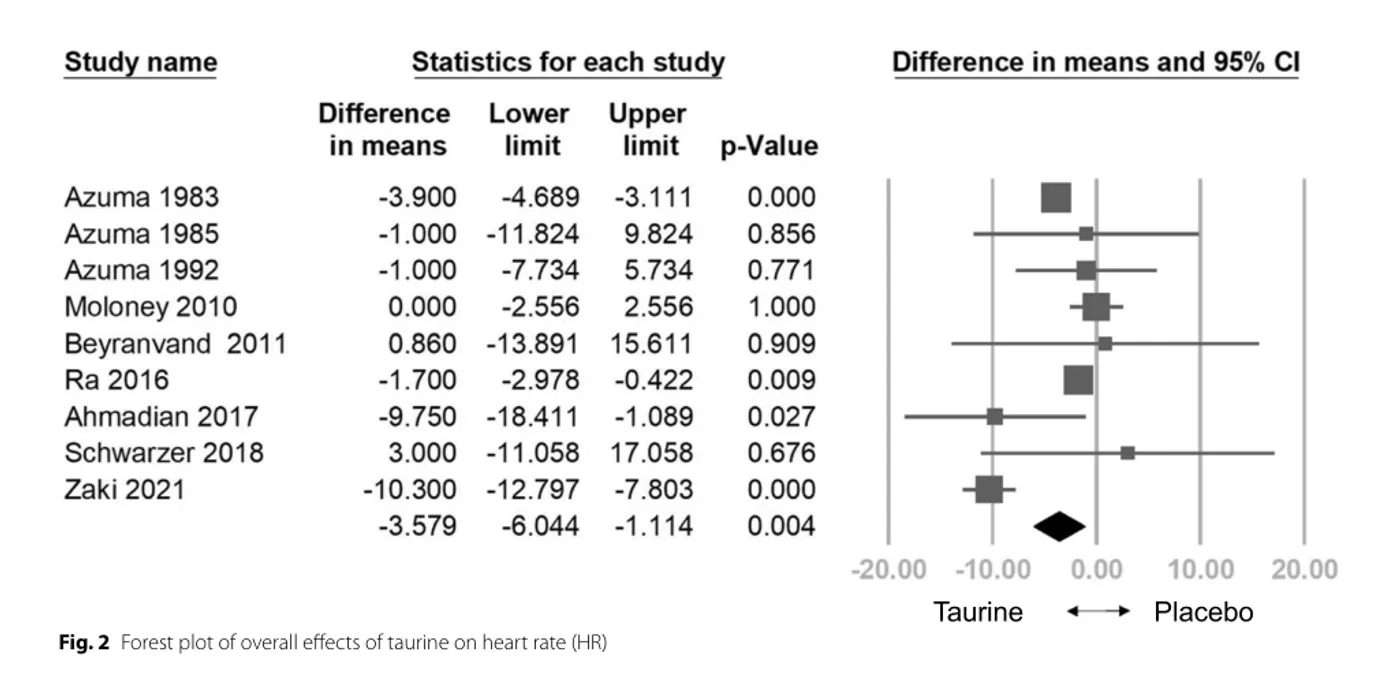
Insights into the cardiovascular benefits of taurine: a systematic review and meta-analysis.[4] Taurine is one of the most common ingredients in energy drinks, and Lost and Found's 1g dose is where most of the research gets interesting. Taurine is a sulfur-containing amino acid found in high concentrations in skeletal muscle, heart, and brain tissue.[5] It's not a stimulant, but it plays a real supporting role in how your muscles contract and recover, how your cardiovascular system handles stress, and how your cells manage oxidative load during exercise.[6]
On the performance side, a meta-analysis across 23 studies found that a single acute dose of taurine produced small-to-moderate improvements in aerobic endurance, strength, and agility tasks.[7] The combination with caffeine appears particularly useful: a large meta-analysis found that caffeine plus taurine co-supplementation produced meaningful improvements in anaerobic capacity and reaction time beyond either ingredient alone.[8] Taurine also supports thermoregulation during exercise in heat, with one crossover study showing it increased whole-body sweat loss and reduced heat storage compared to placebo.[9] For a 150mg caffeine drink you'd reach for on a warm afternoon, that's a relevant bonus.
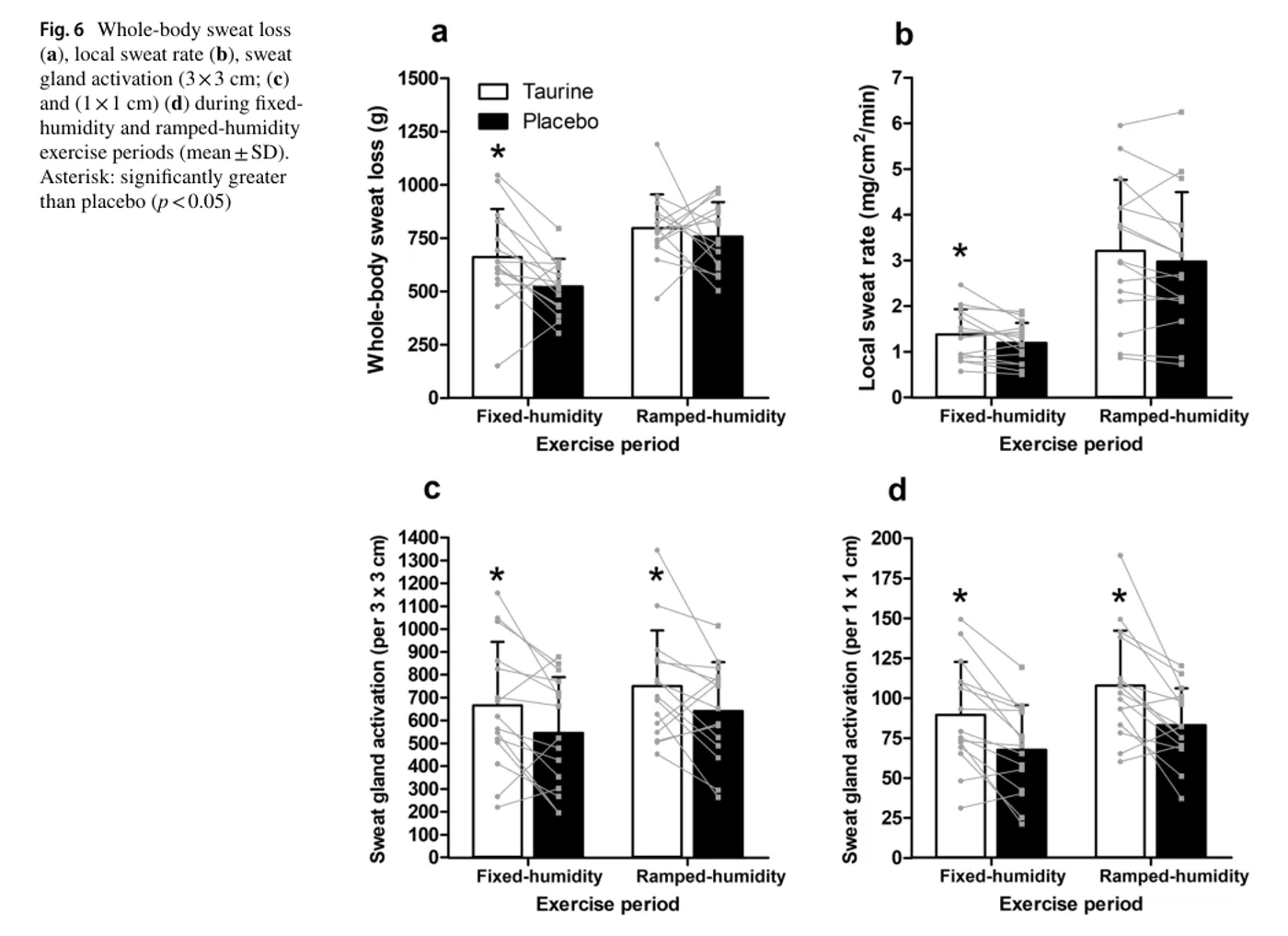
The effect of 8-day oral taurine supplementation on thermoregulation during low-intensity exercise at fixed heat production in hot conditions of incremental humidity.[9] The cardiometabolic evidence is solid too. A 34-study meta-analysis found taurine at 1.5-3g/day significantly reduced blood pressure and inflammatory markers.[10] At 1g, Lost and Found's dose is on the lower end of that range, but still meaningful given the product's daily-use positioning.
-
Vitamins and Minerals
-
Calcium (as Calcium Citrate) - 25mg (2% DV)
Calcium is delivered here as calcium citrate, one of the more bioavailable forms. At 25mg, this isn't a bone health dose -- you'd need 1,000-1,200mg/day for that application.[11] What it does, alongside potassium and magnesium, is contribute to the electrolyte profile and support the label's hydration callout. Calcium plays a foundational role in muscle contraction by triggering the interaction between muscle proteins that generates force.[12] Think of it as a contribution to overall mineral balance rather than a standalone therapeutic dose.
-
Potassium (as Tripotassium Citrate) - 80mg (2% DV)
Potassium is the primary intracellular electrolyte in the body, and sweat is a meaningful source of losses during exercise -- typical sweat concentrations run 150-275mg/L.[13] At 80mg per can, Lost and Found is replacing a portion of those losses, which fits the hydration angle. Potassium works alongside sodium to regulate fluid balance, muscle signaling, and vascular tone.[14] The citrate form carries additional benefits for acid-base balance.[15] Not a therapeutic potassium dose, but a practical replenishment contribution.
-
Magnesium (as Trimagnesium Citrate) - 25mg (6% DV)
Magnesium lands at 25mg here, delivered as trimagnesium citrate, one of the better-absorbed forms. At 6% DV, it contributes more meaningfully than calcium on a percent-of-daily-needs basis, which matters given that most people in Western populations fall short of the RDA.[16] Magnesium is a cofactor in hundreds of enzymatic reactions, including ATP synthesis and muscle contraction, and deficiency is associated with increased muscle soreness and impaired recovery.[17] Again, not a therapeutic dose, but it adds to the electrolyte and recovery story in a way that fits the product's everyday positioning.
-
-
Other Ingredients
-
Carbonated Filtered Water -- the base of the drink. CO₂ is dissolved under pressure to create the effervescence.
-
Citric Acid -- the primary acidulant and flavor balance agent. It provides the tart edge that defines the brand's candy-forward profiles and helps stabilize the beverage's pH. Citric acid is among the world's most widely used food ingredients and carries GRAS status.
-
Sodium Citrate -- serves dual duty as a buffering agent (keeping pH stable) and a minor sodium electrolyte contributor. It accounts for a portion of the 180mg sodium on the label, which is on the moderate end for a 16oz energy drink.
-
Natural Flavors -- the flavor system that gives each variety its identity, from Cherry Lemonade to Watermelon Candy. Lost and Found leans hard on candy and nostalgia references, and natural flavors are what make those profiles work at a sensory level.
-
Sucralose -- a zero-calorie sweetener approximately 600 times sweeter than sugar, providing the primary sweetness. It's stable, widely used in beverages, and FDA GRAS. At realistic dietary exposures, sucralose is considered safe, though some research suggests it may interact with gut microbiota in individual-dependent ways.[18] For a single-can, occasional-use scenario, this is a non-issue for most people.
-
Potassium Sorbate -- a standard mold and yeast preservative effective at the low pH typical of energy drinks. Carries an EFSA ADI of 11mg/kg body weight per day, and realistic beverage exposure is well below that threshold.[19]
-
Sodium Benzoate -- paired with potassium sorbate to provide broad antimicrobial protection. The EFSA ADI is 5mg/kg body weight per day; typical single-beverage exposure is far below that.[20] One note worth knowing: benzoate and ascorbic acid can interact in the presence of trace metal ions to form trace benzene, but Lost and Found contains no added vitamin C, so that concern doesn't apply here.[21]
-
Acesulfame Potassium -- a second zero-calorie sweetener used in the classic sucralose/Ace-K blend. The combination smooths out the aftertaste that either sweetener can leave on its own and produces a more sugar-like flavor curve across the drink. Ace-K is heat-stable, FDA-approved, and carries no established genotoxic or carcinogenic concerns.[22]
-
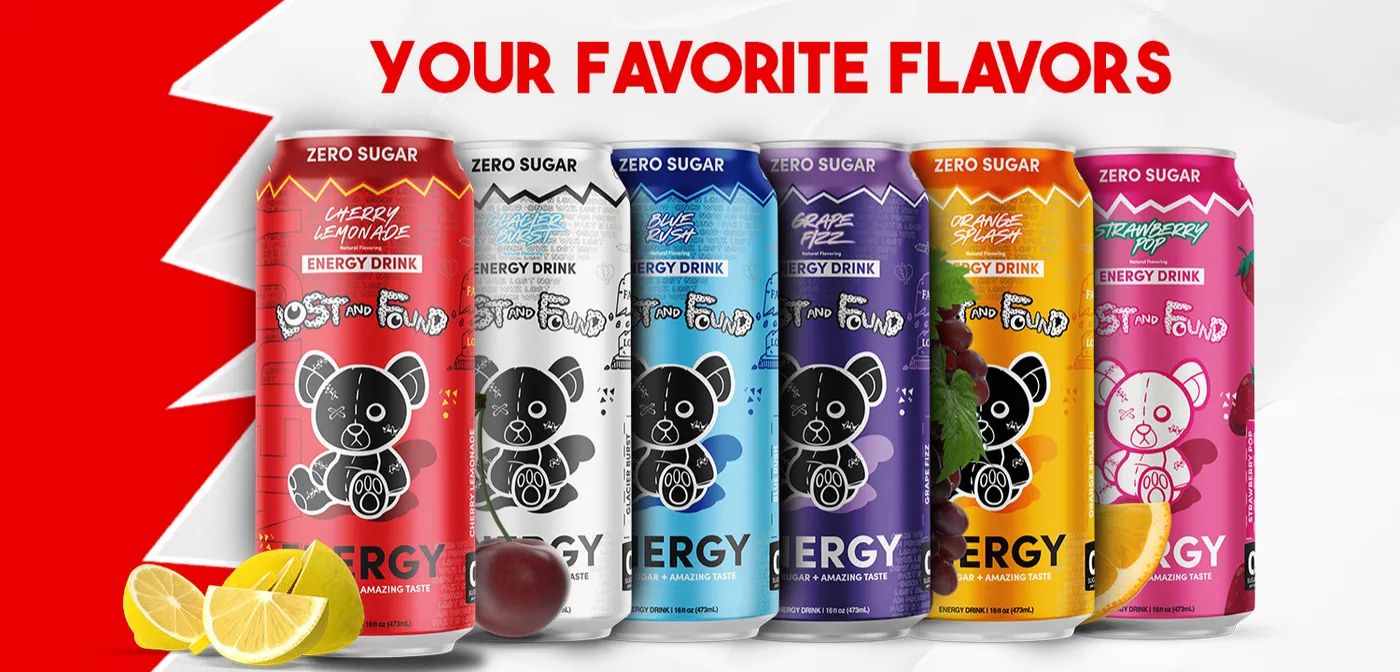
Flavors Available
- Cherry Lemonade (12 Cans: $27.99)
- Cream Soda (12 Cans: $27.99)
- Grape Fizz (12 Cans: $27.99)
- Island Punch (12 Cans: $27.99)
- Jamaica (Agua Fresca) (12 Cans: $18.99)
- Lemon Lime (12 Cans: $29.99)
- Orange Splash (12 Cans: $27.99)
- Root Beer (12 Cans: $27.99)
- Sour Apple Candy (12 Cans: $27.99)
- Sour Gummy Bear (12 Cans: $27.99)
- Sour Pineapple (12 Cans: $27.99)
- Strawberry Pop (12 Cans: $27.99)
- Watermelon Candy (12 Cans: $27.99)
Who It's For
- Everyday energy drinkers who want a moderate caffeine option: If 200mg+ cans leave you wired or anxious, the 150mg format is a real alternative. This is a daily-driver can, not a pre-workout.
- Flavor-first buyers: Lost and Found is explicitly a candy and nostalgia brand. If you want something that actually tastes like the name on the label -- Cherry Lemonade, Cream Soda, Root Beer -- this is one of the more credible flavor programs in the category.
A Straightforward Can That Earns Its Place
Lost and Found isn't trying to be the most interesting formula in the cooler. It's going for a clean, honest everyday energy drink with a flavor program that actually delivers -- and for a large portion of the market, that's exactly what's needed. The 150mg caffeine dose paired with 1g taurine and a citrate electrolyte base makes for a sensible combination that won't leave you guessing. If you want a reliable moderate-stim option with candy-forward flavor identity and no artificial colors, this earns a spot in the rotation.
Follow @BevlabMedia on TikTok and Instagram for more energy drink breakdowns as they drop.
References
- Guest, Nanci S. et al. "International Society Of Sports Nutrition Position Stand Caffeine And Exercise Performance." Journal of the International Society of Sports Nutrition, 2021. https://doi.org/10.1186/s12970-020-00383-4
- McLellan, Tom M. et al. "A Review Of Caffeine S Effects On Cognitive Physical And Occupational Performance." Neuroscience & Biobehavioral Reviews, 2016. https://doi.org/10.1016/j.neubiorev.2016.09.001
- Wikoff, Daniele, et al. "Systematic review of the potential adverse effects of caffeine consumption in healthy adults, pregnant women, adolescents, and children." Food and chemical toxicology : an international journal published for the British Industrial Biological Research Association, 2017. https://doi.org/10.1016/j.fct.2017.04.002
- Tzang, Chih-Chen, et al. "Insights into the cardiovascular benefits of taurine: a systematic review and meta-analysis." Nutrition journal, 2024. https://doi.org/10.1186/s12937-024-00995-5
- Ripps, Harris, et al. "Review: taurine: a "very essential" amino acid." Molecular vision, 2012. https://pmc.ncbi.nlm.nih.gov/articles/PMC3501277/
- Jong, Chian Ju, et al. "The Role of Taurine in Mitochondria Health: More Than Just an Antioxidant." Molecules (Basel, Switzerland), 2021. https://doi.org/10.3390/molecules26164913
- Deng, Hengzhi, et al. "Does One Shot Work? The Acute Impact of a Single Taurine Dose on Exercise Performance: A Meta-Analytic Review." Scandinavian journal of medicine & science in sports, 2025. https://doi.org/10.1111/sms.70123
- Deng, Hengzhi, et al. "Caffeine and taurine: a systematic review and network meta-analysis of their individual and combined effects on physical capacity, cognitive function, and physiological markers." Journal of the International Society of Sports Nutrition, 2025. https://doi.org/10.1080/15502783.2025.2566371
- Peel, Jennifer S, et al. "The effect of 8-day oral taurine supplementation on thermoregulation during low-intensity exercise at fixed heat production in hot conditions of incremental humidity." European journal of applied physiology, 2024. https://doi.org/10.1007/s00421-024-05478-3
- Nie, Zizheng, et al. "Effects of Oral Taurine Supplementation on Cardiometabolic Risk Factors: A Meta-analysis and Systematic Review of Randomized Clinical Trials." Nutrition reviews, 2025. https://doi.org/10.1093/nutrit/nuaf220
- Clarke, B.L. "Use Of Calcium Or Calcium In Combination With Vitamin D Supplementation To Prevent Fractures And Bone Loss In People Aged 50 Years And Older A Meta Analysis." Yearbook of Endocrinology, 2008. https://doi.org/10.1016/s0084-3741(08)79096-6
- Szent-Györgyi, A.G. "Calcium Regulation Of Muscle Contraction." Biophysical Journal, 1975. https://doi.org/10.1016/s0006-3495(75)85849-8
- Montain, Scott J, et al. "Sweat mineral-element responses during 7 h of exercise-heat stress." International journal of sport nutrition and exercise metabolism, 2007. https://doi.org/10.1123/ijsnem.17.6.574
- Haddy, Francis J, et al. "Role of potassium in regulating blood flow and blood pressure." American journal of physiology. Regulatory, integrative and comparative physiology, 2006. https://doi.org/10.1152/ajpregu.00491.2005
- Weaver, Connie M. "Potassium and health." Advances in nutrition (Bethesda, Md.), 2013. https://doi.org/10.3945/an.112.003533
- Fatima, Ghizal, et al. "Magnesium Matters A Comprehensive Review Of Its Vital Role In Health And Diseases." Cureus, 2024. https://doi.org/10.7759/cureus.71392
- Tarsitano, Maria Grazia, et al. "Effects Of Magnesium Supplementation On Muscle Soreness In Different Type Of Physical Activities A Systematic Review." Journal of translational medicine, 2024. https://doi.org/10.1186/s12967-024-05434-x
- Suez, Jotham, et al. "Personalized microbiome-driven effects of non-nutritive sweeteners on human glucose tolerance." Cell, 2022. https://doi.org/10.1016/j.cell.2022.07.016
- EFSA, Panel on Food Additives and Flavourings (FAF), et al. "Opinion on the follow-up of the re-evaluation of sorbic acid (E200) and potassium sorbate (E202) as food additives." EFSA journal. European Food Safety Authority, 2019. https://doi.org/10.2903/j.efsa.2019.5625
- EFSA, Panel on Food Additives and Nutrient Sources (ANS). "Scientific Opinion on the re‐evaluation of benzoic acid (E 210), sodium benzoate (E 211), potassium benzoate (E 212) and calcium benzoate (E 213) as food additives." EFSA Journal, 2016. https://doi.org/10.2903/j.efsa.2016.4433
- Nyman, Patricia J, et al. "Evaluation of accelerated UV and thermal testing for benzene formation in beverages containing benzoate and ascorbic acid." Journal of food science, 2010. https://doi.org/10.1111/j.1750-3841.2010.01536.x
- Marchitti, Satori A, et al. "Lack of Genotoxic and Carcinogenic Potential for Nonsugar Sweeteners: A Review of Animal and Mechanistic Evidence." Advances in nutrition (Bethesda, Md.), 2025. https://doi.org/10.1016/j.advnut.2025.100552
Related Coverage
Tagged