Monster Energy Drink
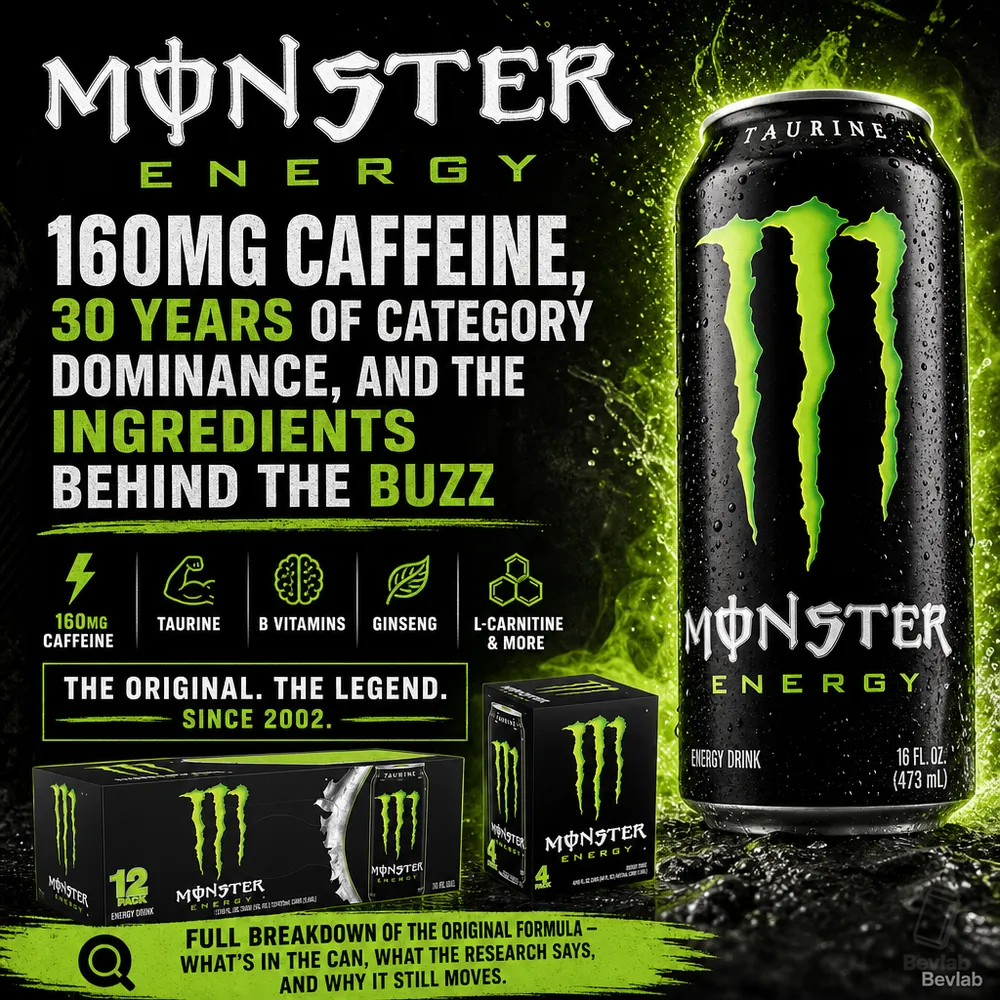
A full breakdown of the original Monster Energy Drink formula -- what's in the can, what the research says, and why it still moves.
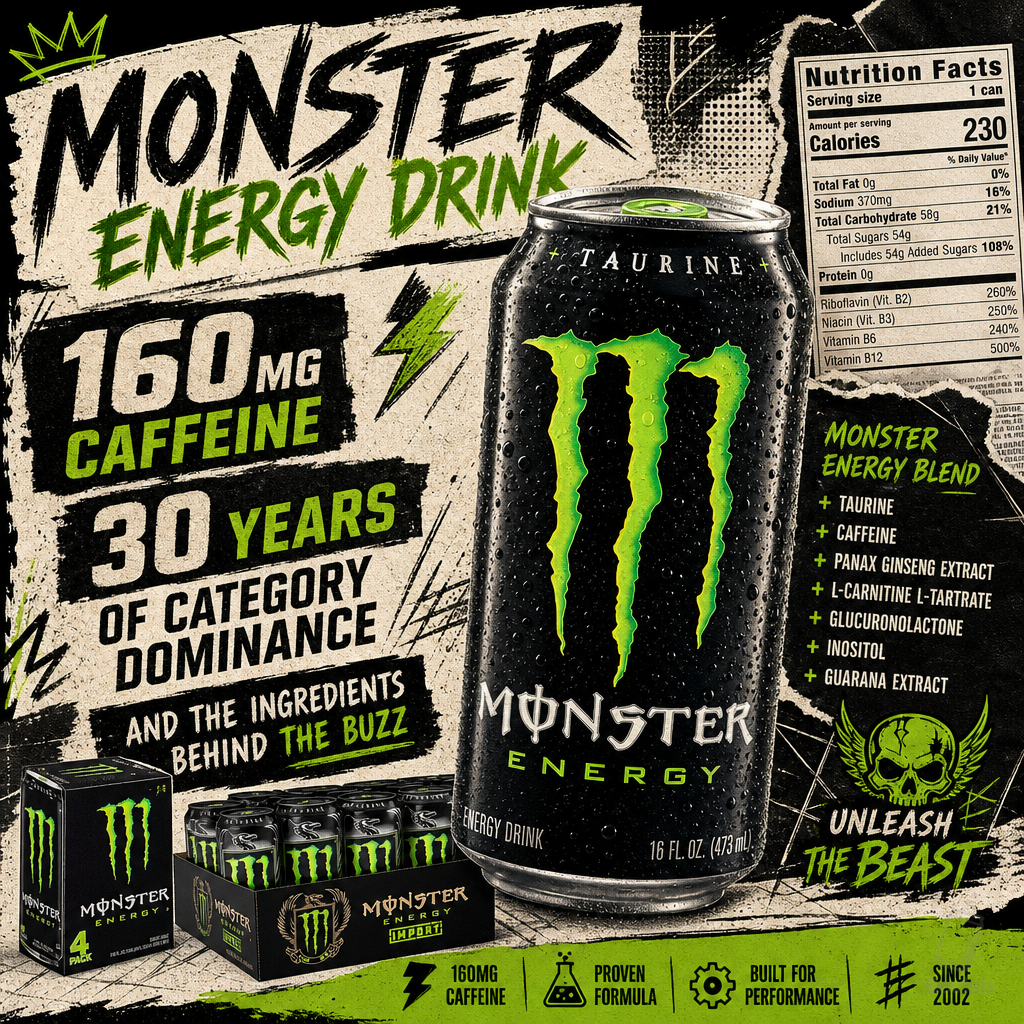
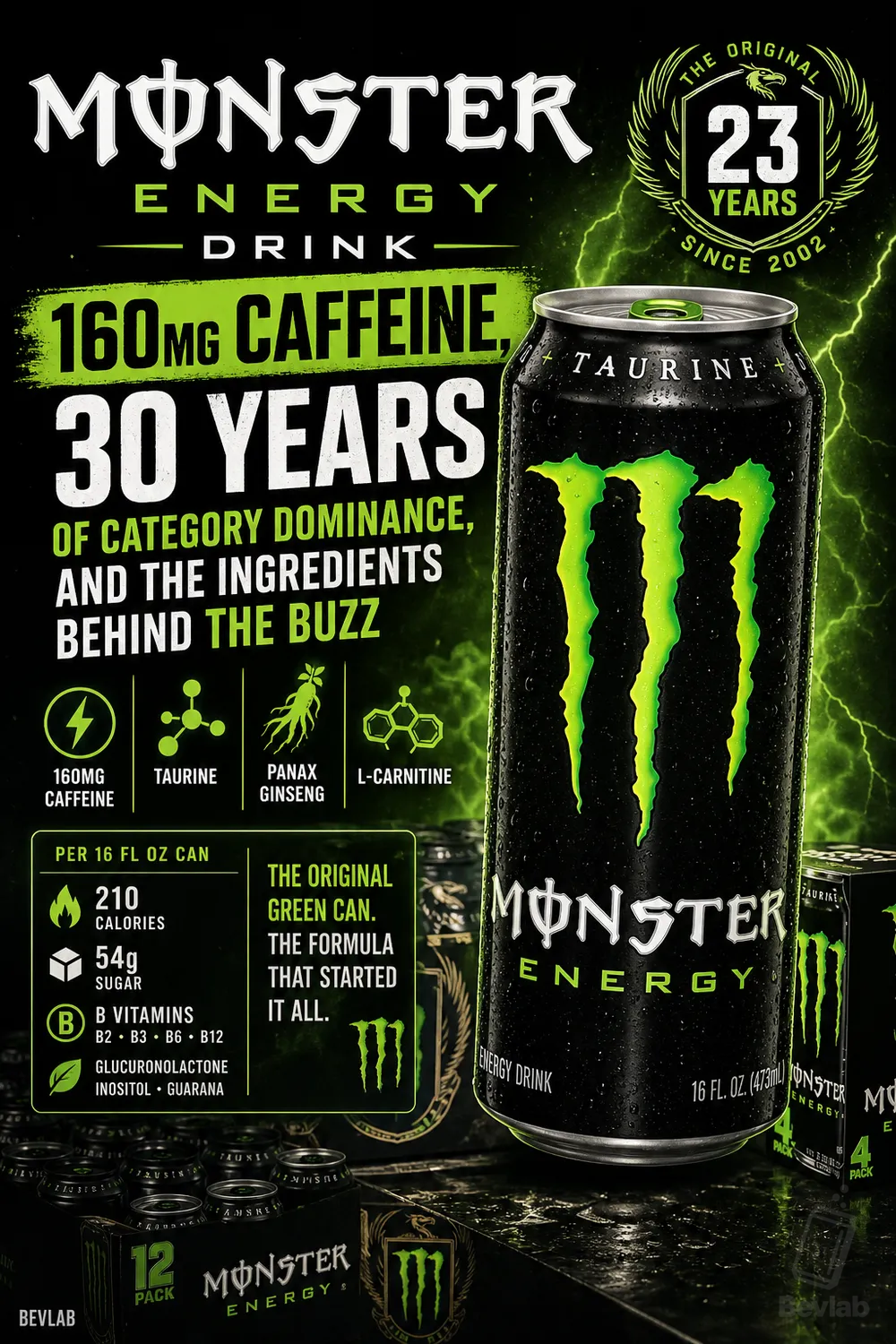
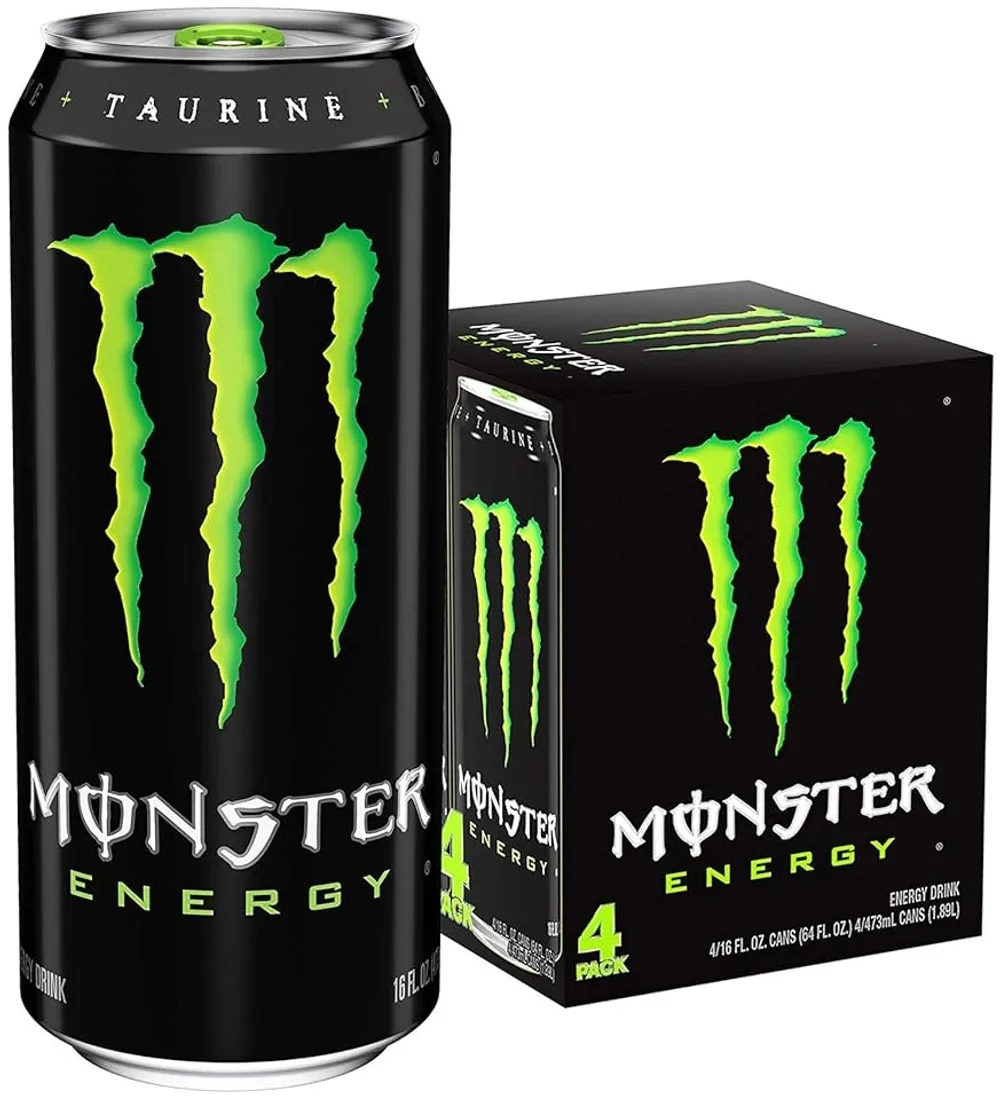
The can is unmistakable. Black body, green claw-mark logo, 16 fl oz. Monster Energy Drink -- what the brand simply calls the original -- launched April 18, 2002, and it has spent the two-plus decades since rewriting the rules of the energy drink category. Monster Beverage Corporation held 30.1% of the U.S. energy drink market as of 2022, second only to Red Bull, and the original green can is still the flagship that built the brand. It's the Enny that defined what a 16-ounce format with a full-panel ingredient deck looks like, and one of the few products in any category where the formula genuinely matches the cultural weight.
What's actually inside? The original Monster isn't trying to be a nootropic stack or a sport supplement. It's a semisweet, carbonated jolt built around 160mg caffeine, a modest sugar base, and a supporting cast of taurine, B vitamins, ginseng, L-carnitine, glucuronolactone, inositol, and guarana. Here's a full breakdown of what each ingredient brings to the 16 fl oz that tens of millions of people crack open every day.
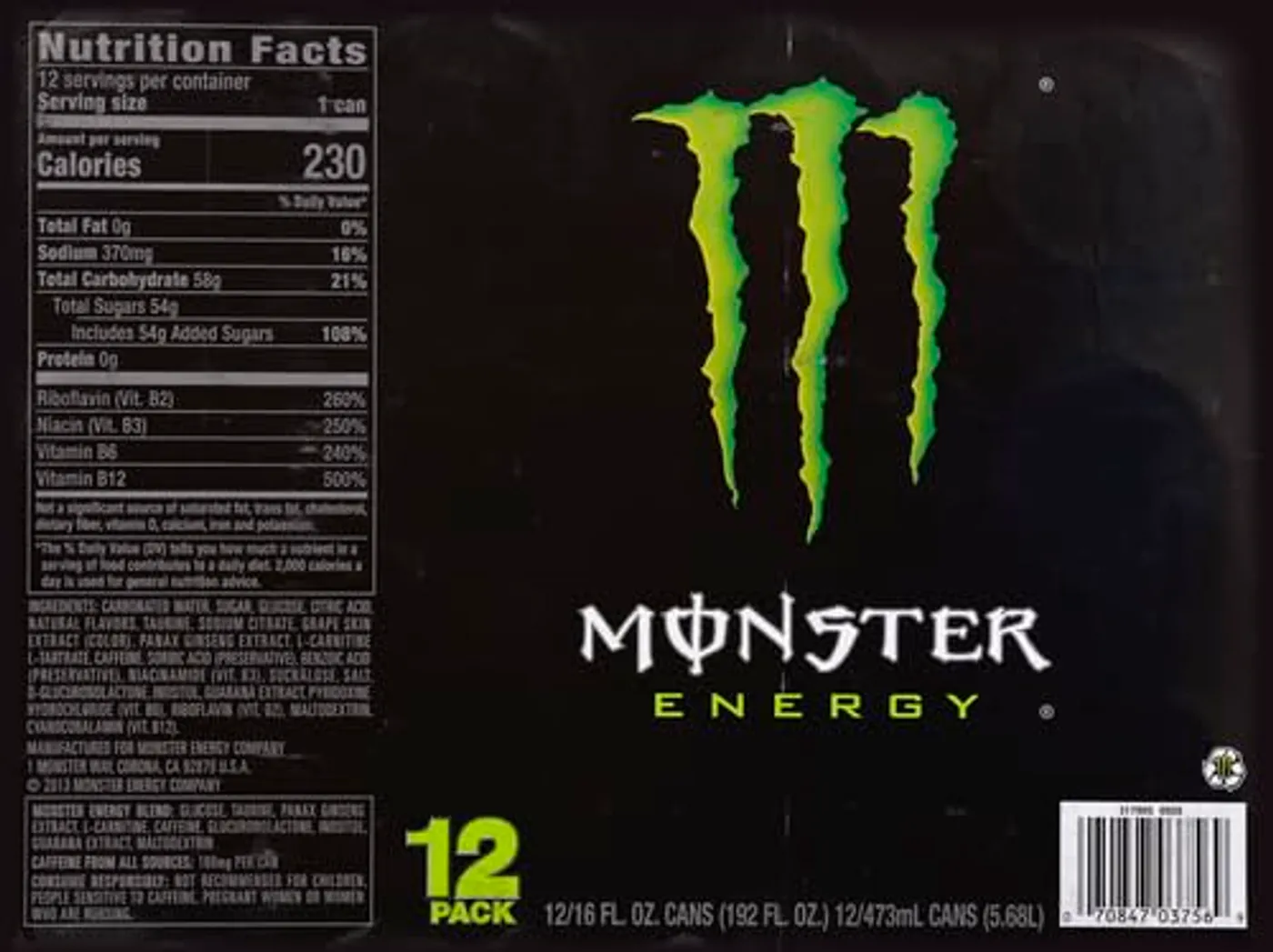
Monster Energy Drink Nutrition Facts
- Calories: 210
- Total Fat: 0g
- Total Carbohydrate: 54g
- Total Sugars: 54g
- Added Sugars: 54g
- Protein: 0g
- Niacin (Vit. B3): 46mg (290%DV)
- Vitamin B6: 4.6mg (270%DV)
- Vitamin B12: 13mcg (540%DV)
- Riboflavin (Vit. B2): 3.6mg (280%DV)
Monster Energy Drink Ingredients
Each 16 fl oz (473mL) can provides:
-
Caffeine - 160mg
Caffeine blocks the signal in your brain that makes you feel tired, freeing dopamine, norepinephrine, and acetylcholine to run more freely.[1] At 160mg, Monster sits right in the range research identifies as effective for improving vigilance, reaction time, and sustained attention, with minimal risk of the anxiety spike that shows up at higher doses.[2]
That dose works out to 10mg per fluid ounce, consistent across Monster's core line since launch. For most healthy adults, it lands comfortably within the 3-6mg/kg range that sports science marks as ergogenically and cognitively meaningful.[3] It's not the strongest can on the market -- 200mg and 300mg products exist -- but 160mg is a well-calibrated, widely tolerated dose that delivers clean energy for a few hours without turning the dial too far.
Monster's caffeine comes from both direct caffeine and guarana extract. The label lists them separately, but the guarana contribution is folded into the total: the 160mg figure represents the combined caffeine load.
-
Taurine
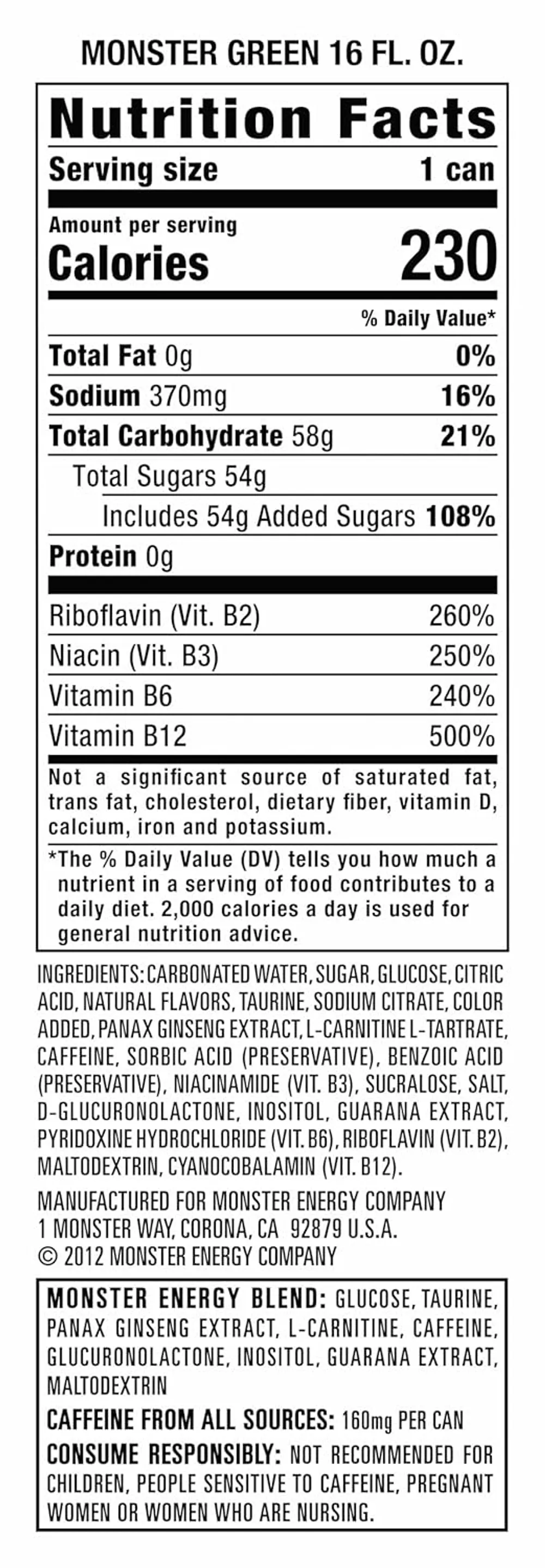
Ingredient panel detailing the Monster Energy Blend The label doesn't disclose a milligram dose for taurine, but energy drinks in this category typically include it in the 750-1000mg range. Taurine is a sulfur-containing amino acid your body produces naturally from methionine and cysteine and stores in high concentrations in your heart, brain, and skeletal muscle.[4] It isn't incorporated into proteins the way most amino acids are. Instead it works as a free-form regulator.
Its primary roles are membrane stabilization and calcium handling in muscle tissue. Taurine assists with calcium release and reuptake in muscle fibers, which helps maintain contractile force and slows the onset of fatigue.[5] A meta-analysis of single-dose taurine studies found a small but real improvement in aerobic endurance performance across 23 trials.[6] It also pairs well with caffeine: research found that combined caffeine and taurine improved anaerobic capacity and reaction time beyond either ingredient alone.[7]
The "taurine has no effect" narrative from early energy drink skepticism is outdated. The evidence for modest performance support is real.
-
Sugar and Glucose (Sucrose + Dextrose)
The original Monster uses 54g of added sugar per can, delivered as sucrose and dextrose. Sucrose is a 50/50 split of glucose and fructose, while dextrose is pure glucose, so this can is primarily a glucose delivery vehicle with a fructose contribution from the sucrose fraction.
Dextrose is the most direct fuel source in the can. It's absorbed quickly, raises blood glucose fast, and provides fuel that working muscle and the brain can use immediately.[8] Caffeine alongside glucose may work together on cognitive function in ways neither achieves alone.[9]
The sucrose component contributes standard sweetness: the fructose fraction preferentially refuels liver glycogen rather than muscle glycogen, a secondary effect in this context.[10] The main role of the combined sugar base is palatability and rapid energy. If you're watching your sugar intake, Monster Zero Sugar exists, but the original formula is unapologetically a sugared drink, metabolic, dental, and cardiovascular risks and all.
-
Guarana Extract
Guarana (Paullinia cupana) seeds contain 2.5-6% caffeine by dry weight, several times the concentration in coffee beans, along with theobromine, theophylline, catechins, and tannins.[11] Monster lists it near the bottom of the active deck, which points to a modest dose, but it's a meaningful contributor to the total 160mg caffeine figure and brings non-caffeine bioactives along with it.
The research on guarana's cognitive effects beyond caffeine is interesting. Studies found that guarana extract produced dose-dependent stimulation at concentrations where equivalent caffeine alone did nothing significant, pointing to additional stimulant constituents.[12] A 2023 meta-analysis of eight RCTs found that acute guarana supplementation produced a small but statistically significant improvement in response time.[13] The tannin content may also slow caffeine absorption slightly, smoothing out the peak compared to straight caffeine anhydrous.[11]
In Monster's formula, guarana functions as both a caffeine source and a complementary stimulant matrix.
-
L-Carnitine (as L-Carnitine L-Tartrate)
L-carnitine's primary job is shuttling long-chain fatty acids into mitochondria so they can be burned for energy.[14] Without it, that fatty acid transport doesn't happen. Monster includes it as L-carnitine L-tartrate (LCLT), a salt form commonly used in sports nutrition research.
The dose isn't disclosed on the label and is almost certainly below the 2-3g used in dedicated sports supplements. The clinical literature shows meaningful exercise recovery and performance effects at 2-4g/day with consistent dosing.[15] What's here is more of a label presence than a therapeutic dose. L-carnitine does contribute antioxidant activity,[16] and in the context of a caffeine, sugar, B-vitamin, and taurine formula, it fits the metabolic support positioning Monster has always carried.
-
Ginseng (as Panax Ginseng Extract)
Monster uses Panax ginseng root extract, whose active compounds are ginsenosides -- triterpenoid glycosides that influence nitric oxide production, brain signaling, and adrenal stress responses.[17] The best-characterized human cognitive benefits are on secondary memory and perceived fatigue, with the most robust evidence at 400mg of the standardized G115 extract.[17,18]
Monster doesn't publish the dose, and it's almost certainly well below 400mg, a common pattern in energy drink formulas where ingredients serve positioning as much as pharmacology. The mechanism is real; whether the dose in Monster moves the needle is a separate question.
-
Glucuronolactone (as D-Glucuronolactone)
Glucuronolactone is a sugar acid derivative produced in your liver via glucose oxidation. It appears in the body naturally in trace amounts, and energy drinks add it at concentrations around 2,400mg/L, so a 16 fl oz (473mL) Monster contains roughly 1,130mg.[19] That's far above what you'd get from food alone.
The primary mechanism researchers focus on is downstream: glucuronolactone converts to a compound that inhibits the enzyme responsible for reactivating toxins your liver has already packaged for excretion.[20] That's a detoxification support story, not a stimulant one.
In human energy drink research, glucuronolactone is nearly always tested in combination with caffeine and taurine. Studies found that Red Bull (caffeine + taurine + glucuronolactone) improved aerobic endurance by about 9% and anaerobic endurance by up to 24%.[21] In one crossover trial, glucuronolactone alone caused a statistically significant shortening of the QTc interval, an effect not previously described and worth noting.[22] The ingredient is safe at standard energy drink exposures for healthy adults, but the science is primarily about synergy within the formula.[23]
-
Inositol
Inositol (myo-inositol) is a naturally occurring sugar alcohol found in every human tissue, with particularly high concentrations in the brain. It acts as an intracellular messenger for insulin, serotonin-2, and noradrenergic alpha-1 receptors.[24] The most replicated human evidence is in metabolic applications at doses of 2-4g/day.[25]
Monster's inclusion of inositol predates the current wave of nootropic beverage marketing. The mood rationale is worth noting: early double-blind RCTs found that high-dose inositol significantly outperformed placebo on depression rating scales and reduced panic attack frequency.[26,24] Those doses are far higher than what's in a can, but the mechanism -- second-messenger support for serotonin and norepinephrine signaling -- fits the energy drink positioning. At beverage-level doses, the direct effect is minor. It's part of the Monster Energy Blend legacy stack the brand has maintained since 2002.
-
Vitamins and Minerals
Monster generally provides the cheaper / lower-quality forms of vitamins:
-
Riboflavin (as Riboflavin / Vit. B2) - 3.6mg (280%DV)
Riboflavin is a water-soluble B vitamin that serves as a precursor to the coenzymes involved in dozens of mitochondrial energy reactions, including the electron transport chain.[27] It also keeps your primary antioxidant system functional by acting as a cofactor for glutathione reductase.[28] The 280%DV dose is well above daily requirements but harmless: excess riboflavin is excreted in urine, which is why your pee turns yellow-green after drinking Monster.
-
Niacin (as Niacinamide / Vit. B3) - 46mg (290%DV)
Niacin is the precursor to NAD+ and NADP+, coenzymes central to energy production throughout the body.[29] Monster uses the niacinamide form, which doesn't cause the skin flushing associated with nicotinic acid, but is also less effective as it's part of a recycling pathway. At 46mg, it's above the RDA (14-16mg) but well below any threshold where adverse effects appear.
-
Vitamin B6 (as Pyridoxine Hydrochloride / Vit. B6) - 4.6mg (270%DV)
Pyridoxine is a cofactor for over 140 enzymatic reactions, including the synthesis of dopamine, serotonin, and GABA, and it plays a central role in amino acid metabolism.[30] The 4.6mg dose is above the RDA but below any threshold of concern for healthy adults.
-
Vitamin B12 (as Cyanocobalamin / Vit. B12) - 13mcg (540%DV)
Cyanocobalamin is the most stable and commonly used supplement form of B12, essential for red blood cell formation, myelin maintenance, and DNA synthesis.[31] At 540%DV, this is a high dose, but B12 has no established toxicity ceiling and excess is cleared renally. For people who run low on B12 (vegans, older adults, those on metformin), this dose may actually nudge their levels meaningfully upward.
-
-
Other Ingredients
Box side panel listing preservatives, colorings, and other formula components -
Carbonated Water - The base of the formula. CO2 dissolves under pressure to create carbonic acid, giving Monster its characteristic carbonation and sharp mouthfeel. Research suggests carbonated water mildly enhances post-exercise mood and may transiently improve cerebral blood flow via trigeminal nerve stimulation.[32]
-
Citric Acid - The primary acidulant and tartness agent. Citric acid buffers pH, acts as a natural preservative, and chelates metal ions that would otherwise accelerate oxidative degradation.[33]
-
Natural Flavors - A proprietary blend of food-derived flavor compounds that gives Monster its signature sweet-and-salty taste profile. Natural flavors are GRAS-affirmed under FDA 21 CFR § 182.510 and function purely as sensory agents at beverage-use concentrations.[34]
-
Sodium Citrate - Functions as both a buffering agent and a mild electrolyte source. It offsets citric acid's sharpness and contributes meaningful sodium toward electrolyte replacement at typical energy drink doses.[35]
-
Artificial Color (Color Added) - Monster's original formula contains grape skin extract per Amazon label data. Artificial color is GRAS-affirmed and regulated as a certified color additive by the FDA. Exposure at energy drink consumption levels falls well below acceptable daily intakes.[36]
-
Sucralose - A trace sweetener used to round out the sweetness without adding calories. Alongside 54g of sugar, its role is flavor modulation rather than meaningful non-nutritive sweetening.[37] It is a bit comedic that the formula still requires sucralose (600x sweeter than sugar) even though there's over 50g sugar in the can.
-
Salt (Sodium Chloride) - Present for both electrolyte and flavor function. Salt selectively suppresses bitterness more than sweetness in complex beverage matrices, which is why a small amount in a sweet carbonated drink enhances overall flavor perception.[38]
-
Sorbic Acid - A standard antimicrobial preservative (E200) that inhibits mold and yeast growth in acidic beverages. FDA GRAS at permitted use levels, with an established daily intake well above the contribution from a single can.[39]
-
Benzoic Acid - A second antimicrobial preservative working in tandem with sorbic acid. Also FDA GRAS. Most effective below pH 5, where the undissociated acid form disrupts microbial membrane transport.[40] At energy drink concentrations, it's a shelf-stability tool, not a pharmacological ingredient.
-
Maltodextrin - A glucose polymer that contributes to carbohydrate texture and helps carry flavoring compounds. High glycemic index, rapidly digested to glucose in the small intestine.[41] Minor role in the formula.
-
Flavors Available
- Unflavored (24 16oz Cans: $61.32)
Who It's For
-
OG energy drink consumers: If you want the formula that defined the 16 fl oz format -- straightforward caffeine, a full sugar base, B vitamins, and the classic taurine-ginseng-carnitine stack -- this is still it. No nootropic pretensions, no premium positioning, just a well-executed classic that has sold at scale for over two decades.
-
Caffeinated beverage switchers: At 160mg caffeine across 16 fl oz, Monster delivers about the same caffeine as two shots of espresso in a format with flavor, carbonation, and a fuller ingredient deck. For coffee drinkers curious about the category, this is the most legible entry point.
-
Sugar burners: Not everyone's low-carb, after all. If you skew towards the low-fat side of the equation, and need some liquid fuel, this is certainly one option. It's probably not advised to drink this before having a high-fat meal though.
It's not Pretty, But It's Still One to Beat
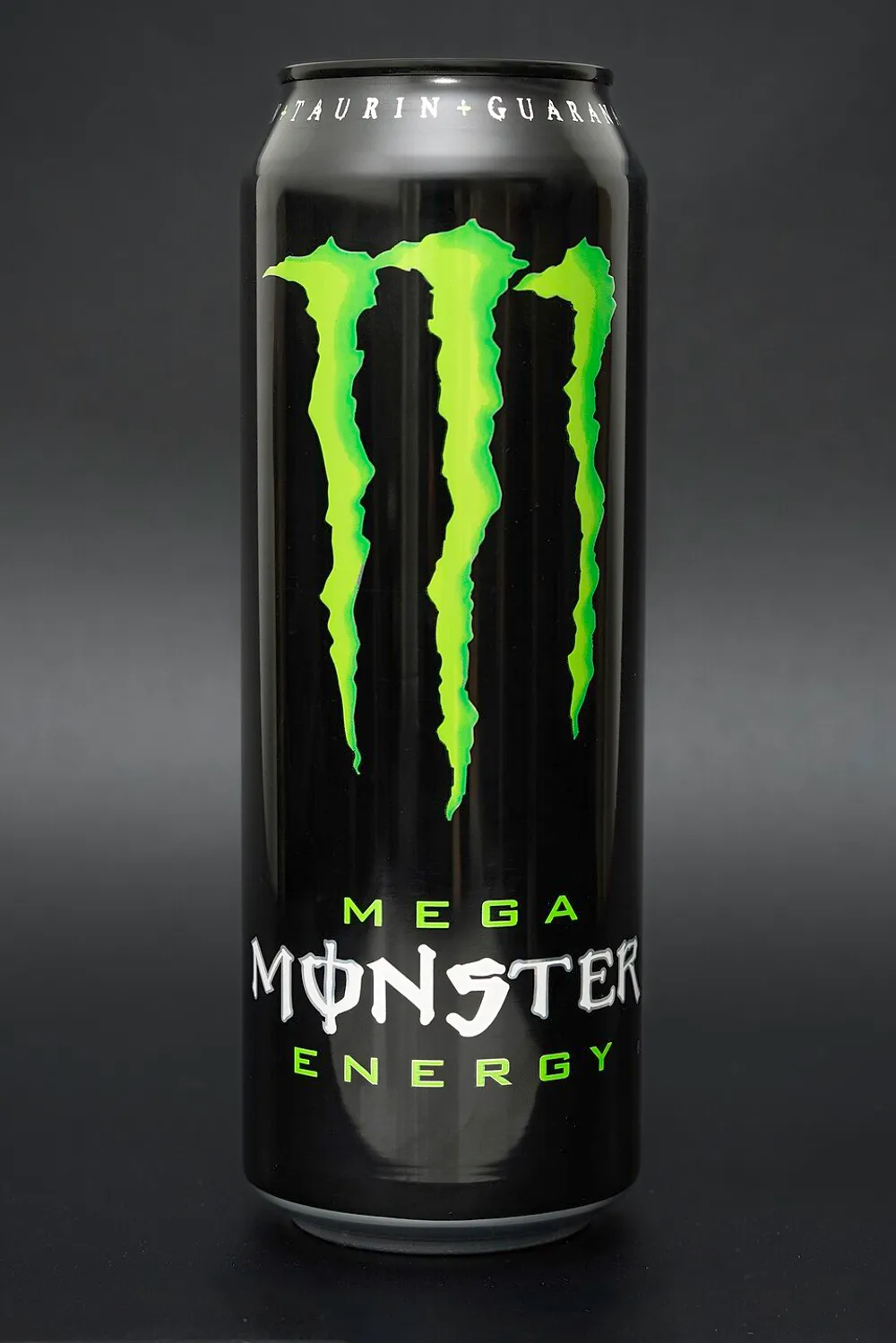
The original Monster Energy Drink is 23 years old and it still holds 30.1% of the American energy drink market. That's not nostalgia -- it's a formula that works: 160mg caffeine at a well-tolerated dose, a sugar base that fuels fast, taurine for muscle support, and a B-vitamin deck that covers deficiency gaps millions of consumers don't know they have. Nothing here is exotic or alarming at these concentrations. If you want the Enny that started it all, this is your can.
Follow @BevlabMedia on TikTok and Instagram for more energy drink breakdowns.
References
- Guest, Nanci S. et al. "Guest 2021 International Society Of Sports Nutrition Position Stand Caffeine And Exercise Performance." Journal of the International Society of Sports Nutrition, 2021. https://doi.org/10.1186/s12970-020-00383-4
- McLellan, Tom M. et al. "Mclellan2016 A Review Of Caffeine S Effects On Cognitive Physical And Occupational Performance." Neuroscience & Biobehavioral Reviews, 2016. https://doi.org/10.1016/j.neubiorev.2016.09.001
- Goldstein, Erica R, et al. "Goldstein 2011 International Society Of Sports Nutrition Position Stand Caffeine And Performance." Journal of the International Society of Sports Nutrition, 2010. https://doi.org/10.1186/1550-2783-7-5
- Ripps, Harris, et al. "Review: taurine: a "very essential" amino acid." Molecular vision, 2012. https://pmc.ncbi.nlm.nih.gov/articles/PMC3501277/
- Kurtz, Jennifer A, et al. "Taurine in sports and exercise." Journal of the International Society of Sports Nutrition, 2021. https://doi.org/10.1186/s12970-021-00438-0
- Deng, Hengzhi, et al. "Does One Shot Work? The Acute Impact of a Single Taurine Dose on Exercise Performance: A Meta-Analytic Review." Scandinavian journal of medicine & science in sports, 2025. https://doi.org/10.1111/sms.70123
- Deng, Hengzhi, et al. "Caffeine and taurine: a systematic review and network meta-analysis of their individual and combined effects on physical capacity, cognitive function, and physiological markers." Journal of the International Society of Sports Nutrition, 2025. https://doi.org/10.1080/15502783.2025.2566371
- Ivy, J L. "Glycogen resynthesis after exercise: effect of carbohydrate intake." International journal of sports medicine, 1998. https://doi.org/10.1055/s-2007-971981
- Scholey, Andrew B, et al. "Cognitive and physiological effects of an "energy drink": an evaluation of the whole drink and of glucose, caffeine and herbal flavouring fractions." Psychopharmacology, 2004. https://doi.org/10.1007/s00213-004-1935-2
- Gonzalez, Javier T, et al. "Glucose Plus Fructose Ingestion for Post-Exercise Recovery-Greater than the Sum of Its Parts?." Nutrients, 2017. https://doi.org/10.3390/nu9040344
- Torres, Elizabeth A F S, et al. "Torres 2022 Effects Of The Consumption Of Guarana On Human Hea." Comprehensive reviews in food science and food safety, 2022. https://doi.org/10.1111/1541-4337.12862
- Moustakas, Dimitrios, et al. "Moustakas 2015 Guarana Provides Additional Stimulation Over Caffeine Alone In The Planarian Model." PloS one, 2015. https://doi.org/10.1371/journal.pone.0123310
- Hack, Brian, et al. "Hack2023 Effect Of Guarana Paullinia Cupana On Cognitive Performance A Systematic Review And Meta Analysis." Nutrients, 2023. https://doi.org/10.3390/nu15020434
- Fielding, Roger, et al. "Fielding 2018 L Carnitine Supplementation In Recovery After Exercise." Nutrients, 2018. https://doi.org/10.3390/nu10030349
- Mielgo-Ayuso, Juan, et al. "Mielgo 2021 Effect Of Acute And Chronic Oral L Carnitine Supplementation On Exercise Performance Based On The Exercise Intensity A Systematic Review." Nutrients, 2021. https://doi.org/10.3390/nu13124359
- Guerreiro, Gilian, et al. "Neuroprotective effects of L-carnitine towards oxidative stress and inflammatory processes: a review of its importance as a therapeutic drug in some disorders." Metabolic brain disease, 2025. https://doi.org/10.1007/s11011-025-01545-6
- Kennedy, David O, et al. "Kennedy2003 Ginseng Potential For The Enhancement Of Cognitive Performance And Mood." Pharmacology, biochemistry, and behavior, 2003. https://doi.org/10.1016/S0091-3057(03)00126-6
- Reay, Jonathon L, et al. "Reay2010 Panax Ginseng G115 Improves Aspects Of Working Memory Performance And Subjective Ratings Of Calmness In Healthy Young Adults." Human psychopharmacology, 2010. https://doi.org/10.1002/hup.1138
- Rubio, Carmen, et al. "Caffeine, D-glucuronolactone and Taurine Content in Energy Drinks: Exposure and Risk Assessment." Nutrients, 2022. https://doi.org/10.3390/nu14235103
- Marsh, C A. "Metabolism of D-glucuronolactone in mammalian systems. Inhibitory properties of the products of D-glucuronolactone-dehydrogenase action." The Biochemical journal, 1966. https://doi.org/10.1042/bj0990022
- Alford, C, et al. "The effects of red bull energy drink on human performance and mood." Amino acids, 2001. https://doi.org/10.1007/s007260170021
- Basrai, Maryam, et al. "Energy Drinks Induce Acute Cardiovascular and Metabolic Changes Pointing to Potential Risks for Young Adults: A Randomized Controlled Trial." The Journal of nutrition, 2019. https://doi.org/10.1093/jn/nxy303
- Munteanu, Camelia, et al. "B Vitamins, Glucoronolactone and the Immune System: Bioavailability, Doses and Efficiency." Nutrients, 2023. https://doi.org/10.3390/nu16010024
- Benjamin, J, et al. "Double-blind, placebo-controlled, crossover trial of inositol treatment for panic disorder." The American journal of psychiatry, 1995. https://doi.org/10.1176/ajp.152.7.1084
- Unfer, Vittorio, et al. "Myo-inositol effects in women with PCOS: a meta-analysis of randomized controlled trials." Endocrine connections, 2017. https://doi.org/10.1530/EC-17-0243
- Levine, J, et al. "Double-blind, controlled trial of inositol treatment of depression." The American journal of psychiatry, 1995. https://doi.org/10.1176/ajp.152.5.792
- Saedisomeolia, Ahmad, et al. "Riboflavin in Human Health: A Review of Current Evidences." Advances in food and nutrition research, 2018. https://doi.org/10.1016/bs.afnr.2017.11.002
- Ashoori, Marziyeh, et al. "Riboflavin Vitamin B And Oxidative Stress A Review." The British journal of nutrition, 2014. https://doi.org/10.1017/S0007114514000178
- Gasperi, Valeria, et al. "Gasperi2019 Niacin In The Central Nervous System An Update Of Biological Aspects And Clinical Applications." International Journal of Molecular Sciences, 2019. https://doi.org/10.3390/ijms20040974
- di, Salvo Martino Luigi, et al. "Di Salvo2010 Vitamin B6 Salvage Enzymes Mechanism Structure And Regulation." Biochimica et Biophysica Acta (BBA) - Proteins and Proteomics, 2011. https://doi.org/10.1016/j.bbapap.2010.12.006
- Lyon, Peter, et al. "Lyon2020 B Vitamins And One Carbon Metabolism Implications In Human Health And Disease." Nutrients, 2020. https://doi.org/10.3390/nu12092867
- Kajiki, Masanobu, et al. "Ingesting carbonated water post-exercise in the heat transiently ameliorates hypotension and enhances mood state." Experimental physiology, 2024. https://doi.org/10.1113/EP091925
- Książek, Ewelina. "Citric Acid: Properties, Microbial Production, and Applications in Industries." Molecules (Basel, Switzerland), 2023. https://doi.org/10.3390/molecules29010022
- Singh, Nidhi, et al. "Natural food flavours: a healthier alternative for bakery industry-a review." Journal of food science and technology, 2024. https://doi.org/10.1007/s13197-023-05782-4
- Lancha, Junior Antonio Herbert, et al. "Nutritional Strategies to Modulate Intracellular and Extracellular Buffering Capacity During High-Intensity Exercise." Sports medicine (Auckland, N.Z.), 2015. https://doi.org/10.1007/s40279-015-0397-5
- Bastaki, Maria, et al. "Estimated daily intake and safety of FD&C food-colour additives in the US population." Food additives & contaminants. Part A, Chemistry, analysis, control, exposure & risk assessment, 2017. https://doi.org/10.1080/19440049.2017.1308018
- Daher, Mira, et al. "Trends and amounts of consumption of low-calorie sweeteners: A cross-sectional study." Clinical nutrition ESPEN, 2022. https://doi.org/10.1016/j.clnesp.2022.01.006
- Breslin, P A, et al. "Salt enhances flavour by suppressing bitterness." Nature, 1997. https://doi.org/10.1038/42388
- EFSA, Panel on Food Additives and Nutrient Sources added to Food (ANS). "Scientific Opinion on the re‐evaluation of sorbic acid (E 200), potassium sorbate (E 202) and calcium sorbate (E 203) as food additives." EFSA Journal, 2015. https://doi.org/10.2903/j.efsa.2015.4144
- Freese, E, et al. "Function of lipophilic acids as antimicrobial food additives." Nature, 1973. https://doi.org/10.1038/241321a0
- Chronakis, I S. "On the molecular characteristics, compositional properties, and structural-functional mechanisms of maltodextrins: a review." Critical reviews in food science and nutrition, 1998. https://doi.org/10.1080/10408699891274327