Product Review
RYSE Fuel Energy Drink
200mg Natural Caffeine, Cognizin Citicoline, and a Huperzine A Finish
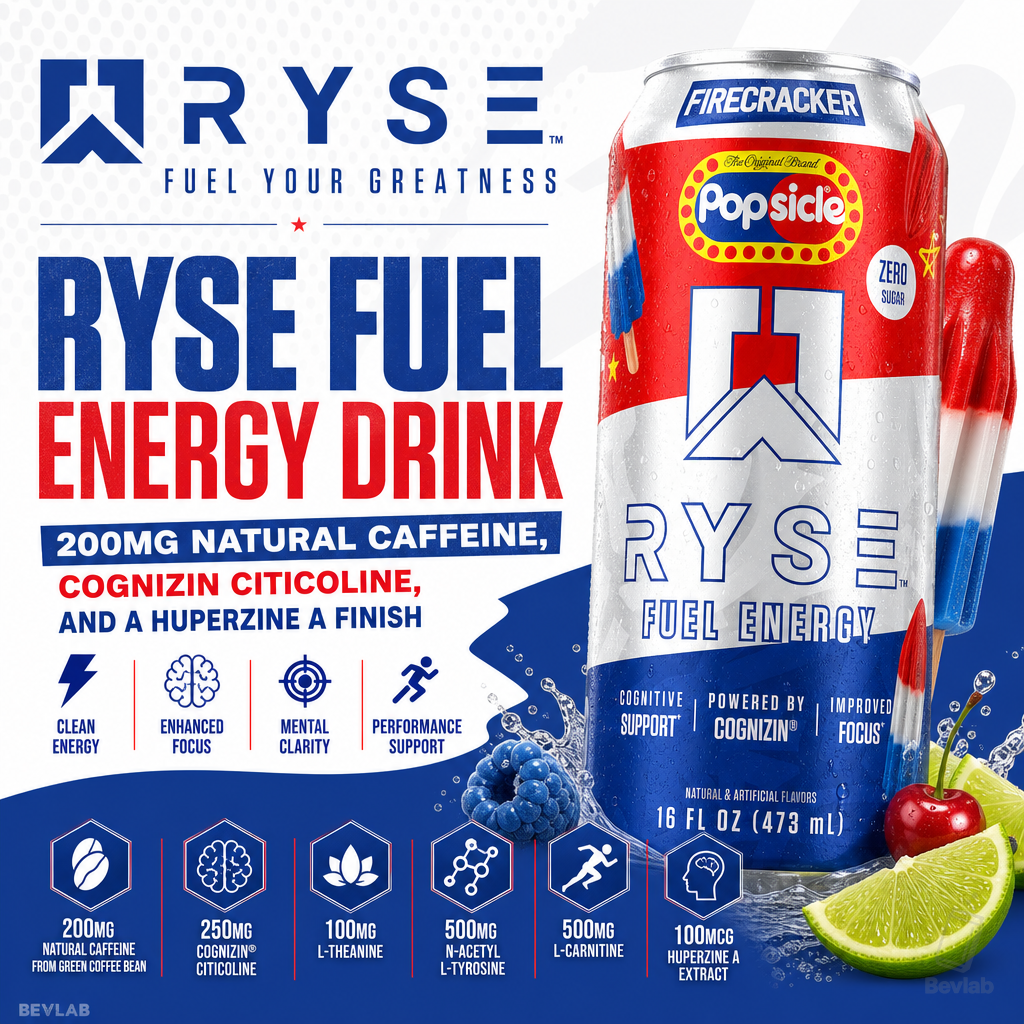
RYSE Fuel packs 200mg natural caffeine, Cognizin citicoline, L-theanine, and huperzine A into a zero-sugar 16 fl oz can. Full ingredient breakdown inside.
Most energy drinks sell you caffeine and a brand story. RYSE Fuel Energy Drink sells you the same, but then keeps going. The Texas-built supplement brand best known for licensed nostalgia collabs -- Ring Pop Cherry, , Kool-Aid, SunnyD Tangy Original, Popsicle Firecracker -- quietly upgraded Fuel's formula to include a proper nootropic stack: Cognizin® citicoline, L-theanine, L-carnitine, N-acetyl-L-tyrosine, and huperzine A alongside 200mg of natural caffeine from green coffee bean. That's a lot of real ingredients in a category that still runs on caffeine, B vitamins, and whatever's left of your credibility. Whether the doses back up the formula's ambition is what this breakdown is for.
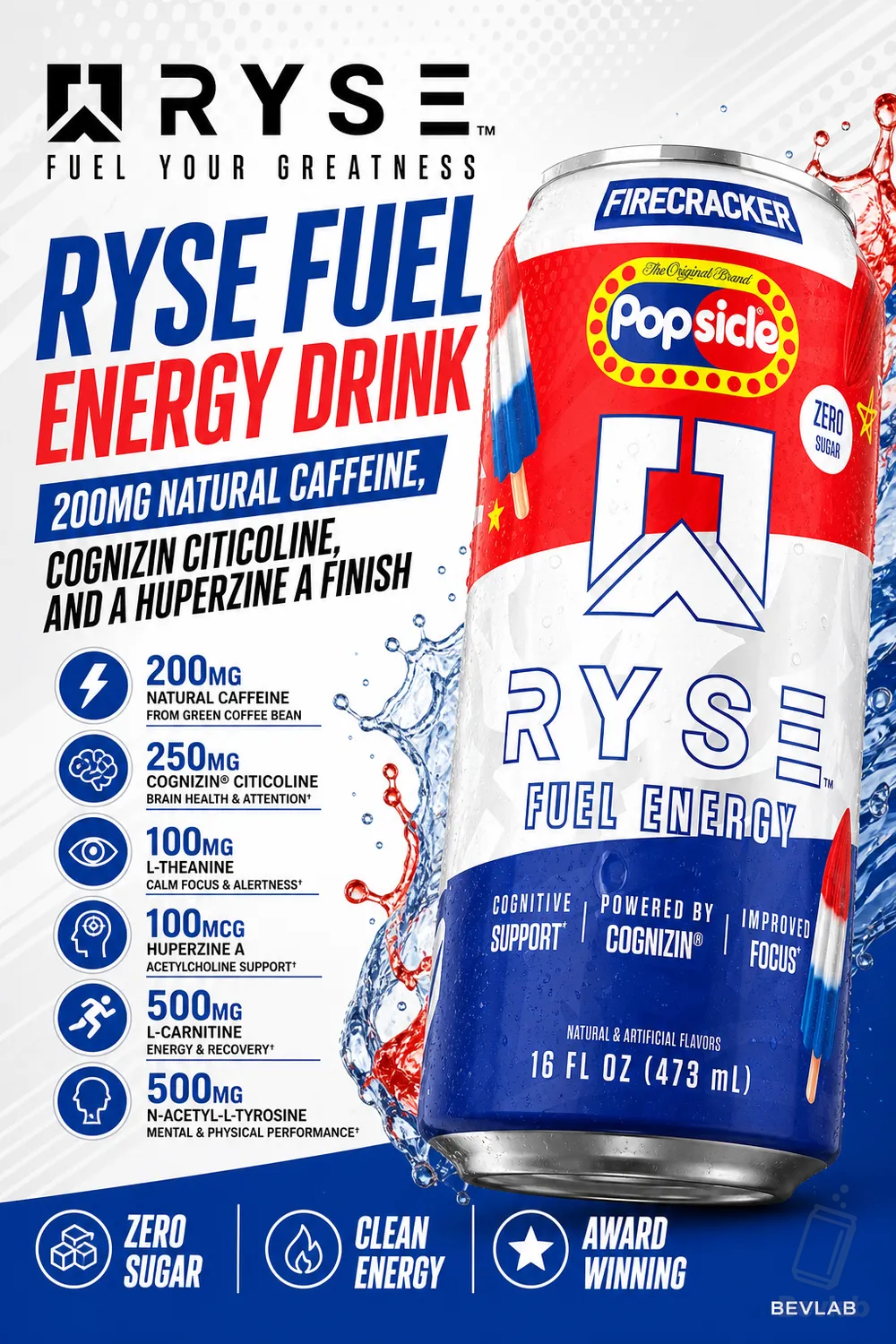
This is RYSE's flagship Enny -- a 16 fl oz zero-sugar, zero-calorie can aimed at gym-goers, gamers, and anyone who actually reads ingredient panels. It's earned numerous awards, and with this updated formula, it's making a more serious case in the cognitive performance lane.
Watch Related Videos
Bevlab VideosProduct Review
RYSE Fuel Ingredients
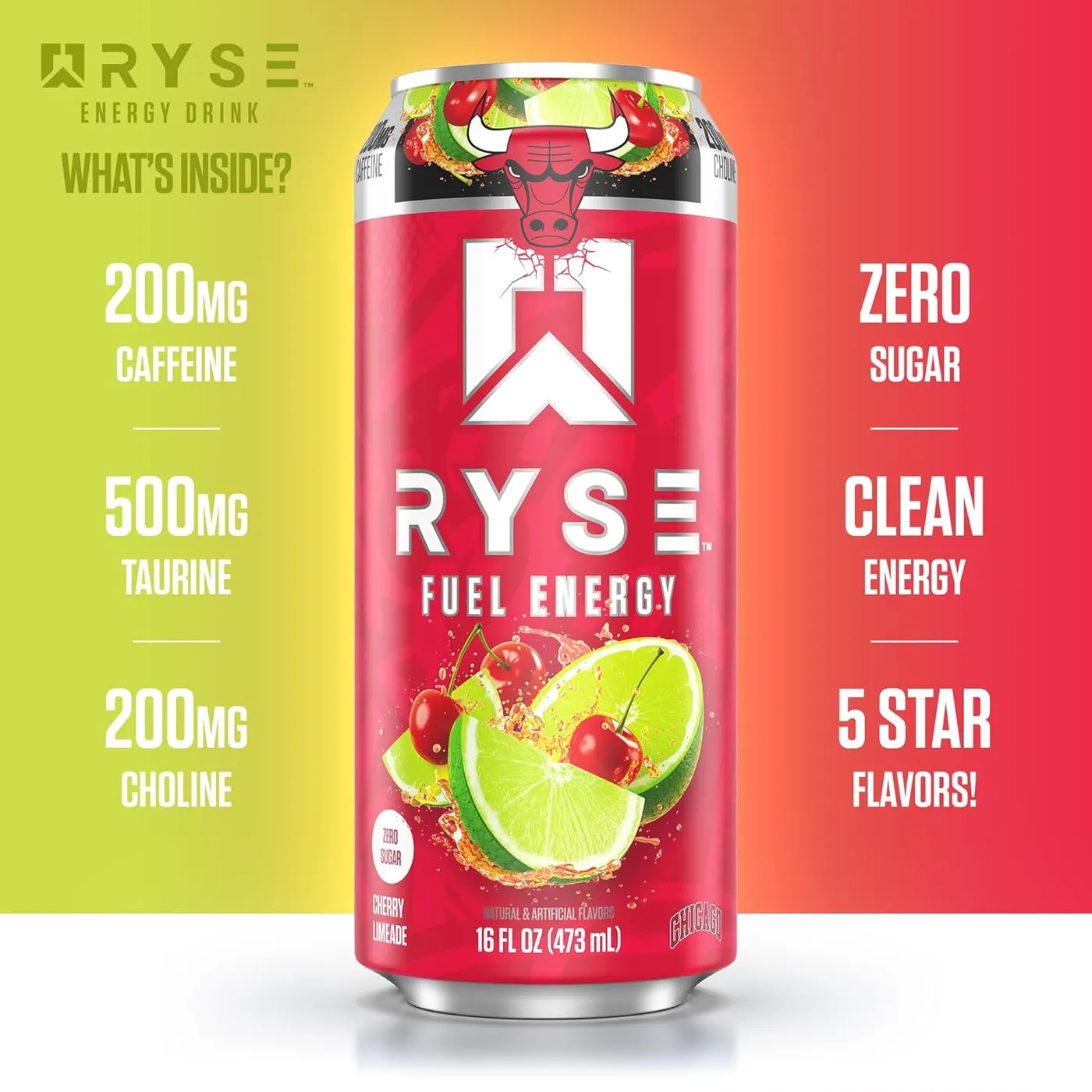
Each 16 fl oz (473mL) can provides the following key actives:
-
Natural Caffeine (from Green Coffee Bean) - 200mg
Caffeine is the one ingredient every energy drink shares, but RYSE's sourcing choice -- green coffee bean rather than synthetic caffeine anhydrous -- is worth noting. Pharmacologically, both forms are equivalent: you're getting the same molecule, and the same mechanism: blocking the adenosine receptors that accumulate during wakefulness and tell your brain to slow down.[1] When those receptors get blocked, dopamine, norepinephrine, and other stimulatory neurotransmitters flow more freely, and you feel more alert.
At 200mg, RYSE Fuel sits in the established sweet spot for cognitive and physical performance. Research puts the effective range for vigilance, reaction time, and sustained attention somewhere between 32 and 300mg, with the best ergogenic signal for endurance exercise landing around 3-6mg/kg of body weight -- roughly 200-420mg for most people.[2,1] This is a dose that delivers without pushing into the territory where jitteriness and GI distress take over. Pair it with the L-theanine in this same can and you've got one of the better-studied caffeine combinations in functional beverages.
-
L-Carnitine - 500mg
L-Carnitine at 500mg per can is a real inclusion, even if it sits below the doses used in most targeted performance research. The core job of carnitine is shuttling long-chain fatty acids across the inner mitochondrial membrane so they can be burned for energy.[3] About 95% of the body's carnitine is stored in skeletal and cardiac muscle, and those tissues can't make their own supply, so they depend entirely on what's absorbed from diet or supplementation.[3]
The recovery angle is where carnitine has the clearest human evidence. Studies using roughly 2g/day of L-carnitine L-tartrate found meaningful reductions in post-exercise muscle damage markers -- creatine kinase, myoglobin, lipid peroxidation -- and less subjective soreness in the days after hard training.[3] At 500mg, Fuel's inclusion falls below those research doses, but it contributes to daily intake and signals that the brand is thinking beyond the caffeine-and-B-vitamins baseline.
-
N-Acetyl-L-Tyrosine - 500mg
L-Tyrosine -- delivered here as N-acetyl-L-tyrosine for better water solubility in a beverage context -- is the amino acid precursor to dopamine, norepinephrine, and epinephrine. The conversion pathway runs: tyrosine → L-DOPA (via tyrosine hydroxylase) → dopamine → norepinephrine.[4] The key mechanic is that tyrosine hydroxylase in actively firing neurons is only about 75% substrate-saturated under normal conditions, meaning when cognitive or physical demand spikes, synthesis can become precursor-limited, and supplemental tyrosine may help replenish what's being burned through.[4]
The evidence is most consistent under conditions that actually deplete catecholamines: stress, sleep deprivation, heat exposure, demanding cognitive tasks. A week-long combat training study found 2g/day improved memory and perceptual motor skills compared to a carbohydrate-matched placebo.[5] A sleep deprivation trial found tyrosine outperformed placebo on working memory, logical reasoning, and visual vigilance.[6] At 500mg, Fuel's dose is modest relative to those research protocols, but it covers the "keep the tank from running dry during a demanding session" angle the brand is going for.
-
Cognizin® Citicoline - 250mg
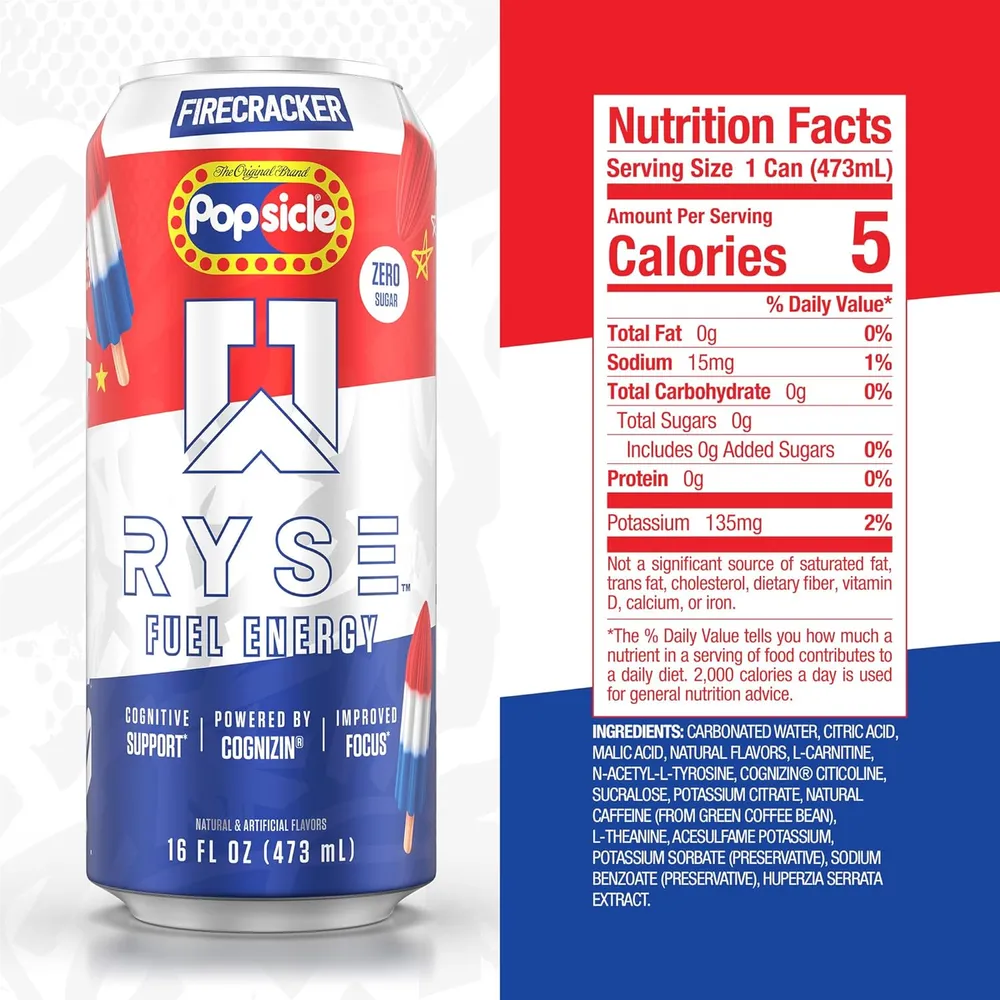
RYSE Fuel ingredient label showing Cognizin citicoline at 250mg alongside the full nootropic stack. Cognizin® citicoline is the ingredient that separates RYSE Fuel from the conventional energy drink stack in a meaningful way. When you swallow citicoline, it breaks down to choline and cytidine in the gut wall. Both get absorbed, cross the blood-brain barrier, and are re-synthesized intracellularly into CDP-choline, which drives production of phosphatidylcholine -- the dominant structural phospholipid in neuronal cell membranes.[7,8] Beyond membrane support, citicoline increases acetylcholine production in cholinergic neurons and upregulates dopamine and norepinephrine in the CNS, likely by activating tyrosine hydroxylase and slowing dopamine reuptake.[8]
250mg is the dose used in two McGlade RCTs specifically testing Cognizin in healthy adults. At 28 days, both a 250mg and 500mg dose significantly reduced errors on a sustained attention test in healthy women aged 40-60.[9] A separate study in adolescent males found the same dose improved motor speed and selective attention.[10] A 12-week RCT in adults with age-associated memory impairment found 500mg/day significantly improved episodic memory versus placebo.[11] Fuel's 250mg sits at the lower end of what the research supports, but it's not a decoration. Cognizin's oral bioavailability exceeds 90%, and the studies specifically using this dose and this branded form are solid.[7]
-
L-Theanine - 100mg
L-Theanine at 100mg pairs cleanly with the 200mg caffeine in this formula, and that pairing is exactly where the evidence is strongest. L-theanine is a non-proteinogenic amino acid from green tea that promotes alpha-wave brain activity -- the EEG marker of relaxed, focused wakefulness -- within about 40 minutes of ingestion.[12] It works partly as a low-affinity glutamate receptor antagonist and partly as a GABA agonist, taking the edge off excitatory signaling without inducing sedation.[13]
Solo, L-theanine produces modest cognitive effects. Combined with caffeine, the story changes. A direct head-to-head crossover study found the combination uniquely improved simple reaction time, working memory speed, alertness ratings, and reduced reported fatigue -- benefits that neither caffeine nor theanine alone fully replicated.[14] A meta-analysis of 11 RCTs confirmed meaningful benefits for the combination on alertness and attentional switching accuracy relative to placebo.[15] The 2:1 caffeine-to-theanine ratio here is one of the more common and well-studied setups in the category, and it delivers what the label promises: smoother energy with a focus edge.
-
Huperzia Serrata Extract - 100mcg (as Huperzine A)
Huperzine A -- extracted from Huperzia serrata, the Chinese firmoss -- is the most pharma-adjacent ingredient in this formula. Its primary mechanism is reversible, highly selective inhibition of acetylcholinesterase (AChE), the enzyme that breaks down acetylcholine in the synaptic cleft.[16] By slowing acetylcholine breakdown, huperzine A allows more of it to accumulate where it's needed, amplifying the cholinergic signaling that underlies memory formation, attention, and focus.
What makes huperzine A stand out in this stack is its selectivity. In vitro data show it inhibits AChE roughly 884 times more potently than butyrylcholinesterase, and it's been reported as 8-fold more potent than donepezil (a prescription Alzheimer's drug) in comparative animal work.[17] It crosses the blood-brain barrier readily and has a long elimination half-life of roughly 10-12 hours.[17] In human clinical trials, 200-400mcg doses twice daily improved cognitive function in mild-to-moderate Alzheimer's patients and healthy adolescents.[18] Fuel's 100mcg per can is at the low end of studied doses, which is appropriate for a daily-use beverage. It also layers well with the citicoline: one ingredient drives acetylcholine synthesis while the other slows its breakdown. That's a complementary mechanism worth calling out.
-
Vitamins and Minerals
-
Potassium (as Potassium Citrate) - 135mg (2% DV)
Potassium is the primary intracellular cation, essential for cellular electrochemical function, muscle contraction, and nerve signaling. As potassium citrate, it also provides an alkalizing anion that supports urinary citrate levels, a form associated with kidney stone prevention and modest bone health support. At 135mg, this is a partial electrolyte contribution -- useful context for hydration and daily intake gaps (most Americans fall well short of the 4,700mg daily target), but not a therapeutic dose on its own.
-
-
Other Ingredients
- Carbonated Water -- the base of the formula, providing effervescence.
- Citric Acid -- a weak organic acid used as an acidulant and flavor enhancer. It's the most common beverage acidifier on the market, providing tartness, pH control, and preservative synergy.
- Malic Acid -- another organic acid that contributes to the tart flavor profile while providing a TCA cycle intermediate. Often paired with citric acid to build more complex, rounded sourness, especially relevant in fruit-flavored SKUs like Sour Punch Blue Raspberry and Country Time Lemonade.
- Natural Flavors -- RYSE licenses real brand flavors (Kool-Aid, Ring Pop, SunnyD, Popsicle) rather than inventing generic fruit profiles. Natural flavor complexes are FEMA GRAS-affirmed and function purely as sensory agents at these concentrations.
- Sucralose -- a zero-calorie sweetener roughly 600 times sweeter than sugar, used to build sweetness alongside Ace-K without adding carbohydrates.
- Acesulfame Potassium (Ace-K) -- a heat-stable sweetener that pairs with sucralose to smooth out the overall sweetness profile and reduce any aftertaste either would produce alone. Standard across zero-sugar energy drinks.
- Potassium Sorbate (Preservative) -- an antimicrobial preservative that controls yeast and mold growth. FDA GRAS at food-use concentrations.
- Sodium Benzoate (Preservative) -- a standard beverage preservative effective against bacteria and fungi at low pH. Often co-formulated with potassium sorbate for broad-spectrum preservation. Both are common across the category.
Flavors Available
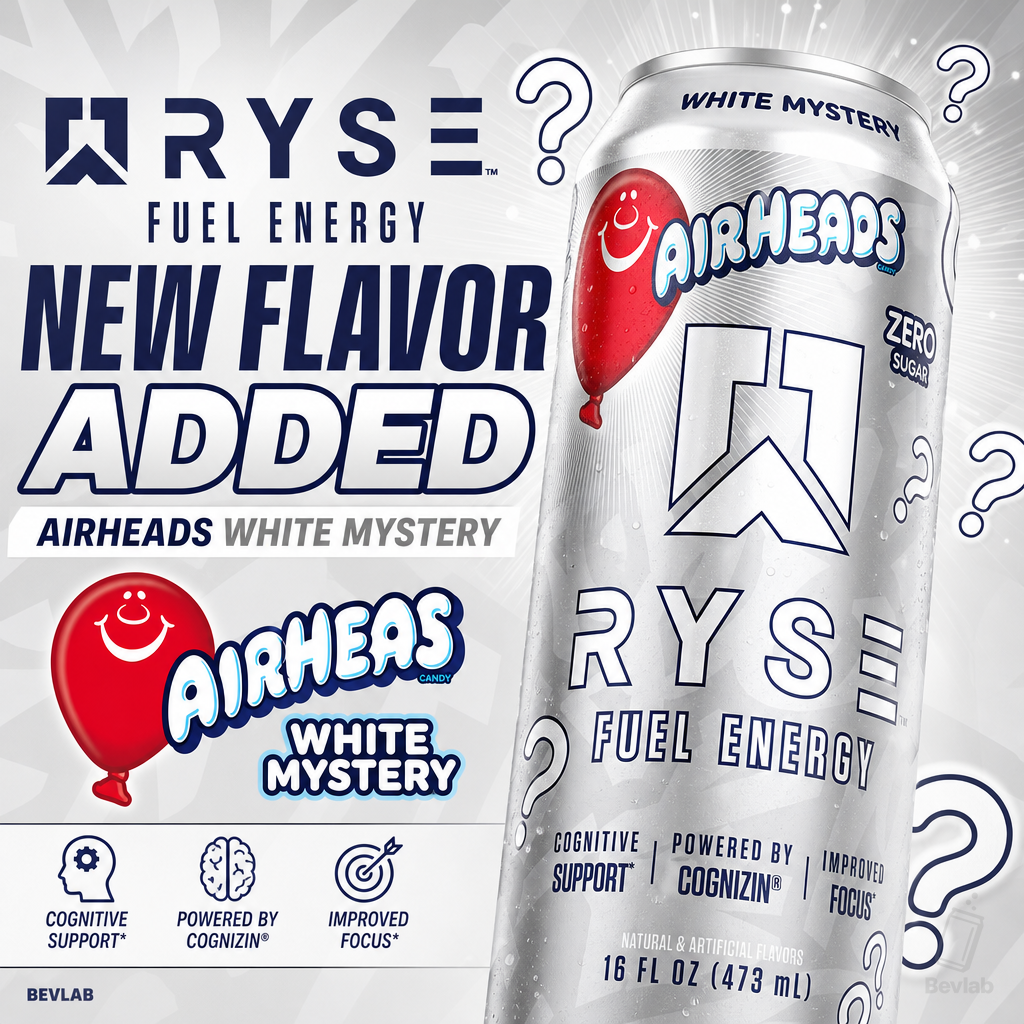
- Airheads White Mystery (12 Cans: $29.99)
- Artic Berry (12 Cans: $29.99)
- Cherry Limeade (12 Cans: $29.99)
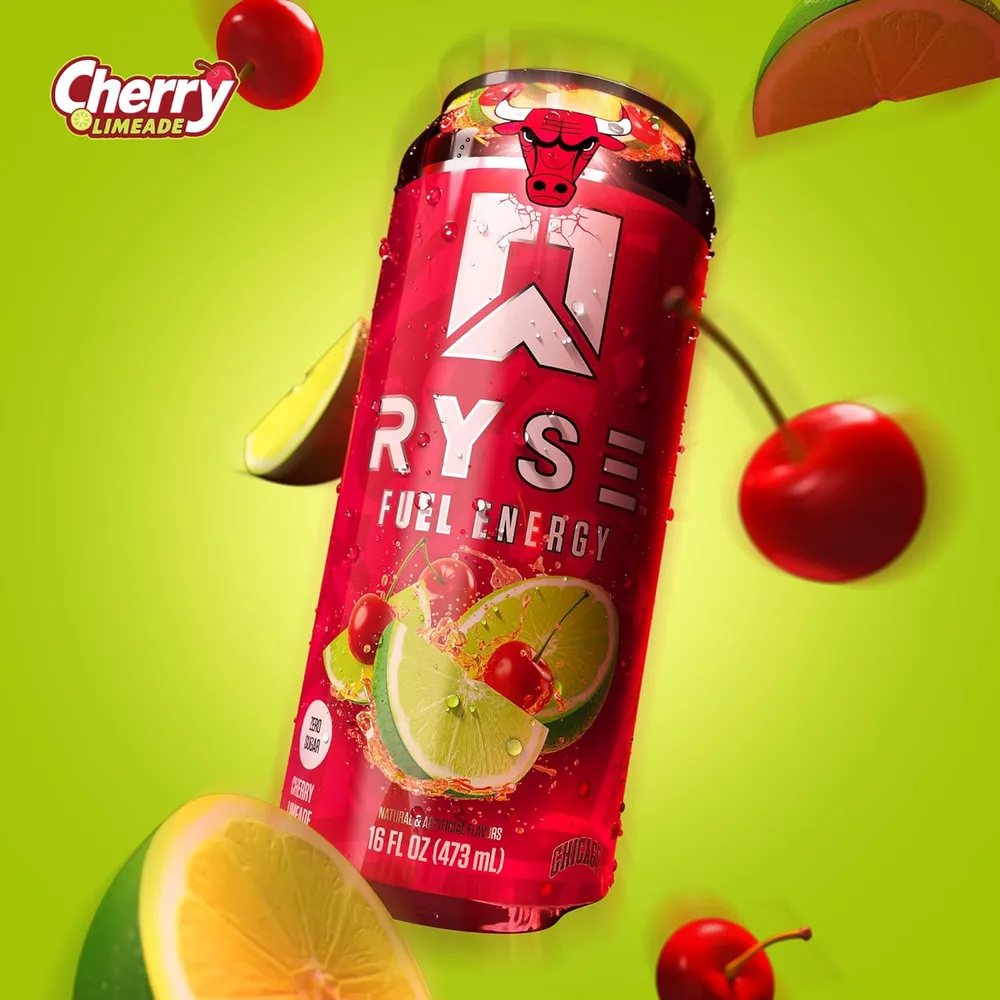
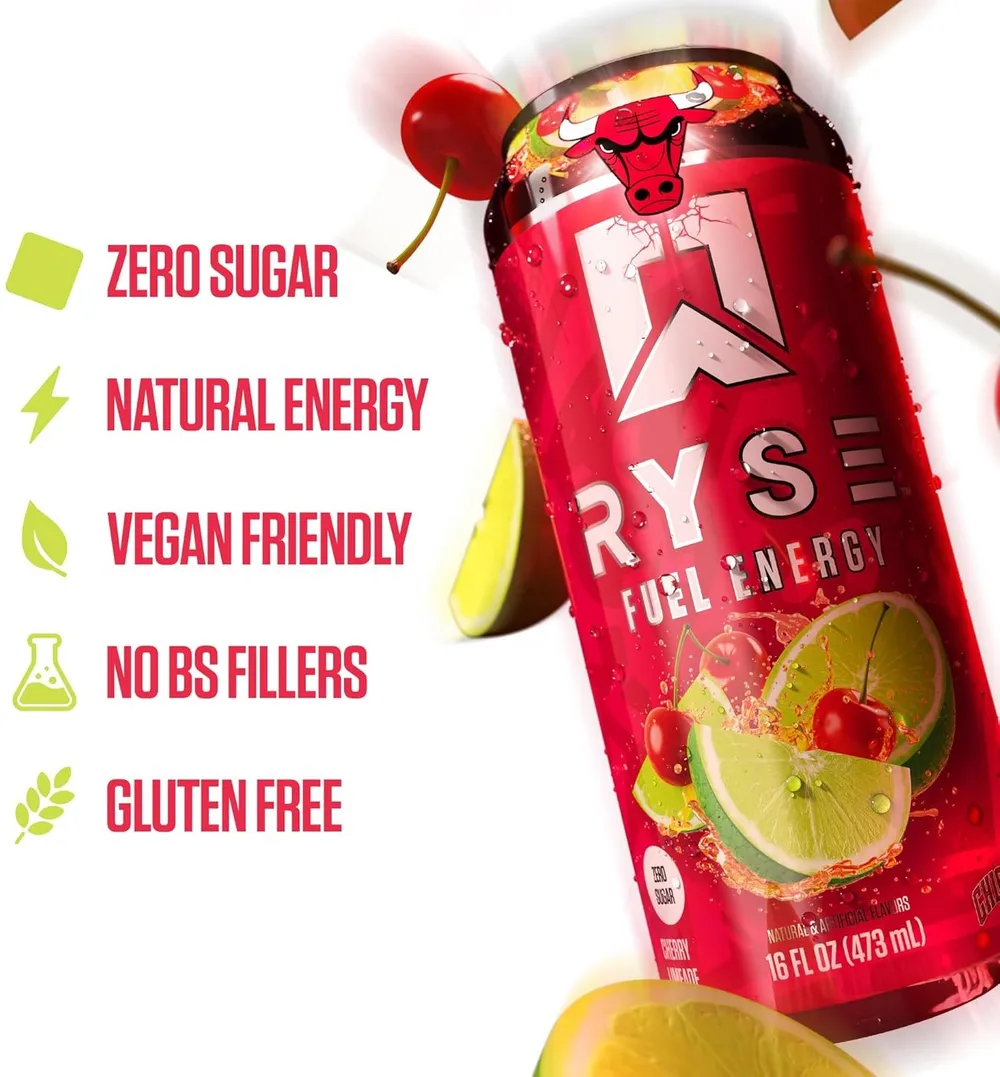
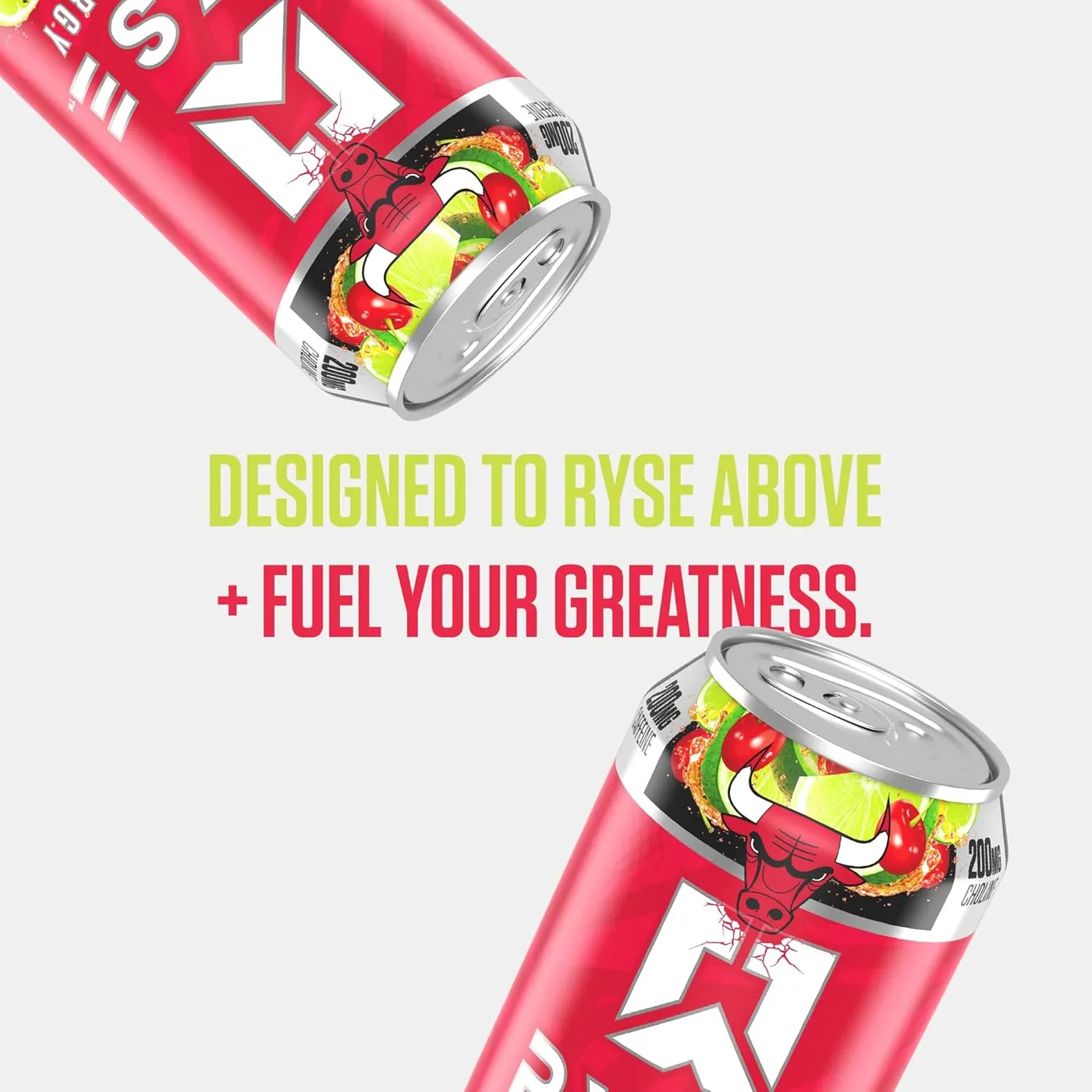
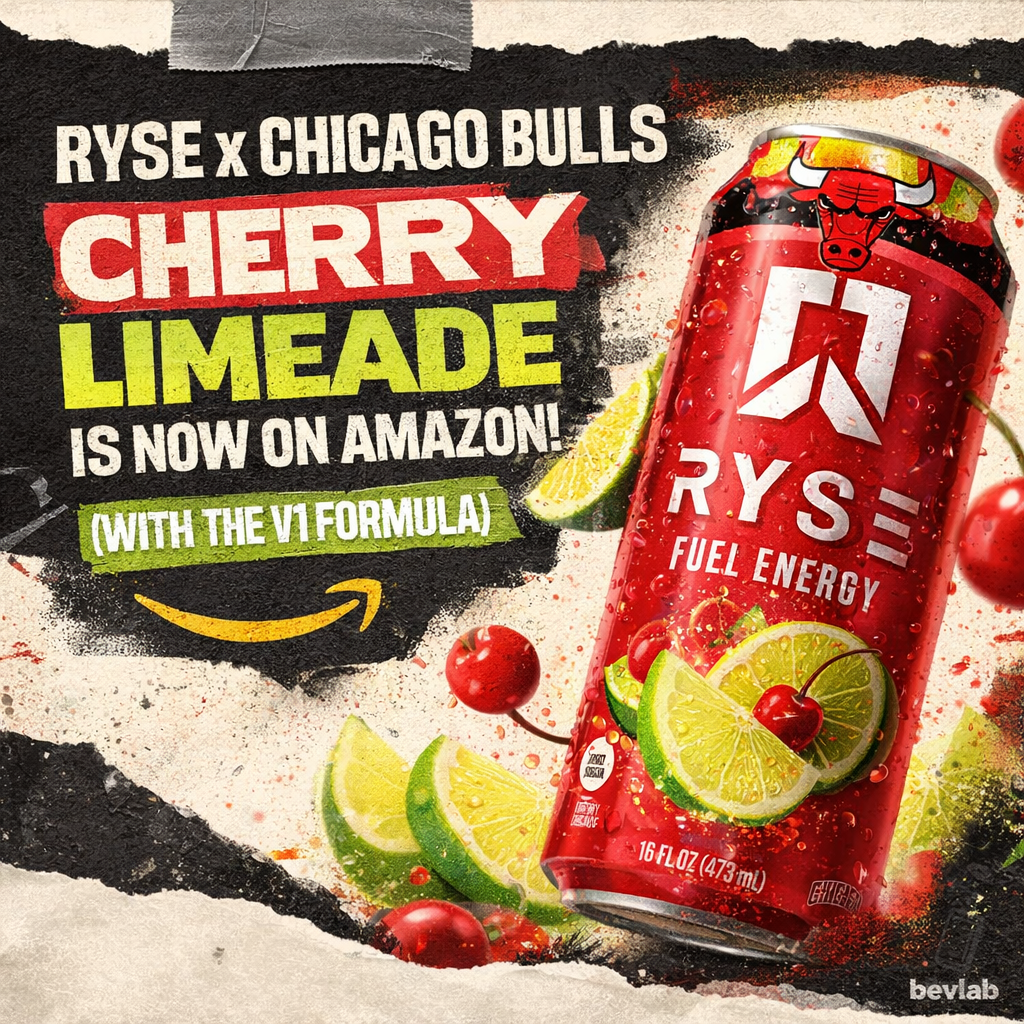
- Chicago Bulls Cherry Limeade (12 Cans: $29.99)
- Cotton Candy (12 Cans: $29.99)
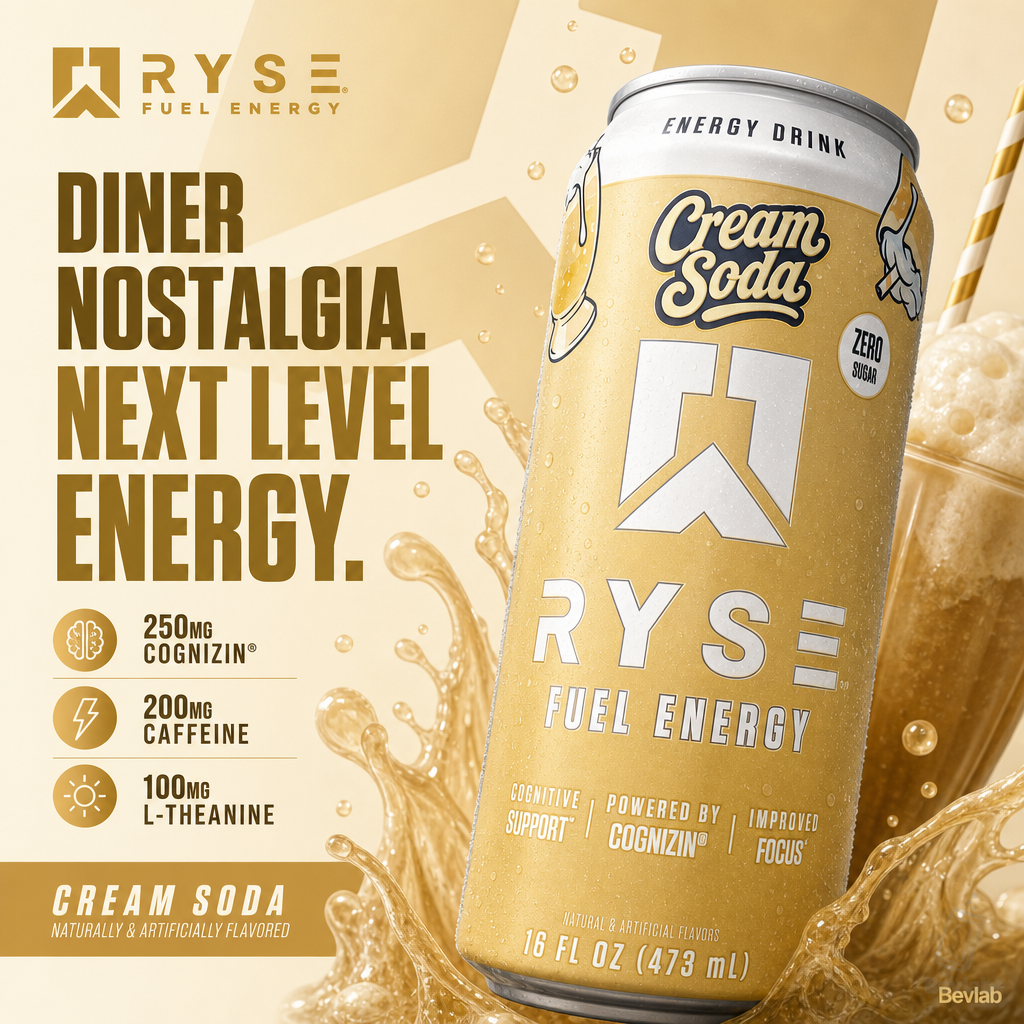
- Cream Soda (12 Cans: $29.99)
- Frosted Lemonade (12 Cans: $29.99)
- Kool-Aid - Grape (12 Cans: $29.99)
- Kool-Aid - Tropical Punch (12 Cans: $29.99)
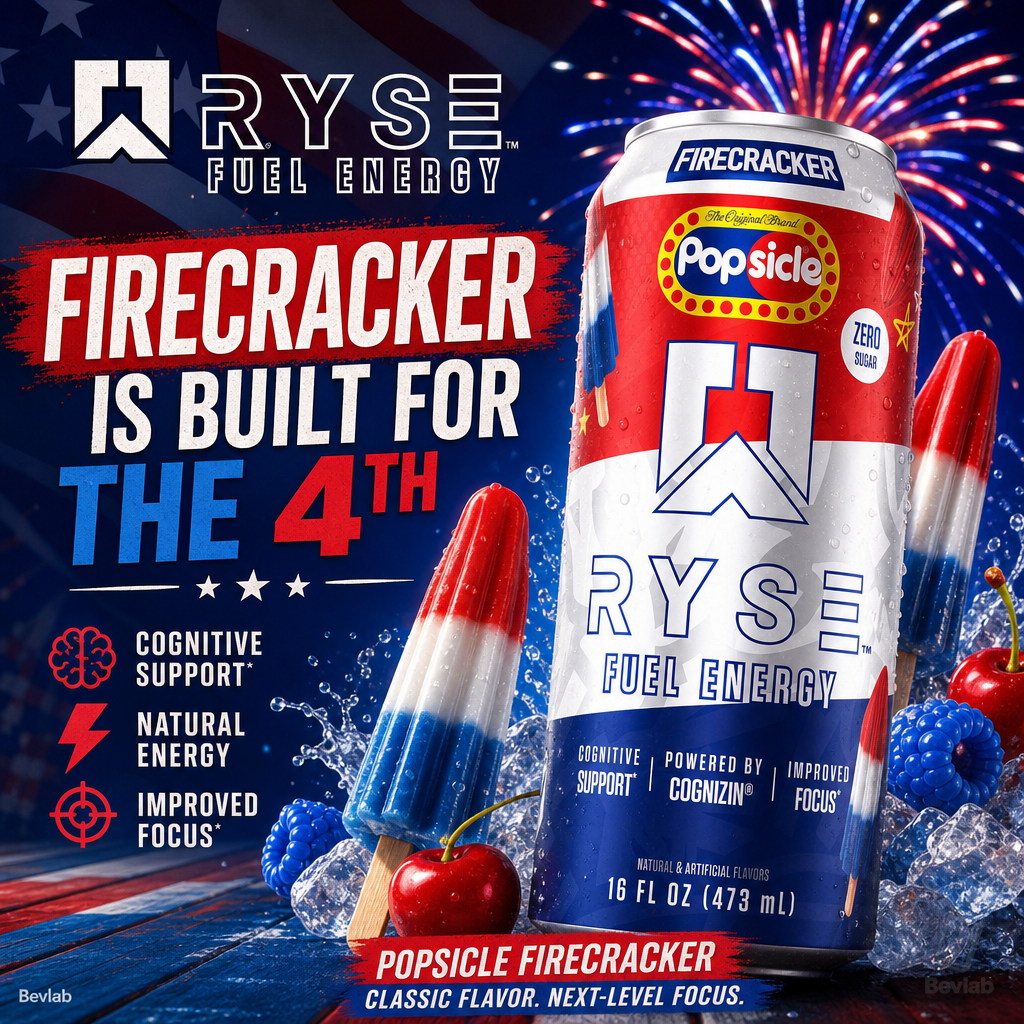
- Popsicle Firecracker (12 Cans: $29.99)
- Ring Pop Cherry (12 Cans: $29.99)
- RingPop (Berry Blast) (1 Can: $3.32)
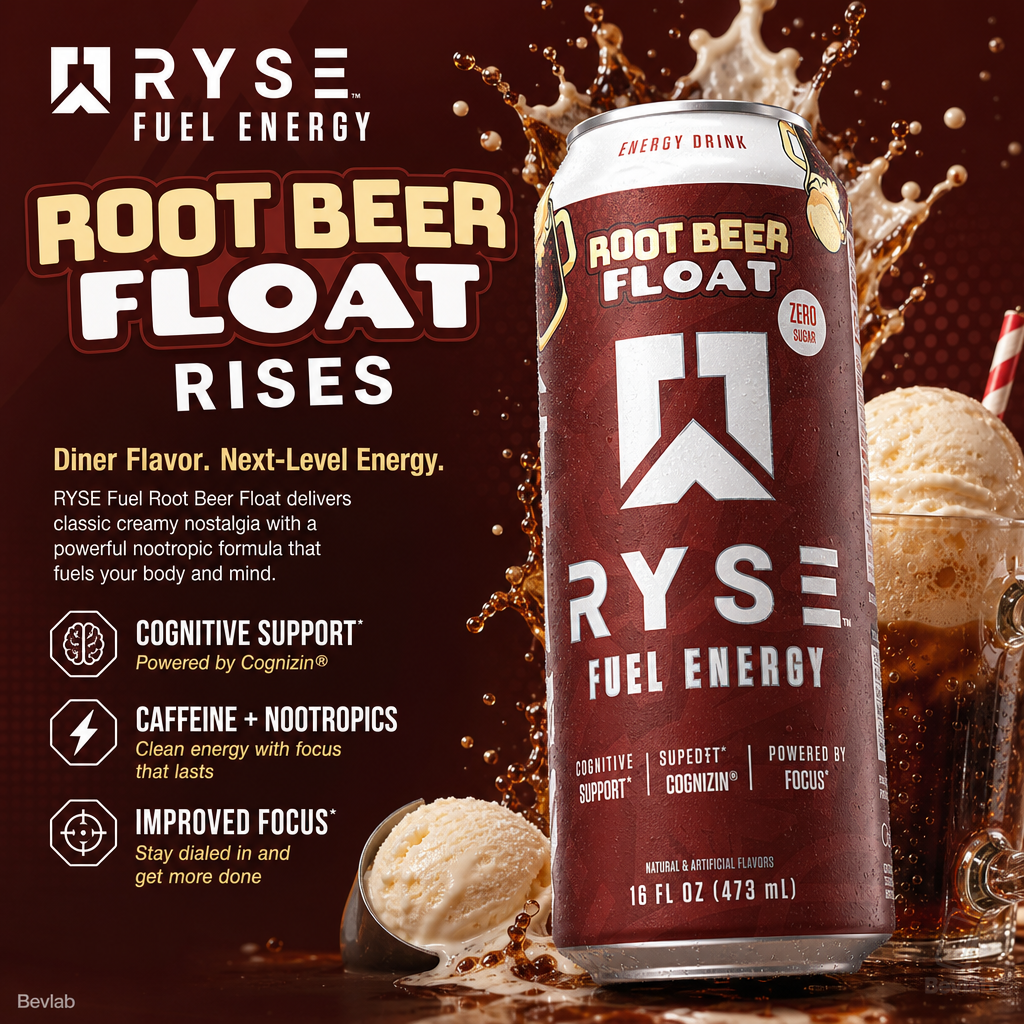
- Root Beer Float (12 Cans: $29.99)
- Sour Punch (Blue Raspberry) (12 Cans: $29.99)
- Sour Punch (Green Apple) (12 Cans: $29.99)
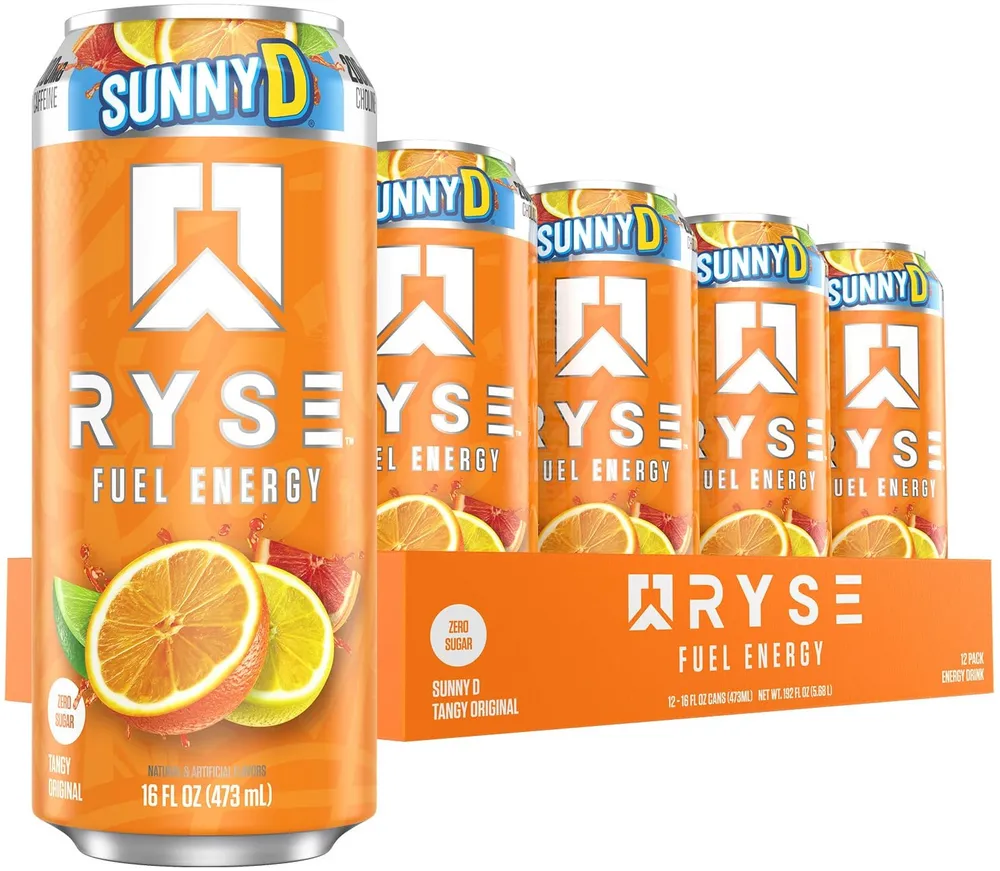
- Sunny D (Tangy Original) (12 Cans: $29.99)
- Variety (12 Cans: $29.99)
Who It's For
- Gym-goers and athletes: The caffeine-theanine-tyrosine combination covers pre-workout focus, and the carnitine adds recovery context. It's a smarter daily driver than a typical high-stim pre-workout for training days where 300mg caffeine is more than you need.
- Focus and productivity users: Cognizin citicoline and huperzine A together -- one building acetylcholine supply, the other slowing its breakdown -- make this a more credible cognitive-support can than most of the category offers. If you're choosing between this and a generic 200mg caffeine drink for a long work session, the formula tilts toward RYSE Fuel.
A Formula That Does More Than It Has To
RYSE Fuel doesn't need a nootropic stack to compete on shelf. The brand already wins on flavor and distribution. Adding Cognizin citicoline, huperzine A, and a caffeine-theanine pairing at meaningful doses is a bet that a meaningful share of their audience reads labels -- and will pay attention when the formula actually backs up the positioning. If you want a zero-sugar 16oz Enny that tastes like a childhood snack and delivers a genuine cognitive edge alongside the energy hit, this is one of the better arguments in the category right now.
More Related Videos
Bevlab VideosREELS
REELS
Product Review
Product Review
REELS
Follow @BevlabMedia on TikTok and Instagram for reviews and drops as they happen.
References
- Guest, Nanci S. et al. "International Society Of Sports Nutrition Position Stand Caffeine And Exercise Performance." Journal of the International Society of Sports Nutrition, 2021. https://doi.org/10.1186/s12970-020-00383-4
- McLellan, Tom M. et al. "A Review Of Caffeine S Effects On Cognitive Physical And Occupational Performance." Neuroscience & Biobehavioral Reviews, 2016. https://doi.org/10.1016/j.neubiorev.2016.09.001
- Fielding, Roger, et al. "L Carnitine Supplementation In Recovery After Exercise." Nutrients, 2018. https://doi.org/10.3390/nu10030349
- Fernstrom, John D. et al. "Tyrosine, Phenylalanine, and Catecholamine Synthesis and Function in the Brain." The Journal of Nutrition, 2007. https://doi.org/10.1093/jn/137.6.1539s
- Smid, Dagmar J. et al. "Tyrosine improves cognitive performance and reduces blood pressure in cadets after one week of a combat training course." Frontiers in Physiology, 2025. https://doi.org/10.3389/fphys.2025.1539615
- López-Gil, José Francisco, et al. "A comparison of tyrosine against placebo, phentermine, caffeine, and D-amphetamine during sleep deprivation." Frontiers in Behavioral Neuroscience, 2022. https://doi.org/10.3389/fnbeh.2022.860241
- Conant, Richard, et al. "Therapeutic applications of citicoline for stroke and cognitive dysfunction in the elderly: a review of the literature." Alternative medicine review : a journal of clinical therapeutic, 2004. https://pubmed.ncbi.nlm.nih.gov/15005642/
- Secades, Julio J, et al. "Citicoline: pharmacological and clinical review, 2006 update." Methods and findings in experimental and clinical pharmacology, 2006. https://pubmed.ncbi.nlm.nih.gov/17171187/
- McGlade, Erin, et al. "Improved Attentional Performance Following Citicoline Administration In Healthy Adult Women." Food and Nutrition Sciences, 2012. https://doi.org/10.4236/fns.2012.36103
- McGlade, Erin, et al. "The Effect of Citicoline Supplementation on Motor Speed and Attention in Adolescent Males." Journal of attention disorders, 2019. https://doi.org/10.1177/1087054715593633
- Nakazaki, Eri, et al. "Citicoline And Memory Function In Healthy Older Adults A Randomized Double Blind Placebo Controlled Clinical Trial." The Journal of Nutrition, 2021. https://doi.org/10.1093/jn/nxab119
- Juneja, L. "L Theanine A Unique Amino Acid Of Green Tea And Its Relaxation Effect In Humans." Trends in Food Science & Technology, 1999. https://doi.org/10.1016/s0924-2244(99)00044-8
- Lopes, Sakamoto Filipe, et al. "Psychotropic Effects Of L Theanine And Its Clinical Properties From The Management Of Anxiety And Stress To A Potential Use In Schizophrenia." Pharmacological research, 2019. https://doi.org/10.1016/j.phrs.2019.104395
- Haskell, Crystal F, et al. "The Effects Of L Theanine Caffeine And Their Combination On Cognition And Mood." Biological psychology, 2008. https://doi.org/10.1016/j.biopsycho.2007.09.008
- Camfield, David A, et al. "Acute effects of tea constituents L-theanine, caffeine, and epigallocatechin gallate on cognitive function and mood: a systematic review and meta-analysis." Nutrition reviews, 2014. https://doi.org/10.1111/nure.12120
- Tang, X.‐C. et al. "Effect Of Huperzine A A New Cholinesterase Inhibitor On The Central Cholinergic System Of The Rat." Journal of Neuroscience Research, 1989. https://doi.org/10.1002/jnr.490240220
- Damar, U, et al. "Huperzine A As A Neuroprotective And Antiepileptic Drug A Review Of Preclinical Research." Expert review of neurotherapeutics, 2016. https://doi.org/10.1080/14737175.2016.1175303
- Tun, Maung Kyaw Moe, et al. "The Pharmacology And Therapeutic Potential Of Huperzine A." Journal of experimental pharmacology, 2012. https://doi.org/10.2147/JEP.S27084
Related Coverage
Tagged