Red Bull Apple Edition: The Winter Flavor That Stayed
Fuji apple and ginger, minus the expiration date
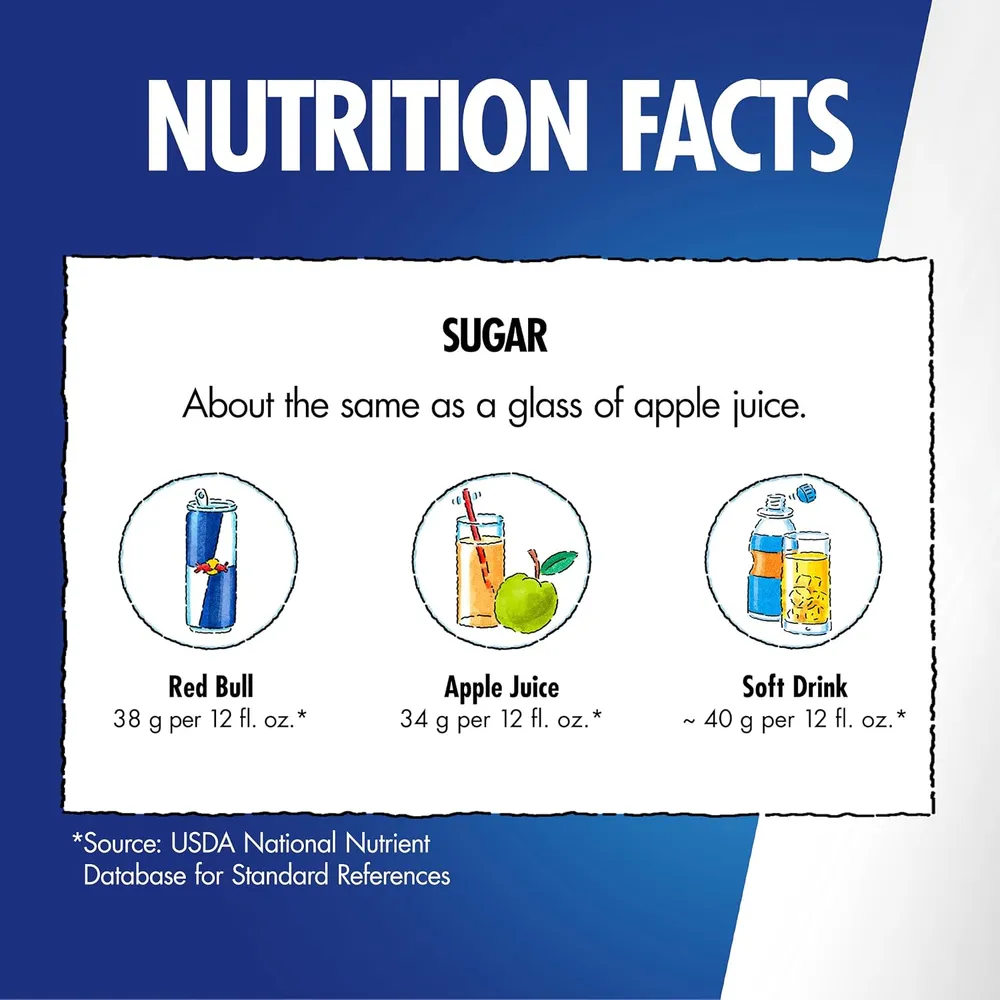
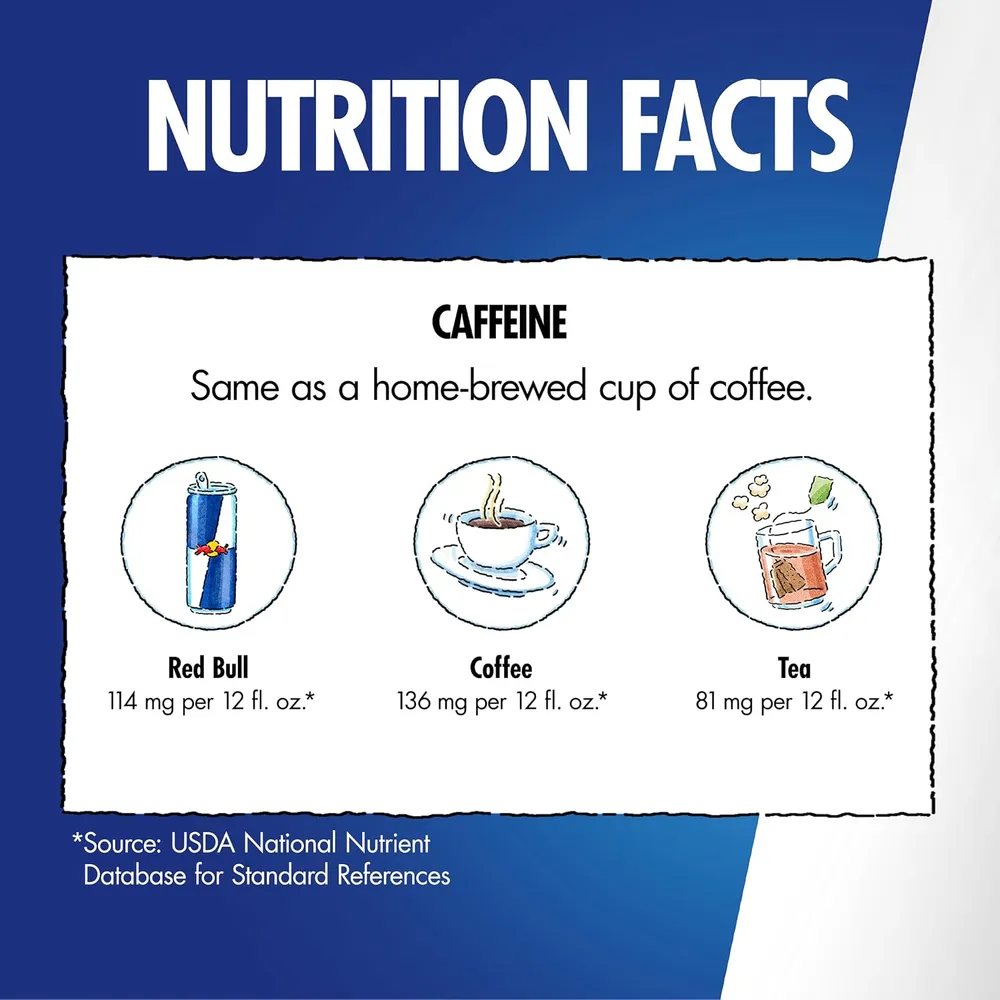
Under the Fuji apple and ginger flavor, it's classic Red Bull: 114mg caffeine and 38g sugar per 12 fl oz can.
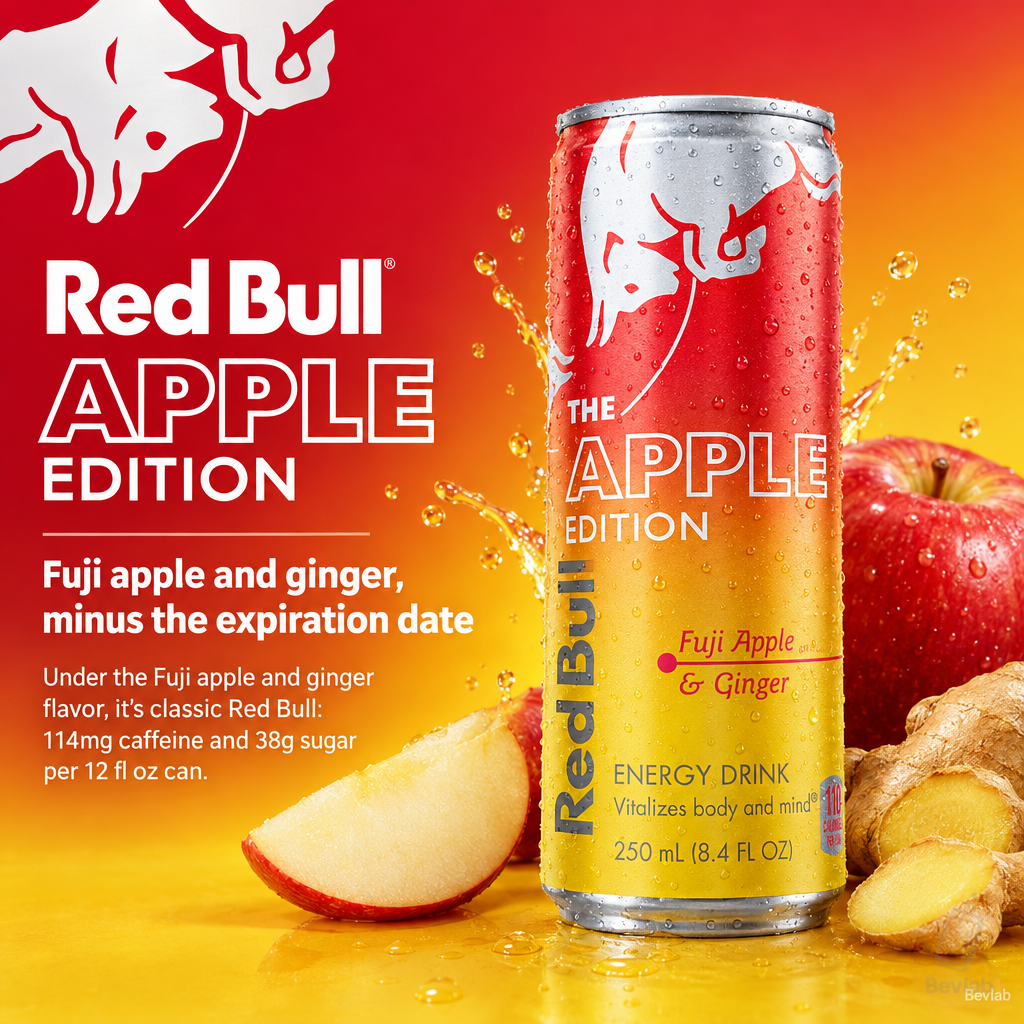
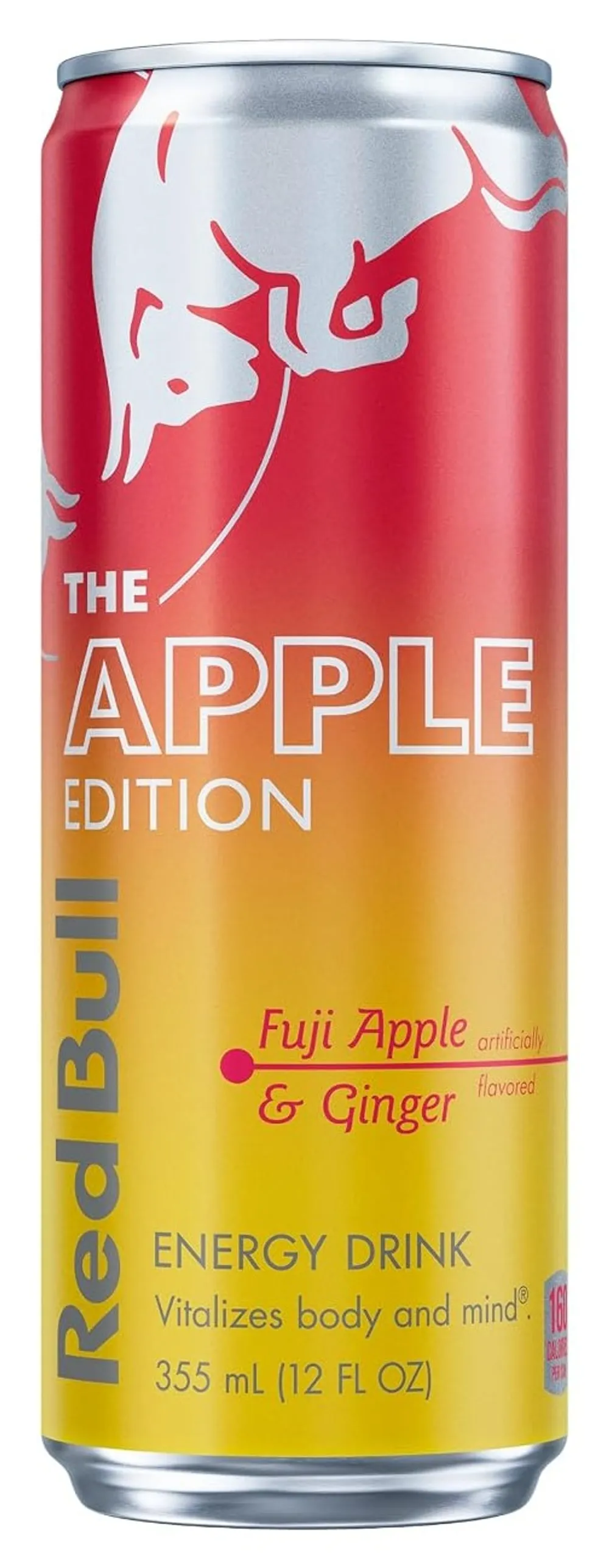
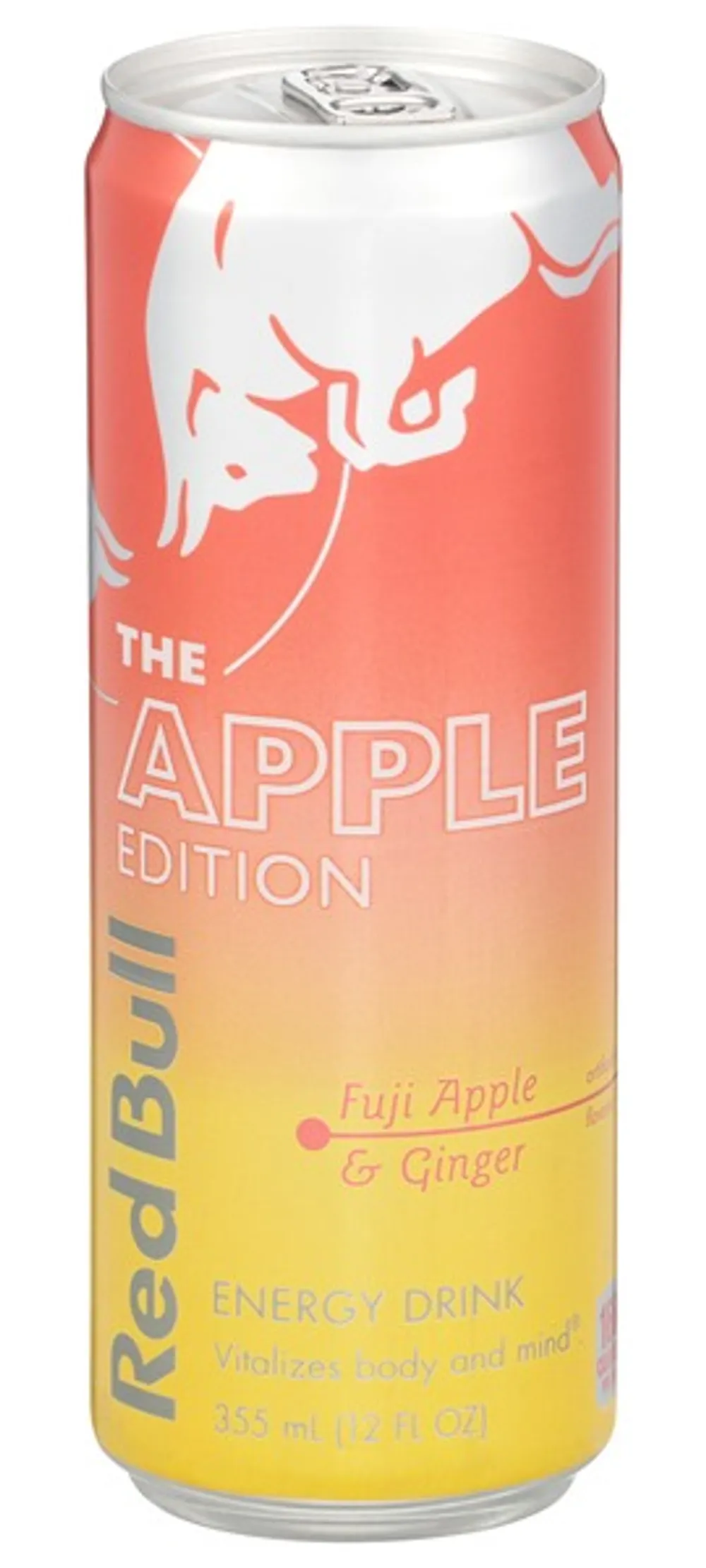
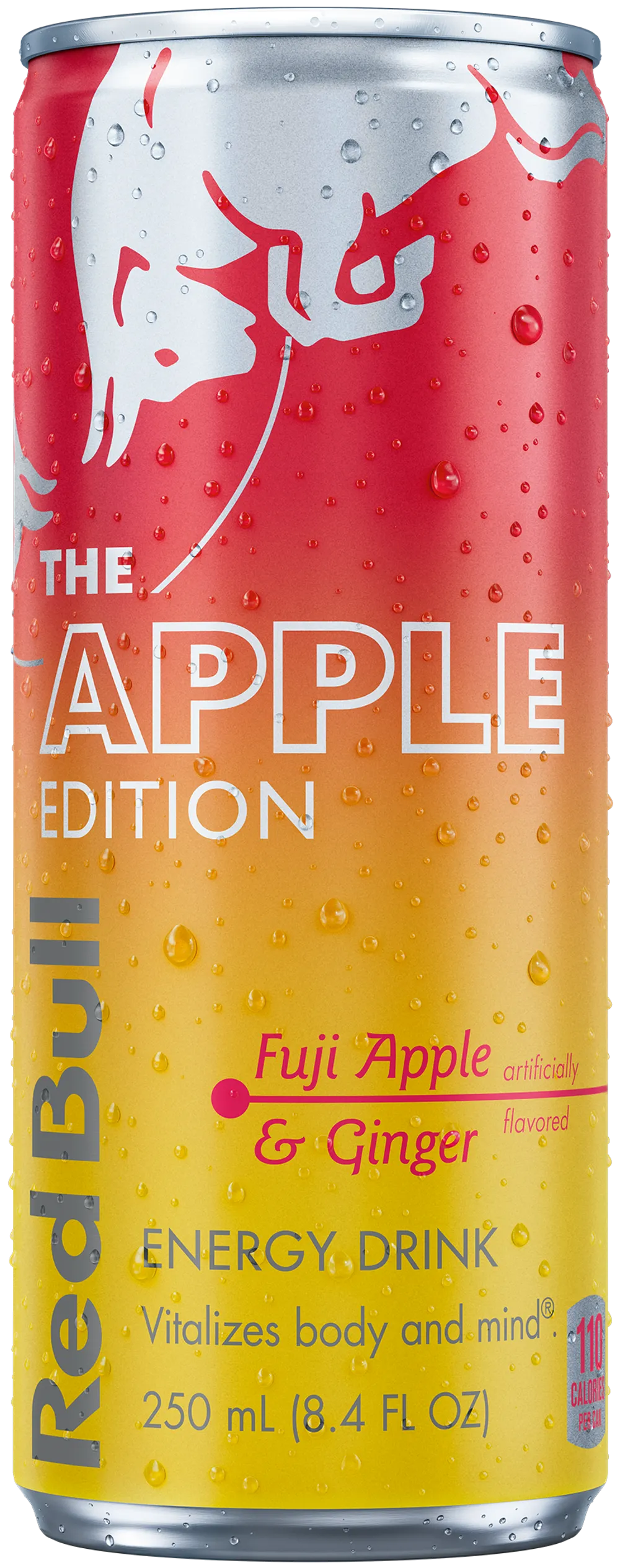
Red Bull Apple Edition is Red Bull's Fuji apple and ginger flavor. It used to be The Winter Edition. Red Bull then renamed it and kept it in the permanent Editions lineup, the flavored side of the brand that also gets limited drops like the 2026 Summer Edition, Sudachi Lime and the Spring Edition Cherry Sakura. There's no ginger root and no apple juice on the ingredient list. The can says "artificially flavored," so the orchard-and-spice profile comes from added flavors, not fruit or ginger.
Under the flavor, the formula is the familiar Red Bull setup: caffeine, taurine, four B vitamins, and a lot of sugar. The 12 fl oz can carries 114mg of caffeine and 38g of sugar, so this is a moderate caffeine hit paired with a heavy carb load. That combination decides who the can is actually for.
Red Bull Apple Edition Nutrition Facts
These numbers are from the 12 fl oz can, and one can is one serving.
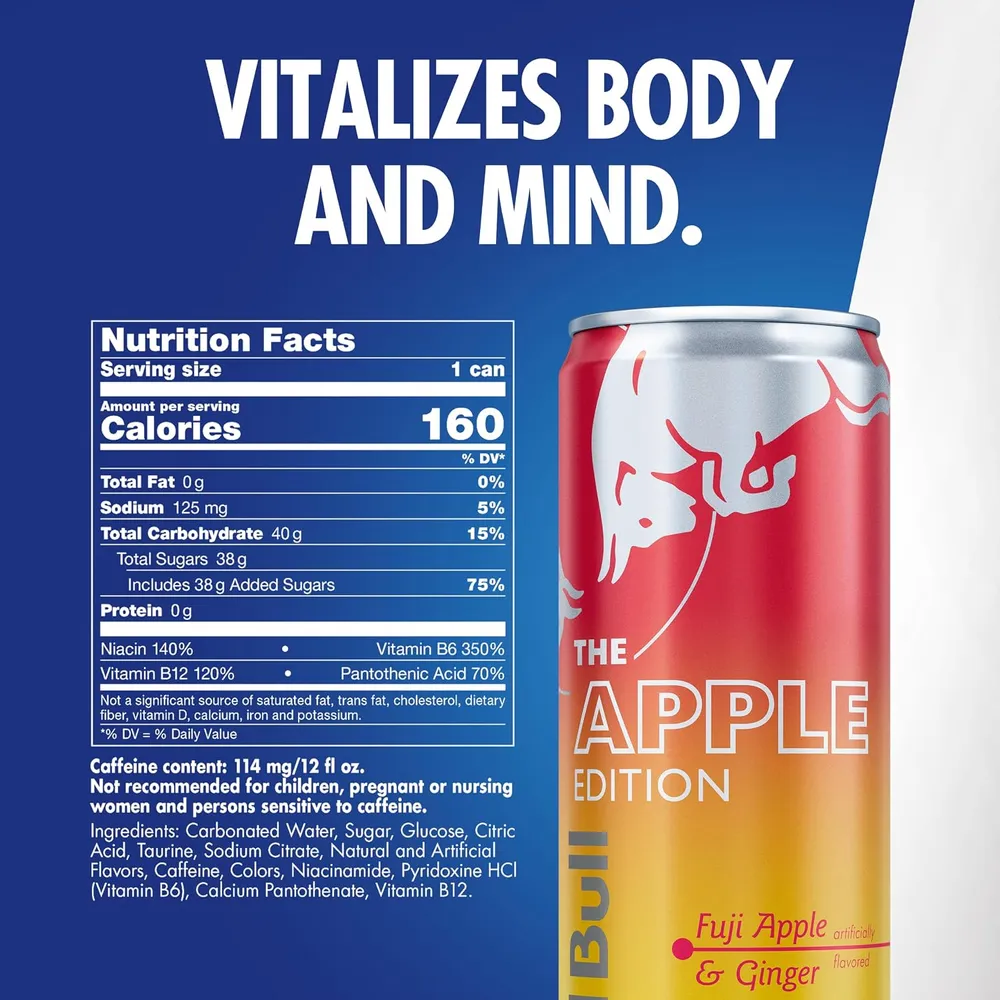
- Calories: 160
- Total Fat: 0g (0% DV)
- Total Carbohydrate: 40g (15% DV)
- Total Sugars: 38g
- Added Sugars: 38g (75% DV)
- Total Sugars: 38g
- Protein: 0g
- Vitamins and Minerals
- Sodium: 125mg (5% DV)
- Niacin: ~22mg NE (140% DV)
- Vitamin B6: ~6mg (350% DV)
- Vitamin B12: ~2.9mcg (120% DV)
- Pantothenic Acid: ~3.5mg (70% DV)
The sugar line is the big one. All 38g of sugar in the can is added sugar, which works out to 75% of the Daily Value for added sugars in one can. Nearly every calorie comes from those sugars, since there's no fat or protein to speak of.
The label prints only percentages for the four B vitamins. The amounts marked with ~ are estimated from the current U.S. Daily Values, not printed on the can. Treat them as close approximations.
Red Bull Apple Edition Ingredients
Each 12 fl oz can provides the following key actives:
-
Caffeine - 114mg
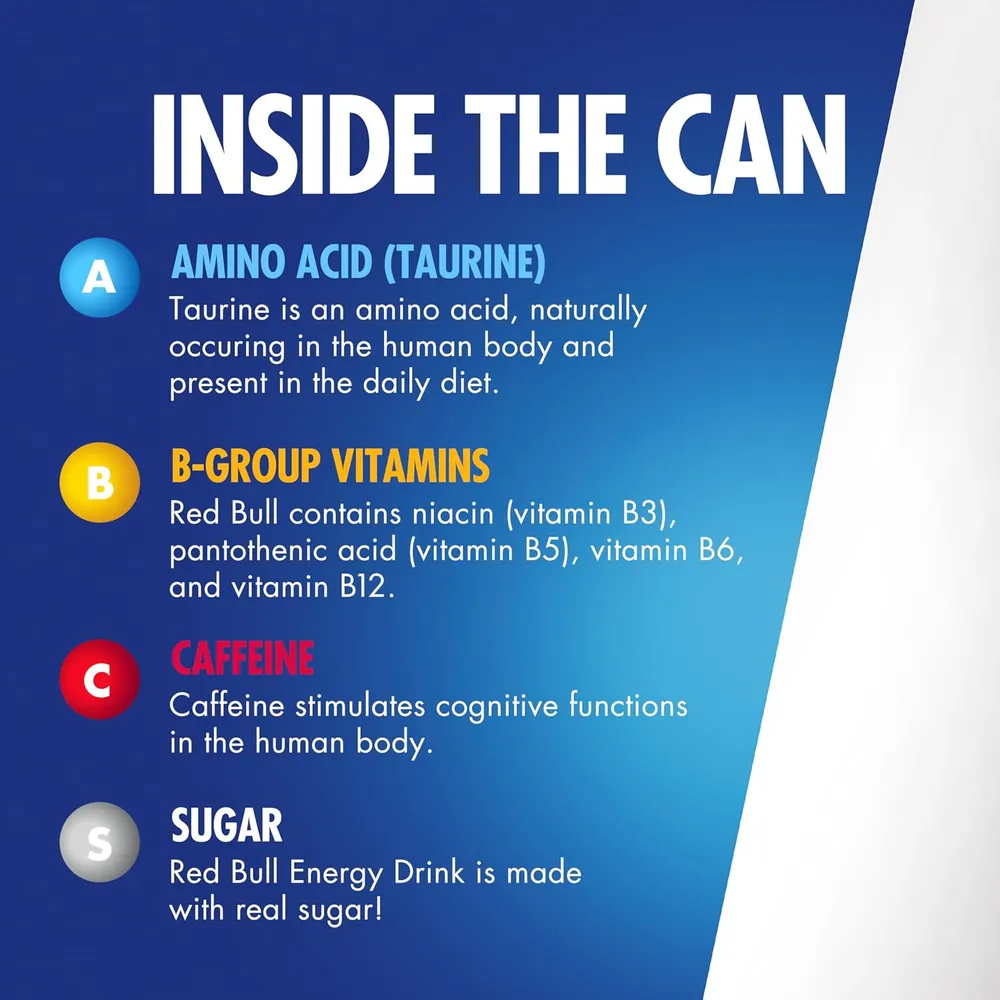
Caffeine does most of the work here. The 12 fl oz can has 114mg, and the 8.4 fl oz can has 80mg. Caffeine blocks the signal that makes you feel tired, so a can mostly shows up as alertness and focus.[1] A broad review found that roughly 40-300mg can improve alertness, vigilance, attention, and reaction time in both rested and sleep-restricted people.[2] A separate review of placebo-controlled studies found caffeine helped on simple and complex attention tasks, and the benefit wasn't just a reversal of caffeine withdrawal.[3]
For training, the ISSN position stand puts the useful performance range at about 3-6mg/kg.[4] For a 70kg person that's 210-420mg, so one 12 fl oz can sits below the usual performance dose. Think of it as a daytime pick-me-up rather than a pre-workout. People also respond very differently: genetics, medications, smoking, and hormones all change how hard caffeine hits.[5]
Two practical notes. A large safety review found that up to 400mg/day wasn't linked to overt adverse effects in healthy adults.[6] Timing matters too, because 400mg taken six hours before bed still disrupted sleep in a crossover study.[7] The can also warns that it isn't recommended for children, pregnant or nursing women, or people sensitive to caffeine.
-
Taurine
Taurine is an amino acid your body makes on its own and keeps in high amounts in the heart, muscles, brain, and retina. Unlike most amino acids, it isn't built into proteins and stays free in your cells.[8] Taurine is fifth on the label, after water, the two sugars, and citric acid. The can doesn't say how much is in it.
The research uses doses you can't line up against this can. A 2025 meta-analysis of 23 trials found that a single 1-6g dose of taurine gave a small-to-moderate boost to exercise performance, and taking more within that range didn't clearly help more.[9] An earlier meta-analysis also found 1-6g improved endurance performance, whether taken once or over several days.[10]
The evidence for brain effects is weaker. A systematic review of eight acute trials found taurine alone gave small, inconsistent cognitive effects at best. Results were more reliable when it was paired with caffeine.[11] A network meta-analysis likewise ranked the caffeine-plus-taurine combination highest for anaerobic capacity and reaction time.[12] A meta-analysis of caffeinated energy drinks credited most of their performance benefit to the caffeine.[13] On safety, taurine has a long track record, and reviews cite 3g/day as an observed safe level.[14]
-
Sugar
Sugar (sucrose) is the second ingredient, right after carbonated water. Digestion splits it into glucose and fructose, and your gut absorbs the two through different transporters, which lets you take in more total carbohydrate than glucose alone allows.[15] That's why endurance athletes like mixed sugars. In a trial with eight trained cyclists, a 2:1 glucose-fructose drink improved time-trial performance by 8% over a glucose-only drink.[16] Sports nutrition guidelines recommend 30-60g of carbohydrate per hour during endurance exercise lasting 1-2.5 hours.[17] Mid-ride, the 38g of sugars in a 12 fl oz can is genuinely useful fuel.
At a desk, the same 38g is just a lot of added sugar. A meta-analysis of 11 cohort studies linked the highest intake of sugar-sweetened drinks (often 1-2 servings a day) with a 26% higher risk of type 2 diabetes. That's an observational link for a whole drink category, not a test of one can.[18] Other reviewers argue that excess total calories, rather than added sugar specifically, explain much of that link.[19] Your teeth are the most consistent concern. Sugars, sucrose above all, are the main dietary cause of cavities, and both how often and how much you consume them matter.[20]
-
Glucose
Glucose is third on the label. You'll also see it sold as dextrose. It's the same sugar that circulates in your blood, so your body can use it right away without converting it first. The label gives 38g of total sugars but doesn't say how much of that is glucose and how much is sucrose.
Glucose is the sugar with the most research in caffeinated drinks. In a crossover study of 20 fasted adults, a full energy drink with 37.5g glucose, 75mg caffeine, and herbal extracts improved memory and attention speed. Glucose alone and caffeine alone didn't reach significance on those measures.[21] In a study of a familiar glucose-and-caffeine soft drink, the active ingredients, not just brand familiarity, kept the alertness and attention benefits going with repeated use.[22]
The lift is short. In one trial, glucose's edge in attention speed was gone by 60 minutes, and working memory dipped compared with placebo at that point.[23] Caffeine can also make blood sugar harder to manage after carbs. In 10 healthy men, caffeinated coffee before a 75g carbohydrate meal sharply raised the blood glucose response compared with decaf.[24] That study used about 5mg/kg of caffeine, well above what one can delivers.
-
Vitamins and Minerals
-
Niacin (as Niacinamide) - ~22mg NE (140% DV)
Niacin comes as niacinamide. Your body turns it into NAD+, a helper molecule your cells use to get energy from food. Niacinamide doesn't cause the skin flush that the nicotinic acid form is known for.[25] The U.S. upper limit is 35mg/day, and one 12 fl oz can stays under it. Two cans go past it, although a large dose-response analysis found niacinamide is generally better tolerated than nicotinic acid.[26]
-
Vitamin B6 (as Pyridoxine HCl) - ~6mg (350% DV)
Vitamin B6 comes as pyridoxine HCl, and it's the vitamin on this label to keep an eye on. Your body converts it to pyridoxal-5'-phosphate, which helps run amino acid and neurotransmitter metabolism. In 2023, EFSA set an adult upper limit of 12mg/day because long-term high intake can cause nerve problems.[27] One 12 fl oz can supplies about half that. Neuropathy reports have included products under 50mg a day, so add up the B6 if you stack cans with a multivitamin or pre-workout.[28]
-
Vitamin B5 (as Calcium Pantothenate) - ~3.5mg (70% DV)
Vitamin B5 comes as calcium pantothenate, a stable form of pantothenic acid. Your body uses it to build Coenzyme A, which your cells need to break down carbs and fat for energy. Deficiency is rare, and no upper limit has been set because B5 toxicity is very low.[29]
-
Vitamin B12 - ~2.9mcg (120% DV)
Vitamin B12 comes in at about 2.9mcg. The label doesn't name the form. B12 supports red blood cell formation and nerve health, and people on plant-based diets are the group most likely to run low.[30] Don't expect to feel it. In people who aren't deficient, a meta-analysis of 16 trials found no effect of B12 or B-complex supplements on cognition or depressive symptoms.[31]
-
-
Flavors
-
Natural and Artificial Flavors
Natural and artificial flavors create the Fuji apple and ginger profile. There's no fruit juice or ginger extract on the label. Under FDA rules, natural and artificial flavors are split by where the compound comes from, not by its chemistry, so the same molecule can end up in either category.[32] Red Bull doesn't list the specific flavor compounds.
-
-
Other Ingredients
- Carbonated Water - The base of the drink and the source of its light fizz.
- Citric Acid - Adds tartness and regulates acidity, which helps a fruit flavor taste brighter.
- Sodium Citrate - A salt of citric acid that buffers the drink's acidity so the tartness doesn't turn harsh. It also contributes to the 125mg of sodium on the label.
- Colors - The label lists "Colors" without naming which ones are used.
8.4 or 12: Choosing Your Can
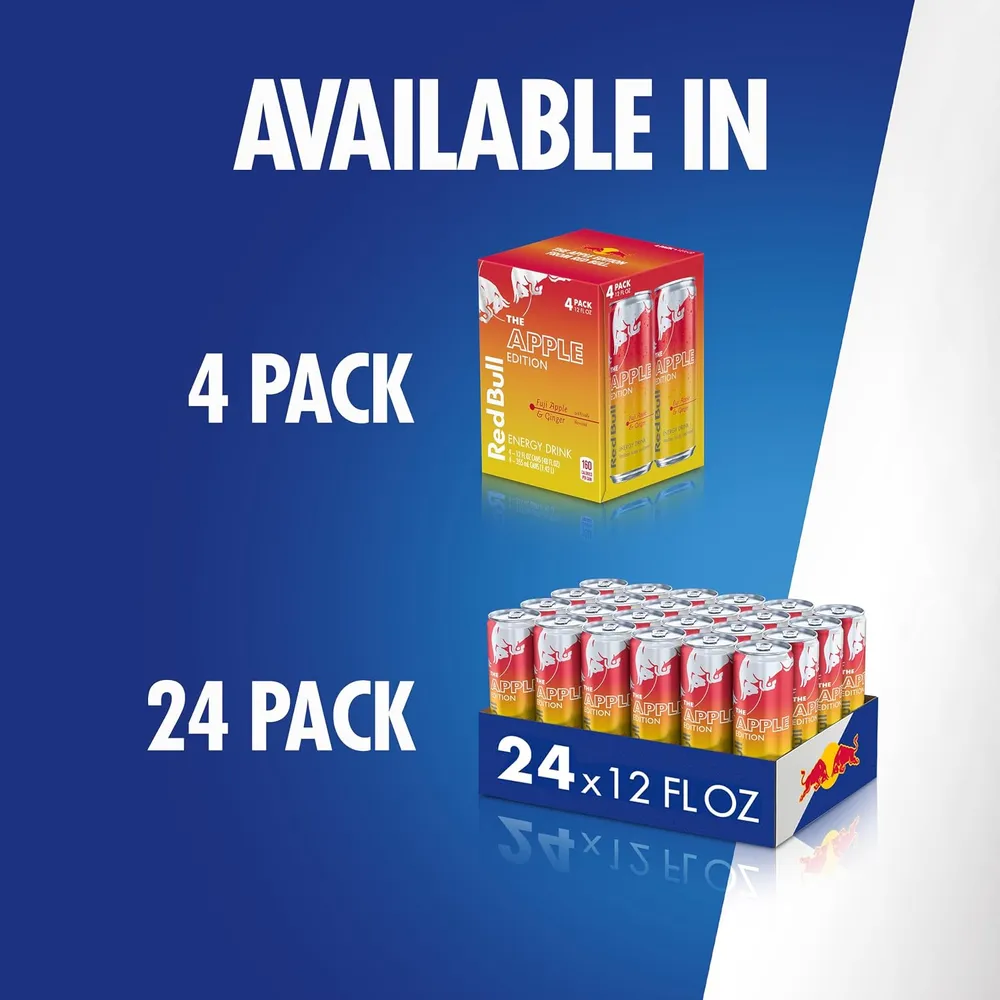
Red Bull sells Apple Edition in two can sizes, 8.4 fl oz and 12 fl oz, and the formula scales evenly between them. The smaller can has 80mg of caffeine and 26g of sugars. The 12 fl oz can has 114mg and 38g. That's about 9.5mg of caffeine per ounce either way, so you won't get more caffeine per sip from the bigger can.
Pick by how much sugar you're willing to drink. If 38g is more than you want, the 8.4 fl oz can cuts sugar by 12g and still gives you 80mg of caffeine, which is inside the 40-300mg range linked to better alertness. Keep the B6 math in mind if Apple Edition becomes a twice-a-day habit, since two 12 fl oz cans put you right around EFSA's daily upper limit.
Fuji Apple and Ginger, Year-Round
Apple Edition was sold as The Winter Edition before Red Bull renamed it and kept it past the cold-weather window. The listings below cover the current sizes and pack options.
- Fuji Apple & Ginger (Not in stock at any PricePlow partner stores)
Classic Red Bull, Apple Flavor
Apple Edition is for Red Bull drinkers who want a Fuji apple and ginger flavor without giving up the formula they already know. With 114mg of caffeine and 38g of fast sugar, it suits a long ride or drive better than a desk session, where the 8.4 fl oz can is the smarter pick. Follow @BevlabMedia on TikTok and Instagram to catch the next Editions drop.
References
- Fredholm, Bertil B. et al. "Actions of Caffeine in the Brain with Special Reference to Factors That Contribute to Its Widespread Use." Pharmacological Reviews, 1999. https://doi.org/10.1016/S0031-6997(24)01396-6
- McLellan, Tom M. et al. "A Review Of Caffeine S Effects On Cognitive Physical And Occupational Performance." Neuroscience & Biobehavioral Reviews, 2016. https://doi.org/10.1016/j.neubiorev.2016.09.001
- Einöther, Suzanne J L, et al. "Caffeine as an attention enhancer: reviewing existing assumptions." Psychopharmacology, 2013. https://doi.org/10.1007/s00213-012-2917-4
- Goldstein, Erica R, et al. "International Society Of Sports Nutrition Position Stand Caffeine And Performance." Journal of the International Society of Sports Nutrition, 2010. https://doi.org/10.1186/1550-2783-7-5
- Nehlig, Astrid. "Interindividual Differences in Caffeine Metabolism and Factors Driving Caffeine Consumption." Pharmacological reviews, 2018. https://doi.org/10.1124/pr.117.014407
- Wikoff, Daniele, et al. "Systematic review of the potential adverse effects of caffeine consumption in healthy adults, pregnant women, adolescents, and children." Food and chemical toxicology : an international journal published for the British Industrial Biological Research Association, 2017. https://doi.org/10.1016/j.fct.2017.04.002
- Drake, Christopher, et al. "Caffeine effects on sleep taken 0, 3, or 6 hours before going to bed." Journal of clinical sleep medicine : JCSM : official publication of the American Academy of Sleep Medicine, 2013. https://doi.org/10.5664/jcsm.3170
- Ripps, Harris, et al. "Review: taurine: a "very essential" amino acid." Molecular vision, 2012. https://pmc.ncbi.nlm.nih.gov/articles/PMC3501277/
- Deng, Hengzhi, et al. "Does One Shot Work? The Acute Impact of a Single Taurine Dose on Exercise Performance: A Meta-Analytic Review." Scandinavian journal of medicine & science in sports, 2025. https://doi.org/10.1111/sms.70123
- Waldron, Mark, et al. "The Effects of an Oral Taurine Dose and Supplementation Period on Endurance Exercise Performance in Humans: A Meta-Analysis." Sports medicine (Auckland, N.Z.), 2018. https://doi.org/10.1007/s40279-018-0896-2
- Moore, Jack A, et al. "Cognitive Effects of Taurine and Related Sulphur-Containing Amino Acids: A Systematic Review of Human Trials and Considerations for Plant-Based Dietary Transitions." Foods (Basel, Switzerland), 2026. https://doi.org/10.3390/foods15040634
- Deng, Hengzhi, et al. "Caffeine and taurine: a systematic review and network meta-analysis of their individual and combined effects on physical capacity, cognitive function, and physiological markers." Journal of the International Society of Sports Nutrition, 2025. https://doi.org/10.1080/15502783.2025.2566371
- Souza, Diego B, et al. "Acute effects of caffeine-containing energy drinks on physical performance: a systematic review and meta-analysis." European journal of nutrition, 2017. https://doi.org/10.1007/s00394-016-1331-9
- Santulli, Gaetano, et al. "Functional Role of Taurine in Aging and Cardiovascular Health: An Updated Overview." Nutrients, 2023. https://doi.org/10.3390/nu15194236
- Fuchs, Cas J, et al. "Fructose co-ingestion to increase carbohydrate availability in athletes." The Journal of physiology, 2019. https://doi.org/10.1113/JP277116
- Currell, Kevin, et al. "Superior endurance performance with ingestion of multiple transportable carbohydrates." Medicine and science in sports and exercise, 2008. https://doi.org/10.1249/mss.0b013e31815adf19
- Thomas, D Travis, et al. "American College of Sports Medicine Joint Position Statement. Nutrition and Athletic Performance." Medicine and science in sports and exercise, 2016. https://doi.org/10.1249/MSS.0000000000000852
- Malik, Vasanti S, et al. "Sugar-sweetened beverages and risk of metabolic syndrome and type 2 diabetes: a meta-analysis." Diabetes care, 2010. https://doi.org/10.2337/dc10-1079
- Rippe, James M, et al. "Relationship between Added Sugars Consumption and Chronic Disease Risk Factors: Current Understanding." Nutrients, 2016. https://doi.org/10.3390/nu8110697
- Sheiham, A. "Dietary effects on dental diseases." Public health nutrition, 2001. https://doi.org/10.1079/phn2001142
- Scholey, Andrew B, et al. "Cognitive and physiological effects of an "energy drink": an evaluation of the whole drink and of glucose, caffeine and herbal flavouring fractions." Psychopharmacology, 2004. https://doi.org/10.1007/s00213-004-1935-2
- Smit, Hendrik J, et al. "Role of familiarity on effects of caffeine- and glucose-containing soft drinks." Physiology & behavior, 2006. https://doi.org/10.1016/j.physbeh.2005.10.017
- Jones, Emma K, et al. "Acute ingestion of different macronutrients differentially enhances aspects of memory and attention in healthy young adults." Biological psychology, 2012. https://doi.org/10.1016/j.biopsycho.2011.12.017
- Moisey, Lesley L, et al. "Caffeinated coffee consumption impairs blood glucose homeostasis in response to high and low glycemic index meals in healthy men." The American journal of clinical nutrition, 2008. https://doi.org/10.1093/ajcn/87.5.1254
- Gasperi, Valeria, et al. "Niacin In The Central Nervous System An Update Of Biological Aspects And Clinical Applications." International Journal of Molecular Sciences, 2019. https://doi.org/10.3390/ijms20040974
- Minto, Clara, et al. "Definition of a tolerable upper intake level of niacin: a systematic review and meta-analysis of the dose-dependent effects of nicotinamide and nicotinic acid supplementation." Nutrition reviews, 2017. https://doi.org/10.1093/nutrit/nux011
- EFSA Panel on Nutrition, Novel Foods and Food Allergens (NDA), et al. "Scientific opinion on the tolerable upper intake level for vitamin B6." EFSA journal. European Food Safety Authority, 2023. https://doi.org/10.2903/j.efsa.2023.8006
- van Hunsel, Florence, et al. "Vitamin B6 in Health Supplements and Neuropathy: Case Series Assessment of Spontaneously Reported Cases." Drug safety, 2018. https://doi.org/10.1007/s40264-018-0664-0
- Freese, Riitta, et al. "Pantothenic acid - a scoping review for Nordic Nutrition Recommendations 2023." Food & nutrition research, 2023. https://doi.org/10.29219/fnr.v67.10255
- Paul, Cristiana, et al. "Comparative Bioavailability and Utilization of Particular Forms of B12 Supplements With Potential to Mitigate B12-related Genetic Polymorphisms." Integrative medicine (Encinitas, Calif.), 2017. https://pubmed.ncbi.nlm.nih.gov/28223907/
- Markun, Stefan, et al. "Effects Of Vitamin B12 Supplementation On Cognitive Function Depressive Symptoms And Fatigue A Systematic Review Meta Analysis And Meta Regression." Nutrients, 2021. https://doi.org/10.3390/nu13030923
- Singh, Nidhi, et al. "Natural food flavours: a healthier alternative for bakery industry-a review." Journal of food science and technology, 2024. https://doi.org/10.1007/s13197-023-05782-4
Tagged